

Business
BDO sounds alarm on 'clean' company black market




syahrir maulana/iStock via Getty Images

The following segment was excerpted from Royce Small-Cap Opportunity Fund FY 2025 Manager Commentary.
Five of the portfolio’s 10 equity sectors made a positive impact on performance in 2025, with Industrials, Information Technology, and Financials making the

Raymond James upgrades Dianthus stock on CIDP trial results


Lego just put up another banner year — with help from a behind-the-scenes secret weapon.
The Danish company on Tuesday reported a 12% jump in revenue to 83.5 billion Danish kroner, or $12.9 billion, for fiscal year 2025. Operating profit rose 18% year over year to 22 billion Danish kroner, or $3.4 billion, the company said.
“When we look at the growth area, it’s kind of pretty broad-based in the sense that it’s not one product or one theme, it’s pretty much across the board,” Lego CEO Niels Christiansen told CNBC.
Lego’s consumer sales jumped 16%, outpacing the overall toy market’s 7% growth over the same period, the company reported. Lego has steadily outperformed the toy industry since the pandemic, growing its market share and its space on retail shelves.
The brickmaker’s secret: a combination of trendspotting and a streamlined supply chain.
Lego has a hearty licensed product line, featuring sets based on a wide range of popular films, TV shows and video games, as well as a substantial number of in-house brands like its flower arrangements, art pieces and architectural structures.
Last year, Lego launched its largest portfolio ever, with more than 860 sets hitting shelves, the company said. Around half of those were new items.
In expanding its catalog of products, Lego has also grown its consumer base. Gateways into the brand such as its line of botanicals — plants, flower bouquets and succulents — and its ongoing partnership with Epic Games — which brings Lego to the digital space and elements from the popular video game Fortnite into the physical world — have encouraged newcomers into the brick-building space, Christiansen said.
Once there, these customers discover other sets and continue building. And it’s not just kids, adult builders are an important piece of Lego’s sales.
Toy experts told CNBC that Lego was ahead of the curve, embracing adults as a key toy consumer long before the industry coined the term “kidult.” Adults buying for themselves account for between 25% and 30% of all global toy sales, according to data from Circana.
“We hit really well on a lot of different type of products and ways of building and passion points,” Christiansen said.
One of the company’s recent additions to the portfolio is its partnership with Formula One auto racing. Lego has been present at F1 races since last season, hosting in-person activities that have included functional, life-size cars and handcrafted trophies made out of bricks for podium finishers.
Formula One cars and a circuit made with Lego are displayed at the 2025 Canadian International AutoShow at the Metro Convention Centre in Toronto, Feb. 21, 2025.
Nurphoto | Getty Images
F1 building sets range from Duplo sets for preschool children, traditional sets for casual builders and Lego Technic sets for more advanced crafters. Additionally, as part of the ongoing relationship between the two brands, Lego has signed on as a team sponsor for an F1 Academy car starting in 2026.
But Lego’s real secret weapon in outpacing the toy industry isn’t as flashy.
Brick by brick
Lego has developed an incredibly efficient supply chain, which allows it to produce products closer to their final retail destination.
For example, right now the company’s Mexico-based factory supplies the Americas, while its Hungary factory helps supply parts of Europe, the Middle East and Africa. Lego recently opened a Vietnam location to service the Asia-Pacific region and is set to open up a new facility in Virginia in 2027.
Christiansen said the new U.S.-based factory will help keep up with the growing demand for product in the Americas.
Lego products are displayed at a Lego store in New York, Aug. 29, 2024.
Spencer Platt | Getty Images
Not only does this make the shipping process more efficient and shorten delivery times for fans, it also reduces costs. Lego can tailor what it’s manufacturing based on regional demand, meaning it’s not creating excess inventory.
Lego can also be more nimble than its competitors during trade disputes or shipping disruptions because its factories are not all concentrated in one area.
“You come out of a year like 2025, and we’ve seen that growth that was beyond our expectations, and … what a mountain to climb,” Christiansen said. “On the other hand, we have really strong momentum. It continues throughout the year and into this year. So, I think we feel good about growing on top of ’25, maybe not to the same growth rate. Our expectation would be high-single-digit, which would be fantastic.”
In 2026, Lego is introducing sets based on the likes of Pokémon, “Lord of the Rings” and The Legend of Zelda, as well as launching its new innovation: the Lego Smart Brick. The new high-tech, two-by-four Lego brick, which is part of several new “Star Wars” sets, contains sensors that react to movement and play sounds and light up when played with.
“So I think there are many different things that should take well throughout the year,” Christiansen said.

Despite the Nifty moving within a narrow band of 24,180–24,215 during the session, banking stocks provided strong support to the market, reflecting selective buying interest. Analysts say the recent dip may have already seen a short-term bottom, although global uncertainties continue to keep traders alert.
Rahul Sharma from JM Financial Services pointed to easing volatility as a key factor behind the improved sentiment. “Yes, so the VIX is down today which is most importantly due to the pullback that we are seeing in oil prices and that should aid the sentiment as well. Yesterday, we did create a panic low in the Nifty around 23,700 and post that it has been only buying that has been seen on the screen and post today’s gap up markets have sustained the 24,000 and above landmark and the way it is set up maybe a bit of volatility here and there but eventually things should gradually improve from here,” he said in an interview to ET Now.
However, he cautioned that markets remain vulnerable to global developments, particularly geopolitical tensions. “So, we are doing a very selective approach in this kind of a market, stay away from the high beta names because the market is still probably not out of the woods. War is something that we are not good at predicting.”
In the current environment, Sharma believes defensive sectors are the safest bet for traders. “So, in this kind of a market it is best to stick to defensives and one defensive space in this kind of a market is clearly pharma. So, pharma index continues to impress on the long side, that is one index which has not seen the brunt of selling pressure and today we seeing a good pull back happening in the pharma space.”

Several pharmaceutical stocks are showing strong technical setups, he noted. “So, the likes of Aurobindo Pharma is coming out from a multi-week like resistance. We are seeing Glenmark giving a breakout, today being the top performer in the pharma space. We are also seeing Sun Pharma also similarly positioned very well. So, it is best to get into a basket of pharma stocks for the trading perspective unless and until global volatility does not stabilise, it is best to stick to this pharma space.”
According to Sharma, a major shift in market sentiment would likely depend on geopolitical developments. “And for Nifty to sort of turn the tables and for a big reversal in place, this has to be a major ceasefire announcement which comes from the Middle East.”Given the unpredictable environment, he recommends a shorter trading horizon. “So until then, it is best to stick to pharma and Nifty, it is better to be a day trader in this kind of a market than to look at carrying positions and seeing gap ups and gap downs sort of ruin your trades in case you happen to be on the wrong side.”
From a strategic standpoint, Sharma highlighted a key support level for the benchmark index. “Yes, so as a strategy, Nifty crucial level to keep an eye on is 23,500. Yesterday, we came close to that. Let us say due to volatility if that level does emerge, that is a very good level to get into like top up your portfolios and get into Nifty ETFs, get into, in fact, midcap Nifty ETFs as well.”
He also remains constructive on select public sector names. “And banking as we have known PSU banks are the best placed setup even after this correction, so something like an SBI remains a strong buy in this kind of a volatility and we feel that the stock should be back to where it was a few days back.”
For now, the market’s leadership appears to be concentrated in a few resilient pockets. “So, PSU banks, apart from that public sector enterprises, and pharma these are the three sectors where we are looking for opportunities on the long side,” Sharma said.
With volatility still a key feature of the current market environment, experts suggest that investors remain selective and focus on sectors that are demonstrating relative strength while keeping a close watch on global developments.


StanChart, Morgan Stanley push BoE rate cut calls to second quarter on Mideast conflict


South Korea says can deter threats if US weapons redeployed to Middle East

A growing number of businesses are paying cybercriminals after ransomware attacks, as hackers deploy artificial intelligence to make their tactics more targeted, sophisticated and damaging.
New research from cybersecurity consultancy S-RM and advisory firm FGS Global shows that 24.3 per cent of companies targeted by ransomware attacks paid the demanded ransom in 2025, marking a sharp increase from 14.4 per cent in 2024.
The figures represent the first significant rise in ransom payments after two years of decline. In 2023, about 16.4 per cent of affected organisations paid, while the peak came in 2022 when 27.6 per cent of victims settled with attackers.
Although the latest numbers remain below that high point, the jump suggests cybercriminals are becoming increasingly successful at pressuring companies into handing over money.
Cybersecurity experts say artificial intelligence is rapidly reshaping how ransomware attacks are planned and executed.
Hackers are now able to use AI tools to scan vast amounts of stolen or publicly available data, allowing them to identify the most sensitive information belonging to a target organisation. By focusing on data that could cause the greatest reputational, financial or operational damage if exposed, attackers are able to increase pressure on victims to pay.
Jamie Smith, head of cybersecurity at S-RM, said criminals were increasingly relying on AI to refine their strategies.
“Attackers are using AI to find the most sensitive information that could cause maximum damage,” he said. “Threats are becoming far more specific and personalised, designed to maximise the victim’s fear and willingness to pay.”
This evolution has made ransomware attacks more difficult for companies to defend against, particularly for organisations with large volumes of sensitive data.
The report also sheds light on the scale of payments being demanded by cybercriminal groups.
According to the study, ransom payments in 2025 ranged from as little as $10,000 to more than $1 million, with the average payment reaching $296,000.
However, cybersecurity specialists warn that the total cost of a ransomware attack often extends far beyond the ransom itself. Businesses frequently face operational disruption, regulatory scrutiny, reputational damage and the expensive process of rebuilding compromised IT systems.
Many organisations also incur costs related to legal advice, customer notifications and forensic investigations after an attack.
The research suggests that industrial and manufacturing companies were particularly likely to pay ransoms during the past year.
This trend appears to be driven by the severe operational disruption ransomware attacks can cause in sectors that rely heavily on continuous production.
Factories, logistics systems and supply chains can grind to a halt if core IT infrastructure becomes inaccessible. In such situations, businesses sometimes view paying a ransom as the quickest way to restore operations and avoid prolonged shutdowns.
One high-profile cyber incident involved Jaguar Land Rover, whose factories around the world were forced to shut down for the entire month of September after its IT systems were compromised.
Major UK retailers were also targeted in 2025, including Marks & Spencer and Co-op. None of the companies has publicly confirmed whether a ransom was paid.
One of the biggest challenges in measuring ransomware activity is that many companies refuse to disclose whether they have paid hackers.
Security specialists say businesses often fear that publicly admitting to ransom payments could make them more attractive targets for future attacks.
Criminal groups may interpret payment as a sign that a company has both the resources and willingness to comply with demands.
As a result, ransomware incidents are often kept confidential, with payments handled through private negotiations involving cybersecurity consultants, insurers and specialist crisis advisers.
While artificial intelligence is helping companies automate operations and improve efficiency, experts warn it is also opening up new vulnerabilities that cybercriminals are eager to exploit.
Jenny Davey, co-head of crisis management at FGS Global, described the technology as a “double-edged sword”.
“While AI can drive efficiency and performance across the business, it can also open up new attack vectors for cybercriminals to exploit,” she said.
The rapid adoption of AI tools across corporate systems means organisations must invest heavily in cybersecurity and staff training to avoid creating new entry points for attackers.
The rise in ransomware payments highlights the growing importance of cyber resilience for businesses across every sector.
Experts say companies must go beyond traditional IT security measures and adopt a broader approach that includes employee awareness, robust data protection practices and detailed incident response plans.
This includes maintaining secure backups, limiting access to sensitive information and regularly testing systems against potential cyber threats.
As ransomware attacks become more sophisticated, and increasingly powered by artificial intelligence, businesses face mounting pressure to strengthen their defences before becoming the next target.

Amy Ingham
Amy is a newly qualified journalist specialising in business journalism at Business Matters with responsibility for news content for what is now the UK’s largest print and online source of current business news.

Amidst repatriations and a gradual return to operations, air traffic is slowly picking up as several airlines begin reopening some of their routes.
The recovery is starting timidly in the Middle East. After several days of paralysis, long-haul air traffic is gradually resuming. On Friday, several Emirati airlines relaunched some of their international routes, particularly to Europe, with reduced schedules.
Key Points
- Etihad Airways (Abu Dhabi): Restarted limited commercial flights from March 6–19 to over 70 destinations including Paris, London, New York, and Tel Aviv. Prices are unusually high — €1,900–2,000 for economy one-way, compared to €350–650 normally.
- Emirates (Dubai): Operating reduced services to 82 destinations such as Sydney, Singapore, and New York, aiming to restore its full network soon. Transit passengers are only accepted if their connecting flights are confirmed.
- Qatar Airways (Doha): Doha’s hub remains closed, but the airline is running emergency flights from Oman and Saudi Arabia.
- Capacity & Safety: Dubai International Airport is running at about 25% of normal traffic. The European Aviation Safety Agency (EASA) has extended its high-risk advisory until March 11.
- Repatriation Efforts: France and other states are organizing special flights to bring citizens home. Over 15,000 people, including many French nationals, have already been evacuated.
- Future Outlook: The crisis raises questions about the vulnerability of Gulf hubs and whether ultra-long-range aircraft could shift demand toward more direct flights.
Abu Dhabi-Paris flights available again
Abu Dhabi-based Etihad Airways announced on Friday the resumption of a limited commercial flight schedule. From March 6 to 19, the carrier plans rotations between the capital of the United Arab Emirates and more than 70 destinations including London, Paris, Frankfurt, Delhi, New York, Toronto and Tel Aviv.
Another major player in the Gulf, Emirates has also started to revive its rotations. The Dubai-based airline is currently operating a reduced schedule to 82 destinations, including London, Sydney, Singapore and New York, with the aim of “a return to 100% of its network” in the coming days. For now, the operator only accepts passengers transiting through Dubai if their connecting flight is maintained.
The situation remains more uncertain for Qatar Airways. The hub in Doha, Qatar, remains closed. However, the company continues to organize relief flights from Oman and Saudi Arabia to allow passengers to move in the region.
For the time being, activity at Dubai International Airport remains much lower than normal. According to data from the air tracking site Flightradar24, the hub – usually one of the busiest in the world – is still operating at only about 25% of its usual capacity. The European aviation safety regulator (EASA) has also extended its high-risk warning until 11 March.
Other People are Reading
Jack McGinn and Tom Zaunmayr discuss how an innovative building practice could solve housing issues in the Pilbara.
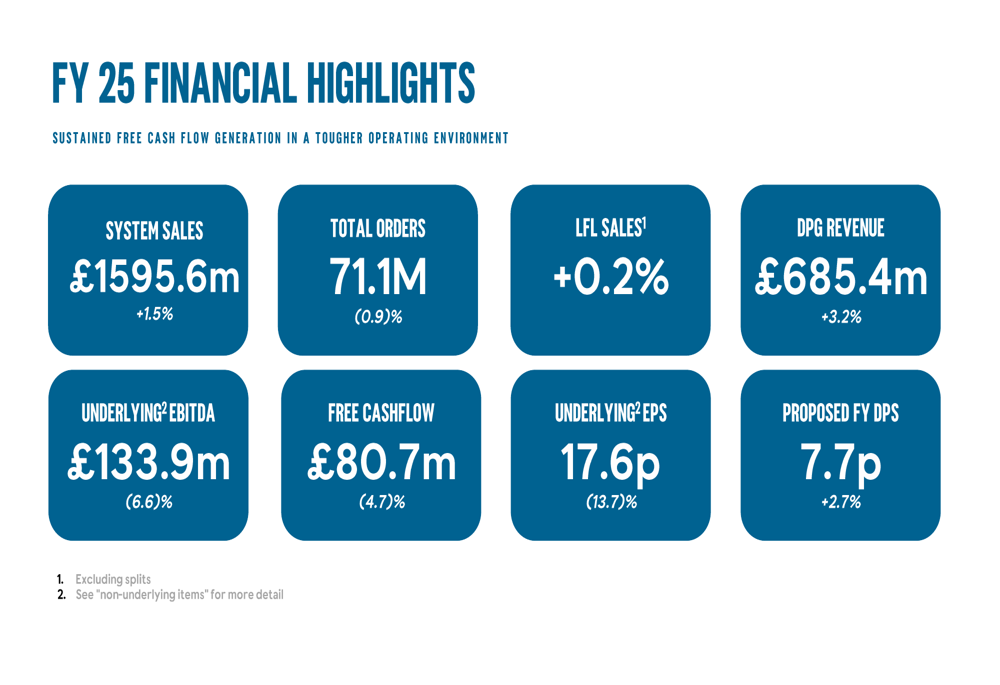
Domino’s FY 2025 slides: market share soars to 52.6% amid margin pressure
The House Opinion Article | The Professor Will See You Now: Waka

Jasmine Crockett’s Failed Senate Campaign Expenses Revealed

How Bitcoin Could Get To $10 MILLION Per Coin


-
Business4 days ago
Form 8K Entergy Mississippi LLC For: 6 March
-

 Fashion4 days ago
Weekend Open Thread: Ann Taylor
-

 News Videos21 hours ago
10th Algebra | Financial Planning | Question Bank Solution | Board Exam 2026
-

 Crypto World18 hours ago
Paradigm, a16z, Winklevoss Capital, Balaji Srinivasan among investors in ZODL
-

 Tech5 days ago
Bitwarden adds support for passkey login on Windows 11
-
 Sports5 days ago
499 runs and 34 sixes later, India beat England to enter T20 World Cup final | Cricket News
-

 Sports3 days ago
Three share 2-shot lead entering final round in Hong Kong
-

 Sports2 days ago
Braveheart Lakshya downs Lai in epic battle to enter All England Open final | Other Sports News
-

 Business6 days ago
Guthrie Disappearance Enters Fifth Week as Family Visits Memorial
-

 Politics4 days ago
Top Mamdani aide takes progressive project to the UK
-

 NewsBeat5 days ago
Piccadilly Circus just unveiled ‘London’s newest tourist attraction’ and it only costs 80p to enter
-

 Entertainment3 days ago
Hailey Bieber Poses For Sexy Selfies In New Luscious Lip Thirst Traps
-

 Business2 days ago
Search for Nancy Guthrie Enters 37th Day as FBI Probes Wi-Fi Jammer Theory
-
 NewsBeat9 hours ago
Pagazzi Lighting enters administration as 70 jobs lost and 11 stores close across Scotland
-

 Tech19 hours ago
Despite challenges, Ireland sixth in EU for board gender diversity
-

 Crypto World5 days ago
New Crypto Mutuum Finance (MUTM) Reports V1 Protocol Progress as Roadmap Enters Phase 3
-
 Tech5 days ago
ACIP To Discuss COVID ‘Vaccine Injuries’ Next Month, Despite That Not Being In Its Purview
-
Entertainment5 days ago
Harry Styles Has ‘Struggled’ to Discuss Liam Payne’s Death
-

 Business14 hours ago
Search Enters 39th Day with FBI Tip Line Developments and No Major Breakthroughs
-
 NewsBeat5 days ago
Good Morning Britain fans delighted as Welsh presenter returns to host ITV show