



Liv Morgan reacted to a Judgment Day member’s hilarious message ahead of tonight’s episode of WWE SmackDown. Morgan will be competing in a major title match at WrestleMania later this month in Las Vegas.
Raquel Rodriguez shared a hilarious Instagram update today featuring several videos. A couple of the videos featured her parrot, and another one showed her shouting at the crowd at a WWE event about how much Dominik Mysterio and Morgan loved each other. You can check out her hilarious Instagram post below.
Thanks for the submission!
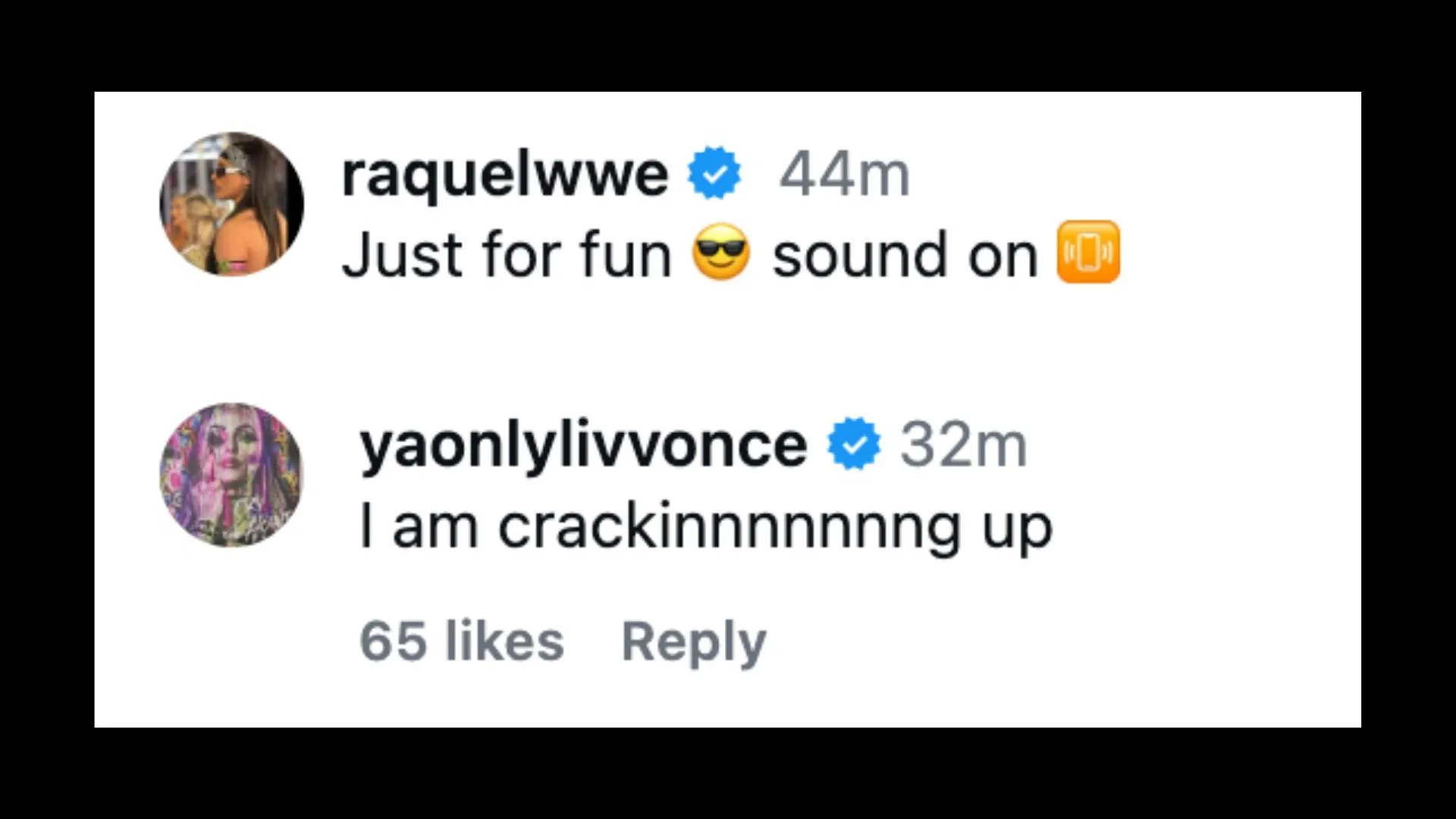
“Just for fun 😎 sound on 📳,” she said.
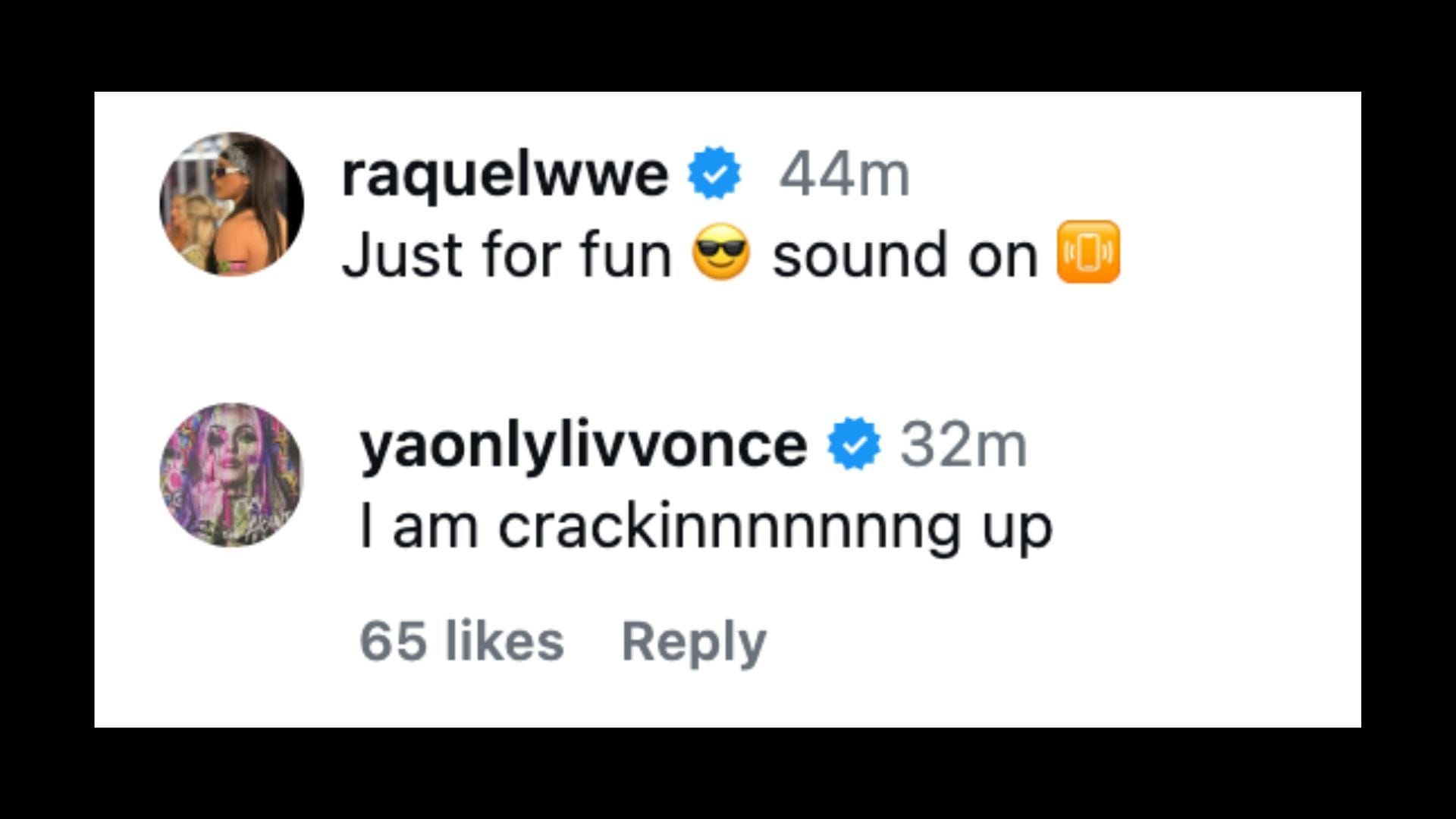
Liv Morgan reacted to Rodriguez’s post and shared that she was cracking up. You can check out Morgan’s message in the image below.
“I am crackinnnnnnng up,” she wrote.
The 31-year-old won the Women’s Royal Rumble match earlier this year in Saudi Arabia and will be challenging Stephanie Vaquer for the Women’s World Championship at WWE WrestleMania 42. Vaquer captured the title by defeating IYO SKY at Wrestlepalooza 2025.
Current WWE champion calls out Liv Morgan for a dream match
A major WWE champion recently called out Liv Morgan for a dream match in the promotion.
Speaking with Tim Hann Rivera, NXT Women’s Champion Jacy Jayne named Morgan as her dream opponent. The champion noted that they were both from New Jersey and suggested that they would have good chemistry with each other in the ring. Jayne added that the two stars had never worked together in the past.
“I’d love to work with Liv Morgan. We’re both from Jersey. We have very similar styles. I feel like we would just have really good chemistry. I’ve never actually touched her or wrestled with her, but I just have a feeling that we would have a really great connection,” Jayne said.
Morgan is in a storyline relationship with Dominik Mysterio on RAW. The Judgment Day recently betrayed Finn Balor and kicked him out of the faction. Mysterio and Balor will be squaring off in a singles match at WrestleMania 42. It will be interesting to see if Morgan can defeat Vaquer to become the new Women’s World Champion at The Show of Shows.
Read all the hottest WWE news from Sportskeeda by choosing us as your preferred source. Click HERE.
Edited by Robert Lentini









































You must be logged in to post a comment Login