Connect with us

Politics

100% Of UK Women Under 25 Are Scared To Travel Solo

Published

on

100% Of UK Women Under 25 Are Scared To Travel Solo

Appetite for solo travel among women isn’t showing any signs of slowing – last year, tour operator Jules Verne said solo travellers accounted for 46% of bookings, with almost 70% of these bookings coming from women.

But while appetite is clearly there, that’s not to say women feel safe when they do travel alone. Far from it.

A new survey conducted by hospitality company The Social Hub, along with Opinion Matters, as part of their “Room For Her” campaign, has found that 100% of women aged 18-24 from the UK say they fear travelling alone.

Advertisement

In the study, which polled 2,000 women from eight countries in the UK and Europe, 80% of women aged 25-45 agreed they worried about their personal safety while travelling solo.

What else did the survey find?

  • Only 12% of women aged 45-54 travelling for business said they felt “very safe”.
  • 40% of 18-24-year-old women say they “don’t feel safe at all” after it gets dark on their travels,
  • 29% of women surveyed reported being “followed or watched” while solo travelling (that figure rose to 41% for women age 18-24).
  • 16% of women surveyed said they’d experienced physical abuse or assault while solo travelling.
  • 57% of women said 24/7 hotel staff would make them feel safer.
  • 45% said better lighting would help.

These are “eye-opening” results

A 2024 National Police Chiefs’ Council report declared violence against women and girls a “national emergency” in England and Wales, with a possibly low estimate of about two million women and girls targeted a year.

Amber Westerborg, a director of sustainability and impact at The Social Hub, said she hopes the survey encourages the hospitality industry “to start talking and take action, ensuring safe travel for all”.

Advertisement

“The results are eye-opening and shine a light on a real problem across the industry,” she said.

“Women should not have to change their behaviour, limit their ambition or decline an opportunity because they don’t feel safe.”

Source link

Advertisement
Continue Reading
Click to comment

Leave a Reply

Your email address will not be published. Required fields are marked *

Politics

Climate activists demand Miliband kills off Rosebank oil and gas project

Published

on

Climate activists demand Miliband kills off Rosebank oil and gas project

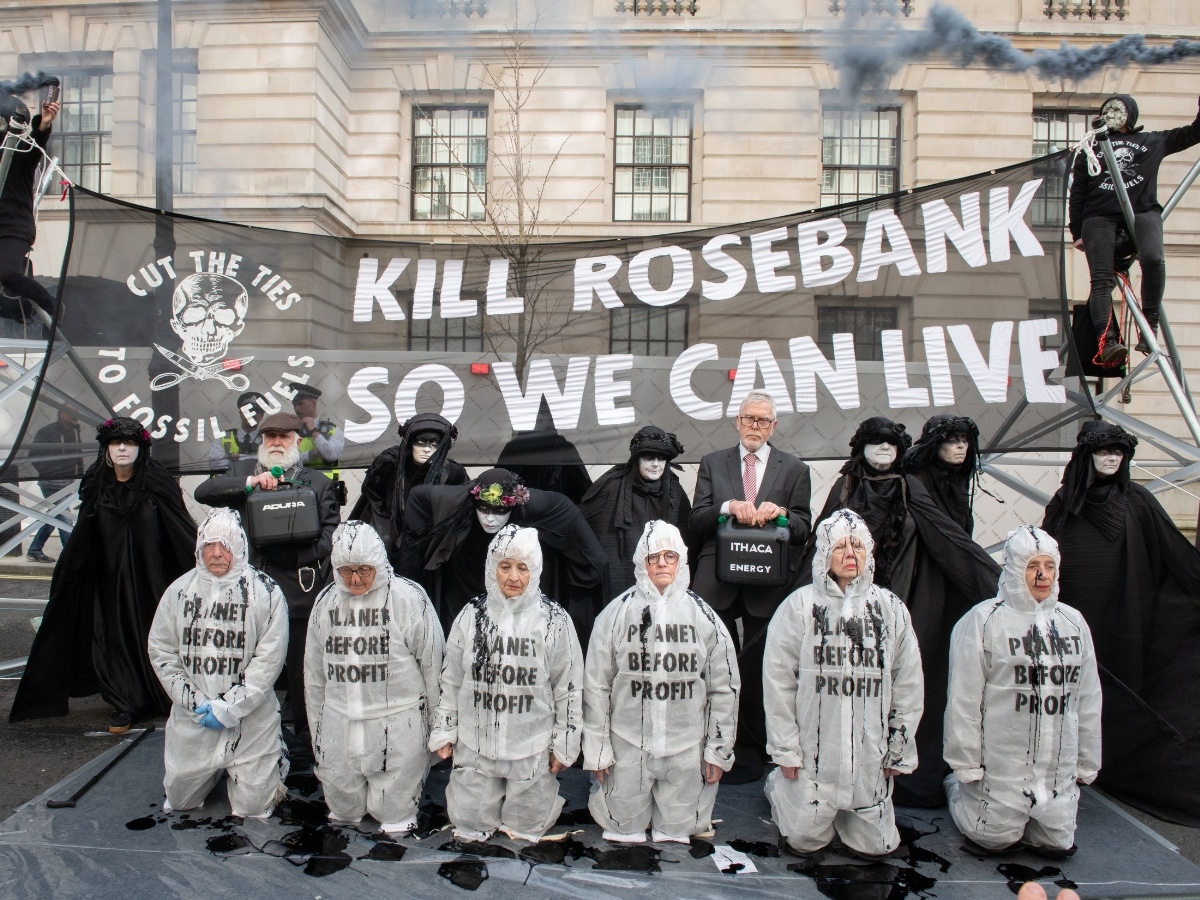
On 12 March dozens of Cut The Ties To Fossil Fuel activists occupied the road outside the Department for Energy Security and Net Zero (DESNZ) in London. They used 4-metre ‘oil rigs’ to stretch out a banner demanding “KILL ROSEBANK SO WE CAN LIVE”.

The street filled with smoke and the sound of drums as a line of activists knelt in front of the DESNZ office. Others poured oil over them from containers labelled Adura and Ithaca. The Oil Slicks performance art group was there too, accompanied by a giant ‘Big Oil’ figure.

Secretary of state Ed Miliband is due to make a decision imminently on whether the controversial Rosebank oil and gas field can go into production. Rosebank is the UK’s largest undeveloped oil field and burning its fossil fuel reserves would emit 254m tonnes of CO2. This makes it incompatible with the UK’s 2050 net zero target.

Ali Fleming, an educator from London who is taking part at the action said:

Advertisement

The decision on Rosebank is a stark choice between reckless profit and survival. We ask Ed Miliband not to lose sight of that, whatever the pressure from lobbyists or other government departments.

Climate change is an existential threat and the science is clear; there can be no new oil and gas developments if we are to avoid the climate tipping into an unrecoverable ‘hothouse earth’ state.

Rosebank won’t lower energy bills

If Rosebank gets the green light, the owners will sell the oil on the international market. Around 80% of all UK oil goes for export. So Rosebank won’t lower our energy bills or add to the UK’s energy security.

However the UK public could carry 91% of the cost of developing Rosebank (£3bn) due to generous tax rebates. NGO Uplift calculates that the gap between the tax breaks and the predicted tax payments from sales profits mean the UK exchequer can expect a net loss of more than £258m over the life of Rosebank. And the recent addition of Shell as co-owner could also potentially cost the exchequer £1.3bn.

Also at the action, Dr Ines Smyth, a retired humanitarian worker from Oxford, said:

Advertisement

Ithaca Energy is owned by the Delek Group, an Israeli fuel conglomerate that is linked to violence and the dispossession of Palestinians as it profits from illegal settlements in the West Bank. Delek literally fuels the ongoing genocide by supplying the Israeli occupation forces as they continue to commit war crimes in Gaza.

Approving Rosebank could mean £200m in profits flowing to Delek. Competition over oil and gas also fuels wider conflicts, so cutting ties to fossil fuel will help bring much needed peace and stability to the world.

Rosebank sits 80 miles north-west off the Shetland Isles. A planned gas pipeline would cut through the Faroe-Shetland Belt Marine Protected Area, threatening its unique ecosystem including endangered species of dolphins, whales and fish. Oil spills, construction drilling and seismic work would all have a negative effect on this fragile ecosystem which is already under pressure from climate change.

Also present, Susan Hampton, a writer from Berkhamsted, said:

We are at the point where we must see emissions peak and begin to fall or the planet will overheat with horrendous consequences.

North Sea oil industry jobs have halved in a decade. Propping up this declining industry is just throwing good money after bad; it would only delay the transition to clean energy which is where the growth in the energy market is anyway.

Advertisement

Killing off Rosebank would be a vital win for the planet, as well as a win for clean jobs. We urge Ed Miliband to do the right thing: cut the ties to fossil fuels and kill Rosebank so we can live.

There were two arrests at the protest. Police charged Jessica Upton from Oxford and Alison Fleming from London with Obstruction of the Highway. This came as they descended from the tripods (‘oil rigs’) they were occupying during the protest.

Featured image via Gareth Morris / Cut the Ties

Advertisement

Source link

Continue Reading

Politics

Second horse dies at Cheltenham Festival – the 80th since 2000

Published

on

Second horse dies at Cheltenham Festival - the 80th since 2000

A second horse, HMS Seahorse died at this year’s Cheltenham Festival after sustaining a fatal injury on 11 March. This has reinforced calls by national animal welfare charity the League Against Cruel Sports for a public boycott and government intervention.

It brings the death toll at the Cheltenham Festival to 80 horses since the turn of the century with Animal Aid figures showing a horse dying at every single festival since the year 2000.

The death of HMS Seahorse follows the death of Hansard earlier in this year’s Cheltenham event.

At last year’s festival two horses also died. Springwell Bay was the first casualty before Corbetts Cross died in the festival’s flagship Gold Cup event.

Advertisement

Emma Slawinski, chief executive at the League Against Cruel Sports, said:

Every year horses are raced to their deaths at the Cheltenham Festival and while the death of HMS Seahorse will sadden all animal lovers, tragically it is not a surprise.

The death toll of 80 horses at Cheltenham festival since the turn of the century is simply staggering.

If this death toll happened in any other sport there would be a huge outcry so why is it any different for horses.

Slawinski added:

Advertisement

We are calling on the public to boycott the Cheltenham Festival by staying away, not betting on the races or watching the ITV coverage and advertising which accompanies it.

The government promised the biggest boost for animal welfare in a generation and now it needs to deliver by tackling the terrible death toll at Cheltenham and introducing tighter safety measures in horse racing and banning the use of the whip.

Featured image

Source link

Advertisement
Continue Reading

Politics

DWP bullshit propped up by mainstream media

Published

on

DWP bullshit propped up by mainstream media

The shitrag corporate media are fueling more lies about disabled people defrauding the Department for Work and Pensions (DWP) benefits system, this time it’s involving AI.

Media doing the DWP’s job for them

The i Paper ran with the story:

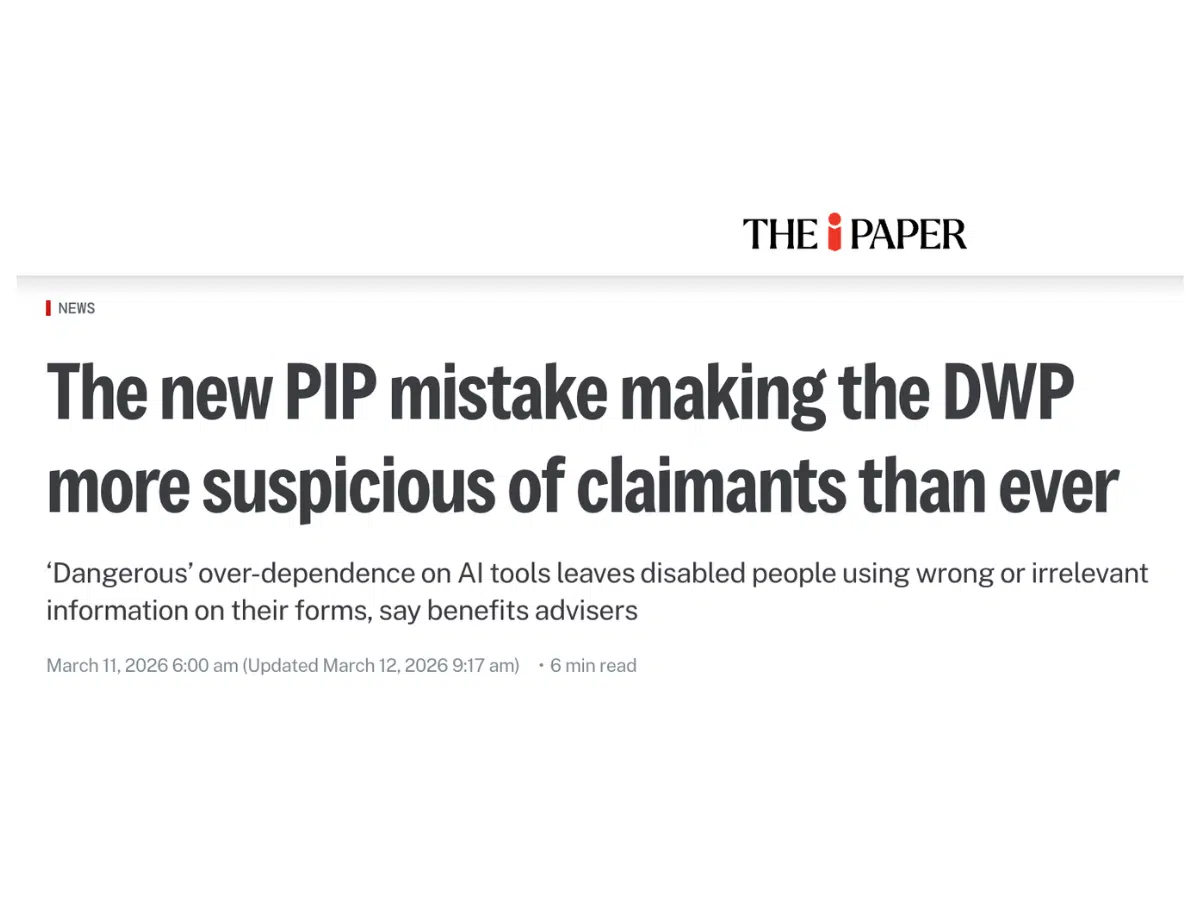
The new PIP mistake making the DWP more suspicious of claimants than ever

‘Dangerous’ over-dependence on AI tools leaves disabled people using wrong or irrelevant information on their forms, say benefits advisers

Basically more DWP propaganda about how disabled people are trying to cheat their way to stealing taxpayers money.

Advertisement

If you look deeper into the story this becomes even clearer. And as usual it’s all an exercise to excuse the DWP’s own failures and bullshit.

The i continued:

The DWP is currently engaged in a Freedom of Information (FOI) battle to prevent the release of training manuals that PIP assessors use with “hidden” conditions, such as Chronic Fatigue Syndrome.

According to FOI documents, the Government has argued that people may use them in combination with AI tools to “craft responses or scripts that mirror the exact requirements needed to score highly”.

The real story here is that the DWP thinks people may fake kidney failure using their own guidance. But now that’s being picked up by the mainstream media, they’re seemingly trying to cover their tracks even more. Conveniently they’ve also thrown AI into the mix, which is a hot topic at the minute.

Advertisement

It also needs pointing out that the FOI battle the DWP are locked in is about the severe conditions criteria (SCC) for the Work Capability Assessment, not PIP. But why let that spoil a good “disability fakers are at it again” story.

This is obviously just another iteration of “fraudsters sharing tricks on TikTok”, but of course the disability hating media lapped it up.

Media missing the point, again

Thankfully the i also featured benefits experts who politely called out the media’s bullshit. However they mainly shared the same viewpoint and expressed concern for people doing this. The worries included that people relying too heavily on ChatGPT will accidentally include false information that could either make them commit fraud or stop them getting benefits.

In one absolutely absurd part of the article, Michelle Cardno, founder of Fightback4Justice claims it will hinder assessment because:

Advertisement

Assessors want a complete picture – good days and bad days

This is so laughably, demonstrably untrue that anyone who’s gone through an assessment can tell you the reviews completely lack nuance.

The article, however, never once addressed why people feel that they have to use AI. Mainly that the PIP is such a difficult benefit to qualify for that unless you say the exactly right thing you risk losing support. The system is so stringent that it doesn’t allow for chronic illness fluctuations. There’s also the fact that the form is 40 pages long. For someone with limited energy or conditions affecting their intellectual abilities, it feels deliberate.

AI undoubtedly can be bad news and for someone in a creative industry, it’s terrifying how much it’s being relied on. However, for disabled people it can be an important accessibility tool.

AI can be used to create summaries, make your tired ramblings make sense and translate voice notes to text. Whilst AI is definitely causing harm, we also can’t ignore that when used in circumstances like this, instead of shitty art, it has a place.

Advertisement

And when you’re already up against it in a system which wants to trip you up whilst claiming to support you, any tools that make that easier can’t be disregarded.

DWP are hypocrites

What’s missing from this that once again is that DWP are hypocrites. Because while they don’t want people using AI to fill in the forms, they use AI to make benefits decisions. This is despite findings that AI use is much more likely to target vulnerable claimants.

This is clearly just another in a long line of the media doing the government’s job for them when it comes to turning the public against disabled people. And as usual the media is more than happy to use us for clicks.

Featured image via screenshot

Advertisement

Source link

Continue Reading

Politics

US-Israel displaces 3.2 million people

Published

on

US-Israel displaces 3.2 million people

The unprovoked US-Israel attack on Iran has displaced 3.2mn people, according to the United Nations (UN). And the Iranian Red Crescent has said over 17,000 homes have been damaged. The war is less than two weeks old.

The US and Israel attacked Iran first on 28 February without provocation. Iran was offering unprecedented concessions in negotiations at the time. The Pentagon has since stated there was no imminent threat from Iran. And the UN’s atomic watchdog, the IAEA, has said there is no evidence Iran was developing a nuclear weapon.

The UN’s refugee agency said on 12 March:

Between 600,000 and 1 million Iranian households are now temporarily displaced inside Iran as a result of the ongoing conflict, according to preliminary assessments, representing up to 3.2 million people.

The agency added:

Advertisement

Most of them are reportedly fleeing from Tehran and other major urban areas towards the north of the country and rural areas to seek safety. This figure is likely to continue rising as hostilities persist, marking a worrying escalation in humanitarian needs.

Iran: Afghans taking refuge targeted again

In a perverse twist, Afghans who had taken refuge in Iran have again become victims of US aggression:

Also affected are refugee families hosted in the country, mostly Afghans, who are particularly vulnerable, given their already precarious situation and limited support networks. Families are leaving affected areas amid rising insecurity and limited access to essential services.

The scale of displacement is also reflected in remarkable Iranian Red Crescent figures for homes and businesses struck by US or Israel bombing. Iranian Red Crescent Society chief Pirhossein Kolivand said on March 12 2026 that:

17,300 residential units, 4,120 retail spaces, and 160 healthcare facilities were affected.

Kolivand reported

that nine hospitals ceased operations due to military airstrikes conducted by the U.S. and Israel.

Adding that:

Advertisement

69 schools, 16 Red Crescent centers, 21 rescue vehicles, and 19 ambulances had been hit.

The US-Israeli war has careened out of control with no apparent plan in place. Even after assassination strikes, meant to trigger the collapse of Iran’s government, Iran is apparently stable and capable of fighting back. US president Donald Trump faces resistance at home too.

Senator Chris Murphy said on 12 March:

Everything Israel does is made possible by U.S. support and weapons. Israel should not be telling us when to wage war on Iran. What kind of partnership is this?

US reporter Ken Klippenstein counted 18 countries that have been pulled into the war so far. With the vital Strait of Hormuz at least partly shut, the world economy is under serious strain.

And sources within the Trump administration have estimated:

that the first six days of the war on Iran had cost the United States at least $11.3 billion.

With no obvious off-ramp, and not much visible will to try and find one, the Trump administration looks increasingly stuck. Trump does not want to lose face, yet Iran is unlikely to capitulate or enter talks. The US attacked during productive good-faith negotiations, after all. In the meantime, homes, businesses and people in Iran continue to be bombarded.

Featured image via the Canary

Advertisement

Source link

Advertisement
Continue Reading

Politics

Trussell food banks provided over 2.6 million food parcels in 2025

Published

on

Trussell food banks provided over 2.6 million food parcels in 2025

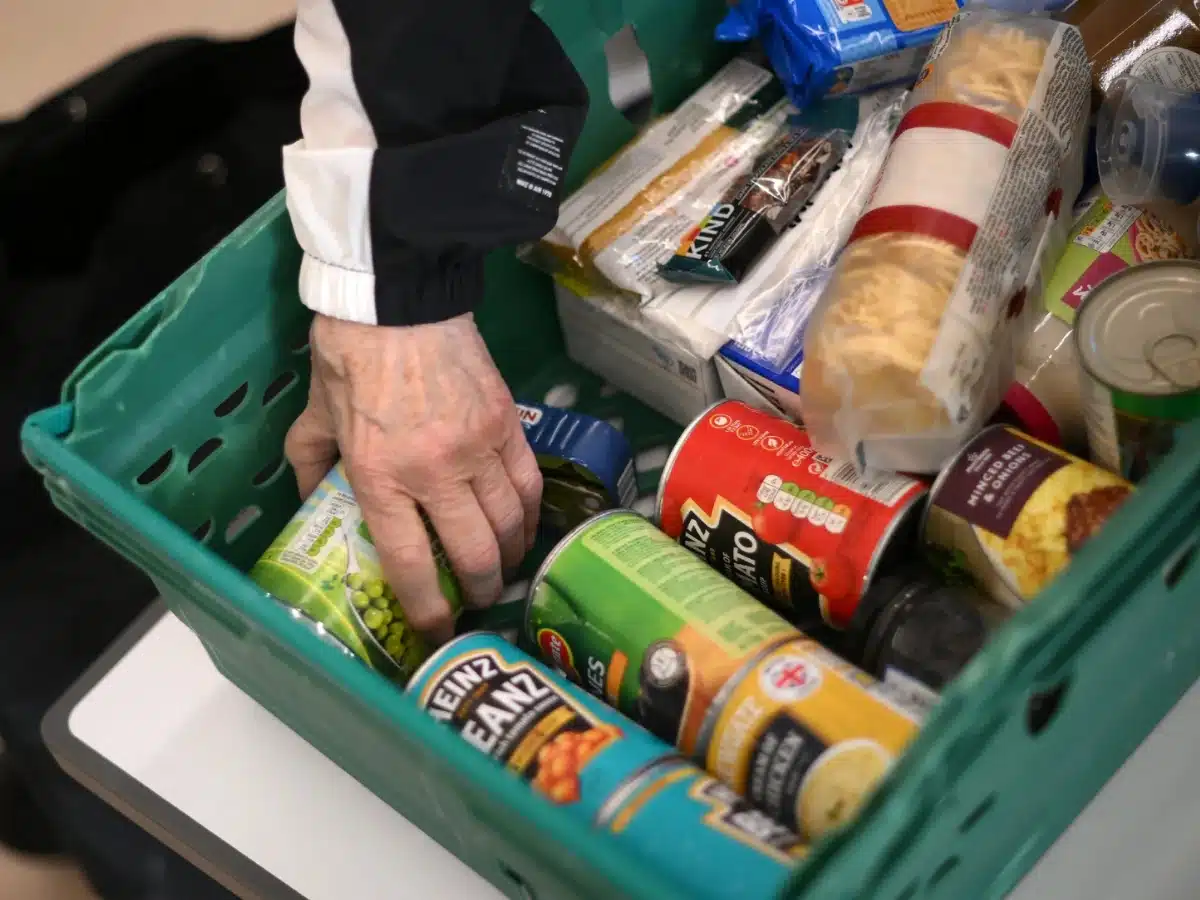
Food bank charity Trussell has released its figures for 2025. And they show that it provided more than 2.6 million emergency food parcels during the year.

A parcel typically contains three days’ supplies for one person. The figures also include some seven day packages. And Trussell acknowledges that there are thousands of other charities and independent groups providing food aid throughout the UK.

Food bank use slightly down on 2024

Trussell reported a 12% drop in the total parcel numbers compared to 2024. This was largely due to easing inflation, which led to a slowdown in the rising cost of essentials. There were also fewer people losing their jobs.

While this means some people have been able to get back on their feet, the charity warns too many are feeling “overlooked and left behind”. Incomes from social security and wages continue to fail to cover the high costs of essentials like food, utility bills, and toiletries.

Advertisement

Parents are among the people shouldering the heaviest burden as families with children received almost two thirds (62%) of all parcels in 2025. This is despite them making up just 42% of the UK population. Trussell is also reporting an alarming rise in hardship among older people. Support provided for people aged 65 and over more than tripled (247% increase) between 2019 and 2025.

Food banks are describing the persistent hardship they witness as “appalling”, with people sitting in the dark to save electricity, parents skipping meals to feed their children, and people in such impossible situations that they open food parcels to eat before leaving the food bank.

At the same time, levels of need continue to outpace donations. Many food banks say they are at breaking point and are having to purchase significant amounts of food just to keep shelves stocked.

Calls for government action on hardship

Helen Barnard, director of policy and research at Trussell, said:

Advertisement

Today’s figures show that too many people across the UK are still being pushed to the brink. Even as we gain hope from people getting back on their feet, we cannot lose sight of the heartbreaking injustice that such shocking numbers of people are still trapped in the grip of severe hardship.

This isn’t right. Too many people are being forced to skip meals so their children can eat, or survive on cups of tea because they don’t have any food left in the cupboards. The pandemic and cost of living crisis have left deep scars. Severe hardship still weighs heavily on daily lives, leaving people feeling overlooked and left behind.

Slowing price rises alone cannot solve the scale of severe hardship still facing our communities. And as we face uncertain times again, progress can be too easily undone.

We need the UK government to continue to take meaningful and lasting action so all of us have what we need to get by. Bold choices like ending the two child limit are a step forward. But we cannot stop until everyone has enough to afford the essentials and we can end the need for food banks for good.

Amie, 45, from North Lincolnshire who has two children, said:

Advertisement

I had to use the food bank when my husband left and I lost my job in quick succession. I was able to access food through the food bank but still felt like I was floundering.

I managed to get a temporary job, then set up my own business, but I still needed to access community food support.

Unfortunately it didn’t work out with my business, but I managed to find work in a similar job. However, this is now at risk due to the lack of funding. I receive Universal Credit because my income from work isn’t high enough to support my family as a single mum. If I lose this paid work I will struggle to pay for even the essentials every month.

I am worried that I may need to access a food bank again. Making sure my children eat will always be my priority. It’s a terrible state that we’re in where in 2026 so many people have to use food banks. Everyone should have enough money to afford the essentials.

A host of famous faces including actor Christopher Eccleston, singer Tom Grennan, TV star Carol Vorderman and actors Mark Bonnar and Brian Cox are joining Trussell’s call to end the need for food banks across the UK.

Advertisement

Eccleston, said:

Today, Trussell’s shocking new figures show that millions of people are being forced to turn to food banks because they don’t have enough money to live on. This isn’t right.

Everyone should be able to afford the essentials like food, utility bills and toiletries. They are not luxuries, but they have become them to people living on the lowest incomes because work or social security just isn’t enough.

Hunger in the UK isn’t a food problem, it’s an income problem. Our social security system should be there for all of us when we need it most – but right now, it’s not enough to cover the cost of the essentials and it’s pushing people to food banks.

That’s why I’m standing with Trussell to call on the UK Government to make policy changes so that everyone can afford the essentials we all need to get by.

Advertisement

Grennan, said:

It’s shocking how many people are having to turn to food banks to get by because they do not have enough money to live on. This is unacceptable.

I’ve spent time volunteering at my local food bank and the conversations you have there stay with you. No one wants to go to a food bank for support. It’s where people turn when they have no other option.

The fact that so many parcels go out to families with children is heartbreaking. It’s clear that the system isn’t working, and that too many people are just one step away from facing hunger and hardship.

Food banks are a lifeline, but they aren’t the answer. Everyone should have enough money to cover the essentials like food and bills. That’s why I’m standing with Trussell to call for change. We need our politicians to commit to ending food bank need for good.

Advertisement

With growing uncertainty around the cost of essentials, Trussell says now is the time for the UK government to build firmer foundations for people on the lowest incomes. The charity is calling on the UK government to:

  • Lift the freeze on Local Housing Allowance and create a permanent link between rents and support, so more people are protected from runaway rental costs.
  • Establish an independent process to advise on the minimum level of Universal Credit payments, moving us closer to an Essentials Guarantee that ensures the basic rate of Universal Credit always covers the cost of essentials and can never be pulled below that level.

Food banks need everyone to play their part to move us towards ending the need for emergency food in the UK. The public can help make sure food banks can continue to provide warm, compassionate, practical support and advice in the year ahead by donating food or funds to Trussell or your local food bank to help end hunger in the UK.

Find out how many emergency food parcels were provided to people facing hardship in your local area.

Featured image via the Canary

Advertisement

Source link

Continue Reading

Politics

Putin’s ‘Hidden Hand’ Likely Aiding Iran In Its War Against Trump

Published

on

Putin's 'Hidden Hand' Likely Aiding Iran In Its War Against Trump

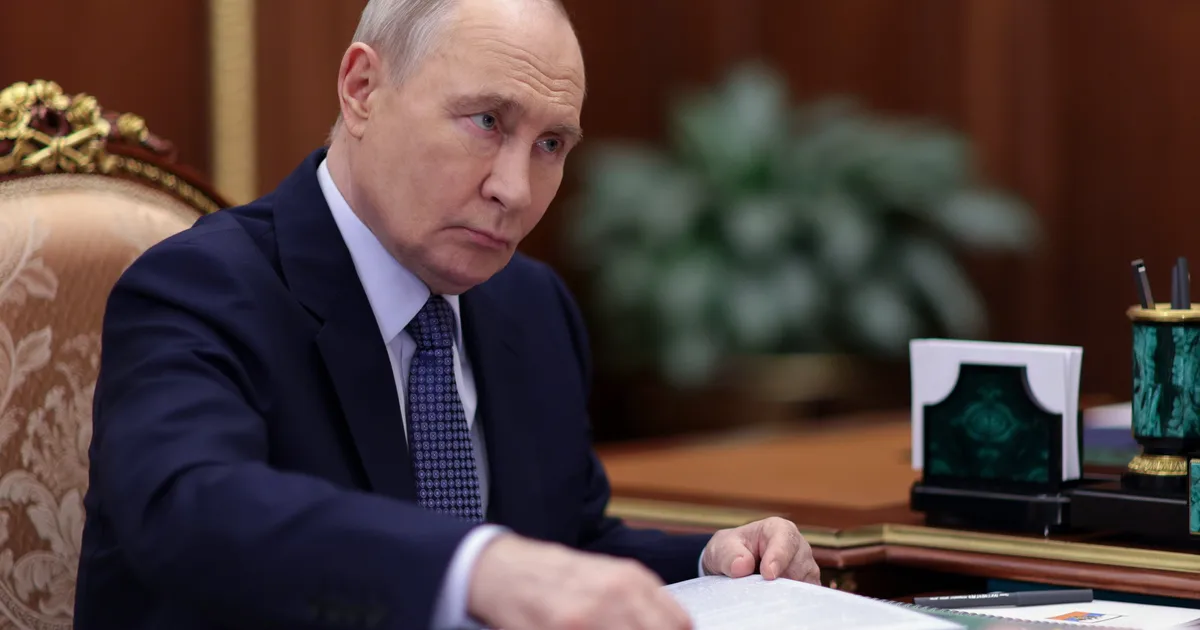
Vladimir Putin’s “hidden hand” may be helping Iran respond to its ongoing war against Donald Trump and Israel, according to the UK’s defence secretary.

John Healey was speaking from the UK’s military headquarters in London hours after drones hit a base used by western forces in Iraq.

He said British officers told him drone pilots from Iran and Iranian proxies were adopting tactics “from the Russians”, and telling them how to fly them.

Iran has been supplying Russia with Shahed drones – long-range weapons Moscow has regularly deployed against Ukraine – for years.

Advertisement

The chief of joint operations, Lt Gen Nick Perry, told the defence secretary that it looked like Russia had advised its allies to fly the drones at a much lower height, making them more effective when hitting targets.

That had “proven problematic” according to Perry, because the drones were rapidly becoming Iran’s most effective weapon in its fight against the US and Israel.

Healey said: “I think no one will be surprised to believe that Putin’s hidden hand is behind some of the Iranian tactics and potentially, potentially some of their capabilities as well.”

He added: “The one world leader that is benefitting from sky-high oil prices at the moment is Putin because it helps him with a fresh supply of funds for his brutal war in Ukraine.”

Advertisement

A UK counter-drone team shot down two of the drones targeting a base in Erbil last night. No British casualties have been reported.

Meanwhile, Trump announced on Monday that he would “take sanctions off” some countries until the Strait of Hormuz is up and ready again.

While he did not specify which countries he was referring to, Trump’s declaration came shortly after he had a lengthy chat with the Russian autocrat – who has been trapped under heavy trade sanctions ever since invading Ukraine in 2022.

Tehran has effectively closed the strait of Hormuz, which carries a fifth of the world’s oil supply, by targeting ships on waterway.

Advertisement

Healey discussed the closure of the strait with the E5 of European defence ministers, and warned there were “clearer and clearer” reports that Iran was trying to mine the waterway.

Source link

Advertisement
Continue Reading

Politics

Mother’s Day flowers have a massive environmental cost

Published

on

Mother's Day flowers have a massive environmental cost

Research shows that UK shoppers intend to buy 20 million bouquets of flowers for loved ones this Mother’s Day. But as each bouquet often comes wrapped in a plastic sleeve, this contributes to a disheartening amount of plastic waste.

New data shows that equates to around 2.7 million m² of plastic film. This would be enough to cover 378 football pitches or enough to wrap Buckingham Palace 35 times.

All of this comes with a significant carbon footprint, with 124.2  tonnes of CO₂ emissions generated from the production of this plastic. That’s the same as approximately 15 UK households’ annual emissions.

Each bunch of flowers also often comes with one or two sachets of food in a plastic container, which further adds to plastic waste. Rubber bands usually hold each bouquet together, potentially adding 20 million rubber bands to landfill every Mother’s Day.

Advertisement

Rubber bands take up to 50 years to biodegrade and can be incredibly harmful to the environment. If burned they release carcinogenic pollution into the atmosphere. Rubber bands can be dangerous for wildlife too, causing them to become tangled up and injured. And animals and birds can eat them and die.

Most sleeves for flower bouquets are made specifically from clear polypropylene film. This material can be recycled, but it’s unlikely local council collection services will take it. This means people can’t generally put it in household recycling bins.

Some retailers and large supermarkets may offer in-store recycling for soft plastics, which could include polypropylene film. However, availability can differ locally.

How can we reduce flower waste this Mother’s Day?

Choose sustainable packaging. Flowers wrapped in paper or reusable fabric avoids unnecessary plastic waste. Alternatively, potted plants over cut flowers can be a more sustainable option.

Advertisement

Avoid flower food sachets; these add further plastic waste. It’s best to avoid them altogether with a better option being to make plant food at home instead.

Avoid or reuse rubber bands – String or ribbon can be both an aesthetic and environmentally friendly way to hold together bouquets as opposed to rubber bands, but if bouquets do have elastic bands, it’s best to reuse them.

Mark Hall, waste management expert at BusinessWaste.co.uk, commented on plastic waste:

Mother’s Day provides us with the opportunity to show gratitude to one of the most important people in our lives, but many don’t realise how the impact gifts can have on mother nature.

The plastic film used to wrap bouquets can be problematic as most councils are unlikely to collect it for recycling, meaning most of the 2.7 million m² of wrap is likely to head for landfill.

Advertisement

This doesn’t mean consumers need to stop purchasing flowers, but we’d encourage them to stop and consider the packaging used, opting for the most sustainable option where possible.

We also believe it would be helpful for florists and retailers to work to provide takeback schemes for this type of plastic and ensure thorough signage and guidance is given.

The flower market has significant global transport factors and often poor conditions for workers. Maybe it’s time to think more creatively about how to celebrate Mother’s Day.

Featured image via the Canary

Advertisement

Source link

Continue Reading

Politics

British Borrowing Costs Rise to Six-Month Highs

Published

on

British Borrowing Costs Rise to Six-Month Highs

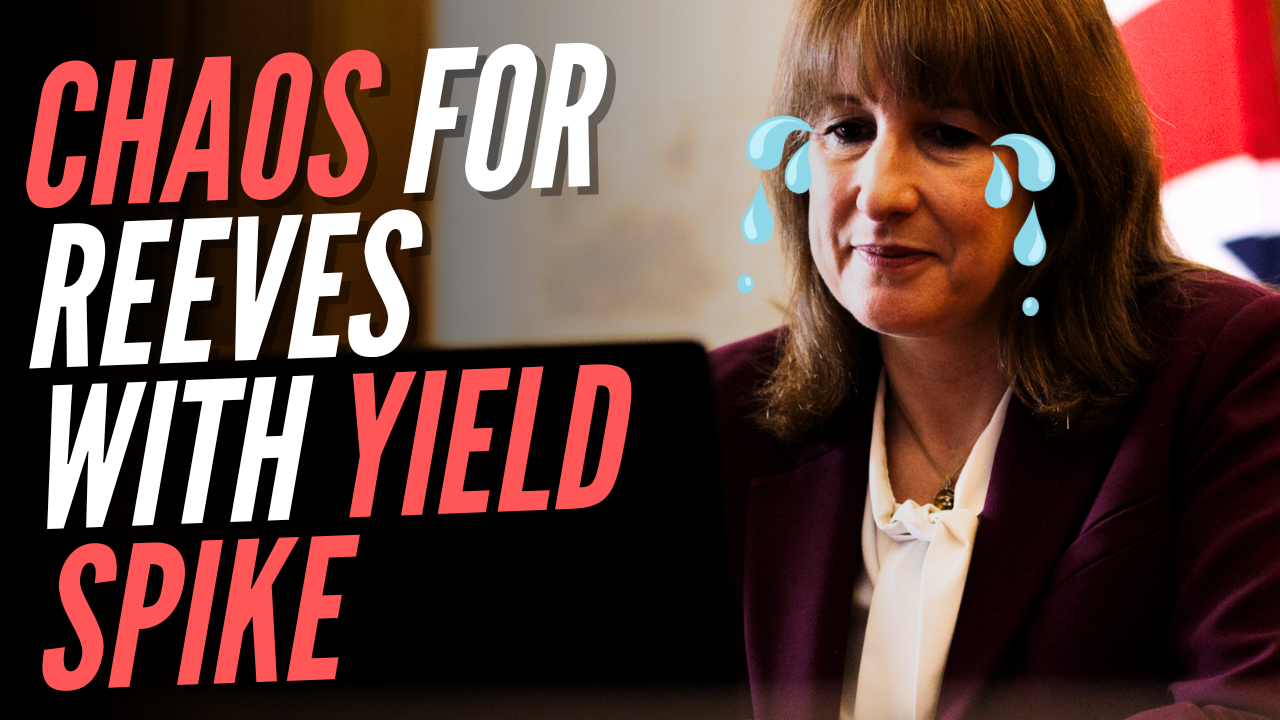
UK gilt yields are rising at a rapid rate again. Throwing Reeves’ fiscal plans into disarray… The yield on 30-year gilts has climbed by 12 basis points to 5.47%. 10-year yields reached 4.754% just now. These are the highest since October…

Source link

Continue Reading

Politics

‘Penguin Walking’ And Other Tips For Planting Grass Seed

Published

on

'Penguin Walking' And Other Tips For Planting Grass Seed

If your grass is looking a bit bare after the winter chill, you might be thinking of planting new seed now that the soil’s warmed up.

Indeed, according to Chris McIlroy, a lawn expert at The Grass People, “We’re approaching the ideal time to sow new grass seed and get lawns looking their best again”.

The Royal Horticultural Society added that spring and autumn provide ideal conditions for the task; it’s cheaper than buying new turf, and fairly easy.

Especially, McIlroy said, if you “penguin walk”.

Advertisement

What is “penguin walking”?

It’s a shuffling kind of walk you can do before you plant grass seeds to help get rid of any air pockets in the soil.

“New seedlings need mild, moist soil in order to germinate, so waiting until temperatures are consistently around 8-10°C is crucial. Also, check that there is no heavy rain forecast, as this can wash away seeds,” McIlroy said.

Start with a “clean slate”, too: banish moss, dead grass, and weeds before laying new seeds down.

Advertisement

Then, it’s time for the penguin walk.

“You need to tread the ground to get rid of air pockets. Take small steps over the surface to even out the soil, like a penguin shuffle. Do this in rows to make sure all the areas are covered,” the grass expert explained.

“Once the ground is prepared, spread the grass seed evenly across the soil at around 30-35g per square metre for a new lawn, or 15-20g per square metre when overseeding bare patches.”

To get really even coverage, divide the seed in half and walk along your lawn lengthways sprinkling the first section.

Advertisement

Then, spread the second load of seed walking widthways. That’ll form a kind of crosshatch pattern that’ll offer even coverage.

What should I do once the grass seeds have been planted?

“After sowing, lightly rake the area so the seeds sit just beneath the soil surface, then gently firm it down by walking over it or using a roller,” McIlroy added.

“This helps ensure good seed-to-soil contact, which is essential for germination. Finally, water lightly and keep the soil consistently moist while the grass establishes.”

Advertisement
Wait until it’s at least five centimetres tall before you give it its first mow. And when you do, use your mower blade’s highest setting.

Source link

Continue Reading

Politics

Slogan T-Shirts: How To Shop 2026’s Hottest Trend

Published

on

Slogan T-Shirts: How To Shop 2026's Hottest Trend

We hope you love the products we recommend! All of them were independently selected by our editors. Just so you know, HuffPost UK may collect a share of sales or other compensation from the links on this page if you decide to shop from them. Oh, and FYI – prices are accurate and items in stock as of time of publication.

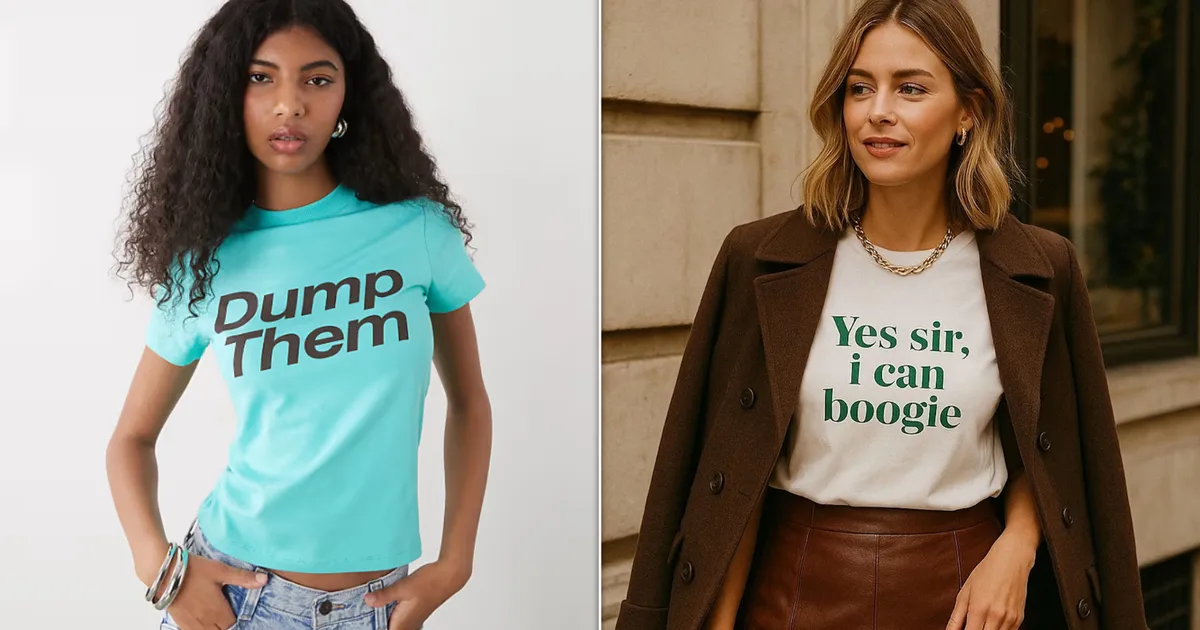
I first wrote about slogan tees making a comeback way back in 2023, and since then the trend has only gotten bigger and stronger.

From Maura Higgins to Harry Styles to Pedro Pascal (who could forget last year’s Protect the Dolls t-shirt by Conner Ives?), the slogan tee shirt is absolutely everywhere.

Simple, comfortable, and inherently very effective at making whatever statement you want, the slogan tee isn’t a flash-in-the-pan micro-trend – it’s here to stay.

Advertisement

Want to get in on the look? Give these 9 shirts a look in…

Source link

Advertisement
Continue Reading

Trending

Copyright © 2025