
Entertainment
Savannah Guthrie’s Family Guide: Details About Mom Nancy and More


Today viewers are rallying around Savannah Guthrie and her family.
News broke on Sunday, February 1, that Savannah’s mother, Nancy Guthrie, was reported missing in Arizona. The following morning, Savannah was absent from the Today show but released a statement on behalf of her family.
“On behalf of our family, I want to thank everyone for the thoughts, prayers, and messages of support,” her statement read. “Right now, our focus remains on the safe return of our dear mom. We thank law enforcement for their hard work on this case and encourage anyone with information to contact the Pima County Sheriff’s Department.”

Nancy was last seen on Saturday, January 31, between 9:30 p.m. to 9:45 p.m local time. She is 84 years old with brown hair and blue eyes. Pima County Sheriff Chris Nanos told reporters that Nancy is “not in good physical health,” noting that the family has not disclosed any issues with her cognitive health.
Today show viewers are familiar with Savannah’s story and upbringing. The news anchor lived in Australia for two years before her family relocated to Arizona. Savannah often referenced her relationship with her mom, both on the morning show and social media.
“My mom Nancy is my heart and my everything and my model for what a mother should be,” Savannah wrote in a 2020 Instagram caption.

Local law enforcement is speaking out after Savannah Guthrie‘s mom, Nancy Guthrie, was reported missing in Arizona. Pima County Sheriff Chris Nanos addressed reporters during a news conference on Sunday, February 1, after the 84-year-old was reported missing earlier that afternoon. “This is very concerning to us. We don’t typically get the sheriff out at […]
Keep scrolling for everything to know about Savannah’s family:
Who Is Savannah Guthrie’s Mom?
Savannah’s mom, Nancy Guthrie, was a stay-at-home mom while raising her kids. The anchor often offered insight into their close-knit relationship.
“She’s lived a life of integrity and loyalty. She is a consistent doer of the right thing and the hard thing,” Savannah said of her mom in January 2022. “She’s a truth teller, whether you really want to hear the truth or not. She’s quick and she’s smart, she’s well-read, she’s curious about everything.”

Savannah and her family addressed Nancy’s disappearance after she was reported missing on Sunday.
“We can confirm this is a missing persons case, and the family is working closely with local law enforcement,” they shared in a statement, noting that they are grateful for “the outreach, thoughts and prayers” they have received.
Who Was Savannah Guthrie’s Dad?
Savannah’s dad, Charles Guthrie, died of a sudden heart attack when she was 16 years old.
“I think the fact that I lost my dad when I was 16, it makes Christmas even more special to us, because it was his holiday and that’s how we felt and that’s how he felt,” Savannah said in December 2022. “I think we hold on to Christmas even harder now, because it’s a tie to him and a tie to the past and to our memories.”
Savannah also explained how the loss of her father nearly made her stay close to home during the early days of her career — but Nancy wouldn’t let her.
“My father died when I was entering my senior year in high school. I then lived at home all through college. We didn’t have money to afford the dorm,” Savannah said on Today in 2022. “She said, ‘If you can’t leave me, then I didn’t do my job right, Savannah.’ She just gave me permission to go.”

Along with her incredible success as the cohost of Today, Savannah Guthrie has also had her fair share of hardships throughout the years. Guthrie — who shares daughter Vale and son Charley, named after her father, with husband Michael Feldman — has been candid about the pregnancy loss she suffered after giving birth to Vale […]
Does Savannah Guthrie Have Siblings?
Savannah is the youngest of three. She has an older sister named Annie Guthrie and older brother named Camron Guthrie.
Who Is Savannah Guthrie’s Husband?
Savannah was married to her first husband, Mark Orchard, from 2005 to 2009. Following her divorce, the newscaster moved on with Michael Feldman. They wed in March 2014.
Does Savannah Guthrie Have Kids?
Savannah shares two kids with Feldman. Their daughter, Vale, was born in August 2014, followed by son Charley in December 2016.

Continue Reading
Entertainment
Bold and Beautiful 2-Week Spoilers April 6-17: Sheila Crashes and Carter’s Shocking Baby Bombshell!
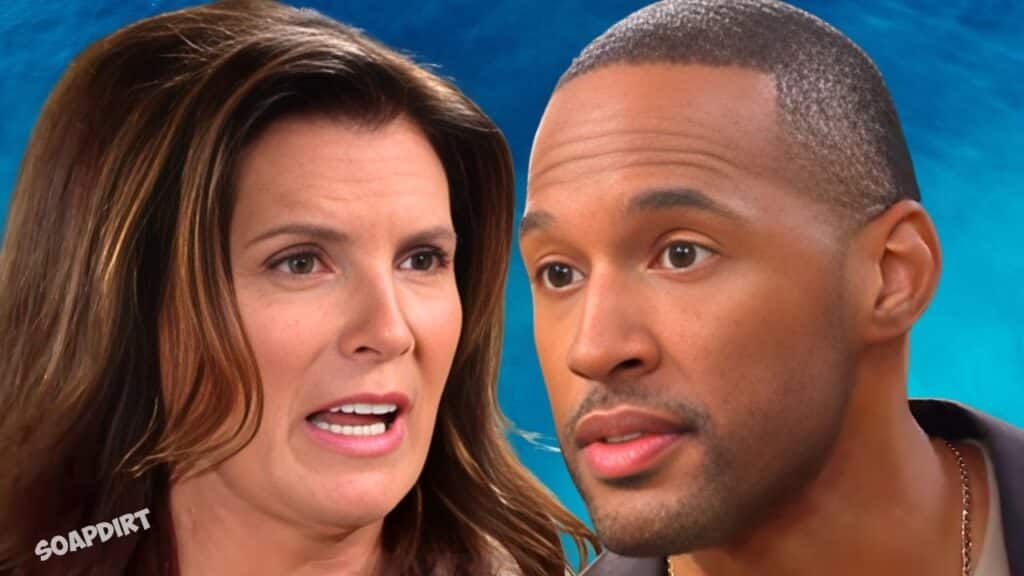
Bold and the Beautiful 2-week spoilers for April 06 – 17, 2026 reveal Sheila Carter (Kimberlin Brown) crashing and Carter Walton (Lawrence Saint-Victor) getting some baby news.
Bold and the Beautiful Spoilers Monday, April 6th: Sheila Confronts Taylor
Monday, April 6th, we have got the scene from Friday picking back up on Monday. Sheila has cornered Taylor Hayes (Rebecca Budig) in her office and she’s yelling, “Don’t lie to me.” And Sheila wants Taylor to admit that she and Deacon Sharpe (Sean Kanan) are cheating behind her back. Sheila is in a rage knocking stuff off Taylor’s desk. And we’re going to see Sheila waving a pizza cutter around and just absolutely terrifying Taylor understandably.
And it gets worse because Sheila’s going to find out that Taylor isn’t just using Deacon as some sort of physical rebound from Ridge Forrester (Thorsten Kaye). It’s not just sex. Taylor and Deacon have a real love story. And this is Sheila’s greatest fear made real because according to Taylor, Deacon is in love with her. And this isn’t just some little fling.
B&B Spoilers: Deacon Thinks Sheila’s Still Clueless
Meanwhile, over at Il Giardino, Deacon is telling Hope Logan (Annika Noelle) that he thinks Sheila is completely in the dark about him and Taylor. But Hope’s not so sure. And she insists that Sheila still seems suspicious about something. But Deacon says if Sheila really thought he was at Taylor’s that night, he would have heard about it the minute she got home.
Daphne Rose (Murielle Hilaire) is really hopeful. So is Carter. And that’s because Daphne’s taking a pregnancy test. Carter can’t wait to see the test results in just a few minutes. Daphne says they’re about to know if they’re going to have a baby on the way soon.
Finn Finnegan (Tanner Novlan) finds out what happened while they were gone. We’ve got Steffy Forrester (Jacqueline MacInnes Wood) telling Finn that his mom, Sheila, was pounding on the door of Taylor’s room and holding a knife. And Finn is stunned when Steffy says that if Sheila had caught them together, probably both Deacon and Taylor would be dead right now. And Finn obviously knows what a terror his mom is.
Tuesday, April 7th on Bold: Sheila Terrifies Taylor
Tuesday, April 7th, we’ve got Sheila continuing to scare Taylor. So, the confrontation’s going to carry over for a couple more episodes as Sheila continues to rant at Taylor. And you know, she’s just in shock that a woman that Sheila considered to be one of her best friends, even though Taylor told her many times, “We’re not friends.”
But she was falling for and fooling around with her husband, Deacon on the sly. And that’s when we’re going to see the April spoiler that we teased about a heroine giving in to love and putting herself in danger. So, Taylor’s obviously meant to be the heroine. I don’t know how being a cheater makes you a heroine, but okay. And Sheila is meant to be the source of danger, which is accurate, but I think, you know, Taylor may tell her, “Look, I love Deacon. He loves me. That’s how it is.”
Bold and Beautiful Spoilers: Pregnancy Test Results for Daphne & Carter
Carter and Daphne get their pregnancy test results. So, I am super excited at the idea that we’re going to have a little Walton baby on the way for these happy newlyweds. And I know a lot of fans are wondering if Carter and Daphne are going to face an infertility struggle. I mean, obviously that’s the soapier outcome, but there’s really not a lot of room for multiple stories on the front burner.
Right now, we’ve got the Kid Quad with Electra Forrester (Laneya Grace) and RJ Forrester (Joshua Hoffman) and Dylan (Sydney Bullock) and Will Spencer (Crew Morrow) and of course the Sheila and Deacon and Taylor triangle. And that pushed the Katie Logan (Heather Tom) versus Brooke Logan (Katherine Kelly Lang) and the Logan launch thing to the back burner. So, I don’t know if there’s even room for an infertility story, but I guess we’ll find out. I’m just hoping they turn up pregnant.
Also this week, Hope is looking really worried. She’s back at the Logan mansion. She’s talking to Deacon. And I wonder if Hope tells her brother that she thinks Deacon is being way too optimistic and she worries that Sheila really is onto them and their dad might be at risk of physical danger along with Taylor.
Wednesday, April 8th: Sheila and Deacon Talk
On Wednesday, April 8th, after leaving that devastating confrontation with Taylor, where Sheila has found out that Deacon and Taylor have fallen in love, we’re going to see Sheila head home to Il Giardino. And she’s going to talk to Deacon about what she found out about him and Taylor.
So, we’re going to have Sheila and Deacon in an absolutely heartbreaking conversation about their marriage and about Taylor coming between them. I think it’s very clear that Deacon does want to end his marriage to Sheila to be with Taylor, but at the same time, I don’t think Deacon wants to be cruel to Sheila. He just, I think, wants her to evaporate out of his life. And of course, it’s not going to be that easy.
Bold and Beautiful Spoilers: Ridge Goes on a Tirade
Meanwhile, over at the Malibu house, Ridge is there and he hears shocking news from Steffy about what went down with Taylor and Deacon while she and Finn were out of town for just one night. Ridge is stunned and he’s ranting, wanting to know why Taylor would do this with Deacon, knowing he’s married to a psychopath like Sheila.
Also, we’re going to have Ridge and Steffy and Finn rushing to try and keep their family safe from Sheila. So, I don’t know if they’re going to run over to the hospital, run over to Il Giardino. Maybe more to the hospital to see Taylor. And you know that’s under the assumption that Sheila is going to come after Taylor for fooling around with Deacon, which given her history, yes, that is what Sheila would do. Hope and Deacon struggle with what’s going on and they’re really worried that something bad may happen.
Thursday, April 9th: A Perfect Match Ends on Bold and the Beautiful
On Thursday, April 9th, Deacon and Sheila take a look back at their relationship timeline. And this vague but official Bold and the Beautiful spoiler I believe is about Deacon and Sheila that says a couple thought to be a perfect match brings their love story to an end. So, I think they’re going to have a look back, you know.
And another spoiler says that Deacon listens as Sheila confesses how much pain that his betrayal with Taylor is causing her, but that in the end Sheila says she’s going to walk away and not do anything that she will regret. I.e., something that will send her to prison like hurting Taylor. And Hope comes to Deacon’s defense on Thursday. That may be something to do with Steffy.
Friday, April 10th: Deacon & Taylor Being Watched
Friday, April 10th, after he and Sheila officially call it quits, Deacon’s going to run over to be with Taylor, but she and Deacon do not realize they are being watched. So maybe it is by Sheila, but then again, it could be Ridge or Steffy looking for a confrontation. I doubt they’re going to believe that Sheila really will go away quietly and isn’t a danger.
Week of April 13th-17th: Taylor & Deacon Relationship Goes Public
The week of April 13th through the 17th, after walking away because Deacon has fallen for Taylor, we’re going to see Sheila reeling in the aftermath of this betrayal and heartbreak. And the question is, is Sheila really going to take the high road? It’s kind of hard to imagine. You know, she may stalk them and just stay back, or she may get increasingly angrier and decide the high road isn’t for her.
Deacon and Taylor’s relationship is going to become public and official. And a lot of people are going to have very strong opinions about that. People are going to be taking sides. We know Deacon and Hope will be on the side of the new couple and Brooke might be as well. The Forresters are all going to be against it. And I think the Spencers, you know, may be happily stunned for them.
They don’t really have skin in the game, except if you remember, Bill Spencer (Don Diamont) was planning to invest in Deacon’s Il Giardino expansion. And he may be much happier knowing that Sheila is out of the picture. Steffy and Ridge fear what is next. They’re worried Sheila won’t stop. And Taylor may face serious consequences from Steffy. But even if she kicks Taylor out, I am sure that Deacon is going to be right there waiting on her.
Jennifer Aniston is sharing a rare glimpse at her romance with Jim Curtis.
“Sunday dump day! ❤️😘🐰,” Aniston, 57, captioned an Instagram post on Sunday, April 5, that showed recent highlights from her life, including quality time with friends Courteney Cox, Jason Bateman and Sean Hayes.
One photo showed Aniston cozying up to Curtis. The couple had their arms wrapped around each other as they posed for the camera. In another snap, the hypnotherapist relaxed on a couch with a dog on his lap.
The couple have kept a largely low profile since they originally sparked romance rumors in July 2025. After they were spotted together on a yacht in Mallorca, a source confirmed to Us Weekly that the duo were dating after being set up by mutual friends.

Lucky in life and love! Jennifer Aniston‘s dating life has long been a topic of conversation — from her marriage to Brad Pitt to her relationship with her second husband, Justin Theroux. Aniston and Pitt started dating in 1998 and tied the knot two years later. The twosome saddened fans when they announced their split […]
“They are being super private but have been spending a lot of time together,” the insider shared. “They are happy and really into each other.”

Aniston previously made headlines for her love life when she started dating Brad Pitt in 1998 after they were set up by their agents. The pair exchanged vows in 2000 but ultimately called it quits after five years of marriage.
The actress moved on with Justin Theroux, to whom she was married from 2015 to 2017.
“The good news is that was probably the most — I’m choosing my words really carefully — it was kind of the most gentle separation, in that there was no animosity,” Theroux told The New York Times in 2018. “In a weird way, just sort of navigating the inevitable perception of it is the exhausting part.”
After their divorce, Aniston made a rare comment about her past attempts to have kids.

Jennifer Aniston hasn’t shied away from stepping out in public with boyfriend Jim Curtis. The pair, who were first romantically linked in July 2025 after a trip to Mallorca, have captured the hearts of her fans, who just want to see the star happy. Prior to her romance with Curtis, Aniston was married to Brad […]
“All the years and years and years of speculation … it was really hard,” she explained in a November 2022 interview with Allure. “I was going through IVF, drinking Chinese teas, you name it. I was throwing everything at it. I would’ve given anything if someone had said to me, ‘Freeze your eggs. Do yourself a favor.’ You just don’t think it. So here I am today. The ship has sailed.”


Aniston also addressed assumptions that she was “selfish” because she was committed to her job.
“I just cared about my career. And God forbid a woman is successful and doesn’t have a child,” she continued. “And the reason my husband left me, why we broke up and ended our marriage, was because I wouldn’t give him a kid. It was absolute lies. I don’t have anything to hide at this point.”
She added: “I would say my late 30s, 40s, I’d gone through really hard s***, and if it wasn’t for going through that, I would’ve never become who I was meant to be. That’s why I have such gratitude for all those s***ty things. Otherwise, I would’ve been stuck being this person that was so fearful, so nervous, so unsure of who they were. And now, I don’t f***ing care.”
This article covers a developing story. Continue to check back with us as we will be adding more information as it becomes available.
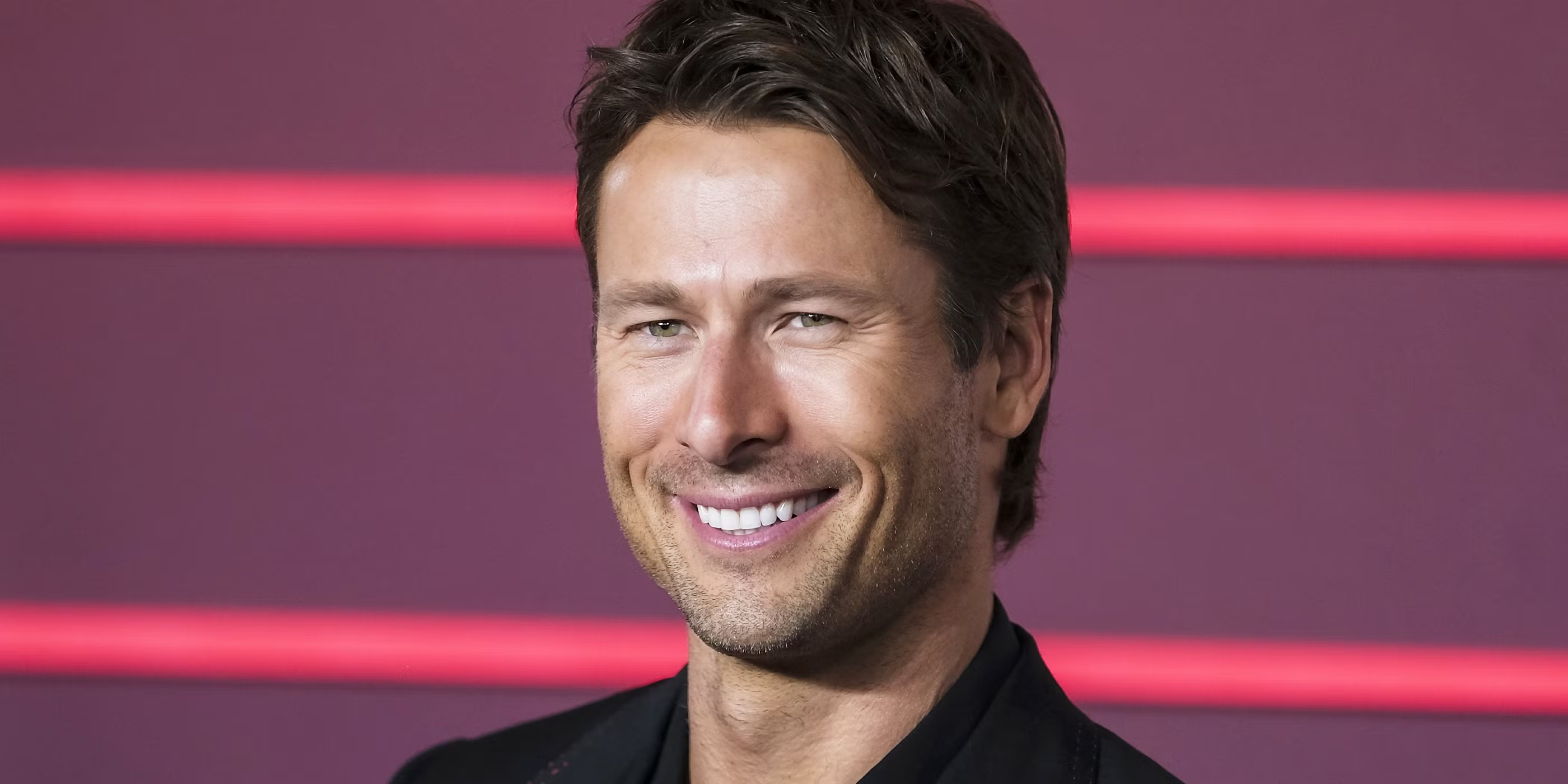
Once Hollywood’s reigning king of comedy, Judd Apatow is directing his first narrative film in four years, and it couldn’t have a more appropriate title. Glen Powell, who is on the comeback trail himself after the critical and box office disappointments of The Running Man and How to Make a Killing, will star in The Comeback King. The comedy is now in production.
The Comeback King will star Powell as a down-on-his-luck country singer; the rest of the plot is being kept under wraps for now. It also features Cristin Milioti (The Penguin), Madelyn Cline (I Know What You Did Last Summer), Stavros Halkias (Bugonia) and stand-up comedian Li Jin Hao. In addition to directing, Apatow is also co-writing the script with star Powell, who previously co-wrote the successful Netflix comedy Hit Man (which he also starred in) and wrote for his Hulu comedy series Chad Powers. The film is set to be released on February 5, 2027, by Universal Pictures.
What Has Judd Apatow Been Working on Recently?
Apatow’s most recent film was the 2022 Netflix comedy The Bubble, which centered around the experiences of a film crew attempting to make the latest installment of a blockbuster franchise during the COVID-19 lockdowns. That film was excoriated by critics. Since then, Apatow has helmed a number of non-fiction projects. They include Paralyzed by Hope: The Maria Bamford Story, a documentary about the stand-up comedian’s struggles with mental health; George Carlin’s American Dream, a two-part documentary on the life and times of the iconic comic; and this year’s Mel Brooks: The 99 Year Old Man!, a celebration of the nonagenarian comedy legend. He also produced the gay rom-com Bros and the Peacock-original Please Don’t Destroy: The Treasure of Foggy Mountain.
This article covers a developing story. Continue to check back with us as we will be adding more information as it becomes available.

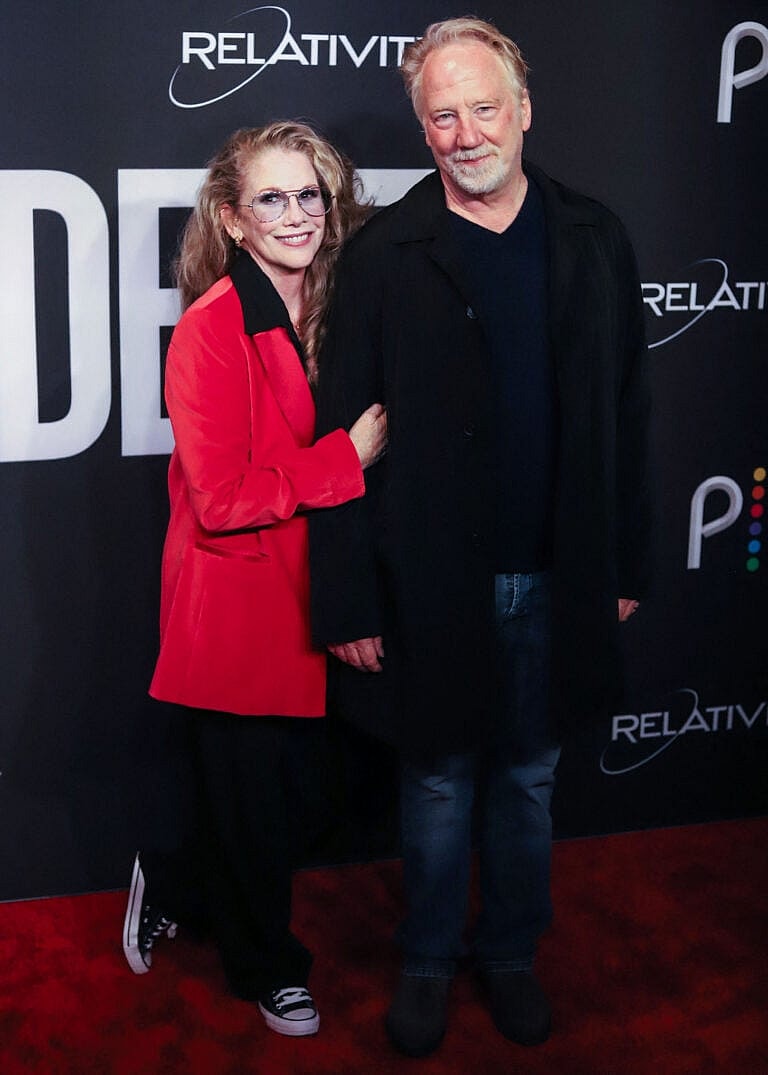
Melissa Gilbert has stunned some fans after addressing allegations against her husband, Timothy Busfield, and admitting she was aware of past claims before their marriage.
Busfield, who denies all accusations and now faces new charges involving minors linked to his work on “The Cleaning Lady,” has also pleaded not guilty.
For her part, Melissa Gilbert described the ordeal as deeply traumatic, defended his character, and expressed unwavering support ahead of his May 2027 trial.
Melissa Gilbert Reveals She Knew Of Her Husband Timothy Busfield’s Decades-Old Sexual Assault Allegations

During an interview on “Good Morning America” with George Stephanopoulos, Melissa Gilbert opened up about the controversy surrounding her husband, Timothy Busfield, and the sexual assault allegations tied to his past.
Gilbert explained that the accusations, which date back to the 1990s and 2012, were not new to her when their relationship began. She said she entered the marriage fully aware, having had direct and honest conversations with Busfield about the claims.
“When Tim and I got together, the internet existed. I didn’t go into my relationship blind. I’m neither naive nor am I complicit,” she said. “I talked to him about it. I asked him questions about it. I heard his side of the story — which nobody has ever heard — which is the truth. And when the time is right, and that is not now, Tim will tell the truth of all of these past allegations when he needs to.”
Over the years, Busfield has faced multiple allegations. One case from the 1990s involved a teenage extra on “Little Big League,” who accused him of misconduct, including claims of assault and inappropriate behavior.
Busfield denied the allegations and filed a countersuit for extortion. The case was eventually settled, and no criminal charges were filed.
The Actress Was Slammed Online For Marrying The Actor Despite The Past Allegations

Shortly after Gilbert’s admission made headlines, she came under heavy scrutiny, with fans online blasting her for standing by Busfield’s side despite the claims against him.
On Instagram, a person wrote, “Well. IS THERE A BIGGER RED FLAG TO NOT BE WITH SOMEONE? Nope.”
“A mistake once ok. But 4 times? Wake up, Melissa,” another individual stated, while a third asked, “Then why the hell would you marry him?”
A fourth individual commented, “So sad these women are so desperate for love,” while another said, “Doesn’t speak much about your character, now does it, Melissa?!!?!!!”
One person on X wrote, “Shows she really isn’t a good person.”
Timothy Busfield Faces New Charges Amid Past Allegations, Pleads Not Guilty
A separate allegation in 2012 involved a woman who accused him of inappropriate touching in a movie theater. Prosecutors did not pursue the case, citing insufficient evidence, while Busfield maintained the encounter was consensual.
More recently, however, the actor has faced serious new charges in New Mexico. He has been accused of multiple offenses involving alleged sexual contact with two minors, tied to incidents said to have taken place in 2022 and 2023 during his time on “The Cleaning Lady.”
Authorities initially charged him with two counts of criminal sexual contact of a minor and one count of child abuse, specifically involving 11-year-old twin boys.
After his arrest, Busfield was released on January 20 following a pretrial detention hearing. In early February, a Bernalillo County grand jury indicted him on four counts of criminal sexual contact involving a child under 13.
He pleaded not guilty to all charges on February 10 in New Mexico’s Second Judicial District Court. The charges are classified as third-degree felonies and relate to alleged incidents in October 2022 and September 2023.
Melissa Gilbert Calls Ordeal ‘Traumatizing,’ Defends Husband Timothy Busfield Amid Allegations

A representative for Gilbert told People Magazine that she and Busfield’s attorney, Larry Stein, agreed to the interview on “Good Morning America” in an effort to clarify what they believe has become a distorted narrative shaped by selective “information and clickbait.”
Reflecting on the situation, Gilbert described the aftermath of her husband’s arrest as overwhelming and deeply painful, calling it one of the most traumatic experiences of their lives.
“Our life as we knew it is done,” she said. “We are grieving what we had — all of our plans, all of our dreams, all of our ideas, all of our projects. For Tim, it’s done. He’s canceled. Even if he’s exonerated, he will always be that guy.”
Despite the seriousness of the allegations, Gilbert stood firmly by her husband, insisting he is “the last person in the world who would hurt a child.” According to her, Busfield has always been “completely honest” with her, and she trusts him completely with her family, describing him as an “honorable, caring, generous human being.”
Melissa Gilbert Backed Her Husband Timothy Busfield With Emotional Letter Ahead Of 2027 Trial

Gilbert has continued to publicly support Busfield, who has denied all allegations, describing them as “horrible lies.” He pleaded not guilty to all four counts in February, and his trial is currently scheduled for May 2027.
Ahead of the proceedings, Gilbert was among about 75 people who submitted letters to the judge in support of Busfield. In her letter, she described him as “my love, my rock, my partner in business and life,” adding that she knows him more intimately than anyone else.
She also expressed her concern for his well-being, writing that her greatest wish is to see him safe and protected. Acknowledging how difficult it has been not to shield him during this time, she added, “As he is my protector, I am his, but I cannot protect him now, and I think that, more than anything else, is what is truly breaking my heart. I am relying on you to protect him for me.”
Entertainment
Will there be a “Something Very Bad Is Going to Happen” season 2? What the showrunner and stars are saying
:max_bytes(150000):strip_icc():format(jpeg)/Something-Very-Bad-Is-Going-To-Happen-040626-98d89a43a76f4700a4ee5ab2763fefb4.jpg)
Camila Morrone and Adam DiMarco have theorized how the story could continue.


In the struggle to wade through the streaming slop, Netflix has a leg up on the competition. Amid all its cancelled shows, the platform presents true crime series that are more disturbing than anything else on television. These miniseries attract the fascination of viewers, including its newest production, The Predator of Seville.
Directed by Alejandro Olvera, the three-part series follows the accounts of several women who all encountered the same man during study abroad trips in Spain, which included traveling to other countries. The series mainly follows Gabrielle Vega, a young woman who was only 18 when she went on her trip. What should have been her first exploration of freedom turned into a nightmare when she was drugged and assaulted in Morocco by the tour guide, Manuel Blanco Vela. Vega was not the only one to experience similar treatment from Blanco Vela. After Vega publicly accused the Discover Excursion tour guide, many other women shared similar experiences.
‘The Predator of Seville’ Points Out Systemic Issues in Society
When Gabrielle Vega first went public, she had no idea of the scope of Manuel Blanco Vela’s crimes. Explored in the first episode of The Predator of Seville, Vega was primarily interested in warning potential victims of Discover Excursions. When she learned that she was not his only victim, she went public. This inspired an outpouring of similar stories that shocked even Vega herself.
The Predator of Seville could have been just another account of sexual crimes that may or may not be believed. As it turned out, Blanco Vela was prolific in his crimes, and the accounts of his abuse were hard to ignore. The Netflix docuseries is more than just an account of a predator, but it shows the power of one person’s voice. Vega’s account gave other survivors the courage to speak up, which eventually led to the discovery of another gruesome crime.
One of the big tragedies of the story is how a criminal could go unnoticed for so long. Blanco Vela’s victims were mostly women from the United States, which allowed him some anonymity. In the series, Vega recounts how he targeted her on the last night of her trip. With her returning home and the crime happening abroad, it was easier for her assailant to slip through the cracks. It could also be the reason why so many women did not pursue charges when it initially happened to them.
Vega’s story starts a conversation about how survivors have to fight tooth and nail to get their story acknowledged, let alone prosecuted. Even in a post #MeToo era, these accounts can often be dismissed. Aubrey Joy, who worked for Discover Excursions, noted that Blanco Vela attempted to gain her sympathy, insisting that there was no evidence and that these women were trying to ruin his reputation.
These stories can so often be swept under the rug because of these attitudes. Vega’s perseverance and support of other women allowed this story to be told and be considered seriously. This perseverance paid off when Blanco Vela was eventually sentenced to prison in 2025. The Predator of Seville is not a series that tries to use grief as entertainment, but uses a platform to give hope to survivors who may be in similar situations. An antidote to the wave of serial killers being given pedestals in entertainment, The Predator of Seville is a celebration of perseverance.
If you’re like me, you grew up with the Disney Channel. Maybe in the era before DCOMs were a major part of the fabric. Or perhaps it was when the kid sitcoms took over the entire programming block. No matter when it was, there’s something inherently special about Disney and the consistency of their original programming.
Launched in 1983, the network has been at the forefront of children’s and adolescents’ television. From shows with recognizable Disney IP to platforms for some of the biggest names in entertainment, the Disney Channel classics continue to hold a place in our hearts. This list will celebrate the classic titles that have aged like fine wine. To be considered a classic, the series must not only have debuted more than 20 years ago, but also have had the majority of its run before 2006. Sorry, Hannah Montana! Let’s take a trip down memory lane with the House of Mouse.
‘Adventures in Wonderland’ (1992–1993)

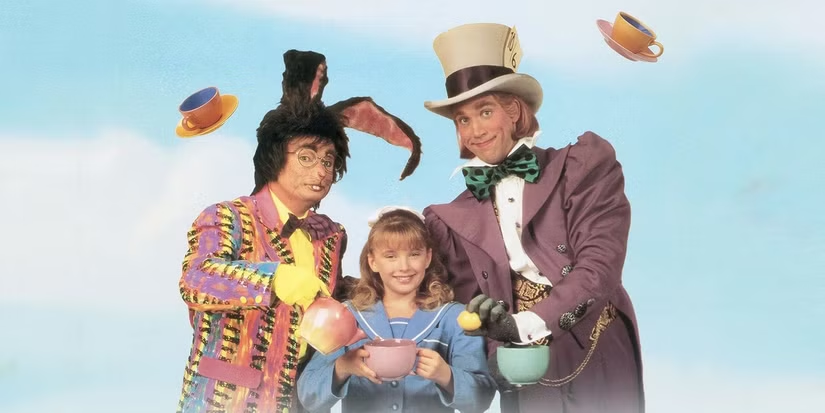
There are quite a few beloved storybook characters who have appeared in film and television adaptations. Suffice it to say, there will not be a time when Lewis Carroll’s Alice’s Adventures in Wonderland and Through the Looking-Glass won’t be adapted in some way, shape, or form. Though Disney had a beloved Alice in the animated Disney Vault, they went back to the source material and then modernized it through a ’90s lens for Adventures in Wonderland. The live-action series followed Alice (Elisabeth Harnois), who could come and go through her mirror to visit Wonderland, where the whimsical characters helped her with her daily life problems. Within this magical, musical Wonderland, she encounters eccentric characters like the Mad Hatter (John Robert Hoffman), the March Hare (Reece Holland), and the notorious Red Queen (Armelia McQueen).
Each episode, which featured sprightly singing and dancing, captured the issues kids were experiencing through the lens of the source material. The characters had elements related to imagery many viewers were familiar with, but they were given vast creative liberties to live within their own contained, imaginative Alice universe. In doing so, the series did stray from traditional casting, opting for colorblind casting for certain characters, including The Red Queen and Tweedle Dee and Tweedle Dum (Harry Waters Jr. and Robert Barry Fleming), the latter of whom was modeled on urban hip-hop culture. Though the show was filled with relatively unfamiliar performances, Teri Garr and Ken Page popped by as The Duchess, the Red Queen’s rival, and The Walrus, a newcomer to Wonderland. Adventures in Wonderland was a colorful, campy sensory overload, nothing but fun. Now, for a fun Disney fact: MGM Studios at Walt Disney World used to be an active sound stage where Adventures in Wonderland was one of the many kids’ series filmed there!
‘Bug Juice’ (1998–2001)

Though it might come as a shock, the genre had some face time in the ’90s before the big reality TV boom in the early aughts. The MTV generation had The Real World and Road Rules. The Disney Channel generation had Bug Juice. A pioneer in documentary reality, Bug Juice debuted in 1998 and followed the lives of about 20 kids at a summer camp. The title of the series comes from the camp slang for a sickly sweet powder-based drink. The risky, daring series highlighted 12 to 15-year-olds doing activities like swimming, hiking, and talent shows, focusing on making friends, homesickness, and navigating preteen dynamics. Introducing preteen reality, Bug Juice was an authentic, nostalgic look at summer camp.
Over the course of three seasons, Bug Juice captured three different camps. Season 1 took place at Camp Waziyatah in Waterford, Maine; Season 2 at Camp Highlander in Horse Shoe, North Carolina; and Season 3 at Brush Ranch Camp in Tererro, New Mexico. Kids who had spent time at summer camp felt seen watching Bug Juice. For those who never got to experience it, it was a chance to live it through the series. Though the show may have been lost to time, it’s actually a series that continues to influence the reality genre. In 2017, the series was revived as Bug Juice: My Adventures at Camp. As it so happened, the season was filmed at Camp Waziyatah, the place where the original took place. Bug Juice was simply ahead of its time.
‘Chip n Dale: Rescue Rangers’ (1989–1990)

I guarantee you, the moment you read the title, the theme song immediately begins to play in your head. If it didn’t, that’s OK. You might not have raced home after school for the iconic Disney Afternoon animated block. One of the cornerstones of Walt Disney Animation television division, Chip ‘n Dale: Rescue Rangers dropped two of the most beloved Disney characters and gave them a chance to shine on their own. The series followed chipmunk siblings Chip (Tress MacNeille) and Dale (Corey Burton) as they operate a detective agency to solve crimes too small for the police, usually aiding animal clients. Together with friends Gadget (MacNeille), Monterey Jack (Peter Cullen and Jim Cummings), and Zipper (Burton), they battle various villains, including their main rival, Fat Cat (Cummings), before saving the day. Taking on cases that range from theft to kidnapping, as well as mysteries in a human-sized world, Chip ‘n Dale Rescue Rangers masterfully blended adventure with humor while poking fun at crime thriller tropes.
Sharply animated, matching the evolution of the animated division into the ’90s, the series became a surefire hit. Like DuckTales before it, Disney found its niche. By marrying known characters with a trio of lovable new additions, Chip ‘n Dale: Rescue Rangers proved how easily Disney could refit its IP for longevity. Maintaining its stronghold on nostalgia, it made sense that it would eventually be turned into a live-action movie. With John Mulaney and Andy Samberg voicing the Chipmunks, the film was meant for the adults who watched the animated series as kids. With its presence in Disney Parks, the series remains relevant.
‘Even Stevens’ (2000–2003)

Let’s face it. If you’re of a certain generation (millennials), you most definitely can recall something from the musical episode “Influenza: the Musical.” It’s just one of the charming and enigmatic moments of the iconic teen sitcom Even Stevens. The teen sitcom chronicled the chaotic, comedic rivalry between the Sacramento-based Stevens family’s overachieving daughter, Ren (Christy Carlson Romano), and her mischievous younger brother, Louis (Shia LaBeouf). Perhaps closely compared to a show like Malcolm in the Middle, this show was geared toward a younger demographic.
Offbeat and slightly surreal, Even Stevens captured a realistic perspective of teenage life through its smart writing and strong performances from its dynamic duo. The series featured a delightful young ensemble beside them that helped color and define Louis and Ren. Louis had his best friends, Twitty (A.J. Trauth) and Tawny (Margo Harshman), as Ren had hers, and Ruby (Lauren Frost), all of whom would join them on their days, problems, and all. With only three seasons, Even Stevens still made its mark. Though the two leads have found themselves making headlines for very different reasons, the show served as a seminal launch pad for their careers.
‘Kids Incorporated’ (1984–1994)

While there was a more prominent variety show on the network, which we’ll discuss soon, Disney Channel struck gold with the first variety show: Kids Incorporated. A variety show where the kids played versions of themselves, Kids Incorporated revolved around a group of kids and teens who performed as their own titular rock band. With a “problem of the week” set up, the kids performed some of the day’s biggest hits and original tracks at The P*lace. By combining high-energy pop-rock performances with relatable, kid-focused storylines about friendship, peer pressure, and self-esteem, the series’ diversity made it a great representation of kids, teens, and young adults of the time.
The Disney Channel has served as a workshop for talent to hone their skills. Like its sister series, stars were born on this stage. Before Black Eyed Peas, Stacy “Fergie” Ferguson was the young girl who literally grew up as a central figure on the show. It’s where she met her Wild Orchid co-founder, Renee Sands. Dropping her first name for the credits, Jennifer Love Hewitt was one of the stars of the show. Plus, there were Eric Balfour and Mario Lopez, who appeared as dancers and musicians throughout the series. Essentially, it was Glee meets Kidz Bop before they were a twinkle in their creators’ eyes. Kids Incorporated helped to define a generation.
‘Lizzie McGuire’ (2001–2004)

“Hey now, hey now, this is what dreams are made of!” OK, we’re getting ahead of ourselves. Before it earned its remarkable movie, Lizzie McGuire established itself as peak young adult programming. A star vehicle for a young, rising star named Hilary Duff, the sitcom follows 13-year-old Lizzie McGuire (Duff) navigating middle school, friendships, and family life. Meanwhile, an animated version of herself appears to deliver soliloquies as her inner monologue, expressing the character’s inner thoughts and emotions. A revolutionary series, Lizzie McGuire humorously tackled teenage insecurity and personal growth through the charm of its star. Lizzie McGuire may be a time-capsule series, but its nostalgia factor keeps it in our hearts.
The coming-of-age series found popularity because it resonated so brilliantly. From first crushes in Ethan Craft (Clayton Snyder) to classmate rivalries in Kate Sanders (Ashlie Brillaut), with awkward family moments in between, Lizzie’s authenticity allowed the show to soar. Of course, no teen can get through adolescence with best friends, and Lizzie had two: Miranda Sanchez (Lalaine) and David “Gordo” Gordon (Adam Lamberg). The core trio served as a steadfast blueprint for future kid sitcoms. Lizzie McGuire was relatable content. It was warm and fuzzy, serving as a comfort show for teens, reminding them that life will be OK. The success of the series earned Duff the chance to reprise the role on the big screen in The Lizzie McGuire Movie. In a sense, it became bigger than the show was. With such reverence for the film and Duff back in the pop scene, expect to hear the entire soundtrack, namely “What Dreams Are Made Of,” for the foreseeable future. So, get out your butterfly clips and colorful attire because Lizzie is back!
‘So Weird’ (1999–2001)

When you think of kid and teen series, they often tend to be peppy, bubbly, and funny. Rarely do they set out to scare. And yet, that was the brilliance of the supernatural series, So Weird. At its core, So Weird was the long-awaited response to Nickelodeon’s Are You Afraid of the Dark? Essentially the kid version of The X-Files, So Weird followed Fiona “Fi” Phillips (Cara DeLizia) as she toured with her rock-star mom Molly (Mackenzie Phillips), while encountering paranormal activity along the way. By Season 3, DeLizia departed and was replaced by Alexz Johnson, who played Annie Thelen, a family friend of the Phillips. No matter the familiar makeup, the allure of So Weird lies in its unique premise and mature, sophisticated storytelling.
So Weird wasn’t afraid to approach topics other shows may have been afraid of. Tackling themes of grief, faith, and the supernatural within the spooky atmosphere gave kids a compelling way to find something relatable they may not have had before. A well-acted show, So Weird was one of the first major Disney projects in which Erik von Detten appeared. While the first two seasons had a darker feel, the tone shifted in its third season to a bright, jovial atmosphere. Fret not, the paranormal remained! Thanks to So Weird, young viewers found their entry point into their fascination with ghosts, aliens, and mythology they adore in science fiction. Not as fondly remembered as other shows around the same time periods, So Weird remains a hidden gem.
‘TaleSpin’ (1990–1991)

What might have seemed like a wild idea furthered Disney’s mission to repurpose some of its best characters. Two decades after The Jungle Book, Baloo, King Louie, and Shere Khan were dropped into a new universe for brand-new adventures on TaleSpin. The fitting title came as a play on the word for the rapid descent of an aircraft in a steep spiral, as well as the meaning of the word tale. The animated classic followed bush pilot Baloo (Ed Gilbert) in Cape Suzette as his failing air-cargo freight business was bought out by single mother Rebecca Cunningham (Sally Struthers). Renamed Higher for Hire, an orphan boy and former air pirate, the ambitious teen cub Kit Cloudkicker (R. J. Williams) attaches to Baloo and becomes his navigator and sidekick. Embarking on daring journeys reminiscent of old action-adventure films of the ’30s and ’40s while battling the sinister Don Karnage (Jim Cummings), TaleSpin was a high-stakes, enjoyable escape that appealed to kids and adults alike.
Layered with sly wit and subtle, mature humor, TaleSpin balances its kid-centric essence with well-animated plane chases, air pirates, and exploration like you might see in Indiana Jones. By uniting a classic character with a brand-new setting, TaleSpin became both timeless and refreshing. Like its predecessors, TaleSpin’s influence carried over to the next shows in line, Darkwing Duck and Goof Troop. Though its run stayed in the ’90s, some of the characters, namely Kit and Molly Cunningham as adults, appeared in the DuckTales revival series. With a lingering influence on the genre, TaleSpin‘s legacy continues today.
‘That’s So Raven’ (2003–2007)

While Disney may have been the pioneer in teen sketch comedy, Nickelodeon was the first to launch the trend of multi-cam teen comedies. But in 2003, Disney Channel took the reins with a hit series that started a trend toward more live-studio-audience shows. That show was That’s So Raven. Centering on Raven Baxter, played by former Cosby kid Raven-Symoné, the series follows the antics of a teenager with hidden psychic abilities. As Raven experiences visions of future events that she almost always misinterprets, she must intervene to prevent the vision coming true with the aid of her best friends, Eddie Thomas (Orlando Brown) and Chelsea Daniels (Anneliese van del Pol), her parents, Tanya and Victor (T’Keyah Crystal Keymáh and Rondell Sheridan), and her brother, Cory (Kyle Massey). Exploring family, friendship, and adolescence through supernatural elements and over-the-top hijinks, That’s So Raven walked so Hannah Montana, The Suite Life of Zack and Cody, and The Wizards of Waverly Place could run.
That’s So Raven was lighthearted yet brazen, charismatic yet genuine. Fashion forward with slapstick physical comedy, That’s So Raven had the makings of adult sitcoms through the perspective of teenagers. While you were laughing along, the series was unafraid to tackle serious topics, like racism and body image, in a relatable and accessible way. The series was groundbreaking as Symoné became the first Black woman to lead her own Disney show. It opened the door for further diversity to eventually come down the road. There is a timeless nature to the series, as That’s So Raven spawned a series of spin-offs. First, picking up right after the original series ended, Cory in the House moved the action to the White House, as Cory and Victor move to DC, where Victor becomes the President’s chef. A decade after That’s So Raven ended, Symonė went full circle and returned to her signature role, this time as a mother in Raven’s Home, in which she and Chelsea live together in Chicago, Illinois. Needless to say, the series has a lasting impact.
‘The All-New Mickey Mouse Club’ (1989–1996)

Perhaps if you didn’t grow up in the ’90s, you may have heard rumblings about a variety series on the Disney Channel that saw some of the entertainment industry’s biggest stars make a name for themselves. That mythological show was real, and it was called The All-New Mickey Mouse Club. A reboot of the ’50s iteration that made Annette Funicello a household name, The All-New Mickey Mouse Club featured a new group of talented kids and teenagers who sang, danced, and acted in skits, all before a live studio audience. Running for seven seasons, the high-energy mix of contemporary appeal and a throwback essence made us all wish we could have our own MMC varsity jacket.
The series not only revolutionized kid entertainment, but it bridged the gap between wholesome Disney values and the pop-culture-driven world of the ’90s, all while tapping into everyday issues. With a nostalgic feel, then and now, The All-New Mickey Mouse Club became appointment television for kids. It was the ultimate escapist entertainment. Now to the talent. There were many who found careers post-MMC, but most notably, the series launched the careers of pop princesses Britney Spears and Christina Aguilera, award-winning actors Ryan Gosling and Keri Russell, and founding members of *NSYNC, Justin Timberlake and JC Chasez. The All-New Mickey Mouse Club was the ultimate peak of ’90s entertainment. Without it, the landscape of movies, television, and music might look quite different today.
Entertainment
Marvin Gaye’s 1971 Masterpiece Is Now Called the Greatest Song Ever — but It Wasn’t His Biggest Hit
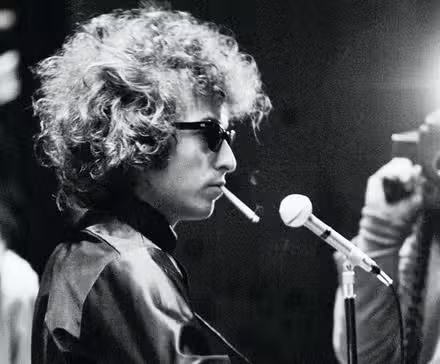
Widely considered one of the greatest singers of all time, Marvin Gaye served as one of the most important voices in soul music. Commonly dubbed the Prince of Motown, everything that he offered art was bred from pure spirit. As a gifted singer, songwriter, and producer, his untimely death was not at the expense of an extensive discography that changed everything we knew about R&B. From hits like “I Heard It Through the Grapevine” to “Ain’t No Mountain High Enough,” his sultry vocals shook an entire generation, shaping the sound of soul music throughout the 1960s and 1970s.
But while his countless hits make up a catalog that travels through funk, jazz, and soul, the track recently dubbed as the “Greatest Song Ever” doesn’t even sit in Gaye’s top three most streamed hits. “What’s Going On,” released on January 21, 1971, served as a political observance of unsettling times in the United States. It was a plea for a return to our own humanity, to not let violence and hate be what drives our division. With a legacy and relevance that has only grown over time, here’s a deeper dive into Marvin Gaye’s “What’s Going On.”
The History Behind Marvin Gaye’s “What’s Going On”
One of the most important things to note about “What’s Going On” is that it almost never happened. Originally written by Renaldo “Obie” Benson of The Four Tops, the inspiration stemmed from his witnessing of police violently attacking anti-war protesters during the 1969 People’s Park demonstrations in Berkeley. It was an outpouring of desperation and despair, as it seemed almost impossible to survive the chilling reality of being young, Black, or anti-violent in America at the time. However, the rest of the band members wanted to avoid recording the track out of fear that the song was just “too political.” Though the lyrics spoke to the salvation of love, it did not shy away from acknowledging the brutality that ran rampant in the streets.
We don’t need to escalate
You see, war is not the answer
For only love can conquer hate
You know we’ve got to find a way
To bring some lovin’ here today
Picket lines and picket signs
Don’t punish me with brutality
Talk to me
So you can see
Who’s Your Perfect Classic Rock Band?
Benson went on to pitch the song to several other artists, including Joan Baez, but it wasn’t ultimately considered with sincerity until it reached Gaye. The musician connected with it immediately, especially because his brother had recently returned from the Vietnam War, and Gaye himself was dealing with grief after the death of duet partner Tammi Terrell. He knew that this song needed to be recorded, and that he would be able to infuse it in with genuine honesty and longing for change.
However, there were still a few obstacles to overcome. Motown founder Berry Gordy hated the song and wanted to stop it from being recorded, reportedly regarding it as too jazzy, too political, and “the worst thing” he had ever heard. He didn’t think it was the right sonic move for his career. Yet, Gaye knew he had something special on his hands and refused to record anything else until the song was released. His instinct was undeniably on the mark.

Bob Dylan’s Controversial Protest Song Nearly Got Him Into Legal Trouble 50 Years Ago
The singer was inspired after a visit to the Trenton State Prison.
Marvin Gaye’s Biggest Hit Is Not “What’s Going On”
Enlisting the help of session musician Eli Fountain, legendary bassist James Jamerson, and Motown songwriter Al Cleveland, “What’s Going On” immediately touched the hearts of equally fatigued citizens who longed for normalcy and peace. It topped the Hot Soul Singles and R&B charts for weeks on end, landing at number two on the Billboard Hot 100 and selling over two million copies.
And yet, despite its overwhelming success, “What’s Going On” was ultimately not Marvin Gaye’s biggest commercial hit. Still, “What’s Going On” became his defining song because of its emotional depth, social message, and timeless relevance. While songs like “Sexual Healing” and “Let’s Get It On” are typically the hits that come to mind when reflecting on the decades of Gaye’s legacy, “What’s Going On” is unequivocally his most meaningful contribution to society at large. The declaration of injustice continues to be regularly ranked among the greatest ever made, with many critics referring to it as one of the most important protest songs in music history.
Entertainment
“Malcolm in the Middle” star Erik Per Sullivan rejected ‘buckets of money’ for revival to do this instead
:max_bytes(150000):strip_icc():format(jpeg)/Erik-Per-Sullivan-Malcolm-in-the-Middle-040626-3288191eed884928a5170dd9d72338f0.jpg)
Caleb Ellsworth-Clark will portray Dewey for the revival.

Us Weekly has affiliate partnerships. We receive compensation when you click on a link and make a purchase. Learn more!
If you’re already planning your festival beauty looks, you know it’s all about bold color that actually lasts. Between long days in the sun, packed crowds and back-to-back sets, your makeup needs to hold up — not fade halfway through the first performance. That’s where this viral blush comes in — and part of a limited-time sale.
The Color Bloom Liquid Blush from SHEGLAM is a fan-favorite formula that delivers a perfectly sunkissed flush with just one dot. Seriously — just one tiny dab is all it takes to wake up your complexion and add that natural-looking warmth. It’s already just $7, but through March 31, the brand is offering 15% off orders over $45 with code HERGLAM — making it the perfect time to build your full look for less.
Get the Color Bloom Liquid Blush-Hot Topic for $6 at SHEGLAM!
The magic of this blush is in its lightweight gel-cream formula, which melts into skin instead of sitting on top of it. It blends out seamlessly for a soft, skin-like finish that looks fresh — but the payoff is bold enough to show up in sunlight and still look good hours later. Even more, it’s infused with antioxidant vitamin C to help hydrate and brighten, giving your cheeks that healthy, lit-from-within look.
The built-in sponge tip applicator makes it basically foolproof. Just dab, blend and go — no brushes, no complicated techniques. And because the pigment is so rich, a little truly goes a long way, meaning your look stays vibrant from the first set to the final encore. It also comes in a wide range of pink, coral and berry shades to match any festival look.
A viral hit on TikTok, the hashtag #sheglamblush has racked up more than 62.2k posts — and shoppers are just as obsessed. One reviewer shared that “one tiny dot” was all it took for the color payoff to be “amazing.” Another called it “hands down” the “best blush” they’ve ever tried, adding that it blends out “beautifully.”
If you want that bold yet effortless festival flush that actually lasts, this viral blush makes a real difference. It gives your cheeks that fresh, just-back-from-the-sun look that holds up through heat, crowds and long days outside. Grab one (or a few shades) now while it’s still on sale — your festival makeup lineup will thank you!
Get the Color Bloom Liquid Blush-Hot Topic for $6 at SHEGLAM!

Crypto World20 seconds ago
Charles Hoskinson Defends Cardano Midnight Bridge Plan

Entertainment1 minute ago
Bold and Beautiful 2-Week Spoilers April 6-17: Sheila Crashes and Carter’s Shocking Baby Bombshell!

NewsBeat4 minutes ago
ITV News viewers baffled as bulletin vanishes from air and channel issues apology


-

 NewsBeat4 days ago
Steven Gerrard disagrees with Gary Neville over ‘shock’ Chelsea and Arsenal claim | Football
-

 Business4 days ago
No Jackpot Winner and $194 Million Prize Rolls Over
-

 Fashion3 days ago
Weekend Open Thread: Spanx – Corporette.com
-

 Crypto World5 days ago
Gold Price Prediction: Worst Month in 17 Years fo Save Haven Rock
-

 Business20 hours ago
Three Gulf funds agree to back Paramount’s $81 billion takeover of Warner, WSJ reports
-
Crypto World6 days ago
Dems press CFTC, ethics board on prediction-market insider trades
-

 Sports2 days ago
India men’s 4x400m and mixed 4x100m relay teams register big progress | Other Sports News
-

 Business5 days ago
Login and Checkout Issues Spark Merchant Frustration
-

 Tech6 days ago
EE TV is using AI to help you find something to watch
-

 Sports6 days ago
Tallest college basketball player ever, standing at 7-foot-9, entering transfer portal
-

 Politics7 days ago
Should Trump Be Scared Strait?
-
Tech7 days ago
Daily Deal: StackSkills Premium Annual Pass
-

 Tech7 days ago
Flipsnack and the shift toward motion-first business content with living visuals
-

 Sports7 days ago
Women’s hockey camp eyes fitness boost, tactics ahead of WC 2026 campaign | Other Sports News
-

 Crypto World7 days ago
U.S. rule change may open trillions in 401(k) funds to crypto
-

 Tech6 days ago
How to back up your iPhone & iPad to your Mac before something goes wrong
-

 Politics7 days ago
Usha Vance: Disney Hats Over MAGA Caps?
-
Crypto World7 days ago
Valinor raises $25m to put private credit on-chain
-

 Business7 days ago
Functional benefits brewing in coffee innovation
-

 Tech6 days ago
What Are The Biggest Limitations Of Supercomputers?
You must be logged in to post a comment Login