






The Prime Minister is facing renewed calls for his resignation over the scandal.
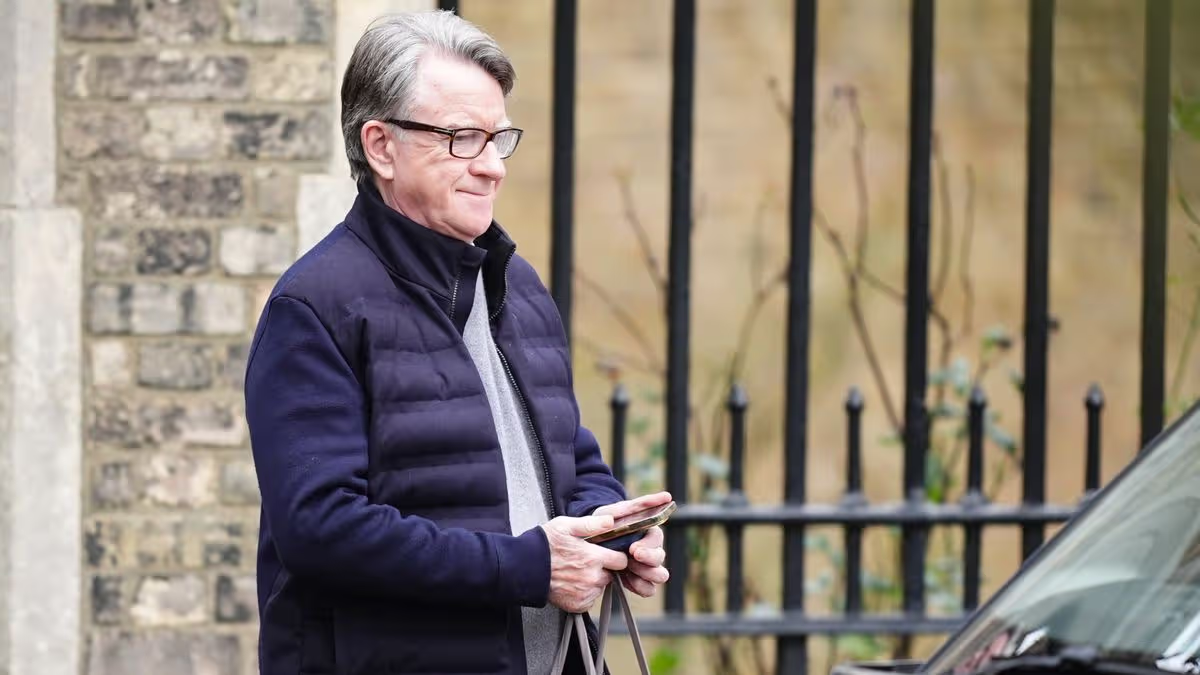
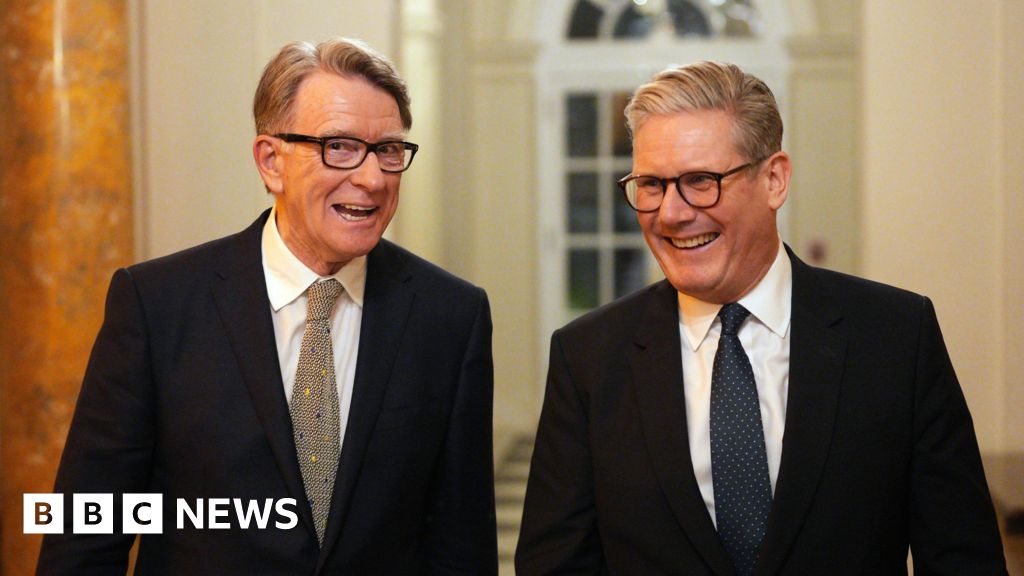
Sir Keir Starmer has been accused of misleading MPs over the appointment of Lord Peter Mandelson as ambassador to the US, after it was reported the peer failed his security vetting but was still handed the Washington job.
Security officials initially denied Lord Mandelson clearance, but the Prime Minister had already named him as Britain’s top diplomat in the US, and the Foreign Office took the rare step of overruling the recommendation, according to The Guardian.
Sir Keir has previously insisted due process was followed in the appointment, and that Lord Mandelson had lied about the extent of his links with paedophile financier Jeffrey Epstein.
The Labour leader has also said the vetting carried out independently by the security services “gave him clearance for the role”.
But the peer was not granted approval following the secretive process by the Cabinet Office’s UK Security Vetting (UKSV) last January, the newspaper reported.
Conservative leader Kemi Badenoch said on X: “Last September, Keir Starmer told Parliament three times that ‘full due process’ was followed over the appointment of Lord Mandelson.
“We now know the Prime Minister misled the House.
“The Prime Minister must take responsibility.”


Liberal Democrat leader Sir Ed Davey said: “Keir Starmer had already made a catastrophic error of judgment. Now it looks as though he has also misled Parliament and lied to the British public. If that is the case, he must go.
“Labour came into government on a promise to clean up politics. Instead we’re seeing the same old sleaze, scandal and cover-ups as we did under the Conservatives.”
The Green Party also called for Sir Keir to resign.
Lord Mandelson, a political appointment rather than a career diplomat, was sacked from his Washington role last September when more details emerged about his relationship with Epstein, who died in 2019.
Sir Keir has been under fire over the decision to give Lord Mandelson the job despite it being known that his dealings with Epstein continued after the financier’s conviction for child sex offences.
Questions over his judgment intensified after the first batch of documents showed he was warned before announcing Lord Mandelson’s ambassadorship of a “general reputational risk” over the Epstein ties.
That warning stemmed from the first part of the checks, carried out by the Cabinet Office, which was based on information in the public domain at the time.
The second was the highly confidential background vetting by security officials, which followed the announcement but before Lord Mandelson took up his role in February 2025.
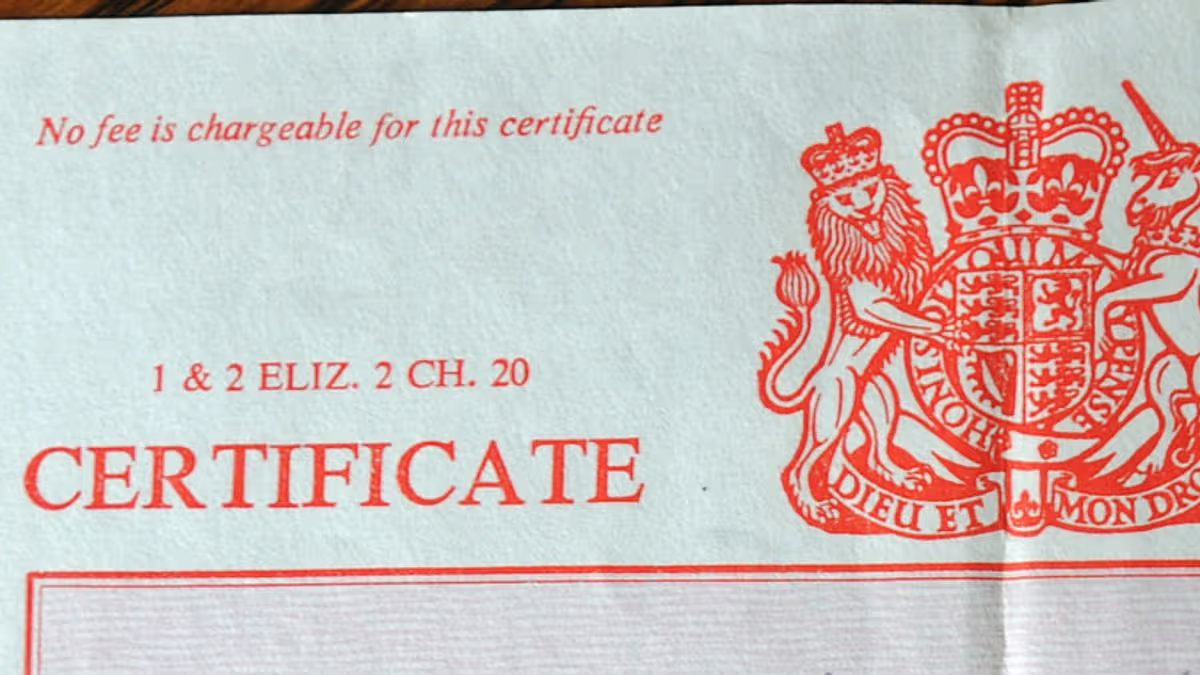
Information unearthed in this process – including any concerns – is never shared with ministers, and the result is binary, either clearing the candidate or barring them.
Foreign Office officials deployed a rarely used authority to override the decision to deny Lord Mandelson clearance, and he was told days later that he had passed, according to The Guardian.
More documents are yet to be released at the behest of MPs.
The Guardian reported that senior Government officials have been weighing whether to withhold documents from Parliament that would show Lord Mandelson failed the security vetting.
Some material is expected not to be published either because it relates to a police investigation into Lord Mandelson, or because Parliament’s Intelligence and Security Committee believes it could jeopardise national security or diplomatic relations.
But keeping documents from the committee could amount to a breach of the Conservative motion to release “all papers relating to Lord Mandelson’s appointment”.
Sir Keir said in February that Lord Mandelson was cleared by security vetting, which he criticised for failing to disprove the former Labour grandee’s lies.
He said: “There was a due diligence exercise that culminated in questions being asked because I wanted to know the answer to certain issues.
“That’s why those questions were asked. The answers to those questions were not truthful.
“There was then, I should add, security vetting carried out independently by the security services, which is an intensive exercise that gave him clearance for the role, and you have to go through that before you take up the post.
“Clearly, both the due diligence and the security vetting need to be looked at again.
“I’ve already strengthened the due process. I think we need to look at the security vetting because it now transpires that what was being said was not true. And had I known then what I know now, I’d never have appointed him in the first place.”












































You must be logged in to post a comment Login