



Connect with us
DAPA Banner

Business

Is LaGuardia Airport Open Now? Airport Remains Closed Monday Morning After Fatal Air Canada Collision

Published

on

LaGuardia Airport

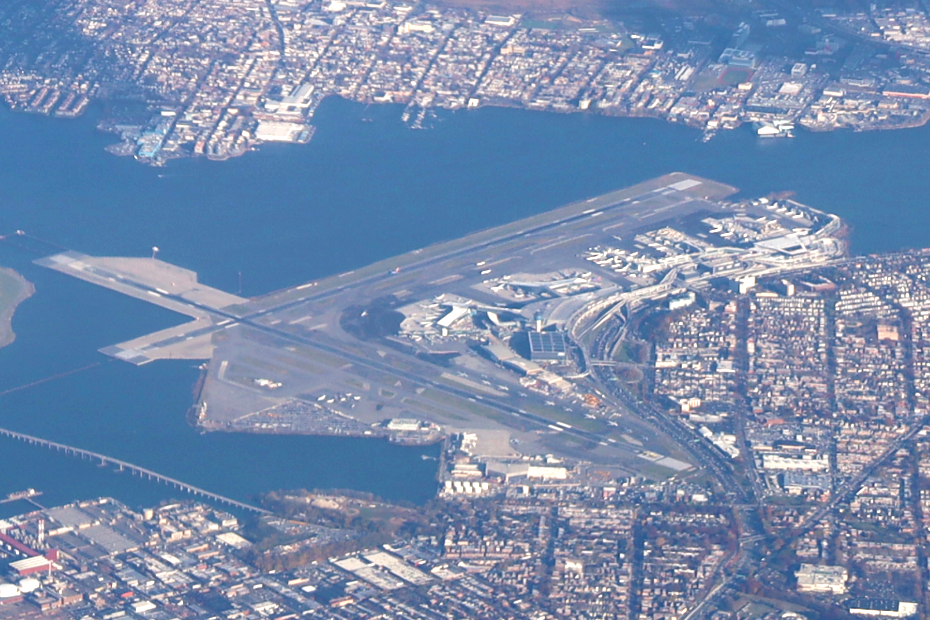
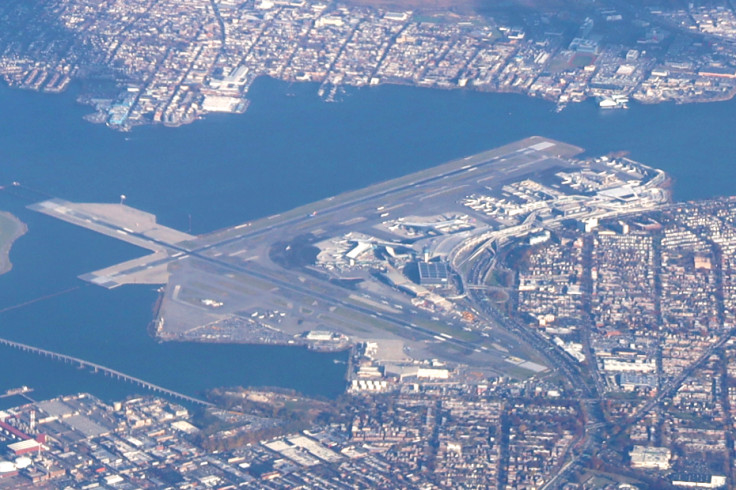
New York — LaGuardia Airport stayed shut early Monday, March 23, 2026, following a late-night collision between an Air Canada Express regional jet and a Port Authority fire truck on a runway, an incident that killed two pilots and injured at least four others, authorities and sources confirmed.

LaGuardia Airport
LaGuardia Airport

The crash happened around 11:38 p.m. Sunday when Jazz Aviation Flight 8646, operating as Air Canada Express from Montreal-Trudeau International Airport, struck the emergency vehicle on Runway 4 while slowing after landing. The Bombardier CRJ-900 sustained major front-end damage, with photos showing the nose crumpled and the aircraft stationary on the tarmac surrounded by emergency responders.

The Federal Aviation Administration issued a ground stop shortly after the incident, halting all arrivals and departures. Officials indicated the airport would remain closed until at least 2 p.m. ET on Monday to allow for emergency response, debris removal, runway inspection, and the start of a National Transportation Safety Board investigation. As of mid-morning Monday, no reopening had occurred, and flight tracking sites showed no active arrivals or departures, with diversions continuing to nearby hubs like Newark Liberty and John F. Kennedy International.

The Port Authority of New York and New Jersey, which operates LaGuardia, confirmed the collision involved a Jazz Aviation flight and a Port Authority Aircraft Rescue and Firefighting vehicle responding to an unrelated airfield matter. “Emergency response protocols were immediately activated,” a Port Authority spokesperson said. “The airport is currently closed to facilitate the response and allow for a thorough investigation.”

Initial reports varied on casualties, but sources familiar with the matter told NBC News and the New York Post that the plane’s pilot and co-pilot died in the impact. Two Port Authority officers or firefighters sustained serious injuries, including broken limbs, though they remained stable at a hospital. Four people total were reported injured in early accounts, with no immediate confirmation of passenger harm. The flight carried about 72 passengers and four crew members; passengers were evacuated orderly, many deplaning from the rear, and videos showed the aircraft’s nose lifting slightly after disembarkation.

Advertisement

The New York Fire Department and Port Authority Police responded swiftly, with fire trucks positioning around the scene. No fire broke out, but the low-speed collision—estimated at around 24 mph based on flight data—still caused significant structural damage to both the aircraft and vehicle.

LaGuardia, one of the nation’s most congested airports with tight airspace and short runways, faced added strain from the closure. The incident compounded existing disruptions, including TSA staffing shortages during a partial federal government shutdown that had already led to long security lines in prior days. Travelers reported widespread cancellations and diversions, with 18 flights affected according to Flightradar24. Airlines urged passengers to check status before heading to the airport, warning of major delays across the Northeast.

The FAA’s National Airspace System status page listed LaGuardia as closed due to the “aircraft emergency,” with high likelihood of extension beyond initial estimates. Some notices suggested potential reopening as late as 6 p.m. GMT (1 p.m. ET), but on-the-ground assessments took precedence. Cleanup crews worked through the night to clear the runway, while NTSB investigators arrived to examine wreckage, review air traffic control communications, cockpit voice and flight data recorders, and witness statements.

Aviation safety experts highlighted runway incursion risks at busy facilities like LaGuardia, where ground vehicle movements require precise coordination. The firefighting truck was on the runway for a separate response, raising questions about clearance protocols, visibility in nighttime conditions, and communication breakdowns. The FAA has pushed enhanced ground surveillance and training in recent years, but incidents persist amid rising traffic.

Advertisement

Air Canada and Jazz Aviation expressed deep concern and full cooperation with authorities. “We are devastated by this tragic event and our thoughts are with those affected,” the airline said in a statement. The carrier worked to rebook passengers and provide support.

The collision drew immediate attention from federal regulators and congressional leaders, who called for swift answers on prevention measures. LaGuardia’s history of operational challenges—exacerbated by its location near dense urban areas—amplified scrutiny.

As Monday progressed, airlines rerouted flights, and ground transportation options swelled with demand. Travelers faced uncertainty, with some opting for trains or driving amid the shutdown. The Port Authority promised updates as recovery advanced.

The incident underscored vulnerabilities in airport ground operations, even at low speeds. With fatalities confirmed, the focus shifted to supporting victims’ families and preventing recurrence. LaGuardia, a key gateway for domestic travel, remained offline into the day, disrupting thousands of itineraries in one of the busiest travel periods.

Advertisement

Final determinations on reopening depended on NTSB and FAA clearance. Officials emphasized safety over speed, vowing a comprehensive probe into the causes.

Continue Reading
Click to comment

You must be logged in to post a comment Login

Leave a Reply

Business

Columbia Income Opportunities Fund Q4 2025 Commentary (AIOAX)

Published

on

Columbia Income Opportunities Fund Q4 2025 Commentary (AIOAX)

Columbia Threadneedle Investments is a leading global asset management group that provides a broad range of actively managed investment strategies and solutions for individual, institutional and corporate clients around the world. Columbia Threadneedle Investments is the global asset management group of Ameriprise Financial, Inc. (NYSE: AMP). For more information please visit columbiathreadneedleus.com.

Continue Reading

Business

Benchmark bond yield rises to 14-month high amid crude price worries

Published

on

Benchmark bond yield rises to 14-month high amid crude price worries
Indian benchmark bond yield rose to a 14-month high on Monday, possibly due to surge in Brent crude oil prices amid escalating conflict in the Middle east.

The 10-year government bond yield was trading at 6.8173 per cent around 11 am on Monday, as compared to Friday’s close of 6.737 per cent. The yield is highest since January 14, 2025, according to the data compiled from market participants.

“Bond yields are rising in response to crude oil prices climbing above USD 110 amid escalating tensions between the US-Israel and Iran. Foreign institutional investors who were net buyers of government bonds in January and February, have also turned net sellers in March,” said Mataprasad Pandey, vice-president at Arete Capital (Choice Group).
He added that higher crude prices are not only fuelling inflation concerns but also putting pressure on India’s trade and current account balances, which is a big negative for the already depreciating rupee moving towards 94.
“These factors not only dampen expectations of a rate cut but raise the possibility of a rate hike if geopolitical tensions persist for long. As a result, increased supply relative to demand is weighing negatively on bond prices,” he added.


The conflict in the Middle East has entered into the fourth week, which led to a sharp surge in the Brent crude oil prices in the international market, which stoked a fear of higher inflationary pressure.
Oil prices rose sharply after Iran said it would strike energy and water systems of its Gulf neighbours if US President Donald Trump followed through with a threat to hit Iran’s electricity grid in 48 hours.Brent crude oil prices are trading at USD 112.66 per barrel. It has risen nearly 50 pet cent since the conflict started late in February.

Higher crude oil prices have also put pressure on the rupee, which also dampened sentiments of traders and investors in the market.

Advertisement

The rupee is trading at 93.9075 against the US dollar, which was up 20 paise since previous close.

Continue Reading

Business

Manchester’s Victoria North named in Government list of seven new towns

Published

on

Business Live

The 15,000-home development is already underway with first residents having moved into new council homes in Collyhurst

Victoria North, Manchester, would see huge redevelopment in Collyhurst and around

Victoria North, Manchester, would see huge redevelopment in Collyhurst and around (Image: Sean Hansford | Manchester Evening News)

Manchester’s massive Victoria North development has been included in a Government list of seven ‘new towns’, hailed as the ‘most ambitious housebuilding programme in more than half a century’.

Advertisement

Victoria North, set to see 15,000 homes constructed across 390-acres of land, is already well into its development phase, with initial plans having surfaced seven years ago. Last year it hit a significant milestone when the first residents moved into their brand new council homes in Collyhurst.

This weekend the Government revealed that the National Housing Bank will commence operations on April 1, and will be supported with up to £16bn of financial capacity, aiming to deliver over 500,000 new homes.

The regeneration scheme will result in up to 15,000 new homes being built between Victoria Train Station and Queen’s Park in Collyhurst over the next 15 years across seven new and existing neighbourhoods. Each neighbourhood will be connected by high quality green spaces that will enhance and celebrate the River Irk, reports the Manchester Evening News.

Andy Burnham, the Mayor of Greater Manchester, said: “We are glad to see Victoria North getting this backing from the Government. It is one of the UK’s most ambitious regeneration projects right at the heart of its fastest-growing city-region. Victoria North will see the building of 15,000 new homes, including many for social rent, alongside high-quality green spaces close to our city centre.

Advertisement

“We believe it is the model of what a new town should be, with modern homes linked to high-quality public transport. Only this week we agreed to invest £60m in a new tram connection for Victoria North from our ground-breaking Good Growth Fund.

“Greater Manchester is ready to deliver a decade of good growth, giving people quality jobs and truly affordable homes, and Victoria North is a crucial part of that.”

Victoria North extends from Angel Meadow in the city centre through to Queen’s Park in Collyhurst. It represents one of the largest regeneration schemes in Manchester’s history – last year, it received official endorsement as one of Labour’s new towns.

Manchester council has additionally partnered with Hong Kong-based Far East Consortium (FEC) on an even more substantial scheme featuring seven new neighbourhoods stretching from the New Cross quarter near Ancoats, along Rochdale Road to Smedley Dip in Collyhurst. The scheme would transform Red Bank, deliver a new tram stop at Sandhills, create a 46-hectare park alongside the River Irk and provide substantial ‘affordable’ housing. Fresh businesses are anticipated to establish themselves beneath the Red Bank railway arches.

Advertisement

Housing Secretary Steve Reed said: “People want real homes they can actually afford and infrastructure that really works – this government is making that a reality for communities across the country. For Greater Manchester, that means at least 15,000 new homes and a new Metrolink stop that will connect communities to jobs right across Greater Manchester.

Aerial view of the Victoria North area in Manchester, including development images in Collyhurst and surrounding areas

Victoria North, Manchester, including development images in Collyhurst and surrounding areas (Image: Sean Hansford | Manchester Evening News)

“Alongside this, our 40% affordable housing target will mean homes will work for ordinary people, not just those who can already afford it. Greater Manchester is ready to build, and together with the new National Housing Bank, we’re laying the foundations our communities deserve.”

Seven sites have been selected for new towns: Tempsford, Leeds South Bank, Crews Hill and Chase Park, Manchester Victoria North, Thamesmead, Brabazon and West Innovation Arc, and Milton Keynes. The Government also evaluated six additional new town sites – Adlington, Heyford Park, Marlcombe, Plymouth, South Barking and Wychavon Town – but concluded these would not proceed. The Government stated that no final decisions have been taken regarding the names of new towns. The potential names under Government consideration include Elizabethtown, honouring the Queen, Pankhurst, commemorating suffragette Emmeline, Attleeton, recognising former Prime Minister Clement Attlee, Athelstan, celebrating the first King of England, and Seacole, paying tribute to nurse Mary, the Times reported.

Manchester council anticipates the initial results of its £4bn scheme in Collyhurst will help promote the broader ambition for the area, which would essentially extend the city centre across predominantly vacant land and increase the local population by 40,000 over a 20-year timeframe.

Advertisement

To find all the planning applications, traffic diversions, road layout changes, alcohol licence applications and more in your community, visit the Public Notices Portal.


Continue Reading

Business

These 5 equity mutual funds lose over 20% on SIP investments in 1 year. Do you own any?

Published

on

The Economic Times

Five equity mutual funds delivered negative SIP returns over one year, with XIRRs between minus 20% and 28%, leaving monthly Rs 10,000 investments barely above contributions, highlighting short-term market volatility.

Continue Reading

Business

Vedanta declares Rs 11/share interim dividend; total payout at Rs 4,300 crore

Published

on

Vedanta declares Rs 11/share interim dividend; total payout at Rs 4,300 crore
Metal major Vedanta Limited on Monday declared a third interim dividend of Rs 11 per share for the financial year 2026. The company will incur a payout of Rs 4,300 crore.

The company has fixed Saturday, March 28, as the record date for determining shareholders’ eligibility to receive the dividend payout.

The decision was taken in a board meeting held on Monday, and the company informed the exchanges during the market hours.

Vedanta shares today fell 6% to hit the day’ low of Rs 634.25 on the NSE amid a bloodbath on the D-Street. The heartbeat Nifty index fell 640 points or 2.8% intraday to hit the day’s low of 22,471.25.

Advertisement

Vedanta dividend history

The Anil Agarwal-promoted company has declared 49 dividends since July 23, 2001, according to Trendlyne data. In the past 12 months, Vedanta has declared an equity dividend amounting to Rs 23 per share. At the current share price, Vedanta’s dividend yield is 3.59%.


Vedanta shares have delivered nearly 40% returns over a one-year period, outperforming the benchmarks Nifty and the BSE Sensex, whose returns are nearly -3% and -5%, respectively, in the same period.
However, the shares have seen a 5% over the past month, largely on the back of the ongoing Iran-Israel war, which is now in its fourth week. Apart from unfavourable market sentiments, Monday’s weakness can also be attributed to the order of the Supreme Court last week, which upheld the Bombay High Court’s ruling that the conglomerate is not entitled to procure high-speed diesel (HSD) at concessional rates against Form C.

The high court had found that Vedanta used HSD for purposes other than mining, including resale to transporters and private parties. It noted that the company’s tax registration certificate restricted the use of fuel to running and maintenance of machinery for mining and processing iron ore for sale.

Vedanta had obtained tax registration under the Goa Value Added Tax Act and the Central Sales Tax Act, which was renewed periodically. However, after the introduction of the compiled GST regime in 2017, the company migrated to the new system but continued to pay central sales tax on HSD purchases and retained its VAT registration.

Advertisement

Tax authorities denied Form C to Vedanta, stating that the company had ceased to be a dealer under the Central Sales Tax Act and that its registration had become infructuous. Vedanta was trying to use Form C in order to avoid local value-added tax of 19% on diesel purchased from Karnataka by availing a concessional rate of 2%, the tax department argued.

The court held that the registration certificate allowed concessional diesel only for running mining machinery, not for resale or supply to third-party transporters. The shares of the company plunged 5% to trade at Rs 637, the lowest level seen by the stock since February 1 this year.

Continue Reading

Business

ASX tumbles to lowest level since May as war drags on

Published

on

ASX tumbles to lowest level since May as war drags on

Australia’s share market has trimmed some losses but still ended at its lowest level since May 2025, as the Middle East conflict continues to wreak havoc on energy prices.

Continue Reading

Business

Zomato’s fee hike to boost margins, demand still intact : Jignanshu Gor

Published

on

Zomato’s fee hike to boost margins, demand still intact : Jignanshu Gor
Zomato’s latest move to raise its platform fee has reignited debate over pricing power, profitability, and consumer behaviour in India’s fast-evolving food delivery and quick commerce market. While the hike nudges it ahead of Swiggy on effective charges, analysts believe the broader story remains one of improving margins rather than weakening demand—at least for now.

Breaking down the math, the revised platform fee of Rs 14.9, along with GST and additional charges, pushes the effective burden higher than its closest rival. Addressing this shift, Jignanshu Gor from Bernstein India said in an interview to ET Now, “Zomato’s hike now makes it higher than Swiggy.” He added that both players have historically moved in tandem on pricing, given the duopolistic nature of the market, and expects Swiggy could follow suit.

The increase—from Rs 12.5 earlier to Rs 14.9—marks nearly 19% growth, which Gor described as “significant growth to profitability.” With Zomato’s adjusted EBITDA per order hovering between Rs 20 and Rs 22, even a modest Rs 2.5 increase can meaningfully boost margins.

However, pricing power comes with its own set of risks. A key concern remains whether higher fees could impact customer behaviour over time. Gor acknowledged that platforms are still experimenting: “The platforms need to find a sweet spot… to ensure that it does not hurt demand elasticity.” At present, the fee accounts for roughly 3% of gross order value, a level he believes is sustainable without denting demand.

Advertisement

Interestingly, a large portion of these fees is not retained. Gor highlighted that “only around 40% of the fee is realised, the remaining is ploughed back as discounts.” This indicates that while headline fees are rising, net realisations remain moderated by competitive discounting strategies.


On the quick commerce front, competition has intensified, particularly since October. Yet, the pace of escalation appears to have stabilised. According to Gor, “the competition in discounting has intensified since October, but… it has largely been stable so far.” Instead of aggressive pricing, players like Flipkart, Amazon, and Zepto are focusing on expanding dark stores and product assortment to capture market share.
Despite concerns around rising costs—especially commercial LPG prices affecting restaurants—demand trends have remained resilient. Gor observed, “we are not seeing necessarily demand curtailment so far.” Even with menu reductions and operational challenges faced by some outlets, order volumes and app usage metrics continue to hold up. Delivery capacity, in fact, remains tight during peak hours, indicating sustained demand.From a market perspective, Zomato’s sharp stock correction from its highs has raised eyebrows. Yet, analysts see this as a function of valuation reset and ownership dynamics rather than a breakdown in fundamentals. Gor pointed out that “we do not think anything has broken in the promise… for the stock price correction to be warranted.”

Looking ahead, profitability in quick commerce could be a turning point. Gor expects that “the loss-making days… are largely behind them,” with EBITDA margins potentially turning positive in the coming quarters. This, along with steady food delivery growth, could help rebuild investor confidence.

That said, the road ahead is not without challenges. The biggest uncertainty, according to Gor, is the size of the addressable market. Slowing growth rates have triggered concerns reminiscent of the food delivery slowdown seen in 2023–24. “The TAM is a bigger problem… than competition,” he remarked, underscoring investor anxiety around long-term scalability.

Competition, however, remains a critical variable. The presence of players like Zepto, along with aggressive moves by Amazon and Flipkart, could influence pricing strategies and profitability trajectories in the near term.

Advertisement

Adding another layer of complexity is the potential impact of GLP-1 drugs on consumption patterns. Gor believes this could emerge as a meaningful factor in the second half of the year: “We expect it will become a part of the food delivery conversation… it will have some impact.” While reduced food intake could lower order frequency, higher average order values and a shift towards healthier offerings may offset some of the downside.

In the near term, Zomato’s fee hike appears less about stretching consumers and more about strengthening its financial backbone. The real test, however, will lie in balancing profitability with demand in an increasingly competitive and evolving market landscape.

Continue Reading

Business

Applied Nutrition profits surge 77% as sales rise and firm says ‘innovation engine is stronger than ever’

Published

on

Business Live

Merseyside firm says it expects to hit full-year targets despite war disruption

Coleen Rooney with a packet of Applied Nutrition Diet Protein and branded water bottle

Coleen Rooney with a packet of Applied Nutrition Diet Protein and a branded water bottle(Image: Applied Nutrition/PA)

Merseyside’s Applied Nutrition has seen profits soar in the past six months as sales have risen – and says it still expects to meet full-year revenue targets despite the impact of the Iran war.

The sports nutrition business said pre-tax profits for the six months to January 31 stood at £20.9m, up 77.1% on a year earlier. Sales rose 56.5% to £74.5m.

Advertisement

In its half-year statement, the company said it was “cognisant” of disruption to shipping routes and purchasing habits in the Middle East with the Iran war and predicted “some reduction” in sales volumes into the region in the current half-year. But it said it still expects to meet full-year revenue targets of around £140 million.

The group said successes over the year included its first out-licensing agreement with Morrisons, extending the Applied Nutrition brand into “mainstream grocery” with new high‐protein food products. It said it had also seen growth in Europe, Latin America and Asia. Work has also begun on the group’s global distribution facility and head office, as well as phase 3 of a factory extension which “will increase revenue capability to £300m”.

Applied Nutrition floated on the London stock market in 2024. The business has been backed by JD Sports and by TV personality Coleen Rooney, who in February increased her stake in the business.

Thomas Ryder, CEO of Applied Nutrition, said: “Our vision to become the world’s most trusted and innovative sports nutrition, health, and wellness brand remains at the heart of our ambition. This six-month period has further highlighted both the breadth of opportunity before us and our proven ability to realise it. The performance and momentum across the business reflects a consumer environment that continues to shift decisively towards health, fitness and wellbeing.

Advertisement

“We have continued to execute against our strategic priorities in the period, with deeper engagement and expanded shelf space with existing customers, new customer wins and entry into new channels, continued international rollout into new geographies, while further progressing the build-out of our D2C offering.

“Since our IPO, we have seen an uplift in our profile, awareness, trust and credibility – exactly as we had envisaged, but even more impactful than we could have anticipated. This has enabled us to move faster and think bigger, with an innovation engine that is stronger than ever, allowing us to bring new products to market at pace, deepen customer relationships and adapt quickly to evolving consumer needs as we continue to build the business for the long term.”

Continue Reading

Business

Berenberg downgrades Beiersdorf stock rating on weak growth outlook

Published

on


Berenberg downgrades Beiersdorf stock rating on weak growth outlook

Continue Reading

Business

Is Canva Down Today? Brief Loading Issues Resolved After Morning Disruption for Some Users

Published

on

Canva

Popular graphic design platform Canva experienced a short-lived service disruption on March 23, 2026, affecting some users who reported difficulties loading the website and accessing designs. The issue, which surfaced early in the Australian Eastern Daylight Time zone, was quickly addressed and marked as resolved by Canva’s official status page.

Canva
Canva

Canva’s status dashboard at canvastatus.com detailed the incident starting around 09:44 AEDT (Australian Eastern Daylight Time), equivalent to late evening March 22 in many global time zones including parts of the Americas. Users attempting to open designs encountered a 503 error — a server-side status code indicating the service was temporarily unavailable or overloaded. Canva acknowledged the problem under the title “Some users may encounter issues loading Canva,” stating engineers were investigating.

By 10:09 AEDT, the company updated the incident to “Monitoring” mode after applying a fix, confirming they were watching for stability. The resolution came shortly after, with a final note: “This incident is now resolved. Thank you for your patience and understanding.” No widespread global outage persisted into the afternoon, and third-party monitors like Downdetector showed no current problems as of mid-day March 23, though isolated user reports from the previous evening lingered in social feeds.

The disruption coincided with Sunday evening/Monday morning in various regions, a peak time for students, freelancers, and small businesses finalizing presentations, social media graphics, or marketing materials. Frustration echoed across X (formerly Twitter), where users vented about lost progress on time-sensitive projects. One user lamented spending six hours on a university presentation only for Canva to fail, questioning if autosaves preserved their work. Another in the Netherlands reported a server error, while others tagged @canva directly for updates.

Canva responded promptly to at least one query, directing affected users to the status page for real-time information. The company’s Help Center advises that crashes or freezes can stem from browser issues, intermittent internet, or app versions, but this event appeared server-related rather than client-side.

Advertisement

Canva, headquartered in Sydney and boasting over 200 million monthly active users worldwide as of recent estimates, has grown into a cornerstone tool for non-designers since its 2013 launch. The platform offers drag-and-drop editing, thousands of templates, AI-powered features like Magic Studio, and integrations for printing, social scheduling, and team collaboration. Its free tier drives massive adoption among educators, marketers, and hobbyists, while Pro and Teams subscriptions unlock premium assets and advanced tools.

Outages, though infrequent, draw swift attention given Canva’s scale. Earlier in March 2026, separate incidents included media upload failures on March 12 (resolved in under 30 minutes) and a 503 error wave around the same period, both tied to temporary server hiccups. Historical context shows Canva has faced broader disruptions linked to third-party providers, such as Cloudflare challenges in late 2025 that blocked access alongside sites like X and ChatGPT, or AWS ripple effects in October 2025.

Monitoring services painted a mixed but improving picture. Downforeveryoneorjustme.com noted no active problems as of checks on March 23, with the most recent detected outage on March 22 lasting about one hour. IsItDownRightNow.com confirmed Canva.com was reachable with low response times in automated pings throughout the day. StatusGator reported operational status late March 22, with minimal user-submitted reports in the prior 24 hours.

Downdetector, which aggregates crowd-sourced complaints, indicated a spike in reports around 5:49 PM EDT on March 22 (corresponding to early March 23 in Australia), but declared no current issues by March 23 morning. Some variance existed across tools — one snapshot suggested problems beginning 46 minutes prior — but consensus pointed to resolution.

Advertisement

For users impacted, Canva recommends checking autosave status (designs typically save in real-time on Pro plans) and refreshing browsers or clearing cache. The Help Center offers troubleshooting for crashes, including updating apps or switching networks. In severe cases, support via chat or email remains available.

This brief event underscores reliance on cloud-based creative tools. As remote work and digital content creation surge — Canva reported massive growth in education and small business sectors — even minor downtimes disrupt workflows. Competitors like Adobe Express, Figma (for more advanced design), PicMonkey, or free alternatives (Google Slides, Microsoft Designer) saw anecdotal mentions as backups during the hiccup.

Canva’s transparency via its public status page — a best practice among SaaS providers — helped mitigate panic. The company has invested in infrastructure resilience, including multi-region hosting and AI enhancements rolled out in 2025-2026, to handle peak loads.

As of March 23, 2026, at 06:30 PM KST (late afternoon AEDT), Canva operates normally across web, mobile (iOS/Android), desktop apps, and integrations. No follow-up incidents appeared on the status page or major monitors. Users experiencing lingering issues should verify local connections, as isolated network problems can mimic outages.

Advertisement

The platform’s recovery highlights efficient engineering response times, often under an hour for targeted fixes. For millions relying on Canva daily — from teachers crafting classroom visuals to entrepreneurs building brands — reliability remains key. While this March 23 event was minor compared to past global disruptions, it serves as a reminder of the internet’s interconnected vulnerabilities.

Looking ahead, Canva continues expanding features like enhanced AI editing and enterprise tools. With no indication of recurring problems, the service stands ready for the week’s creative demands.

Continue Reading

Trending

Copyright © 2025