Connect with us
DAPA Banner

Tech

Better Faux-Analog VU Meters | Hackaday

Published

on

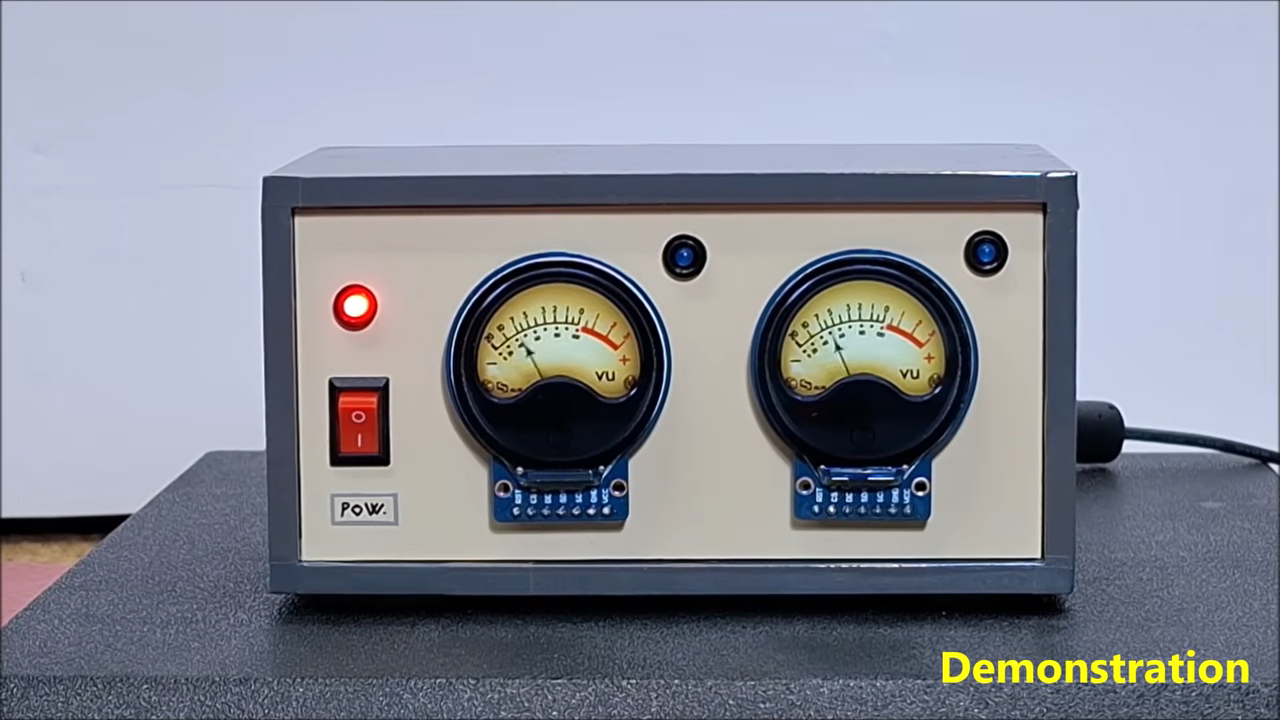
One of the coolest things about old hi-fi hardware is that it often came with flickety needles that danced with the audio level. You can still buy these if you want, or you can simulate the same look on a screen, as [mircemk] demonstrates.

It isn’t [mircemk]’s first rodeo in this regard. An earlier project involved creating simulated VU meters on round displays, but they were somewhat limited. Using the Adafruit GFX library on an ESP32 netted a working setup, but it was jerky and very jagged and digital-looking. It was more akin to a fake needle display running on an 8-bit computer than something that looked like a real vintage VU meter.

[mircemk] didn’t give up and figured the ESP32 microcontroller and GC9A01 round display could surely deliver better results. The trick was to leverage the LVGL graphics library instead, along with the Squarelinestudio UI editor.  The library was able to display far richer graphics that look like an actual vintage VU meter, even appearing glowing and backlit like the real thing. The moving needle animates far more smoothly as well, pulsing with the music in a way that feels far more realistic compared to the earlier attempt.

Advertisement

It’s nice to see this simple project revisited and so boldly improved just a year later. If you’re looking to implement real-looking gauges while retaining the flexibility of a small LCD screen, you might like to try the LVGL library for yourself. With that said, sometimes you just can’t beat the real analog gauges themselves. Video after the break.

Advertisement

Source link

Continue Reading
Click to comment

You must be logged in to post a comment Login

Leave a Reply

Tech

Musk’s case against OpenAI lands roughly in its first week

Published

on

Three days of cross-examination in Oakland produced a $130bn lawsuit’s most awkward admissions, including that xAI trains on OpenAI’s models. The judge, not the jury, will decide.

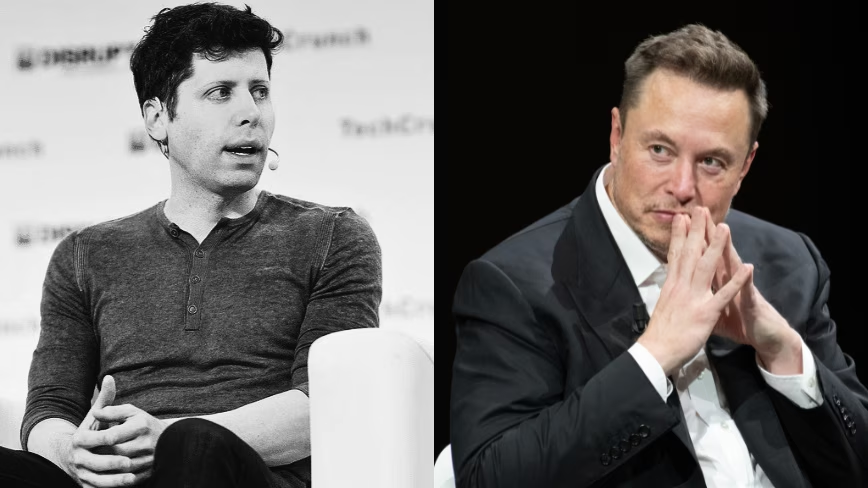
Elon Musk took the stand in Oakland on Tuesday with a story he has been telling for two years. He had founded OpenAI in 2015, he said, to keep advanced artificial intelligence out of the hands of any single company.

Sam Altman and Greg Brockman, his former collaborators, had then quietly turned the lab into a for-profit empire, taken billions from Microsoft, and shut him out. The lawsuit he filed in 2024 was, in his framing, a corrective: a bid to restore the original nonprofit and recover what he says was stolen.

Three days later, that story looked considerably more contested than it had on Monday.

Advertisement

Musk’s case had hit “some rough spots.” Musk’s own admissions on cross-examination, the judge’s repeated warnings about the scope of the dispute, and a series of pre-trial rulings narrowing the legal claims have all combined to make the world’s richest man’s case against the most valuable AI company in the world look, at least at this stage, harder to win than its initial framing implied.

Advertisement

The trial opened on 28 April in the federal courthouse in Oakland, before Judge Yvonne Gonzalez Rogers. A nine-person jury was seated the day before. Musk, his lawyers, OpenAI, Altman, Brockman, and Microsoft are all in the suit.

The headline damages figure is more than $130bn, though some early coverage has cited $150bn; either way the structural remedies Musk is seeking, including a partial unwinding of OpenAI’s for-profit conversion, are arguably the more consequential ask.

The procedural setup is unusual. Although a jury has been impanelled, its verdict is advisory only. Judge Gonzalez Rogers will make the final decision on liability and on remedy, and is expected to rule by mid-May.

The trial is therefore less a contest for the jury’s hearts and minds than a long, public deposition in front of the judge, who has already pruned the case before it began. She dismissed Musk’s fraud claims pre-trial and warned both sides.

Advertisement

Three days, several admissions

Musk was the first witness. He spent parts of three days on the stand, first under questioning from his own counsel, then under sustained cross-examination by William Savitt, OpenAI’s lead lawyer.

The first awkward moment came on the question of nonprofit commitment, the theory at the heart of the case. Savitt produced internal documents and contemporaneous communications that, in his framing, showed Musk had pushed in 2017 and 2018 for OpenAI to convert into a for-profit under his control, and had walked away from the project when that did not happen. “

You were never committed to OpenAI being a nonprofit, Savitt put to him, in an exchange. Musk disputed the characterisation but conceded the documents.

The second awkward moment, audible from the gallery, was Musk’s acknowledgement that xAI, his own AI company and the maker of the chatbot Grok, distils on OpenAI’s models, in effect training on the outputs of the very system he says was wrongly converted to private gain. 

Advertisement

The third was procedural. Savitt argued that Musk had waited too long to sue, and that key claims were filed after the relevant statute of limitations expired. Whether the judge accepts that defence is a separate question, but the timeline becomes part of the record either way.

Even before opening statements, Judge Gonzalez Rogers had reshaped the case. Her pre-trial rulings dropped Musk’s fraud claims and confined the trial to the narrower question of whether OpenAI breached charitable-trust and contract obligations when it restructured.

That makes the case less dramatic in framing, but easier to litigate, and arguably harder for Musk to win on his original theory of grand betrayal.

On day three, Gonzalez Rogers cautioned the lawyers against treating the proceedings as a referendum on AI safety or on Altman’s character. Both sides have been prone to the slippage.

Advertisement

Musk, on the stand, repeated long-running arguments that AI poses existential risk, an answer the judge appeared to find tangential to the legal question of whether OpenAI’s directors breached their fiduciary duties.

What’s coming next?

The trial is expected to run another two to three weeks. Altman is set to testify, as are Brockman, Microsoft chief executive Satya Nadella, and several of OpenAI’s earliest engineers. Musk’s expert witnesses, according to court documents, include the Berkeley AI researcher Stuart Russell and the Columbia Law School tax-and-nonprofit specialist David Schizer.

OpenAI is expected to call its own roster of governance and AI-safety experts, with Axios reporting that the defendants intend to put Grok’s own safety record in front of the jury.

Musk may yet recover ground. Cross-examinations of his founding partners could produce admissions of their own; the documentary record, which neither side disputes runs into thousands of pages, is broad enough to support more than one reading. The judge, not the jury, will decide, and her record so far suggests a willingness to rule on the merits rather than the theatrics.

Advertisement

But the first week, judged on its own, did not go well for the plaintiff. A case that began as a story about a betrayed mission has become, in places, a case about a litigant whose own conduct is now part of the evidence.

If that complicates the verdict or simply colours the coverage is something only Judge Gonzalez Rogers will settle, sometime in the next few weeks.

Source link

Advertisement
Continue Reading

Tech

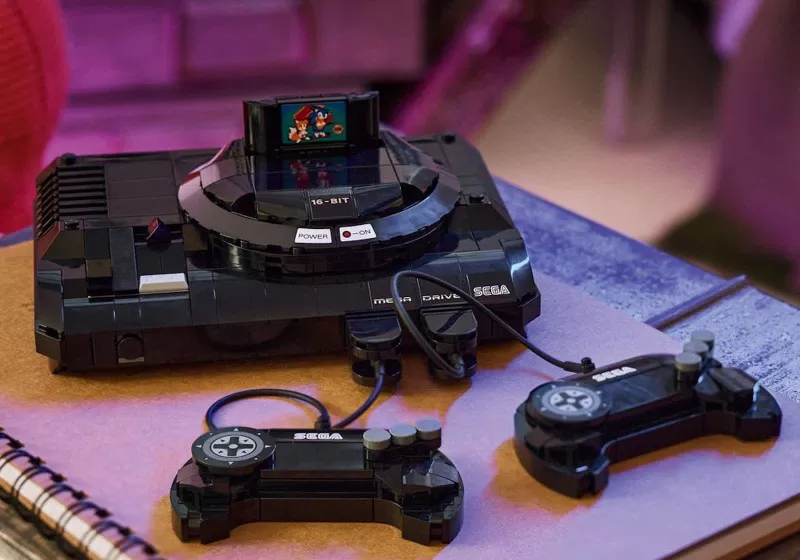
The Sega Genesis is the latest classic console to get the Lego treatment

Published

on


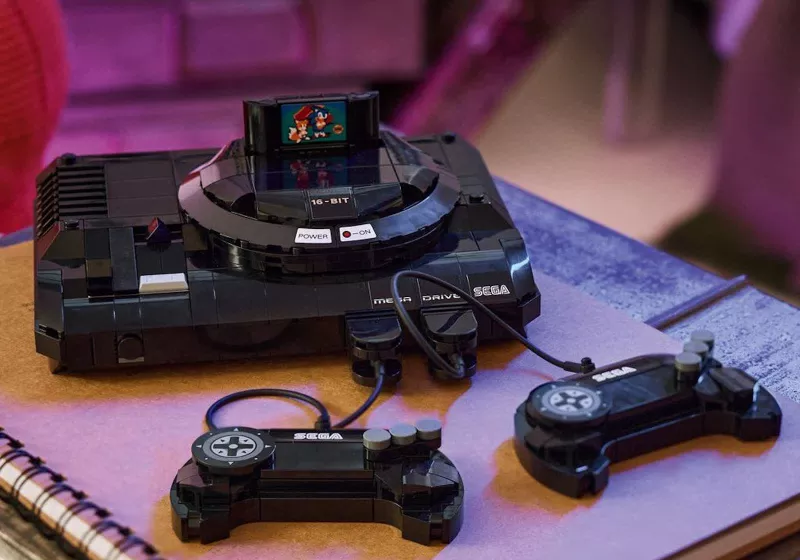
The set launches June 1, priced at $39.99, and comprises 479 pieces. The finished model measures roughly 4.5 inches long and six inches wide, a compact footprint that still leaves room for the details that made the original console recognizable.
Read Entire Article
Source link

Continue Reading

Tech

Inside Look at 1X’s Hayward Factory, the Line That Builds NEO Humanoid Robots

Published

on

1X Hayward Factory Tour NEO Humanoid Robot
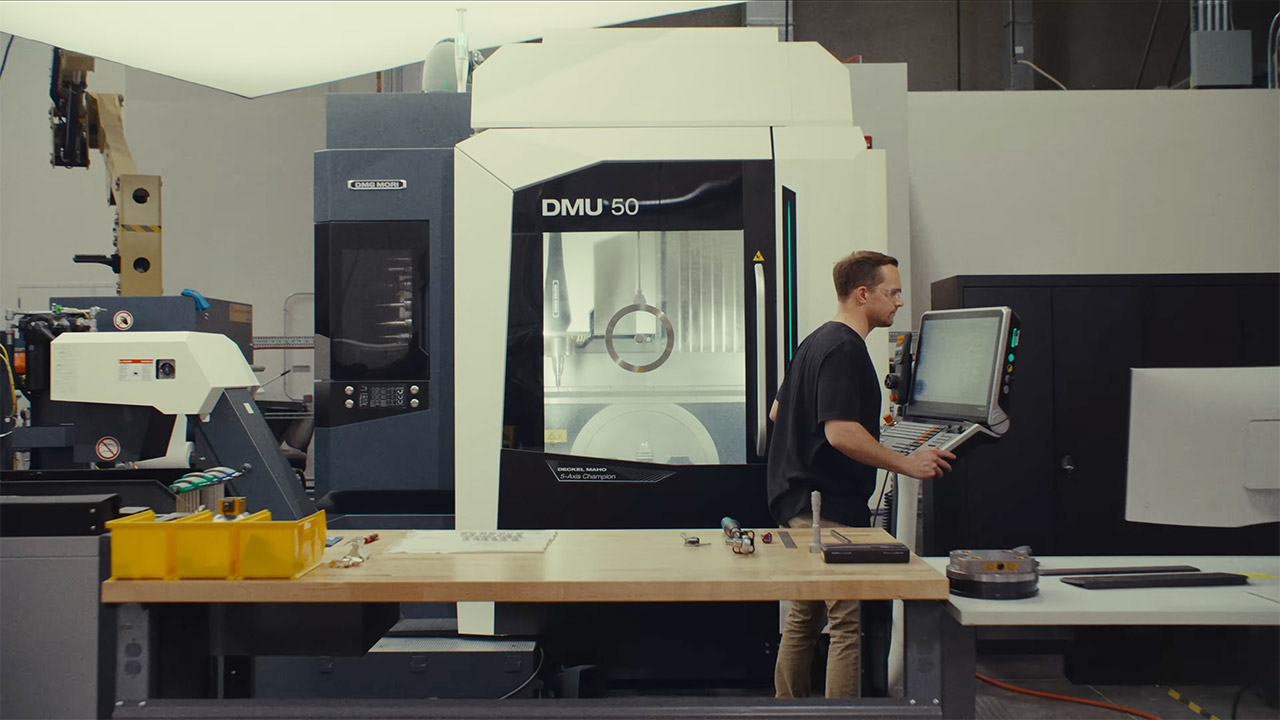
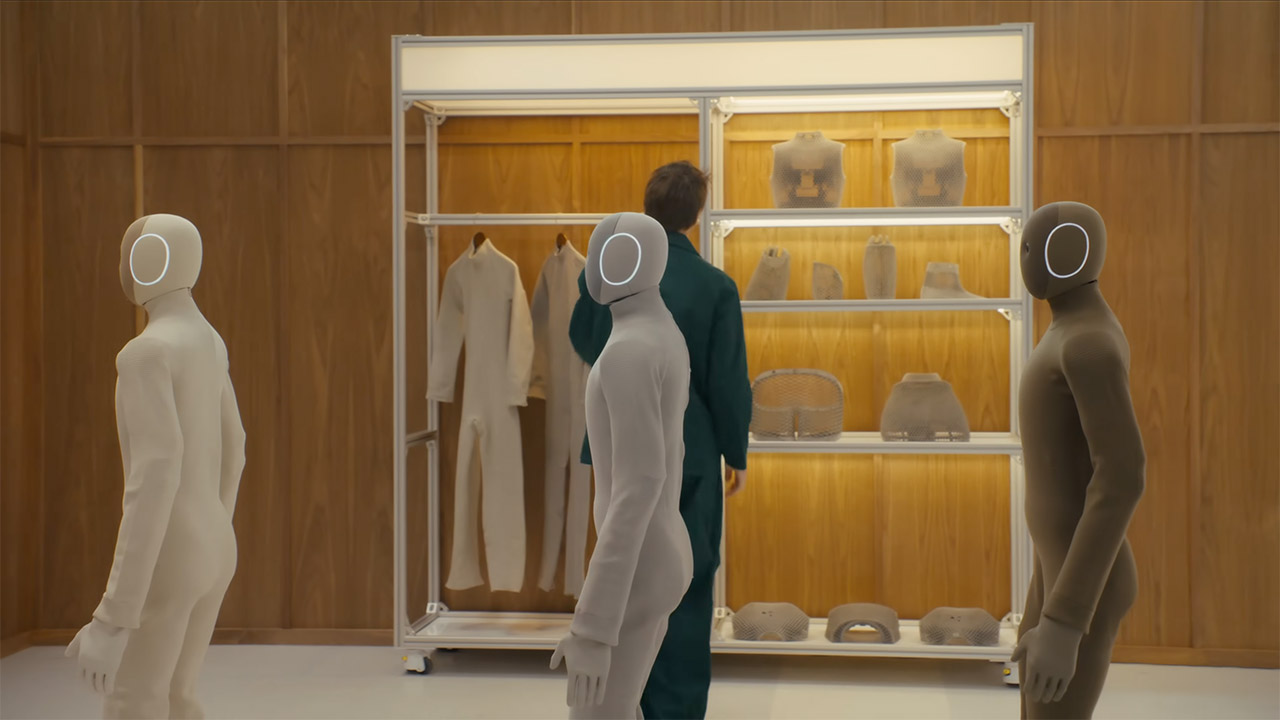
Workers make their way slowly through a 58,000 square-foot facility in Hayward, California, where 1X builds its NEO humanoid robots. A new factory tour takes you through each stage of the process, from beginning to end. Over two hundred people keep the operation running, and the setup already turns out thousands of key parts each month.


Copper spools just roll in and are fed directly into the automated equipment that wind the coils for the Revo 2 motors. These motors power every movement in the NEO. And the factory produces thousands of them each month. Each one goes through a precise set of stages to mold the electrified steel into stators and add some bespoke electronics to give them the extra oomph they require for increased torque. Just down the line, another piece of equipment is being manufactured: carefully braided and treated tendons that will later assist the robot in moving with quiet strength and durability. The hands are created on a specific station where several components are meticulously fitted together, one degree of freedom at a time. The fingers and palms are made up of soft polymer layers, as well as tiny motors and electronic components.


Unitree G1 Humanoid Robot(No Secondary Development)
  • Sleek & Durable Design: Standing at 132cm tall and weighing only approx. 35kg, the G1 is constructed with aerospace-grade aluminum alloy and carbon…
  • High Flexibility & Safe Movement: Boasting 23 joint degrees of freedom (6 per leg, 5 per arm), it offers an extensive range of motion. For safety, it…
  • Smart Interaction & Connectivity: Powered by an 8-core high-performance CPU and equipped with a depth camera and 3D LiDAR. It supports Wi-Fi 6 and…

1X Hayward Factory Tour NEO Humanoid Robot
Meanwhile, battery packs are being assembled on an automated line that undergoes a welding procedure every half second. These packs are constructed of aerospace-grade materials, and there’s even a way to monitor their health. It checks in on them 100 times each second to ensure they’re ready to travel. Cooling passages run along the top and bottom of the pack to keep everything steady when utilized at maximum intensity.

1X Hayward Factory Tour NEO Humanoid Robot
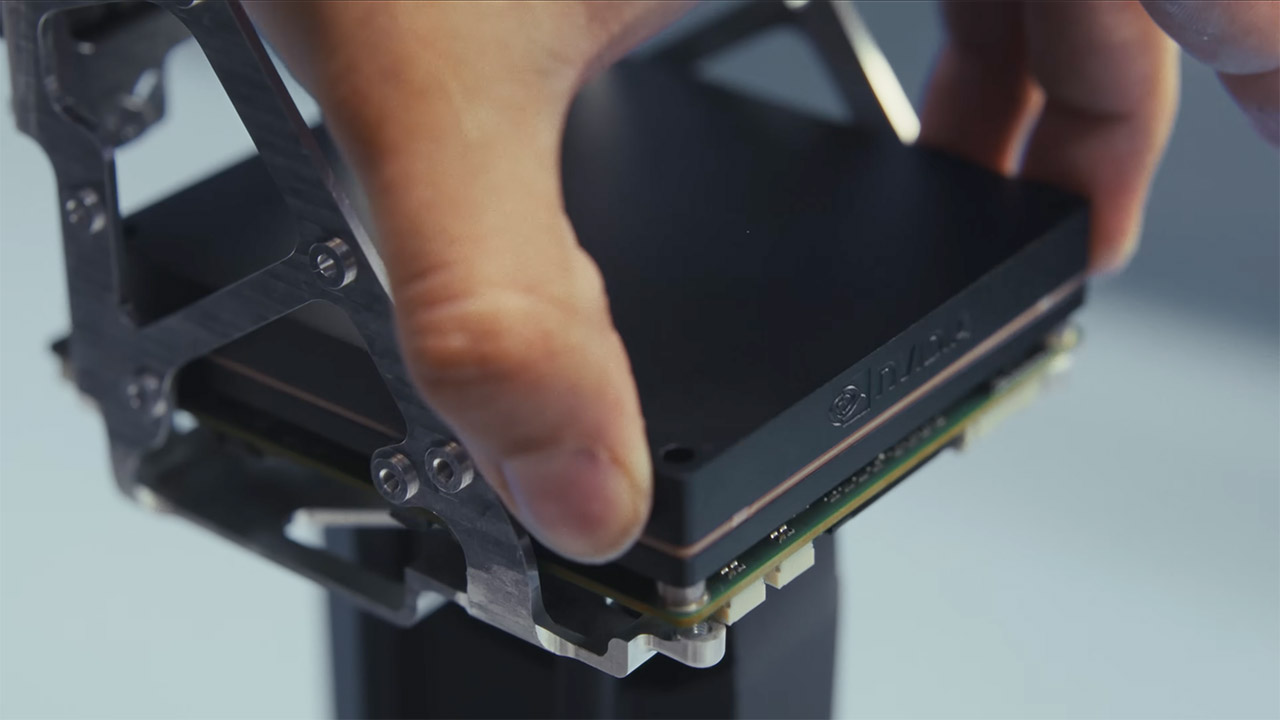
As this is going on, the robot’s main computer, the Cortex, is outfitted with an NVIDIA Jetson Thor board, stereo cameras, microphones, and sensors. All of these modules are pre-kitted and simply slide into each station, wasting no space. Once the joints and limbs are put together, the final components begin to fall into place. The robot takes shape gradually, with each station contributing one more bit of functionality at a time. There is a rapid check for any faults right away, and the tools ensure that parts only fit in the correct way. Tendons are given an early start to avoid future issues. It everything comes together at the end of the line, where the robot stands upright for the first time, looking quite vertical. Covers and the outer soft suit are then carefully placed on, which is a delicate operation, before the last inspection to ensure everything is in order.

1X Hayward Factory Tour NEO Humanoid Robot
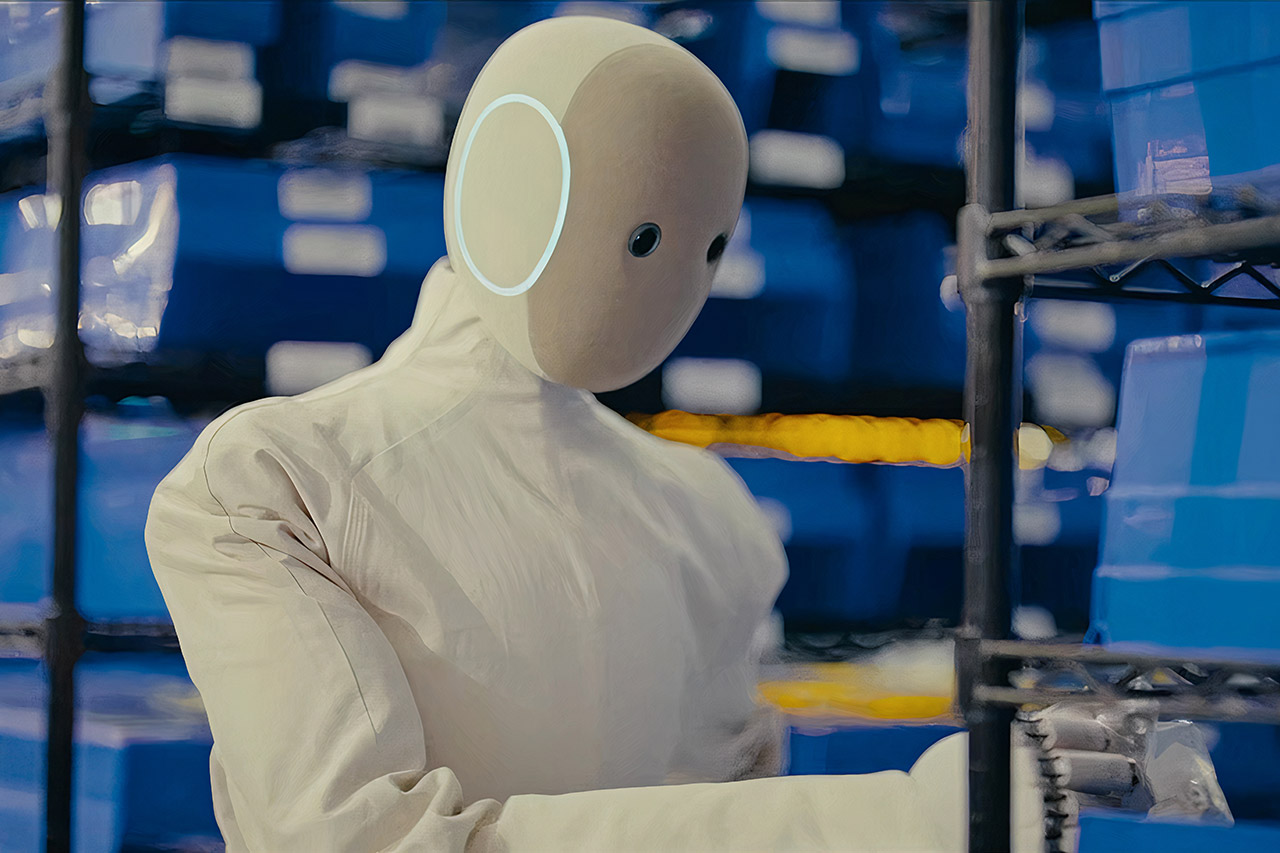
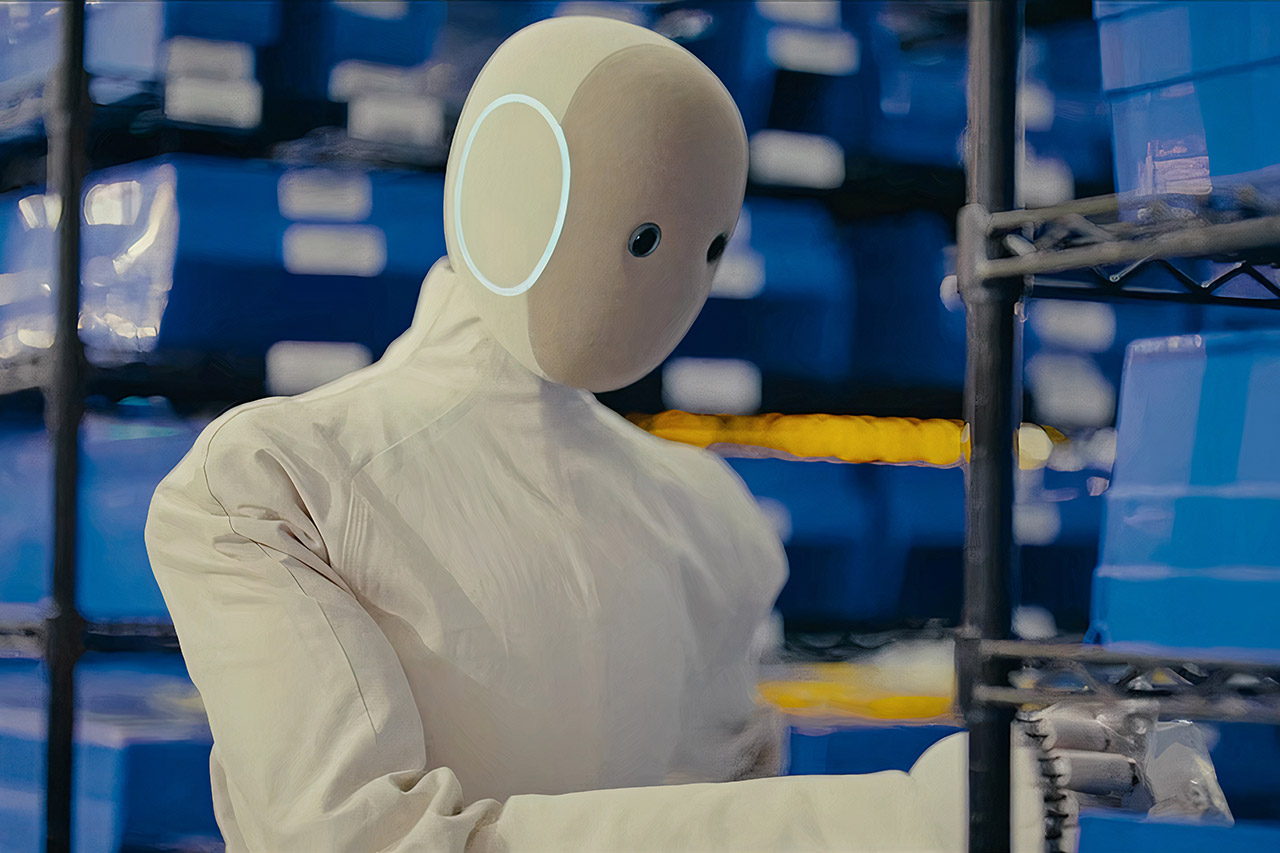
Some of the first NEO units are already hard at work on the factory floor. They are transporting bins of gears and pulleys from one location to another, sorting parts, or transferring commodities. It’s odd to watch robots helping out by handling the simple tasks so that humans may focus on the more complex ones. They’ll eventually make their way into households, but for the time being, they’re helping out on the production line by performing simple repeating jobs. More positions, like as general facility duties, will become available shortly, allowing human workers to focus on more difficult tasks. Production is currently in full swing, with plans to produce 10,000 robots per year, a second facility in the pipeline, and a goal of more than 100,000 robots per year by the end of 2027.
[Source]

Source link

Advertisement
Continue Reading

Tech

This $25,000 Robot Looks Right Out of Star Wars

Published

on

The two-legged Tron 1 robot from LimX Dynamics bears a striking resemblance to the AT-ST walkers from Star Wars, but it’s not made for conquering the galaxy.

Watch this: This $25,000 Robot Looks Like a Mini Star Wars AT-ST

I took the Tron 1 for a spin earlier this year at CES, but right out of the box its abilities were largely limited to preprogrammed movements and remote-control operation. Driving the robot around a Las Vegas hotel room was a lot of fun, but I didn’t scratch the surface of what the robot was capable of until now.

Advertisement

LimX Dynamics has shared some videos of the Tron 1 being put to work in real-world scenarios: as a tour guide, a delivery robot and even a street photographer.

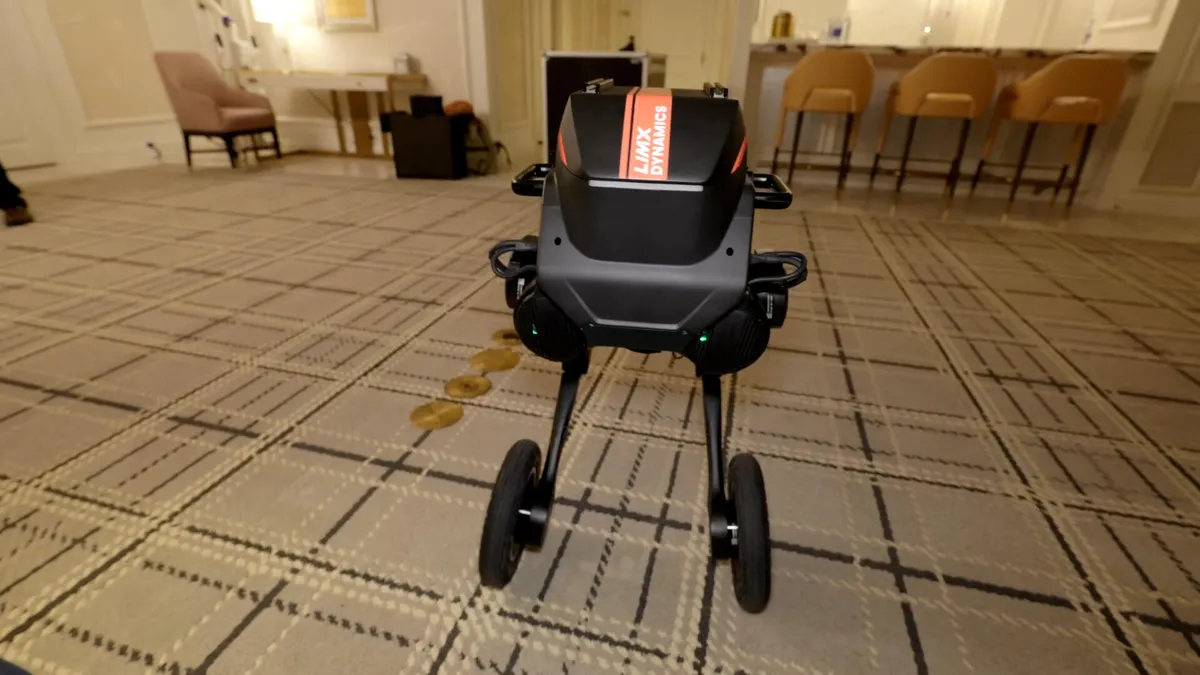
two legged robot tron 1 from limx dynamics stands in a hotel room with wheels on its feet

The Tron 1 from LimX Dynamics comes with wheels, pointed feet and flat feet attachments.

Celso Bulgatti/CNET

These demos show what developers can program a robot like the Tron 1 to do. Time will tell what other capabilities are unlocked in this and other robots. 

Advertisement

To see the Tron 1 in action, check out the video in this article.

Watch this: Hands-On With Tron 1 Robot

Source link

Advertisement
Continue Reading

Tech

A dozen EV models discontinued in the US as tariffs, tax credit loss, and import costs reshape the market

Published

on

TL;DR

At least a dozen electric vehicle models have been discontinued, paused, or cancelled in the US in 2026, including Tesla’s Model S and Model X, Honda’s entire 0 Series, the Volvo EX30, BMW’s i4 and iX, and multiple Hyundai and Kia EVs. The cause is not technological failure but the compounding effect of 25% import tariffs, 100% tariffs on Chinese-made EVs, and the expiration of the $7,500 federal tax credit, which have made imported EVs uneconomic and forced automakers to build domestically or exit the market.


Advertisement

At least a dozen electric vehicle models have been discontinued, paused, or cancelled in the United States this year. The list includes some of the most recognisable names in the industry: Tesla’s Model S and Model X, Honda’s entire 0 Series, the Volvo EX30, the BMW i4 and iX, the Hyundai Kona Electric and Ioniq 6, the Kia Niro EV and EV6 GT, and the Acura RSX. Some are being replaced by newer models. Some are being killed by tariffs. Some are casualties of a strategic retreat from battery-electric vehicles toward hybrids. And two, Tesla’s oldest and most historically important cars, are being retired to make room for humanoid robots. The common thread is not that the technology failed. Every one of these vehicles works. The common thread is that the economics of selling an electric car in the United States in 2026 have become hostile enough that automakers are choosing not to.

The tariff casualties

The largest category of discontinued EVs consists of models imported from outside the United States that can no longer be sold profitably under the current tariff regime. The Hyundai Kona Electric, which started at approximately $33,000 and was one of the cheapest EVs on the American market, has been paused for the 2026 model year because Hyundai cannot justify shipping it from its Korean plants under a 25 per cent import tariff. The Hyundai Ioniq 6, also built in South Korea, has been dropped from the US lineup entirely, though the high-performance Ioniq 6 N variant may still arrive later this year. The Kia Niro EV, imported from Kia’s Hwaseong plant in South Korea, has been discontinued after the combination of tariffs and slowing EV demand made the model uneconomic for American dealerships. Kia has also delayed the GT trims of its EV6 and EV9 “until further notice” due to what the company called “changing market conditions.”

The 💜 of EU tech

The latest rumblings from the EU tech scene, a story from our wise ol’ founder Boris, and some questionable AI art. It’s free, every week, in your inbox. Sign up now!

Advertisement

The Volvo EX30 is the clearest illustration of how tariff policy can kill a product. Chinese-made EVs face 100 per cent tariffs in the United States, so Volvo moved EX30 production from China to its Ghent plant in Belgium. Then the Trump administration imposed a 25 per cent tariff on all imported vehicles. The EX30, which was supposed to be a breakthrough affordable EV with a starting price under $35,000, now costs $40,345 in the US. Volvo sold 5,409 units in 2025. The company has confirmed the model will not return to the US market after the 2026 model year. The EX30 remains available in Canada, Mexico, and the rest of the world. Only the American market, where the tariff stack made the pricing unworkable, loses access to it.

The strategic retreats

Honda’s cancellation of its 0 Series is the most expensive strategic retreat in the current cycle. In March, the company scrapped the Honda 0 Saloon, the Honda 0 SUV, and the Acura RSX, all three of which were planned for production at Honda’s EV hub in Marysville, Ohio. The cancellation triggered up to $15.7 billion in associated losses, the company’s first annual loss since it listed on the Tokyo Stock Exchange in 1957. Honda is pivoting to hybrids, which set an all-time sales record in February with 30,671 units. The company’s only remaining EV in the US is the Prologue, built in Mexico through a joint venture with General Motors. Honda had unveiled a production-ready version of the Acura RSX just six months before cancelling it.

Tesla’s sales challenges are different in nature but lead to the same outcome. The Model S and Model X, Tesla’s oldest and most expensive vehicles, accounted for less than 3 per cent of the company’s total deliveries in 2025. Elon Musk announced their retirement with the phrase “honourable discharge” and said the Fremont production lines that built them will be converted to manufacture Optimus humanoid robots, with a target of one million units per year. The last Model S and Model X rolled off the line in early April. The Model S started at $94,990 and the Model X at $99,990, prices that placed them in a segment where demand was shrinking. Musk framed the decision as a pivot toward autonomy. The market read it as Tesla choosing robots over sedans because the margin opportunity in humanoids, if it materialises, dwarfs the revenue from low-volume luxury EVs.

The platform transitions

BMW’s discontinuations are the most orderly. The i4 sedan and iX SUV are being phased out not because of tariffs or losses but because BMW is replacing them with next-generation vehicles built on its Neue Klasse platform. The i4, which reached 60 mph in 3.7 seconds and offered up to 333 miles of range, will end production by late 2026. Its replacement, the new i3 sedan, will be built at BMW’s Munich plant starting in August and is expected to offer up to 440 miles of range on the Neue Klasse architecture. The iX is being replaced by the iX3, which features BMW’s Gen6 eDrive technology with improved range, faster charging, and a more integrated electrical system. The iX will continue selling in Europe but has been discontinued in the US.

Advertisement

EVs are still projected to overtake combustion sales globally by the early 2030s, and BMW’s Neue Klasse programme is a bet that the next generation of electric vehicles will be substantially better and cheaper than the current one. The company’s discontinuations are planned obsolescence, not retreat. But they still remove vehicles from the market at a moment when the American EV selection is shrinking. A buyer who wanted a BMW i4 in December will not be able to buy one in January. The i3 replacement may be better, but it is not available yet.

The pattern

The combined effect of these discontinuations is that the number of electric vehicle models available to American consumers is declining at the same time that global EV production and sales are growing. EV startups have struggled for years to release a single car, and now established automakers are pulling models from the US market. The cause is not a single policy. It is the compounding effect of multiple policies: a 25 per cent tariff on imported vehicles, a 100 per cent tariff on Chinese-made EVs, the expiration of the $7,500 federal tax credit that made many EVs price-competitive with combustion alternatives, and the Section 301 investigations that create ongoing uncertainty about future trade conditions. Each policy individually might be absorbed. Together, they have created an environment where the only EVs that make economic sense in the US are the ones built in the US, and even some of those are being cancelled.

The models that survive are instructive. Hyundai’s Ioniq 5, built at its plant in Georgia, remains on sale. Kia’s standard EV6 and EV9 trims, produced at its West Point, Georgia, factory, remain on sale. Tesla’s Model 3, Model Y, and Cybertruck, all built in the United States, continue. Ford’s next-generation EV factory investments are positioning the company for a market where domestic production is the only viable path. The tariff regime is achieving exactly what it was designed to achieve: forcing automakers to build in America or exit the market. The cost is that American consumers have fewer electric vehicles to choose from at a moment when the technology is better, cheaper, and more varied than it has ever been. The vehicles being killed in 2026 are not bad cars. The Volvo EX30 was one of the best-reviewed small EVs in the world. The Honda 0 Saloon was supposed to redefine the company. The Tesla Model S changed the industry. They are casualties not of engineering failure but of trade policy, and the market they leave behind is smaller, more expensive, and more American than the one they entered.

Advertisement

Source link

Continue Reading

Tech

Asus Zenbook A16 (2026) Review: Savor the Power, Ignore the Beige

Published

on

So, what’s not to like? Well, early compatibility problems slowed the initial uptake of Snapdragon X, and the CPU’s integrated graphics performance turned out to be pretty terrible. And to date, powerful onboard AI features just haven’t proven important, as most AI workloads are still being done in the cloud. With the second-generation X2, Qualcomm set out to deliver on the original promise of faster performance.

But what exactly does “faster” mean? As with most claims in the PC computing space, it’s all about the benchmarks. On the Zenbook A16, the tests I ran indeed showcased exemplary performance from the X2 Elite Extreme, in some of the most widely used benchmarking tools, namely Geekbench 6 and Cinebench 2024. (I don’t have enough competitive Cinebench 2026 results to make wide comparisons yet on that benchmark.)

The performance boost on Geekbench is particularly striking, with the A16 scoring 50 to 100 percent faster than competing systems from AMD and Intel. It’s even faster than the Apple MacBook M4 Pro, the last Mac for which I have comparable benchmark scores. However, that Mac did beat the Asus on the Cinebench benchmark, but not by much, and the Asus now stands solidly in second place in my testing archive.

Advertisement

Graphics performance is much better than in previous generations of Snapdragon X chips, with frame rates quadrupling on average, depending on the test. That’s a dramatic and much-needed improvement for the CPU, and while no one will accuse the A16 of being a gaming rig, it does at least make for a workable experience with less taxing games and graphics-heavy workloads.

Beige Belies Performance

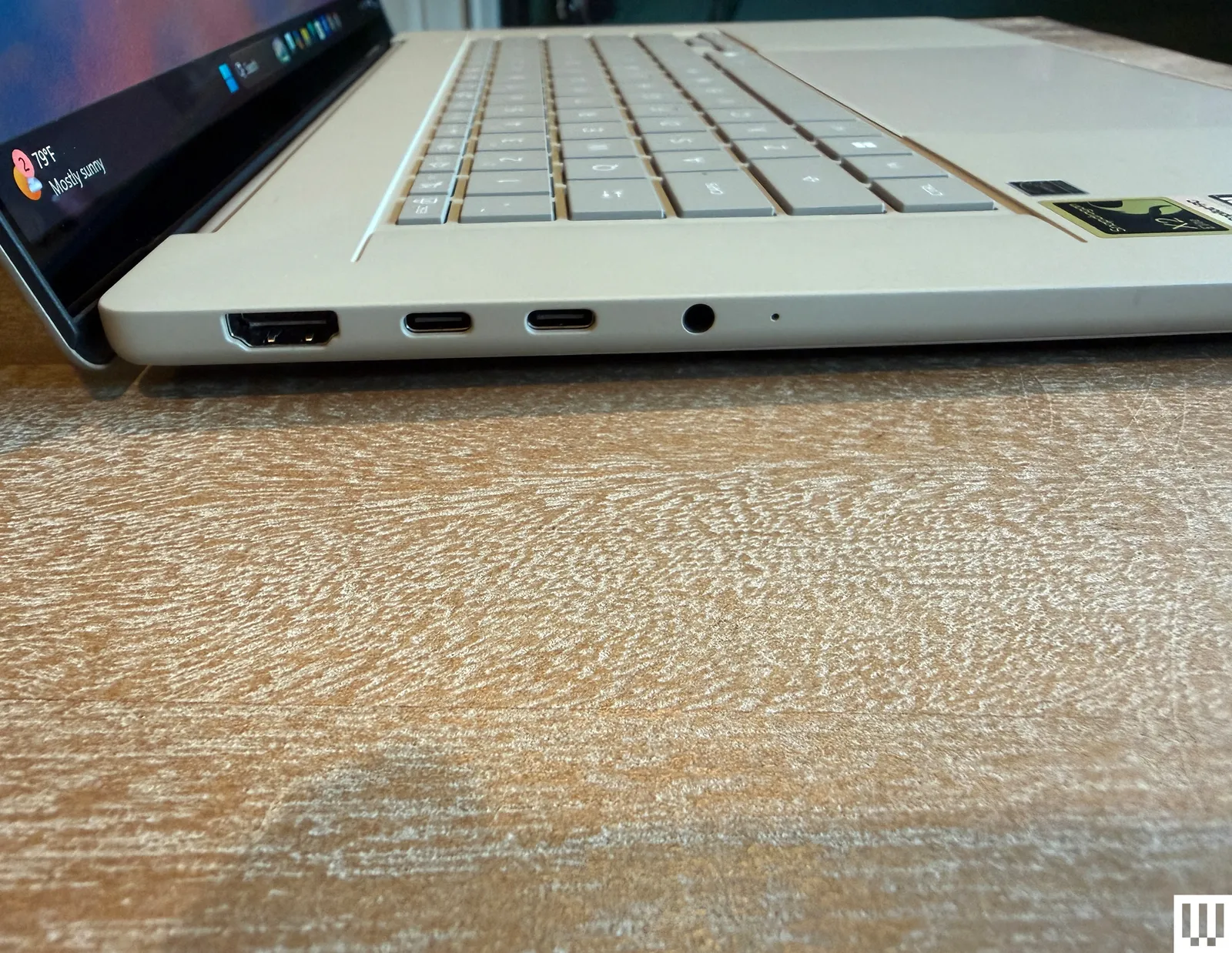
Image may contain Computer Electronics Laptop Pc Computer Hardware Computer Keyboard Hardware and Floor

Photograph: Chris Null

I’m happy enough with how the Snapdragon X2 Elite Extreme performs to sign off on its performance claims, but there’s a lot more to the Zenbook A16 than its CPU.

Under the hood, the Snapdragon X2 Elite Extreme X2E94100 CPU is complemented by 48 GB of RAM and a 1-TB SSD. The 16-inch touchscreen offers a solid resolution of 2880 x 1800 pixels, and it’s incredibly bright. A weight of 2.9 pounds is impressive (if not unheard of) for the 16-inch category, and at 0.65 inches (at its thickest), it has a svelte, quite portable carrying experience. Asus’s Ceraluminum technology (now with added magnesium) is used in the machine’s lid, base, and keyboard frame. That helps keep it thin and light, though when adjusted or touched, the screen shimmied more than I expected.

Advertisement

Source link

Continue Reading

Tech

6 Mazda Engines You Should Steer Clear Of

Published

on


Mazda is known for many things, not least for championing the iconic rotary engine in cars like the RX-7 and RX-8. The Japanese automaker has a good track record with more conventional piston engines too, of course, and 2010s innovations like the Skyactiv engines have generally proved very dependable. Even the best of the best have their off days, however, and that applies to Mazda and its engines as well. For all the deserved respect that reliable Mazda engines such as the 1.8-liter F8 and 2.0-liter LFF7 engines have earned over the years, there have been a few missteps along the way that have dinged the brand’s reputation and caused unfortunate owners some pretty significant headaches.

If you’re looking to get a used Mazda, you’re likely better off avoiding units with these engines under the hood. Of course, this doesn’t make them bad cars, nor are we saying that all examples of these engines will have failed or are bound to fail. You could very well buy a car with one of these and have many years of trouble-free running. However, if you’re looking to keep the odds in your favor, these are ones you’ll want to think twice about, at the very least.

Advertisement

Early 2.5-liter Skyactiv-G engines

Mazda’s Skyactiv-G engines have a reputation among owners for being reliable, with some putting 200,000 miles or more onto their Skyactiv-G-equipped Mazdas without any serious issues. As with many cars and engines, however, not all years of these engines are quite as dependable. Earlier versions of the 2.5-liter Skyactiv-G, in both turbo and naturally aspirated forms, seem to be prone to cracked cylinder heads, which can result in oil and coolant leaks. It doesn’t seem to take that long for the cracks to develop, either, with some complaints alleging cracked heads occurring well below 100,000 miles — and being accompanied by hefty repair bills.

Mazda, for its part, issued a TSB for turbocharged 2.5-liter Skyactiv-G engines, confirming that the fault was present on cars built before June 2020 (CX-5 and CX-9) and March 2020 (Mazda6). The automaker also stated that it had made changes to the engine to address the issue going forward. For affected engines, the solution was a whole new cylinder head assembly, including valvetrain components, which it made available for turbocharged and cylinder-deactivation models in 2022.

Advertisement

While these cracked cylinder heads are the most significant issue, there are other signature foibles of the engine to be aware of. First is, of course, the reputation for carbon buildup that is common to many gasoline direct injection engines. Another trait is its tendency to dilute the engine oil with fuel if a driver regularly takes their 2.5-liter Skyactiv-G-equipped Mazda on short trips.

Advertisement

13B-MSP Renesis

Mazda’s performance reputation may rest almost entirely on its many rotary engines (including the durable R26B in the Le Mans-winning Mazda 787B), but that doesn’t mean that the Japanese automaker struck gold with its rotaries every time. The 13B-MSP Renesis that powered the Mazda RX-8 is one of those rare occasions where Mazda didn’t quite get things right.

Even before any reliability woes reared their ugly head, however, there was already one significant reason to doubt the 13B-MSP when it debuted in the 2003 RX-8: its numbers. The engine was naturally aspirated, with power dropping to a maximum of 238 hp — a downgrade from the turbocharged 255 horsepower of the final-edition RX-7 and a big drop from the 276-horsepower peak of earlier RX-7s like the Type R.

The RX-8 turned out to be a great car, but the Renesis engine under the hood is not without issues. The engine has a reputation for sub-par reliability, with the main culprit being wear-prone apex seals. There are plenty of owner complaints related to this issue, with the general symptom being a loss of compression, leading to starting difficulties and increased oil consumption. Some owners managed to get a decent amount of miles from their engines before facing problems, admittedly, but many had engine failures — sometimes repeated ones, too — well before the 100,000-mile mark. Regular maintenance can help keep these going, though, and a well-cared-for RX8 may be worth taking a chance on.

Advertisement

2.3-liter MZR engines

Mazda’s 2.3-liter MZR engine was available in turbocharged and naturally aspirated variants, with both powering a selection of mid-2000s offerings like the turbocharged Mazdaspeed3 — one of Mazda’s fastest-ever sports cars — and its more sedate, non-turbocharged sibling, the Mazda3. While reviews of the time generally appreciated how the engines performed, especially the turbo version, the years have not been kind to these four-pots.

A look at manufacturer communications posted to the NHTSA website is quite instructive here. The forced-induction MZR, for instance, had enough turbo and oiling issues for Mazda to acknowledge a tendency to emit blue smoke at idle or slow speeds — a fault owners attribute to failed turbo seals. Other issues present on both the turbo and naturally aspirated 2.3-liters include premature VVT system wear leading to a loud knocking at engine start and a timing chain that tended to stretch and cause a rattling sound.

These issues combined would probably be enough to give most buyers pause, but it doesn’t end there. These engines, which Ford sold under the Duratec brand, are also known for guzzling oil and outright blowing up. Some enthusiasts suggest that this is due to rushed engineering that makes the engines prone to running lean and eventually failing quite spectacularly. These also suffer from the carbon deposit issues that plague other direct-injection engines, which can lead to rough running.

Advertisement

3.7-liter MZI V6

Ford and Mazda had quite a long relationship, with the American auto giant having some sort of stake in Mazda from the late 1970s until 2014. While Ford certainly helped keep Mazda afloat during troubled years, the link-up also saddled Mazda with a relatively troubled engine in the form of the 3.7-liter MZI V6 that powered the second-gen Mazda6 and first-gen CX-9.

Advertisement

The MZI was Mazda’s take on the 3.7-liter Ford Cyclone and shares a weakness with some versions of Ford engine’s: the water pump. Ford’s designers spec’d an internal water pump for the V6, which caused problems when the water pump invariably failed due to age (usually at around 100,000 miles or so). Due to the position of the water pump, potential water leaks resulted in water mixing with oil. This, as you might expect, led to disastrous consequences, with tales of totally wrecked engines and massive, $10,000-plus repair bills. Replacing the water pump prematurely isn’t exactly an easy or cheap task either. RepairPal estimates that you’ll pay up to $4,000 to get a mechanic to do it for you.

While not a bad engine, it’s hard to give a thumbs-up to an engine where routine wear can lead to catastrophic failures. This design flaw led a class action lawsuit against Mazda in 2022, which accused Mazda of being aware of the problem yet not acting upon it. The lawsuit, however, was dismissed in 2024, partly because the plaintiffs weren’t able to satisfactorily prove that the issue was as widespread as they claimed.

Advertisement


Source link

Continue Reading

Tech

Alphabet closes in on Nvidia as world’s most valuable company after Q1 earnings beat across cloud, search, and AI

Published

on

TL;DR

Alphabet’s market capitalisation surged past $4.6 trillion after a 10% stock jump on Q1 2026 earnings that beat estimates across every division, with Google Cloud growing 63% to cross $20 billion and search queries at an all-time high. The gap with Nvidia, which fell 6% on reports that OpenAI missed growth targets, has narrowed to roughly $200 billion, and options traders assign a 53% probability that Alphabet will overtake Nvidia as the world’s most valuable company before mid-May.

On Thursday, Alphabet’s share price rose nearly 10 per cent after the company reported first-quarter revenue of $109.9 billion, a 22 per cent increase year over year that beat analyst estimates by almost $3 billion. Google Cloud crossed $20 billion in quarterly revenue for the first time, growing 63 per cent. The cloud backlog nearly doubled quarter on quarter to more than $460 billion. Earnings per share surged 81 per cent. Search queries hit an all-time high. The stock closed at $381.94, pushing Alphabet’s market capitalisation above $4.6 trillion. Nvidia, which closed the same day at $198.61 with a market capitalisation of approximately $4.8 trillion, had fallen more than 6 per cent over the previous two sessions after the Wall Street Journal reported that OpenAI missed its internal targets for weekly active users and monthly revenue.

Advertisement

The gap between the two companies is now roughly $200 billion. Options traders are assigning approximately a 53 per cent probability that Alphabet will touch $5 trillion before 15 May. If it does, and Nvidia does not rally into or beyond its earnings report on 20 May, Alphabet will become the most valuable company in the world. The last time it held that title was February 2016, when it briefly overtook Apple for two days.

The earnings

The numbers that moved the market were not just large but structurally different from what Alphabet reported a year ago. Google Cloud’s 63 per cent growth rate accelerated from 48 per cent in the prior quarter, making it the fastest-growing division among the three major cloud platforms. AWS grew 17 per cent. Microsoft Azure grew 33 per cent. Google is still third in market share, but it is growing at nearly twice Azure’s rate and almost four times AWS’s. Sundar Pichai told analysts on the earnings call that the company was compute-constrained in the near term and that cloud revenue would have been higher if capacity had kept pace with demand. Revenue from products built on generative AI models grew nearly 800 per cent year over year. YouTube advertising reached $9.9 billion, up 11 per cent, and Alphabet now has 350 million paid subscriptions across YouTube Premium, YouTube Music, and Google One.

The capital expenditure guidance tells the other half of the story. Alphabet raised its full-year 2026 capex estimate to between $180 billion and $190 billion, up from the $175 billion to $185 billion range it had guided in February. The combined 2026 capex commitment across the five major hyperscalers is now on track to exceed $650 billion, a figure larger than the GDP of most European countries. Alphabet is spending aggressively because Google Cloud’s growth rate suggests that the returns on AI infrastructure investment are materialising faster than the market expected. The $460 billion backlog is not revenue. It is a pipeline of contracted demand that will convert to revenue over multiple years. But its existence means that Alphabet’s cloud business is not speculative. The customers have already committed.

The divergence

Nvidia’s stumble was not about its own fundamentals. The company reported $68.1 billion in revenue for its most recent quarter, with data centre revenue up 75 per cent. Its earnings report on 20 May is expected to show revenue of approximately $78 billion, up 78 per cent year over year. The company remains the dominant supplier of the GPUs that power every major AI training and inference workload in the world. What changed this week was the narrative around Nvidia’s largest customers. OpenAI’s $852 billion valuation has been under scrutiny since the company’s growth metrics stopped accelerating at the pace investors expected, and the report that it missed internal revenue and user targets hit Nvidia because the market read it as a signal that the demand for AI chips might not be bottomless. AMD fell 6 per cent. Arm dropped 8 per cent. Broadcom slid 5 per cent. The entire semiconductor complex sold off on the implication that the largest buyer of AI chips is not growing as fast as its valuation requires.

The divergence between Alphabet and Nvidia reflects a deeper question about where value accrues in the AI economy. Nvidia sells the shovels. Alphabet uses the shovels to build the mine and then sells what the mine produces. Google Cloud’s $20 billion quarter was generated by selling AI infrastructure and services to enterprises. Google Search’s record query volume was driven by AI Overviews, the feature that uses generative models to answer questions directly on the search page. YouTube’s advertising revenue benefits from AI-driven recommendation and content moderation. Alphabet is not just buying AI chips. It is converting those chips into revenue across three distinct business lines, each of which independently generates more quarterly revenue than most technology companies produce in a year.

Advertisement

The infrastructure layer

The market is beginning to price a distinction that has been building for two years: the difference between companies that supply AI infrastructure and companies that deploy it. Nvidia’s valuation depends on the assumption that AI chip spending will continue to accelerate. Alphabet’s valuation depends on the assumption that AI chip spending will generate returns. Both assumptions can be true simultaneously, but they carry different risk profiles. If AI spending slows, Nvidia’s revenue growth decelerates. If AI spending continues but the returns materialise primarily at the application layer, Alphabet captures a disproportionate share of the value because it operates the applications.

US utilities are planning to spend $1.4 trillion by 2030 to power the AI data centre buildout, and the hyperscalers’ $650 billion in 2026 capex is flowing into GPU clusters, custom silicon, fibre optic networks, and cooling systems that will take years to fully depreciate. The question is who earns the return on that capital. Nvidia earns its return at the point of sale. Alphabet earns its return over the lifetime of the infrastructure, as cloud customers consume compute, as search users generate advertising revenue, and as YouTube viewers drive subscription and ad income. The compounding nature of Alphabet’s revenue model is what the market repriced on Thursday. A 10 per cent move in a $4.6 trillion company is not a reaction to a single quarter. It is a reassessment of the long-term earnings power of the platform that sits on top of the chips.

The ranking

The Magnificent Seven, the group of technology companies that has dominated US equity returns since 2023, is reshuffling. Alphabet dropped from second to as low as fifth in the group’s internal ranking during 2025, weighed down by concerns that AI would cannibalise Google Search and that antitrust litigation would force structural changes to the company. Both concerns remain active. The Department of Justice’s antitrust case against Google’s search monopoly is ongoing, and the long-term impact of AI on search advertising is genuinely uncertain. But the first-quarter results showed that AI is not cannibalising search. It is accelerating it. Queries are at an all-time high because AI Overviews make the search experience more useful, not less. Users are asking more questions, not fewer, and each question generates an advertising opportunity.

Pichai opened Google Cloud Next 2026 by announcing a $240 billion backlog and 750 million Gemini users, framing the company’s AI strategy as the integration of model, runtime, silicon, and distribution into a single platform. The Gemini Enterprise Agent Platform, the A2A protocol for inter-agent communication, and the $750 million partner fund for agentic AI deployments are all designed to make Google Cloud the default infrastructure for the next generation of enterprise AI applications. If that strategy succeeds, the cloud business alone could be worth more than most standalone technology companies within two years.

Advertisement

Nvidia reports on 20 May. If it beats expectations convincingly, the gap may widen again and the overtaking may not happen this month. But the structural shift that Thursday’s trading revealed is not about one quarter. The narrative that AI will destroy traditional software businesses has been overstated, and what Alphabet’s results show is that the companies best positioned to profit from AI are not the ones selling the technology but the ones deploying it at scale across existing distribution channels with existing customer relationships. Nvidia built the engine. Alphabet is building the car, the road, and the toll booth. The market is starting to price accordingly.

Source link

Advertisement
Continue Reading

Tech

Catching the mastermind of U.K. iPhone thefts

Published

on

The iCloud account of an accused murderer contained sex abuse images, a deputy is arrested for AirTag stalking, and a man gets 17 months for iPad thefts, all in this week’s Apple Crime Blotter.

This is the latest in an occasional AppleInsider series, looking at the world of Apple-related crime.

How the “mastermind” of U.K. iPhone thefts was caught

A man named Amir Khadikhel has been identified as the “mastermind” of a gang that arranged for more than 60,000 stolen iPhones to be shipped abroad from the U.K.

According to The Times, Khadikhel, identified as “Afghan asylum seeker,” supervised a large network of middlemen. The ring “arranged for 181 million [pounds] of handsets to be sent to China and Dubai in less than a year.”

Advertisement

That gang is seen as responsible for as many as 40 percent of iPhone thefts in London.

He was caught, the report said, after a man whose phone was stolen “used his telephone tracing app to locate his handset in the depot of the DHL courier company near Heathrow.” The stolen iPhone was found in a package containing over a thousand such devices, bound for Hong Kong.

This led to what the newspaper called a “complex investigation that ultimately dismantled an international smuggling network.”

Khadikhel and two others are set to be sentenced on May 12.

Advertisement

Is “crime” the real reason the Towson Apple Store closed?

Apple announced in April that it would close three Apple Stores in June. One of which was the Apple Towson Town Center store in Maryland.

The International Association of Machinists and Aerospace Workers (IAM) Union has filed an Unfair Labor Practice (ULP) charge against Apple, claiming that the company had retaliated because the employees had unionized.

Apple, in a statement to media outlets when the decision was announced, had pointed to “the departure of several retailers and declining conditions” at Towson Town Center as the reason why it was closing.

Does “declining conditions” mean “crime”? It’s certainly been interpreted that way in some quarters.

Advertisement

One Baltimore County Councilman talked in April about the “perception of crime at the mall.”

We can say, however, that the Apple Store in Towson has never been the site of any high-profile thefts, break-ins, or other crimes. Nor has that Apple Store ever been mentioned in this column in its eight-year history.

D4vd had child sex abuse images on iCloud, prosecutors say

The American singer known as D4vd, who was arrested in April in connection with a 14-year-old girl who was found in his car, had “a significant amount” of child sex abuse images on his iCloud account, prosecutors said.

According to The BBC, the singer, whose real name is David Anthony Burke, had his iCloud account searched via a warrant. It resulted in the discovery of offending images in his possession.

Advertisement

Burke has been charged with numerous crimes, including murder, continuous sexual abuse of a child, and the mutilation of remains. However, he is not yet facing charges in connection with the alleged iCloud images.

The Volusia Sheriff’s Office in Florida announced that they had suspended and later terminated a part-time prisoner transport deputy after he was arrested for stalking his ex by using an AirTag.

The woman, who had a three-year relationship with the officer, “indicated she’d found AirTags in her vehicle and her adult daughter’s vehicle dating back to 2025.” After the breakup, she had found an additional AirTag on her vehicle, as well as Ring footage of the then-deputy “crawling underneath her daughter’s vehicle at her home.”

The man had even shown up and stopped behind the victim’s vehicle while she was meeting with detectives.

Advertisement

The ex-deputy was charged with stalking and unlawful installation of a tracking device.

Florida passed a law in 2025, cracking down on the illicit use of AirTags for the purposes of stalking.

Seattle man gets 17 months for iPad thefts

A 33-year-old man from Seattle has been sentenced to 17 months for a grab-and-go shoplifting incident in 2024. One in which he took three iPads from a Fred Meyer store.

According to Daily Record News, the man had pled guilty to organized retail theft and two counts of second-degree theft. The man had entered the store’s electronics department, asked to see different types of iPads, and then ran off with all three devices.

Advertisement

The same man also admitted his part in two other thefts at Fred Meyer stores, in which he had taken iPads.

Ex-employees accused of stealing MacBooks

Former employees of the MAC.BID store in Macon, Ga., has been accused of stealing MacBooks from the store, with one of them arrested.

WMAZ, which cited an incident report by Bibb County Sheriff’s Office, reports four employees were seen on store surveillance stealing seven MacBooks. After employees were confronted by management, one admitted taking two computers and returned them, but a second denied taking any.

One of the employees was arrested on two counts of theft, including one of theft by taking and one of theft by deception. Another employee is wanted for felony theft.

Advertisement

Man arrested for fraudulent iPhone order

Also in Florida, a 40-year-old man was arrested in late April for buying an iPhone 16 Pro Max using someone else’s identity and then taking the iPhone from that person’s workplace.

According to Tap Into Coral Springs, this happened in October of 2024. Months after that, the victim received a debt collection notice for a purchase he had never made.

The accused thief faces charges of grand theft and criminal use of personal identification information.

Memphis man accused of punching man, stealing and selling his iPhone

A 30-year-old man has been arrested in Memphis for robbery, after police say he punched a victim several times, stole his iPhone, and later sold it in an EcoATM kiosk at a Walmart.

Advertisement

WREG explains the victim claimed to have been “horseplaying” with a woman at a bus terminal, during which she took his pocketknife. After he grabbed the woman’s bag, and she told a group of people, one of them, the man who took the iPhone, punched him several times.

The man was charged with robbery.

Two teenagers arrested in Facebook Marketplace iPhone theft

Police in Hamilton, Ontario, arrested two teenagers for an April 11 theft of an iPhone that was advertised on Facebook Marketplace.

According to The Hamilton Spectator, the female victim had arranged to sell the iPhone on Marketplace, with a meeting spot at a gas station, with the seller using the alias “Malakai McCollin.”

Advertisement

But when she arrived, the two teenagers “forcibly took the phone from her hands” and fled in a car. The two assailants, aged 15 and 16, were arrested and charged with theft under $5,000.

Police say it was one of 33 Marketplace-related thefts in Hamilton this year.

Uber driver in Nigeria arrested for theft of iPhone he was supposed to deliver

An Uber driver in Lagos, Nigeria, was arrested in mid-April for “allegedly disappearing with an iPhone 16” that he was supposed to deliver.

Newsmakers reports the driver picked up the delivery, canceled the trip while en route, and was unreachable afterward.

Advertisement

A social media user, @Molayoo, had posted on X about what happened:

The subsequent attention helped lead to the man’s arrest.

Source link

Advertisement
Continue Reading

Tech

Squeezing Fluids With The Right Peristaltic Pump For The Task

Published

on

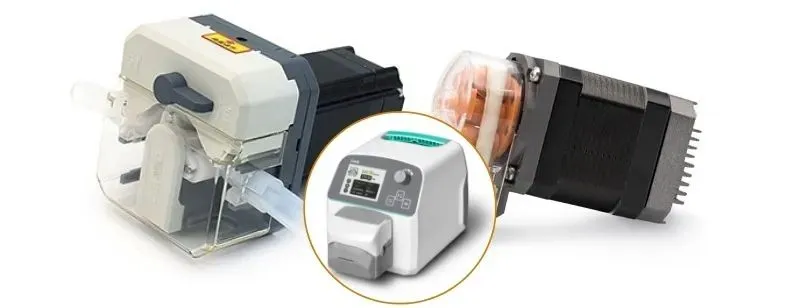
Peristaltic pumps are a very simple and effect device for transferring fluids without said fluid ever coming into contact with any part of the pump mechanism. At their core they involve a mechanism squeezing fluids through compressible tubing, but there are various implementations of such a mechanism that all have their pros and cons. In a recent article by [T. K. Hareendran] over at EDN these types are discussed and when you’d want to pick one over the other.

Also known as a roller pump, these positive displacement pumps have been known since the 19th century, finding uses in industrial, medical, research, agriculture and many other fields. Each of these fields have different requirements with the use of a peristaltic pump as a dosing pump being a specific application whereby e.g. a stepper motor can be used to provide exact dosing.

For industrial settings the typical rollers that compress the tube are replaced with shoes that provide higher pressures and endurance, with overall a bewildering number of motor types and tubing materials available. Depending on what your project needs, you may opt for continuous flow, fine control over dosing, the ability to reverse the flow, etc.

Unless your project is particularly rugged, a roller-based mechanism should be fine, while silicone tubing is great for biocompatibility and PVC is a cheaper tube material option. If you intend to transfer certain kinds of chemicals that will react with each of these there are some more exotic tubing options available as well.

Advertisement

We have previously covered projects that use a peristaltic pump for rather interesting things, such as DIY pharmaceutics, in a home-grown flow battery, not to mention creating DIY peristaltic pumps from first principles.

Source link

Advertisement
Continue Reading

Trending

Copyright © 2025