


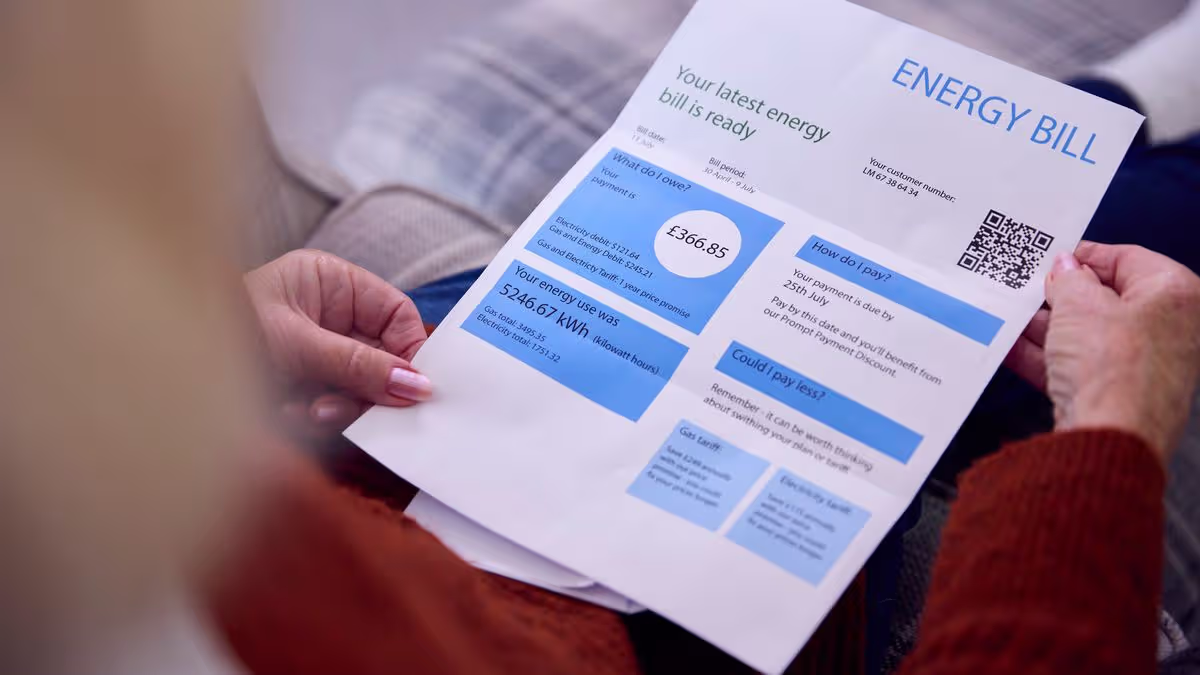
Households across the country will see changes to the costs of their energy bills from April onwards
UK households are set to be hit with changes to their energy bills from next month. Energy regulator Ofgem confirmed that the energy price cap – which determines the maximum amount people can be charged per unit of gas and electricity on a standard tariff – will be reduced by 6.7 per cent for the average household from April.
A typical household will save £117 a year on their energy bills from April 1, 2026, saving around £10 each month. The price cap will fall to £1,641 a year for dual-fuel customers paying by Direct Debit, making bills 11 per cent, or £208, lower than for the same period in 2025.
The reduction comes after a difficult year for households. Between April and June 2025, the price cap rose to £1,849 a year following a six per cent increase of £111 that affected around 11 million customers on default tariffs.
Get MEN Premium now for just £1 HERE – or get involved in our WhatsApp group by clicking HERE. And don’t miss out on our brilliant selection of newsletters HERE.
The rise was driven by an 11 per cent jump in wholesale energy costs, adding £86 to the average bill. It marked the third consecutive quarterly increase, with bills soaring nine per cent higher than the previous year.
But while the new price cap will be “welcome relief” for many households, bills remain significantly higher than pre-crisis levels, says Shay Ramani from Free Price Compare, a UK-based comparison service.
“The £117 saving works out at just over £10 a month, which barely scratches the surface for the estimated six million households still in fuel poverty,” Mr Ramani said. “Families should use this window to review their energy usage, consider switching tariffs if better deals emerge, and ensure they’re claiming all available support.”
The April 2026 price drop is partly caused by changes to how environmental and social schemes are funded. The UK government announced this will be done by ending funding for the Energy Company Obligation scheme, as well as removing 75 per cent of costs for the Renewables Obligation scheme from people’s energy bills, saving customers an average of £150.
A further £38 reduction comes from falling global wholesale energy prices, according to Ofgem data.
Under the new cap, electricity will cost 24.67 pence per kilowatt hour for customers on standard variable tariffs paying by Direct Debit, with a daily standing charge of 57.21 pence. Gas will be charged at 5.74 pence per kilowatt hour, with a standing charge of 29.09 pence per day. These rates represent averages across England, Scotland and Wales, including five per cent VAT.
The reduction will be automatically applied to your bill from 1 April onwards. The exact amount each household saves will depend on how much energy is used and the type of tariff:
Standard variable tariff
For energy used after 1 April, the savings will be applied to your unit rate for gas and electricity. Your energy supplier will contact you to confirm the details of your new rates.
Fixed price tariff
Suppliers have confirmed that the savings will be passed on in full to customers on fixed price tariffs. This means if you are already on a fixed price tariff on 1 April, your tariff will be amended so that savings are applied to your unit rates going forward.
Your energy supplier will contact you to confirm your new rates. For anyone signing a new fixed price tariff after 1 April, we expect the savings to be taken into account.
Pre-payment meter
If you are on a smart pre-payment meter, your energy supplier will automatically apply the savings to any energy used from 1 April. If you are on a traditional pre-payment meter – such as those which use a key or card, you will benefit from the savings the first time you top up your key or card after 1 April.
Other types of tariffs
Some examples of these include:
- Tracker tariffs, where unit costs for gas and electricity fluctuate daily to reflect live wholesale prices
- Time-of-use tariffs, where the unit cost for electricity changes depending on the time of day, with cheaper rates offered during off-peak times like overnight
Where a tariff includes costs associated with either the Energy Company Obligation or Renewable Obligation schemes, the savings will be passed on from April.
How you receive the savings will depend on the specific tariff you are on. For example, the impact may vary across different times of day or pricing periods.
Your energy supplier will provide you with more information on how these changes will work.















































You must be logged in to post a comment Login