

Business
What employers need to know


In a recent Acas survey, employers and employees were asked which three changes in the Employment Rights Act 2025 would have the biggest impact in their workplace.
Surprisingly, the new rights on Statutory Sick Pay (SSP) topped the list for both groups, named by 43% of employers and 36% of employees. The reduction in the unfair dismissal qualifying period from two years to six months was the second most significant change (31% of employers and 30% of employees). Employers ranked the new paternity leave day-one rights as the third-largest reform, whereas employees said it was easier access to flexible working arrangements.
The SSP reforms take effect from 6 April 2026, aiming to improve financial security, particularly for part-time employees and those in low-paid jobs. While more employees will qualify for SSP, employers will face increased costs and compliance requirements, particularly for small and medium-sized enterprises.
Before looking at the reforms and what employers can do to prepare for them, let’s consider the current arrangements.
What is the current SSP framework?
An employee must be an “eligible employee” and earn at least the Lower Earnings Limit (LEL), which is currently £125 per week. Even if employees are eligible, SSP is payable only from the fourth consecutive day of sickness, as the first three days are unpaid waiting days.
It is estimated that around 1.3 million employees receive no SSP at all, and many lose pay for only short periods when unwell. Some face the choice of working while ill or losing income. This can spread illness in the workplace and reduce productivity.
What is changing from 6 April 2026?
Approximately 25% of employees only receive SSP (rather than contractual sick pay), and the SSP changes below will have a significant impact.
- Removal of the Lower Earnings Limit, and employees will no longer need to meet the LEL to qualify for SSP.
- A new earnings‑linked calculation and SSP will be paid at 80% of normal weekly earnings (NWE) unless the SSP flat rate is lower.
- SSP will be payable from day one of sickness absence, as the Employment Rights Act 2025 abolishes the three unpaid waiting days.
- SSP will increase from £118.75 to £123.25 a week on 6 April 2026.
It is important to mention atypical workers, such as zero-hours and agency workers, as well as seasonal and irregular-hours staff. Establishing NWE is not always straightforward because of their fluctuating pay and variable working patterns. Employers can determine NWE, for example, by averaging pay over the previous 8-12 weeks or by following the relevant contractual arrangements to ensure SSP reflects actual earning patterns.
What do the SSP changes mean for employers?
The scope of SSP entitlements is significantly widened. As well as administrative adjustments to update policies and payroll processes, the reforms carry a cost implication for organisations of all sizes.
The Government estimates that removing waiting days and abolishing the LEL, combined with introducing the 80% earnings‑linked calculation, will increase employer SSP costs by around £450 million a year. Although a significant sum, it equates to roughly £15 more per employee according to the Government’s impact assessment. Crucially, earlier access to SSP may boost productivity by allowing employees to stay home when unwell without feeling compelled to attend work.
Employer concerns about increased sickness absence could be mitigated through strengthened sickness management. This includes conducting return‑to‑work interviews promptly, even after short periods of illness, which can help to identify underlying issues early and reduce avoidable absences. It can also include structured return-to-work planning, phased returns, and temporary adjustments.
How can employers prepare for the changes?
- Update payroll systems for earnings‑linked SSP and day‑one entitlement.
- Review and update sickness absence policies, contracts and employee handbooks and communicate these changes to employees.
- Budget for increased SSP.
- Identify roles or departments most affected by the wider eligibility rules.
- Train managers and HR on the new regime.
- Strengthen sickness absence management processes.
- Establish the number of atypical workers and how their normal weekly earnings are calculated.
Conclusion
The April 2026 SSP reforms represent a major shift in the UK’s approach to sick pay, expanding access and enhancing financial protection for employees. While these changes introduce additional costs and compliance requirements for employers, early preparation will support a compliant and well‑managed transition.
By reviewing systems and policies now, organisations can ensure they are ready for the new SSP regime and are equipped to support staff and manage sickness absence effectively.

Hannah Waterworth
Hannah Waterworth is an employment solicitor in Blake Morgan’s Employment, Pensions, Benefits and Immigration team.



The refrigerated RTD snacks are available in two varieties.

Deputy PM Suphajee Suthumpun’s recent Washington visit advanced Thailand-U.S. trade cooperation, discussing investments in energy, technology, and more. Thai investments in the U.S. exceed $17 billion, with trade valued at $93.65 billion.
Key Points
- Deputy Prime Minister and Commerce Minister Suphajee Suthumpun visited Washington, D.C. with the “Team Thailand+” delegation to enhance trade and investment ties between Thailand and the U.S. They attended the SelectUSA Investment Summit 2026.
- Meetings included discussions with U.S. agencies, business groups, and representatives from Texas and Utah to explore investment opportunities in sectors like energy, food, petrochemicals, technology, and electronics.
- In 2025, the U.S. was Thailand’s second-largest trading partner, with bilateral trade at $93.65 billion. Thailand exported $72.50 billion in goods and imported $21.14 billion, including crude oil and machinery.
Deputy Prime Minister and Commerce Minister Suphajee Suthumpun has disclosed that her recent visit to Washington, D.C., with the “Team Thailand+” delegation helped advance trade and investment cooperation between Thailand and the United States.
The delegation attended the SelectUSA Investment Summit 2026 and met with U.S. government agencies, business groups, and private-sector representatives to discuss investment opportunities in sectors including energy, food, petrochemicals, technology, and electronics. Meetings were also held with representatives from Texas and Utah regarding future investment opportunities.
Suphajee said discussions with the U.S. Department of Commerce, the U.S.–ASEAN Business Council, and the U.S. Chamber of Commerce covered trade policy, reciprocal trade negotiations, supply-chain cooperation, and American investment in Thailand. Thai investment in the United States currently exceeds 17 billion dollars.
According to government data, the United States was Thailand’s second-largest trading partner in 2025, with bilateral trade valued at 93.65 billion dollars. Thailand exported 72.50 billion dollars in goods to the United States while importing 21.14 billion dollars in products, including crude oil, machinery, aircraft components, chemicals, and electrical equipment.
Source : Team Thailand Plus Boosts Trade and Investment Ties with US
Other People are Reading


The Asada line features marinades, barbecue sauces and taco seasonings.

ASEAN offers Australian companies expansion opportunities, but strategic market selection depends on goals such as sales, manufacturing, supply chain, or tax efficiency, considering regional differences.
ASEAN: A Key Growth Region for Australian Businesses
ASEAN is increasingly vital for Australian companies aiming to expand markets, enhance supply chain resilience, and access Southeast Asia’s growing consumer and industrial markets. With over 680 million people and a combined economy surpassing US$3.8 trillion, the region offers significant scale and opportunity. However, its diversity necessitates strategic planning to maximize benefits and mitigate risks.
Strategic Approach to ASEAN Expansion
Expansion into ASEAN should be viewed as a phased, strategic process rather than a simple entry. The initial market choice depends on the company’s goals—whether it’s boosting sales, expanding manufacturing capacity, diversifying supply chains, managing regional operations, or optimizing tax. Firms need to prioritize their primary commercial function to determine the most suitable early markets within the region.
Priorities for Australian Companies
Australian firms should first identify whether their focus is manufacturing, procurement, regional coordination, or consumer access. Countries like Malaysia and Thailand remain attractive for industrial infrastructure and manufacturing integration. Many companies adopt a hub-and-spoke model, using Singapore for regional oversight and distributing operations across other ASEAN nations based on sector suitability and operational needs.
Read the original article : Expanding Across ASEAN: Market Entry and Regional Structuring Strategies for Australian Firms
Other People are Reading
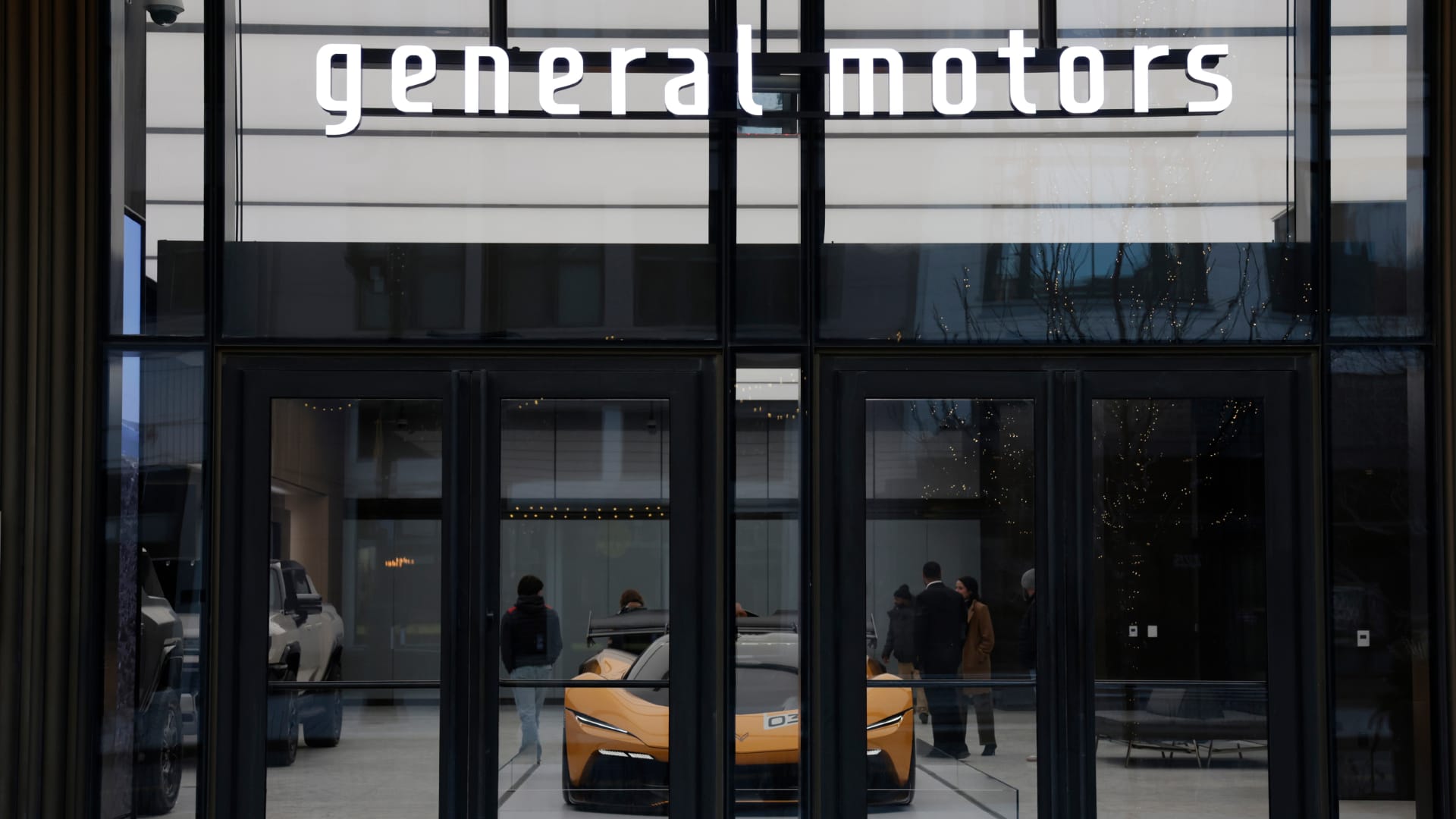
The General Motors global headquarters in Detroit, Jan. 12, 2026.
Jeff Kowalsky | Bloomberg | Getty Images
DETROIT – General Motors is laying off hundreds of salaried employees in its information technology operations as the automaker reevaluates its workforce needs and cuts costs, CNBC has learned.
The global reductions began Monday and will impact about 500 to 600 employees, largely in Austin, Texas, and Warren, Michigan, according to a person familiar with the plans who was not authorized to speak publicly about the reductions.
GM confirmed the cuts, which were first reported by Bloomberg News, but declined to give specific details about the actions.
“GM is transforming its Information Technology organization to better position the company for the future. As part of that work, we have made the difficult decision to eliminate certain roles globally. We are grateful for the contributions of the employees affected and are committed to supporting them through this transition,” the automaker said in an emailed statement.
GM reported employing about 68,000 salaried workers globally as of the end of last year, including 47,000 white-collar employees in the U.S.
Despite Monday’s cuts, GM still is still hiring IT workers. The company has 82 open IT positions that include positions working in artificial intelligence, motorsports and autonomous vehicles, according to the automaker’s careers website.
The Detroit automaker in recent years has routinely re-evaluated its salaried workforce, based on expected needs and skill sets. In October, GM laid off more than 200 Computer-Aided Design, or CAD, engineers due to “business conditions.”

Gatestone Institute senior fellow Gordon Chang joins ‘Mornings with Maria’ to break down President Donald Trump’s Beijing trip, Iran tensions, and rising concerns over China’s economy and surveillance-linked EVs.
President Donald Trump’s upcoming meeting with Chinese President Xi Jinping is drawing renewed attention to concerns that Chinese electric vehicles entering North America through Canada could pose national security risks inside the United States.
Gatestone Institute senior fellow Gordon Chang joined FOX Business’ Maria Bartiromo on “Mornings with Maria” to discuss tensions surrounding China’s trade practices, energy policy and Beijing’s growing EV footprint ahead of the high-stakes Beijing meeting.

China’s BYD Shenzhen car carrier docked to load electric vehicles for export. (CN-STR / AFP / Getty Images)
The discussion comes as lawmakers push legislation aimed at blocking Chinese electric vehicles from entering the U.S. market, citing concerns over surveillance technology and connected-vehicle systems capable of collecting sensitive data.
Rep. Roger Williams, R-Texas, discusses GOP lawmakers urging a ban on Chinese vehicles and battery plants in the United States due to national security concerns on ‘The Bottom Line.’
Sen. Bernie Moreno, R-Ohio, warned that the vehicles function as “little Trojan horses” because of the amount of information they can collect and transmit.
“These cars have lots of cameras. They send back data to the Communist Party and can be remotely controlled by the Communist Party,” Moreno said during a recent appearance on “Sunday Morning Futures.”
AI EXPOSES HIDDEN RISKS IN US MILITARY SUPPLY CHAIN TIED TO CHINA
Chang expanded on those concerns, warning that Canada’s decision to lower tariffs on some Chinese EV imports could create another pathway for the vehicles to reach the United States.
U.S. Trade Representative Jamieson Greer joins ‘Mornings with Maria’ to discuss President Donald Trump’s China talks, Iran tensions in the Strait of Hormuz, and efforts to rebalance trade while countering Beijing’s AI and energy ambitions.
“We should not allow Canadians to drive their Chinese EV across our border into our country because China will be able to surveil the United States with the Canadian cars,” Chang said.
GORDON CHANG: US SHOULD EXPAND SANCTIONS ON CHINA-LINKED NETWORKS TO HIT IRAN OIL REVENUE
Chang also described Chinese EVs as “rolling spy machines,” arguing that the issue underscores broader tensions between Washington and Beijing ahead of Trump’s expected meeting with Xi later this week.

A total of 17 US executives are set to join the president on his visit, where he will meet his Chinese counterpart Xi Jinping.


The dip is expected to roll out later this year.
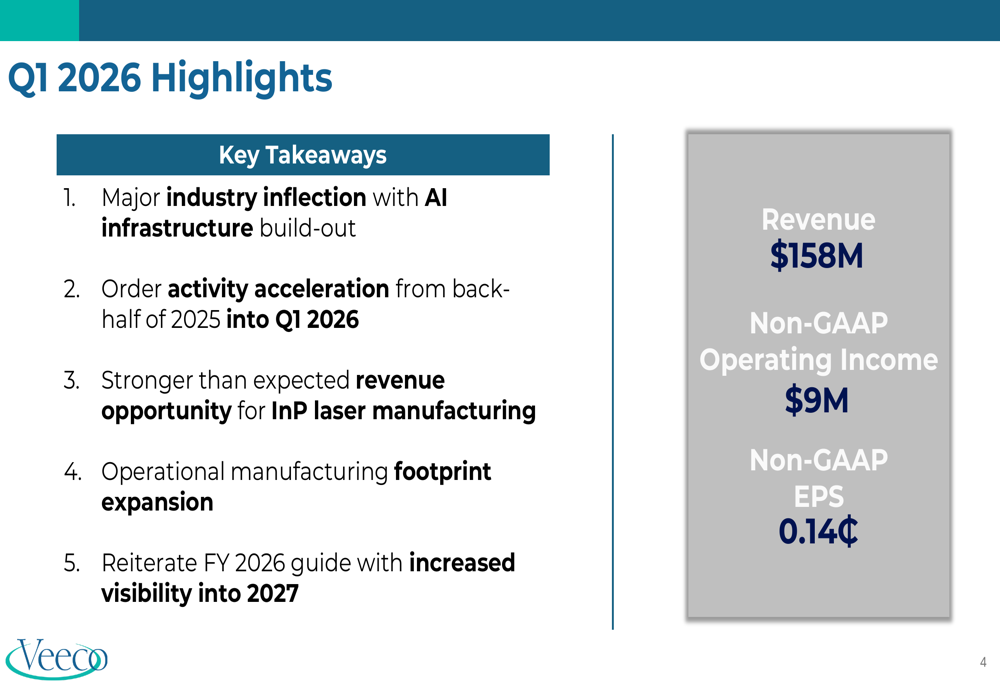
Veeco Q1 2026 slides: AI demand fuels growth outlook despite earnings miss

Lumentum Stock Soars as AI Optical Networking Rally Resumes
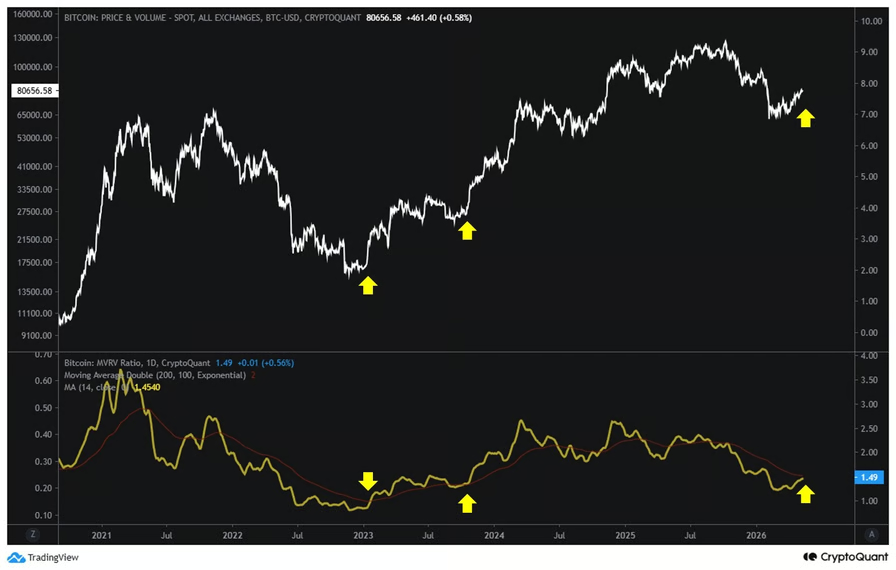
Bitcoin ‘Trend Reversal Signal’ Flashes as $82.5K Resistance Key for Bulls

‘The Rookie’ Spin-Off Officially Gets the Update Fans Have Been Waiting For

The working classes have rebelled against the death cult of globalism

Manchester United reach agreement with Casemiro over contract clause amid transfer speculation

US brings back mandatory military draft registration

Steven Gerrard disagrees with Gary Neville over ‘shock’ Chelsea and Arsenal claim | Football


-
 Crypto World3 days ago
HarrisX Poll Found 52% of Registered Voters Support the CLARITY Act
-

 Fashion3 days ago
Weekend Open Thread: Marianne Dress
-

 Crypto World4 days ago
Upbit adds B3 Korean won pair as Base token gains Korea access
-

 Tech7 days ago
Image AI models now drive app growth, beating chatbot upgrades
-
 NewsBeat4 days ago
NCP car park operator enters administration putting 340 UK sites at risk of closure
-

 Tech2 days ago
Auto Enthusiast Carves Functional Two-Stroke Engine from Solid Metal
-

 Politics2 days ago
Politics Home Article | Starmer Enters The Danger Zone
-
 Business2 days ago
Ignore market noise, India’s long-term story intact, say D-Street bulls Ramesh Damani and Sunil Singhania
-

 Crypto World6 days ago
UAE Free Zone Deploys Blockchain IDs to Verify Registered Firms
-

 Tech12 hours ago
GM Agrees To Pay $12.75 Million To Settle California Lawsuit Over Misuse Of Customers’ Driving Data
-

 Crypto World5 days ago
BlackRock CEO Larry Fink Discusses a New Asset Class
-

 Crypto World5 days ago
Robinhood says Wall Street is building onchain
-
Entertainment7 days ago
Serena Williams hits Met Gala in metallic dress after GLP-1 reveal
-

 Tech6 days ago
Apple and Samsung are dominating smartphone sales so thoroughly that only one other company makes the top 10
-

 Tech6 days ago
I tested the Xiaomi 17 Ultra’s camera and I don’t think I’ll ever go back to an iPhone
-

 Fashion5 days ago
The Best Work Pants for Women in 2026
-
 Tech4 days ago
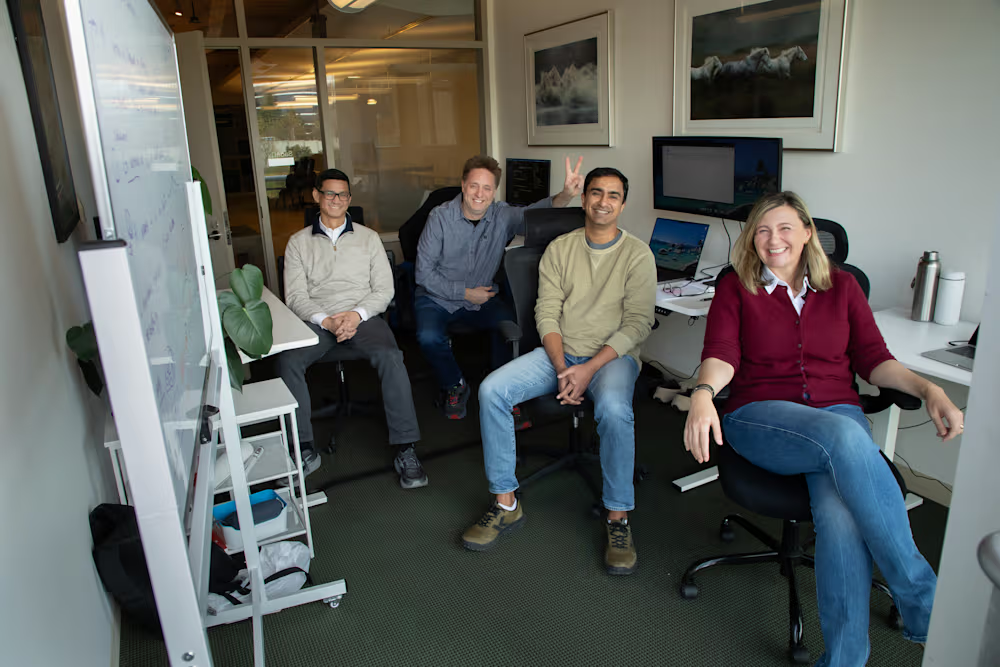
AI agents are missing all the discussions your team is having. SageOX has an answer: agentic context infrastructure
-

 Entertainment5 days ago
Sarah Paulson Called Out For Met Gala ‘Hypocrisy’
-
 Sports7 days ago
Everton v Man City LIVE: Haaland’s two-word response as visitors collapse to hand Arsenal advantage in Premier League title race
-

 Politics6 days ago
Met Gala 2026: Madonna’s Dramatic Red Carpet Look Steals The Show
You must be logged in to post a comment Login