
News Videos
MASSIVE NEWS FOR XRP! (THE FINALLY GOT IT!) HUGE SUPRISE! (ISM)

MASSIVE NEWS FOR XRP! (THE FINALLY GOT IT!) HUGE SUPRISE! (ISM)
The new Telegram group, join here, it is open and FREE to all – https://t.me/+LoW1GDD5rOI1YjM0
#xrp #xrpnews #xrpripple #cryptonews #crypto
My Website with all my affiliate links (Bydfi, BTCC) where you can get access to the Whale group – https://moneymakeravilev.kit.com/f54fe06808
Follow me on X – https://x.com/MakerLev
DISCLAIMER: Avi Lev, including but not limited to any guests appearing in his videos, are not financial/investment advisors, brokers, or dealers. They are solely sharing their personal experience and opinions; therefore, all strategies, tips, suggestions, and recommendations shared are solely for entertainment and educational purposes. There are financial risks associated with investing, and Avi Lev’s results are not typical; therefore, do not act or refrain from acting based on any information conveyed in this video, webpage, and/or external hyperlinks. For investment advice please seek the counsel of a financial/investment advisor(s), and conduct your own due diligence
Some of the links are affiliate links
COMMENT DISCLAIMER: I WILL NEVER CONTACT YOU IN ANYWAY (ON ANY PLATFORM). IF YOU GET CONTACTED BY ANYONE CLAIMING TO BE ME, IT IS NOT ME. FOR EXAMPLE, COMMENTS SHOWING WHATSAPP NUMBERS ARE NOT ME. ADDITIONALLY, PEOPLE HAVE THE ABILITY TO CALL YOU USING AI TECHNOLOGY SO IT SOUNDS LIKE ME. THIS AGAIN IS NOT ME. NEVER WILL I CONTACT YOU IN ANY WAY. PLEASE DO NOT CLICK ON ANY LINKS IN THE COMMENT SECTION BELOW. DO NOT RESPOND OR INTERACT WITH ANYONE ON ANY PLATFORM CLAIMING TO BE ME OR WORKING ON MY BEHALF – THEY ARE SCAMMERS.
This video is for informational and entertainment purposes only. It does not constitute financial, investment, or trading advice.
I am not a financial advisor. All opinions expressed in this video are my own or those of the individuals referenced.
You should always do your own research and consult with a licensed professional before making any financial decisions.
Cryptocurrency investments carry risk, and past performance is not indicative of future results.
The mention of any price targets, predictions, or market commentary should be understood as opinion — not fact or guarantees
The company’s services and content are not directed to, and are not intended for,residents of Israel
This channel provides global crypto market analysis and educational content in English. Our content is created for a global audience and is NOT intended for, marketed to, or directed at residents of Israel. All content is for informational purposes only and does not constitute financial advice.
tags –
xrp price,xrp price prediction,crypto news,xrp news,xrp ripple,ripple xrp,xrp news today,ripple xrp news,xrp crypto,xrp news today now,xrp today,xrp lawsuit,ripple news,xrp ripple news,xrp analysis,xrp coin,crypto news today,ripple price,xrp 2021,xrp sec,xrp technical analysis,xrp prediction,ripple sec news,cryptocurrency news
xrp price,xrp price prediction,crypto news,xrp news,xrp ripple,ripple xrp,xrp news today,ripple xrp news,xrp crypto,xrp news today now,xrp today,xrp lawsuit,ripple news,xrp ripple news,xrp analysis,xrp coin,crypto news today,ripple price,xrp 2021,xrp sec,xrp technical analysis,xrp prediction,ripple sec news,cryptocurrency news
xrp price,xrp price prediction,crypto news,xrp news,xrp ripple,ripple xrp,xrp news today,ripple xrp news,xrp crypto,xrp news today now,xrp today,xrp lawsuit,ripple news,xrp ripple news,xrp analysis,xrp coin,crypto news today,ripple price,xrp 2021,xrp sec,xrp technical analysis,xrp prediction,ripple sec news,cryptocurrency news
xrp price,xrp price prediction,crypto news,xrp news,xrp ripple,ripple xrp,xrp news today,ripple xrp news,xrp crypto,xrp news today now,xrp today,xrp lawsuit,ripple
source

News Videos
Most parents unknowingly program limits #financialfreedom #generationalwealth #money #wealthmindset

🗺️Full Course: https://whop.com/the-simple-trader-blueprint/?a=thesimpletrader
📈FREE Discord: https://whop.com/the-simple-traders/?a=thesimpletrader
source
![[S03:E42] Permainan dunia automotive China kotor? - Hezeri Samsuri, Careta](https://wordupnews.com/wp-content/uploads/2026/04/1775015969_hqdefault.jpg)
Lambakan kereta terpakai di Malaysia sehingga syarikat kereta pun tidak mahu untuk membeli. Ditambah pula tekanan industri automotif daripada negara China yang sentiasa memberikan teknologi yang canggih dalam pembuatan kereta mereka. Lemon law mula diperkenal di Malaysia bagi melindungi pengguna.
Dalam episod kali ini Financial Faiz bawakan Hezeri Samsuri, Careta bagi membincangkan isu berkhaitan industri automotif.
*Duit Aku, Hidup Aku!*
👉 https://financialfaiz.com/daha
*Ikuti Financial Faiz di semua platform*
🌐 Web ➜ https://financialfaiz.com
🍎 Apple ➜ https://financialfaiz.com/apple
🐼 Tiktok ➜ https://financialfaiz.com/tiktok
❄️ Twitter ➜ https://financialfaiz.com/twitter
🥑 Spotify ➜ https://financialfaiz.com/spotify
🍋 Lemon8 ➜ https://financialfaiz.com/lemon8
📺 YouTube ➜ https://financialfaiz.com/youtube
🧊 Telegram ➜ https://financialfaiz.com/telegram
📘 Facebook ➜ https://financialfaiz.com/facebook
💬 Whatsapp ➜ https://financialfaiz.com/whatsapp
🍇 Instagram ➜ https://financialfaiz.com/instagram
Penafian: Segala kandungan yang dikongsi adalah untuk tujuan maklumat sahaja dan tidak boleh dianggap sebagai nasihat kewangan. Sebarang keputusan pelaburan adalah tanggungjawab anda sendiri dan perlu dibuat berdasarkan situasi kewangan peribadi anda. Saya tidak bertanggungjawab atas sebarang kesilapan, peninggalan atau akibat daripada penggunaan kandungan ini, termasuk komen atau tindakan pihak ketiga di platform ini. Segala pandangan yang dikemukakan adalah pandangan peribadi saya semata-mata.
00:00 Intro
05:40 Geran padanan kerajaan RM4,000
11:27 Patutkah Malaysia eksport kereta lepas 5 tahun macam Singapura?
16:12 Kenapa kereta Singapura tak boleh diimport ke Malaysia
19:17 Isu kereta recon
23:44 Lemon Law – hak pengguna bila beli kereta rosak
30:07 Recall Law – tanggungjawab pengeluar
32:03 EV CBU: pengecualian cukai tamat hujung 2025
39:42 Kebangkitan kereta China
01:02:52 Pemansuhan Rule of 78
01:09:46 Rumusan & penutup
#financialfaiz #kereta #lemonlaw #keretasecond
[S03:E42] Permainan dunia automotive China kotor? – Hezeri Samsuri, Careta
source
News Videos
Change Financial year in tally prime Split company in tally prime | New Financial year #tallyprime

Change Financial year
New Financial year
Closing stock
Opening stock
#tallycourse #tallyprime
#accounting #financial
source
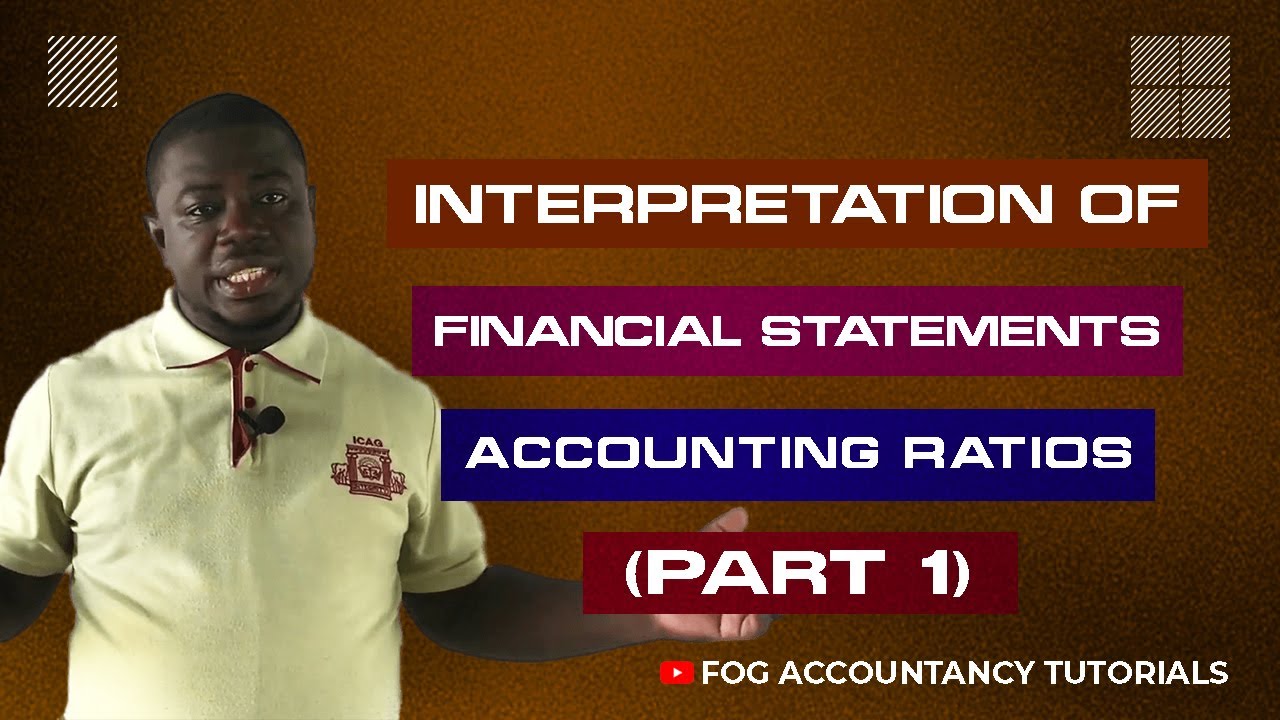
This video explain the basic ratios that are used to interpret financial statements, their formulas and how to make comments on them.
source


Official Lyric Video for “Money is Everything” by Addison Rae
‘Addison’ The Debut Album, out now: http://addisonrae.lnk.to/album
LYRICS
When I was growing up
Momma always told me to save my money
So I never had to rely on a man to take care of me
But money’s not coming with me to heaven and I have a lot of it
So can’t a girl just have fun
Can’t a girl have fun
Can’t a girl have fun
Can’t a girl have fun
Fun fun
Pocketful of sunshine
Busting through the seam
Say it baby don’t lie
Money’s everything
Diamonds are my best friend
Like I’m Norma Jeane
Say it baby don’t lie
Moneys everything
Can’t a girl have fun
Can’t a girl have fun
Can’t a girl have fun
Fun fun
Can’t a girl have fun
Can’t a girl have fun
Can’t a girl have fun
Fun fun
I drink on the nights that I want to remember
And when I’m out dancing
Please dj play Madonna
Wanna roll one with Lana
Get high with Gaga
And the girl I used to be is still the girl inside of me
Pocketful of sunshine
Busting through the seam
Say it baby don’t lie
Money’s everything
Diamonds are my best friend
Like I’m Norma Jeane
Say it baby don’t lie
Money’s everything
Pocketful of sunshine
Busting through the seam
Say it baby don’t lie
Money’s everything
Diamonds are my best friend
Like I’m Norma Jeane
Say it baby don’t lie
Money’s everything
Pocketful of sunshine
Busting through the seam
Say it baby don’t lie
Money’s everything
Diamonds are my best friend
Like I’m Norma Jeane
Say it baby don’t lie
Money’s everything
Money loves me
I’m the richest girl in the world
Follow Addison:
https://www.instagram.com/addisonraee
@addisonre
https://x.com/whoisaddison
Follow ARHQ:
https://www.instagram.com/arhq
https://www.tiktok.com/@arhq
https://x.com/addisonrae_hq
www.addisonrae.com
Text Addison:
310-356-9261
#AddisonRae #MoneyIsEverything #Addison
source

DISGUSTING XRP RIPPLE CONFESSION ON STABLECOINS AND THE FUTURE OF CRYPTO
I supported Ripple through their unjust lawsuit when the SEC went after them, and I support Coinbase’s right to fight for retail yield on stablecoins. Yes, it impacts their bottom line, and yes, Ripple’s bottom line will be impacted too, which is why they’re pushing the current version as they serve institutions, not retail.
Watch until the end and drop me a comment, babe.
Support The O Show with Ref Links:
✨Stake VET support TSCL ➡️ https://tinyurl.com/VeChain-WendyO
✨Get $100 with ITRUST ➡️ https://www.itrustcapital.com/go/crypto-wendy
✨Get 20% off SUMM code WENDY20 ➡️ https://tinyurl.com/Summ-Wendy20
✨GET 10% OFF BITCOIN 2026 USE WENDYO ➡️ https://bit.ly/BITCOIN2026WENDYO
✨Privacy Browser➡️ https://brave.com/wendy
✨Crypto IRAs Advice Mgmt ➡️ https://daimio.typeform.com/WendyO
✨Crypto Services I Use ➡️ https://cryptowendyo.com/partners
✨TOP CRYPTOS I LIKE ON KRAKEN ➡️ https://app.kraken.com/JDNW/WendyO
✨$500 PHEMEX Bonus ➡️https://phemex.com/en/promo/activity/558?referralCode=B6RWJ
Interested in being featured on The O Show?
Contact CryptoWendyO@protonmail.com
Official Wendy O Social Media Links can be found here: https://cryptowendyo.com/partners
CURRENT PARTNERS: BRAVE – ITRUST
This media is NOT an offer to buy or sell securities, simply for entertainment purposes
Disclaimer: Please be advised that I own a diverse portfolio of cryptocurrency assets, and anything written or discussed in connection to cryptocurrencies– regardless of the subject matter’s content– may represent a potential conflict of interest. I wish to always remain transparent and impartial to the cryptocurrency community, and therefore, the content of my media is intended FOR GENERAL INFORMATION PURPOSES ONLY. Nothing that I write or discuss should be construed, or relied upon, such as investment, financial, legal, regulatory, accounting, tax or similar advice. Nothing should be interpreted as a solicitation to invest in any cryptocurrency, and nothing herein should be construed as a recommendation to engage in any investment strategy or transaction. Please be advised that it is in your own best interests to consult with investment, legal, tax or similar professionals regarding any specific situations and any prospective transaction decisions. This channel is not responsible for the performance of actions of any sponsors, partners or affiliates. All information is found publicly on the internet and could change or be doctored now or any time in the future. This channel is for entertainment purposes ONLY and does not intend to slander or harm anyone.
PLEASE NOTE: In consideration for producing content the company, made a generous contribution to support the “CryptoWendyO” socials channel. This disclosure is in compliance with Section 17(b) of the United States Securities Act of 1933.
#cryptonews #crypto #bitcoin #ethereum #xrpripple #xrp #cryptowendyo #solana #sol #dogecoin #doge #cardano #ada #hbar #vechain #finance #rwa
bitcoin,altcoins,btc,xrp,ethereum,cryptocurrency,bitcoin news,crypto,crypto news,crypto news today,cryptocurrency news,blockchain,xrp news,XRP,ripple,coinbase,trump,brad garlinghouse,stablecoins,yieldmax,yield,finance,trump live,invest,stock market,cnbc,investing,crypto live trading,latest news,make money,day trading,trump news,wealth,btc live,artificial intelligence,crypto trading,investment,blackrock,solana,personal finance,how to make money,money
source

Ripple XRP Jim Cramer Just Turned Bearish Its Time
Stay Updated With My NFT Project!
https://sologenic.org/nfts/rU22ZciKy7MaVWPkt7gRL2KTZgHhZbhsJi?network=mainnet
Tweets by PhoenixRebornFT
Buy A Domain!
https://unstoppabledomains.com/r/extravod
Buy XRP From Uphold (zero fees)
https://uphold.sjv.io/do9jOK
Ledger Nano
https://shop.ledger.com/pages/ledger-nano-x?r=68682485d3fa
EMAIL For Business Inquiries ONLY:
cryptocks1@gmail.com
Join The Facebook Group!
https://www.facebook.com/Extravod-105891104605584/
Join this channel to get access to perks:
https://www.youtube.com/channel/UC23Tb0Q1b0Vd3-m5As6N59Q/join
Join The Discord Channel!
https://discord.gg/Tb7aSKC
Follow The Twitter!
Tweets by ExtraVOD_
( not financial advice lol )
support the channel 😀 –
XRP ADDRESS – rEb8TK3gBgk5auZkwc6sHnwrGVJH8DuaLh
XRP TAG – 101911049
(Cryptocurrency News)
Links –
Random Tags (Please Ignore): #ripple #xrp #cryptocurrency #bestcrypto #investing #ripplexrp #xrpnews #ripplenews #priceprediction #crypto #altcoinsnews
source
Pete Hegseth Won’t Rule Out US Troops On The Ground In Iran

'Bas ho gaya': Pant ends Rana-Rathi feud ahead of LSG vs DC clash

OnePlus 15R vs OnePlus 15: Which is best?


![[S03:E42] Permainan dunia automotive China kotor? - Hezeri Samsuri, Careta](https://wordupnews.com/wp-content/uploads/2026/04/1775015969_hqdefault-80x80.jpg)
-
 NewsBeat7 days ago
Manchester United reach agreement with Casemiro over contract clause amid transfer speculation
-

 News Videos6 days ago
Parliament publishes latest register of MPs’ financial interests
-
 Tech6 days ago
Intercom’s new post-trained Fin Apex 1.0 beats GPT-5.4 and Claude Sonnet 4.6 at customer service resolutions
-

 NewsBeat4 days ago
The Story hosts event on Durham’s historic registers
-

 Sports4 days ago
Sweet Sixteen Game Thread: Tide vs Michigan
-

 Business5 days ago
Instagram, YouTube Found Responsible for Teen’s Mental Health Struggle in Historic Ruling
-
 NewsBeat7 days ago
Tesco is selling new Cadbury Dairy Milk bar and people can’t wait to try it
-
 Entertainment3 days ago
Lana Del Rey Celebrates Her Husband’s 51st Birthday In New Post
-
Entertainment2 days ago
Fans slam 'heartbreaking' Barbie Dream Fest convention debacle with 'cardboard cutout' experience
-
Crypto World19 hours ago
Dems press CFTC, ethics board on prediction-market insider trades
-

 Sports15 hours ago
Tallest college basketball player ever, standing at 7-foot-9, entering transfer portal
-
 Fashion7 days ago
How to Style Spring Like WeWoreWhat: Easy Outfit Ideas for 2026
-

 Sports7 days ago
Football: France arrive in Boston to face Brazil and Colombia in friendlies – Sports
-

 Entertainment6 days ago
HBO’s Harry Potter Series Will Definitely Fail For One Big Reason, And It’s Not J.K. Rowling Or Snape
-

 Crypto World1 day ago
U.S. rule change may open trillions in 401(k) funds to crypto
-

 Fashion6 days ago
En Vogue in Brown Leather and Tailored Neutrals by Atelier Savoir, Styled by J Bolin
-

 Tech2 days ago
The Pixel 10a doesn’t have a camera bump, and it’s great
-

 Fashion6 days ago
What Are Your Favorite T-Shirts for the Weekend?
-

 Fashion5 days ago
Weekly News Update, 3.27.26 – Corporette.com
-

 Sports1 day ago
Women’s hockey camp eyes fitness boost, tactics ahead of WC 2026 campaign | Other Sports News
You must be logged in to post a comment Login