Connect with us
DAPA Banner
DAPA Coin
DAPA
COIN PAYMENT ASSET
PRIVACY · BLOCKDAG · HOMOMORPHIC ENCRYPTION · RUST
ElGamal Encrypted MINE DAPA
🚫 GENESIS SOLD OUT
DAPAPAY COMING

Tech

Retail Fail: The :CueCat Disaster

Published

on

Digital Convergence Corporation is hardly a household name, and there’s a good reason for that. However, it raised about $185 million in investments around the year 2000 from companies such as Coca-Cola, Radio Shack, GE, E. W. Scripps, and the media giant Belo Corporation. So what did all these companies want, and why didn’t it catch on? If you are old enough, you might remember the :CueCat, but you probably thought it was Radio Shack’s disaster. They were simply investors.

The Big Idea

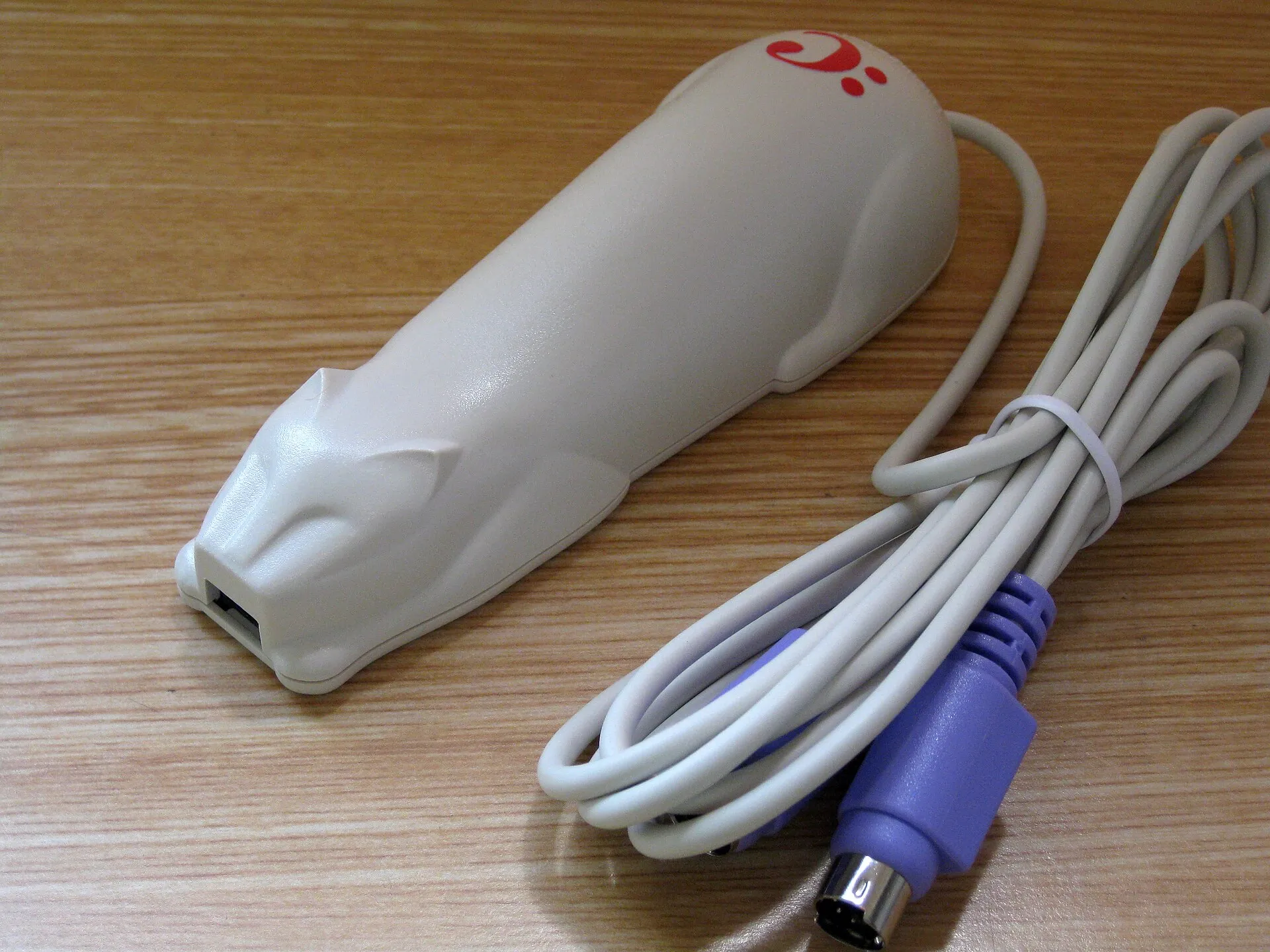
The :CueCat was a barcode scanner that, usually, plugged into a PC’s keyboard port (in those days, that was normally a PS/2 port). A special cable, often called a wedge, was like a Y-cable, allowing you to use your keyboard and the scanner on the same port. The scanner looked like a cat, of course.

However, the :CueCat was not just a generic barcode scanner. It was made to only scan “cues” which were to appear in catalogs, newspapers, and other publications. The idea was that you’d see something in an ad or a catalog, rush to your computer to scan the barcode, and be transported to the retailer’s website to learn more and complete the purchase.

The software could also listen using your sound card for special audio codes that would play on radio or TV commercials and then automatically pop up the associated webpage. So, a piece of software that was reading your keyboard, listening to your room audio at all times, and could inject keystrokes into your computer. What could go wrong?

Advertisement

Of Interest

You might think this was some tiny startup that died with a whimper, but Radio Shack, Forbes, Wired, and several major newspapers were onboard. The :CueCat cost about $6.50 to produce, but most people never bought one. Radio Shack, Forbes, and Wired were giving them away.

The problem is, even free was too high a price for most people. To use the device, you had to register and complete a long survey full of invasive questions. Then the software showed you an ad bar. Digital Convergence had your demographic info, your surfing habits, and knew what you were scanning.

Even then, the scanner solved a non-problem. If you saw something in a Radio Shack catalog, for example, it was probably not so hard to go to their website and search for it by title or stock number. Especially if you were sitting in front of your computer. If you weren’t… well, then, the :CueCat didn’t help you in that case, anyway.

The Next Big Thing?

It is easy to look back on this and think, “What a bad idea?” But Digital Convergence and its investors were in a full-blown media blitz. The video below shows a contemporary demo of the technology.

Advertisement

If you still aren’t sold, look at how happy the woman in the Radio Shack commercial is that she didn’t have to manually search the web for her next phone purchase.
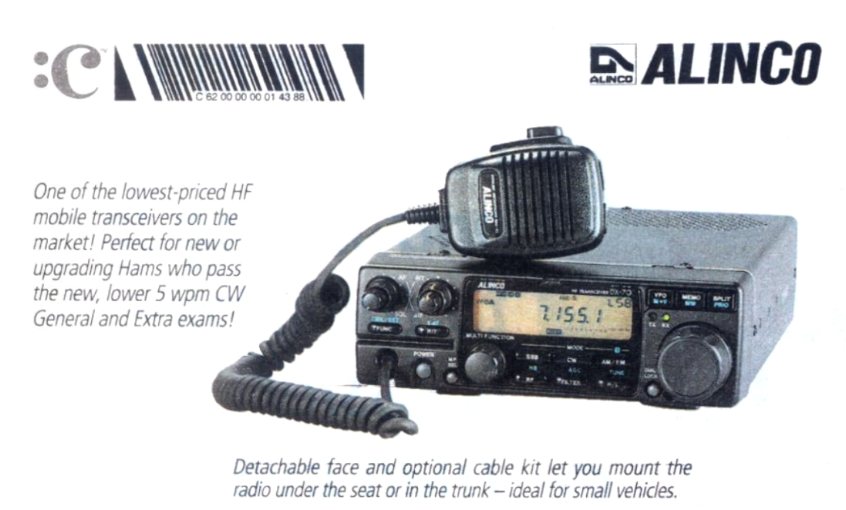
A clip from the Radio Shack 2002 catalog (from RadioShackCatalogs.com)

Problem solved, right? Want to buy that new ham radio? Scan the code, and you don’t have to type “Alinco” into a search box! Even the table of contents in the 2002 RadioShack catalog was festooned with barcodes.

The RadioShack catalog might have been an exception, though. A 2001 issue of Forbes magazine showed sparing use of the barcodes and no obvious ones linking to big advertisers. You would think the advertisers would have been a prime target, even if you had to make deals to get them onboard.

Advertisement

Hackers

Naturally, hacks immediately appeared. Drives from [Pierre-Philippe Coupard] and [Michael Rothwell]  allowed you to use the :CueCat without the invasive software or registration. You could even scan normal barcodes like UPC codes. Radio Shack and others wound up simply giving away $6.50 barcode scanners.

While people were already prickly about the amount of information gathered and the tracking, hackers found a report file on a public server that revealed personal info about 140,000 users — a huge number for the year 2000.

With hackers attacking both the hardware and the company’s website, Digital Convergence had to act. They changed their license, claiming that you didn’t own the scanner and forbidding reverse engineering. There were no real lawsuits, but there were threats and, as you might imagine, that just made things worse.

The Decline

By 2001, there were a very few USB-native :CueCats distributed. But the bad publicity and the lack of usefulness took its toll. By mid-year, most of the 225 employees at Digital Convergence had been let go. Later in the year, the investors decided to stop using the tech entirely.

Advertisement

By 2005, you could buy the now-surplus devices for $0.30 each, as long as you agreed to take 500,000 or more of them. You can still find them on the used market if you look. Open source software is still around that can make them do useful things, but honestly, unless you’re hacking it into a custom hardware setup, your phone is a better barcode scanner.

Hardware

You can still find some of the contemporary teardowns of the :CueCat online. There were, apparently, several revisions of the hardware, but at least one version had a cheap CPU, a serial EEPROM, an 8 KB static RAM, and a handful of small parts. For a free device, the insides looked pretty good.
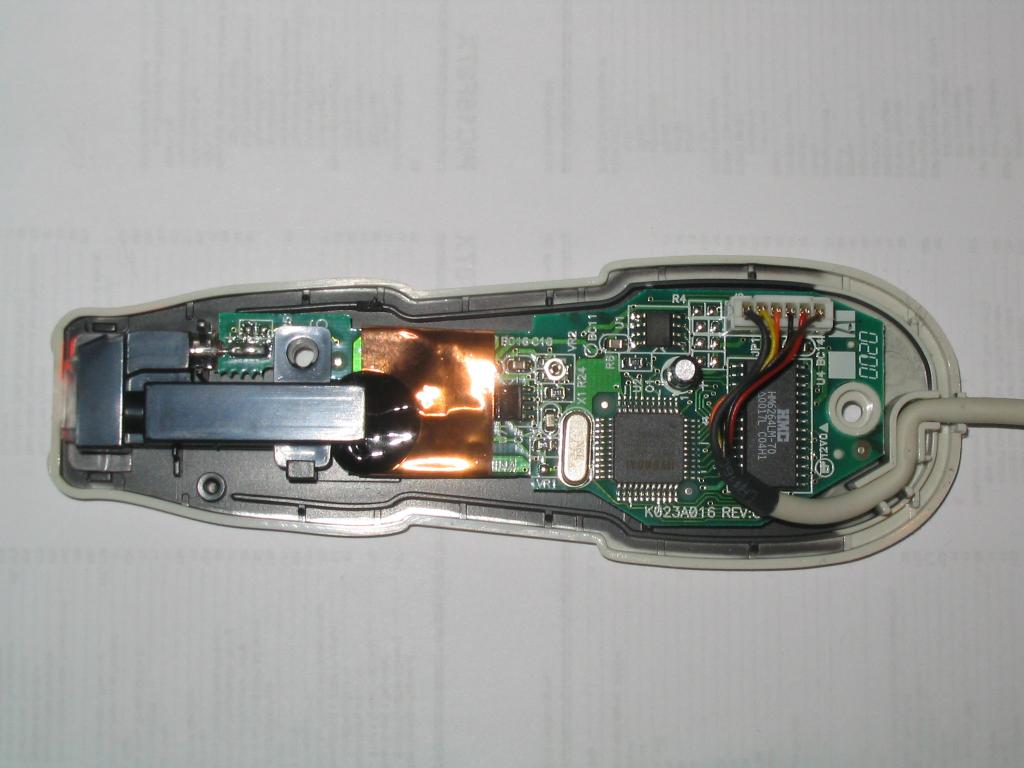
:CueCat without cover by [Shaddack]

Removing the ID from the device was as easy as removing the EEPROM, although people were less equipped to remove SMD chips in those days. You could also just lift a single pin, which was slightly easier. At least one enterprising hacker added a DIP switch to experiment with the pin settings.

Aftermath

Of course, now we have QR codes. But these are somewhat more private, work with the ubiquitous cell phone, and even then haven’t caught on in the way Digital Convergence had planned.

Was it a good idea? That’s debatable. But giant privacy grabs usually go poorly. Granted, in 2000, that might not have been as obvious as it is today. But it still doesn’t keep companies from finding it out all over again.

Advertisement

Featured image: The :CueCat. Photo by [Jerry Whiting]

Source link

Advertisement
Continue Reading
Click to comment

You must be logged in to post a comment Login

Leave a Reply

Tech

How to Watch The Android Show: I/O Edition Tomorrow Before Google I/O

Published

on

Google I/O is a week away, but Android is getting its own stage first.

The company announced last weed that The Android Show: I/O Edition is returning on Tuesday, May 12, a virtual showcase it says will explain why this is “one of the biggest years for Android yet,” according to Google. The event arrives one week before Google I/O 2026, giving Android its own runway before Google’s broader developer conference turns to AI, Gemini, Chrome and the rest of the company’s sprawling software universe.

Google I/O 2026 runs May 19 to 20 at Shoreline Amphitheatre in Mountain View, California, and online. The company has already framed this year’s event around AI breakthroughs and updates across its major product lines, including Android and Gemini. 

Advertisement

It hasn’t said what will be announced during this year’s Android Show. But last year’s I/O Edition wasn’t just a teaser reel. Google used it to introduce Android 16, Wear OS 6, a major Android design refresh, expanded Gemini features across devices and new safety tools meant to protect users from scams and other threats. 

That makes this year’s show worth watching even before the main I/O keynote begins. Android has become one of the clearest places where Google’s AI ambitions show up in everyday life: on phones, watches, tablets, cars, TVs and whatever new device category Google pulls into its ecosystem next.

Watch this: Google I/O 2026: New Gemini, Smart Glasses and a Whole New Laptop OS. Here’s What to Expect

How to watch Google’s Android Show

The Android Show: I/O Edition will stream virtually on May 12 through Google’s Android event page and YouTube. Google I/O begins one week later, with the keynote scheduled for May 19 at 10 a.m. PT (1 p.m. ET, 6 p.m. BST).

Advertisement

CNET will be following the event for any Android, Gemini and device-related announcements.

Source link

Advertisement
Continue Reading

Tech

Best AI Sprite Sheet Generator: Boost Your Gaming Performance

Published

on

In modern game development and animation, performance and smooth transitions are everything. How smoothly a game works says a lot about its performance. No one wants to play a game that lags. Therefore, an AI sprite sheet generator was introduced to solve this problem. Loading multiple small files for a single animated character sounds simple, but it requires lots of attention. Want to explore some of the best AI sprite sheet generator tools?

Start reading to find the best tool for an AI sprite sheet generator that fulfills your needs and requirements.

What is a Sprite Sheet?

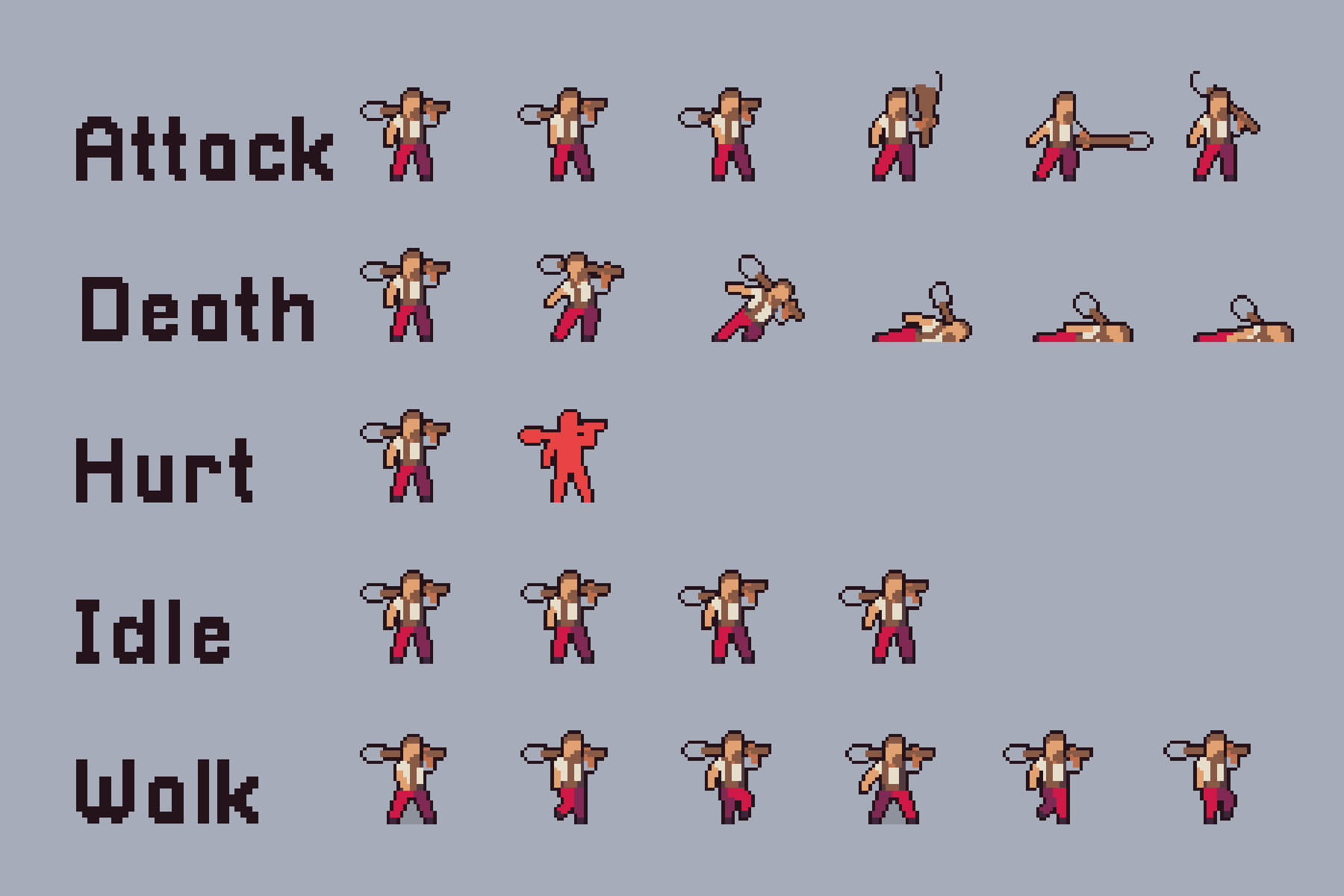
A combination of several smaller images (sprites) to create a single image is called a sprite sheet. It is arranged in a grid-packed layout. It helps in speeding up the loading and closing times. It is mainly used to create game characters and UI icons. 

Instead of loading numerous individual image files, developers use a sprite sheet to make the game or application fast and more responsive. Sprite sheet works using separate data files like JSON, XML, or CSS, and maps the name of each sprite to its original coordinates, i.e., X, Y, or Width, Height.

Advertisement

Each of these small graphics represents a character frame, an icon, or an item. Instead of loading several images, the program simply loads this sprite sheet and picks out the part that is needed while displaying or animating a program or game.

Benefits of Sprite Sheet

Sprite sheets are useful in many ways. It increases the performance by managing HTTPS requests and providing faster response times. It also provides storage with better compression and lower VRAM (Video Random Access Memory) usage. Let’s understand the benefits based on performance, memory, animation, and workflow development.

Benefits of Sprite Sheet

Performance

  • One file is downloaded instead of several smaller files, which leads to fewer HTTP (Hypertext Transfer Protocol) requests and consequently speeds up the loading time.
  • With a single sprite sheet, you will only need to bind one texture instead of switching between several sprites.

Storage and Memory

  • A PNG file with a single header, color palette, and compression is more useful than multiple separate files.
  • GPU works more efficiently with fewer sprites and more textures, leading to lower usage of VRAM. 
  • With similar pixels across sprites, compression becomes easier.

Animation

  • Reduces the loading delays as all frames are pre-loaded to eliminate any frame drop delays.
  • Minimizes the risk of individual frame loading at different leads, giving the same texture to different UV regions.
  • It works well with shaders and animation systems, reducing the risk of different frames loading at different speeds and times.

Workflow and Development

  • Increase the workflow by automating frame generation using an AI sprite sheet generator.
  • Save time on alignment and spacing using a faster process for animation pipelines.

Top 3 Best AI Sprite Sheet Generators

With the growing popularity of AI over the years, many free and paid best AI sprite sheet generators have entered the market. Explore the top 3 AI tools for generating a sprite sheet.

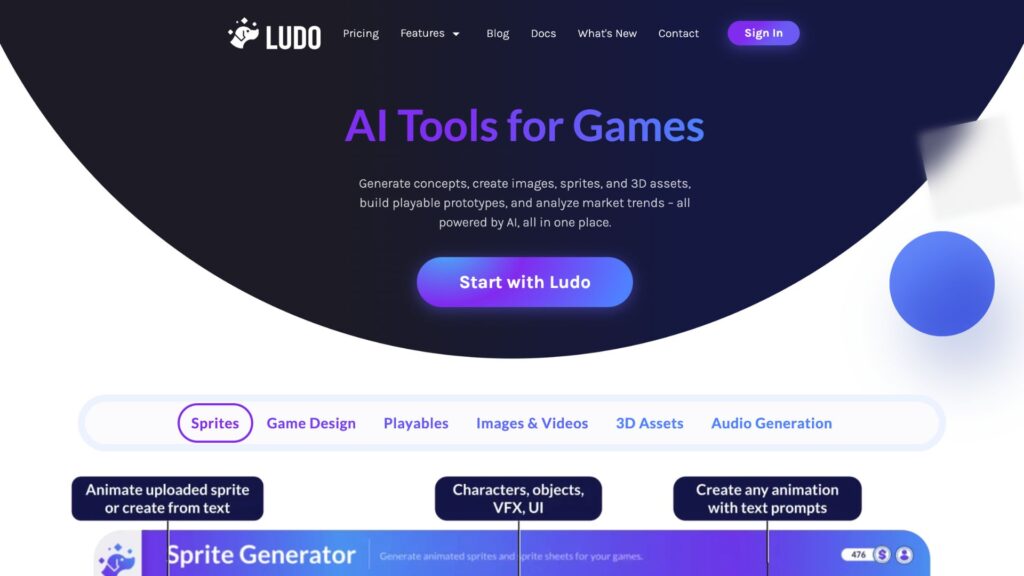
Ludo AI

Ludo AI

It is a paid sprite sheet generator that comes with several features, including a sprite generator, where you can create characters, objects, and VFX. Apart from that, it also has features for designing games, audio generation, playables, images, videos, and 3D assets. According to its official site, Ludo AI helps in increasing your productivity by 10x using a single platform. These are some of the key features:

  • Sprite Generator
  • 3D Assets Generator
  • Game Ideator
  • Video Generator
  • Market Scorer

It provides three pricing plans:

Aspect Indie Pro Studio
Pricing $15/monthly, paid annually $35/monthly, paid annually $300/monthly, paid annually
Yearly credits 3,000 credits 12,000 credits 120,000
Projects 5 active projects Unlimited active projects Realtime collaboration

For more pricing details, visit the Logo AI official pricing site.

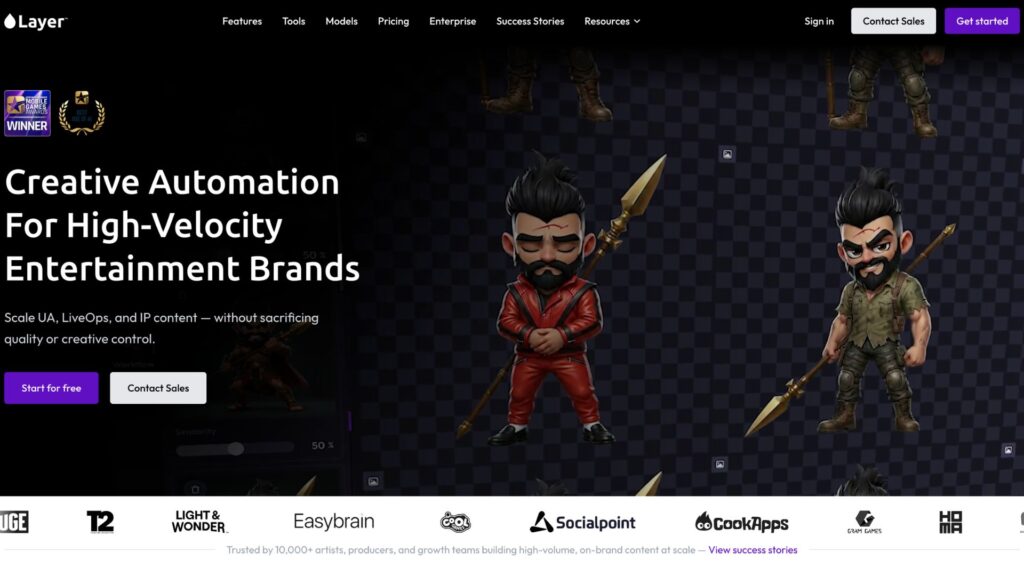
Layer AI

Layer AI

It provides a suite of tools for animation designers. Many popular gaming brands are its clients. Gaming platforms like LBC, Games United, Cosmic Lounge, Ace Games, and more are some of the most recognizable brands of Layer AI. Some of its top features include:

  • Sprite Sheet Generator
  • Placing Characters Into a Scene
  • Animate a Character
  • Outfit Change
  • Style transfer to Scene and Items
  • Image To Sprite
  • Sketch to Art Style

It is basically an AI animation tool that helps in editing and generating animated characters. It provides 3 flexible subscription plans based on team size

Aspect Small Studio Mid-Sized Studio Enterprise
Price $60/month $300.00/month $10,920.00/month
Team Size 1-10 10-25 More than 25
Images 200 Images 3,450 images 50,000 images
Videos 100 Seconds 220 seconds 10,400 seconds
3D Models 10 Models 25 models 830 models
Audio 300 hours 1325 hours 249,450 hours

Each plan comes with customizable features; you can choose the best fit based on your business needs and requirements. For more details related to its price, visit the official pricing page. 

Advertisement

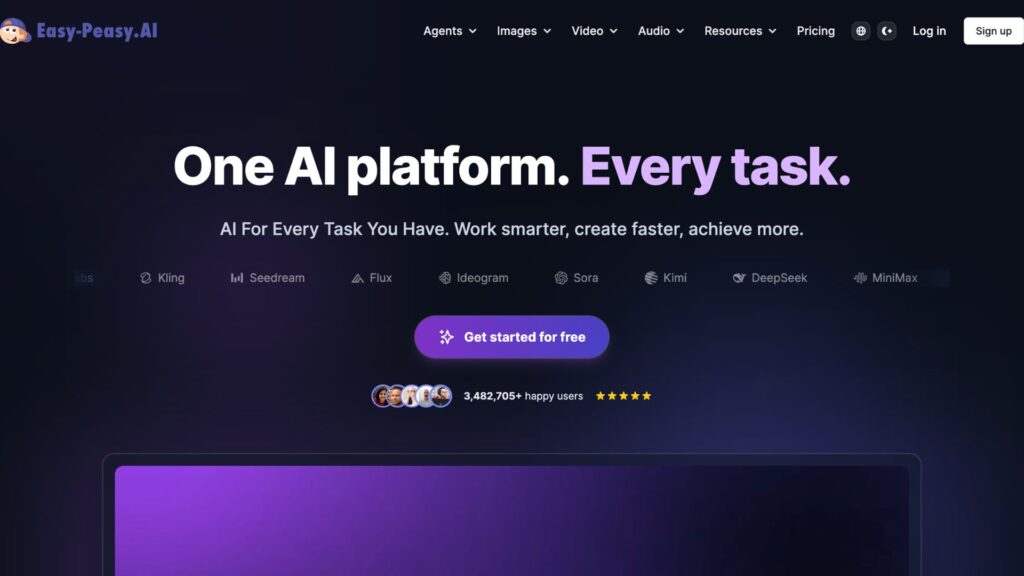
Easy Peasy AI

Easy Peasy AI

The tool provides several features needed for creating a sprite sheet. It is an all-in-one tool that helps in creating images, videos, and audio. Some of the key features of Easy Peasy AI are:

  • Text to Character Generator
  • Art Prompt Generator
  • Logo Maker
  • Sprite Sheet Builder
  • AI Music Generator

You can try it before purchasing, as it comes with free trials with no credit card required. It has 4 pricing options, including one for a free plan.

Aspect Free Starter Unlimited 50 Unlimited
Price $0/month $8/month $12/month $16.5/month
Bots 1 2 3 4
Text-to-Speech 1,000 characters  25,000 characters 50,000 characters 75,000 characters 
Credits 1 image credit 200 image/video credits 300 image/video credits 400 image/video credits

It provides several features, including 35+ languages available. For more details related to the price, visit the official pricing page of Easy Peasy AI.

Related: Elden Ring: Rare Interaction with Melina After Spending 730 Hours in Gameplay

Free AI Sprite Sheet Generators

Before purchasing an expensive plan, you can try some of the free AI Sprite Sheet Generators tools available. Explore the best free AI sprite generator tools below.

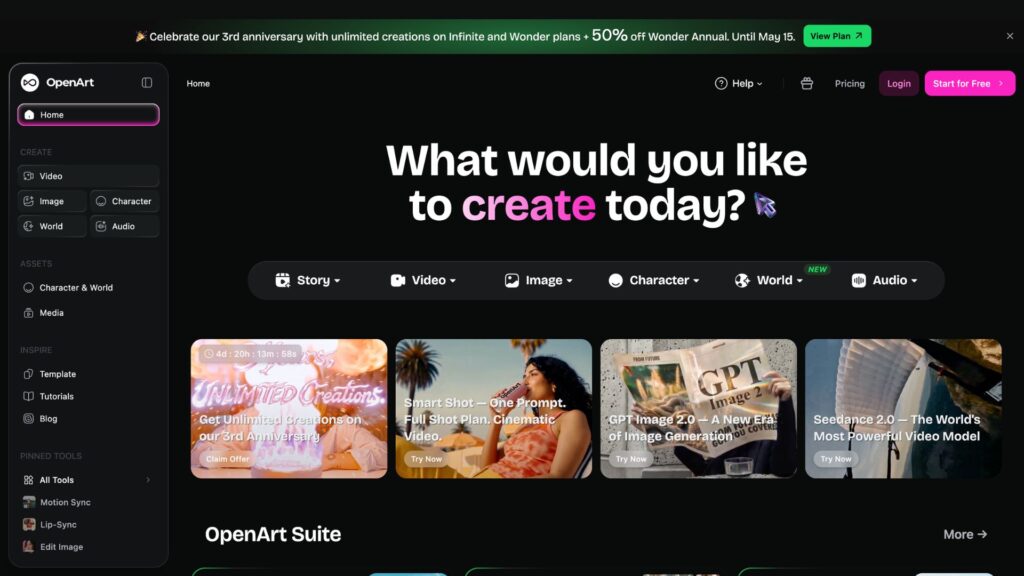
OpenArt

OpenArt

With the help of this tool, you can create characters and visuals, and can also lip sync those characters. You get a one-time 40 credits, which you should use within 7 days from the start date. You need to pay for more credits. Let’s take a look at the pricing overview of OpenArt.

Pricing Plans Free Essential Advanced Infinite
Credit 40 for 7 days 4000 credits/month 12,000 credits/month 24,000 credits/month
Parallel generations 4 8 16 32
Images None 4000  12,000 24,000
Videos None  50 150 300

For more feature-related details, check out its official page.

Advertisement

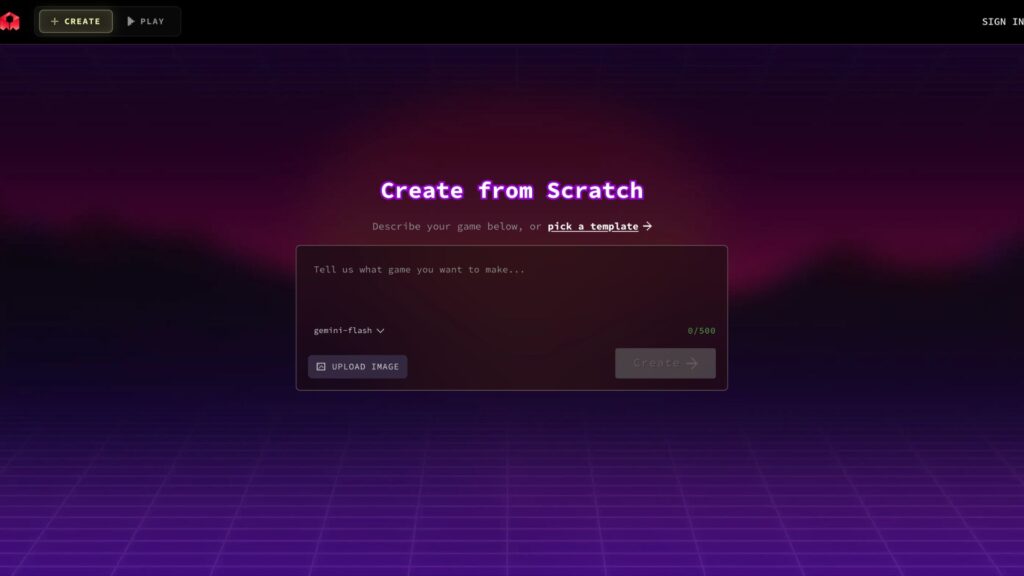
Rosebud AI

Rosebud AI

With this tool, you can create free sprite sheets for games. It has provided a solution to 2D, which is a time-consuming process of game development. You can create an all-new game using this free AI sprite sheet generator tool. It doesn’t have many features, but it is one of the best free AI sprite sheet generator tools.

It is completely free and doesn’t require any money transactions.

Use Case of Sprite Sheet

Sprite sheets are mainly used by web developers, game developers, graphic designers, UI/UX designers, and pixel art designers. 

For game animation: It is useful for making a game character walk, run, and jump within a single sheet. Game developers, pixel artists, and Unity programmers mostly use it for animation.

2D game and tiles: different titles, i.e., ground, wall, and trees, are packed in a single sheet to build maps quickly. Game designers, level designers, and environment artists use sprite sheets to generate 2D games and tiles.

Advertisement

Website buttons and icons: Icons like home, search, settings, and social media icons are shown using a single image with CSS positioning. UI/UX, engineers, and web developers use it for updating and creating websites and apps for a simpler and clearer interface.

Web animation: Web developers, motion designers, and frontend engineers use a sprite sheet to add animated logos or loading spinners. It is done by moving the sprite sheet using CSS for the final result.

How to Create a Sprite Sheet?

Creating a Sprite Sheet is not difficult, especially when using an AI sprite sheet generator. Let’s understand how sprite sheets work, so that you can create your own characters.

  • Step 1: Prepare images for your desired animation character. Add the type, animation, frame count, and direction. Use frames, e.g., 4,8,12, or 16 for more image placements. At last, mention the side view, isometric view, or top down.
  • Step 2: Use individual frames: Add multiple images representing the animated steps of the characters. For this process, you can use tools like Aseprite, Adobe Photoshop, or Piskel. (Maintain a uniform style and remember to keep the same canvas size, i.e., 64×64 pixels).
  • Step 3: Align the frames: Remember! All the frames must have the same height and width. Align all the characters from the same baseline and remove the background to avoid misalignment.
  • Step 4: Arrange frames into a grid: Place all the frames into one single sprite sheet. Some of the common layouts are horizontal, vertical, and diagonal strips.
  • Step 5: Use an AI sprite sheet generator to avoid misalignment and save time. Use AI tools like Layer AI or Ludo AI for automatic alignment.
  • Step 6: Check the final file for exportation: Use a PNG image for better transparency. Grid and packed are the best layouts for gaming characters.
  • Step 7: Optimize the sprite sheet for performance: Look for empty spaces and remove them. Compress the texture if it is a large file, and convert sprites into one sheet.

Tips to Make an Effective Sprite Sheet 

  • Use similar-sized frames for each animated image.
  • Add padding and borders to avoid texture bleeding (color leaking from one image to another).
  • Keep one animation per sheet, for example, walk, run, or still.
  • Select the right format of image for transparency. (Use PNG)
  • Add frames tightly to save space and memory in the sprite sheet.
  • Check every aspect after arranging the images in a named folder.
  • Export data in a JSON file.
  • Always test the frame rate and download size.

Related: How to Reduce Fortnite Lagging: 5+ Effective Tips 

FAQs

Which is the best AI sprite sheet generator?

Ludo AI and Layer AI are the best paid AI sprite sheet generators.

Advertisement

Can AI create sprite sheets?

Yes, there are several AI sprite sheet generators available.

How do I generate sprite sheets automatically?

Use AI tools for an automatic sprite sheet generator.

Are there free AI sprite generators?

Yes, Rosebud AI and Opencut AI are some of the best free AI sprite sheet generators.

What is a Sprite Sheet in game development?

It is a group of small images that all together make a single sheet, which speeds up the loading time.

Advertisement

Source link

Continue Reading

Tech

End-to-end encryption rolls out for RCS in iOS 26.5

Published

on

After months of buildup, end-to-end encrypted RCS messaging has finally made it to iOS, allowing Android and iPhone users to enjoy enhanced security between platforms when texting.

Apple continues to make progress on its end-to-end encrypted (E2EE) RCS messaging, following a few months of testing on iOS 26.4 developer betas. Now, it appears that the feature is ready for larger public testing.

On Monday, Apple announced that E2EE RCS messaging will roll out for iPhone users running iOS 26.5 with a supported carrier, and Android users on the latest version of Google Messages. This means that, provided the aforementioned criteria are met, RCS messages can’t be read while being sent between devices.

Users will see a new lock icon in RCS chats when a message is encrypted. Apple has included a list of participating carriers on a support page.

Advertisement

Apple notes that this is still technically a beta test of the feature, and will likely roll out in phases. Encrypted will be automatically enabled over time for both new and existing RCS conversations.

Apple began testing E2EE RCS messaging in the first iOS 26.4 developer beta in mid-February. Testing was very limited, as it was exclusively for iPhone users with iMessage disabled.

Fortunately, about one week later Apple rolled out the second iOS 26.4 developer beta, allowing Android and iPhones to trade fully encrypted RCS messages for the first time.

Apple initially announced that it would be offering end-to-end encryption to RCS messaging on iOS in March 2025.

Advertisement

Source link

Continue Reading

Tech

Let there be light: Redfin powers up ‘Sunscore,’ an interactive map to track property sunlight

Published

on

An interactive “Sunscore” visualization on Redfin shows the path of sunlight on GeekWire’s offices in Seattle. (Image via Redfin)

What’s it take to be a neighbor with a sunny disposition? Perhaps more sunlight, for starters.

Seattle-based real estate brokerage Redfin launched “Sunscore” on Monday, a new interactive feature that lets home searchers see how much natural light a property receives throughout the day.

The 3D map offers a property-level sun-path visualization, tracking sunlight and the shadows cast by surrounding terrain, buildings and trees. Different times of day and times of the year are analyzed to provide a full picture of potential shadows. Properties are scored 0-100 — the more sunlight, the higher the score.

“We know from customer feedback that sunlight is a priority for house hunters,” said Ariel Dos Santos, Redfin’s chief product and design officer, in a news release. “When you tour a home, you want to see brightly lit spaces with natural light pouring through windows. Sunscore gives home searchers that information upfront in a simple-to-understand way.”

A recent Redfin survey found that nearly 70% of people say the amount of sunlight in their home affects their satisfaction with their living situation, and 11% say it’s non-negotiable when searching for a home.

Advertisement

And the amount of light a home receives isn’t just a mood-booster or an aesthetic factor; the score on property-level sunlight can be also help homeowners measure the potential for solar energy and long-term cost savings.

Sunscore is developed by Austria-based Shadowmap, and the partnership with Redfin-owned Rocket is a U.S. exclusive. The feature is now available on all for-sale homes listed on Redfin.com and will be available on Redfin’s iPhone and Android apps later this year.

Source link

Advertisement
Continue Reading

Tech

What is the release date for Half Man episode 4 on HBO Max and BBC iPlayer?

Published

on

Who else is feeling physically sick every time they tune into Half Man? That’s testament to Richard Gadd’s incredible character creation, but my word is Ruben absolutely vile.

As we’re finding out, the show follows brothers Niall (Jamie Bell) and Ruben (Gadd) through 30 years of their lives, exploring the highs and lows of their turbulent relationship. Frankly, “lows” is putting things politely.

Source link

Continue Reading

Tech

Daniel Ek-backed defense tech Helsing to raise $1.2B at $18B valuation

Published

on

Five-year-old European military drone startup Helsing is reportedly close to raising a new $1.2 billion round at about an $18 billion valuation. The round is expected to be led by Dragoneer and co-led by existing Helsing investor Lightspeed, the Financial Times reported.

Helsing last raised just under a year ago, in June 2025, in a deal that was led by billionaire Spotify founder Daniel Ek. That was a €600 million investment at an estimated €12 billion valuation ($14 billion USD). So this new round is a step-up.

While Helsing isn’t the only European unicorn defense tech, it is by far the one that investors deem the most valuable. For instance, German drone maker Quantum Systems raised €180 million in November, which valued it at more than €3 billion. And a year ago, Lisbon-headquartered Tekever raised £400 million at a valuation above £1 billion. Amid Russia’s ongoing war in Ukraine, the proving ground for new technologies, autonomous defense startups have become a hot area for VCs.

Helsing, Dragoneer, and Lightspeed could not be immediately reached for comment.

Advertisement

Source link

Continue Reading

Tech

Filing shows Starbucks’ recent job cuts will impact 61 tech jobs at Seattle HQ

Published

on

starbucks
Starbucks headquarters in Seattle. (GeekWire Photo / Kurt Schlosser)

A new filing with Washington state shows that Starbucks’ recent job cuts will impact 61 tech jobs at its Seattle headquarters. The Seattle Times first reported on this round of layoffs in April, citing an internal message that did not include the number of roles, their location or specific job titles.

The layoffs are the result of “a reorganization of the technology department at the Starbucks Support Center,” the letter states. The cuts take effect between June 20 and Aug. 28.

The Worker Adjustment and Retraining Notification (WARN) letter states that the affected roles include cybersecurity analyst, technical product manager, systems analyst, systems administrator, scrum master and architect. Employees at the director and manager levels are among those being let go.

The restructuring comes as Starbucks pushes ahead with a broader turnaround under CEO Brian Niccol, who joined in 2024 and has pushed a series of technology initiatives — from an AI-powered drink-ordering assistant to an algorithm that manages mobile order timing.

The tech department shake-up also follows the hiring of Anand Varadarajan as chief technology officer in January. He joined the coffee company after 19 years at Amazon, where he most recently led technology and supply chain for its global grocery business.

Advertisement

In a September filing with the U.S. Securities and Exchange Commission, Starbucks warned that it needed to keep improving its marketing, data analytics and AI tools or risk losing consumer interest and market share.

The tech sector has seen a wave of layoffs in recent months, including cuts in the Pacific Northwest impacting Amazon, Meta, Microsoft, Expedia Group, T-Mobile, Oracle, Zillow and others. Companies generally frame the cuts as a mix of post-pandemic restructuring, tighter cost discipline, and a shift of resources toward AI and other strategic priorities.

RELATED: Starbucks cuts tech jobs as new CTO reshapes organization

Source link

Advertisement
Continue Reading

Tech

Few visible Mac changes as Maps ads and subscriptions arrive

Published

on

Apple’s macOS 26.5 has been released, delivering a quiet update focused on stability, subscription changes, and system-level improvements rather than new user-facing features.

The release arrives without major additions across the interface or built-in apps. macOS Tahoe 26.4, which shipped on March 24, 2026, introduced visible updates across apps and system features, while version 26.5 shifts attention to compatibility and platform work.

Mac users shouldn’t expect a major shift after installing it. Apple uses the release to support new App Store billing options and refine system behavior without changing how macOS works day to day.

macOS 26.5 is build number 25F71.

Advertisement

Maps ads expand to macOS in a broader services push

Apple has expanded ads in Maps to macOS as part of the same rollout across its platforms. Ads now appear at the top of some search results and sit alongside standard listings, which changes how locations are surfaced without altering navigation tools.

Suggested Places also appears in Maps and highlights nearby locations based on trends, recent searches, and local activity. Results no longer rely only on relevance and proximity, as paid placements can influence what appears first.

Apple uses the change to extend its advertising model into local search on the Mac. Ads are clearly labeled and rely on signals like search terms and location instead of user profiles.

App Store subscription changes carry over to macOS

Apple’s new subscription model reaches macOS with the 26.5 release. Developers can offer monthly payments tied to a 12-month commitment in most regions, excluding the United States and Singapore.

Advertisement

Users get pricing that usually matches discounted annual plans without paying for a full year upfront. The model still commits subscribers to 12 monthly payments once a subscription starts, even though the price appears as a monthly plan.

Subscribers can cancel at any time, but service continues until all committed payments are completed. Account settings show completed payments, remaining payments, and renewal timing, which makes the commitment clear over time.

Developers gain a more predictable revenue stream while presenting pricing as a lower monthly cost. Monthly billing doesn’t provide monthly flexibility under this model.

macOS 26.5 focuses on under-the-hood improvements rather than visible changes across the interface or built-in apps. Apple directs the release toward stability, compatibility, and updates that support how apps run and interact with the system.

Advertisement

Safari and core system components receive updates that improve reliability and behavior in everyday use. These changes help reduce bugs and inconsistencies without introducing new features that users can see directly.

macOS 26.5 follows macOS 26.4 as a quieter release with a narrower purpose. Most users will see an incremental update that keeps the Mac current rather than changing how it looks or behaves day to day.

Source link

Advertisement
Continue Reading

Tech

This $1099 power station ‘opens up entirely new possibilities’

Published

on

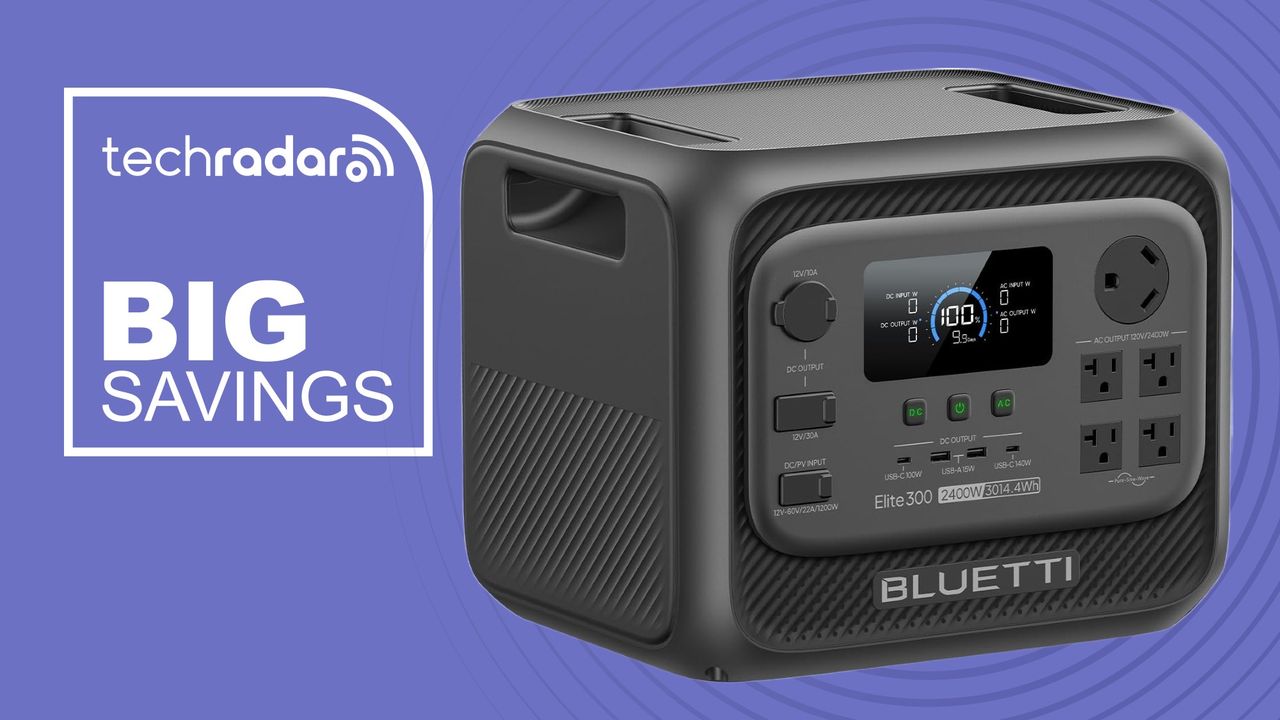
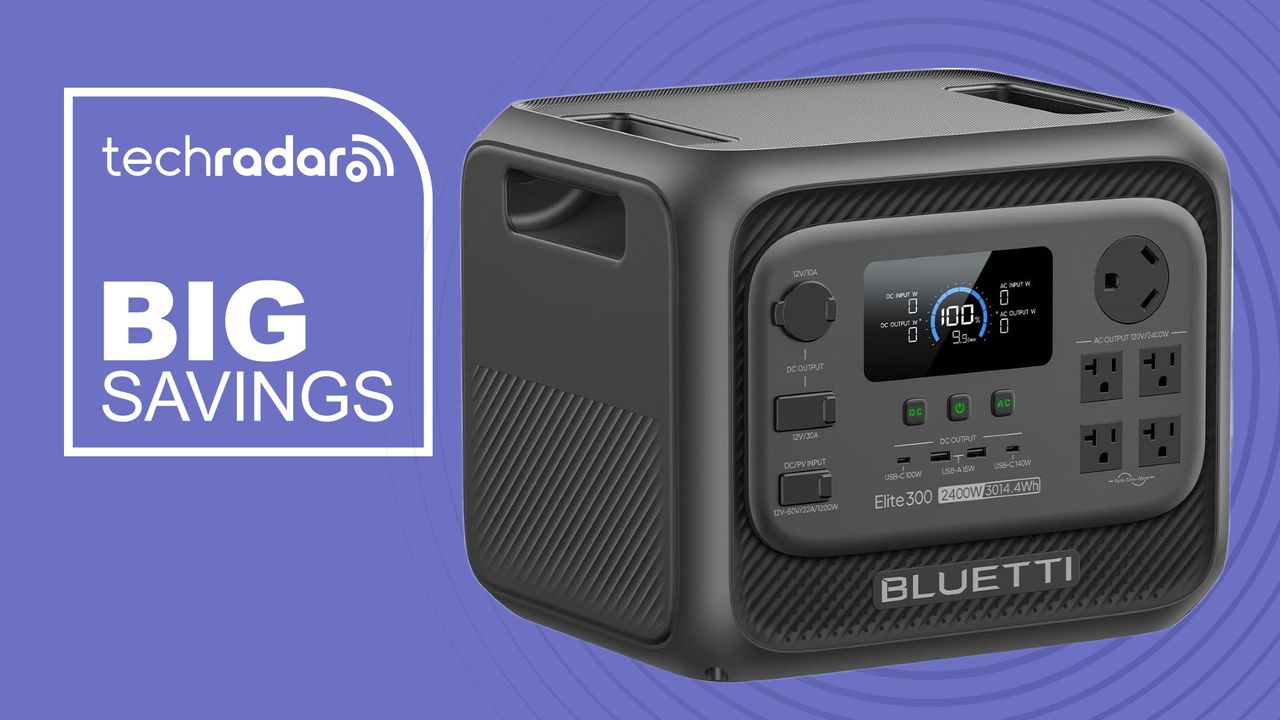
There are some major portable power station deals over at Amazon right now. I’ve selected 7 that are worth exploring, although there’s one truly stand-out deal right now.

The one that really caught my eye is the Bluetti Elite 300 that’s now $1099 (was $1499). That’s a major discount on a heavy-duty unit with a 3014Wh battery capacity. After testing out the Elite 300, we found it “powerful, flexible and impressively rugged.”

Source link

Continue Reading

Tech

OpenAI’s ‘Trusted Contact’ feature for ChatGPT users in crisis is a sign AI is becoming something much more personal

Published

on

If there was ever evidence that people are forming deep emotional reliance on ChatGPT, OpenAI’s new Trusted Contact feature is probably it.

Speaking at Sequoia Capital’s AI Ascent event last May, OpenAI CEO Sam Altman said young people were using ChatGPT like an operating system for life — not just for productivity, but for major personal decisions.

Source link

Advertisement
Continue Reading

Trending

Copyright © 2025