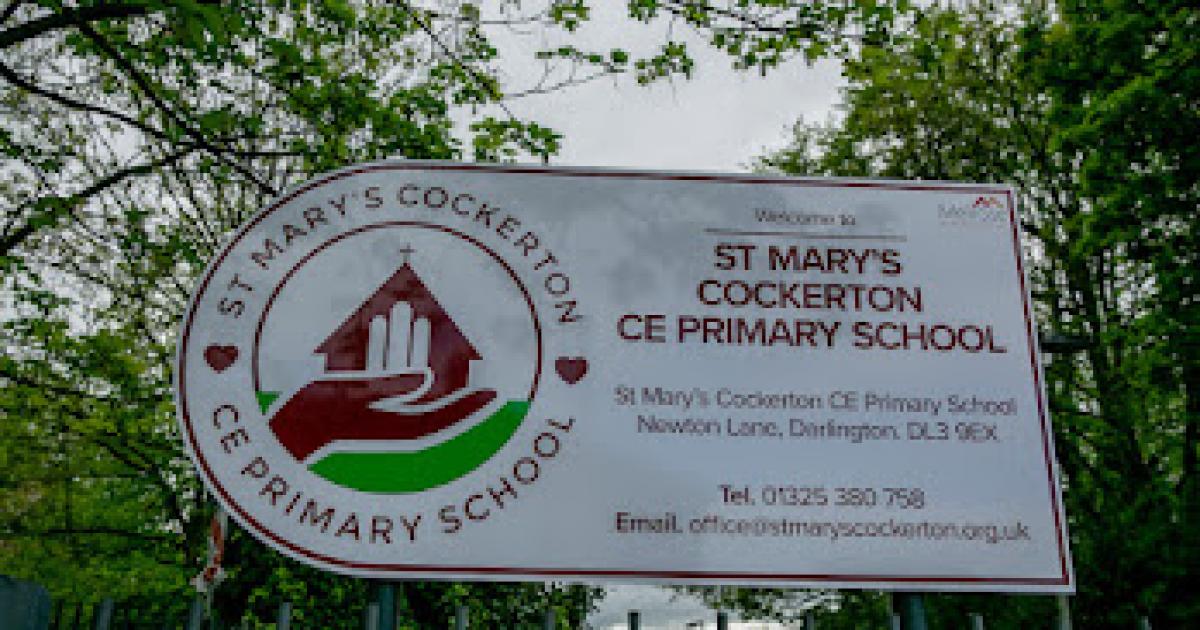
St Mary’s Cockerton CE Primary School, on Newton Lane in Cockerton, has been shut to pupils today (Thursday, March 26) following the incident overnight.
The burst pipe has caused a “significant flood” in the school, with the site saying it has had to turn off the water until the issue is resolved.
Darlington Borough Council confirmed the early closure in an email.
Advertisement
It is not yet known when the school will reopen, with parents told to expect updates soon.
The school said: “Following a significant flood due to a burst pipe in school overnight, school will not be open today as we have had to turn the water off until we can resolve the issue.
“We will provide updates as soon as we can. Please pass this message on.
Advertisement
“Apologies for the inconvenience this will cause.”
There is also mini golf and boat trips at this landlocked reservoir
Summer is the time when most people go on holiday, therefore it’s a chance to have some fun. There is plenty on offer for families and children to do in Cambridgeshire, but also some fun things on the border.
Advertisement
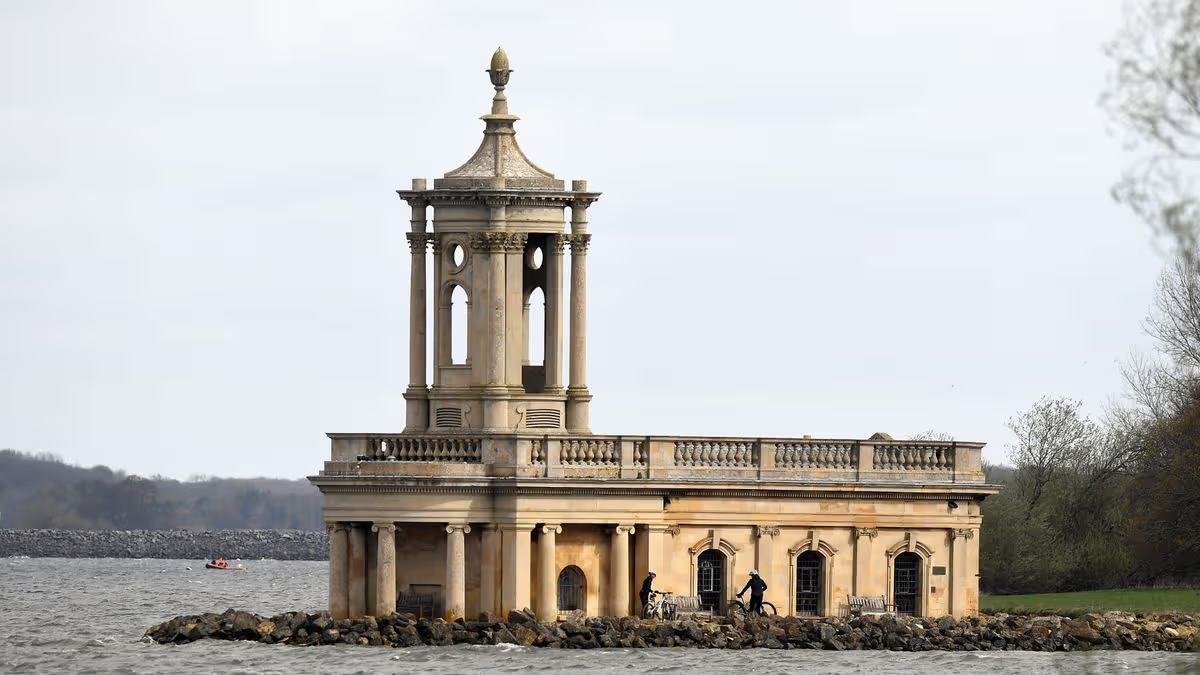
Just half an hour from Peterborough and 90 minutes from Cambridge is Rutland Water. Rutland Water is the perfect place to explore the outdoors.
It covers over 4,200 acres of open countryside, as well as a park for walking and cycling and a nature reserve to explore wildlife. As well as a fun play park, there is also a beach hidden within Rutland Water.
The landlocked beach, named Syke’s Lane, has endless amounts of sand. It is one of Rutland Water’s busiest attractions.
On hot days, it’s said to be “very very busy”, according to Anglian Water which oversees Rutland Water. It’s also an award winning beach, as it is the first inland bathing water location in England to be awarded the Blue Flag and Seaside Award.
On the Rutland Water website, it said the award recognises “both excellent water quality, biodiversity and green space for the community”. Rutland Water also promises “adrenaline-filled fun” for those who like to live on the edge.
There are a number of water sports on offer at the site. People can sail, windsurf, kayak, canoe or paddleboard. From May until August, the water sports can be done between 9am and until 6pm.
For some less adrenaline-filled activities, there is some other fun on offer. Visitors can enjoy a friendly game of mini golf on the 12-hole golf course.
Advertisement
Each hole becomes more challenging as you move around the course. People can also catch a ride on the Rutland Belle.
On the Anglian Water website, it said the boat is a “fantastic way to explore the stunning water park” from water. To find out more about all of the fun on offer at Rutland Water, visit the website.
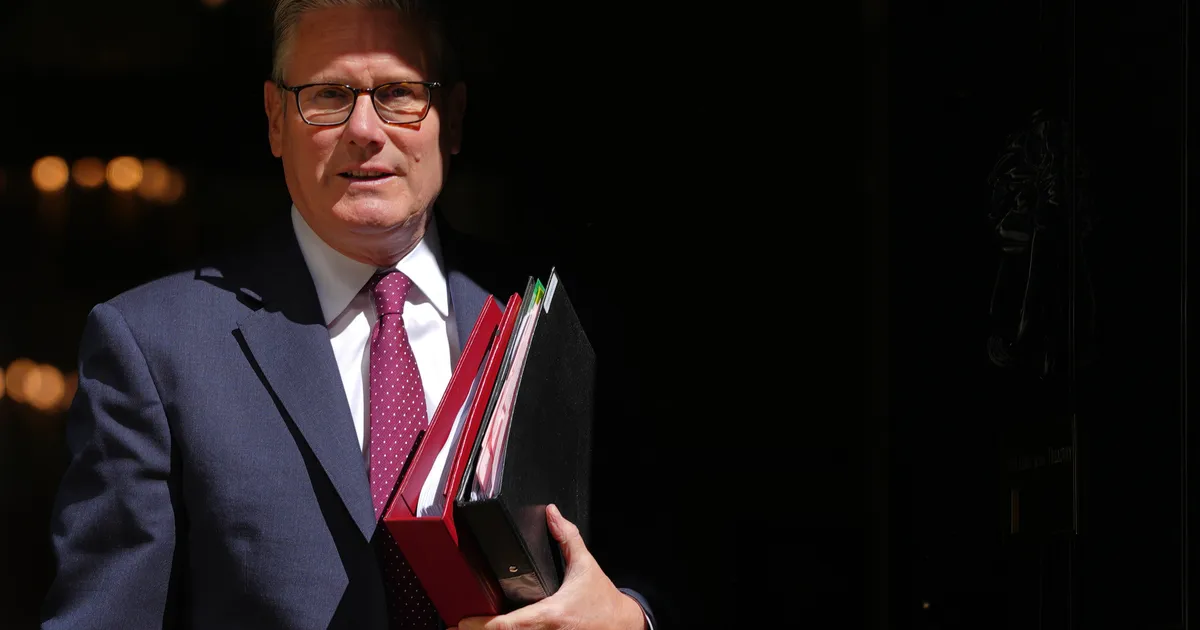
Keir Starmer will vow to put Britain “at the heart of Europe” in a last-ditch attempt to convince Labour MPs not to dump him as prime minister.
The PM will deliver a make-or-break speech in London amid mounting speculation that he will face a leadership challenge within days.
It comes just days after Labour lost 1,500 councillors in England and also suffered humiliating defeats in the Scottish Parliament and Welsh Senedd elections.
Former minister Catherine West said on Sunday that she would wait until after Starmer has delivered his speech before deciding whether to trigger a leadership contest.
Advertisement
Setting out how he plans to turn around the fortunes of his party and the government, Starmer will say that “incremental change won’t cut it”.
“On growth, defence, Europe, energy – we need a bigger response than we anticipated in 2024 because these are not ordinary times,” the prime minister will say.
“Strength through fairness. It’s a core Labour argument. And you will see those values writ large in the King’s Speech. And you will see hope, urgency and exactly whose side we are on.”
The PM will say “people need hope” and that only Labour can deliver the solutions to the problems the country faces.
Advertisement
Starmer will say Nigel Farage and the Conservatives are “defined by breaking our relationship with Europe.”
He will add: “This Labour government will be defined by rebuilding our relationship and by putting Britain at the heart of Europe, so that we are stronger on the economy, on trade, on defence, you name it.
“Because standing shoulder to shoulder with the countries that most share our interests, our values and our enemies that is the right choice for Britain, that is the Labour choice.”
However, it is understood he will insist Labour will not break its “red lines” of ruling out a return to free movement, and membership of the European Union’s customs union and single market.
Advertisement
It remains to be seen whether the speech will be enough to prevent Labour MPs demanding he set out a timetable to leave No.10.
Subscribe to Commons People, the podcast that makes politics easy. Every week, Kevin Schofield and Kate Nicholson unpack the week’s biggest stories to keep you informed. Join us for straightforward analysis of what’s going on at Westminster.
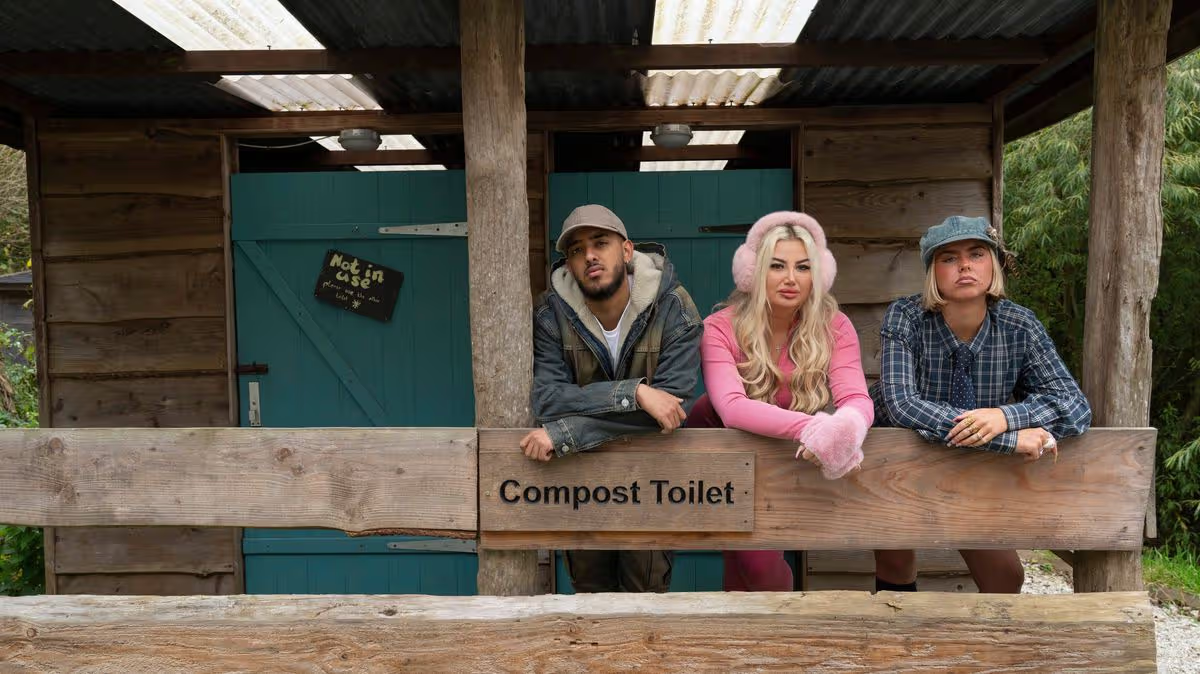
On Sunday night (May 10), fans saw brand-loving shopaholics Saffron, Umar, and Bridie ditch their luxurious lives to step back in time to a 1960s-inspired off-grid life in Cornwall.
However, things took a turn for Saffron when things got a bit too much for her after discovering where she’d be spending her week.
Once she arrived at their lodgings with her suitcase, the 26-year-old was overcome with emotion and began crying.
She commented, “I can’t do this, I don’t like any of it. I don’t want to do this anymore. No, I really don’t want to do this anymore. It’s too much, I can’t.”
As one of the farm residents, Babu, sat down to calm Saffron down, she explained that the whole place was ‘too much’ for her to handle. She added: “The bees, the walking, the climbing. I’m not used to quiet at all.”
While Babu offered some kind words of encouragement, Saffron decided to stay and give life on the farm a go. During the programme, viewers got to learn more about Saffron’s life and career.
Speaking to the camera in her home, she shared, “I am a sugar baby. A sugar baby is basically a companion. When I have a long-term sugar daddy, then the items per month would be a few Chanel handbags or a few Christian Louboutins.
“The men that I’ve dated, they’ve always looked after me, I’m just a 24/7 princess, so I don’t know what life is without that.”
Saffron told the group at the farm that nothing intimate happens between them, but it’s much more conversational-based.
Despite a rocky start, Channel 5 viewers saw a change of heart in Saffron as she got stuck into helping the farm produce fresh organic apple juice to sell at a farmers’ market.
Although there were a few tears from the 26-year-old later on in the show, when she spoke about her bullying ordeal when she was younger, it seemed as though it was a positive experience overall for her.
As the episode came to an end, she said: “The biggest challenge of this week has been the whole bl***y week! I know that everyone thought I was going to leave day one, myself included, but no, I stayed the week! I’m not proud of myself this week, no.
“I’m going to be real, I think there’s a lot more I could’ve tried, but there was so much emotion that kept coming over me every time in every single activity, I was finding bits of myself that I’d hidden for so long.”
Advertisement
Trading Places is available to watch on Channel 5.
A dedicated building was constructed for the murderer’s execution
Cambridgeshire is known for its deep history, the world renowned university city of Cambridge, and for being a vibrant, cultural hub. However, only real insiders will know that the county also has a dark history characterised by devastating fires, epidemics and infamous crimes.
Advertisement
One of these resulted in the first person to be executed in Cambridge and here is why.
In 1897, Walter Horsford was a wealthy farmer at Spaldwick, Huntingdon – a village which lies around 6 miles west of Huntingdon. He was in an intimate relationship with Annie Holmes, his cousin, a widow with three children.
In October 1897, he married another cousin, Bessie Mash, and Annie, consequently left Spaldwick and lodged in an inn in St Neots. This forms part of the horrendous tale that was yet to unfold.
Shortly after this marriage, Annie wrote him a letter telling him she was pregnant with his child. Horsford was terrified his new wife would find out about the pregnancy, and this is where the story becomes chilling.
Advertisement
Horsford went to his local pharmacy and picked up some rat poison and sent it to Annie in a postal packet. A handwritten note that came as part of the package read: “One dose. Take as told.”
A blank label was also written by Horsford, stating: “Take in a little water, it is quite harmless”.
In January, 1898, Annie took the potion and around an hour later, after having gone to bed, her daughter heard screaming and found her mother in anguish. Annie had sadly died within a few minutes of the doctor arriving.
At an inquest the following day, Horsford stated he had not written to Annie nor seen her since she left. Following a search and investigations, on January 10, Horsford was arrested for perjury at the inquest, and later that day further arrested for murder.
Advertisement
The trial took place on June 2, 1898 where it was stated that the impression of handwriting on the packages could be traced to Horsford’s blotter at home. He had purchased the poisoning from a local chemist in December 1897, claiming he was overrun with rats, and signed the register with his name.
The jury did not retire but returned a guilty verdict for Annie’s death immediately after the judge’s summing up.
Horsford was also suspected of three other murders including his former fiancée Fanny James, who died in 1890 after claiming she had become pregnant, and receiving a letter from Horsford. However, the inquest at the time recorded a verdict of death through eating a hearty meal.
The second was reportedly a girl from Peterborough who died after receiving a letter from him and the third case involved a man with the surname James who was a relative of Fanny James.
Advertisement
Horsford supplied the usual beer to a group of men after working a day threshing wheat. He took James aside and gave him an ‘extra quart’. It was found that James had died later that night. The inquest verdict reportedly recorded death from sunstroke.
Horsford was sentenced to death and held at Cambridge prison for the murder of Annie Holmes. Construction of a specially made building began for his execution and he was hanged on June 28.
The show takes a fresh group of young people each week, plucking them from their comfort zones and dropping them headfirst into a completely different way of life.
On Sunday night (May 10), viewers watched as self-confessed shopaholics Saffron, Umar, and Bridie swapped their lavish lifestyles for a 1960s-inspired, off-grid existence in Cornwall.
Things quickly became overwhelming for Saffron, however, when the reality of her new surroundings hit home upon arrival.
The moment she stepped into their accommodation with her suitcase in tow, the 26-year-old broke down in tears, reports Wales Online.
Advertisement
She commented: “I can’t do this, I don’t like any of it. I don’t want to do this anymore. No, I really don’t want to do this anymore. It’s too much, I can’t.”
Farm resident Babu stepped in to comfort a distressed Saffron, who struggled to articulate just how overwhelming she found the whole experience. She added: “The bees, the walking, the climbing. I’m not used to quiet at all.”
With some gentle encouragement from Babu, Saffron ultimately decided to stick it out and embrace farm life. Throughout the episode, viewers also gained a fascinating insight into her life back home.
Advertisement
Speaking candidly to the camera, she revealed: “I am a sugar baby. A sugar baby is basically a companion. When I have a long-term sugar daddy, then the items per month would be a few Chanel handbags or a few Christian Louboutins.
“The men that I’ve dated, they’ve always looked after me, I’m just a 24/7 princess, so I don’t know what life is without that.”
Saffron explained to the group at the farm that their relationships remain platonic, focusing primarily on conversation rather than anything physical.
Advertisement
After a difficult beginning, Channel 5 audiences witnessed a transformation in Saffron as she threw herself into producing fresh organic apple juice for sale at a farmers’ market.
The 26 year old became emotional later in the programme when discussing the bullying she endured in her younger years, though the experience appeared largely beneficial for her overall.
Reflecting as the episode concluded, she admitted: “The biggest challenge of this week has been the whole bl***y week! I know that everyone thought I was going to leave day one, myself included, but no, I stayed the week! I’m not proud of myself this week, no.”
Advertisement
She continued candidly: “I’m going to be real, I think there’s a lot more I could’ve tried, but there was so much emotion that kept coming over me every time in every single activity, I was finding bits of myself that I’d hidden for so long.”
Trading Places is available to watch on Channel 5.
Skills England chair Phil Smith told MPs that around 300,000 young people are not on benefits, with DWP working to address youth unemployment and skills gaps
Katie Green Senior multimedia reporter and Nicholas Dawson
18:00, 10 May 2026
Senior DWP officials have drawn attention to a substantial issue where many thousands of individuals are not receiving any payments whatsoever. The comments came as departmental leaders appeared before MPs to discuss their work in tackling the problem.
High-ranking figures from Skills England outlined their initiatives to boost employment levels during a session with the Work and Pensions Committee. Skills England is a newly established Government body formally launched in June 2025, created to bring together programmes that improve people’s capabilities, create additional employment opportunities and thereby drive economic expansion.
The organisation initially sat within the Department for Education but was transferred to the DWP in September 2025.
Advertisement
One question put to the panel related to their strategies for getting young people into work, with the figure for young people not in education, employment or training nearing one million. The committee asked: “What issues in the skills system might be contributing to that, and what is your body doing to address that?”
Phil Smith, chair of Skills England, recognised this is a “complex” challenge to address, but pointed out that this group isn’t simply composed of jobless individuals claiming benefits. He said: “Around 300,000 people, I understand, are not even on benefits. That is 300,000 people who are not sitting and sponging off the state, as people like to say – they are actually not on benefits.
“They are just not anywhere. That is really bad.” Failing to claim benefits to which you are entitled could result in a significant loss of income, reports the Mirror.
Are you entitled to more DWP payments?
Anyone aged 18 or over is eligible to apply for this means-tested benefit. Those aged 16 or 17 may also qualify under certain circumstances, such as having a health condition or disability, or providing care for someone in receipt of a health or disability-related benefit.
Advertisement
Through the benefit, households can receive one standard allowance, which pays £338.58 a month for single claimants aged under 25, or £528.34 for a couple where both are under 25.
The standard amount rises for those aged 25 and over, paying £528.34 a month for single claimants and £666.97 for couples where both are aged 25 or over.
Mr Smith outlined the steps his organisation is taking to address youth unemployment. He said: “We have announced a series of foundation apprenticeships and so on, so capabilities are there. However, by far that is not job done.
“We must make the system relevant for people where they are at that time – how they get pathways and on to these things.” The DWP also recently provided an update on its plans to increase funding for its Youth Guarantee and the Growth and Skills Levy.
Advertisement
DWP grant funding
This initiative promises to provide assistance to one million young people, generating 500,000 opportunities for training and work. DWP minister Andrew Western told Parliament: “The Government is taking action to support employers to recruit and train young people, helping to unlock up to 200,000 more employment opportunities.
“This includes a new £3,000 Youth Jobs Grant for employers who hire 18 to 24-year-olds who have been on Universal Credit for over six months, a new £2,000 apprenticeship incentive for small and medium-sized employers hiring 16 to 24-year-old, and the Jobs Guarantee scheme, providing long-term unemployed 18 to 24-year-olds with a fully funded six month job.”
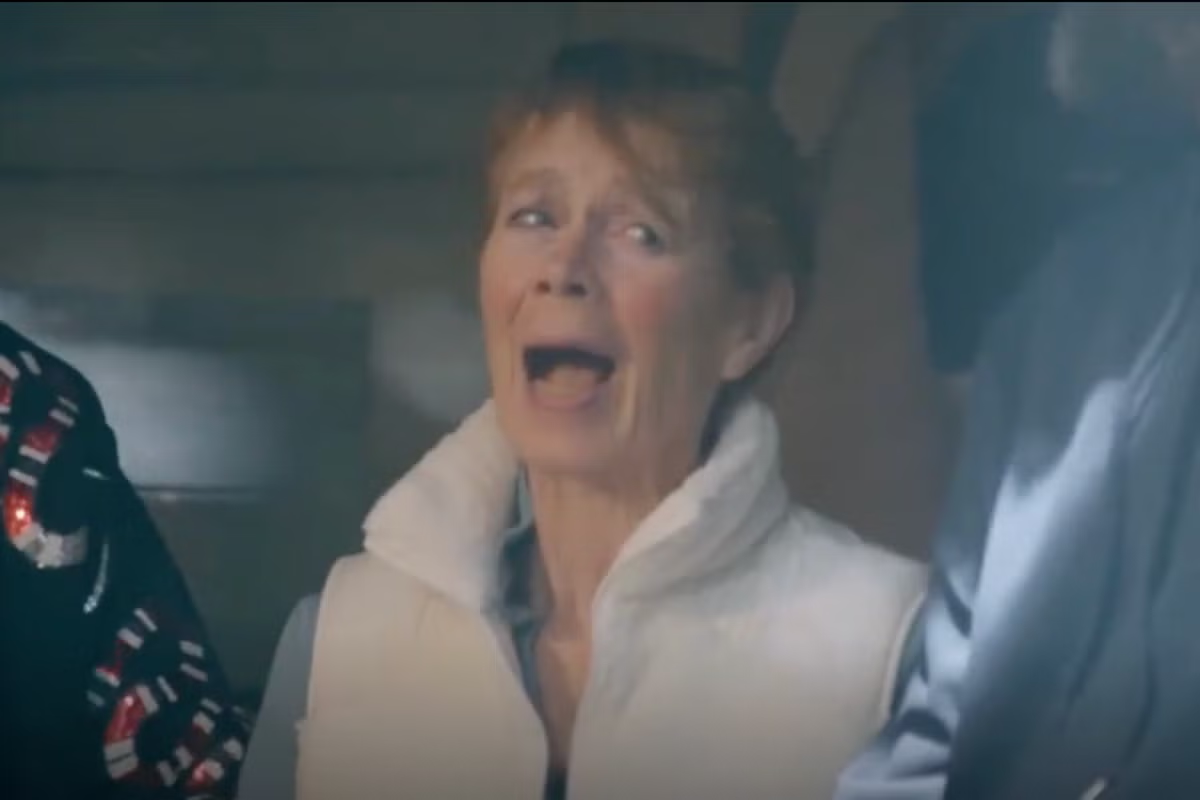
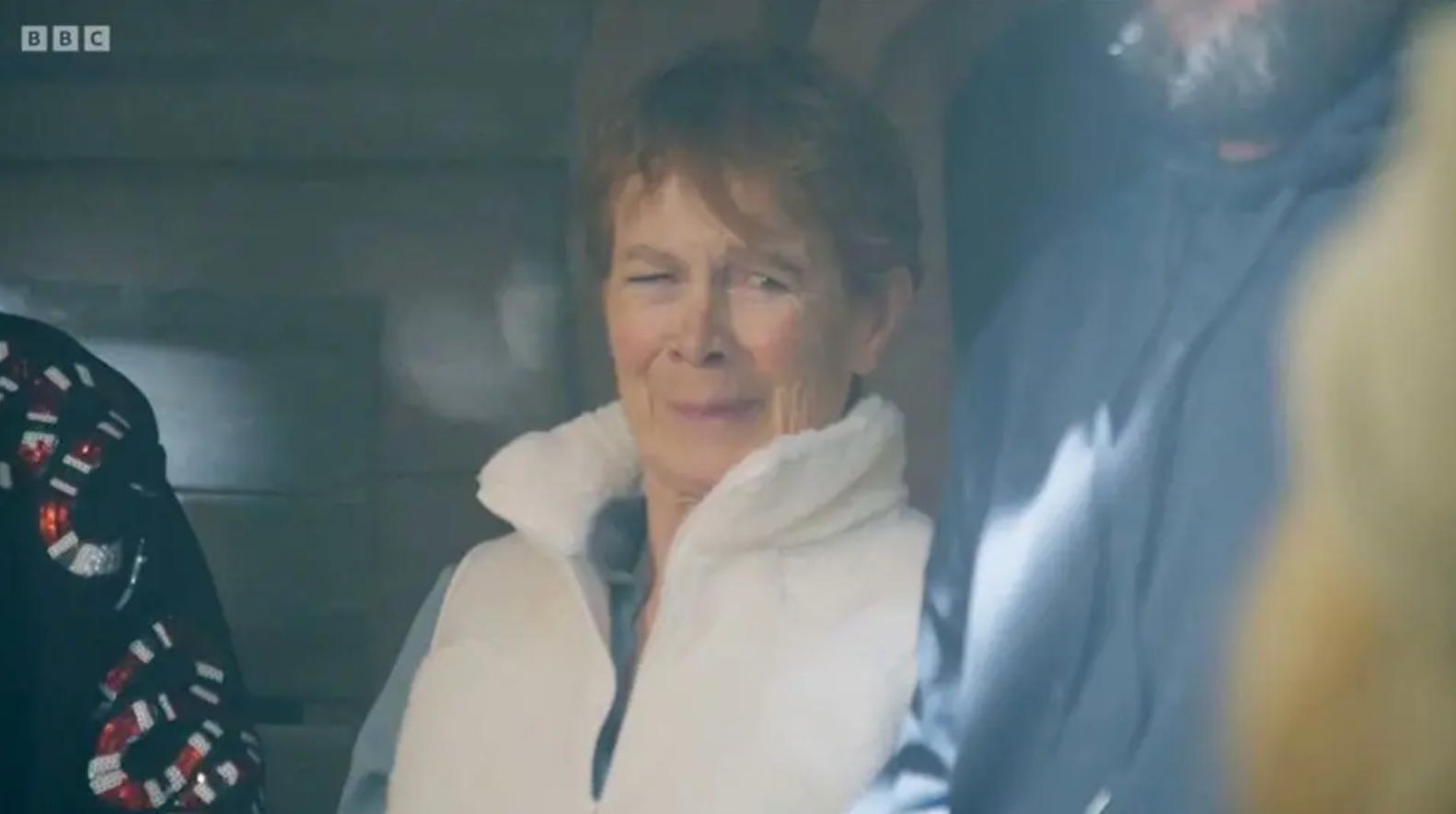
Celia Imrie’s infamous Celebrity Traitors moment became the surprise talking point of Sunday’s TV Baftas, with the incident being mentioned by host Greg Davies, comedian Alan Carr and even a bemused Seth Rogen.
The mega-hit BBC show was up for three awards at the annual bash, but as Inbetweeners star Davies lightheartedly noted, Imrie’s hilarious moment, when she broke wind during one of the challenges, was not up for an award.
“I was a little surprised there’s one thing that wasn’t nominated for TV moment of the year,” the comic joked. “And Celia, you can relax. I’m not talking about you. Relax. I mean, I say relax, but not too much obviously.” The cameras then cut to Imrie, who was cracking up in the crowd.
Celia Imrie’s ‘The Traitors’ moment will go down in TV history (BBC)
The moment Davies had wanted to see recognition for was Mark “The Beast” Labbett’s appearance on Celebs Go Dating.
“The man tried to drink a candle, you understand?” Davies said. “Why aren’t we celebrating that?”
Advertisement
Greg Davies hosted this year’s Bafta television awards (BBC)
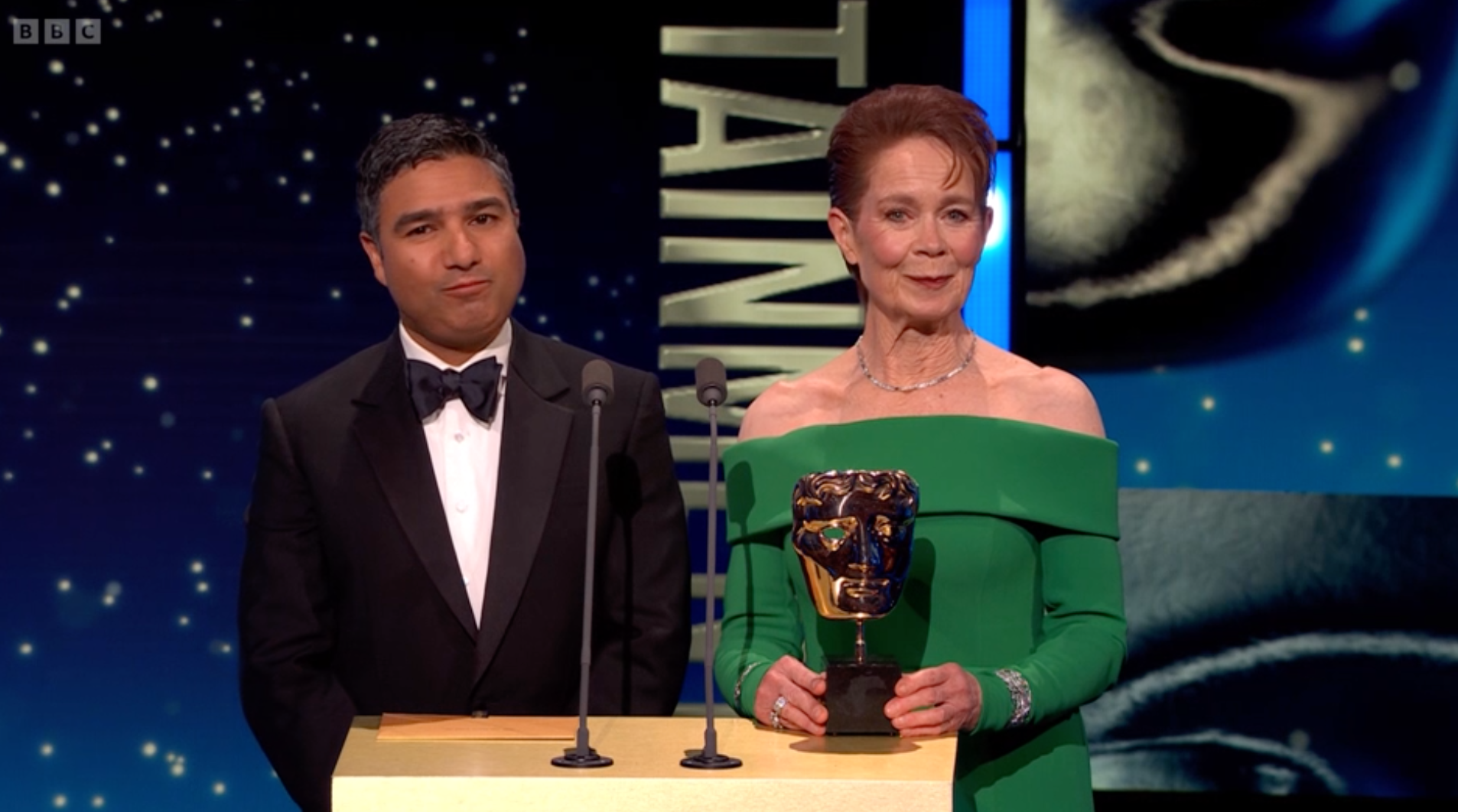
Imrie later appeared on stage to present an award alongside her Traitors co-star Nick Mohammed, making her own joke about flatulence.
“Just before The Celebrity Traitors was aired, I received a present in the shape of a brown paper parcel,” she said. “Inside was a lovely red satin box tied up with a velvet ribbon. It was the shape of a can and it had a turquoise label and black writing.
“I didn’t understand the relevance, then I looked again and it was a tin of baked beans.”
Imrie’s fart also got a mention later in the ceremony, as Seth Rogen won the international prize for his satirical comedy The Studio.
Addressing the star, the baffled US actor said: “I assume this woman in the green dress is a very skilled and talented woman… all I know is that she farted on a reality show.”
Advertisement
“I’m interested in your other work now,” Rogen added, as the audience howled with laughter. “What else have you done?”
Watch Apple TV+ free for 7 day
New subscribers only. £9.99/mo. after free trial. Plan auto-renews until cancelled.
ADVERTISEMENT. If you sign up to this service we will earn commission. This revenue helps to fund journalism across The Independent.
Imrie and Mohammed at Sunday’s TV Baftas (BBC)
Celebrity Traitors winner Carr also spoke about what is fast becoming the most famous fart on TV, as he accepted his award for Most Memorable Moment, aka winning the reality show.
Imrie managed to outlast most of her fellow Traitors contestants in the inaugural celebrity series, before being brutally murdered by the two remaining Traitors – Cat Burns and Carr – in the penultimate episode.
“What just happened?” presenter Winkleman said. “I just farted, Claudia. It’s nerves, but I always own up,” Imrie replied, sparking belly laughs from her fellow players. “I always own up too,” added a delighted Winkleman.
The Celebrity Traitors won two accolades at Sunday’s ceremony: best reality and most memorable TV moment for Carr’s shock win.
The comedy icon saw his Apple TV series The Studio win a Bafta award
The Bafta TV Awards viewers were left unimpressed over Seth Rogen’s comments about Celia Imrie during the ceremony.
Advertisement
Hollywood star Seth attended this year’s ceremony, which was held at Southbank Centre’s Royal Festival Hall in London. The 44-year-old is best known for his work in comedies such as Superbad, The Interview and This Is The End.
Seth was attending the Baftas, which were hosted by Greg Davies, as his Apple TV series The Studio was nominated for Best International series. The series follows the new head of a Hollywood studio as he navigated the changing work climate around him.
Click here to get the biggest stories straight to your inbox in our Daily Newsletter
Packed with A-list cameos, the series was praised for not shying away from taking aim at the film industry. It went up against Jeremy Allen White’s The Bear, Keri Russell’s The Diplomat, Rhea Seehorn’s Pluribus and Adam Scott’s Severance.
Advertisement
Upon hearing that The Studio won, Seth said in his acceptance speech that he ‘really didn’t expect this to happen at all’. He said: “When you make a comedy and you’re up against dramas especially, it feels really good to beat them.
“I have to say. It doesn’t happen that often. It’s a rarefied thing. This award show, so cool. Thank you for having us here.”
From here, Seth proceeded to joke about actress Celia Imrie, after a video of her time on hit BBC reality show Celebrity Traitors was aired during the ceremony. The video in question featured the moment where she accidentally farted during a challenge.
Advertisement
“I assume this woman in the green dress is a very skilled and talented woman. All I know is that she farted on a reality show. I’m interested in your other work now, obviously – what else have you done,” Seth.
Celia, 73, is one of the UK’s most recognisable actresses, having appeared in the Bridget Jones film series, Calendar Girls, St Trinian’s, The Best Exotic Marigold Hotel, A Cure for Wellness, Mamma Mia! Here We Go Again and Netflix’s The Thursday Murder Club.
Those watching the Baftas at home rushed to X, previously known as Twitter, to have expressed why they were shocked to find out that Seth didn’t know an actress of Celia’s stature.
@BurySue said: “I beg your pardon Mister, dissing Celia Imrie. How very dare you! #baftas.” @HollyMunn93 added: “Seth Rogan picking on Celia Imrie as is he’s all that #BAFTAs.”
Advertisement
@swanseasucks wrote: “Seth Rogan doesn’t know who Celia Imrie is??? Seriously?? #baftas.” @sied_gymraeg posted: “Poor Celia Imrie. Such an impressive canon of work, but most remembered for a fart joke on The Traitors these days. #BAFTAs.”
@Burcu161759 commented: “I beg your pardon Mister, dissing Celia Imrie. How very dare you! #baftas.” @kaydekks stated: “Dying that Seth Rogan has no idea who Celia Imre is, just ‘the lady in the green dress’.”
It had been business as normal for the Police Scotland officers before the evening took a chilling turn.
Cops on a call-out to a disturbance in Rutherglen were left spooked to the core when they witnessed paranormal activity taking place inside the property they were paged to.
Advertisement
It had been a normal shift for the Police Scotland officers before the evening took a chilling turn on August 8, 2016. After being called to the aid of a mother and son, they witnessed clothes flying from across a room and lights flickering on and off.
And when the lights went back on, the cops reported seeing lampshades hanging upside down and oven doors opening and closing. Even a chihuahua dog which had been playing in the garden at the time was then discovered sitting on top of a seven-foot hedge.
The family who lived at the property had called the police in a panic. They endured two days of the bizarre occurrences before moving out of the property in South Lanarkshire.
At the time, the Daily Record told how the hair-raising ordeal had been discussed at high levels within the police force, with senior officers perplexed over how to handle the incidents.
Advertisement
A source told the Record at the time: “These were incidents that were witnessed by our own officers. Incidents that are not easily explained. One problem we’ve got is where we go from here as no crime has been established, so what else can we do but deal with any reports of disturbances.
“But officers with more than 20 years’ service are saying they’ve never seen anything like this. It really is something that down-to-earth police officers are having trouble getting their heads round. How do you handle what, despite us liking to use the word, has been described as a poltergeist.”
The family at the centre of the drama are devoutly Catholic and police did seek assistance from the church. A priest was sent to the property on Stonelaw Road and performed what has been described as a ‘blessing’ for the house.
Advertisement
The occupant of the home, a woman, alongside her teenager, called in cops after they began experiencing the disturbing incidents. They were described as being extremely distressed as they had been experiencing violent and unexplained circumstances.
The source continued: “The officers attended expecting it to be a mental health issue but they witnessed the lights going off, clothes flying across the room and the dog sitting on top of the hedge. The officers called their superiors who also attended thinking the cops were perhaps being a bit silly but it’s being taken very seriously.
Advertisement
“The fact it was witnessed by our officers has lent itself to a very different but active inquiry.”
No-one was harmed, though the family were given safety advice by baffled officers and chose to leave the house. It is understood they moved in with relatives.
The source said: “The main concern is with the family’s welfare and well-being but with no crime committed and no culprit we are at a loss how to proceed with it. Inquiries are ongoing but it’s difficult to know where to go with it.”
It’s understood officers went on to look into the family’s background before working with doctors and social services to provide support. It’s also thought they investigated the history of the property,to see if there been any reports of similar occurrences from previous residents.
Our source said all options were being considered by way of explaining the goings-on: “Is it some form of hoax, or is it real or not real? These are the questions being asked by officers but without coming to any conclusion.
Advertisement
A statement from Police Scotland read at the time: “On 8 and 9 August police attended a house in Rutherglen to reports of a disturbance. No evidence of criminality was found and advice and guidance was given to the family.”
Get more Daily Record exclusives by signing up for free to Google’s preferred sources. Click HERE
It was a great night for Adolescence, who picked up a record four prizes, whilst Celebrity Traitors also won two accolades, including the public-voted P&O Cruises Memorable Moment Award.
Advertisement
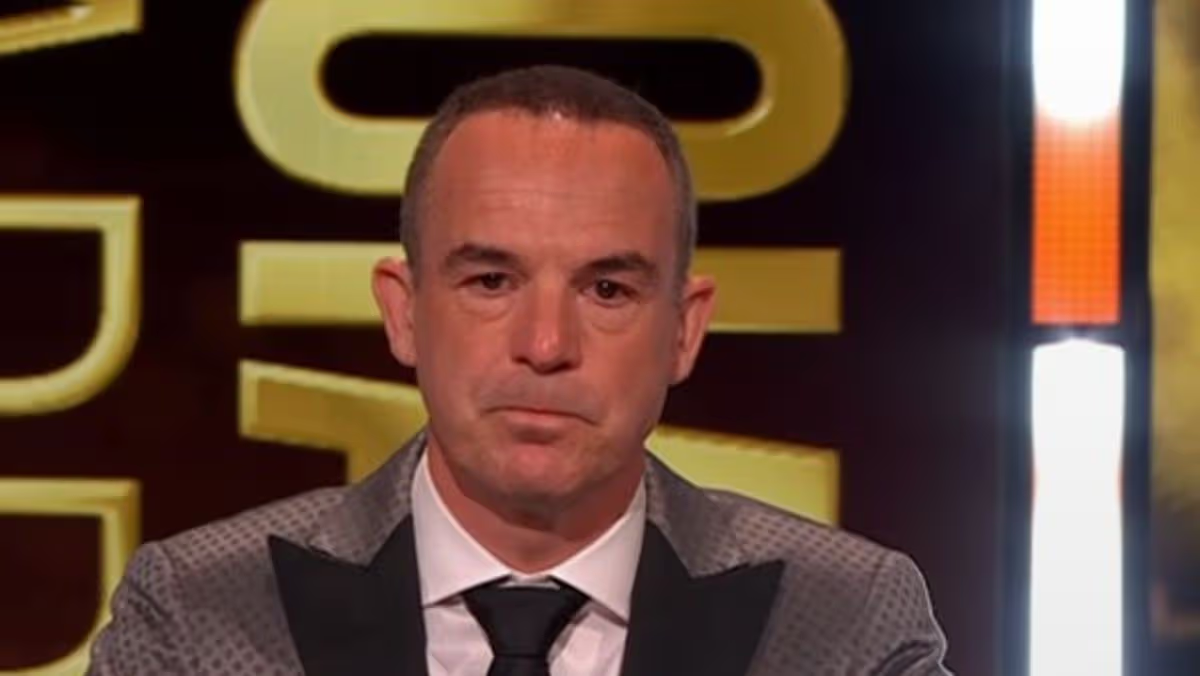
Mary Berry was honoured with the BAFTA Fellowship whilst MoneySavingExpert Martin picked up the BAFTA Special Award. In emotional speeches, both paid tribute to those they had lost.
Stephen Graham won Leading Actor for his part in Adolescence. Stephen, who has been nominated before but only won this year, said: “I might take my time, I’ve been nominated eight times and this is the first time I’ve won… Nice one BAFTA, this is lovely.”
Mary Berry emotional
Dame Mary Berry was emotional as she accepted her Bafta fellowship at the annual television awards tonight. The 91-year-old TV cook and former Great British Bake Off judge was awarded for her exceptional contribution to television.
Dame Mary praised the BBC as her “home of many years”, after being presented with the prize by former Bake Off presenters Mel Giedroyc and Sue Perkins during the ceremony at the Royal Festival Hall.
The beloved TV chef, from Somerset, joked that Mel and Sue had “led me astray from day one”. At the end of her heartfelt speech, she praised those she’d worked with.
“I so admire producers, directors and creatives who I have worked with over the years. Essential qualities in life are kindness, patience and respect, which I have received all along the way. I’ve been doing this for over 50 years, and I’m still learning. So what’s next for me, at the age of 91? I have just started my own YouTube channel. We shall see,” she said.
Advertisement
She finished her speech by offering thanks to her three children, including her son who died in a car accident in 1989 at the age of 19. In a heartbreaking nod to her late son, she said: “William is in heaven, but I thank him.”
Martin Lewis’ loss
Martin Lewis has reflected on his childhood as a “broken, scared boy” who “barely left the house” as he picked up a Bafta special award for his work in the TV industry.
The Money Saving Expert gave an emotional speech after being presented with the prize by Richard Osman, where he reflected on the tragic death of his mum when he was just 11-years-old.
Explaining he wrote the speech on Thursday, 42 years after his mother’s sudden death days before his 12th birthday, he said: “For six years, barring school, I barely left the house. Now I’m picking up a Bafta.
“For all those of you out there struggling with your own demons, know this: life can be transformed, it can get better. If you had told that broken, scared boy that I’d proudly be a campaigning journalist, his jaw would have dropped. So I dedicate this to consumer journalism, where I found my fire.”
Winner calls out BBC
The executive producer behind Gaza: Doctors Under Attack has asked the BBC during his acceptance speech if the broadcaster will exclude the documentary’s win from its coverage of the Bafta TV Awards.
The BBC had commissioned and then shelved the one-off documentary due to impartiality concerns. It was later aired by Channel 4.
Advertisement
Executive producer Ben De Pear used his speech to criticise the BBC. Thanking the journalists who made the film, he then asked: “Finally, just a question for the BBC: given you dropped our film, will you drop us from the Bafta screening later tonight?”
The BBC later showed that part of the speech during a speedy sequence of a string of awards being handed out.
In Memoriam missing star
BAFTA fans were left fuming tonight as Catherine O’Hara was missed from the In Memoriam segment.
Advertisement
When Seth Rogen and the team behind The Studio – which Catherine was in before her sad death – collected their Best International award, he paid tribute to the legendary actress: “She meant so much to all of us, I assume her work was as important to you all over here as it was to us so this is for Catherine.”
However, she was missed from the tributes. One fan wrote: “@BAFTA massive error – missing Catherine O’Hara,” as another penned: “Did I miss the tribute to Catherine O’Hara in that segment? #BAFTAs.” A third shared: “Catherine O’Hara not featured on the celebs who have passed away segment?”
A fourth shared: “Where was the legend Catherine O’Hara in the tributes? They always do this. Miss someone out. #BAFTA.”
Advertisement
Traitors drama
It was a great night for the Celebrity Traitors this evening, who picked up two prizes. The show won Best Reality Programme and Alan Carr also won the only public-voted award for Best TV Moment.
In a hilarious moment on stage, Alan celebrated the Reality win by hoisting the BAFTA award above his head before Paloma Faith – his real-life best friend who he ‘murdered’ first on the show – jokingly pretended to push him off stage.
In the winners’ room, host Claudia Winkleman explained social media is “so important” in bringing together the millions of fans of The Traitors and its celebrity spin-off version.
Advertisement
Asked about the importance of social media in the show’s success, she said: “I think it’s so important because, not just social media, but the people who watch – and they seemingly watch together as families – is my favourite thing of all. It feels like it’s a real communal moment. We’re incredibly grateful for everyone who gets involved.”












































You must be logged in to post a comment Login