
Business
China plus One: The Race for Indispensability in a Fragmented World


By Aseem Goyal
“Resilience is the new ROI.”
For more than two decades, China was the undisputed “Factory of the World.” Following its accession to the WTO in the early 2000s, it combined scale, cost efficiency, and ecosystem depth in ways few economies could replicate. Between 2000 and 2010, GDP growth averaged above 10 percent annually.
I saw this transformation firsthand when I arrived in Shanghai in 2005. Construction cranes dominated the skyline. Consumer demand seemed insatiable. Growth regularly exceeded 11% and peaked at 14.2% in 2007. The momentum felt historic – and it was. This was an era where “efficiency” was the only metric that mattered, and China delivered it at a scale the world had never seen.
But by the early 2010s, structural pressures were emerging. Labor costs were rising. Demographics were shifting. China was deliberately moving up the value chain toward higher-tech manufacturing. Geopolitical tensions intensified, intellectual property concerns grew, and trade frictions expanded into full-scale tariffs. Then, the pandemic exposed a hard truth: highly concentrated supply networks, however efficient, were fragile. Meanwhile, the new normal for China’s GDP is now 4-5%.
What followed was an architectural redesign of global production. “China plus One” became embedded in corporate strategy – not as a replacement for China, but as a mandatory insurance policy. Today, China still commands close to 30% of global manufacturing capacity and will continue to dominate for the foreseeable future. The race is not to substitute China; it is to become an indispensable node in an integrated global system.
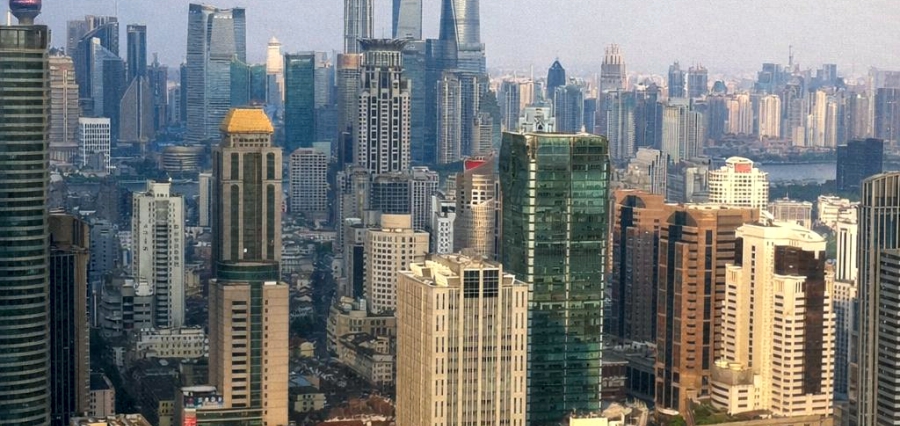
The Geopolitical Layer: Friend-shoring as Strategy
Beyond logistics, the “Plus One” architecture is increasingly defined by security and alignment. In 2026, supply chain resilience is inseparable from geopolitical “friend-shoring.” Success for these emerging hubs is often tied to their Free Trade Agreements (FTAs) and membership in blocs like the CPTPP or IPEF. For the global CEO, a “Plus One” node is only viable if it sits within a regulatory “green zone” that mitigates the risk of sudden sanctions or trade barriers. The race for indispensability is as much about diplomatic alignment as it is about factory floors.
Redefining Success: From Arbitrage to Architecture
In the early days of China plus One, success was defined narrowly: labor arbitrage. That definition is now obsolete. Success is now also defined by structural resilience – the ability of a country to anchor long-term, higher-value investment within an integrated ecosystem.
Today’s competitive advantage rests on five interlocking drivers:
- Ecosystem Depth and Speed: Competitive locations offer dense networks of tier-two and tier-three suppliers within efficient logistics corridors.
- Digital and Green Readiness: Renewable energy compliance (ESG) and digital-first infrastructure are now procurement prerequisites.
- Regulatory Harmonization and De-risking: Long-term capital flows towards countries that align with G7 or “friend-shoring” standards (e.g., GDPR-like data privacy or carbon border taxes).
- Labor, Skills, and Demographics: Countries that combine technical capability with favorable demographic trends gain structural leverage.
- Market Scale and Trade Connectivity: The most powerful model is “manufacture where you sell.” provide natural de-risking for global firms.
The Strategic Landscape: A Multi-Node Model
| Country | Strategic Role | Primary Advantage | The “Catch” (Risk) |
| Vietnam | The Speed Champion | Proximity to China; Agility | Labor/Land saturation; Wage inflation |
| India | The Scale Bet | 1.4 billion market; Young Talent | Execution & Regulatory complexity |
| Malaysia | The Specialist | Semiconductor/ATP leadership | Smaller labor pool; High-tech niche |
| Indonesia | The Resource Power | Nickel dominance; EV potential | Policy friction; Infrastructure gaps; Resource Nationalism |
| Thailand | The Reliable Hub | Automotive & Electronics base | Aging population; Middle Income trap |
Regional Deep Dives:
Vietnam: The Speed Champion
Vietnam has rapidly integrated into global electronics and consumer goods supply chains, attracting giants like Samsung and Apple.
Its structural advantages are competitive labor costs, extensive trade agreements, and geographic proximity to Southern China, enabling seamless component flows. However, agility alone is no longer a sustainable moat. As manufacturing wages have risen by 7-9% annually over the last few years, the country is aggressively adopting AI-driven logistics to bridge infrastructure gaps. The government’s National Digital Transformation Program targets wide-scale automation by 2030, racing to automate before rising costs erode its competitive edge.
India: The Scale Bet
India is the only contender capable of offering a China-sized alternative. India combines internal scale with external integration through FTAs, bolstered by a median age of 29 (compared to China’s 39), adding 12 million people to its workforce annually
India’s Production Linked Incentive (PLI) programs have catalyzed growth in semiconductors and automotive manufacturing. Crucially, India is positioning itself as a leader in Sovereign AI. Initiatives like the “India AI Mission” and the 2026 AI Impact Summit show a nation leapfrogging traditional manufacturing hurdles by integrating “Physical AI” into industrial environments. Its constraint remains execution and regulatory hurdles.
Malaysia: The Semiconductor Specialist
Malaysia competes on technical depth rather than scale. With decades of experience in semiconductors, it commands a significant share of global assembly, testing, and packaging (ATP). This ecosystem is mature and difficult to replicate.
Malaysia is also moving upstream into IC design and R&D by integrating automated precision manufacturing, thus ensuring its smaller labor pool doesn’t hinder its output. It is the indispensable node for the high-tech heart of the global supply chain.
Indonesia: The Resource Power
Indonesia controls over half of the world’s supply. Its “downstream” policies require raw materials to be processed locally, effectively forcing the creation of a domestic EV battery ecosystem.
Its opportunity lies in sectoral dominance. The country is aiming to be a regional AI innovation hub, using data-driven insights to manage complex resource extraction and processing. Its success depends on maintaining policy consistency and avoid spooking investors with resource nationalism.
Thailand: The Middle-Income Test Case
The “Detroit of the East” remains a reliable production hub. However, it is too advanced for low-cost labor, yet squeezed by high-tech specialists. Thailand is responding by driving Industry 5.0 adoption, using smart manufacturing systems and robotics to maintain its edge in the automotive and electronics sectors. It serves as a reminder: standing still is equivalent to moving backward.
The Hard Truth: There is No Single Winner
So who is winning the China plus One sweepstakes? The answer is not a single country. It is a multi-node model.
- Vietnam is winning on speed.
- India is winning on long-term scale.
- Malaysia is winning on technical specialization.
- Indonesia is winning the resource-driven energy transition.
- Thailand is the reliability benchmark for middle-income hubs.
The Role of AI: The Energy-AI Paradox
In 2026, “Plus One” is also about technology parity. Companies are moving factories to build “Smart Factories using predictive maintenance, digital twins, and autonomous quality control. However, this introduces a new bottleneck: Energy Infrastructure. The question for CEOs has shifted from “Where is the labor?” to “Where is the digital infrastructure and stable power grid to support my automated fleet?” A hub’s ability to provide 24/7 green energy to power AI-integrated assembly lines is now a powerful competitive differentiator.
Designing the Future
Diversification is no longer a hedge; it is architecture. The companies that thrive over the next decade will design multi-country production systems that treat supply chains as strategic networks rather than linear pipelines.
No single country can replace China for the foreseeable future. But some will become indispensable complements. In the next phase of globalization, indispensability – not cost – will determine who wins.
Resilience is the new ROI.
The China plus One Checklist: Is Your Architecture Ready?
- Technical Parity: Can this location support the same level of AI-integrated automation used in our primary hubs?
- The Energy Moat: Does the local grid offer the 24/7 reliability and renewable energy mix required to meet our 2030 ESG mandates?
- Ecosystem Density: Are there tier-two and tier-three suppliers within a 100km radius?
- Geopolitical “Green Zone”: Is this nation a signatory to trade blocs (CPTPP, IPEF, etc.) that align with our primary consumer markets?
- Talent Pipeline: Does the local vocational system support “Industry 5.0” skills, or will we face a critical shortage?
Aseem Goyal is a global financial services executive and advisor with 35 years of experience across eight international markets, including a formative tenure in Shanghai (2005–2007). He currently advises organizations on Southeast Asia expansion and is the author of an upcoming global leadership memoir.

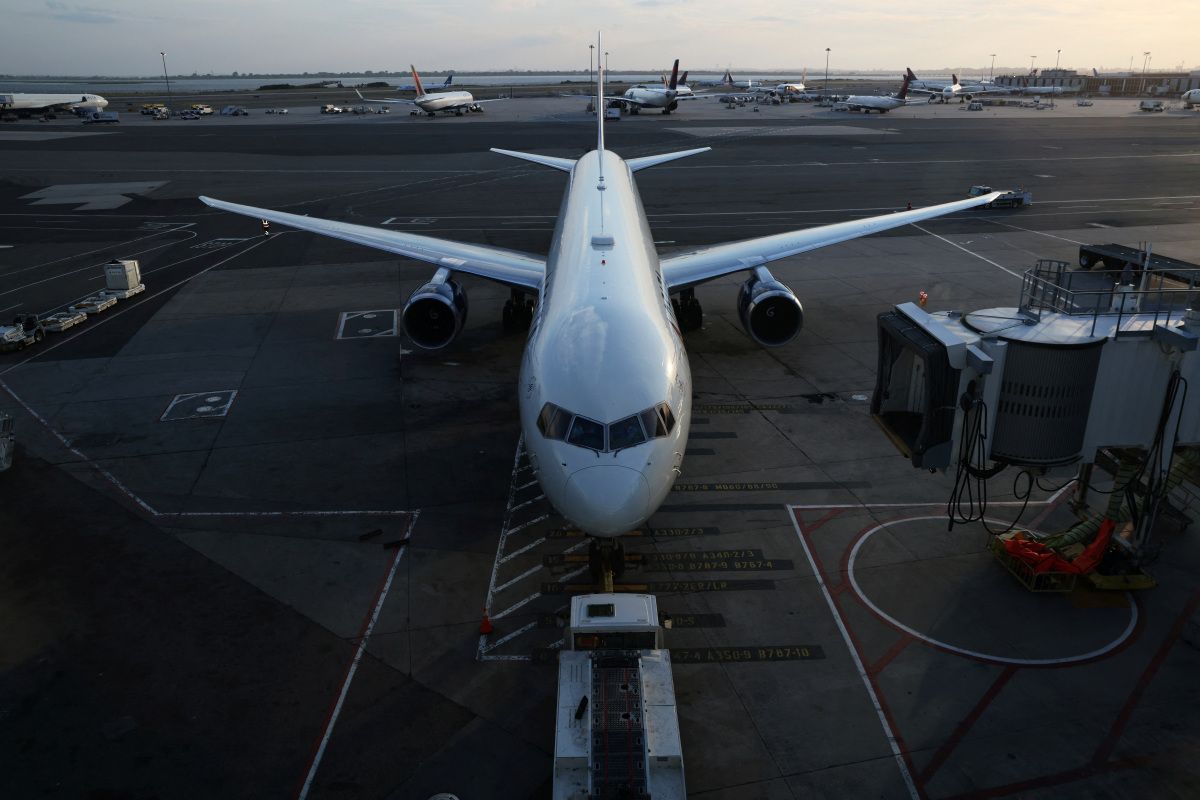
NEW YORK — Travelers at John F. Kennedy International Airport faced significantly extended security lines on Sunday, March 29, 2026, as partial government shutdown-related TSA staffing shortages continued to disrupt operations at one of the nation’s busiest gateways.

Officials warned passengers to allow substantially more time than usual, with some terminals reporting waits exceeding 60 minutes while others remained relatively manageable but still subject to rapid changes.
JFK Airport’s official website noted that security wait times “may be significantly longer than normal” due to the federal funding lapse. Real-time reporting has been temporarily suspended or limited at several checkpoints because of volatility tied to TSA officer call-outs. Airport authorities advised passengers to arrive at least three to four hours before domestic flights and even earlier for international departures to avoid missing flights.
Current Conditions Across Terminals
As of late Sunday morning and early afternoon reports:
- Terminal 5 (primarily JetBlue and international carriers): General TSA lines exceeded 60 minutes at times, with some travelers reporting waits of 90 minutes or more during peak periods. TSA PreCheck offered faster passage, often under 10 minutes when lanes remained open.
- Terminal 4 (major international hub): General security around 9–35 minutes, with PreCheck under 5–10 minutes.
- Terminal 1, 7, and 8: Shorter general waits of 1–22 minutes in calmer periods, though staffing fluctuations caused lines to build quickly.
Third-party trackers and traveler reports indicated average waits across JFK hovering between 25 and 62 minutes depending on the time of day and terminal, with early morning and evening rushes proving most challenging. Some PreCheck lanes still provided relief, but even expedited options occasionally faced backups.
Causes of the Delays
The partial government shutdown has driven TSA call-out rates dramatically higher than normal, sometimes exceeding 30–40% at major hubs like JFK. Officers deemed essential continue working without regular pay, leading many to miss shifts or seek supplemental income. This has reduced checkpoint capacity even as spring travel demand remains robust.
JFK, which handles tens of millions of passengers annually with heavy international traffic, is particularly sensitive to staffing shortages. Long lines have stretched outside some terminals, prompting deployment of additional support staff, including ICE officers in limited assisting roles at certain checkpoints. Airport officials have added rope lines and signage to manage crowds, but the situation remains fluid.
Traveler Experiences and Advice
Social media and news reports over recent days showed frustrated passengers sharing images of crowded terminals and warning others to build in extra buffer time. Many described arriving four hours early only to clear security with time to spare on lighter days, while others missed flights due to unexpected surges.
Tips for flying through JFK during this period include:
- Check the official JFK Airport website (jfkairport.com) or your airline app immediately before leaving for the airport for the latest alerts.
- Enroll in TSA PreCheck or CLEAR if possible to reduce screening time.
- Follow the 3-1-1 liquids rule and pack carry-ons efficiently to avoid secondary screening.
- Monitor flight status closely, as security delays can cascade into gate issues.
- Consider off-peak flights when feasible to avoid morning and evening rushes.
- Stay hydrated and prepare for potential waits by bringing snacks and entertainment.
The MyTSA app, which normally provides crowd-sourced wait times, has limited functionality during the shutdown, forcing greater reliance on airport websites and real-time traveler posts.
Broader Impact on New York Area Travel
JFK is not alone — neighboring LaGuardia and Newark Liberty International airports have also reported elevated waits, though conditions vary by day and terminal. The shutdown’s effects have rippled through the entire New York metro travel ecosystem, affecting connections and ground transportation.
Airlines have adjusted some schedules and issued flexible rebooking policies, but passengers missing flights due to security delays generally must rebook at their own expense unless covered by specific airline protections or travel insurance.
Outlook and Potential Relief
Negotiations to resolve the funding impasse continue, with some lawmakers expressing urgency over the impact on travelers and federal workers. Even if resolved soon, experts warn that restoring full TSA staffing could take days or weeks due to training and scheduling requirements.
In the meantime, JFK officials continue monitoring conditions closely and may update advisories as needed. Travelers are encouraged to remain flexible and proactive in their planning.
The situation at JFK underscores the critical role of consistent federal staffing in maintaining efficient air travel at major hubs. While some checkpoints have seen temporary improvements during off-peak hours, the overall environment remains challenging and unpredictable for those passing through Queens this weekend and into the coming week.
Passengers with questions can contact their airline directly or check TSA’s limited resources. For non-security emergencies at the airport, reach JFK customer service or local authorities.
Buy UPS. Better Days Await the Stock.
JD.com: Even If It Stops Growing, It Still Is A Fundamental Buy


As a finance enthusiast with experience in research, I am deeply engaged in studying diverse businesses, especially in the technology, industrial, and conglomerate sectors. I really like companies that have strong foundations and see them doing well in the long run. I enjoy writing about these businesses, telling their stories, strategies, and financial details. I use a mix of looking at their finances and writing to give insights into how well companies might do, helping people understand the market better. This focus on both looking at the numbers and explaining things reflects my dedication to both understanding and explaining the details of the financial world.
Analyst’s Disclosure: I/we have no stock, option or similar derivative position in any of the companies mentioned, and no plans to initiate any such positions within the next 72 hours. I wrote this article myself, and it expresses my own opinions. I am not receiving compensation for it (other than from Seeking Alpha). I have no business relationship with any company whose stock is mentioned in this article.
Seeking Alpha’s Disclosure: Past performance is no guarantee of future results. No recommendation or advice is being given as to whether any investment is suitable for a particular investor. Any views or opinions expressed above may not reflect those of Seeking Alpha as a whole. Seeking Alpha is not a licensed securities dealer, broker or US investment adviser or investment bank. Our analysts are third party authors that include both professional investors and individual investors who may not be licensed or certified by any institute or regulatory body.

Pakistan emerges as key mediator in U.S.-Iran conflict following strategic pivot
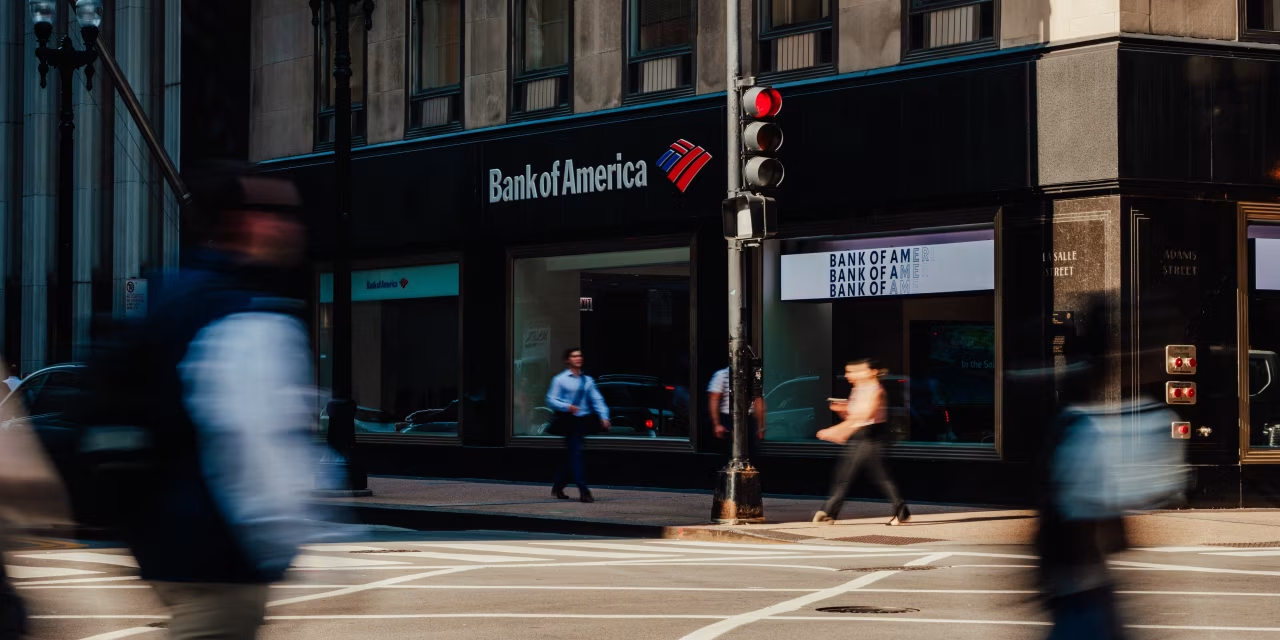
Bank of America BAC -2.63%decrease; red down pointing triangle agreed to pay $72.5 million to settle a lawsuit that alleged the bank kept ties to people close to Jeffrey Epstein and failed to flag suspicious payments between the convicted sex offender and his associates and victims.
The proposed class-action lawsuit was filed last year on behalf of a woman who said she was sexually abused and trafficked by Epstein between 2011 and 2019, as well as on behalf of other victims.
Copyright ©2026 Dow Jones & Company, Inc. All Rights Reserved. 87990cbe856818d5eddac44c7b1cdeb8

Iran war is having negative effects on both restaurant demand and supply, analyst
Business
Is Dubai International Airport Open Today? Airport Opened With Flights Operating Amid Lingering Disruptions
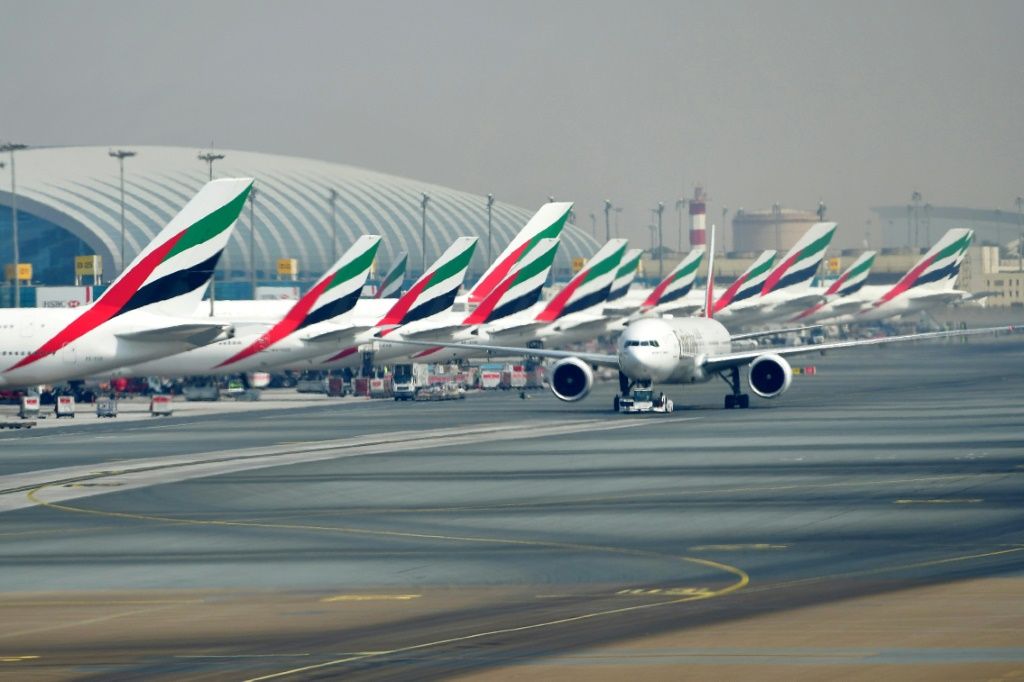
DUBAI, United Arab Emirates — Dubai International Airport (DXB) remained open and operational on Sunday, March 29, 2026, with scheduled departures and arrivals continuing throughout the day despite ongoing challenges from regional security concerns, earlier drone-related incidents and heavy rainfall that battered the emirate earlier in the week.
Official flight status data from the Dubai Airports website showed multiple flights boarding and departing on time or with minor delays, including services to destinations such as Kabul, Cairo and Karachi. Emirates and flydubai led operations with a reduced but active schedule, while several regional carriers maintained services. The airport handled passenger traffic under heightened precautions, with authorities urging travelers to verify individual flight status before heading to the facility.
Dubai Airports confirmed that terminals were accessible, though passengers faced potential delays due to residual effects from prior disruptions. As of midday local time, departure boards listed flights in Terminal 2 and Terminal 3 proceeding, with some gates closed or boarding in progress. Real-time trackers indicated a mix of on-time performances alongside occasional cancellations or diversions, reflecting the complex environment at one of the world’s busiest international hubs.
Recent Disruptions and Recovery Efforts
The past month tested DXB’s resilience. Regional airspace restrictions and security incidents, including missile and drone interceptions over the UAE, prompted temporary suspensions and limited operations in early March. Flights resumed gradually, with partial schedules restored by early March and further normalization attempted in subsequent weeks.
A drone debris incident struck Terminal 3’s arrivals area in mid-to-late March, causing a brief shutdown and knocking schedules off track. Heavy rainfall — described as one of the most intense storms in decades — flooded roads, stranded vehicles and contributed to delays and cancellations around March 26-27. Forecasters noted a year’s worth of rain falling in just days, complicating ground access even as air operations continued.
Despite these setbacks, the airport avoided prolonged full closures on March 29. Emirates aimed to expand its schedule progressively, while flydubai operated a constrained but functional network. Other carriers, including some from the Middle East and South Asia, maintained limited routes. Al Maktoum International Airport (DWC) served as an occasional diversion point during earlier peaks of disruption.
Dubai Airports issued regular updates via its website and social channels, advising passengers not to travel to the airport without confirmed flight details. City check-in facilities remained affected in some cases, and travelers were encouraged to allow extra time for road journeys amid potential lingering weather or security-related traffic measures.
What Travelers Should Know on March 29
Passengers with flights today were urged to:
- Check real-time status directly on dubaiairports.ae or through their airline’s app or website before departing for the airport.
- Arrive earlier than usual — at least three to four hours for international flights — due to possible screening enhancements or ground transport delays.
- Monitor official sources for any sudden changes, as regional developments could prompt adjustments.
- Prepare for enhanced security protocols, including potential additional checks related to ongoing airspace vigilance.
The airport’s three terminals handled a mix of departing and arriving flights, though overall capacity remained below pre-disruption levels. Some long-haul routes faced rerouting or capacity limits, increasing travel times for affected passengers. Ground transportation options, including taxis, rideshares and the Dubai Metro’s airport link, operated but with possible congestion from earlier flooding cleanup efforts.
Special assistance services for families, passengers with disabilities or those needing medical support remained available, with staff coordinating through airline counters and dedicated help desks.
Broader Context of Operations in March 2026
DXB, which typically handles over 90 million passengers annually and serves as a critical global connector, demonstrated adaptability amid extraordinary pressures. The combination of geopolitical tensions in West Asia, temporary airspace closures and extreme weather tested contingency plans developed in coordination with Emirates, flydubai, the UAE’s General Civil Aviation Authority and emergency management authorities.
Airlines issued tailored advisories. Emirates encouraged rebooking flexibility and provided updates on restored routes. International carriers from Europe, Asia and the Americas adjusted schedules where possible, with some maintaining suspensions or operating via alternative gateways until conditions stabilized.
Industry observers noted that while full recovery to pre-March volumes would take time, the gradual resumption of services underscored Dubai’s commitment to maintaining its position as a premier aviation hub. Passenger volumes on March 29 reflected a cautious return to travel, with many choosing to monitor developments closely.
No major new incidents were reported overnight into March 29, allowing operations to proceed more steadily than in previous days. However, authorities continued monitoring weather patterns and regional security, with contingency measures in place for rapid response if needed.
Looking Ahead and Advice for Future Travel
As March concludes, travelers planning journeys through DXB in the coming days should continue checking official channels frequently. The airport’s flight status page provides the most accurate live information on departures, arrivals, gates and estimated times.
Dubai Airports and partner airlines emphasized clear communication to minimize inconvenience. Passengers affected by earlier cancellations or delays were directed to contact their carriers for rebooking, refund or voucher options where applicable.
For those arriving in Dubai, immigration and customs processes operated normally, though baggage reclaim and ground transfers could experience minor slowdowns. Outbound passengers benefited from streamlined check-in where digital tools were utilized.
The events of March 2026 highlighted the interconnected nature of global aviation and the importance of robust crisis management. Dubai International Airport’s ability to remain open and functional under challenging conditions reinforced its reputation for operational excellence, even when scaling back to ensure safety.
Whether departing on a short regional hop or a long-haul journey, passengers on March 29 experienced a working airport navigating a complex recovery phase. With flights actively listed and moving, DXB demonstrated resilience as it worked toward fuller normalization in the weeks ahead.
Travelers are reminded that situations can evolve quickly. Always prioritize official airline and airport communications over unofficial sources. For the latest flight information, visit dubaiairports.ae or contact your airline directly.
Safe travels to all those using Dubai International Airport today and in the days to come.
Business
Dividend, bonus issue alert: IREDA among 12 stocks turning ex-date for corporate actions this week. Do you own any?

Around 12 stocks will turn ex-date this week for corporate actions including dividends, bonus issues, rights issues, and stock splits. Key companies like TVS Motor Company, Triton Valves, and IRB Infrastructure Developers are among those with upcoming ex-dates for dividends and bonus issues.


I have an MBA from the University of Rochester’s Simon Business School and six years experience doing private business valuations. I’ve always had a fascination with investing and enjoy actively managing my personal portfolio.
Analyst’s Disclosure: I/we have no stock, option or similar derivative position in any of the companies mentioned, and no plans to initiate any such positions within the next 72 hours. I wrote this article myself, and it expresses my own opinions. I am not receiving compensation for it (other than from Seeking Alpha). I have no business relationship with any company whose stock is mentioned in this article.
Seeking Alpha’s Disclosure: Past performance is no guarantee of future results. No recommendation or advice is being given as to whether any investment is suitable for a particular investor. Any views or opinions expressed above may not reflect those of Seeking Alpha as a whole. Seeking Alpha is not a licensed securities dealer, broker or US investment adviser or investment bank. Our analysts are third party authors that include both professional investors and individual investors who may not be licensed or certified by any institute or regulatory body.

Arsenal and Man City’s final matches get difficulty rating with one team facing easier run-in

JFK TSA Wait Times Long and Unpredictable Amid Ongoing Shutdown Staffing Shortages

XRP Whale Accumulation Hits 30-Day High: Could Ripple (XRP) Be Gearing Up for a Breakout?

Smart energy pays enters the US market, targeting scalable financial infrastructure

Why Israel is blocking foreign journalists from entering

Bitcoin: We’re Entering The Most Dangerous Phase

5 Harsh FINANCIAL Truth You Must Know Before You Retire

Iran War: Dismantling the British Imperial Financial System Exposed #shorts

CA Foundation QA | Mathematics of Finance -3 | May 2026 | Sankat Mochan 5.0 | Anurag Chauhan Sir
-
 NewsBeat4 days ago
Manchester United reach agreement with Casemiro over contract clause amid transfer speculation
-

 News Videos3 days ago
Parliament publishes latest register of MPs’ financial interests
-

 Sports6 days ago
Remo Stars and Kano Pillars Strengthen Survival Hopes in NPFL
-

 Sports6 days ago
Gary Kirsten Accuses Pakistan Cricket Board Of ‘Interference’, Mohsin Naqvi Responds
-

 Business7 days ago
No Winner in March 21 Drawing as Prize Rolls to $133 Million for Next
-

 Tech7 days ago
Give Your Phone a Huge (and Free) Upgrade by Switching to Another Keyboard
-

 Tech6 days ago
AI enters the chat: New Seattle dating app relies on tech to facilitate meaningful human connections
-

 Business3 days ago
Instagram, YouTube Found Responsible for Teen’s Mental Health Struggle in Historic Ruling
-

 News Videos6 days ago
Ch 9 Financial Management Part 1 | Detailed One Shot | Class 12 Business Studies Boards 2026
-

 NewsBeat1 day ago
The Story hosts event on Durham’s historic registers
-
 NewsBeat4 days ago
Tesco is selling new Cadbury Dairy Milk bar and people can’t wait to try it
-

 Business7 days ago
Will Duke Basketball Win It All? Duke Basketball Enters Second Round as Third Favorite to Claim NCAA Title
-

 Sports6 days ago
2026 Kentucky Derby horses, odds, futures, preview, date: Expert who hit 12 Derby-Oaks Doubles enters picks
-
 Entertainment11 hours ago
Lana Del Rey Celebrates Her Husband’s 51st Birthday In New Post
-
 NewsBeat7 days ago
Update on Wisbech river crash as search for teenage boy enters fifth day
-

 Tech6 days ago
Samsung will soon let you control smart home devices from your car’s dashboard
-
 Entertainment6 days ago
Cynthia Bailey Dishes on ‘RHOA’ Season 17, Discusses Kandi
-
 NewsBeat6 days ago
Colombian military plane with 110 soldiers onboard crashes following takeoff
-

 Fashion5 days ago
Does It Matter What You Wear When You’re Laid Off and Looking?
-

 Business5 days ago
More women enter wealth management, but few in advisory roles: study
You must be logged in to post a comment Login