A friend of the gang-rape victim who died by euthanasia turned up at the Spanish hospital an hour before her death, hoping to convince her to live.
Warning: This article contains distressing content.
Noelia Castillo Ramos, 25, died by euthanasia in the Barcelona care facility where she lived on Thursday evening.
She was raped on two occasions, once by her ex-boyfriend and the second time by three boys in 2022, after which she jumped from the fifth-floor window of an apartment building in an attempt to end her own life.
Advertisement
The fall left her paralysed from the waist down, and she was suffering severe, chronic and incapacitating pain with no possibility of improvement, according to her medical records.
Noelia requested euthanasia in 2024, but her father blocked the procedure, taking the case all the way to the European Court of Human Rights, where it was rejected earlier this month.
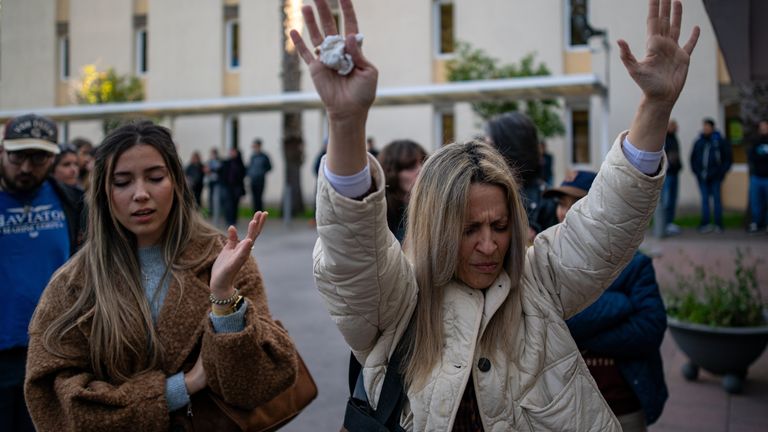
Image: A group of people protested at the entrance of the care facility where Noelia was euthanised. Pic: Europa Press/AP
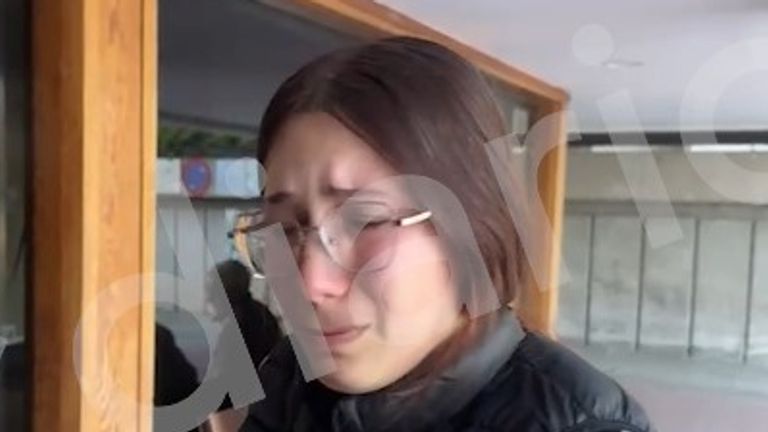
The euthanasia was scheduled for 5pm on Thursday. An hour before, Carla Rodriguez, who said she was Noelia’s best friend, arrived at the residential care hospital in Barcelona and asked to see Noelia, hoping to change her mind.
Advertisement
A cordon had been set up to prevent dozens of people who came to protest Noelia’s euthanasia from accessing the facility and disrupting the procedure. Security personnel also denied her friend access.
“I wanted to try to convince her to change her mind,” Ms Rodriguez tearfully told Spanish outlet Okdiario.
Ms Rodriguez said she and Noelia grew up together and used to be classmates at a local school. They lost touch “when Noelia was transferred to a different care facility”.
She learned about Noelia’s decision to die in the news and hoped to convince her friend to live by telling her about the “wave of affection and solidarity” on social media, where many commented on Noelia’s case.
“Noelia has been through so much,” Ms Rodriguez said, breaking down in tears. She left a handwritten letter for Noelia’s mother, asking to see her friend and offering support.
Advertisement
‘I want to die alone’
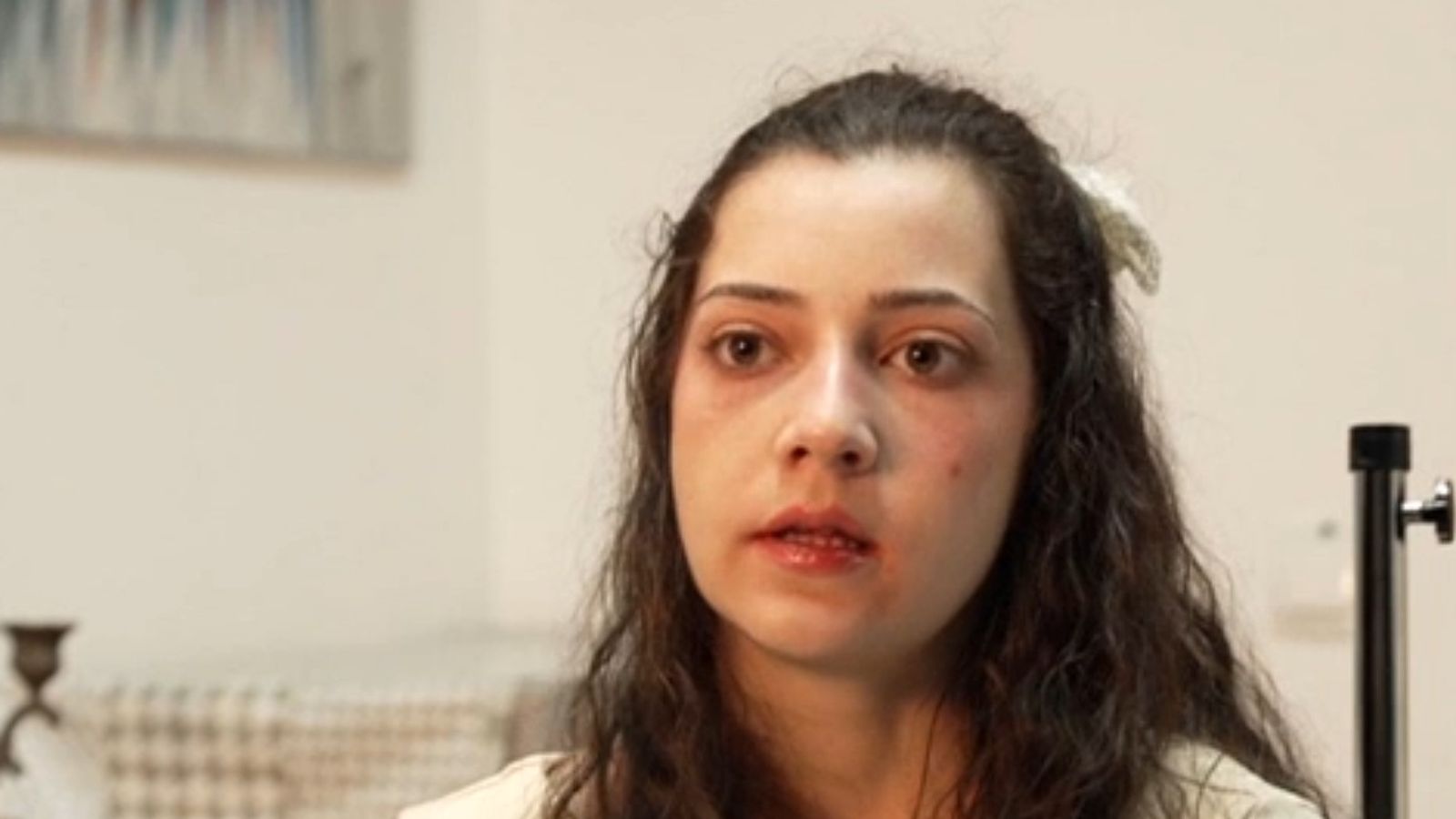
Noelia had told Spanish TV programme Y Ahora Sonsoles in her only interview that she wanted to be alone at the moment of her death.
“I’ve told them that family can come to say goodbye, but not when they’re about to give me the injection,” she said.
She also voiced her wish to “die looking pretty, I want to die beautiful”, adding that she would wear her prettiest dress and put on some makeup.
Advertisement
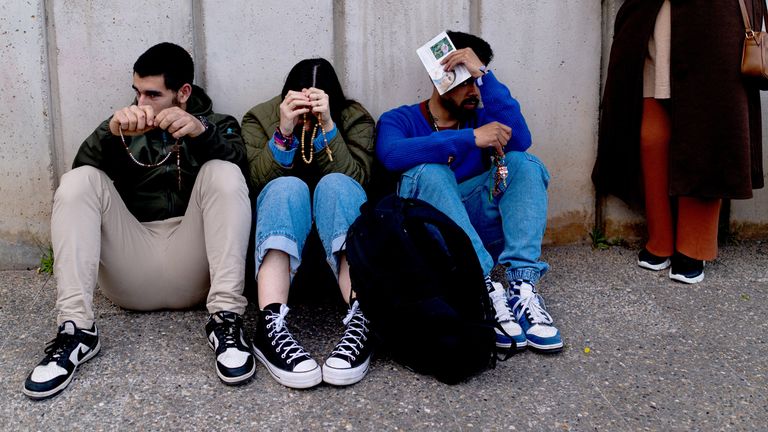
Image: Several people were seen praying outside the care home where Noelia died. Pic: Europa Press/AP
Noelia intended to have four photos with her for her death: one of her painting a portrait of her mother, one of her childhood puppy, another from her first day of school and a fourth from her childhood, which she said reflected “happy” moments in her life.
“I want to go now in peace and stop suffering, period,” she said as she explained that she had been “very clear” about her wish to die from the beginning
While her mother, Yolanda “Yoli” Ramos, told the Spanish broadcaster earlier this week that she hoped her daughter would change her mind, she promised to be by her side “until the very end”.
Noelia had been in psychiatric treatment since she was 13, when her parents separated. She was eventually diagnosed with obsessive-compulsive disorder (OCD) and borderline personality disorder (BPD).
Her father witnessed her attempt to take her own life in October 2022, but Noelia said she didn’t “feel sorry for him anymore” after he launched a legal challenge to stop her euthanasia.
Advertisement
Noelia’s father fought euthanasia for two years
Her euthanasia request was initially granted by a specialised expert committee in Catalonia in July 2024, with the procedure scheduled for 2 August 2024, but her father has blocked it ever since.
Legalised euthanasia and assisted suicide in Spain
In 2021, Spain became the fourth European Union country to legalise euthanasia and assisted suicide for people with incurable or severely debilitating conditions.
Advertisement
The law was passed despite years of strong opposition from Catholic and conservative groups in the country.
However, an opinion poll in 2019 found 90% of Spaniards were in favour of decriminalisation.
To qualify, patients must first make two requests in writing – 15 days apart – followed by consultations with medical professionals not previously involved in their care.
If approved, those wanting to end their lives must then submit another request to a regional committee of experts who then make a final decision.
Advertisement
Under the law, medical workers can refuse to participate on grounds of belief.
Geronimo Castillo, supported by the ultra-conservative advocacy group Abogados Cristianos or Christian Lawyers, argued that Noelia’s mental illness impaired her ability to decide to end her life.
During a nearly two-year-long legal battle, he took the case through Spain’s courts until the highest tribunal rejected his argument in February. Mr Castillo appealed to the European Court of Human Rights, where his request for interim measures to stop Noelia’s euthanasia was rejected on 10 March, according to newspaper El Pais.
Advertisement
Image: Two women pray at the entrance of the Sant Camil hospital ahead of Noelia’s euthanasia. Pic: AP
As a last-ditch effort, his legal team on Wednesday asked an investigating court looking into Noelia’s medical-legal team to introduce “urgent precautionary measures” to stop her euthanasia, but a judge rejected the request due to a lack of jurisdiction.
Members of the Christian Lawyers advocacy group were among those who protested Noelia’s euthanasia outside the facility.
Anyone feeling emotionally distressed or suicidal can call Samaritans for help on 116 123 or email jo@samaritans.org in the UK.
Alternatively, you can call Mind’s support line on 0300 102 1234, or NHS on 111.
In the US, call the Samaritans branch in your area or 1 (800) 273-TALK.
“And we know that lots of people actually can be in work, and we want to give them the support to make work feasible. The evidence is now very clear. We’re publishing new evidence on this, that those who’ve had this additional help are significantly more likely to be in work, be in a job, and stay in work for an extended period. And we want to give people the chance of fulfilling their ambitions.”
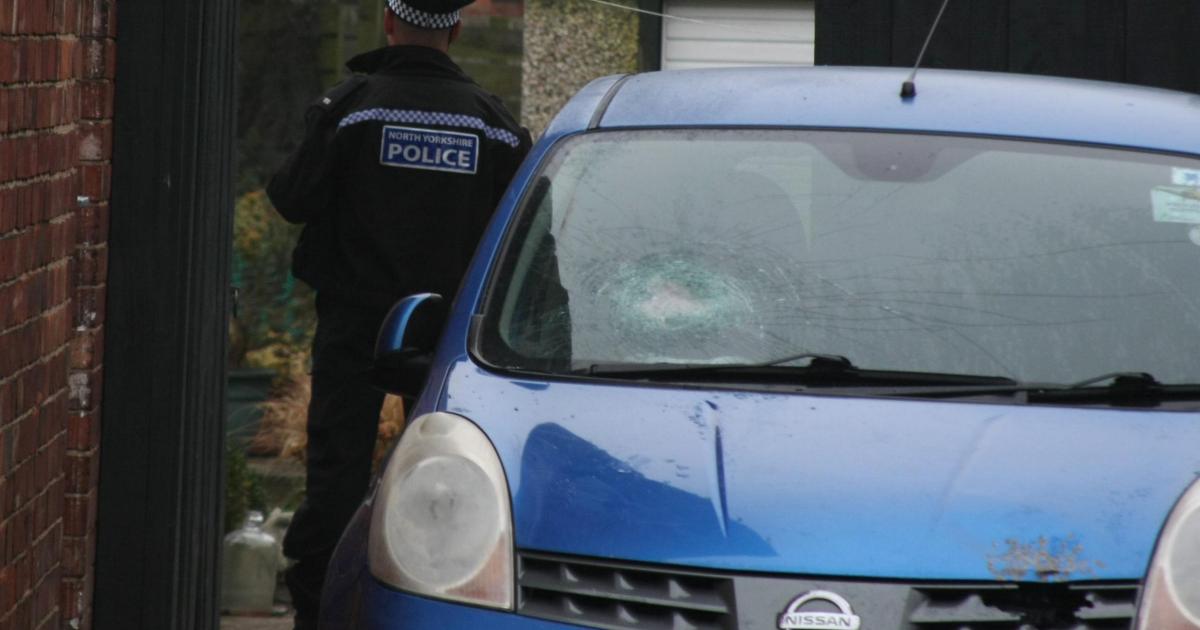
On Saturday, March 7, an unoccupied Nissan car was shot at while it was parked outside a house in Starkey Crescent, at around 9.25pm.
The house and driveway were cordoned off under guard and a heavy police presence remained in the area.
Two days later, police were seen searching the area of a path running parallel to Fifth Avenue from Melrosegate to Tang Hall Lane with sniffer dogs.
Police were combing the area of an active travel path behind Fifth Avenue on consecutive days from March 9 (Image: Kevin Glenton)
Police said no one was harmed in the shooting and it was an isolated incident with no threat to the wider community.
Advertisement
On March 11, three people were arrested in connection with the shooting – a 34‑year‑old man on suspicion of possession of a firearm and criminal damage, a 32‑year‑old man on suspicion of possession of a firearm, and a 29‑year‑old woman on suspicion of assisting an offender.
The following day, the outstanding suspect, a 23-year-old man, was arrested on suspicion of possession of a firearm, possession of a firearm without a certificate and criminal damage.
North Yorkshire Police released an update this afternoon (March 27) saying all four people arrested remain on bail and that its enquiries are ongoing.
Police were combing the area of an active travel path behind Fifth Avenue on consecutive days from March 9 (Image: Kevin Glenton)
A force spokesperson said: “We are continuing to appeal for people in the Tang Hall area of York to come forward, particularly those on Starkey Crescent, Rockingham Avenue, Fifth Avenue, and Melrosegate.
Advertisement
“Do you recall any suspicious people or activity between 8.45pm and 9.45pm on Saturday, March 7?
“Please also get in touch with any relevant information, CCTV, doorbell or dashcam footage.
“This includes residents we have already spoken to during our extensive house-to-house enquiries, but who may now have new information or remembered something not previously mentioned to officers.”
Anyone wishing to come forward with information should quote reference number 12260041722.
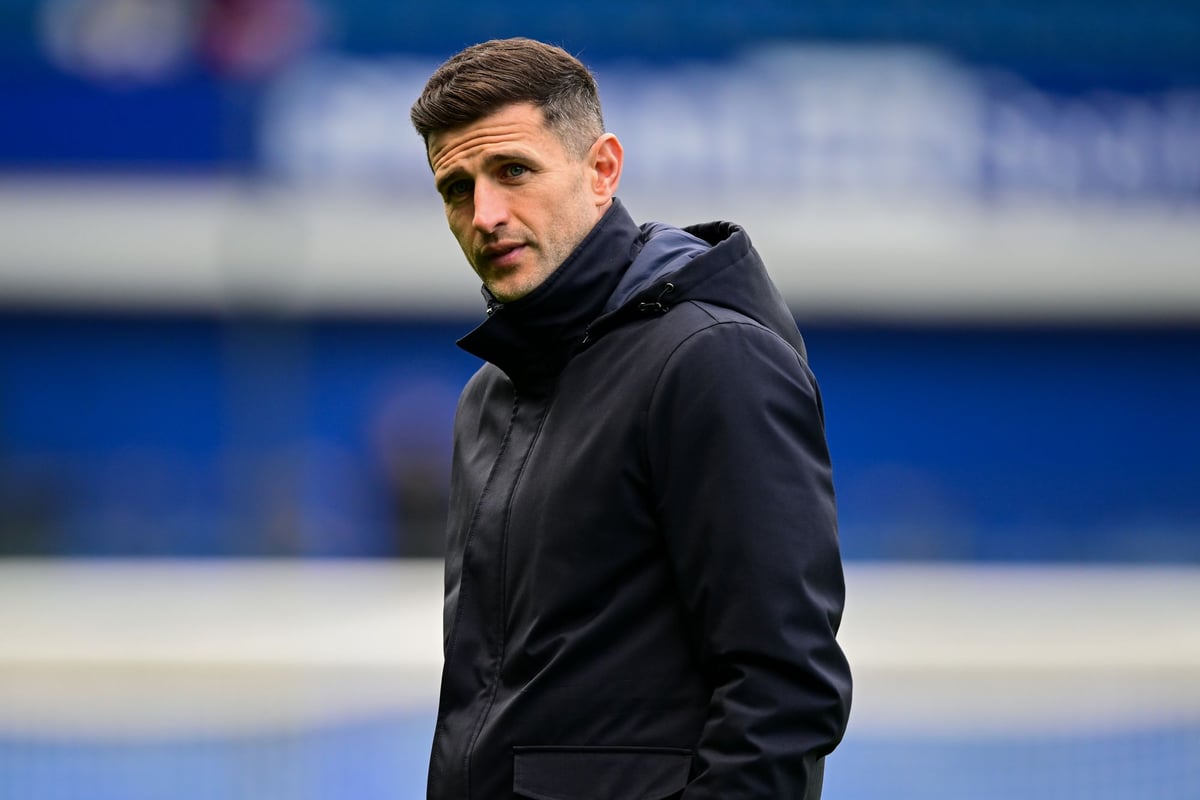
Our latest Pompey Q&A returns today for subscribers of The News, with John Mousinho’s future a focus as the Bristol City job becomes available this summer. Summer target Pelle Mattsson, free agents and what happens to contracted misfiring players are all also under the microscope.
They included a beautiful poem from Paul’s family, a Bible passage read out by his step-daughters that had been read at Paul and his wife Emma’s wedding, and another reading from his family about the life he led and the legacy he leaves behind.
Mourners listened to Paul’s favourite music and heard stories from his full and vibrant life – captured in photos on screen.
Advertisement
Paul and Emma pushed forward their wedding in 2023, marrying at St Paul’s with a service led by Rev Woodcock (Image: Supplied)
Speaking during the service, Rev Woodcock said: “I know that this is not going to be easy for any of us.
“To lose such a treasured, life-giving person at such a young age is devastating, and it’s confusing and it’s traumatic.
“I know that the weight of grief has been so hard to bear for many of you.
“And my hope and my prayer is that this time together will be a healing time, a time to celebrate and give thanks for the man that Paul was, the joy that he brought and the generosity of spirit and the legacy he leaves behind.”
Advertisement
Emma and Paul with their family (Image: Submitted)
Paul had received his devastating diagnosis of MND in 2023.
He died on Thursday (March 5), leaving behind Emma, their son and his two step-daughters.
Over the years, Paul and Emma – who were married at St Paul’s by Rev Woodcock in December 2023 – raised thousands of pounds for the MND Association.
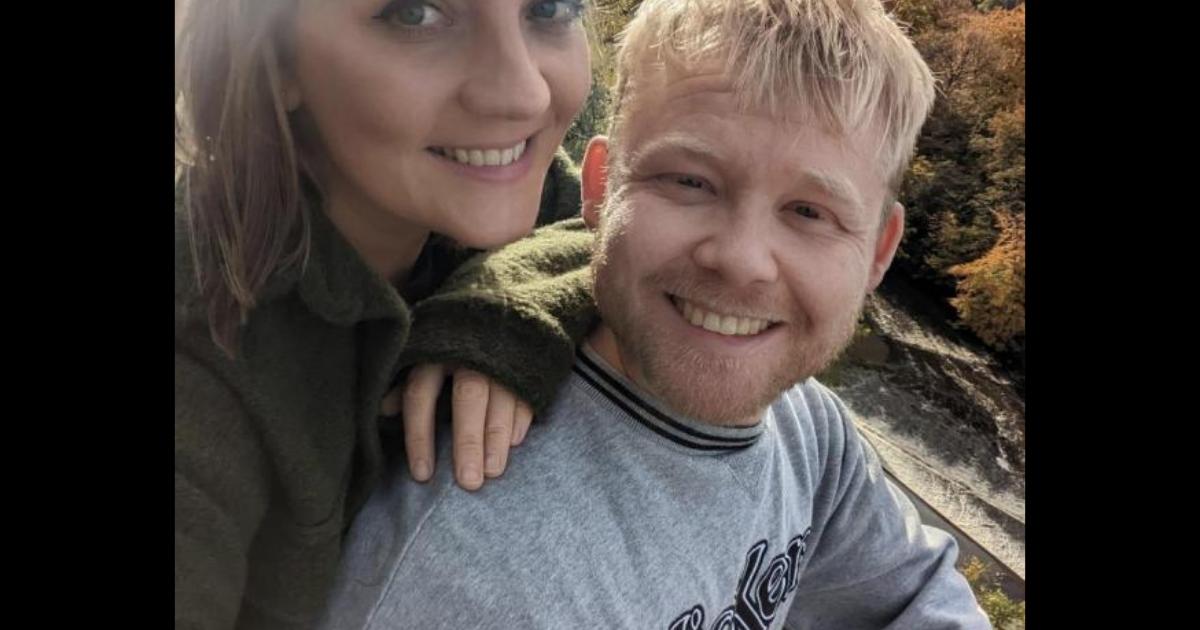
Jack (left) set up a fundraiser to help Emma and their family after they were left in a “difficult” financial situation (Image: Supplied)
As The Press reported, a fundraiser was set up for Emma and the family by Paul’s friend, Jack Pullen, after they were left in a difficult financial situation following his death.
It comes after Jack said Emma had to give up her job to become Paul’s primary carer following her husband’s diagnosis.
Things were made harder owing to Paul being unable to get life insurance due to his complex medical history.
‘Paul’s death is tragedy enough’
The funeral heard how Paul had received a kidney and a liver transplant at the age of seven, before a further two kidney transplants.
Advertisement
At the time, Jack said: “On top of grief, Emma and the family are left with a mortgage, bills, no transport and no income, adding: “Not everyone is lucky enough to have extra money to put aside just in case.
“It’s not a case of being responsible. It can be financially impossible.
“Like most people, Paul wanted nothing more than his family to feel safe, secure and loved,” Jack said.
Speaking to mourners, Rev Woodcock said: “Paul’s death is tragedy enough.
Advertisement
“We all need to make sure that the family have time to grieve without worrying about money because of an injustice.”
A minute silence was held for Paul at 11am.
Rev Woodcock said that the number eleven had been an important one to the 35-year-old, who had been born on November 11.
Songs played included some of Paul’s favourites: Sullivan by Beluga Lagoon, Elegy by Leif Vollebekk and Santiago by Einaudi – a song that was played on his wedding day.
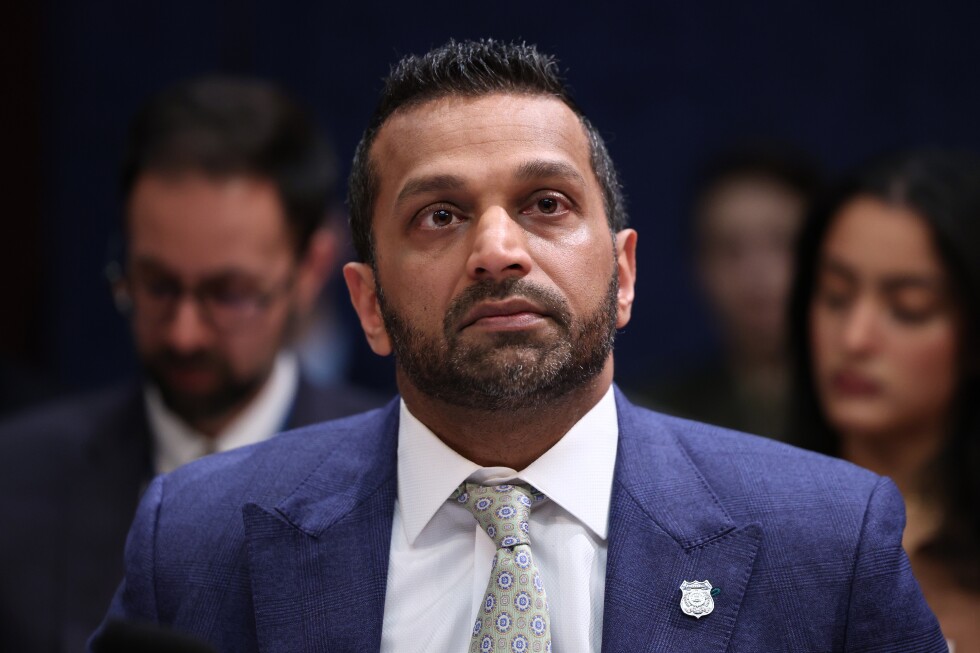
WASHINGTON (AP) — A pro-Iranian hacking group claimed Friday to have hacked an account of FBI Director Kash Patel and posted online what appear to be years-old photographs of him, along with a work resume and other personal documents dating back more than a decade.
“Kash Patel, the current head of the FBI, who once saw his name displayed with pride on the agency’s headquarters, will now find his name among the list of successfully hacked victims,” said a message posted Friday from the group Handala.
The message was accompanied by a collection of photographs of Patel, including ones of him standing beside an antique sports car and another with a cigar in his mouth. The group also said that it was making available for download emails and other documents from Patel’s account. Many of the records appeared to relate to his personal travels and business from more than 10 years ago
“The FBI is aware of malicious actors targeting Director Patel’s personal email information, and we have taken all necessary steps to mitigate potential risks associated with this activity,” the FBI said in a statement. “The information in question is historical in nature and involves no government information.”
Advertisement
The FBI statement did not identify the hackers believed responsible for the breach, but it noted that the Trump administration is offering a reward of up to $10 million for information leading to the identification of members of the Handala hacking group — an entity it said “has frequently targeted U.S. government officials.”
It was not clear when the hack claimed by Handala might have occurred. News reports from December 2024, before Patel was confirmed as director, said that Patel had been informed by FBI that he had been targeted as part of an Iranian hack.
Handala is a pro-Iranian, pro-Palestinian hacking group that earlier this month claimed credit for disrupting systems at Stryker, a Michigan-based medical technology company. Handala said the attack was in retaliation for suspected U.S. strikes that killed Iranian schoolchildren. They’re a prominent example of the proxy groups that carry out cyber attacks on behalf of Iran.
___
Advertisement
Associated Press writer David Klepper in Washington contributed to this report.
A classic period drama, one that popularised the genre globally, is still regarded as one of the finest to ever grace our screens. Period drama enthusiasts will be familiar with the show in question — Upstairs, Downstairs.
Upstairs, Downstairs laid the groundwork for Downton Abbey with a story that will be familiar with fans who have only seen the modern sensation. As the definitive period dramas of their era, the parallels between Upstairs, Downstairs and Downton Abbey are self-evident.
Advertisement
Both shows portray the personal struggles of an aristocratic family and their servants against a backdrop of social and political upheaval on an overlapping timeline.
Like Downton Abbey, it spans three decades, covering both World Wars and the roaring 20s through to the Great Depression. The classic show chronicled the turbulent lives of the aristocratic Bellamy family and their servants in the early 1900s.
They diverge in numerous ways, however, and one is immediately apparent.
The seventies programme is less high-end, a quality that can taken as nostalgic or a dealbreaker. Upstairs, Downstairs premiered in 1971 and ran for five years, predating Downton Abbey by a good 50 years.
In fairness, Downton’s setting is inherently more luxurious. The Bellamy family inhabit a London townhouse, a far cry from the Crawley family’s lavish country estate that was a character in its own right.
And while Downton’s visuals proved a triumph, a frequent criticism from audiences is that the programme descended into melodrama. In contrast, Upstairs, Downstairs has been likened to a stage play for its more understated visuals and plotlines.
Fans of both period dramas shared their preferences. One viewer sparked a debate on Reddit, asking: “If you have seen both shows, which show do you think is better?”
Advertisement
“Upstairs Downstairs without question,” replied one viewer decisively. Another agreed: “I like Downton Abbey better, but Upstairs, Downstairs is the better show.
“I have tried watching the Upstairs/Downstairs remake multiple times and I always end stopping after about two episodes,” commented a third. “It just doesn’t grab me like Downton.”
Upstairs, Downstairs is available to watch on ITVX.
One Pakistani national was arrested as an overstayer during the operation, and one Indian national was arrested for breach of immigration bail, while the mopeds and electric scooters were seized for allegedly being stolen, with others said to have been used in the theft of other vehicles.
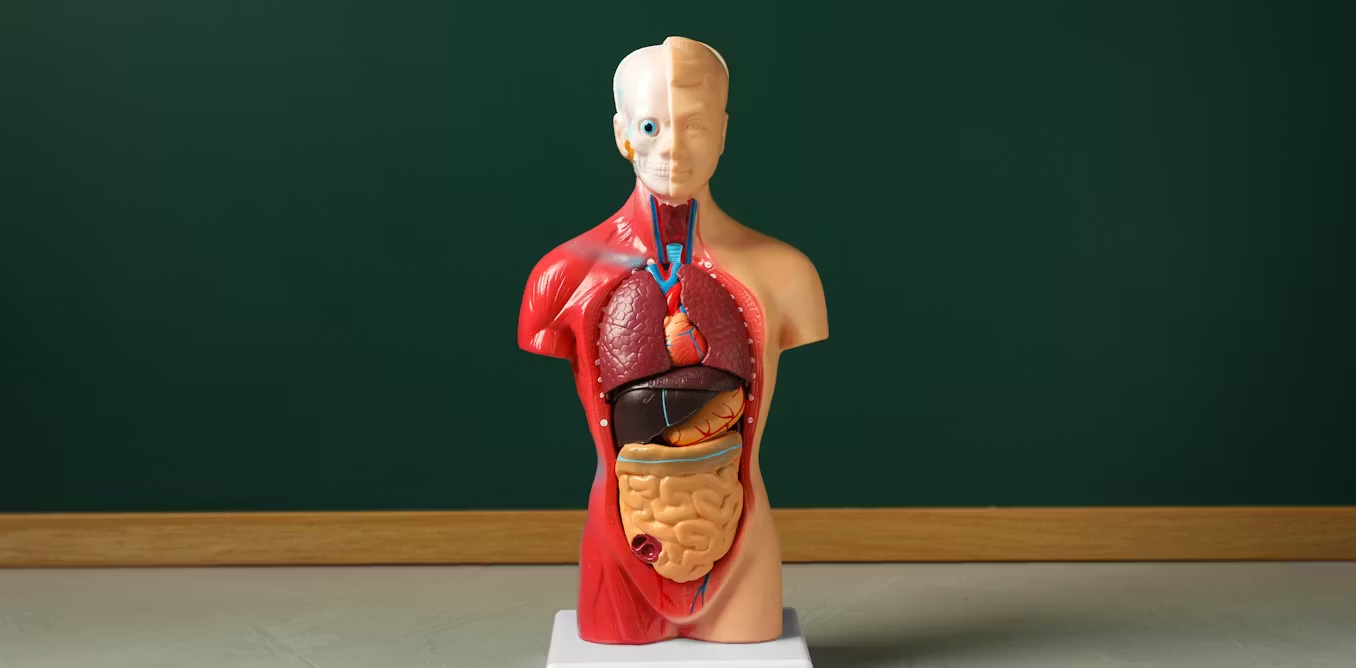
Leaf through a textbook, watch a wellness influencer or listen in at the gym, and it can feel as though the human body has already been mapped to exhaustion. Every muscle named, every nerve traced. Everything understood and readily available.
Most people recognise at least a few anatomical terms – “traps”, “glutes”, “biceps”. After centuries of dissection, microscopy and medical imaging, it seems reasonable to assume the work is done. Surely anatomy, as a discipline, must be complete?
It isn’t. Not even close.
Since the publication of De Humani Corporis Fabrica by Andreas Vesalius in 1543 – the first comprehensive anatomy book based on direct observation of human dissection – anatomy has carried an air of authority. Vesalius famously corrected centuries of inherited error, challenging the ancient physician Galen through direct observation of the human body. His work helped establish anatomy as an evidence-based science.
Advertisement
Three hundred years later, Gray’s Anatomy by Henry Gray reinforced the impression that the body had finally been catalogued, indexed and neatly organised – a system mapped and fully explained.
But textbooks create a misleading sense of certainty. They present the body as stable, universal and fully agreed upon. Real anatomy is messier than that.
The illusion of completeness
Much of early topographical anatomy – the careful mapping of structures in relation to one another – depended on cadavers obtained through grave robbery.
“Resurrectionists” – body snatchers – exhumed the recently buried, disproportionately targeting the poor, the institutionalised and those without family protection or the financial means to guard graves. These bodies were then sold to anatomists, who relied on them for dissection and teaching.
Advertisement
Working conditions for early anatomists were difficult, and the limitations considerable.
Lighting was poor. Bodies were often malnourished or diseased. Post-mortem change had already altered tissue planes. Sample sizes were small and opportunistic. Demographic information was largely absent, beyond what could be inferred from appearance. The bodies of women were sometimes dissected but rarely reported.
Yet it was under precisely these conditions that anatomists produced the observations that became the foundation of classical anatomical topography.
The anatomical “norm” that emerged from these studies was therefore constructed from a narrow and socially stratified sample.
Advertisement
None of this diminishes the extraordinary technical skill of early anatomists. Their observational ability was remarkable. But the conditions under which they worked inevitably shaped what they saw – and what they missed.
Complete? Far from it. VintageMedStock/Alamy
So when we ask whether anatomy is finished, we might also ask a more uncomfortable question: was it ever truly complete in the first place? This question matters scientifically as well as ethically.
For much of the 20th century, anatomical investigation slowed dramatically. By the 1960s, relatively few cadaveric studies were being published worldwide. The assumption was simple: the human body had already been mapped.
Medical education continued, of course, but much of it focused on teaching established knowledge rather than generating new anatomical observations. That apparent stability masked a deeper problem: much of the knowledge had been inherited rather than tested.
Advertisement
Improved imaging techniques, renewed cadaveric research and a growing awareness of anatomical variation have triggered something of a renaissance in anatomical study. Structures once overlooked or poorly described are being re-examined.
Far from being finished, anatomy is rediscovering just how incomplete its map of the human body may be.
Beyond the ‘standard’ human body
One of the most important shifts in modern anatomy has been recognising that variation is the rule rather than the exception. Textbooks present a “typical” body for teaching, but real human anatomy sits along a spectrum.
Human anatomy varies across several dimensions at once. Differences exist between males and females, across the lifespan as the body develops and ages, and between populations shaped by genetics and environment.
Advertisement
Beyond these broad patterns lies enormous individual variation: blood vessels may follow different routes, muscles may be absent or duplicated, and even the folding patterns of the brain differ from person to person. The “standard” anatomy shown in textbooks is therefore best understood not as a universal blueprint, but as a simplified reference point within a wide biological range.
This variation matters far beyond the operating theatre. Differences in nerves, vessels and joints can alter how diseases reveal themselves, influence how scans are interpreted and shape patterns of movement and injury.
Subtle differences in joint alignment may affect the risk of conditions, such as osteoarthritis, while variations in vascular anatomy can influence susceptibility to stroke or aneurysm. Understanding anatomical diversity is therefore central not only to surgery, but also to diagnosis, medical imaging, biomechanics and the study of disease itself.
Even after centuries of study, the human body continues to yield new anatomical insights. Structures once overlooked – from previously unrecognised lymphatic vessels around the brain to overlooked ligaments in the knee – are being re-examined. Familiar tissues are being understood in new ways, and the map of the body is still being revised.
Advertisement
People should know more about their bodies. Greater understanding helps people advocate for their own health and engage more confidently with care. But it is worth remembering that the canonical anatomy presented in textbooks is best understood as a teaching model, not a perfect representation of biological reality. The more closely we study the human body, the more we realise there is still much to learn.
Kevin Danso headed into Jonas Adjetey arms from close range, and Marcel Sabitzer converted from 12 yards after the referee pointed to the spot. That goal was the only difference come half-time, but Austria ran riot when they reemerged. Goals from Michael Gregoritsch and Stefan Posch put the result beyond doubt, before Jordan Ayew secured some consolation with a well-hit solo effort, but even that was matched as Nicolas Seiwald hit an even more impressive fifth from range for the hosts.
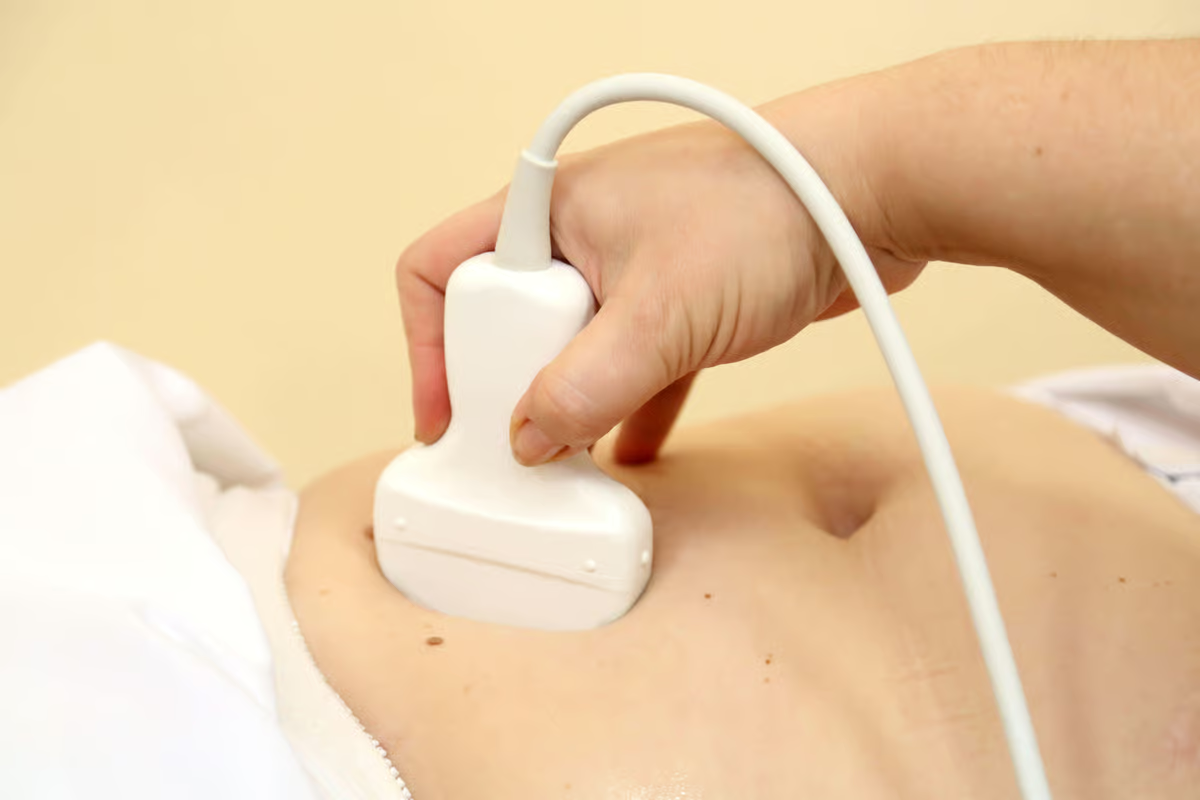
A Department of Health and Social Care spokesperson said: “We recognise the pressures facing diagnostic services, including the sonography workforce, and we are taking action to ensure the NHS has the skilled staff it needs to meet rising demand and deliver timely care to patients.















































You must be logged in to post a comment Login