
Business
Optimism Tempered by Warnings on Jobs and Bioterrorism

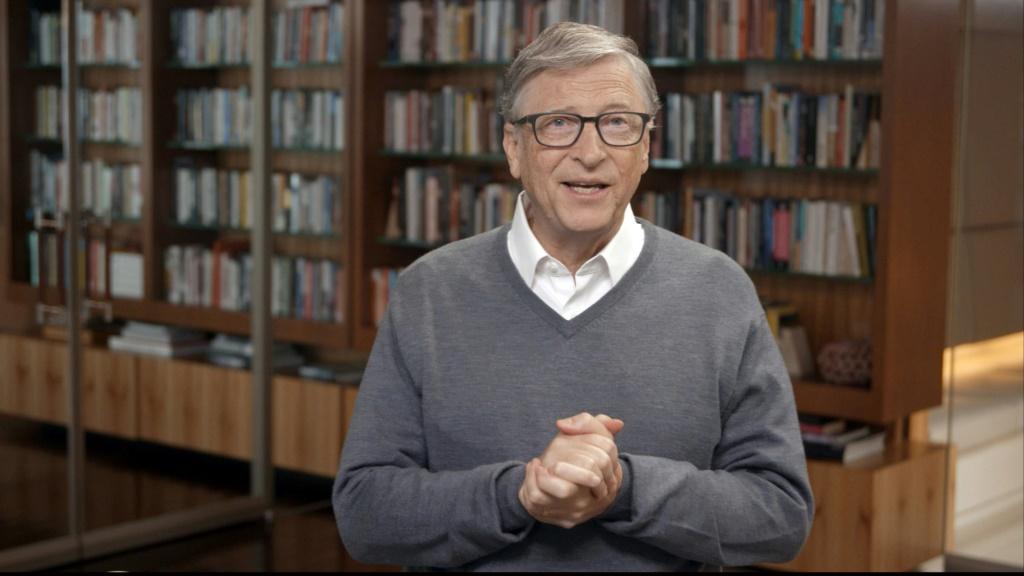
Microsoft co-founder Bill Gates remains one of the most influential voices on artificial intelligence, blending profound optimism about its transformative power with clear-eyed warnings about its risks. In his annual “The Year Ahead 2026” letter published in January and subsequent public remarks, Gates offered several memorable quotes that encapsulate his views on AI’s potential to reshape society, the economy and global security.

Here are five notable quotes from Gates on AI in 2026, drawn from his writings and interviews, along with context that reveals his nuanced perspective as the technology accelerates.
1. “Of all the things humans have ever created, AI will change society the most.”
In his widely read “The Year Ahead 2026” essay posted on GatesNotes.com, Gates declared AI the most disruptive invention in human history. He argued that unlike previous breakthroughs, AI will simultaneously solve pressing problems in health care, education and climate while introducing new challenges. The quote underscores his belief that AI’s impact will surpass the internet, personal computers and even electricity in its breadth and speed of adoption. Gates noted that AI capabilities will enable society to produce far more goods and services with significantly less labor, already visible in sectors like software development, warehousing and customer service.
2. “There is no upper limit on how intelligent AIs will get or on how good robots will get, and I believe the advances will not plateau before exceeding human levels.”
Gates pushed back against skepticism fueled by missed predictions for artificial general intelligence (AGI). He acknowledged that overly optimistic timelines have sometimes created doubt, but insisted progress toward superhuman intelligence and advanced robotics will continue without hitting a ceiling. This statement, also from his January 2026 letter, reflects his long-term confidence that AI will surpass human cognitive abilities in many domains. He tied this to practical outcomes, suggesting humanoid robots could become commonplace and transform industries ranging from manufacturing to elder care.
3. “We’re already starting to see the impact of AI on the job market, and I think this impact will grow over the next five years. As AI delivers on its potential, we could reduce the work week or even decide there are some areas we don’t want to use AI in.”
Gates highlighted AI-driven productivity gains that could fundamentally alter work patterns. He pointed to efficiency improvements — such as software developers becoming at least twice as productive — and envisioned scenarios where a shorter workweek becomes feasible. At the same time, he stressed the need for thoughtful policy to manage job displacement and ensure the benefits of increased productivity are widely shared. This quote has sparked discussions about universal basic income, retraining programs and societal choices around automation.
4. “Today, an even greater risk than a naturally caused pandemic is that a non-government group will use open source AI tools to design a bioterrorism weapon.”
Drawing parallels to his 2015 TED Talk warning about pandemic preparedness, Gates elevated AI-enabled bioterrorism as a top concern. He warned that bad actors could leverage widely available AI models to engineer dangerous pathogens, potentially causing greater harm than natural outbreaks like COVID-19. This stark assessment, repeated in interviews following his annual letter, underscores his call for deliberate governance, international cooperation and safeguards in AI development and deployment. He advocated treating this risk with the same urgency once reserved for nuclear proliferation.
5. “AI capabilities will allow us to make far more goods and services with less labor… Even if the transition takes longer than I expect, we should use 2026 to prepare ourselves for these changes — including which policies will best help spread the wealth and deal with the important role jobs play in our society.”
Gates repeatedly emphasized proactive preparation over reactive measures. He urged governments, businesses and individuals to use 2026 as a pivotal year for policy planning around wealth distribution, education reform and social safety nets. While optimistic about AI solving grand challenges — from personalized medicine to climate modeling — he cautioned that unchecked disruption could exacerbate inequality. In Davos and other forums early in 2026, he reiterated the importance of balancing innovation with equity.
Gates’ 2026 commentary arrives amid rapid advancements in large language models, multimodal AI and robotics. His Microsoft ties and substantial investments in AI-related ventures lend weight to his observations, though he speaks primarily through his philanthropic lens via the Gates Foundation.
The philanthropist, now 70, has maintained an active public profile on technology despite stepping back from day-to-day Microsoft operations years ago. His annual letters have become must-read documents for policymakers and tech leaders. In 2026, the tone is “optimism with footnotes” — enthusiasm for AI’s problem-solving potential tempered by acknowledgments of disruption, misuse risks and the need for responsible governance.
Experts note that Gates’ focus on bioterrorism and job market shifts aligns with broader concerns raised by governments and organizations like the United Nations and the World Economic Forum. His call for using 2026 as a preparation year has resonated as companies accelerate AI adoption and nations debate regulation.
Critics sometimes accuse Gates of overstating AI timelines or downplaying near-term harms, yet his track record of early warnings — on pandemics, climate change and digital divides — gives his voice credibility. Supporters praise his balanced approach: championing innovation while advocating safeguards.
As AI continues evolving, Gates’ five quotes offer a roadmap for navigating its opportunities and pitfalls. From exceeding human intelligence to reshaping labor markets and posing biosecurity threats, his perspective frames 2026 as a critical inflection point.
In healthcare, Gates envisions AI acting as a triage nurse or diagnostic assistant, dramatically lowering costs and improving access in developing regions. In education, personalized tutoring could become commonplace. Yet he stresses that humans will still play essential roles in fields like energy systems, biological research and complex software design.
Gates has also touched on AI’s environmental footprint, noting the massive energy demands of training and running advanced models. He links AI progress to breakthroughs in clean energy and efficient computing.
Looking ahead, Gates believes society must address three overarching questions: increasing global generosity, scaling beneficial innovation and minimizing AI’s negative disruptions. His optimism stems from historical patterns where technology ultimately improved living standards, but he insists deliberate action is required this time.
For business leaders, his message is clear: invest in AI while preparing workforces for change. For policymakers, the emphasis is on equitable policies that spread AI’s benefits. For the public, he encourages lifelong learning and adaptability.
As March 2026 draws to a close, Gates’ quotes continue circulating in boardrooms, classrooms and government halls. They serve as both inspiration and cautionary tale in an era where AI’s societal imprint grows daily.
Whether AI ultimately fulfills Gates’ vision of unprecedented progress or amplifies existing inequalities will depend on choices made now. In his own words, the coming decade will test humanity’s ability to harness one of its most powerful creations responsibly.

Check out what’s clicking on FoxBusiness.com.
A reported “strong smell” at a key air traffic control facility disrupted flights Friday evening at major airports across the Washington, D.C. region for the second time in two weeks.
The Federal Aviation Administration (FAA) temporarily halted flights at Ronald Reagan Washington National Airport (DCA), Washington Dulles International Airport (IAD), Baltimore/Washington International Airport (BWI), Charlottesville–Albemarle Airport (CHO), and Richmond International Airport (RIC), the agency told FOX Business in an email.
The FAA said the disruptions were due to a “strong smell” at the Potomac Terminal Radar Approach Control (TRACON) facility, which manages airspace in the region.
GROUND STOP LIFTED AT MAJOR DC-AREA AIRPORTS AFTER CHEMICAL ODOR DISRUPTS AIR TRAFFIC CONTROL
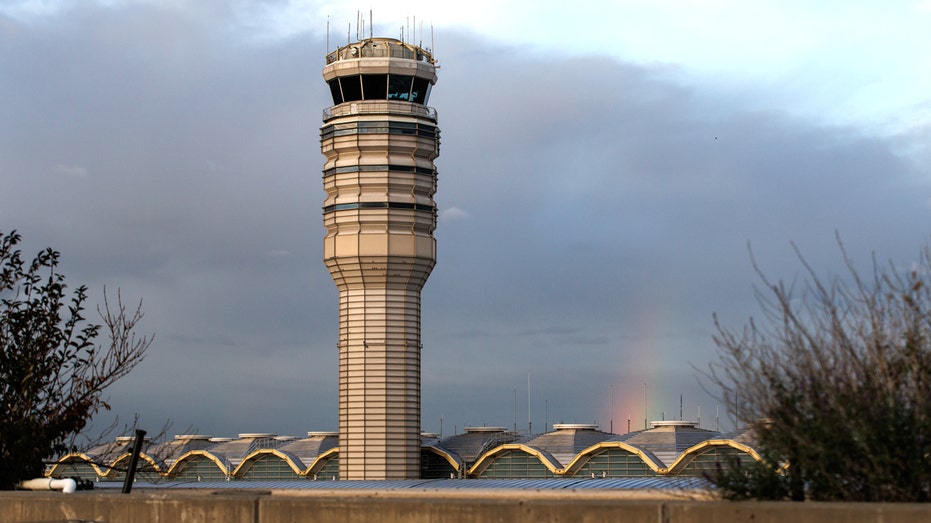
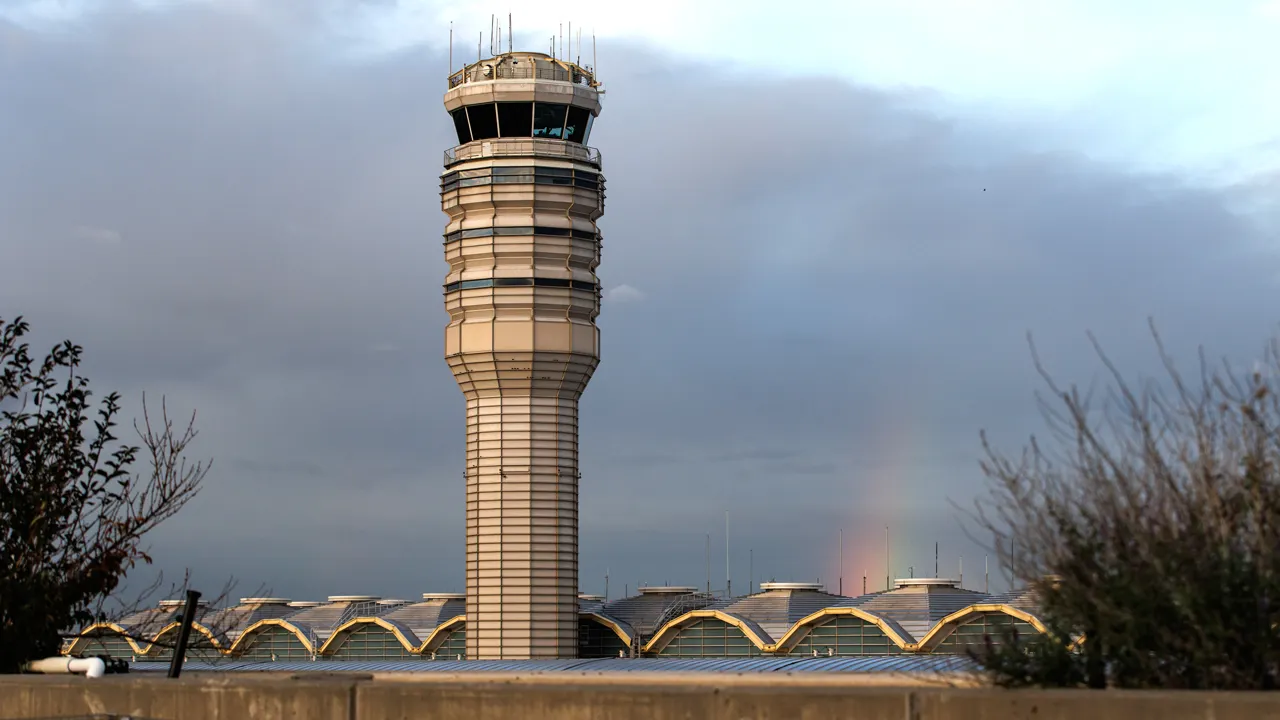
An FAA air traffic control tower at Ronald Reagan Washington National Airport in Arlington, Va. (Samuel Corum/Bloomberg via Getty Images / Getty Images)
It was not immediately clear what caused the smell.
Ground stops at Dulles, Reagan National, and BWI remained in effect until around 8 p.m. ET before being lifted, according to the FAA’s website.
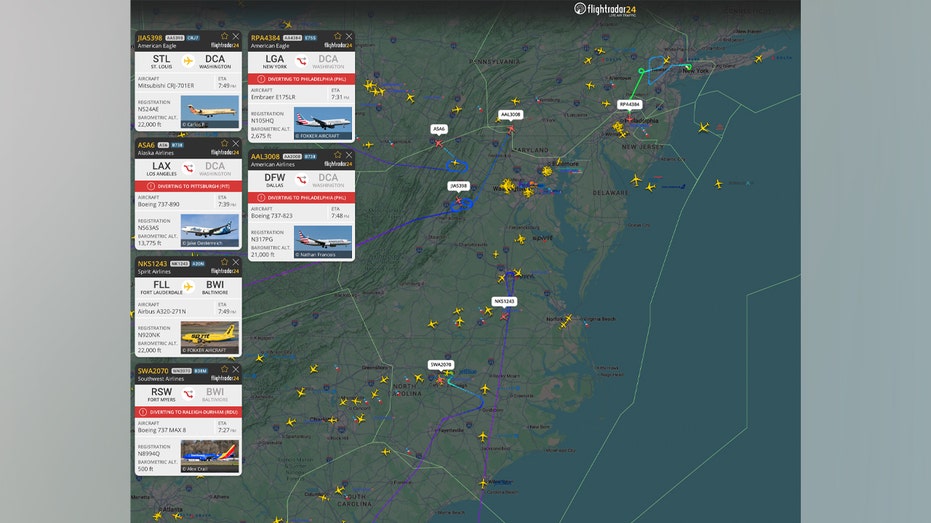
The FAA said the disruption was due to a “strong smell” at the Potomac Terminal Radar Approach Control (TRACON) center. (Flightradar24)
As of 8:30 p.m., Reagan National was experiencing ground delays, while BWI continued to see departure delays.
Earlier this month, a ground stop was similarly issued at several airports in the Washington, D.C., region after a chemical odor was detected at the TRACON facility.
FATAL LAGUARDIA COLLISION RENEWS FOCUS ON RUNWAY INCURSION RISKS ACROSS US
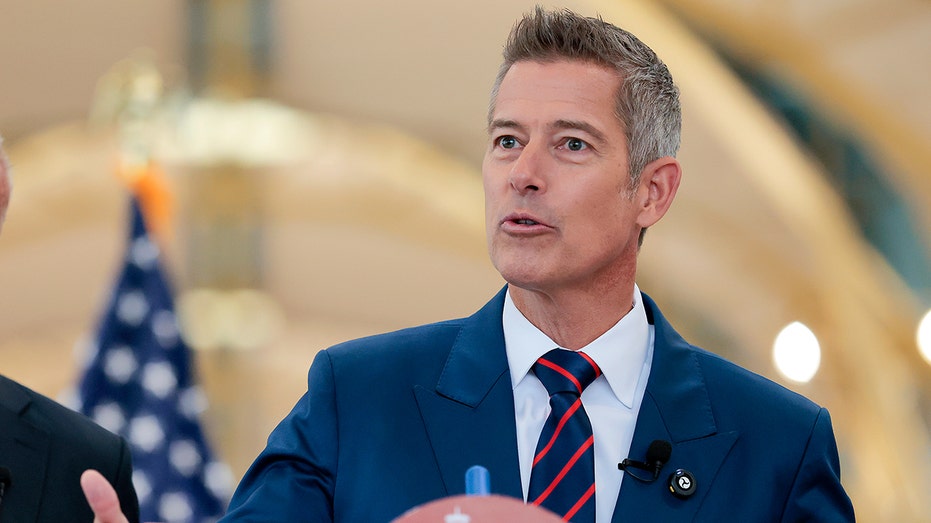
Transportation Secretary Sean P. Duffy speaks at a news conference at Ronald Reagan Washington National Airport. (Heather Diehl/Getty Images / Getty Images)
GET FOX BUSINESS ON THE GO BY CLICKING HERE
The temporary ground stop on March 13 similarly affected DCA, IAD, BWI and RIC, Transportation Secretary Sean Duffy said at the time.
Duffy said the smell came from an overheated circuit board, which has since been replaced.

Weak global cues and concerns over oil prices weighed on sentiment, with analysts warning of further near-term declines. In the event of the conflict continuing to rage unchecked amid subdued central bank intervention, some traders are expecting the Indian currency to sink even further. The rupee closed at 94.81 to the dollar on Friday, weakening 84 paise from its previous close of 93.97. The rupee weakened to 94.85 at its lowest on Friday and has declined over 3.5% this month, LSEG data showed. Brent crude oil prices rose by $1.87, or 1.73%, to $109.88 a barrel. While state-run banks sold dollars, likely on behalf of the central bank, the intervention was muted, traders said.
 Agencies
Currency likely to fall further, say experts; indices tumble over 2% amid bear attacks
Strait Closure Taking Toll
That makes the rupee vulnerable to further depreciation, with many traders incorporating levels as weak as 97 per dollar into their forecasts. “Nothing really changes until the Strait of Hormuz opens up,” said Anindya Banerjee, head of commodity and currency at Kotak Securities. “Even if the intensity of the war eases a bit, as long as there’s still friction around the strait and oil is hovering near $115, the rupee could easily drift towards the 96 to 97 per dollar range.”

The NSE Nifty closed at 22,819.60, down 486.85 points or 2.1%, while the BSE Sensex ended at 73,583.22, falling 1,690.23 points or 2.3%. Both indices declined 1.3% over the past week. The Volatility Index (VIX) urged 8.7% to a four-year high of 26.8, reflecting heightened near-term risk expectations.


Justin Law has a Ph.D in Chemistry from Rice University and has earned the CFA Institute Investment Foundations certificate. He applies his knowledge to deep value and dividend paying stocks.Justin is a contributor to the investing group The Dividend Kings where he curates the Dividend Champions list, a monthly publication of companies with a history of consistently increasing their dividends. The Dividend Kings is a group of analysts teaching individuals how to invest more wisely in dividend stocks. Learn More.
Analyst’s Disclosure: I/we have a beneficial long position in the shares of DOX, O, CMCSA, BMY, CSCO, MORN, RGLD, SYY, PEP either through stock ownership, options, or other derivatives. I wrote this article myself, and it expresses my own opinions. I am not receiving compensation for it (other than from Seeking Alpha). I have no business relationship with any company whose stock is mentioned in this article.
Seeking Alpha’s Disclosure: Past performance is no guarantee of future results. No recommendation or advice is being given as to whether any investment is suitable for a particular investor. Any views or opinions expressed above may not reflect those of Seeking Alpha as a whole. Seeking Alpha is not a licensed securities dealer, broker or US investment adviser or investment bank. Our analysts are third party authors that include both professional investors and individual investors who may not be licensed or certified by any institute or regulatory body.
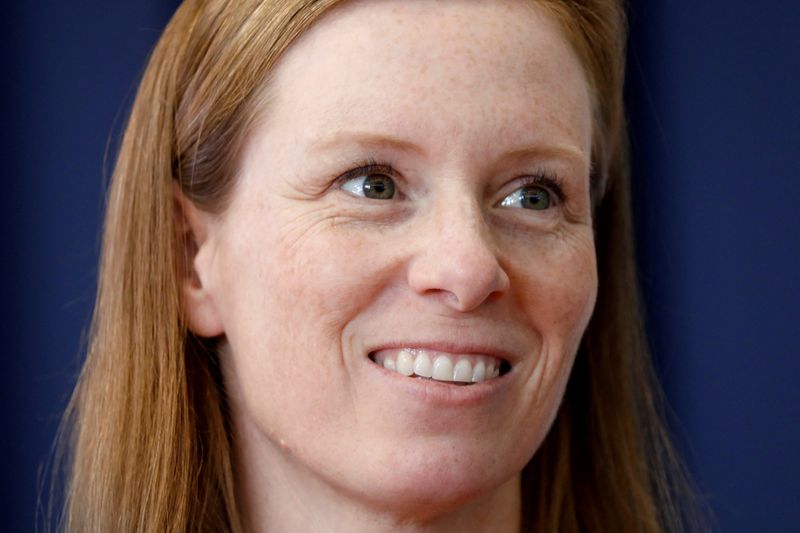

Meta’s longtime content policy chief Bickert leaving to teach at Harvard

Sony Pictures has confirmed that the highly acclaimed animated Spider-Verse film series will conclude with the upcoming Spider-Man: Beyond the Spider-Verse, effectively ending further continuation of the core Miles Morales-centered storyline beyond the planned trilogy. Producers Phil Lord and Chris Miller made the revelation during a recent appearance on the “Happy Sad Confused” podcast, surprising many fans who hoped for an expanded multiverse saga following the massive success of the first two films.

The decision marks a significant shift for Sony’s animated Spider-Man efforts as the studio focuses on wrapping the beloved trilogy while continuing its live-action partnership with Marvel Studios. Spider-Man: Beyond the Spider-Verse is now slated for a 2027 release after earlier production delays pushed it from a potential 2026 window.
This development comes amid broader changes in Sony’s Spider-Man strategy. The studio has scrapped or paused several live-action spin-off projects in its Sony’s Spider-Man Universe (SSU) following underwhelming box office results for films like Morbius, Madame Web and Kraven the Hunter. In February 2026, Sony Pictures CEO Tom Rothman confirmed plans to reboot the live-action spin-off universe with fresh talent and a new approach, while emphasizing that the overall deal with Marvel Studios remains strong.
Details on the Animated Trilogy’s Conclusion
The Spider-Verse films introduced audiences to a vibrant multiverse of Spider-People, with Miles Morales (voiced by Shameik Moore) as the central hero alongside Gwen Stacy/Spider-Gwen (Hailee Steinfeld), Peter B. Parker (Jake Johnson) and a host of alternate Spider-heroes. The first film, Spider-Man: Into the Spider-Verse (2018), won an Academy Award for Best Animated Feature and revolutionized the medium with its innovative visual style blending 2D and 3D animation.
Its 2023 sequel, Spider-Man: Across the Spider-Verse, earned critical acclaim and strong box office returns, further elevating expectations for the conclusion. Lord and Miller, who serve as producers and were deeply involved creatively, told podcast host Josh Horowitz that Beyond the Spider-Verse will provide a satisfying endpoint for this particular chapter of Miles’ journey.
While the film will still deliver the epic scale and emotional payoff fans anticipate, the confirmation ends speculation about additional sequels or spin-offs directly extending the main trilogy’s narrative. Sony has not ruled out future animated Spider-Man projects in the broader multiverse, but the core Miles-focused saga will reach its conclusion in 2027.
Live-Action Landscape and Spin-Off Changes
Sony’s live-action plans have seen more dramatic adjustments. The studio has reportedly canceled or placed on hold multiple spin-off films, including the long-gestating Spider-Woman project once attached to director Olivia Wilde. Other rumored entries, such as a potential Sinister Six film or projects involving characters like Knull, have also been shelved or paused as Sony reassesses its standalone villain-focused universe.
Rothman’s comments in February signaled a strategic reboot: new creative teams, fresh casts and a reset approach to interconnected storytelling. Despite the setbacks with recent SSU entries, the core collaboration with Marvel Studios for Tom Holland’s Peter Parker remains intact and successful.
Spider-Man: Brand New Day, the fourth solo film starring Holland as the web-slinger, is scheduled for release in July 2026. The movie continues the Marvel Cinematic Universe storyline and represents Sony’s most reliable Spider-Man franchise pillar. Additional 2026 projects include the live-action Spider-Noir series on Amazon Prime Video starring Nicolas Cage as a 1930s version of the character, and the animated Your Friendly Neighborhood Spider-Man Season 2 on Disney+.
These moves reflect Sony’s effort to streamline its Spider-Man portfolio after years of ambitious expansion. The SSU launched with Venom in 2018 and aimed to build a shared universe of anti-heroes and villains separate from the MCU, but inconsistent critical reception and box office performance led to a more cautious strategy.
Fan Reactions and Industry Impact
The news about the Spider-Verse trilogy’s end has elicited mixed responses from fans. Many expressed disappointment that the innovative animated world won’t continue indefinitely, praising the films’ groundbreaking animation, heartfelt storytelling and diverse representation. Others welcomed a definitive conclusion, hoping it delivers a strong payoff without overstaying its welcome.
The broader Spider-Man franchise remains one of Hollywood’s most valuable properties. Holland’s MCU films have grossed billions globally, while the animated entries have earned critical accolades and loyal followings. Sony’s decision to conclude the Miles Morales trilogy while rebooting spin-offs suggests a focus on quality over quantity in the near term.
Industry analysts note that the changes align with wider studio trends toward careful franchise management amid rising production costs and shifting audience preferences. The ongoing partnership with Marvel Studios continues to provide stability, allowing Sony to benefit from MCU integration while retaining control over key characters.
What’s Next for Spider-Man
Looking ahead, Spider-Man: Brand New Day will likely dominate 2026 headlines as fans anticipate Holland’s next chapter alongside potential crossovers in upcoming Avengers films. The Spider-Noir series promises a darker, more mature take on the mythos, breaking some long-standing conventions for the character in live-action.
For the animated side, Beyond the Spider-Verse remains a major event for 2027, with expectations high for resolution to the multiverse-spanning conflicts set up in Across the Spider-Verse. Sony has left the door open for new animated projects, potentially exploring different Spider-heroes or timelines once the current trilogy wraps.
The studio’s overall Spider-Man rights deal with Marvel continues to be described as mutually beneficial, providing Sony with theatrical releases while feeding into the larger MCU ecosystem.
As production timelines shift and creative directions evolve, Sony’s latest moves underscore the challenges of sustaining long-running superhero franchises. The decision to end the Spider-Verse trilogy on a planned high note while rebooting live-action spin-offs reflects a calculated effort to refresh the brand for new audiences without abandoning its most successful elements.
Fans can still look forward to plenty of web-slinging action in 2026 and beyond, from Holland’s return this summer to the animated conclusion in 2027 and the noir-style series. Whether through multiverse adventures, MCU team-ups or fresh reboots, Spider-Man’s cultural dominance shows no signs of slowing.

NVS/iStock via Getty Images

By Jennifer Nash
Driven by a volatile mix of escalating gas prices and financial market instability, consumer sentiment plunged nearly 6% in March to its lowest level since late 2025.
The Michigan Consumer Sentiment Index

In February 2026, Thai exports grew by 9.9% year-on-year, reaching US$29.43 billion (912.56 billion baht). This marked the 20th consecutive month of expansion, primarily driven by the electronics and electrical appliances sectors, which have benefited from the global AI boom.
Despite this growth and a strong performance in the first two months of the year, the Trade Policy and Strategy Office (TPSO) has issued a cautious outlook, warning that full-year exports could contract by as much as 3% due to rising freight costs, volatile energy prices, and a strengthening baht.
Key Takeaways
- Top Performers:
- Industrial: Computers and components (+49.8%), telephone equipment (+217.7%), and radio/TV transmitters (+251.5%).
- Agricultural/Food: Fresh fruits (+62.3%), processed chicken (+94%), and fats/oils (+271.1%).
- Major Markets: Shipments to the US surged by 40.5%, while exports to the EU (+20.6%) and ASEAN (+17.8%) also saw double-digit growth.
- Trade Balance: Despite export growth, imports rose sharply by 31.8% to US$32.27 billion, resulting in a US$2.83 billion trade deficit for the month.
- Industrial product exports rose by 13.3%, led by significant surges in telephone equipment (217.7%), computer components (49.8%), and radio/television transmitters (251.5%).
- The agricultural and agro-industrial sectors saw a 5.7% decline, marking a second month of contraction, though high-potential items like processed chicken and fresh fruits recorded substantial gains.
- Key growth drivers include the global shift toward AI technology and supply-chain diversification, while pressure factors include high freight costs and price competition in agricultural commodities like rice.
Export growth was strongest in major markets such as the United States (40.5%) and the European Union (20.6%), while shipments to Russia and the CLMV region (Cambodia, Laos, Myanmar, and Vietnam) declined.
Looking forward, the outlook for the remainder of 2026 remains cautious. The Trade Policy and Strategy Office (TPSO) warns of potential contractions due to rising freight costs, energy price volatility, and currency appreciation. The full-year forecast ranges from a best-case growth of 1.1% to a worst-case contraction of 3%, depending on how these global economic pressures evolve.
Other People are Reading

The partial government shutdown affecting the Department of Homeland Security has pushed the Transportation Security Administration into crisis mode, producing the longest security wait times in the agency’s 24-year history as unpaid officers call out in record numbers and hundreds quit their jobs.

The funding lapse, which began Feb. 14, 2026, entered its 42nd day on Friday, forcing roughly 50,000 TSA officers to work without full paychecks while handling spring break travel volumes that are about 5% higher than last year. Acting TSA Administrator Ha Nguyen McNeill told a House committee this week that wait times at some major airports have exceeded four hours, with call-out rates surpassing 40% to 50% at multiple hubs.
More than 460 TSA officers have resigned since the shutdown started, according to Department of Homeland Security figures, compounding chronic staffing shortages. McNeill described the situation as “dire” and warned that some smaller airports could face temporary closures if absences continue climbing. Even if Congress reaches a funding deal soon, officials say it could take days or weeks to restore full operations as new hires require four to six months of training.
Impact on Travelers and Airports
Long lines have snaked through terminals at major hubs including Hartsfield-Jackson Atlanta International, George Bush Intercontinental in Houston, John F. Kennedy in New York and others. In Houston, some checkpoints operated with only two of eight lanes open, pushing waits toward four hours on certain days. Atlanta saw call-out rates near 38% on peak days, with lines spilling into concourses and baggage claim areas.
Airports have urged passengers to arrive three to four hours early for domestic flights and even earlier for international ones. Videos circulating on social media show frustrated travelers standing for hours, some missing flights despite early arrival. Airlines including Delta have warned customers of potential delays and, in one case, temporarily suspended special security lane access for members of Congress.
Conditions vary widely by airport and time of day. Some facilities report manageable waits of 15 to 30 minutes during off-peak hours, while others experience unpredictable surges. Third-party trackers and airport websites have become essential tools, as the official MyTSA app has faced limitations during the shutdown.
To ease pressure, the Trump administration deployed hundreds of Immigration and Customs Enforcement agents and other DHS law enforcement personnel to 14 major airports starting this week. The ICE officers, who continue receiving pay during the lapse, have assisted with crowd management and non-screening duties, though they are not trained to perform actual security checks. The move drew mixed reactions, with some lawmakers expressing concern over the optics and effectiveness.
Financial Strain on TSA Workforce
TSA officers missed their first full paycheck around mid-March and face another missed payday soon, with nearly $1 billion in unpaid wages accumulated by Friday. Union leaders say many screeners feel abandoned, with some sleeping in cars, donating plasma or taking second jobs to cover rent and bills. Call-out rates have tripled or quadrupled at affected airports compared with normal levels of about 4%.
The American Federation of Government Employees has highlighted the human cost, noting that officers continue performing essential security work despite the hardship. In previous shutdowns, including one in late 2025, more than 1,100 TSA officers eventually left the agency.
Recruitment and retention challenges predated the current crisis, but the funding standoff has accelerated attrition. TSA leaders have testified that the agency is already operating under strain from high travel demand and the need to modernize screening technology.
Political Stalemate in Congress
The shutdown stems from a partisan impasse over DHS funding, tied to broader disputes involving immigration enforcement reforms. Senate votes this week failed to advance proposals, with momentum toward a deal slowing ahead of a planned two-week congressional recess. House Republicans have passed multiple funding measures, but Senate Democrats have blocked them, citing concerns over immigration provisions.
Both sides have traded blame. Republican leaders accuse Democrats of reckless obstruction harming travelers and workers. Democrats counter that the standoff reflects deeper disagreements on spending priorities and oversight of agencies like ICE. President Donald Trump on Thursday announced plans to sign an executive order directing DHS to pay TSA officers immediately, though details on funding sources remain unclear.
Negotiators continue behind-the-scenes talks, with some optimism for a partial funding agreement that would cover most of DHS. Even a resolution, however, would not instantly resolve airport chaos due to lingering staffing gaps and training timelines.
Broader Security and Economic Risks
TSA officials have raised alarms about elevated security risks from reduced screening capacity and fatigued officers. The agency also faces challenges maintaining vigilance against evolving threats while managing daily passenger volumes.
Economically, the disruptions threaten tourism, business travel and airline revenues during a busy spring season. Smaller airports are particularly vulnerable, with some already consolidating lanes or adjusting hours.
Travelers are advised to check multiple sources for real-time wait times, including airport websites, third-party apps and airline alerts. Preparing liquids, electronics and documents in advance, along with enrolling in TSA PreCheck or CLEAR where possible, can help when lanes are open. Those with medical needs or traveling with families should request assistance early.
Outlook and Recovery Challenges
As the shutdown drags into its seventh week, the human and operational toll continues mounting. Union representatives warn that morale is at a low point and that long-term damage to the TSA workforce could persist even after funding resumes.
Experts note that the current episode underscores vulnerabilities in relying on essential workers during funding disputes. Previous shutdowns produced similar patterns of absences and resignations, but the overlap with spring break and higher travel demand has amplified effects this time.
For now, passengers face uncertainty at checkpoints nationwide. Airports with lower call-out rates or better local management have fared better, but major hubs remain under strain. Travelers are urged to build generous buffers into their plans and stay flexible.
Congress faces pressure to resolve the impasse before the recess, with public frustration over airport lines adding urgency. Whether through legislation or executive action, restoring pay and staffing stability is seen as critical to easing the immediate crisis and preventing further deterioration of national transportation security.
The TSA shutdown’s ripple effects serve as a stark reminder of how congressional gridlock can directly disrupt everyday American life, from family vacations to business trips. As negotiators work toward compromise, millions of travelers hope for swift resolution and a return to smoother journeys through America’s airports.

Stocks to Watch: Olaplex, Alphabet, Hapag-Lloyd, H&M

Glaukos SVP Thurman sells $267k in GKOS stock
Denise Richards Flaunts Her ‘New Face’ On The Red Carpet

Is Connecticut Sun Relocating to Houston & Rebranding as Comets? $300 Million Deal Resurrecting WNBA’s Iconic Team Explored

100% PROOF: XRP Is The New IMF SDR – XRP EXPOSED as NEW Global Reserve Currency!


-
 NewsBeat3 days ago
Manchester United reach agreement with Casemiro over contract clause amid transfer speculation
-

 Crypto World6 days ago
Best Crypto to Buy Now: Strategy Just Spent $1.57 Billion on Bitcoin During Fear While Early Investors Quietly Enter Pepeto for 150x Potential
-

 News Videos2 days ago
Parliament publishes latest register of MPs’ financial interests
-

 Crypto World6 days ago
Bitcoin Price News: Bhutan Sells $72 Million in BTC Under Fiscal Pressure, but the Smart Money Entering Pepeto Sees What the Market Does Not
-

 Sports5 days ago
Remo Stars and Kano Pillars Strengthen Survival Hopes in NPFL
-

 Sports5 days ago
Gary Kirsten Accuses Pakistan Cricket Board Of ‘Interference’, Mohsin Naqvi Responds
-

 Business5 days ago
No Winner in March 21 Drawing as Prize Rolls to $133 Million for Next
-

 Tech5 days ago
Give Your Phone a Huge (and Free) Upgrade by Switching to Another Keyboard
-

 Tech5 days ago
AI enters the chat: New Seattle dating app relies on tech to facilitate meaningful human connections
-

 News Videos5 days ago
Ch 9 Financial Management Part 1 | Detailed One Shot | Class 12 Business Studies Boards 2026
-

 Tech6 days ago
Today’s NYT Connections Hints, Answers for March 22 #1015
-

 Business1 day ago
Instagram, YouTube Found Responsible for Teen’s Mental Health Struggle in Historic Ruling
-

 Business6 days ago
Will Duke Basketball Win It All? Duke Basketball Enters Second Round as Third Favorite to Claim NCAA Title
-

 Sports5 days ago
2026 Kentucky Derby horses, odds, futures, preview, date: Expert who hit 12 Derby-Oaks Doubles enters picks
-
 NewsBeat5 days ago
Update on Wisbech river crash as search for teenage boy enters fifth day
-
 Entertainment4 days ago
Cynthia Bailey Dishes on ‘RHOA’ Season 17, Discusses Kandi
-

 Tech4 days ago
Samsung will soon let you control smart home devices from your car’s dashboard
-
 NewsBeat2 days ago
Tesco is selling new Cadbury Dairy Milk bar and people can’t wait to try it
-

 Politics4 days ago
How Media Platforms Balance Performance and Accessibility in Image Delivery
-

 Fashion3 days ago
Does It Matter What You Wear When You’re Laid Off and Looking?
You must be logged in to post a comment Login