
Business
Chris Hemsworth Embraces Life Down Under, Teases More Thor Adventures and Stars in Thriller ‘Crime 101’


Chris Hemsworth, the Australian actor who built a global empire as Marvel’s hammer-wielding Thor, is charting a more grounded path in 2026, trading Hollywood’s glare for family life in Australia while keeping one foot firmly in blockbuster territory.

The 42-year-old star recently called his decision to leave Los Angeles and raise his family back home “the greatest decision” he ever made, citing relentless paparazzi and the emptiness of a city where “nothing was shooting” during certain stretches of his career. Speaking on the “SmartLess” podcast while promoting his latest film, Hemsworth described how he and wife Elsa Pataky relocated after five years of marriage to escape the trappings of fame and give their three children a more normal upbringing.
“You’d come home to paparazzi,” Hemsworth recalled of his time in L.A. The move to Australia, he said, allowed him to travel for shoots without the constant intrusion, preserving both his sanity and his career momentum. The comments come as Hemsworth continues to balance high-profile projects with a deliberate focus on family and personal health.
Hemsworth and Pataky rang in the new year on a yacht in Sydney Harbour alongside his brother Liam Hemsworth and Liam’s fiancée Gabriella Brooks, sharing glimpses of a tight-knit family celebrating together. The low-key yet glamorous gathering reflected the actor’s preference for meaningful moments over red-carpet excess.
Professionally, 2026 has already delivered a major win with “Crime 101,” a star-studded heist thriller released in February that critics have hailed as “the first great movie of the year.” Hemsworth stars as an elusive jewel thief operating along Los Angeles’ 101 freeway, going against type in a more introverted, calculated role opposite Mark Ruffalo, Barry Keoghan and Halle Berry. Early reactions compared the film favorably to classics like “Heat” and “Collateral,” praising its tense pacing and strong ensemble performances. Hemsworth also served as a producer on the project.
The film’s success marks a strong start to the year for the actor, who continues to diversify beyond the Marvel Cinematic Universe while remaining one of its cornerstones.
On the superhero front, Hemsworth has confirmed he will reprise Thor in “Avengers: Doomsday,” set for release on Dec. 18, 2026, and has teased plans for the character beyond that tentpole. Appearing again on “SmartLess,” he revealed conversations with Marvel chief Kevin Feige about future appearances, saying he expects to play the God of Thunder “a couple more times.”
“I was talking to Kevin Feige about it, and he said it’s cool because the audience now expects dramatic turns with the character,” Hemsworth shared. “And whatever we do next — we’ve got some ideas to do something pretty unique again and hopefully be different.” The comments have fueled speculation about potential solo Thor projects or further evolution of the character, who has grown from a brash Asgardian to a more nuanced, comedic and dramatic figure across multiple films.
Hemsworth’s long association with the MCU, spanning 15 years by the time “Doomsday” arrives, shows no immediate signs of ending, even as he navigates personal reflections on vulnerability and legacy.
The actor has been candid about his genetic predisposition to Alzheimer’s disease, revealed during filming of the National Geographic series “Limitless.” Carrying two copies of the APOE4 gene significantly elevates his risk. In a recent interview with The Guardian, Hemsworth admitted initial worry that sharing his story might cause fans to “no longer believe” in him as an action star or Marvel hero.
“I wondered if I was letting people too far in,” he said. That openness extended to a deeply personal documentary, “A Road Trip to Remember,” in which Hemsworth and his father, Craig, who lives with Alzheimer’s, embark on a motorcycle journey across Australia to create lasting memories. The project highlights reminiscence therapy and family connection as tools for coping with the disease.
Hemsworth has made lifestyle adjustments in response, emphasizing physical and mental fitness, intermittent fasting and time with loved ones. He has spoken about how the diagnosis prompted him to prioritize presence over constant work, a shift that aligns with his move back to Australia.
Looking ahead, production on “Extraction 3” — the next installment in his popular Netflix action franchise — is slated to begin in June 2026, with filming running through October. The sequel will bring Tyler Rake’s story to Australia, with principal photography based in Sydney. The update comes nearly three years after the second film’s release, building anticipation for more of Hemsworth’s signature high-octane sequences shot closer to home.
Fans have also seen renewed interest in Hemsworth’s earlier work, with “Men in Black: International” — his 2019 team-up with Tessa Thompson — becoming available on Starz in January 2026.
Despite his global stardom, Hemsworth maintains a down-to-earth persona that resonates with audiences. His Centr fitness app and wellness brand continue to thrive, reflecting his commitment to health that now carries added personal significance. Industry observers note that his ability to blend blockbuster appeal with authentic vulnerability has only strengthened his standing in Hollywood.
The actor’s brothers, Liam and Luke Hemsworth, also remain active in entertainment, contributing to a family dynasty that has left its mark on screens worldwide. Chris has occasionally reflected on the unique dynamic of growing up in Australia and breaking into the industry together.
As awards season conversations continue and summer blockbuster planning ramps up, Hemsworth finds himself at an enviable crossroads: established icon with room for evolution. His upcoming slate suggests a mix of franchise obligations and passion projects, all while centering family in Byron Bay.
In interviews, Hemsworth has emphasized gratitude for his journey and a desire to make choices that serve both his career and his well-being. The move out of Los Angeles, he maintains, was not a retreat but a strategic realignment that has sustained his longevity in a demanding industry.
“Home is like a holiday,” he has said, underscoring the restorative power of returning to his roots.
With “Avengers: Doomsday” on the horizon and “Extraction 3” gearing up, 2026 promises to be another busy year for the star. Yet those closest to him say the real measure of success lies in the quiet moments — family gatherings, coastal life and the deliberate steps taken to protect his health and legacy.
As Marvel’s cinematic universe expands to incorporate new teams and threats, Hemsworth’s Thor remains a fan favorite whose future adventures could surprise even longtime viewers. Meanwhile, his willingness to discuss Alzheimer’s awareness has drawn praise from health advocates, turning personal challenge into public conversation.
Hemsworth’s story in 2026 is one of balance: wielding mythic power on screen while embracing ordinary joys off it. Whether swinging Mjolnir once more or stealing hearts in a gritty heist, the Australian export continues to prove that staying grounded can coexist with reaching new heights.
For fans tracking his every move, the message is clear — expect more Thor, more action and more of the thoughtful reflection that has defined his recent chapter. As Hemsworth himself might say with a trademark grin: the adventure is far from over.

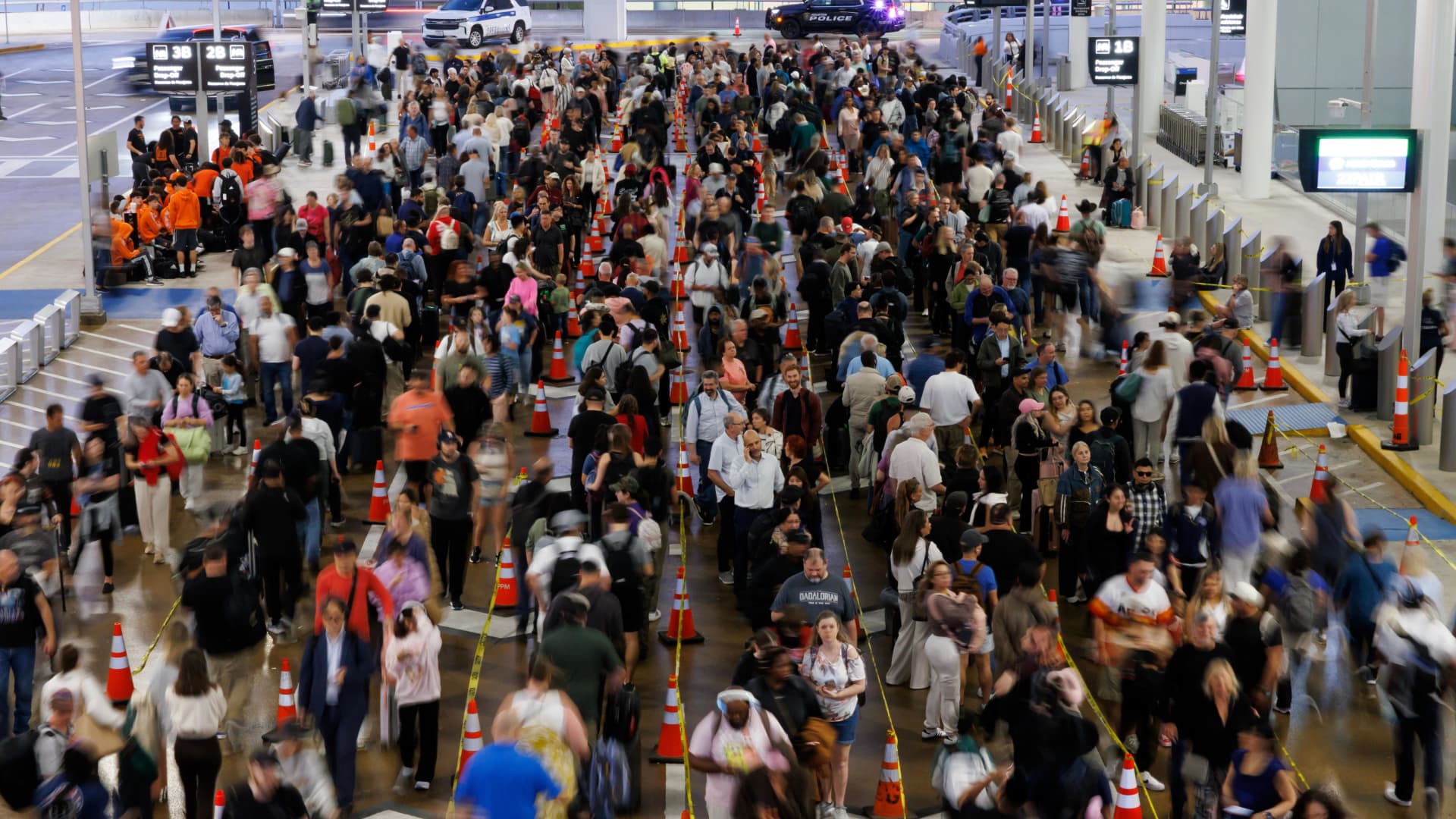
Travelers wait in line at a Transportation Security Administration (TSA) checkpoint at George Bush Intercontinental Airport (IAH) in Houston, Texas, US, on Thursday, March 26, 2026.
Mark Felix | Bloomberg | Getty Images
TOKYO/NEW YORK — Genevieve Price considers herself a great flight hacker.
The 35-year-old naturopathic doctor based in San Diego usually buys basic economy tickets when she visits her family in New Jersey and then uses her Alaska Airlines frequent flier status to pick a seat, something that’s usually not allowed for those no-frills fares.
“I like to travel a lot,” Price told CNBC at New York’s John F. Kennedy International Airport, where she was returning from Rome.
But Price said she has her limits, and is planning to cap the spending she does on future flights, such as no more than $900 to Rome, where her partner is from.
Consumers’ willingness to fly is being put to the test this spring as soaring fuel prices are leading to higher airfares. Cathay Pacific, SAS, Finnair and others are among the carriers that have already raised fares.
Travelers also have to contend with hourslong airport security lines in the U.S. because of the second government shutdown in half a year that’s hitting the Transportation Security Administration, leaving many frustrated.
Fuel and fares
Fuel at major U.S. airports was going for $3.98 on Wednesday, up nearly 60% since before the U.S. and Israel attacked Iran on Feb. 28.
The conflict has meant crisis for the aviation industry, particularly in the Middle East, where airspace closures have forced carriers to cancel flights and take longer and costlier routes.
Airlines will brief investors starting early next month on the longer-term impacts, but they immediately started raising airfare or increasing fuel surcharges on tickets to help cover the rising costs.
United Airlines CEO Scott Kirby told reporters at a company event in Los Angeles this week that airfare could go up 20% this year. Customers appear willing to keep booking even though carriers are passing those high fuel costs along to travelers, he added.
Other airlines have also said demand has held up.
Delta Air Lines CEO Ed Bastian told a JPMorgan industry conference earlier this month that demand has remained strong in recent weeks and that the airline is “well-positioned” to recapture the spike in fuel from its own sales.
U.S. airlines have seen solid demand for years. International travel has been a strong point, particularly for high-end leisure travel, which has brought so many visitors that governments from Japan to Spain have taken steps to reduce overtourism, while locals have protested.
But airline executives said they will prune flights if demand falls.
“We’re certainly going to be nimble in terms of capacity to make sure that supply and demand stay in balance,” American Airlines CEO Robert Isom said at the JPMorgan conference.
United, for its part, is preparing for fuel prices to remain elevated through next year and is cutting about 3 percentage points off of its capacity in off-peak travel times, like midweek and redeye flights, Kirby told employees this month.
Fares up
Some of the higher fares are already here.
Fares for flights across the Atlantic from the U.S. were going for $1,059, with three weeks advanced purchase, up 26.5% from the prior week, according to a Deutche Bank note on Monday.
Domestic routes, including transcontinental flights and flights to and from Hawaii, were also up, the report said.
Mary Jean Erschen-Cooke, a nurse from Cuba City, Wisconsin, who was setting out earlier this month from Tokyo on a 10-day trip through Japan with her husband, Paul, said she has a host of domestic U.S. family trips this year.
“We haven’t booked our flights, but we should,” she said, adding that she and her husband would consider driving for one of them. She noted that gasoline prices are also up, which will affect driving.
Security snarls
The TSA PreCheck line at terminal B in LaGuardia Airport in East Elmhurst, Queens, New York City, on March 27, 2026.
Leslie Josephs | CNBC
Along with higher airfare, travelers are facing challenges at airports this spring.
TSA officers have been working without regular pay since Feb. 14 because of an impasse in Congress over funding for the Department of Homeland Security. Nearly 500 TSA officers have quit, according to DHS and elevated call-outs have left airports short-staffed.
That’s led to long security lines at major airports around the U.S., including in Houston, New York, and Atlanta. Wait times have exceeded three hours in some locations — longer than some of the flights those airports offered — as lines have snaked through terminals and outside of airports.
Elizabeth Leddy, a 38-year-old classical pianist based in New York, said she flies several times a year. The long security lines, which were running nearly 90 minutes at LaGuardia Airport for TSA PreCheck flyers on Friday, could be a deterrent for her doing that in the future.
Leddy said that if the security line was three to four hours long, “I feel like I could just drive.”
DHS has blamed Democrats for the closure, which has become the longest partial shutdown in U.S. history. As of Friday afternoon, the Senate had passed a potential deal to end the shutdown, thought its fate was unclear.
President Donald Trump separately said he would sign an order to get the more than 50,000 TSA officers paid. TSA officers will start getting paychecks as early as Monday, DHS said Friday.
The Trump administration this week sent Immigration and Customs Enforcement officers to several U.S. airports, though DHS hasn’t specified what their duties are. ICE officers, who also sit under the DHS umbrella, are still getting paid during the partial shutdown.

ICE officers were seen at New York’s LaGuardia Airport on Friday morning watching security lines.
“Even if this manages to slightly reduce wait times (we’re still reading about terrible wait times, so we’re far from big improvement), ICE presence could cause some individuals to fear traveling and upset TSA workers not getting paid,” Bernstein said in a note on Thursday. “Seems possible passenger throughput softens over the coming days and TSA screening YoY growth for this week turns slightly negative.”

However, despite the overall slump, six stocks bucked the trend, delivering gains in the range of 20–105% over the same period. We also highlighted three newly added stocks in the December 2025 quarter, including Inox, WeWork Management, and Midwest. (Data Source: ACE Equity, Trendlyne)
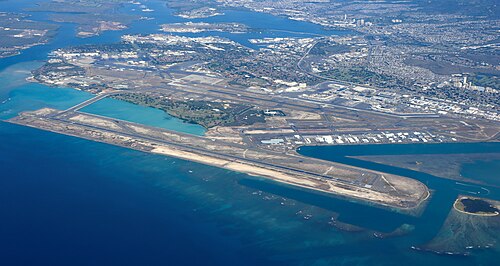
HONOLULU — Travelers inquiring about TSA wait times at Daniel K. Inouye International Airport (HNL) on Saturday, March 28, 2026, should anticipate standard security screening times averaging 20 to 35 minutes for most of the day, with peaks reaching up to 40 minutes during traditional morning and afternoon rushes, according to multiple real-time trackers.
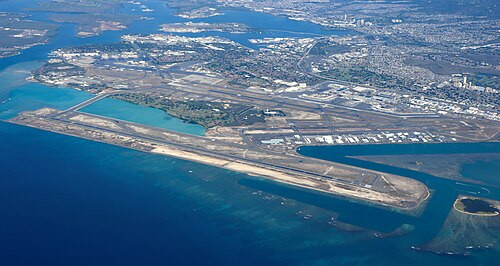
As Hawaii’s primary international gateway and a key tourism hub, HNL continues to manage elevated passenger volumes during the ongoing spring break season, compounded by recent weather-related disruptions that have strained operations in recent weeks. While not experiencing the multi-hour delays reported at some mainland airports amid broader TSA challenges, officials recommend arriving at least 90 minutes before domestic flights and 150 to 180 minutes for international departures to account for check-in, bag drop and potential lines.
Live data from trackers such as Takeoff Timer, FlightQueue and OnAirParking showed standard security waits fluctuating between 21 and 35 minutes as of Saturday morning into early afternoon, with TSA PreCheck lanes clearing significantly faster, often in 5 to 11 minutes. Some reports indicated shorter lulls dropping to under 10 minutes midday, while early morning hours between 6 a.m. and 8 a.m. saw the day’s highest estimates around 37 to 41 minutes. Afternoon surges around 2 p.m. to 4 p.m. also trended higher in historical patterns.
The airport’s main checkpoints in Terminal 1, including CP 1B (Makai) and CP 3, operate from approximately 4:15 a.m. to 11:30 p.m., with dedicated TSA PreCheck available during core hours. Additional checkpoints open as needed to handle demand. Some lanes at certain checkpoints have been reported closed or limited, contributing to variable flows on busy days.
Hawaii’s Department of Transportation (HDOT) has highlighted two major daily checkpoint surges at HNL: around 6 a.m. and between 9 a.m. and noon, with a smaller bump in the early evening around 7 p.m. On peak spring travel days, waits have occasionally stretched toward 90 minutes or more during these windows, though Saturday’s conditions appeared more moderate based on current reports. Inter-island and mainland departures remain the heaviest traffic drivers.
Recent severe weather systems, including heavy rain and strong winds, have added pressure through flight delays and cancellations earlier in March, indirectly affecting security line predictability as passengers reschedule or adjust plans. Spring break demand has pushed U.S. airlines toward record volumes nationwide, with Hawaii remaining a popular destination for families and leisure travelers seeking sunshine and beaches.
TSA PreCheck and CLEAR members benefit substantially at HNL, with expedited lanes providing a noticeable advantage during busier periods. Enrollment in these programs is particularly recommended for frequent visitors to the islands. Mobile Passport Control is encouraged for eligible international arrivals to help expedite customs and border processing, which has averaged around 40 to 42 minutes in recent reports.
The MyTSA app remains one of the best tools for crowd-sourced, real-time updates from fellow travelers, though users should cross-reference with third-party sites like Takeoff Timer or the airport’s official resources. HDOT and airport operators urge checking conditions 30 to 60 minutes before heading to the terminal, as flows can shift with flight banks or unexpected events.
Amenities at Daniel K. Inouye International Airport help ease the experience for those with extra time. The open-air design features Hawaiian cultural elements, local dining options ranging from poke bowls and plate lunches to coffee shops, and shopping highlighting island artisans. Free Wi-Fi, charging stations and family areas are available post-security. The airport’s compact layout makes gate access relatively straightforward once through screening.
Broader TSA operations have faced nationwide scrutiny in March 2026 due to staffing pressures linked to a partial government shutdown affecting federal agencies. While HNL has not reported the extreme multi-hour lines seen at some continental U.S. hubs, the situation underscores the importance of preparation. TSA officers at busy airports have dealt with higher call-out rates, leading to adjusted lane openings.
For departing passengers today, early morning and midday flights warrant the most conservative arrival planning. Those with flights before 10 a.m. or during afternoon peaks should factor in potential 30-plus minute security times plus standard check-in and bag drop. International travelers, especially on long-haul routes, benefit from even earlier arrival to navigate any immigration or customs nuances on return legs.
Airport officials emphasize that supply remains stable and operations are prioritized for safety and efficiency. No widespread staffing shortages unique to HNL were highlighted in recent advisories, though general spring travel volume has increased strain across Hawaii’s airports, including Kahului on Maui.
Practical tips for smoother passage through HNL security include preparing for the 3-1-1 liquids rule, wearing easily removable shoes, and having ID and boarding passes readily accessible on a mobile device or in hand. Prohibited items can trigger secondary screening and extend wait times. Families with children or travelers needing assistance can request accommodations through TSA Cares in advance.
As spring break continues into early April, passenger numbers are expected to remain robust before tapering. The airport’s role as a major transpacific hub means it handles diverse traffic, from leisure tourists to business travelers and military personnel, all contributing to daily rhythms.
Looking ahead, infrastructure improvements and potential staffing adjustments could help stabilize flows in coming months. For now, the message from HDOT and TSA is consistent: build in buffer time, monitor real-time tools and practice patience amid the aloha spirit that defines Hawaii travel.
In summary, TSA wait times at Daniel K. Inouye International Airport on Saturday, March 28, 2026, are running in the moderate 20- to 35-minute range for standard screening, with PreCheck offering quicker options. While conditions are manageable compared to recent national peaks, spring travel volume and occasional weather echoes make early arrival the smartest strategy.
Travelers can stay updated via the MyTSA app, official airport website (airports.hawaii.gov/hnl), or trackers like FlightQueue and Takeoff Timer. Safe travels to all departing from or arriving at Honolulu today — and enjoy the islands’ beauty once through the checkpoint.


My approach mixes long-term conviction holdings with tactical sector rotations, driven by the belief that investing isn’t about being right, it’s about making money. I focus on undercovered opportunities and momentum-driven sectors. All views are my own and not financial advice.
Analyst’s Disclosure: I/we have no stock, option or similar derivative position in any of the companies mentioned, and no plans to initiate any such positions within the next 72 hours. I wrote this article myself, and it expresses my own opinions. I am not receiving compensation for it (other than from Seeking Alpha). I have no business relationship with any company whose stock is mentioned in this article.
Seeking Alpha’s Disclosure: Past performance is no guarantee of future results. No recommendation or advice is being given as to whether any investment is suitable for a particular investor. Any views or opinions expressed above may not reflect those of Seeking Alpha as a whole. Seeking Alpha is not a licensed securities dealer, broker or US investment adviser or investment bank. Our analysts are third party authors that include both professional investors and individual investors who may not be licensed or certified by any institute or regulatory body.


I hold a Master’s degree in Cell Biology and began my career working for several years as a lab technician in a drug discovery clinic, where I gained extensive hands-on experience in cell culture, assay development, and therapeutic research. That scientific foundation gave me an appreciation for the rigor and challenges behind drug development, which I now bring into my work as an investor and analyst. For the past five years, I have been active in the investing space, with the last four years dedicated to working as a biotech equity analyst alongside my lab work. My focus is on identifying promising biotechnology companies that are innovating in unique and differentiated ways, whether through novel mechanisms of action, first-in-class therapies, or platform technologies with the potential to reshape treatment paradigms. By combining my lab-based scientific expertise with financial and market analysis, I aim to deliver research that is both technically sound and investment-driven. On Seeking Alpha, I plan to write primarily about the biotech sector, covering companies at different stages of development, from early clinical pipelines to commercial-stage biotechs. My approach emphasizes evaluating the science behind drug candidates, the competitive landscape, clinical trial design, and the potential market opportunity, all while balancing financial fundamentals and valuation. My goal in publishing here is to share some insights that help investors better understand both the opportunities and of course the many risks in biotech. This is a sector where breakthrough science can translate into outsized returns, but also where careful scrutiny is essential. I look forward to contributing thoughtful analysis and engaging with readers who share an interest in this dynamic and rapidly evolving space.
Analyst’s Disclosure: I/we have no stock, option or similar derivative position in any of the companies mentioned, and no plans to initiate any such positions within the next 72 hours. I wrote this article myself, and it expresses my own opinions. I am not receiving compensation for it (other than from Seeking Alpha). I have no business relationship with any company whose stock is mentioned in this article.
Seeking Alpha’s Disclosure: Past performance is no guarantee of future results. No recommendation or advice is being given as to whether any investment is suitable for a particular investor. Any views or opinions expressed above may not reflect those of Seeking Alpha as a whole. Seeking Alpha is not a licensed securities dealer, broker or US investment adviser or investment bank. Our analysts are third party authors that include both professional investors and individual investors who may not be licensed or certified by any institute or regulatory body.
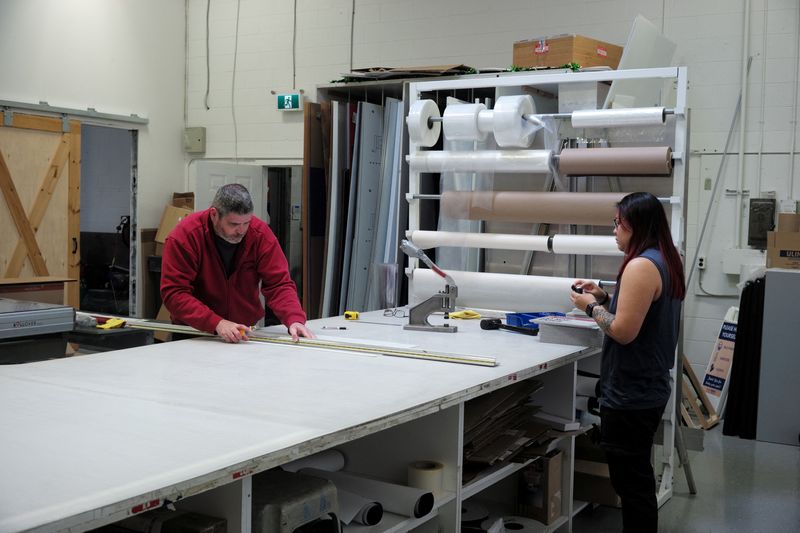

On Canada’s tariff frontline, business stalls over US trade deal jitters

A company of Manulife Investment Management, John Hancock Investment Management serves investors through a unique multimanager approach, complementing our extensive in-house capabilities with an unrivaled network of specialized asset managers, backed by some of the most rigorous investment oversight in the industry. The result is a diverse lineup of time-tested investments from a premier asset manager with a heritage of financial stewardship. Note: This account is not managed or monitored by John Hancock Investment Management, and any messages sent via Seeking Alpha will not receive a response. For inquiries or communication, please use John Hancock Investment Management’s official channels.


I am Gen Alpha. I have more than 14 years of investment experience, and an MBA in Finance. I focus on stocks that are more defensive in nature, with a medium- to long-term horizon. I provide high-yield, dividend growth investment ideas in the investing group iREIT®+HOYA Capital. The group helps investors achieve dependable monthly income, portfolio diversification, and inflation hedging. It provides investment research on REITs, ETFs, closed-end funds, preferreds, and dividend champions across asset classes. It offers income-focused portfolios targeting dividend yields up to 10%. Learn more.
Analyst’s Disclosure: I/we have a beneficial long position in the shares of FRT either through stock ownership, options, or other derivatives. I wrote this article myself, and it expresses my own opinions. I am not receiving compensation for it (other than from Seeking Alpha). I have no business relationship with any company whose stock is mentioned in this article.
I am not an investment advisor. This article is for informational purposes and does not constitute as financial advice. Readers are encouraged and expected to perform due diligence and draw their own conclusions prior to making any investment decisions.
Seeking Alpha’s Disclosure: Past performance is no guarantee of future results. No recommendation or advice is being given as to whether any investment is suitable for a particular investor. Any views or opinions expressed above may not reflect those of Seeking Alpha as a whole. Seeking Alpha is not a licensed securities dealer, broker or US investment adviser or investment bank. Our analysts are third party authors that include both professional investors and individual investors who may not be licensed or certified by any institute or regulatory body.
Available for over a year
It’s a tough time for any young person looking for a job at the moment. While overall unemployment is running at just over 5 percent, there’s particular concern about a large group of 16 to 24 year olds – almost a million of them (12.8%) who are not in employment, education or training. And that includes recent graduates in that age bracket. They’re known as NEETS. David Aaronovitch and guests discuss why they’re in this situation – is it down to the state of the economy, their own ability to work or that ever present fear – AI?
Guests:
Jack Kennedy, Senior Economist, Indeed Hiring Lab
Lindsay Judge, Research Director, The Resolution Foundation
Xiaowei Xu, Senior Research Economist, Institute for Fiscal Studies.
John Burn-Murdoch, Chief Data Reporter, The Financial Times
Presenter: David Aaronovitch
Producers: Caroline Bayley, Nathan Gower, Kirsteen Knight
Production Co-ordinator: Maria Ogundele
Sound Engineer: James Beard
Editor: Richard Vadon
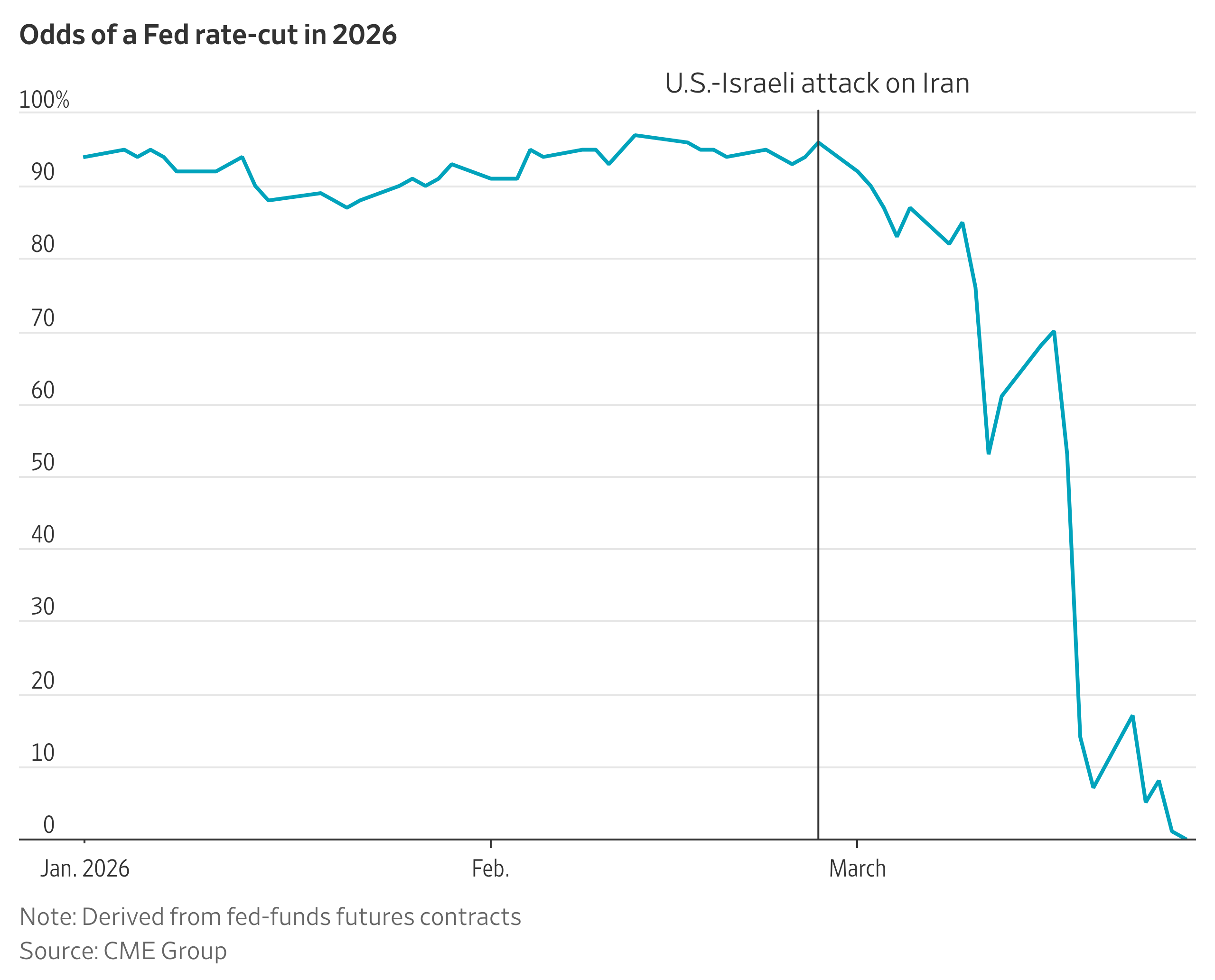
Financial markets have fully abandoned bets on rate cuts from the Federal Reserve this year, with the war in the Middle East set to drive up inflation.
Derivatives markets show zero odds of a rate cut this year, down from 1.3% on Thursday, according to CME Group data. Markets are pricing a 54% chance of at least one hike.
The energy price shock unleashed by the conflict has dramatically altered the outlook for central banks around the world, which now face both higher inflation and slower growth. As disruptions to energy markets grow, so do the risks that inflation pressure spill over into broader price pressures.

I had breakfast at a former RAF base used as an operations hub in World War Two

Pricy airfare, airport chaos test travelers

Where Is Bitcoin’s Bottom After a 53% Decline? On-Chain Data and Historical Cycles Have the Answer


-
 NewsBeat3 days ago
Manchester United reach agreement with Casemiro over contract clause amid transfer speculation
-

 News Videos2 days ago
Parliament publishes latest register of MPs’ financial interests
-

 Crypto World7 days ago
Best Crypto to Buy Now: Strategy Just Spent $1.57 Billion on Bitcoin During Fear While Early Investors Quietly Enter Pepeto for 150x Potential
-

 Crypto World7 days ago
Bitcoin Price News: Bhutan Sells $72 Million in BTC Under Fiscal Pressure, but the Smart Money Entering Pepeto Sees What the Market Does Not
-

 Sports5 days ago
Remo Stars and Kano Pillars Strengthen Survival Hopes in NPFL
-

 Sports5 days ago
Gary Kirsten Accuses Pakistan Cricket Board Of ‘Interference’, Mohsin Naqvi Responds
-

 Business6 days ago
No Winner in March 21 Drawing as Prize Rolls to $133 Million for Next
-

 Tech6 days ago
Give Your Phone a Huge (and Free) Upgrade by Switching to Another Keyboard
-

 Tech6 days ago
AI enters the chat: New Seattle dating app relies on tech to facilitate meaningful human connections
-

 News Videos5 days ago
Ch 9 Financial Management Part 1 | Detailed One Shot | Class 12 Business Studies Boards 2026
-

 Tech7 days ago
Today’s NYT Connections Hints, Answers for March 22 #1015
-

 Business2 days ago
Instagram, YouTube Found Responsible for Teen’s Mental Health Struggle in Historic Ruling
-

 Business6 days ago
Will Duke Basketball Win It All? Duke Basketball Enters Second Round as Third Favorite to Claim NCAA Title
-

 Sports5 days ago
2026 Kentucky Derby horses, odds, futures, preview, date: Expert who hit 12 Derby-Oaks Doubles enters picks
-

 NewsBeat15 hours ago
The Story hosts event on Durham’s historic registers
-
 NewsBeat6 days ago
Update on Wisbech river crash as search for teenage boy enters fifth day
-
 Entertainment5 days ago
Cynthia Bailey Dishes on ‘RHOA’ Season 17, Discusses Kandi
-

 Tech5 days ago
Samsung will soon let you control smart home devices from your car’s dashboard
-
 NewsBeat3 days ago
Tesco is selling new Cadbury Dairy Milk bar and people can’t wait to try it
-

 Tech7 days ago
SteamOS update adds support for Steam Machine and other non-Valve hardware
You must be logged in to post a comment Login