
Connect with us
DAPA Banner

NewsBeat

Virtual replicas of patients’ hearts help doctors tackle irregular heartbeat

Published

on

Virtual replicas of patients' hearts help doctors tackle irregular heartbeat

WASHINGTON (AP) — Scientists created virtual replicas of patients’ diseased hearts so precise that blocking a dangerous irregular heartbeat in these digital “twins” showed doctors how to better treat the real thing.

One of the first clinical trials of these custom models suggests it might improve care for ventricular tachycardia, a notoriously difficult-to-treat arrhythmia that is a major cause of sudden cardiac arrest, blamed for about 300,000 U.S. deaths a year.

The study, by researchers at Johns Hopkins University, was a small first step. The Food and Drug Administration allowed the digital twin technology to guide treatment for just 10 patients, and much larger studies will be needed.

But the results reported Wednesday in the New England Journal of Medicine come as doctors increasingly are exploring how a technology long used in aerospace and other industries might be harnessed for better health, too.

Advertisement

Dr. Jeffrey Goldberger, a heart specialist at the University of Miami who wasn’t involved with the study, experimented with more rudimentary iterations 15 years ago and praised the new findings. “This is what we envisioned,” he said.

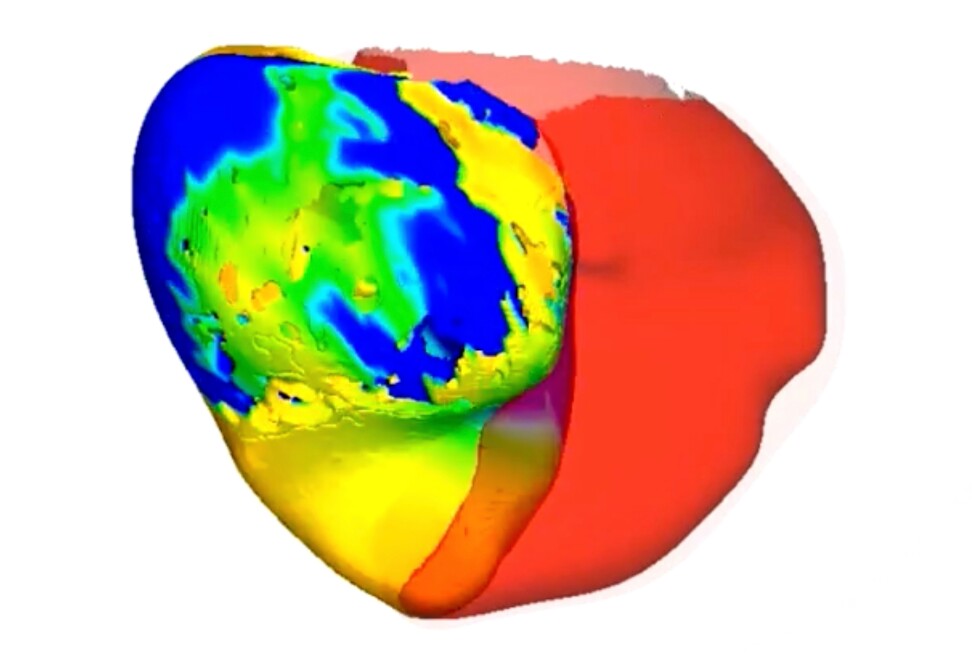
Doctors have long used 3D models, both physical and computer-generated ones, to simulate disease and practice techniques. But Hopkins biomedical engineer Natalia Trayanova said true digital twins predict how a real organ can react to different treatments. Her lab is pioneering colorful interactive models developed with an advanced MRI scan and other data from each patient.

“We treat the twin before we treat the patient,” Trayanova said. “Did it work? And if it did, are there new things that arise” that will require more or different care?

The heart’s electrical system powers our heartbeat. Ventricular tachycardia is a super-fast heartbeat triggered when an electrical wave short-circuits in the organ’s bottom chambers, the ventricles, and prevents them from pumping blood out to the body.

Advertisement

“You see this heart that is basically quivering,” Trayanova said.

Medication can help but the main treatment is ablation, when doctors thread catheters to the heart to burn misfiring tissue. But it’s a bit trial-and-error, as patients spend hours under anesthesia while doctors determine where to aim. Repeat ablations are common, and many patients have an implanted defibrillator as backup.

Enter Trayanova’s digital twins of patients’ ventricles. Colors swirl on a computer screen – blue, green, yellow and orange – showing how the heart’s electrical wave moves across the chamber’s healthy areas before getting stuck on damaged tissue. It’s trapped in a circular motion that she compares to the swirl of a hurricane.

“It allows me to recreate the functioning of the patient’s organ and then predict what is the best way to ablate,” she said.

Advertisement

The technology locates a dysfunctional region where the electrical wave repeatedly hits. Virtually ablating it will show if that solves the problem or if another arrhythmia forms that also will need zapping. “Then we poke it again,” she explained.

Trayanova’s team created customized ablation targets for each of the 10 study participants. Cardiologists transferred them to a mapping system they use as a guide and aimed just at those targets instead of hunting their own.

More than a year later, eight patients had no arrhythmias while two experienced only a single brief episode while they were healing — better than the treatment’s typical 60% success rate, said Dr. Jonathan Chrispin, a Hopkins cardiologist and the study’s lead author. All but two also stopped their anti-arrhythmia medicine.

More importantly, cardiologists may burn away less tissue by targeting “specifically the areas that we think are critically important,” Chrispin said. “We could potentially make these procedures shorter, safer, more effective.”

Advertisement

The Hopkins team hopes to study the digital twin approach in a larger study with other hospitals, and has begun a trial using it to treat a more common type of irregular heartbeat called atrial fibrillation. Other researchers are studying digital twins for cancer care.

___

The Associated Press Health and Science Department receives support from the Howard Hughes Medical Institute’s Department of Science Education and the Robert Wood Johnson Foundation. The AP is solely responsible for all content.

Advertisement

Source link

Continue Reading
Click to comment

You must be logged in to post a comment Login

Leave a Reply

NewsBeat

Magnitude 7.6 earthquake strikes Indonesia triggering tsunami warnings

Published

on

Manchester Evening News

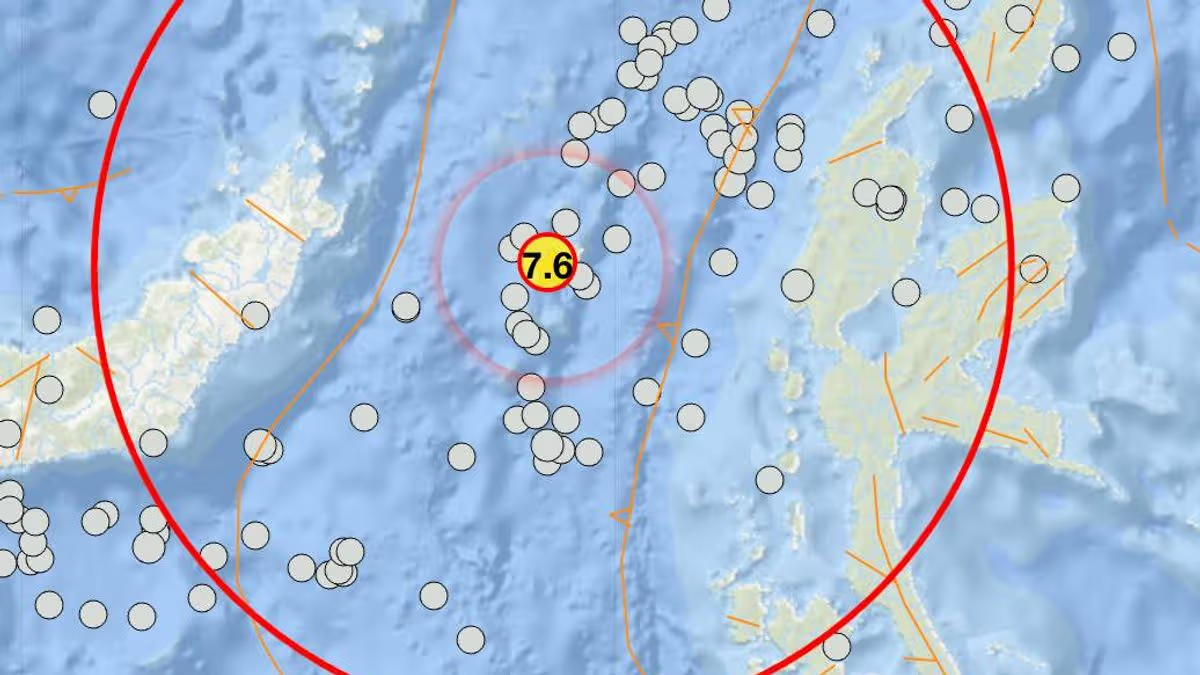
The US Geological Survey (USGS) said that the quake, which has since been downgraded to a magnitude of 7.6, struck at 6.48am local time at a depth of 35km

A powerful 7.6-magnitude earthquake has struck Indonesia, triggering a tsunami warning.

The tremor hit the Northern Molucca Sea on Thursday (2 April), according to the US Geological Survey (USGS), with a US monitoring centre issuing an alert cautioning of potential “hazardous tsunami waves” within 1,000km of the quake’s epicentre.

Advertisement

The earthquake, which has since been downgraded to a magnitude of 7.6, struck at 6.48am local time at a depth of 35km. Its epicentre was 127 kilometres (79 miles) west-northwest of Ternate, in the archipelago’s North Maluku province, which has a population of over 205,000, according to USGS.

Ensure our latest headlines always appear at the top of your Google Search by making us a Preferred Source. Click here to activate or add us as your Preferred Source in your Google search settings.

The Hawaii-based Pacific Tsunami Warning Center confirmed that hazardous tsunami waves were possible “within 1,000km of the epicentre” along the coastlines of Indonesia, the Philippines and Malaysia. USGS also cautioned that tsunami waves reaching between 0.3 metres and one metre (3.2ft) above tide level were possible along parts of the Indonesian coastline, reports the Mirror.

In additional guidance, the US tsunami warning system predicted waves of less than 30 centimetres above tide level for the coastlines of Guam, Japan, Malaysia, Papua New Guinea, the Philippines, and Taiwan. Japan’s meteorological agency also noted that “slight sea level changes” may be observed along the nation’s coastline, though no tsunami damage was anticipated.

Advertisement

Australia’s Bureau of Meteorology confirmed there was no tsunami threat to the Australian mainland, nor to its islands or territories.

Indonesia, a sprawling archipelago of islands home to more than 280 million people, sits atop major seismic fault lines and is frequently struck by earthquakes and volcanic eruptions due to its location on the Ring of Fire, a 40,000-kilometre (25,000-mile) horseshoe-shaped belt encircling the Pacific Ocean. The Ring of Fire accounts for 75% of the world’s volcanoes and 90% of its earthquakes.

In 2022, a shallow 5.6-magnitude tremor claimed the lives of more than 600 people in West Java’s Cianjur city, making it the deadliest earthquake in Indonesia since a 2018 quake and tsunami in Sulawesi killed more than 4,300 people.

In 2004, a devastating Indian Ocean earthquake triggered a Boxing Day tsunami that killed more than 230,000 people across a dozen countries, with the vast majority of victims in Indonesia’s Aceh province.

Advertisement

Source link

Continue Reading

NewsBeat

BBC Host Accuses Minister Of Patronising Response To Energy Fears

Published

on

BBC Host Accuses Minister Of Patronising Response To Energy Fears

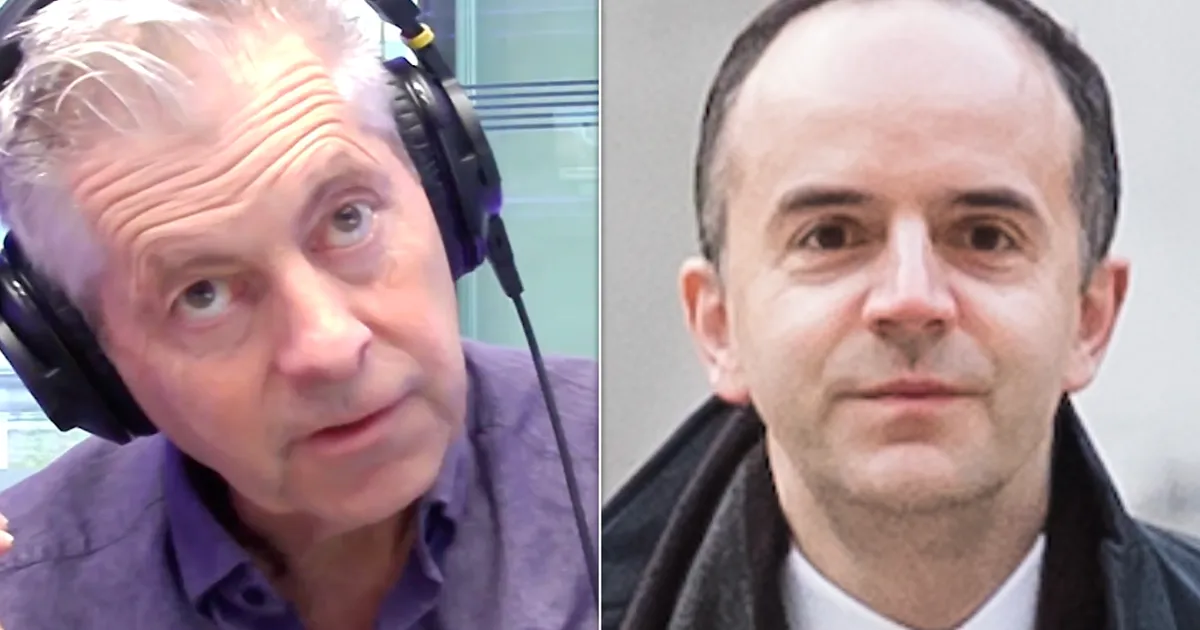
A BBC presenter has suggested a minister was “patronising” the general public by downplaying concerns around energy prices.

The Iranians continue to limit the number of oil tankers which can travel through the Strait of Hormuz, a major shipping lane, in retaliation to the US-Israeli strikes.

This has caused wholesale energy prices to climb, meaning fuel is becoming more expensive.

Household energy bills are not yet increasing in line with the crisis in the Middle East but are expected to go up later in the year as a result.

Advertisement

The energy price cap, which was announced by Ofgem before the Iran war began, will see costs fall between April and the end of June – but that will change again in July.

However, the chief secretary to the Treasury James Murray told the BBC the public should remain calm for now.

Asked if it was time for the government to encourage the public to engage in personal rationing, the minister said: “No, I think people should go about their lives as normal, knowing the government is taking action to bring energy bills down.

“I think a lot of people will be seeing the news from the Middle East, will see the instability and uncertainty and might be worried about what is going to happen to energy bills in the months ahead.”

Advertisement

He pointed out that the energy price cap will be in place for the next three months, which gives the government time to make “contingency plans” – though he did not disclose exactly what that might mean.

But Radio 4 Today presenter Justin Webb said: “Isn’t it a bit patronising to say to people, no don’t worry, carry on, we’ll sort all of this out?

“They can see perfectly well, can’t they, that this is a real proper crisis and there will have to be things done which are painful.

“It will make us poorer. It’s reasonable, isn’t it, for them to ask you to be straight with them about it?”

Advertisement

“I think we’re being straight is saying we honestly don’t know how long this conflict is going to go on,” Murray replied.

Webb asked: “Are you saying it is possible then, if for some reason it ends tomorrow – which doesn’t seem at all likely – that we just go back to normal?”

Murray admitted: “I think it’s clear that what is happening in the Middle East now will have an impact on our economy. It’s already having an impact on prices of energy and fuel.”

When Webb pointed out that economists have already warned the government may not be able to afford offering support for household energy bills, Murray said: “What I think is certainly true is we need to learn the lessons from past interventions.”

Advertisement

The government is widely expected to unveil targeted help for the households most in need later this year, rather than the universal support announced by the Tories during the previous cost of living crisis.

Listen to the latest episode of Commons People, the podcast that makes politics easy. Every week, our resident politics writers and Westminster regulars – Kevin Schofield and Kate Nicholson – unpack the week’s biggest story in a way that even the most politically dense can understand. Join us for straightforward, up-to-date and in-depth commentary on British politics from people in the know!

Source link

Advertisement
Continue Reading

NewsBeat

What Is ‘Transvestigating’?

Published

on

What Is ‘Transvestigating’?

!function(n){if(!window.cnx){window.cnx={},window.cnx.cmd=[];var t=n.createElement(‘iframe’);t.display=’none’,t.onload=function(){var n=t.contentWindow.document,c=n.createElement(‘script’);c.src=”//cd.connatix.com/connatix.player.js”,c.setAttribute(‘async’,’1′),c.setAttribute(‘type’,’text/javascript’),n.body.appendChild(c)},n.head.appendChild(t)}}(document);(new Image()).src=”https://capi.connatix.com/tr/si?token=19654b65-409c-4b38-90db-80cbdea02cf4″;cnx.cmd.push(function(){cnx({“playerId”:”19654b65-409c-4b38-90db-80cbdea02cf4″,”mediaId”:”3c21f4be-9142-4c83-a2bf-3cbd316eb702″}).render(“69cc0f42e4b01f52788b53e2”);});

Source link

Continue Reading

NewsBeat

BBC journalist reacts to Artemis II launch

Published

on

BBC journalist reacts to Artemis II launch

As Artemis II blasted off on its historic mission to the Moon, BBC Science Editor Rebecca Morelle was watching from just three miles away.

‘That is spectacular!’, she said, noting that you ‘can actually feel the force’ of the launch physically.

The rocket, the most powerful ever built by Nasa, is carrying the first crewed mission to the Moon in more than 50 years.

Follow along with the BBC’s live coverage of the launch here.

Advertisement

Source link

Continue Reading

NewsBeat

Autism isn’t something that needs to be fixed, it’s part of who I am

Published

on

Belfast Live

The charity is calling on people across Northern Ireland to support its message, ‘Be Kind to Different Minds’

A Co Antrim schoolgirl has spoken out on World Autism Day, saying she is proud to be autistic and that it’s not something that needs to be ‘fixed’.

Advertisement

Emily McCreedy, aged 11, from Belfast, said she doesn’t see her autism as a limitation but rather something that makes her unique.

She said: “To me, being autistic means I experience the world differently, and that’s something to be proud of. Not everyone has to be the same, and those differences should be valued.

READ MORE: Inside Northern Ireland’s first sensory-friendly hair salon championing inclusive community servicesREAD MORE: Co Down playgroup a lifeline for parents navigating developmental delay with children

“Since my diagnosis, I’ve received more support at school and through Autism NI, which has made a big difference to my life.

Advertisement

Emily added: “Autism isn’t something that needs to be fixed, it’s part of who I am. I’m creative and kind, and with the right support, I feel safe, accepted, and proud to be autistic.”

Autism NI is marking World Autism Day by urging people right across Northern Ireland to back its campaign message, ‘Be Kind to Different Minds’. With over 35,000 autistic individuals living in Northern Ireland, the organisation is encouraging everyone to acknowledge, celebrate and demonstrate genuine support for the autistic community.

Kerry Boyd, CEO of Autism NI, adds: “This World Autism Day, we are asking the public to get behind our message, ‘Be Kind to Different Minds’. We want to build a greater understanding of autism, promote acceptance, and create a more inclusive society, but we cannot do this alone.

“Autistic people may face challenges, many of which are not visible to others. This reinforces the message that autism is a dynamic disability, and everyone’s experience is different.

“Through this campaign, we want to encourage people to deepen their understanding of autism and recognise how this can lead to meaningful changes in empathy, respect and inclusion.

“Whether at home, in school, or throughout April, Autism NI will be delivering a variety of activities and campaigns, offering chances for individuals to participate and demonstrate their support.

“Autism NI delivers essential services for autistic individuals and their families right across Northern Ireland and continues to advocate for improved understanding and acceptance of autism within society.”

Advertisement

To discover more about how to participate, visit https://autismni.org/get-involved/world-autism-month

For all the latest news, visit the Belfast Live homepage here and sign up to our daily newsletter.

Source link

Advertisement
Continue Reading

NewsBeat

HMRC tax warning many don’t understand new April 2026 rules

Published

on

HMRC tax warning many don't understand new April 2026 rules

New rules under Making Tax Digital for Income Tax come into force from April 6, requiring many self-employed workers and landlords to keep digital records and submit updates to HMRC throughout the year.

But research suggests a large number are unprepared and increasingly anxious.

A study by FreeAgent found:

  • Less than half feel confident they will be ready
  • Only 39 percent say they fully understand the rules
  • One in five do not know what is required
  • More than one in ten have lost sleep over the changes

The reforms will initially affect more than 850,000 sole traders and landlords earning over £50,000, with millions more set to follow in the coming years.

Concerns go beyond understanding the rules, with many worried about the consequences of getting it wrong.

Advertisement
  • 47 percent fear being fined or penalised
  • 17 percent admit avoiding letters or emails about the changes
  • Nearly half say they feel confused or anxious about the system

Some are even reconsidering their future:

  • 23 percent are thinking about leaving self-employment
  • 28 percent say they may take on less work

According to Oliver Harcourt from Taxfix, the scale of confusion is a major concern.

He said hundreds of thousands are heading into the changes without a clear understanding, adding that the reforms risk making tax feel like a second job for many.

Dominic Littlewood has teamed up with accountancy software company, Free Agent to help small businesses and landlords prepare for Making Tax Digital, as new data shows one in seven have considered retiring ahead of the April roll out. (Image: Free Agent)

What the new tax rules actually mean

Despite widespread confusion, the changes are about how tax is reported, not how much is paid.

Key points include:

  • You will still need to submit an annual tax return
  • Quarterly updates are summaries, not full tax returns
  • The rules do not mean you will pay more tax
  • Digital record keeping and approved software will be required

However, fewer than four in ten correctly understand the need for digital records, and only a third know they must use HMRC-recognised software.

Dominic Littlewood, working with FreeAgent, said the scale of the change explains why so many are worried.

Advertisement

He described Making Tax Digital as the biggest shake-up to tax submissions in two decades but stressed it does not have to be overwhelming.

He said many sole traders are asking the same questions about bookkeeping and potential fines, and need clear, simple guidance to stay compliant.

The rollout begins next week for higher earners but will expand:

  • Over £50,000 income from April 2026
  • Over £30,000 from April 2027
  • Over £20,000 from April 2028

In total, around 2.9 million people are expected to be affected.

Experts warn that without better awareness and preparation, confusion could lead to mistakes, penalties and added pressure on small businesses already dealing with rising costs.

Advertisement

Source link

Continue Reading

NewsBeat

Artemis II system fault repaired as launch ‘all systems go’

Published

on

Daily Record

On Wednesday night, the BBC reported that pre-launch testing revealed a fault in the rocket’s flight termination system

The Artemis II mission had reportedly encountered an issue that could delay its scheduled launch.

On Wednesday night, the BBC reported that pre-launch testing revealed a fault in the rocket’s flight termination system. This system is critical for safety, designed to destroy the rocket mid-flight if it veers off course, ensuring it does not pose a danger to people on the ground.

Derrol Nail, a NASA commentator in the launch control room, explained that the termination system must be fully operational before launch. If any part of the rocket goes wrong during ascent, the launch abort system will lift the Orion capsule and its astronauts to safety, while the flight termination system would destroy the rocket to prevent it from entering populated areas.

Advertisement

Ground controllers are currently facing a communication issue with the system, which has prevented them from fully testing the hardware ahead of launch. Engineers are attempting to resolve the problem using equipment originally designed to communicate with the Space Shuttle.

However, NASA engineers confirmed that the fault had since been fixed and ‘all systems are now go’.

The launch could take place tonight starting in a two hour window from 11.24pm GMT, at the Kennedy Space Centre in Florida.

Source link

Advertisement
Continue Reading

NewsBeat

Little boy disappears with brother as cops launch desperate hunt to find them

Published

on

Daily Record

Mason, 12, and Casper, eight, have been missing for the majority of the night and police say concern is growing.

A pair of brothers have gone missing from a Scots town this evening, with one without vital medication. Mason, 12, and Casper, eight, were last seen between 6pm and 6.20pm in Springbank, Meethill in Peterhead, Aberdeenshire.

It is not known where they headed or why they left without speaking to their family. Mason takes daily medication which he doesn’t appear to have with him.

Police Scotland have issued an urgent appeal to get to the bottom of their whereabouts. Mason is white, 4ft 10 in height, and is of a slim build and has blond hair. He’s wearing a coat that is blue on top and has a white and grey camouflage pattern on the bottom.

Advertisement

Casper is also White. He is approximately 4ft and of a slim build. He’s wearing a black Nike coat, grey tracksuit bottoms, and black shoes.

Cops say concern for the brothers is growing, particularly for Mason as he doesn’t have access to his medication. The force has been checking with local transport firms and loves ones but no one has seen or heard from them.

Anyone with any information on where they are is being asked to come forward.

Advertisement

Inspector Stuart Hillman said: “Obviously the worry is for Mason, to make sure he is able to access his medication. Casper is very young, they both are, so we want to find them to make sure all is well and that they are safe.

“If you have seen them at all this evening, or have any information that will assist our enquiries, then please call police via 101 quoting incident number 2776 of Wednesday, 1 April 2026.

“We have been checking with local bus and travel companies, friends and family, and indeed in the area they live, but so far no one has seen or heard from them.”

Get more Daily Record exclusives by signing up for free to Google’s preferred sources. Click HERE.

Source link

Advertisement
Continue Reading

NewsBeat

DHS scraps Noem’s controversial $100K approval policy

Published

on

DHS scraps Noem’s controversial $100K approval policy

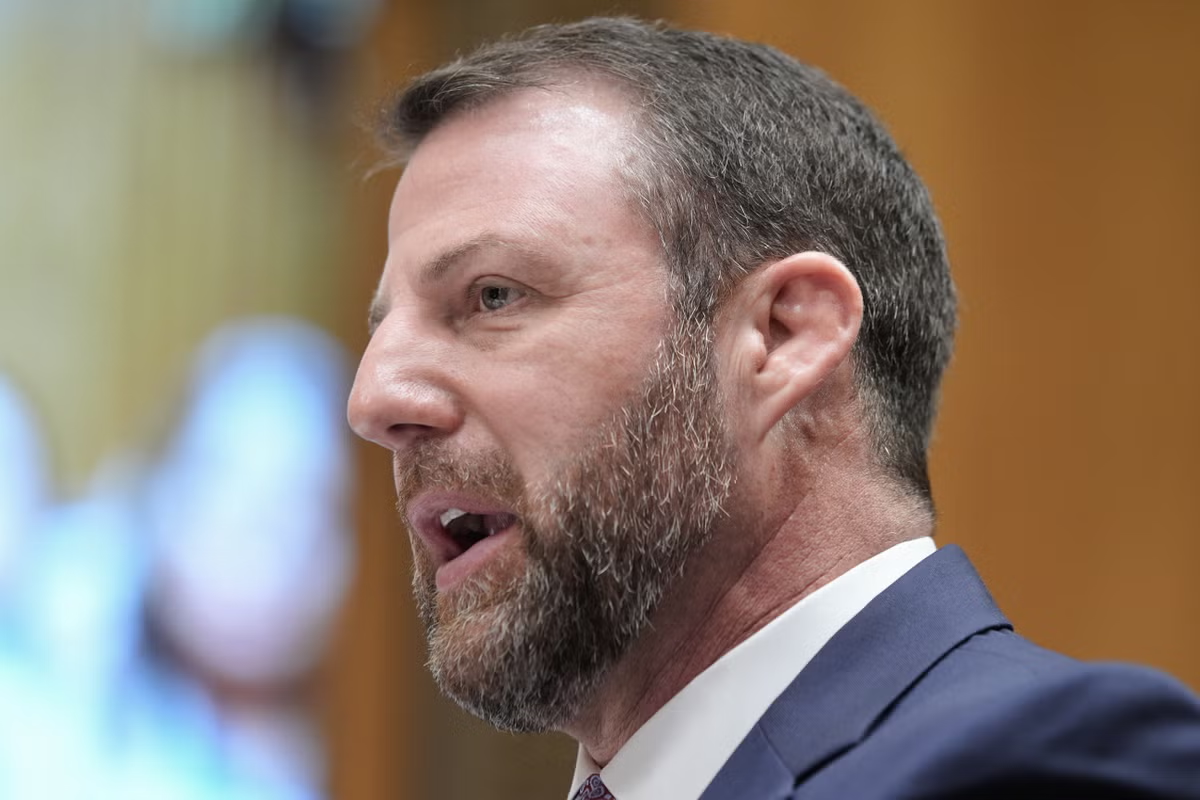
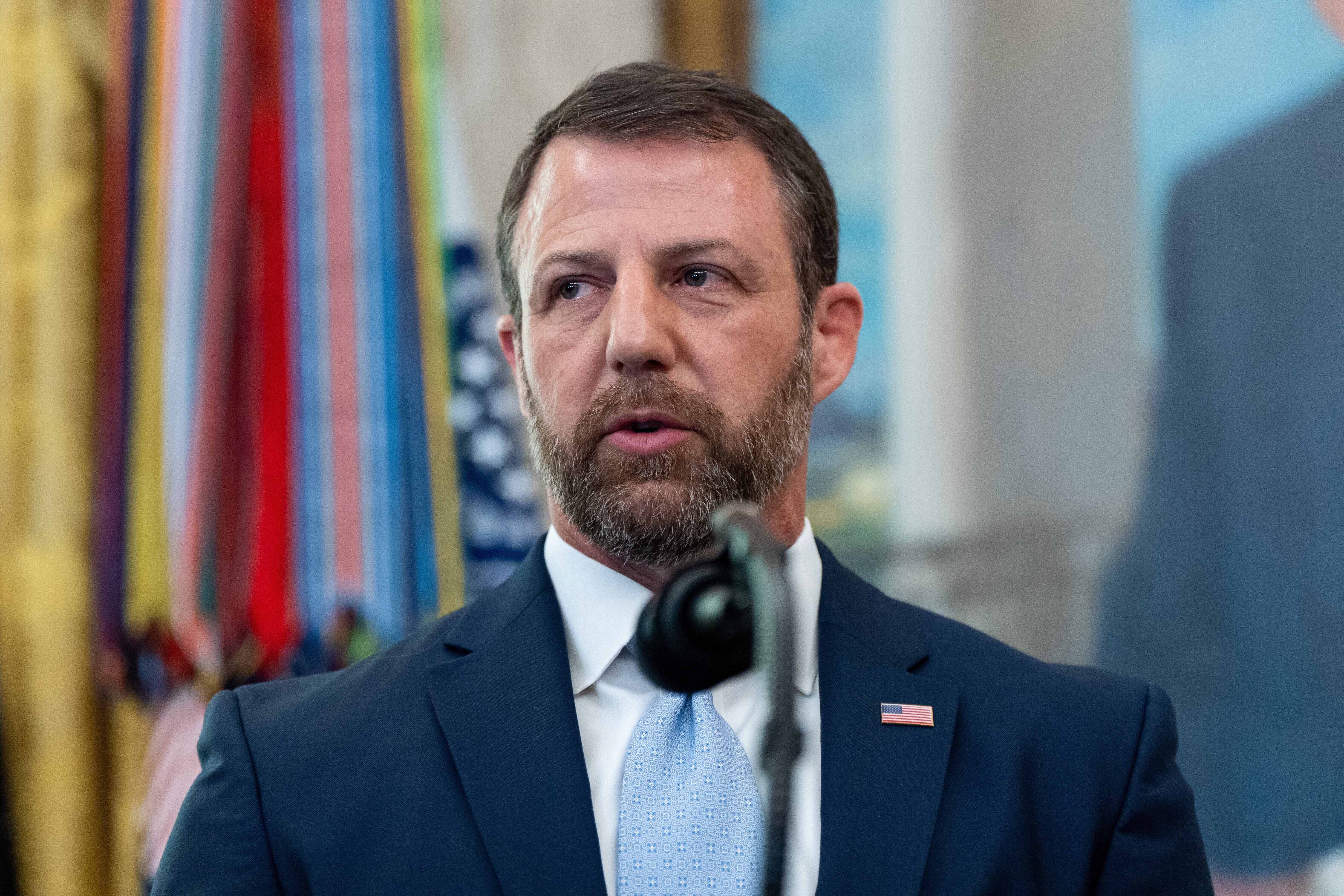
Homeland Security Secretary Markwayne Mullin has rescinded a widely criticized spending rule, ending a policy that required his office to personally approve all departmental expenditures over $100,000. Implemented by his predecessor Kristi Noem, the directive was widely criticized for burdening the Federal Emergency Management Agency’s (FEMA) disaster response and recovery work.

The decision marks the first major action by the new Homeland Security leader, sworn in last week, to change a policy implemented by Noem, whom President Donald Trump fired in March. Mullin’s move is expected to ease a spending bottleneck that lawmakers and states said delayed disaster response and recovery funds, though those impacts are unlikely to be widely felt until after the end of the DHS shutdown, now in its 46th day.

A DHS spokesperson confirmed Mullin rescinded the rule Wednesday, telling The Associated Press the secretary “re-evaluated the contract processes to make sure DHS is serving the American taxpayer efficiently.” CBS News first reported Mullin’s decision.

Implemented by Kristi Noem, the directive was widely criticized for burdening the Federal Emergency Management Agency’s (FEMA) disaster response and recovery work
Implemented by Kristi Noem, the directive was widely criticized for burdening the Federal Emergency Management Agency’s (FEMA) disaster response and recovery work (AP Photo/Alex Brandon)

The spokesperson said Mullin’s action will streamline the contracting process and allocate aid more efficiently.

The International Association of Emergency Managers praised Mullin’s decision. “We appreciate Secretary Mullin’s common-sense approach to this matter, and we look forward to working with him,” said Josh Morton, president of IAEM-USA.

Advertisement

Noem issued a directive last June requiring that she personally approve any Department of Homeland Security expenditure over $100,000. Critics said the rule undermined FEMA in particular, an agency that routinely issues contracts and reimbursements well over that amount in its work preparing for and responding to natural and manmade disasters across the U.S.

The policy created “an untenable situation for emergency managers,” Morton said, and a bottleneck that also hindered mitigation and preparedness programs, “putting Americans at increased risk from disasters.”

A recently released report by Democratic members of the Senate Homeland Security and Governmental Affairs Committee found the approval rule had delayed at least 1,000 FEMA contracts, grants or disaster reimbursements by September.

The policy came under scrutiny after news reports linked it to unstaffed call centers and delays deploying FEMA Urban Search and Rescue teams to Texas during deadly floods last July, and brought sharp rebuke from some state officials and lawmakers, especially Republican Sen. Thom Tillis of North Carolina, whose state is still recovering from devastation wrought by Hurricane Helene in 2024.

Advertisement

“You’ve failed at FEMA,” Tillis told Noem at a Senate hearing the day before she was fired.

About $2.2 billion in recovery and mitigation dollars were in the DHS approval queue Wednesday, according to FEMA data seen by the AP.

“It’s got a great mission, and I think people at FEMA want to do their job,” Mullin told lawmakers at his March confirmation hearing, sparking cautious hope that he would ease the tumult experienced at the agency under Noem.

Mullin said he would keep the agency ”adequately staffed” after it lost over 2,400 employees last year, and said he was already considering nominees for a permanent FEMA administrator, which the agency still lacks.

Advertisement

Trump has repeatedly floated the idea of eliminating FEMA, saying as recently as Tuesday that the agency is “very expensive and it really doesn’t get the job done.”

Michael Coen, FEMA chief of staff during the Obama and Biden administrations, said, “Hopefully this a step toward transparency and stability between FEMA and states.”

DHS is reviewing other policies across the agency, pausing the purchase of new warehouses for immigration detention this week as it reviews contracts signed under Noem.

Lifting the spending approval rule will not necessarily mean a rapid flow of FEMA reimbursements to states, tribes and territories, as the agency is still impacted by the DHS fund impasse, now the longest government shutdown in U.S. history.

Advertisement

While FEMA disaster response and recovery activities are paid out of a non-lapsing Disaster Relief Fund, that money is running low, a FEMA official warned lawmakers in a House hearing last week, with about $3.6 billion remaining. The DHS appropriations bill would add just over $26 billion to the fund.

Republican lawmakers on Wednesday signaled an agreement to end the shutdown could be reached in the coming days.

Source link

Advertisement
Continue Reading

NewsBeat

Fire at Blackpool care home as police declare major incident

Published

on

Daily Record

Emergency services did not reveal the care home’s location but it is reportedly in Queen’s Promenade

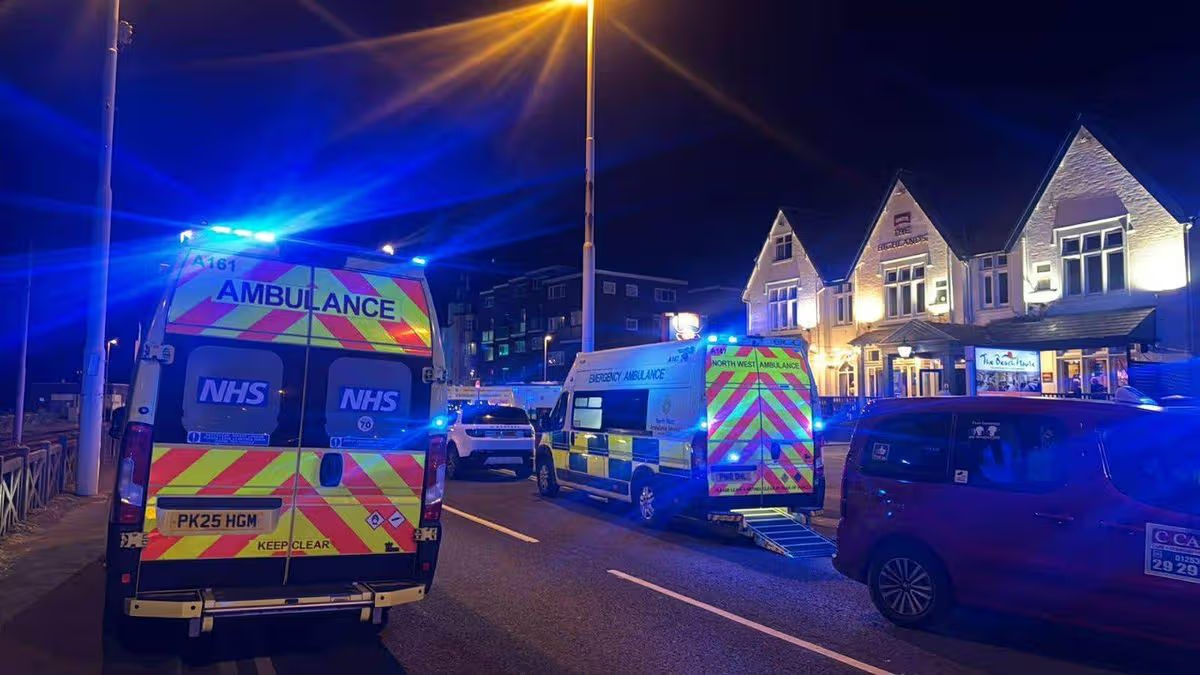
Emergency services are tackling a fire at a care home as police say ‘avoid the area’. North West Ambulance Service are on the scene in Blackpool claiming they are “assessing the situation”.

NWAS shared an update on Facebook at 9.21pm this evening. The trust has sent resources to the scene and are working alongside “other members of the emergency services”.

Advertisement

According to LancashireLive, NWAS did not disclose the location of the care home but Lancashire Constabulary has since shared a post revealing it is in Queen’s Promenade.

Blackpool Police said on Facebook: “At around 8:30pm this evening we were called to reports of a fire at a care home on Queen’s Promenade, Blackpool. We are currently on scene with North West Ambulance Service NHS Trust and Lancashire Fire and Rescue Service (Official).

“We ask that you please avoid the area, and allow emergency services to conduct their duties. Thank you for your patience.”

NWAS said in its post: “Following reports a fire at a care home in Bispham, Blackpool the trust has despatched resources to the scene. We are currently assessing the situation and working with other members of the emergency services.

Advertisement

“Our priority is to ensure people receive any medical help they need as quickly as possible.”

LancsLive has attempted to contact Lancashire Fire & Rescue Service. No details have been published on the service’s website at the time of publication.

Ensure our latest stories always appear at the top of your Google Search by making us a Preferred Source. Click here to activate or add us as your Preferred Source in your Google search settings.

Source link

Advertisement
Continue Reading

Trending

Copyright © 2025