
Business
Rambus CEO Seraphin Luc sells shares worth $470k




The World Gold Council is the market development organization for the gold industry. Our purpose is to stimulate and sustain demand for gold, provide industry leadership, and be the global authority on the gold market. We are a unique organization that delivers tangible benefits to the gold industry. We are an active force within the market, working with a large and diverse set of partners to create access, drive innovation and stimulate demand, while providing a collective voice for our members. We provide insights into the international gold markets, helping people to understand the investment qualities of gold and its role in meeting the social and environmental needs of society. For more information visit www.gold.org.
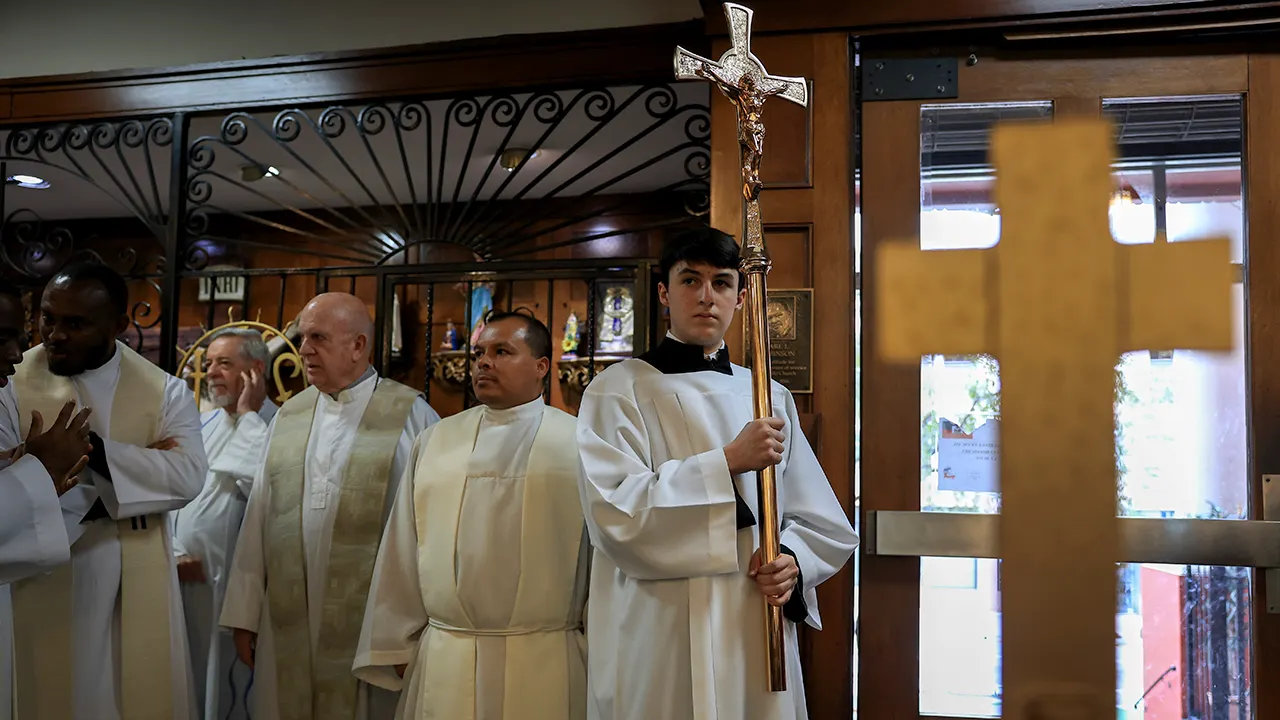
Hallow CEO and co-founder Alex Jones discusses the app’s Lent prayer challenge, the meaning of liturgical season and the surge in growth on ‘Varney & Co.’
On paper, Catholicism looks like it’s having a moment.
The global Catholic population has surpassed 1.4 billion. Eucharistic processions are drawing record crowds. And last summer, more than 50,000 people packed into Indianapolis for the National Eucharistic Congress — the first of its kind in 83 years.
But on the ground, the picture looks very different.
Across the United States, dioceses are merging parishes, closing churches and asking fewer priests to cover more communities.
CATHOLIC CONFERENCE SHATTERS ATTENDANCE RECORDS AS 26,000 YOUNG PEOPLE FLOCK TO FAITH EVENT
Even as interest — especially among younger adults — begins to rebound, the Church keeps running into the same hard limit:
It needs priests. And there aren’t enough of them.
When asked about the priest shortage, Dan Monastra, a seminarian for the Archdiocese of Philadelphia, said, “One reason is the overall lack of desire in our culture to commit oneself to something permanent, especially among younger generations. We see this not only with the priesthood but with marriage as well. Another reason is that the priesthood is antithetical to what modern culture offers; namely, comfort.”
This is the paradox of the present moment: a renewed interest in Catholicism colliding with a severe priest shortage and the business of staffing, financing, and sustaining parish life. The Catholic population is growing with fewer priests to guide it.
Fox News senior correspondent Benjamin Hall joins ‘The Big Money Show’ panelists to discuss Americans turning to faith amid a surge in Catholic converts and his new Fox Nation special, ‘America’s Churches with Benjamin Hall.’
The numbers
The priest shortage isn’t just a perception — it shows up clearly in the data.
According to the Church’s statistical yearbook, the number of priests worldwide fell to 406,996 in 2023 — down from the year before and continuing a multiyear decline.
The pipeline is shrinking, too.
Globally, the number of seminarians dropped from 108,481 in 2022 to 106,495 in 2023 — part of a steady slide that’s now lasted more than a decade.
That creates a long-term problem: fewer priests today means even fewer tomorrow.
“With fewer priests to staff parishes, many dioceses across our country have engaged in restructuring or consolidating of parishes to deal with this reality,” Rev. John Donia, pastor at St. Elizabeth Parish in Chester Springs, Pennsylvania, told Fox News Digital.
The result is a growing gap between demand and supply.
Older priests are retiring or dying, often in clusters. At the same time, the need for Mass, confession, hospital visits and pastoral care isn’t going away.
In the United States, that gap is especially visible.
The Church still operates with a footprint built for a different era — one with far more priests. Now, many dioceses are being forced to rethink everything from parish boundaries to staffing models.
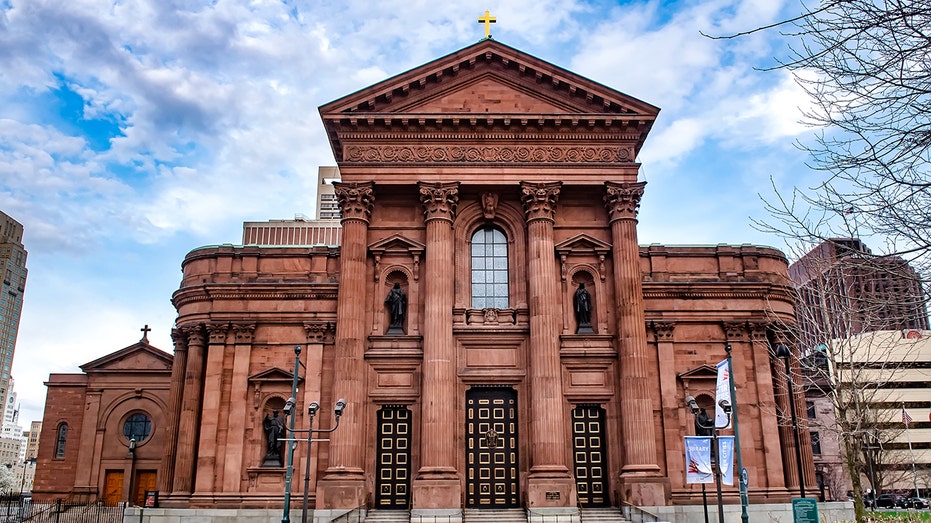
The Cathedral Basilica of Saints Peter and Paul, head church of the Roman Catholic Archdiocese of Philadelphia. (Getty Images)
And it’s happening nationwide.
“We are entering into a different time with new challenges. The world is constantly changing, and it is up to the Church to find ways to bear witness to Christ in the midst of these changes while still upholding the ancient faith,” Monastra said, when asked why parishes are still closing even when interest in Catholicism is rising.
“This has been true throughout history, and it remains true today. My hope is that, rather than looking at parish closures in a negative light, we see them for what they really are: occasions to find new ways to bring Christ to others.”
Even where younger adults are more visible, the math still bites. A parish can be reviving spiritually while still being financially fragile or difficult to staff.
Fox News contributor and theologian Jonathan Morris weighs in on possible successors for the papacy and the surge in desire for religious faith.
The business of priesthood: Formation pipelines, staffing models, and costs
The Catholic priesthood in the United States is at a critical juncture.
Formation is expensive. The Center for Applied Research in the Apostolate (CARA) reported 2,920 seminarians in post-baccalaureate formation (pre-theology and theology) in 2023–2024.
The direct educational costs are significant. CARA reports the average annual tuition of about $24,763 and room and board of about $15,254 for seminarians in theology programs.
Those numbers don’t include the broader costs of things like counseling, healthcare, and operational overhead.
As a result, dioceses are making tough investment decisions: fewer dollars, fewer candidates, and higher expectations for formation quality.
But why are there fewer candidates if religion is seeing a resurgence?
Rev. Donia noted some contributing factors in his interview.
“There are a number of factors to consider: fewer large families with a natural pipeline to the priesthood… Clergy abuse scandals… Priesthood is counter cultural, especially in our instant-gratification culture,” he explained.
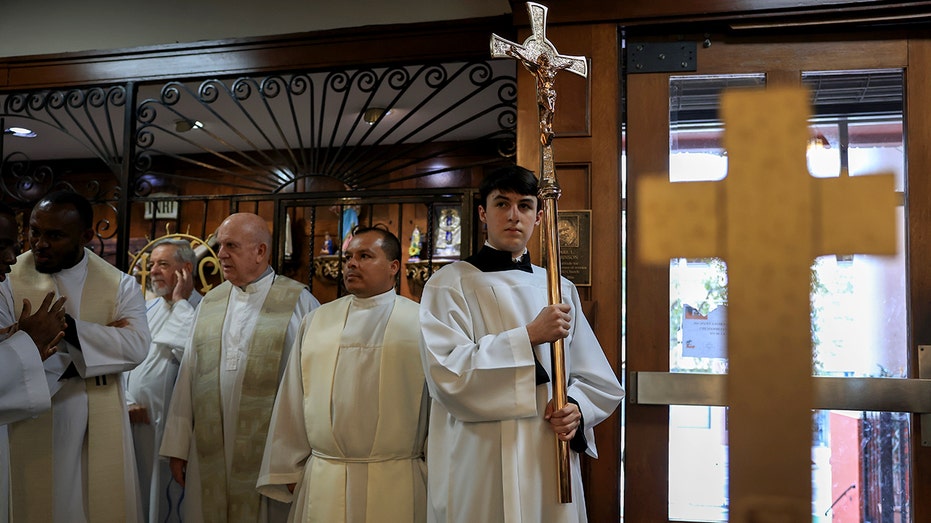
Catholic faith leaders gather for a mass at the Gesu Catholic Church before holding a procession. (Photo by Joe Raedle/Getty Images) (Getty Images)
As a result, the pipeline increasingly relies on international vocations.
CARA reported that 17% of graduate-level seminarians were born outside the U.S. in 2024-2025.
‘ROSARY’ BEATS ROGAN: IS FAITH-BASED MEDIA BECOMING MAINSTREAM?
But relying on international priests comes with risks — visa issues, cultural challenges, and shifting global needs as many “sending” countries face their own growth and pastoral demands — forcing staffing to be redesigned in real time.
As priests cover more parishes, dioceses are expanding the roles of deacons and lay leaders for administration, catechesis, and pastoral work while also confronting a hard limit: only priests can celebrate Mass and absolve sins in confession.
This isn’t just a staffing problem.
It’s a sacramental one.
When one priest covers multiple communities, it means fewer Masses, fewer confessions, less time for hospital visits — and less presence overall.
Why are parishes still closing even when interest is rising?
If more young people are showing up, why are churches still shutting down?
Because parish closures aren’t about one good Sunday.
They’re about whether a parish can survive long-term.
Several pressures are hitting at once:
- Buildings: Aging churches, rising insurance costs and deferred maintenance can overwhelm even active parishes.
- Geography: Catholics are moving — growing in the South and West, shrinking in some older urban areas — leaving behind infrastructure that no longer fits where people live.
- Clergy: Fewer priests means fewer pastors, which forces mergers even when individual communities are still vibrant.
- Finances: Donations tend to follow consistent attendance. A growing young-adult group often isn’t enough to offset decades of decline and fixed costs.
Put it together, and you get a paradox:
More spiritual energy — but less physical infrastructure.
Parishes can feel alive on Sunday and still be unsustainable on paper.
‘The Big Weekend Show’ investigates public opinion in New York City on a proposal to make Easter Monday a federal holiday.
The revival
As the Church confronts these challenges, there is a noticeable rise in renewed Catholic energy, especially among committed younger adults.
There is a return to the core practices of Eucharistic adoration, confession, a disciplined spiritual life, and a desire for reverent liturgy.
The U.S. bishops emphasized Eucharistic renewal through the National Eucharistic Revival (2022–2025), culminating in the 2024 Congress. Their conclusion? If Catholicism is going to regenerate, it will do so because of what makes it distinct — especially faith in the Real Presence of Jesus Christ in the Eucharist.
And there is a proposed connection to vocations: a culture that treats the Eucharist as central — rather than symbolic — is more likely to foster priestly vocations.
“Traditional expressions, including reverent liturgy and clear teaching, resonate strongly with younger Catholics,” Rev. Donia told Fox News Digital.
What’s driving spirituality in Gen Z and millennials?
Here’s the key shift: younger generations are less tied to institutions — but still searching for meaning.
Springtide Research, surveying ages 13–25, consistently finds that the dominant story (“young people don’t care about faith”) is incomplete; many still say they believe — even if they don’t attend regularly.
‘The Big Money Show’ panel reacts to a new study showing Christmas church attendance rising across the United Kingdom, with Gen Z driving the biggest increase.
Pew Research Center shows a similar trend: younger adults are less likely to identify as Christian than older cohorts, and religious switching is common — yet many still express some form of spiritual belief.
Pope Leo XIV has repeatedly acknowledged what he describes as a “crisis” in priestly vocations, warning of strain within the priesthood while urging young people to consider religious life.
Monastra, a Gen Z seminarian, said his call to the priesthood was driven by a desire for something “real and authentic.”
“I have found that ‘something,’ because there is nothing more true, more good, and more beautiful than Christ Jesus,” he said. “I have experienced great love from Him, and my desire to one day become a priest is simply a response to that love.”
There are several factors driving the recent resurgence in spirituality, including:
1) A mental health and meaning crisis:
Anxiety, loneliness, and “purpose fatigue” are widely reported across Gen Z. Barna’s Gen Z research emphasizes needs around meaningful relationships, hope, healthy digital habits and purpose — all of which faith communities can address when they’re strong and credible.
In that environment, religion can reemerge as an answer to a basic question: What am I for? Catholicism, when presented in a serious and coherent way, offers identity, moral formation, community, and a transcendent framework.
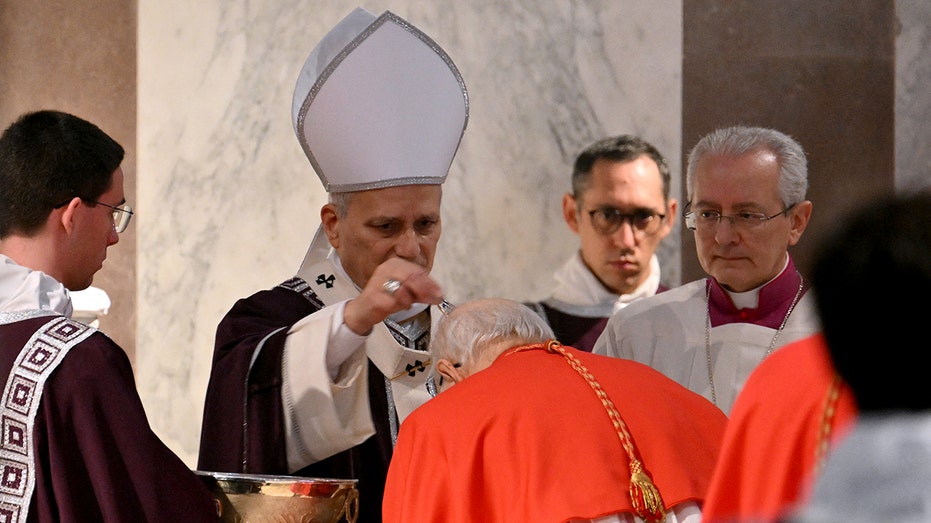
Pope Leo XIV sprinkles the head of a Cardinal with ashes during the celebration of Ash Wednesday on February 18, 2026. (Photo by Alberto PIZZOLI / AFP via Getty Images) (Getty Images)
2) Distrust of institutions and hunger for authenticity:
Gen Z and millennials are often skeptical of institutions. The Church has been affected by scandal and declining trust in some regions.
Yet that same skepticism can create openness to more intentional forms of faith. When young adults return, they often seek coherent teaching, serious spiritual practices, and authentic community.
3) Community as an antidote to fragmentation:
Younger adults live in an era of high connectivity and low belonging. A parish that offers genuine friendship, intergenerational support, and a shared mission can feel like a lifeline.
4) A search for embodied practice, not just opinions:
Many young adults are tired of spirituality that stays in the head. Catholicism is a whole-body faith: kneeling, fasting, feasting, pilgrimage, sacramental signs, daily prayer, moral discipline. For people shaped by screen life, embodied practices can be a form of recovery.
5) Social media makes subcultures possible, including Catholic ones:
Online life has clear downsides, but it also allows dispersed communities to connect and enables priests and creators to share teaching widely. This can accelerate “micro-revivals,” even if it does not immediately show up in national data.
MOST POPULAR PRIEST ON SOCIAL MEDIA REACTS TO VIRAL TIKTOKS ABOUT GOD, INTERPRETATIONS OF THE BIBLE
Rev. Donia pointed to Bishop Robert Barron, founder of Word on Fire, to summarize the contrasting effects of social media on today’s youth.
“Bishop Robert Barron noted that social media offer a ‘golden age’ for evangelization and apologetics,” Donia said. “Yet it exacerbates divisiveness and can turn committed Catholics against each other in ways that scandalize outsiders.”
Though he said social media “accelerates discovery and devotion for many,” he argued the overall effect depends on how “intentionally” people use it.
The collision ahead: Renewal requires priests, and priests require renewal
Without priests, the sacraments become harder to access — and renewal becomes harder to sustain.
Without renewal, fewer men may answer the call to the priesthood.
The practical side can’t be ignored. Seminaries must be funded, formation must be excellent, and dioceses must redesign staffing without hollowing out parish life.
WHAT’S THE WEIRDEST THING THAT EVER HAPPENED THAT MADE YOU THINK GOD WAS REAL?
At the same time, the spiritual side cannot be reduced to strategy. Even the most effective vocation plan will fall short if Catholics do not recover a lived sense that the Eucharist is central.
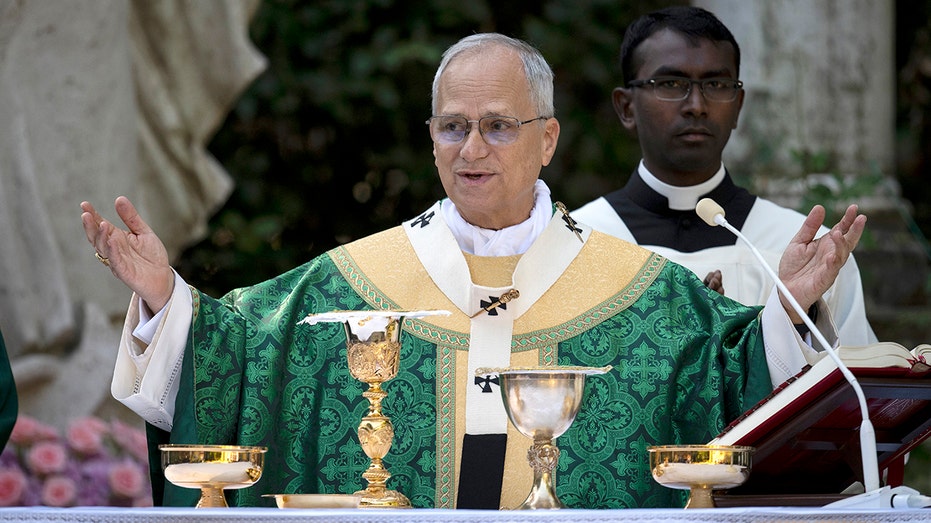
Pope Leo XIV celebrates the first Mass for the Care of Creation at the Laudato Si’ Village of Castel Gandolfo on July 09, 2025 in Albano Laziale, Italy. (Photo by Cristian Gennari via Vatican Pool/Getty Images) (Getty Images)
Rev. Donia called that insight “profoundly true” and urged Catholics to take it seriously.
“It’s one of the most important insights into the current state of Catholic life, especially regarding vocations,” he said.
And that is what many younger Catholics appear to be signaling — sometimes quietly, sometimes visibly, as in Indianapolis in 2024 — a willingness to return not to a purely cultural Catholicism, but to a more demanding, sacramental, and Christ-centered faith.
The Church’s challenge is whether it can meet that desire with enough priests, sufficient formation, and the institutional capacity to rebuild — not just buildings, but belief.
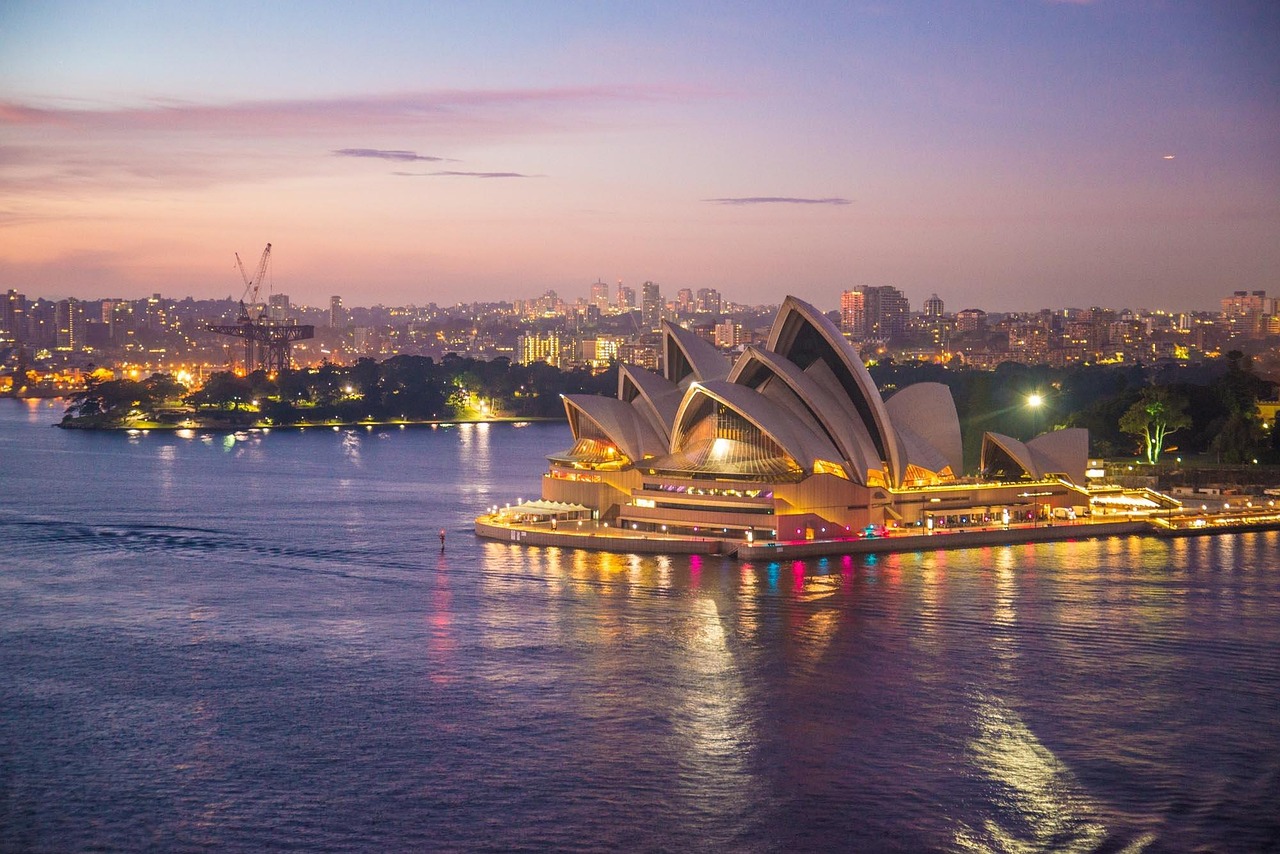
SYDNEY — With petrol prices climbing above A$2.50 a litre and diesel nearing A$3 in parts of the country, many Australians are scrambling for inventive ways to cut costs or even cancel long-planned Easter getaways as the four-day long weekend approaches.

The fuel crisis, triggered by disruptions in global oil supplies following conflict in the Middle East, has forced families and holidaymakers to rethink traditional road trips, flights and regional escapes that usually define the Easter break. Data from consumer group Finder shows that the 56 per cent of Australians planning to spend on Easter activities this year expect to outlay an average of A$2,019 — up sharply from A$1,556 the previous year — with travel accounting for the bulk of the increase.
More than 40 per cent of Australians have already altered or cancelled Easter travel plans, according to late March figures from the Tourism and Transport Forum. Regional tourism operators report a surge in cancellations, leaving smaller hotels and motels bracing for one of their toughest periods in years despite pleas for visitors to support local economies.
The Easter long weekend, running from Good Friday on April 3 to Easter Monday on April 6 in 2026, traditionally sees millions hit the roads or skies. Last year more than 4.5 million people took overnight trips, with the vast majority driving. This year, the combination of elevated fuel costs and lingering jet fuel surcharges has upended those routines.
For many, the classic Aussie road trip — loading the car with family, esky and camping gear — has become prohibitively expensive. A 500-kilometre journey in a conventional petrol vehicle can now cost a family around A$140 in fuel alone, compared with roughly A$15 for the same distance in an electric vehicle, according to charging network data. Some drivers are switching to EVs where possible or seeking cheaper alternatives.
Creative cost-cutting strategies are proliferating. Families are packing kitchenettes and coffee machines for self-catering in cabins or holiday parks rather than eating out. One Sydney parent described skipping surfing lessons for the children and instead using old bodyboards, while preparing most meals at the accommodation to avoid cafe prices that can reach A$7 for a basic flat white.
Others are turning to slower, cheaper transport. Overnight trains from Sydney to Melbourne or Brisbane have gained popularity for their affordability and novelty, with some fares significantly lower than equivalent flights or long drives. In Queensland, TransLink’s 50-cent capped fares across large parts of the network have become a viral budget hack, allowing day trips or short hops at a fraction of usual costs.
Rail services between major cities, such as Adelaide to Melbourne for around A$150, offer a fuel-free option that some travellers say feels more relaxing than battling holiday traffic. Budget airline sales, including Jetstar’s “life’s a beach” promotions with fares from A$49 to destinations like the Sunshine Coast and Gold Coast, have also drawn interest despite higher base airfares on many routes.
Staycations have emerged as a popular fallback. Australians are rediscovering attractions in their own cities or nearby suburbs — free museums, galleries, parks and beaches — rather than venturing far. Financial planning experts recommend old-fashioned family activities such as picnics with egg-and-spoon races or three-legged races in local parks, which cost nothing but create lasting memories.
Car camping, hipcamping on private rural properties, and shorter drives to closer destinations help minimise fuel use. Some caravan owners are arranging delivery of their rigs directly to campsites to avoid towing heavy loads that guzzle diesel. Others advise driving at 90-100 km/h instead of 110 km/h to improve efficiency by 15-20 per cent on long stretches.
The government has responded by halving the fuel excise tax to 26.3 cents a litre, providing some relief at the pump, though prices remain elevated compared with early 2025 levels. Localised shortages have added anxiety, prompting some to stock up or adjust routes to hit cheaper stations identified through mapping apps and artificial intelligence tools.
Regional tourism bodies are urging Australians to support smaller towns and businesses hit hard by the downturn. Accommodation providers in areas reliant on Easter visitors warn that a quiet long weekend could compound challenges heading into winter. Some operators have introduced flexible packages or discounts to entice cautious travellers.
Travel experts note that while international trips face additional pressures from global uncertainty, many Australians are choosing to explore closer to home as a way to balance budgets and reduce environmental impact. Destinations such as Melbourne’s cultural offerings, the Kimberley region for those who can manage costs, or simple coastal drives within a few hours of major cities remain on shortened itineraries.
Families with children during the school holidays are particularly inventive. Free or low-cost activities — hiking trails, bike packing, backyard camp-outs with blanket forts or marshmallow roasts — replace paid experiences. Some parents pack special-occasion treats at home rather than buying them on the road.
The broader cost-of-living pressures amplify the challenge. Housing costs, groceries and everyday expenses have left less discretionary income for holidays, even as travel ranks high on many savings priority lists for 2026. Surveys show nearly half of Australians place holidays among their top two financial goals, yet execution proves difficult when unexpected spikes hit.
Aged care worker Claire Harvey from Melbourne plans an EV drive to Adelaide that will cost under A$75 each way — a stark contrast to the A$183 she would have paid in her previous petrol car. Others have cancelled altogether, weighing cancellation fees against projected fuel bills that could exceed A$2,000 for longer trips.
Tourism operators acknowledge the difficult environment but highlight opportunities to “rediscover Australia” through slower, more mindful travel. Shorter stays closer to home, combined with free public facilities and outdoor spaces, can still deliver quality family time without breaking the bank.
As the long weekend nears, travel comparison sites and apps report heightened searches for budget hacks, fuel-efficient routes and alternative transport. Community forums buzz with shared tips — from splitting costs in group travel to using public transport networks creatively.
Economists and academics urge a balanced approach: prioritise connection and enjoyment over lavish spending. Simple pleasures like shared picnics or local exploration often create stronger memories than expensive add-ons.
The situation remains fluid. Further government measures on fuel supply or additional airline promotions could ease pressures, but for now many Australians are adapting with resilience and creativity. Whether opting for a train journey, a nearby staycation or a carefully planned shorter road trip in an efficient vehicle, holidaymakers are determined not to let rising costs entirely derail the spirit of Easter.
The long weekend will test the adaptability of Australian travellers and the tourism sector alike. While some destinations may see quieter roads and fewer visitors, those who venture out — armed with packed lunches, slower speeds and local knowledge — may find unexpected rewards in more affordable, intimate experiences.
For families facing tight budgets, the message from experts is clear: creativity and flexibility can salvage the holiday without sacrificing joy. As one parent summarised, luxuries don’t make memories — shared time and simple adventures do.
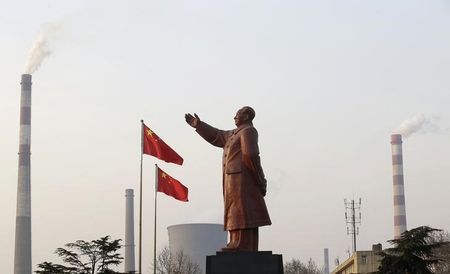
While the Middle East burns, China quietly executes sweeping political purge

ISS recommends vote against BP board’s move to scrap some climate reporting
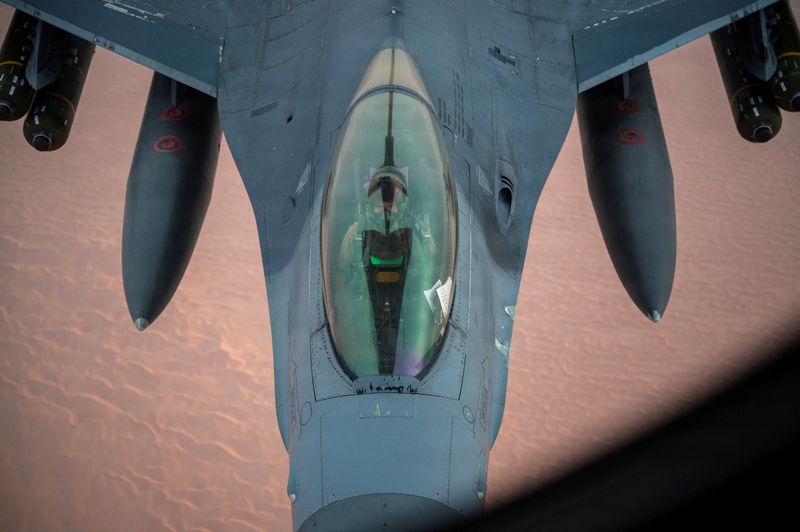

Downed planes spell new peril for Trump as Tehran hunts missing US pilot
Business
Smallcap Stars: 10 stocks rally up to 72% despite 11% Nifty crash in March. Do you own any?
Despite an 11% fall in the Nifty during March amid global tensions and rising crude prices, select smallcap stocks delivered strong gains of up to 72%. The list highlights standout performers across sectors that defied the broader market downturn, showcasing resilience and stock-specific momentum in a volatile environment.

Over the past 24 hours, Bitcoin rose 0.34%, while Ethereum fell 0.18% to trade at the $2,050 level. Among the major altcoins, BNB, Solana, Tron, Dogecoin, Hyperliquid, and Cardano gained up to 1.07%, while XRP slipped 0.32%. The global crypto market capitalisation went up 0.36% to $2.31 trillion, according to CoinMarketCap.
Also Read | SIP or lumpsum? Expert suggests best approach for first-time mutual fund investors with Rs 10,000
Piyush Walke, Derivatives Research Analyst, Delta Exchange, said Crypto markets were subdued on Friday, with no major price movements. Both Bitcoin and Ethereum traded largely sideways, while implied volatilities continued to bottom out. Such conditions are often followed by a period of heightened volatility ahead.
From a technical perspective, sellers would need to push prices below $65K to open the door for a deeper decline toward $60K. On the upside, any meaningful recovery would require a move above $69K, reclaiming the 50-day SMA and breaking back into the lower band of the rising channel, Walke added.

In the past week, Bitcoin and Ethereum went up 1.01% and 3.15%, respectively. Among the major altcoins, BNB, XRP, Solana and Hyperliquid slipped up to 6.68%, whereas Tron, Dogecoin and Cardano gained up to 1.78%.
WazirX Market’s Desk said the crypto market remained stable this week with reduced volatility and improving sentiment. Bitcoin traded within the $66,000–$67,000 range, holding key levels despite earlier macro pressure. Ethereum’s performance over the week was impressive, gaining around 3.7%, supported by continued ecosystem activity and capital rotation.
Institutional signals turned constructive. Bitcoin ETFs recorded their first inflows since October as prices stabilised, indicating renewed demand, WazirX Market’s Desk further said.
According to Binance Weekly Market Research, Bitcoin’s correlation with the Global Easing Breadth Index (GCBI) has turned negative post-ETF (2024–2026), signalling growing maturity as the market prices macro trends ahead rather than reacts to them.
“We think this reflects a shift in marginal price-setting from retail to institutions after ETFs. Since assets are priced by the marginal buyer, and institutions process macro information earlier (often 6–12 months ahead of policy moves), positioning can lead the rate cycle rather than lag it.”
Also Read | Which mutual fund should you add for 15 year SIPs? Expert breaks down multicap vs factor funds
As a result, BTC may have evolved from a macro “lagging receiver” to a “leading pricer.” A peak in easing may already be old news for BTC, and crypto-native drivers—such as policy progress and institutional flows—could matter more than the direction of monetary easing itself, the report further said.
(Disclaimer: Recommendations, suggestions, views and opinions given by the experts are their own. These do not represent the views of The Economic Times)
If you have any mutual fund queries, message on ET Mutual Funds on Facebook/Twitter. We will get it answered by our panel of experts. Do share your questions on ETMFqueries@timesinternet.in alongwith your age, risk profile, and Twitter handle

Intrepid Potash: Iran-Driven Rally Looks Temporary (Rating Downgrade)
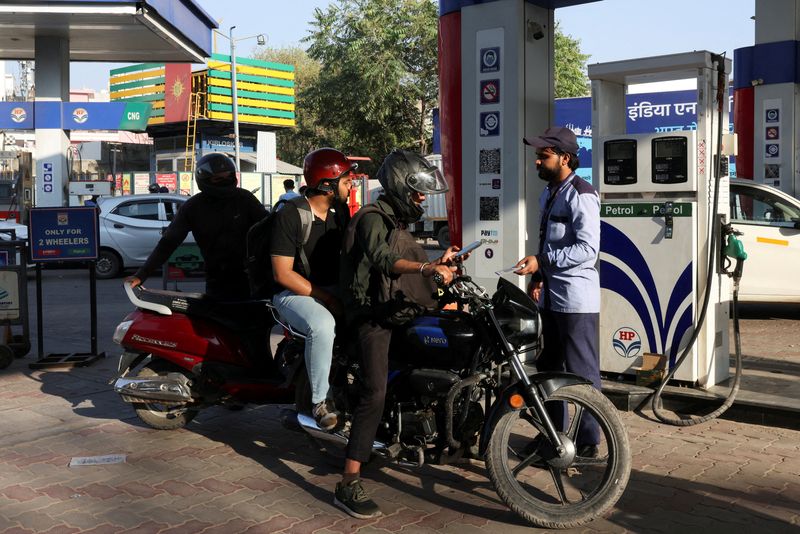

India makes first Iranian oil buy in seven years with no payment problems

Central Bank Gold Statistics: Central Banks Stay The Course On Gold In February

Binance ETH Reserve Hits Lowest Level Since 2024 as Stablecoin Balances Surge

’80s Thriller Movies That Have Aged Like Milk

Smart energy pays enters the US market, targeting scalable financial infrastructure

Why Israel is blocking foreign journalists from entering

Bitcoin: We’re Entering The Most Dangerous Phase

3 Govt Schemes For Women Entrepreneurs? #finance #money #business #gkindia #basicgyaan

Live Analysis Future & Options In Bitcoin & Ethereum | Gold Trading Live 2 April 2026 Delta Exchange

6 Places Your Money Should Go Every Time You Get Paid
-

 NewsBeat2 days ago
Steven Gerrard disagrees with Gary Neville over ‘shock’ Chelsea and Arsenal claim | Football
-

 Business1 day ago
No Jackpot Winner and $194 Million Prize Rolls Over
-
Entertainment5 days ago
Fans slam 'heartbreaking' Barbie Dream Fest convention debacle with 'cardboard cutout' experience
-

 Fashion16 hours ago
Weekend Open Thread: Spanx – Corporette.com
-

 Crypto World3 days ago
Gold Price Prediction: Worst Month in 17 Years fo Save Haven Rock
-

 Tech5 days ago
The Pixel 10a doesn’t have a camera bump, and it’s great
-
 Entertainment7 days ago
Lana Del Rey Celebrates Her Husband’s 51st Birthday In New Post
-
Crypto World4 days ago
Dems press CFTC, ethics board on prediction-market insider trades
-

 Tech5 days ago
Avatar Legends: The Fighting Game comes out in July and it looks pretty slick
-

 Sports4 days ago
Tallest college basketball player ever, standing at 7-foot-9, entering transfer portal
-

 Business2 days ago
Login and Checkout Issues Spark Merchant Frustration
-

 Fashion6 days ago
Amazon Sundays: Soft Spring Layers
-

 Tech4 days ago
EE TV is using AI to help you find something to watch
-

 Tech6 days ago
Elon Musk’s last co-founder reportedly leaves xAI
-

 Tech4 days ago
How to back up your iPhone & iPad to your Mac before something goes wrong
-

 Fashion5 days ago
The Best Spring Trends of 2026
-

 Politics5 days ago
Should Trump Be Scared Strait?
-

 Crypto World4 days ago
U.S. rule change may open trillions in 401(k) funds to crypto
-

 Tech5 days ago
Apple will hide your email address from apps and websites, but not cops
-

 Tech4 days ago
Flipsnack and the shift toward motion-first business content with living visuals
You must be logged in to post a comment Login