
Business
From Tomahawks to Ballistic Missiles

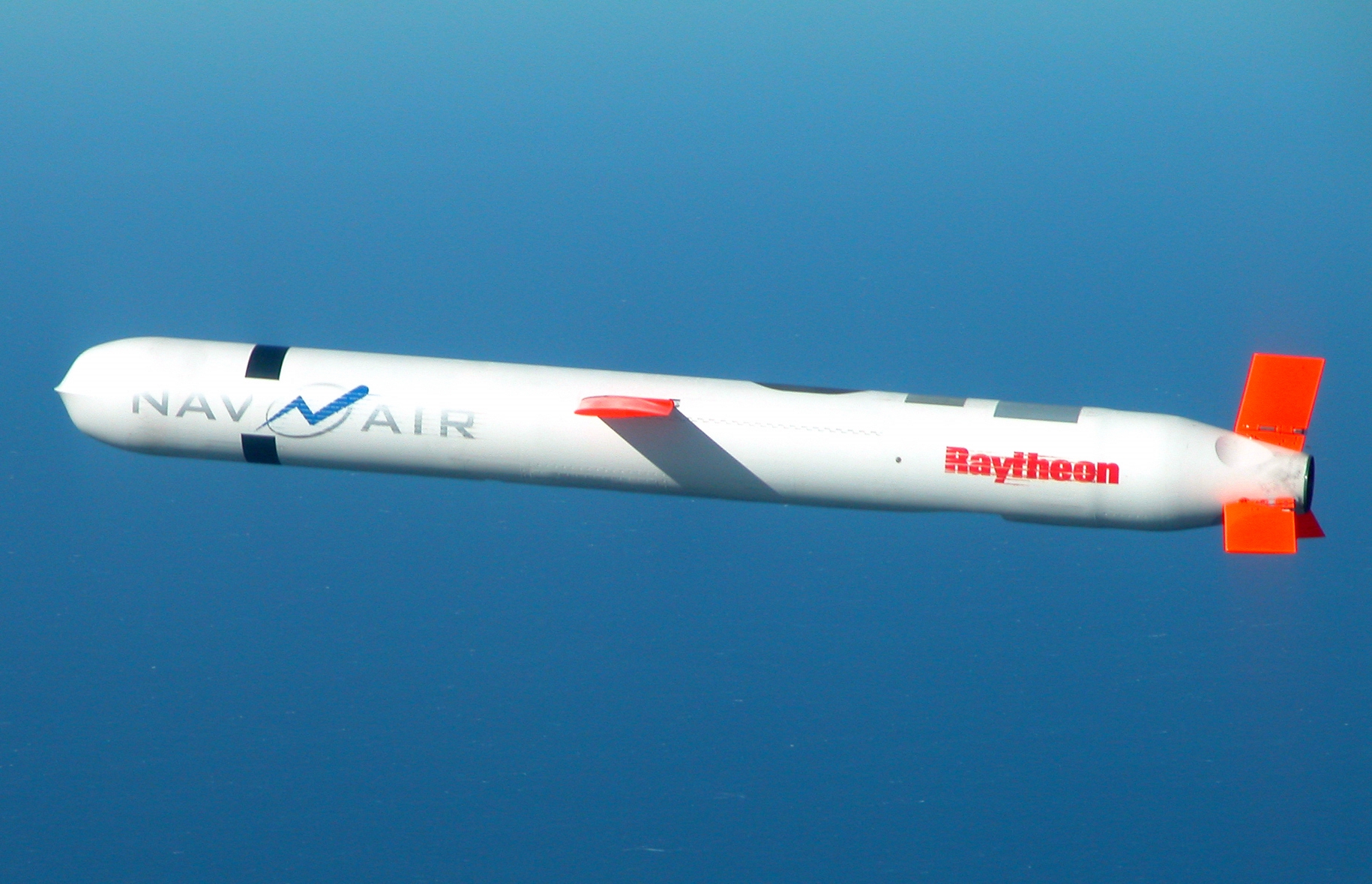
More than five weeks into Operation Epic Fury, the U.S.-led military campaign against Iran that began Feb. 28, 2026, a range of advanced weapons has shaped the conflict’s deadly course. U.S. and allied forces have unleashed precision strikes on Iranian military targets, while Iran has responded with ballistic missiles, drones and air defenses that claimed at least one American aircraft.
Here are 10 of the most lethal weapons used so far, based on U.S. Central Command reports, independent analyses and public footage as of April 4. Lethality is assessed by destructive power, frequency of use, confirmed impacts and strategic effect.

- Tomahawk Cruise Missiles The U.S. Navy has fired more than 850 Tomahawk land-attack missiles from destroyers and submarines since the campaign opened. These subsonic, GPS-guided weapons, capable of striking targets up to 1,000 miles away with 1,000-pound warheads, have devastated Iranian missile production facilities, naval vessels and command centers. Pentagon officials expressed alarm at the rapid depletion of stockpiles, with some describing the expenditure as “years’ worth” in just weeks. Tomahawks initiated many opening salvos and remain a backbone of standoff strikes.
- Precision Strike Missiles (PrSM) Used in combat for the first time, the Army’s PrSM extended-range rocket has delivered deep strikes from HIMARS and M270 launchers. With a range exceeding 400 kilometers and improved accuracy over its ATACMS predecessor, PrSM has targeted hardened sites. Controversy arose after reports linked a PrSM strike near Lamerd to civilian casualties, though U.S. officials denied hitting non-military areas. Its debut underscores the shift toward ground-launched precision fires.
- F-35 Lightning II Stealth Fighters U.S. and Israeli F-35 variants have conducted hundreds of sorties, penetrating Iranian airspace with advanced sensors and munitions. Equipped with JDAMs and small-diameter bombs, these fifth-generation jets have suppressed air defenses and struck deeply buried targets. Their low-observable technology has been key to maintaining air superiority despite Iranian attempts at retaliation.
- F-15E Strike Eagle The workhorse twin-seat fighter has flown extensive strike and suppression missions but suffered the first confirmed U.S. manned combat loss of the war on April 3. An F-15E was shot down over Iran, with one crew member rescued and search efforts continuing for the second. Earlier, three F-15Es were lost in a friendly-fire incident over Kuwait. The jet’s heavy payload and long range made it central to sustained operations.
- MQ-9 Reaper Drones Armed with Hellfire missiles and guided bombs, Reaper unmanned aircraft have provided persistent intelligence, surveillance and strike capability. Operating from regional bases, they have targeted time-sensitive Iranian assets, including missile launchers and naval vessels, while minimizing risk to pilots.
- HIMARS Rocket Systems The mobile M142 High Mobility Artillery Rocket System has launched salvos of guided rockets and PrSM missiles against Iranian ground targets. Its rapid mobility and precision have allowed U.S. forces to strike from safer distances, contributing to the destruction of hundreds of launchers and support infrastructure.
- B-2 Spirit Stealth Bombers These long-range bombers have dropped massive ordnance penetrators and other heavy munitions on deeply buried Iranian facilities, including missile production sites. Operating from distant bases, the B-2’s stealth and payload capacity enable strikes that conventional aircraft cannot easily replicate.
- Iranian Ballistic Missiles (Fateh, Shahab and Sejjil variants) Iran has fired hundreds of ballistic missiles at U.S. bases, Israeli targets and Gulf allies. Systems like the Fateh family, Shahab-3 derivatives and solid-fuel Sejjil have inflicted damage despite heavy interception. While many were downed by Patriot and THAAD systems, successful strikes have caused casualties and highlighted Iran’s asymmetric deterrent.
- Patriot and THAAD Air Defense Systems U.S. and allied Patriot MIM-104 and Terminal High Altitude Area Defense (THAAD) batteries have intercepted dozens of Iranian missiles and drones. These systems proved vital in protecting regional bases but have consumed significant stockpiles, raising concerns about sustained defense against prolonged barrages.
- JDAM-Equipped Bombs and Hellfire Missiles As expensive standoff munitions depleted, U.S. forces shifted to Joint Direct Attack Munitions (JDAM) kits on unguided bombs and AGM-114 Hellfire missiles from aircraft and drones. Tens of thousands of JDAMs provide cost-effective precision for closer-range strikes, while Hellfires have been used extensively against vehicles, small boats and personnel.
The conflict has exposed vulnerabilities on both sides. U.S. forces achieved early air supremacy and degraded much of Iran’s navy and missile infrastructure, sinking dozens of vessels and destroying launchers. Iran, however, has adapted with cheaper drone swarms, older ballistic missiles and portable air defenses that downed the F-15E. Civilian casualties have been reported on both sides, with Iranian officials citing strikes near populated areas and U.S. forces noting proxy attacks on bases.
Munitions stockpiles have become a central concern. Rapid Tomahawk and interceptor expenditure has prompted Pentagon discussions about accelerating production. Analysts warn that prolonged fighting could strain supplies further, particularly for high-end systems.
The war’s human cost remains fluid. U.S. and Israeli strikes have targeted military sites, while Iranian responses have hit regional facilities. Exact casualty figures vary by source, but both sides acknowledge significant losses.
As operations continue into April, the balance of lethality favors U.S. precision and air power, yet Iran’s ability to sustain asymmetric attacks with lower-cost weapons complicates a swift resolution. The downing of the F-15E on April 3 served as a reminder that no platform is invulnerable in contested airspace.
Military experts note the campaign’s evolution from initial high-end strikes to a mix of standoff and stand-in weapons. B-2 bombers and carrier-based aircraft have maintained pressure, while ground systems like HIMARS extend reach inland.
The list reflects weapons with the greatest documented impact through early April 2026. New systems or tactics could emerge as the conflict progresses. Both sides continue to adapt, with U.S. forces emphasizing precision to minimize collateral damage and Iran relying on volume and concealment.
The ongoing war underscores the high cost of modern conflict, where advanced munitions deliver devastating effect but deplete rapidly. As diplomatic efforts remain stalled, these weapons will likely determine the campaign’s next phase.


Intrepid Potash: Iran-Driven Rally Looks Temporary (Rating Downgrade)


India makes first Iranian oil buy in seven years with no payment problems

Oil Sets The Price, Crypto Waits For The Signal

Midcap stocks saw sharp declines in March as rising crude prices, geopolitical tensions and continued FII outflows dragged markets lower, with the Nifty falling over 11%. This list highlights 10 worst-performing midcaps, with losses of up to 29%, reflecting broad-based selling pressure across sectors during a volatile period.

Oselote/iStock via Getty Images
COMEX (US) silver’s registered inventory has fallen to 13-14% coverage of outstanding open interest, while March 2026 delivery was unusually high and SHFE (Shanghai) futures now trade at a 12% premium to COMEX, together signaling extreme tightness that creates upside pressure on silver

FX markets muted as traders watch Iran war updates, wait for jobs data


A freight forwarding professional with over 20 years in the industry, I am an enthusiastic market participant with a flair for picking gems from the general rubble. My industry experience has given me insights into human behavior, investment psychology, and the need to make money work for you instead of against you. My ideas on investing are often contrarian, and the level of due diligence I apply to each of my research projects give my audience the right information at the right time.
Analyst’s Disclosure: I/we have no stock, option or similar derivative position in any of the companies mentioned, and no plans to initiate any such positions within the next 72 hours. I wrote this article myself, and it expresses my own opinions. I am not receiving compensation for it (other than from Seeking Alpha). I have no business relationship with any company whose stock is mentioned in this article.
Seeking Alpha’s Disclosure: Past performance is no guarantee of future results. No recommendation or advice is being given as to whether any investment is suitable for a particular investor. Any views or opinions expressed above may not reflect those of Seeking Alpha as a whole. Seeking Alpha is not a licensed securities dealer, broker or US investment adviser or investment bank. Our analysts are third party authors that include both professional investors and individual investors who may not be licensed or certified by any institute or regulatory body.
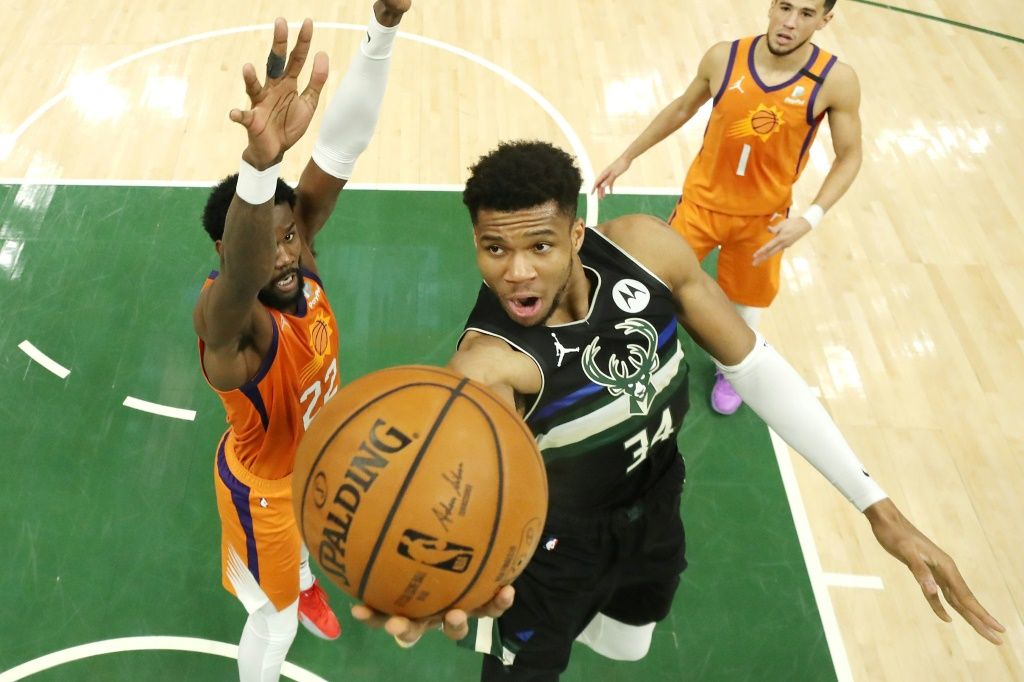
The NBA has launched an investigation into the Milwaukee Bucks for their handling of superstar Giannis Antetokounmpo’s injury status and potential violations of the league’s player participation policy, after the two-time MVP publicly stated he is healthy and wants to play while the team continues to hold him out.
ESPN’s Shams Charania reported Friday that the league is examining inconsistent statements regarding Antetokounmpo’s health. The Bucks have listed the 31-year-old forward as out for the past 10 games with a left knee hyperextension and bone bruise suffered March 15 against the Indiana Pacers. Antetokounmpo, however, has told investigators he is ready to return and the team will not medically clear him, sources said.
Antetokounmpo addressed the situation directly before Friday’s game against the Boston Celtics, expressing frustration and questioning his relationship with the organization. “You know who you are dealing with,” he told reporters. He added that he has never seen a player of his caliber publicly state he wants to play while being sidelined, and welcomed the NBA’s probe. “There should be” an investigation, he said, according to multiple accounts.
The conflict comes as the Bucks, already eliminated from playoff contention and headed for their first missed postseason since 2016, sit near the bottom of the Eastern Conference. Antetokounmpo has appeared in only 36 games this season due to multiple injuries, including a lengthy calf issue earlier in the year.
The National Basketball Players Association previously criticized the Bucks in late March, asserting that Antetokounmpo is healthy and ready to play. The union suggested the team might be engaging in tanking to improve lottery odds, stating the player participation policy exists to ensure stars like Antetokounmpo are on the court when able. “Anti-tanking policies are only as effective as their enforcement,” the NBPA said.
Bucks coach Doc Rivers had maintained that Antetokounmpo is “progressing” but “just not healthy,” pushing back against the union’s claims in late March. Team officials have told league investigators they do not believe he is ready and that he actually wants to play, creating the conflicting narratives now under review.
The NBA has interviewed Antetokounmpo’s representatives, the Bucks and team doctors as part of the probe, sources told Charania and The Athletic. The investigation focuses on whether the franchise violated rules requiring teams to make healthy players available, particularly as the season winds down with no playoff implications.
Antetokounmpo’s public comments Friday marked a notable escalation. He described the situation as feeling like “a slap in the face” and suggested uncertainty about the future of his relationship with the Bucks. “I just don’t want to be part of it,” he said in one account, raising questions about his long-term commitment to the franchise amid ongoing injury concerns and the team’s direction.
The Greek Freak has averaged 27.6 points, 9.8 rebounds and 5.4 assists in his limited action this season while shooting a career-high 62.4% from the field. His absence has contributed to Milwaukee’s struggles, though the team has leaned on other veterans in recent games.
League rules prohibit teams from resting healthy players for non-injury reasons, especially in the context of the new collective bargaining agreement’s emphasis on player availability. Similar investigations have targeted other franchises in recent years over load management and tanking concerns.
The Bucks have not issued a detailed public response to the latest reports beyond standard injury updates listing Antetokounmpo as out. The organization has emphasized caution with the star’s health after a season marked by multiple lower-body setbacks, including groin, calf and now knee issues.
Antetokounmpo’s desire to play contrasts with the team’s apparent preference to shut him down for the remainder of the regular season, which ends in mid-April. With the Bucks out of contention, some observers speculate the front office prioritizes preserving his long-term health and potentially positioning for a higher draft pick or future roster moves.
The situation has drawn widespread attention across the NBA. Fans, analysts and former players have weighed in on social media, with many expressing surprise at the public rift between a franchise cornerstone and his team. Antetokounmpo signed a contract extension in recent years and has been the face of the Bucks since being drafted in 2013, leading them to the 2021 NBA championship.
The timing of the investigation adds pressure as the league office seeks to enforce participation rules uniformly. Outcomes of similar probes in the past have included fines, though more severe penalties are rare unless clear violations are proven.
As of Saturday, April 4, Antetokounmpo remained sidelined for upcoming games, with no updated timetable for his return. The NBA has not commented publicly on the investigation’s progress or potential timeline for resolution.
The episode highlights broader tensions in the modern NBA between player health, competitive integrity and strategic decision-making in a 82-game season. Stars often battle through injuries, but teams increasingly err on the side of caution, sometimes creating friction when a player feels ready.
For the Bucks, the drama unfolds against a backdrop of a disappointing season and questions about the roster’s future direction. Whether Antetokounmpo returns before the season ends — or at all — remains uncertain amid the ongoing probe.
The Greek Freak’s comments Friday suggested he is eager to contribute while he can, emphasizing his competitive drive even in a lost season. “I want to f—ing play,” he said, underscoring the disconnect with the team’s medical and organizational stance.
League officials are expected to continue gathering information in the coming days. Any findings could influence not only the Bucks but also set precedents for how teams manage star players down the stretch of disappointing campaigns.
Antetokounmpo has not elaborated further since his pregame remarks, focusing instead on his personal preparation. The situation adds another layer of uncertainty to what has already been a challenging year for the franchise and its franchise player.
As the regular season concludes, all eyes remain on Milwaukee to see how the investigation unfolds and whether Antetokounmpo makes a late appearance. For now, the public disagreement and league scrutiny have thrust the Bucks into the spotlight for reasons far removed from on-court performance.

IMF backs gradual BOJ rate hikes as Iran war and weak Yen fuel inflation risks
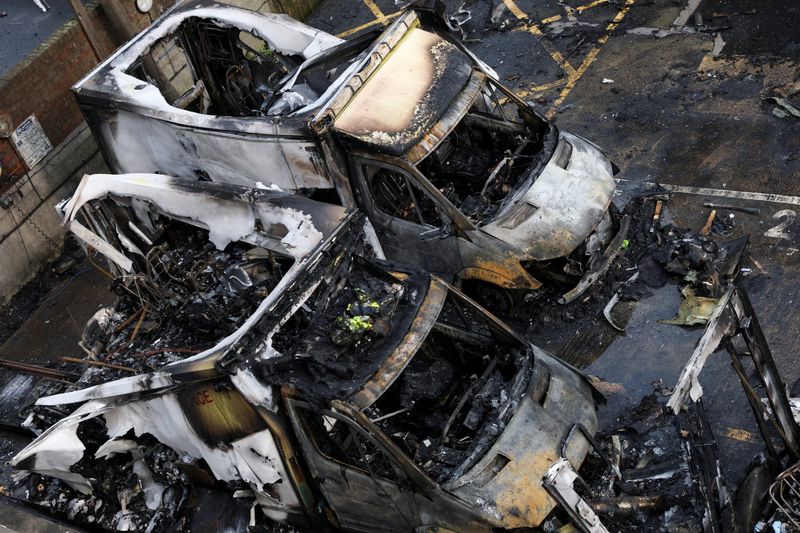

UK charges three men with arson over attack on Jewish community ambulances

Cambodia Passes First Cybercrime Law to Shut Down Scam Centers for Good

Elder Paul Bassey, Godswill Akpabio International Stadium Headline Sportsville Awards

People with Irish passports urged to make crucial check in new alert


-

 NewsBeat2 days ago
Steven Gerrard disagrees with Gary Neville over ‘shock’ Chelsea and Arsenal claim | Football
-

 Business1 day ago
No Jackpot Winner and $194 Million Prize Rolls Over
-
Entertainment5 days ago
Fans slam 'heartbreaking' Barbie Dream Fest convention debacle with 'cardboard cutout' experience
-

 Fashion15 hours ago
Weekend Open Thread: Spanx – Corporette.com
-

 Crypto World3 days ago
Gold Price Prediction: Worst Month in 17 Years fo Save Haven Rock
-

 Tech5 days ago
The Pixel 10a doesn’t have a camera bump, and it’s great
-
 Entertainment6 days ago
Lana Del Rey Celebrates Her Husband’s 51st Birthday In New Post
-
Crypto World4 days ago
Dems press CFTC, ethics board on prediction-market insider trades
-

 Tech5 days ago
Avatar Legends: The Fighting Game comes out in July and it looks pretty slick
-

 Sports4 days ago
Tallest college basketball player ever, standing at 7-foot-9, entering transfer portal
-

 Fashion6 days ago
Amazon Sundays: Soft Spring Layers
-

 Tech4 days ago
EE TV is using AI to help you find something to watch
-

 Business2 days ago
Login and Checkout Issues Spark Merchant Frustration
-

 Tech6 days ago
Elon Musk’s last co-founder reportedly leaves xAI
-

 Tech4 days ago
How to back up your iPhone & iPad to your Mac before something goes wrong
-

 Politics5 days ago
Should Trump Be Scared Strait?
-

 Crypto World4 days ago
U.S. rule change may open trillions in 401(k) funds to crypto
-

 Tech5 days ago
Apple will hide your email address from apps and websites, but not cops
-

 Fashion5 days ago
The Best Spring Trends of 2026
-

 Tech4 days ago
Flipsnack and the shift toward motion-first business content with living visuals
You must be logged in to post a comment Login