
Business
Democrats Face Backlash After Omitting Biden From Easter Social Media Post

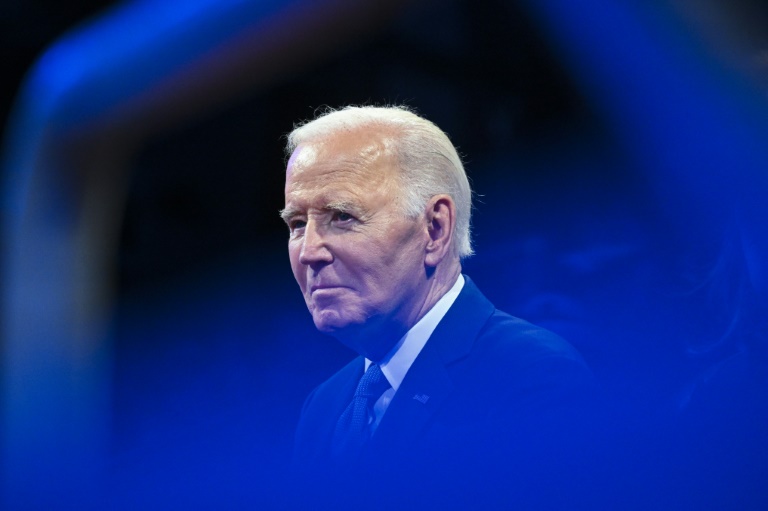
The Democratic Party drew sharp criticism over the weekend after an official Easter social media post evoked “better times at the White House” with an image of former President Barack Obama but made no mention of former President Joe Biden, sparking accusations of a deliberate snub and reigniting internal party tensions less than two years after Biden left office.
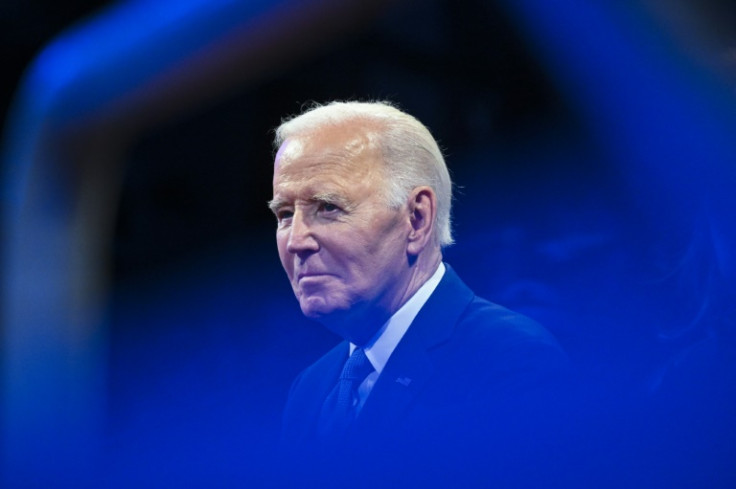
The post, shared Saturday on the official Democratic Party X account, featured a photo of Obama viewed from behind standing next to a person in an Easter Bunny costume with the Washington Monument visible in the background. The caption read simply: “Better times at the White House.” Biden’s name and image were absent, prompting an immediate wave of online backlash from both conservative critics and some Democrats who questioned why the party appeared to skip its most recent president in a holiday message.
The controversy erupted as Republicans and conservative commentators seized on the omission to portray the party as eager to move past the Biden era amid ongoing debates about his legacy, age and the 2024 election outcome. Former President Donald Trump and his allies quickly amplified the story, with Trump posting on Truth Social that Democrats were “trying to erase Joe Biden because even they know how bad he was.”
The Democratic National Committee did not immediately respond to requests for comment on the post or the resulting furor. Party officials have historically used Easter messages to highlight themes of hope, renewal and community, often featuring images of past Democratic presidents celebrating the holiday with their families. Similar posts in previous years included photos of John F. Kennedy, Jimmy Carter, Bill Clinton and Obama, sometimes with Biden included on other platforms such as Facebook and Instagram.
This year’s X post, however, focused solely on Obama, fueling speculation about intentional distancing. Social media users flooded the replies with questions such as “Why skip Biden?” and “Better times without Joe?” Conservative accounts labeled it a “snub” and an “egg on their face” moment for Democrats. Some users noted that Biden, a devout Roman Catholic who frequently referenced his faith during his presidency, had been active in Easter observances, including hosting the annual White House Easter Egg Roll.
The backlash extended beyond partisan lines. Moderate Democratic voices expressed discomfort with the optics, arguing that sidelining Biden risked alienating older voters and party loyalists who still view his administration positively on issues such as infrastructure investment, COVID-19 recovery efforts and judicial appointments. One anonymous Democratic strategist told The Associated Press that the post “looked tone-deaf at best and ungrateful at worst,” especially given Biden’s role in delivering the White House to Democrats in 2020.
Biden, now 83 and largely out of the public spotlight since leaving office in January 2025, has maintained a low profile in retirement. He has occasionally surfaced for private events and limited public remarks, focusing on family and his presidential library project. Allies say he remains proud of his record but has stepped back to allow the next generation of leaders to define the party’s future.
The incident comes at a sensitive time for Democrats, who are navigating a post-2024 landscape after losing the presidency and facing internal soul-searching about messaging, leadership and appeal to working-class voters. Speculation has swirled for months about whether the party is quietly shifting away from Biden’s brand, particularly as younger figures like California Gov. Gavin Newsom and others position themselves for future national roles.
Newsom himself drew attention in the replies to the Easter post, with some users tagging him and suggesting the image subtly promoted a return to an earlier Democratic era. The governor’s office did not comment on the social media reaction.
Political analysts offered differing interpretations of the post’s intent. Some viewed it as a harmless nostalgic nod to Obama’s popularity and polished image, noting that holiday messages often emphasize aspirational themes rather than exhaustive historical recaps. Others saw it as symptomatic of deeper fractures, with the party struggling to reconcile Biden’s mixed electoral legacy with a desire to project forward momentum.
Republican National Committee Chairwoman reacted swiftly, calling the omission “disrespectful” and evidence that “even Democrats know the Biden years were anything but better times.” She pointed to inflation peaks, border challenges and Afghanistan withdrawal controversies as reasons the party might prefer to highlight Obama’s tenure.
Defenders of the Democratic Party argued that social media posts are fleeting communications designed for engagement rather than comprehensive historical statements. They noted that Biden received recognition in other party channels and that focusing exclusively on one popular former leader is common practice across both parties during holidays.
The Easter timing amplified the controversy, as the holiday carries religious significance for many Americans, including Biden himself. Past debates over Biden’s Easter observances, including proclamations related to Transgender Day of Visibility when it coincided with the holiday in 2024, had already made the date politically charged. This year’s social media flap added another layer to the ongoing culture-war discussions surrounding faith and politics.
Biden’s supporters pushed back on social media, sharing photos and clips from his own Easter events during his presidency, including family gatherings and the traditional White House Easter Egg Roll. They emphasized his personal faith and public expressions of hope during difficult national moments.
The episode highlights the challenges political parties face in managing legacies in the social media era, where every post is scrutinized for symbolism and omission. Experts in political communication note that visual messaging carries disproportionate weight, and the choice of imagery can unintentionally signal priorities or preferences.
As Democrats prepare for midterm elections and the 2028 presidential cycle, the incident serves as a reminder of the delicate balancing act between honoring past leaders and projecting a fresh vision. Party insiders say internal discussions continue about how best to invoke the Biden administration’s achievements without dwelling on its electoral shortcomings.
Biden has not publicly commented on the post or the backlash. Close associates say he remains focused on personal matters and has expressed no bitterness toward the party he led for decades.
The Democratic National Committee’s broader Easter messaging included calls for unity, compassion and renewal — themes traditionally aligned with the holiday. Officials encouraged supporters to engage in community service and reflect on shared values.
Whether the controversy fades quickly or lingers as a talking point remains to be seen. In Washington’s hyper-partisan environment, even seemingly minor social media choices can ignite days of debate, particularly when they touch on generational shifts within a political party.
For now, the Easter post has become the latest flashpoint in the ongoing conversation about Biden’s place in Democratic history. Supporters credit him with steady leadership through crisis, while critics — including some within party ranks — argue his tenure left the party vulnerable in subsequent elections.
As Americans celebrated Easter with family gatherings, church services and traditional egg hunts, the political class found itself once again divided over symbolism and messaging. The Democratic Party’s attempt at a lighthearted holiday greeting instead opened a window into deeper questions about loyalty, legacy and the party’s direction heading into the latter half of the decade.
Political observers will watch closely to see whether the incident prompts any official clarification or adjustment in future communications. In the meantime, the backlash serves as a vivid illustration of how quickly online narratives can form and how past presidents continue to loom large even after leaving the stage.
The full story of the party’s relationship with Biden’s record will likely unfold over many months and years, shaped by electoral outcomes, historical assessments and the evolving priorities of a new generation of Democratic leaders.



North Korea working on carbon-fibre ICBM for multi-warhead delivery, Seoul says
Business
Samsung to Discontinue Messages App in July 2026, Urges Galaxy Users to Switch to Google Messages

Samsung Electronics will discontinue its long-running Samsung Messages app in July 2026, officially ending support for the native messaging application on Galaxy devices and directing millions of users to adopt Google Messages as the default SMS and RCS platform.

The South Korean tech giant posted an “End of Service Announcement” on its U.S. website, confirming that the Samsung Messages application will cease operations in July 2026. Users still relying on the app are encouraged to switch to Google Messages immediately to ensure uninterrupted texting, with Samsung providing guided transition instructions within the app.
The move marks the culmination of a years-long shift by Samsung toward Google’s messaging ecosystem. Starting with the Galaxy S21 series in 2021, the company began promoting Google Messages as the default on many devices. Newer models, including the Galaxy S25 and S26 series, ship with Google Messages pre-installed as the primary app, and the S26 lineup skipped Samsung Messages entirely. The July 2026 cutoff will remove the app from the Galaxy Store and Google Play Store, preventing new downloads.
Devices running Android 11 or older remain unaffected, but users on Android 12 and newer will lose the ability to send or receive standard SMS and MMS messages through Samsung Messages after the discontinuation date, except for emergency service numbers or predefined emergency contacts. Samsung has not yet specified the exact day in July, advising users to check the app for precise timing.
The decision aligns Samsung more closely with Google’s broader Android strategy, particularly around Rich Communication Services, or RCS. Google Messages offers enhanced RCS features, including high-quality media sharing, typing indicators, read receipts, reactions and improved end-to-end encryption in supported chats. The app also integrates Gemini AI tools for smarter replies and scam detection, features that Samsung Messages lagged in updating.
Industry analysts view the change as practical for both companies. By ceding messaging responsibilities to Google, Samsung can focus engineering resources on hardware innovation, One UI customization and other core Galaxy experiences. For Google, the shift standardizes RCS across more Android devices, especially important after Apple enabled RCS support in iMessage, improving cross-platform texting between Android and iPhone users.
Samsung has assured users that data migration will be seamless during the switch. Conversations, contacts and message history should transfer without loss when setting Google Messages as the default. To make the change, users can open Google Messages, tap the prompt to set it as the default SMS app, or navigate through Settings > Apps > Choose default apps > SMS app on their Galaxy device.
Some users have expressed nostalgia for Samsung Messages, praising its cleaner integration with One UI themes, quick reply options and occasional exclusive features. Online forums buzzed with mixed reactions, with some lamenting the loss of a Samsung-branded experience while others welcomed the consistency and faster feature rollout from Google. A common complaint in recent years was that Samsung Messages stopped receiving major RCS updates on certain carriers, pushing users toward Google’s app anyway.
The transition comes at a pivotal time for mobile messaging. With RCS now bridging the gap between Android and iOS, Google Messages serves as a more universal platform. Features like satellite-based texting, already hinted at in Google’s roadmap, could further enhance reliability in areas with poor cellular coverage. Samsung’s move ensures its vast Galaxy user base — hundreds of millions worldwide — benefits from these advancements without fragmentation.
For existing Samsung Messages users, the company recommends acting soon to avoid any disruption. After July 2026, the app will no longer function for regular messaging on supported devices. Samsung has begun displaying in-app notifications and on-screen prompts guiding users through the switch, including step-by-step instructions and links to download Google Messages if needed.
The change primarily affects the U.S. market in the initial announcement, though similar shifts are expected in other regions as Samsung harmonizes its global software strategy. Carriers have largely embraced Google Messages for RCS certification, simplifying backend support and reducing compatibility issues that sometimes arose with dual messaging apps.
Privacy and security considerations also factor into the decision. Google Messages benefits from Google’s extensive infrastructure for spam filtering, phishing protection and regular security updates. The app’s integration with Google’s ecosystem allows features like message syncing across Android phones, tablets and even web access via messages.google.com.
Samsung emphasized that the discontinuation does not impact other core Galaxy apps or services. Users can continue enjoying One UI features, Bixby routines and device-specific customizations. The company will maintain support for emergency messaging capabilities during the wind-down period.
Tech observers note this fits a broader industry pattern of OEMs streamlining software to reduce maintenance overhead. Similar moves have occurred with other pre-installed apps as manufacturers partner more deeply with Google for core Android experiences. For Samsung, the focus remains on hardware leadership, foldables, AI enhancements like Galaxy AI and ecosystem integration with wearables and smart home devices.
As the July deadline approaches, Samsung is expected to ramp up awareness campaigns, possibly through Galaxy Store notifications, email alerts to registered users and support articles. Community forums and social media will likely see increased guides on backing up messages and troubleshooting any temporary RCS hiccups during the switch.
For most users, the change should feel incremental rather than disruptive. Many Galaxy owners already use Google Messages as default, especially on recent flagships. Those who preferred Samsung Messages can prepare by exporting any unique settings or themes before the cutoff.
The announcement underscores the maturing Android ecosystem, where collaboration with Google on foundational services allows manufacturers like Samsung to deliver polished, feature-rich devices without reinventing every wheel. Google Messages, with its cross-device continuity and rapid iteration, now becomes the unified messaging hub for Galaxy smartphones.
Users with questions can visit Samsung’s support pages or the official Samsung Messages announcement site for detailed migration steps. Google also offers comprehensive help resources for setting up RCS chats and optimizing the app experience.
In an era of rapid technological change, Samsung’s decision to retire its Messages app reflects a pragmatic choice: prioritize user experience through standardization while freeing internal teams to innovate elsewhere. As July 2026 nears, Galaxy users have ample time to make the switch and enjoy an upgraded, future-proof messaging platform.
The move is expected to affect a significant portion of Samsung’s user base still on older devices or those who manually installed Samsung Messages. With roughly 12 weeks remaining from early April announcements, the company urges proactive migration to prevent any last-minute issues.
Overall, the transition promises a more consistent Android messaging experience across devices and carriers, benefiting everyday users with richer features and better interoperability in a multi-platform world.
How to Switch to Google Messages on Galaxy Devices:
- Download or open Google Messages from the Google Play Store.
- Tap “Set as default” when prompted.
- Alternatively, go to Settings > Apps > Default apps > SMS app and select Google Messages.
- Enable RCS chat features in Google Messages settings for enhanced functionality.
For the latest updates, check Samsung’s official announcement page or Google’s Messages support resources. The change does not affect users on very old Android versions.

India’s services growth slows to 14-month low as Middle East war hits demand, PMI shows

Merlin: Evolutionary Flight Autonomy, Not AI Hype

Iran executes man over attack on military site during January protests, Mizan reports

Responding to whether valuations could correct further, Abhay Agarwal from Piper Serica highlighted the outsized role of foreign portfolio investor (FPI) selling in shaping market direction.
“Our biggest problem has been consistent FPI selling, which has not halted and keeps worsening every month. If DIIs had not supported the market, the Nifty could have fallen below 20,000.”
Despite these pressures, he noted that investor confidence in India remains intact, even as the country underperforms other emerging markets.
“Despite incessant FPI selling and multiple challenges like geopolitics and tariffs, investors continue to have faith in the market.”

Liquidity Could Trigger Sharp Rebound
Agarwal pointed out that India’s relatively shallow market structure means even small inflows can drive sharp upside moves, making it difficult to maintain a bearish stance.
“In a shallow market like India, even small inflows can push indices higher quickly. Any liquidity return can reverse the trend.”
Earnings Recovery Still Key
Looking ahead, he identified earnings growth and liquidity revival as the two key triggers for the next market leg, while remaining constructive on domestic fundamentals.
“We are not very bearish because domestic consumption remains strong, and there are no major inventory or cash flow challenges.”
He also noted that export-oriented companies continue to benefit from currency movements.
Opportunities Beyond the Index
Agarwal cautioned against relying solely on Nifty valuations as a benchmark for investment decisions, arguing that broader market opportunities are far more compelling.
“Nifty is not the right benchmark for Indian earnings. The real opportunity lies outside Nifty stocks.”
He emphasized that many midcap and smallcap companies are now attractively priced after recent corrections.
“Several midcaps and smallcaps are now available at reasonable valuations after investing in growth over the last five years.”
West Asia Conflict: Sectoral Impact
On the impact of the West Asia conflict, Agarwal indicated that rising crude and input costs are likely to hurt margins in the near term.
“The current quarter will bear the full brunt of high crude prices unless the situation improves.” He warned that sectors dependent on crude derivatives and metals could face pressure, especially if companies are unable to pass on costs. “Margins will be impacted for companies using crude or metals, as passing on costs typically takes time.”
Crisis Also Brings Opportunity
At the same time, Agarwal highlighted that disruptions often create new opportunities, particularly for domestic manufacturers.
“When there is a crisis, there is also an opportunity, especially for companies replacing imports.”He pointed to sectors such as electronics manufacturing, auto components, and specialised pharma outsourcing as key beneficiaries.
“Advanced electronics, auto components, and CDMO/CMO pharma companies are key opportunity areas.”
A More Selective Market Ahead
The broader message for investors is that while macro headwinds persist, the market is becoming increasingly selective. Index-level valuations may not fully capture the opportunities emerging across sectors.
As liquidity conditions evolve and earnings visibility improves, stock-specific strategies—particularly in emerging sectors—are likely to define returns in the coming quarters.
Business
Blokees made its first appearance at the 2026 Thailand Toy Expo, showcasing a diverse range of products

Blokees debuted at the 2026 Thailand Toy Expo, presenting over 300 products across 17 IPs. Highlights included new model kits and a focus on community engagement, expanding global reach.
SHANGHAI, April 4, 2026 /PRNewswire/ — From April 2 to 31, the Assembly Character Toys brand Blokees made its debut at the 2026 Thailand Toy Expo. Blokees unveiled its two major categories — Blokees Model Kits and Blokees Wheels, highlighting a diverse product matrix of more than 300 products across 17 globally recognized IPs, including Ultraman, Transformers, DC, Evangelion, Naruto, Minions, Jurassic World, Hatsune Miku, and Hero Infinity. Four new model kits also made their global debut, emerging as key highlights of the event.
Mario Maurer attended the opening ceremony of Blokees Thailand Toy Expo as a special guest and engaged in interactive exchanges with consumers.
In the Blokees Model Kits category, Blokees exhibited its Champion, Legend, and Fantastic Series, featuring popular IPs such as Transformers, DC, Mega Man, Saint Seiya, Evangelion, and Naruto. More than 50 products were presented to consumers. Among them, four newly launched items—including Blokees Saint Seiya-Champion Class-12-Phoenix Ikki, Blokees Saint Seiya-Champion Class-14-Andromeda Shun, Blokees DC-Champion Class 05-Batman (HUSH), and Blokees DC-Champion Class 06-Catwoman (Hush)—drew strong interest from fans.
Blokees also highlighted its HERO5 and HERO10 series, featuring well-known IPs including Transformers, Saint Seiya, and Naruto, catering to consumers of hero-themed collectible models.
The DaaLaMode series introduced a range of products inspired by popular IPs such as Hatsune Miku, appealing to female consumers. Meanwhile, the TERRAVENTURE series presented nature and creature-themed model kits based on Jurassic World, further expanding Blokees’ offerings across different consumer segments.
In the Blokees Wheels category, which integrates construction, play, and customization, products are organized into the C, E, and S series. The lineup includes IP-based offerings from Transformers, Ultraman, and Batman, with upcoming collaborations featuring Fast & Furious and Ford.
In addition, Blokees highlighted its global consumer ecosystem, BFC (Blokees Family Creator). Selected works from 2025 The 3rd BFC Creation Contest Stellar Season were exhibited in Thailand for the first time, reflecting strong user creativity and engagement. 2026 The 4th BFC Creation Contest Season of Awakening has officially launched, further encouraging global participation.
Under its “Universally appealing, Stepwise pricing, Globally promoting” strategy, Blokees continues to expand across Southeast Asia, Europe, North America, and Latin America. Thailand is rapidly becoming a strategic hub in its regional expansion, as the company strengthens both product innovation and community-driven growth worldwide.
Source : Blokees made its debut at 2026 Thailand Toy Expo, exhibiting multiple products
The information provided in this article was created by Cision PR Newswire, our news partner. The author's opinions and the content shared on this page are their own and may not necessarily represent the perspectives of Thailand Business News.
Other People are Reading

Apple is reportedly preparing a major design breakthrough for its long-rumored foldable iPhone, with new leaks pointing to a cutting-edge 3D-printed hinge.
This innovation could directly address one of the biggest flaws in foldable smartphones: the visible screen crease.
3D-Printed Hinge Could Redefine Foldable iPhone Design

According to a Weibo post from Fixed-focus digital cameras, Apple plans to integrate advanced 3D printing technology into the hinge mechanism of its foldable iPhone. This would allow for extremely precise engineering. In addition, this would reduce stress on the display and minimize the crease that typically forms along the fold.
The hinge is also rumored to incorporate premium materials, including liquid metal and dual-layer glass. These components could improve both durability and flexibility, ensuring the device withstands repeated folding while maintaining a smooth display surface.
Inspired by Existing Foldable Innovations
While Apple’s approach sounds groundbreaking, it builds on concepts already explored in the industry. Companies like Oppo have used layered materials and precision engineering to reduce crease visibility in their foldable devices.
However, Apple’s reputation for refining existing technology suggests it may take this concept further, delivering a more polished and reliable solution that improves both form and function.
Apple Expands Its Use of 3D Printing Technology.
According to GSMArena, the Cupertino tech titan has gradually increased its use of 3D printing across hardware development. The technology enables faster prototyping, reduced material waste, and more complex component designs that are challenging to achieve with traditional manufacturing methods.
Applying 3D printing to a hinge system could enable a thinner, lighter, and more durable foldable device, key factors in making foldables more practical for everyday use.
Achieving Seamless Foldable Experience
For all we know, Apple is committed to bringing premium design and user experience through this feature. If successful, the foldable iPhone could rival or even surpass existing devices in both aesthetics and performance.
Originally published on Tech Times
Business
Australia Alcohol Consumption in 2026 Drops to 9.8 Litres Per Capita as Gen Z Leads Sobriety Trend

SYDNEY — Australians consumed just 9.8 litres of pure alcohol per capita in 2023–24, the latest official figures show, continuing a long-term decline in drinking habits that health experts say is accelerating in 2026 amid heightened wellness awareness and generational shifts.

The Australian Institute of Health and Welfare reported 217.1 million litres of pure alcohol available for consumption nationwide in the 2023–24 financial year, a 3.7 per cent decrease from 225.5 million litres the previous period. Per capita availability fell from 10.5 litres in 2022–23 to 9.8 litres, one of the lowest levels recorded in recent decades.
Industry projections for the 2025–26 period forecast total alcohol consumption rising modestly by 1.7 per cent to approximately 236.5 megalitres, driven almost entirely by population growth rather than any rebound in individual drinking. Per capita figures are expected to hover near or slightly below 10 litres, with some analysts predicting a further 0.6 per cent decline.
Younger Australians are at the forefront of the change. A Flinders University study examining more than two decades of data from over 23,000 participants found Generation Z nearly 20 times more likely to abstain from alcohol than Baby Boomers, even after adjusting for socioeconomic factors. Weekly consumption has fallen across younger cohorts, though occasional binge drinking persists in some groups.
The National Drug Strategy Household Survey reinforces the pattern. About 77 per cent of Australians aged 14 and over reported drinking in the past 12 months, but daily drinking has dropped to 5.4 per cent. Risky drinking levels — exceeding national guidelines for long-term harm — affected 32.3 per cent of adults over 18 in 2022–23, down from 40.2 per cent two decades earlier. Underage drinking has plummeted, with only 31 per cent of 14- to 17-year-olds consuming alcohol in the previous year, compared with 69 per cent in 2001.
Health authorities link the decline to multiple drivers. Greater public awareness of alcohol’s connections to cancer, liver disease and mental health issues has prompted many to cut back. Updated national guidelines emphasize lower intake, while cost-of-living pressures make premium or frequent drinking less affordable. Sales of non-alcoholic and low-alcohol beverages have surged nearly 20 per cent in recent periods, with no-alcohol beer and spirits gaining strong traction, especially among those under 35.
Market data reflects these shifts. The Australian alcoholic beverages sector reached USD 33.1 billion in 2025 and is projected to grow at a compound annual rate of 2.14 per cent through 2034, reaching about USD 40.3 billion. Growth comes primarily from premiumisation — consumers opting for higher-quality or craft products — and innovation in ready-to-drink options rather than increased volume. Beer remains dominant but full-strength varieties face headwinds, while low- and no-alcohol lines now account for around 9 per cent of the market.
Wine exports tell a similar story. The value of Australian wine shipments fell 8 per cent in 2025 to A$2.34 billion, hurt by softer global demand and domestic moderation trends. Exports to China, a key market, dropped 17 per cent. Domestically, winemakers contend with oversupply, leading some regions to rationalize vineyards.
Ready-to-drink beverages and spirits have shown more resilience. Roy Morgan data indicated that 64.9 per cent of adults aged 18 and over consumed alcohol in an average four-week period in the year to September 2025, a slight dip from pandemic highs but with RTDs continuing to grow in popularity. Off-premise channels, including supermarkets and bottle shops, now handle about 60 per cent of sales as more people drink at home.
Despite overall progress, challenges remain. Alcohol continues to contribute significantly to the burden of disease, accounting for 4.1 per cent of total disability-adjusted life years in recent Australian Burden of Disease studies. Men in their 60s report higher rates of risky consumption at 44 per cent, while those in their 50s sit at 32.3 per cent — above the national average of 30.7 per cent for adults over 18. Women in their 50s show 28 per cent risky drinking levels.
One in five Australians experienced some form of harm — verbal, physical or fear-based — from someone else’s drinking in recent survey periods, with women reporting increased exposure. Road accidents, hospitalisations and family violence linked to alcohol remain public health priorities.
Government policies aim to support moderation. Excise taxes on alcohol increase twice yearly, raising prices and discouraging heavy use. Campaigns promoting “dry” months or mindful drinking have gained traction, particularly among men seeking improved energy, sleep and mental clarity. Some workplaces now routinely offer alcohol-free social events.
Industry players are adapting. Major brewers, distillers and winemakers have expanded low- and no-alcohol portfolios to capture the moderation market. Craft producers focus on unique experiences and quality to justify premium pricing. Retailers note regional variations: stronger preferences for traditional full-strength beer persist in Victoria and Tasmania, while lighter options perform better in Queensland and Western Australia.
Demographic divides stand out clearly. Older Australians, especially those over 70, maintain higher weekly consumption patterns, though even this group has reduced intake modestly over time. Men continue to drink more heavily on average than women. Socioeconomic status and geographic remoteness also influence habits, with wastewater analysis studies sometimes revealing higher consumption in certain regional areas.
Public health experts view the trends as encouraging but stress the need for sustained effort. The 2019–2028 National Alcohol Strategy set targets for reducing harmful consumption, including a 10 per cent drop in risky single-occasion and lifetime drinking. While progress has been made, pockets of heavy use persist, particularly among middle-aged and older cohorts.
Educators and community groups highlight the value of early intervention. Later initiation of drinking — the average age rising from 14.7 years in 2001 to 16.1 years in recent data — correlates with lower lifetime risk. Schools and parents increasingly discuss alcohol openly, moving away from earlier normalisation of underage drinking.
As 2026 progresses, the cultural conversation around alcohol continues evolving. More Australians, especially younger ones, view sobriety or moderation as empowering rather than restrictive. Fitness trends, mental health awareness and social media discussions about “sober curious” lifestyles amplify the shift.
For the alcohol industry, adaptation is key. Those investing in innovation and lower-alcohol alternatives are better positioned to thrive in a market where volume growth is limited but value can still be found through premium and functional beverages.
Health organisations continue advocating for stronger measures, including tighter advertising restrictions and minimum unit pricing, to accelerate gains. They point to the clear public health dividend: fewer hospital admissions, reduced violence and lower long-term disease burden.
In summary, Australia’s alcohol consumption landscape in 2026 reflects a maturing society increasingly prioritising health over heavy drinking. With per capita intake at historic lows and younger generations leading by example, the trajectory points toward continued moderation — even as total market value grows through smarter, more selective consumption.
The latest figures offer cautious optimism. While alcohol-related harm has not vanished, measurable progress over two decades demonstrates that cultural and policy changes can reshape deeply ingrained habits. Ongoing monitoring by the AIHW and other bodies will track whether the downward per capita trend holds as economic and social pressures evolve.
Key Statistics at a Glance:
- Per capita pure alcohol: 9.8 litres (2023–24)
- Total pure alcohol available: 217.1 million litres (2023–24, down 3.7%)
- Past-year drinkers (14+): 77%
- Daily drinkers: 5.4%
- Risky long-term drinking (18+): 32.3% (down from 40.2% in 2004)
- Underage (14–17) past-year drinking: 31% (down from 69% in 2001)
- Gen Z abstention likelihood: Nearly 20 times higher than Baby Boomers
For the most current data, refer to Australian Institute of Health and Welfare reports and National Drug Strategy Household Survey releases.


Daniel is an avid and active professional investor.
He runs Crude Value Insights, a value-oriented newsletter aimed at analyzing the cash flows and assessing the value of companies in the oil and gas space. His primary focus is on finding businesses that are trading at a significant discount to their intrinsic value by employing a combination of Benjamin Graham’s investment philosophy and a contrarian approach to the market and the securities therein. Learn more.
Analyst’s Disclosure: I/we have no stock, option or similar derivative position in any of the companies mentioned, and no plans to initiate any such positions within the next 72 hours. I wrote this article myself, and it expresses my own opinions. I am not receiving compensation for it (other than from Seeking Alpha). I have no business relationship with any company whose stock is mentioned in this article.
Seeking Alpha’s Disclosure: Past performance is no guarantee of future results. No recommendation or advice is being given as to whether any investment is suitable for a particular investor. Any views or opinions expressed above may not reflect those of Seeking Alpha as a whole. Seeking Alpha is not a licensed securities dealer, broker or US investment adviser or investment bank. Our analysts are third party authors that include both professional investors and individual investors who may not be licensed or certified by any institute or regulatory body.

North Korea working on carbon-fibre ICBM for multi-warhead delivery, Seoul says

Jack Dorsey’s Bitchat removed from Apple App Store in China over violations

Babies Cast: Where You’ve Seen The Stars Of The BBC Drama Before


-

 NewsBeat3 days ago
Steven Gerrard disagrees with Gary Neville over ‘shock’ Chelsea and Arsenal claim | Football
-

 Business3 days ago
No Jackpot Winner and $194 Million Prize Rolls Over
-

 Fashion2 days ago
Weekend Open Thread: Spanx – Corporette.com
-
Entertainment7 days ago
Fans slam 'heartbreaking' Barbie Dream Fest convention debacle with 'cardboard cutout' experience
-

 Crypto World4 days ago
Gold Price Prediction: Worst Month in 17 Years fo Save Haven Rock
-

 Business6 hours ago
Three Gulf funds agree to back Paramount’s $81 billion takeover of Warner, WSJ reports
-
Crypto World6 days ago
Dems press CFTC, ethics board on prediction-market insider trades
-

 Sports1 day ago
India men’s 4x400m and mixed 4x100m relay teams register big progress | Other Sports News
-

 Business4 days ago
Login and Checkout Issues Spark Merchant Frustration
-

 Tech7 days ago
Apple will hide your email address from apps and websites, but not cops
-

 Tech6 days ago
EE TV is using AI to help you find something to watch
-

 Sports6 days ago
Tallest college basketball player ever, standing at 7-foot-9, entering transfer portal
-

 Politics6 days ago
Should Trump Be Scared Strait?
-

 Tech6 days ago
Flipsnack and the shift toward motion-first business content with living visuals
-
Tech6 days ago
Daily Deal: StackSkills Premium Annual Pass
-

 Fashion7 days ago
The Best Spring Trends of 2026
-

 Crypto World6 days ago
U.S. rule change may open trillions in 401(k) funds to crypto
-

 Sports6 days ago
Women’s hockey camp eyes fitness boost, tactics ahead of WC 2026 campaign | Other Sports News
-

 Tech6 days ago
How to back up your iPhone & iPad to your Mac before something goes wrong
-

 Politics7 days ago
BBC slammed for ignoring author of The Fraud
You must be logged in to post a comment Login