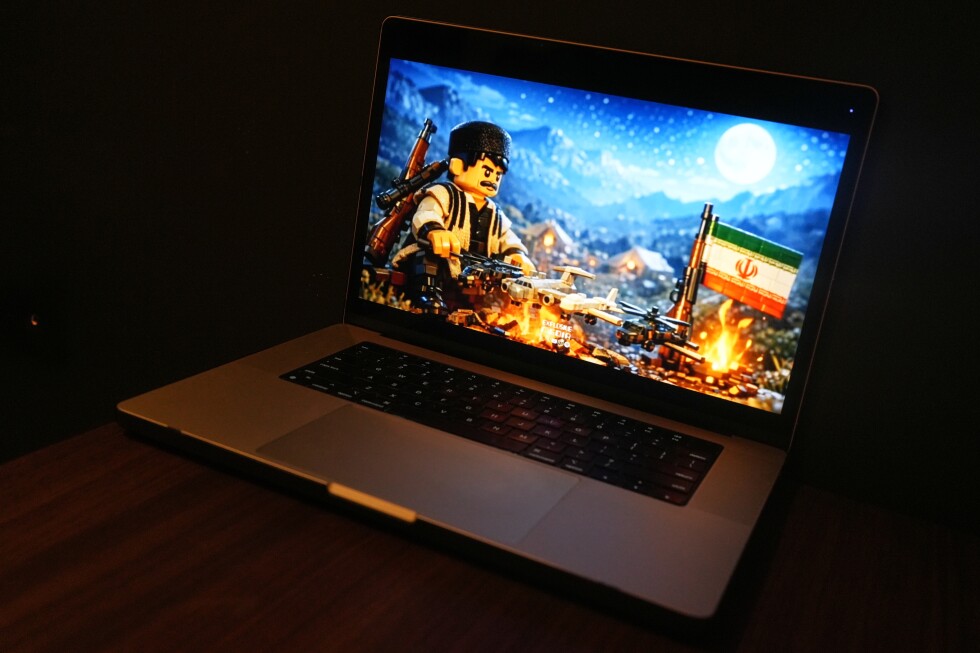
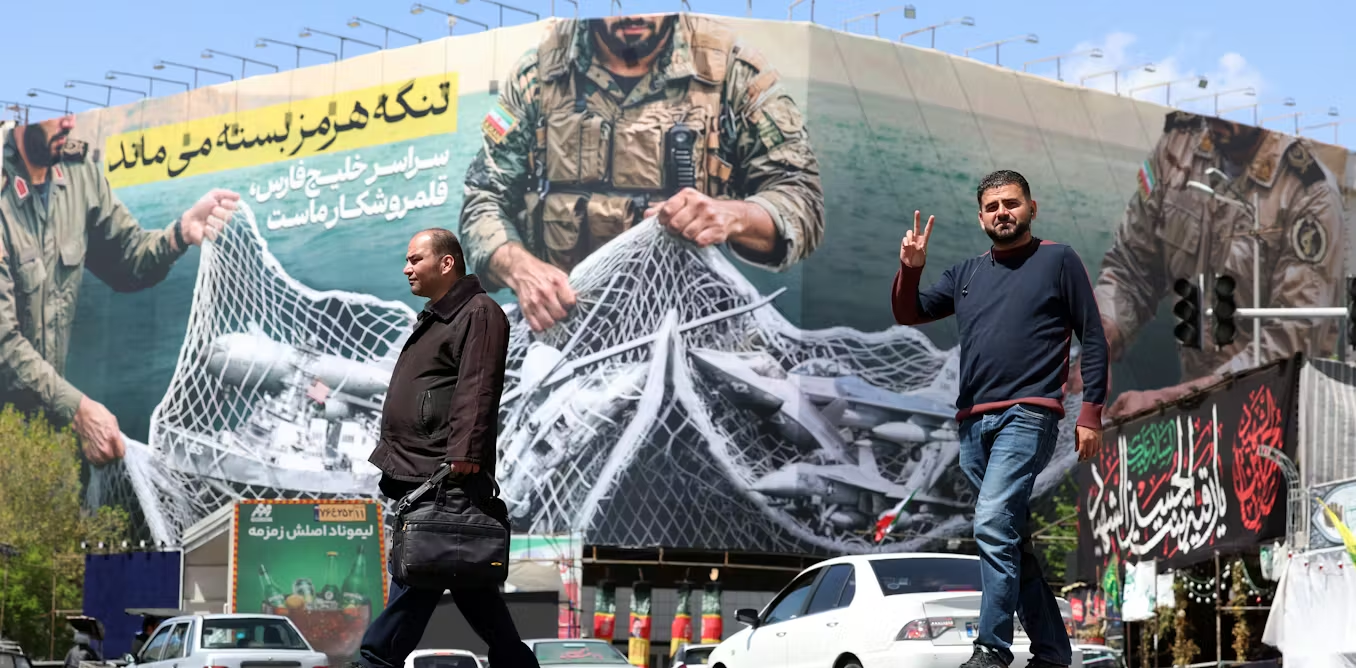
Pro-Iran groups have used artificial intelligence to create slick internet memes in English to try to shape the narrative during the war against the U.S. and Israel and foster opposition to it.
Analysts say the memes appear to be coming from groups linked to the government in Tehran and are part of a strategy of leveraging its limited resources to inflict damage on the U.S., even indirectly. That includes how Iran has used attacks and threats to control the flow of traffic through the Strait of Hormuz and maintain a stranglehold on the world’s economy. A ceasefire raised hopes Wednesday of halting hostilities, but many issues remained unresolved.
“This is a propaganda war for them,” Neil Lavie-Driver, an AI researcher at the University of Cambridge, said, referring to Iran. “Their goal is to sow enough discontent with the conflict as to eventually force the West to cave in, so it is massively important to them.”
It’s not the first time memes have been used in a conflict, and they have evolved to include AI images in recent years. AI imagery bombarded Ukrainians after the Russian invasion in 2022. Last year, the term “AI slop” became widely used to describe the glut of imperfect images posted online during the Israel-Iran war to try to destroy the country’s nuclear program.
Advertisement
In the conflict that began Feb. 28 with joint U.S.-Israel strikes, the memes have used well-honed cartoons that lambast U.S. officials.
The memes are steeped in American culture
The memes are fluent not just in English but in American culture and trolling. Published on various social platforms, they are racking up millions of views — though it’s not clear how much influence they have had.
“They’re using popular culture against the No. 1 pop culture country, the United States,” said Nancy Snow, a scholar who has written more than a dozen books on propaganda.
Advertisement
The pro-Iran images circulating online include a series that uses the style of the “Lego” animated movies. In one, an Iranian military commander raps, “You thought you ran the globe, sitting on your throne. Now we turning every base into a bed of stone,” as Trump falls into a bullseye built of “Epstein files,” the U.S. government’s investigative records on disgraced financier and convicted sex offender Jeffrey Epstein.
Advertisement
Sign up for Morning Wire:
Our flagship newsletter breaks down the biggest headlines of the day.
Analysts believe groups making the memes are cooperating with the government
The animations show levels of sophistication and internet access that indicate ties to government offices, said Mahsa Alimardani, a director of WITNESS, a human-rights group working on AI video evidence.
Advertisement
“If you’re able to have the bandwidth needed to generate content like that and upload it, you are officially or unofficially cooperating with the regime,” she said — pointing to severe restrictions Iran has imposed on the internet as part of a crackdown on nationwide protests earlier this year.
State media has reposted some of the memes, including some from the account behind the “Lego”-style videos, Akhbar Enfejari, which means Explosive News.
Akhbar Enfejari described themselves as Iranians producing and uploading from within Iran in an effort to disrupt decades-long dominance of Western control of the airwaves.
“They’ve long dominated the media landscape and, through that power, imposed narratives on many nations,” the group told The Associated Press on the messaging app Telegram. “But this time, something feels different. This time, we’ve disrupted the game. This time, we’re doing it better.”
Advertisement
After the ceasefire was announced, Akhbar Enfejari posted: “IRAN WON! The way to crush imperialism has been shown to the world. Trump Surrendered.”
In addition to the memes coming from pro-Iran groups, Iranian government accounts have trolled the U.S., including in a post Wednesday from Iran’s Embassy in South Africa that said, “Say hello to the new world superpower,” with a picture of the Iranian flag. Both the U.S. and Iran declared victory after agreeing to a ceasefire.
Analysts say the deep grasp of U.S. politics and culture is the fruit of more old-school methods of propaganda: a decades-long Iranian government program to promote narratives against the U.S. and Israel.
“This meme war comes from institutions that are very aware what the American public is aware of and pop cultural references that can appeal to them,” Alimardani said.
Advertisement
Messaging from the US and Israel
Analysts say the U.S. and Israel do not appear to be engaging in the same kind of campaign — and given the restrictions Iran has put on internet access in the country, getting such messages to ordinary Iranians would be difficult.
Early in the war, Israeli Prime Minister Benjamin Netanyahu released a video that used AI to make it seem like he was speaking in Farsi, in which he urged Iranians to overthrow their government. The White House has published a steady stream of memes, but those are aimed at a U.S. audience and feature clips from American TV shows and sports.
The U.S. government-run Voice of America, which for decades beamed news reports to many countries that had no tradition of a free press, does still broadcast in Farsi, though it is has been operating with a skeleton staff since Trump ordered it shut down.
“This world order is really changing overnight and the U.S. is not going to end up necessarily as the state that everybody listens to,” Snow said.
A total of 13 people were arrested after the protests
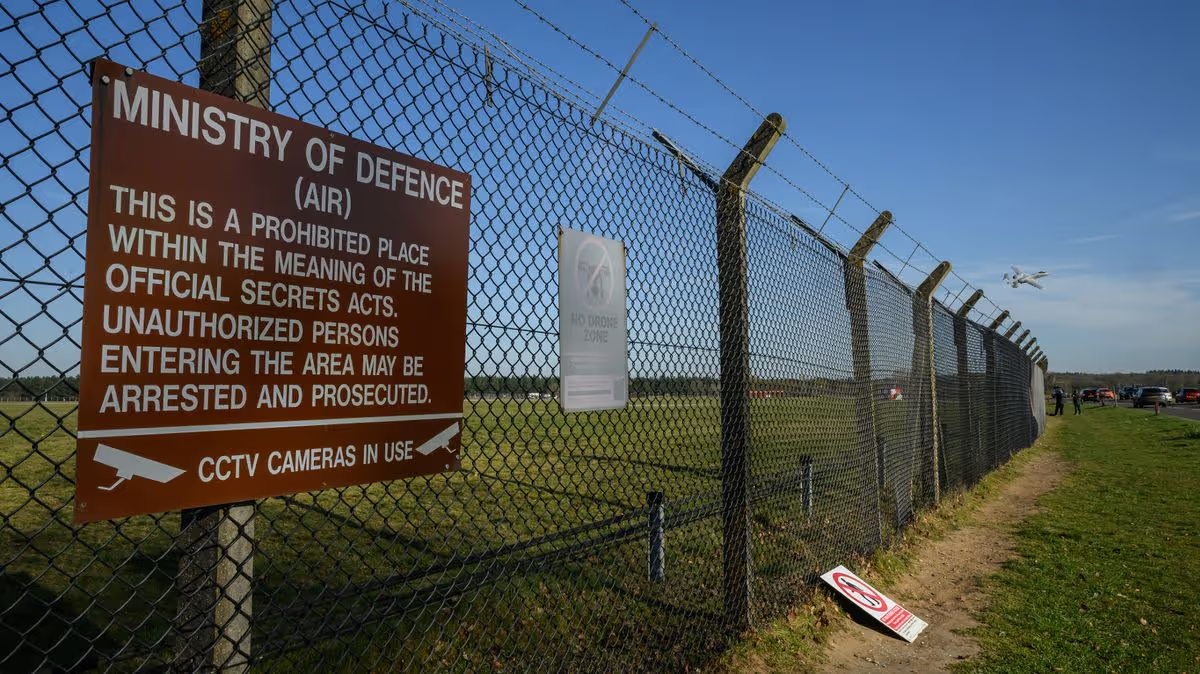
Protests at an RAF base near Cambridgeshire saw 13 people arrested. A protest took place outside RAF Lakenheath in Suffolk on Tuesday (April 7).
Advertisement
Suffolk Police were called to the protest at around 6am on Tuesday with reports of protestors “locking on”, meaning they attached themselves to people or objects. Officers arrested 13 people for locking on, as well as attempted locking on, obstruction, causing a public nuisance, and one possession of a class B drug.
Seven people have since been charged, with five granted police bail and one released under investigation. The following people have been charged:
Virginia Herbert, 78, of Cholsey, Wallingford, Oxfordshire, charged with attempted locking on;
Marie Walsh, 69, of Warner Crescent, Didcot, Oxfordshire, charged with locking on;
Eris H’Aitch, 51, of Shipden Avenue, Cromer, Norfolk, charged with locking on;
Mohammed Patel, 76, of Linnyshaw Close, Bolton, Greater Manchester, charged with locking on;
Rajal Naidu, 75, of Gosford Street, Birmingham, charged with obstructing entrance to the base;
David Thorpe, 60, of Barnbrook Road, Sarisbury Green, Southampton, charged with locking on;
Ammaarah Sidat, 24, of Alexandra Close, Clayton le Moors, Accrington, Lancashire, charged with locking on.
All seven people facing charges will appear at Ipswich Magistrates’ Court on June 12.
“Unfortunately, the mortgage mayhem caused by the unrest in the Middle East led to a flurry of rate hikes by lenders throughout March. Lenders also pulled deals from sale, some temporarily, but it led to an overall reduction of 17% in product choice within the space of a month.”
The comfortable Skechers women’s sandals have been reduced from £54 to £37 as the nation prepares for warmer weather
Emily Sleight Affiliate Content Editor
10:44, 09 Apr 2026
This article contains affiliate links, we will receive a commission on any sales we generate from it. Learn more
A comfortable pair of sandals is a must-have addition to your spring and summer wardrobe, and Amazon has currently reduced the price on a popular Skechers style. The Skechers Women’s Go Walk Flex Sandal Sublime, originally retailing at £54, has been discounted to £37.05, in the taupe textile and navy textile colourways. The level of comfort they offer has been likened to “wearing slippers” and they are available in sizes 2 to 10, with many sizes coming with a wide-fit option.
It sounds like a good deal to us, especially as the summer will be with us soon and comfortable sandals are essential for warmer weather and holidays, especially when heading to the beach or exploring a new city. Please be aware that pricing varies across different colours and sizes, and is subject to change.
Advertisement
One holidaymaker was particularly delighted with her Skechers sandals, saying: “I’ve now been to Greece for a week, worn them every day, including a 10-mile hike in 35°C, absolutely magnificent, rubbed nowhere, not a blister to be seen.”
“Ridiculously comfy. So chuffed.”
The complete product description states: “Skechers Women’s GO WALK Flex sandals are lightweight, breathable, and highly cushioned walking shoes designed for maximum comfort and convenience. Key features include breathable mesh uppers, responsive ULTRA GO cushioning, Flex Pillars for stability, and many models feature Hands Free Slip-ins technology with a supportive Heel Pillow.”
Shop the Skechers Women’s Go Walk Flex Sandal Sublime
The Skechers sandals come in taupe, black, sage, navy, light blue and mauve. They range from size 2 up to 10 and most sizes are available as a wide fit.
Features of the sandals include:
Advertisement
River sandal design with adjustable ankle strap
Flexible traction outsole
Lightweight, responsive ultra go cushioning
Contoured goga mat (responsive cushioning) comfort footbed
It is worth mentioning that a number of reviewers on Amazon advised potential buyers to size down to find the perfect fit.
Returning to the Skechers sandals reviews, one customer commented: “Really comfortable, perfect for long summer walks. The range of sizes meant I could find the perfect fit. Great quality too.”
A second customer wrote: “This is my second pair of these sandals, they are so comfortable to walk in and they’re very light. Straps are easy to adjust, they look good on (go well with jeans) and they give me good arch support.”
Advertisement
A third enthusiast commented: “Items arrived promptly, my wife loves them. Roll on summer.”
A fourth buyer remarked: “Very comfortable. Like wearing slippers.”
However, it’s worth noting that several customers reported sizing concerns. One review highlighted this issue, stating: “Bought my usual size five but they were enormous.
Advertisement
“More like a size six. Definitely need to downsize. Returned and received a refund.”
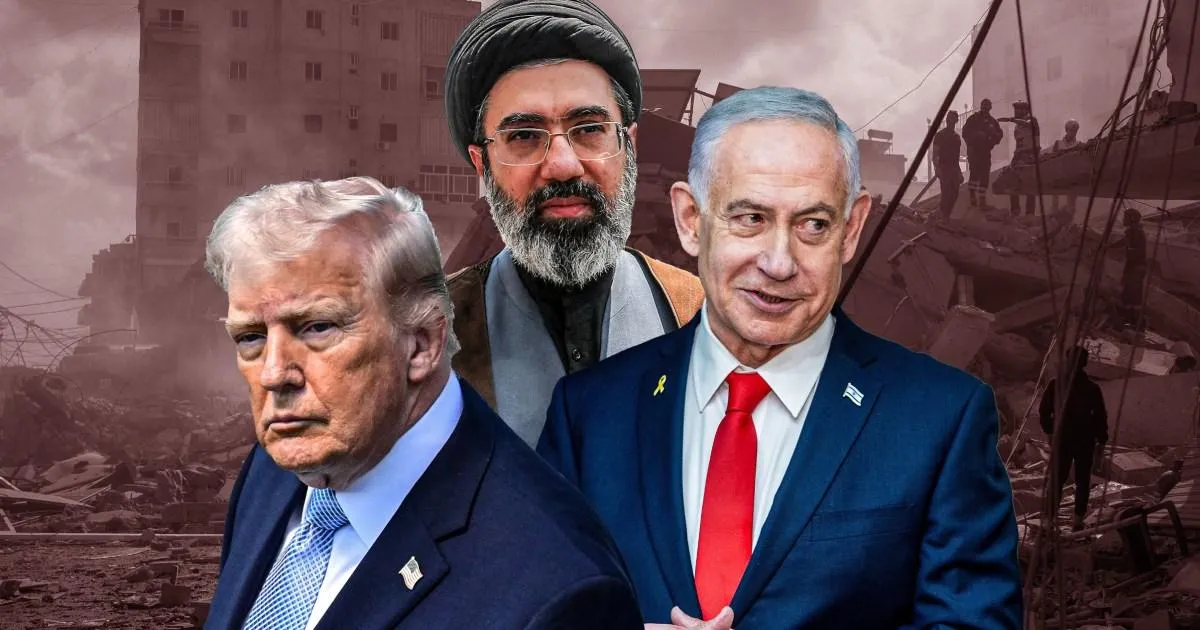
The ceasefire between the US, Israel and Iran is in a tough spot (Pictures: Getty/Reuters/AP)
The US and Iran both claimed victory after reaching a fragile ceasefire, even as more drones and missiles hit Iran and Gulf Arab countries yesterday.
The US president said he would suspend his threats to end an ‘entire civilisation’ if Iran agreed to reopen the critical Strait of Hormuz waterway, and a tentative ceasefire was then reached.
Yet, the agreement is already hitting roadblocks. Iran appears to have closed the Strait of Hormuz, after US leaders claimed it had been reopened as part of the ceasefire.
Key issues for both nations remain unresolved, including the scope of the truce, Iran’s rights to nuclear enrichment and ballistic missiles, as well as access to the Strait of Hormuz.
Advertisement
Dr Katayoun Shahandeh, of SOAS, University of London, told Metro the ceasefire is more fragile than it is secure.
‘It may hold in the very short term because all sides have reasons to pause, but it is not yet a stable settlement,’ she said.
Sign up for all of the latest stories
Start your day informed with Metro’s News Updates newsletter or get Breaking Newsalerts the moment it happens.
Advertisement
Why did Israel attack Lebanon, and is it a breach of the ceasefire?
182 people were killed yesterday in Lebanon by Israeli strikes (Picture: AFP)
The elephant in the room is the continued Israeli strikes into Lebanon.
Israel has intensified attacks in Lebanon, killing at least 182 people in the highest single-day death toll in the Israel-Hezbollah war, according to Lebanon’s health ministry.
‘There seem to be conflicting messages over whether Lebanon is covered, which is exactly the kind of ambiguity that can unravel a deal fast. There is also a growing divergence between U.S. and Israeli objectives,’ Dr Shahandeh said.
Washington has declared the ceasefire as a ‘victory’, Dr Shahandeh said, but Israel’s current posture points towards a continued military campaign, rather than a diplomatic resolution.
Advertisement
‘There is a real fear that this is not peace so much as a pause, as it is a chance for Washington and its allies to regroup and, if talks fail, strike harder. That may not be the stated intention, but it is one plausible reading of a ceasefire whose terms remain contested and whose basic points of agreement still seem very far apart,’ she said.
‘Already, it does not look as though all sides are fully adhering to it.’
What happens if the ceasefire conditions are broken?
Only two vessels have travelled through the Strait (Picture: Getty)
If the ceasefire is broken, Trump would have a few options – but would likely begin with escalation in strikes and potentially putting US troops on the ground in Iran.
‘Trump has said U.S. military ships and aircraft will remain around Iran and that if Tehran does not comply, the “shootin’ starts” again,’ Dr Shahandeh explained.
‘The most likely U.S. response would be renewed strikes, more coercive pressure over Hormuz, and an attempt to force Iran into harsher terms from a position of overwhelming military superiority. But that would deepen the bind he is already in: walking away risks looking weak, while escalating further risks a more unpopular and expensive war.’
Advertisement
Dr Bamo Nouri, senior lecturer in International Relations at the University of West London, told Metro: ‘If it breaks, Trump has already signalled a return to coercive escalation – maintaining US forces in the region, increasing military pressure, and potentially authorising further strikes to restore deterrence.
Iran’s options if the ceasefire is broken are different. Despite sustaining heavy damage, the country has retained power over the Strait of Hormuz and could easily resume missile and drone attacks and pressure on global shipping.
Israeli strikes have continued to pummel Lebanon and raised questions of if Israel violated the truce (Picture: Reuters)
As for Israel, the option is to continue its air strikes in both Iran and Lebanon if it believes the ceasefire to be broken.
‘Israel, for its part, is likely to be the least patient actor, having already signalled readiness to resume high-intensity operations if it judges the ceasefire to be constraining its strategic objectives,’ Dr Nouri said.
Despite agreeing to suspend its bombing campaign in Iran, the US and Israel differ on their positions as to whether the ceasefire stretches to Lebanon, where Israel argues it is striking Iranian-backed Hezbollah groups.
Advertisement
‘Israel agreed to suspend its bombing campaign on Iran, but that U.S. and Israeli positions differ sharply from Iran’s (and Pakistan who brokered the deal) over whether Lebanon is part of the ceasefire framework.
‘That means Israel could become the most immediate trigger for collapse if it continues treating other theatres as separate while Iran treats them as linked,’ Dr Shahandeh said.
What happens next?
The most likely U.S. response to breaking the ceasefire would be renewed strikes (Picture: Getty)
It’s hard to say. Iran, Israel and the United States are not operating from a shared understanding of what’s been agreed in the ceasefire agreement.
Dr Nouri explained: ‘The US frames it around limiting Iran’s nuclear activity and securing maritime stability in the Strait of Hormuz, while Iran insists on its enrichment rights and links the deal to broader regional conditions, including Israeli operations in Lebanon.’
In order for the ceasefire to hold, the three countries must quickly clarify terms to stop any misunderstandings.
Advertisement
‘Without a quickly accepted framework, this ceasefire becomes a short-lived bargaining interval rather than a stable resolution, with all sides already preparing for renewed escalation,’ Dr Nouri said.
Dr Shahandeh believes three things need to happen for the ceasefire to hold.
‘The parties need clear written terms, not just public declarations: what is covered geographically, what counts as a violation, and who verifies compliance,’ she said.
‘Second, there has to be a practical de-escalation mechanism around Hormuz, because Reuters reports there is still little sign that the Strait is operating normally, and Iran is still asserting control there.
Advertisement
‘Third, the ceasefire must become a political process, not just a pause in bombing. The ceasefire can hold, but only as a bridge to a more detailed agreement. If it remains vague, it is unlikely to last.’
Thousands of people in north-east Glasgow are expected to hear loud sirens on Thursday morning as part of a routine test carried out by a nearby gas works site
10:17, 09 Apr 2026Updated 10:24, 09 Apr 2026
Thousands of Scots have been warned that they may hear sirens blaring today.
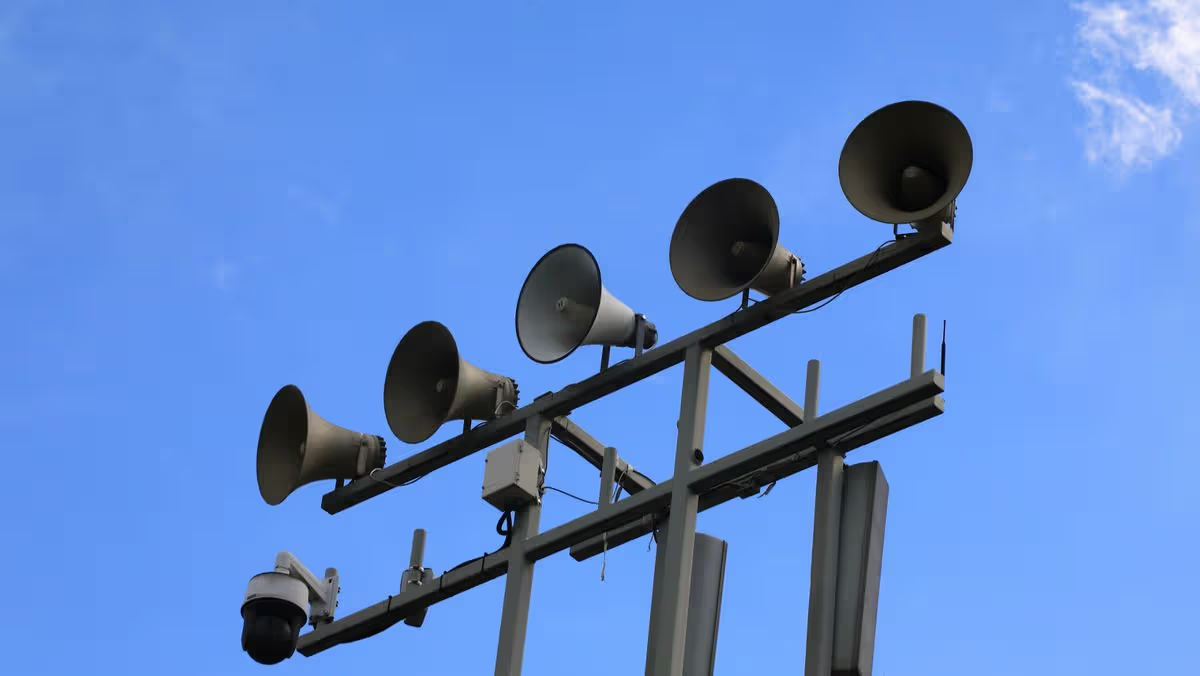
Residents living in north-east Glasgow are likely to hear the loud alarms as part of a routine test at a nearby gas works site. The alarm will sound at 10am on Thursday morning and is expected to last for an hour.
SGN, a gas network company, said it will carry out the test at its liquefied natural gas (LNG) site on Blochairn Road in Provan. During the test, “warning” and “all-clear” sirens will be activated several times, the firm said.
Advertisement
SGN spokesperson Dan Brown said: “We carry out these tests every six months because the safety of the Provan community is really important to us.
“While the test scheduled at 10am on Thursday 9 April is routine and nothing to be concerned about, it’s important nearby residents and businesses are familiar with the sound of the siren and know what they need to do in case a real incident ever takes place.”
The firm carries out the exercise every six months and notifies residents and businesses in advance. The test is required under the Control of Major Accident Hazards (COMAH) Regulations 2015.
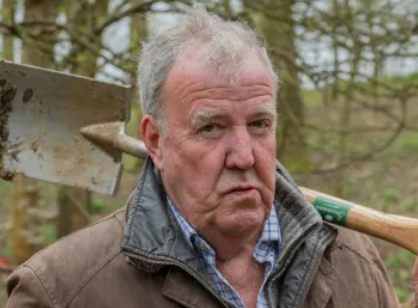
Clarkson’s Farm is on the cusp of returning for a brand new season – but its producer has opened up about the show’s legacy, addressing the reason why it will one day end.
Looking ahead, producer Andy Wilman, Clarkson’s long-time collaborator, has confirmed that the Prime Video series has a finite life and will only continue as long as Clarkson wants it to.
The show’s deal with the streaming platform is done on a “rolling basis”, meaning the team is only contractually obliged to complete the season they’re currently filming, which will ensure the show goes out on a high.
Advertisement
“You can’t have that thing where you have done one series too many and people say, ‘That’s bollocks now, it’s a busted flush,’ Wilman told Extraordinary Life Stories podcast. So you have to discipline yourself to say, ‘We end this now while we still have an audience.’”
Wilman said that “every series we have is a bonus”, adding: “If Jeremy can’t think of anything to do or say, then that would be the end of it – it hasn’t happened yet, but that’s the agreement he has with Amazon.”
The fate of ‘Clarkson’s Farm’ is in Jeremy Clarkson’s hands (Prime Video)
He continued: “This is our third big show – Top Gear kind of got ended for us, I can’t say that was a plan.
“The Grand Tour, we brought that to an end, we planned that – we thought we have to land the plane while we’re still in the air and dignified and we’ve still got an audience.”
Watch Apple TV+ free for 7 day
Advertisement
New subscribers only. £9.99/mo. after free trial. Plan auto-renews until cancelled.
However, The Grand Tour will return with new hosts, YouTubers Thomas Holland and James Engelsman, best known for their motoring content, as well as social media star and train enthusiast Francis Bourgeois.
Willman said of all the shows he’s worked on with Clarkson, it’s Clarkson’s Farm that’s “the most joyous thing to edit”.
Advertisement
However, the new season will feature its most heartbreaking scenes yet, with episodes expected to focus on the outbreak of bovine tuberculosis, which struck the Cotswolds farm in October 2025.
Jeremy Clarkson hosted The Grand Tour’ with James May and Richard Hammond (Getty)
This outbreak of bTB was a huge setback in 2025 and saw Clarkson’s Diddly Squat farm face a year of climate-driven disasters. The presenter called it the “worst year ever”, citing a “shocking” harvest due to heatwaves and drought in the UK.
Clarkson bought the now-famous land in 2008 and, after the villager who ran the farm retired in 2019, he decided to see if he could run it himself – a venture tracked in Clarkson’s Farm.
It has become one of Prime Video’s most-streamed TV shows and in July 2024, Clarkson extended his business empire by taking over rural country pub The Windmill in Asthall – a “village boozer” on five acres of countryside near Burford.
The US and Iran have agreed a two-week ceasefire in a deal brokered by Pakistan, which will see Iran open the Strait of Hormuz to shipping while negotiations continue for a more permanent settlement.
The US president, Donald Trump, announced the agreement on his TruthSocial platform less than two hours before the deadline of 8pm EST on April 7. Hours earlier he had posted: “A whole civilisation will die tonight, never to be brought back again. I don’t want that to happen, but it probably will.”
Talks are due to begin in Islamabad on April 10, where the two sides will discuss a ten-point plan presented by Iran on April 6. The plan offers to open the Strait of Hormuz in return for a permanent end to attacks by the US and Israel. Other conditions include lifting all primary and secondary sanctions, US withdrawal from the Middle East and Iranian control of the Strait of Hormuz, with plans for a US$2 million fee for ships transiting the strait in future to be shared between Iran and Oman. Fees collected by Iran would be used for reconstruction.
The office of Israeli prime minister, Benjamin Netanyahu, has said that it supports the ceasefire but that the deal does not include Lebanon. But both Iran and Pakistan have said that Lebanon is part of the deal. This point of contention is likely to affect negotiations from the start.
Advertisement
An important issue to consider as all parties to the conflict continue to react to each other’s attempts at diplomacy is the level of trust involved. On March 31, Iran’s foreign minister, Abbas Araghchi, told Al Jezeera that Iran had “zero trust” in the US. He added that: “Twice – last year and now this year – we negotiated and the result was an attack by them. And so we don’t have any faith that negotiations with the US will yield any results.”
Iran has ‘zero trust’ in the US: foreign minister, Abbas Araghchi.
With Mark Saunders at the University of Birmingham and Chiara Cervasio at the British American Security Information Council (BASIC), I’ve been looking into the relationship between trust and distrust in international relations. The first thing to note is the importance of distinguishing between the absence of trust and the presence of distrust. In a situation where the parties involved neither trust nor distrust each other, they remain open to the possibility that negotiations could reach a state where trust develops. Where there is distrust, by contrast, at least one of the parties is sure that the other has hostile intentions.
Araghchi’s language of “zero trust”, then, is best understood as an expression of active distrust. This reflects a clear belief on the part of Iranian decision-makers that diplomatic engagement with Washington will be exploited and not reciprocated.
Advertisement
From Tehran’s perspective, the US has repeatedly acted in bad faith. It carried out its Operation Midnight Hammer on Iran’s nuclear facilities while engaged in active negotiations over Iran’s nuclear programme. Again, on February 28, when the US commenced Operation Epic Fury in concert with Israel, mediators had reported that negotiations were proceeding well and reliable sources suggested that a deal was in the making.
Vital role of trust
In his interview with Al Jazeera, Araghchi mentioned that the US and Iran had been able to reach a deal “one time, years ago”. This was the Joint Comprehensive Programme of Action (JCPOA) negotiated with Iran in 2015 by the Obama administration with the UK, France, China, Russia and Germany as co-signatories. The agreement significantly rolled back Iran’s enrichment programme and set up a regime of inspections which – until the Trump administration pulled the US out of the agreement in 2018 – Iran was reportedly complying with.
The JCPOA agreement only became possible because of trust at the highest levels of US-Iran diplomacy. But this has clearly now hardened into active distrust on Iran’s part.
US secretary of state, John Kerry, and Iranian foreign minister, Javad Zarif during negotiations for the 2015 nuclear deal. Abbas Araghchi, now Iran’s foreign minister, is at the far right of the group. 506 collection/Alamy Live News
Trust requires a willingness to be vulnerable based on positive expectations about the intentions of others. So when states enter into negotiations they have to believe in the other side’s good faith and a commitment to using diplomacy to find a deal that will satisfy the interests of all sides. This requires a “presumption of trust”: a willingness to treat the other side as potentially trustworthy.
Advertisement
There’s an interesting historical parallel in the Cuban missile crisis of 1962. The episode, which brought the world to the brink of a nuclear confrontation, occurred during a period where the US and the Soviet Union deeply distrusted each other. But both the US president, John F. Kennedy, and the Soviet leader, Nikita Khrushchev, came to recognise their shared vulnerability in the face of the destructive power of each side’s nuclear arsenal. This recognition enabled them to develop a bond that allowed a path to de-escalation. But in this instance both leaders believed that the other understood the stakes and the importance of trustworthiness in reducing tensions.
Araghchi’s recent statement suggests that Iran has no such presumption of trust in the US. By communicating that Iran believes negotiations will be exploited by Washington rather than reciprocated, Araghchi is indicating that the basic condition for diplomacy, and with it the promise of trust, no longer exists.
If Trump is serious about negotiations, he will have to convince Iranian leaders that US diplomacy is not a cover for further military action. The lesson is not that trust is necessary for diplomacy to begin but that it cannot operate when one or both sides think they are going to be betrayed.
We’ll be bringing you the very latest updates, pictures and video on this breaking news story.
Two men and two women have died after attempting to cross the English Channel in a small boat, the prefect of Pas-de-Calais Francois-Xavier Lauch said.
Lambiase, currently Red Bull’s head of race engineering, will become the third senior Red Bull figure to join McLaren in recent years.
Rob Marshall joined as chief designer at the start of 2024, and former Red Bull head of race strategy Will Courtenay became McLaren’s sporting director in January this year.
Red Bull have also lost chief technical officer Adrian Newey and sporting director Jonathan Wheatley since the start of 2024. They both left before former team principal Christian Horner was fired in July 2025.
Lambiase will join a McLaren race-operations support structure that already includes Courtenay and his boss, racing director Randy Singh.
Advertisement
The plan is for Lambiase’s new position to allow Stella more freedom to focus on the leadership aspects of his role.
Stella is already doing two jobs – alongside being team principal, he is effectively also technical director.
The team’s engineering structure sees the three technical directors Peter Prodromou, Mark Temple and Neil Houldey – who are responsible in turn for aerodynamics, performance and engineering – as well as Marshall report into Stella when it comes to car design.
Lambiase will fit in by taking strain off Stella on the racing and trackside part of the business.
Advertisement
Reports that the recruitment of Lambiase is a precursor to Stella leaving to join Ferrari are said by McLaren insiders to be incorrect.
Lambiase is known for his close relationship to four-time world champion Verstappen, with whom he has worked since the Dutchman joined Red Bull for the 2016 Spanish Grand Prix.
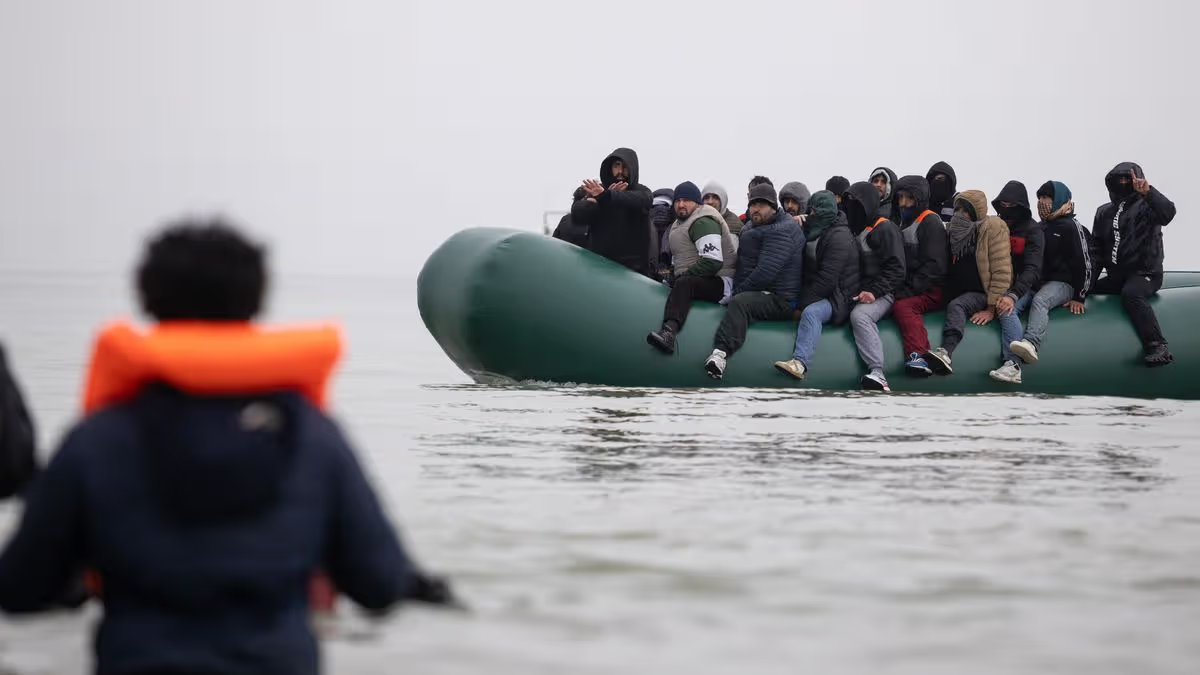
Four people have died after a small boat carrying migrants attempting to cross the Channel capsized off the coast of France, French local authorities have said.
Officials in Calais said in a statement: “A taxi-boat sinking occurred today.
“The situation is still being assessed and remains subject to change.”
Traffickers have increasingly used motorised dinghies, known as ‘taxi-boats’, along the northern French and Belgian coastlines to pick up migrants over the past year.
Advertisement
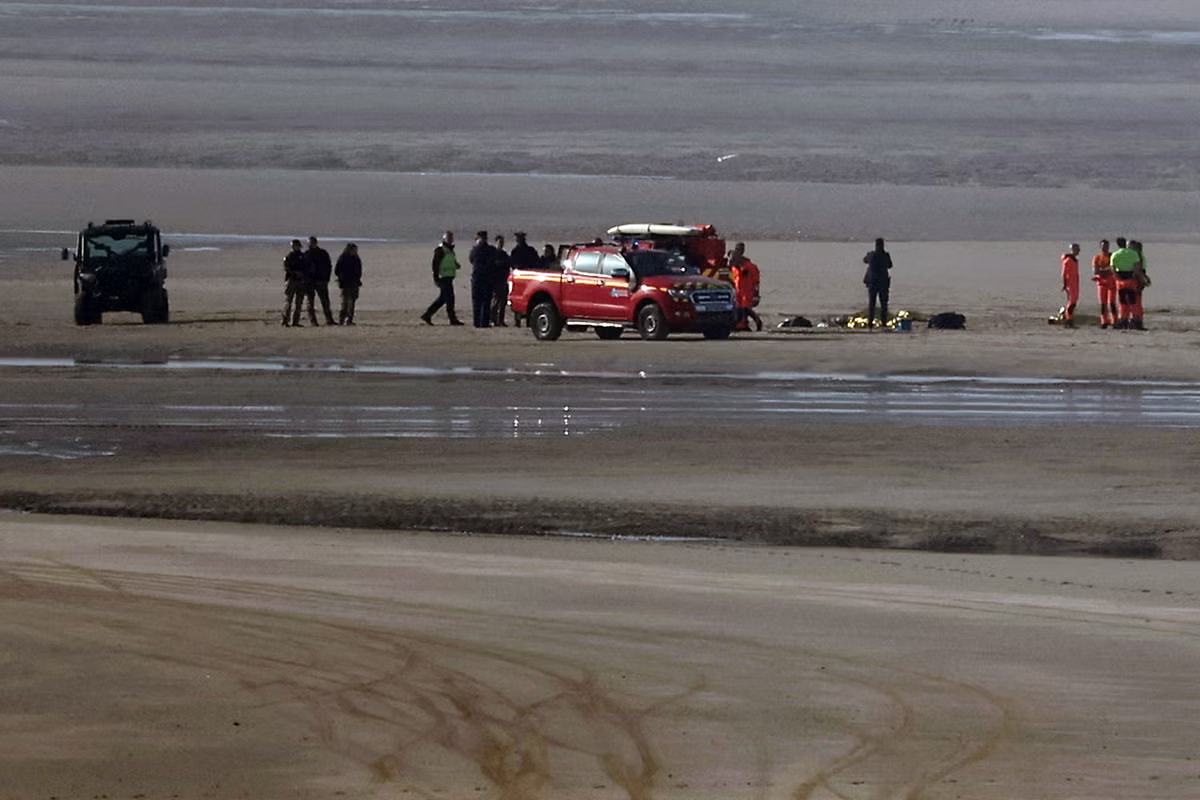
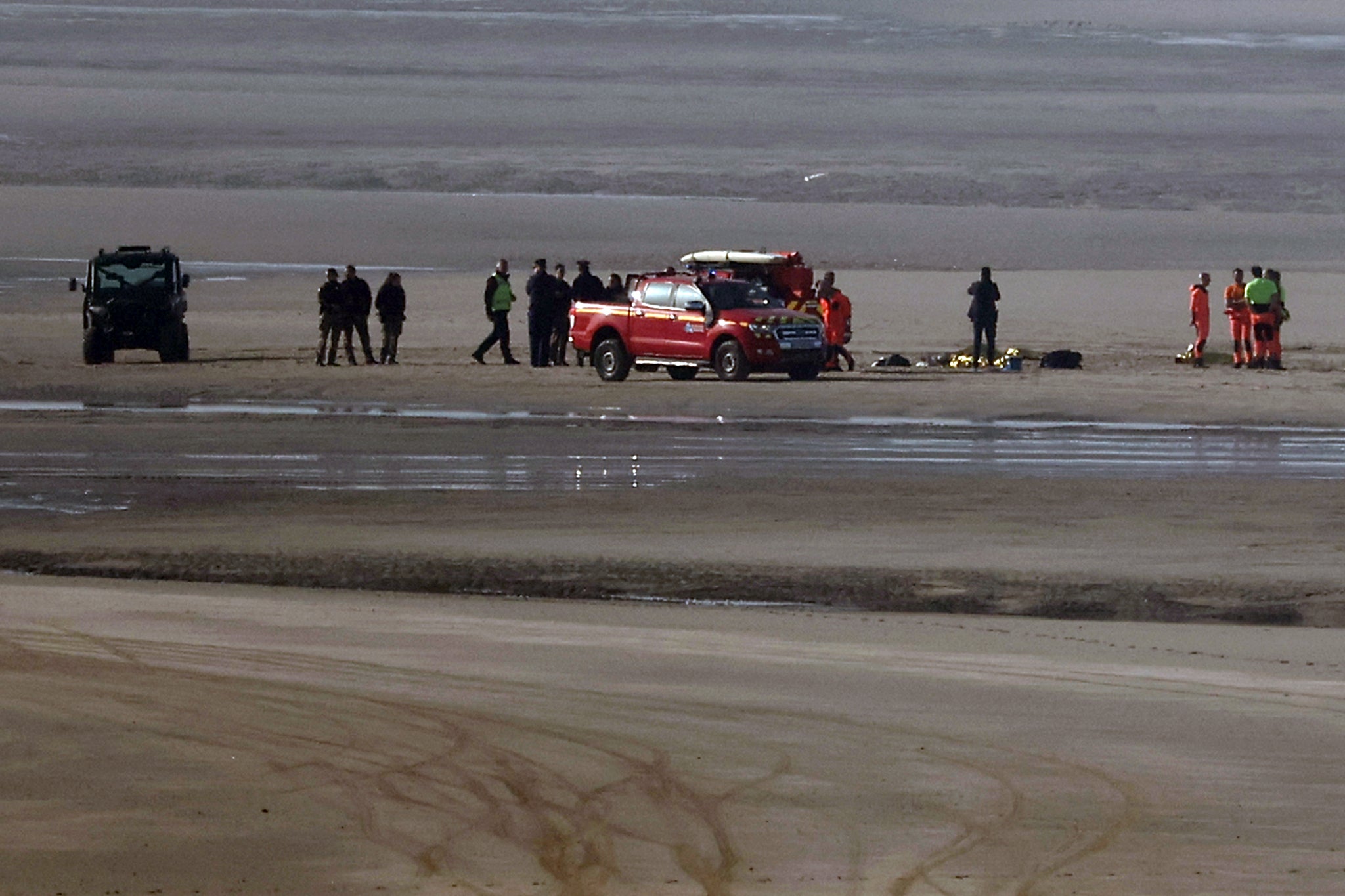
Rescue vehicles and medical units gather on the beach to treat victims after an attempt to cross the English Channel illegally turned tragic with several migrants found in cardiac arrest, in France’s Pas-de-Calais northern coastal city of Equihen-Plage (AFP/Getty)
About 2,200 migrants crossed the Channel, one of the world’s busiest shipping lanes, to Britain in the first two months of 2026.
Around 41,500 people made the crossing in 2025, according to the University of Oxford’s Migration Observatory.














































You must be logged in to post a comment Login