
Business
ASX has best week since 2022 despite ceasefire strain




Oatly Group AB schedules annual general meeting for May 20

SEOUL, South Korea — BTS launched its long-awaited “ARIRANG” world tour April 9 in Goyang with explosive energy, remixing hits like “FYA” and “Burning Up (Fire)” before a roaring hometown crowd, signaling the septet’s determination to reclaim the global K-pop crown after completing mandatory military service. Just months after their March 20 album release, the group is mounting what promoters call the largest K-pop tour in history, with more than 80 dates planned across Asia, North America, Europe and beyond through 2027.

The timing sets up one of the most anticipated showdowns in K-pop history: BTS, the genre’s undisputed global ambassadors, versus Stray Kids, the self-producing 4th-generation powerhouse that dominated album sales, tours and Billboard charts during BTS’ hiatus. As both groups operate at full throttle in 2026, industry watchers are asking whether Stray Kids’ raw momentum can withstand BTS’ unmatched legacy and fan army.
BTS’ comeback album “Arirang,” released March 20, blended nostalgic hip-hop roots with fresh pop sensibilities, quickly topping charts and sparking celebrations worldwide. Lead single “SWIM” surged to No. 1 on the Billboard Hot 100 and U.K. charts, proving the group’s cultural clout remains intact despite nearly four years of limited group activity while members fulfilled South Korea’s compulsory military duty. All seven — RM, Jin, Suga, J-Hope, Jimin, V and Jungkook — reunited fully by mid-2025, with solo successes during the break only amplifying anticipation.
The “ARIRANG” tour opener featured high-octane performances and emotional moments, with Jungkook, V and Jimin taking prominent roles in the setlist. Tickets for the multi-city run sold out rapidly, underscoring ARMY’s enduring loyalty. Promoters project the tour could eclipse previous K-pop records in both attendance and revenue, capitalizing on pent-up demand from the hiatus era.
Meanwhile, Stray Kids has spent 2025 and early 2026 in overdrive. The JYP Entertainment act shattered records with its “dominATE” world tour, grossing nearly $186 million from 1.3 million tickets sold across reported shows in 2025 alone — setting regional benchmarks in Latin America, North America and Europe. The group became the first K-pop act to debut eight consecutive albums at No. 1 on the Billboard 200 and claimed the No. 2 spot on IFPI’s 2025 Global Artist Chart, behind only Taylor Swift in some metrics.

Stray Kids’ 2025 album “Karma” dominated U.S. album and CD sales among K-pop releases, with the group sweeping multiple top spots on domestic charts. Their self-produced sound — blending aggressive rap, intricate choreography and genre-bending experimentation — resonated deeply with a younger, highly engaged global fanbase known as STAY. In February 2026 brand reputation rankings, Stray Kids held strong at No. 2 behind BTS, reflecting sustained visibility even as the senior group prepared its return.
Metrics Tell a Tale of Two Eras
Legacy versus momentum defines the 2026 narrative. BTS boasts over 140 million career-equivalent units and more than 500 global awards, including a record number of daesangs (grand prizes) in Korea. The group’s Spotify metrics remain superior, with significantly higher monthly listeners and longer chart dominance. Their influence helped transform K-pop from a niche phenomenon into a worldwide industry force, opening doors for acts like Stray Kids.
Stray Kids counters with superior recent sales velocity. The eight-time Billboard 200 toppers outsold many veterans in physical albums during BTS’ absence, with “Karma” ranking high on IFPI global album charts. Their tour earnings and attendance figures for 2025 marked the highest for any K-pop boy group that year, proving stadium-filling power without the same decades-long buildup. Stray Kids also pioneered self-production, with members Bang Chan, Changbin and Han deeply involved in songwriting and composition — a creative edge that appeals to fans seeking authenticity.
In South Korea, however, BTS retains a massive edge in brand reputation and domestic cultural impact. February and March 2026 rankings placed BTS far ahead, with indices nearly triple those of Stray Kids at times. The group’s national pride symbolism, amplified by military service, gives them an unassailable position at home that younger acts struggle to match.
Globally, the picture is more competitive. Stray Kids excelled in Western markets during the hiatus, breaking attendance records in the Americas and Europe. Yet BTS’ return has already shifted streaming and media conversations. Analysts note that while Stray Kids leads in current active metrics like consistent album cycles and tour scale, BTS’ catalog streaming and overall brand equity provide a deeper reservoir of influence.
Fanbase Dynamics and Industry Shifts
ARMY and STAY represent two distinct but overlapping fandoms. ARMY’s size and organizational power remain legendary, driving record-breaking sales and social campaigns. STAY prides itself on a more hands-on connection, fueled by Stray Kids’ frequent content and member-driven creativity.
The 2026 overlap has sparked lively online debates and some tension. When Stray Kids announced new album and tour plans for 2026, a vocal segment of fans accused the timing of overlapping with BTS’ comeback, though others defended the group’s right to maintain momentum. Stray Kids proceeded with its sixth fanmeeting series “STAY in Our Little House” in April, alongside fashion commitments and preparations for further releases, including potential Japanese projects.
K-pop as a whole has evolved since BTS’ last full-group era. The industry now features deeper competition from 4th- and 5th-generation acts, with diversified revenue streams including solo ventures, acting and global brand endorsements. BTS members themselves thrived individually — Jungkook and Jimin scoring major solo hits — which some observers say strengthened rather than diluted the group’s brand.
Stray Kids’ self-sufficiency positions it well for long-term sustainability. Unlike many idol groups reliant on external producers, the eight members (Bang Chan, Lee Know, Changbin, Hyunjin, Han, Felix, Seungmin and I.N.) control much of their artistic direction, potentially insulating them from industry volatility.
What 2026 Will Reveal
The coming months offer a natural laboratory. BTS’ massive tour will test whether post-hiatus demand matches or exceeds past peaks, while Stray Kids’ continued activity — including rumored new material and festival appearances — will measure its ability to hold or grow market share against the returning giants.
Industry executives suggest coexistence is more likely than outright replacement. BTS’ global platform elevates the entire genre, creating spillover benefits for acts like Stray Kids. At the same time, Stray Kids’ youth and output frequency allow it to capture younger demographics and maintain weekly visibility that a touring-heavy BTS schedule might not match between dates.
Pollstar and Billboard projections already rank both groups among the top global touring acts for 2026. Combined, their activities could push K-pop concert revenues to new heights, benefiting venues, promoters and the broader ecosystem.
Cultural observers note BTS’ role in Korean soft power remains peerless, while Stray Kids exemplifies the genre’s creative maturation. Neither is likely to “dominate” in every metric; instead, 2026 may mark a new chapter of parallel supremacy — BTS as the timeless icon, Stray Kids as the tireless innovator.
For fans, the real winner is abundance. With both groups delivering high-caliber music, visuals and performances, K-pop enthusiasts face a embarrassment of riches. Whether streaming “Arirang” tracks or cheering dominATE-era anthems, global audiences can expect an unforgettable year of boy group excellence.
As BTS takes the stage in city after city and Stray Kids pushes creative boundaries from the studio to the fanmeet hall, the competition elevates everyone. In 2026, the K-pop throne isn’t a zero-sum game — it’s big enough for legends to return and rising stars to shine.

Fortescue expects to be running its Pilbara mining network on green energy by 2028, netting the miner a predicted cost saving of up to $US800 million.
Wendy's: Why The Turnaround Story Still Doesn't Add Up

Barrick Mining: IPO Spinoff Dream Hits Royalty Shocker And Margin Squeeze

Matador Resources gains 63% after Fair Value signal identifies upside

Developer Exal Group has secured funding from a Singaporean backer for its 916-bed student accommodation complex in Waterford.
Tempus AI stock rises on Gilead collaboration deal

How Policymakers Can Lower Mortgage Costs And Increase Housing Affordability
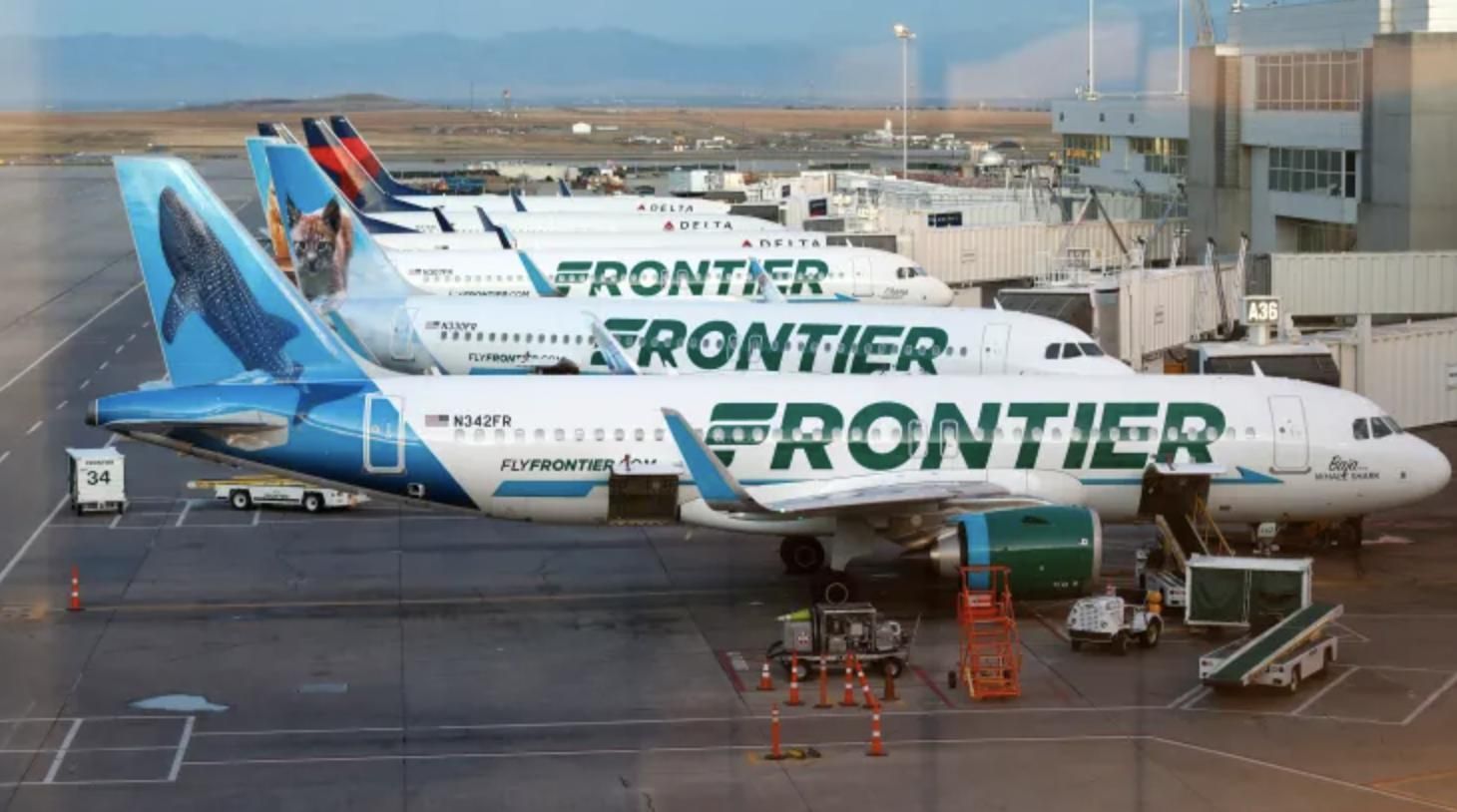
DENVER — Travelers at Denver International Airport faced manageable security wait times Friday as the busy spring travel period tapered off, with standard TSA lines averaging 10 to 17 minutes across the facility’s East and West checkpoints amid moderate passenger volume on April 10, 2026.

According to real-time data from the airport’s official website, East Security showed standard lane estimates of 13-17 minutes and TSA PreCheck lanes at 4-8 minutes. West Security reported lighter conditions with standard waits of 10-14 minutes and PreCheck as quick as 1-5 minutes. Both checkpoints remained open from 3 a.m. to 1 a.m., with PreCheck available through late evening hours.
The relatively short lines offered relief after a spring break season that saw more than 1.3 million passengers screened at DEN between mid-March and late March, with some peak mornings pushing waits higher. Airport officials continue to recommend arriving at least two hours before domestic flights to account for check-in, baggage and potential fluctuations in security processing.
Denver International, one of the nation’s busiest hubs and a major gateway for United Airlines and Southwest Airlines, handled steady Friday traffic typical of a post-holiday weekend. While early April brought scattered flight delays due to weather and national airspace issues, security operations appeared efficient thanks to recent checkpoint upgrades that nearly doubled screening capacity in some lanes.
Real-Time Conditions and Peak Patterns
As of mid-morning Friday, conditions stayed well below the 30-minute mark that can occur during heavy rushes. Historical patterns at DEN show peak congestion often hits between 3-4:30 a.m., 8-10 a.m. and 3-5 p.m., when departure banks overlap with business and leisure travelers. On April 10, afternoon and evening projections suggested waits could remain in the low teens for standard screening.
The airport’s two main security checkpoints in the Jeppesen Terminal — East on the east side of the Great Hall and West on the opposite side — serve all passengers. CLEAR biometric expedited lanes are available at both, further shortening times for enrolled members. TSA PreCheck, now used by millions nationwide, continued to deliver the fastest throughput.
Travelers without trusted traveler programs can still speed things up through the free DEN Reserve system, which allows booking a dedicated security time slot up to 14 days in advance for flights departing between 6 a.m. and 9 p.m. Slots are limited and tend to fill quickly during busier periods.
Airport spokespeople emphasized that wait times can shift rapidly based on passenger volume, staffing and random secondary screenings. Officials urged checking flydenver.com/security or the MyTSA app before heading to the airport for the latest estimates.
Spring Break Aftermath and Operational Improvements
The just-concluded spring break window tested DEN’s infrastructure, with TSA forecasting heavy volume through late March. While some mornings saw lines stretching longer — including isolated reports of over an hour during the height of the rush — overall waits at Denver remained shorter than at many peer airports facing similar pressures.
Recent multimillion-dollar upgrades to the security checkpoints have helped. Newer lanes can process nearly twice as many passengers per hour, contributing to smoother flow even when volumes spike. These enhancements came online in recent years as part of broader terminal modernization efforts at the sprawling facility, known for its tent-like roof and underground train system connecting concourses.
Friday’s lighter conditions aligned with national TSA checkpoint data showing typical mid-spring passenger numbers after the March surge. Broader U.S. air travel has seen occasional disruptions from weather, but Denver’s security lines have largely avoided the multi-hour nightmares reported elsewhere during peak periods.
Tips for Smoother Travel Through DEN
Airport officials offered standard advice for minimizing stress:
- Arrive early: Two hours for domestic flights, three for international.
- Pack smart: Follow the 3-1-1 liquids rule and remove laptops, liquids and large electronics early.
- Enroll in expedited programs: TSA PreCheck, CLEAR and Global Entry can cut wait times dramatically.
- Use DEN Reserve: Book a free timed slot online to guarantee a dedicated lane.
- Monitor in real time: Bookmark the airport’s security page or use flight apps that integrate wait time data.
Passengers with mobility needs or traveling with young children can request assistance through airline staff or airport customer service. Families should factor in extra time for strollers, car seats and the playful public art installations that can distract little ones while waiting.
DEN’s single terminal design funnels all passengers through the central Great Hall before security, with easy access to dining, shopping and the signature blue mustang statue outside. Once through screening, the underground train whisks travelers to Concourses A, B and C, home to dozens of gates and amenities.
Broader Context for Spring 2026 Travel
Denver International continues to rank among the top 20 busiest U.S. airports by passenger volume. Its central location makes it a critical hub for connecting flights across the Mountain West and beyond. While security remains the most visible choke point for many travelers, other factors like baggage handling, gate availability and air traffic control also influence the overall experience.
Early April brought some operational hiccups, with hundreds of delays logged across the first week due to weather systems moving through Colorado and national airspace constraints. Travelers on Friday were advised to check flight status directly with their airline in addition to monitoring security lines.
Looking ahead, summer travel season will likely bring renewed pressure as families plan vacations and business travel rebounds. Airport leaders have signaled ongoing investment in technology and staffing coordination to keep wait times predictable.
For now, Friday’s moderate lines offered a welcome breather. Passengers moving through East and West Security reported efficient processing, with many clearing checkpoints in well under 20 minutes even without expedited options.
Whether catching a quick domestic hop or embarking on a longer journey, DEN travelers on April 10 benefited from lighter post-spring break traffic and proven operational improvements. As always in air travel, checking real-time data remains the best defense against surprises at one of America’s most distinctive airports.

Institutions’ bitcoin positioning lacks conviction; CPI, Iran talks might help

Jensen Ackles, Jared Padalecki’s New Roles After Supernatural

The Top 5 Careers of Millionaires


-

 Fashion7 days ago
Weekend Open Thread: Spanx – Corporette.com
-

 Business5 days ago
Three Gulf funds agree to back Paramount’s $81 billion takeover of Warner, WSJ reports
-

 Sports6 days ago
India men’s 4x400m and mixed 4x100m relay teams register big progress | Other Sports News
-

 Business6 days ago
Expert Picks for Every Need
-

 Tech3 days ago
How Long Can You Drive With Expired Registration? What Florida Law Says
-

 Business5 days ago
No Jackpot Winner, Prize to Climb to $231 Million
-

 Fashion4 days ago
Massimo Dutti Offers Inspiration for Your Summer Mood Board
-

 Fashion3 days ago
Let’s Discuss: DEI in 2026
-
Politics7 days ago
Wings Over Scotland | The quality of mercy
-

 Crypto World2 days ago
Bitcoin recovers as US and Iran Agree a Ceasefire Deal
-

 Business6 days ago
Akebia Therapeutics, Inc. (AKBA) Discusses Pipeline Progress and Strategic Focus on Kidney Disease Treatments at R&D Day – Slideshow
-

 Crypto World23 hours ago
Canary Capital Files SEC Registration for PEPE ETF
-

 Politics6 days ago
The UK should not pay a penny in slavery reparations
-

 Fashion7 days ago
Frugal Friday’s Workwear Report: Hammered Metallic Button Sweater Vest
-

 Tech4 days ago
Samsung just gave up on its own Messages app
-

 Tech4 days ago
Haier is betting big that your next TV purchase will be one of these
-

 Fashion7 days ago
Weekly News Update, 4.3.26 – Corporette.com
-
Sports7 days ago
A Kevin O’Connell Theory Can Now Be Retired
-

 NewsBeat7 days ago
Kemi Badenoch talks ‘spring cleaning’ Reform defections
-

 Tech4 days ago
Gamer Restores the Original PlayStation Portal From Two Decades Ago
You must be logged in to post a comment Login