Connect with us
DAPA Banner

NewsBeat

US military warns it will blockade Iranian ports

Published

on

Oil prices rise after the US says it would block Iranian ports starting Monday

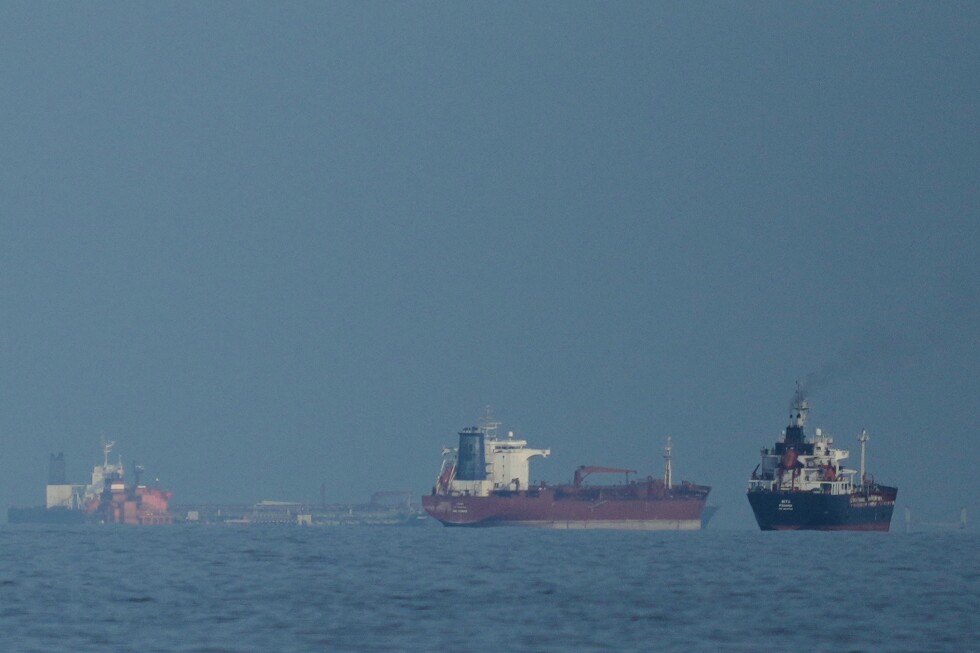
CAIRO (AP) — The U.S. military announced it will begin a blockade of all Iranian ports and coastal areas on Monday, tempering President Donald Trump ‘s earlier vow to entirely block the strategic Strait of Hormuz as early reports indicated that ships had stopped crossing the waterway.

The move came after marathon U.S.-Iran ceasefire talks in Pakistan ended without an agreement, and it set the stage for a showdown. Iranian leaders vowed to counter the blockade.

U.S. Central Command announced the blockade would begin on Monday at 10 a.m. EDT, or 5:30 p.m. in Iran, and would be “enforced impartially against vessels of all nations entering or departing Iranian ports and coastal areas, including all Iranian ports on the Arabian Gulf and Gulf of Oman.” CENTCOM said it would still allow ships traveling between non-Iranian ports to transit the strait, a step down from the president’s earlier threat to blockade the entire strait.

Trump later confirmed the timing in a post on his Truth Social website.

Advertisement

The announcement of the blockade halted the limited ship traffic that resumed in the strait since the ceasefire, said an early report from Lloyd’s List intelligence. Marine trackers say over 40 commercial ships have crossed since the start of the ceasefire, down from roughly 100 to 135 vessel passages per day before the war.

Later Sunday, Trump extended his feud over the war with Pope Leo XIV, lashing out in a Truth Social post that called the Catholic leader “terrible on foreign policy.” The extraordinary broadside came after Leo denounced the war and demanded that political leaders stop and negotiate peace.

The blockade could have far-reaching effects

The blockage is likely intended to add pressure on Iran, which has exported millions of barrels of oil since the war began, much of it likely carried by so-called “dark” transits that evade Western government sanctions and oversight.

Trump also hopes to undercut Iran’s control over the Strait of Hormuz after demanding that it reopen the waterway where 20% of global oil transited before fighting began. A U.S. blockade could further rattle global energy markets.

Advertisement

Oil prices rose in early market trading after the blockade announcement. The price of U.S. crude rose 8% to $104.24 a barrel, and Brent crude oil, the international standard, rose 7% to $102.29. Brent crude cost roughly $70 per barrel before the war in late February.

Iran says ‘if you fight, we will fight’

A chorus of top-ranking Iranian officials threatened retaliation. Mohsen Rezaei, a military adviser and a former Revolutionary Guard Commander, wrote on X that the country’s armed forces had “major untouched levers” to counter a Hormuz blockade. He said Iran would not be coerced by “tweets and imaginary plans.”

Iranian parliament speaker, Mohammad Bagher Qalibaf, who led Iran’s side in the talks, addressed Trump in a statement on his return to Iran: “If you fight, we will fight.”

Iran’s Revolutionary Guard later said the strait remained under Iran’s “full control” and was open for non-military vessels, but military ones would get a “forceful response,” two semi-official Iranian news agencies reported.

Advertisement

During the 21-hour talks this weekend in Pakistan, the U.S. military said two destroyers had transited the strait ahead of mine-clearing work, a first since the war began. Iran denied it.

No word on what happens after ceasefire expires

The face-to-face talks that ended early Sunday were the highest-level negotiations between the longtime rivals since the 1979 Islamic Revolution.

Trump said Tehran’s nuclear ambitions were the core reason for the talks’ failure. In comments to Fox News, he again threatened to strike civilian infrastructure if it didn’t give up its nuclear program.

“In one half of a day they wouldn’t have one bridge standing, they wouldn’t have one electric generating plant standing, and they’re back in the stone ages,” Trump said.

Advertisement

Vice President JD Vance, who led the U.S. side in the talks, said Washington would need “an affirmative commitment that they will not seek a nuclear weapon.”

Iranian negotiators could not agree to all U.S. “red lines,” said a U.S. official who spoke on condition of anonymity because they were not authorized to describe positions on the record. Those red lines included Iran never obtaining a nuclear weapon, ending uranium enrichment, dismantling major enrichment facilities and allowing retrieval of its highly enriched uranium, along with opening the Strait of Hormuz and ending funding for Hamas, Hezbollah and Houthi rebels.

Advertisement

Iranian officials said talks fell apart over two or three key issues, blaming what they called U.S. overreach. Qalibaf, who noted progress in negotiations, said it was time for the United States “to decide whether it can gain our trust or not.”

Iran’s foreign minister claimed that the U.S. tanked the negotiations when they were within “inches” of an agreement, but did not provide evidence.

“We encountered maximalism, shifting goalposts, and blockade,” wrote Abbas Araghchi on X.

Neither Iran nor the U.S. indicated what will happen after the ceasefire expires on April 22.

Advertisement

Pakistani Foreign Minister Ishaq Dar said his country will try to facilitate a new dialogue in the coming days. Iran said it was open to continuing dialogue, state-run IRNA news agency reported.

Iran’s nuclear program is a key sticking point

Iran’s nuclear program was at the center of tensions long before the U.S. and Israel launched the war on Feb. 28. The fighting has killed at least 3,000 people in Iran, 2,055 in Lebanon, 23 in Israel and more than a dozen in Gulf Arab states, and damaged infrastructure in half a dozen countries.

Tehran has long denied seeking nuclear weapons but insists on its right to a civilian nuclear program. The landmark 2015 nuclear deal, which Trump later pulled the U.S. out of, took well over a year of negotiations. Experts say Iran’s stockpile of enriched uranium, though not weapons-grade, is only a short technical step away.

___

Advertisement

Metz reported from Ramallah, West Bank, Boak from Miami and Magdy from Cairo. Associated Press writers E. Eduardo Castillo in Beijing; Collin Binkley and Ben Finley in Washington; Kareem Chehayeb in Beirut; Brian Melley in London; Ghaya Ben MBarek in Tunis; Hannah Schoenbaum in Salt Lake City and Julia Frankel and Mae Anderson in New York contributed to this report.

Source link

Advertisement
Continue Reading
Click to comment

You must be logged in to post a comment Login

Leave a Reply

NewsBeat

Specsavers’ Airdrie and Coatbridge staff reach combined 160 years of service

Published

on

Daily Record

Eleven dedicated team members have marked hugely impressive milestones.

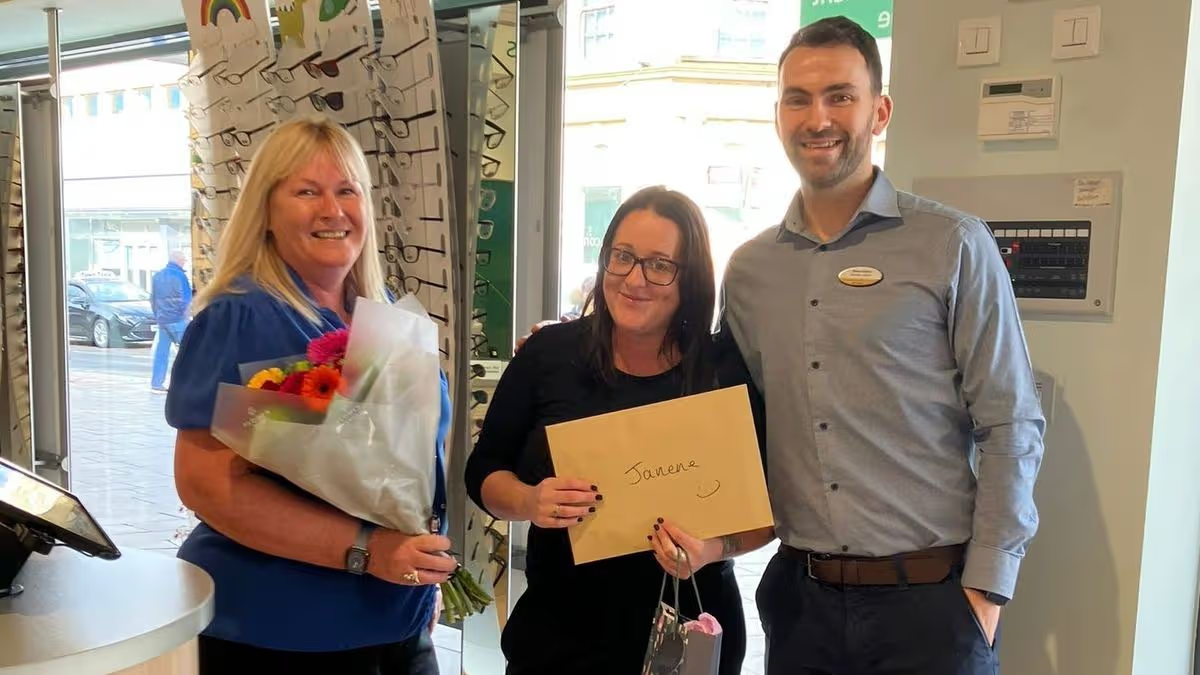
Eleven dedicated team members from Specsavers’ Airdrie and Coatbridge stores have reached hugely impressive long-service milestones.

Advertisement

Leading the celebrations is optical assistant June Boyle, who is marking an incredible 30 years with the opticians business.

Optical assistants Janene Bell and Debbie Kelly are celebrating 23 and 15 years of service respectively, while Morgan Grieve and Claire Brannen have both reached their 10-year milestones.

Across the wider team, assistant manager Susanne Fearon is celebrating 16 years of service, and retail supervisor Jennifer McLaughlan is marking 15 years.

Within the lab technician team, Connor Grieve and John McKelvie are marking 15 and 10 years in their roles, while Phil McVey is celebrating six years.

Advertisement

Cleaner Carol O’Byrne, who works across both stores, is also celebrating 10 years of dedicated service, helping to ensure a welcoming and professional environment for customers and colleagues alike.

READ MORE: Man rushed to hospital with ‘serious injuries’ after single-vehicle crash in Coatbridge

Together, the 11 colleagues represent exactly 160 years of combined service across the Airdrie and Coatbridge stores, playing vital roles from clinical support and laboratory services to retail assistance and maintaining a welcoming environment for customers.

Ewan Grieve, retail director of Specsavers Airdrie and Coatbridge, said: “I’m incredibly proud to celebrate these significant milestones with our team.

Advertisement

“Hitting a variety of 10, 15 and 30-year milestones is a remarkable achievement – and a testament to the dedication, professionalism and passion each of these colleagues bring to their roles.

‘Between the team, they have supported thousands of customers and helped shape the warm, community-focused environments we’re so proud of in Airdrie and Coatbridge.

READ MORE: Singer-songwriter James Grant returning to Airdrie Town Hall

“We’re here to support our customers through the generations, and having such experienced, long-standing team members means families know they can trust us with their eye care year after year.

Advertisement

‘Their loyalty and commitment are at the heart of our continued success, and we’re grateful for the difference they make every single day.’

The stores continue to invest in their teams and services, ensuring customers in Airdrie and Coatbridge receive the highest standard of eye care and customer service.

To book an appointment, or speak to a member of the team at Specsavers Airdrie or Specsavers Coatbridge, visit the websites https://www.specsavers.co.uk/stores/airdrie or https://www.specsavers.co.uk/stores/coatbridge

READ MORE: People invited to take part in The Big Lunch weekend, packed with food, friendship, fun and community action

Advertisement

*Don’t miss the latest headlines from around Lanarkshire. Sign up to our newsletters here.

And did you know Lanarkshire Live had its own app? Download yours for free here.

Source link

Advertisement
Continue Reading

NewsBeat

What neurodivergent people really think about the words used to describe them

Published

on

What neurodivergent people really think about the words used to describe them

Labels like autism, attention deficit hyperactivity disorder (ADHD) and dyslexia are not new. But the way we understand them is changing.

In recent years, researchers have increasingly worked with neurodivergent people rather than simply studying them from the outside. That change has brought better access to diagnosis, more inclusive approaches in schools and workplaces and a growing challenge to the idea that neurological difference is something to be fixed.

Language sits at the heart of that change. But getting it right can feel daunting. Should we say “a person with autism” or “an autistic person”? Are medical terms respectful, or do they quietly reinforce stigma? And who gets to decide these things anyway?

For years, professionals were encouraged to use person-first language – phrases such as “person with autism” – to emphasise humanity over diagnosis. But research published in 2016 upended that assumption. Autistic people themselves, it turned out, largely preferred identity-first language: “autistic person”.

Advertisement

That finding has been repeated many times since. Until our recent study, however, very little was known about whether the same preferences applied across the wider neurodivergent community. So, our research team – all neurodivergent – set out to discover just that.


À lire aussi :
What autistic people – and those with ADHD and dyslexia – really think about the word ‘neurodiversity’


In our new study, we surveyed more than 900 neurodivergent adults across the UK about their terminology preferences. Participants identified with a range of diagnoses, including autism, ADHD, dyslexia, dyspraxia, dyscalculia, Tourette syndrome and stuttering. For each, we presented a list of commonly used terms.

Some were identity first, such as “dyslexic”. Others were person first, such as “person with dyslexia”. We asked people to rate how likeable and how offensive they found each term. Crucially, we also asked why. Those open-text responses revealed far more than a simple preference list.

Advertisement

What we found

Overall, most groups preferred identity-first language. Terms like “autistic people” or “dyslexic people” were seen as more likeable and less offensive. There were important exceptions. People with Tourette syndrome and people who stutter tended to prefer person-first terms.

And when we looked more closely, the picture became more complicated still. Some groups – particularly people with ADHD – felt that none of the available terms really fit. Many said existing labels were vague or failed to capture the full reality of their lives. “Attention deficit”, for example, was seen as too narrow. People described ADHD as affecting far more than focus, shaping energy, emotions, creativity and daily functioning in ways the term barely hints at.

shutterstock.
Vitalii Vodolazskyi/Shutterstock

In other words, the issue was not just how language was structured, but whether it worked at all.

Across diagnoses, people spoke powerfully about how certain words made them feel. Words such as “disorder” were widely disliked. Many felt they implied something broken or defective, rather than acknowledging that difficulties often arise because society is not designed with neurodivergent people in mind. Several participants said these terms reinforced stereotypes and shaped how others treated them.

Advertisement

Respect, identity and disagreement

Participants were also clear about one thing: people should be allowed to describe themselves in the way that feels right to them. Even among autistic participants – a group with a well-established preference for identity-first language – many stressed that others should be free to choose person-first terms if that reflected their own identity.

Community infighting over “correct” language was seen as unhelpful. Several people pointed out that neurodivergent communities face far bigger challenges than internal policing of words, including discrimination, exclusion and lack of support.

At the same time, participants drew a clear line between self-description and professional language. They felt that teachers, doctors, researchers and journalists should follow group-level community preferences when speaking in general terms – and be open to correction when they get it wrong. Who is using the language, and in what context, mattered enormously.


À lire aussi :
Why it’s time to rethink the notion of an autism ‘spectrum’

Advertisement

What emerged most clearly from our study was that debates about language are rarely just about words. They are about power. About who gets to define whom. And about whether neurodivergent people are seen as fully human, with authority over their own lives and identities. Participants were often less concerned with perfect terminology than with intent, respect and action.

Terminology discussions are not just about language, but about the dehumanisation and associated stigma of people considered “disordered” or “abnormal”. Language shapes action. How we treat people is shaped by whether we see them as being worthy of the same dignity and respect that we afford to those we see as fully human. As such, self-determination, autonomy and respect sit at the centre of such language debates.

We recommend listening to neurodivergent people to find out about their preferences and using the words that they prefer, instead of solely being led by traditions which have developed without the input of the communities we are referring to. When it comes to dignity and respect, actions speak louder than words. People want to feel respected and accepted for who they are, regardless of the labels people use to describe their differences.

Advertisement

Source link

Continue Reading

NewsBeat

Prince Philip’s ‘dismissive two-word name for Meghan Markle’ shared by royal author

Published

on

Daily Mirror

Prince Philip routinely called Meghan Markle ‘The American’ according to royal historian Hugo Vickers’ new biography, while also privately referring to her as ‘DoW’ – his code for Duchess of Windsor

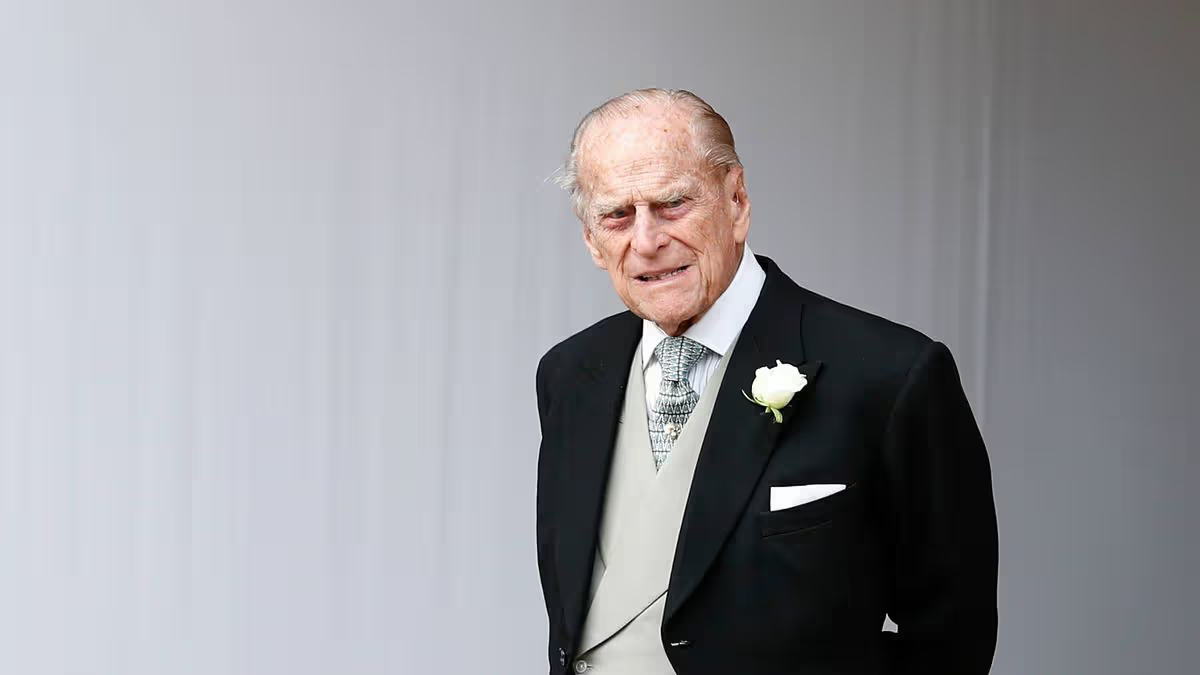
The late Prince Philip was well known for his blunt manner and frequent public blunders. The late Queen’s Greek-born husband was particularly notorious for his offensive remarks towards anyone he considered “foreign.” He once asked indigenous Australians if they were “still throwing spears” while he also described some particularly shoddy electrical work as looking as though it was “put in by an Indian.”

Advertisement

The prince’s infamous attitude even stretched to members of his own family. According to royal historian Hugo Vickers, who has recently released a new biography of the late Queen Elizabeth II, Philip would routinely refer to his grandson’s wife with a dismissive two-word nickname.

In his new book, Hugo reveals that Philip would simply refer to Meghan Markle as ‘The American’. He adds that the Queen had once “torn Meghan off a strip” after she had been rude to one of the royal gardeners.

However, on the Daily Telegraph’s royal podcast, Hugo diplomatically declined to comment when royal-watcher Camilla Tominey asked him if he thought Philip had “seen through Meghan’s theatrical ways”.

Prince Philip, who passed away in April 2021 just two months before his 100th birthday, had previously drawn comparisons between Meghan and another controversial royal from an earlier era, privately dubbing her ‘DoW’, his code for ‘Duchess of Windsor’, a reference to Wallis Simpson.

Advertisement

Speaking on GB News, royal expert Ingrid Seward claimed that Philip thought that Meghan bore an “uncanny” resemblance to Wallis, whose romantic entanglement with King Edward VIII precipitated one of the most dramatic crises in royal history. The Queen’s uncle Edward abdicated the throne so he could marry the twice-divorced American, reports the Express.

“He wasn’t simply referring to the fact that both were pencil-slim, dark-haired and glamorous American divorcees,” Ingrid said.

She added: “I think Prince Philip was very canny about people and he didn’t always see the bad in them, he tried to see the good in them.

Advertisement

“I think he just couldn’t get away from the fact [of the] similarities between Meghan and Harry and Edward and Mrs Simpson.

“There are so many similarities which is why he used to call her The Duchess of Windsor, I mean not to her face.”

In her 2023 book exploring King Charles’s bond with the late Queen, My Mother and I, Ingrid wrote: “One of the few wary of succumbing to (Meghan’s) charm offensive… was Prince Philip.

Advertisement

“From the moment he detected her apparent similarity to Wallis, he referred to her as DoW.”

Prince Harry, for his part, has stated that there has always been a “huge level” of unconscious bias within the Royal Family, and that it was only after living “in his wife’s shoes” for a period that he began to recognise the implicit racial prejudice amongst people of his social background.

In an interview with Black Lives Matter activist Patrick Hutchinson, published in GQ magazine, Harry lauded the “incredibly important” movement and revealed how, for a period of time, he had been unaware that unconscious biases exist within society.

Advertisement

“Unconscious bias, from my understanding, having the upbringing and the education that I had, I had no idea what it was,” Harry said. “I had no idea it existed. And then, sad as it is to say, it took me many, many years to realise it, especially then living a day or a week in my wife’s shoes.”

He suggested that prejudice was “learned from the older generation, or from advertising, from your environment”.

“Unless we acknowledge we are part of this cycle, then we’re always going to be fighting against it,” Harry added.

Source link

Advertisement
Continue Reading

NewsBeat

The quieter Gulf: Fort Myers and its idyllic island escapes

Published

on

The quieter Gulf: Fort Myers and its idyllic island escapes

At a glance: a more serene Gulf getaway in Fort Myers


Where: Fort Myers, a relaxed coastal city on Florida’s southwest coast

Best for: A smaller-scale beach and city break at a leisurely pace

Don’t miss: Edison and Ford Winter Estates, the former holiday home of Thomas Edison and a museum featuring his inventions

Advertisement

Road trip highlight: Driving out to beautiful islands such as Sanibel and Captiva

Nature fix: Nature is everywhere here, including wild dolphins and manatees

Getting started: Tampa International Airport is a two-hour drive away; Miami International Airport and Orlando International Airport are both around a three-hour drive away

When you’re planning a Florida holiday, there are certain big-hitters you’re almost guaranteed to include: the nightlife of Miami, say, or the theme parks of Orlando. But sometimes the most memorable moments come from the more secluded, under-the-radar spots, such as Fort Myers. A laid-back Gulf Coast escape, here you’ll find friendly neighbourhoods, serene green space, and white sand beaches looking out to a spray of paradisiacal islands.

Advertisement

When you travel with British Airways, Fort Myers is a simple addition to a bigger Florida itinerary, allowing you to experience all its charm with pure ease.

Fort Myers: beautiful beaches and idyllic islands

Postcard-perfect beaches come as standard in Fort Myers

Fort Myers

Advertisement

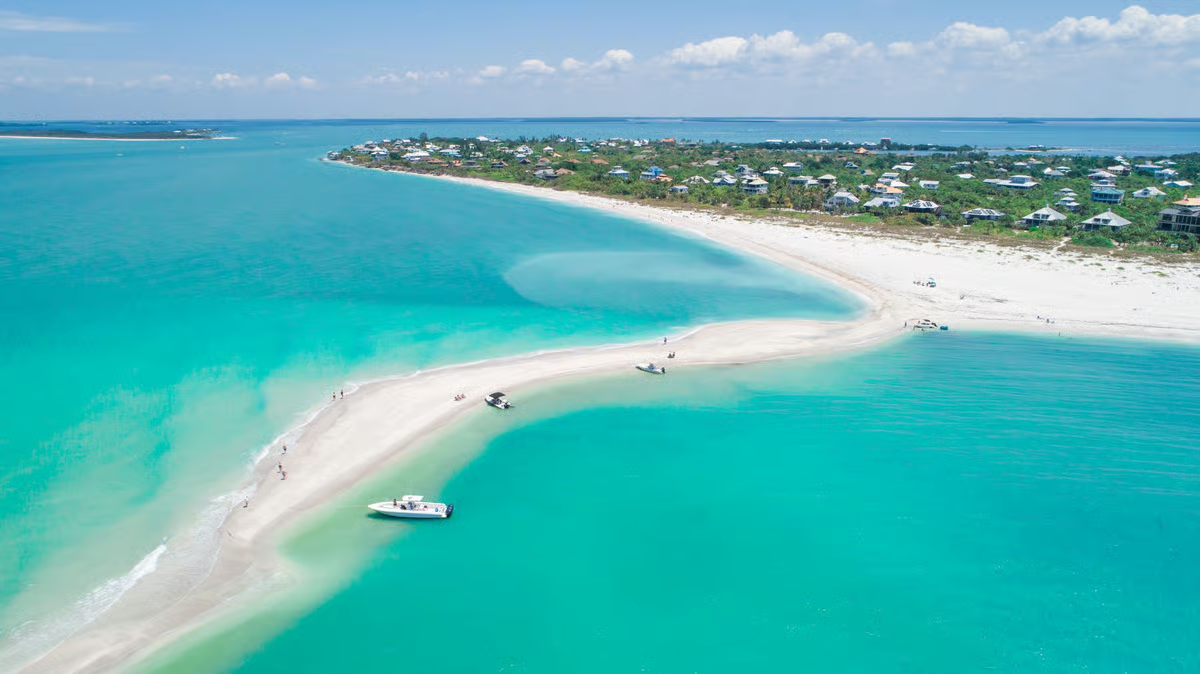
Whether you’re hoping to kick back with a good book or spend the day splashing in the sea, Fort Myers has a beach to suit. Bunche Beach Preserve is a natural expanse of tidal wetland flanked by salt flats and mangrove forest. Fort Myers Beach is adjacent to city facilities and perfect for families, with picnic areas, paddlecraft launch spots and charcoal grills for barbecuing. Nearby Pink Shell Beach Resort and Marina is well placed to provide a beachfront getaway for friends and families alike.

What makes Fort Myers so unique is its enticing islands, many of which have truly breathtaking beaches. Located just off the city’s mainland, Sanibel is a 12-mile-long, three-mile-wide island with alabaster sand. It’s known for its chilled out charm and the colourful shells that wash up on Bowman’s Beach Park or Blind Pass Beach Park.

Or make your way to Captiva, a smaller island that’s accessed via a bridge from Sanibel. This slim strip of island is a good jumping-off point for boat trips and a prime spot to see an epic Gulf Coast sunsets.

Downtown Fort Myers and the River District

Advertisement
Dinner on the river

For authentic Florida food, there are restaurants and bars aplenty in the sociable River District

Fort Myers

Downtown Fort Myers is vibrant and green, with the historic River District showcasing a time-warp of early 20th-century architecture. Here you’ll find museums, galleries and plenty of theatre.

Be sure to visit the Edison and Ford Winter Estates, one of Florida’s most important historical attractions, showcasing the inventions of Thomas Edison and Henry Ford. The clapboard house, set in 20 acres of botanical gardens on the Caloosahatchee River in Downtown, dates from 1885 when Edison purchased the property to build a holiday home.

Advertisement

Explore the great outdoors in Florida

Kayak

The Great Calusa Blueway is an unforgettable experience

Fort Myers

In Fort Myers, you won’t get far without plunging into green, whether you’re winding along a boardwalk trail in a tree-dense reserve or taking a leisurely walk along an untamed stretch of sand.

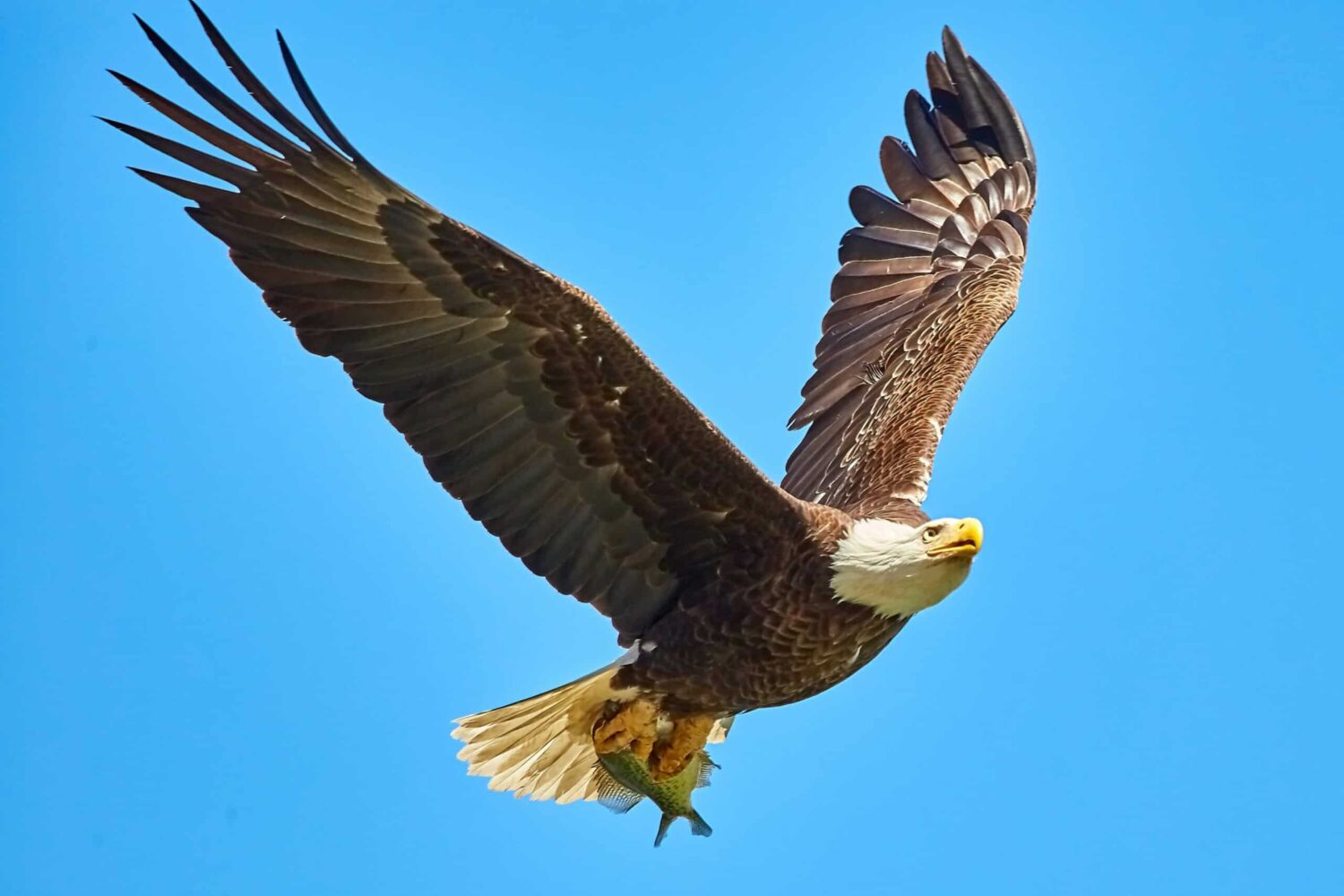
Wild bird populations are especially plentiful, thanks to the mix of coastal shore, mangrove waterways and salt flats. Head to the right places – perhaps out on a paddling trip – and you’re likely to spot plovers, reddish egrets, white ibises and possibly even iconic bald eagles.

Advertisement

The Great Calusa Blueway is home to some seriously big wildlife. Endangered manatees live in the shallow and warm waters of Estero Bay during the summer months and slightly further north during winter, so keep your eyes peeled for one breaching the water in the distance. Bottlenose dolphins are also known to frolic in local waters year-round.

One of the Sunshine State’s unsung gems, Fort Myers has a little bit of everything – beautiful beaches, exciting city life and majestic nature – all within close proximity. It’s an essential stop on any discerning Florida road trip.

Book your holiday to Florida here

Source link

Continue Reading

NewsBeat

‘King of the birds’ set to return to England’s skies

Published

on

‘King of the birds’ set to return to England’s skies

Golden eagles are poised for a comeback in England after the government backed plans to reintroduce them. The birds might arrive under their own steam first, though

One of Britain’s most iconic birds, the golden eagle, could soon soar over England again after more than 150 years of absence, following new government backing for a recovery programme that blends conservation science with community-led action.

Once widespread across England and woven into the country’s cultural fabric – appearing more than 40 times in the works of William Shakespeare – golden eagles were driven to near extinction during the Victorian era through sustained persecution and habitat pressure. In modern times, sightings south of the Scottish border have been rare, and the last known eagle in England died in the Lake District in 2016.

Advertisement

Now, a new feasibility study by Forestry England suggests that the conditions for their return may finally be in place. The research identifies eight potential recovery zones, primarily across northern England, where landscapes could once again support sustainable populations of the birds.

Solutions every Saturday
Uplift your inbox with our weekly newsletter. Positive News editors select the week’s top stories of progress, bringing you the essential briefing about what’s going right.
Sign up

Backed by £1m in government funding, the next phase will explore how a reintroduction could work in practice. This may include the release of juvenile birds, aged six to eight weeks, as early as next year. The aim is not only to restore a lost species, but to rebuild the ecological balance that golden eagles once helped maintain.

“This government is committed to protecting and restoring our most threatened native wildlife – and that includes bringing back iconic species like the golden eagle,” said Environment Secretary Emma Reynolds. “We will work alongside partners and communities to make the golden eagle a feature of English landscapes once again.”

Advertisement

The proposal builds on recent momentum in species restoration across England. Last year, the government approved the reintroduction of Eurasian beavers into the wild, while a separate £60m funding package has been earmarked to protect threatened native species. Together, these moves signal a shift towards more ambitious, ecosystem-level approaches to conservation.

Golden eagles are considered a keystone species – a predator at the top of the food chain whose presence can influence the health of entire ecosystems. By regulating prey populations and shaping animal behaviour, they help maintain balance across landscapes, from upland moors to forest edges. Their return could therefore have wider benefits for biodiversity, particularly in areas where ecosystems have become degraded or simplified.

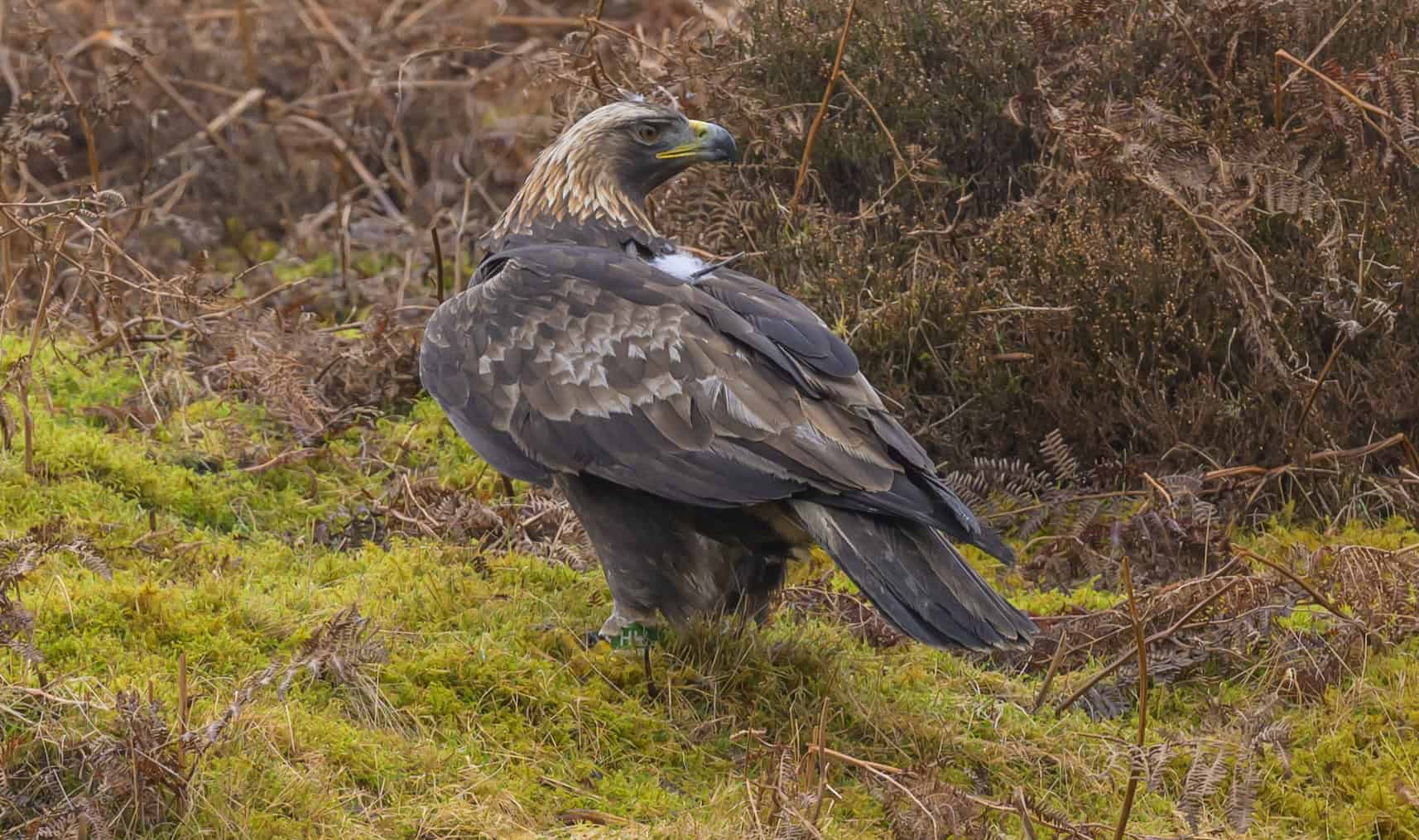
Research by Forestry England identifies eight potential recovery zones, primarily across northern England, where landscapes could once again support sustainable populations of the birds. Image: Dmitry Grigoriev

Advertisement

There are already signs that nature is beginning to do some of the work itself. In southern Scotland, the South of Scotland Golden Eagle Project has successfully boosted eagle numbers through translocation and habitat management. Satellite tracking shows that some of these birds are now venturing across the border into northern England, hinting at a natural recolonisation that could be supported and accelerated.

The new programme aims to build on that success. Led by conservation charity Restoring Upland Nature in partnership with Forestry England and other organisations, it will focus as much on people as on wildlife.

“This presents a truly exciting, and potentially game-changing moment for the return of golden eagles to northern England,” said the charity’s chief executive, Cat Barlow. “Our success to date is testament to the strength of collaborative working between conservationists, raptor study groups, gamekeepers and land managers, and to the incredible support of thousands of people across communities in southern Scotland.”

Advertisement

This presents a truly exciting, and potentially game-changing moment for the return of golden eagles to northern England

That emphasis on collaboration is critical. Past attempts to protect birds of prey in the UK have often been undermined by conflict between conservation goals and land management practices, particularly in upland areas associated with game shooting. The new approach seeks to avoid those tensions by involving farmers, landowners, gamekeepers and local communities from the outset, ensuring that any reintroduction supports both nature and livelihoods.

Forestry England’s chief executive, Mike Seddon, said the organisation’s long-term ambition is for the nation’s forests to become “the most valuable places for wildlife to thrive and expand”. He added that reintroducing lost species is a key part of that vision, but must be done carefully and inclusively.

“The detailed findings of our feasibility study will guide us with our partners to take the next steps,” he said. “This funding means we can build support and engage with local communities, landowners and conservation organisations.”

If successful, the timeline for recovery will be gradual. Scottish birds may become a more regular sight over northern England within a decade, but establishing a stable, breeding population is likely to take longer. Golden eagles are slow to mature and require large territories, meaning that population growth is measured over generations rather than years.

Advertisement

Golden eagles are considered a keystone species – a predator at the top of the food chain whose presence can influence the health of entire ecosystems. Image: Mathew Schwartz

Still, the symbolic power of their return is hard to overstate. As one of Britain’s largest birds of prey, with a wingspan that can exceed two metres, the golden eagle has long captured the public imagination. Its absence from English skies has been both an ecological and cultural loss.

Advertisement

Reintroducing such a species is not without challenges, and success will depend on sustained funding, careful monitoring and continued public support. But the groundwork now being laid suggests a more mature model of conservation is taking hold – one that recognises that restoring nature is as much about people and partnerships as it is about wildlife.

The initiative forms part of the government’s broader Environmental Improvement Plan, which includes targets to halt the decline in species abundance by 2030 and reduce extinction risk by 2042. Achieving those goals will require not just protecting what remains, but actively rebuilding what has been lost.

Main image: 

Advertisement

Be part of the solution

At Positive News, we’re not chasing clicks or profits for media moguls – we’re here to serve you and have a positive social impact. We can’t do this unless enough people like you choose to support our journalism.

Give once from just £1, or join 1,800+ others who contribute an average of £3 or more per month. Together, we can build a healthier form of media – one that focuses on solutions, progress and possibilities, and empowers people to create positive change.

Support Positive News

Advertisement

Source link

Continue Reading

NewsBeat

Talbot Hotel, Malton, ‘open as normal’ after chimney fire

Published

on

Talbot Hotel, Malton, 'open as normal' after chimney fire

The Talbot Hotel in Yorkersgate, Malton, was evacuated around lunchtime due to the incident.

RECOMMENDED READING:

A spokesperson for the hotel said: “We’re open as usual at The Talbot Hotel.

Advertisement

“Following a fire alarm over the weekend, we’d like to thank the fire brigade for their swift response and our guests for their understanding. A small, contained fire within a chimney was quickly located and dealt with, with no injuries and limited damage reported.

“We look forward to welcoming you as normal.”

As reported by the Gazette and Herald fire crews were called to The Talbot hotel shortly before 1.20pm.

North Yorkshire Fire and Rescue Service said its two crews extinguished the fire which was confined to the chimney flute.

Advertisement

A service spokesperson said: “A crew from Malton and an ariel ladder platform from Scarborough responded to a chimney fire.

“The fire was confined to the chimney flue and the ariel ladder platform and chimney nozzle adapter were used to extinguish the fire.”

Source link

Advertisement
Continue Reading

NewsBeat

British passengers ‘pass out’ in hours-long border check queues at Milan airport | News World

Published

on

British passengers 'pass out' in hours-long border check queues at Milan airport | News World
Easyjet said the delay was ‘outside of our control’

Holidaymakers were left vomiting and fainting in a queue from hell at Milan airport.

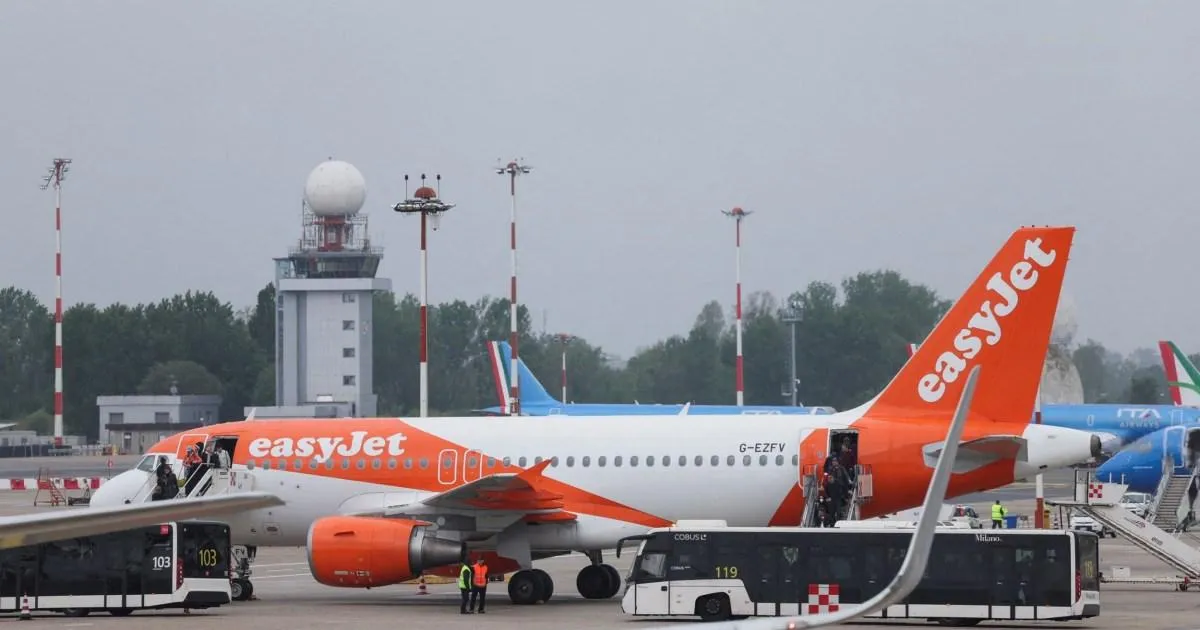
Around 100 easyJet customers were stranded at Linate airport on Sunday because of delays caused by new border checks in the EU.

The airline said the chaos was ‘outside of our control’ and even delayed take off by 52 minutes to try give passengers extra time to get on board.

Dozens of Britons were left scrambling to find alternative journeys home after some only discovered they had missed their flight once it had taken off without them.

Advertisement

One passenger, Kiera, 17, said that only 30 people made it onto the plane while 100 didn’t.

Sign up for all of the latest stories

Start your day informed with Metro’s News Updates newsletter or get Breaking News alerts the moment it happens.

Advertisement

The Oldham local, who faced a 20 hour wait for an alternative flight, told the BBC: ‘We got here at 7.30am for our flight at 11am so were super early.

‘We got to Border Control and it was a massive queue of people. I wasn’t feeling great anyway because I think I’d got food poisoning.

‘At about 10.50am they brought some water over for people, and when we got to the front of the queue someone asked us if we were going to Manchester, and told us our flight had just gone.’  

The new return journey had cost her mother £520 and that they would be going to Gatwick, not Manchester.

Advertisement

Kiera said easyJet had only offered £12.25 in compensation.

Adam Lomas, 33, an accountant from Wakefield, became stranded with his wife Katy, 31, and their four-month-old daughter.

The dad was sat in the airport for hours and that when he tried to contact easyJet he was faced with ‘chatbots’ and ‘audio issues’.

Advertisement

He told the BBC: ‘The airport and easyJet have spent hours arguing with each other about who is to blame.’

Adam said his family were forced to find a new hotel and book flights back to London, before then needing a to get a two-and-a-half-hour train to Manchester.

Easyjet called the delays caused by the EU’s new Entry/Exit System (EES) ‘unacceptable’.

The new system requires passengers from third-party countries, including the UK, have to have their fingerprints and photographs taken as they enter the Schengen Area.

Advertisement

EES registration is replacing the system of manually stamping passports and the UK government warned it might take longer for passengers to complete.

What are the EU’s new EES border check requirements?

List of countries where the new EES system will come into force soon.
Full list of the EU and EEA countries where the new entry and exit system will be rolled out (Picture: Metro)

The European Union’s new Entry-Exit System, known as the EES, will connect every crossing point in the Schengen Area.

Every EU country in the Schengen area will be connected, other than Ireland and Cyprus, Norway, Iceland and Switzerland.

Travellers will be required to hand over biometric data such as their fingerprints and a photo scanned with facial recognition technology.

Advertisement

The system aims to crack down on crime and enforce the limit on EU stays for British and third-country citizens, which is 90 days within any 180 days.

Most travellers from outside the EU, known as third-country nationals, will be required to register their passport details and biometric data when crossing into an EU country for the first time.

Biometric data includes fingerprints and facial pictures. Borders are likely to be kitted with self-service kiosks where passengers can input this information.

This data, as well as the entry and exit details, will be stored for subsequent visits.

Advertisement
New biometric Entry Exit System machines at Malaga Costa del Sol airport. Malaga, Spain. February 2nd 2026; Shutterstock ID 2734299387; purchase_order: -; job: -; client: -; other:
New biometric Entry Exit System machines at Malaga Costa del Sol airport (Picture: Shutterstock / Colinmthompson)

Future visits will only require a verification of the biometric data, which can speed up the process.

Children are not exempt from the checks, although children under 12 do not need to give fingerprints; however they will also need to have their face scanned.

Advertisement

The system became fully operational on April 10 and caused travel chaos across last weekend.

A spokesman for easyJet said: ‘We are aware that some passengers departing from Milan Linate today experienced longer than usual waiting times at passport control and we advised customers due to fly to allow additional time to make their way through the airport.

‘We have been doing all possible to minimise the impact of the airport queues, holding flights to allow customers extra time and providing free flight transfers for any customers who may have missed their flight including EJU5420 to Manchester.

‘We continue to urge border authorities to ensure they make full and effective use of the permitted flexibilities for as long as needed while European Entry / Exit System is implemented, to avoid these unacceptable border delays for our customers.

Advertisement

‘While this is outside of our control, we are sorry for any inconvenience caused.’

Get in touch with our news team by emailing us at webnews@metro.co.uk.

For more stories like this, check our news page.

Advertisement

Source link

Advertisement
Continue Reading

NewsBeat

Sealioning: Meaning And What to Do If It Happens

Published

on

Sealioning: Meaning And What to Do If It Happens

“Ragebaiting”, which involves deliberately posting incendiary content online to draw engagement, was Collins Dictionary’s 2025 word of the year.

Another frustrating online habit, which sometimes falls under “ragebait”, is “sealioning.”

The method, outlined in Harvard’s essay collection Perspectives of Harmful Speech Online, “fuses persistent questioning – often about basic information, information on easily found elsewhere, or unrelated or tangential points – with a loudly-insisted-upon commitment to reasonable debate.”

It is often used in response to content about, e.g., social justice and global warming.

Advertisement

What is “sealioning”?

It comes from a 2014 webcomic by David Malki, in which a dogged sealion keeps asking for proof that a stranger’s dislike for sealions is objectively correct.

They ask for sources. They accuse their opponent of being unreasonable and emotional when they can’t cite studies about their personal preference.

It does not matter to the sealion that he’s interrupted a conversation, or ignored the stranger’s pleas to be left alone, or tried to treat a relatively unimportant opinion like a scientific fact ― nor even that he breaks into the person’s home.

Advertisement

No matter how inconsiderately or inappropriately he acts, in the sealion’s mind, his behaviour is always justified because he’s seeking “reasoned discussion”.

Author and philosopher Jonny Thomson explained in a TikTok video, “To ‘sealion’ somebody is to enter a conversation and demand they provide a definition, justification, or proof for every single thing they say.”

But, he added, it’s not done in good faith.

“They might frame it as politeness. They might say it is from genuine curiosity, but they are trying to wear you down.”

Advertisement

Harvard’s Perspectives of Harmful Speech Online added: “Sealioning thus works both to exhaust a target’s patience, attention, and communicative effort, and to portray the target as unreasonable.

“While the questions of the ‘sea lion’ may seem innocent, they’re intended maliciously and have harmful consequences.”

What should I do if I’m being “sealioned”?

One option, and possibly the best, is to ignore the troll, The Guardian shared.

Advertisement

But in case you’re not sure if the person you’re speaking to is genuinely in need of more information, you can send them a trusted source before you hit “block”, they added.

Source link

Advertisement
Continue Reading

NewsBeat

Uncertainty over Hogwarts Express steam train opening as season delayed due to safety upgrades

Published

on

Uncertainty over Hogwarts Express steam train opening as season delayed due to safety upgrades

The operator of the steam train known for its role as the Hogwarts Express announced a delayed start to the 2026 season due to safety upgrades on its historic carriages.

West Coast Railways (WCR) said that opening bookings for its heritage Jacobite steam train has been delayed, and it is unsure when services can start up again.

The Jacobite service, made famous by its appearance in the Harry Potter films, includes 1950s-era Mark 1 coaches, which consist of traditional hinged doors without a central locking system.

WCR said it has formally approached the Office of Rail and Road (ORR) to reinstate its traditional Mark 1 rolling stock after it installed a central door locking system across its entire Mark 1 fleet used on the mainline.

Advertisement

The operator has been embroiled in a years-long back-and-forth with the ORR rail regulators, who have told the WCR that it should introduce central locking carriages after it banned doors with locks that could be operated by passengers on the train in 2005.

Heritage trains were previously allowed to apply for exemptions to this rule until the ORR cracked down on regulations.

WCR had obtained an exemption for nearly 30 years until 2023. The company then had to compromise by buying Mark 2 coaches from another heritage railway operator that complied with the rules, and resumed its service, but at a reduced capacity due to the availability of central door locking carriages.

WCR complained in 2024 that the multimillion-pound cost of having to install central locking could “destroy” its business and argued its door systems were just as safe.

Advertisement

Two years on, WCR said it will comply with the regulations in a commitment to “the long-term future of heritage rail”.

It added that the traditional Mark 1 carriages have been a “hallmark” of the Jacobite experience for over 25 years.

Services for train enthusiasts and Harry Potter fans on the Jacobite run between Mallaig and Fort William across the Glenfinnan Viaduct in the Scottish Highlands.

To reinstate the heritage carriages, WCR said the safety upgrade is a “significant undertaking” and will take time to complete, but is working with ORR to finalise a date at which the Jacobite can start running for the season.

Advertisement

It has asked customers to sign up to receive email updates or monitor its social media channels to be informed when bookings open.

Read more: New European Sleeper night train delayed until September

Source link

Advertisement
Continue Reading

NewsBeat

Pope Leo XIV defies Trump over Iran war, citing Gospel

Published

on

Pope Leo XIV defies Trump over Iran war, citing Gospel

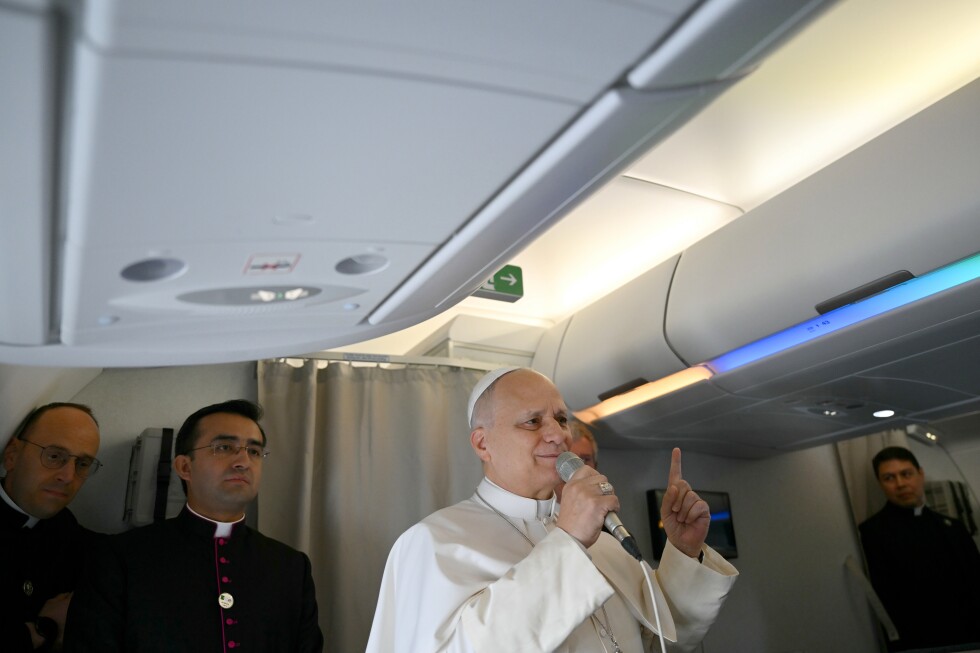
WASHINGTON (AP) — U.S.-born Pope Leo XIV pushed back Monday on President Donald Trump’s broadside against him over the U.S.-Israel war in Iran, telling reporters that the Vatican’s appeals for peace and reconciliation are rooted in the Gospel, and that he doesn’t fear the Trump administration.

“To put my message on the same plane as what the president has attempted to do here, I think is not understanding what the message of the Gospel is,” Leo told The Associated Press aboard the papal plane en route to Algeria. “And I’m sorry to hear that but I will continue on what I believe is the mission of the church in the world today.”

History’s first U.S.-born pope stressed that he was not making a direct attack against Trump or anyone else with his general appeal for peace and criticisms of the “delusion of omnipotence” that is fueling the Iran wars and other conflicts around the world.

“I will not enter into debate. The things that I say are certainly not meant as attacks on anyone. The message of the Gospel is very clear: ‘Blessed are the peacemakers,’” Leo said.

Advertisement

“I will not shy away from announcing the message of the Gospel and inviting all people to look for ways of building bridges of peace and reconciliation, and looking for ways to avoid war any time that’s possible”

Speaking to other reporters, he added: “I have no fear of the Trump administration.”

Trump says Leo is not ‘doing a very good job’

Trump delivered an extraordinary broadside against Leo on Sunday night, saying he didn’t think the U.S.-born global leader of the Catholic Church is “doing a very good job” and that “he’s a very liberal person,” while also suggesting the pontiff should “stop catering to the Radical Left.”

Flying back to Washington from Florida, Trump used a lengthy social media post to sharply criticize Leo, then kept it up after deplaning, in comments on the tarmac to reporters.

Advertisement

“I’m not a fan of Pope Leo,” he said.

Trump’s comments came after Leo suggested over the weekend that a “delusion of omnipotence” is fueling the U.S.-Israel war in Iran. While it’s not unusual for popes and presidents to be at cross purposes, it’s exceedingly rare for the pope to directly criticize a U.S. leader — and Trump’s stinging response is equally uncommon, if not more so.

“Pope Leo is WEAK on Crime, and terrible for Foreign Policy,” the president wrote in his post, adding, “I don’t want a Pope who thinks it’s OK for Iran to have a Nuclear Weapon.”

Italian politicians across the spectrum showed their solidarity with Leo. Premier Giorgia Meloni sent a message of support for his peace mission while the leader of the main opposition party, Elly Schlein, was more direct, calling Trump’s attacks “extremely serious.”

Advertisement

Trump repeated that sentiment in comments to reporters, saying, “We don’t like a pope who says it’s OK to have a nuclear weapon.”

Later, Trump posted a picture suggesting he had saint-like powers akin to those of Jesus Christ. Wearing a biblical-style robe, Trump is seen laying hands on a bedridden man as light emanates from his fingers, while a soldier, a nurse, a praying woman and a bearded man in a baseball cap all look on admiringly. The sky above is filled with eagles, an American flag and vaporous images.

Advertisement

Leo’s opposition to war irked Trump

All of that came after Leo presided over an evening prayer service in St. Peter’s Basilica on Saturday, the same day the United States and Iran began face-to-face negotiations in Pakistan during a fragile ceasefire. The pope didn’t mention the United States or Trump by name, but his tone and message appeared directed at Trump and U.S. officials, who have boasted of U.S. military superiority and justified the war in religious terms.

Leo, who is on an 11-day trip to Africa starting Monday — has previously said that God “does not listen to the prayers of those who wage war, but rejects them.” He’s also referenced an Old Testament passage from Isaiah, saying that “even though you make many prayers, I will not listen — your hands are full of blood.”

Before the ceasefire, when Trump warned of mass strikes against Iranian power plants and other infrastructure and that “an entire civilization will die tonight,” Leo described such sentiments as “truly unacceptable.”

In his social media post on Sunday night, however, Trump went far beyond the war in Iran in criticizing Leo.

Advertisement

The president wrote, “I don’t want a Pope who thinks it’s terrible that America attacked Venezuela, a Country that was sending massive amounts of Drugs into the United States.” That was a reference to the Trump administration having ousted Venezuelan President Nicolás Maduro in January.

“I don’t want a Pope who criticizes the President of the United States because I’m doing exactly what I was elected, IN A LANDSLIDE, to do,” Trump added, referencing his 2024 election victory.

He also suggested in the post that Leo only got his position “because he was an American, and they thought that would be the best way to deal with President Donald J. Trump.”

“If I wasn’t in the White House, Leo wouldn’t be in the Vatican,” Trump wrote, adding, “Leo should get his act together as Pope, use Common Sense, stop catering to the Radical Left, and focus on being a Great Pope, not a Politician. It’s hurting him very badly and, more importantly, it’s hurting the Catholic Church!”

Advertisement

In his subsequent comments to reporters, Trump remained highly critical, saying of Leo, “I don’t think he’s doing a very good job. He likes crime I guess” and adding, “He’s a very liberal person.”

Archbishop Paul S. Coakley, president of the U.S. Conference of Catholic Bishops, issued a statement saying he was “disheartened” by Trump’s comments.

“Pope Leo is not his rival; nor is the Pope a politician. He is the Vicar of Christ who speaks from the truth of the Gospel and for the care of souls,” Coakley said.

In the 2024 election, Trump won 55% of Catholic voters, according to AP VoteCast, an extensive survey of the electorate. But Trump’s administration also has close ties to conservative evangelical Protestant leaders and has claimed heavenly endorsement for the war on Iran.

Advertisement

Defense Secretary Pete Hegseth urged Americans to pray for victory “in the name of Jesus Christ.” And, when Trump was asked whether he thought God approved of the war, he said, “I do, because God is good — because God is good and God wants to see people taken care of.”

——

Winfield reported from aboard the papal plane.

Advertisement

Source link

Continue Reading

Trending

Copyright © 2025