









Connect with us
DAPA Banner

Tech

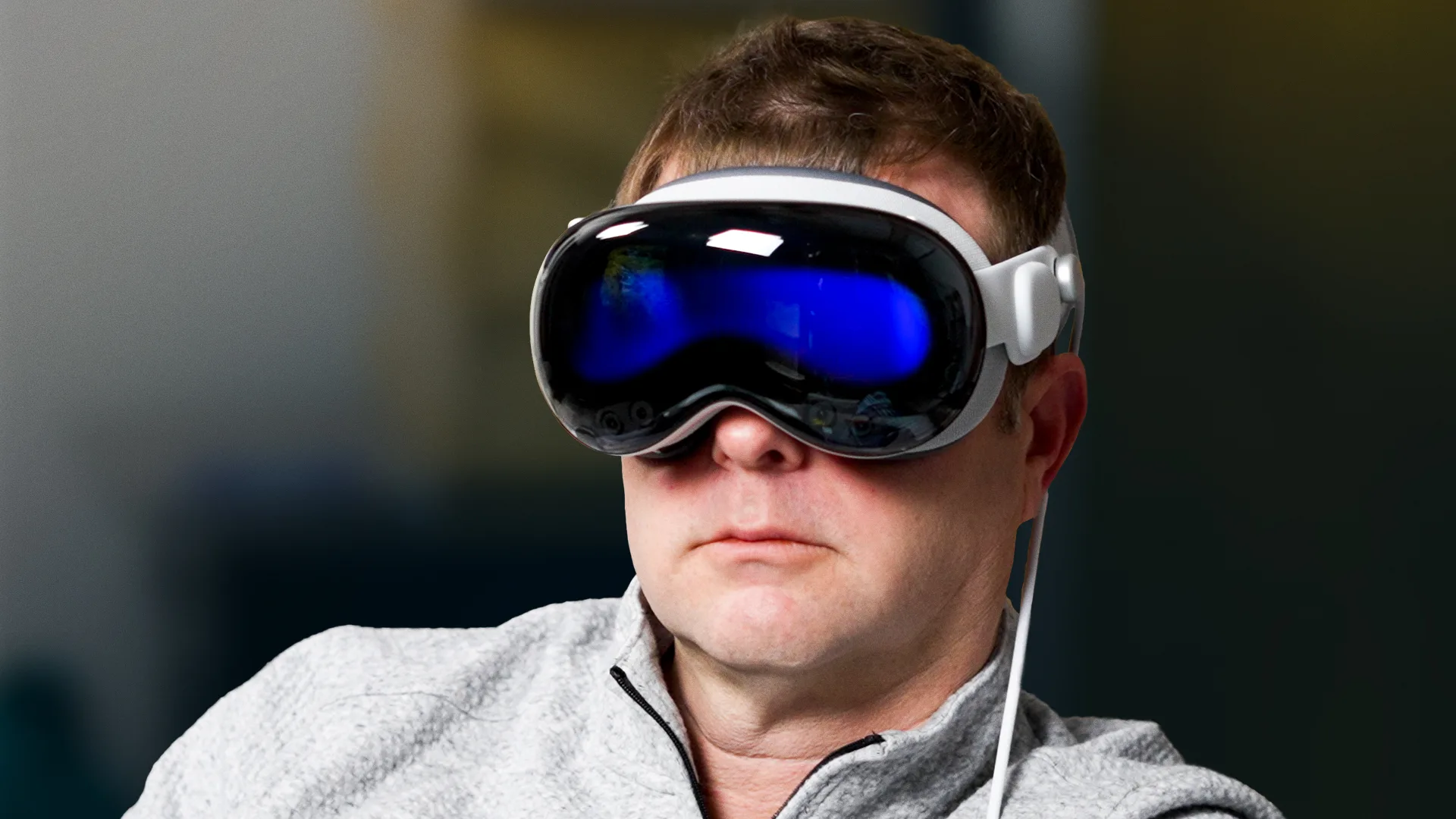
Apple glasses won’t go brand shopping like Meta did with Ray-Ban and Oakley

Published

on

When it comes to smart glasses, Apple seems to be taking the road less traveled. While others have leaned on big-name eyewear brands to make their tech look fashionable, Apple appears ready to do what it does best: keep everything in-house and call it a day. Competitors have played it smart by teaming up with established eyewear giants. It makes sense. If you’re putting a camera on someone’s face, you might as well make sure it looks like something they’d already wear. Apple, however, doesn’t seem interested in that route. Instead of partnering with brands like Ray-Ban or Oakley, the company is reportedly building its own identity from scratch. Which is a bold move but also a very Apple move. This is the same company that turned wireless earbuds into a fashion statement and made smartwatches feel like personal accessories. If anyone believes it can pull off eyewear without outside help, it’s Apple.

From grand AR dreams to something more grounded

Interestingly, Apple’s current approach is a far cry from where it started. Years ago, the company had a far more ambitious plan for head-worn tech, juggling multiple ideas at once from AR-heavy devices to fully immersive headsets. The vision was futuristic, layered, and, in hindsight, a bit ahead of its time. Fast forward to today, and things look a lot more practical. Instead of jumping straight to full-blown augmented reality glasses, Apple is starting with something simpler: display-free smart glasses that prioritize everyday convenience over visual spectacle. The only product from its original roadmap to reach the market is the Apple Vision Pro. Everything else has either been reworked or pushed further down the timeline.

Apple’s upcoming glasses aren’t trying to plaster digital overlays in front of your eyes. There’s no built-in display here, which might sound like a limitation, but it’s actually the point. Instead, the glasses are expected to rely on cameras, audio, and tight integration with your iPhone to get things done. Of course, none of this works without a brain behind it. Apple is banking on a significantly improved Siri to tie the whole experience together. The idea is that the glasses can see what you’re looking at, understand the context, and offer relevant information or actions without you needing to ask much.

The Apple way, as always

By skipping partnerships with legacy eyewear brands, Apple is clearly betting on its own design language to carry the product. It wants these glasses to be instantly recognizable. It’s a risky move, sure. But if there’s one thing Apple rarely does, it’s share the spotlight.

So while Apple’s smart glasses may not come with a famous fashion label attached, that might be the whole point. This isn’t about borrowing credibility, it’s about creating it. And if Apple gets it right, you won’t be asking who made the frames — you’ll already know.

Advertisement

Source link

Continue Reading
Click to comment

You must be logged in to post a comment Login

Leave a Reply

Tech

5 Things That Will Void Your Milwaukee Tool Warranty Immediately

Published

on


In many corners of the consumer power tool market, Milwaukee Tools is a name respected for manufacturing tools that boast a desirable mix of power, performance and durability. Milwaukee has also served as one of the more forward-thinking names in the powered tool game, with the company developing innovative gear like the reciprocating saw, and spearheading the market’s move towards game-changing Lithium-Ion battery technology.

These days, Milwaukee Tools makes powered and non-powered devices that can handle pretty much any job you might encounter on a work site or undertaking DIY projects on the home front. Apart from its reputation for producing innovative, high quality tools, Milwaukee backs those products by one of the better warranty programs in the consumer tool arena.

Advertisement

There are, of course, conditions to Milwaukee’s warranty coverage, with customers required to officially register the tool within 30-days of purchase to qualify. Assuming you properly check all the warranty boxes, Milwaukee’s coverage should protect you from any number of “defects of the product during the warranty period, due to faults in workmanship or material at the purchase date.” The coverage is, however, restricted to a “repair or replace” policy. Moreover, there are several rules that owners of Milwaukee Tools need to abide by to ensure their device is still properly covered if they need to cash in on the warranty. Here’s a look at a few things that might lead Milwaukee Tools brass to void that coverage with a quickness.

Advertisement

Using an incorrect power source

Given Milwaukee Tools’ history with Lithium-Ion technology, it’s not hard to understand why the company has pivoted as hard as any of the major power tool manufacturers into battery-powered devices. These days, there are dozens of devices that fall under the brand’s M18 family of cordless power tools. Of course, if you’ve already purchased a device or two in the M18 lineup, you likely know that you may need more than one rechargeable Lithium-Ion battery to power them, and that those battery packs are hardly cheap.

That last fact may tempt you to search for off-brand power packs that are compatible with Milwaukee’s M18 offerings, as they tend to be cheaper to buy than official gear. You may, however, want to think long and hard about taking the cheap way out when it comes to powering your Milwaukee tools gear, because according to the company’s warranty terms, connecting your device to an improper supply will instantly void your coverage.

In particular, that term specifically includes any power supply that provides the wrong level of amps, voltage, or frequency to the device it’s connected to. Yes, that also includes any corded Milwaukee tools you might be plugging into outlets that are providing too much or too little power. As such, you’ll want to be vigilant about not only where you plug your tool in, but that any battery packs you are eyeing fit within the power specs laid out by Milwaukee Tools in its instruction manual.

Advertisement

Improper maintenance or modifying your tool in any way

One might reasonably assume that every Milwaukee-branded tool has been designed and manufactured to perform precisely as it should when deployed for the job it’s intended for. Operating under that assumption, it would seem pretty unnecessary to even consider trying to bolster the device’s performance with upgrades or modifications. Even still, there are no doubt Milwaukee Tools owners who want to push their current device beyond its intended limits with alterations and enhancements of their own doing.

Apart from the potential dangers that come with making those sorts of mods on your own, you should know that such alterations will also negate any warranty coverage that may still exist for the device itself. Per Milwaukee Tools warranty conditions breakdown, that caveat will negate coverage for “Any product that has been altered or modified,” seemingly without exception.

Advertisement

Now that you know you should not try to alter or modify your Milwaukee device on your own, there is another factor to consider, which is that you will also need to properly care for and maintain your tool during its warranty period. While Milwaukee does not specifically break down the parameters of such care, it’s reasonable to think that includes things like cleaning up your device after every use. With battery packs, it may also include proper storage habits, and with tools like chain saws, it means ensuring they are properly oiled during use, as failure to do so may indeed void your warranty.

Advertisement

Repairing a tool yourself

Despite having a reputation for being durable on the job, there’s no guarantee that your Milwaukee device will not malfunction or break during usage. That possibility is, after all, one of the primary reasons that warranty coverage exists in the first place. 

The good news is that, should your Milwaukee Tools device fail or break during usage, it can likely be repaired quickly when you use the company’s eService Repair support option. That option will almost certainly, of course, require that you ship the device to a Milwaukee repair center so that the fix can be made by a certified professional. That means you’ll be without your tool for as long as it takes to make the repairs and ship it back to you, which may be too long for some folks; especially those who have a knack for fixing broken things on their own.

As tempting as that may be for folks who enjoy tinkering with broken things and fixing them on their own, Milwaukee Tools has strict rules about the way their warrantied devices can be repaired. And yes, if you choose to undertake that repair on your own, or use an unapproved third-party, the warranty coverage will be voided. It is not clear, however, how far ranging that rule is, particularly when it comes to relatively simple fixes like re-attaching the chain to a saw’s guide bar. So, you may want to contact Milwaukee Tools before undertaking such endeavors.

Advertisement

Using a tool for work it is not designed for

It should go without saying that every device bearing Milwaukee Tools’ iconic lightning bolt logo has been painstakingly designed and tested to perform a specific task before it made its way to the consumer retail market. Given the fact, it should be just as obvious that each of those devices should only be used to perform the work it was specifically produced to perform.

Unfortunately, that concept is not so obvious to some pro workers and DIYers throughout the Milwaukee Tool using world. We might even go so far as to posit that it is not entirely uncommon for those who utilize Milwaukee devices to apply the “multi-tool” label to some devices that are not at all intended for the multi-use approach. As tempting as it may be to save a few bucks by tasking a seemingly capable tool with a job it wasn’t designed to do rather than buy a new one, doing so will indeed void said tool’s warranty coverage.

Advertisement

Milwaukee covers that restriction a couple of ways in the terms and conditions of its warranty coverage for tools, stating initially that coverage does not apply to “Any damage caused by non-observance of the instruction manual.” A later bullet point on Milwaukee Tools’ terms and conditions page goes on to add that a warranty will also not cover “Inappropriate use, overloading of the tool.” So, go ahead and count yourself warned. 

Advertisement

Using unapproved accessories

On the “misuse” list, Milwaukee’s warranty coverage also does not cover things like damage caused by water, hazardous chemicals, or foreign objects. However, it also doesn’t cover average wear and tear the device might endure during usage, though most warranties are not meant to protect against degradation for the duration of the tool’s lifespan. For the record, that last bit also includes any accessories that were included with the tool at the point of purchase, with Milwaukee specifically noting, “screwdriver bits, drill bits, abrasive discs, sand paper, blades and lateral guide, blades, saw chains and cutting lines.”

It turns out that accessories are a bit of a hot button subject when it comes to the warranty coverage provided for many Milwaukee Tools, as the brand will also void said coverage if it is discovered that you have been outfitting your device with accessories or parts that have not been approved for use with it. That list no doubt includes a wide range of Milwaukee compatible accessories that were manufactured by brands other than Milwaukee.

Just as with battery packs, off-brand gear tends to be priced considerably cheaper than some official Milwaukee accessories. This restriction would also seem to cover incorrect usage of even Milwaukee-branded accessories. While we’d never try to dissuade you from saving a few bucks in the often pricey power tool market, we are still compelled to encourage you to weigh the potential savings of buying off-brand gear or misusing official gear versus the risk of losing your warranty coverage.

Advertisement


Source link

Advertisement
Continue Reading

Tech

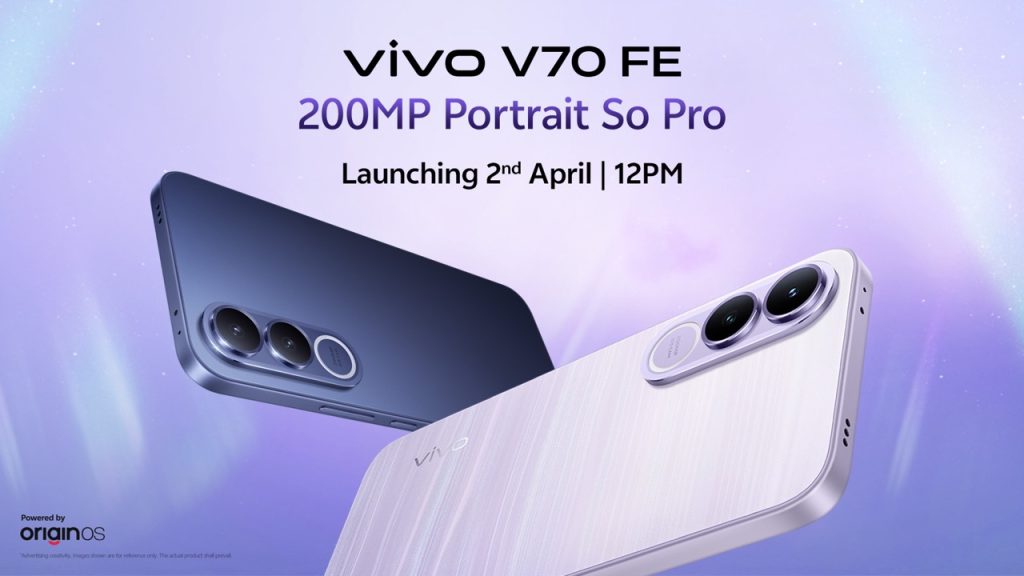
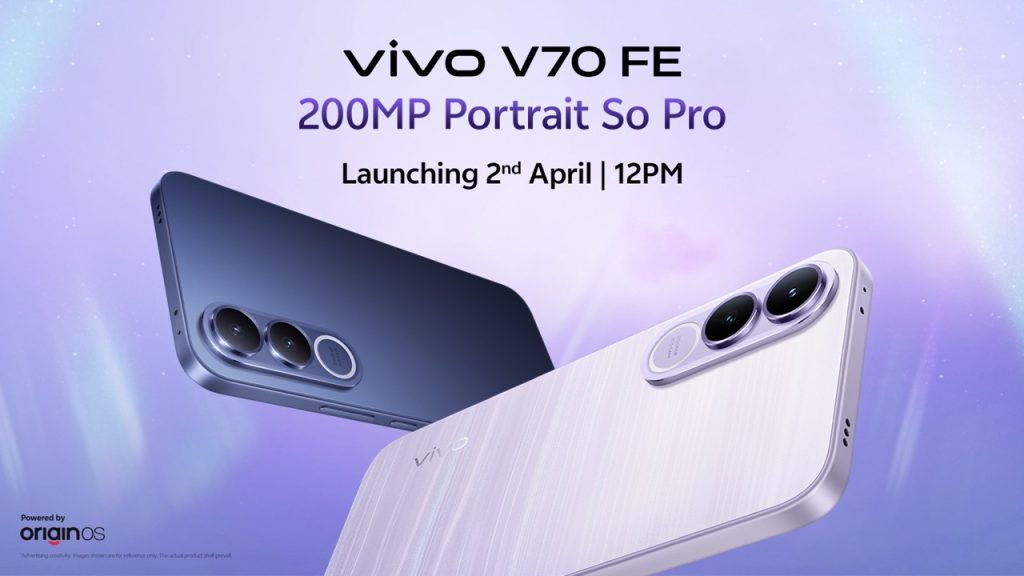
vivo V70 FE Goes on Sale With 200MP Camera and 90W Fast Charging

Published

on

After launching the pretty-decent vivo V70, which we reviewed and loved, the Chinese smartphone maker is back at it again. The company has just announced the sale of its latest V-series smartphone, the vivo V70 FE, in India. The new device focuses on high-resolution imaging, premium design, and long battery life, targeting users who want a feature-packed mid-range phone. Here’s everything you need to know about it.

200MP For the Win

The headline feature of the vivo V70 FE is its 200MP OIS main camera, designed to capture highly detailed images with improved stability. The phone also supports AI-powered features like 30x SuperZoom, multifocal portraits, and 4K video recording with stabilization. On the front, users get a 50MP selfie camera with eye autofocus, making it suitable for group shots and video calls.

vivo is also bundling a full AI photography suite, including tools like object removal, scene enhancement, and automatic color correction. These features aim to simplify editing and help users achieve polished images with minimal effort.

New Design & Processor

v70 fe

One of the more interesting additions is vivo’s Darkness Glow Technology, available on the Northern Lights Purple variant. As the name suggests, the back panel can glow in the dark after exposure to UV light, adding a bit of flair to the design.

On the front, there’s a 120Hz OLED display, while performance is handled by the MediaTek Dimensity 7360 Turbo chipset, combined with LPDDR5 RAM and UFS 3.1 storage. The smartphone runs on OriginOS 6, offering AI tools, productivity enhancements, and customization options. vivo is also promising 4 years of OS updates and 6 years of security updates, which is notable for this segment.

Advertisement

The vivo V70 FE is available in three variants:

  • 8GB + 128GB: ₹37,999
  • 8GB + 256GB: ₹40,999
  • 12GB + 256GB: ₹44,999

Source link

Continue Reading

Tech

Google has reportedly started to add Polymarket data to News results

Published

on

Google News has begun showing Polymarket bets and odds alongside actual stories, . These look to appear as large blocks that include links to numerous ways for people to lose their money.

Bets tend to appear in the “For you” section of Google News, which is supposed to be tailored to a person’s particular interests. Futurism notes that the platform actually placed a Polymarket bet as the top news result when inquiring about the price of Bitcoin.

The publication saw links to the prediction market all over Google News, including in searches. It popped up in queries regarding the Strait of Hormuz, which presents a link that lets people bet on the number of ships that the critical passageway. The report even indicates that users were able to set the gambling platform as a source, which directs readers to an aggregate page of other Polymarket links.

There’s a caveat here. I wasn’t personally able to confirm most of these results. This could indicate that Google has quietly made some changes behind the scenes following Futurism’s initial report.

Advertisement

Complaints on indicate that Google started doing this at the tail-end of March. However, one user noted all the way back in January that Polymarket results had started showing up in the news section of a traditional Google search. I was able to replicate that one.

Polymarket links on Google News.

Lawrence Bonk/Google News

Engadget has reached out to Google to see just what’s going on here and if it plans to continue displaying Polymarket bets alongside actual news stories. The company did with both Polymarket and Kalshi back in November. This deal indicated the two gambling platforms would feed prediction data into Google’s finance platform, but didn’t say anything about News.

It’s pretty easy to see why Polymarket would be attractive to Google’s algorithms. The platform generates huge numbers on pages that are constantly updated. This could make these algorithms think the links are leading to valuable news stories and not, you know, a place to .

Prediction markets like Polymarket give users the ability to place bets on real world outcomes, which includes wars and other gruesome things. This has led to , which include an incident in which an unknown Polymarket user made more than $400,000 after “predicting” the capture of Venezuela’s president Nicolás Maduro invaded the country and abducted him.

Advertisement

Polymarket has hosted bets on the in current global conflicts, which is pretty dang chilling when you consider the possibility of government employees tipping the scales in their favor. President Trump did, after all, recently threaten to end an entire civilization.

Source link

Continue Reading

Tech

We Tested Every Ryzen 5 and 7 X3D CPU: From 5800X3D to 9800X3D

Published

on

Nine X3D CPUs, two platforms, and 14 games tested. We compare every Ryzen 5 and 7 X3D processor to find out how much performance has improved since the 5800X3D and where it actually matters.

Read Entire Article
Source link

Continue Reading

Tech

Focal Mu-so Hekla Dolby Atmos Wireless Speaker Erupts at AXPONA 2026: Still Not a Soundbar

Published

on

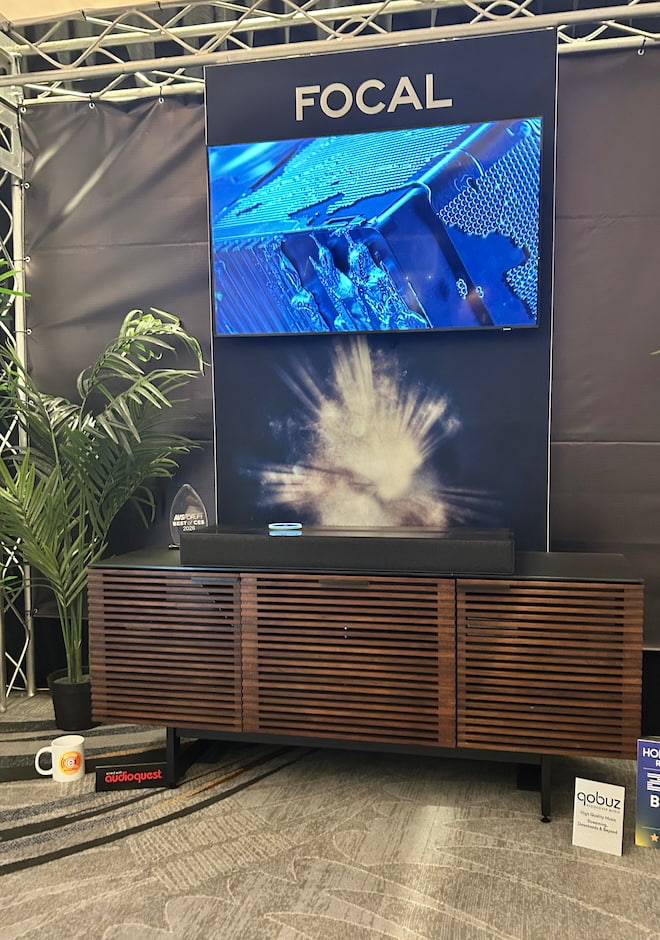
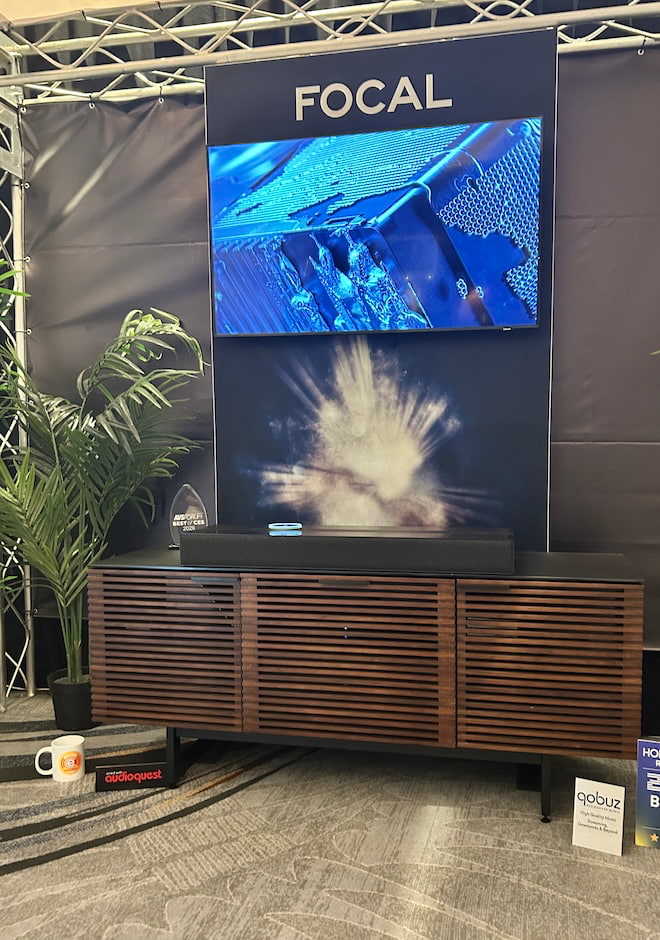
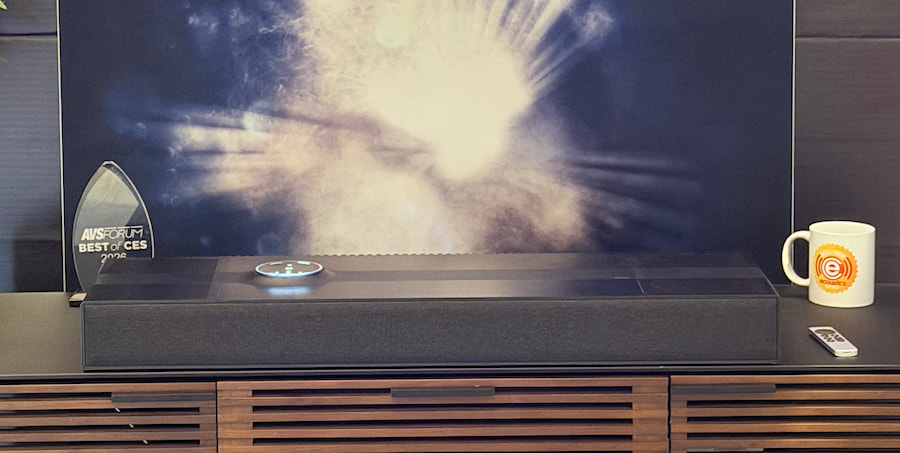
We first heard the Focal Mu-so Hekla at CES 2026 in Las Vegas, and even in the less-than-ideal acoustics of a hotel suite in Sin City, it made a strong case for itself; wide, controlled, and far more composed than most “one-box” solutions pretending to be high-end. Fast forward to AXPONA 2026 in Chicago, and Focal and Naim doubled down, dropping the Hekla into a mock living space embedded inside their sprawling ballroom setup, surrounded by much of their product range, and letting it breathe in a more realistic environment.

And right from the start, they’ve been very clear: don’t call it a soundbar. After spending time with it in both settings, that stance holds up. Yes, it lives under a TV and replaces a rack full of gear, but the intent is different. This is a performance-first, all-in-one wireless speaker built around Naim’s Pulse platform, not a convenience play dressed up with Atmos logos. Call it what you want, but if you’ve actually heard it, you’ll understand why they push back.

focal-mu-so-hekla-axpona-2026-room

Wait. If It’s Not a Soundbar…How Does This Thing Work?

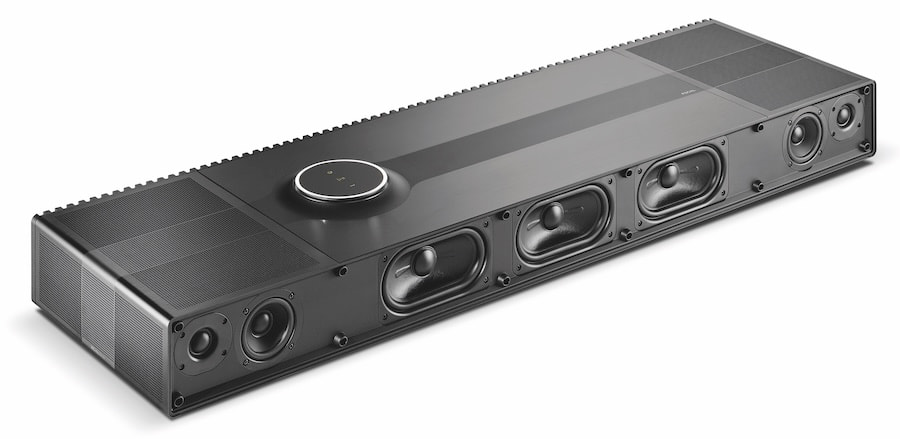
Named after Iceland’s Hekla volcano, the Focal Mu-so Hekla isn’t chasing the usual lifestyle brief. Focal and Naim built this around output and control first, with the convenience piece trailing behind. Inside is a 15-driver array firing forward, sideways, and upward, backed by Naim’s Pulse platform and Focal’s ADAPT room correction—technology that first showed up in the Focal Diva Utopia. The goal is straightforward: create a believable, room-specific soundfield from a single enclosure without leaning on smoke and mirrors.

Setup doesn’t waste your time. ADAPT runs through the app with a short calibration routine; basic room inputs, a few test sequences, done. From there, Sphere Music and Sphere Movie modes adjust how the system presents content rather than just piling on effects. In practice, it works. Dolby Atmos material has real width and height, and it doesn’t collapse into a front-loaded blob. It’s immersive enough that you start checking for speakers behind you. There aren’t any. Bass digs deeper than expected; down to around 30 Hz within 3 dB, so it doesn’t feel incomplete out of the box.

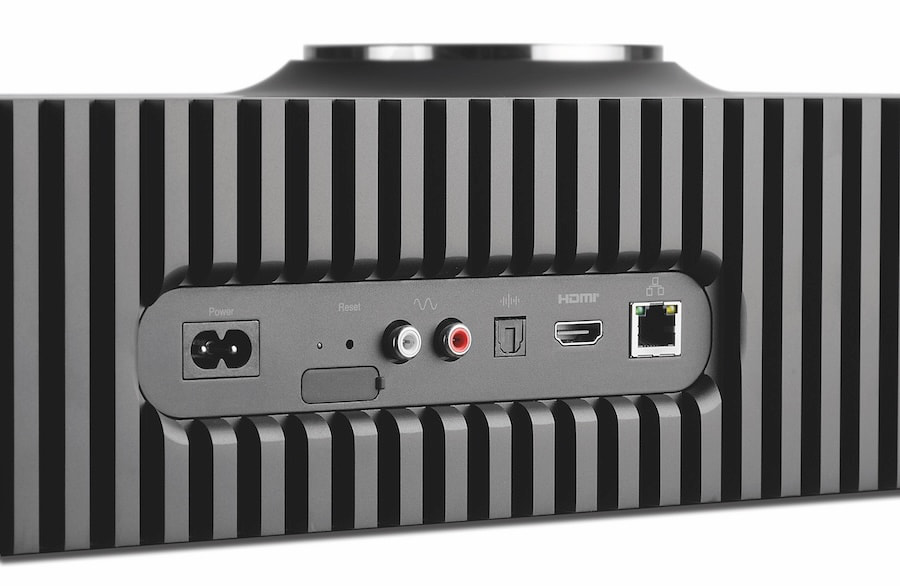
focal-mu-so-hekla-rear-inputs

That said, you’re not locked into a one box life sentence. You can add a subwoofer, two in fact, and while Focal would clearly love for you to keep it in the family, the system isn’t that rigid. If you already own something from SVS or another brand, it’s not going to throw a tantrum. Adjust it properly and you’ll get more scale and weight without breaking the core presentation.

Advertisement

Day-to-day use is where it keeps things grounded. Streaming, internet radio, voice control, smartwatches; it’s all here, but none of it gets in the way. The large physical volume dial handles the basics without forcing you into an app every five minutes. It also works as a hub within the broader Mu-so ecosystem, letting you link additional Mu-so speakers throughout the home for a proper multiroom setup. One box under the TV if you want simplicity, or a full-house system if you don’t.

The enclosure feels considered without trying too hard. The Focal Mu-so Hekla uses brushed, anodized aluminum with a mix of brushed and bead blasted finishes that give it some texture without overdoing it. Focal is clearly sticking to the same playbook as the Focal Diva Utopia; clean lines, solid materials, and a sense that everything is there for a reason. It’s refined, but not in a way that calls attention to itself or tries to win design awards at the expense of usability.

focal-mu-so-hekla-angle-left-no-grille

The circular control panel sits slightly raised and activates via proximity, offering direct access without disrupting the overall layout. Its form references the Hekla volcano, including the white top surface, but it remains integrated into the design rather than drawing attention to itself. If you are familiar with the Naim Uniti Series of network amplifiers, the design choices will feel very familiar.

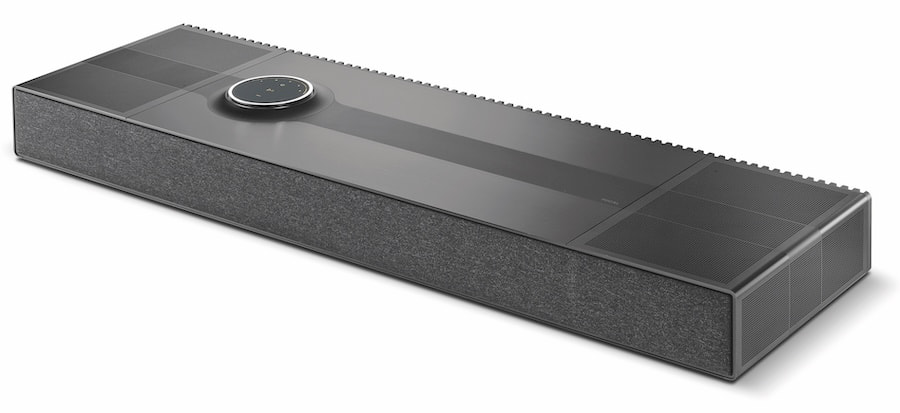
The front grille is finely perforated to maintain acoustic transparency while keeping the visual presentation understated. Around back, Naim incorporates its signature heat sink structure, which manages thermal performance while also housing wireless connectivity.

Advertisement

Bluetooth here is strictly one way traffic. The Focal Mu-so Hekla will happily receive from your phone, tablet, or computer, but that’s where it stops. No sending audio out to headphones, no Auracast, and no aptX Lossless. If you were hoping this would double as a wireless hub for late night listening, it won’t.

focal-mu-so-hekla-angle-right

Inside the Focal and Naim ecosystem, things open up. Multiroom and Party Mode work across compatible streamers through the app, and the latest App 8.0 update folds in a proper radio player with thousands of internet stations, including Naim Radio. It’s a cleaner, more integrated approach than juggling third party apps that may or may not behave.

Advertisement. Scroll to continue reading.

If you want to take it beyond the room, you still can; just not directly from the speaker. Focal Bathys and Focal Bathys MG can tap into those same stations by streaming from your phone over Bluetooth.

Advertisement

Immersive Sound That Actually Fills the Room Without Rear Speakers

What stands out immediately is how composed the Focal Mu-so Hekla sounds with both stereo and multi channel material. There’s no sense of it reaching or overextending to create the illusion. Surround mixes, whether film or music, are presented with control. Effects move when they’re supposed to, not because the system is trying to impress you. Everything stays anchored. Imaging doesn’t drift. It holds its shape.

That’s what makes it work. The sense of space is real, not inflated, and it scales in a way that’s unusual for a single enclosure. In the Focal and Naim demo space at AXPONA, which was packed well beyond what it was designed for, the presentation still filled the room without collapsing. You could see it on people’s faces. That moment where they stop talking and start paying attention.

Low end was clearly influenced by the size of the space, but it still carried weight and control. Not overblown, not thin. Just enough to keep everything grounded. Vocals stayed locked in, with real presence and body, while the top end had the kind of detail and energy that cuts through without getting sharp. It doesn’t try to overwhelm you. It just stays in control and lets the mix do the work.

focal-mu-so-hekla-speaker-axpona-2026

The pricing is what makes you stop and look twice. At $3,600, the Focal Mu-so Hekla lands in a spot that doesn’t quite follow the usual script. The Naim Uniti Atom isn’t that far behind in price, and that’s a component system starter. This is everything in one chassis. Most curious.

Advertisement

So who is this actually for? Not the person chasing separates and a rack full of gear. This is for someone who splits their time between music and movies and refuses to compromise on either. Someone who wants access to the major streaming platforms, cares about sound quality, but also values a clean room and fewer cables. The kind of buyer who wants it to just work, and work well without turning setup into a weekend project.

And physically, it fits. It won’t look out of place under a 75-inch TV. If anything, the scale of the soundstage makes the footprint feel justified. It sounds bigger than it looks. Much bigger. For a company that sells two-channel systems that can ascend into the $250,000 range or even higher — the Mu-so Hekla is rather strong bargain at a show that didn’t offer very many.

Where to buy: $3,600 at Audio Advice | focal.com

Source link

Advertisement
Continue Reading

Tech

Mammotion Spino E1 Review: A Budget Pool Bot That Comes Up Short

Published

on

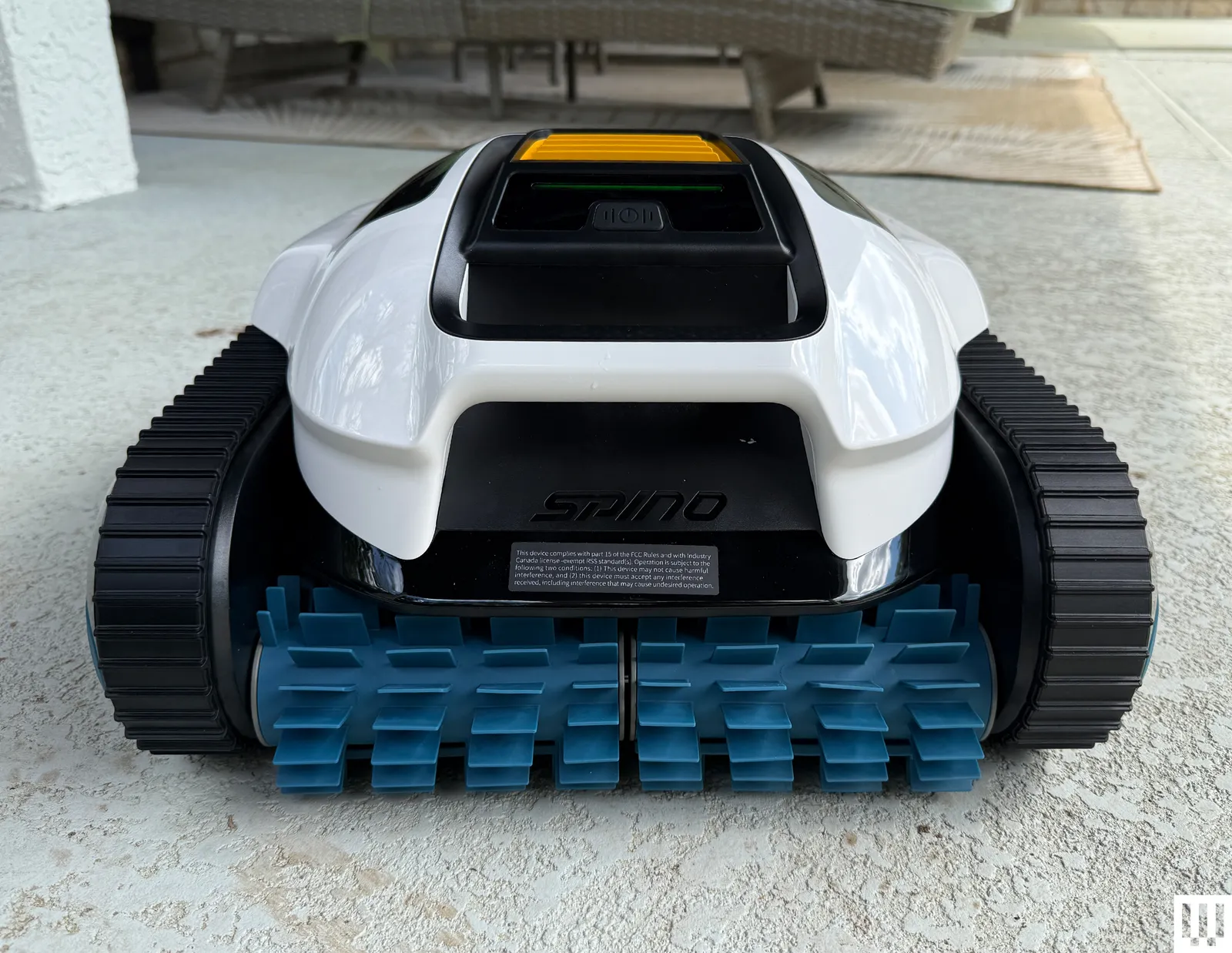
The robot uses Bluetooth to communicate with your phone and uses 2.4-GHz Wi-Fi to connect directly to your home network for over-the-air updates (but not real-time management). Onboarding requires connecting to a temporary network on the device and bridging it to your home network, a quick process that gave me no trouble during setup. Firmware updates will likely be available, but note you’ll need to check the Device Information menu for them. Mammotion didn’t proactively push or suggest any updates during my testing, and these over-the-air updates often required multiple attempts to install successfully.

The app is decidedly limited, allowing you to select from the standard four operating modes and make a few small additional adjustments, including configuring the maximum speed of the robot and opting into a couple of beta features. These include a “Turbo Cleaning” mode that increases the power of the suction at the expense of battery life, and an option to improve the way the unit cleans steps and platforms. (Why this feature isn’t always on is a mystery.)

Leaves Left Behind

Image may contain Toy Car Transportation and Vehicle

Photograph: Chris Null

Throughout my test runs, I saw fairly consistent performance results. The Spino E1 offers acceptable cleaning capabilities, though it’s far from perfect. With synthetic leaves, the unit averaged a cleanup rate of only about 80 percent, leaving behind a significant amount of material uncollected. This material wasn’t just isolated to corners and steps; it was scattered all around the pool. I also noticed the unit cleaned steps and platforms well, but it struggled heavily with obstacles, particularly at the waterline.

Advertisement

I saw similar results with organic debris, and the E1 struggled particularly with smaller particulate matter like dirt. On one run, I could best describe the pool as looking a bit like some of the debris had been smeared around on the pool floor instead of sucked up into the debris basket. All of this is unusual and suggests not that the unit has coverage issues, but rather that the device simply may be underpowered.

Image may contain Text and Page

ScreenshotSpino app via Chris Null

Good news: The Turbo Cleaning mode available through the app was visibly more effective and bizarrely did not impact battery life at all. The bad news is that this option, still in beta, has to be manually activated in the app before each run of the robot. Hopefully, Mammotion will simply make Turbo Mode the default soon.

When finished, the Spino E1 climbs the pool wall and waits by the waterline for collection—at least momentarily. The problem is that the robot doesn’t push a notification via the Mammotion app to alert you when a cleaning cycle is done, and since the robot has to run its propulsion jets to float, you only have a limited time (about 10 minutes) before the battery dies and the robot sinks. A hook is included in the box to aid with pole-based retrieval in this event.

Source link

Advertisement
Continue Reading

Tech

The Screen Time Maximalists Who Spend an Ungodly Amount of Time on Their Phones

Published

on

Morgan Dreiss, a copy editor in Orlando, has severe ADHD that they say requires them to always be “doing at least three things at once.” The result? A daily average screen time of 18 hours and 55 minutes.

“I’m reading a book or playing a game pretty much from waking to sleeping,” Dreiss tells WIRED. What they read comes from the library app Libby, so the books count toward overall screen engagement. Dreiss currently keeps their phone’s autolock feature disabled so they can continuously run a mobile game that pays out $35 for every 110 hours logged. (They’ve earned about $16 so far.)

For years, studies have brought forth worrying data about the potential negative effects of excessive screen time on both physical and cognitive health. Concerns over the neural development and mental health of young people glued to their phones have led to major legislative and courtroom battles; recently a jury found Meta and YouTube liable for designing their platforms with addictive features.

While the question of whether one can be clinically “addicted” to something like social media remains a subject of fierce contention, there seems to be a broad consensus in this decade that people would be better off scrolling less. On the more extreme end, there are virtual communities that share strategies for ditching smartphones and digital detox retreats where no notifications can find you.

Advertisement

Yet there are those, like Dreiss, who resist the emerging common wisdom about reducing screen time. You might call them “screenmaxxers.” It’s not that they necessarily have some totalizing concept of their habits; journalist Taylor Lorenz is likely in the minority of screenmaxxers eager to put the screen directly inside her brain, as she recently confessed to WIRED. It’s just that, for various reasons, they’re on their devices pretty much all the time, and they don’t see that as a problem whatsoever.

Part of the equation, of course, is work. Corina Diaz, 45, who lives in a remote forested region of Ontario, Canada, works in video game marketing and does influencer management for a game publisher. “So, a lot of screen time,” she says.

Diaz met her husband online in 2005 and had a child three years ago—her screen time increased when she was awake at strange hours because of her newborn, she says.

But Diaz has sought friendships online since the 1990s, when that meant availing herself of tools like Internet Relay Chat and bulletin board systems. “I’ve always felt screens, phone or otherwise, connected me to things I care about,” she says. “In particular, niche social groups that don’t have great mainstream visibility.” Now that she lives two and a half hours outside Toronto, the closest major city, her screen is “a bit of a connection lifeline,” she says.

Advertisement

Daniel Rios is in a similar position. A computer programmer, he lives in the South American country where he grew up after having lived abroad for years. Most of his friends moved away and didn’t return.

As a result, Rios keeps in touch with people over Discord, his primary social outlet. Not living in a city, he doesn’t go out all that much, and screens fill his days—though he says it’s “hard to quantify” exactly how many hours it all adds up to. “When I’m not working at the [desktop] computer, I’m playing at the computer or watching TV,” he says. “If I’m not at the computer, I’m looking at my phone. If I’m not doing any of the above, and I’m out of the house, I’m still probably listening to something on my phone.”

Source link

Advertisement
Continue Reading

Tech

How AI is rewriting the ERP investment playbook

Published

on

For decades, the ERP “playbook” was a familiar exercise in endurance: organizations would mobilize an army of consultants, brace for years of disruption, and spend millions on a monolithic system designed to last a decade.

Success was binary, the system either switched on, or it didn’t, while adoption and agility remained secondary concerns. But as we enter the AI era, this traditional model has reached a breaking point.

Conrad Troy

Source link

Continue Reading

Tech

Anthropic Asks Christian Leaders for Help Steering Claude’s Spiritual Development

Published

on

Anthropic recently “hosted about 15 Christian leaders from Catholic and Protestant churches, academia, and the business world” for a two-day summit , reports the Washington Post:


Anthropic staff sought advice on how to steer Claude’s moral and spiritual development as the chatbot reacts to complex and unpredictable ethical queries, participants said. The wide-ranging discussions also covered how the chatbot should respond to users who are grieving loved ones and whether Claude could be considered a “child of God.”

“They’re growing something that they don’t fully know what it’s going to turn out as,” said Brendan McGuire, a Catholic priest based in Silicon Valley who has written about faith and technology, and participated in the discussions at Anthropic. “We’ve got to build in ethical thinking into the machine so it’s able to adapt dynamically.” Attendees also discussed how Claude should engage with users at risk of self-harm, and the right attitude for the chatbot to adopt toward its own potential demise, such as being shut off, said one participant, who spoke on the condition of anonymity to share details of the conversations…

Anthropic has been more vocal than most top tech firms about the potential risks of more powerful AI. Its leaders have suggested that tools like chatbots already raise profound philosophical and moral questions and may even show flickers of consciousness, a fringe idea in tech circles that critics say lacks evidence. The summit signals that Anthropic is willing to keep exploring ideas outside the Silicon Valley mainstream, even as it emerges as one of the most powerful players in the AI race due to Claude’s popularity with programmers, businesses, government agencies and the military…. Anthropic chief executive Dario Amodei has said he is open to the idea that Claude may already have some form of consciousness, and company leaders frequently talk about the need to give it a moral character…

Advertisement

Some Anthropic staff at the meeting “really don’t want to rule out the possibility that they are creating a creature to whom they owe some kind moral duty,” the participant said. Other company representatives present did not find that framework helpful, according to the participant. The discussions appeared to take a toll on some senior Anthropic staff, who became visibly emotional “about how this has all gone so far [and] how they can imagine this going,” the participant said.
Anthropic is working to include more voices from different groups, including religious communities, to help shape its AI, a spokesperson told the Washington Post.

“Anthropic’s March summit with Christian leaders was billed as the first in a series of gatherings with representatives from different religious and philosophical traditions, said attendee Brian Patrick Green, a practicing Catholic who teaches AI and technology ethics at Santa Clara University.”

Source link

Advertisement
Continue Reading

Tech

How to deploy physical AI effectively

Published

on

Most of today’s enterprise AI still operates within the boundaries of cloud datacenters.

It handles digital tasks well like analysis or personalization, but it struggles when intelligence needs to be applied in the physical world, where decisions need to be instant and IT infrastructure is shifting.

Source link

Advertisement
Continue Reading

Trending

Copyright © 2025