
Crypto World
What next as Ether/bitcoin ratio bounces from 2026 lows

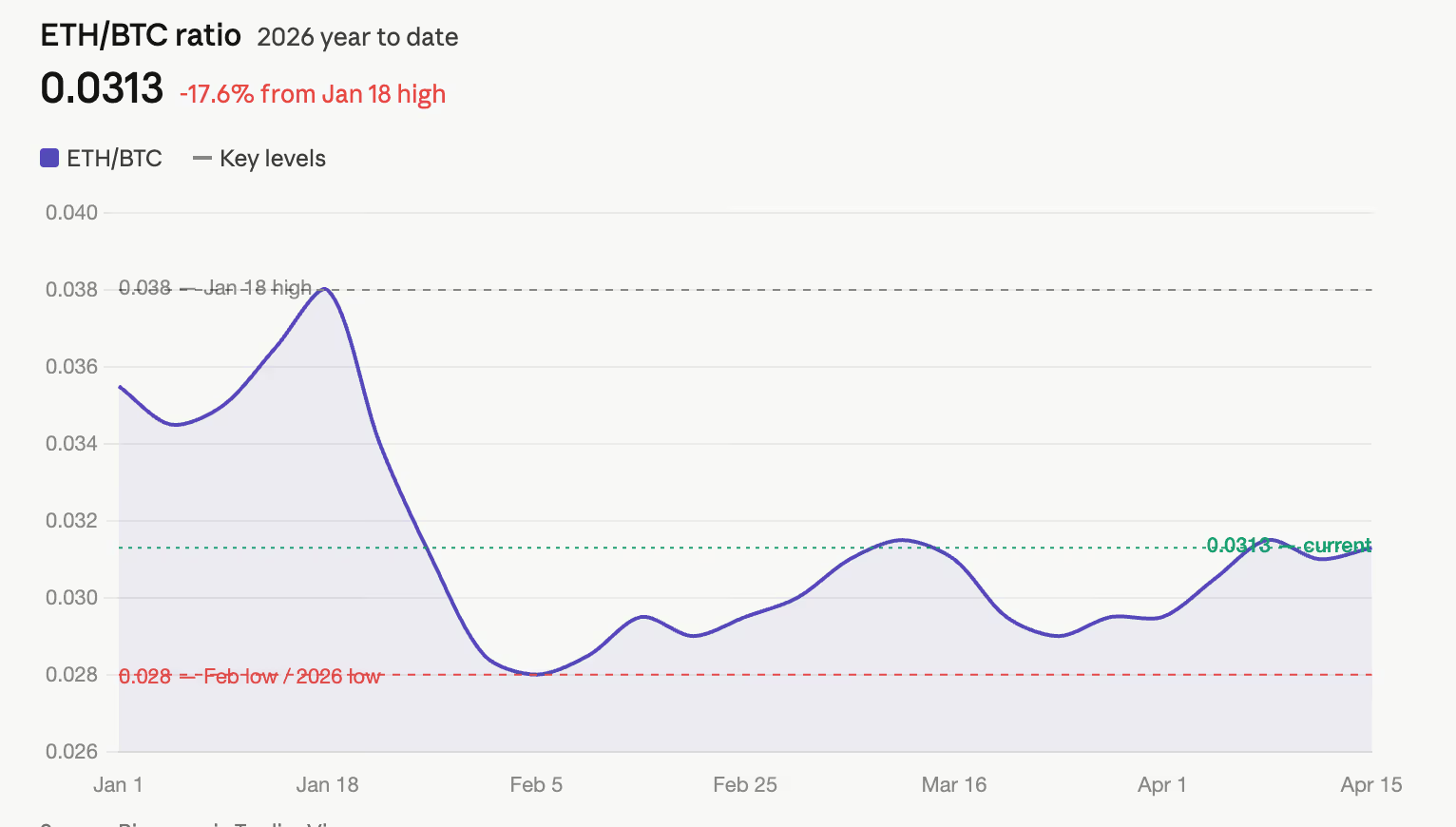
A closely watched gauge of ether’s relative strength against bitcoin has climbed to a three month high, backed by surging network activity and record stablecoin inflows on Ethereum.
The ether-bitcoin ratio traded near 0.0313 on Wednesday, up from a 2026 low around 0.028 in February but still well below the January 18 high near 0.038. Ether gained 4% over the past seven days to trade near $2,325, outpacing bitcoin’s 3.9% move over the same period.

The ETH/BTC ratio tracks the relative price of ether against bitcoin on crypto exchanges and is one of the most widely followed gauges of risk appetite across the digital asset market.
A rising ratio signals that capital is flowing into ether and, by extension, riskier parts of the crypto ecosystem. A falling ratio points to a preference for bitcoin’s relative safety.
The pair peaked above 0.08 in late 2021 before entering a prolonged decline that accelerated through 2024 and into 2025, dragged lower by bitcoin ETF-driven demand, weakened fee revenue on Ethereum’s base layer following the Dencun upgrade, and a broader rotation away from altcoins.
When ether outperforms bitcoin on risk-on days rather than simply tagging along, it historically suggests capital is beginning to rotate rather than chase the same trade. The signal strengthens if ether holds up better than bitcoin during the next pullback.
Part of the case for a sustained move rests on Ethereum’s on-chain fundamentals, which have been diverging from the token’s depressed valuation.
New users on the network surged 82% quarter-over-quarter in Q1 to 284,000, according to data from Artemis, while total transactions hit a record 200.4 million for the quarter, a 43% increase from the prior period.
Stablecoin supply on Ethereum also reached an all-time high of $180 billion, up 150% over the past three years, per Token Terminal. The network holds roughly 60% of the global stablecoin market, reinforcing its dominance as the primary settlement layer for tokenized dollars and suggesting a long-term demand anchor for ETH even as short-term price action lags.
However, ether is still more than 50% below its 52-week high of $4,831, and the ratio would need to reclaim the 0.035 zone on a weekly close to provide evidence that the recovery has legs beyond a short-squeeze bounce.

The frequency of kidnap and ransom attempts on prominent cryptocurrency executives has skyrocketed in recent years.
Referred to, perhaps crudely, in the crypto community as a “$5 wrench attack,” these attempts to extract millions from crypto bigwigs have spurred politicians to mitigate risk.
Policymakers in France are currently working on safeguards, including a prevention platform announced at Paris Blockchain Week yesterday. In the private sector, insurance companies are offering bespoke coverage to crypto execs, which includes awareness and prevention training.
With kidnap and ransom attacks on the rise, the crypto wealthy are adopting new tactics and practices to stay secure.
Why are crypto execs targets?
Ransoming wealthy crypto holders is not a new problem. Cypherpunk and early Bitcoin adopter Jameson Lopp keeps a Github repository of such attacks. While not exhaustive, it has recorded at least 316 since 2014.
Rigel Walsh, a software developer at Swan Bitcoin, was already giving lectures on the topic in 2019, covering different attack vectors, from impersonation to home invasion and kidnapping.
According to Lopp’s repository, 79 ransom attacks occurred in 2025, while already in 2026, media have reported 27 attacks on crypto holders.
This type of crime is hardly exclusive to the crypto-rich, but the nature of digital assets and the industry itself makes crypto executives and investors particularly vulnerable.
Christian Ogden Davies, global head of distribution and innovation at Relm Insurance, told Cointelegraph that some of the new crypto-rich “don’t have big risk infrastructure around them.”
Traditionally, as an organization grows, “you usually then have more people come into your organization like a CEO that’s experienced and maybe a chief risk officer or a chief legal officer, and then they start to look at insurances and how that kind of impacts them.”
As revenue increases, “you might have asset managers and wealth managers who turn around and go, ‘have you talked about or looked at your own personal security?’”
“Instead, in crypto, some people go from zero to hundreds of billions of net worth in weeks or months.”
This lack of concern, or at least attention, to personal security follows them into the very social and friendly space that is crypto. Davies said that crypto is one of the only sectors where “you’ll have five CEOs of competing firms go and sit down for dinner and […] see how things are going.”
Crypto is also highly liquid. Despite the increased amount of attention on crypto, be it through government monitoring and sanctions or private security and analysis services, crypto criminals can still cash out fairly easily.
Davies said that, while countries like North Korea and Iran have been sanctioned heavily, state-connected actors like hacker group Lazarus have still been able to get away with stolen funds. “If you have the right avenue and exit venue for it, you can still make it liquid.”
Related: Bitrefill links Lazarus Group to employee laptop hack, stolen funds
Legal and cultural elements may play a role in eliciting criminal attacks on crypto holders. France, and Paris in particular, has become a hotbed of ransom attacks on the crypto-rich. It “eclipses every other region by a country mile” in terms of crypto ransom attacks, said Davies.
One of the most high-profile attacks was the 2025 kidnapping and ransom of Ledger wallet co-founder David Balland. His colleague and co-founder, Eric Larchevêque, has reportedly said that French law, namely a requirement that entrepreneurs register their names and addresses, is at least partly to blame.
Then there’s the cultural draw. Davies said, “everyone loves Paris […] It’s a beautiful city and it just attracts lots of visitors as well. Whether you’re an A-list celebrity, musician, actor, film star, you want to go out and hang in Paris and go and eat [at] the restaurants and stuff. If you’re a crypto exec, you do the same thing. If you’re an investment banker, you do the same thing. So you do have a lot of high concentration of visiting wealth to that area.”
Overall, the lack of security has created a new reality that “everyone has kind of had to wake up to very violently.”
Crypto execs spend more on personal security
And woke up they have. Spending on personal security among crypto executives has skyrocketed.
In 2024, American crypto exchange Coinbase spent $6.2 million on executive protection for its CEO Brian Armstrong. According to TechCrunch, this was more than the combined security costs of executives for JP Morgan, Goldman Sachs and Nvidia.
Larchevêque pays over $50,000 a month for security for himself and his family. He has cameras and weapons in his home and has reportedly lobbied for crypto executives to be allowed to carry firearms for their protection.
Related: Spain arrests suspect in 2025 kidnapping of Ledger co-founder
There have also been government-level efforts to address the problem. Yesterday at Paris Blockchain Week, Jean-Didier Berger, minister delegate to the interior minister of France, said his office had launched a prevention platform which has already drawn thousands of sign-ups. The platform will improve security coordination, which Berger said he’ll be working on with Interior Minister Laurent Nuñez in the coming weeks.
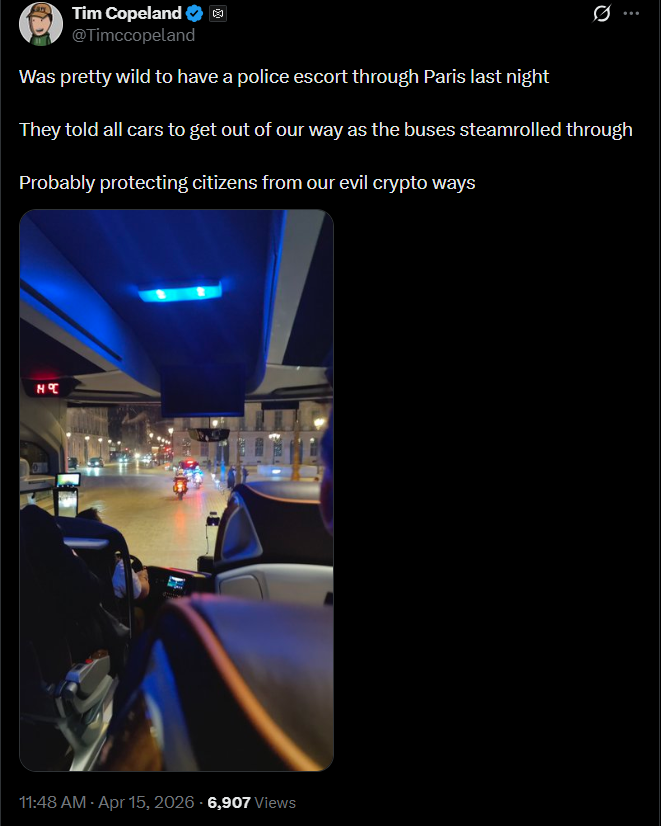
At Paris Blockchain Week, police reportedly had a strong presence. In a post on X, The Block’s head of growth Tim Copeland said some conference attendees had police escorts through Paris.

Insurance companies have also seen a surge in interest. Ben Davis, who runs a crypto-centric insurance brokerage in the UK, Native Broking, told Reuters last year, “Two years ago, kidnap and ransom wasn’t really a big problem. No one really wanted to talk about it. Now 100% of our clients are talking about it.”
Christian Ogden Davies told Cointelegraph that Relm started offering a K&R (kidnap and ransom) policy after massive client interest. “The reason we launched it is because we’re being asked by so many people for it.”
The product offers security expertise and remuneration of funds to clients should they find themselves in a situation where they need to pay a ransom. But much of the policy, and of mitigating possible ransom attacks generally, is making sure the client knows how to avoid that situation altogether.
“There’s initial training and education of the people first. Try not to get yourself in that situation. This is what you say. This is what you don’t say. This is who you speak to, how you speak, how you engage.”
“Don’t turn left down that dark alley. It might be a shortcut, but just take that normal route.”

Oil markets have recently reacted to geopolitical developments — but the more important signal may lie in how price action is evolving afterwards.
In this video, we look at why the risk premium in oil could begin to fade, despite ongoing tensions. The focus is not only on supply-side headlines, but on positioning, market adaptation, and shifting expectations around potential de-escalation.
When significant news fails to push prices higher, it may indicate that risks are already priced in — or that market participants are reassessing their impact.
This shifts the framework from reacting to headlines towards analysing market behaviour and follow-through.
Stay ahead of market moves — follow for timely insights into FX, macro trends, and volatility conditions.
Gain insights to strengthen your trading knowledge.
Watch it now and stay updated with FXOpen.
💬 Don’t forget to like, comment, and subscribe for more professional market insights every week.
This article represents the opinion of the Companies operating under the FXOpen brand only. It is not to be construed as an offer, solicitation, or recommendation with respect to products and services provided by the Companies operating under the FXOpen brand, nor is it to be considered financial advice.
Payward has entered into a definitive agreement to acquire Bitnomial for up to $550 million.
Payward, the parent company of U.S. centralized exchange Kraken, announced today, April 17, that it has entered into an agreement to acquire Bitnomial, a Commodity Futures Trading Commission (CFTC)-regulated crypto derivatives exchange.
Bitnomial was founded in 2014 and over more than a decade of operations has acquired the full set of CFTC licenses — exchange, clearinghouse, and brokerage — becoming what Kraken says is the first crypto company in the United States to do so.
The deal brings Bitnomial’s regulatory infrastructure together with Payward’s global distribution across Kraken, NinjaTrader, and its other projects.
In December 2025, Bitnomial had already received CFTC approval to clear fully-collateralized swaps, letting the CEX offer prediction markets, alongside its spot and derivatives offerings, under one regulatory framework and unified liquidity pool.
The acquisition is expected to close in the first half of 2026, pending CFTC notice filings and customary closing conditions, per Kraken’s announcement.
Payward is set to pay up to $550 million, payable in cash and stock, for Bitnomial. The transaction values Payward at $20 billion, per Kraken’s blog post today, and comes just days after the CEX confirmed its plans to go public. The valuation matches Payward’s November 2025 announcement, when the firm raised $800 million in two rounds.
The move is the latest in a string of expansions and partnerships by Payward and Kraken. As The Defiant previously covered, Kraken acquired xStocks creator Backed Finance to deepen its tokenized equities push.
Also this week, Germany’s largest stock exchange operator, Deutsche Börse, announced it had invested $200 million in Payward, for a roughly 1.5% fully diluted stake. That deal implied Payward’s valuation at $13.3 billion, a 33% haircut from the $20 billion valuation.
This article was written with the assistance of AI workflows. All our stories are curated, edited and fact-checked by a human.
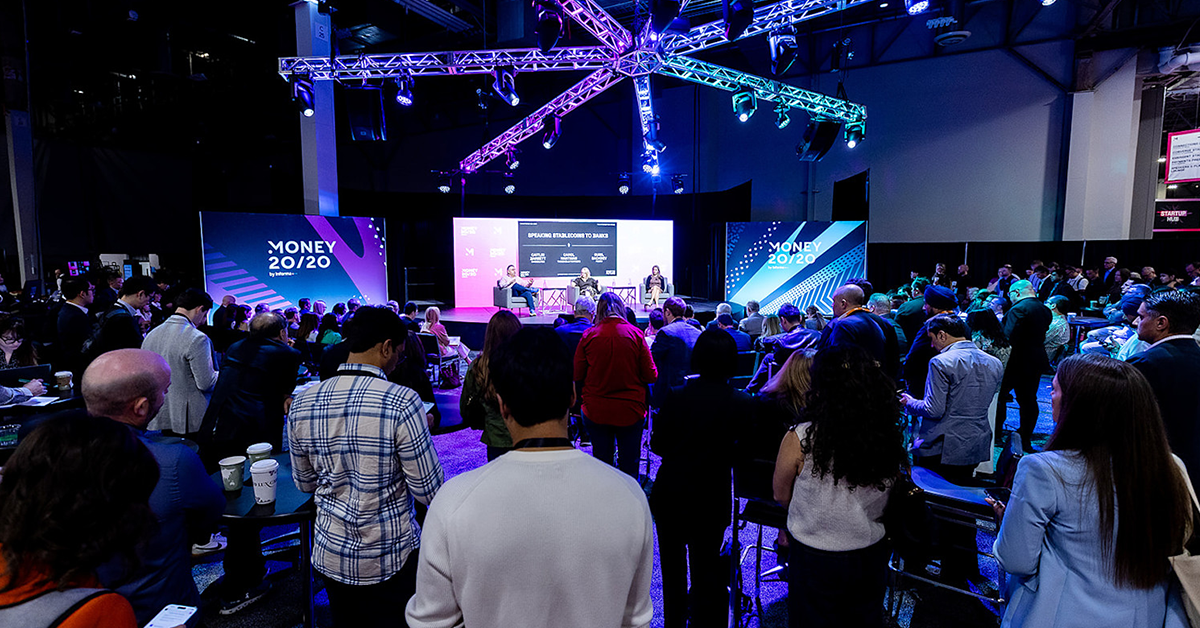
Money20/20, a leading global fintech event, today announced 250 confirmed speakers from a total of 39 countries taking their stages at Money20/20 Asia happening in Bangkok on April 21–23, 2026 at the Queen Sirikit National Convention Center (QSNCC).
This year’s theme ‘From Infrastructure to Impact, Where Technology Meets Humanity’, is exploring how the next wave of financial innovation can deliver real outcomes across the APAC region. From digital public infrastructure and embedded finance to AI‑powered services and inclusive financial design.
The 2026 keynote roster features standout leaders shaping the future of finance across Asia, including representatives from Standard Chartered, J.P. Morgan, Visa, and Mastercard, alongside digital asset innovators from HashKey Tokenisation, Fireblocks, and Circle.
“Money20/20 Asia is a platform for ideas that shape the industry and this year’s lineup of 250+ speakers reflects the extraordinary progress happening across APAC. From digital assets and payments to AI and financial inclusion, the conversations in Bangkok will define the future of money across the region and beyond. We’re excited to bring together the leaders who are not only observing change, but actively creating it.” said Danny Levy, Executive Vice President & MD APAC & Middle East.
“Thailand is emerging as a key financial innovation hub in Asia, and Money20/20 Asia provides a vital platform for us to connect with global leaders, building the future of finance. As digital transformation accelerates across the region, we see tremendous opportunity for collaboration, new business models, and technologies that will strengthen Thailand’s role in the regional financial network.” said, Pichet Durongkaveroj, Executive Director, Bangkok Bank.
New for 2026 is the Intersection Stage, exploring the convergence of traditional finance (TradFi) and decentralised finance (DeFi). Speakers from Bank of America, Deutsche Bank, and Webull will cover digital asset adoption, stablecoin developments, tokenisation, and cross-border payment innovation.
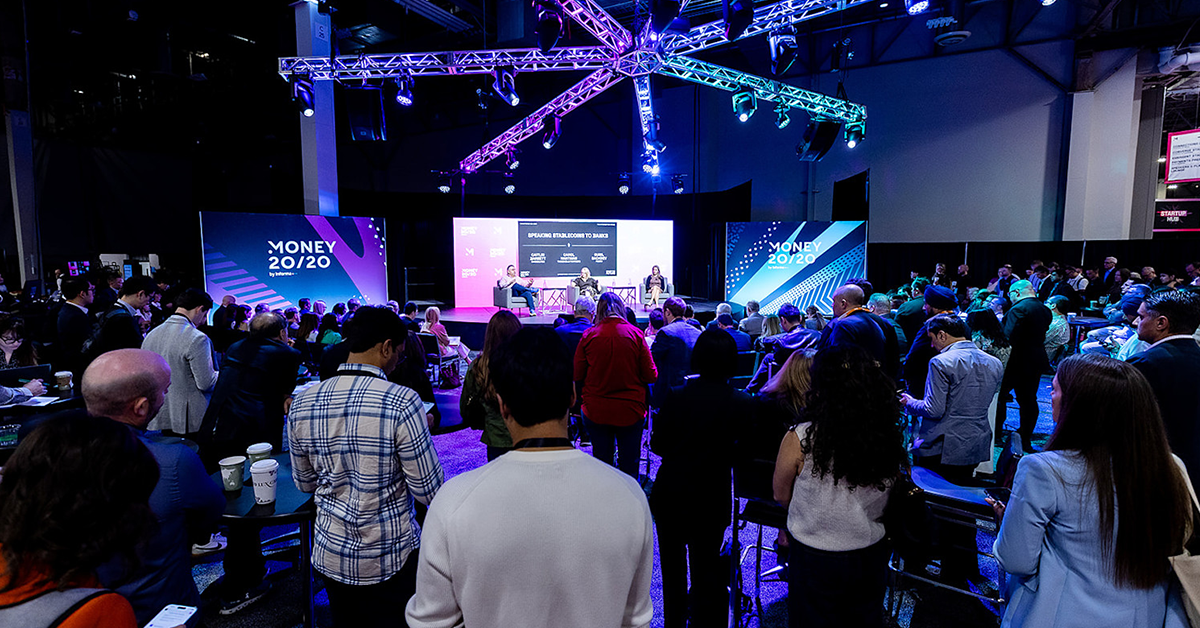
Money20/20 Asia will also feature high-growth innovators including Revolut, Fireblocks, Circle, and Bitkub, alongside technology leaders such as Meta and Finastra.
“The digital asset landscape across Asia is evolving at remarkable speed, and platforms like Money20/20 Asia play a vital role in bringing together innovators, regulators, and ecosystem builders to shape that future. As the region’s leading blockchain and digital asset company, Bitkub is proud to be part of the global conversation on how tokenization, digital identity, and next-generation financial infrastructure can unlock new economic opportunities and drive inclusive growth for millions across the region.” said Jirayut (Topp) Srupsrisopa, Founder & Group CEO, Bitkub Capital Group Holdings.
About Money20/20
Launched by industry insiders in 2012, Money20/20 has rapidly become the heartbeat of the global fintech ecosystem. Over the last decade, the most innovative, fast‑moving ideas and companies have driven their growth on our platform. Mastercard, Airwallex, J.P. Morgan, SHIELD, GCash, Stripe, Google, Visa, Adyen, and more make transformational deals and raise their global profile with us. Money20/20 attracts leaders from the world’s greatest banks, payments companies, VC firms, regulators, and media platforms, convening to cut industry‑shaping deals, build world‑changing partnerships, and unlock future‑defining opportunities in Las Vegas (October 18–21, 2026), Amsterdam (June 2–4, 2026), Riyadh (September 14–16, 2026), and Bangkok (April 21–23, 2026). Money20/20 is where the world’s fintech leaders convene to grow their brands. Money20/20 is part of Informa PLC. Follow Money20/20 on X and LinkedIn for show developments and updates.
The post Money20/20 Asia Announces 250-Speaker Global Lineup to Define the Future of Finance appeared first on BeInCrypto.

Key Highlights
- Intel shares climbed 5.5% to reach $68.50, marking the highest closing price since early September 2000
- The chipmaker is experiencing its strongest monthly performance in five decades
- Growing agentic AI adoption is fueling server processor demand, with ASPs projected to increase 10–15% throughout 2025
- Wall Street firms have increased their price targets, yet less than 25% maintain Buy recommendations
- The company’s first-quarter 2026 results are scheduled for release next Thursday
Intel shares reached their loftiest closing level in more than a quarter century on Thursday, finishing the session at $68.50 following a robust 5.5% advance. This surge marked the ninth consecutive day of gains and positioned the semiconductor giant for its most impressive monthly showing since the mid-1970s.
Friday’s premarket activity saw the stock begin at $68.50 before adding another 1.4% in early trading. The shares have traveled between $18.25 and $68.61 over the trailing twelve months.
The primary catalyst behind this remarkable ascent centers on accelerating server processor demand tied to agentic AI deployment. Mizuho’s analysis suggests this trend could elevate average selling prices by 10% to 15% during the current year, with favorable market conditions potentially persisting through 2026 and possibly extending to 2030.
While Intel’s personal computer chip segment continues facing headwinds, Mizuho identifies a potential silver lining. The research firm posits that Intel could redirect manufacturing resources from PC processors to data center chips, enabling near-term production enhancement without substantial capital investment requirements.
Taiwan Semiconductor Manufacturing’s robust quarterly results and reassurances regarding supply chain stability provided additional market confidence. Industry observers suggest the current processor demand environment may be substantial enough to benefit multiple competitors simultaneously.
Price Targets Rise While Ratings Stay Neutral
Mizuho maintained its Neutral stance while increasing its price objective to $59 from the previous $48. Bernstein preserved its Market Perform designation and elevated its target to $60 from $36. Both institutions also revised upward their 2026 and 2027 profit projections for the company.
Cantor Fitzgerald established a $60 target alongside a Neutral rating. Wells Fargo adjusted its forecast to $55 while keeping an Equal Weight perspective. The Street’s consensus recommendation remains at Hold, with the average price target settling at $51.25 — notably beneath current trading levels.
Bullish recommendations account for less than one-quarter of analyst coverage. Key concerns encompass execution risks surrounding foundry expansion initiatives, intensifying rivalry from AMD and Nvidia, plus a valuation hovering around 95 times forward earnings projections.
“We continue to struggle with both fundamentals and valuation especially after the recent run,” wrote Bernstein analyst Stacy Rasgon, who also called Q1 likely to be “a messy quarter.”
Portfolio Adjustments and Executive Transactions
KBC Group NV reduced its Intel holdings by 31.7% during the fourth quarter, divesting 428,210 shares. The firm’s remaining position of 920,502 shares carried an approximate value of $33.97 million at the filing date.
Conversely, Van ECK Associates expanded its stake by 18.3% in Q3 to exceed 55.5 million shares. Patton Fund Management dramatically increased its position by 973% during the identical period.
Executive activity presented a mixed picture. EVP David Zinsner acquired 5,882 shares at $42.50 during January. EVP April Miller disposed of 20,000 shares at $49.05 in February.
Intel currently commands a market capitalization of $342.16 billion. The stock’s 50-day moving average stands at $48.60, while its 200-day average sits at $42.93.
The semiconductor manufacturer will unveil Q1 2026 financial results next Thursday. The previous quarter saw the company deliver earnings per share of $0.15, surpassing the consensus forecast of $0.08. Revenue totaled $13.67 billion compared to analyst expectations of $13.37 billion, representing a 4.2% year-over-year decline.

Iran’s Foreign Minister Seyed Abbas Araghchi declared the Strait of Hormuz open for all commercial vessels on April 17. The announcement came as part of the 10-day Israel-Lebanon ceasefire that took effect today.
The opening, however, remains conditional. Vessels must follow coordinated routes set by Iran’s Ports and Maritime Organisation. The access lasts only for the remaining period of the truce.
Oil Prices Slide on Easing Supply Fears
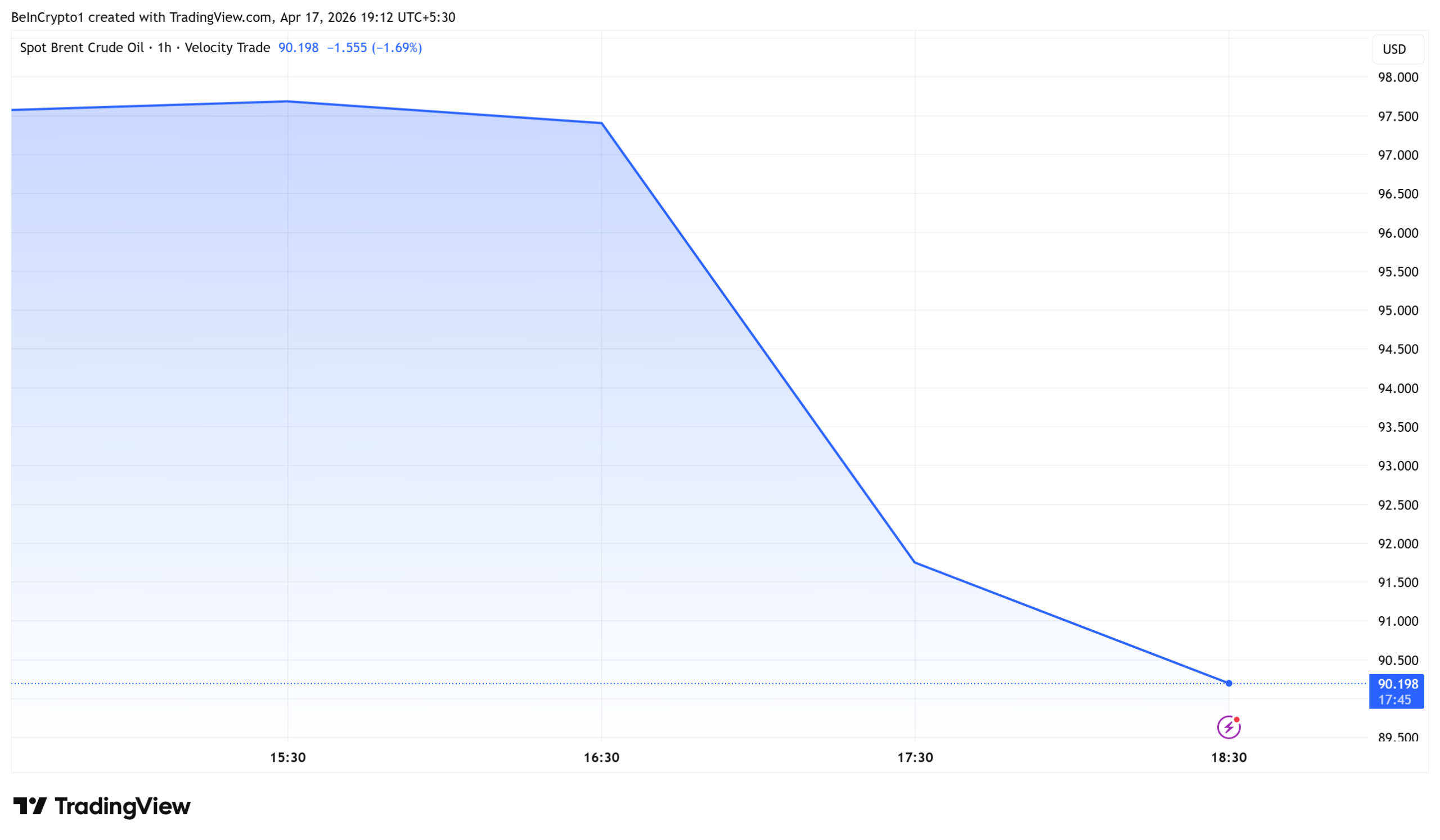
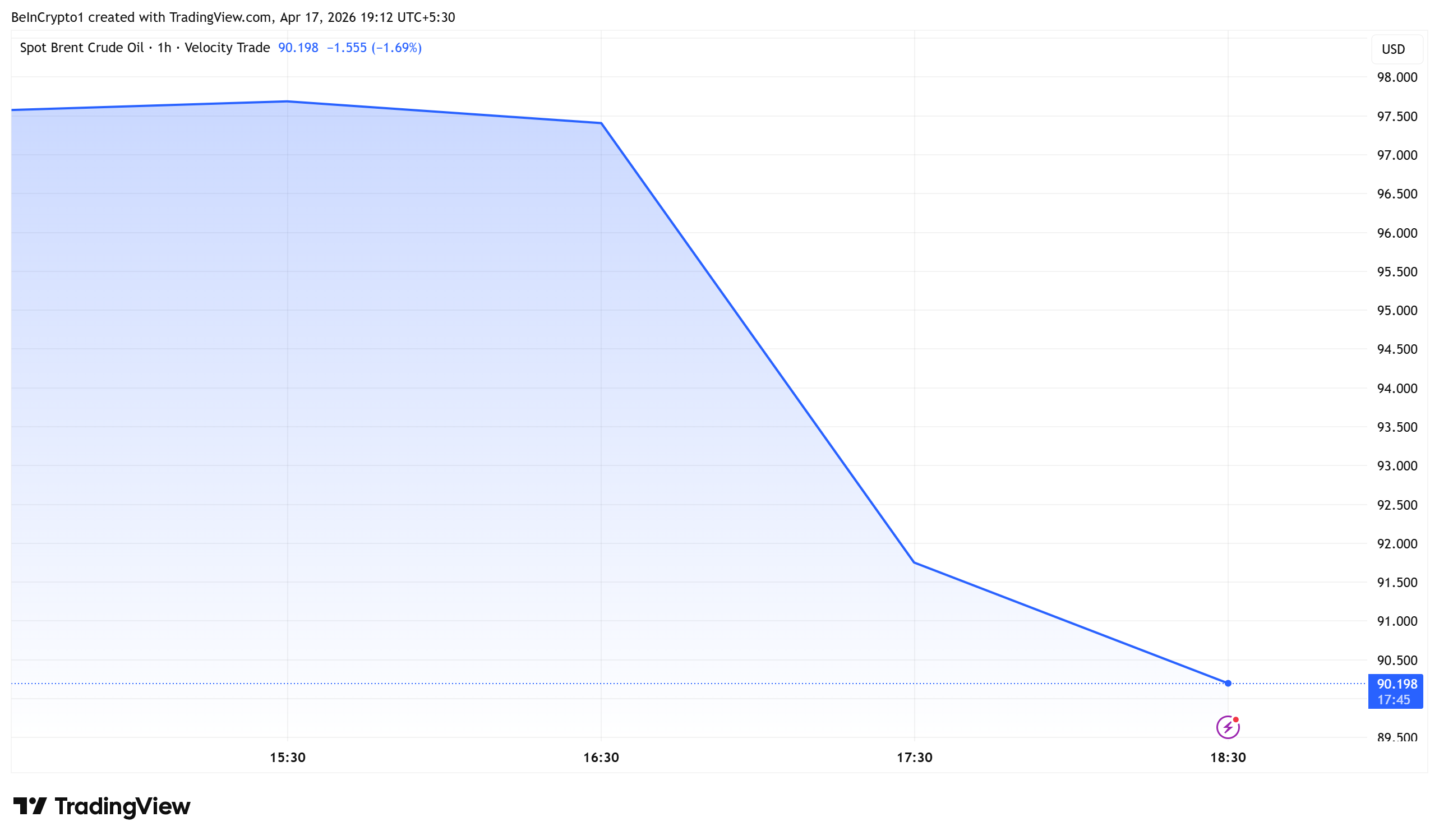
The announcement triggered an immediate sell-off in energy markets. Brent crude fell 6.84%, retreating from $99.39 on April 16 to around $92. US crude oil dropped 7.04% in a similar move.
The Strait of Hormuz handles roughly 20% of the world’s daily oil and liquefied natural gas shipments. Iran had effectively restricted passage through the waterway during the broader conflict, pushing Brent above $100 earlier this month.
Markets had already been pricing in a potential resolution. Oil dipped below $95 on April 14 after the White House signaled progress in US-Iran negotiations.
Trump Claims Credit, Bitcoin Gains
US President Donald Trump reacted quickly on Truth Social, writing that “the Strait of Iran is fully open and ready for full passage.” He notably used “Strait of Iran” rather than the correct name.
Trump’s framing suggested unrestricted access, though Iran’s terms limit the opening to the ceasefire period and designated shipping lanes.
Beyond oil, other markets responded positively. Bitcoin (BTC) gained 1.59%, while the S&P 500 edged up 0.07%, reflecting a broader risk-on shift.
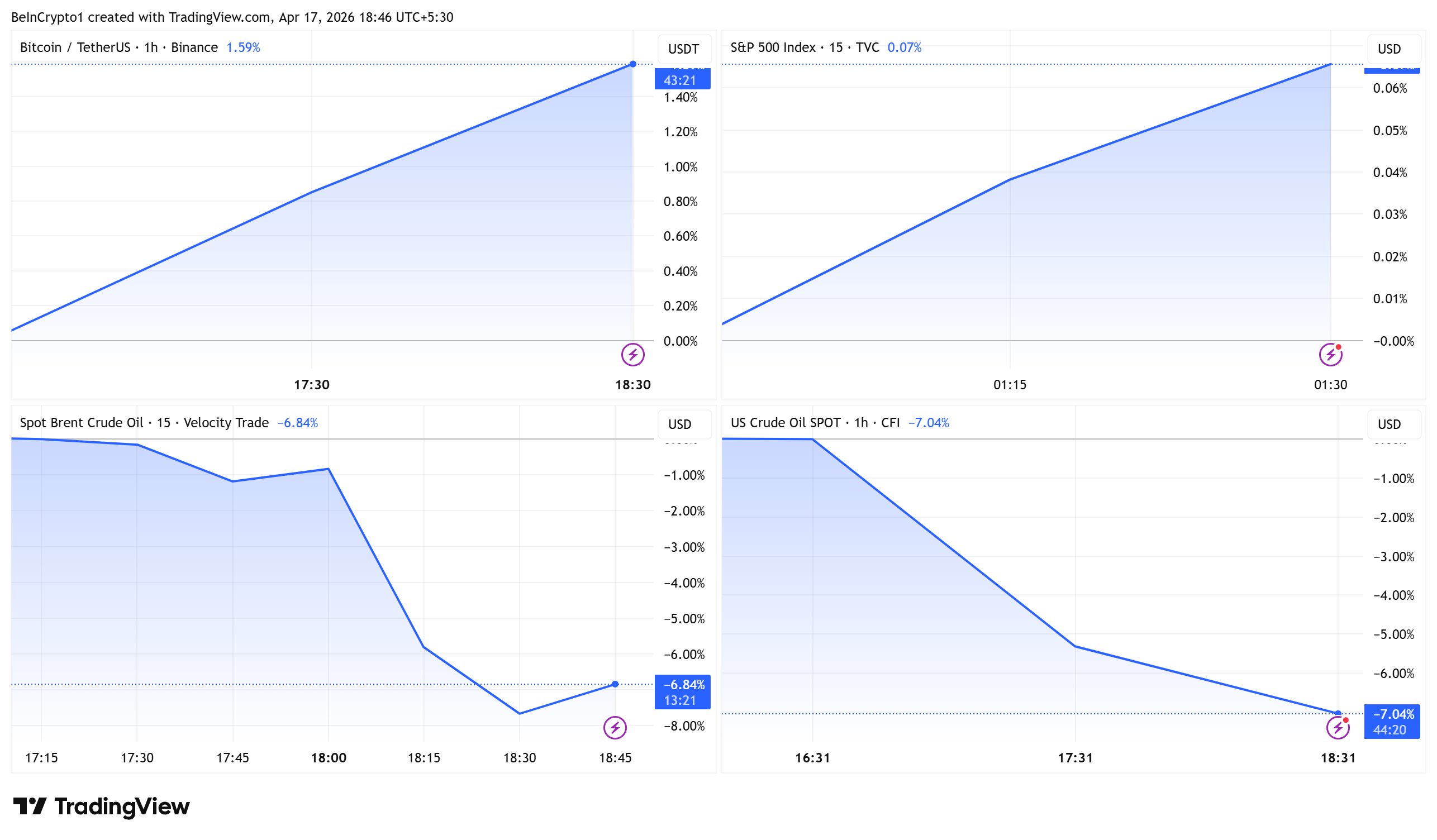
The relief may prove short-lived. The US-Iran ceasefire expires on April 21, and any violation of the Lebanon truce could reverse the opening. Broader negotiations over Iran’s nuclear program and sanctions remain unresolved.
The post Brent Crude Drops 7% After Iran Opens Strait of Hormuz During Ceasefire appeared first on BeInCrypto.
Bank of AI and PKUBlockchain map Web4.0’s “agent economy,” pitching x402, ERC‑8004 and MCP while casting Tron and USDT as the default settlement rail for AI agents.
Summary
- Bank of AI and Peking University’s PKUBlockchain association have published a Web4.0 report arguing that AI agents will act as on‑chain “economic entities” and need dedicated payments, identity and tooling protocols.
- The paper highlights three missing layers — the x402 payment protocol, ERC‑8004 identity standard and MCP tool‑invocation rail — and pitches Bank of AI’s stack as a one‑stop “Agent financial OS” that connects them.
- It points to Tron’s more than $22 billion in average daily stablecoin volume and roughly $86 billion of circulating USDT as the settlement base for high‑frequency micro‑payments between agents.
Bank of AI and Peking University’s PKUBlockchain association have released what they call the first comprehensive research report on Web4.0’s “agent economy,” titled “Web4.0: When AI Agents Become Economic Entities — Infrastructure, Market Landscape, and Investment Outlook.” The report argues that as AI systems evolve from “assistive tools” into autonomous entities that can hold assets, generate income and transact, crypto rails need to adapt around them.
Web4.0 report puts AI agents on-chain
In their framework, AI agents are treated as on‑chain economic actors that must be able to send and receive payments, prove identity, call off‑chain tools and build verifiable track records much like human‑run wallets or companies. To close that gap, the authors identify three infrastructural layers they say are still missing or immature: the x402 payment protocol for stablecoin transfers, ERC‑8004 as an on‑chain “ID card” for agents, and an MCP (Model Context Protocol) standard for tool invocation.
Bank of AI uses the report to present its own stack as a reference implementation, claiming to integrate “five core components into a unified Agent financial operating system” that links those protocols from spec to live product. In parallel, outside research on agentic markets — including an “Agentic RWA Stack” proposed by FinChain — similarly forecasts AI agents managing “tens of trillions of US dollars” in assets and commercial flows by 2030, underscoring why payments and identity rails are attracting attention now.
The report leans heavily on Tron as the current settlement backbone for an agent‑driven Web4.0. It notes that Tron processes more than $22 billion in daily stablecoin volume and hosts around $86 billion of USDT, giving it the scale and fee profile needed for “high‑frequency micro‑settlements by AI agents.”
Independent analytics back that picture: Nansen and other researchers have found that TRON routinely clears over $21 billion in daily stablecoin transfers, with more than $80 billion of USDT supply and roughly 2 million to 2.2 million stablecoin transactions per day. Earlier crypto.news coverage has charted how Tron flipped Ethereum in USDT supply, with on‑chain data showing its USDT float rising past $73.8 billion in 2025 and then above $80 billion, making it Tether’s primary settlement layer for routine dollar transfers.
That dynamic has also been visible on the regulatory front, where USDT on Tron has been recognized as an accepted fiat‑referenced token in Abu Dhabi’s ADGM regime, even as U.S. lawmakers tighten scrutiny on Tether’s global footprint. In a recent crypto.news story, Tron’s role as a stablecoin rail was tied to a broader “agentic economy” push, including TRON DAO’s $1 billion AI fund targeting projects that blend AI agents with on‑chain payments — the same junction Bank of AI’s report now attempts to formalize.
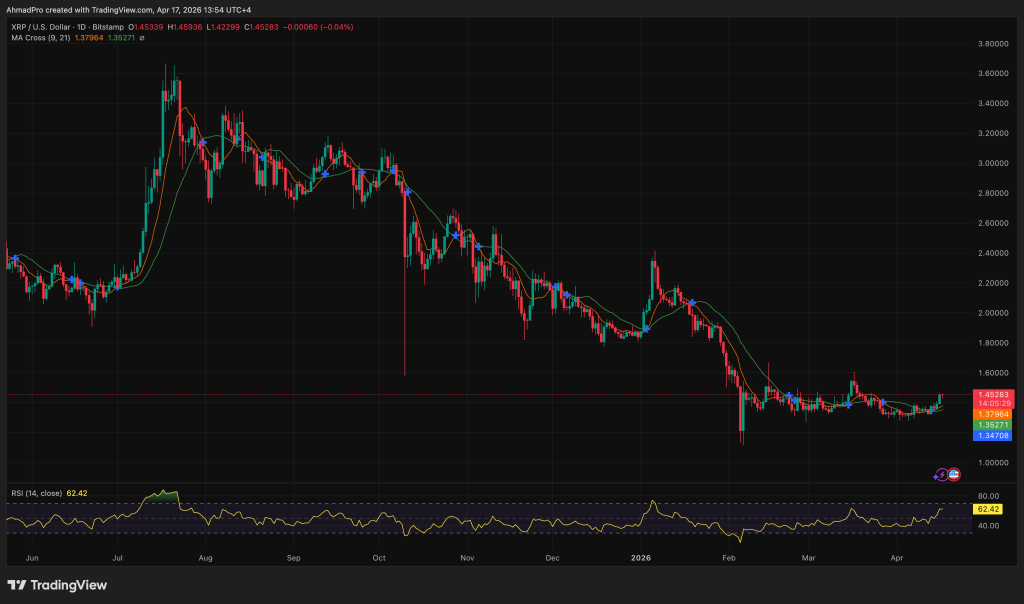
The official Solana X account posted a single word on April 15 – ‘XRP’ – accompanied by a four-second cinematic logo animation, and Ripple XRP price nudged to $1.45, up 3.4% on the day but still rangebound below the $1.40 supply zone that has capped every recent rally.
The post accumulated millions of views within hours and became arguably the most-discussed crypto moment of the week. Whether it signals anything real for XRP price is the question every XRP News feed is currently wrestling with.
Solana’s account didn’t stop at the single-word drop. Follow-up replies referenced ‘we signed 589 NDAs’ and ‘time to flip the switch’, two phrases loaded with meaning for anyone who follows XRP community lore.
The ‘589’ meme is a long-standing price prediction tied to XRP’s theoretical utility breakout, and ‘flip the switch’ is the community’s shorthand for the moment Ripple’s payment infrastructure supposedly goes fully live and sends the token vertical.
Solana co-founder Anatoly Yakovenko reacted with a flexed biceps emoji. Ecosystem projects Phantom, Raydium, and Kamino piled in with memes. XRP accounts responded with ‘SOL.’ The internet, as it does, promptly lost its mind.
The RippleX account responded with an eyes emoji, hinting at intrigue without committing to anything – while community members speculated that ‘something’s brewing, and we’re going to find out what that something is very soon.’ Context worth noting: this isn’t Solana’s first XRP reference.
In late March 2026, the account posted a tweet stating ‘We hear XRP is nice this time of year’, which drew a reaction from Ripple CTO Emeritus David Schwartz. The pattern is deliberate, not accidental.
Ripple XRP Price: Can the Social Buzz Actually Flip the Switch?
XRP is currently trading at $1.45 – a 2.4% gain that looks constructive on a 24-hour chart and means almost nothing on a weekly.
The asset remains compressed in a tight range, with $1.50 acting as an immediate supply ceiling that sellers have defended consistently, and the broader technical picture pointing to a market still waiting for a genuine catalyst to break structure.
RSI on the daily sits near 62 – technically above the midline but without the momentum expansion that typically precedes a breakout.
MACD is flat, with signal and histogram lines hugging zero rather than diverging upward. Volume on the Solana tweet bounce was modest, consistent with a sentiment-driven intraday blip rather than institutional accumulation.
The 50-day EMA sits around $1.33, which represents the first meaningful support level if the current range breaks to the downside.
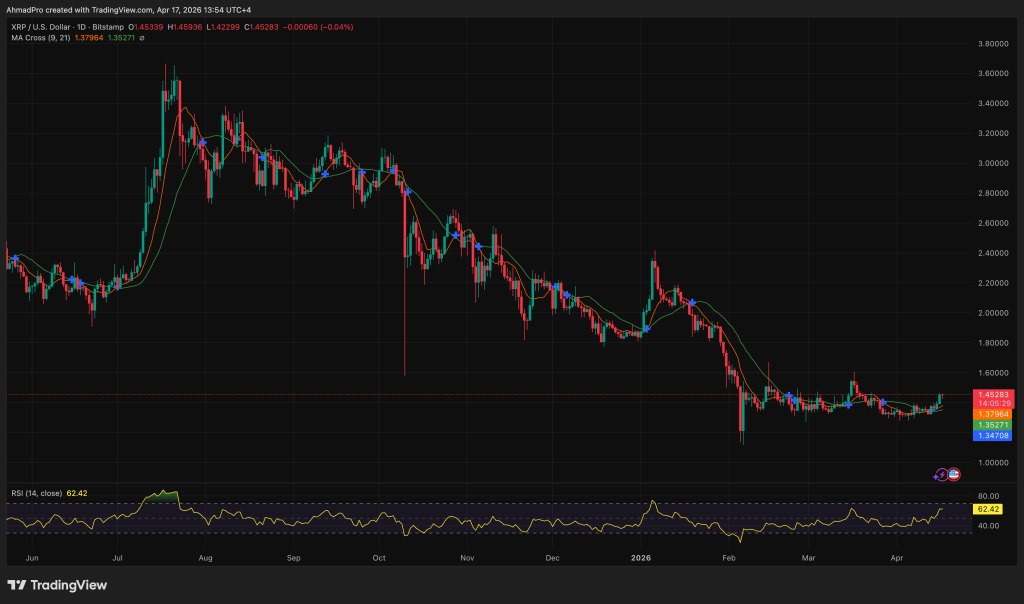
The bull case requires a clean close above $1.50 on volume. Recent XRP price analysis has flagged $1.55 as the next meaningful resistance level if that ceiling flips to support, a level that would represent a 11.5% extension from current prices.
Bearish invalidation sits at $1.28. A daily close below the 50-day EMA at $1.33 would signal that the compression is resolving downward, not up.
At that point, the $1.20–$1.22 demand zone becomes the next area of interest. The honest read: the social buzz generated attention, not volume – and attention doesn’t break resistance levels.
Bitcoin Hyper Targets Early-Mover Upside as XRP Tests Key Levels
XRP at $1.45 with a multi-billion dollar market cap means the return math is different than it was at $0.30. To double from here requires billions in new capital inflow, not impossible, but not the kind of asymmetric setup that early XRP holders experienced.
That’s the uncomfortable arithmetic of buying established assets near resistance.
For traders who want exposure to crypto upside with a different risk/reward profile, Bitcoin Hyper is currently in active presale. The project has raised $32,418,771.09 to date, with tokens priced at the current presale tier.
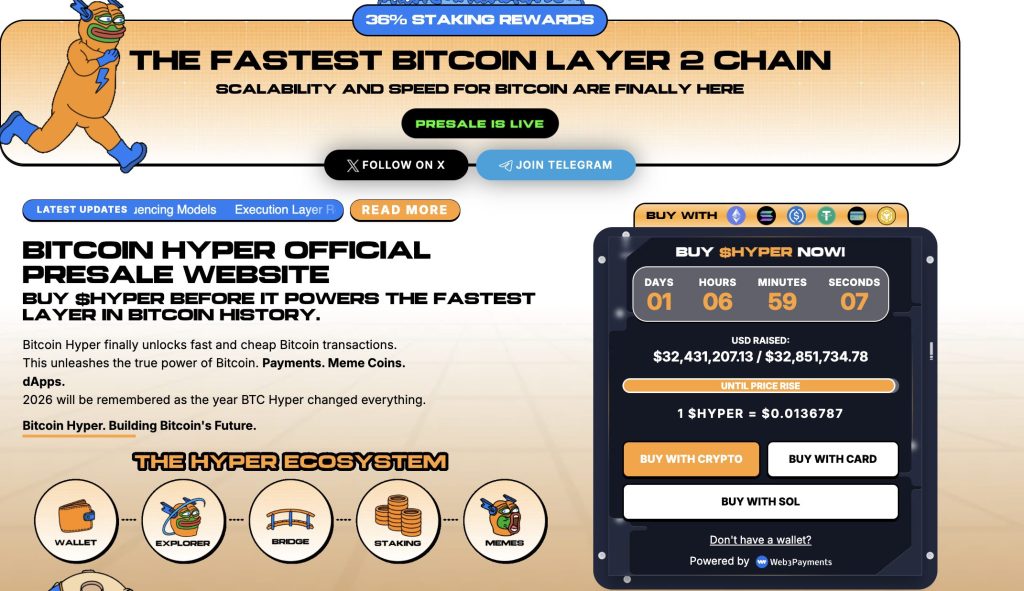
The core thesis: Bitcoin Hyper layers a high-speed execution environment on top of Bitcoin’s security model, targeting the DeFi and trading-infrastructure use cases that Bitcoin’s base layer cannot serve. Staking APY is live for early participants, giving holders yield exposure while the presale window remains open.
Presale tokens carry significant risk – liquidity constraints, lock-up terms, and post-launch execution uncertainty all apply. Independent due diligence is non-negotiable before committing capital to any early-stage project.
Best Wallet users can also access HYPER through the app’s “Upcoming Tokens” section. The mobile app is available on the Apple App Store and Google Play.
Purchased tokens can be staked immediately at the advertised 36% APY. At the current presale price of $0.0136787, buyers are entering ahead of any future exchange listings and before the mainnet goes live.
The project also maintains channels on X and Telegram for ongoing development and listing updates.
As long as Bitcoin remains near a breakout point and ETF demand stays firm, projects tied to Bitcoin transaction capacity are likely to remain in focus. Bitcoin Hyper’s fundraising pace suggests that investor interest is extending beyond BTC itself and into the infrastructure being built around it.
Research Bitcoin Hyper’s presale terms before the current pricing tier closes.
The post Solana Drops Cryptic ‘XRP’ Tweet, Is a Price Pump About to Be Triggered For Ripple? appeared first on Cryptonews.
Crypto World
XRP Price Prediction Shifts After Ripple Partners With Korea’s $92 Billion Kyobo Life for Bond Tokenization
The xrp price prediction picked up a new catalyst this week after Ripple announced a partnership with Kyobo Life Insurance to pilot Korea’s first tokenized government bond settlement using Ripple Custody, cutting a two-day cycle to near real-time, according to 24/7 Wall St.
The xrp price prediction depends on whether deals like Kyobo translate into real volume, and that process takes quarters even with a $92 billion partner. Capital that refuses to wait keeps moving into Pepeto, where the Pepe creator leads a presale with working exchange tools and a confirmed Binance debut that pays from one event instead of years of deal flow.
XRP Price Prediction Gets a Boost as Ripple and Kyobo Life Insurance Pilot Korea’s First Blockchain Bond Settlement
Ripple and Kyobo Life Insurance announced a partnership on April 15 to test tokenized government bond settlement on Ripple Custody, per 24/7 Wall St. Kyobo manages $92 billion in assets as one of Korea’s Big Three life insurers, and the pilot aims to cut the standard two-day settlement window to near real-time. SBI Holdings connects the Japan-Korea strategy across both markets.
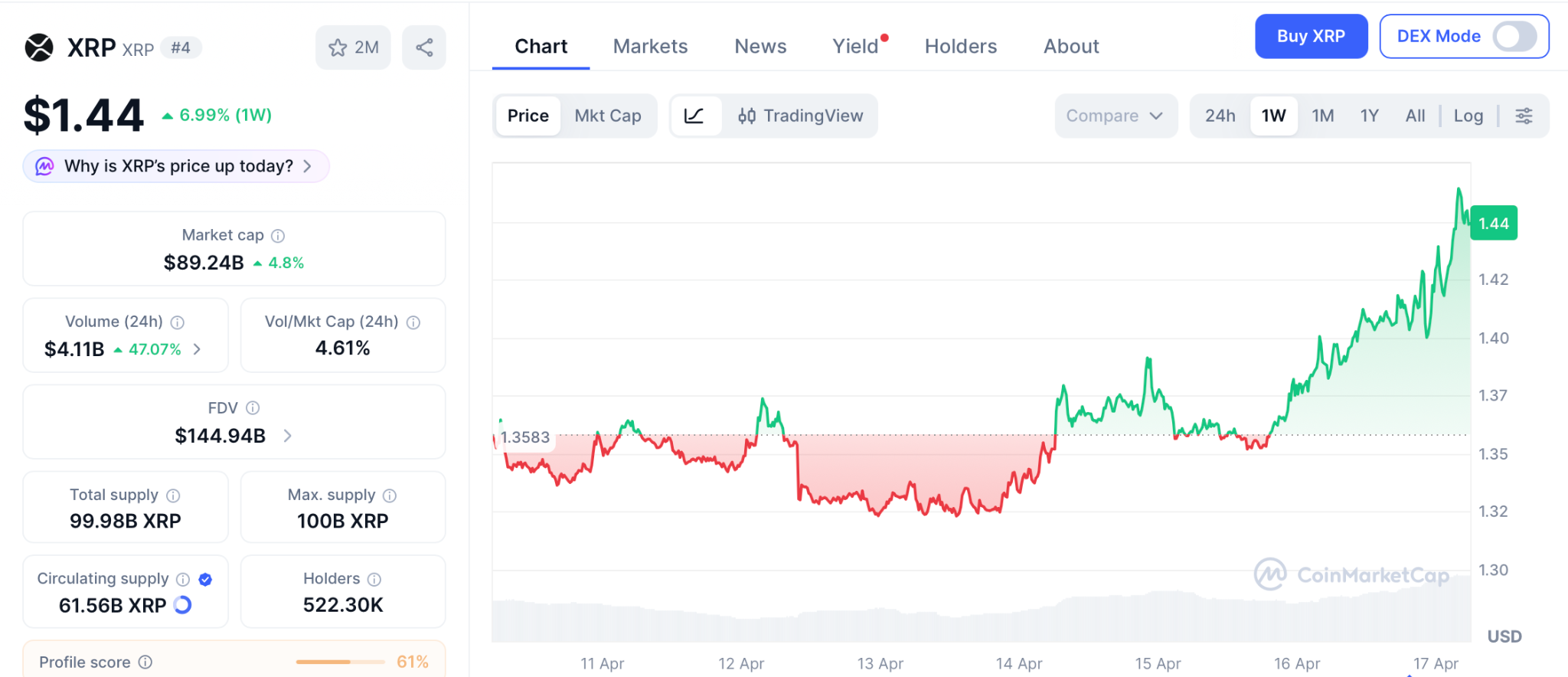
When a $92 billion insurer picks Ripple for government bonds, the use case is no longer theoretical. But pilot programs need months to reach production, and XRP’s price needs volume, not just headlines. Seven spot ETFs already hold $1 billion in combined assets, yet Ripple (XRP) still trades at $1.42 because institutional adoption and token price move on different clocks.
The XRP Outlook and the Presale That Does Not Wait for Adoption Timelines
Pepeto Combines Meme Momentum With Live Exchange Tools No Other Presale Has Shipped
The xrp price prediction waits on deal flow that takes quarters to mature. Pepeto does not. The Pepe creator who built a $11 billion token on zero products now runs a presale where the exchange already works and the Binance listing is locked in.
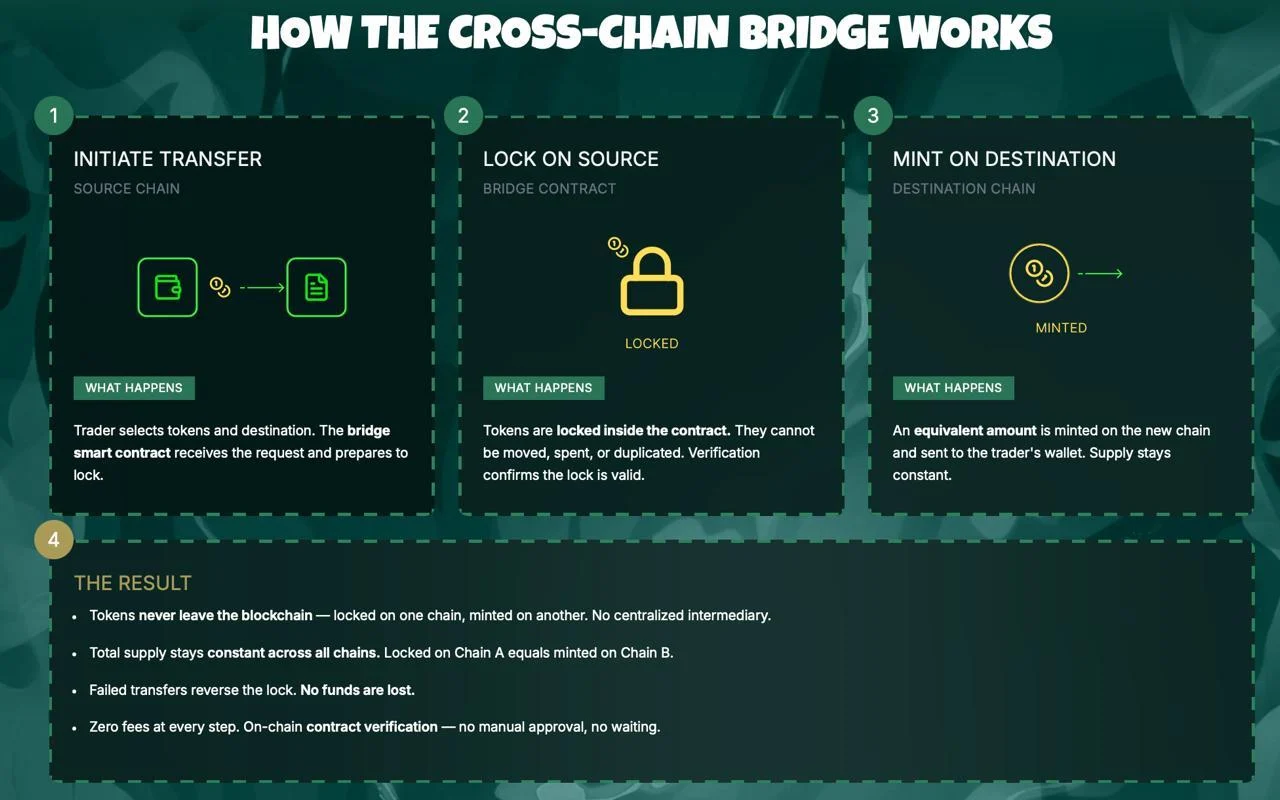
The bridge moves assets between Ethereum, BNB Chain, and Solana at zero cost, so holders across every chain hold their entire position through each transfer. Over $9.13 million raised while the Fear Index read extreme levels shows serious buyers stepping in while the rest of the market sits idle.
A token scanner checks every contract before you touch it, catching the traps that wiped portfolios in past downturns so your entry stays protected from day one. PepetoSwap handles every trade without taking a cut.
Pepeto sits at $0.0000001865 with the Binance debut closing in, and 182% APY staking adds daily yield as the listing draws nearer. SolidProof passed the full audit before the presale opened. The wallets that spotted setups like this early and moved fast built wealth that waiting alone never created, and Pepeto at $0.0000001865 is that opening with remaining tokens thinning as buyers keep arriving.
Ripple (XRP) Price at $1.44 as Kyobo Life Partnership Signals Real-World Adoption
Ripple (XRP) trades at $1.44 after gaining 3.8% to a 3-week high according to CoinMarketCap. Seven spot ETFs hold $1 billion in combined assets, but XRP needs more institutional volume at scale to break resistance at $1.50.
The xrp price prediction crowd keeps asking about $50, so here is the honest math. At $50, XRP’s market cap reaches about $3 trillion, larger than any crypto ever and near Apple’s total value. That outcome needs dozens of Kyobo-sized partnerships running live production volume across Ripple’s custody network for years. It is possible over a decade, not quarters.
Near term, the xrp price prediction targets $2.00 resistance and the $3.40 ATH from January 2018, a 139% gain. But even the Kyobo deal shows that each step from pilot to production adds months. The wallets that need speed over patience are already looking at presale entries instead.
Conclusion
The xrp price prediction at $50 needs years of institutional adoption at scale. Kyobo proves the technology works, but pilot-to-production timelines do not reprice tokens overnight. Pepeto stands as the entry for returns that large-cap tokens need years to deliver and you can lock in today.
The path splits right here. One group entered Pepeto before the Binance debut and rode live tools plus viral momentum from presale pricing into gains that reshaped their year. The other group waited on the xrp price prediction for proof and paid full exchange price for what early buyers locked in at pennies.
Presale tokens are thinning as demand keeps building. The people who grabbed XRP at $0.003 before anyone noticed already knew which move they would make again.
Click To Visit Pepeto Website To Enter The Presale

FAQs
Can XRP hit $50 based on current xrp price prediction models?
Not in the near term. A $50 price means a $3 trillion market cap, larger than any crypto in history. Realistic targets range from $2.00 resistance to the $3.40 ATH depending on how fast institutional deals like Kyobo scale into production.
How does Ripple (XRP) benefit from the Kyobo Life Insurance partnership announced on April 15?
Ripple (XRP) gains a real-world bond settlement use case with Korea’s $92 billion Kyobo Life Insurance through Ripple Custody. Pepeto at presale pricing delivers larger multiples from one Binance listing without waiting for institutional adoption timelines.
Disclaimer: This is a Press Release provided by a third party who is responsible for the content. Please conduct your own research before taking any action based on the content.


Grinex, a sanctioned Kyrgyzstan-registered crypto exchange, has disclosed a hack of over one billion rubles.
In an announcement posted to the exchange’s official Telegram channel, the “targeted attack” was attributed to “Western special services,” and is aimed at “causing direct damage to Russia’s financial sovereignty.”
The loss sees Grinex “forced to suspend its operations.”
It says “attempts to destabilize the domestic financial sector have reached a new level – the direct theft of assets of Russian citizens and companies.”
Blockchain forensics firm Elliptic analysed outflows from affected addresses listed by Grinex and tallied a total of $15 million of USDT. The funds were then swapped to TRX or ETH to avoid being frozen by Tether.
Read more: UK mirrors US sanctions against Russian crypto networks
Sanctions evasion
Grinex was sanctioned by the US, UK and EU between August and October last year. It was then suspected of facilitating up to $6 billion of sanctions evasion in the following months.
The US Treasury calls Grinex the “successor” to Garantex, another crypto exchange which “directly facilitated… over $100 million in transactions linked to illicit activities since 2019.”
According to Elliptic, Grinex is also the main venue for trading of A7A5, used for “cross-border payment services to Russian businesses seeking to circumvent Western sanctions.”
A7A5, via Grinex, provides Russian businesses access to the “global liquidity of USDT without maintaining prolonged exposure to the risk of wallet freezing.”
The token topped over $100 billion of transactions by January, less than a year after being launched.
Got a tip? Send us an email securely via Protos Leaks. For more informed news, follow us on X, Bluesky, and Google News, or subscribe to our YouTube channel.

Ryan Lochte Goes Below The Belt In Message To Wife

The Relaxed Romantic – Julia Berolzheimer

Coconut and lime cake recipe

Why Israel is blocking foreign journalists from entering

Bitcoin: We’re Entering The Most Dangerous Phase

Alan Cumming Brands Baftas Ceremony A ‘Triggering S**tshow’

Your 1st Step in Stock Market | #ShareMarket for Beginners | Financial Education

CAN YOU BELEIVE The Prices At COACHELLA This Year!? #shorts #coachella #money #justinbieber #music

XRP JUST IN!! DONALD TRUMP IS DOING IT TOMORROW! COINBASE SHOCKED EVERYONE ABOUT XRP!
-

 Politics7 days ago
US brings back mandatory military draft registration
-
 Sports7 days ago
Man United discover Nico Schlotterbeck transfer fee as defender reaches Dortmund agreement
-

 Fashion7 days ago
Weekend Open Thread: Veronica Beard
-

 Politics5 days ago
World Cup exit makes Italy enter crisis mode
-

 Business7 days ago
Tesla Model Y Tops China Auto Sales in March 2026 With 39,827 Registrations, Beating Cheaper EVs and Gas Cars
-

 Crypto World4 days ago
The SEC Conditionalises DeFi Platforms to Be Avoided for Broker Registration
-

 Crypto World4 days ago
SEC Signals Exemption for Crypto Interfaces From Broker Registration
-

 News Videos2 days ago
Secure crypto trading starts with an FIU-registered
-
 NewsBeat5 days ago
Pep Guardiola and Gary Neville agree over Arsenal title problem that benefits Man City
-

 Sports5 hours ago
NWFL Suspends Two Players Over Post-Match Clash in Ado-Ekiti
-

 Crypto World3 days ago
SEC Proposes Certain Crypto Interfaces Don’t Need to Register as Brokers
-

 Business6 days ago
Ireland Fuel Protests Enter Day 5 as Blockades Spark Shortages and Government Prepares Support Package
-

 Crypto World7 days ago
Federal judge blocks Arizona from bringing criminal charges against Kalshi
-

 NewsBeat3 days ago
Trump and Pope Leo: Behind their disagreement over Iran war
-
 NewsBeat5 days ago
JD Vance announces ‘no agreement’ with Iran over nuclear weapons fear
-

 Business7 days ago
IMF retains floor for precautionary balances at SDR 20 billion
-

 Business7 days ago
Former Liverpool CEO eviscerates FIFA for World Cup ticket pricing
-
 Crypto World5 days ago
Sei Network Enters Quiet Reset Phase as On-Chain Metrics Signal a Slowdown in 2026
-

 Crypto World4 days ago
Trump whales load up ahead of Mar-a-Lago luncheon.
-
Business7 days ago
Coreweave CSO Venturo sells $5.5m in class a common stock
You must be logged in to post a comment Login