
Business
SAP Q1 Preview: It Won't Stay Down For Long (Rating Upgrade)


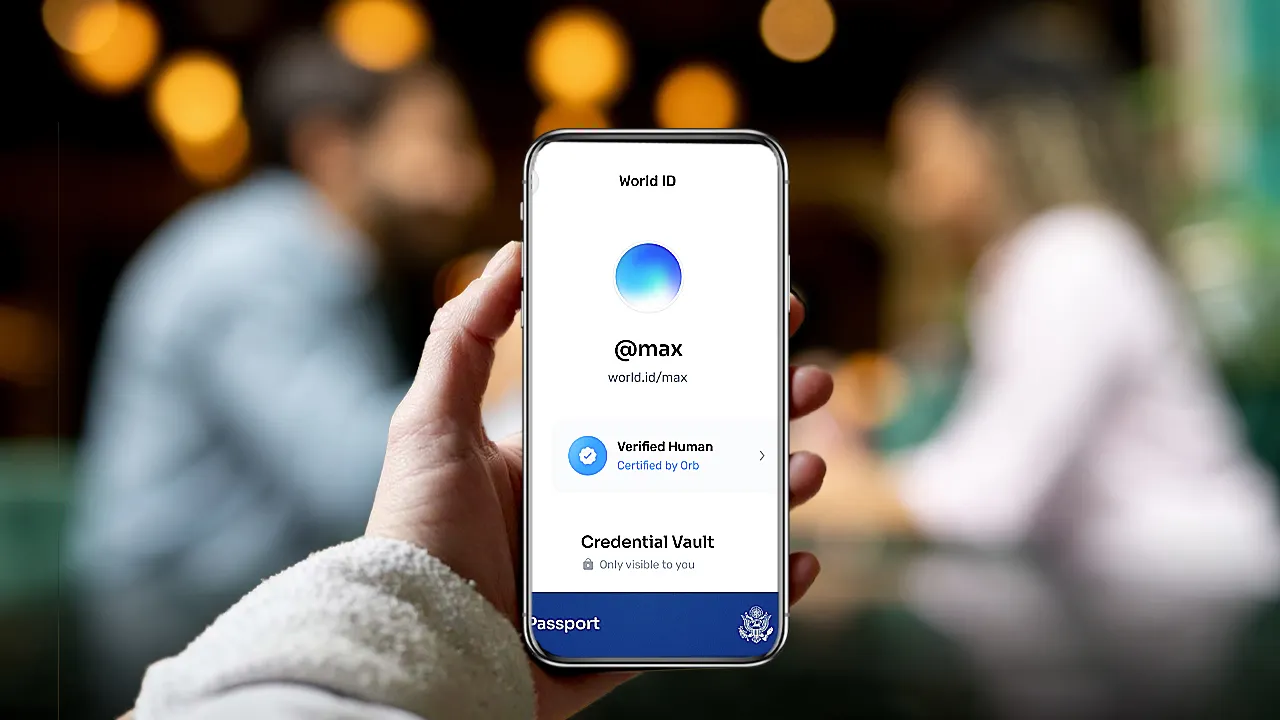
‘The Big Money Show’ panel examines a new survey revealing 56% of Gen Z enter adulthood without romantic relationships, impacting their social skills and workforce willingness.
Your next date could be AI-verified. Tinder is one of several companies working with World, formerly known as Worldcoin, to let users prove they are human and not robots with the help of eye-scanning technology.
With the increased availability of AI, bad actors have begun using the technology to fuel romance scams across platforms, including dating apps. Tinder warns that romance scammers are often professionals, noting such schemes netted more than $300 million in 2020.
The company outlines common red flags, including quickly pushing conversations off the app, appearing too good to be true or engaging in “lovebombing,” avoiding in-person meetings, or requesting personal or financial information.
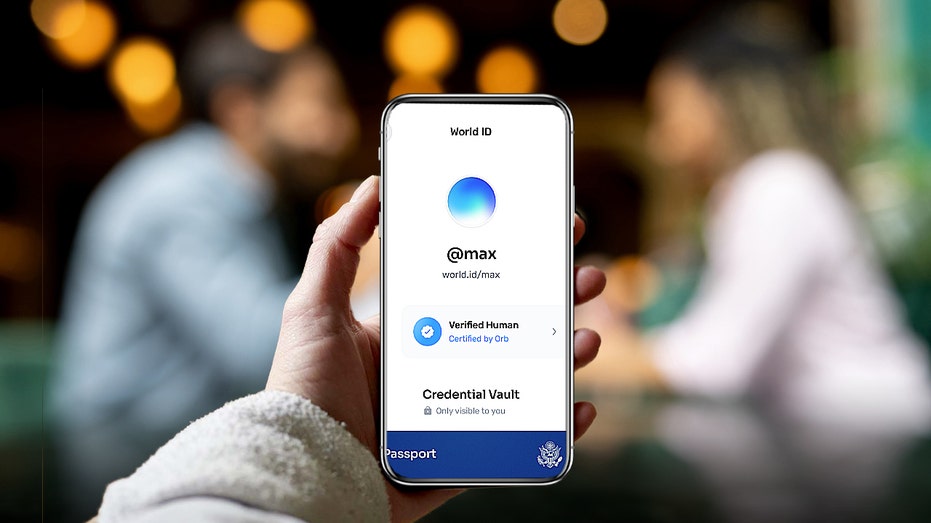
World ID verification allows users to prove that they are human.
“World is bringing proof of human into the platforms where people spend their time. From dating to live events to gaming, World ID is becoming the trust layer underpinning the experiences that matter most,” the company wrote in a blog post.
In response to a request for comment, World referred Fox Business to materials on its website.
World said in a blog post that it first teamed up with Match Group, Tinder’s parent company, to launch a pilot of its World ID technology in Japan. Daters in the U.S. and Japan will soon be able to use “privacy-preserving” verification to ensure they are meeting Mr. Right, not Mr. Robot.
“At Tinder, helping our community feel safe and confident in every connection has always been at the heart of what we do … Partnering with World ID is a natural next step in that commitment, giving our users a powerful, privacy-preserving way to help know the person on the other end is real,” Senior Vice President of Trust & Safety at Match Group Yoel Roth said in a statement.
SWIPE WITH CONFIDENCE: BUMBLE DATING APP INTEGRATES AI TO COMBAT CATFISHING
Tinder is incorporating technology that will allow users to prove that they are human. (Hispanolistic via Getty Images / Getty Images)
World is part of Tools for Humanity, a start-up co-founded by OpenAI CEO Sam Altman. The company’s verification technology includes a spherical device known as “the Orb,” which uses temporary memory when “verifying humanness,” which it does not store, according to Tools for Humanity. There is also a mobile app that allows access to World and World ID.
Users can verify themselves with an Orb device and then receive a badge to show there’s a real person on the other side of the screen. World says the verification will allow users to “stand out” with their badge, leading to an “increase in higher-quality connections.” Additionally, the company said that, for a limited time, users with a badge will receive five free “Boosts,” an app feature that pushes their profile to other users.
Following a request for comment, Tinder directed Fox Business to World’s blog post on the partnership.
ONLINE DATING HAS UNEXPECTED INFLUENCE ON WEALTH GAPS, RESEARCH PAPER FINDS
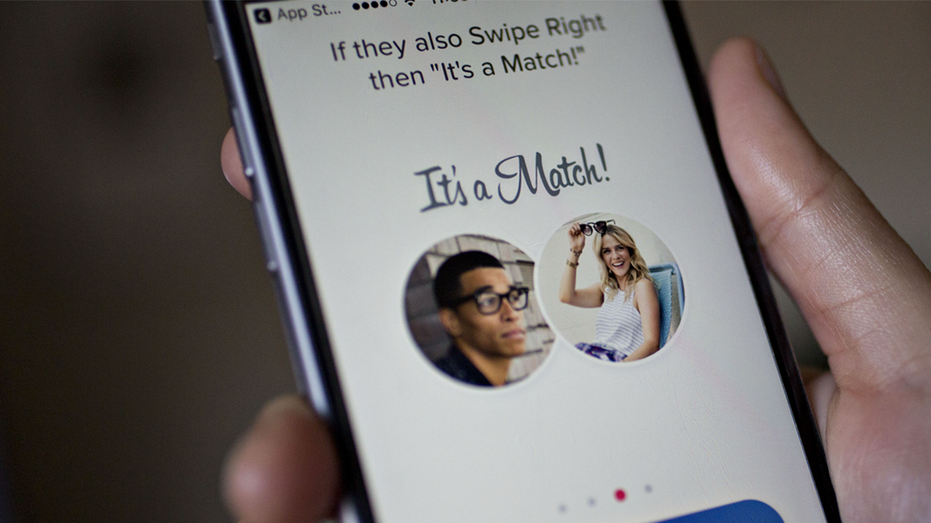
Tinder is implementing technology that will allow users to prove that they’re human. (Andrew Harrer/Bloomberg via Getty Images)
Other companies that have signed on with World to use its “proof of human” technology include Zoom, Docusign, Shopify and Coinbase, among others.
In response to a request for comment, Zoom also referred Fox Business to its press release on the partnership.
Zoom announced its partnership with Tools for Humanity on Friday, saying the verification system could help reduce the risk of “impersonation-driven fraud,” something that has become a concern with the rise and improvement of AI.
GET FOX BUSINESS ON THE GO BY CLICKING HERE
The partnerships signal a broader push by companies to use the same technology exploited by bad actors to try to stop scams before they begin.
Business
(VIDEO) Madonna Crashes Sabrina Carpenter’s Coachella Set in Epic Surprise Duet: Vogue, Like a Prayer
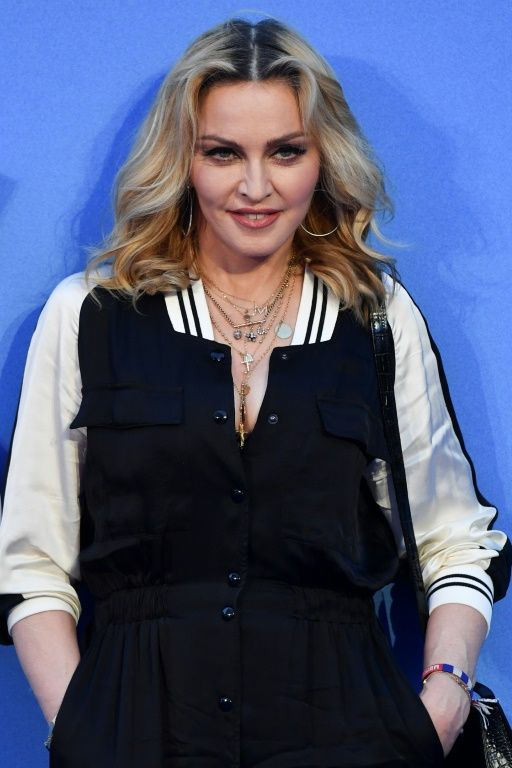
INDIO, Calif. — Madonna made a triumphant return to the Coachella Valley Music and Arts Festival on Friday night, joining headliner Sabrina Carpenter for a show-stopping surprise appearance that blended pop generations and delivered one of the festival’s most unforgettable moments in recent years.
The Queen of Pop, 67, emerged midway through Carpenter’s headlining set on the main Coachella Stage during Weekend Two, turning the 27-year-old singer’s performance into a full-circle celebration exactly 20 years after Madonna’s own Coachella debut. The pair performed “Vogue,” a live debut of a new collaboration widely believed to be from Madonna’s upcoming album “Confessions II,” and the iconic “Like a Prayer,” sending the desert crowd into a frenzy.

Carpenter was performing her hit “Juno” when the surprise unfolded. As she hit the lyric “Have you ever tried this one?” — a moment fans know from her “Short n’ Sweet” tour for celebrity cameos — the track seamlessly transitioned into the pulsing beat of “Vogue.” Madonna rose through the center of the stage in a striking lavender one-piece ensemble, complete with the same purple boots she wore during her 2006 Coachella appearance promoting “Confessions on a Dance Floor.”
The duo launched into a high-energy rendition of the 1990 classic, with Carpenter matching Madonna’s sharp choreography and commanding stage presence. They followed with what appeared to be the live debut of “Bring Your Love,” a new track expected on Madonna’s long-awaited sequel album, set for release July 3 via Warner Records. Madonna then delivered an extended spoken-word moment, pulling the mic for an astrology-infused address about unity through music.
“So 20 years ago today I performed at Coachella,” Madonna told the roaring crowd. “I was in the dance tent and it was the first time I performed ‘Confessions on a Dance Floor Pt. 1’ in America, and that was such a thrill for me. So you can imagine what a thrill it is to be back 20 years later in the same boots.” She added a playful note about performing with someone shorter than her for the first time.
The set culminated with a powerful duet of “Like a Prayer,” featuring backup dancers in habits descending the stage in a theatrical display. Madonna emphasized themes of togetherness: “The great thing about music is that it brings people together… Put their shit down and everyone just have a good time together.” She even slipped in an a cappella snippet of “Get Together” before wrapping the segment.
Generational Handover in the Desert
The collaboration represented a symbolic passing of the torch between two eras of pop dominance. Carpenter, riding high from her chart-topping “Short n’ Sweet” era and recent Coachella Weekend One headlining slot, has openly cited Madonna as an influence. She previously covered “Material Girl” on tour, adding another layer to the surprise.
Fans and critics hailed the moment as a masterclass in pop spectacle. Social media exploded instantly with clips of the performance racking up millions of views within hours. “Pop culture reset,” one observer posted, capturing the widespread sentiment that the pairing bridged generations in real time.
Carpenter, visibly thrilled, responded warmly after the segment. Madonna thanked her young collaborator for the invitation, while Carpenter expressed gratitude for the legend’s presence. The interaction highlighted mutual respect, with Carpenter’s playful, cinematic set providing the perfect backdrop for Madonna’s dramatic return.
Coachella Context and Festival Impact
Sabrina Carpenter’s Weekend Two set largely mirrored her Weekend One performance but extended slightly longer to accommodate the special guest. Earlier in the night, she incorporated other celebrity bits, including Geena Davis in a “Thelma & Louise” themed segment, maintaining her signature blend of humor, theatrics and sharp pop songcraft.
Madonna’s appearance marked her first Coachella performance since 2006, when she played the Sahara Tent, and a return after a 2015 surprise with Drake. The timing aligned perfectly with promotional buzz for “Confessions II,” her first full-length album in seven years, produced again with Stuart Price. Earlier Friday, she had premiered another new track, “I Feel So Free,” on iHeartRadio’s Pride Radio.
Festival organizers and attendees praised the unannounced moment as a highlight of Weekend Two’s opening night. While Coachella has a history of major surprises, few have carried the cultural weight of this intergenerational duet. The Empire Polo Club crowd, already energized by Carpenter’s set, erupted into sustained cheers that echoed across the desert grounds.
Reactions and Viral Reach
The performance dominated social platforms overnight. Clips of Madonna’s entrance and the “Vogue” choreography spread rapidly, with fans praising both artists’ chemistry and vocal delivery. Industry insiders noted the strategic brilliance: Carpenter gains legendary credibility while Madonna taps into a younger audience eager for her new music.
Critics described the segment as transcendent, blending high fashion, sharp dance moves and emotional resonance. Madonna’s speech about music’s power to unite felt especially poignant amid broader cultural conversations. Carpenter closed her set solo with hits like “Espresso” and “Goodbye,” ending on a high note after the unforgettable collaboration.
What It Means for Both Artists
For Sabrina Carpenter, the moment caps a meteoric rise. From opening for Taylor Swift to headlining Coachella and now sharing the stage with Madonna, she has solidified her status as pop’s current princess. The collaboration is expected to boost streams of her catalog and generate even more anticipation for future projects.
For Madonna, it reignites excitement around “Confessions II.” The album’s themes of dance, freedom and introspection appear to continue the legacy of her groundbreaking 2005 release. Her willingness to embrace surprise appearances and cross-generational partnerships demonstrates her enduring relevance in an ever-changing industry.
As videos continue circulating and fans dissect every detail — from the coordinated outfits to the emotional weight of the 20-year anniversary — the performance is already being called one of Coachella 2026’s defining moments. It served as a reminder of music’s ability to create shared experiences that transcend age, era and expectation.
In the California desert under Friday night’s lights, two pop icons proved that legends don’t just perform — they pass the energy forward, creating new memories for thousands while honoring the past. Whether this sparks further collaborations or simply stands as a singular magical night, Madonna and Sabrina Carpenter delivered pure pop magic at Coachella.

DUBAI, United Arab Emirates — Tensions in the Strait of Hormuz flared dramatically on Saturday as Iran reimposed strict control over the vital shipping chokepoint and Revolutionary Guard gunboats fired on a tanker, hours after briefly reopening the waterway amid a fragile regional ceasefire.
The reversal came after U.S. President Donald Trump confirmed the American naval blockade of Iranian ports would remain in place, prompting Tehran to declare the strait back under “strict management” by its armed forces. Shipping traffic, already severely reduced since late February, faced fresh uncertainty with reports of vessels turning back and at least one tanker coming under fire.
The Strait of Hormuz, through which roughly 20% of global oil passes daily in normal times, has become the central flashpoint in the broader U.S.-Iran conflict that erupted in late February. Saturday’s developments sent fresh jitters through energy markets even as diplomats in Pakistan pursue longer-term talks.
Rapid Reversal on Reopening
On Friday, Iranian Foreign Minister Abbas Araghchi announced the strait was “completely open” to commercial vessels for the remainder of a 10-day ceasefire tied to the Israel-Hezbollah truce in Lebanon. Oil prices dropped sharply on the news, with some benchmarks falling nearly 10%. President Trump responded on Truth Social, calling it “good news” while insisting the U.S. blockade targeting Iranian ports and vessels would stay “in full force” until a comprehensive deal is reached.
By Saturday morning, Iran’s military command, Khatam al-Anbiya, declared the situation had “reverted to its previous state.” The statement accused the U.S. of “piracy” and “repeated breaches of trust,” saying passage would now require Iranian approval and remain tightly controlled until Washington lifts restrictions on Iranian shipping.
A limited convoy of about eight tankers was observed transiting earlier in the day, but many other vessels approached the area and turned back, according to marine tracking data. Shipping companies said they were seeking urgent clarifications on mines, permissions and safe routes.
Gunboat Incident Heightens Risks
In a major escalation, two Iranian Revolutionary Guard Corps (IRGC) gunboats opened fire on a tanker attempting to pass through the strait, the UK Maritime Trade Operations (UKMTO) reported. The captain described the vessels approaching without radio warning before firing shots. The tanker and crew were reported safe, but the incident underscored the volatile conditions for merchant shipping.
The UKMTO issued an advisory urging extreme caution in the area. No injuries or major damage were immediately confirmed, but the event risks deterring insurers and ship owners already wary after weeks of disruptions.
Broader Context of the Crisis
The current standoff traces to late February when U.S. and Israeli strikes on Iran triggered Tehran to sharply restrict traffic through the strait. Shipping volumes plummeted more than 95%, with only a fraction of normal daily transits recorded. Iran implemented a selective, permission-based system, rerouting some vessels closer to its waters.
U.S. Central Command has maintained that its blockade targets only Iran-linked shipping while preserving freedom of navigation for others. However, the practical effect has been widespread caution among operators. Analysts estimate billions in lost trade and higher energy costs worldwide.
The brief reopening Friday aligned with a fragile Lebanon ceasefire, one of Tehran’s key demands. Yet mutual distrust quickly undermined the gesture. Iran insists on full lifting of the U.S. blockade; Washington demands broader concessions, including on Iran’s nuclear program.
Impact on Global Energy and Markets
Oil prices, which surged during the initial closure, remain elevated despite Friday’s dip. Brent crude settled around $90 per barrel after the reopening news, still well above pre-crisis levels. Energy analysts warn that prolonged uncertainty could push prices higher if alternative routes via pipelines or绕道 shipping prove insufficient.
Major importers like China, India, Japan and Europe, heavily reliant on Gulf crude, face supply risks. Asian refiners have scrambled for alternative cargoes, while insurance premiums for vessels in the region have skyrocketed.
Diplomatic Efforts and Regional Fallout
Talks continue in Pakistan between U.S. and Iranian officials, with both sides signaling openness to a broader deal. Trump has described the situation as containing “a lot of good things” happening, while Iranian officials demand concrete steps on sanctions and blockade relief.
Neighboring Gulf states, including the UAE and Saudi Arabia, have quietly urged de-escalation, concerned about spillover into their own waters and shipping lanes. Oman, which borders the strait, has offered to facilitate safe passage on its side of the waterway.
The IRGC has also released new maritime maps designating restricted zones and approved routes, effectively asserting greater control and requiring tolls or permissions in some cases.
What Happens Next
With the 10-day Lebanon ceasefire window ticking down, pressure is mounting for a breakthrough. Shipping firms say they need clear guarantees on safety, mines and rules of engagement before resuming normal operations. Many continue to reroute via longer paths around Africa, adding significant time and cost.
Military analysts note that while full closure remains unlikely due to international backlash, Iran’s ability to harass traffic gives it leverage. The U.S. Navy maintains a strong presence in the area to deter major disruptions.
For global trade, the events of April 18 highlight the strait’s enduring vulnerability. Even temporary reopenings followed by swift reversals create volatility that ripples through economies far beyond the Middle East.
As night fell over the Persian Gulf on Saturday, marine tracking showed continued cautious movement with many vessels holding position. Diplomats, shipping executives and energy traders will watch the coming hours closely for any further statements from Tehran or Washington that could either calm or inflame the situation.
The Strait of Hormuz has once again proven it remains one of the world’s most dangerous and consequential maritime chokepoints, where military posturing, economic stakes and fragile ceasefires collide with potentially global consequences.
Business
(VIDEO) 93-Year-Old’s Tesla FSD Church Drive Goes Viral: Heartwarming Independence Rediscovered
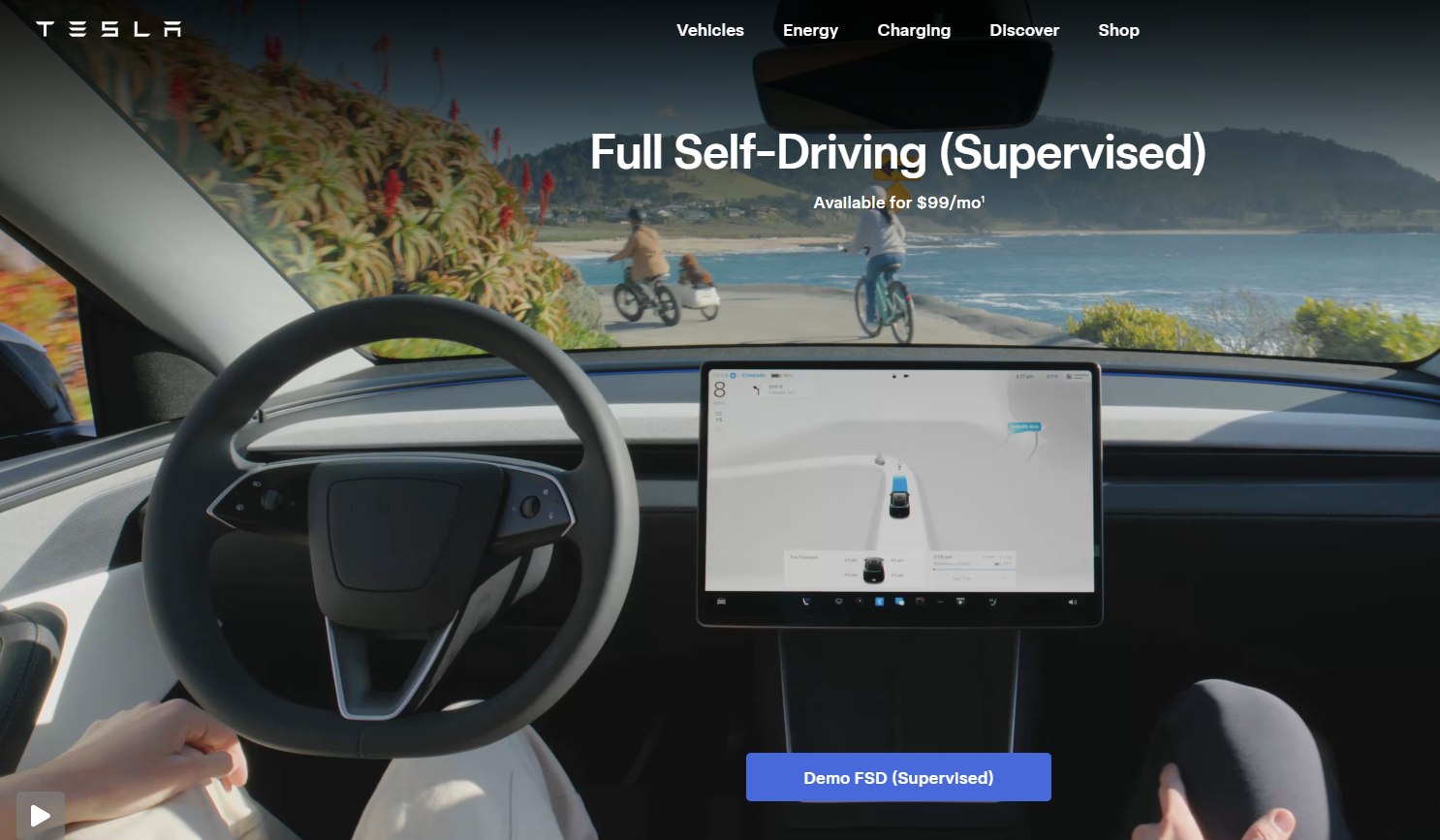
SAN DIEGO — A 93-year-old California woman’s joyful ride to church in her Tesla equipped with Full Self-Driving technology has captured the internet’s attention, turning a simple Saturday morning errand into a viral symbol of how autonomous vehicles are restoring independence to seniors.

The video, shared Friday by influential X account Mario Nawfal and quickly amplified by Elon Musk, shows the white-haired driver smiling behind the wheel as her Tesla navigates suburban streets, highways and turns without intervention. She chats casually with the car’s voice assistant, eats a small cup of gelato and beams with delight as the vehicle announces arrivals and route changes. “I love that lady,” she says warmly, referring to Grok, xAI’s AI assistant integrated into Tesla’s system.
The clip, originally from a longer family video posted by the woman’s son on the “Dan Doyle’s Family Channel,” has racked up more than a million views in less than 24 hours. It arrives at a moment when Tesla is rolling out its Spring 2026 software update, which includes enhanced FSD tracking tools, a dedicated self-driving app and hands-free “Hey Grok” voice activation.
In the footage, the woman relaxes in the driver’s seat of her Tesla while the car handles 13 miles of driving to Mission Valley Christian Fellowship. The dashboard screen displays real-time navigation, speed and lane guidance. At one point she jokes with the system: “Hey, if the worship isn’t good, could you go a little slower?” Later, as the car signals a turn onto Mercy Road, she laughs and says, “Mercy.” Her hands rest lightly on the wheel, a seatbelt across her blue striped top, but the vehicle steers, accelerates and brakes on its own.
Her son, who filmed the trip, explained in accompanying posts that his mother had grown uncomfortable driving herself in recent years due to age-related fatigue and safety concerns. The Tesla with FSD changed that. “No more relying on others for every trip,” he noted. “No more feeling stuck. This is true mobility.”
A Growing Trend for Seniors
The story resonates far beyond one family. Across the United States and in early-adopter markets like Europe, seniors are among the fastest-growing group embracing Tesla’s supervised autonomous technology. Similar videos have surfaced recently: an 87-year-old trying FSD for the first time, a 95-year-old Dutch veteran experiencing smooth city driving in Amsterdam, and multiple accounts of elderly drivers regaining the ability to visit grandchildren, run errands or attend religious services without depending on family.
Tesla executives and advocates argue the technology addresses a critical gap. As people live longer, many surrender driver’s licenses between ages 70 and 85, leading to isolation, depression and loss of autonomy. Public transportation or rideshares are not always practical for spontaneous trips or those in suburban or rural areas. FSD, still labeled “supervised” and requiring a licensed driver ready to intervene, offers a middle ground that feels empowering rather than restrictive.
Musk himself reacted to Nawfal’s post by quoting an earlier video with the caption “Did you know Tesla FSD was this good?” The endorsement helped propel the clip into millions of impressions, with replies pouring in from adult children, grandparents and disability advocates. “This is what people don’t get,” one user wrote. “Tesla doesn’t need commercials. When an elderly woman lights up because she can safely get to church again, that’s not marketing — that’s freedom.”
Others highlighted broader societal benefits. “FSD isn’t just tech,” another commenter noted. “It’s independence. It’s dignity. It’s giving someone their life back.” Several users shared personal stories: a daughter lobbying to buy her 83- and 85-year-old parents a Tesla, a veteran impressed by FSD’s handling of narrow European streets, and families relieved that aging relatives no longer feel trapped at home.
Tesla’s Push for Accessibility
The timing of the viral moment coincides with Tesla’s aggressive software rollout. The Spring 2026 update, now reaching vehicles worldwide, introduces a redesigned self-driving app for owners with AI4 hardware. Users can subscribe to FSD with one tap, monitor usage streaks, view daily and monthly statistics, and even watch in-car tutorials. Overnight software installation is now automatic when enabled, reducing downtime.
“Hey Grok” voice commands allow hands-free interaction, a feature the 93-year-old appears to enjoy. The update also adds safety enhancements such as interior blind-spot lighting and extended 24-hour dashcam storage. While FSD remains supervised in most jurisdictions and faces regulatory scrutiny, Tesla reports steady improvements in miles between interventions.
Critics caution that the technology is not yet fully autonomous and still requires human oversight. Some drivers have expressed concern about over-reliance, especially among older users who might hesitate to intervene in an emergency. However, Tesla maintains that FSD’s accident rate is significantly lower than human-driven vehicles when used correctly.
Cultural and Emotional Impact
Beyond statistics, the video’s appeal lies in its emotional authenticity. The woman’s radiant smile, relaxed posture and lighthearted banter humanize advanced technology. She is not a tech enthusiast or early adopter; she is simply a grandmother who wanted to attend worship without burdening family members. In an era of digital fatigue and polarizing headlines, the clip offers unfiltered wholesomeness that crossed political and generational lines.
Social media reactions reflect that universality. Replies include everything from “This is pure gold” to calls for expanded marketing aimed at seniors. One user suggested Tesla launch campaigns outside social platforms, targeting older adults through churches, senior centers and family networks. Another noted the technology’s potential for people with disabilities, saying it could “help so many get on the roads again.”
The moment also underscores Tesla’s evolving public image. While the company continues to face questions about full autonomy timelines and competition from rivals like Waymo, stories like this emphasize real-world human benefits over futuristic promises. Nawfal, whose account regularly highlights Tesla milestones, framed the video as “the most wholesome content on the internet,” a sentiment echoed by thousands.
Looking Ahead
As Tesla pushes toward unsupervised FSD and eventual robotaxi deployment, moments like this 93-year-old’s church run serve as powerful proof points. They illustrate how the technology could reshape aging, reduce caregiver burdens and expand mobility for millions. Regulators, insurers and urban planners are watching closely, with some jurisdictions already exploring how autonomous vehicles might integrate into senior care programs.
For now, the woman in the video continues her routine, gelato in hand, worship ahead, car driving itself. Her simple joy has reminded the world that innovation’s greatest value often lies not in speed or spectacle, but in the quiet restoration of everyday freedoms once thought lost.
The clip’s rapid spread suggests the public craves these stories — tangible examples that complex engineering can deliver profound, personal happiness. Whether this sparks a wave of senior Tesla purchases or simply warms hearts on a spring weekend, one thing is clear: a 93-year-old’s smile behind the wheel of a self-driving car has become one of 2026’s most shared symbols of hope, independence and the quiet power of technology done right.
Barron’s senior writer Teresa Rivas lays out how Las Vegas has diversified itself amid economic hardship on ‘Barron’s Roundtable.’
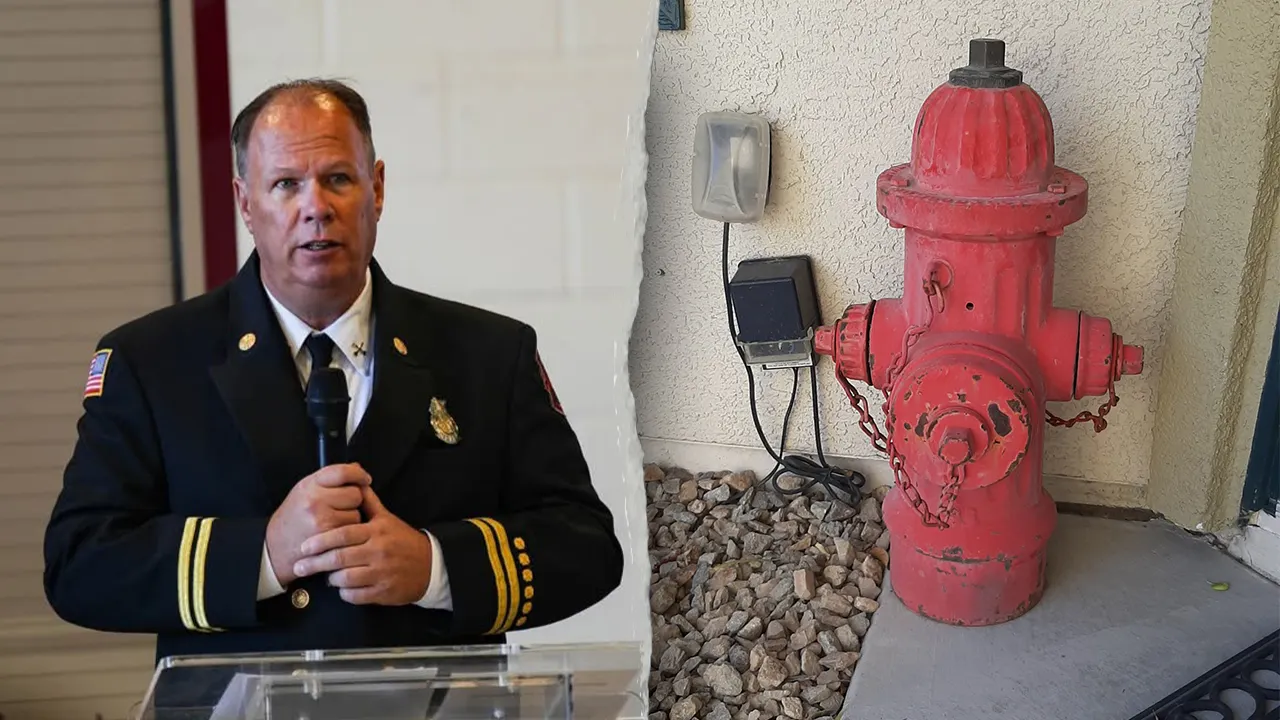
A Las Vegas military veteran is pushing back against his homeowners’ association (HOA) after reportedly being cited for displaying vintage fire hydrants tied to his military service and decades-long firefighting career.
Brent Saba — a fire inspector and firefighter — said his HOA recently ordered him to remove three non-operational hydrants placed in front of his home. The association claimed the items violate neighborhood rules governing front and side yard landscaping, according to local outlet KSNV News 3 Las Vegas.
Saba said the hydrants, including one he brought back from Iraq during a deployment, have been on display since he moved into the neighborhood over a year ago without prior issue.
“This hydrant right here, I brought this fire hydrant home from Iraq,” Saba said. “I served over in Iraq for about a year, year and a half or so. So that one there was a special piece.”
THE US HOUSING MARKETS THAT ARE SEEING THE LARGEST DROPS IN RENT PRICES
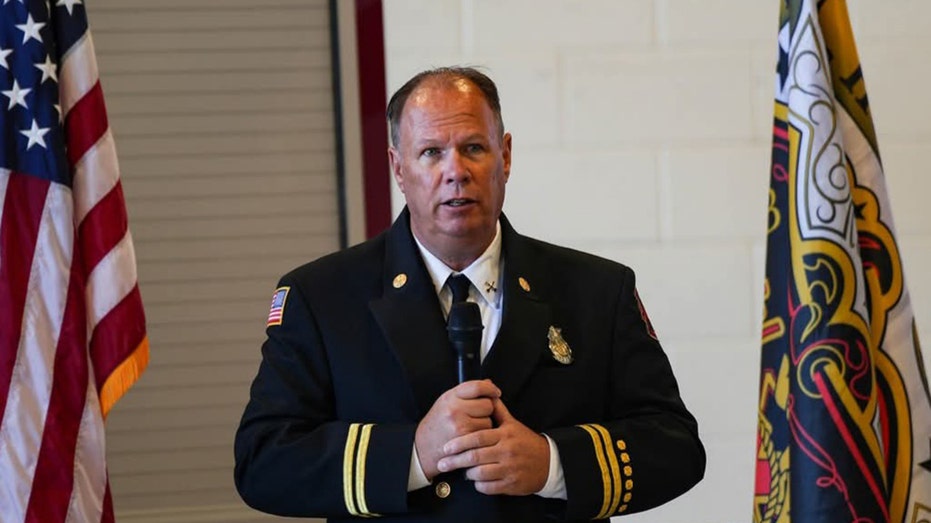
Brent Saba — a fire inspector and firefighter — said his HOA recently ordered him to remove three non-operational hydrants placed in front of his home. (Brent Saba)
He added that many of his neighbors support the display, according to KSNV News 3.
“How are they going to tell the guy with over 30 years in the fire service, you got to get rid of your fire hydrants? I mean, it’s not like it’s clutter,” Saba said. “It’s not like it’s defacing anything. … My neighbors all even think it looks good.”
After receiving the citation, Saba said the HOA instructed him to submit an application to keep the hydrants.
Despite providing written support from neighbors, Saba’s request was denied. He said he later received additional communication suggesting further homeowner approval might be required, KSNV News 3 reported.
“I’m a fire inspector and when I write up a violation on a building, imagine if I wrote up something that didn’t even apply to what the write up was,” he said. “I would look like a fool.”
RICH CALIFORNIANS FLOCK TO LAS VEGAS HOUSING MARKET AS LAWMAKERS CONSIDER WEALTH TAX
One of three vintage fire hydrants displayed outside the Las Vegas home of military veteran and firefighter Brent Saba is seen in this undated photo.
The HOA has since informed Saba he may keep the hydrants, he confirmed Saturday to FOX Business.
“I mean this HOA in this neighborhood is out of control,” Saba said. “… The HOA thought that they could bully me and manipulate me.”
The dispute has left Saba reconsidering his future in the neighborhood, according to KSNV News 3.
“It was just kind of for me was the last straw,” he said. “And I was like, ‘I’m not gonna go down without a fight.’ I’m hoping things actually improve for this neighborhood.”
MEL GIBSON EMBRACES LAS VEGAS MOVIE PRODUCTION AS HOLLYWOOD STRUGGLES
A document labeled “Homeowners Association” is shown on a desk. (iStock / iStock)
Attorney Chad Cummings of Cummings & Cummings Law told Realtor.com that disputes like this are not uncommon.
CLICK HERE TO GET FOX BUSINESS ON THE GO
“HOA boards misapply their own governing documents all the time, and this case is a textbook example,” Cummings said. “The board cited a rule about ‘storage items’ to regulate what are decorative display pieces. That distinction matters.”
The Antelope HOA could not be immediately reached by FOX Business for comment.
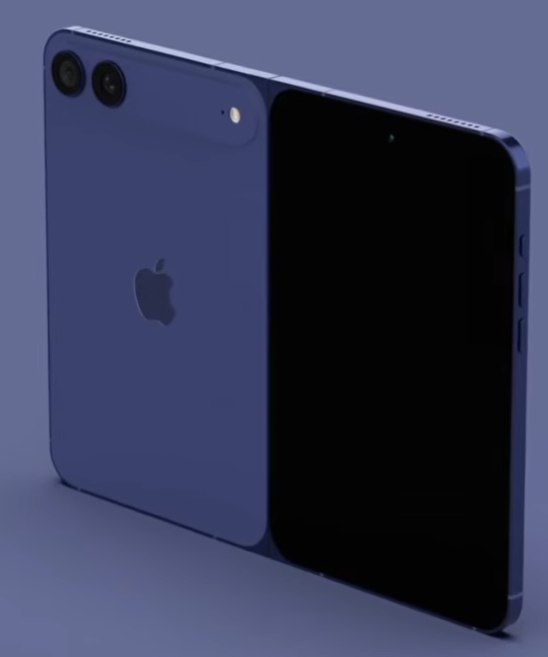
CUPERTINO, Calif. — Apple’s long-awaited foldable iPhone is generating intense excitement as fresh leaks and analyst reports point to a premium book-style device potentially named the iPhone Ultra, set to debut alongside the iPhone 18 Pro models in September 2026.
The device, long rumored but now backed by dummy models and supply chain details, promises a near-crease-free 7.8-inch inner display, a compact 5.5-inch outer screen when closed, ultra-thin design and cutting-edge durability features that could finally bring foldable technology to Apple’s mainstream audience.
With production reportedly in advanced testing stages, the foldable iPhone represents Apple’s boldest hardware gamble in years, aiming to blend iPhone and iPad experiences in a passport-like form factor while commanding a premium price tag north of $2,000.
Design: Book-Style Fold with Minimal Crease
Recent leaks from Sonny Dickson and others have revealed alleged dummy models showing a wider-than-tall book-style foldable that opens like a small tablet. When closed, the device measures roughly the size of a compact smartphone with a 5.5-inch external display — Apple’s smallest modern iPhone screen. Opened, it expands to a 7.8-inch inner OLED panel with an aspect ratio close to the iPad mini.
Apple has prioritized crease reduction, reportedly achieving a nearly invisible fold through advanced hinge technology and specialized display layers. The hinge is expected to use a titanium alloy and liquid metal combination for durability, allowing the phone to fold flat while maintaining structural integrity. Unfolded thickness could dip as low as 4.5 to 4.8 millimeters, making it one of Apple’s thinnest devices ever.
A titanium-aluminum hybrid frame is anticipated for strength in the thin chassis. Leaks suggest a redesigned button layout, possibly moving volume controls, and a shift away from Face ID toward under-display Touch ID or side-mounted fingerprint sensing to accommodate the folding mechanism.
Dummy images show a clean, premium aesthetic with minimal bezels and what appears to be a dual or triple rear camera setup on the back panel.
Display and Multitasking Features
The inner 7.8-inch screen is rumored to support high refresh rates, peak brightness rivaling current Pro models and specialized iOS 27 features optimized for foldables. Apple is expected to introduce native multitasking, split-screen apps, and seamless continuity between folded and unfolded states — turning the device into a pocketable productivity tool.
The outer display will handle notifications, quick replies and basic apps without unfolding, similar to Samsung’s cover screens but with Apple’s signature polish. Rumors indicate Apple has invested heavily in self-healing or more resilient cover layers to combat crease visibility and durability concerns.
Performance, Camera and Battery
Powering the foldable will likely be the A20 Pro chip on a 2-nanometer process, paired with up to 12GB or more of RAM for demanding AI features and multitasking. Storage options could start at 256GB and scale to 1TB or higher.
Camera rumors point to a dual 48MP system rather than the triple setup on Pro models, optimized for the folding form factor. An under-display front camera is expected for uninterrupted screen real estate when open.
Battery life could be a standout, with reports suggesting a massive 5,400 to 5,800 mAh cell — potentially the largest in any iPhone — enabled by efficient components and the larger chassis. Fast charging and improved MagSafe compatibility are also anticipated.
Pricing and Availability
Analysts including Ming-Chi Kuo forecast a starting price between $2,000 and $2,500, positioning it as a true ultra-premium device above even the iPhone 18 Pro Max. Some estimates reach $2,399 or higher depending on configuration.
While initial production faces challenges, Bloomberg and other sources maintain the device remains on track for a September 2026 announcement alongside iPhone 18 Pro and Pro Max models. Shipping could begin shortly after, though some analysts like those at DigiTimes and Barclays suggest possible delays pushing wider availability into late 2026 or early 2027.
Apple is reportedly planning limited initial volumes of 3 to 5 million units in the first year, ramping up significantly in 2027.
Market Impact and Competition
The foldable iPhone arrives as Samsung’s Galaxy Z Fold series has matured and competitors like Google, OnePlus and Chinese brands push aggressive pricing and features. Apple’s delayed entry allows it to learn from rivals’ mistakes while leveraging its ecosystem strength.
Success could redefine premium smartphones, appealing to users seeking a device that replaces both phone and small tablet. However, high pricing and potential supply constraints may limit early adoption to enthusiasts and professionals.
What It Means for Apple Fans
For consumers holding out for Apple’s take on foldables, the rumors paint an exciting picture: a refined, crease-minimizing design that prioritizes durability, battery life and seamless software integration over rushed innovation. The shift to book-style over clamshell suggests Apple is targeting productivity and media consumption rather than pure pocketability.
Skeptics note that manufacturing complexities with foldables remain high, and Apple’s perfectionist standards could lead to last-minute tweaks. Yet the convergence of dummy leaks, consistent analyst reports and production updates signals the project is real and nearing fruition.
As excitement builds in the lead-up to fall 2026, the foldable iPhone — whether branded Ultra or something entirely new — could mark the beginning of a new chapter for Apple’s iconic smartphone line. It promises to blend the best of iPhone heritage with forward-looking form factors, potentially setting the standard for premium foldables in the years ahead.
With more details expected in the coming months as testing progresses, anticipation continues to mount for what many are calling Apple’s most ambitious iPhone yet.
Business
US Justice Department adds former Trump lawyer to probe of former CIA director, CNN reports
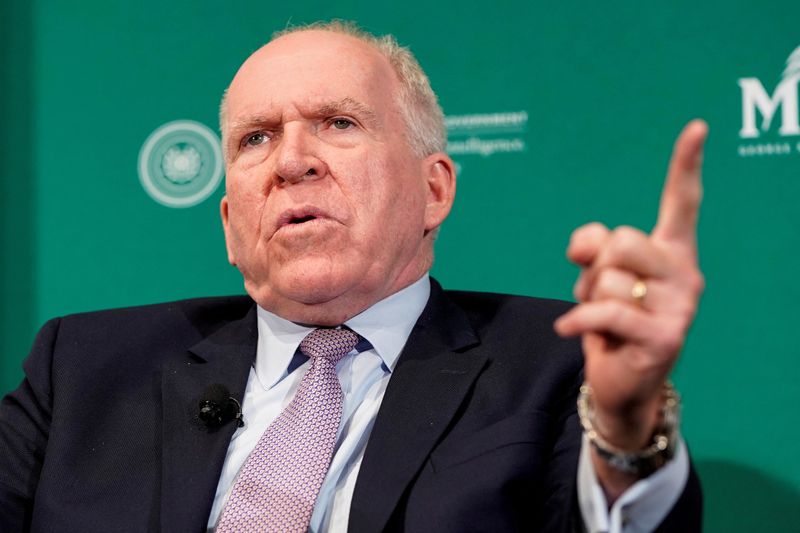

US Justice Department adds former Trump lawyer to probe of former CIA director, CNN reports
Trump Organization to partner on new skyscraper in Tbilisi, Georgia, WSJ reports
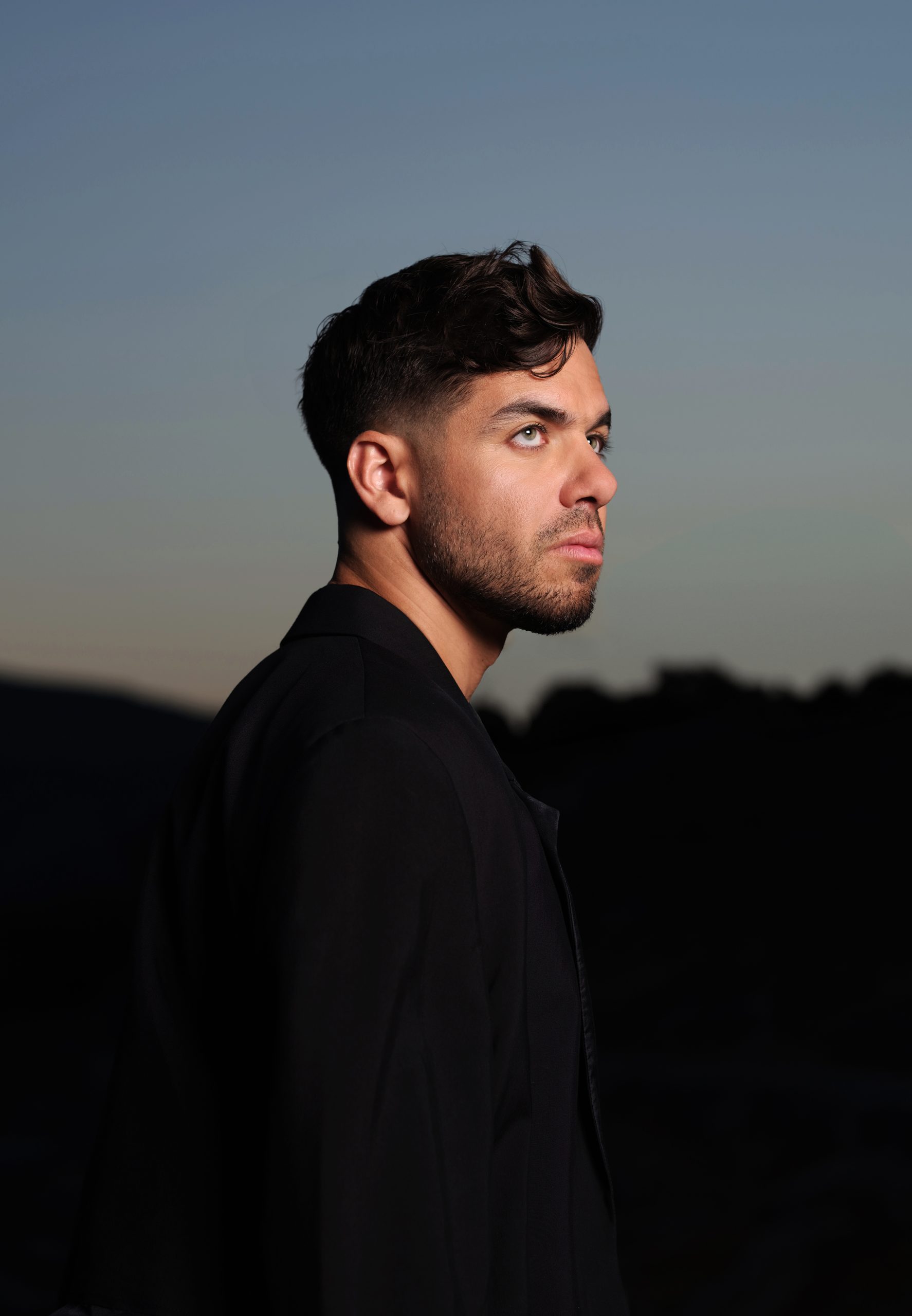
INDIO, Calif. — Sabrina Carpenter capped a star-packed opening night of Coachella 2026 Weekend Two with a triumphant headlining set on Friday, April 17, highlighted by a surprise appearance from Madonna that sent the Empire Polo Club into a frenzy and reaffirmed the festival’s reputation for generating unforgettable moments.

The 25th-anniversary edition’s second weekend launched under clear desert skies as thousands of fans descended on Indio for Day One performances spanning pop, electronic, indie rock and global sounds. While the lineup largely mirrored Weekend One with key adjustments, the energy felt fresh, boosted by high anticipation for Carpenter’s set and the long-awaited main-stage debut of electronic artist Anyma.
Carpenter took the Coachella Stage at 9 p.m., delivering a polished, theatrical performance packed with hits from her “Short n’ Sweet” era. Midway through the show, Madonna emerged for a show-stopping segment featuring “Vogue,” a new collaboration and a powerful “Like a Prayer” duet, marking one of the festival’s most talked-about intergenerational moments. The Queen of Pop, celebrating the 20th anniversary of her own Coachella appearance, received thunderous applause as she addressed the crowd about music’s unifying power.
Following Carpenter’s set, Anyma closed the night with a visually stunning midnight performance on the main stage — his rescheduled world premiere of the ÆDEN show after weather issues disrupted Weekend One. The electronic producer brought immersive visuals, lasers and a cinematic soundscape that kept late-night revelers captivated well into Saturday morning.
Major Sets Across the Stages
Earlier in the evening, British indie rock band The xx delivered a atmospheric 7 p.m. performance on the Coachella Stage, showcasing tracks from their catalog with signature minimalist production and emotional vocals that resonated deeply with the growing crowd. Teddy Swims brought soulful R&B energy at 5:20 p.m., blending heartfelt ballads with upbeat anthems that had fans singing along.
On the Outdoor Theatre, Disclosure lit up the night with a high-energy dance set, while Turnstile delivered intense hardcore punk vibes. Lykke Li offered dreamy indie-pop, and Dijon provided smooth, genre-blending grooves. The stage served as a hub for mid-tier acts that kept multiple generations moving throughout the afternoon and evening.
Global and emerging talent shone brightly elsewhere. Filipino girl group BINI drew massive crowds and social media buzz with their energetic K-pop-inspired performance. KATSEYE brought polished choreography and youthful appeal to the Sahara Tent. Central Cee represented UK rap and drill, while Blood Orange added experimental R&B flair. Jaqck Glam opened the main stage with a vibrant early set.
Quasar stage showcased electronic depth with acts including Darco and Franky Rizardo, contributing to the festival’s strong dance music presence this year, which accounts for nearly half the lineup. Additional performances came from artists like Creepy Nuts, CMAT, Sexyy Red, Foster the People and more across the Mojave, Gobi and Sonora tents.
Festival Atmosphere and Highlights
Coachella 2026 Weekend Two opened with smooth operations despite typical desert logistics. Gates saw steady flow after a 1 p.m. opening, with attendees enjoying art installations, food vendors and immersive activations. Clear weather contrasted with Weekend One’s wind challenges, allowing full enjoyment of outdoor experiences.
Social media lit up with reactions to Carpenter and Madonna’s chemistry, Anyma’s visuals and breakout sets from rising stars. Clips of the Madonna surprise dominated platforms, with fans praising the emotional weight and production quality. BINI’s performance also trended heavily, reflecting the festival’s global reach.
The 25th anniversary celebrations added special touches, including enhanced production elements and commemorative experiences across the grounds. Livestream viewers on YouTube could access multiple stages, bringing the desert magic to audiences worldwide.
What It Means for the Weekend
Friday’s lineup set a high bar for the remainder of Weekend Two. Saturday features Justin Bieber headlining with support from The Strokes, while Sunday closes with Karol G. Additional Weekend Two exclusives include Kacey Musgraves in a special Mojave slot and adjusted electronic lineups on Quasar.
For attendees, Day One delivered the perfect mix of nostalgia, innovation and surprise that defines Coachella. Carpenter’s set, elevated by Madonna, symbolized pop’s evolving landscape, while Anyma represented the festival’s commitment to cutting-edge electronic experiences.
Critics and fans alike noted strong vocal performances, inventive staging and seamless flow between major and supporting acts. The festival continues to balance established superstars with emerging talent, maintaining its status as a cultural bellwether.
As the sun rose on Saturday in the Coachella Valley, the buzz from Friday’s performances promised an even stronger weekend ahead. Whether through viral moments like the Madonna cameo or immersive sets from Anyma and Disclosure, Coachella 2026 Weekend Two Day One reminded everyone why the desert gathering remains one of music’s most anticipated annual events.
With two more days of music, art and desert magic ahead, attendees and streamers alike are poised for more surprises, standout performances and memories that will define this milestone anniversary year. The festival’s blend of spectacle and substance once again proved irresistible on opening night.
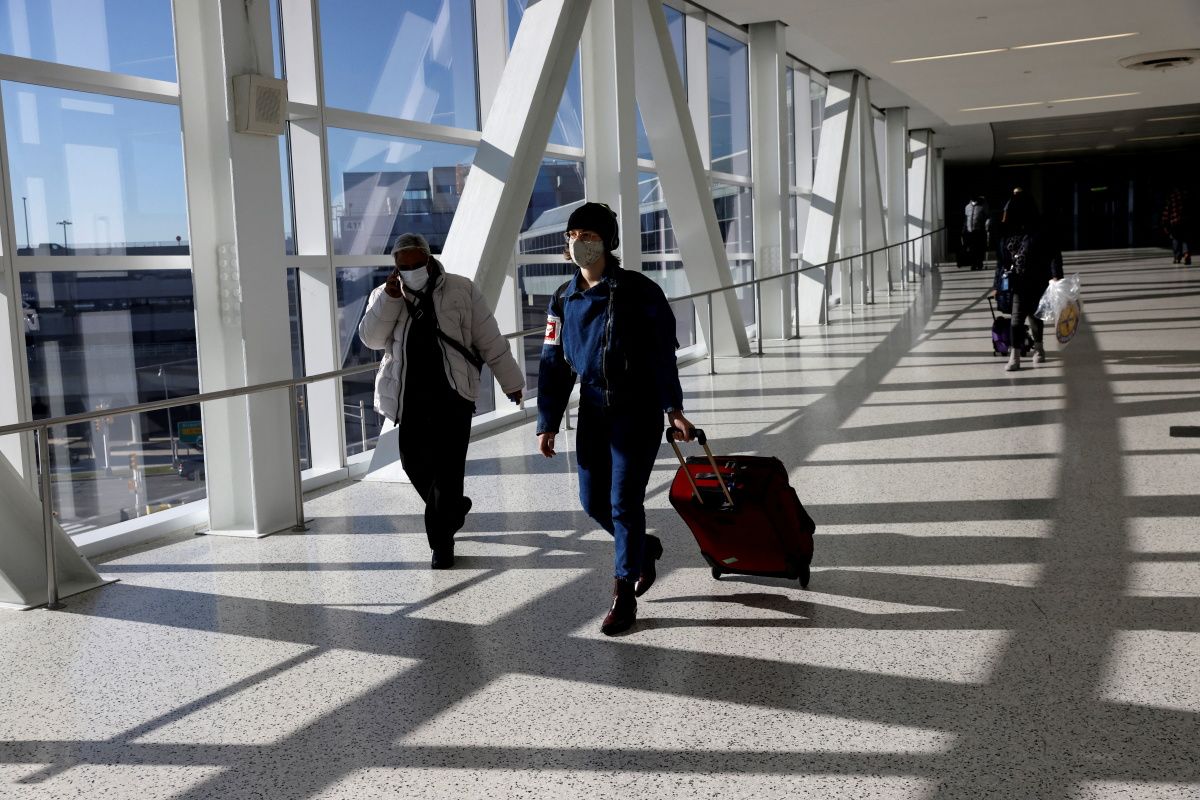
NEW YORK — Security lines at John F. Kennedy International Airport moved efficiently on Saturday, April 18, 2026, with most terminals reporting average TSA wait times under 15 minutes for general screening and even shorter for TSA PreCheck passengers during the midday period.
According to real-time data from the official JFK Airport website, general security waits ranged from as low as 3 minutes in Terminals 1 and 7 to a high of 29 minutes in Terminal 8 as of mid-morning updates. TSA PreCheck lanes consistently delivered sub-10-minute experiences across open checkpoints, providing a significant advantage for enrolled travelers.
The relatively light crowds reflect typical Saturday patterns at one of the nation’s busiest international gateways, where weekend travel often skews toward leisure and family trips rather than heavy business commuting. Officials note that while waits remain manageable today, conditions can shift quickly depending on flight schedules and staffing.
Current Terminal-by-Terminal Breakdown
As of the latest morning updates:
- Terminal 1: General screening at 3 minutes, TSA PreCheck at 3 minutes.
- Terminal 4 (major international hub for Delta and others): General at 9 minutes, PreCheck at 7 minutes.
- Terminal 5 (JetBlue’s primary home): General at 12 minutes, PreCheck at 4 minutes.
- Terminal 7: General at 3 minutes (PreCheck not separately listed).
- Terminal 8 (American Airlines): General at 29 minutes, PreCheck at 6 minutes.
Third-party trackers such as Takeoff Timer reported an overall airport average around 14 minutes for standard lanes, with PreCheck holding steady near 4 minutes. These figures measure time from checkpoint queue entry and do not account for potential overflows or additional checks.
Delta’s airport wait time dashboard aligned closely, showing roughly 9 minutes for regular lanes and 7 minutes for PreCheck system-wide at JFK.
Saturday Travel Patterns and Peak Considerations
Saturdays at JFK typically see steadier but lower-volume traffic compared to weekday mornings and evenings. Peak periods still occur around early international departures (5-8 a.m.) and afternoon waves (3-7 p.m.), when waits can climb toward 25-45 minutes in busier terminals. Today’s lighter footprint has kept most lines flowing smoothly.
Travelers are reminded that Terminal 8 has shown the longest waits recently, often due to higher international passenger volumes and complex screening requirements. Conversely, Terminals 1 and 7 have offered some of the quickest experiences this weekend.
Weather in the New York area remains favorable — clear skies with mild spring temperatures — contributing to on-time operations and fewer weather-related delays that sometimes exacerbate security backups.
Tips for Smooth Passage Today and Beyond
Airport authorities and TSA recommend arriving at least two hours before domestic flights and three hours for international departures, even with today’s favorable conditions. Those with TSA PreCheck, CLEAR, or Global Entry should use dedicated lanes for the fastest experience.
Key advice includes:
- Check real-time wait times directly on the JFK Airport website or MyTSA app before heading to your terminal.
- Have ID and boarding pass ready, with liquids in a quart-sized bag and electronics easily accessible.
- Consider mobile check-in and bag drop to minimize time at the airline counter.
- International travelers should factor in additional customs and border screening on arrival or departure.
Families, groups, and those with special needs can request assistance from airport staff or use family lanes where available. Travelers with disabilities or medical conditions should review TSA Cares options in advance.
Broader Context at JFK
John F. Kennedy International Airport handles more than 60 million passengers annually and serves as a critical gateway for transatlantic and global travel. Ongoing terminal modernization projects continue to improve flow, though construction in certain areas can occasionally redirect passengers and affect perceived wait times.
TSA staffing levels have stabilized in 2026 following earlier challenges, allowing more consistent screening operations. The agency continues rolling out technology upgrades, including credential authentication technology and touchless ID options, aimed at speeding up the process without compromising security.
Despite occasional spikes, JFK’s security wait times have generally trended downward from pandemic-era and early 2025 highs, thanks to better forecasting tools and passenger preparation. Weekend days like today often provide some of the more predictable experiences for travelers.
What Travelers Are Saying
Social media and airport forums reflect positive sentiment today, with many passengers reporting quick passages through security. Reddit threads and real-time updates frequently highlight Terminal 4 and 5 as reliable options, while advising extra caution around Terminal 8 during busier windows.
Frequent flyers note that combining PreCheck with airline status or CLEAR membership can reduce total airport time dramatically, turning what was once a stressful ordeal into a manageable part of the journey.
As the day progresses, officials will continue monitoring volumes. Evening departures may see modest increases, but nothing suggesting major delays based on current trends.
For those heading to JFK today, the message is clear: conditions are traveler-friendly with short security lines across most terminals. Staying informed through official channels remains the best strategy for a stress-free experience at one of the world’s busiest airports.
Whether catching a quick domestic hop or embarking on an international adventure, passengers can expect smoother sailing through TSA today compared to busier weekdays. Safe travels to all departing from JFK on this pleasant spring Saturday.

North East actor returning to Balamory for new series

Tinder uses eye-scanning tech to verify that users are real humans

All Neverness to Everness Codes (April 2026)


-
 NewsBeat6 days ago
Pep Guardiola and Gary Neville agree over Arsenal title problem that benefits Man City
-

 Crypto World5 days ago
The SEC Conditionalises DeFi Platforms to Be Avoided for Broker Registration
-

 Politics6 days ago
World Cup exit makes Italy enter crisis mode
-

 Fashion1 day ago
Weekend Open Thread: Theodora Dress
-

 Crypto World5 days ago
SEC Signals Exemption for Crypto Interfaces From Broker Registration
-

 News Videos4 days ago
Secure crypto trading starts with an FIU-registered
-

 Sports2 days ago
NWFL Suspends Two Players Over Post-Match Clash in Ado-Ekiti
-

 Crypto World5 days ago
SEC Proposes Certain Crypto Interfaces Don’t Need to Register as Brokers
-

 NewsBeat5 days ago
Trump and Pope Leo: Behind their disagreement over Iran war
-

 Politics1 day ago
Palestine barred from entering Canada for FIFA Congress
-
 NewsBeat7 days ago
JD Vance announces ‘no agreement’ with Iran over nuclear weapons fear
-

 Crypto World23 hours ago
Russia Pushes Bill to Criminalize Unregistered Crypto Services
-

 Sports6 days ago
NWFL opens Pathway for new Clubs ahead of 2026 Season
-
 Business2 days ago
Creo Medical agree sale of its manufacturing operation
-
Sports7 days ago
Dexter Lawrence, Stefon Diggs, Trading for De’Von Achane
-
Business6 days ago
Kering slides after Morgan Stanley downgrade, Gucci woes loom
-

 Crypto World6 days ago
Trump whales load up ahead of Mar-a-Lago luncheon.
-
 Crypto World6 days ago
Sei Network Enters Quiet Reset Phase as On-Chain Metrics Signal a Slowdown in 2026
-

 Tech6 days ago
Google adds E2E encryption to Gmail for iOS and Android enterprise users
-
 Entertainment5 days ago
Karol G’s ‘Ultra Raunchy’ Coachella Set Gave ‘Satanic Vibes’
You must be logged in to post a comment Login