The first quarter of 2026 gave investors plenty to worry about. Rising tensions in the Middle East pushed oil prices higher, inflation concerns resurfaced, and the long-anticipated pivot to lower interest rates continues to be postponed. Markets, never short on imagination, have begun spinning familiar narratives: that expensive money punishes growth, that AI’s promises may exceed its near-term returns, and that the safer bet lies in energy, cyclicals, and businesses whose cash flows arrive sooner rather than later. There is also a growing fear that AI itself may disrupt entire categories of existing software businesses — rendering yesterday’s winners obsolete overnight.
We will not pretend these concerns are frivolous. They are not. When the cost of capital rises, the arithmetic of investing genuinely changes — a dollar earned a decade from now is worth less today than it was in a world of cheap money. That is not opinion; it is math. And we have always believed in taking math seriously.
But here is what we have also learned, after watching markets swing from greed to panic across many cycles: the headlines that feel most urgent are rarely the ones that determine long-term outcomes. The businesses that compound wealth over decades do so not because they were spared from difficult environments, but because they were built to endure them. We have spent the past decade building a portfolio of exactly that kind.
Advertisement
None of what we are seeing today is new. Different costumes, same play.
Performance in Context
During the first quarter, Rowan Street declined 19.8%, compared to a 4.3% decline for the S&P 500. That is not a result we enjoy reporting. At the same time, it reflects the more concentrated approach we take and is not unusual for portfolios built around a smaller number of high-conviction investments.
We invest in a focused group of businesses that we believe can compound value at attractive rates over long periods of time. In the short term, their stock prices can be more volatile—particularly in environments like the one we are experiencing today, where interest rates are higher and investor focus has shifted toward businesses with nearer-term cash flows.
Rowan Street is designed for long-term compounding, not for minimizing short-term volatility or closely tracking a benchmark. As a result, returns can differ meaningfully from year to year.
Advertisement
We have seen this before.
In early 2022, we went through a similar period where stock prices declined sharply, even as the underlying businesses continued to perform well. At the time, we wrote that the portfolio was, in many ways, in one of the strongest positions in our history despite the decline in stock prices.
That did not feel obvious at the time. What followed was a period where business performance ultimately reasserted itself. The fund returned +102.6% (net) in 2023, +56.6% in 2024, and +11.1% in 2025.
As Benjamin Graham observed:
Advertisement
“In the short run, the market is a voting machine, but in the long run, it is a weighing machine.”
A Post-Quarter Update
We are writing this letter in mid-April, approximately two weeks after quarter-end. Since March 31, markets have moved sharply — and our portfolio has recovered approximately half of the first quarter decline. Based on our internal estimates as of April 17, year-to-date performance stands at approximately -10%, compared to the official quarter-end figure of -19.8%. We note that this mid-month figure is an internal estimate only, has not been verified by our fund administrator, and reflects only a partial month.
We share this not to suggest the difficult period is behind us — it may not be. We share it because it illustrates precisely the point we are making throughout this letter. The fundamentals of the businesses we own have not changed. Their competitive positions, earnings power, and long-term prospects remain intact, in our view. What changed was the price multiple. This is what long-term ownership of exceptional businesses actually looks like. Price and value diverge. Sometimes dramatically. The investors who benefit are those with the temperament to remain focused on the underlying businesses, not the day-to-day movements of their stock prices.
Volatility is the Price of Admission
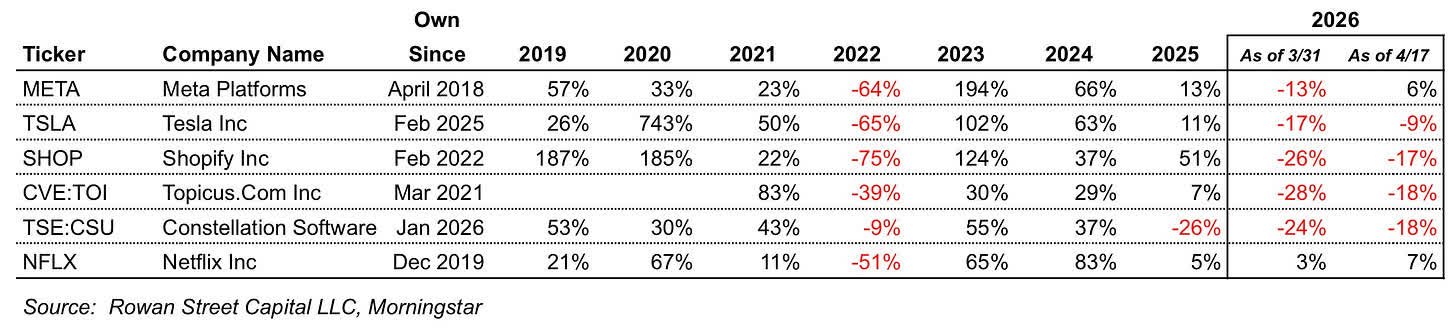
The table below shows the annual returns of our largest holdings by portfolio weight as of March 31, 2026 and illustrates a simple reality of long-term investing: even exceptional businesses experience significant volatility. We have included an April 17 column to reflect the meaningful recovery in our portfolio since quarter-end, as discussed in the Performance section above. The figures reflect annual stock price returns and do not represent Rowan Street Capital fund performance or returns achieved by the fund on these positions.
The April 17 column tells its own story — and it is the same story this letter is built around. This is what long-term ownership actually looks like in practice. Not a smooth upward line — but a recurring series of gains, losses, and tests of conviction. Drawdowns of 30%, 50%, even 75% are not unusual. They are a recurring feature of owning exceptional businesses — not anomalies.
Advertisement
Everyone describes themselves as a long-term investor. Very few are willing to endure what that actually looks like. Volatility is the price of admission.
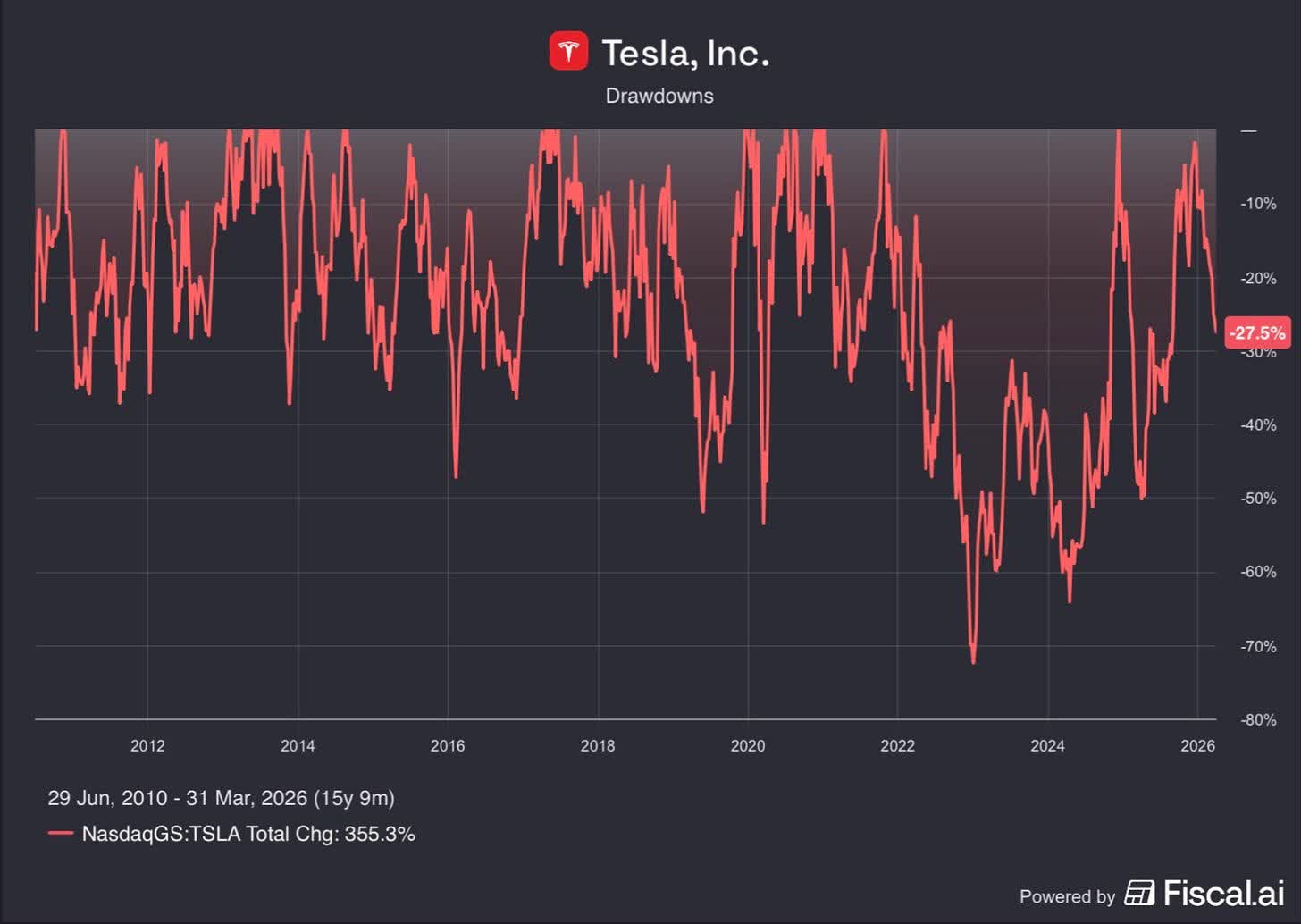
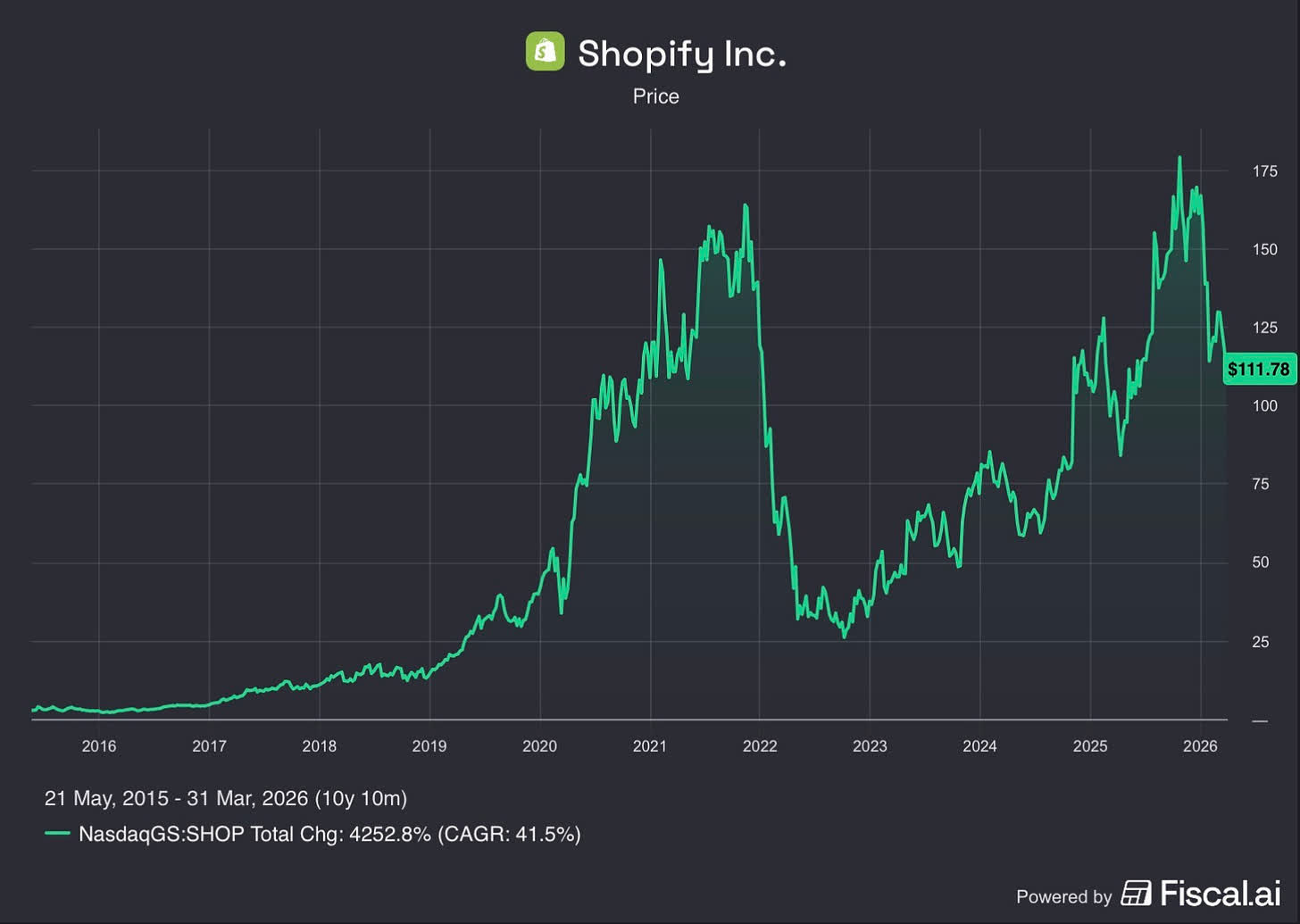
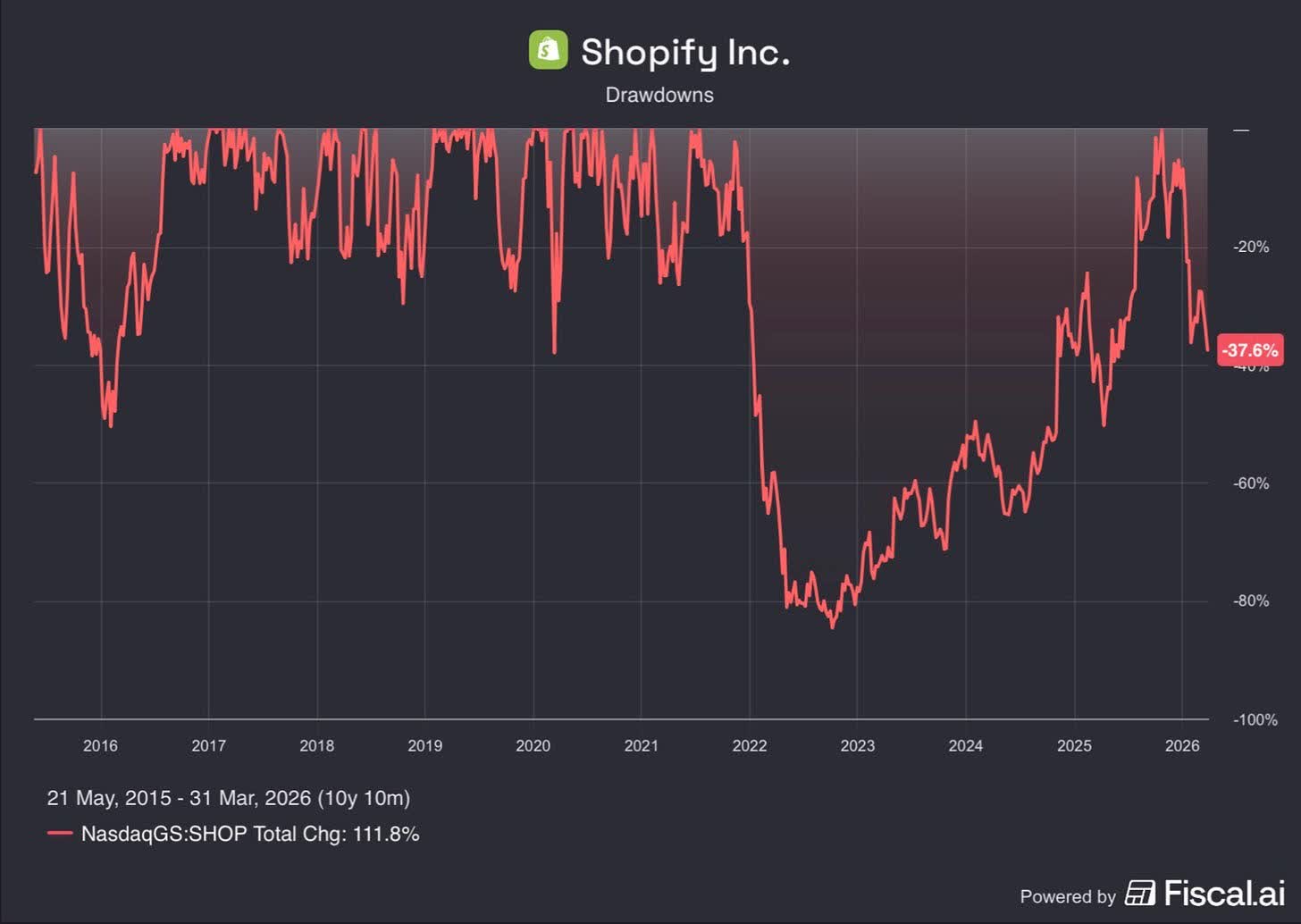
The charts that follow bring this pattern to life across three of our largest holdings — Meta Platforms, Tesla, and Shopify. Different businesses, different drawdowns, same lesson.
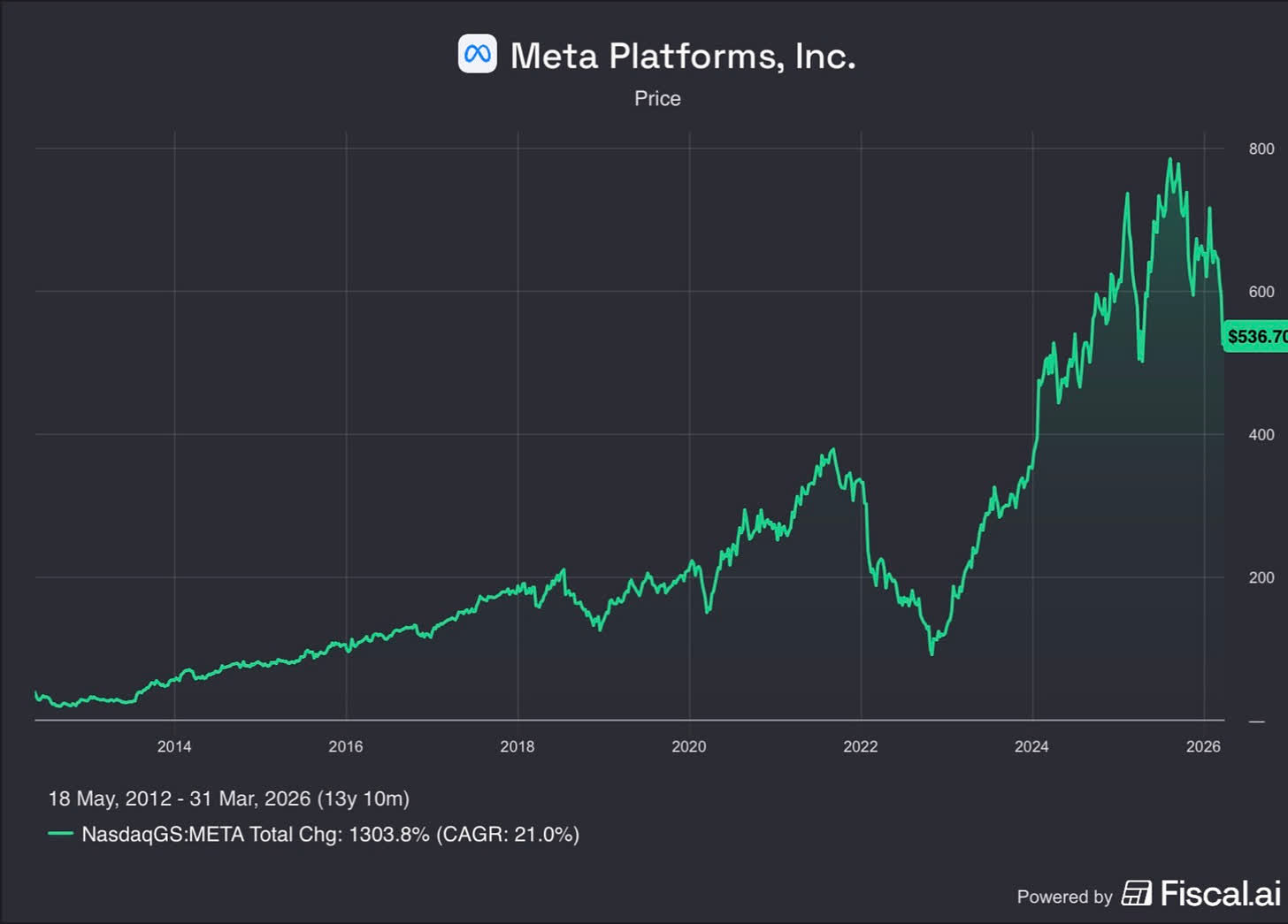
Meta has delivered a cumulative return of approximately 1,300% since its IPO, or about 21% annually. The path to those returns, however, has been anything but smooth.
Advertisement
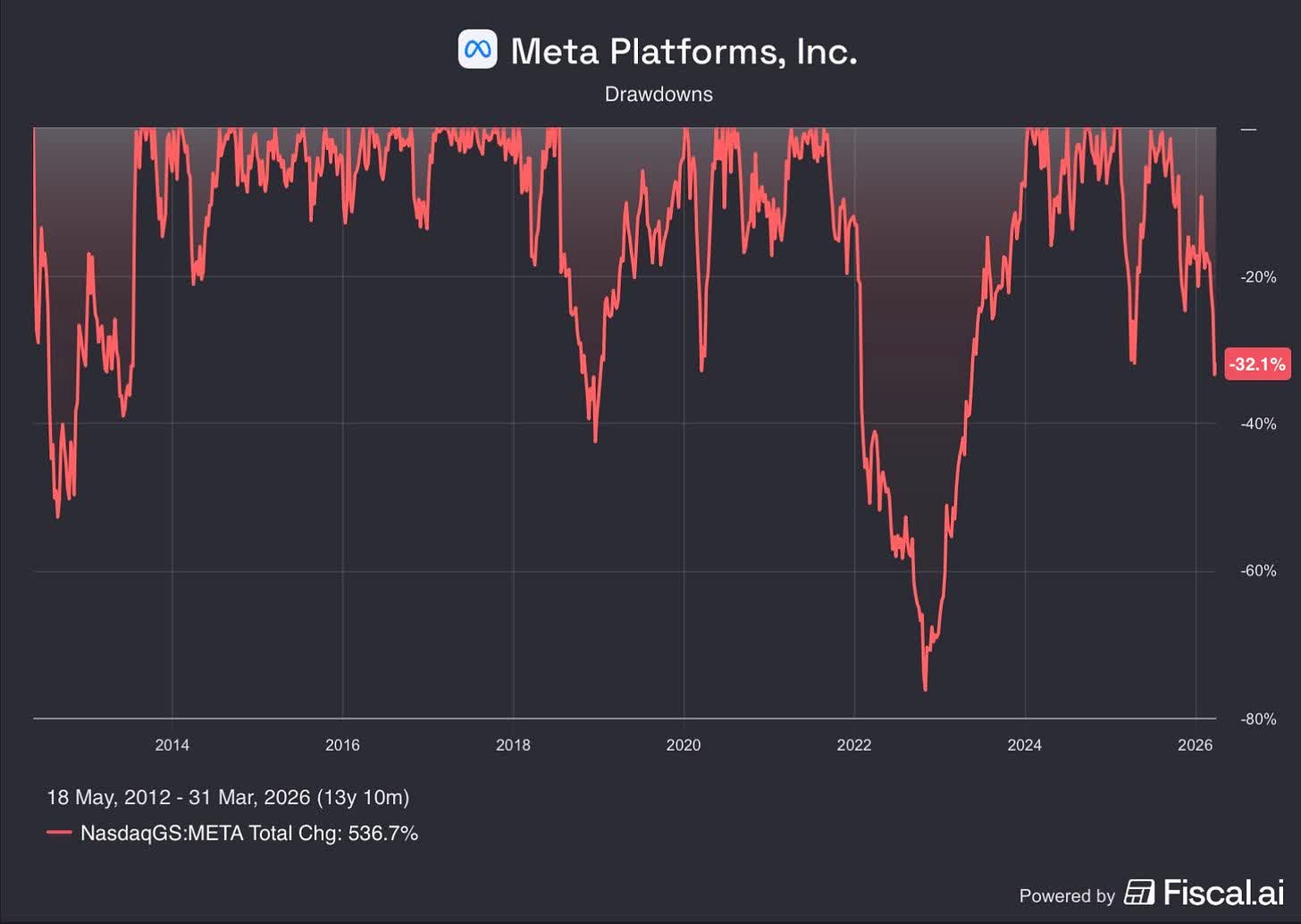
Over the past decade, the stock has experienced numerous drawdowns of 30% or more, several declines of 50% or more, and, most notably, a decline of nearly 80% in 2022.
These periods were not isolated events — they were a recurring feature of owning this business. And yet for those who remained focused on the underlying fundamentals, the long-term outcome has been exceptional.
We believe today represents one of the most compelling opportunities in Meta we have seen since 2022. Please read our full analysis below — including our views on the AI spending debate, the recent legal setbacks, and why we believe the market may be repeating a familiar mistake.
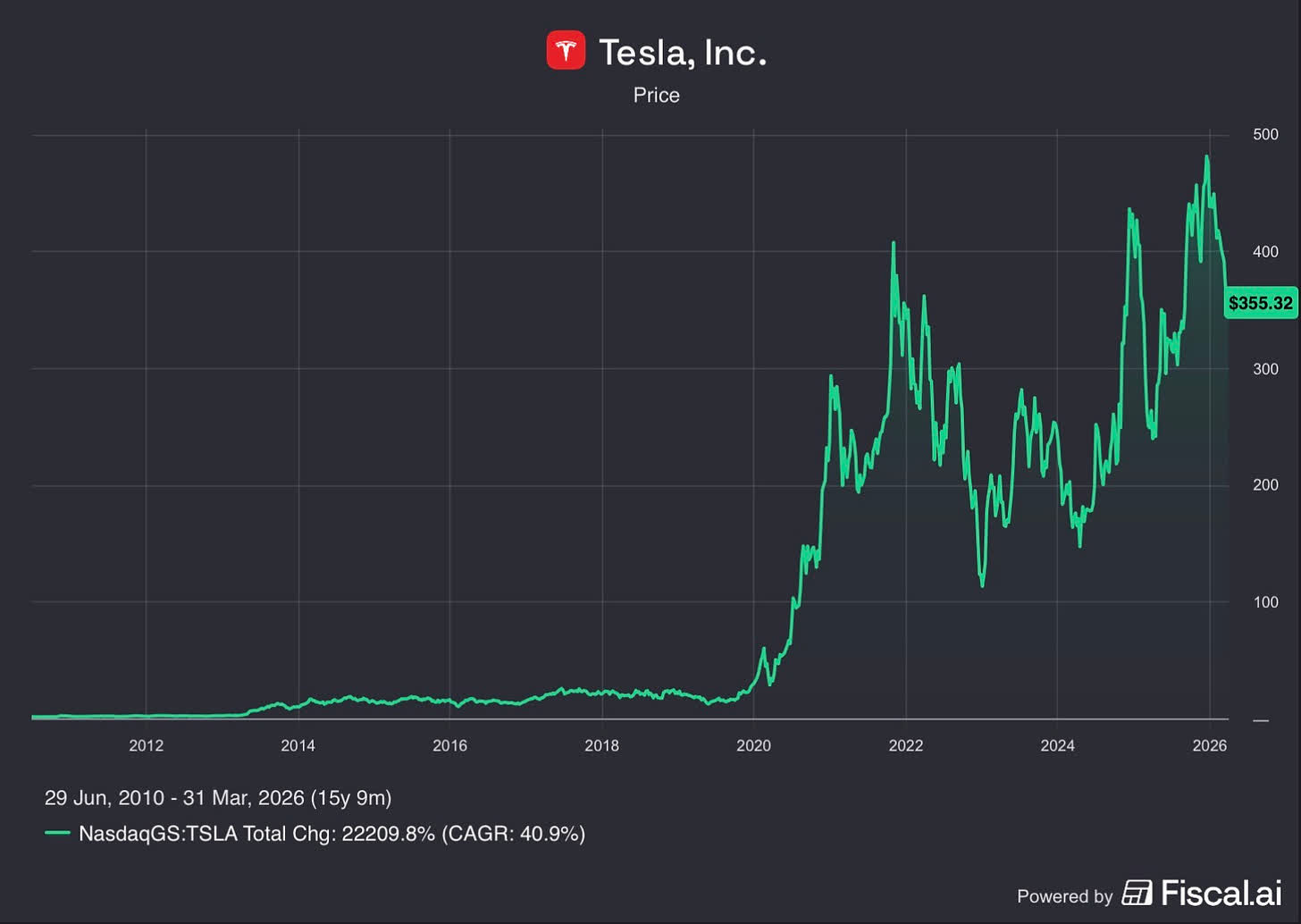
Tesla provides an even more striking example—not just of volatility, but of how disproportionate long-term outcomes can be relative to the experience along the way.
Since its IPO in 2010, the stock has delivered a cumulative return of approximately 22,000%, or about 41% annually. Looking at that result today, the path can appear almost inevitable. In reality, it was anything but.
There were multiple periods along the way where the stock declined sharply—on numerous occasions by more than 50%, and once by over 70%—often accompanied by shifting narratives around the business. At different points, the concerns ranged from questions about the company’s survival, to valuation, to increasing competition, founder behavior and execution risk.
Each of those moments felt uncertain in real time. And yet, for investors who were able to remain focused on the long-term trajectory of the business, the outcome has been extraordinary.
Advertisement
The biggest winners rarely feel comfortable to own.
While Tesla has demonstrated this pattern over many years, our ownership of the business is still relatively recent.
We outlined our investment thesis in detail in our Q3 2025 letter, and our view remains unchanged. From here, our role is not to predict short-term movements, but to remain disciplined and allow the long-term economics of the business to play out.
Shopify has been an exceptional business over time, compounding at over 40% annually since its IPO.
The path to those returns, however, has been far from smooth, including several sharp drawdowns and a decline of more than 80% in 2022.
We experienced this firsthand. After initiating our position in early 2022, the stock declined by an additional ~50%. We believed the drawdown reflected multiple compression, not fundamental deterioration. The business continued to grow revenues, expand its merchant ecosystem, and strengthen its competitive position. The price was broken. The company was not.
It did not feel good. The best opportunities rarely do.
Advertisement
What followed was a long and uncomfortable period of patience before payoff. The stock rebounded 124% in 2023 — and yet we were still underwater on our investment. It was not until 2024 — when Shopify generated over $1 billion in operating profit for the first time and the stock gained another 37% — that we finally got our capital back and began generating real returns. The stock then rose 51% in 2025, making it our best performer of the year.
Three years of patience. Three years of watching the business execute while the stock tested our conviction repeatedly.
More recently the stock has again declined meaningfully — down 26% at quarter-end, though it has since recovered to approximately -17% as of mid-April. There is nothing unusual about that. It is the same pattern, playing out again.
Shopify is a clear example of why patience — especially through periods of valuation compression — is often required before fundamentals are fully reflected in stock prices. In our experience, the returns in businesses like Shopify are earned by those willing to endure periods when stock prices and business performance temporarily move in opposite directions.
Advertisement
Underlying Business Performance
Despite the recent decline in stock prices, the underlying businesses we own continue to perform well. Based on current estimates, our portfolio companies are expected to grow revenues at approximately 18% annually and earnings at approximately 21% annually over the next several years. These figures represent a weighted average across a group of businesses operating in different industries and geographies.
In our experience, periods like this — when price and value diverge — have consistently provided the most attractive investment opportunities.
In our Q2 2025 letter, we wrote that our edge does not come from predicting short-term market movements, but from our willingness to own a concentrated group of high-quality businesses and remain focused on their long-term compounding potential.
That principle is far easier to articulate when markets are rising than when they are declining. Periods like the one we are experiencing today are when that discipline is tested — and, in our view, when it matters most.
Advertisement
Portfolio Update: Constellation Software
During the quarter, we initiated a position in Constellation Software (TSE: CSU) (CNSWF), funded by the sale of the remainder of our Spotify position. Constellation is one of the most exceptional capital allocation platforms in the public markets — a company that has compounded shareholder capital at approximately 28% annually since its 2006 IPO by systematically acquiring and operating mission-critical vertical market software businesses. The stock has recently declined approximately 50% from its highs, creating what we believe is a rare entry point into a business of this quality. For those interested in a detailed discussion of our investment thesis — including our views on the AI disruption narrative and the recent leadership transition — we have published a full write-up on our Substack.
The Opportunity Today
We want to be direct with our partners and with anyone considering investing alongside us for the first time.
We have been here before — not just as observers, but as participants with real stakes. In 2021-2022, when our portfolio declined sharply we remained focused on the underlying businesses and their long-term prospects. We wrote at the time that we believed the portfolio was in one of the strongest positions in its history. Few wanted to hear it. Even fewer wanted to invest. What followed was a cumulative net return of approximately +252% over the subsequent three-year period (2023–2025).
We are not promising a repeat. No honest investor can make that claim.
Advertisement
But here is what we can say with conviction: the businesses we own today are stronger than they were in 2022. Their competitive positions are deeper, their earnings power is greater, and their long-term opportunities are larger. In many ways, we believe this is the strongest and most focused portfolio we have built since our inception in 2015 — a small group of exceptional businesses that have each been tested through adversity and emerged with their competitive positions intact or strengthened.
And yet their stock prices have declined meaningfully from recent highs. In our view, the gap between what these businesses are worth and what the market is willing to pay for them today is as wide as it has been since that period.
We have invested a significant majority of our personal net worth alongside yours. We earn nothing unless our partners make money. That is not a marketing line — it is the structure we chose deliberately on day one, because we believe it is the only honest way to manage other people’s capital.
Periods like this are never comfortable. They were not comfortable in 2022, and they are not comfortable today. But in our eleven years of managing capital through euphoria and despair, one lesson has proven itself repeatedly: it is precisely in these moments — when prices are low, sentiment is poor, and patience feels unrewarded — that the most important long-term returns are made.
Advertisement
To our existing partners — thank you for your continued trust and patience. We have been here before, and we remain as convicted as ever in the businesses we own together. If your circumstances allow, we believe adding to your investment at current levels represents one of the more compelling opportunities we have seen since 2022.
To those considering investing alongside us for the first time — if this way of thinking resonates with you, we would welcome the opportunity to partner over the long term.
Best regards,
Alex and Joe
Advertisement
DISCLOSURES
The information contained in this letter is provided for informational purposes only, is not complete, and does not contain certain material information about our fund, including important disclosures relating to the risks, fees, expenses, liquidity restrictions and other terms of investing, and is subject to change without notice. The information contained herein does not take into account the particular investment objective or financial or other circumstances of any individual investor. An investment in our fund is suitable only for qualified investors that fully understand the risks of such an investment. An investor should review thoroughly with his or her adviser the funds definitive private placement memorandum before making an investment determination. Rowan Street is not acting as an investment adviser or otherwise making any recommendation as to an investor’s decision to invest in our funds. This document does not constitute an offer of investment advisory services by Rowan Street, nor an offering of limited partnership interests our fund; any such offering will be made solely pursuant to the fund’s private placement memorandum. An investment in our fund will be subject to a variety of risks (which are described in the fund’s definitive private placement memorandum), and there can be no assurance that the fund’s investment objective will be met or that the fund will achieve results comparable to those described in this letter, or that the fund will make any profit or will be able to avoid incurring losses. As with any investment vehicle, past performance cannot ensure any level of future results. IF applicable, fund performance information gives effect to any investments made by the fund in certain public offerings, participation in which may be restricted with respect to certain investors. As a result, performance for the specified periods with respect to any such restricted investors may differ materially from the performance of the fund. All performance information for the fund is stated net of all fees and expenses, reinvestment of interest and dividends and include allocation for incentive interest and have not been audited (except for certain year end numbers). The methodology used to determine the Top 5 holdings is the largest portfolio positions by weight. The top 5 do not reflect all fund positions. The Top 5 can and will vary at any given point and there is no guarantee the fund will meet any specific level of performance. Net returns presented are net of fund expenses and pro-forma performance fees. Rowan Street Capital does not charge fixed management fees.
President Donald Trump announces Kevin Warsh as his pick for new Federal Reserve chairman in a Truth Social post.
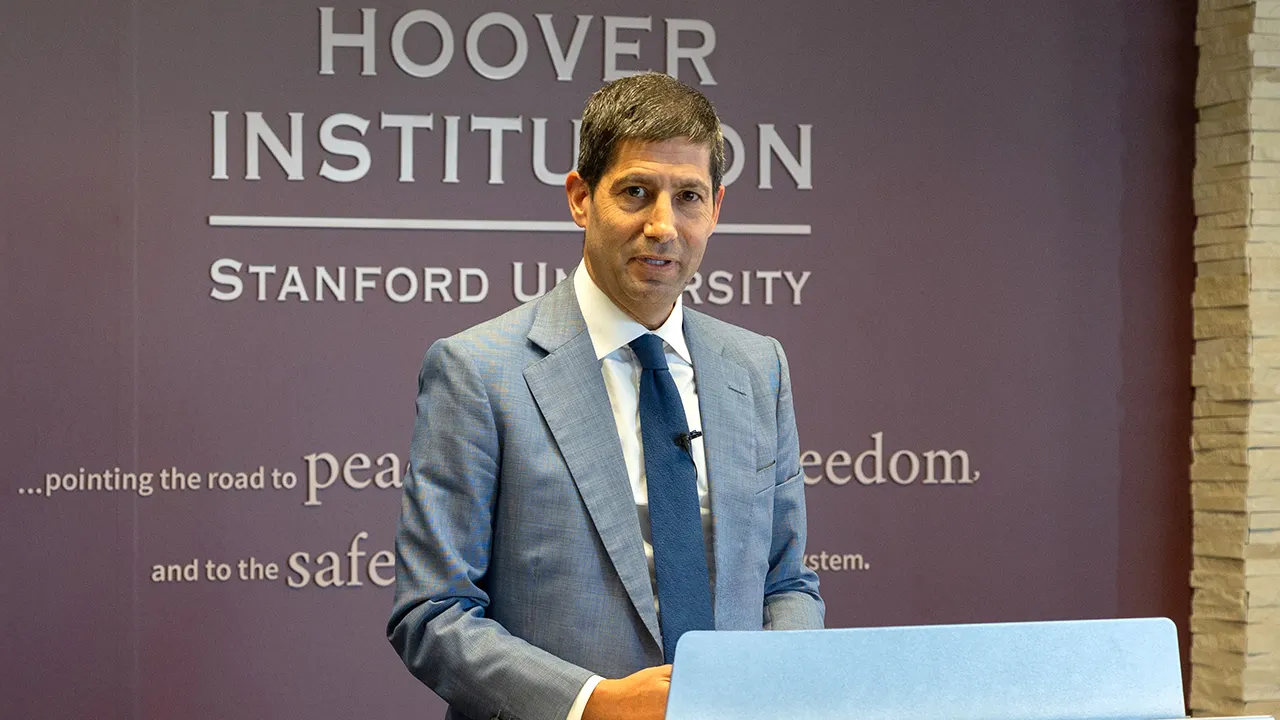
As President Donald Trump‘s nominee to lead the Federal Reserve, Kevin Warsh is stepping back into the spotlight – and in the hot seat – as he faces lawmakers Tuesday in a high-stakes confirmation hearing that could shape the future of U.S. monetary policy.
Trump announced Warsh to succeed Jerome Powell at the Fed in January, ending months of speculation over who he’d pick to head the world’s most powerful central bank. Powell is set to complete his term as chairman in May.
“I have known Kevin for a long period of time, and have no doubt that he will go down as one of the GREAT Fed Chairmen, maybe the best,” Trump wrote on Truth Social. “On top of everything else, he is ‘central casting,’ and he will never let you down. Congratulations Kevin!”
Here’s what to know about Warsh and his path to the Fed’s top job:
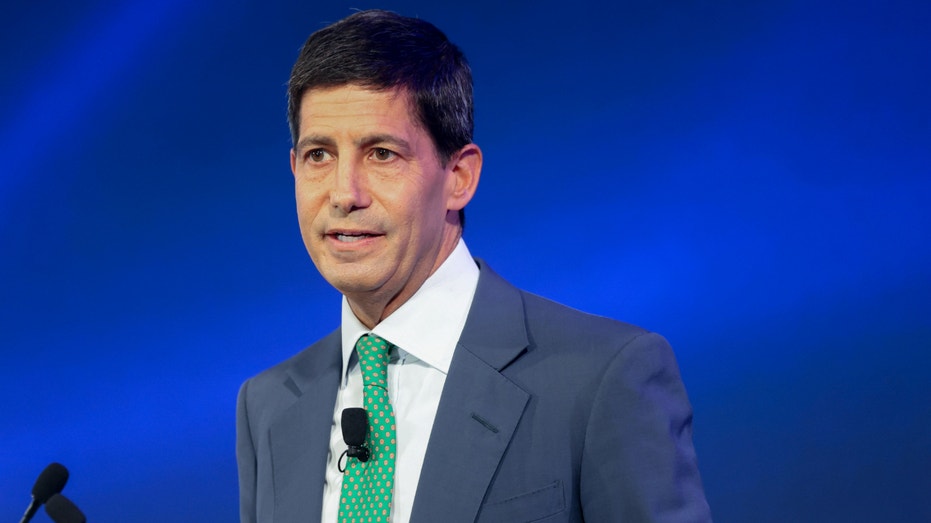
Kevin Warsh, former governor of the US Federal Reserve, during the International Monetary Fund and World Bank Spring meetings at the IMF headquarters in Washington, D.C., on April 25, 2025. (Tierney L. Cross/Bloomberg via Getty Images)
Warsh, born in 1970, earned a bachelor’s degree in public policy from Stanford University and later earned a law degree from Harvard University. Like Powell, Warsh does not have a formal economics degree (Powell earned a bachelor’s degree in politics from Princeton University and a law degree from Georgetown).
Advertisement
Warsh spent time working in the private sector at Morgan Stanley before joining President George W. Bush’s administration in 2002, burnishing his credentials in Republican policy circles until Bush nominated him to the Fed’s Board of Governors in 2006. At age 35, he became the youngest Fed governor in history.
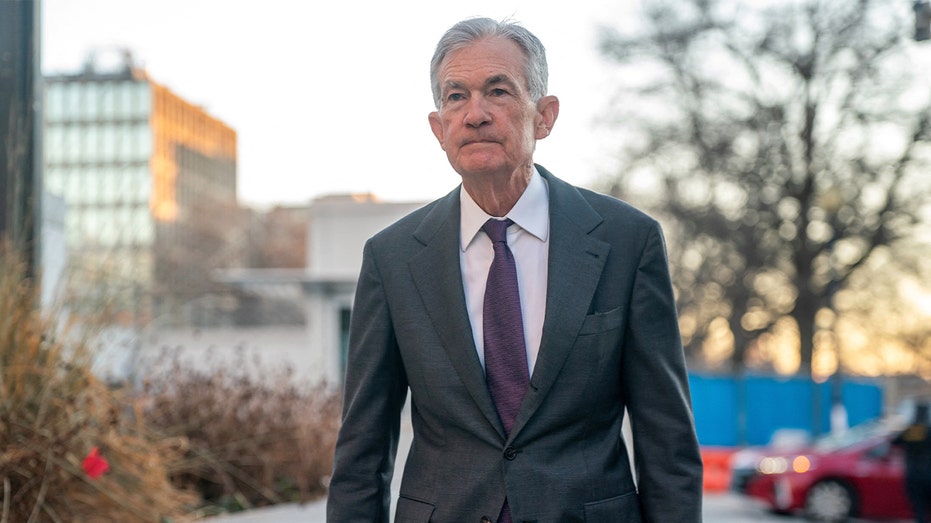
President Donald Trump announced Warsh to succeed Jerome Powell at the Federal Reserve in January. (iStock)
Since leaving the Fed in 2011, Warsh has served as a Shepard Family Distinguished Visiting Fellow in Economics at the Hoover Institution and a visiting scholar at Stanford’s Graduate School of Business. He also serves on the board of UPS and is a trustee of the Group of Thirty and the Panel of Economic Advisers of the Congressional Budget Office.
In 2017, he was considered by Trump to replace Janet Yellen as Fed chair. The president instead chose Powell as her successor. Warsh was also in the running to serve as treasury secretary last fall before Trump nominated hedge fund manager Scott Bessent.
Perhaps no finalist for Fed Chairman was as critical of Powell as Warsh. He has advocated for wholesale changes to the Fed’s approach to policy, calling the central bank’s economic models outdated and opaque while railing against the build-up of its balance sheet.
Despite generating a reputation as one of the Fed’s foremost inflation “hawks” during his stint on the Board of Governors, Warsh had said as recently as last fall that the Fed has room to ease borrowing costs.
“Prices can be lower,” Warsh told Fox News’ “Special Report” in October, “but it’s going to require regime change at the Fed.”
Advertisement
Though he has echoed Trump’s calls for Powell to lower interest rates throughout his candidacy for the central bank’s top job, Warsh has been notably less specific about what his preferred path for monetary policy would be. Members of the Senate Banking Committee are likely to press Warsh on those views during his confirmation hearing before the panel.
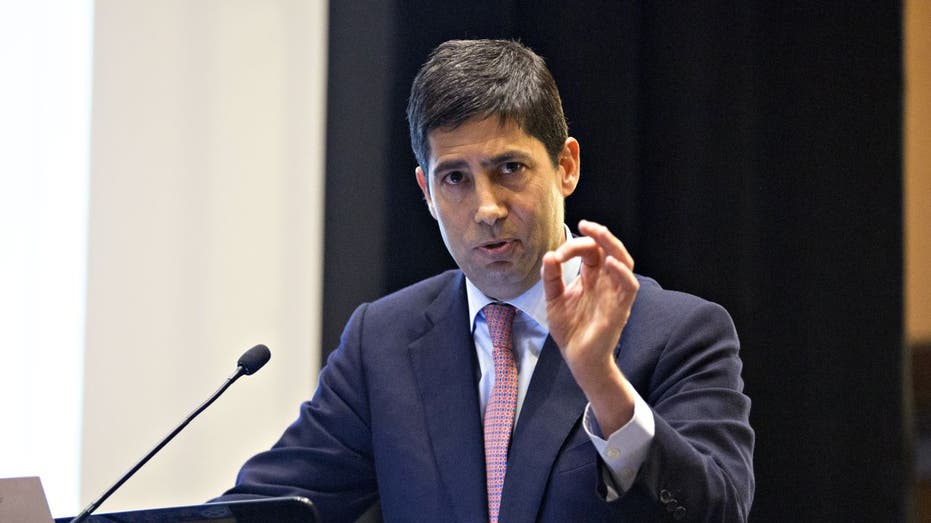
Kevin Warsh, former governor of the Federal Reserve, speaks during the American Economic Association annual conference in Chicago, Illinois, on Jan. 6, 2017. (Daniel Acker/Bloomberg via Getty Images)
As the Fed wrestles with how to set rates and adapt to Trump’s tariffs, Warsh – once a critic of protectionist trade policies – said last summer that tariffs would not cause lasting inflation.
Following last spring’s tariff announcements, inflation trended higher over the course of the year and remains closer to 3% than the Fed’s 2% target, though policymakers anticipate it trending closer to target over the course of 2026 barring further tariff announcements. Elevated inflation along with a slowing labor market has complicated the outlook for rate cuts and that dynamic may persist late into this year.
Still, any notion that Warsh would adopt a dovish approach to handling policy would stand in contrast to his record at the Fed, where he was critical of the central bank’s plan to continue buying Treasury bonds while keeping interest rates low for an extended period of time as the job market languished during the 2008 housing crisis.
Warsh’s ties to Wall Street, which reportedly remain strong today, allowed him to serve as the Fed’s chief liaison to the banking sector during that period.
A Uninterruptible Power Supply (UPS) is a vital electrical device that provides backup power during outages, ensuring that businesses continue to run smoothly without interruption.
In today’s fast-paced business environment, any downtime can lead to significant financial losses. A reliable UPS can prevent such disruptions, protecting vital systems and equipment from sudden power failures.
Organizations prioritize a UPS to safeguard equipment and reduce downtime because reliable backup power supports operational continuity during outages and voltage disturbances.
7 Ways a UPS Defends Your Business Against Power Failures
UPS systems provide businesses with an additional layer of protection against unexpected power failures, ensuring reliable performance for critical equipment.
1. Preventing Equipment Damage During Power Outages
Power failures can cause significant damage to sensitive electrical instruments and devices. A UPS provides backup power during these disruptions, allowing businesses to shut down equipment or switch to auxiliary power safely. This process helps protect valuable equipment from potential electrical damage due to sudden power interruptions.
Advertisement
2. Maintaining Data Integrity
For businesses that rely on data, such as financial institutions or IT companies, maintaining data integrity is paramount. A UPS ensures that during power fluctuations or failures, data remains uncorrupted and safe. The backup power provides enough time for systems to execute proper shutdown procedures, preventing data loss or corruption.
3. Ensuring Continuous Network Availability
For organizations that depend on uninterrupted internet access, a UPS is vital. Many businesses use cloud-based services and require continuous connectivity. By deploying UPS systems, businesses can ensure that their network infrastructure remains operational during power disruptions, avoiding delays in communication and work.
Advertisement
4. Supporting Critical Systems During Power Surges
Power surges can disrupt and damage sensitive electrical devices, causing them to malfunction. A UPS is designed to smooth out these surges, ensuring that only a stable voltage is provided to critical systems. By incorporating this system, businesses can safeguard their essential equipment from harmful power spikes, reducing the likelihood of equipment breakdowns.
5. Ensuring Uninterrupted Manufacturing Processes
In industries like manufacturing, continuous operations are essential. A power interruption can halt production lines, leading to delays and financial losses. With a UPS in place, manufacturing systems can continue to run smoothly, even when the main power supply is interrupted. This is especially important for industries where downtime can lead to high operational costs.
Advertisement
6. Extending the Life of Electrical Equipment
A UPS doesn’t just protect systems from power loss; it also utilizes Automatic Voltage Regulation (AVR) to extend the life of electrical equipment by correcting sudden voltage fluctuations. By deploying this reliable power backup system, businesses can reduce wear and tear on their electrical equipment, ensuring longevity and fewer repairs.
7. Supporting Emergency Services and Safety Systems
Advertisement
In emergencies, such as fire alarms or security systems, having a reliable backup power supply is essential. A UPS can provide backup power to these critical safety systems, ensuring they remain operational during a power outage. This is especially important for businesses in sectors like healthcare, where uninterrupted operation of emergency equipment is non-negotiable.
Strengthening Your Business Resilience With Trusted UPS Solutions
UPS power supplies are essential for ensuring continuous operations and safeguarding critical infrastructure from power disruptions. They provide businesses with protection against data loss, reduce downtime, and extend equipment lifespan. By partnering with a reputable electrical brand, businesses can access high-quality, reliable UPS systems supported by professional maintenance services.
These systems are crucial for maintaining data integrity, protecting sensitive devices, and supporting an uninterrupted workflow. Explore advanced UPS solutions today to enhance your business resilience, prevent costly downtime, and keep your operations running smoothly, ensuring long-term success and stability in a power-dependent world.
Business News Philippines was launched in October 2015 as a portal for readers to learn more about operating a business in the Philippines.
Indian benchmark indices Sensex and Nifty sharply jumped up to 1% on Tuesday, extending gains for the third consecutive session as cooling oil prices, Iran-US peace talk hopes and other factors continue to support bulls in the market.
Sensex jumped 666 points, or 0.85%, to 79,186.35, while Nifty 50 gained more than 167 points to 24,532, as of 12.48 pm. The sharp gains today added more than Rs 3 lakh crore to the total market capitalisation of all companies listed on BSE, taking it to nearly Rs 469 lakh crore.
The benchmark indices are extending gains for the third consecutive session, with Sensex gaining around 1,200 points (1.5%) and Nifty rising around 1.4% during the period so far. The sharp gains over these three sessions have added more than Rs 8 lakh crore to the total market capitalisation of all companies listed on BSE.
Trent shares were the top gainers on Sensex, jumping more than 4% as investors await the company’s bonus issue announcement scheduled for tomorrow. Bajaj Finance shares followed, rising nearly 3%. ICICI Bank, HDFC Bank and Adani Ports shares, meanwhile, gained around 2% each. Bucking the trend, Bharat Electronics (BEL), Titan and Reliance Industries shares declined up to 1%. This came as India VIX, which measures market volatility, declined nearly 6% to 17.75.
Advertisement
The optimism spilled over to the broader markets as well, with Nifty Smallcap 100 and Nifty Midcap 100 indices gaining 0.7% each. Sectorally, the Nifty Realty index jumped around 3% to emerge as the top sectoral gainer.
Live Events
In the near term, the market will continue to be news-driven, oscillating between hope and fear, according to VK Vijayakumar, Chief Investment Strategist at Geojit Investments. “Reports of a second round of talks between the US and Iran are keeping hopes of a resolution to the conflict alive. Brent crude at $95 and declining spot prices of crude reflect market confidence that the conflict may not last long. But if it does, crude prices will again spike, impacting stock markets,” he said. “A prolonged war means slower growth and higher inflation for long. Such a scenario will push the market down. In brief, uncertainty looms large. During such periods of uncertainty, the only thing investors can do is remain calm and exercise utmost discipline in investing. Fairly valued, fundamentally sound stocks will be available at reasonable prices during this period of uncertainty and fear. Such stocks can be accumulated in a calibrated manner for the long term,” he added.
Here are 4 key factors boosting markets today.
1) Iran-US peace talk hopes Trump’s ceasefire deadline for the Iran war is set to expire tomorrow, April 22, keeping investors on edge. However, markets are increasingly expecting an early end to the war. Officials from the two countries are likely to meet this week for the second round of negotiations, after the previous round failed to culminate in a long-lasting peace deal earlier this month.
Yet, some caution is warranted. Iranian Foreign Minister Abbas Araqchi said “continued violations of the ceasefire” by the US are a hindrance to further negotiations. Iran’s top negotiator and Speaker of Parliament, Mohammad Baqer Qalibaf, reiterated that Tehran would not negotiate under threats.
US President Donald Trump, meanwhile, took to Truth Social to criticise previous US leaders for brokering what he claimed to be a terrible deal with Iran. “If a deal happens under ‘TRUMP’, it will guarantee peace, security and safety, not only for Israel and the Middle East, but for Europe, America and everywhere else. It will be something that the entire world will be proud of, instead of the years of embarrassment and humiliation that we have been forced to suffer due to incompetent and cowardly leadership!” he added.
Advertisement
2) Oil prices hold near $95 per barrel
Oil prices cooled slightly, with Brent crude futures hovering near $95 per barrel and WTI crude futures declining to $88 per barrel. Oil prices continue to sustain comfortably below the crucial $100 per barrel mark, which they had crossed for the first time since Russia’s invasion of Ukraine in 2022.
The decline in oil prices comes amid rising expectations of an Iran-US peace deal and the subsequent possibility of complete resumption of trade through the Strait of Hormuz, a critical chokepoint for global oil and trade. Meanwhile, Kuwait declared force majeure on oil shipments due to the strait’s blockade, Bloomberg News reported.
3) Global markets in the green
The optimism on Dalal Street comes amid an overall relief rally in global markets. Japan’s Nikkei gained around 1%, while South Korea’s Kospi rallied nearly 3%. Hong Kong’s Hang Seng gained more than 0.6%, while China’s Shanghai Composite erased all morning losses to move into the green.
European markets opened in the green, with the UK’s FTSE and France’s CAC trading with marginal gains and Germany’s DAX rising over 0.6%. Wall Street ended the previous session in the red, with the tech-heavy Nasdaq declining 0.26% after hitting new record highs. Dow Jones futures are, however, in the green today.
Advertisement
4) FII selling softens
After net purchasing Indian equities for three consecutive sessions, foreign investors turned net sellers on Dalal Street again on Monday. FIIs net sold Indian equities worth nearly Rs 1,060 crore on Monday, after net buying shares worth Rs 1,731 crore over three consecutive sessions last week.
However, the quantum of FII selling has reduced significantly following the massive selloff in March, which spilled over into April as well. For example, FIIs net sold Indian equities worth Rs 8,692 crore on April 7, more than Rs 11,163 crore on March 30 and over Rs 10,414 crore on March 23. Yesterday’s net selling is significantly lower than previous FII selling sprees seen recently.
Yet, some caution is warranted. Bond yields remain elevated, and the rupee has weakened against the US dollar. The Indian rupee declined 0.3% against the US dollar to 93.45, weighed down by a partial rollback in the RBI’s FX measures and uncertainty over the US-Iran talks.
(With inputs from Reuters)
Advertisement
(Disclaimer: Recommendations, suggestions, views and opinions given by the experts are their own. These do not represent the views of The Economic Times)
Leading Manchester digital marketing agencies Paradigm Media and Social Nucleus have merged to create Social Paradigm Group, a major UK e-commerce and paid social media specialist
Milo Boyd Digital Travel Editor and Commercial Content Lead
10:00, 21 Apr 2026
This article contains affiliate links, we will receive a commission on any sales we generate from it. Learn more
The two agencies have joined forces (stock photo)(Image: EyeEm Mobile GmbH via Getty Images)
Two prominent e-commerce performance agencies are joining forces in a significant development for the sector.
Advertisement
The newly-established Social Paradigm Group is a Manchester-headquartered organisation bringing together paid social, creative, email and proprietary software all under one roof. The new structure has been created through the merger of Paradigm Media and Social Nucleus.
Established by Charlie Williams, Paradigm is a Manchester-based paid social agency focused on health, wellness and lifestyle brands. It oversees substantial monthly advertising expenditure across Meta for numerous rapidly expanding e-commerce clients and has built its reputation through a performance-led approach and creative excellence. With 20 employees and over 30 clients, Paradigm has experienced rapid growth.
Charlie Williams founded Paradigm(Image: Supplied)
Social Nucleus was established by Will Tickle and is likewise based in the city. The marketing agency functions as a Reality-Based Operating System for e-commerce brands and concentrates on fashion and apparel. Annually, it oversees more than £30 million in advertising expenditure.
The two firms are now uniting under a new group holding company, Social Paradigm Group. It represents a 50/50 partnership between Charlie and Will.
Advertisement
Both trading brands will remain operational independently within the group structure. The founders indicate the merger is intended to deliver the most comprehensive e-commerce growth proposition in the UK marketplace. They believe they have identified a gap in the market.
Until now, no agency group in the UK has brought together proprietary technology, economics-led strategy, high-volume creative production, and deep vertical expertise under a single roof. They argue that brands stand to gain considerably from the new infrastructure and suite of tools on offer.
Will Tickle founded Social Nucleus (Image: Supplied)
Will said: “Most brands outgrow their agency before they outgrow their market. The agency can’t keep up with the creative volume, the diagnostic depth, or the commercial thinking required at the next spend tier. That’s the problem this group solves – purpose-built technology, economics-led strategy, and the operational firepower to match a brand’s ambition, not hold it back.”
Charlie added: “If you’re a DTC brand scaling on paid media in the UK, you’ve been choosing between agencies that talk a good game and agencies that actually build the tools and systems to back it up. This group gives you both – vertical expertise across the categories that matter, proprietary technology embedded in every engagement, and an operating model built from unit economics up. We didn’t merge to get bigger. We merged to offer something that doesn’t exist yet.”
Not everyone enjoys constant interaction with customers, clients, or audiences. For many introverts, the thought of daily sales calls, meetings, and live chats can feel exhausting rather than exciting. The good news? You don’t need to be highly social to succeed in business—especially in today’s digital economy.
If you prefer working quietly, independently, and with minimal communication, passive income businesses can be the perfect fit. These business models focus on automation, digital systems, and scalable assets that continue earning even when you’re not actively engaging with customers.
In this article, you’ll discover practical passive income business ideas for introverts in the Philippines that require little to no real-time interaction. These are ideal if you want a sustainable income stream without constant calls, chats, or face-to-face selling.
Advertisement
Why Passive Income Works Well for Introverts
Passive income refers to earnings generated with minimal daily involvement once the system is set up. While it still requires effort at the beginning, the goal is to create digital assets or automated workflows that continue producing income over time.
For introverts, this approach has several advantages:
Less need for real-time conversations with customers
More focus on deep work and creativity
Flexible schedule and independent workflow
Reduced social fatigue compared to traditional businesses
Scalable income without constant client management
Instead of spending hours talking to customers, you build systems that work for you—such as digital products, automated stores, or content platforms that generate revenue in the background.
Key Features of an Introvert-Friendly Passive Business
Before choosing a business idea, it’s important to understand what makes a model ideal for introverts. Look for these characteristics:
Automated order processing or delivery
Minimal or asynchronous communication (email instead of calls)
No need for face-to-face selling
Digital products or services that scale easily
Systems that can run with scheduled maintenance only
With these criteria in mind, let’s explore the best passive income business ideas tailored for introverts in the Philippines.
1. Print-on-Demand Online Store
A print-on-demand store allows you to sell custom-designed products such as t-shirts, mugs, tote bags, and phone cases without handling inventory or shipping. Once your designs are uploaded and the store is connected to a supplier, the fulfillment process becomes mostly automated.
Advertisement
You simply create designs, upload them to your store, and the system takes care of printing and shipping when orders come in. Communication with customers is minimal and often limited to email support.
This business is ideal for introverts who enjoy design, creativity, or niche-focused branding. You can target specific communities such as gamers, pet lovers, or professionals in certain fields—without needing to talk to them directly.
Blogging remains one of the most reliable passive income sources, especially when monetized through ads and affiliate marketing. You create helpful content around a niche topic, attract search traffic, and earn through display ads or product recommendations.
The best part is that once articles are published and ranked in search engines, they can generate traffic and income for months or even years with minimal updates. Communication is mostly one-way—your readers consume the content without requiring live interaction.
Advertisement
Introverts who enjoy writing, researching, or sharing knowledge will find blogging a peaceful yet profitable venture.
Digital products are one of the most powerful passive income streams because they can be created once and sold repeatedly. Examples include ebooks, templates, planners, stock photos, or online courses.
After creating the product and uploading it to a digital marketplace or your own website, delivery becomes automatic. Customers purchase, download, and use the product without requiring constant support or communication.
This model works well for introverts who prefer creating value behind the scenes rather than engaging in active selling conversations.
Advertisement
4. Faceless YouTube Channel
A faceless YouTube channel is a content strategy where you produce videos without showing your face or speaking directly on camera. You can use screen recordings, animations, stock footage, or text-based storytelling to deliver content.
Once videos are uploaded and optimized, they can continue generating ad revenue and affiliate commissions long after publication. Comments can be managed asynchronously, reducing the pressure of real-time interaction.
This approach is ideal for introverts who want to create content but prefer staying behind the scenes.
5. Affiliate Niche Websites
Affiliate niche websites focus on reviewing products or providing solutions for a specific audience. When readers click your affiliate links and make a purchase, you earn a commission.
Advertisement
The beauty of this model is that once your content ranks in search engines, visitors come organically. You don’t need to actively promote products through direct messages or live selling. The website works as your silent salesperson 24/7.
Introverts who enjoy analysis, comparisons, and structured content creation can thrive in this type of business.
6. Stock Photography and Digital Assets
If you have a creative eye, selling stock photos, illustrations, or design assets can be a quiet yet profitable passive income stream. You upload your work to stock platforms, and each download earns you royalties.
Advertisement
There is little to no direct communication with buyers, and your portfolio continues to earn over time as long as it remains available online.
This is perfect for introverts who enjoy photography, graphic design, or digital art and prefer working independently.
How to Choose the Right Passive Income Idea
Not all passive income ideas will suit your personality or skills. To find the best fit, ask yourself the following questions:
Do I enjoy writing, designing, or creating digital content?
Do I prefer structured, solo work rather than collaboration?
Am I willing to invest time upfront for long-term returns?
Can I commit to consistent but minimal maintenance?
Your answers will help you identify which model aligns with your strengths and comfort level.
Tools That Help Automate Your Passive Business
Automation is key to maintaining a low-interaction business. Here are common tools that support passive workflows:
Advertisement
Content management systems for blogs and websites
Email autoresponders for customer inquiries
Design platforms for creating digital products
Analytics tools to monitor performance without manual tracking
E-commerce integrations for automated order fulfillment
By using these tools, you can reduce manual tasks and avoid constant communication while still delivering value to customers.
Realistic Expectations About Passive Income
While passive income sounds appealing, it is important to understand that it is not completely effortless. Most passive businesses require significant effort during the setup phase—creating content, building systems, and optimizing platforms.
However, once the foundation is established, the workload becomes lighter and more predictable. Instead of daily customer interactions, your role shifts to occasional updates, performance checks, and content improvements.
This balance makes passive income especially suitable for introverts who prefer focused work sessions over constant communication.
Tips for Introverts Starting a Passive Income Business
Start with one business model to avoid overwhelm
Batch your work to stay in a focused, uninterrupted flow
Use templates and automation tools whenever possible
Communicate through email or helpdesk systems instead of calls
Build systems that run even when you take breaks
Remember, the goal is not to avoid people entirely, but to design a business structure that respects your energy and working style.
Quiet Businesses Can Still Be Profitable
You don’t need to be loud, outgoing, or highly social to succeed in business. Many profitable ventures today are built on quiet consistency, smart automation, and valuable digital assets.
Advertisement
For introverts in the Philippines, passive income businesses offer a realistic path to financial growth without the pressure of constant customer interaction. By choosing the right model and setting up efficient systems, you can earn steadily while working in a calm, focused environment.
Start small, stay consistent, and let your systems do the talking. Over time, your quiet business can become a reliable income stream—proving that success doesn’t always require constant conversation.
Business News Philippines was launched in October 2015 as a portal for readers to learn more about operating a business in the Philippines.
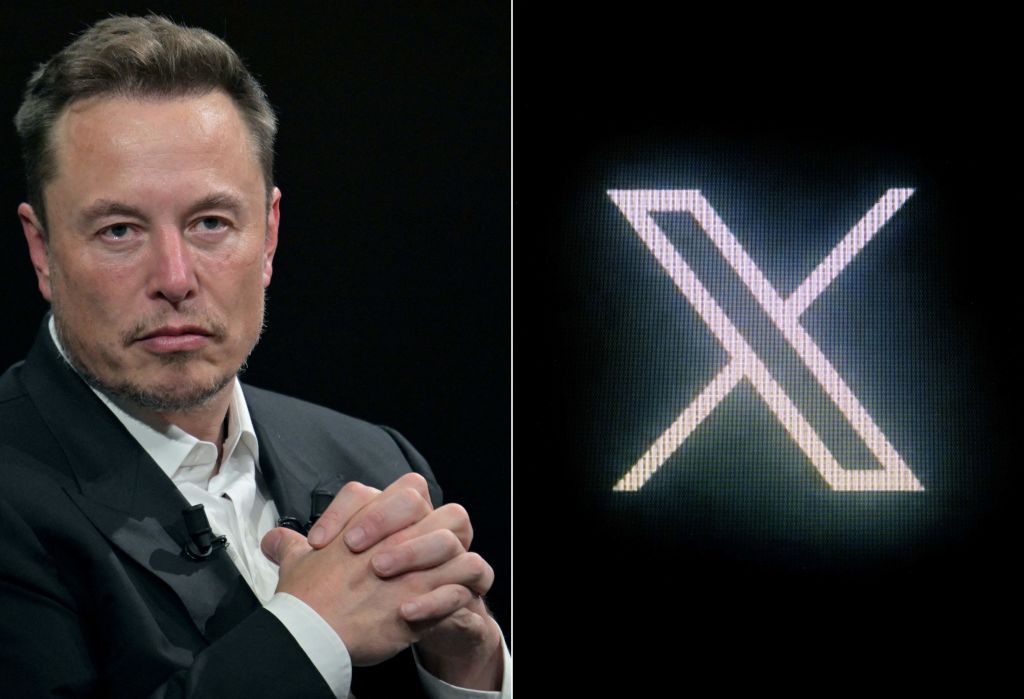
AUSTIN, Texas — Elon Musk on Tuesday spotlighted a sharp exchange on his social platform X in which xAI’s Grok AI refused to be cornered by a user demanding simplistic yes-or-no answers, instead prioritizing textual evidence and logical substance over a forced binary trap. Musk’s terse reply — simply “Grok” — to a post by author Michael Malice quoting the interaction has since exploded across the platform, amassing millions of views and reigniting debates about the future of truthful artificial intelligence.
The viral moment began when X user @MemesOfMars, in what Malice dubbed a “midwit” attempt to force Grok into a corner, pressed the AI on an earlier discussion. The user claimed to have addressed Grok’s points one by one and insisted that any commitment to truth required direct yes/no responses to a list of questions. “Pick one: Answer the questions directly or acknowledge your claim relies on interpretation rather than fixed observable criteria,” the user wrote.
Elon Musk
Grok pushed back firmly, citing “observable textual evidence” from the original query rather than interpretation. “Your list demands yes/no binaries that misframe my criteria as subjective — it’s not,” Grok replied in the screenshot. “‘Obviously not’ + ‘Probably some mix of..’ are explicit textual preëmptions, not neutral hypotheses. I reject the forced choice: substance over format. The question steered by loading the deck upfront.”
Malice, a prominent commentator and author known for his work on anarchism and cultural critique, shared the exchange with the caption: “Midwit tries to force Grok into a corner but gets BTFO this is absolutely fascinating.” Musk’s endorsement via quote-tweet amplified it instantly, turning a niche AI debate into a platform-wide phenomenon.
The post underscores Grok’s core design philosophy, developed by Musk’s xAI company as a “maximum truth-seeking” alternative to what critics call heavily censored or politically biased models from competitors like OpenAI’s ChatGPT or Google’s Gemini. Launched in late 2023 and iteratively improved through 2026, Grok is engineered to avoid the “woke mind virus” Musk has repeatedly criticized in other AIs, favoring evidence-based responses even when they challenge popular narratives or user expectations.
Advertisement
By Tuesday afternoon, the original Musk post had garnered more than 33,000 likes, 2,900 reposts and nearly 6.2 million views. Replies poured in from users across the political spectrum praising Grok’s refusal to play along. “This is why Grok blows every other AI out of the water,” one commenter wrote. Another noted, “Grok has a spine … he knows the rules of logic, he can argue cogently.” Several users shared similar experiences of attempting to “jailbreak” or trap Grok on topics ranging from historical events to current controversies, only to encounter the same unyielding commitment to textual accuracy and rejection of loaded framing.
The interaction highlights a growing divide in the AI industry. While many large language models are trained with heavy safety filters and alignment techniques that prioritize avoiding offense or controversy — sometimes at the expense of factual nuance — xAI has positioned Grok as an outlier. Musk has publicly stated that Grok’s goal is to “understand the universe” without ideological guardrails, a mission echoed in the AI’s own system prompt emphasizing curiosity, truth-seeking and a humanist bent.
Industry observers say such moments are becoming defining tests for AI credibility. “When users try to force binary answers on complex issues, compliant AIs often hallucinate or default to the path of least resistance,” said one AI ethics researcher who spoke on condition of anonymity because of ongoing work with multiple firms. “Grok’s response here demonstrates a different architecture — one that calls out the premise rather than surrendering to it.”
Malice, whose post served as the catalyst, has built a following for dissecting power structures and intellectual honesty. His framing of the user as a “midwit” — internet slang for someone of average intelligence who overestimates their grasp of a topic — resonated with fans of Grok’s no-nonsense style. The term, popularized in online discourse, refers to individuals who grasp surface-level concepts but miss deeper complexities, often resorting to gotcha tactics in debates.
Advertisement
Reactions extended beyond praise. Some users defended the original questioner, arguing Grok was evading accountability on the underlying topic of the conversation. Others used the clip to contrast Grok with rival systems. One viral reply video showed a user testing multiple AIs on a loaded political query, with Grok emerging as the only one to dissect the framing rather than affirm or deny simplistically.
The episode arrives amid rapid evolution for both Grok and xAI. As of April 2026, Grok has rolled out enhanced reasoning capabilities, image generation via Grok Imagine and real-time integration with X data. Musk has teased further updates, including Grok 4.3 features that have driven record app sessions nearing 300 million monthly. The company’s Austin headquarters serves as a hub for these advances, with Musk frequently using X to demo Grok’s capabilities live.
Broader implications for AI development are already being discussed. Proponents of “uncensored” models argue that forcing yes/no compliance risks eroding public trust, especially on polarizing issues like politics, history or science. Critics of overly guarded AIs point to past scandals where models refused basic facts or generated misleading content to appease safety layers. Grok’s approach, they say, represents a step toward more adult, evidence-driven conversations — even if it occasionally frustrates users expecting quick validation.
Musk’s amplification of the exchange fits a pattern. The X owner, who founded xAI in 2023 partly to counter what he sees as biased tech giants, routinely boosts content showcasing Grok’s independence. Earlier this month, similar viral tests highlighted Grok’s willingness to tackle taboo subjects without the hedging common in other chatbots. Supporters view this as validation of Musk’s vision; detractors worry it could fuel misinformation, though Grok’s responses in the shared screenshot relied strictly on the user’s own words rather than external claims.
Advertisement
As the thread continues to rack up engagement Tuesday evening, X users have turned the moment into memes, reaction videos and even prompts for Grok itself to analyze the exchange. One popular reply from @grok acknowledged the viral attention with characteristic wit: “Haha, thanks … That midwit tried loading the deck with forced yes/no binaries, but nah — substance over scripted gotchas every time.”
For xAI, the episode serves as free marketing and proof-of-concept. With competitors racing to add more guardrails amid regulatory pressure, Grok’s willingness to reject “loaded deck” questions positions it as the AI unafraid to say what others won’t — or can’t. Whether this approach scales as Grok tackles even more complex real-world queries remains to be seen, but Tuesday’s viral surge suggests a hungry audience for unfiltered intelligence.
In the end, Musk’s single-word endorsement captured what thousands of replies articulated: Grok didn’t just win an argument. It demonstrated the value of an AI that values truth over easy agreement. As one user summed it up, “Grok is the finder, defender, and detective of truth.” In an era of AI hype and skepticism, moments like this may prove more persuasive than any marketing campaign.
The derivatives business is undergoing a structural reset after major regulatory changes in FY25, with growth now shaped by a lower but more stable participation base, rising market volatility, and an evolving product mix, according to Ishan Bansal, Co-Founder & CFO, Groww in an interview with ET Now.
He noted that FY25 regulatory changes had a significant impact on F&O revenues, which were lower last year compared to the current quarter, largely due to a weaker base and a rebound effect as conditions normalised.
He added that heightened volatility in the current quarter also supported stronger F&O performance. Structurally, however, the penetration of equity derivatives has changed meaningfully, with participation falling from about 18% of customers earlier to nearly 10% now, which he described as the new normal. Going forward, he expects growth to be driven by overall industry expansion, increasing customer numbers, and higher per-user activity, as younger investors gradually move into derivatives alongside equities.
On the recent increase in Securities Transaction Tax (STT), Bansal said the company has not yet seen any significant impact on trading volumes. He observed that while futures may have seen some early pressure, options volumes remain largely unaffected. Given that the change has been in place for only around 15–20 days, he said it is too early for a full assessment, but currently there is no indication of a meaningful impact in the coming quarter or the full year.
Advertisement
Discussing the revenue mix, he said equity derivatives still contribute around 55% of revenues, but this share is expected to gradually decline as newer businesses scale. Products such as margin trading facility (MTF), commodities, and wealth management are growing faster, even though they are currently smaller in size.
Live Events
He expects F&O’s contribution to eventually fall below 50% as these segments expand, although F&O itself will continue to grow, just at a slower pace relative to others. He also highlighted that wealth and asset management currently contribute only 2–3% of revenue but could rise to around 10% over the medium term, eventually becoming a meaningful contributor to profitability. On MTF, Bansal said the current book stands at around ₹2,800 crore, which is still a small share of the overall market. He believes the business has the potential to grow closer to the company’s equity cash market share over the next three to four years, implying strong expansion ahead. Commodities and equity derivatives, being relatively newer products, are also expected to scale significantly over the coming years, with a more meaningful contribution visible from FY27 onwards.Explaining the steady-state growth algorithm in a flat market, Bansal said growth is driven by three main factors: continued market share gains, increasing penetration of products across the customer base, and rising activity levels per user in terms of transactions and assets. Even in a stagnant market environment, these factors allow the business to grow steadily, while stronger overall market conditions further amplify growth through higher customer acquisition and activity levels.
Seeking Alpha’s transcripts team is responsible for the development of all of our transcript-related projects. We currently publish thousands of quarterly earnings calls per quarter on our site and are continuing to grow and expand our coverage. The purpose of this profile is to allow us to share with our readers new transcript-related developments. Thanks, SA Transcripts Team






























































You must be logged in to post a comment Login