
Business
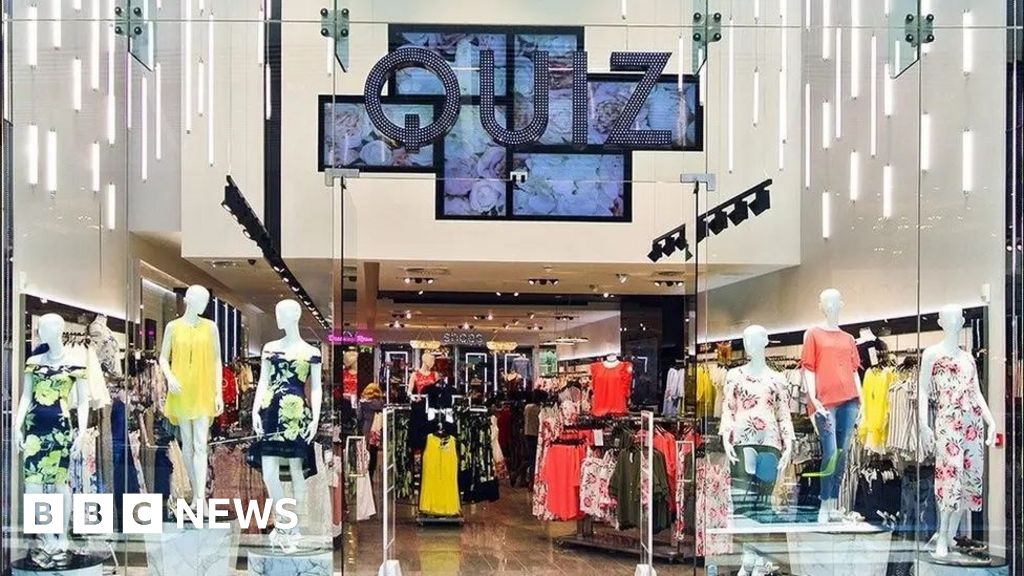
Quiz enters administration for third time



LOS ANGELES — Oscar nominee Demi Moore has signed on for a key role in “Tyrant,” Amazon MGM Studios’ high-stakes culinary thriller starring Charlize Theron and Julia Garner, adding even more star power to a project already generating buzz in Hollywood.
The casting, first reported by Variety on April 15, 2026, marks the latest coup for writer-director David Weil on his feature film debut. Moore, riding a career resurgence after her critically acclaimed performance in “The Substance,” will join Theron and Garner in the New York City-set story that blends the cutthroat world of elite fine dining with shades of “Wall Street” and “Whiplash.”
Details of Moore’s character remain under wraps, but sources describe her part as substantial within the ensemble. The film follows intense power struggles, ambition and moral compromises inside the rarefied kitchens and dining rooms of Manhattan’s most exclusive restaurants. Weil, creator of the Amazon Prime series “Hunters” and co-creator of “Invasion,” wrote the script from a story he developed with Cody Behan.
Amazon MGM Studios acquired the project after a competitive bidding war in 2025. Charlize Theron came aboard as star and producer late last year, with Julia Garner joining in January 2026. Production is expected to begin in the coming weeks, with filming scheduled primarily in Los Angeles after the project secured a California Film and Television Tax Credit. Some scenes will also shoot in New York to capture the authentic backdrop of the city’s high-end culinary scene.
Moore’s addition completes a formidable trio of leading women. Theron, an Oscar winner for “Monster,” brings intensity and physicality honed in action roles such as “Atomic Blonde.” Garner, an Emmy and Golden Globe winner for “Ozark” and “Inventing Anna,” has earned acclaim for her ability to portray complex, driven characters in projects like “Weapons.” Moore, 63, has reinvented herself in recent years with standout turns in “Landman” for Taylor Sheridan and the body horror hit “The Substance,” which positioned her as a serious awards contender.
The project represents a strategic move for Amazon MGM Studios as it builds its theatrical and streaming slate. The studio has aggressively pursued prestige projects with major talent, aiming to compete in both the awards race and the broader entertainment marketplace. “Tyrant” fits the model of elevated genre fare that can generate awards attention while appealing to broad audiences through its timely exploration of power, ambition and toxicity in a glamorous industry.
Industry observers note the film’s potential to echo successful thrillers that use niche professional worlds as pressure cookers for drama. The culinary setting offers rich visual and thematic material — razor-sharp knives, simmering tensions, perfectionism bordering on obsession — that could translate into gripping cinema under Weil’s direction.
Moore’s involvement comes at a pivotal moment in her career. After years of selective work following her 1990s stardom in films like “Ghost” and “A Few Good Men,” she has embraced bolder, more challenging roles. Her performance in “The Substance” earned widespread praise for its fearless examination of aging, beauty standards and identity in Hollywood. She is also set to appear in Boots Riley’s upcoming comedy “I Love Boosters,” which premiered at SXSW.
For Theron, “Tyrant” continues her pattern of producing and starring in ambitious projects through her Denver and Dumbo Productions banners. She has long championed stories with strong female perspectives, and the all-female lead dynamic in “Tyrant” aligns with that mission. Garner, meanwhile, continues her hot streak after memorable turns in horror-tinged and dramatic roles, positioning her as one of her generation’s most versatile talents.
Weil’s transition to features has been closely watched since “Hunters,” his Nazi-hunting series starring Al Pacino, became a streaming hit. His writing style mixes high-concept premises with sharp character work and moral ambiguity — qualities expected to shine in “Tyrant.” The film is produced by Theron’s team alongside established players including Andrew Rona and Alex Heineman.
No release date has been set, but Amazon MGM is likely to target a 2027 theatrical or awards-qualifying window given the caliber of talent involved. The project’s fast-tracking, tax credit approval and imminent start date signal confidence from the studio.
The culinary thriller genre has seen renewed interest in recent years, with films and series exploring kitchens as arenas for psychological warfare. “Tyrant” promises to elevate that template with top-tier performances and a sleek, tension-filled aesthetic. Early buzz on social media has already labeled the project a potential “event film” for adult audiences seeking sophisticated suspense over franchise fare.
Moore’s casting announcement quickly went viral, with fans and industry insiders praising the powerhouse lineup. Social media reactions highlighted the generational mix — Theron’s commanding presence, Garner’s rising intensity and Moore’s veteran gravitas — suggesting strong awards potential if the script delivers.
Amazon MGM has kept plot specifics tightly guarded, fueling speculation about possible story directions. Some insiders whisper at themes of mentorship gone toxic, backstabbing rivalries among chefs and critics, or the personal costs of pursuing Michelin-level perfection. The “Wall Street” and “Whiplash” comparisons point to a narrative that examines ambition’s dark side in an environment where one bad review or missed detail can end careers.
The addition of Moore also boosts the project’s awards pedigree. All three actresses have navigated the Oscar landscape successfully — Theron with a win, Moore and Garner with nominations and strong critical support. A well-received thriller could position them for another run during the 2027 awards season.
As production nears, “Tyrant” joins a busy slate for Amazon MGM, which continues expanding its original content ambitions following the MGM acquisition. The studio has signaled interest in bold, director-driven stories that can cross over from streaming to theatrical success.
For moviegoers and awards watchers, the project offers an intriguing glimpse into 2027’s potential contenders. A culinary thriller anchored by three acclaimed actresses promises tension, style and performances that could linger long after the credits roll.
While plot details remain scarce, the talent alone makes “Tyrant” one of the most anticipated new films of the year. Demi Moore’s involvement adds another layer of intrigue to an already sizzling package, ensuring the project will remain in the spotlight as cameras prepare to roll.
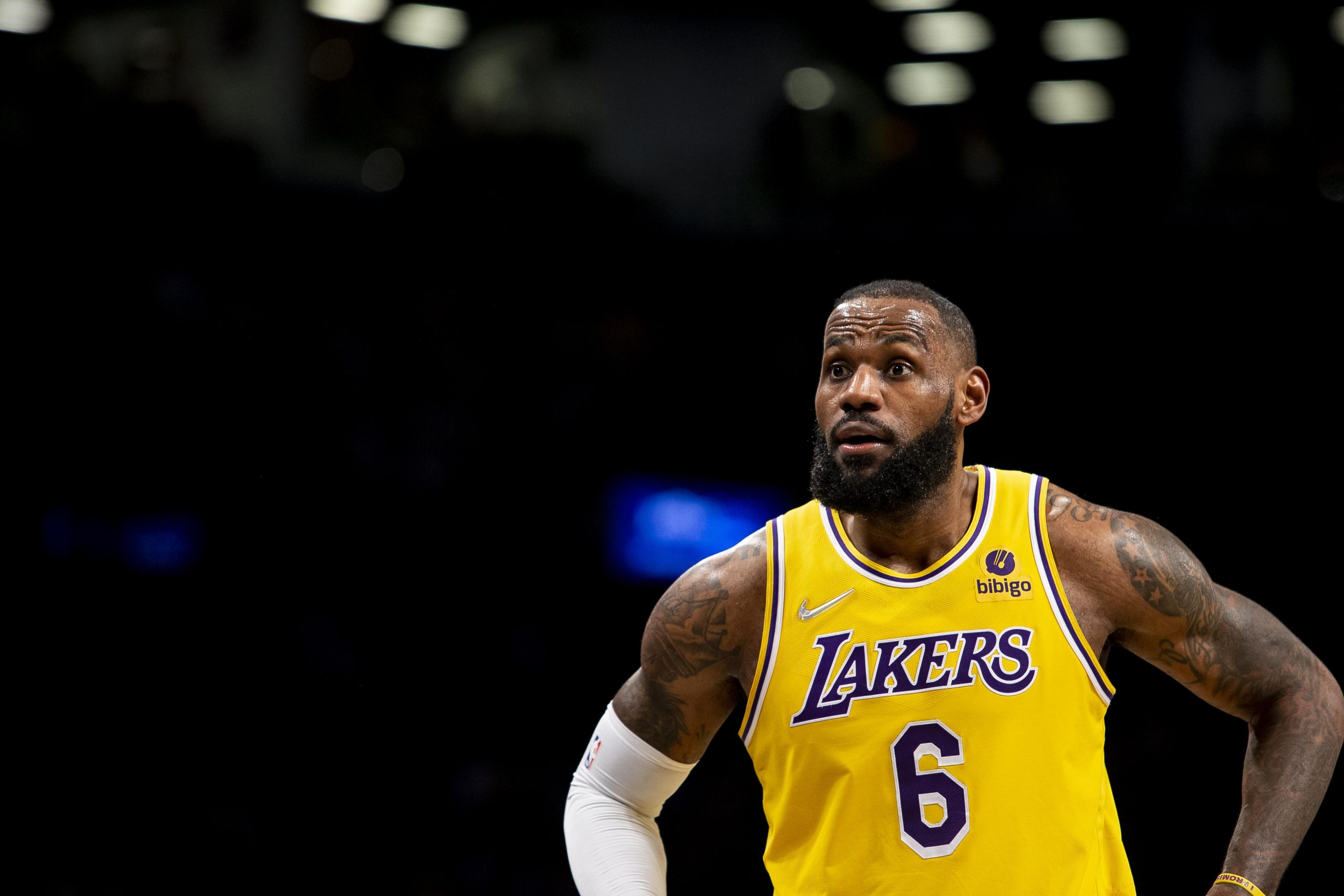
LOS ANGELES — At 41 years old and in his 23rd NBA season, LeBron James is once again carrying the Los Angeles Lakers into the playoffs as their unquestioned leader, but the odds of him bringing a fifth championship ring to the franchise in 2026 appear long amid injuries, tough matchups and steep betting lines against them.
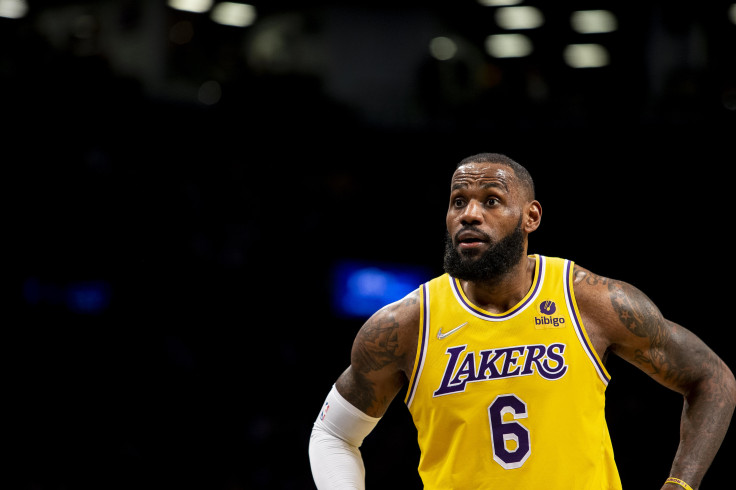
The Lakers enter the 2026 NBA playoffs as the No. 4 seed in the Western Conference, facing the Houston Rockets in the first round starting Saturday. Los Angeles opened as a significant underdog at +550 against Houston, marking one of the biggest first-round underdog spots for the franchise since 2013. With key contributors Luka Doncic and Austin Reaves sidelined for at least the early portion of the series, James faces the daunting task of willing a shorthanded roster past a deeper, younger Rockets team led by Kevin Durant in a potential playoff clash.
James, who turned 41 in December 2025, has defied Father Time once more this season. Through 60 games, he averaged 20.9 points, 7.2 assists and 6.1 rebounds while shooting 51.5% from the field, earning another All-Star nod. His plus-minus ranks among the team’s best, and he has shown flashes of vintage dominance even as the Lakers dealt with inconsistency and injuries throughout the regular season. Yet questions persist about how much mileage remains in his legendary frame heading into what could be his final postseason run.
Championship odds reflect the skepticism. The Lakers sit as long shots to win the 2026 title, with futures hovering around +150 to +250 in some markets after play-in results and climbing to as high as +25000 in others depending on the sports book. The Oklahoma City Thunder and Boston Celtics remain heavy favorites overall, underscoring the steep climb for Los Angeles in a loaded Western Conference and competitive Eastern bracket.
LeBron has expressed excitement about the playoffs on his “Mind the Game” podcast with Steve Nash, calling the postseason “lit” and revealing a dream Finals matchup against the Celtics. “That’d be crazy,” he said, referencing his storied history with Boston. James has made it clear that health will dictate the Lakers’ ceiling, a theme he has repeated throughout the season as the team navigated absences and managed workloads.
The current roster blends James’ experience with younger pieces and midseason additions. The trade for Doncic signaled a transitional phase, positioning the Slovenian star as the future cornerstone alongside Austin Reaves. Veterans like Rui Hachimura, Deandre Ayton and others provide support, but depth concerns and injury issues have left the Lakers vulnerable. James has shouldered a heavy load, often playing 33-plus minutes per night, raising sustainability questions in a best-of-seven series.
Insiders suggest this playoff run could carry extra weight for James personally. Reports indicate he has not ruled out retirement and could walk away on a high note if the Lakers somehow capture the Larry O’Brien Trophy. One league source described a potential championship as a “magical run” that might allow James to retire as a champion with the Lakers, though he has made no public commitment about his future beyond this season. He holds a player option or free agency decision looming in the summer, with speculation pointing toward a possible return to Los Angeles on a shorter deal or even a minimum-style contract elsewhere if he chooses to continue.
Historically, James has thrived in underdog scenarios, engineering improbable comebacks and deep playoff runs. He has reached the NBA Finals 10 times and won four titles, including the 2020 bubble championship with the Lakers. His playoff pedigree includes multiple records and legendary performances against long odds. At 41, however, the physical toll is undeniable, and the supporting cast lacks the star power of past Lakers title teams.
Analysts point to several hurdles. The Rockets present athleticism, length and scoring balance that could wear down an aging Lakers core. Houston’s favored status reflects superior roster construction for a grueling series. Even if Los Angeles advances, paths through the Western Conference likely involve elite teams like the Thunder or others with fresher legs and better depth.
James’ leadership and basketball IQ remain elite. He has spoken about the postseason resetting everything, with regular-season results mattering little once the bracket begins. His ability to elevate teammates and dictate pace could give the Lakers a puncher’s chance, especially if injured players return sooner than expected. Yet betting markets and most projections give Los Angeles slim odds of advancing far, let alone reaching the Finals or winning it all.
The broader Lakers organization appears focused on the post-James era. Front-office moves have emphasized building around Doncic and Reaves for the long term, with James viewed as a bridge rather than the permanent centerpiece. Summer 2026 will bring critical decisions on roster construction, cap space and James’ next chapter. Reports suggest limited external suitors for a max-level deal, potentially steering him back to the Lakers on team-friendly terms or prompting retirement.
For Lakers fans, the 2026 playoffs represent a blend of nostalgia and realism. James’ presence guarantees drama and highlight-reel moments, but the supporting pieces must exceed expectations for a serious title push. His dream of a Lakers-Celtics Finals adds narrative intrigue, echoing past rivalries that defined his career.
As the series against Houston tips off, all eyes remain on James. Can he summon one more deep run and deliver another ring to Los Angeles? The odds say no, but the King has rewritten expectations before. Health, execution and a bit of playoff magic would be required for what many view as an unlikely fairy-tale ending to an unprecedented career.
Whether 2026 brings James’ fifth championship or marks the beginning of the end for his Lakers tenure, his impact on the franchise and the league remains undeniable. At 41, he continues to compete at an All-Star level while mentoring the next generation. The playoffs will test how much gas remains in the tank for one of basketball’s greatest players.
As the 2026 postseason unfolds, James’ quest for another ring adds another compelling chapter to his legacy. Lakers supporters hope for heroics, while realistic observers acknowledge the steep mountain ahead. For now, the focus stays on the court, where James will once again try to defy the odds and chase championship glory.

Earnings call transcript: ICICI Bank Q4 2026 sees stock rise post-earnings
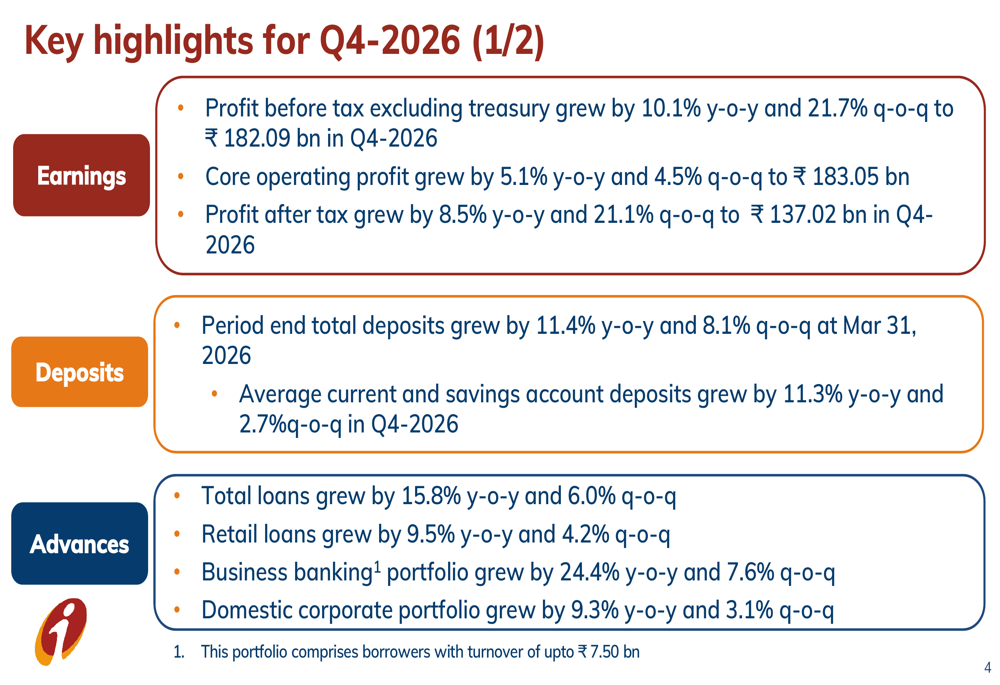
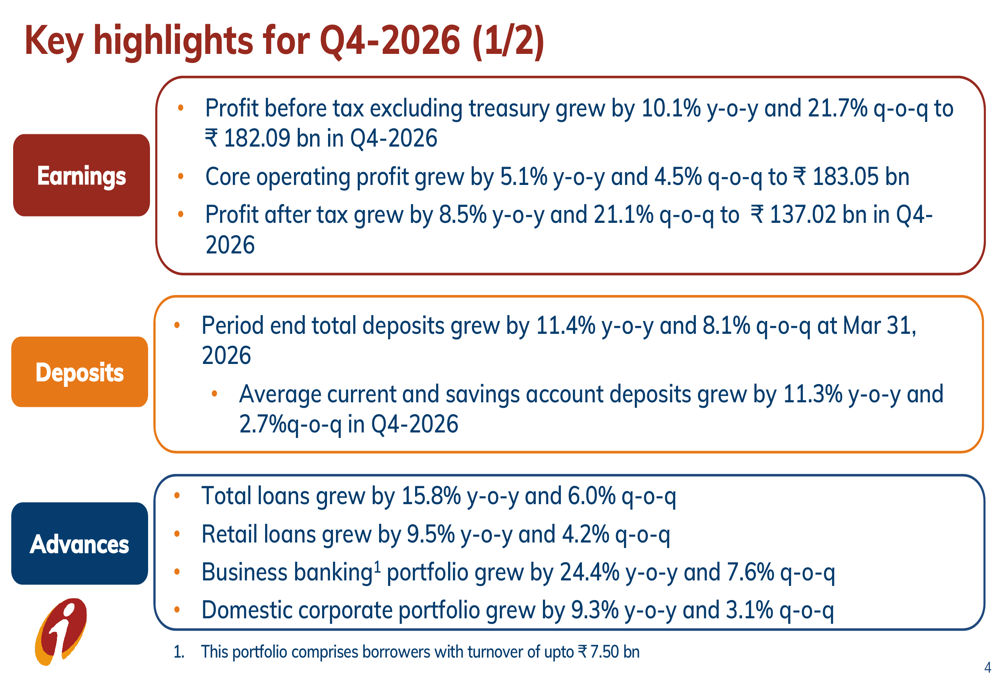
ICICI Bank Q4-2026 slides: profit jumps 21% QoQ, NPAs improve

Trump dismisses Iran’s Hormuz move, says talks still “very good”

Why does Citi see Japanese stocks continuing to go higher?


Pope Leo, newly forceful global voice, arrives in Angola on Africa tour

CARLSBAD, California — MaxLinear Inc. (NASDAQ: MXL), a provider of radio frequency, analog and mixed-signal integrated circuits, trades with mixed signals in April 2026 as investors weigh its push into high-speed AI data center connectivity against ongoing losses, analyst caution and a consensus price target implying downside from recent levels.

As of April 17, 2026, MXL shares closed at approximately $23.35 to $26.27 depending on daily volatility, reflecting a sharp intraday move of over 12% on some sessions but remaining well below historical peaks above $77 in 2021. The stock has shown resilience in 2026 with year-to-date gains, yet Wall Street’s average 12-month price target hovers around $19.57 to $24.00, suggesting potential downside of up to 21% or modest upside depending on the source.
Analyst consensus leans toward Hold. Out of eight to 11 covering firms in recent months, ratings typically break down as two Buy/Strong Buy, five to six Hold and one Sell. Deutsche Bank, Stifel Nicolaus, Benchmark and Northland Securities have maintained Buy or positive stances, citing infrastructure ramps and data center momentum. Others, including Susquehanna and Roth MKM, stick with Hold amid execution risks and arbitration overhangs from disputes like the one with Silicon Motion.
The average price target of roughly $21.55 to $24.00 implies limited near-term catalysts for significant gains. Some optimistic forecasts see MXL reaching $28, while conservative estimates dip as low as $11 to $17. Longer-term 2026 projections vary widely: one model anticipates an average around $21.35 with a trading range of $17.60 to $29.95, while others warn of possible declines to the mid-teens if growth disappoints.
MaxLinear’s business has shifted toward higher-growth areas. The company reported full-year 2025 revenue of $467.6 million, up nearly 30% year-over-year from $360.5 million in 2024, driven by infrastructure strength. Fourth-quarter 2025 earnings beat expectations with EPS of $0.19 versus a $0.09 consensus. Guidance for first-quarter 2026 called for revenue between $130 million and $140 million.
Investors await the Q1 2026 earnings release on April 23, which could clarify momentum in key segments. MaxLinear has highlighted AI-related products as a major opportunity. In March 2026, the company unveiled the Annapurna 224G scale-up retimer, enabling up to 1.6 Tbps electrical connectivity for copper backplanes and active electrical cables in AI data centers. It also launched the Rushmore 1.6T PHY chipset and demonstrated interoperability at industry events like OFC.
These innovations target the exploding demand for high-speed interconnects in AI training clusters. MaxLinear aims to capture about 20% of the 800G/1.6T market over the next few years, potentially generating $200 million to $300 million in annual revenue from this segment. Early traction in 800G PAM4 DSPs could contribute $100 million to $130 million in 2026, with infrastructure expected to become the largest revenue contributor.
Additional product launches, including an intelligent modular power management solution for next-generation broadband SoCs debuted at APEC 2026, expand its footprint in Wi-Fi 7, DOCSIS 4.0, fiber and fixed wireless access. The company also added Western Digital CFO Kris Sennesael to its board in February, signaling a focus on operational discipline.
Despite these positives, challenges persist. MaxLinear posted an operating loss of $102.4 million and a net loss for fiscal 2025, reflecting heavy R&D investment and integration costs from past acquisitions. Gross margins have improved but remain pressured in a competitive semiconductor environment. Insider selling has occurred, and some valuation models, including GuruFocus GF Value, flag the stock as significantly overvalued at current levels compared to intrinsic estimates around $14.80.
Broader industry dynamics add uncertainty. The semiconductor sector faces cyclical risks, supply chain issues and intense competition from larger players in data center optics and electrical interconnects. MaxLinear’s exposure to broadband and infrastructure provides diversification, but near-term growth depends on winning and ramping designs with hyperscalers and OEMs.
Technical indicators offer mixed signals. Short- and long-term moving averages have generated buy signals at times, but the stock trades near recent highs with neutral RSI readings around 45. Volatility remains elevated, typical for small- to mid-cap chip stocks.
For investors considering a position in 2026, the case for buying rests on successful execution in AI connectivity. If MaxLinear captures meaningful share in 800G/1.6T solutions and infrastructure revenue accelerates, the stock could rerate higher toward the $28 to $30 range or beyond. Optimistic scenarios see potential for 50%+ upside if data center momentum exceeds expectations and profitability improves.
The bear case centers on delayed ramps, pricing pressure, continued losses or failure to differentiate in a crowded market. With consensus targets pointing to limited upside or outright downside, many analysts recommend waiting for clearer evidence of sustainable growth post-earnings. A Hold rating reflects this balance: attractive long-term AI exposure but near-term risks that warrant caution.
Portfolio managers often view MXL as a speculative play on data center infrastructure rather than a core holding. Those with high risk tolerance may accumulate on dips below $20, while conservative investors might sell into strength or avoid altogether pending the April 23 earnings call and updated guidance.
MaxLinear’s story in 2026 illustrates the semiconductor sector’s dual nature — explosive potential in AI tailwinds tempered by execution hurdles and valuation discipline. The company’s recent product launches position it for participation in multi-year data center buildouts, but delivering consistent revenue growth and margin expansion will determine whether shares reward patient holders.
As the earnings date approaches, market attention will focus on commentary around AI design wins, broadband trends and any updates on the Silicon Motion arbitration. Positive surprises could spark a rally; shortfalls might pressure the stock toward analyst targets.
Ultimately, MaxLinear represents a high-beta bet on connectivity innovation. Investors bullish on AI infrastructure spending may see value in the current setup, while those prioritizing near-term profitability or lower volatility might look elsewhere. With Q1 results imminent, the coming weeks could clarify whether MXL merits a Buy, Hold or Sell decision for 2026 portfolios.


PLANO, Texas — Cinemark Holdings Inc. is experiencing technical difficulties Saturday evening, April 18, 2026, with many users reporting that the company’s website and mobile app are down or unresponsive during peak weekend moviegoing hours.
Downdetector and other outage tracking sites show a noticeable spike in user reports for Cinemark services, with the majority of complaints centered on the mobile app (around 67%) followed by website access (21%) and checkout problems (7%). While not a complete global outage, the volume of reports is significantly higher than baseline for this time of day, frustrating customers trying to purchase tickets for evening showtimes.
Users across the U.S. and some international locations described being unable to load showtimes, complete purchases, or even log into their Cinemark Movie Rewards accounts. Social media platforms quickly filled with posts from moviegoers encountering error messages such as “Something Went Wrong” when attempting to browse films like Lee Cronin’s “The Mummy” or upcoming releases including the Michael Jackson biopic “Michael.”
Cinemark, one of the nation’s largest theater chains with hundreds of locations, has not yet issued an official statement acknowledging the issue as of late Saturday. Its main website, cinemark.com, intermittently displays normal pages for some users but returns errors or fails to load for others. The mobile app, recently updated on April 14, appears particularly affected, with reports of frozen loading screens or failed ticket transactions.
The timing could not be worse for the exhibition industry. Saturday nights typically see heavy online traffic as families and groups finalize plans for new releases. With spring blockbusters and horror titles drawing crowds, any disruption to digital ticketing forces customers toward box office lines or alternative platforms, potentially costing the chain revenue and goodwill.
This is not Cinemark’s first digital hiccup in 2026. Earlier incidents, including a notable app outage on February 10 and scattered problems in early April, highlighted ongoing challenges with the company’s online infrastructure. Industry analysts note that theater chains have poured resources into digital upgrades since the pandemic, but high concurrent usage during peak periods continues to expose vulnerabilities in cloud services, payment gateways or backend systems.
Cinemark has invested in modernizing its ticketing experience, including enhanced mobile features and integration with its loyalty program. However, like competitors AMC and Regal, it must balance these improvements against rising operational costs and competition from streaming services. The chain reported solid box office momentum during the recent Easter period, but sustained technical reliability remains critical for retaining customers who expect seamless online booking.
For affected users, common troubleshooting steps include refreshing the page, clearing browser cache and cookies, updating the app to the latest version, or trying a different device or network. Some reported success by switching from Wi-Fi to mobile data or vice versa. Others resorted to calling individual theater locations directly to check availability and purchase tickets over the phone, though this option varies by site and can lead to longer wait times.
Cinemark’s stock (NYSE: CNK) showed little immediate reaction in after-hours trading on April 17, closing near $30 before the weekend issues emerged. Analysts maintain generally positive outlooks, with price targets ranging from $30 to $36, citing the company’s premium formats like XD screens and recliner seating as competitive advantages. However, repeated digital disruptions could weigh on consumer perception if not resolved quickly.
The broader movie theater industry faces ongoing pressures in 2026, including uneven box office performance and the need to prove the value of the theatrical experience against at-home viewing options. Major releases still drive strong attendance when they connect with audiences, but technical friction at the point of sale can deter impulse buyers and damage the overall experience.
Cinemark operates theaters across the Americas and has emphasized guest services, including robust support pages for common issues. Its guest services section offers guidance on ticket purchases, rewards and more, but during widespread problems these resources can become overwhelmed or inaccessible.
As Saturday night progresses, moviegoers are advised to monitor Downdetector or Cinemark’s official social channels for updates. In past incidents, such spikes resolved within hours as engineering teams addressed server load or specific bugs. If the issue persists into Sunday, it could impact early showtimes for family-oriented films and further frustrate weekend plans.
Cinemark has not commented publicly on the cause of the current problems. Possible factors include server overload from high weekend traffic, a temporary backend maintenance issue, or a third-party service disruption affecting payment processing or content delivery networks. Similar outages at other entertainment platforms have occasionally stemmed from Cloudflare or related infrastructure problems in recent months.
For those unable to access the site or app, visiting a physical theater remains an option, though popular screenings may sell out faster without online reservations. Some locations offer walk-up ticketing or self-service kiosks that bypass the digital platforms entirely.
The incident serves as a reminder of the theater industry’s increasing reliance on robust digital infrastructure. As Cinemark and its peers compete for entertainment dollars, seamless ticketing has become table stakes for customer satisfaction. Quick resolution of tonight’s issues will be essential to maintaining trust heading into the busy summer movie season.
Users who continue experiencing problems can report them directly through Downdetector or contact Cinemark guest services once systems stabilize. In the meantime, patience and alternative booking methods may be necessary for those determined to catch a film tonight.
Cinemark’s leadership, including CEO Sean Gamble, has previously stressed the importance of investing in technology to enhance the cinematic experience. Tonight’s outage underscores that ongoing work is still needed to ensure reliability during peak demand.
As of the latest checks, the situation remains fluid with reports continuing to come in. Movie fans hoping for a smooth evening at the theater are encouraged to check status pages frequently or plan for possible in-person purchases. Cinemark has a strong track record of resolving such issues promptly, but for now many customers are left refreshing their screens and waiting for services to return to normal.
Business
(VIDEO) Shohei Ohtani Giant Sliding Sculpture Sun Truck Goes Viral in Shibuya for Sekkisei Sunscreen Campaign

SHIBUYA, Japan — A towering blue sculpture of Shohei Ohtani captured mid-slide, clutching a bottle of sunscreen, is turning heads and drawing crowds in one of Tokyo’s busiest districts as the Los Angeles Dodgers superstar’s latest endorsement deal rolls through the streets in a custom promotional truck.
One of Shohei Ohtani’s sponsors is Sekkisei Sunscreen. — Jeffrey J. Hall 🇯🇵🇺🇸 (@mrjeffu) April 18, 2026
They’ve got an “Ohtani Sun Truck” driving around Shibuya. It has a giant sculpture of Shohei sliding while holding their product.
A message at the bottom says to check the hashtag #大谷SUNトラックpic.twitter.com/QTkJw3vBpa
The “Ohtani Sun Truck,” sponsored by Japanese skincare brand Sekkisei, made its presence felt Friday in Shibuya as part of an ongoing SNS campaign. Video footage circulating rapidly on social media shows the white truck navigating congested intersections near the iconic Shibuya Scramble Crossing, its flatbed featuring a life-sized figure of Ohtani in a dramatic baseball slide pose surrounded by stylized blue waves representing sunscreen protection. The sculpture, complete with Ohtani’s signature cap and uniform details, has become an instant photo magnet for passersby.
The campaign, promoted under the hashtag #大谷SUNトラック, highlights Sekkisei’s “Sekkisei Sunscreen” line, one of several high-profile endorsements Ohtani maintains in his native Japan even while starring for the Dodgers in Major League Baseball. The truck’s side panels prominently display the brand’s logo alongside Japanese text announcing the SNS campaign’s rollout, with English phrases like “Ohtani SUN Truck” visible to international visitors.
Footage shared widely on X shows the truck inching through traffic amid buses, taxis and throngs of pedestrians who stopped to snap photos and videos. Crowds gathered on sidewalks, many holding up phones to capture the spectacle as the vehicle made its way through the bustling area. The promotion underscores Ohtani’s unparalleled star power in Japan, where he remains a national icon years after leaving the Hokkaido Nippon-Ham Fighters for MLB.
Ohtani, 31, has dominated Japanese advertising since his 2018 MLB debut. His endorsements span major brands including Asics, Mizuno, Hugo Boss and now Sekkisei, reflecting his status as one of the country’s most marketable athletes. Industry analysts estimate his annual endorsement income exceeds $50 million, with domestic deals forming a significant portion despite his U.S. residence. The sunscreen campaign taps into Japan’s robust beauty and skincare market, where functional products emphasizing UV protection align perfectly with Ohtani’s active, outdoors-oriented image.
The truck’s design cleverly merges Ohtani’s athletic prowess with product messaging. The sliding pose evokes his base-stealing and fielding highlights, while the blue splash elements symbolize the sunscreen’s protective barrier. Organizers positioned the vehicle in high-traffic areas like Shibuya to maximize visibility during peak shopping and commuting hours. Similar promotional vehicles have appeared in other Tokyo neighborhoods, according to local reports, as part of a broader spring rollout tied to warmer weather and increased outdoor activity.
Social media reactions poured in almost immediately. Users praised the creativity, with one X post describing the truck as “impossible to miss” in central Shibuya. Others noted the absence of Dodgers branding, speculating that Sekkisei opted for a Japan-centric focus to resonate more strongly with domestic consumers. The post quickly amassed hundreds of likes, reposts and views, amplifying the campaign’s reach beyond those physically present.
Ohtani’s cultural footprint in Japan extends far beyond advertising. Born in Oshu, Iwate Prefecture, he rose to fame as a two-way player for the Fighters before signing a record $700 million contract with the Dodgers in 2023. His 50-50 season in 2024 — 50 home runs and 50 stolen bases — cemented his global superstar status, but back home he remains a symbol of national pride. Japanese media cover his every MLB game extensively, and his endorsements often feature him in familiar settings or with subtle nods to his heritage.
The Sekkisei partnership fits a pattern of brands leveraging Ohtani’s wholesome, high-achieving persona. The company, known for its traditional Japanese herbal skincare formulas, positions the sunscreen as premium protection suitable for athletes and everyday users alike. Marketing materials emphasize UV defense, lightweight feel and suitability for active lifestyles — attributes tied directly to Ohtani’s rigorous training and game-day demands.
Experts in Japanese advertising say such experiential campaigns remain highly effective in a market saturated with digital ads. “Physical activations like branded trucks create memorable, shareable moments that social media then multiplies exponentially,” said one Tokyo-based marketing consultant who requested anonymity to discuss industry trends. “With Ohtani, the emotional connection is already there. People don’t just see a product; they see a hero.”
The campaign arrives as Ohtani continues his 2026 MLB season with the Dodgers. Early reports from spring training and the opening weeks highlighted his continued excellence at the plate and on the mound, fueling speculation about another MVP-caliber year. Japanese fans follow his progress closely, and promotional tie-ins like the Sun Truck help maintain that bond across the Pacific.
Public response in Shibuya reflected genuine enthusiasm. Pedestrians of all ages paused to admire the sculpture, with families and groups of friends posing for selfies. Some waved at the driver, while others shared live updates on social platforms. The truck’s slow pace through intersections allowed ample viewing time, turning a routine commute into a pop-culture event.
Sekkisei has not released official viewership or engagement figures for the activation, but the rapid spread of user-generated content suggests strong initial impact. Similar past campaigns by Ohtani’s sponsors — from baseball-themed vending machines to limited-edition merchandise — have generated millions of impressions and boosted brand awareness significantly.
The promotion also highlights broader trends in athlete marketing. As global stars like Ohtani command massive audiences, brands increasingly blend digital and real-world experiences to cut through noise. In Japan, where respect for athletes runs deep and consumer loyalty to domestic brands remains strong, such activations reinforce cultural ties even as Ohtani thrives abroad.
For Ohtani himself, the deal represents another layer of his carefully managed public image. He rarely appears in person for these activations, allowing the creative elements — like the sliding sculpture — to carry the message. This approach preserves his focus on baseball while still capitalizing on his marketability.
As the Sun Truck continues its route through Tokyo, it serves as a vivid reminder of Ohtani’s enduring appeal. Whether navigating Shibuya’s chaotic streets or dominating MLB diamonds, the two-way phenom continues to captivate audiences on both sides of the Pacific. The campaign’s viral spread on platforms like X ensures that even those far from Japan can experience the spectacle.
Industry watchers expect more activations tied to Ohtani’s endorsements throughout the 2026 season, especially around key milestones like All-Star voting or playoff pushes. For now, Shibuya residents and visitors have a larger-than-life tribute rolling through their streets — proof that Ohtani’s star continues to shine brightly, even when he’s thousands of miles away.
The Sekkisei Sun Truck campaign exemplifies how one of baseball’s biggest names remains deeply embedded in Japanese popular culture. As crowds continue gathering and videos keep circulating, the giant sliding sculpture stands as both product placement and cultural touchstone, blending commerce, sports and national pride in a single memorable drive through Tokyo’s beating heart.

Anthropic’s relationship with the Trump administration seems to be thawing

The family story behind Ramsbottom’s hidden gem Park Farm

Demi Moore Joins Charlize Theron and Julia Garner in Amazon MGM Culinary Thriller ‘Tyrant’

Why Israel is blocking foreign journalists from entering

Bitcoin: We’re Entering The Most Dangerous Phase

Alan Cumming Brands Baftas Ceremony A ‘Triggering S**tshow’

#trading #cryptotrading #cryptocurrency

robux #bandlab #money #beats #smartphone #music #roblox #greenscreen #memes #cryptocurrency #automob

MASTERCARD AND XRP LEDGER #XRP #XRPCommunity #XRPArmy #Ripple #Crypto #Cryptocurrency #CryptoNews
-
 NewsBeat6 days ago
Pep Guardiola and Gary Neville agree over Arsenal title problem that benefits Man City
-

 Crypto World5 days ago
The SEC Conditionalises DeFi Platforms to Be Avoided for Broker Registration
-

 Politics6 days ago
World Cup exit makes Italy enter crisis mode
-

 Crypto World5 days ago
SEC Signals Exemption for Crypto Interfaces From Broker Registration
-

 Fashion21 hours ago
Weekend Open Thread: Theodora Dress
-

 News Videos3 days ago
Secure crypto trading starts with an FIU-registered
-

 Sports1 day ago
NWFL Suspends Two Players Over Post-Match Clash in Ado-Ekiti
-

 Crypto World4 days ago
SEC Proposes Certain Crypto Interfaces Don’t Need to Register as Brokers
-

 NewsBeat4 days ago
Trump and Pope Leo: Behind their disagreement over Iran war
-

 Business7 days ago
Ireland Fuel Protests Enter Day 5 as Blockades Spark Shortages and Government Prepares Support Package
-

 Politics19 hours ago
Palestine barred from entering Canada for FIFA Congress
-
 NewsBeat6 days ago
JD Vance announces ‘no agreement’ with Iran over nuclear weapons fear
-

 Crypto World17 hours ago
Russia Pushes Bill to Criminalize Unregistered Crypto Services
-
Sports6 days ago
Dexter Lawrence, Stefon Diggs, Trading for De’Von Achane
-

 Crypto World5 days ago
Trump whales load up ahead of Mar-a-Lago luncheon.
-

 Sports5 days ago
NWFL opens Pathway for new Clubs ahead of 2026 Season
-
 Business2 days ago
Creo Medical agree sale of its manufacturing operation
-
 Crypto World6 days ago
Sei Network Enters Quiet Reset Phase as On-Chain Metrics Signal a Slowdown in 2026
-
Business5 days ago
Kering slides after Morgan Stanley downgrade, Gucci woes loom
-
 Entertainment5 days ago
Karol G’s ‘Ultra Raunchy’ Coachella Set Gave ‘Satanic Vibes’
You must be logged in to post a comment Login