
Connect with us
DAPA Banner

Tech

PlayStation To Require Age Verification For Messages and Voice Chat

Published

on

A new email from Sony says that PlayStation will require players to verify their age later this year to keep using communication features like messages and voice chat. Insider-Gaming reports: The initiative comes from the goal of providing “safe, age-appropriate experiences for players and families while respecting their privacy” and providing “meaningful control over their gaming experiences.” The age-verification process will be implemented globally, and players will need to verify their age to continue using PlayStation communication services, such as messages and voice chat. If the player opts not to verify their age, they can still use other services, such as games, trophies, and the store. Only the communication experience will be affected if you choose not to verify your age. PlayStation didn’t provide a date for when players will need to begin the verification process.

Source link

Continue Reading
Click to comment

You must be logged in to post a comment Login

Leave a Reply

Tech

Tim Cook to step down as Apple CEO, hardware chief John Ternus takes the helm

Published

on


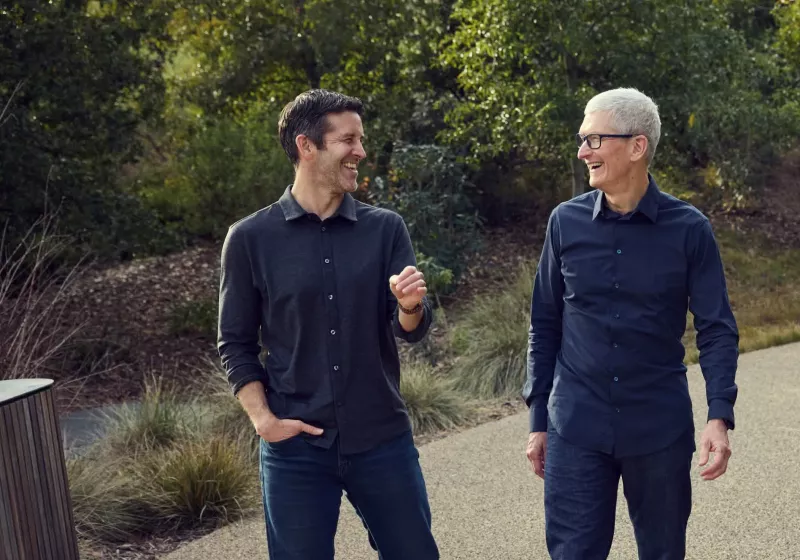
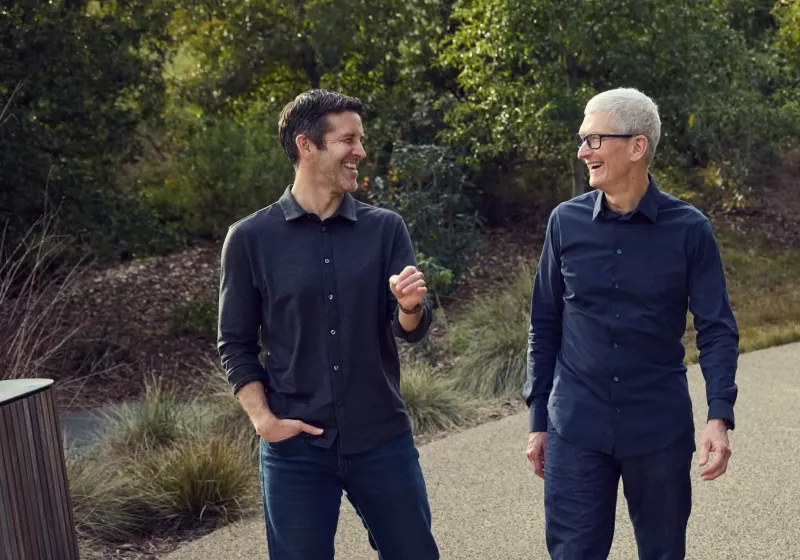
Tim Cook has announced that he will be stepping down as Apple CEO on September 1. Senior vice president of hardware engineering John Ternus, long seen as the company’s leading succession candidate, will take over following a summer transition period.
Read Entire Article
Source link

Continue Reading

Tech

BackgroundChecks.com review | TechRadar

Published

on

Why you can trust TechRadar


We spend hours testing every product or service we review, so you can be sure you’re buying the best. Find out more about how we test.

BackgroundChecks.com is a cloud-based background screening platform designed to streamline the hiring process by making it faster, safer, and more organized. Previously known as ClearChecks, the platform automates time-consuming verification tasks, helping employers confirm candidate details while maintaining legal compliance.

In a hiring landscape where speed must balance with accuracy, BackgroundChecks.com aims to deliver both efficiency and reliability.

Advertisement

Source link

Continue Reading

Tech

Today’s NYT Mini Crossword Answers for April 21

Published

on

Looking for the most recent Mini Crossword answer? Click here for today’s Mini Crossword hints, as well as our daily answers and hints for The New York Times Wordle, Strands, Connections and Connections: Sports Edition puzzles.


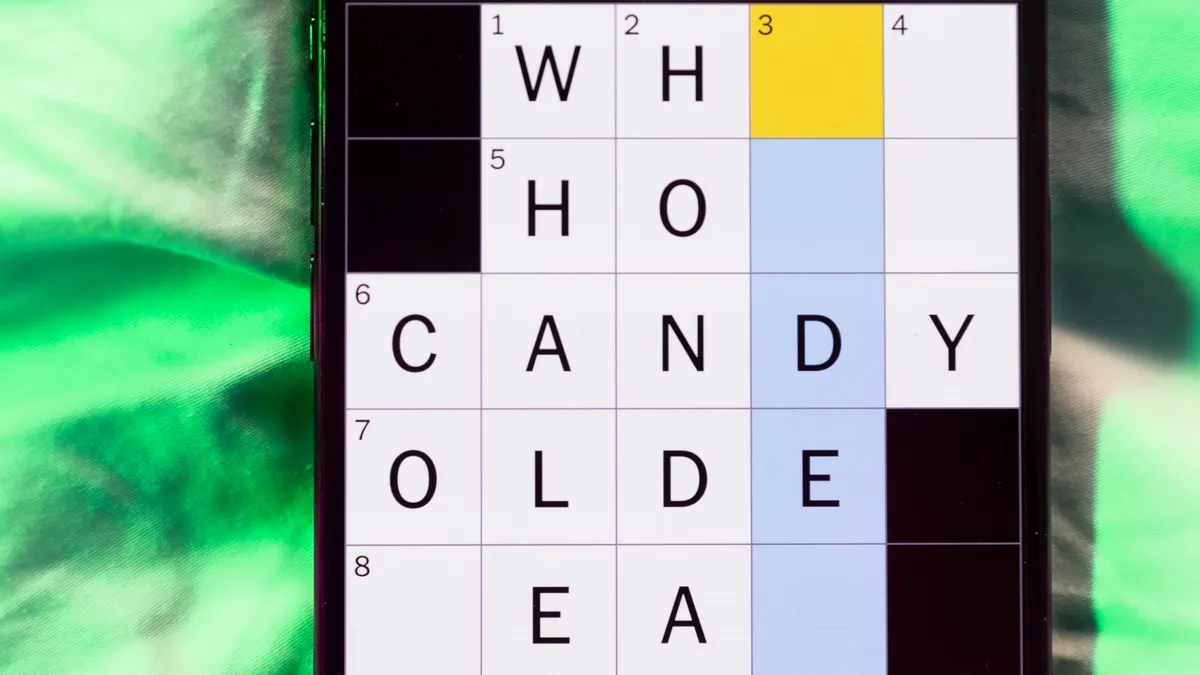
Need some help with today’s Mini Crossword? I thought that 4-Across, 7-Across and 3-Down were pretty fun — little puzzles inside of the puzzle. Read on for all the answers. And if you could use some hints and guidance for daily solving, check out our Mini Crossword tips.

If you’re looking for today’s Wordle, Connections, Connections: Sports Edition and Strands answers, you can visit CNET’s NYT puzzle hints page.

Advertisement

Read more: Tips and Tricks for Solving The New York Times Mini Crossword

Let’s get to those Mini Crossword clues and answers.

completed-nyt-mini-crossword-puzzle-for-april-21-2026.png

The completed NYT Mini Crossword puzzle for April 21, 2026.

Advertisement

NYT/Screenshot by CNET

Mini across clues and answers

1A clue: Like the name Phil Quickley, for a speedy crossword solver?
Answer: APT

4A clue: What connects these names: Al Green, Betty White, Rose Byrne
Answer: COLOR

6A clue: Star ___ (plant with a pointy pod)
Answer: ANISE

Advertisement

7A clue: What connects these names: Tennessee Williams, Georgia O’Keeffe, Denzel Washington
Answer: STATE

8A clue: Teslas and Rivians, for short
Answer: EVS

Mini down clues and answers

1D clue: Assumed name
Answer: ALIAS

2D clue: Washington paper
Answer: POST

Advertisement

3D clue: What connects these names: Chris Pine, Zach Cherry, Willow Smith
Answer: TREE

4D clue: Detective’s assignment
Answer: CASE

5D clue: Currently broadcasted
Answer: ONTV

Advertisement

Source link

Continue Reading

Tech

Merz, Siemens call for easing of EU regulations on industrial AI

Published

on

At the huge Hannover Messe trade fair over the weekend, attendees heard calls for a lightening of EU Act regulations for industrial AI.

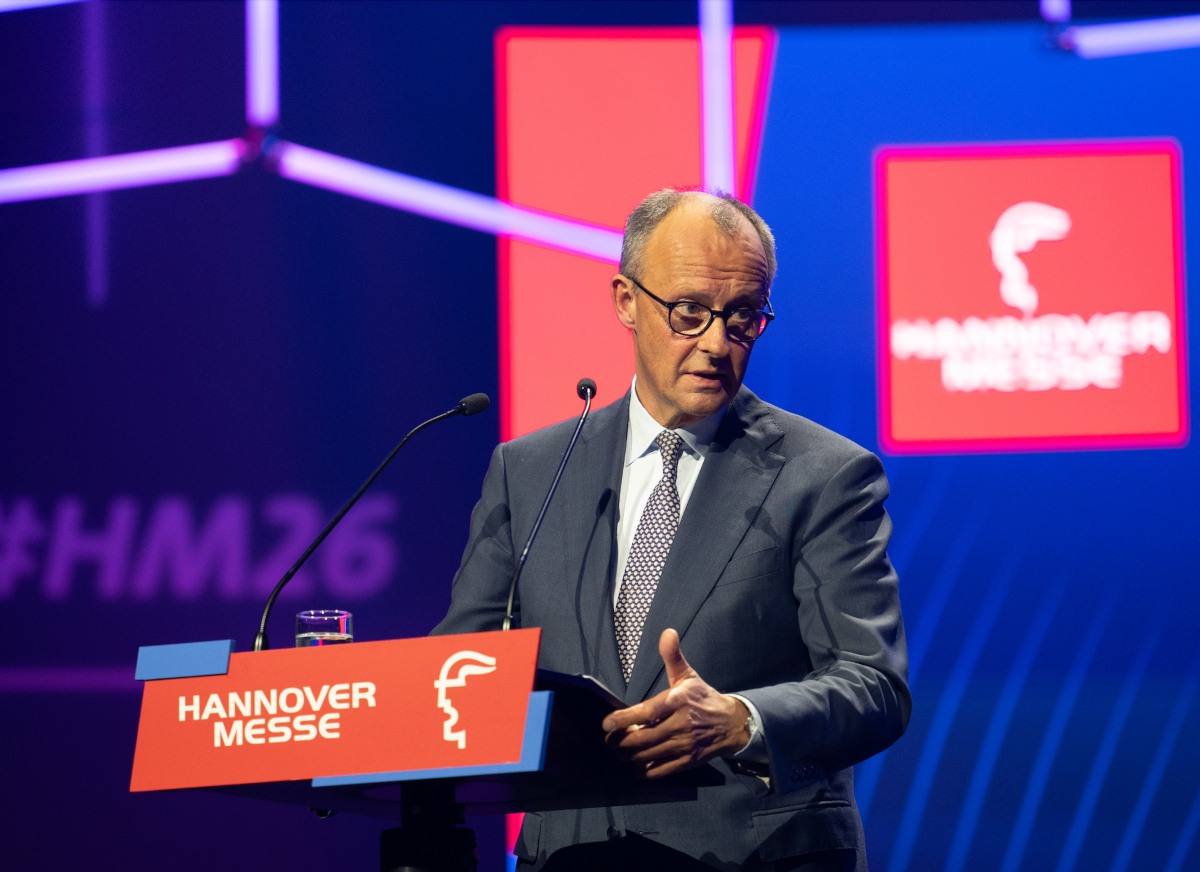
It’s one of the largest industrial trade fairs in the world, and little surprise that AI dominates this year at the Hannover Messe in Germany, with both the CEO of Siemens and German chancellor Friedrich Merz calling for a carve-out for industrial AI when it comes to EU regulations.

In a speech on Sunday, Merz warned that if Europe is to boost productivity, industrial AI will need more regulatory freedom than, for example, consumer AI.

“I will ​push to ease the regulatory burden ⁠in the EU on AI and, ​where possible, to exempt industrial AI ​from the current regulatory straitjacket that is too tight for AI within the European Union,” ​Merz said in his speech.

Advertisement

“AI will contribute ‌to ⁠greater efficiency and productivity, optimised use of resources and, above all, reduced costs.”

This position may well be influenced by the views of Munich-based Siemens, Germany’s most valuable company with a market capitalisation of some €194bn, according to Bloomberg.

Speaking in an interview at the Hannover Messe, Siemens CEO Roland Busch warned the industrial giant would prioritise investments in the US and China if the EU did not lighten its regulations in a sector he said is already subject to sector-specific regulations.

“It’s complete nonsense to treat industrial and machine data the same way as personal data,” Busch said, according to Bloomberg. “I can’t explain to my shareholders why I’m investing money in an environment where I’m being held back.”

Advertisement

The warnings come at a time when the EU’s AI Act is due to come into full force on 2 August of this year. While supporters have hailed the EU’s position on AI as a measured and necessary approach to a technology that has led to scandals like that of the Grok ‘nudification’ app, both critics and supporters continue to call for amendments, as Europe vies to compete in the fast-moving world of AI innovation. So we can expect to hear many more such calls between now and August.

Don’t miss out on the knowledge you need to succeed. Sign up for the Daily Brief, Silicon Republic’s digest of need-to-know sci-tech news.

Source link

Advertisement
Continue Reading

Tech

Hyundai’s Ioniq 3 has the range, the looks, and the space to win you over

Published

on

Hyundai has officially unveiled the Ioniq 3, a compact hatchback for European markets, and it’s going after something most EVs struggle to nail: being genuinely practical for real life. Hyundai promises no range anxiety, no confusing tech, and no cramped back seats. 

But does the Ioniq 3 bring enough features to the table to stand head-to-head with the competition? Let’s find out.

What makes the Ioniq 3 stand out in a crowd?

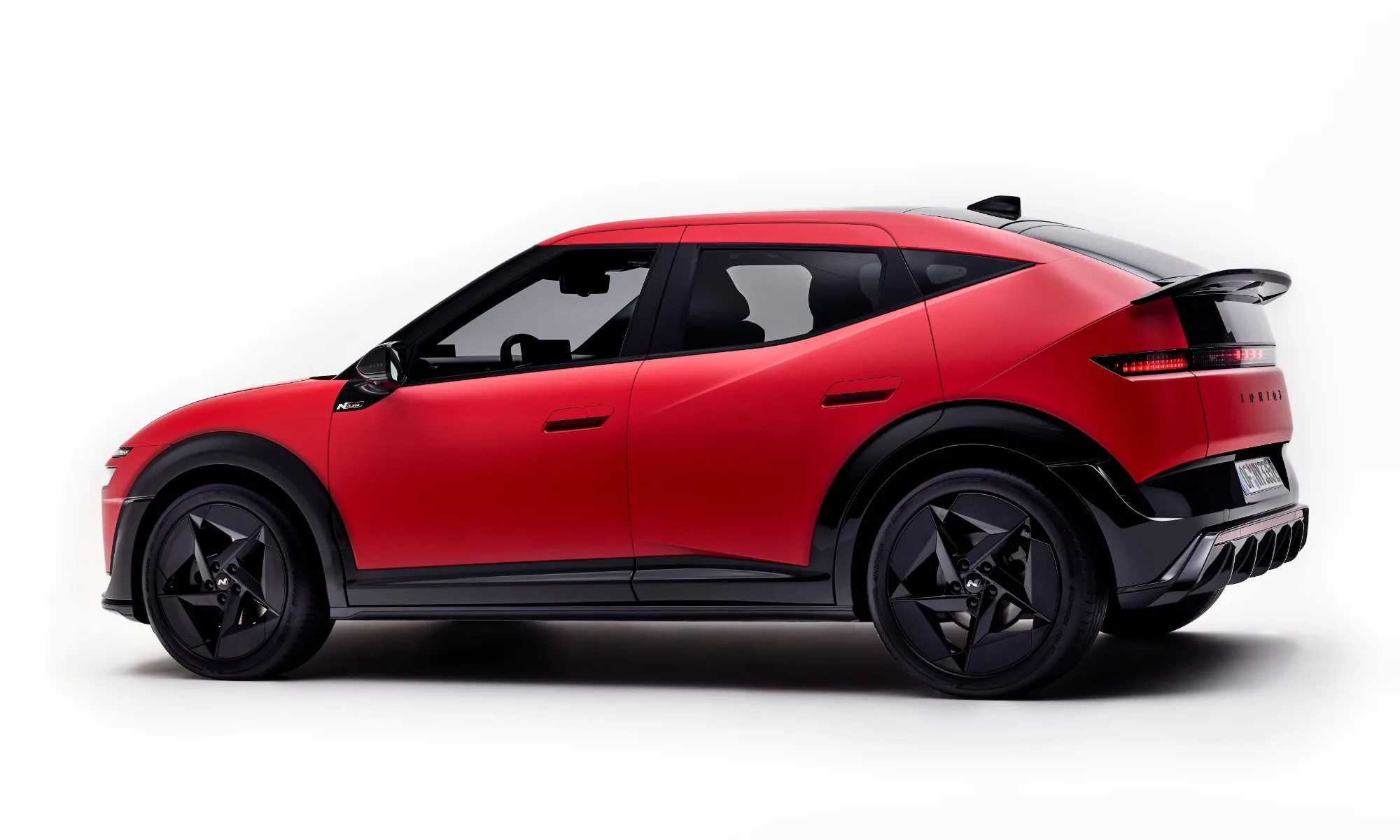
For Hyundai, it all starts with the design. The company is calling it “Art of Steel,” and the idea is pretty simple: clean surfaces, sharp lines, and no unnecessary fuss. The Ioniq 3 introduces a new Aero Hatch silhouette with a sleek roofline that flows straight into a rear spoiler, giving it a distinctive look without trying too hard. 

It also features Hyundai’s signature pixel lighting and four central dots that reference the letter “H” in Morse code, a nice easter egg for buyers. You get eleven exterior color options, multiple interior schemes, and wheel sizes ranging from 16 to 19 inches. There’s also an N Line variant if you want a sportier look.

Honestly, I like this design and prefer it over the too minimalist aesthetic that EV cars generally go for.

Are the specs good enough to ditch your petrol car?

While the design looks good, it wouldn’t matter much if the car cannot deliver a good range and performance. According to the press release, the Ioniq 3 comes in two battery options. The Standard Range offers a projected 344 km (213 miles) WLTP range, while the Long Range bumps that up to 496 km (308 miles), which Hyundai claims will be class-leading. 

Advertisement

What excites me more than the range is the fast charging tech. DC fast charging takes either version from 10 to 80 percent in under 30 minutes, and AC charging goes up to 22 kW. It’s not as good as what Chinese rivals like Xiaomi or BYD are offering, but it’s nothing to scoff at either. Both versions produce 250 Nm of torque, with a top speed of 170 km/h.

Inside, the flat-floor layout gives you genuine rear legroom and headroom comfortable enough for three adults in the back seat. The trunk offers 441 liters of space, with a bonus compartment hidden beneath the trunk floor. The cabin comes with heated and ventilated seats, a BOSE sound system, and dual-zone climate control, which feels generous for this segment.

As you can see, the Ioniq 3 is packed with features, offers a good range, and looks good while doing it. The car will be produced at Hyundai’s plant in Turkey, with pricing yet to be announced. That said, online chatter suggests it will start at around £25,000–£30,000. If Hyundai can hit that price, it might have a winner in its hand.

Source link

Advertisement
Continue Reading

Tech

New Apple hardware chief wastes little time in introducing five underlings

Published

on

Apple may have combined its two hardware teams into one under Johny Srouji, but he’s taken it a step further by segmenting his hardware group into five. Though not much really changed.

Smiling middleaged man with short gray hair and glasses wearing a dark blue buttonup shirt, standing in a modern, brightly lit office with blurred desks and computer screens behind him
Apple’s newest c-suite member Johny Srouji

Apple CEO Tim Cook is stepping down and giving the position to John Ternus, who is currently the SVP of Hardware Engineering. That position is being absorbed by Johny Srouji, who will now be the Chief Hardware Officer.
According to an internal memo obtained by Bloomberg, Srouji introduced his five areas of focus and the leaders reporting to him. There are zero surprises or any real notable change.
Continue Reading on AppleInsider | Discuss on our Forums

Source link

Continue Reading

Tech

Cyberdeck Build Gets Closer To Regular Laptop Than Most

Published

on

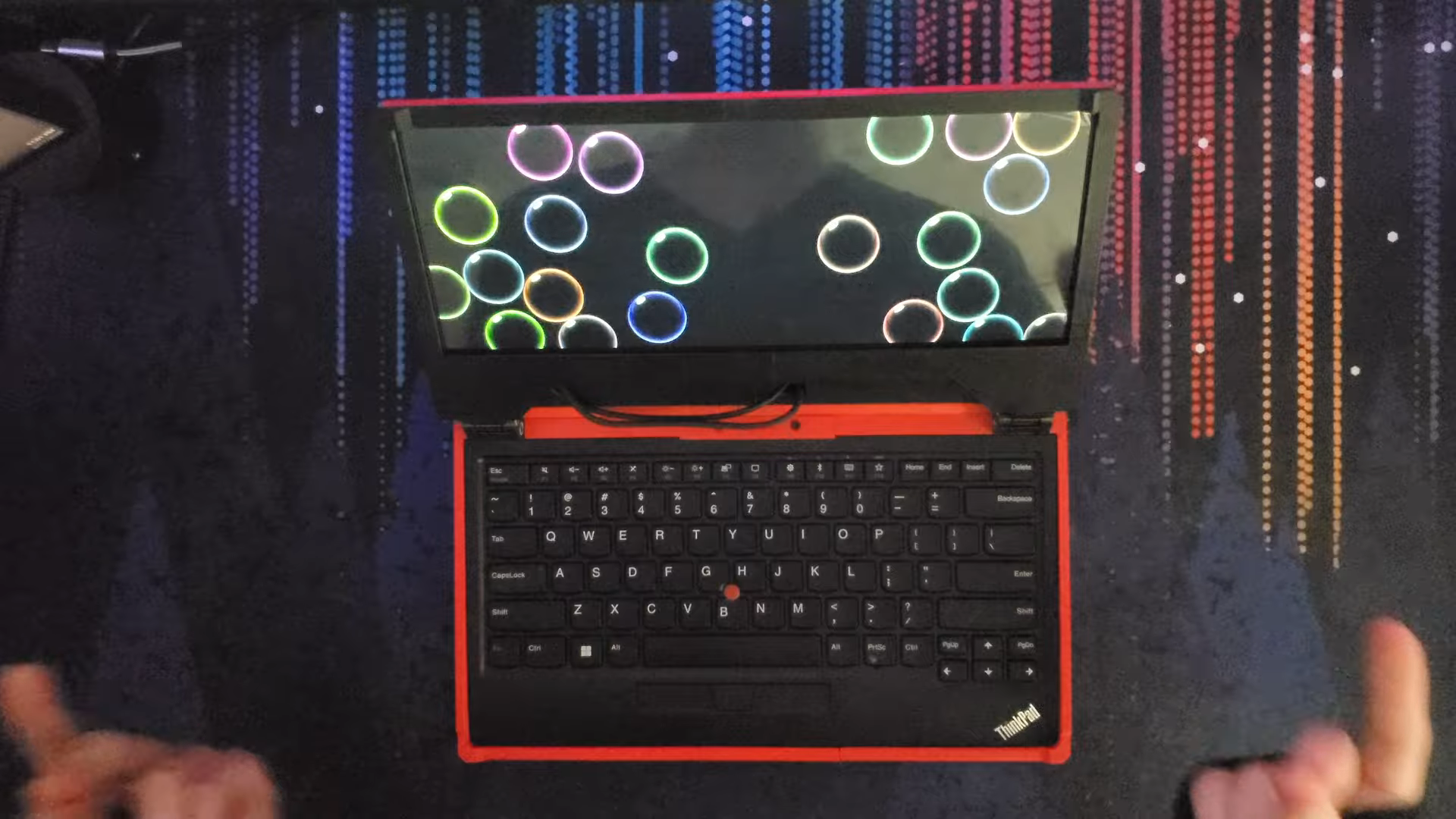
Cyberdecks are typically reminiscent of weird computers in futuristic sci-fi films, moreso than the computers of today. The cool thing about cyberdecks, though, is you get to build them however you like. [WillTechBuilds] has put together a deck of his own that diverges from cyberdeck norms and ends up closer to something you might have bought off the shelf at Best Buy.

For a start, the build eschews the typical Raspberry Pi or other single-board computer that normally lives at the heart of a cyberdeck. In its place is a motherboard harvested from a GMKTec NucBox G5. It runs the Intel N97 CPU. It’s an x86 processor that’s roughly equivalent in power to an i5 from 10 years ago, but it only sips 12 watts. The compact motherboard is installed in a compact 3D-printed case along with a porbable USB-C battery pack, a small widescreen LCD, and a Lenovo ThinkPad trackpoint keyboard. This latter design choice, along with the x86 chip, is what gives this build so much of a laptop feel. There’s no weird Linux desktop, green-glowing terminal, or chunky mechanical keyboard here, let alone any GPIO pins. Definitely an oddball entry to the cyberdeck world, but valid nonetheless.

We’ve featured cyberdecks built out of everything from CRT TVs to event badges. As always, we’d love to see your latest innovative creation on the tipsline. Video after the break.

Advertisement

[Thanks to Heath Kit for the tip!]

Advertisement

Source link

Continue Reading

Tech

Xperia I VIII design leak shows Sony is still living in the past

Published

on

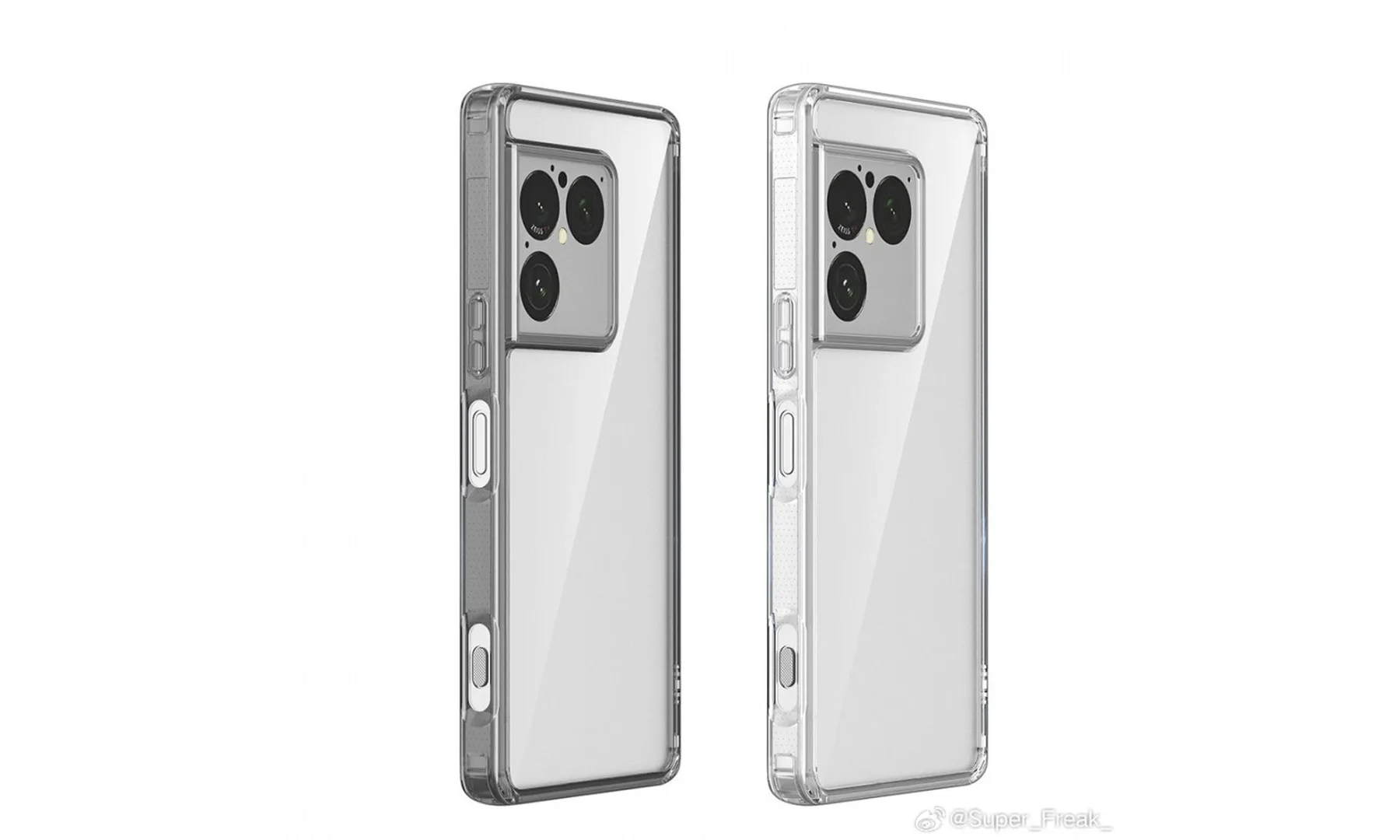
Over the years, smartphone brands have steadily refined their craft. From design to performance, devices in 2026 feel sharper, smarter, and far more polished than before. But a recent look at the Sony Xperia 1 VIII suggests Sony might be holding on a little too tightly to the past, and not entirely in a good way. Here’s why I feel that way.

This doesn’t look like the Sony we remember

I remember when Sony really stood out. There was a certain confidence to its design language, something that felt distinct. Looking at the Xperia 1 VIII now, though, it feels like that clarity has faded a bit. The back panel, at least in this render, is where things really fall apart for me. The design looks absolutely confusing. Sony’s signature vertically aligned camera setup has always been part of its identity, and moving away from that strips away a sense of familiarity that long-time users associated with the brand. Without that, the design feels oddly generic, almost like it could belong to any other phone.

As for the camera island, it comes across as bulky and somewhat dated, reminding me of the OnePlus 10 Pro from 2022, a design language even OnePlus has since moved on from. That’s what makes this feel particularly off. It feels like revisiting an idea the rest of the industry has already left behind.

What stands out even more is how out of sync this feels with where smartphone design is headed today. Most brands are leaning into cleaner, more minimal aesthetics that feel refined and modern. Loud, heavy camera islands are usually reserved for niche or limited-edition designs now, not mainstream flagships.

All of this makes it seem like Sony isn’t quite setting its own direction, but is instead borrowing from trends that have already run their course. And for a brand that once led with such a strong design identity, that shift feels a little disappointing.

Advertisement

A shift without a sense of direction

To be honest, I’ve always held Sony to a slightly higher standard. It was one of those brands you expected to take a clear, confident stance on design and experience. That’s why this feels a bit disappointing now. It’s not just about one device, but the sense that the brand has lost some of its direction along the way.

At a glance, the Xperia 1 VIII certainly tries to set itself apart, but that distinction feels a bit hollow. It comes across more like a shift without a clear purpose. That’s where it starts to lose ground. In the current flagship landscape, looking different isn’t enough on its own. A design needs to carry intent, show progression, and align with the direction the industry is moving in. This one doesn’t quite deliver on that front. Standing out is simple; moving the needle is what really counts.

Source link

Advertisement
Continue Reading

Tech

Ben McKenzie Says Crypto Has a Secret Ingredient: Male Loneliness

Published

on

Ben McKenzie had a question: “When did WIRED die?” Specifically, the actor-director wanted to know when did WIRED “‘DIE,’ all caps.”

McKenzie wasn’t asking for himself; he was engaging in the time-honored celebrity tradition of reading mean tweets. Although, in this case, the object wasn’t himself so much as the publication hosting the event. McKenzie, who famously played Ryan on The O.C. before becoming a leading voice of crypto skepticism, was sharing the stage with WIRED senior correspondent Andy Greenberg for the first of what will hopefully be a series of smaller events that we are calling WIRED@Night.

On April 16, about 100 people gathered at event partner Ace Hotel Brooklyn to sip drinks from Aplos, Faccia Brutto, The Sorting Table, and Manojo and ponder the future of cryptocurrency.

McKenzie, coauthor of Easy Money: Cryptocurrency, Casino Capitalism, and the Golden Age of Fraud, has a new independent documentary in theaters called Everyone Is Lying to You for Money. Greenberg, who often writes about crypto scams, talked to him about scenes from the book and movie, in which McKenzie traveled to places like crypto hub El Salvador to understand why the technology still has so much appeal despite its less-than-stellar reputation.

Advertisement

One of McKenzie’s explanations? Male loneliness. “It’s the longing for community, actual community,” McKenzie said, noting that crypto exists online as a kind of extreme gambling, something that really exploded into the mainstream during the Covid-19 pandemic. Here’s to more IRL antidotes to that kind of digital isolation.

Source link

Continue Reading

Tech

Philips Baristina Milk Frother review: perfectly frothed milk every time, including non-dairy alternatives.

Published

on

Why you can trust TechRadar


We spend hours testing every product or service we review, so you can be sure you’re buying the best. Find out more about how we test.

Philips Baristina Milk Frother: Two-minute review

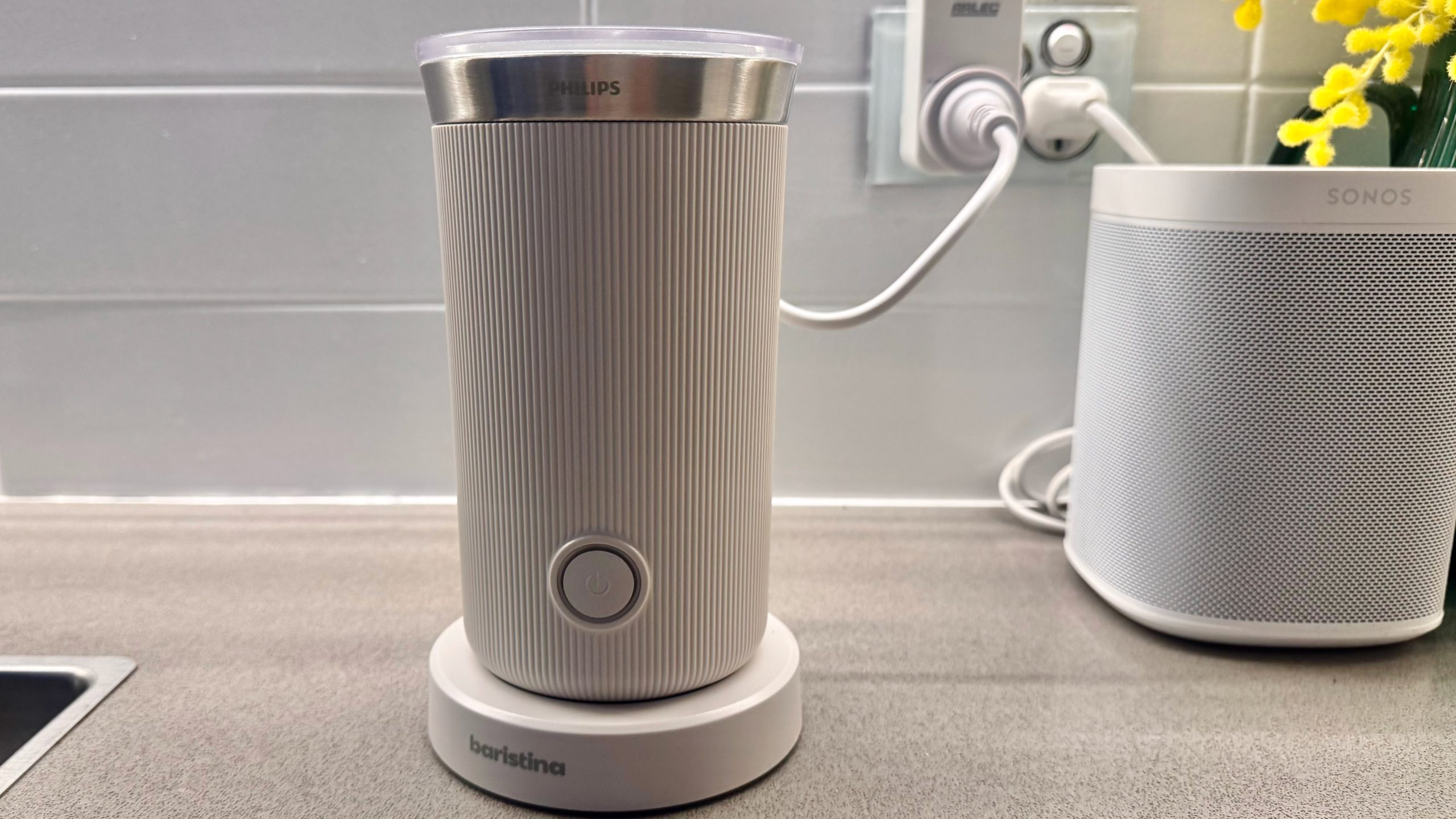
The Philips Baristina milk frother is designed to be partnered with the company’s Baristina bean-to-cup espresso machine, and it works an absolute treat. As it’s available as an optional extra for the Baristina machine, I’ve been using it for a couple of weeks alongside my Philips LatteGo 4400 Series espresso machine, and have found it to deliver much more pleasing results compared to my machine where milk foam is concerned.

It has three modes: hot milk foam, hot milk and cold milk foam. It’s incredibly easy to control, with just a single button that you press for no more than one second for hot milk foam, or you can hold it for three seconds to activate the cold milk foam mode. If you want hot milk, you need to remove the coil from the whisk before starting up the machine. Once the button is pressed, the Philips Baristina Milk Frother will spring into action to deliver you a foamy result. There’s no audible beep to let you know it’s finished, but the light on the button will go out.

Advertisement

Source link

Continue Reading

Trending

Copyright © 2025