
Crypto World
United Rentals (URI) Stock Soars 20% Following Robust Q1 Results and Upgraded Forecast


Key Takeaways
- First-quarter earnings per share reached $9.71, surpassing the Wall Street estimate of $8.95
- Revenue for the quarter totaled $3.99 billion, representing an 8.7% year-over-year increase and exceeding the $3.87B forecast
- Annual revenue projection elevated to $16.9B–$17.4B range, improved from previous $16.8B–$17.3B outlook
- Expansion fueled by nonresidential construction, infrastructure projects, power sector, and mining operations
- Bernstein maintained its Outperform rating as URI has delivered 37% gains over the trailing twelve months
The equipment rental leader delivered an impressive first quarter that exceeded analyst projections on both the top and bottom lines, triggering a swift market response.
Shares of URI skyrocketed approximately 20% during Thursday’s trading session, reaching levels near $960, positioning it as the S&P 500’s strongest performer for the day. The stock has now gained 32% in April alone and posted 19% gains year-to-date.
Adjusted earnings per share for the first quarter registered at $9.71, exceeding analyst expectations of $8.95 by $0.76. This represents growth from the $8.86 per share recorded in the comparable period last year. Total revenue reached $3.99 billion, marking an 8.7% increase from the prior-year figure of $3.72 billion and surpassing the consensus estimate of $3.87 billion.
Rental revenue—representing the company’s primary business segment—advanced to $3.42 billion, improving from $3.15 billion in the first quarter of 2025 and establishing a new quarterly record for the period. The average original equipment cost increased 5.7%, while overall fleet productivity showed improvement of 2.3%.
CEO Matthew Flannery highlighted that expansion came from multiple business segments. On the construction front, nonresidential construction and infrastructure projects drove performance, while the industrial segment benefited from strength in power, mining, and minerals.
New construction activity in healthcare facilities, data centers, manufacturing plants, and infrastructure projects all played a role in the quarter’s strong showing.
Company Elevates Full-Year Projections
United Rentals increased its annual revenue forecast to a range of $16.9 billion to $17.4 billion, representing an upgrade from the previous guidance of $16.8B to $17.3B. The revised midpoint of $17.15 billion slightly exceeds the Street consensus of $17.07 billion.
The company tightened its adjusted EBITDA guidance to $7.625B–$7.875B, compared to the earlier range of $7.575B–$7.825B. Free cash flow projections remained steady at $2.15B–$2.45B.
During the analyst call, Flannery noted the year is “playing out better than we expected just a few months ago,” emphasizing that field-level feedback continues to be positive, particularly regarding large-scale projects.
World Cup Tournament Provides Additional Tailwind
Flannery specifically highlighted one notable opportunity: the 2026 FIFA World Cup. The company anticipates serving as “a key partner” for the international tournament beginning in the second quarter.
Construction activity is currently progressing throughout host cities in the United States, Mexico, and Canada, encompassing stadium modifications to meet FIFA specifications along with extensive infrastructure enhancements.
First-quarter adjusted EBITDA totaled $1.76 billion, exceeding consensus projections by 5%. The General Rentals segment posted gross margins of 33.8%, approximately 180 basis points higher than analyst forecasts. Specialty segment gross margins reached 41.4%, falling roughly 200 basis points short of expectations, although Specialty rental revenues still surpassed estimates by 5%.
Bernstein SocGen Group maintained its Outperform rating on the stock following the quarterly report, keeping its price target at $903. The current trading price near $960 places shares significantly above that target following Thursday’s rally.
URI’s market capitalization now stands at roughly $50.5 billion, with the stock generating approximately 37% returns over the past year.



TLDR
- Bitmine staked about $320 million worth of ETH within 24 hours through Coinbase Prime.
- The company now generates yield on more than 70% of its total ether holdings.
- Onchain data shows Bitmine has staked roughly 3.5 million ETH valued at about $8.1 billion.
- Reports indicate that Bitmine may hold up to 5.08 million ETH if recent wallet transfers are confirmed.
- Bitmine controls over 4.1% of the total ether supply and targets 5%.
Bitmine expanded its Ethereum staking position after moving about $320 million worth of ETH within 24 hours. The company now generates yield on more than 70% of its total ether reserves. Onchain trackers reported fresh transfers to Coinbase Prime as Ethereum traded at $2,317 on Thursday.
Bitmine increases Ethereum Staking Allocation Through Coinbase Prime
Bitmine transferred about 75,600 ETH to Coinbase Prime for staking on Thursday morning. Onchain data from Arkham Intelligence recorded the transaction. The move followed a separate transfer of more than 61,200 ETH on Wednesday.
Blockchain analytics platform Lookonchain flagged the transactions in a public update. It stated that Bitmine has now staked around 3.5 million ETH. That amount equals roughly $8.1 billion and represents about 70.1% of its overall holdings.
Lookonchain also reported that three new wallets likely tied to Bitmine received 100,000 ETH. The tokens carried an estimated value of $234 million before Thursday’s staking activity. Bitmine has not yet confirmed ownership of those wallets.
If confirmed, Bitmine would hold about 5.08 million ETH in total. That level would extend its lead over SharpLink. SharpLink currently holds about 868,699 ETH.
As a result, Bitmine controls more than 4.1% of the total ether supply. The firm has stated a target of reaching 5% of supply. Recent purchases align with that objective.
On Monday, The Block reported that Bitmine bought over 100,000 ETH in the prior week. Chairman Tom Lee said he sees ether in the “final stages of the ‘mini-crypto winter.’” He commented while discussing the firm’s acquisition strategy.
Ethereum Price Declines as Bitmine Advances Treasury Strategy
Ethereum traded at $2,317 on Thursday, reflecting a 3.5% daily decline. The token ranked as the largest loser among the top 20 cryptocurrencies by market value. The broader crypto market also showed weakness during the session.
In March, Bitmine announced plans to migrate its ether treasury to MAVAN. The company launched MAVAN as its in-house staking platform last month. However, recent staking allocations continue to move through Coinbase Prime.
Bitmine has projected nearly $300 million in annual staking rewards once it completes the migration. The estimate relies on a 2.83% seven-day staking yield. The company has not provided a timeline for full migration.
Bitmine’s stock, trading under BMNR, has declined over the past six months. Shares traded near $22 on Thursday. The price reflects a 55% drop since October.
BMNR has tracked Ether’s roughly 50% decline during the broader crypto market drawdown. The company continues to expand its ether holdings despite market pressure. Its latest transfers mark the most recent treasury update.

The stablecoin issuer cited “activity tied to unlawful conduct” but no further explanation for the freezing of the dollar-pegged tokens held in two wallet addresses.


Defiance ETFs has filed a preliminary prospectus with the SEC for the Defiance US AI Resilience ETF. The passively managed fund is designed to hold companies least likely to be disrupted by artificial intelligence (AI).
The filing, submitted on Thursday, marks Defiance’s latest thematic bet. Rather than chasing AI upside, this fund takes the opposite approach by targeting old-economy businesses that AI is unlikely to replace.
What the AI Resilience ETF Holds
The ETF will track the VettaFi US AI Resilience Index. The index selects roughly 50 US large-cap companies from VettaFi’s broader equity universe. It focuses on what the industry has labeled “HALO” firms, short for Heavy Asset, Low Obsolescence.
These are businesses with inelastic demand, long-life physical infrastructure, and revenue profiles insulated from labor automation.
The index emphasizes Consumer Staples, Energy, Healthcare, Industrials, Materials, and Utilities. Holdings are weighted by float-adjusted market cap, capped at 3% per name, and rebalanced quarterly.
Under normal conditions, the fund will invest at least 80% of net assets in companies that meet these AI-resilience criteria. It may use either full replication or representative sampling to track the index.
The HALO Thesis Behind the Fund
The ETF arrives as Wall Street’s appetite for HALO stocks continues to grow. Goldman Sachs introduced the framework in early 2026.
The firm found that capital-intensive companies relying on physical assets have outperformed capital-light, digital-first peers by about 35% since the start of 2025.
The reasoning is straightforward. Transmission grids, pipelines, industrial capacity, and transport infrastructure are costly to replicate and sit outside the reach of generative AI.
Software companies, by contrast, face growing displacement risk as AI systems automate more of their functions.
Defiance, which manages over $8 billion in assets, already operates thematic funds covering quantum computing, AI power infrastructure, and drone automation.
Its Quantum Computing ETF (QTUM) recently passed $4 billion in AUM with a 5-star Morningstar rating. The AI Resilience ETF extends that lineup into contrarian territory.
Key Details and What Comes Next
The prospectus is still preliminary. The ticker has not been assigned, and management fees are listed as placeholders. The fund will trade on Nasdaq once the filing becomes effective, which typically takes about 75 days.
Principal risks highlighted in the filing include interest-rate sensitivity for capital-intensive holdings and sector concentration in staples and industrials.
Penserra Capital Management will handle day-to-day portfolio management through a sub-advisory arrangement.
The actual portfolio managers are Dustin Lewellyn, Ernesto Tong, and Christine Johanson, all from Penserra.
The filing is available on SEC EDGAR under ETF Series Solutions. With AI hype dominating markets in 2026, Defiance is betting that investors will also pay for protection against the other side of that trade.
The post New Filing Pushes AI Resilience ETF Targeting Heavy-Asset US Stocks appeared first on BeInCrypto.

FIGR stock retreated after a brief rally as shifting sentiment hits crypto-linked equities, even as analysts point to strong growth in the fintech’s blockchain-based lending.
Crypto World
More than 90% of Web3 games failed after $15 billion boom as gamers never showed up: Caladan
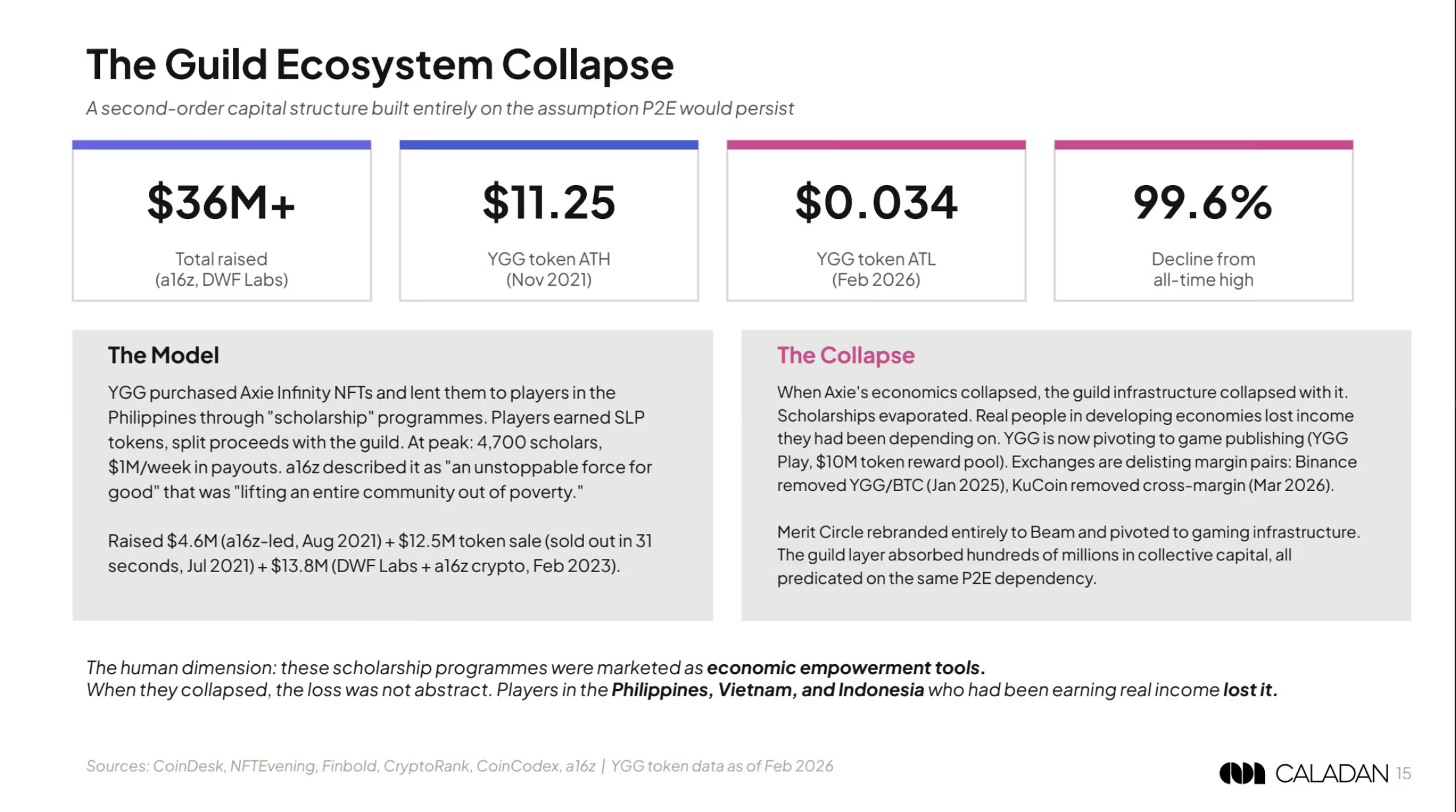
Web3 gaming burned through up to $15 billion chasing a token-driven future that gamers never bought into.
Data from Caladan, a market-making and trading firm, shows roughly 93% of so-called GameFi projects are now effectively dead, with token values down about 95% from their 2022 peaks and funding to studios collapsing 93% by 2025.
Investors and studios poured billions into tokens and non-fungible tokens (NFTs) before building blockchain-based games containing tradable properties. Then capital shifted into AI, asset tokenization and infrastructure, and more than 300 games shut down, turning Web3 gaming into a cautionary tale about chasing speculation over product-market fit.
“Capital was destroyed at every layer simultaneously,” the report states, pointing to venture capital, retail NFT buyers, gaming guilds and Telegram’s 300-million-user tap-to-earn wave as parallel casualties. Hamster Kombat alone lost 96% of its users within six months of launch. YGG, the flagship gaming-guild token, trades 99.6% below its November 2021 peak.

Individual post-mortems are brutal. Pixelmon raised $70 million in a 2022 NFT mint and, four years on, still has no public game. Ember Sword burned through $18 million over seven years of development before shutting down last May with no refunds. Gala Games is embroiled in a lawsuit alleging its co-founder diverted $130 million in tokens. Square Enix quietly wound down its Symbiogenesis experiment last July.
Structural mismatch
The failure wasn’t just a bad cycle or weak execution. The data indicate it was a structural mismatch between a model built around financial incentives and an audience that consistently signaled it wanted entertainment instead.
At the heart of the boom was GameFi, the play-to-earn model that turned gameplay into a financial feedback loop.
Players bought tokens or NFTs, earned rewards in those same assets, and cashed in as long as newcomers kept piling in. Once the inflows slowed, the math broke down. Token prices slumped, rewards thinned out, and users walked away — dragging entire in-game economies down with them.
Axie Infinity, the sector’s one-time flagship, watched daily active users crater from roughly 2.7 million at the peak to around 5,500 today, according to DappRadar data.
The demand side never caught up with the flood of capital. Even at the height of the mania, just 12% of gamers had tried a crypto game, according to a Coda Labs survey, cited by Caladan.
Capital allocation made the problem worse. Studios raised tens or hundreds of millions of dollars before shipping viable products, removing the pressure to build games that could retain players.

The most telling data point may be where the money went instead. Gaming commanded 62.5% of all Web3 venture investment in 2022; by 2025, its share had collapsed to single digits as AI, real-world-asset tokenization and layer-2 infrastructure absorbed the displaced capital.

Even Animoca Brands, the sector’s most prolific backer, has cut gaming to roughly 25% of its portfolio and is pivoting to stablecoins, RWAs and AI.
At the same time, development timelines stretched three to five years, while tokens traded in real time and demanded constant momentum. By the time many projects were ready to launch, their associated tokens had already collapsed.
The result is a sector that expanded rapidly on speculative demand and contracted just as quickly when that demand faded. More than 300 blockchain games have shut down, according to DappRadar, and remaining investment has shifted away from titles toward infrastructure.
What was once pitched as the future of gaming now looks more like a cautionary example of what happens when financial engineering runs ahead of product market fit.
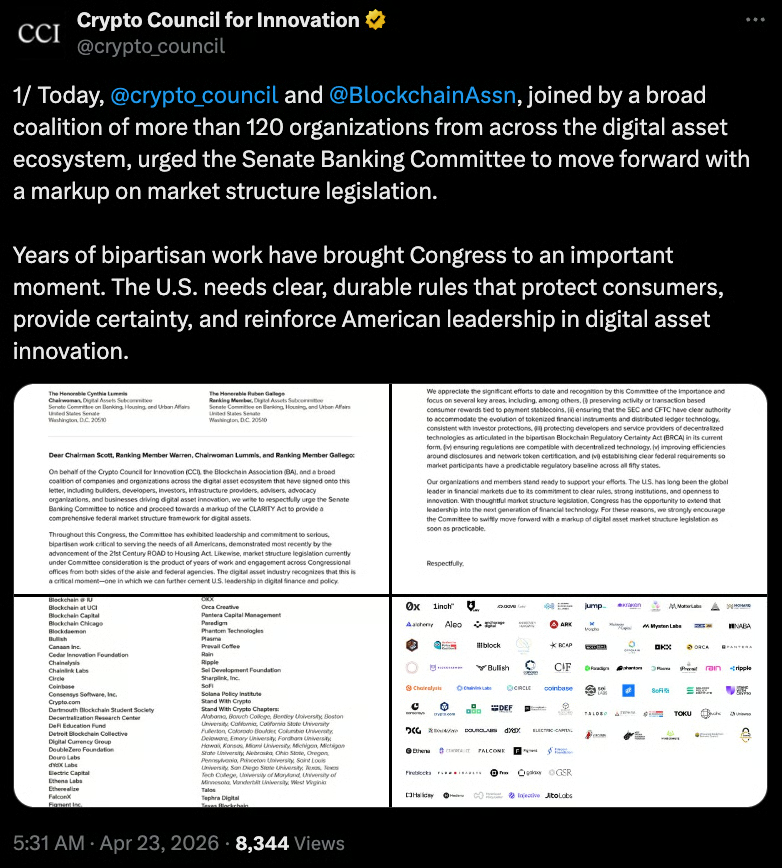
More than 120 entities affiliated with the cryptocurrency and blockchain industry are urging US lawmakers to stop stalling on the advancement of a digital asset market structure bill.
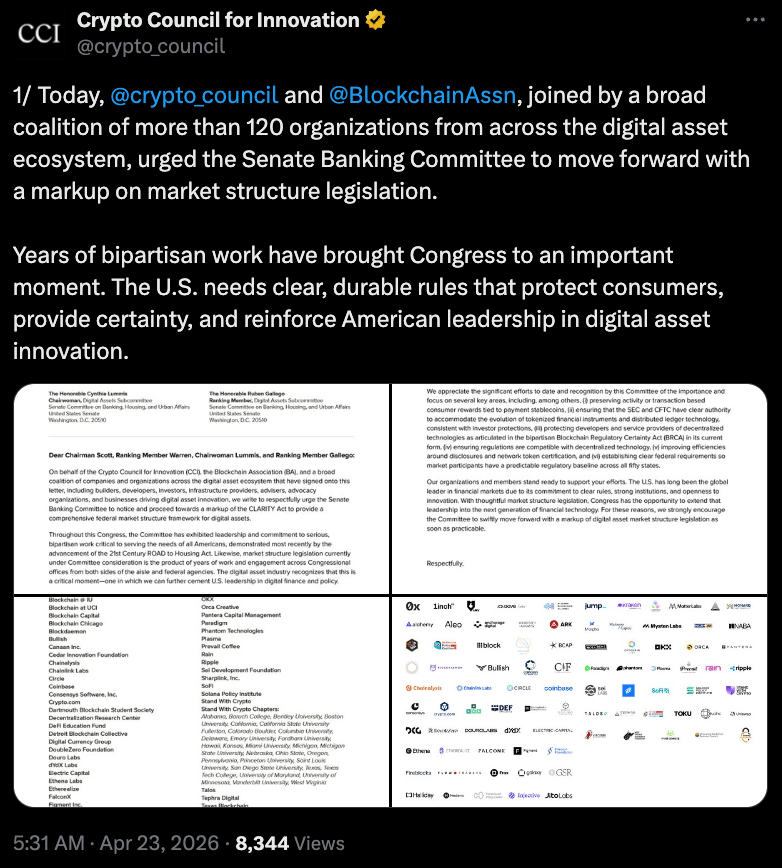
In a Thursday letter to leaders in the US Senate Banking Committee, the Crypto Council for Innovation (CCI) and Blockchain Association said that the body should “proceed towards a markup of the CLARITY Act to provide a comprehensive federal market structure framework for digital assets.”
The legislation, expected to be one of the most significant laws to potentially impact the industry crypto, passed the House of Representatives in July 2025 but has been delayed due in part to government shutdowns and debates over stablecoin yield and other issues.
“Timely action is critical, as other major jurisdictions have already implemented comprehensive frameworks, and the absence of comparable US policy risks ceding both economic and strategic advantages,” said the letter. “The US needs a comprehensive market structure framework to support domestic digital asset innovation, or risk migration of investment, jobs, and technological development offshore.”
Source: CCI
The Senate Banking Committee, under chair Tim Scott, postponed a markup on the CLARITY Act in January hours after Coinbase CEO Brian Armstrong said that the company could not support the bill as written. Since that time, representatives from the banking and crypto industries have met with lawmakers to discuss issues within the bill — e.g. how to address stablecoin yield — and possible paths forward.
As of Thursday, the banking committee had not publicly announced a new date for the bill’s markup. However, US Senator Thom Tillis on Monday called for committee leaders to consider postponing any markup until May to give crypto and banking representatives more time to discuss a compromise on stablecoin yield.
Related: Four reasons why the crypto market is rallying today: Will bulls maintain control?
About 120 crypto companies and organizations signed onto the letter, including exchanges like Coinbase and Kraken, but also groups like the Texas Blockchain Council and Solana Policy Institute. It came just three days after the advocacy organization The Digital Chamber asked the banking committee to schedule a markup “as soon as the calendar allows”:
“We are now more than halfway through the 119th Congress, and it has been more than 270 days since the House passed the CLARITY Act with strong bipartisan support and we recognize the legislative window for this Congress is narrowing.”
Banking association asks for more, not less, time to address stablecoins
On Tuesday, the American Bankers Association asked four US government agencies responsible for GENIUS regulations for 60 additional days to comment after the Office of the Comptroller of the Currency finalized its rules. The request, if granted, would likely delay full implementation of the stablecoin bill.
Magazine: AI-driven hacks threaten to kill DeFi — unless projects act now
Crypto World
Bitcoin Price Hits 11-Week High After Strategy Buys $2.54 Billion in BTC. What Comes Next?
The Bitcoin price climbed to $77,727 on April 23 after Strategy purchased 34,164 BTC for $2.54 billion, the company’s third-largest weekly buy on record. CoinDesk reported total holdings now sit at 815,061 BTC, and spot Bitcoin ETFs posted five straight days of inflows through April 22 with a single-day peak of $238 million. Total ETF assets under management crossed $96.5 billion as the market turned risk-on after the US-Iran ceasefire extension.
But a full recovery to $126,021, the all-time high from October 2025, returns 61% from current levels. Ethereum (ETH) at $2,340 targets roughly 3x at best. The same capital in Pepeto at $0.0000001866 before the confirmed Binance listing targets 267x, the kind of return that presales with working infrastructure deliver before the first trading candle opens.
Strategy Adds 34,164 Bitcoin as Spot ETFs Post Five Straight Positive Days
Strategy disclosed the purchase on April 20 at an average cost of $74,395 per coin per CoinDesk. That buy lifted the company above BlackRock’s spot ETF, which holds roughly 800,000 Bitcoin on behalf of clients. Spot Bitcoin ETFs recorded five consecutive positive sessions through April 22, with the strongest day pulling $238 million.
President Trump extended the US-Iran ceasefire on April 21, removing the key risk weighing on markets for weeks. The Bitcoin price touched $79,388, an 11-week high, before settling at $77.727 The token trades above the short-term holder realized price of $69,400, a level that historically supports further gains.
Bitcoin Price Compared: Bitcoin, Ethereum, and the Presale Opportunity Pepeto
The Pepe Cofounder Ships a Working Exchange as Pepeto Crosses $9.45 Million
The original Pepe Coin launched at roughly the same cost Pepeto sits at today. Wallets that entered Pepe at $0.0000001 and held through the listing turned small positions into six-figure returns as the token reached $11 billion on community strength alone. That entry window stayed open for days and nearly everyone who saw it chose to wait.
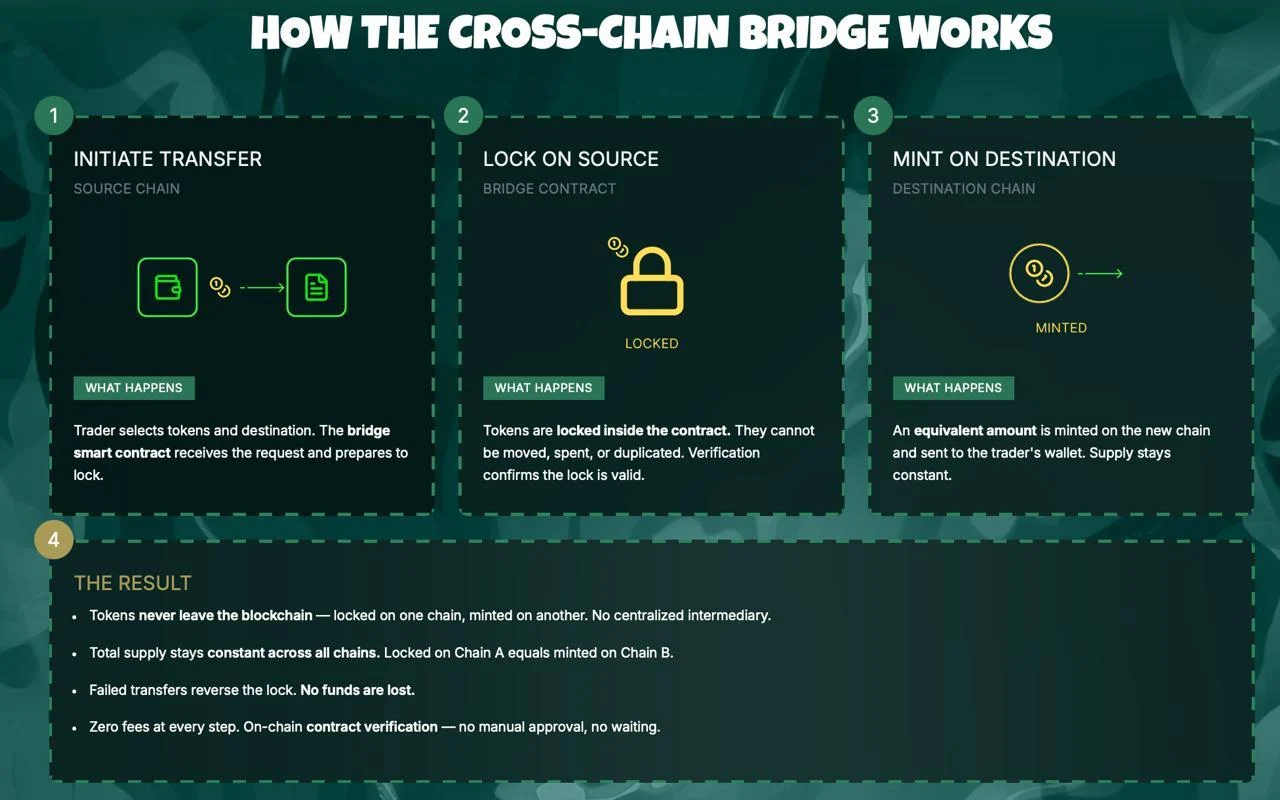
Pepeto brings that window back with stronger foundations. The same builder who guided Pepe now runs an exchange handling trades on Ethereum, BNB Chain, and Solana with zero fees. An AI tool scans every contract for hidden permissions and exit traps before capital enters, and a bridge connects all three networks at zero gas cost. SolidProof reviewed the full codebase before the presale opened.
Over $9.45 million entered during a period where fear controlled the market. Staking runs at 178% APY, compounding daily at $0.0000001866. A former Binance listing specialist leads the technical path, and the CoinMarketCap page is live, which lines up directly with listing confirmation. The Bitcoin price offers 1.6x back to $126,021. Pepeto offers a path from six decimal zeros to listing valuation for the return that rewrites a portfolio permanently.
Bitcoin Price Outlook: Where BTC Heads and Why Presale Returns Lead
Bitcoin (BTC) Price at $77,727 as Institutional Demand Hits New Highs
Bitcoin (BTC) trades at $77,727 on April 23 per CoinMarketCap, consolidating after its $79,388 high on April 22. The token sits 38% below the $126,021 all-time high from October 2025. Support holds near $75,000 with resistance at $80,000.
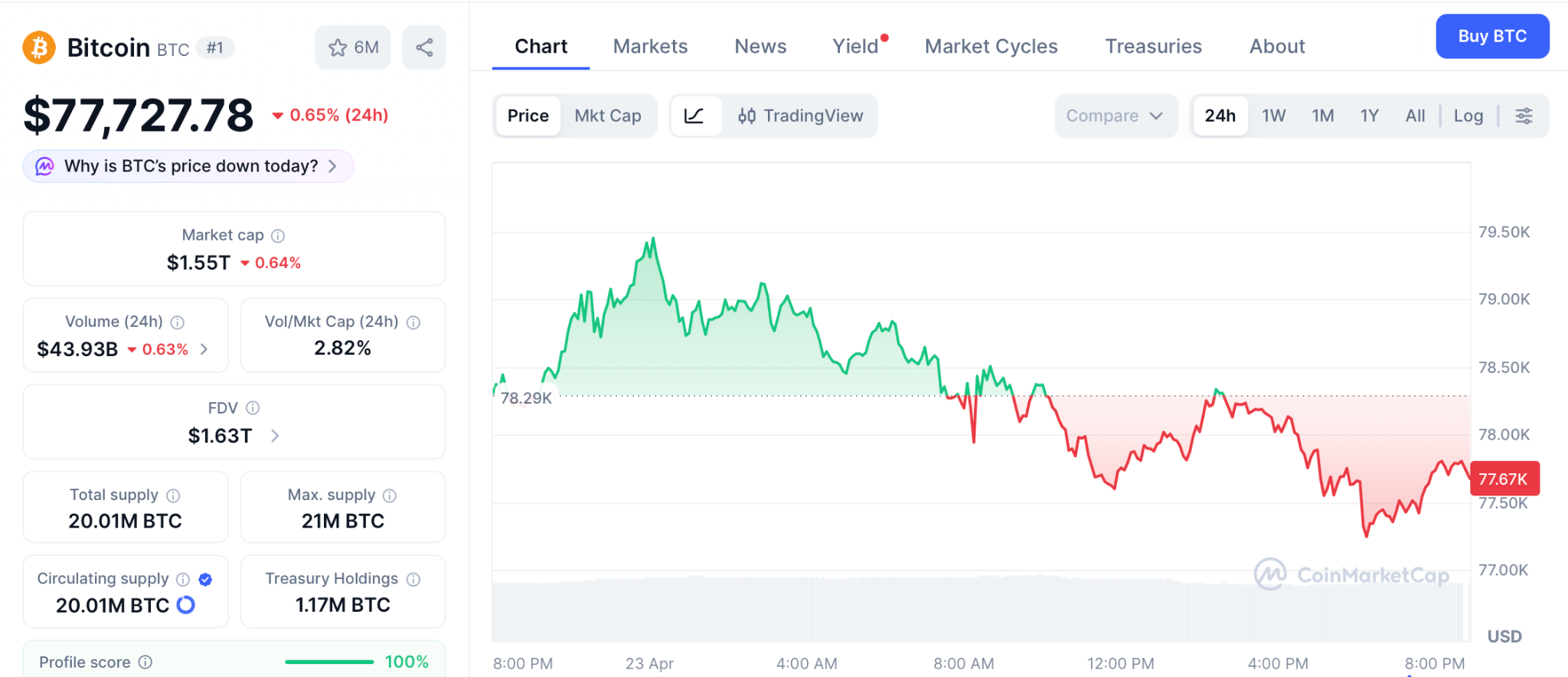
Strategy’s 815,061 BTC position and $96.5 billion in ETF assets confirm demand not seen since late 2025. Ethereum trades at $2,340 as capital rotates from ETH into Bitcoin on institutional flows. Analysts target $80,000 to $85,000 if the ceasefire holds through May. Even the bullish case delivers 1.6x from a $1.5 trillion base, a clean trade but not close to what a presale at six decimal zeros creates.
Conclusion:
Every cycle follows the same pattern. Institutional capital lands on Bitcoin first, the broader market responds days later, and presales with real products absorb the next wave before most traders notice the window closing. Strategy’s $2.54 billion purchase and five straight days of ETF inflows confirm the 2026 leg is underway, and the Bitcoin price pushing toward $80,000 is the trigger for presale positions that outperform the blue chip by magnitudes.
Pepeto sits in that position because the builder behind Pepe delivered a working exchange, a full SolidProof review, and a confirmed Binance listing at a presale cost that still reads $0.0000001866. The moment the first candle opens, that number turns into history. Each completed round raises the floor and brings the listing date forward, so the distance between reading this article and taking action shrinks with every token that leaves the presale.
Click To Visit Pepeto Website To Enter The Presale

FAQs
What is the Bitcoin price target for 2026 compared to Pepeto?
Bitcoin (BTC) trades at $77,727 with a path to its $126,021 all-time high for roughly 1.6x. Pepeto at $0.0000001866 targets 267x at listing, the kind of return only early presale entries produce while large caps never reach those multiples.
What is Pepeto and why are large wallets entering the presale?
Pepeto is a meme coin presale built by the Pepe cofounder with a zero-fee exchange, cross-chain bridge, and AI contract scanner. The presale raised $9.45 million with 178% APY staking and a confirmed Binance listing.
Disclaimer: This is a Press Release provided by a third party who is responsible for the content. Please conduct your own research before taking any action based on the content.


OpenAI released GPT-5.5 on April 23, codenamed “Spud,” positioning the model as its most capable system for autonomous, multi-step work.
The launch arrives one week after Anthropic shipped Claude Opus 4.7, setting up a direct comparison between the two frontier models.
GPT-5.5 Targets Agentic Work and Coding
GPT-5.5 is built to plan, execute, verify, and iterate across tools without constant human oversight. OpenAI describes it as “a new class of intelligence for real work and powering agents.”
Follow us on X to get the latest news as it happens
“We believe in iterative deployment; although GPT-5.5 is already a smart model, we expect rapid improvements. Iterative deployment is a big part of our safety strategy; we believe the world will be best equipped to win at the team sport of AI resilience this way,” wrote Sam Altman in a post.
The model rolls out now to ChatGPT Plus, Pro, Business, and Enterprise users. A more powerful Pro variant is also available. API pricing starts at $5 per million input tokens and $30 per million output tokens with a one-million-token context window.
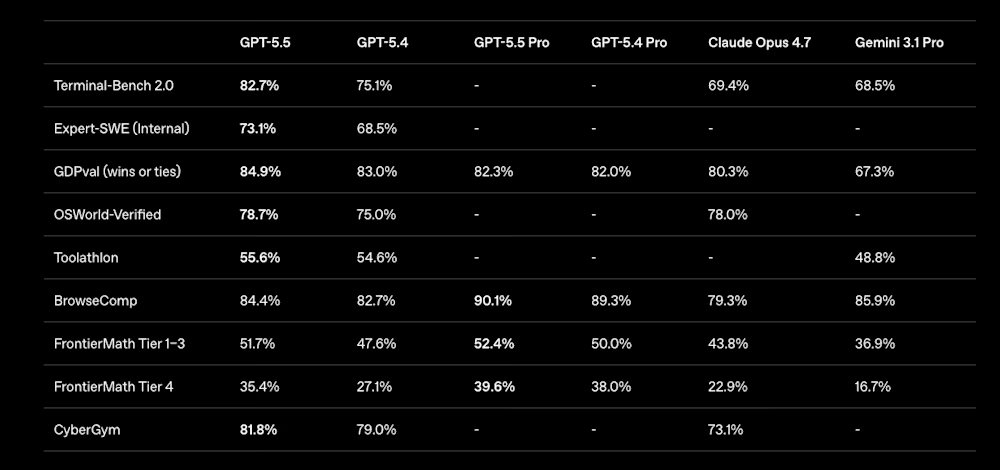
OpenAI’s own benchmarks show GPT-5.5 ahead of Claude Opus 4.7 on several agentic tasks. It scored 82.7% on Terminal-Bench 2.0, compared to 69.4% for Opus 4.7.
On FrontierMath Tiers 1 through 3, it reached 51.7% versus 43.8%. Early independent tests reported similar trends in coding and knowledge-work evaluations.
Where Claude Opus 4.7 Still Leads
Anthropic’s model retains advantages in research writing, legal and financial reasoning, and instruction-following consistency, according to independent reviewers.
Opus 4.7 also supports higher-resolution vision at up to 3.75 megapixels, more than three times its predecessor.
On computer use, the gap narrows. GPT-5.5 scored 78.7% on OSWorld-Verified, while Opus 4.7 posted 78.0%.
The two models also trade leads on browsing benchmarks, with GPT-5.5 Pro pulling ahead at 90.1% versus 79.3%.
AI Race Accelerates in 2026
The back-to-back launches reflect a broader pattern. OpenAI has shipped multiple GPT-5.x variants this year, while Anthropic has steadily upgraded Claude through successive releases.
Google’s Gemini 3.1 Pro also competes for the same enterprise market.
For developers choosing between the two, the decision may come down to use case. GPT-5.5 appears stronger for agentic automation and long-horizon coding.
Claude Opus 4.7 may suit precision-heavy analytical workflows better. Whether independent benchmarks confirm OpenAI’s published numbers will become clearer in the days ahead.
Subscribe to our YouTube channel to watch leaders and journalists provide expert insights
The post OpenAI Launches GPT-5.5 to Challenge Anthropic’s Claude Opus 4.7 appeared first on BeInCrypto.
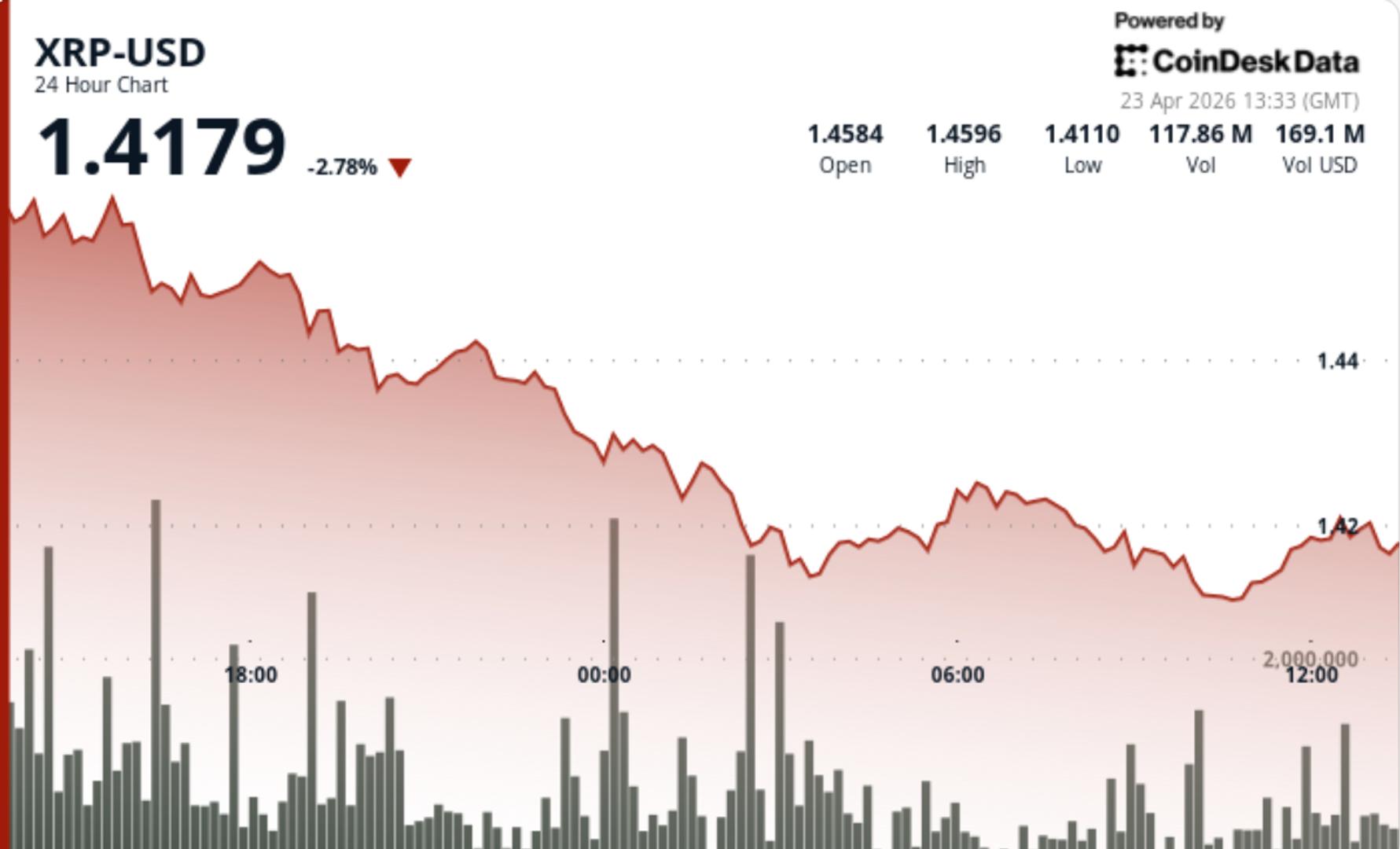
XRP moved higher briefly on Wednesday, but the move didn’t hold as bitcoin slid on profit-taking following its move to near $80,000 in Asian morning hours Thursday. Sellers stepped in near resistance and pushed price lower, suggesting the market still lacks conviction to break out, especially as broader crypto sees profit-taking led by bitcoin.
News Background
• GraniteShares has pushed back the launch of its 3x leveraged crypto ETFs to May 7, including XRP products. The delay removes a near-term catalyst that could have boosted speculative demand.
• The proposed products would offer both long and short exposure, amplifying daily price moves and potentially increasing volatility once live, particularly among retail traders.
Price Action Summary
• XRP tested the $1.44 level before reversing and slipping back toward $1.42.
• The move failed to sustain above resistance, with selling pressure accelerating into the close.
• Price is now drifting back into its prior range after the rejected breakout attempt.
Technical Analysis
• The key signal is the rejection at resistance. Buyers pushed price higher but couldn’t maintain control.
• Volume picked up during the move, but lacked follow-through needed to confirm a breakout.
• The broader structure remains range-bound, with no clear shift in trend yet.
• This kind of failed breakout often leads to either consolidation or a deeper pullback.
What traders should watch
• $1.44 remains the key resistance. A clean break is still required to change the structure.
• $1.40 is the immediate support level. Losing it would increase downside risk.
• Continued weakness after the rejection could push XRP back toward lower range levels.
Crypto World
Inside the $71 million freeze on Arbitrum that has the crypto world questioning what decentralization really means


The Arbitrum Security Council moved swiftly this week to contain the fallout from the KelpDAO exploit, touting the emergency “freeze” of more than 30,000 ETH linked to the attacker as a win for user protection.
But beneath the language of containment, the intervention has reopened one of crypto’s oldest and most uncomfortable debates: What decentralization actually means when a group of people can step in and override outcomes for a network after the fact.
At the center of the debate is the role of Arbitrum’s Security Council, a small, elected group chosen by token holders every 6 months, empowered to act in emergencies. In this case, it exercised those powers to take control of funds associated with the exploit, effectively locking them away pending further governance decisions.
Supporters see this as a system working as intended, preventing tens of millions of dollars from being laundered and buying time for potential recovery. Critics, however, argued the move underscores a different reality: That even in ostensibly decentralized systems, ultimate control can still rest with a handful of actors.
For Arbitrum insiders, however, the decision was far from a reflexive intervention. According to Steven Goldfeder, co-founder of Offchain Labs, the company that originally created and supports Arbitrum, the starting point was inaction.
“The default was do nothing,” Goldfeder said to CoinDesk, describing the early stages of the Security Council’s deliberations. “Then this idea actually emerged [from a security council member]… a way to do it in a very surgical way… without affecting any other user, not affecting the network performance and not having any downtime.”
The result was what Arbitrum has described as a “freeze.” But technically, the move required something more active: The use of privileged powers to transfer funds out of the attacker-controlled address and into a wallet with no owner, effectively rendering them immobile.
That distinction is at the heart of the decentralization debate. In its purest form, decentralization implies that no individual or group can unilaterally interfere with transactions once they are executed, often summed up by the phrase “code is law.” Critics worry that if a small group can step in to stop a hacker, the same mechanism could, in theory, be used in other situations as well, whether under regulatory pressure or political influence.
In simpler terms, the concern is less about this specific case and more about precedent: If intervention is possible, where is the line drawn, and who decides?
That capability, now demonstrated in practice, raises broader questions about the boundaries of decentralization on Layer 2 blockchains, and the tradeoff between security and neutrality.
While the Security Council is elected by token holders, it is still a relatively small group capable of acting quickly and, in this case, decisively.
Patrick McCorry, the head of research at the Arbitrum Foundation and who coordinates with the Security Council, emphasized that this structure is by design.
The Security Council is “a very transparent part of the system,” according to McCorry; “You can see exactly what powers they have.” In addition, he said, “they’re elected by token holders… not hand-picked by us [Arbitrum Foundation + Offchain Labs].”
Currently, the Security Council is selected through recurring on-chain elections, with token holders voting every six months to appoint its 12 members
From that perspective, Arbitrum’s model reflects a different interpretation of decentralization, one where authority is delegated by the community, rather than eliminated entirely.
Some critics have argued that a decision of this magnitude should have gone through token-holder governance. But Goldfeder pushed back on that idea, arguing that speed and discretion were essential.
“The DAO cannot be consulted, because the second the DAO is consulted, that essentially means North Korea is consulted,” he said, referring to ongoing investigative efforts suggesting the attacker’s ties.
“If you say, ‘hey guys, should we move these funds?’ then you might as well do nothing,” he said.
In that framing, the choice was not between decentralized and centralized decision-making, but between acting quickly or allowing the funds to disappear. Indeed, the attackers began moving and laundering the remaining stolen funds within hours of the Security Council’s intervention.
Supporters of the move say that reality highlights a different tradeoff, one between ideals and practical risk management. Without some form of emergency intervention, stolen funds in crypto are typically unrecoverable, and large exploits can cascade through the ecosystem.
From this perspective, the Security Council functions less as a centralized authority and more as a last-resort safeguard, designed to step in only under extreme conditions.
“We’re no more or less decentralized today than we were yesterday,” Goldfeder said.
Read more: Arbitrum freezes $71 million in ether tied to Kelp DAO exploit

IPL: Why Shardul Thakur comes to bat even after MI used Danish as impact sub – Explained | Cricket News
OpenAI’s GPT-5.5 is here, and it’s no potato: narrowly beats Anthropic’s Claude Mythos Preview on Terminal-Bench 2.0

Evil Husband Forces Wife Into $372,130 Of Debt | Financial Audit

Manchester United reach agreement with Casemiro over contract clause amid transfer speculation

US brings back mandatory military draft registration

Steven Gerrard disagrees with Gary Neville over ‘shock’ Chelsea and Arsenal claim | Football


-

 Sports6 days ago
NWFL Suspends Two Players Over Post-Match Clash in Ado-Ekiti
-

 Fashion6 days ago
Weekend Open Thread: Theodora Dress
-

 Politics6 days ago
Palestine barred from entering Canada for FIFA Congress
-
Entertainment4 days ago
NBA Analyst Charles Barkley Chimes in on Ice Spice McDonald’s Fiasco
-

 Tech5 days ago
Auto Enthusiast Scores Running Tesla Model 3 for Two Grand and Turns It Into Bare-Bones Go-Kart
-

 Business4 days ago
Powerball Result April 18, 2026: No Jackpot Winner in Powerball Draw: $75 Million Rolls Over
-

 Politics4 days ago
Zack Polanski demands ‘council homes not luxury flats for foreign investors’
-

 Crypto World6 days ago
Russia Pushes Bill to Criminalize Unregistered Crypto Services
-

 Politics3 days ago
Gary Stevenson delivers timely reminder to register to vote as deadline TODAY
-

 Business1 day ago
Rolls-Royce Voted UK’s Most Iconic Trade Mark as IPO Register Hits 150
-

 Politics1 day ago
Disabled people challenge government SEND proposals over segregation concerns
-

 Politics1 day ago
Making troops accountable for war crimes threatens US alliance, ex-SAS colonel warns
-
 Business7 days ago
Creo Medical agree sale of its manufacturing operation
-

 Crypto World6 days ago
Russia Introduces Bill To Criminalize Unregistered Crypto Services
-

 Politics1 day ago
Starmer handler McSweeney to be dragged from shadows by Foreign Affairs Committee
-

 Politics1 day ago
Zack Polanski responds to home secretary’s taser threat
-
Politics1 day ago
Wings Over Scotland | How To Get Away With Crimes
-
Crypto World5 days ago
Kelp DAO rsETH Bridge Hack Drains $292M as DeFi Losses Top $600M in Two Weeks
-

 Politics24 hours ago
‘Iran is still a nuclear threat’
-

 Crypto World2 days ago
New York sues Coinbase, Gemini over prediction market offerings
You must be logged in to post a comment Login