

Connect with us
DAPA Banner

NewsBeat

Fire destroys roof of home in Newlands Drive, Acomb

Published

on

Sheriff Hutton shed set alight after hedge fire spreads

Three fire crews were called to the dormer bungalow in Newlands Drive, Acomb, shortly after 2.40pm on Thursday (April 23).

North Yorkshire Fire and Rescue Service said its crews extinguished the fire in the roof space of the home.

A service spokesperson said the blaze caused “100 per cent fire damage the roof”, “50 per cent fire damage to the upstairs property and 10 per cent fire damage to the rest of the property”.

Advertisement

“Crews dampened down [the area] and checked for hotspots. Advice was given to a responsible person,” they said.

Source link

Advertisement
Continue Reading
Click to comment

You must be logged in to post a comment Login

Leave a Reply

NewsBeat

Iran-US war latest: Trump rules out using a nuclear weapon as he warns Tehran might be rearming

Published

on

Iran-US war latest: White House accuses Tehran of ‘acting like bunch of pirates’ after attack on ships as Trump hints peace talks may be imminent

Trump rules out using nuclear weapon on Iran

President Donald Trump has dismissed the idea that he would use a nuclear weapon on Iran.

Asked by reporters whether he would, he said: “No. Why do I need it? Why would a stupid question like that be asked? Why would I? Why would I use a nuclear weapon?

“We’ve totally, in a very conventional way, decimated them without it.

Advertisement

“No, I wouldn’t use it. A nuclear weapon should never be allowed to be used by anybody.”

(AFP/Getty)

Jane Dalton23 April 2026 21:21

Trump threatens to end war by force

US president Donald Trump has said if Iran does not want to make a deal, he will finish the war by force.

Advertisement

“If they don’t want to make a deal, then I’ll finish it up militarily with the other 25% of the targets,” he said in the White House.

“We’ve had 78% of the targets that we’ve wanted to hit. We’ve knocked out their manufacturing, we’ve knocked out their missile production, we’ve knocked out their drone production.

“We’ve knocked out everything. In some cases, when I say knock it out, 70, 80, 90% – it’s amazing what we’ve done.”

Iran ​may ⁠have loaded ⁠up ​their weaponry “a ⁠little bit” ‌during the two-week ‌ceasefire, he said, but ‌added that the ⁠US military can knock that out in about ‌one ​day.

Advertisement

Jane Dalton23 April 2026 21:14

Watch: Iran demonstrates apparent ballistic missile at Tehran rally

Iran shows off what appears to be a ballistic missile at Tehran rally

Iranian state television has aired footage showing what appears to be a Qadr ballistic missile in Tehran, on a mobile launcher, during a late-night rally on Tuesday (21 April) as possible talks in Islamabad with the United States broke down. Qadr missiles can release individual bomblets known as cluster munitions, which Iran used widely when attacking Israel during the war. It came as Donald Trump earlier said he was extending the ceasefire with Iran at Pakistan’s request, while awaiting a “unified proposal” from Tehran.

Maryam Zakir-Hussain23 April 2026 21:10

Advertisement

Dozens of countries plan how to keep Hormuz open after war

Military planners from countries seeking to join a UK and France-led mission to keep the Strait of Hormuz open once the Iran war ends have held “constructive” talks in London.

More than 40 nations sent planners to the two-day conference at the UK’s Permanent Joint Headquarters in Northwood, northwest London.

They had aimed to build on talks held by Sir Keir Starmer and French president Emmanuel Macron in Paris last week, and agree a defensive plan that would restore confidence for commercial shipping.

Defence secretary John Healey told attendees that “millions of people” were relying on them to succeed because of the importance of the strait.

Advertisement

Jane Dalton23 April 2026 20:54

Drug prices rise by up to 30 per cent due to Iran war, pharmacists warn

Maryam Zakir-Hussain23 April 2026 20:00

Advertisement

All the alternative routes for Middle East oil and gas to bypass the Strait of Hormuz

The U.S.-Israeli war with Iran has disrupted shipping through the Strait of Hormuz, with only three vessels passing the waterway in the past 24 hours, shipping data showed.

More than a dozen tankers passed through the Strait after Iran briefly declared it open on Friday. But a ceasefire between the U.S. and Iran appeared in jeopardy on Tuesday as Iran vowed to retaliate for the U.S. seizure of one of its vessels and refused to join new peace talks.

Maryam Zakir-Hussain23 April 2026 19:30

Advertisement

Pope urges US and Iran to return to peace talks

The Pope has urged the US and Iran to return to peace talks.

He also firmly condemned the killing ​of protesters in Iran, after US president Donald Trump criticised him last week for not doing so while speaking out against the US-Israel war with Iran.

Leo also decried the deaths of “so many” civilians in the war and lamented the ⁠collapse of n peace talks.

“I condemn all actions that are unjust. I condemn the taking of people’s lives,” the Pope said when asked about reports that Iran had killed thousands of protesters.

Advertisement

Leo was attacked by Trump on social media as “terrible” on 12 April, after the Pope emerged as an ⁠outspoken critic of the war and the president’s hardline anti-immigration policies.

Jane Dalton23 April 2026 19:15

Lebanese journalist killed by Israeli strike was left under rubble for hours with no medical care, say officials

Amal Khalil, who worked for Lebanese newspaper Al Akhbar, was killed in the village of al-Tayri while covering Israel’s bombing of southern Lebanon on Wednesday.

Advertisement

Maira Butt and Bel Trew report:

Maryam Zakir-Hussain23 April 2026 19:00

The US was due to host a second round of talks between Israel and Lebanon on Thursday, with Lebanon seeking an extension ‌of a ceasefire reached last week in a war that has run in parallel to the Iran war.

Advertisement

Israeli strikes killed five people including a journalist in Lebanon on Wednesday, the deadliest ​day there since the US-brokered truce took effect.

Iran says maintaining the Lebanon ceasefire is a pre-condition for talks on the wider war.

Maryam Zakir-Hussain23 April 2026 18:30

Advertisement

Pakistan’s junior interior minister told Reuters security plans for talks still in place

Pakistan, which hosted talks this month and had been preparing for a second round before it was called off on Tuesday, was still in touch with both sides, a Pakistani government source said.

Iranian officials were still declining to commit to attend over the U.S. blockade, the source added.

Talal Chaudhry, a junior interior minister, told Reuters security plans for talks were still in place and Pakistan was “fully prepared to host an event of this scale with confidence”.

Maryam Zakir-Hussain23 April 2026 18:00

Advertisement

Source link

Continue Reading

NewsBeat

What Mandelson vetting row reveals about escalating tensions between ministers and civil servants

Published

on

What Mandelson vetting row reveals about escalating tensions between ministers and civil servants

Keir Starmer’s decision to fire Foreign Office chief Olly Robbins has contributed to “one of the worst crises in relations” between ministers and civil servants in modern times. The words of former cabinet secretary Gus O’Donnell, writing after Robbins was sacked for declining to inform Starmer that Peter Mandelson failed vetting for his ambassador role, are a stark warning for the prime minister.

Such a crisis has been building for some time. Historically, British civil servants and ministers had a strong bond based on a mutually beneficial partnership. Yet that partnership is badly frayed, and in its place a “them v us” relationship is emerging.

Under the previous Conservative government, ties between ministers and civil servants atrophied. A major source of tension was Brexit, amid frustration that officials were allegedly conspiring to derail Britain’s departure from the European Union.

More uncompromising figures, notably Boris Johnson’s chief strategist Dominic Cummings, believed that the permanent civil service was “an idea for the history books”. In his view, it was time to cut back the permanent bureaucracy, and bring in outsiders to rewire the state. Cummings threatened that a “hard rain” would fall. Ministerial relations with civil servants sank to a new low.

Advertisement

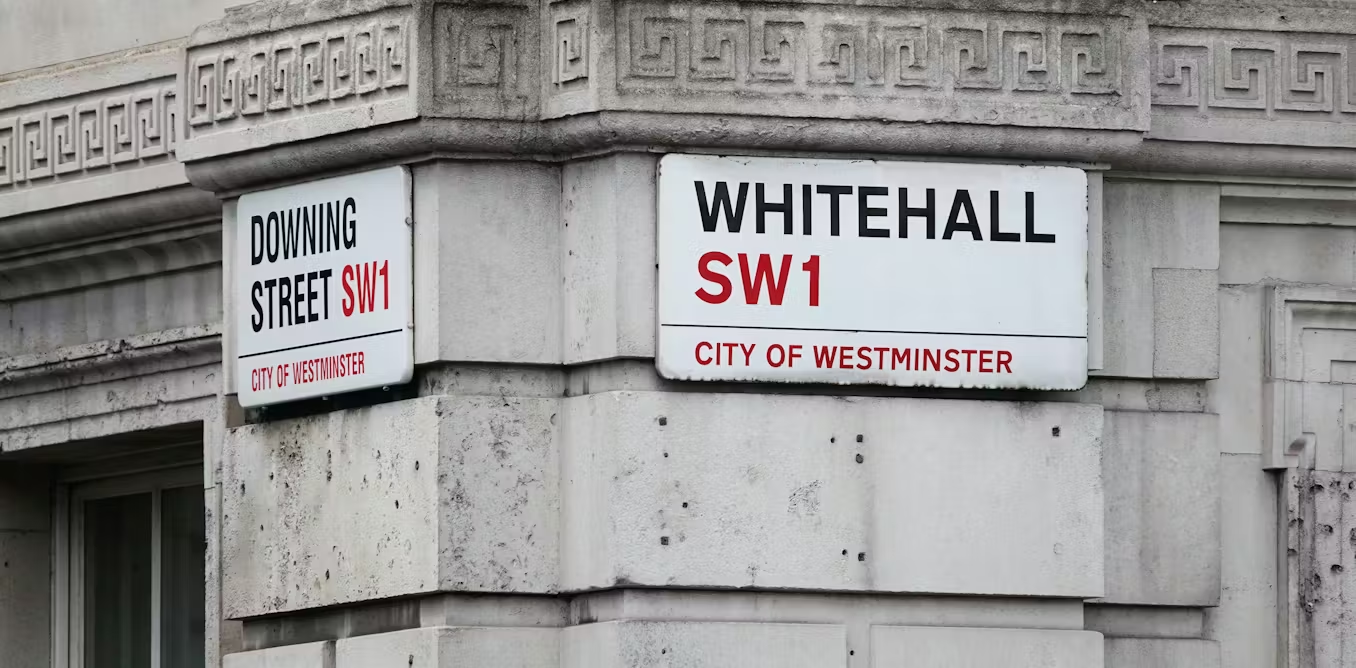
The expectation within Whitehall was that the election of a new government under Starmer would restore order and civility. After all, Starmer was himself a former permanent secretary at the Crown Prosecution Service, who believed in the ethic of public service. The fractured ties between officials and ministers would be repaired.

It has not, so far, worked out that way. In key respects, relationships appear to have deteriorated further. This has now been exacerbated by the summary dismissal of Robbins over the Mandelson affair.


À lire aussi :
Why have relations between civil servants and ministers turned so sour – and can they be repaired?


Why do such tensions between officials and ministers in Whitehall persist? A key factor is that civil servants clearly believe they are less equipped to support ministers than they were 20 years ago. This has come up frequently in my interviews and private conversations with current and former civil servants.

Advertisement

Increasingly, the civil service lacks the experience and tools to advise ministers on policy. This problem began in the 1980s, with the rise of new public management – government reforms in several countries emphasising efficiency through markets and competition. Attention shifted towards operational delivery, away from policy-making. There has been a marked loss of intellectual capacity, while some civil servants bemoan the absence of creative policy thinkers in Whitehall.

Another issue is that the civil service appears less willing to look outwards, exacerbating what political scientists Ivor Crewe and Anthony King describe as “operational and cultural disconnect”. Officials in government departments appear more detached than ever from frontline professionals (the so-called “street-level bureaucrats” who manage public services), as well as from citizens and communities.

Who is responsible?

To blame the civil service for the current malaise is surely mistaken. After all, politicians are elected to lead and provide a coherent sense of direction. Civil servants support ministers’ ambitions by faithfully implementing the government’s agenda.

The Starmer administration came to office without a credible governing strategy. Apart from woolly rhetoric about “missions”, incoming ministers had no clear conception of how to strengthen government effectiveness.

Advertisement

A particular gap related to improving performance in public services, notably education, health, criminal justice and public transport. Most governments arrive in Whitehall with instincts about how to achieve change. Some use the central state alongside targets to mandate improvement. Others adopt bottom-up mechanisms including giving citizens more of a voice in shaping public services, while extending choice and competition in the organisation of provision.

Yet Starmer’s ministers appear to have no consistent approach. For example, NHS policy combines top-down directives with exhortation about creating a “community-led” service. The result is widespread confusion. In turn, slowness to deliver change breeds frustration among ministers, leading almost inevitably to attacks on the capability of civil servants, escalating tensions further.

It was the prime minister himself who declared that “too many people in Whitehall are comfortable in the tepid bath of managed decline”, setting the tone for the rest of his government. Yet, inexperienced politicians are naive about the time it takes to secure sustainable improvement.

Olly Robbins, pictured here in 2018, was a longtime civil servant before his firing last week.
Mark Kerrison/Alamy

The dismissal of Robbins appears to be a continuation of the recent era in which ministers treated their relationships with officials with casual disregard. When crises erupt or policies appear to fail, civil servants are made culpable.

Advertisement

Yet such blame games are destructive, not least because they make it harder for civil servants to discharge their essential constitutional function of “speaking truth to power”.

In an atmosphere of growing distrust, officials are less likely to highlight problems in proposed policies. Where career promotion relies on doing what ministers are perceived to want, the risk is that propriety and ethics are negated, having a “chilling effect” on the wider civil service.

A dominant characteristic of civil service reform in recent decades is making officials more “responsive” to ministers. For example, permanent secretaries are employed on time-limited contracts intended to create pressure to perform. Moreover, increasing the contestability of policy advice by turning to political advisers, thinktanks, NGOs and the private sector disrupts the monopoly which civil servants previously held in the policy-making process (although that was always something of a myth).

Such a dynamic increases the pressure on civil servants to comply with what ministers demand. Otherwise, in a more competitive policy landscape, they risk marginalisation. Consequently, the civil service is less likely to fulfil its crucial role in acting as a break on overweening executive power and unchecked authority. That is detrimental to the fulfilment of good government.


Advertisement

Source link

Continue Reading

NewsBeat

Why some countries give away free electricity and even pay consumers to use it

Published

on

Why some countries give away free electricity and even pay consumers to use it

In parts of Germany and Australia, a surprising thing is happening more and more often: households are being offered free electricity.

This is happening at times of day when there are high levels of energy being generated from solar or wind. It is caused because sometimes more electricity is being produced than people need. Only a limited amount of storage is available and most of it must be used immediately to keep the system stable.

As countries expand use of wind and solar power, these periods when people are not charged for the energy to run their washing machine or kettle will happen more often. When supply exceeds demand, electricity prices can fall sharply, and sometimes drop below zero. Negative electricity prices mean generators pay consumers to use excess electricity, and this has already started to happen in some European countries such as Germany and Spain. In 2024 alone, European power markets recorded over 1,000 hours of negative prices.

Renewable energy has grown rapidly in recent years. Solar power is driving most of this growth.

Advertisement

The Internationale Energy Agency expects solar capacity to more than double by 2030, making up almost 80% of new electricity worldwide. Renewables are also expected to meet over 90% of global electricity demand by 2030.

Recent data by energy think-tank Ember shows how quickly this shift is happening. In 2025, global low-carbon electricity generation rose by about 887 terawatt-hours, slightly more than the increase in demand. Solar met around 75% of this growth, while solar and wind together met almost all of it.

Paying consumers to use energy

In Australia, this is largely driven by rooftop solar, which produces large amounts of electricity in the middle of the day when household demand is low. In Germany, strong wind and solar output, especially at weekends, can create similar surpluses. These conditions are now occurring frequently enough to affect electricity prices.

The trend is spreading. In South Australia, negative electricity prices accounted for around a quarter of wholesale electricity in both 2023 and 2024. In California, the share of hours with negative pricing rose from about 4% in 2023 to 15% in 2024. Across Europe, countries such as Finland, Sweden, the UK and Germany are all starting to see similar patterns, although the UK is seeing the lowest level of hours with negative pricing compared to these other European nations.

Advertisement


À lire aussi :
Solar panels won’t slash energy bills on their own – an expert explains how to maximise savings


Data from 2025 shows that this trend is continuing. Negative electricity prices are becoming more common, reaching around 6% of hours in countries such as France, Germany and Spain. In Spain, this doubled in 2025, compared with 2024. In France, they rose by almost half, while Germany and the Netherlands saw increase by around a quarter.

These patterns point to a deeper issue: electricity systems are not yet flexible enough to respond to rapid changes in supply, so have to give away energy to be able to cope.

Evidence from Australia shows how this is beginning to change. Negative electricity prices are now common in the middle of the day, when solar output is highest, with prices falling to zero or below for around two to three hours each day on average. At the same time, extreme price spikes are becoming less frequent.

Advertisement

Negative prices occur in wholesale markets, where prices change frequently and can sometimes fall below zero when generation exceeds demand. Household bills, however, are based on retail prices that include network charges and taxes, meaning many consumers do not see these fluctuations directly.

At times when there’s lots of energy supply via solar in Australia electricity prices are being cut.
anatoliy_gleb/Shutterstock

But for those on flexible tariffs, electricity can become cheaper or “free” during these periods, and in some cases these lower prices may be reflected in reduced unit costs or small bill credits.

However, not everyone will benefit equally. Households with batteries or smart systems are better placed to take advantage of this trend, as they can store energy to use later in the day, particularly in the evenings when typically use is highest.

Advertisement

This reflects a system that is beginning to adapt. According to the Australian Energy Market Operator, large-scale batteries are playing a growing role by storing electricity when it is abundant and releasing it when demand rises. This helps to smooth price fluctuations and stabilise the system.

Together, these changes mark a shift in how electricity systems operate. Now, as renewable energy generation grows, supply is increasingly shaped by the weather. This means demand must become more flexible in response.

UK policy

This shift is already influencing policy in other countries such as the UK. According to the UK’s National Energy System Operator, from summer 2026 households and businesses will be encouraged to use more electricity during periods of excess supply more often, particularly when solar generation is high and demand is low. The aim is to actively shift when electricity is used, helping to absorb surplus energy and improve system stability.

The timing is not accidental. As part of a shift towards renewables, particularly solar, continues to grow in the UK, for instance, periods of excess supply are becoming more common.

Advertisement

Similar patterns were seen in countries such as Germany, where a rapid surge in solar generation urged a sudden need for greater system flexibility. In the UK, for instance, managing the grid during periods of low demand is becoming more complex, as electricity supply becomes increasingly driven by weather conditions rather than consumption patterns.

This is why flexibility is needed. In extreme cases, large imbalances between supply and demand can place significant strain on electricity systems. 2025’s blackout across Spain and Portugal, shows how quickly instability can happen if systems cannot respond effectively. In the UK, system operators stress that these conditions are actively managed.

Free electricity reflects a deeper shift in how the energy system works. As renewable power grows, excess supply is going to become even more common.

Advertisement

Source link

Continue Reading

NewsBeat

US government watchdog to investigate Epstein files release

Published

on

US government watchdog to investigate Epstein files release

Last month, the DOJ released summaries of interviews with a woman who made unsubstantiated claims of sexual assault against Trump. The agency said that the documents had been accidentally withheld. Trump, who is mentioned thousands of times in the files including in emails and correspondence sent by Epstein himself to others, has denied any wrongdoing.

Source link

Continue Reading

NewsBeat

How we scored the six politicians at the BBC Question Time Holyrood election debate

Published

on

Daily Record

Party leaders, with the exception of the SNP’s John Swinney, took part in the BBC Question Time debate in Aberdeen. We gave them a mark out of five.

With two weeks to go until the Holyrood election, opinion polls show the SNP with a strong lead over their rivals.

Labour and Reform appear locked in a battle for second place, with Greens, the Lib Dems and the Tories fighting it out on the lower rungs.

Tonight’s BBC Question Time debate in Aberdeen featured five party leaders – Anas Sarwar, Gillian Mackay, Russell Findlay, Alex Cole-Hamilton and Malcolm Offord – but no John Swinney. SNP candidate Mairi McAllan took his place.

Advertisement

Around half of the programme focused on the plight of the North Sea oil and gas industry, and the six politicians traded blows on the cost of living crisis and independence.

Here is how they fared and the rating given to them by Daily Record Political Editor Paul Hutcheon.

Anas Sarwar

A quieter night for the Scottish Labour leader compared to the fireworks of the Channel 4 debate, where he was accused by Reform leader Malcolm Offord of plotting a secret deal.

Advertisement

The future of North Sea oil and and gas is a weakness for Labour and the dominance of the issue during the debate could have proved awkward for Sarwar.

But he put enough distance between himself and the UK Government to neutralise the issue and pivot onto nuclear power.

He also had the best line of the night – it was a shortlist of one – when he said he wanted Reform UK to get “absolutely pumped”.

3/5

Mairi McAllan

The polls show the Tories in line for huge losses on May 7th and Findlay was in desperate need of a strong showing in Aberdeen.

Findlay put in a typically no-nonsense performance which will appeal to some voters.

But the issue for Findlay is as it always has been: credibility.

Advertisement

When he spoke of ending waste and being careful with public money, McAllan reminded viewers he backed the disastrous Liz Truss.

It’s a torpedo that never misses.

2/5

Alex Cole-Hamilton

The Scottish Liberal Democrat leader delivered a performance that was entirely in keeping with previous efforts.

Advertisement

He sounded plausible without saying anything memorable and viewers likely switched off without having a view on him one way or another.

He was able to find the space during the debate to trot out his core messages on public service investment, and for that he will be grateful.

A gaffe free, highlight free night for ACH.

2/5

Gillian Mackay

The Scottish Greens co-leader did not have as much air time as her rivals and this was probably a blessing.

With so much time devoted to the oil and gas industry, a North East audience was unlikely to be receptive to a candidate hostile to more drilling.

When the time came, she played the usual Green tunes on wealth, fairness and a better society. A pedestrian showing.

2/5

Malcolm Offord

Reform UK’s leader enjoys talking about energy policy and was at ease with the debate’s focus on the oil and gas industry.

But Offord is poor on almost every other subject and comes across as a bar room bore who loves the sound of his own voice.

He even had the audacity to again peddle a fantasy tax cut that has been panned by experts.

Not his worst night, but that is not a high hurdle to clear.

Advertisement

2/5

Source link

Continue Reading

NewsBeat

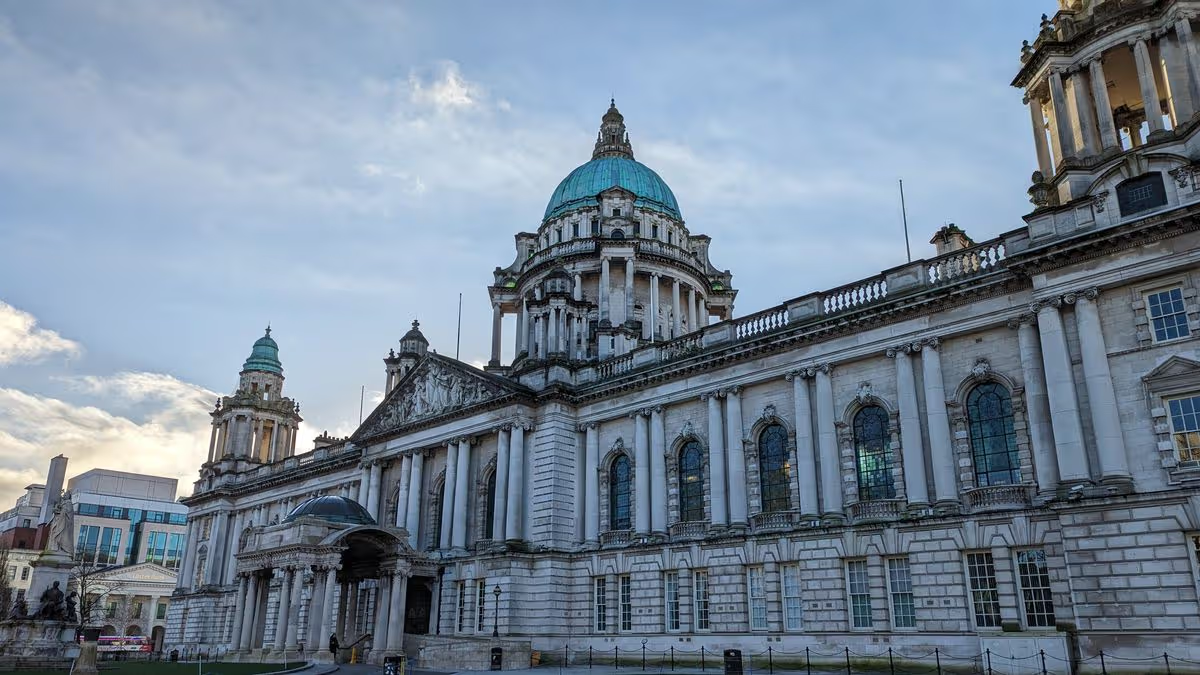
Warning of Belfast City Centre traffic disruption due to weekend parade

Published

on

Belfast Live

Police have told motorists to expect dispruption from 1pm

There has been a warning of potential disruption to traffic due to a parade taking place in Belfast City Centre on Saturday.

Advertisement

The parade by the ROSA Socialist feminist movement will take place at 1pm on April 25 in Victoria Street before moving to Belfast City Hall via High Street and Donegall Place. The parade is expected to end by 3pm.

Police have said that officers will be in the area to assist with traffic management during the parade.

In a brief statement, a PSNI spokesperson said: “Road users are advised to expect disruption in Belfast City Centre this Saturday, 25th April, due to a planned parade. It will commence at 1pm in Victoria Street and culminate at Belfast City Hall. Police will be present in the area in order to assist with traffic management.”

For all the latest news, visit the Belfast Live homepage here and sign up to our daily newsletter.

Advertisement

Source link

Continue Reading

NewsBeat

DVLA tax warning to drivers who want to get back on the road

Published

on

DVLA tax warning to drivers who want to get back on the road

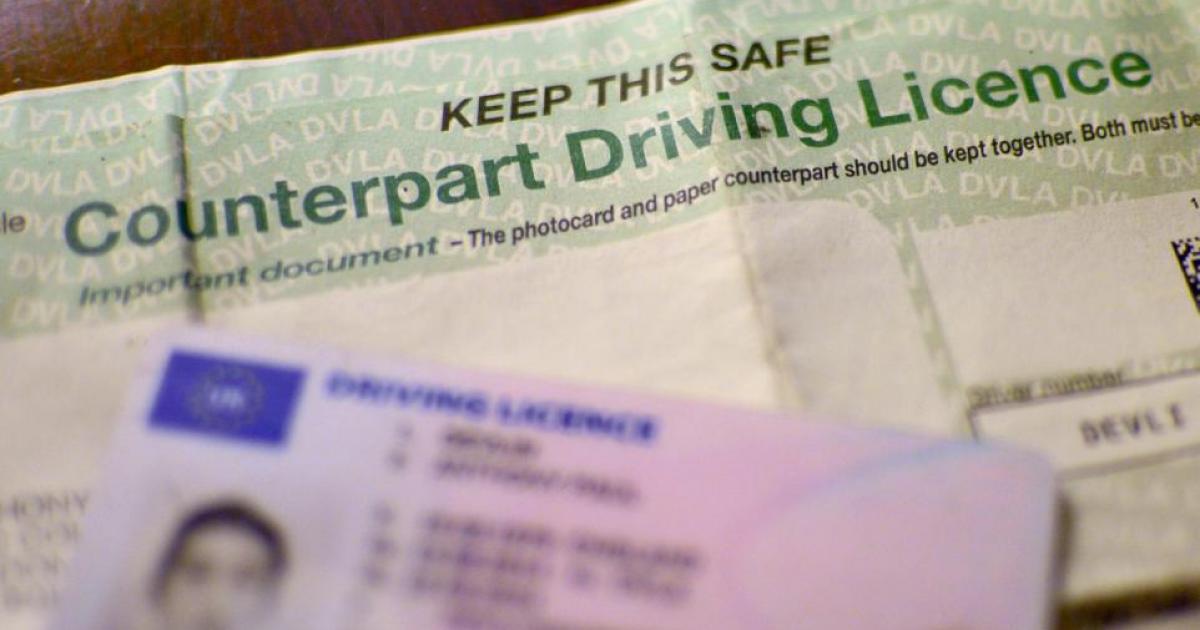
The DVLA have now explained to drivers that there are “no shortcuts” when bringing a vehicle back into use after declaring it off the road under a Statutory Off Road Notification (SORN).

The agency said: “Want to use your vehicle again after telling DVLA it’s off the road (SORN)?

“You have to tax it first.”

Advertisement

What to do if your car has been unused

Even if your car has been sitting unused in a garage or on a driveway, you cannot start driving it again.

Drivers must first go through the official process to tax the vehicle before it is legally allowed back on the road.

Advertisement

And this rule applies even if no payment is due.


The DVLA warns: “You must tax your vehicle even if it is exempt from vehicle tax, meaning there is no charge to pay.”

How to tax your vehicle

Motorists can tax their vehicle using a reference number from one of the following:

  • A recent DVLA tax reminder or ‘last chance’ warning letter
  • The vehicle log book (V5C), which must be in your name
  • The green ‘new keeper’ slip if you have just bought the vehicle


Recommended reading:

Advertisement

If you do not have any of these, you will need to apply for a new logbook – although you can still tax the vehicle at the same time.

Payments can be made by Direct Debit or card, while a 24-hour phone service is also available.

Drivers can also visit a Post Office that handles vehicle tax.

Have you got an unused car? Let us know in the comments.

Advertisement

Source link

Continue Reading

NewsBeat

Flesh eating bacteria found in New York waters could kill infected ‘in two days’

Published

on

Daily Mirror

Experts have discovered evidence of ‘vibrio vulnificus hotspots’ in various ponds around Long Island, New York, with those infected facing a ‘20% chance of dying within 48 hours’

Researchers are warning about a terrifying flesh-eating bacteria found in bodies of water across an area of New York – which could kill those infected “within 48 hours”.

Dr Christopher Gobler, an ecologist from Stony Brook University’s School of Marine and Atmospheric Sciences, said his team discovered evidence of “vibrio vulnificus hotspots” in various ponds around Long Island. Those who are infected with the bacteria could face a 20% chance of dying within 48 hours, he warned.

This is a breaking news story. Follow us on Google News, Flipboard, Apple News, Twitter, Facebook or visit The Mirror homepage.

Advertisement

Source link

Continue Reading

NewsBeat

Girl describes finding rare Mexican axolotl in Wales

Published

on

Girl describes finding rare Mexican axolotl in Wales

A 10-year-old girl who found an endangered Mexican axolotl while on holiday in Wales has told the BBC about the moment she found and caught the amphibian.

It is the first documented discovery of an axolotl in the wild in the UK, with only 50 to 1,000 left globally, according to experts.

Evie was playing in the shallows of the River Ogmore in Bridgend when she spotted the axolotl nestled in the rocks.

The family decided to cut their trip short to take the animal back to their home in Leicester, naming it Dippy as a tribute to where Evie found it.

Advertisement

“I think it’s a really nice change to the family,” Evie said about having Dippy.

Chris Newman, the National Centre for Reptile Welfare (NCRW) director, said the manner in which Dippy was found suggested its previous owner had released it due to a “change in circumstances”.

Source link

Advertisement
Continue Reading

NewsBeat

Teen stopped after driving tractor on motorway on trip from Cavan

Published

on

Belfast Live

The 16-year-old should not have had the vehicle on the road

A 16-year-old was stopped by police after driving a tractor on the M1 on a journey from Co Cavan to Ballymena.

Advertisement

The teenager was stopped by officers from the PSNI Road Policing Strategic Unit near Lisburn on Wednesday, April 22, as the vehicle should not have been using the motorway.

The driver was found to have only a provisional licence from the Republic of Ireland and was not allowed to drive on any Northern Ireland road with officers saying his parents would have to travel three hours to “deal with the matter”.

READ MORE: Man jailed after becoming volatile and threatening to kill mother of his childrenREAD MORE: Two men arrested after east Belfast security alert

A PSNI spokesperson said: “Officers from Road Policing Strategic Unit – Mahon Road – stopped a tractor on the M1 Motorway near Lisburn, earlier today.

Advertisement

“The tractor was travelling to Ballymena from County Cavan. This tractor should not be on the motorway – tractors are not allowed to use motorways.

“The driver, who was only 16 years old and only had a provisional entitlement in the Republic of Ireland, should not have been driving on any road in Northern Ireland. His parents now have a three hour journey to come to Lisburn and deal with the matter.”

For all the latest news, visit the Belfast Live homepage here and sign up to our daily newsletter.

Source link

Advertisement
Continue Reading

Trending

Copyright © 2025