
Business
Trial Starts Mid-Year in Major Rollout


PERTH — Western Australia is finally set to join the digital age for driver identification, with the Cook Labor Government announcing Thursday it will introduce optional digital driver’s licences by late 2027 after allocating $28.2 million in the upcoming state budget.
The initiative, unveiled in Perth, includes a trial beginning mid-2027 and full rollout by the end of that year. Digital licences will initially live in the ServiceWA app’s digital wallet, with plans to expand compatibility to Apple Wallet and Google Wallet for broader convenience.
Science and Innovation Minister Stephen Dawson described the move as a significant step toward modern, secure government services. “These changes are designed around how people live and work today,” Dawson said. “Having key credentials available digitally means less paperwork, fewer delays, and greater convenience.”

Assistant Transport Minister Jessica Stojkovski emphasized that the digital licence would remain optional. Physical cards will stay available “for the foreseeable future,” addressing concerns from residents wary of fully digitizing sensitive documents.
“You can choose to have a digital driver’s licence if that suits your circumstances and lifestyle, but equally if you like having a physical driver’s licence, you can do that as well,” Stojkovski said.
The funding comes from the Digital Capability Fund and will support not only driver’s licences but also a broader State Digital Identity system. This will enable Western Australians to access more online services and secure transactions while maintaining control over their personal data.
Security has been a key focus during development. WA deliberately took longer than eastern states to ensure the system meets top national and international standards. Stojkovski highlighted enhanced safety features, particularly for proof-of-age scenarios at licensed venues.
When scanned for age verification, the digital licence will share only necessary confirmation — such as “over 18” — without revealing full personal details. This contrasts with current physical cards, where venues may capture and store complete information with uncertain data practices.
Transport Minister Rita Saffioti noted most Western Australians already carry their phones daily, making the digital option a natural extension of modern life. The system builds on recent innovations like phone-based SmartRider public transport tagging.
WA has lagged behind other Australian jurisdictions. New South Wales, South Australia, Victoria and others rolled out digital licences years ago, while Tasmania and the Northern Territory advanced plans for 2026 launches. The state’s cautious approach prioritized robust cybersecurity to protect the personal data of roughly 2.2 million licence holders.
The digital credential will allow near real-time verification, ensuring information stays current and accurate. This promises faster licence issuance and replacements, reducing visits to physical service centres. Upgrades to the WA Relationship Authorisation Manager will also improve business-government interactions.
For everyday users, the benefits are clear. Forgot your physical licence? Pull out your phone. Need to prove age quickly? A secure scan does the job with minimal data exposure. The system aligns with national efforts to harmonize digital identities across Australia.
Privacy advocates and older residents have raised questions about digital access and data security. The government has stressed inclusivity, with physical options remaining and strong safeguards against theft or fraud. Dawson noted the project lowers chances of identity theft through better-controlled sharing.
The ServiceWA app already supports Digital ID setup for those over 15 with compatible smartphones. Users link documents like driver’s licences, birth certificates or passports through the myID platform (formerly myGovID) for stronger verification.
Implementation will involve collaboration with licensed venues, police and other stakeholders to ensure smooth acceptance. The pilot phase mid-2027 will test functionality, user experience and verification processes before wider availability.
This rollout forms part of a broader digital transformation under the Cook Government. It complements other initiatives aimed at making services smarter, more efficient and user-friendly while supporting economic growth through reduced administrative burdens.
Industry groups have welcomed the news. Road safety organizations see potential for better compliance checks, while tech sectors view it as boosting WA’s digital credentials. For businesses, real-time verification could streamline hiring, age-restricted sales and insurance processes.
Challenges remain. Not everyone owns a compatible smartphone, and network coverage in regional WA could affect reliability. The government has committed to addressing these through the trial phase and ongoing consultation.
As WA catches up, the digital licence represents more than convenience — it signals a shift toward secure, privacy-focused identity management. With $28.2 million committed, the state aims to deliver one of the strongest systems nationally.
Motorists are encouraged to stay informed via the ServiceWA app and Department of Transport channels. While physical licences continue unchanged for now, the optional digital version promises to make carrying identification simpler and safer for those who choose it.
The announcement comes as Australia moves toward greater digital integration. With most states already offering or planning mobile licences, WA’s entry completes the national picture and positions the state for future interoperable systems.
For millions of Western Australian drivers, the phone in their pocket could soon serve as their official licence — a practical evolution in how identity travels in the 21st century. The mid-2027 trial will provide the first real test of this long-awaited technology.


Earnings call transcript: Kemira Q1 2026 earnings miss, stock slides 7%

The international brokerage said that while India’s long-term structural story remains intact, near-term tactical headwinds call for patience. The brokerage added that these challenges justify a more cautious stance, noting that although the valuation gap has started to narrow, it continues to remain elevated.
It flagged multiple risks to earnings, including potential energy supply disruptions, which could impact companies across sectors. Reflecting this, sector analysts have already cut FY27 earnings estimates by 2% to 10% across key segments. JPMorgan has also lowered its CY26E and CY27E MSCI India EPS growth forecasts by 2% and 1% to 11% and 13%, respectively.
The brokerage highlighted that India’s largecap universe lacks meaningful exposure to high-growth themes such as AI, data centres and semiconductors compared to markets like the US, Korea, China, and Taiwan. It also pointed to monsoon-related risks that could hurt rural incomes and drive food inflation.
Given the current backdrop, the brokerage sees better opportunities in other emerging markets until valuations correct further or earnings visibility improves. Within sectors, it remains overweight on Financials, Materials, Consumer Discretionary, Hospitals, Defence and Power, while staying underweight on IT and Pharma.

JPMorgan has revised its Nifty 50 targets lower, the bull, base, and bear case scenarios are now 30,000, 27,000, and 20,500, respectively, compared to earlier estimates of 33,000, 30,000, and 24,000.
Earlier this week, HSBC downgraded India to underweight from neutral, marking its second cut in the past two months, citing rising inflation risks driven by elevated oil prices and demand pressures that could weigh on earnings growth.“The ongoing West Asia conflict has brought focus back to downside risks for growth, given India’s heavy dependence on imported energy,” the brokerage said in a client note. “While growth has shown signs of improvement over the past two quarters, we expect the recovery to be delayed from here.”
HSBC had earlier lowered India to neutral in late March, pointing to an unfavourable risk-reward balance. Although the March selloff helped ease valuation concerns, the brokerage warned that pressure on corporate profitability could offset this benefit.
(Disclaimer: Recommendations, suggestions, views, and opinions given by the experts are their own. These do not represent the views of The Economic Times)
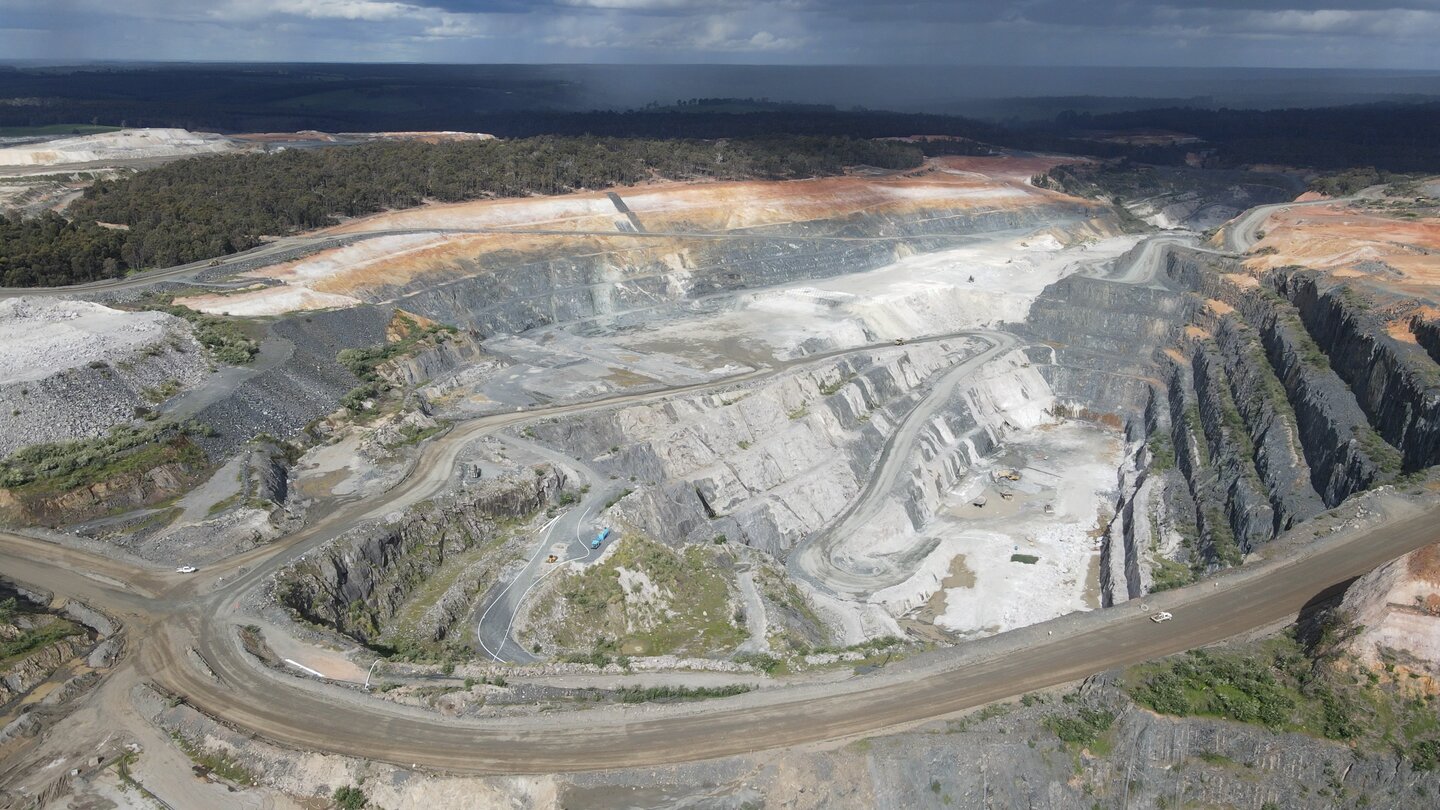
IGO has labelled performance at Greenbushes as “disappointing” after cutting its lithium production guidance and grappling with safety incidents through the quarter.


Minneapolis campaigners press Swiss National Bank to dump Palantir investment

Goldman Sachs turns cautious, trims outlook sharply
The brokerage downgraded the stock to “Sell” and sharply cut its target price to Rs 1,075 from Rs 1,225, signalling potential downside from current levels.
A key overhang is the much-anticipated opportunity linked to Ozempic, which Goldman Sachs now believes could be smaller in scale and shorter-lived than previously expected. This has raised questions about the company’s near-term growth triggers.
Adding to the pressure, the firm highlighted limited visibility in Dr Reddy’s pipeline, noting a lack of significant high-value launches that could drive earnings momentum. Meanwhile, ongoing price erosion in its core generics business continues to dent profitability.
Reflecting these challenges, Goldman Sachs has cut earnings per share (EPS) estimates by 8-26% for FY26-FY28, indicating a weaker earnings trajectory ahead.
The brokerage also flagged valuation concerns, arguing that the stock’s current multiples are ahead of underlying fundamentals. It now values Dr Reddy’s at around 19x P/E, warning of further downside risk if growth fails to materialise.
Citi remains bearish despite approval optimism
Citigroup also maintained its “Sell” rating on the stock with a target price of Rs 1,070, reinforcing a cautious consensus among global brokerages.
While Dr Reddy’s shares had earlier gained nearly 9% on reports of an unverified generic semaglutide approval in Canada, Citi downplayed the excitement, arguing that even if confirmed, the upside appears overstated given intense competition.
The brokerage estimates FY28 product revenues of around $50 million in a six-player market, while revising FY27 revenue expectations to $80-100 million (up from ~$60 million earlier) in a three-player competitive set including Dr Reddy’s, Sandoz and Apotex.
Citi also expects fourth-quarter FY26 earnings to normalise on a base excluding Revlimid contributions and warned that broader market earnings estimates may need to be revised downward. Its EPS forecasts are already 20%-23% below consensus, underscoring a more conservative stance on earnings growth.
Sentiment turns cautious
With both Goldman Sachs and Citi flagging limited earnings visibility, pipeline uncertainty and stretched valuations, sentiment around Dr Reddy’s has turned notably cautious, despite intermittent optimism around niche product approvals.
(Disclaimer: The recommendations, suggestions, views and opinions given by the experts are their own. These do not represent the views of The Economic Times.)

Speaking to ET Now, market expert Sandip Sabharwal offered a measured view of the current landscape, highlighting the challenges facing the IT sector and the broader market.
“Overall, the results have been muted. Some companies have disappointed more than others. So, HCL Tech disappointed I guess the most in terms of what they reported and guidance. Infosys also has been soft. TCS, as we look at all the results combined now, TCS seems to have fared the best and both in terms of what they reported and the order flows which they have got, but the industry is obviously challenged,” Sabharwal said.
He pointed to a deeper transformation underway in the IT industry, driven by the shift toward artificial intelligence-led delivery models.
“The transition phase to AI driven delivery from purely numbers-led delivery in terms of hours of manpower, that transition is on, which could lead to subdued growth for this year and maybe possibly next year also and then it will be a question of which companies are able to transform and they will then do well,” he added.
Despite the subdued growth outlook, valuations have become more reasonable. “Valuations overall are not very expensive now because Infosys, for example, trades at just around 15 times earnings which is a level which has been more near a historical turf, but at that time the growth prospects are also greater. But given the fact that they are cash generating, the downside also could be limited. So, it is a picture where you do not see much upside but there could also not be substantial downside,” he noted.
Structural Challenges Weigh on IT
When asked whether investors should avoid IT stocks altogether, Sabharwal leaned toward caution.
“Largely yes, because although all sectors are getting challenged right now because of whatever is happening on the oil and commodity front and potential inflation impact, but IT is a sector which is facing structural issues. So, other sectors might be facing short-term issues due to short-term factors, but this is a sector facing structural issues so that is the main problem,” he said.
A Market for Selective Buying
The broader market, too, is navigating a delicate balance between optimism and uncertainty. While geopolitical tensions and commodity price volatility remain concerns, there are also signs of stability.
“We were aggressive buyers in March but right now I would be very-very selective. So, I would not be a big buyer today because of the sheer rally which has happened and the markets actually seem to be positioned not only in India but globally also on an end game, like the conflict ending in one way or the other,” Sabharwal observed.
He also flagged crude oil prices as a key risk factor for the Indian economy. “The second thing is obviously the oil prices which impact the Indian economy in a significant negative manner if they sustain at such high levels,” he said.
Going forward, he suggests a selective approach, particularly in sectors like automobiles where corrections could create opportunities.
Reliance: A Mixed Outlook
All eyes are also on Reliance Industries as it prepares to announce its results. However, Sabharwal cautioned that forecasting performance may be difficult this quarter.
“Reliance numbers are very tough to call this time because retail and telecom should do fine. But what numbers will come out of oil to chemicals business is very-very tough in the face of whatever has happened in terms of crude prices, export duties being imposed, etc, so that is a segment which I find it very difficult to call,” he said.
Still, he believes the company remains reasonably valued from a long-term perspective.
Financials Remain a Bright Spot
In contrast to IT, the banking and financial sector has shown resilience, supported by strong asset quality.
“Yes, banking and financial numbers have been fine. So, the biggest positive I see in most large financial companies, banks and NBFCs combined is the sheer strength of the asset quality of the book where the asset quality has not deteriorated at all,” Sabharwal said, citing examples such as ICICI Bank and HDFC Bank.
However, he acknowledged emerging risks, including potential interest rate hikes and concerns over inflation and monsoon trends.
Metals May Continue to Shine
Among sectors that could benefit from the current macro environment, metals stand out.
“Yes, metal prices could sustain, as such metal stocks could sustain because there are disruptions related to production and as well as price upticks due to the input prices moving up,” Sabharwal explained.
He added that inflationary conditions typically favor such sectors, with steel companies in particular benefiting from recent price increases.
Key Takeaways
As earnings season progresses, the market narrative is increasingly defined by divergence—between sectors facing structural disruption and those benefiting from cyclical or macroeconomic tailwinds. While IT may remain under pressure in the near term, financials and metals offer relative stability. For investors, the message is clear: this is not a time for broad bets, but for careful, selective positioning.
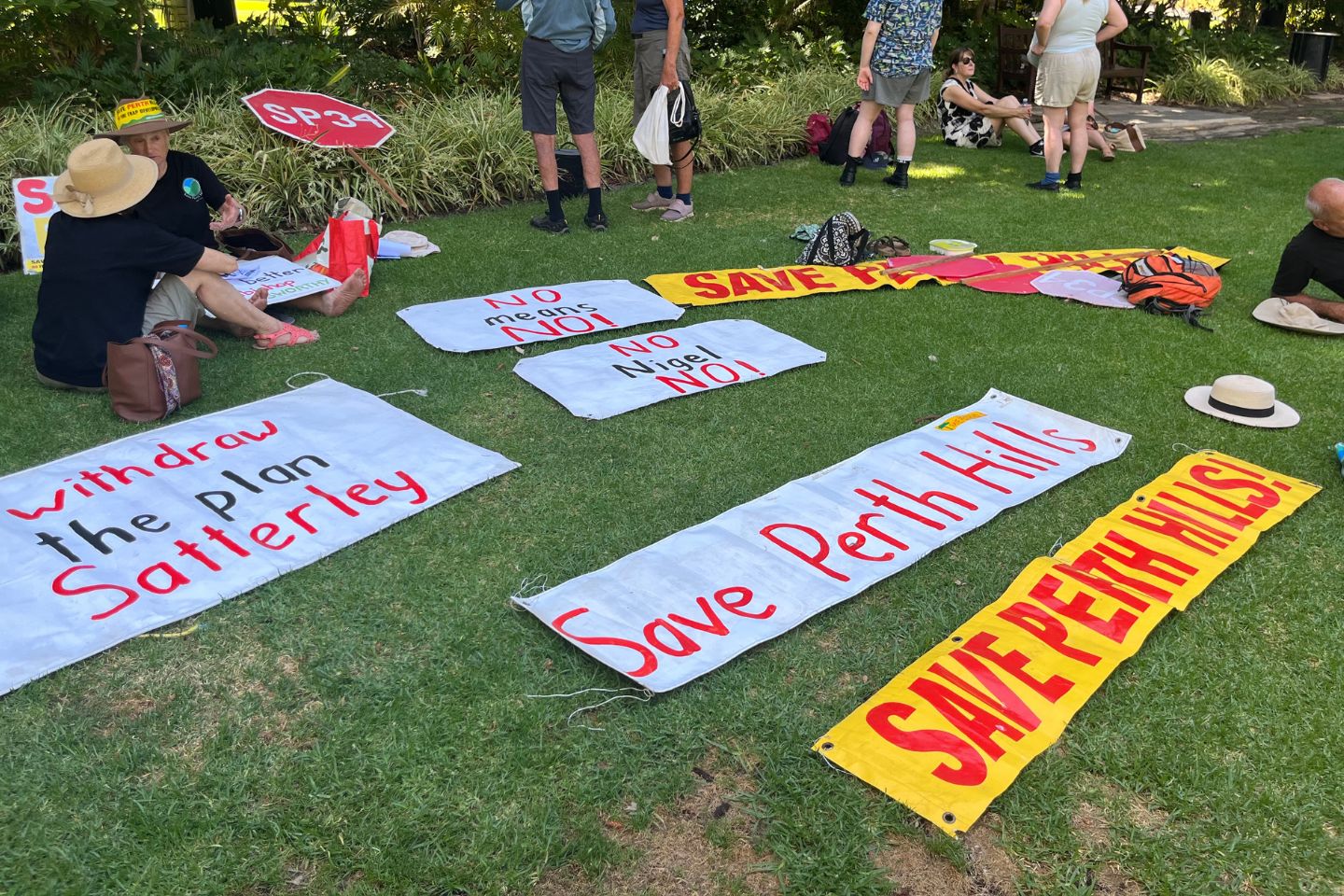
Satterley Property Group has failed to reopen its case in an ongoing tribunal dispute, which would have extended the proceedings by several months.
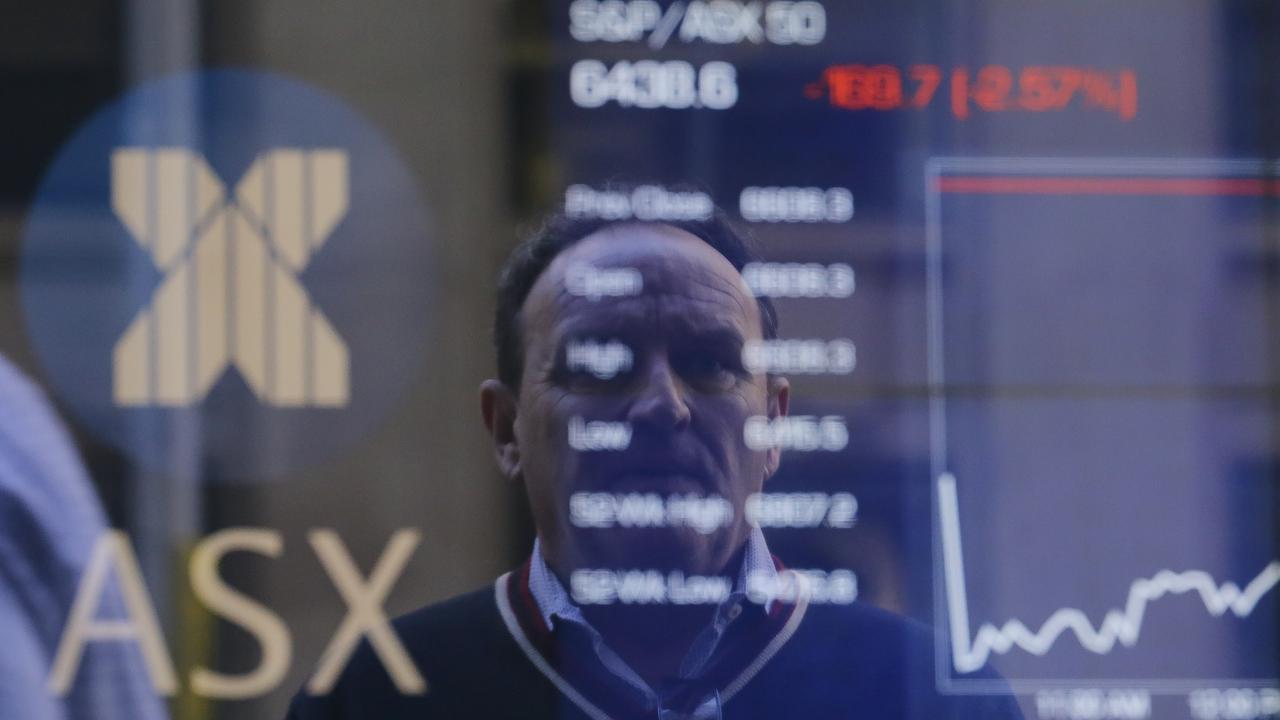
Australia’s share market has fallen for a fourth-straight session, with banks and miners weighing heavily on the bourse as the Persian Gulf conflict dims the global economic outlook.
The S&P/ASX200 slipped 6.9 points on Friday, down 0.08 per cent, to 8,786.5, as the broader All Ordinaries lost 17.8 points, or 0.08 per cent, to 9,006.4.
The All Ordinaries fell 162.3 points, or 1.77 per cent, for the week.
Energy, utilities stocks and the traditionally defensive consumer staples sector had a positive week, buoyed by rising oil prices with no end in sight to the US-Iran conflict that has strangled a key crude shipping route.
The Australian dollar is buying 71.29 US cents, down from 71.52 US cents on Thursday at 5pm.
Jack McGinn speaks with Nadia Budihardjo about a recent court ruling and what that means for freedom of information requests.
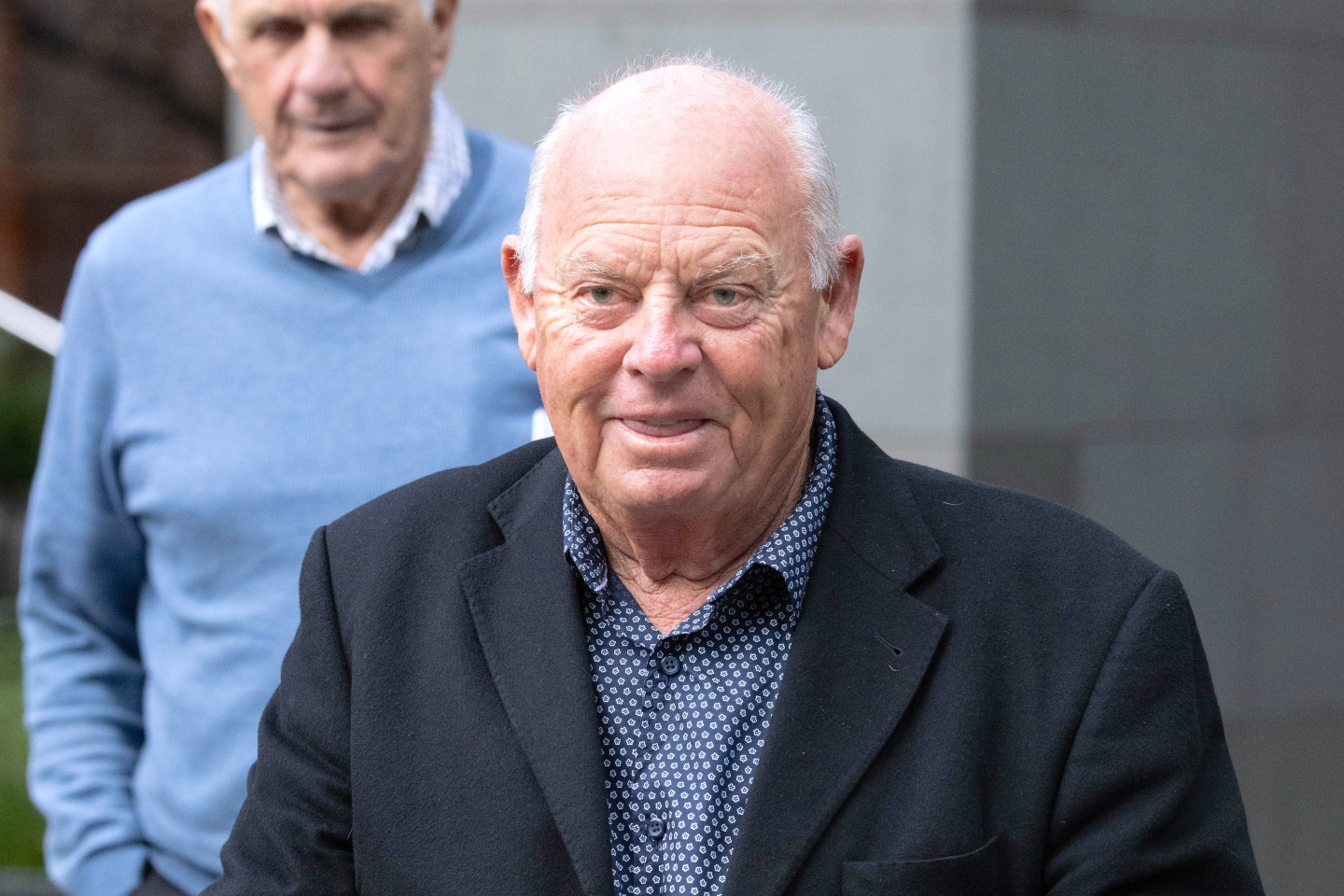
Peter Bartlett’s FMR Investments has won a legal battle with his ousted lieutenant Patrick Keogh over a secret gold stockpile processing operation.

Cambridgeshire drug dealer with nine phones ran county lines network
Earnings call transcript: Kemira Q1 2026 earnings miss, stock slides 7%

Trump to address memecoin gala Saturday, White House confirms

Manchester United reach agreement with Casemiro over contract clause amid transfer speculation

US brings back mandatory military draft registration

Steven Gerrard disagrees with Gary Neville over ‘shock’ Chelsea and Arsenal claim | Football


![LISA - 'MONEY' 2023 WORLD TOUR [BORN PINK] KYOCERA DOME OSAKA](https://wordupnews.com/wp-content/uploads/2026/02/1770253317_hqdefault-80x80.jpg)
-

 Sports7 days ago
NWFL Suspends Two Players Over Post-Match Clash in Ado-Ekiti
-

 Fashion7 days ago
Weekend Open Thread: Theodora Dress
-

 Politics6 days ago
Palestine barred from entering Canada for FIFA Congress
-
Entertainment4 days ago
NBA Analyst Charles Barkley Chimes in on Ice Spice McDonald’s Fiasco
-

 Tech5 days ago
Auto Enthusiast Scores Running Tesla Model 3 for Two Grand and Turns It Into Bare-Bones Go-Kart
-

 Business5 days ago
Powerball Result April 18, 2026: No Jackpot Winner in Powerball Draw: $75 Million Rolls Over
-

 Politics5 days ago
Zack Polanski demands ‘council homes not luxury flats for foreign investors’
-

 Crypto World6 days ago
Russia Pushes Bill to Criminalize Unregistered Crypto Services
-

 Politics3 days ago
Gary Stevenson delivers timely reminder to register to vote as deadline TODAY
-

 Business2 days ago
Rolls-Royce Voted UK’s Most Iconic Trade Mark as IPO Register Hits 150
-

 Politics2 days ago
Disabled people challenge government SEND proposals over segregation concerns
-

 Politics2 days ago
Making troops accountable for war crimes threatens US alliance, ex-SAS colonel warns
-

 Crypto World6 days ago
Russia Introduces Bill To Criminalize Unregistered Crypto Services
-

 Politics2 days ago
Starmer handler McSweeney to be dragged from shadows by Foreign Affairs Committee
-
Politics2 days ago
Wings Over Scotland | How To Get Away With Crimes
-

 Politics2 days ago
Zack Polanski responds to home secretary’s taser threat
-
 Crypto World5 days ago
Kelp DAO rsETH Bridge Hack Drains $292M as DeFi Losses Top $600M in Two Weeks
-

 Politics2 days ago
‘Iran is still a nuclear threat’
-

 Crypto World2 days ago
New York sues Coinbase, Gemini over prediction market offerings
-
 Sports7 days ago
Kevin Kisner apologizes for Masters criticism: ‘I crossed the line’
You must be logged in to post a comment Login