

Connect with us
DAPA Banner

Business

Inside Floors To Your Home with Dan Kahn

Published

on

Inside Floors To Your Home with Dan Kahn

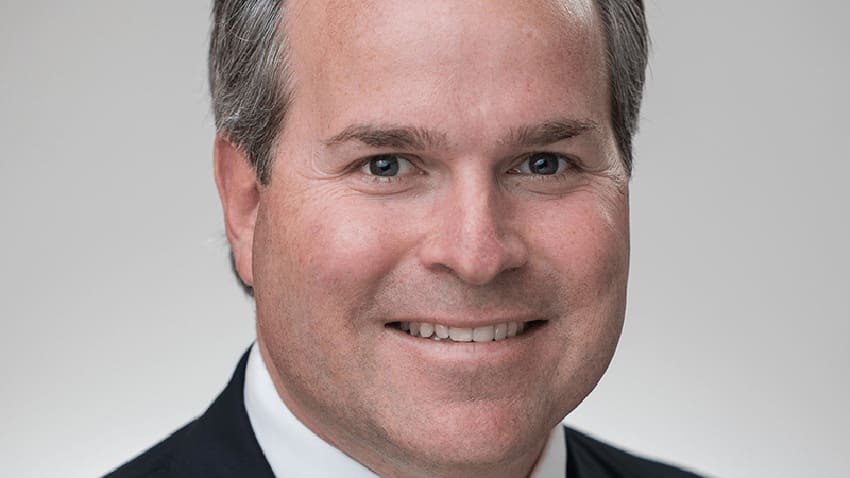
Dan Kahn is the President and Co-Owner of Floors To Your Home, a four-generation family business founded in 1921. Based in Indianapolis, the company has built a reputation over more than 100 years for combining strong buying discipline with consistent customer service.

Kahn grew up around the business and stepped into leadership in 1986 alongside his brother, Marshall. Since then, he has helped guide the company through major changes in the retail and ecommerce landscape while staying rooted in its original values.

“My company was founded on the highest ethical principles by my grandfather,” Kahn says. “We’ve kept those strong traditions of honesty and excellence in customer service in place for future generations.”

One of Kahn’s key contributions has been reinforcing a warehouse-first business model. Rather than relying on third-party suppliers, the company owns and stores the majority of its inventory. This allows for faster shipping and more direct control over the customer experience.

“We own and warehouse 99% of all the products you see displayed on our website,” he explains.

Advertisement

Kahn has also leaned into large-scale closeout buying. By purchasing discontinued and overstock flooring in bulk, the company has created a system that operates differently from many traditional retailers.

His leadership reflects a practical approach to growth. Focus on what works. Improve operations over time. Stay consistent.

Today, Floors To Your Home continues to evolve under his guidance, with the fourth generation now involved in the business.

A Conversation with Dan Kahn of Floors To Your Home

Q: You come from a long line of business owners. How did that shape your career?

I grew up around the business, so I saw how it worked from an early age. My grandfather founded the company in 1921. After he passed in 1948, my father took over and ran it until 1986. Then my brother and I stepped in.

Advertisement

You learn a lot just by being around it. You see how decisions are made. You see how customers are treated. That stays with you.

“My company was founded on the highest ethical principles by my grandfather,” Kahn says. “We’ve kept those strong traditions in place.”

Q: What were the biggest changes when you took over in 1986?

Retail was already starting to shift. Bigger chains were growing. Competition was increasing. We had to think carefully about how we would stay relevant.

We didn’t try to compete on everything. We focused on what we could do well.

Advertisement

That meant buying smart and building strong relationships with suppliers.

Q: One of your key strategies is buying closeout flooring. How did that come about?

It developed over time. We saw opportunities in discontinued and overstock products. Manufacturers and large retailers often need to move inventory quickly.

“Are you familiar with clothing or shoe outlet stores?” Kahn says. “We are just like those outlet stores, but we sell flooring.”

Once we leaned into that model, it became a core part of the business.

Advertisement

Q: You also chose to warehouse most of your inventory. Why was that important?

Control. That’s the main reason.

A lot of companies don’t actually own what they sell. They list products and then order them from someone else after the customer buys.

“We own and warehouse 99% of all the products you see displayed on our website,” Kahn says.

That gives us more control over shipping, accuracy, and communication.

Advertisement

Q: What impact does that have on the customer experience?

It reduces uncertainty.

If you own the product, you know exactly what you have. You know when it will ship. You can check it before it goes out.

“We double and triple check before any flooring is shipped out,” Kahn says. “We will personally call you to let you know that your flooring has shipped.”

It’s about making the process clearer for the customer.

Advertisement

Q: Flooring is a major purchase. How do you help customers feel confident buying online?

We try to give them as much information as possible.

We photograph and scan all our products ourselves. We also encourage customers to order samples.

“Nothing compares to holding a piece of the actual flooring in your home,” Kahn says.

It helps them make a more informed decision.

Advertisement

Q: Your inventory is always changing. How do you manage that?

That’s part of the business. When you’re dealing with closeouts, you can’t always restock the same product.

“With many of our offers, once we run out we may never get to bring them back in,” Kahn says.

We focus on keeping a strong range of options available and bringing in new inventory regularly.

Q: What has leadership meant to you over the years?

It’s about consistency.

Advertisement

You don’t need to reinvent everything. You need to understand what works and build on it.

We’ve stayed focused on buying well, serving customers, and running the business responsibly.

Q: What do you think has helped the business last for over 100 years?

A long-term mindset.

We’re not just thinking about today. We’re thinking about the next generation.

Advertisement

“Our flooring experts have years of experience,” Kahn says. “They can help you pick the right floor for the right environment.”

That kind of knowledge and service builds trust over time.

Advertisement
Continue Reading
Click to comment

You must be logged in to post a comment Login

Leave a Reply

Business

Market may trade in a range, but FIIs seen sold on India

Published

on

ET Search
NEW DELHI: Dalal Street is expected to see range-bound trading this week in the absence of any major trigger either on the domestic or global front, say analysts.

“Though the market has been moving up it seems to be running out of steam as the indices are still moving within a strong range,” according to broking house ICICI Direct.

“In terms of valuation and from the angle of risk-return trade-off also, the domestic market is looking slightly vulnerable and is likely to see some downward correction in the short-term,” it adds.

Despite the overall rise, the domestic market has been under-performing against most of its global peers including China, which has seen a 19% rise in the same time period.

Advertisement

“Investors are cautious and the market is likely to see a side-way trading this week,” said Bonanza Portfolio assistant vice-president for research Avinash Gupta.


Analysts further say, following the negative global cues, the market may open with negative bias on Monday, however, it may bounce back later on fund inflow.
“Tracking the weak US and European markets, Dalal Street may open with a negative bias on Monday. However, FIIs are still bullish about the India growth story and a sustained inflow will help the market to bounce-back,” said Geojit BNP Paribas research head Alex Mathews.Foreign Institutional Investors are positive on the domestic market and last week itself infused a net of `5,590 crore in local stocks, taking their total investment so far in 2010 to `51,185 crore as per the data with Sebi.

“Global parameters will be important to decide the direction of the domestic markets,” added Mr Mathews .

On the domestic front, the faster progress of the monsoon remains the key factor for the market. The IIP figures for June, which are due this week, will also be important and needs to be watched.

Domestic markets recovered during the past week and both indices made their fresh 2010 highs, as FIIs continued their buying spree. On a week-on-week basis, the Sensex went up by about 276 points, or 1.5%, to close at 18,143.99.

Advertisement

On Friday, Wall Street too settled in the red on sluggish jobs market data and unimpressive July retail sales figures. The Dow Jones lost 0.20% and S&P 500 ended 0.37% lower.

Add ET Logo as a Reliable and Trusted News Source



Continue Reading

Business

NexGel receives Nasdaq notice for minimum bid price deficiency

Published

on


NexGel receives Nasdaq notice for minimum bid price deficiency

Continue Reading

Business

Volex plc (VLXGF) Analyst/Investor Day – Slideshow

Published

on

OneWater Marine Inc. (ONEW) Q1 2026 Earnings Call Transcript

Volex plc (VLXGF) Analyst/Investor Day – Slideshow

Continue Reading

Business

How integrated fans and lighting are shaping comfort, design and efficiency in hospitality businesses

Published

on

How integrated fans and lighting are shaping comfort, design and efficiency in hospitality businesses

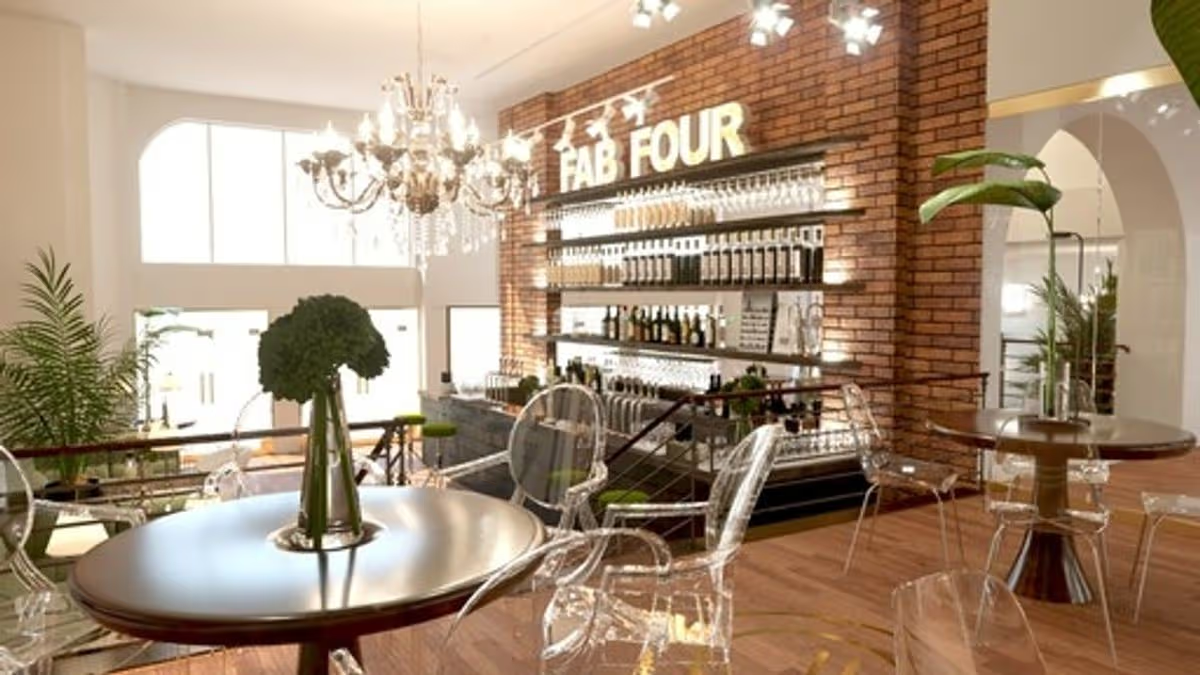
Premium indoor ceiling fans and lighting solutions are increasingly vital to how hospitality venues deliver comfort and efficiency.

As guest expectations rise and competition intensifies, well-designed environmental systems play a central role in shaping visitor experiences. Operators now look beyond aesthetics, focusing on operational benefits and brand consistency across multiple sites.In the fast-evolving hospitality sector, owners and managers are continually reassessing their approach to environmental comfort. Integrating lighting and climate control, particularly through premium indoor ceiling fans, has become a strategic priority for maintaining positive guest feedback, encouraging longer stays, and supporting a venue’s reputation. These coordinated systems serve both front-of-house needs and critical operational objectives, such as energy management and staff productivity. Visual Comfort is a notable provider in this space, designing and curating premium decorative and architectural lighting that blends timeless design, craftsmanship, and performance for residential and commercial settings.

Guest experience and operational efficiency drivers

Hospitality businesses today face increasing pressure to deliver environments that meet and exceed guest comfort standards. Temperature consistency and tailored lighting are now considered essential for earning positive online reviews and encouraging repeat visits, making environmental systems a key part of a venue’s operational offer.

At the same time, operators must balance comfort with cost control. Upgrading to solutions that combine efficient airflow with adjustable light settings enables hotels and restaurants to better manage energy expenditure during peak and off-peak hours. This can help reduce utility bills and limit strain on central HVAC systems.

Business benefits of coordinated environmental systems

By integrating the control of air movement and lighting, venues can ensure a consistent and adaptable atmosphere throughout the day. Such coordination can support staff productivity and housekeeping tasks, both of which depend on reliable temperature and visibility.

Advertisement

The adoption of these systems also aids in long-term planning. Hospitality managers may find that synchronised maintenance schedules become more efficient, premium indoor ceiling fans support streamlined troubleshooting, and parts ordering processes can become more predictable to reduce unexpected downtime risk.

Design standards and sustainability in focus

Maintaining a consistent interior look across multiple sites benefits large hospitality groups aiming for strong brand identity. Choosing coordinated fixtures that withstand frequent use yet are easy to clean helps ensure both style and practicality are achieved in busy environments.

Sustainability remains a key concern, with modern systems designed to lower overall energy consumption and the long-term capital expenditure typically associated with environmental upgrades. Measuring the effects post-installation, such as energy use, comfort complaints, and guest satisfaction, provides valuable feedback for ongoing improvement and future procurement decisions.

When sourcing integrated solutions, many operators work closely with designers and engineering consultants to specify products that match both aesthetic goals and operational requirements. Brands like Visual Comfort offer ranges created for high-traffic hospitality settings, focusing on compliance and the standardisation of guest experience across locations.

Advertisement

Continue Reading

Business

Ball Corporation Isn't Prepared For An Upgrade Yet

Published

on

Ball Corporation Isn't Prepared For An Upgrade Yet

Ball Corporation Isn't Prepared For An Upgrade Yet

Continue Reading

Business

What is happening with Cavern Walks Hilton hotel plans?

Published

on

Business Live

Hotel was approved in 2024 but new plans for building now lodged

The original plans for the Cavern Walks hotel showed it would have a Beatles theme running throughout

The original plans for the Cavern Walks hotel showed it would have a Beatles theme running throughout(Image: Greenwood Developments/Reflected Reality)

Plans for a new Hilton Hotel in Liverpool’s famous Mathew Street look to have been scrapped. In October 2024, the city council’s planning committee signed off on an expanded proposal for a 283-room hotel within the Cavern Walks shopping centre.

Advertisement

It was expected that through an agreement between JSM Company Group and entrepreneur Craig Greenwood, Hilton would bring its new line Motto by Hilton to the city. Plans for the venue also included a cinema room, function room and a bar.

However, new documents have been lodged with Liverpool City Council planners, solely by JSM, seeking to carry out internal change of use to install 85 serviced apartments on the first to seventh floors. Mr Greenwood had acquired Cavern Walks in a £7m joint venture with JSM in October 2022.

Two years later, the local authority gave its approval for the hotel plans to almost double, having already said yes to a 150-room set up previously. According to planning records, this was the subject of an article 40 disposal in February this year, meaning it was no longer held on file by the city council.

Initial plans sought to provide multi-bedded rooms, ranging from six to one within each room, to accommodate groups as well as individuals and couples. Speaking previously, Mr Greenwood, managing director of Greenwood Developments, said: “We are grateful to Liverpool City Council for their support as we progress with the development.

Advertisement

“The brand is a natural fit for the Cavern Quarter, and with its exceptional location in the heart of the action, the hotel will perfectly complement the area’s vibrant tourism scene.” The new proposal submitted by JSM in March said it would look to redevelop the site with a change of use from the previously approved hotel scheme to 85 serviced apartments located on the first to seventh floors, along with a gym and spa area located within the mezzanine floor.

The existing lower and upper ground floors will be refurbished, continuing their use of retail units. There are to be no external alterations to the property.

A design and access statement said the apartments will consist of a mixture of one and two beds, “providing luxury accommodation for visitors to Liverpool city centre. Each apartment has a large open plan kitchen/living/dining, along with spacious bedrooms and a bathroom.”

It added: “With the increase of visitors to the city centre, new serviced apartments in this significant, lively area will be a positive impact to Liverpool’s tourism. The application supports the need for varying developments to sustain population levels and to address the issues of urban density.

Advertisement

“The development can contribute to the identified regeneration programmes of the area and reduce the worsening decay of historic buildings within Liverpool city centre.” The LDRS attempted to contact JSM Company Group, Greenwood Developments and Hilton for comment.

To find all the planning applications, traffic diversions, road layout changes, alcohol licence applications and more in your community, visit the Public Notices Portal.

Continue Reading

Business

Michael Sealy Dallas on Understanding the Business from the Ground Up

Published

on

Michael Sealy Dallas on Understanding the Business from the Ground Up

Michael P. Sealy is a Dallas-based real estate executive and Director of Corporate Strategy at Sealy & Company. He is known for his broad experience across the commercial real estate sector and his long-term, systems-based approach to business.

Sealy grew up in Shreveport, Louisiana, in a family closely tied to the industry. His father spent more than six decades in commercial real estate, which shaped his early understanding of the business. He attended Loyola College Prep, where he played competitive sports and reached the state football final in his senior year. That experience helped build his discipline and focus.

He later graduated from Southern Methodist University with a degree in economics and a minor in anthropology. He began his career at Colliers International as a leasing broker. There, he developed a strong foundation in deal execution, market analysis, and client relationships.

In 2000, Sealy joined Sealy & Company. Over time, he worked across construction, development, capital markets, and investment analysis. He held several senior roles, including Chief Capital Markets Officer, before moving into corporate strategy.

Today, he focuses on long-term planning, cross-functional alignment, and strategic growth. His leadership style is shaped by hands-on experience across the full business.

Advertisement

Outside of work, Sealy is active in community and conservation efforts. He supports organizations such as the Momentous Institute, Habitat for Humanity, and United Way. He also spends time on wildlife conservation and land management, reflecting his interest in long-term stewardship.

Michael Sealy Dallas on Strategy, Experience, and Long-Term Thinking

Q: Let’s start at the beginning. How did your early life shape your career path?

I grew up in Shreveport, Louisiana, in a family that was already in the real estate business. My father spent more than 60 years in the industry, following in the footsteps of his father and grandfather, so I was exposed to it early on. It was not just about business, though. It was about work ethic, accountability, and being consistent. That had a big impact on me.

I was also very involved in sports. I played football in high school, and we made it to the state final my senior year. That experience stayed with me. It teaches you discipline and how to work as part of a team.

Q: What did you take from your time at Southern Methodist University?

At SMU, I studied economics with a minor in anthropology. That combination was useful. Economics gives you a framework for understanding markets. Anthropology helps you understand people and behavior. In real estate, you need both.

Advertisement

It also gave me time to think about what I wanted to do in the long term. I knew I wanted to be in business, but I did not want to rush into one narrow role.

Q: Your first role was at Colliers International. What did that experience teach you?

I started as a leasing broker. It was a good place to begin because you learn quickly how deals actually happen. You deal with clients, you look at market data, and you have to execute.

It also teaches you that relationships matter. You can have all the data in the world, but if you cannot build trust, it is hard to move forward.

Q: You joined Sealy & Company in 2000. What was your approach to growing within the firm?

I did not want to stay in one area. I wanted to understand the full business. So I worked across different departments. Construction, development, capital markets, investment analysis.

Advertisement

Each role gave me a different view. Over time, that builds a more complete picture. It also helps when you make decisions later because you understand how those decisions affect different teams.

Q: How did those roles prepare you for your current position in corporate strategy?

My current role is about connecting the dots. Strategy is not just one thing. It is how everything works together.

Because I have worked in different parts of the business, I can look at opportunities from multiple angles. I can think about execution, capital, and long-term impact simultaneously.

That kind of perspective only comes from experience.

Advertisement

Q: What does your day-to-day work look like now?

Much of it focuses on evaluating opportunities and supporting long-term planning. I work with different teams across the company to align strategy and execution.

It is less about individual deals and more about the broader direction of the business. You are looking at how decisions today affect the company over time.

Q: How would you describe your leadership style?

It is shaped by experience. When you have worked in different roles, you understand the details. You know what teams are dealing with.

That makes you more collaborative. You listen more. You try to understand before making decisions.

Advertisement

I also think consistency matters. You cannot just react to short-term changes. You need to stay focused on long-term goals.

Q: Outside of work, you are involved in conservation and community efforts. Why is that important to you?

I spend a lot of time outdoors. Hunting, fishing, and managing land for wildlife. It is something I care about.

Conservation is a long-term effort. You are thinking about how to preserve something over time. That mindset is similar to business in some ways.

I am also involved with organizations like the Salesmanship Club of Dallas and the Momentous Institute. Giving back is important. It keeps you connected to the community.

Advertisement

Q: What lessons have stayed with you throughout your career?

Experience matters. The more you understand, the better decisions you can make.

I also think it is important to stay patient. Not everything happens quickly. Building knowledge over time is what makes a difference.

And finally, you need to stay adaptable. Markets change. Industries change. You have to be able to adjust while staying grounded in what you know.

Advertisement

Continue Reading

Business

LARRY KUDLOW: We need a big, ambitious, pro-growth budget bill

Published

on

LARRY KUDLOW: Hormuz will not stop history

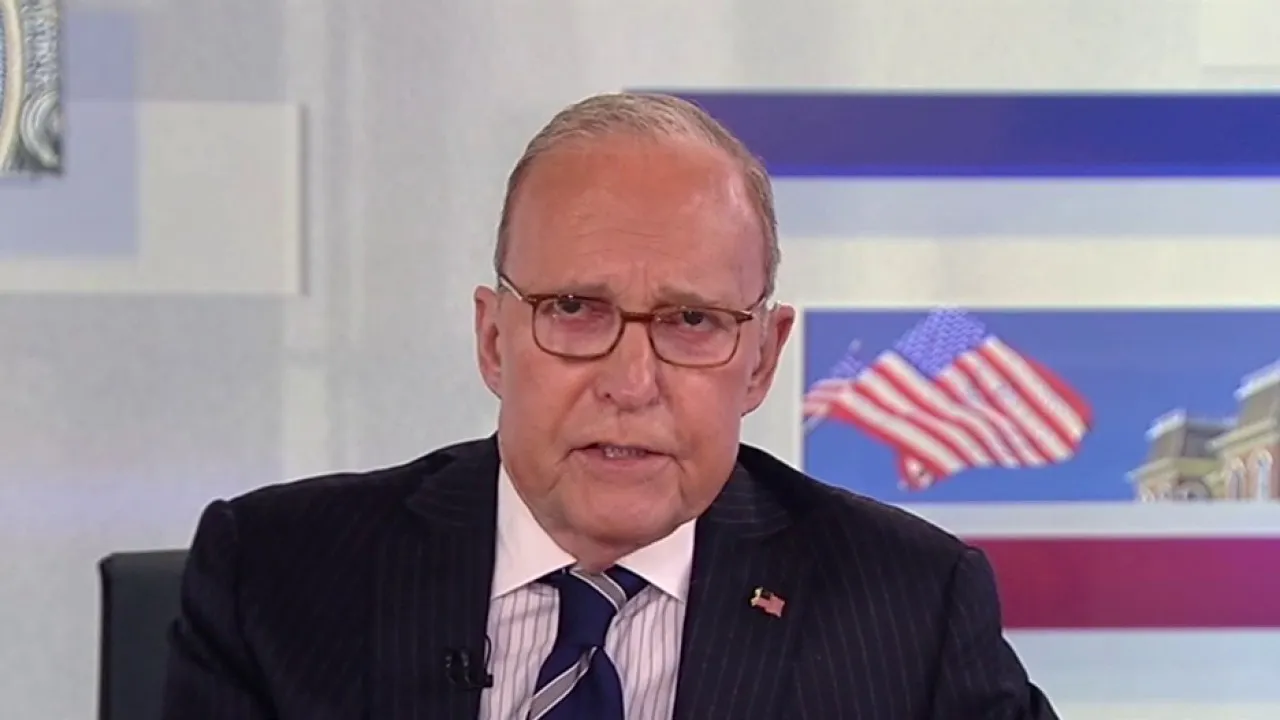
When Republicans go for tax cuts and economic growth, they win elections. When they ignore the growth message, and especially when they ignore the growth message and spend more and more taxpayer money, they lose elections. It’s a simple formula, and I am worried that they are about to make a big mistake.

It’s not that our economy is collapsing, it is most certainly holding up very well during wartime. But there is $4 gas and a lot of prices are still rising. And affordability is important. And even the dependable TIPP poll shows that four out of 10 voters think their taxes are higher this year, and only one out of 10 think they’re lower. This despite the numerous tax cuts in the One, Big, Beautiful Bill, which regrettably was never properly sold to American voters.

Advertisement

Last night, I respectfully suggested this to a Senate leadership Republican, Shelley Moore Capito. “I don’t understand what you all are doing with these bills. You’re not going to re-fund” the Department of Homeland Security, I said. “No tax cuts, no inflation indexing for capital gains, no Pentagon military supplement, no voting rights bill, no waste, fraud, and abuse.” 

I added: “Senator Capito, you have to help me because I don’t understand. I think you are all going down the wrong road, ma’am” And she defended the narrow bill.

Yet I think there’s only going to be room for one big budget bill that could pass with 50 votes plus the vice president. This is the reconciliation process. The way matters stand now, the Senate is pushing a so-called “skinny” bill that just finances ICE and CBP for 3.5 years, for about $70 billion. 

Now I’m all for border security and ICE and the Customs bureau. Oddly enough, though, the rest of DHS, Coast Guard, the Federal Emergency Management Agency, and the Transportation Security Administration is not even included in this bill. Then again, the whole world wants voting rights reform to require photo identification and citizenship proof. But the GOP is ignoring that. Go figure. With $4 gas, a necessary casualty of destroying Iran, which I fully support, it’s a small price to pay. nonetheless working folks could use some more money in their pockets with more tax cuts.

Going back to President Reagan, supply-side tax cuts have always resonated positively with voters. President George W. Bush won the midterms by defending America against jihadists and by across-the-board tax cuts. That was back in 2002. Inflation index capital gains might perk up home sales to help the housing slump. Lowering marginal tax rates at least for the middle incomes. And what about waste, fraud, and abuse?

The Medicare administrator, Mehmet Oz, has already found $100 billion worth at Los Angeles alone. Where’s that in this budget? What about filling out the DOGE waste, fraud, and abuse? Hundreds of billions of dollars multiplied over 10 years would be phenomenal deficit reduction, on top of a growthier economy.

So far, we’re not hearing anything about these crucial policies. And they are popular policies. And my best guess is there’s only going to be one bite out of the fiscal apple, just like last year when I made the exact same argument. Let’s have popular policies that will attract all of the Republicans to a more ambitious budget bill that will show real leadership and accomplishment going into the midterm elections.

Advertisement

Please stop telling me what you can’t do and instead start telling working folks everywhere what can be done to help them out and make America growthier again. That’s a midterm victory.

Continue Reading

Business

China car giant BYD says it can thrive without US

Published

on

China car giant BYD says it can thrive without US

With the price of fuel rising China’s BYD says it is positioning itself to benefit from the global shift away from fossil fuels.

Continue Reading

Business

Hundreds of homes and commercial space planned near Greater Manchester village

Published

on

Business Live

Walmersley project also set to include retail and public open space

Masterplan of the proposed Walmersley development. Beige shows areas of housing, red the local centre, blue employment space and yellow the proposed mobility hub.

The masterplan for the proposed Walmersley development. Beige shows areas of housing, red the local centre, blue employment space and yellow the proposed mobility hub(Image: Hollins Strategic Land, Moldune Ltd and Belbeck Investments Ltd)

Hundreds of homes could be built on fields at the edge of a village near Bury, new plans reveal.

Advertisement

Developers are eyeing up green space on the outskirts of Walmersley for the project. Some 350 homes are proposed there, 40 per cent of which would be classed as ‘affordable’.

The development would also include employment and commercial buildings. A local retail centre would be built, as would a mobility hub, plans show.

A public open space would be delivered through the scheme too, with plans stating this is ‘subject to’ a change of use application being approved for part of the site.

Documents show the development would be located over an expanse of fields off Walmersley Road, to the north of the village. It would stretch from the recreation ground at the edge of Walmersley to the M66 exit road.

Advertisement

Multiple points of access would be created off Walmersley Road itself, with another two proposed off Walmersley Old Road.

The plan is in its early stages, with developers Hollins Strategic Land, Moldune Ltd and Belbeck Investments Ltd having only submitted an Environmental Impact Assessment (EIA) screening request to Bury council to date.

This asks the local authority whether an EIA is needed as part of the formal planning process and, if it is, what the scope of that assessment should be.

More details on the scheme are expected to be submitted in due course. Documents suggest plans will be considered in two parts, with an outline application seeking approval for the scheme in principle coming first.

Advertisement

To find all the planning applications, traffic diversions, road layout changes, alcohol licence applications and more in your community, visit the Public Notices Portal.

Continue Reading

Trending

Copyright © 2025