MINNEAPOLIS (AP) — In some ways, 10-year-old Giancarlo is one of the lucky ones. He still goes to school.
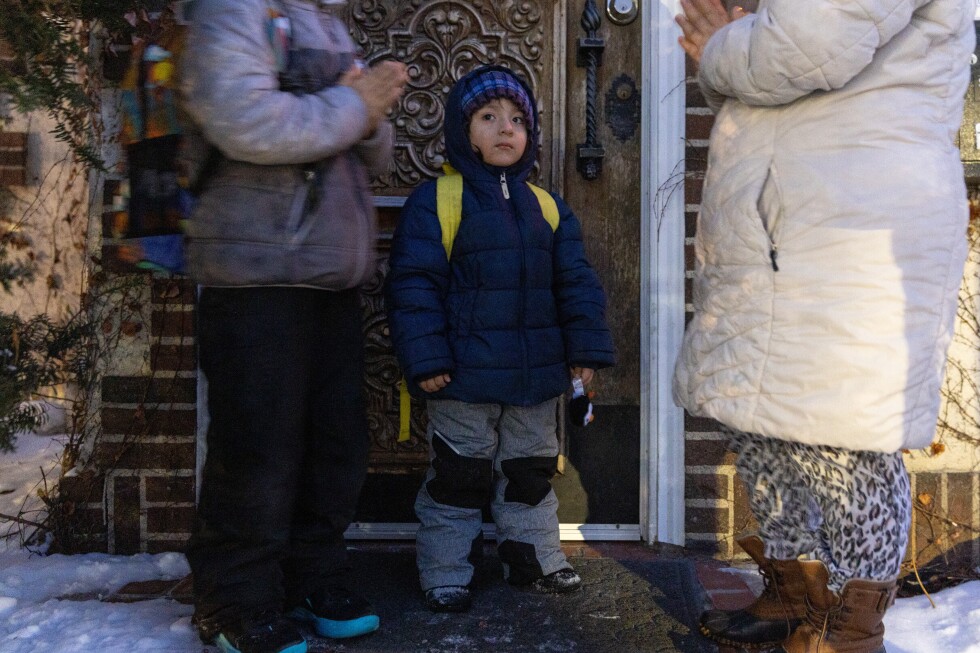
Each morning, he and his family bundle up and leave their Minneapolis apartment to wait for his bus. His little brother hefts on his backpack, even though he stopped going to day care weeks ago because his mom is too afraid to take him.
As they wait behind a wrought-iron fence, Giancarlo’s mother pulls the boys into the shadow of a tree to pray. It’s the only time she stops scanning the street for immigration agents.
“God, please protect my son when he’s not at home,” she says in Spanish. She spoke with The Associated Press on condition of partial anonymity for the family, because she fears being targeted by immigration authorities.
Advertisement
For many immigrant families in Minnesota, sending a child to school requires faith that federal immigration officers deployed around the state won’t detain them. Thousands of children are staying home, often for lack of door-to-door transportation — or simply trust.
Yair, 3, left, and Giancarlo, 10, get ready with the help of their mom Tuesday, Feb. 3, 2026, in Minneapolis. (AP Photo/Liam James Doyle)
Advertisement
Yair, 3, left, and Giancarlo, 10, get ready with the help of their mom Tuesday, Feb. 3, 2026, in Minneapolis. (AP Photo/Liam James Doyle)
Advertisement
Advertisement
Advertisement
Giancarlo, 10, is escorted by his mom to the curb for bus pickup Tuesday, Feb. 3, 2026, in Minneapolis. (AP Photo/Liam James Doyle)
Advertisement
Giancarlo, 10, is escorted by his mom to the curb for bus pickup Tuesday, Feb. 3, 2026, in Minneapolis. (AP Photo/Liam James Doyle)
Advertisement
Advertisement
Advertisement
Advertisement
The fear has turned into reality. Many parents and some children have been detained, including 5-year-old Liam Conejo Ramos, who with his father, originally from Ecuador, was taken into custody in the Minneapolis suburb of Columbia Heights as he was arriving home from school. They were sent to a detention facility in Texas but returned after a judge ordered their release.
Schools, parents and community groups have mobilized to help students get to class so they can learn, socialize and have steady access to meals. And for those who are still sending their children, the trip to and from school is one of the only risks they’re willing to take.
“I don’t feel safe with him going to school,” Giancarlo’s mother said, shaking her head. “But every day he wakes up and wants to go. He wants to be with his friends.”
School remains a haven in a time of tumult
Giancarlo’s Minneapolis elementary school is the best thing going for him these days. There’s soccer to play at recess. The recorder to learn. Giancarlo has set his eyes on learning the flute next year when fifth graders choose an instrument. He has “demasiado” — “too many” — best friends to name.
Advertisement
But his mother and brother’s home confinement weighs on him. He saves half the food he gets at school breakfast and lunch to share with them, and he’s lost four pounds this year. He takes extra care to bring pizza or hamburgers, treats the family used to eat in restaurants when his mom, an asylum-seeker from Latin America, was still working and they felt safe leaving the house. Giancarlo has also applied for asylum and his brother, Yair, has U.S. citizenship.
Sometimes only seven of Giancarlo’s classmates show up when there should be close to 30. “The teachers cry,” he said. “It’s sad.”
Advertisement
Yair, 3, right, waits for his mom to prepare breakfast while his brother Giancarlo, 10, washes his hands Tuesday, Feb. 3, 2026, in Minneapolis. (AP Photo/Liam James Doyle)
Yair, 3, right, waits for his mom to prepare breakfast while his brother Giancarlo, 10, washes his hands Tuesday, Feb. 3, 2026, in Minneapolis. (AP Photo/Liam James Doyle)
Advertisement
Advertisement
Advertisement
With as many as 3,000 federal officers roaming the state this year, some immigrant parents have made a bet that their children are safer riding or walking with white Minnesotans who were strangers just weeks ago — rather than in their own cars or while holding their hands.
One mother, an immigrant from Mexico, has given up her housecleaning job, and her husband stopped going to his construction job to minimize their chances of being detained. Her 10-year-old, U.S.-born daughter is the only one leaving the house, getting a ride with another student’s parents to her private Christian school in Minneapolis.
“It raises my blood pressure,” the mother said. She spoke on condition of anonymity out of fear of being targeted by immigration authorities.
Advertisement
Absenteeism has soared across schools in the Twin Cities area
Under longstanding guidance that was thrown out by the Trump administration, schools and other “sensitive places” such as hospitals and churches previously were considered off-limits for Immigration and Customs Enforcement agents and other immigration officials. Children, no matter their immigration status, have a constitutional right to attend public school.
This winter, school absenteeism and the demand for online learning have surged as immigration officers showed up in school parking lots.
In St. Paul, over 9,000 students were absent on Jan. 14, more than a quarter of the 33,000-student district, according to data obtained by the AP. In Fridley, a Minneapolis suburb, school attendance has dropped by nearly a third, according to a lawsuit the district filed this week trying to block immigration enforcement operations near schools.
Kids sent letters to St. Paul Superintendent Stacie Stanley begging her to offer online learning. Her voice shook as she read a letter from an elementary school student: “I don’t feel safe coming to school because of ICE.”
Advertisement
When the district introduced a temporary virtual learning option, over 3,500 students enrolled in the first 90 minutes. That number has since risen to more than 7,500 students.
Food donations fill the inside entrance of Valley View Elementary School, Tuesday, Feb. 3, 2026, in Columbia Heights, Minn. (AP Photo/Liam James Doyle)
Advertisement
Food donations fill the inside entrance of Valley View Elementary School, Tuesday, Feb. 3, 2026, in Columbia Heights, Minn. (AP Photo/Liam James Doyle)
Advertisement
Advertisement
Advertisement
Advertisement
An escort from school — and assurance for a small girl
After school on Wednesday, around 20 teachers and a retired principal packed into the front office at Valley View Elementary School — where Liam Conejo Ramos attends prekindergarten — for a briefing before walking home children who live nearby. School officials say several other students and over two dozen parents have been detained.
“We live in a place where ICE is everywhere,” said Rene Argueta, the school’s family liaison. Argueta, himself an immigrant from El Salvador, organized the teachers walking and driving students to and from their homes.
The day before, the group had run into federal officers in the neighborhood at dismissal time. Argueta felt it necessary to calm some of the teachers upset by the encounter.
“Your only goal is to bring the students home, no matter what you see,” he told the group. “We don’t approach ICE. We don’t take out our phones.”
Advertisement
After distributing walkie-talkies, Argueta and two other teachers met a group of 12 kids waiting for them in the hallway. Argueta took the hand of the youngest child, a boy in prekindergarten, and led the group outside.
Valley View Elementary School principal Jason Kuhlman delivers food donations to families from the school Tuesday, Feb. 3, 2026, in Columbia Heights, Minn. (AP Photo/Liam James Doyle)
Advertisement
Valley View Elementary School principal Jason Kuhlman delivers food donations to families from the school Tuesday, Feb. 3, 2026, in Columbia Heights, Minn. (AP Photo/Liam James Doyle)
Advertisement
Advertisement
Advertisement
Valley View Elementary School principal Jason Kuhlman delivers food donations to families from the school Tuesday, Feb. 3, 2026, in Columbia Heights, Minn. (AP Photo/Liam James Doyle)
Advertisement
Valley View Elementary School principal Jason Kuhlman delivers food donations to families from the school Tuesday, Feb. 3, 2026, in Columbia Heights, Minn. (AP Photo/Liam James Doyle)
Advertisement
Advertisement
Advertisement
Toward the back of the line, second grade teacher Jenna Scott chatted with a former student, now a third grader. She tried to keep the conversation light.
Advertisement
“I’m so excited to see your house,” Scott told her.
“Have you signed up for parent-teacher conference?”
“No, miss. ICE,” the girl said.
“I know. Tell your parents you can do it online this time.”
Advertisement
The third grader then ran to her home. Afterward, Scott said the 10-minute walk is a delicate dance. “You don’t want to scare the kids, but you also want them to walk quickly.”
The day before, Argueta said, they were walking the students home when they heard cars honking to warn that immigration agents were nearby. One little girl who was walking ahead started to panic and ran back toward Argueta.
“ICE viene,” or “ICE is coming,” she yelled.
He took her hand and kept walking. She asked if he was afraid.
Advertisement
No, he said.
She asked if he had papers, if he was in the country legally. Argueta has a green card and permission to work, but he lied. He told her he didn’t, so she wouldn’t feel alone.
Her hand relaxed in his. She smiled again.
He held her hand until they got to her doorstep and she went inside with her mother.
Advertisement
Signs reading “NO ICE ACCESS” taped to the front doors of Valley View Elementary School, Tuesday, Feb. 3, 2026, in Columbia Heights, Minn. (AP Photo/Liam James Doyle)
Advertisement
Signs reading “NO ICE ACCESS” taped to the front doors of Valley View Elementary School, Tuesday, Feb. 3, 2026, in Columbia Heights, Minn. (AP Photo/Liam James Doyle)
Advertisement
Advertisement
Advertisement
___
Advertisement
Associated Press data journalist Sharon Lurye in Philadelphia contributed to this report.
___
The Associated Press’ education coverage receives financial support from multiple private foundations. AP is solely responsible for all content. Find AP’s standards for working with philanthropies, a list of supporters and funded coverage areas at AP.org.
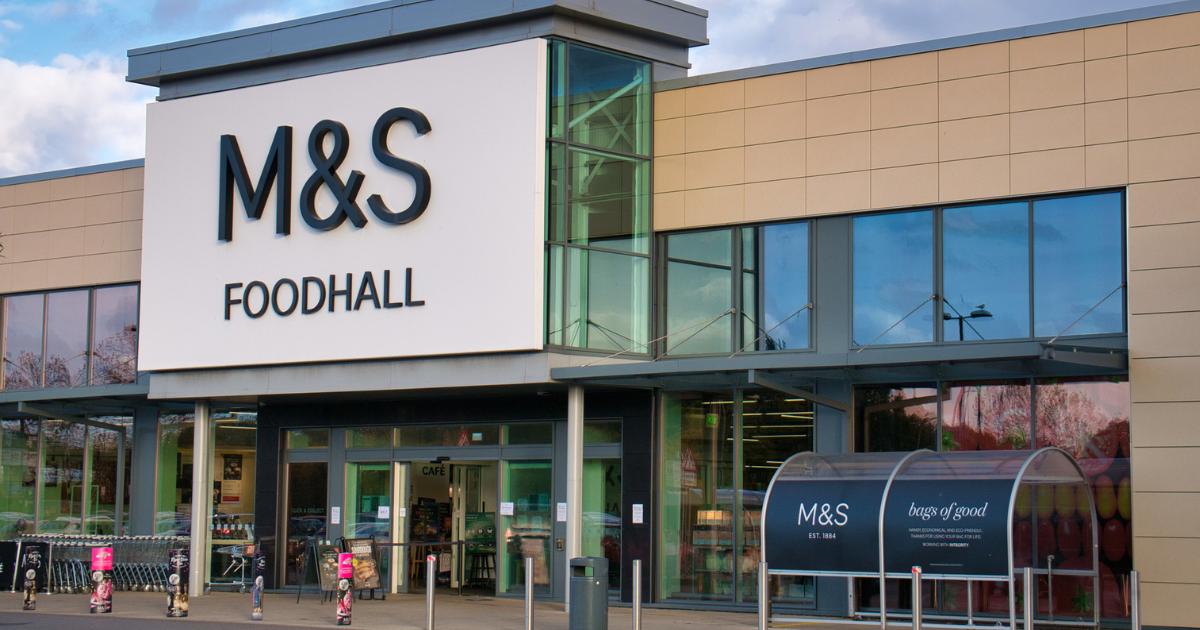
The supermarket is recalling its 500g pack of Authentic Greek Yoghurt with Vanilla as it’s “a possible health risk for anyone with an allergy or intolerance to gluten or have coeliac disease”, according to the Food Standards Agency (FSA).
The affected product has a use-by date of May 12, 2026 and barcode number 29308750.
M&S has issued the recall with a “do not consume” warning for anyone with a gluten allergy or intolerance.
It added: “Customer safety is of paramount importance to Marks & Spencer, and we take food safety extremely seriously.”
M&S reassured customers that “only the displayed date codes are impacted” and “no other M&S products are affected.”
The supermarket issued an apology “for any inconvenience caused”.
Advertisement
Food recalls explained
The FSA said: “If you have bought the above product and have an allergy or an intolerance to gluten or have coeliac disease, do not eat it.
“Instead return it to the store from where it was bought for a full refund.
“For more information contact Marks & Spencer on 0333301-48555.”
What is a food recall?
The FSA explains what a food recall is: “If there is a problem with a food product that means it should not be sold, then it might be ‘withdrawn’ (taken off the shelves) or ‘recalled’ (when customers are asked to return the product).
Advertisement
Recommended reading:
“The FSA issues Product Recall Information Notices to let consumers and local authorities know about problems associated with food.
“In some cases, a ‘Food Alert for Action’ is issued.
“This provides local authorities with details of specific action to be taken on behalf of consumers.”
Advertisement
Have you shopped at M&S recently? Let us know your favourite items in the comments below.
Customers shared their frustration and after Tesco previously made the decision to axe its F&F changing rooms.
It was one of many supermarkets that removed their changing rooms during the pandemic, with many not re-opening them due to costs and shoplifting issues.
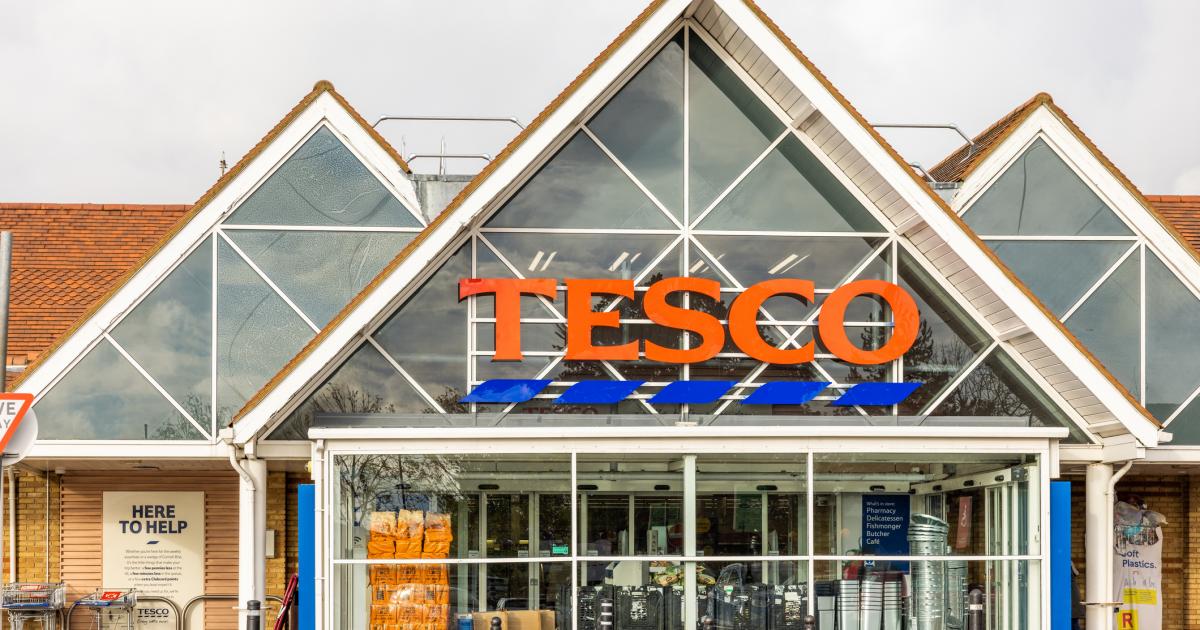
Tesco brings back F&F changing rooms after 6 years
One customer posted on Facebook on the Bargain Lovers group to share a picture of the F&F changing rooms.
They wrote: “Changing rooms are coming back to F&F in Tesco!”
Advertisement
Many fellow shoppers took to the comments with excitement to see the feature back after several years.
One said: “I hope this is true.”
“Another wrote: “About time too, I think!”
A third added: “Amazing news, please fit every Tesco store with changing rooms.”
Advertisement
Tesco told Newsquest that it has reopened its F&F fitting rooms as part of a trial across a small number of stores.
Tesco said it will listen to customer feedback from the trial to see how it can improve future in-store services.
If you are not able to try on in-store, Tesco customers can return F&F clothing to any large store within 30 days with their proof of purchase.
Tesco confirms major change in UK supermarket ‘first’
The reintroduction of some F&F changing rooms across various Tesco stores is not the only big change recently.
The UK’s biggest grocer described the move as “one of the most revolutionary retailing improvements in decades”, which would give customers access to a host of information about products via their smartphones.
Tesco is switching from barcodes to QR codes (Image: PA Wire)
QR codes will be applied to the packaging of 13 lines of Tesco’s own-brand sausages, including Tesco Pork Sausages, Tesco Pork Chipolatas, Tesco British Pork Sausage Meat, as well as British Cumberland Sausages and British Lincolnshire Sausages.
The codes can be used to provide additional product information to customers, such as nutritional content, with shoppers being able to use them to access recipes and competitions.
Recommended reading:
Advertisement
Tesco said adopting the new codes would give it better information about products in stores, helping it to order more accurately and improve efficiency, reducing unnecessary waste.
In the event of product recalls, QR codes will allow retailers to identify specific batches instead of removing all items, avoiding throwing products away unnecessarily and improving availability.
Retailers will also be able to block the sale of affected items at the till and contact customers who may have purchased them.
Would you like to see F&F changing rooms reintroduced at your local Tesco? Let us know in the comments.
The gated estate’s main residence, annexe, and outbuildings are reached via a remote-controlled entrance, with a driveway and parking for several vehicles.
Extensive grounds on the Bradshaw Road, Tottington, include sweeping lawns, woodland, a stable block, and multiple storage areas.
Living room with wood-burning stove and triple aspect views (Image: Miller Metcalfe)
A further seven acres are available by separate negotiation, providing potential for additional land use.
Inside the main residence, there are three reception rooms.
Advertisement
The principal lounge includes a wood-burning stove set within a surround and is described as being “flooded with natural light”.
Kitchen with central island, bar, and sliding doors opening to garden (Image: Miller Metcalfe)
Another sitting room is designed for informal gatherings, and a further reception space incorporates a bespoke bar area.
Described in the listing as forming the “heart of the home,” the kitchen is open-plan and fitted with a central island and bespoke dining solution.
A selection of ‘Gaggenau’ appliances include a coffee machine, three double ovens with microwave, and an induction hob.
Advertisement
Main bathroom with freestanding bath, walk-in shower and countryside views (Image: Miller Metcalfe)
Sleek Corian worktops and a double-inset sink with hot water tap feature throughout the kitchen.
The utility room contains additional storage and is plumbed for a washing machine.
A double-glazed front door opens into an entrance hallway, with a further door leading to the main hallway, where a tiled floor and staircase are noted.
Fifteen acres of grazing land with mature woodland, pond and stable block (Image: Miller Metcalfe)
The listing highlights a guest WC with freestanding wash hand basin and sensor light mirror.
Advertisement
All principal rooms are described as taking advantage of “panoramic views” over the grounds.
On the first floor, there are four double bedrooms.
Both the main bedroom and a second double bedroom have dressing rooms and contemporary en-suite shower rooms.
Fifteen acres of grazing land with mature woodland, pond and stable block (Image: Miller Metcalfe)
The main bedroom includes a feature window overlooking the grounds.
Advertisement
The further two bedrooms are described as having “a lovely open aspect”.
A newly fitted family bathroom is also located upstairs, with a freestanding bath, double shower cubicle, and underfloor heating.
A detached annexe offers open-plan living, incorporating a modern kitchen, lounge/bedroom area, walk-in dressing room, and contemporary shower room.
Large windows provide views across the grounds, with a raised decked patio for outdoor use.
Advertisement
The estate’s outbuildings include a double detached garage, separate timber double garage, and a purpose-built stable block with four stables and a tack room.
Water and power are supplied to the stable area.
The grounds are described as private, with woodland, gardens, and grazing land, and are said to attract local wildlife including deer and owls.
Interested parties are urged to call Miller Metcalfe (Bury) on 01619 375383.
One of these constraints prevents work during active amphibian season – March until October.
This is the condition that FPC Electric Land want to have changed, as they believe it is too restrictive.
The site on Slack Lane (Image: Google)
But Westhoughton Town Council were firmly against this proposal when they discussed it on Monday (April 13).
Advertisement
Westhoughton councillor and Bolton Mayor David Chadwick said: “I think that we should all object to any changes in the planning application regarding amphibians.
“Our answer should be a very firm and stern ‘no’.”
All Westhoughton councillors at the meeting assented to Cllr Chadwick’s motion.
Cllr John McHugh said: “I completely agree with Cllr Chadwick.
Advertisement
“This provision is there to stop developers destroying our green spaces.”
Cllr McHugh also pointed out that the Planning Inspectorate put the provision on the original plan, and therefore it would not be right to change it.
Councillor Derek Gradwell, who chaired the meeting, said Cllr McHugh’s last point was probably the most relevant one out of all the comments made.
The site plan (Image: Electric Land)
FPC Electric Land are seeking to have the amphibian provision altered due to what they believe is overly-restrictive wording.
Advertisement
The restriction currently states: “Works shall be timed to prevent impacts to amphibians by avoiding active amphibian season between March-October.”
But FPC – through their agent Clive Fagg Planning – are arguing that these rules are only supposed to apply to ‘vegetation clearance works’, not to work in general.
The application states this was confirmed through a discussion with Envance, the environmental consultancy on whom Bolton Council bases their planning policy.
This application will go before Bolton Council’s planning department before any decision is made on whether to alter the amphibian provision or not.
Advertisement
Westhoughton Town Council unanimously voted against changing the provision, but they are merely an advisory body and cannot refuse or accept planning applications.
This is the only restriction on that FPC are requesting be changed.
Westhoughton residents fighting the original plans in 2023 (Image: Martini)
All other restrictions, including other restrictions relating specifically relating to amphibians, will remain the same.
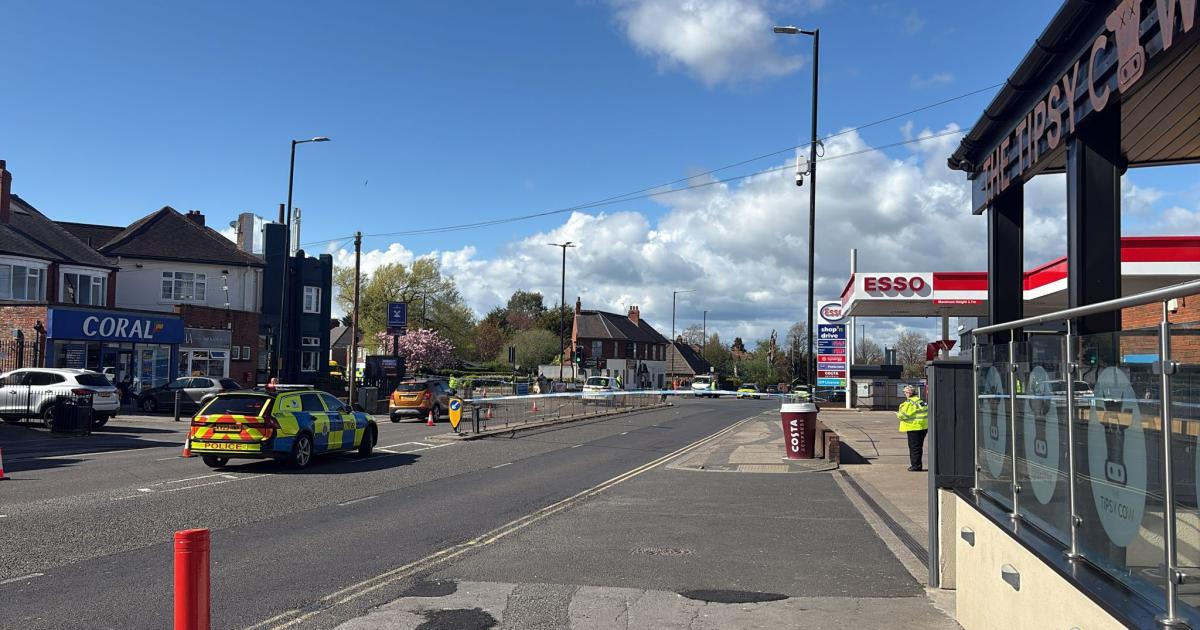
Emergency services were called to a collision between a pedestrian and a car on Acklam Road in Middlesbrough, close to the Coronation Inn, at around 11.50am on Saturday (April 18)
Acklam Road in Middlesbrough was closed following a serious crash (Image: THE NORTHERN ECHO)
The injured man was taken to James Cook University Hospital, where he remains in a serious condition.
Cleveland Police said a 36-year-old man was arrested on suspicion of causing serious injury by dangerous driving. He has since been released on bail while enquiries continue.
The road was closed for several hours as officers carried out investigations, reopening later in the evening.
Advertisement
A man remains in hospital with serious injuries as another has been arrested after a serious crash on Acklam Road in Middlesbrough yesterday (April 18). (Image: THE NORTHERN ECHO)
A man remains in hospital with serious injuries as another has been arrested after a serious crash on Acklam Road in Middlesbrough yesterday (April 18). (Image: THE NORTHERN ECHO)
Acklam Road in Middlesbrough was closed following a serious crash (Image: THE NORTHERN ECHO)
A North East Ambulance Service spokesperson said: “We received a call at 11.41am on Saturday 18 April to reports of a road traffic incident on the junction of Acklam Road in Middlesbrough.
“We dispatched an ambulance crew and the medicar to the scene, and transported one patient to James Cook hospital for further treatment.”
Anyone with information is urged to contact us on 101, quoting reference number 072542.
The North East Ambulance Service (NEAS) has unveiled a series of new electric vehicles, including response cars, ambulances, and patient transport vehicles, as part of its broader commitment to fleet modernisation and reducing emissions.
The electric vehicles include the Skoda Enyaq Rapid Response Vehicle, Renault E‑Master ambulance, and the Ford E‑Transit ambulance.
(Image: NEAS)
Kevin Scollay, chief executive of NEAS, said: “Moving towards a more sustainable ambulance service is a vital part of our responsibility to the patients and communities we serve.
“It’s an exciting moment for the service and a real opportunity to build momentum as we move into the next phase of our electric vehicle journey.”
Advertisement
The showcase supports the NHS’s net zero target and highlights how ambulances can reduce carbon emissions while maintaining high standards of patient care.
Mr Scollay said: “These electric vehicles have the potential to significantly improve both staff and patient experience.
“Features such as selfloading stretchers can help reduce musculoskeletal injuries and sickness absence, while quicker loading and improved reliability support better response times.”
A event, held at the NEAS Driver Training Centre in Team Valley, Gateshead, was attended by NHS England, other UK ambulance trusts, vehicle manufacturers, and blue light partners.
Advertisement
Paul Leach, head of ambulance fleet at NHS England, welcomed the progress.
Mr Leach said: “It’s a pleasure to see first‑hand the progress NEAS is making with electric ambulances and how local innovation is helping to shape national strategy.
Read more:
“These vehicles bring clear benefits for patients through improved air quality and for staff through quieter, smoother vehicles that are well‑suited to the demands of the role.”
Advertisement
Dave Parkin, NEAS’s fleet operations manager, highlighted both the environmental and operational benefits of the transition.
Mr Parkin said: “Alongside environmental benefits, we are seeing clear operational advantages, including lower whole life running costs, reduced vehicle downtime and quicker servicing, which improves reliability and supports more efficient use of our fleet.”
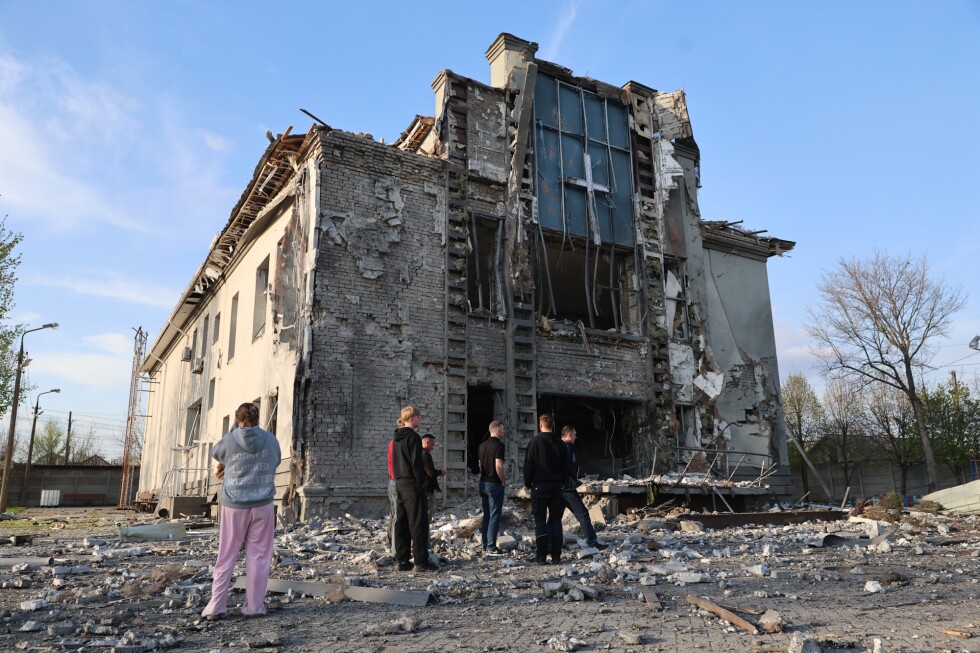
KYIV, Ukraine (AP) — Russian strikes killed at least two people in Ukraine, officials said Sunday, as the Ukrainian military struck a drone factory in southwestern Russia.
A “massive” nighttime drone strike on Chernihiv in northern Ukraine killed a 16-year-old boy and wounded four others, according to the head of the city’s military administration.
Rescuers found the teenager’s body as they cleared away rubble, Dmytro Bryzhynskyi reported on Telegram on Sunday morning. He said the drone strike also wounded three women and one man. Several houses were set on fire, he added.
Russian drones also attacked the southern city of Kherson on Sunday, local officials reported.
Advertisement
A man died of his wounds after a drone hit a van driving through the city center, according to Oleksandr Prokudin, the head of the regional administration. A second man was hospitalized with blast injuries, regional authorities said.
Russia launched 236 drones into Ukrainian territory overnight into Sunday, Ukraine’s air force reported. Of those, 203 drones were shot down while 32 hit targets in 18 separate locations, it said.
Kyiv says it struck a Russian drone factory
Meanwhile, Ukraine hit a drone factory in the city of Taganrog, Ukraine’s General Staff reported. The site lies some 55 kilometers (35 miles) east of Russian-occupied eastern Ukraine in southwestern Russia.
According to the military, Ukrainian drones sparked a fire at the Atlant Aero factory, which designs and produces strike and reconnaissance drones, as well as components for more powerful UAVs that can carry guided bombs weighing up to 250 kilograms (550 pounds).
Advertisement
Ukraine’s navy said it carried out the attack on the drone factory in southern Russia, using domestically manufactured Neptune cruise missiles.
“This defense enterprise is an important part of the Russian military-industrial complex, where drones were developed and manufactured,” the navy said in an online post.
It also posted images showing a huge cloud of smoke over the city, which it said was the impact of the strikes.
Three people were injured in a nighttime air attack on commercial infrastructure in Taganrog, according to the Russian regional governor, Yuri Slyusar. He did not specify what facility was hit, but said warehouses were set on fire following the strike.
Advertisement
Taganrog Mayor Svetlana Kambulova said the strike damaged “commercial enterprises” in the city, as well as a vocational school and multiple cars.
Russia’s Defense Ministry said its forces shot down 274 Ukrainian drones during the night, as well as guided aerial bombs and a Neptune cruise missile. The ministry did not say how many struck targets.
Advertisement
Sign up for Morning Wire:
Our flagship newsletter breaks down the biggest headlines of the day.
Advertisement
Ukraine launches inquiry into mass shooting in the capital
Ukraine’s Interior Ministry on Sunday launched an official inquiry into a mass shooting in Kyiv the previous day that killed six people and wounded at least 14 others.
A gunman wielding an automatic weapon killed six people and barricaded himself inside a supermarket with hostages in the Ukrainian capital before he was shot and killed by police, authorities said.
Interior Minister Ihor Klymenko described the attacker’s mental state as “clearly unstable.”
The 58-year-old gunman has not been named, but Ukrainian President Volodymyr Zelenskyy on Saturday said he was born in Russia. Authorities worked to piece together a motive for the violence.
Advertisement
Several police officers were suspended for allegedly failing to respond appropriately in the initial stages of the shooting. Klymenko, the interior minister, described their behavior as “shameful and unworthy” of their role as police officers.
He said there was no plan to toughen gun ownership laws, arguing that guns in the hands of law-abiding citizens had helped the country’s defense against Russia.
The mass shooting — unheard of in wartime Kyiv following Russia’s all-out invasion of Ukraine in 2022 — took place in a busy central district of the city, outside an apartment block and a nearby shopping center, leaving bodies on a crowded street as bystanders fled for safety.
An Associated Press reporter at the scene saw victims’ bodies covered with emergency blankets before they were taken away.
Advertisement
Zelenskyy hits out at U.S. sanctions waiver for Russian oil
Elsewhere, Zelenskyy responded with dismay to the Trump administration’s decision on Friday to extend its pause on sanctions on Russian oil shipments.
“Every dollar paid for Russian oil is money for the war,” Zelenskyy wrote in a post on X, arguing that any additional revenue the Kremlin gets from oil sales “is directly converted into new strikes against Ukraine.”
“That is why it is important that Russian tankers are stopped, not allowed to deliver oil to ports. The aggressor’s oil exports must decrease, and Ukraine’s long-range sanctions continue to work toward that goal,” he added.
The so-called general license, intended to ease supply constraints resulting from the Iran war, means U.S. sanctions will not apply for 30 days on deliveries of Russian oil that has been loaded on tankers as of Friday. It extended a similar 30-day license issued in March for Russian oil that had been loaded by March 11.
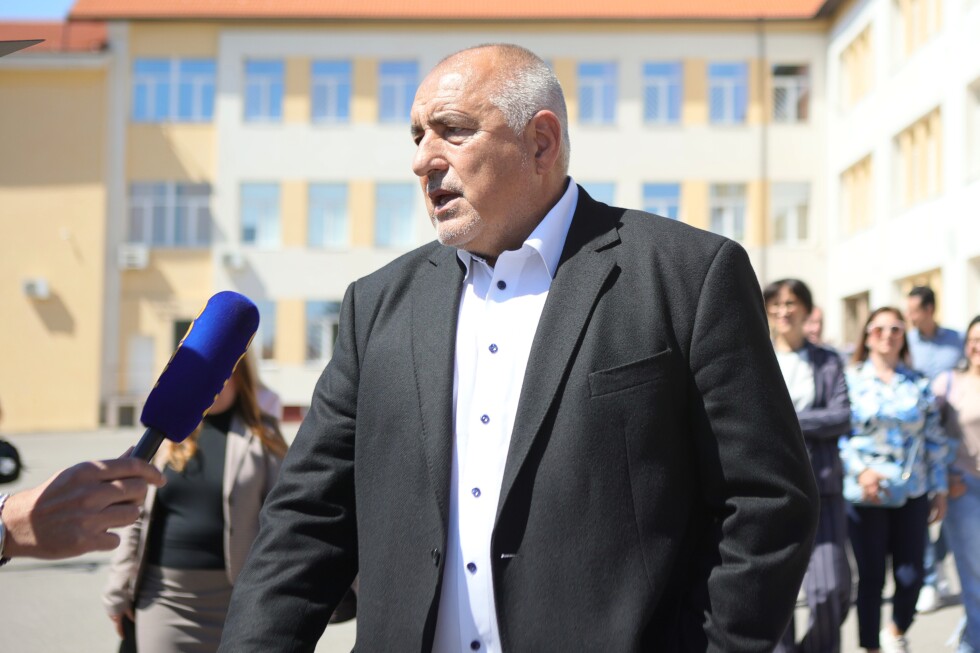
SOFIA, Bulgaria (AP) — A center-left coalition led by ex-President Rumen Radev will win Bulgaria ‘s parliamentary election, an exit poll suggested Sunday, though the list might not garner enough votes to rule alone, which could prolong a years-long political deadlock in the European Union country.
The poll conducted by Trend research group showed Radev’s Progressive Bulgaria earning 39.2% support, edging out the center-right GERB party of its veteran leader, Boyko Borissov, which is expected to capture 15.1% of the vote. Despite the huge gap between the two groups, the predicted percentage may not be enough for Radev to form a one-party government, and he will face the uphill task of looking for partners to govern.
The exit poll also predicted that voter turnout stood at 43.4%, and that six parties could pass the 4% threshold to enter a fragmented parliament.
Advertisement
Radev said after the initial projections were announced that “we will do our best to prevent having to go to the polls” again.
“It (new election) will be a disaster for Bulgaria,” he said. “It would mean going from crisis to crisis when what we have to do is work very hard to emerge from these crises.”
The snap vote followed the resignation of a conservative-led government amid nationwide protests last December that drew hundreds of thousands, mainly young people, to the streets. The protesters called for an independent judiciary to tackle widespread corruption.
If confirmed in an official tally, the victory of Radev’s coalition could potentially bring to power a left-leaning leader who is seen by critics as pro-Russian. Last weekend, Hungarian voters rejected the authoritarian policies and global far-right movement of Viktor Orbán, who cultivated close ties with Russian President Vladimir Putin.
Advertisement
Radev resigned from the mostly ceremonial presidency in January, a few months before the end of his second term, to launch a bid to lead the government as prime minister.
The 62-year-old former fighter pilot and air force commander has promised to give the nation a fresh start. His supporters are split on those hoping he will put an end to the country’s oligarchic corruption and those lining up behind his Eurosceptic and Russia-friendly views.
Radev’s popularity surged as he has cast himself as an opponent of the country’s entrenched mafia and its ties to high-ranking politicians. At campaign rallies he vowed to “remove the corrupt, oligarchic model of governance from political power.”
Since 2021, the nation of 6.5 million has struggled with fragmented parliaments that produced weak governments, none of which managed to survive more than a year before being brought down by street protests or backroom deals in parliament.
Advertisement
After voting on Sunday, Radev said that Bulgaria now has a historic chance to change the alleged oligarchic model of governance. He urged people to go to the polls because mass “voting is the only way to drown vote-buying in a sea of free votes.”
Though Radev has officially denounced Russia’s invasion of Ukraine, he has repeatedly opposed military aid to Kyiv and has favored reopening talks with Russia as a way out of the conflict.
Radev’s relatively vague campaign has left him open for cooperation with almost any party in the future Parliament, according to Mario Bikarski, senior Eastern and Central Europe analyst at the risk intelligence company Verisk Maplecroft.
Radev, however, seems reluctant to enter a formal coalition with the hard right and openly pro-Russian Revival party, Bikarski said.
Advertisement
Bulgaria is a European Union and NATO member country, joined the eurozone on Jan. 1, shortly after entering the border-free Schengen travel area.
Three appliances attended the scene on Buchanan Street on Sunday afternoon.
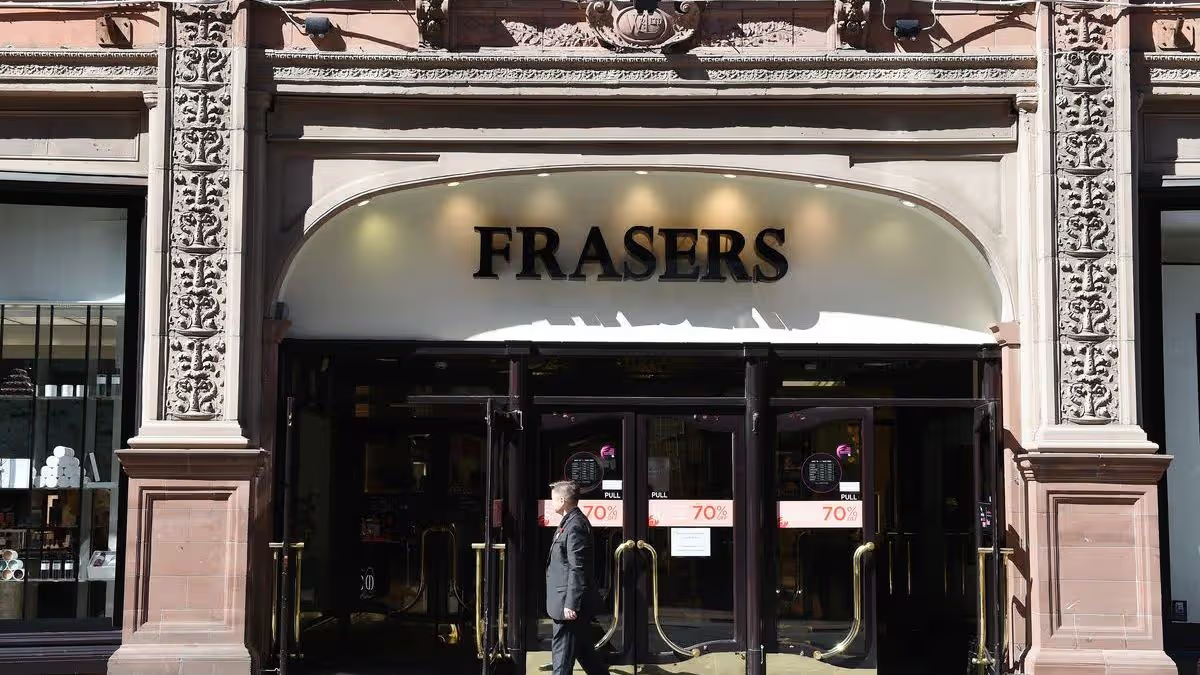
Fire crews raced to Frasers in Glasgow city centre after receiving reports of smoke coming from the popular store.
Advertisement
Emergency personnel rushed to the shop at 2.41pm on Sunday, April 19. An alarm was raised following reports of a “small fire”.
Three appliances attended the scene on Buchanan Street, and firefighters discovered a small blaze within the building. The fire was extinguished, and there were no reported injuries, reports Glasgow Live.
The cause of the fire has not been confirmed, and all crews have since left the scene.
A spokesperson for the Scottish Fire and Rescue Service said: “We received a call at 2.41pm to Buchanan Street in Glasgow.
“We sent three appliances due to reports of smoke. There was a small fire that was extinguished by the fire service.
Advertisement
“We are no longer in attendance.”
Frasers has been contacted for comment by our sister title.
Get more Daily Record exclusives by signing up for free to Google’s preferred sources. Click HERE
NEW YORK (AP) — A refund system for businesses that paid tariffs which the U.S. Supreme Court ruled President Donald Trump imposed without the constitutional authority to do so is scheduled to launch Monday.
Importers and their brokers will be able to begin claiming refunds through an online portal beginning at 8 a.m., according to U.S. Customs and Border Protection, the agency administering the system.
It’s the first step in a complicated process that also might eventually lead to refunds for consumers who were billed for some or all of the tariffs on products shipped to them from outside the United States.
Companies must submit declarations listing the goods on which they collectively put billions of dollars toward the import taxes the court subsequently struck down. If CBP approves a claim, it will take 60-90 days for a refund to be issued, the agency said.
Advertisement
The government expects to process refunds in phases, however, focusing first on more recent tariff payments. Any number of technical factors and procedural issues could delay an importer’s application, so any reimbursements businesses plan to make to customers likely would trickled down slowly.
In a 6-3 decision, the Supreme Court on Feb. 20 found that Trump usurped Congress’ tax-setting role last April when he set new import tax rates on products from almost every other country, citing the U.S. trade deficit as a national emergency that warranted his invoking of a 1977 emergency powers law. International Emergency Economic Powers Act (IEEPA).
Although the court majority did not address refunds in its ruling, a judge at the U.S. Court of International Trade determined last month that companies subjected to IEEPA tariffs were entitled to them.
Not all taxed imports immediately eligible
Customs and Border Protection said in court filings that over 330,000 importers paid a total of about $166 billion on over 53 million shipments.
Advertisement
Not all of those orders quality for the first phase of the refund system’s rollout, which is limited to cases in which tariffs were estimated but not finalized or within 80 days of receiving a final accounting.
To receive refunds, importers have to register for the CPB’s electronic payment system. As of April 14, 56,497 importers had completed registration and were eligible for refunds totaling $127 billion, including interest, the agency said.
System requires accuracy
Meghann Supino, a partner at Ice Miller, said the law firm has advised clients to carefully list in their declarations all of the document numbers for forms that went to CBP to describe imported goods and their value.
“If there is an entry on that file that does not qualify, it may cause the entire entry to be rejected or that line item might be rejected by Customs,” she said.
Advertisement
Supino thinks the portal going live will require composure as well as diligence.
“Like any electronic online program that goes live with a lot of interest, I would expect that there might be some hiccups with the program on Monday,” she said. “So we continue to ask everyone to be patient, because we think that patience will pay off.”
Advertisement
Sign up for Morning Wire:
Our flagship newsletter breaks down the biggest headlines of the day.
Advertisement
Nghi Huynh, the partner-in-charge of transfer pricing at accounting and consulting firm Armanino, said most companies claiming refunds will have imported a mix of items, and not all will qualify right away.
“It’s about having a clear process in place and keeping track of what’s been submitted and what’s been paid, so nothing falls through the cracks,” she said. “Each file can include thousands of entries, but accuracy is critical, as submissions can be rejected if formatting or data is incorrect.”
Patience with the process
Small businesses have eagerly awaited the chance to apply for refunds. Brad Jackson, co-founder of After Action Cigars in Rochester, Minnesota, said he starting compiling records and preparing to enter information into the system the minute CPB announced the launch date.
The company imports cigars and accessories from Nicaragua and the Dominican Republic. Last year, it paid $34,000 in tariffs and absorbed much of the cost instead of raising customer prices, Jackson said.
Advertisement
Last spring, he had a two-week delay in a shipment due to a missing document, so he is being more careful with refund documents, he said.
“My main concern is the turnaround time,” Jackson said. “A refund process that takes several months to complete doesn’t solve the cash flow problem that it is supposed to fix.”
Will consumers see refunds?
Tariffs are paid by importers, and some companies pass on the tax costs to consumers via higher prices.
The system starting up Monday will refund tariffs directly to the businesses that paid them, which are not obligated to share the proceeds with customers. However, class-action lawsuits that aim to force companies, ranging from Costco to Ray-Ban maker Essilor Luxottica, to reimburse shoppers are winding their way through the U.S. legal system.
Advertisement
Individuals may be more likely to receive refunds from delivery companies like FedEx and UPS, which collected tariffs on imports directly from consumers. FedEx has said it would return tariff refunds to customers when it receives them from the CPB.
“Supporting our customers as they navigate regulatory changes remains our top priority,” FedEx said in a statement. “We are working with our customers as CBP begins processing refunds and plan to begin filing claims on April 20.”



















































You must be logged in to post a comment Login