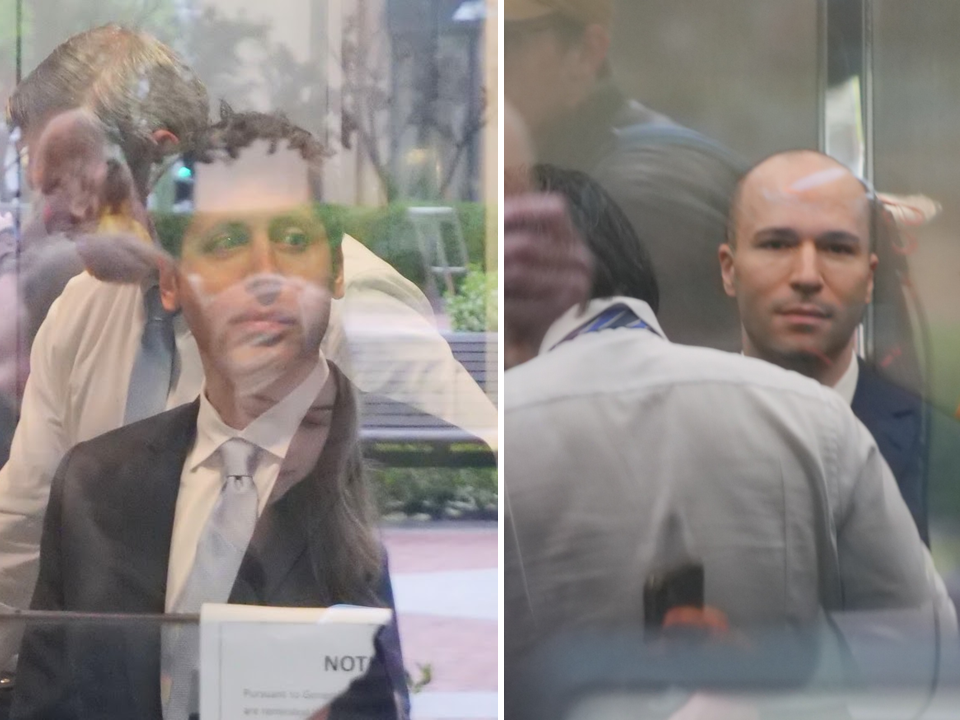
OpenAI CEO Sam Altman, left, and President Greg Brockman as photographed through the windows of the federal courthouse in Oakland as they arrived for jury selection in Elon Musk’s lawsuit against Altman, OpenAI, and Microsoft. (GeekWire Photos / Todd Bishop)
OAKLAND — Did Microsoft knowingly help OpenAI abandon its nonprofit mission?
That question sits at the center of a trial starting here this week, pitting the world’s richest man against the AI nonprofit he helped found and the tech giant that bankrolled its transformation.
It’s being called the “AI Trial of the Century,” with Elon Musk and Sam Altman in starring roles, and a supporting cast that includes Microsoft CEO Satya Nadella, CTO Kevin Scott and CFO Amy Hood. Current and former OpenAI execs and board members are also on the witness list.
Monday morning in Oakland, Altman and OpenAI President Greg Brockman were on hand for jury selection, with the OpenAI CEO sitting in the front row behind the lawyers’ tables in a dark suit and light blue tie, quietly scrolling on his phone as he waited for the process to begin.
Musk was not present for jury selection. He is expected to take the stand later in the trial.
Advertisement
A protest was scheduled for midday outside the courthouse, organized by the Tesla Takedown activist group under the banner “Whoever Wins, We Lose” — arguing that a billionaire power struggle over AI’s future has little to do with ordinary people.
Jury selection: Inside, U.S. District Judge Yvonne Gonzalez Rogers described the case to the jury pool: Musk alleges breach of charitable trust and unjust enrichment against Altman, Brockman, and OpenAI, and aiding and abetting breach of charitable trust against Microsoft — centered on OpenAI’s operation as a nonprofit and its creation of a for-profit affiliate.
Prospective jurors were asked about topics including their views on AI and the parties involved.
One man said he was an avid news reader who continues to subscribe to a newspaper — drawing applause from journalists listening in the overflow room. He was more pointed about the plaintiff: “I do have some strong feelings with regard to Elon and just how he does things. Elon doesn’t care about people, much like our president. He cares about money.”
Advertisement
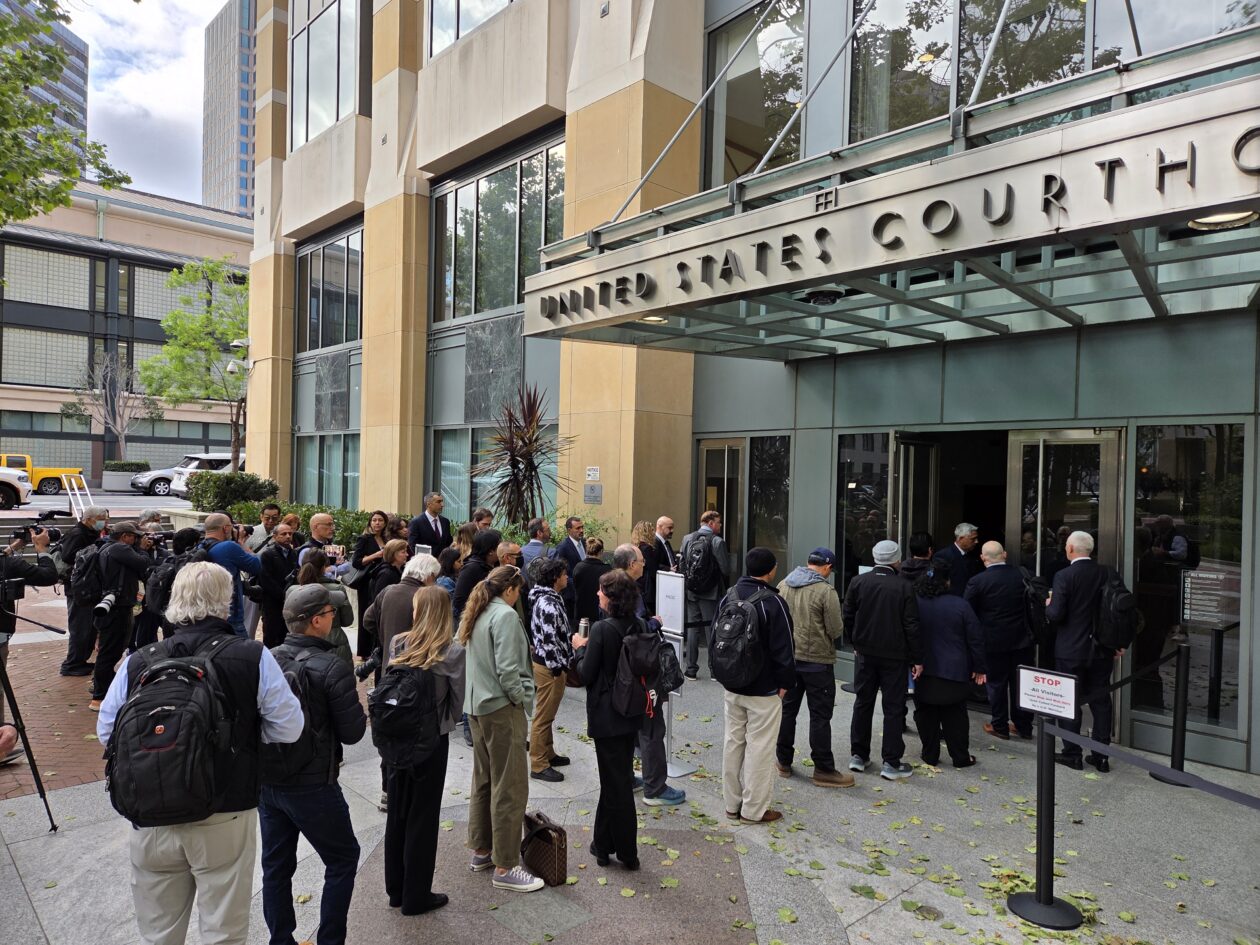
A crowd of lawyers and reporters waits outside the U.S. Courthouse in Oakland for the start of jury selection Monday in Elon Musk’s lawsuit against Sam Altman, OpenAI and Microsoft. (GeekWire Photo / Todd Bishop)
A nurse said AI creates more work in her job, requiring frequent checking and correction.
One prospective juror, when asked by the judge if she has worked in teams, asked if the judge was referring to the conferencing app. “Microsoft is happy that you asked that question,” the judge said.
When another prospective juror expressed concern about being able to follow the technical nuances of the case, the judge replied, “This is just a case about promises and breaches of promises.”
What’s at stake for Microsoft: Amid the feud between two of tech’s most polarizing personalities, Microsoft might seem like a subplot, but its actions are at the heart of the case.
The company has invested more than $13 billion in OpenAI since 2019, building its products around the partnership and betting its competitive future on the deal, before hedging its bets more recently with rival AI firms and its own in-house models.
Advertisement
A victory for Elon Musk would mean a federal judge ordering Microsoft to hand over a slice of what its OpenAI partnership has been worth — not to Musk, but to the OpenAI nonprofit.
Musk’s damages expert puts the combined demand as high as $134 billion across both defendants, with Microsoft’s share between $13.3 billion and $25 billion. However, the judge has already called these figures into question, saying Musk’s expert was “pulling these numbers out of the air.” Microsoft called the methodology “unverifiable” and “unprecedented.”
A loss could also hand regulators in the United States and Europe new ammunition just as the company tries to defend its OpenAI relationship from antitrust scrutiny. In that way, it could force every major tech company to rethink how it invests in mission-driven AI labs.
The story took a new twist Monday morning when Microsoft and OpenAI announced a major amendment to their partnership — loosening the terms of their alliance and, perhaps not coincidentally, demonstrating that their fortunes aren’t as aligned as they once were.
Advertisement
Microsoft’s defense: In short, the company says it was kept in the dark, that it invested as a commercial partner, never informed by OpenAI of any charitable restrictions attached to Musk’s contributions or any duties the company owed to the Tesla and SpaceX founder.
Former OpenAI CTO Mira Murati appeared to back that up in her deposition, testifying that she never told anyone at Microsoft about those restrictions. In a filing over the weekend, Microsoft’s lawyers flagged a discrepancy: Murati’s answer to that question was missing from the official deposition transcript. It was audible on the video recording, but absent from the written record.
Microsoft has also pointed to its work with Musk’s own AI company, xAI, as evidence of its neutrality — arguing in pretrial motions that hosting xAI’s Grok model on Azure proves it is simply a platform for competing AI models, not a partisan actor in OpenAI’s transformation.
Microsoft’s cleanest path to victory, however, may be procedural. The company contends Musk’s claims are barred by the statute of limitations, and its primary evidence is his own words.
Advertisement
In a September 2020 tweet, Musk publicly declared that “OpenAI is essentially captured by Microsoft.” If Microsoft can convince the jury that Musk knew about its involvement more than three years before he filed suit, the multibillion-dollar exposure disappears entirely.
Smoking gun? Musk’s lawyers will point to an internal Microsoft email from March 2018 in which Microsoft’s own CTO raised the very question that will come before the jury.
Writing to Nadella ahead of a call with Altman, Scott made an observation about OpenAI’s commercial transformation: “I wonder if the big OpenAI donors are aware of these plans? Ideologically, I can’t imagine that they funded an open effort to concentrate ML [machine learning] talent so that they could then go build a closed, for profit thing on its back.”
Microsoft went on to invest billions anyway.
Advertisement
It’s one of many behind-the-scenes emails revealed so far in the case, including internal Microsoft exchanges showing Nadella and other executives weighing in on the composition of OpenAI’s board during the crisis that briefly ousted Altman as CEO in November 2023.
When Musk’s lawyers confronted Nadella with Scott’s email in his deposition and asked whether he shared those concerns, the Microsoft CEO deflected: “I think that the nonprofit board of OpenAI gets to make the decision on what’s the best way for them to realize their mission.”
Nadella also said he did not recall ever raising Scott’s concerns directly with Altman.
Microsoft says Scott’s email shows due diligence, not guilt: Scott asked the right questions, OpenAI’s board provided contractual assurances that its agreements “would not impinge any third party’s rights,” and Microsoft was legally entitled to rely on those representations.
Advertisement
Backstory: Musk co-founded OpenAI in 2015 as a nonprofit dedicated to the safe development of AI, contributing tens of millions of dollars before leaving the board in 2018. He filed suit in late 2024, claiming Altman and others had transformed OpenAI into a for-profit venture, betraying the mission he helped fund and enriching themselves and their investors.
What’s next: Addressing prospective jurors this morning, Judge Gonzalez Rogers said she expects the trial to wrap by May 21 — including roughly three weeks of evidence followed by deliberations, with nine jurors deciding the case. If the jury finds for Musk, the judge will then determine in a separate proceeding how much Microsoft and OpenAI must pay out.
High-end audio brands have spent the past five years pushing deeper into the luxury car market, usually leaning on bigger speaker counts and brand-name partnerships. Dirac is taking a different route. In partnership with NIO, it has launched Dirac Spaces, a new software platform designed to model and reproduce the acoustic characteristics of real-world environments inside a vehicle. The system debuts in the NIO ES9 alongside the Lyra sound system, marking a shift toward software-defined acoustics rather than hardware-led upgrades.
From there, the through line becomes clearer. Dirac has been working this angle for a while. Its automotive push builds on earlier technologies like Reference Room Mode and Dirac Dimensions in the ES8, and traces back to the introduction of its Virtuo platform in 2022. The focus hasn’t changed: control the acoustics of the space, don’t just decorate it with DSP.
Some car audio systems still try to fake spaciousness by layering on reverb and calling it a day. Dirac’s approach is more precise. By modeling how sound reflects and decays in both the vehicle and a target environment, it uses the full speaker system to create a more coherent three-dimensional sound field.
Timing on this one was almost too convenient. The press release landed while I was out this morning driving the 2026 Mazda CX-50 Turbo and the 2026 Mazda CX-5 Premium—ended up ordering the CX-5. Both come with “premium” Bose systems. They’re competent, and the cabins are quiet enough, but spatial audio isn’t part of the equation.
Advertisement
Apple CarPlay integration matters more day-to-day anyway, especially in a house full of iPhones where Qobuz is non-negotiable and nobody else is touching the car stereo. But even in a well-insulated cabin, you can hear the limits. The sense of space is mostly surface-level.
That’s the gap Dirac is trying to close; less about adding features, more about fixing how sound actually behaves inside the car.
BMW also announced its first vehicle this week with Dolby Atmos, which is firmly in the “nice to hear about, not buying anytime soon” category — but it’s another sign of where this is headed in the luxury automobile segment.
Dirac Spaces and NIO Lyra: Software-Defined Acoustics Inside the Cabin
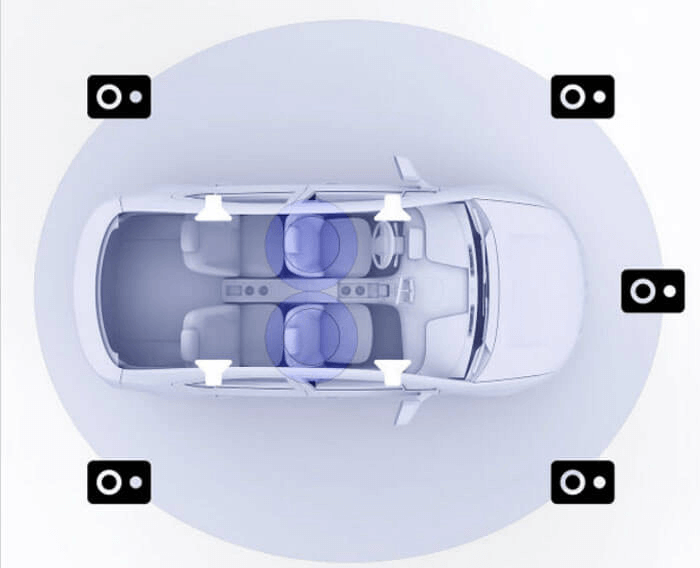
Nio ES8 Speaker Locations
Working alongside the NIO Lyra sound system, Dirac is taking a system-level approach to in-car audio that goes beyond hardware tuning. The goal here is straightforward: control how sound behaves inside the cabin rather than simply pushing more of it through more speakers. That means combining the vehicle’s audio system, the physical space, and the source material into something that behaves in a more predictable and consistent way.
Dirac Spaces is the next step in that process. Instead of treating the car as a fixed listening environment, it uses acoustic modeling and real-time signal processing to reshape how sound is perceived inside the cabin. The system measures both the vehicle and a target acoustic space, then applies Dirac’s MIMO sound field control to approximate how that space would actually sound. The idea is not to layer on effects, but to replicate the acoustic behavior of different environments with a higher degree of accuracy than traditional DSP approaches.
Advertisement
“Today, cars are one of the most important listening environments, but they’ve traditionally been limited by the physical constraints of the cabin,” said Anders Storm. “With Dirac Spaces, we are redefining the in-car listening experience by recreating the acoustic signature of real-world environments inside the vehicle.”
Dirac is also giving automakers some flexibility in how this is deployed. “Signature Spaces” allows OEM partners like NIO to create branded environments tied to specific venues or experiences. “Designed Spaces” are Dirac’s own presets, based on measured real-world environments, with options like Balanced Room, Warm Stage, and Grand Hall that adjust both spatial cues and tonal balance.
Advertisement. Scroll to continue reading.
The distinction from typical sound modes is important. This isn’t just reverb layered on top of the signal. Dirac Spaces maps how reflections and spatial cues should behave based on the car’s speaker layout and acoustic characteristics, which results in a more coherent sound field. In practice, that should translate into better depth, clearer imaging, and fewer of the phase and timing issues that tend to show up in complex cabin environments.
Advertisement
Implementation is also relatively clean. Dirac Spaces runs on top of an already optimized Dirac system, so it doesn’t require additional measurement beyond what’s used to tune the vehicle in the first place. It supports both stereo and multichannel content, which keeps things consistent regardless of source.
In the context of modern EV platforms, this is really about software. By integrating Dirac Spaces into vehicles like the ES9, NIO is using audio as another layer of differentiation—one that can be updated, refined, and potentially monetized over time without changing the underlying hardware.
“At NIO, we’re focused on creating a more immersive in-car experience that goes beyond traditional expectations,” said Ted Li. “With Dirac Spaces, the goal is to move the vehicle beyond a standard listening environment and closer to a space where sound behaves more like it would in the real world.”
Dirac will demonstrate Dirac Spaces publicly for the first time at Auto China 2026, running April 24 through May 3, in collaboration with NIO. The demonstrations will take place inside production vehicles, showing how the system adapts across different cabin designs and audio system configurations.
Advertisement
The Bottom Line
Dirac is attacking the real problem in car audio: the cabin itself. Dirac Spaces isn’t another sound mode—it’s an attempt to model and control how audio behaves in that space, which is a fundamentally different approach from the DSP presets and upmixing most systems rely on today.
North American availability is still an open question. With NIO as the launch partner and no U.S. presence, this rollout is likely tied to future OEM deals rather than anything immediate.
The rivalry is more complicated than a simple “they don’t need Dirac” narrative. NIO is leaning into Dirac as a core technology partner, while Tesla and Rivian continue to prioritize in-house control.
Meanwhile, Dirac is driving innovation. At CES 2025, Dirac and Denon showcased a prototype 22-speaker sound system in Tesla Model Y with height channels, headrest and headliner exciters, and Dirac’s spatial processing to create a far more coherent sound field than the stock system.
It wasn’t just louder or wider. It delivered noticeably better clarity, more stable imaging, and more natural bass response, while generating immersive spatial audio from standard stereo sources without relying on Atmos mixes.
Advertisement
It also exposed the core difference in approach. Tesla’s system, like Rivian’s evolving in-house platform relies on upmixing and DSP layered on top of the cabin. Dirac’s approach focuses on getting all the speakers to work together, correcting timing, phase, and interaction so the cabin itself stops fighting the sound.
That puts NIO in a different lane. By integrating Dirac at a deeper level with Spaces, it’s betting that software-defined acoustics can outperform even well-executed in-house systems. Tesla and Rivian are betting they can get there on their own.
Advertisement. Scroll to continue reading.
Right now, both approaches work. But based on what we heard in that Model Y, Dirac has already shown it can raise the bar—if an automaker is willing to give it the keys.
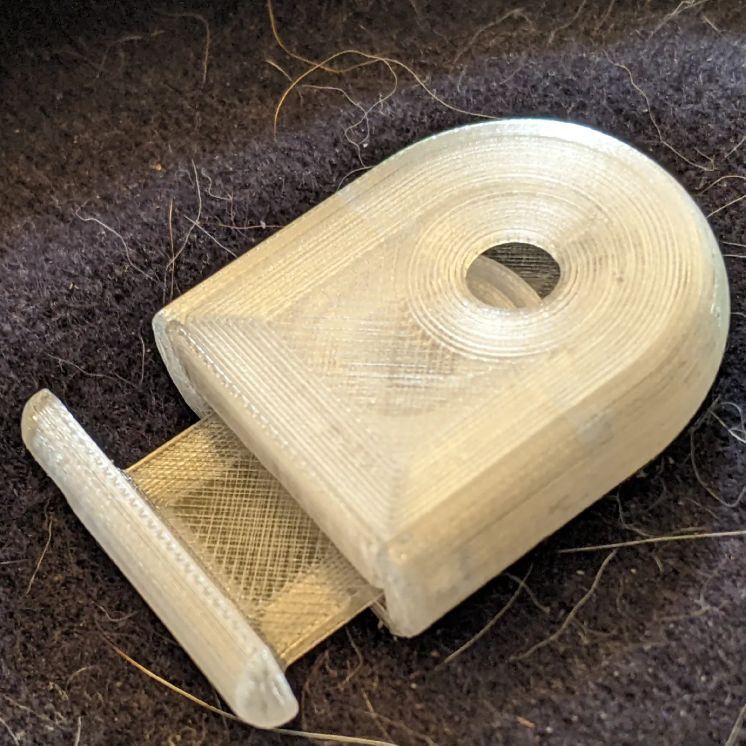
Springs are great, but making them out of plastic tends to come with some downsides, for fairly obvious reasons. Creating a compliant mechanism that can be 3D printed and yet which doesn’t permanently deform or wear out after a few uses is therefore a bit of a struggle. The complaint toggle mechanism that [neotoy] designed is said to have addressed those issues, with the model available on Printables for anyone to give a shake.
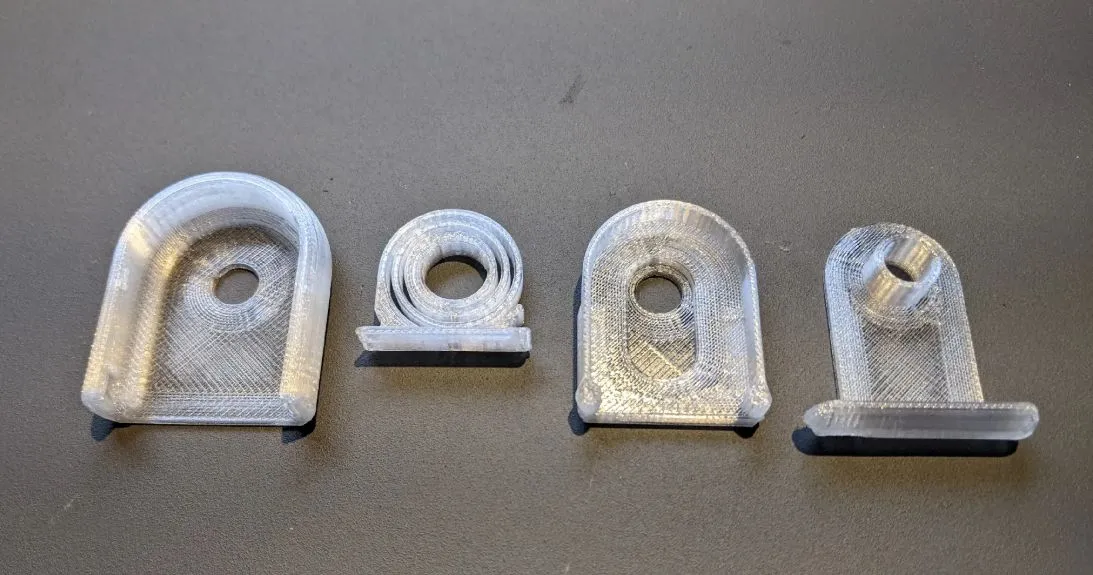
The model in question is a toggle, which is the commonly seen plastic or metal device that clamps down on e.g. rope or cord and requires you to push on it to have it release said clamping force. Normally these use a metal spring inside, but this version is fully 3D printable and thus forms a practical way to test this particular compliant mechanism with a variety of materials.
The internal spring is a printed spiral spring, with the example in the video printed in PETG. You can of course also print it in other materials for different durability and springiness properties. As noted in the video, PLA makes for a very poor spring material, so you probably want to skip that one.
We covered compliant mechanisms in the past for purposes like blasters, including some that you can only see under a microscope.
Yash Jain discusses how cybersecurity needs to be an institutional ‘fundamental component’, not a ‘compliance checkbox’.
For Yash Jain, a cybersecurity, forensics and privacy manager at PwC, Ireland’s cybersecurity landscape is “evolving rapidly as awareness grows following targeted cyberattacks on critical national infrastructure, such as the Health Service Executive (HSE) and pharmaceutical companies”.
He told SiliconRepublic.com: “These incidents highlight the importance of cybersecurity in modern digital infrastructure, prompting both government and private sectors to prioritise security as a fundamental component, rather than a mere compliance checkbox.”
Can you elaborate upon some of the challenges?
Cybersecurity awareness is widespread, yet many struggle with the practical steps needed to protect both organisations and individuals from cyberthreats. The primary challenge lies in crafting a security strategy that aligns with business goals and compliance requirements. Cybersecurity isn’t just about adopting automated tools or running awareness campaigns. It’s about selecting a strategy that effectively implements protective measures across both people, process and technology. Additionally, skill shortage is another challenge that this sector is facing at this stage. Finding the right talent to deal with security and this has been a key challenge.
Advertisement
What skills do modern day professionals need in their arsenal to manage or stay ahead of threats?
In the current cybersecurity environment, mitigating skills shortages demands a strong grasp of networking concepts and familiarity with foundational development tools, including APIs and commonly used scripting and web technologies. These core skills enable professionals to understand how systems communicate, identify vulnerabilities and effectively analyse and respond to cyberthreats.
This knowledge lays the groundwork for understanding complex technical concepts. Pursuing globally recognised certifications like Certified Information Systems Professional (CISSP) and Certified Information System Auditor (CISA) can further enhance their security expertise. This approach equips professionals to navigate the evolving challenges in cybersecurity. Additionally, leveraging AI to develop these skills offers a modern alternative to traditional learning methods, such as sifting through extensive books.
How can an organisation ensure the workforce is adequately skilled in cybersecurity best practice?
To build a robust cybersecurity culture, organisations should make sure their teams understand the impact of cybersecurity on both them and the organisation. Education should be straightforward and clear, especially for those in non-IT roles like HR, finance and operations. Engage your workforce with interactive sessions, such as in-person training and large-scale phishing simulation exercises. These simulations, managed by your security team or a trusted third party, involve sending fake phishing emails to employees to test their ability to spot and handle phishing attempts – without any real threat to the organisation.
And back to basics, it’s crucial to maintain basic security practices, avoid sharing passwords, refrain from writing them down on desks or laptop covers and don’t use corporate email addresses for personal activities like gym memberships. By fostering these habits, you can enhance your organisation’s cybersecurity resilience.
Advertisement
How critical is cross-collaboration to ensure strong cyber hygiene and quick responsiveness to threats?
Cross-collaboration is critical to building a resilient cybersecurity posture. Cybersecurity is no longer solely the responsibility of the IT or security team, it is an organisational concern that touches every department and individual. When teams across HR, legal, finance, operations and technology work without collaboration, it creates blind spots that threat actors can easily exploit. Effective collaboration ensures that threat intelligence is shared swiftly across the right teams, enabling faster detection and response to incidents. For example, during a ransomware attack, a coordinated response between the security team, senior leadership, legal counsel and communications is essential to minimise damage and maintain compliance obligations.
It is essential that organisations take concrete measures to sustain and strengthen their current state of effective collaboration and consequently consider moving away from traditional cyber assessment exercises, such as conventional penetration testing. Instead, they should shift their focus towards purple team exercises. A purple team exercise is an advanced cyber penetration testing assessment in which penetration testers simulate sophisticated cyberattacks to evaluate an organisation’s security maturity across people, processes and technology, with the objective of detecting and blocking potential cyberthreats.
Are there any myths around your role in cybersecurity that you would like to debunk?
Absolutely. There are a few misconceptions I frequently encounter that I think are worth addressing. The first is that cybersecurity is purely a technical role. While technical knowledge is certainly valuable, a large part of what I do involves strategic thinking, risk assessment and communicating threats in a way that non-technical stakeholders can understand and act upon. You do not need to be a programmer to have a meaningful and impactful career in this space.
The second myth is that cybersecurity is only a concern for large organisations. In my experience, small and medium-sized businesses are often more vulnerable precisely because they are assumed to be low-risk and therefore invest less in their defences. Attackers are very aware of this.
Advertisement
The third and perhaps most dangerous myth is that having the right tools means you are protected. Technology is only one layer of defence. Some of the most damaging breaches I have seen were not the result of a technical failure, they happened because a person clicked a link they should not have, or shared credentials without realising the consequences.
What is your advice for professionals looking for a similar career in this space?
My advice is simple: start with curiosity and never stop learning. Begin by building a solid foundation in networking and IT fundamentals, and consider pursuing recognised certifications such as CompTIA Security+, CISSP, or CISA depending on your area of interest. Do not be discouraged if your background is not in traditional IT, as some of the most effective professionals in this field come from diverse backgrounds such as law, business and psychology, because soft skills like communication, critical thinking and problem-solving are just as valuable as technical expertise.
We have witnessed such scenarios where people coming from diverse educational backgrounds like business studies, law and other non-tech courses followed the above approach and enabled them as competent cyber professionals. PwC provides tailored learning programmes bespoke for employees joining the firm from different backgrounds to achieve this goal. The learning path is aligned to develop individuals into cybersecurity professionals capable of managing routine governance, risk and compliance tasks to maintain an organisation’s cybersecurity posture. However, to gain further depth in this career, specifically to become an offensive security engineer additional skills are required.
Leverage AI-driven learning tools and online platforms to accelerate your development rather than relying solely on traditional methods. Most importantly, engage with the wider cybersecurity community through events, forums and networking opportunities, as this field thrives on collaboration and knowledge sharing and those who embrace that will always stay ahead.
Advertisement
Don’t miss out on the knowledge you need to succeed. Sign up for the Daily Brief, Silicon Republic’s digest of need-to-know sci-tech news.
If you had trouble logging into your email today, you’re not the only one. Microsoft Outlook users reported problems signing in to the email client at the start of the week, with reports beginning just before 5 a.m. ET Monday.
After several hours of login issues, a fix has now been reported. The company said around 3:36 p.m. ET that internal logs tied the issue to a recent configuration change and that it rolled back the update. A recent status report said the service appeared to be recovering.
Microsoft said users on iPhones might have to reenter their passwords in Settings to access Outlook accounts again.
On Monday, Microsoft reported on its status page that people logging into Outlook.com might experience intermittent failures, including “too many requests” issues. Others may have found themselves unexpectedly signed out. The company tracked repeated efforts to fix the errors on its status page and the Microsoft 365 Status X account.
Advertisement
“We’re working to mitigate an issue that may cause some users to experience intermittent Outlook.com sign‑in failures on mobile apps,” a Microsoft spokesperson told CNET in an email Monday morning.
People reporting errors to Downdetector, which, like CNET, is owned by Ziff Davis, said they were having issues with the client’s iOS app. Outage reports peaked at about 1,500 early in the day.
The traditional approach to academic research goes something like this: Assemble experts from a discipline, put them in a building, and hope something useful emerges. Biology departments do biology. Engineering departments do engineering. Medical schools treat patients.
NYU is turning that model inside out. At its new Institute for Engineering Health, the organizing principle centers around disease states rather than traditional disciplines. Instead of asking “what can electrical engineers contribute to medicine?,” they’re asking “what would it take to cure allergic asthma?,” and then assembling whoever can answer that question, whether they’re immunologists, computational biologists, materials scientists, AI researchers, or wireless communications engineers.
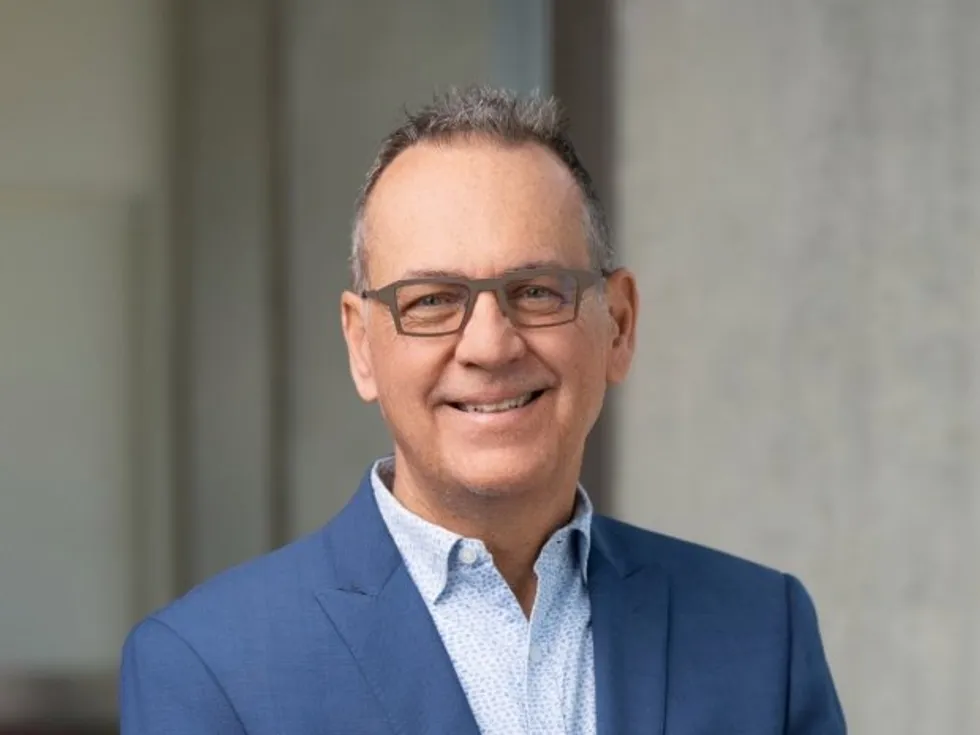
Jeffrey Hubbell, NYU’s vice president for bioengineering strategy and professor of chemical and biomolecular engineering at NYU’s Tandon School of Engineering.New York University
The early results suggest they’re onto something. A chemical engineer and an electrical engineer collaborated to build a device that detects airborne threats — including disease pathogens — that’s now a startup. A visually impaired physician teamed with mechanical engineers to create navigation technology for blind subway riders. And Jeffrey Hubbell, the Institute’s leader, is advancing “inverse vaccines” that could reprogram immune systems to treat conditions from celiac disease to allergies — work that requires equal fluency in immunology, molecular engineering, and materials science.
Advertisement
The underlying problem these collaborations address is conceptual as much as organizational. In his field, Hubbell argues that modern medicine has optimized around a single strategy: developing drugs that block specific molecules or suppress targeted immune responses. Antibody technology has been the workhorse of this approach. “It’s really fit for purpose for blocking one thing at a time,” he says. The pharmaceutical industry has become extraordinarily good at creating these inhibitors, each designed to shut down a particular pathway.
But Hubbell asks a different question: Rather than inhibit one bad thing at a time, what if you could promote one good thing and generate a cascade that contravenes several bad pathways simultaneously? In inflammation, could you bias the system toward immunological tolerance instead of blocking inflammatory molecules one by one? In cancer, could you drive pro-inflammatory pathways in the tumor microenvironment that would overcome multiple immune-suppressive features at once?
This shift from inhibition to activation requires a fundamentally different toolkit — and a different kind of researcher. “We’re using biological molecules like proteins, or material-based structures — soluble polymers, supramolecular structures of nanomaterials — to drive these more fundamental features,” Hubbell explains. You can’t develop those approaches if you only understand biology, or only understand materials science, or only understand immunology. You need an understanding and a mastery of all three.
“There will be people doing AI, data science, computational science theory, people doing immunoengineering and other biological engineering, people doing materials science and quantum engineering, all really in close proximity to each other.” —Jeffrey Hubbell, NYU Tandon
Advertisement
Which logically leads to the question: How do you create researchers with that kind of cross-disciplinary depth?
The answer isn’t what you might expect. “There may have been a time when the objective was to have the bioengineer understand the language of biology,” Hubbell says. “But that time is long, long gone. Now the engineer needs to become a biologist, or become an immunologist, or become a neuroscientist.”
Hubbell isn’t talking about engineers learning enough biology to collaborate with biologists. He’s describing something more radical: training people whose disciplinary identity is genuinely ambiguous. “The neuroengineering students — it’s very difficult to know that they’re an engineer or a neuroscientist,” Hubbell says. “That’s the whole idea.”
His own students exemplify this. They publish in immunology journals, present at immunology conferences. “Nobody knows they’re engineers,” he says. But they bring engineering approaches — computational modeling, materials design, systems thinking — to immunological problems in ways that traditional immunologists wouldn’t.
Advertisement
The mechanism for creating these hybrid researchers is what Hubbell calls a “milieu.” “To learn it all on your own is hopeless,” he acknowledges, “but to learn it in a milieu becomes very, very efficient.”
NYU is expanding its facilities to include a science and technology hub designed to force encounters between people across various schools and disciplines who wouldn’t naturally cross paths.Tracey Friedman/NYU
NYU is making that milieu physical. The university has acquired a large building in Manhattan that will serve as its science and technology hub — a deliberate co-location strategy designed to force encounters between people across various schools and disciplines who wouldn’t naturally cross paths.
Juan de Pablo is the Anne and Joel Ehrenkranz Executive Vice President for Global Science and Technology and Executive Dean of the NYU Tandon School of Engineering.Steve Myaskovsky, Courtesy of NYU Photo Bureau
“There will be people doing AI, data science, computational science theory, people doing immunoengineering and other biological engineering, people doing materials science and quantum engineering, all really in close proximity to each other,” Hubbell explains.
The strategy mirrors what Juan de Pablo, NYU’s Anne and Joel Ehrenkranz Executive Vice President for Global Science and Technology and Executive Dean at the NYU Tandon School of Engineering, describes as organizing around “grand challenges” rather than traditional disciplines. “What drives the recruitment and the spaces and the people that we’re bringing in are the problems that we’re trying to solve,” he says. “Great minds want to have a legacy, and we are making that possible here.”
Advertisement
But physical proximity alone isn’t enough. The Institute is also cultivating what Hubbell calls an “explicit” rather than “tacit” approach to translation — thinking about clinical and commercial pathways from day one.
“It’s a terrible thing to solve a problem that nobody cares about,” Hubbell tells his students. To avoid that, the Institute runs “translational exercises” — group sessions where researchers map the entire path from discovery to deployment before launching multi-year research programs. Where could this fail? What experiments would prove the idea wrong quickly? If it’s a drug, how long would the clinical trial take? If it’s a computational method, how would you roll it out safely?
The new cross-institutional initiative represents a major investment in science and technology, and includes adding new faculty, state-of-the-art facilities, and innovative programs.NYU Tandon
The approach contrasts sharply with typical academic practice. “Sometimes academics tend to think about something for 20 minutes and launch a 5-year PhD program,” Hubbell says. “That’s probably not a good way to do it.” Instead, the Institute brings together people who have actually developed drugs, built algorithms, or commercialized devices — importing their hard-won experience into the planning phase before a single experiment is run.
The timing may be fortuitous. De Pablo notes that AI is compressing timelines dramatically. “What we thought was going to take 10 years to complete, we might be able to do in 5,” he says.
Advertisement
But he’s quick to note AI’s limitations. While tools like AlphaFold can predict how a single protein folds — a breakthrough of the last five years — biology operates at much larger scales. “What we really need to do now is design not one protein, but collections of them that work together to solve a specific problem,” de Pablo explains.
Hubbell agrees: “Biology is much bigger — many, many, many systems.” The liver and kidney are in different places but interact. The gut and brain are connected neurologically in ways researchers are just beginning to map. “AI is not there yet, but it will be someday. And that’s our job — to develop the data sets, the computational frameworks, the systems frameworks to drive that to the next steps.”
It’s a moment of unusual ambition. “At a time when we’re seeing some research institutions retrench a little bit and limit their ambitions,” de Pablo says, “we’re doing just the opposite. We’re thinking about what are the grand challenges that we want to, and need to, tackle.”
The bet is that the breakthroughs worth making can’t emerge from any single discipline working alone. They require collisions —sometimes planned, sometimes accidental — between people who speak different technical languages and are willing to develop a shared one. NYU is engineering those collisions at scale.
Joby Aviation is kicking off 10 days of electric air taxi demo flights in New York City. Before you try to book one to bypass the city’s awful traffic, Joby’s aircrafts aren’t taking customers yet. Instead, the company is trialing the air taxis in “real flight routes and real environments,” as indicated in its press release.
With the first point-to-point flight of its electric vertical takeoff and landing (eVTOL) aircraft completed, Joby said that one of its electric air taxis made it from John F. Kennedy International Airport to NYC’s heliports in Lower Manhattan and Midtown in less than 10 minutes. Unlike helicopters, Joby’s CEO, JoeBen Bevirt, said this “quiet, zero operating emissions air taxi service” will better serve New Yorkers. These demo flights are part of Joby’s participation in the eVTOL Integration Pilot Program, the Federal Aviation Administration’s program to fast-track the commercial rollout of air taxis.
Joby said it’s still in the final stages of securing FAA certification, but this latest campaign in NYC should propel its process forward, especially after having completed piloted demos in the San Francisco Bay Area in March. Joby was previously targeting to launch its air taxi service in 2025, but that goal has since been pushed back. The company’s CEO said that Joby is planning to start passenger flights in New York, Texas and Florida as soon as the second half of 2026, according to Bloomberg.
A crowd of lawyers and reporters waits outside the U.S. Courthouse in Oakland for the start of jury selection Monday in Elon Musk’s lawsuit against Sam Altman, OpenAI and Microsoft. (GeekWire Photo / Todd Bishop)
OAKLAND — Microsoft and OpenAI announced a major amendment to their partnership Monday morning, just as jury selection began in Elon Musk’s landmark lawsuit against both companies in Oakland federal court.
Under the new deal, OpenAI can now serve all of its products — including API-based services previously exclusive to Microsoft Azure — on any cloud provider, theoretically including Amazon Web Services and Google Cloud.
Update: It’s not theoretical for AWS. Amazon CEO Andy Jassy signaled the immediate impact of the change, posting on LinkedIn that OpenAI’s models will be available on Amazon’s Bedrock platform “in the coming weeks.” He said more details would come at an AWS event in San Francisco on Tuesday.
Microsoft’s license to OpenAI’s intellectual property, extended through 2032, becomes non-exclusive. And Microsoft will no longer pay a revenue share to OpenAI, though OpenAI’s payments to Microsoft continue through 2030, subject to a new cap.
The Redmond company remains OpenAI’s primary cloud partner, and OpenAI products will continue to ship first on Azure unless Microsoft cannot or chooses not to support the required capabilities. Microsoft also continues as a major OpenAI shareholder.
Advertisement
The timing is notable. Jury selection in Musk v. Altman — in which Musk alleges Microsoft aided OpenAI’s abandonment of its nonprofit mission — begins Monday morning before U.S. District Judge Yvonne Gonzalez Rogers in Oakland.
Microsoft’s influence over OpenAI is one of the issues at the heart of the case. Both companies face potential penalties of billions of dollars if Musk prevails.
Neither company addressed the trial directly in announcing the deal. “The rapid pace of innovation requires us to continue to evolve our partnership,” they said in a joint statement.
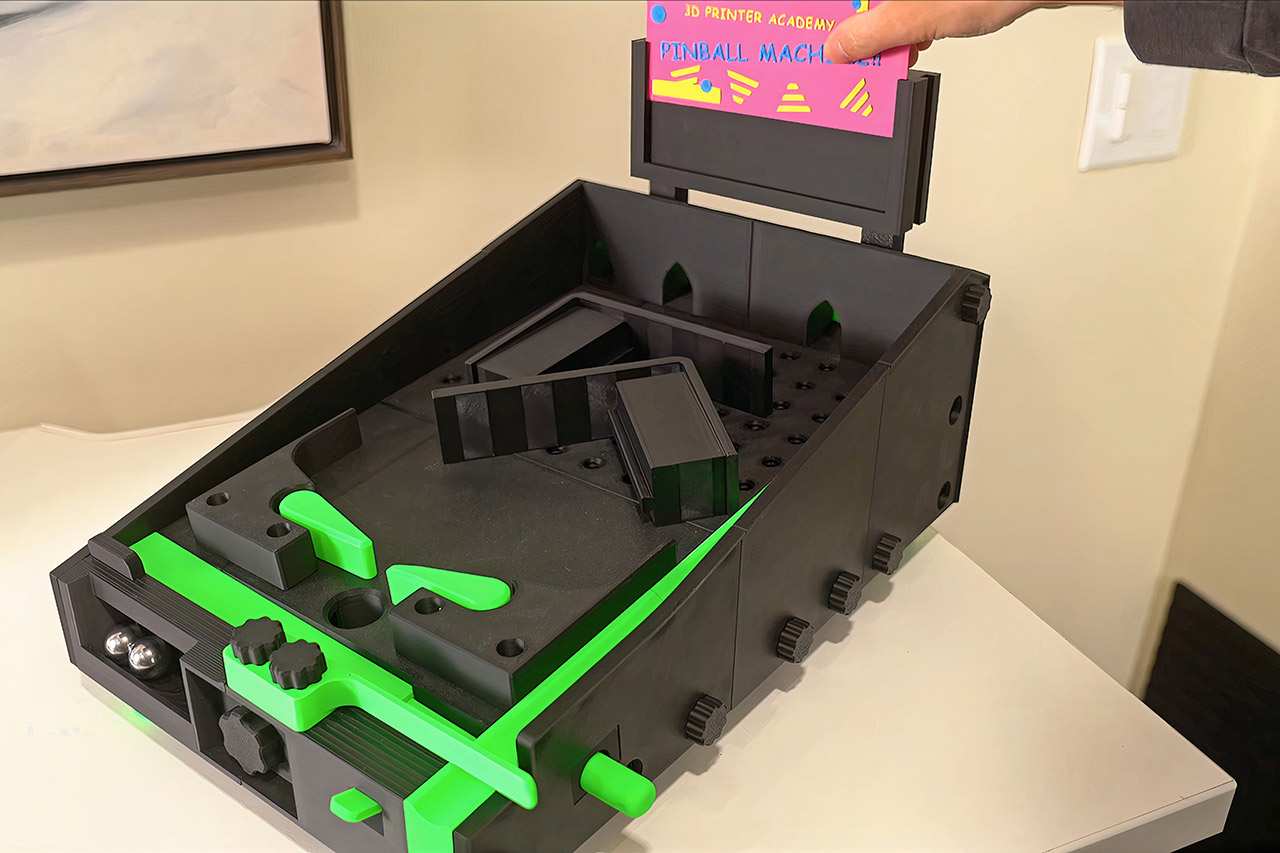
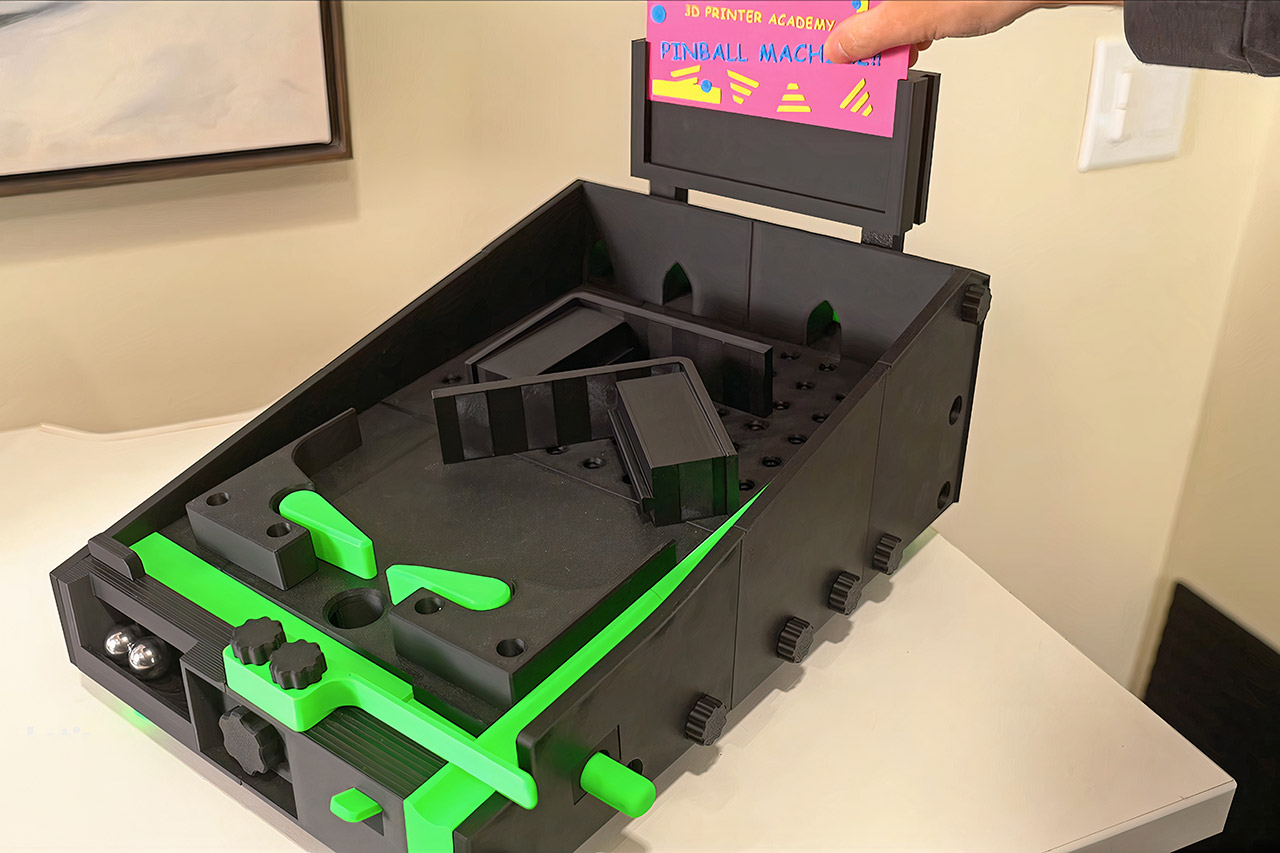
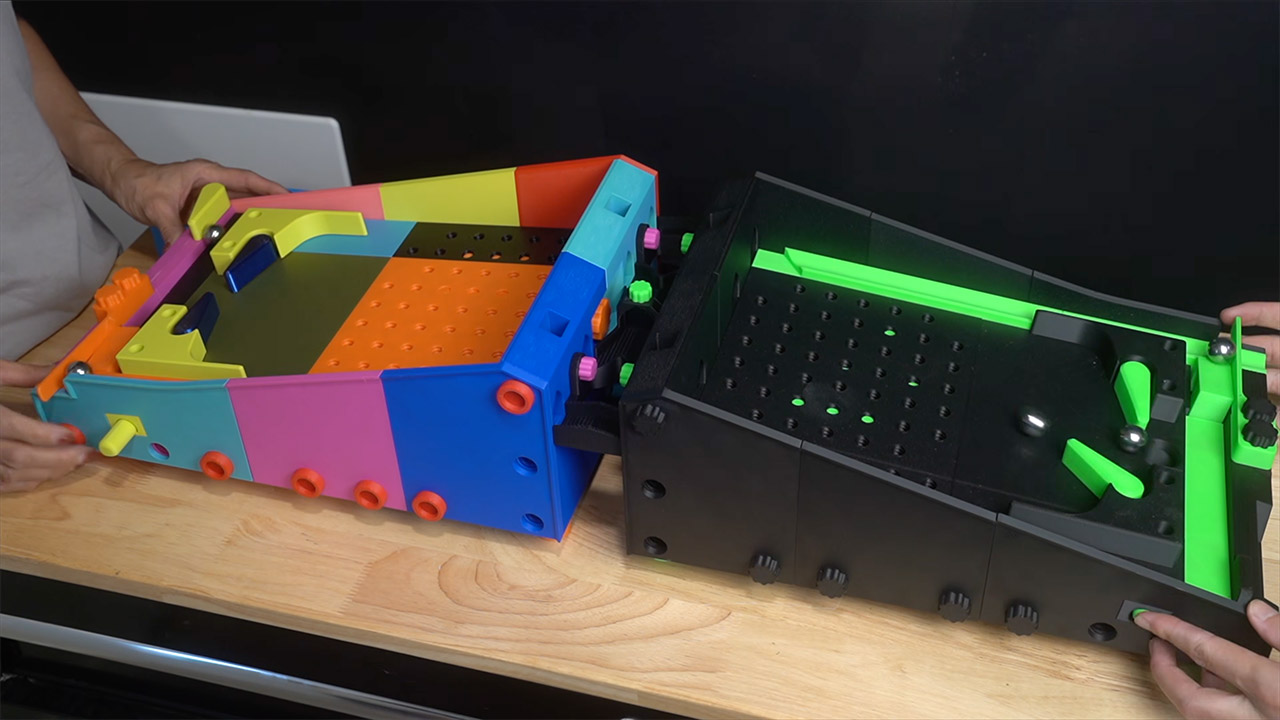
Steven from 3D Printer Academy spent months transforming one of his trusted old desktop 3D printers into Galactic Odyssey, a full-fledged pinball machine built entirely from pieces that came directly off his print bed. There’s no hum from the electronics, no snap from metal springs, just clever plastic pieces and a few basic connections. Throw in a steel ball, pull the launcher, and watch the action unfold right next to your keyboard on a small table that begs to be placed just in front of your computer.
Steven’s design was inspired by the 3D modeling courses he teaches, and he wanted to demonstrate that makers could do more than just print random gadgets. He decided, why not try something a little more exciting, like a real pinball cabinet with moving parts? He began with some simple sketches and refined them until every single piece fit together perfectly, with no glue or additional hardware required. The product feels rock solid when you hold it, but it’s light enough to pick up and move around the room with ease.
High-Speed Precision: Experience unparalleled speed and precision with the Bambu Lab A1 3D Printer. With an impressive acceleration of 10,000 mm/s…
Multi-Color Printing with AMS lite: Unlock your creativity with vibrant and multi-colored 3D prints. The Bambu Lab A1 3D printers make multi-color…
Full-Auto Calibration: Say goodbye to manual calibration hassles. The A1 3D printer takes care of all the calibration processes automatically…
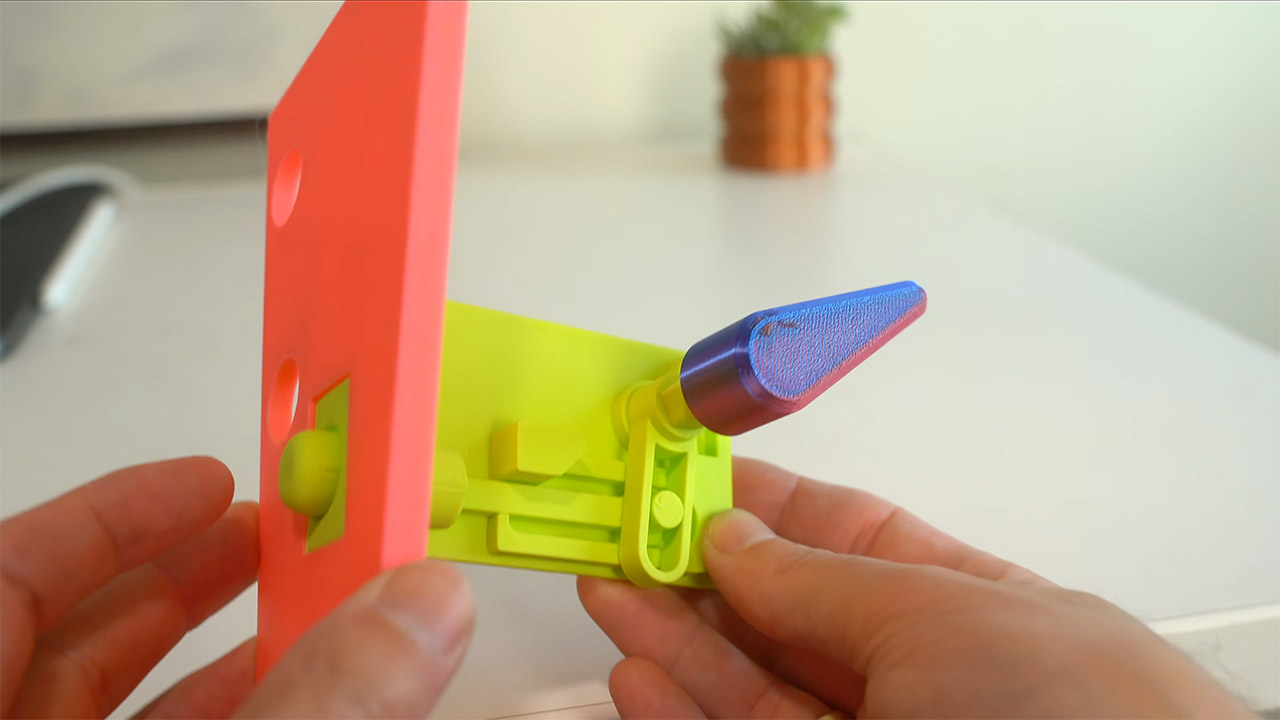
The flippers are where the real action takes place; simply push a button and each one quickly rises sixty degrees in a super smooth manner. Earlier versions had printed springs that either stuck or felt shaky, which was not acceptable, but the final version had these fantastic leaf-shaped bits of plastic that are anchored in with a threaded connection. It is so much better! The tension develops and releases like it should, sending the ball flying in the precise proper direction. The finest aspect is that the entire system resets itself after each shot, preparing for the next round.
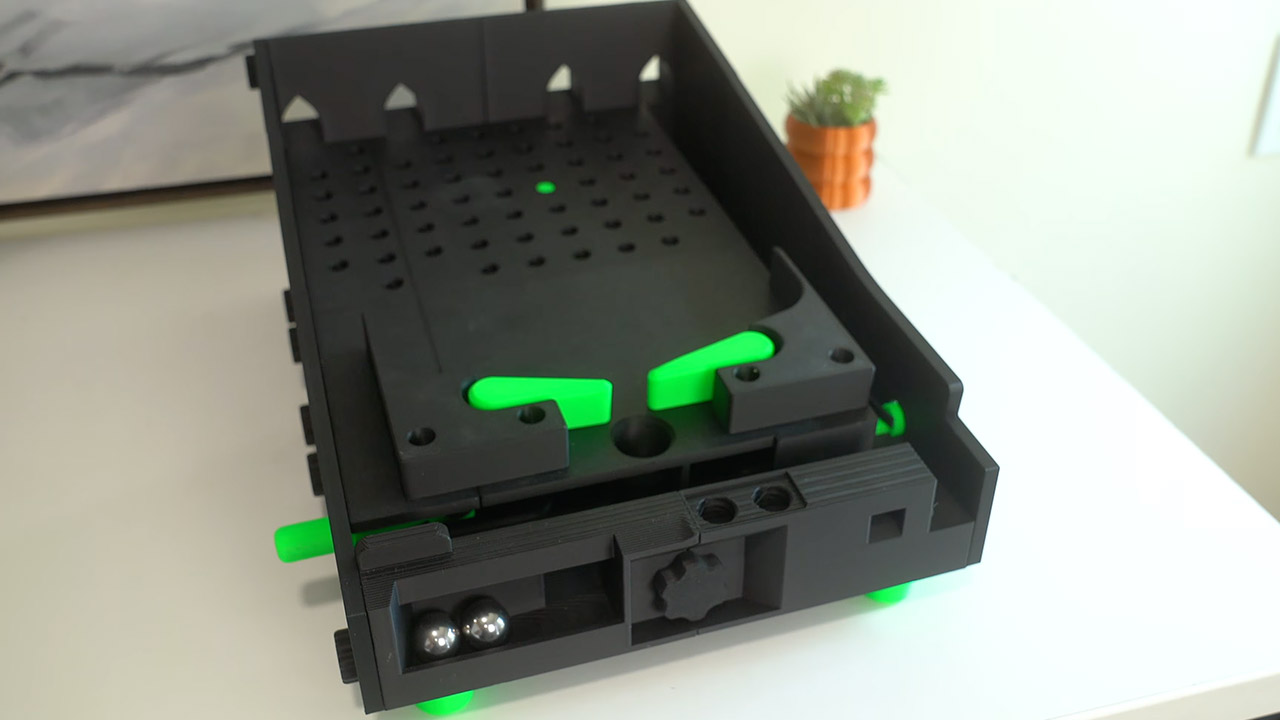
Now, the playfield is divided into separate sections that even a basic home printer can handle, and each element simply locks into place from the bottom, using the same threaded method he employed elsewhere. There are a variety of holes and arches on the surface, just waiting for you to add some swappable obstacles that clip in or out. Change the layout quickly and create a whole new difficulty whenever the mood strikes; simply add a little ramp here, a tighter gap there, and the game changes altogether.
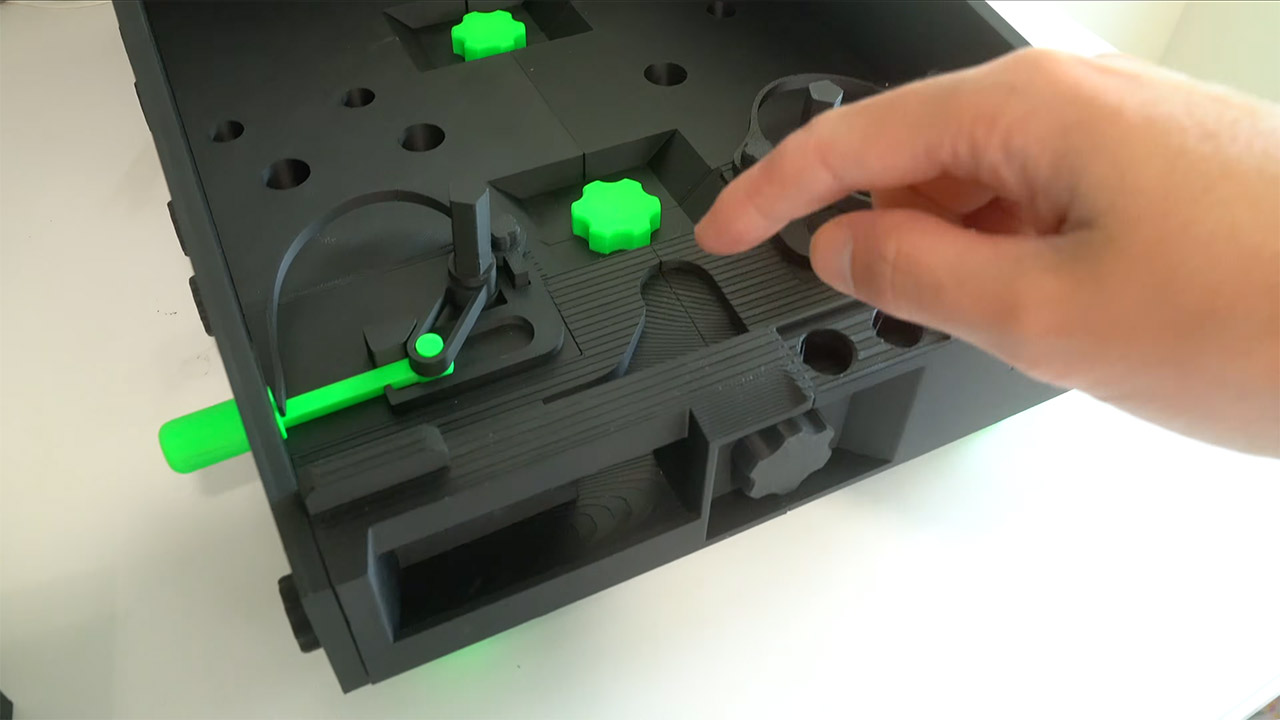
Then there’s the scoring, which is done entirely without the use of any wires or batteries. There’s just this ratchet wheel that spins whenever the ball lands in the correct location, plus a lot of bright dials that advance to keep track of your scores. The counter is all the way in the back, so everyone can see it. It clicks away with a gratifying little sound that mimics the clack of the ball against the plastic bumpers. It truly seems like you’ve earned those high scores because the entire system is based on good old-fashioned mechanics.
Instead of utilizing a fancy plunger, you launch the ball using a simple paddle. To manage the shot’s power, give it a yank before letting it fly. Balls that miss their target simply roll into a return chute and return to the originating location. The configuration even works for several players; simply connect two machines end to end and you’ll have head-to-head action. Take turns blasting balls at each other, attempting to swamp your opponent’s side before they can swamp your own. You can get four people to play by connecting the units in a square.
This machine is really customizable, as you can print every part in any color you choose. You may replace out the bumpers for different textures or forms. The rear panel is built to accommodate new designs, allowing you to customize the entire computer with your favorite theme. The bundle includes over a hundred STL files that have already been sliced and organized on virtual build plates, ready for the printer to chomp through. If you’re an advanced user who enjoys fiddling with things, you can obtain entire CAD files and modify any detail you desire. The construction requires some patience, but the directions are straightforward and the parts fit together like a jigsaw puzzle.
Canadian authorities have arrested three men for operating an “SMS blaster” device that pretends to be a cellular tower to send phishing texts to nearby phones.
Such tools trick devices into connecting to them by emitting signals that mimic a legitimate tower. Mobile phones in its range automatically link to them as there is stronger reception.
Once the connection is established, the operators of these rogue cellular base stations can push SMS messages directly to connected devices, which appear to come from trusted entities such as banks or the government.
“An SMS blaster works by mimicking a legitimate cellular tower. When nearby phones connect to it, users receive fraudulent text messages that appear to come from trusted organizations,” explains the police.
“These messages often prompt recipients to click on links that lead to fake websites designed to capture personal information, including banking credentials and passwords.”
Advertisement
No phone numbers are required for these messages to be sent; only that the targets be within range. In densely populated areas, this practically means mass distribution, and hence the name “blaster.”
The Canadian authorities noted that this is the first time that such a device has been spotted in the country.
The Toronto Police said the investigation, dubbed ‘Project Lighthouse,’ began in November 2025 after receiving tips about suspicious activity in downtown Toronto.
Police found that the equipment was operated from vehicles, allowing it to move across the Greater Toronto Area and target large numbers of people.
Advertisement
The investigators believe that during the SMS blaster’s operation, 13 million cases of mobile network entrapment occurred.
Besides the phishing aspect, devices connected to those rogue stations are temporarily disconnected from their provider’s legitimate network and cannot reach emergency services if needed.
The police conducted searches in Markham and Hamilton on March 31, and seized multiple SMS blasters and other electronic devices.
Two suspects were arrested, while a third man turned himself in on April 21.
Advertisement
To defend against rogue towers, users are recommended to disable 2G downgrades on Android, although this measure is not effective against more advanced setups targeting LTE/5G signaling.
SMS should be treated as an insecure channel, and users should avoid following links received over this channel.
For sensitive data or communication exchanges, the recommendation is to use end-to-end encrypted channels.
Advertisement
AI chained four zero-days into one exploit that bypassed both renderer and OS sandboxes. A wave of new exploits is coming.
At the Autonomous Validation Summit (May 12 & 14), see how autonomous, context-rich validation finds what’s exploitable, proves controls hold, and closes the remediation loop.
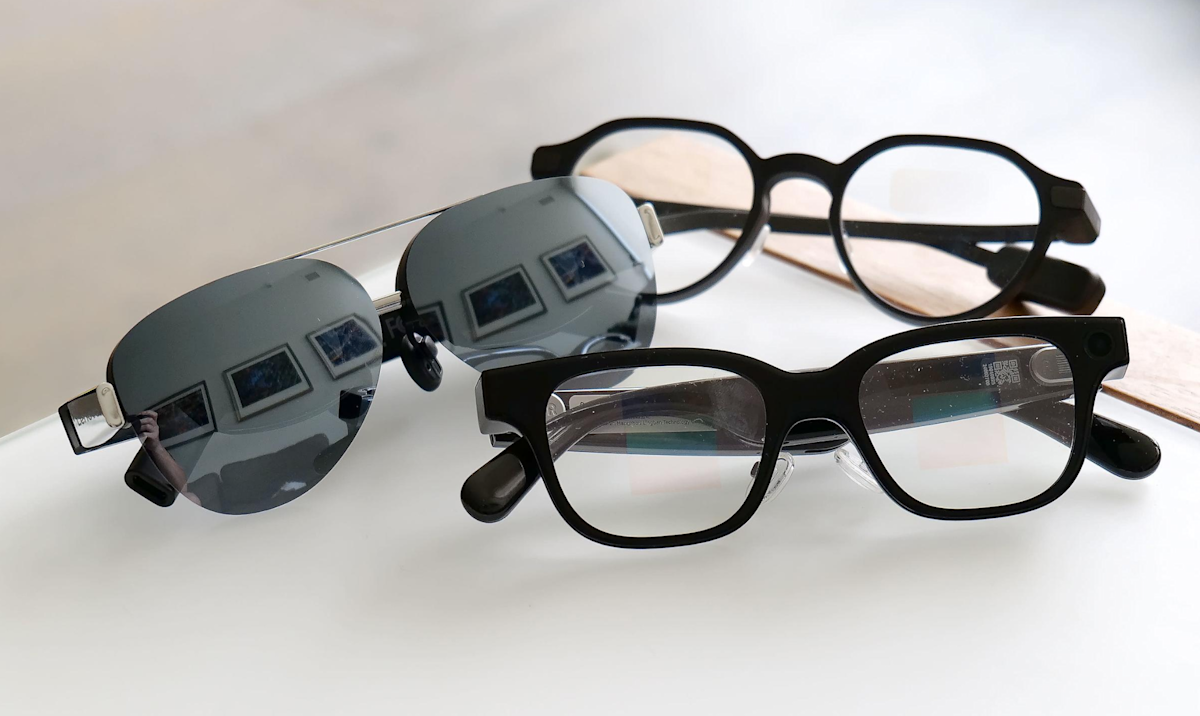
Images and details about Samsung’s upcoming smart glasses have leaked, . We knew these were , but we now have what could be actual photos and they look pretty nifty. The glasses are reportedly being developed under the codename “Jinju” and could cost anywhere from $380 to $500.
These are the first smart glasses from Samsung and look to offer a similar feature set to stuff like and the forthcoming . Samsung’s specs will run on the and will likely feature heavy integration with the Google Gemini chatbot.
It has been reported that these glasses will not feature a display, but that’s likely coming with another pair in 2027. The second release is being developed under the codename “Haean” and will reportedly include a micro-LED display, allowing for similar functionality to something like the . These could cost anywhere from $600 to $900.
We don’t know when the Jinju glasses will launch, but later this year is a safe bet. Samsung has a major . We could get some official details at that point, though it’s unlikely the smart glasses will launch alongside stuff like the Galaxy Z Fold 8 and the Galaxy Watch 9.
Advertisement
It’s far more likely we’ll get a tease at that event, with a launch later in the year. This is what Samsung did with its last year.
It’s also been reported that the Jinju glasses will include a 12MP camera, a Snapdragon AR1 chip and directional speakers with bone-conduction tech. These specs are, of course, subject to change before launch. It’s also highly possible the price will tick up beyond the aforementioned range, thanks to and the .









 Jeffrey Hubbell, NYU’s vice president for
  NYU is expanding its facilities to include a science and technology hub designed to force encounters between people across various schools and disciplines who wouldn’t naturally cross paths.Tracey Friedman/NYU
 Juan de Pablo is the Anne and Joel Ehrenkranz Executive Vice President for Global Science and Technology and Executive Dean of the NYU Tandon School of Engineering.Steve Myaskovsky, Courtesy of NYU Photo Bureau
 The new cross-institutional initiative represents a major investment in science and technology, and includes adding new faculty, state-of-the-art facilities, and innovative programs.NYU Tandon











































You must be logged in to post a comment Login