
Business
BOJ keeps rates steady but 3 board members dissent, call for hike




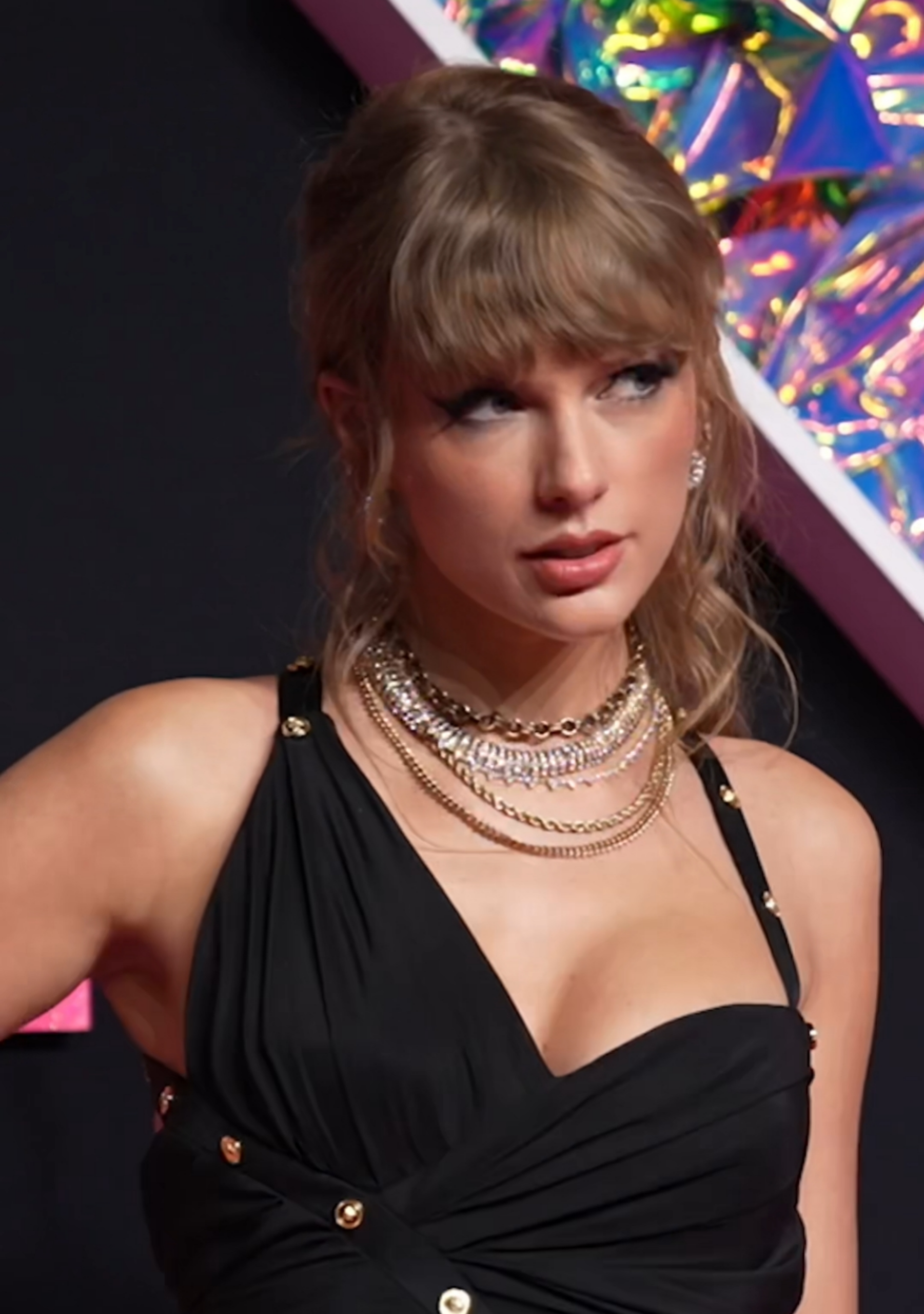
LOS ANGELES — Taylor Swift has filed applications with the U.S. Patent and Trademark Office to trademark her voice and likeness, a significant and forward-looking intellectual property strategy designed to protect her unique artistic identity from unauthorized commercial exploitation, particularly in the rapidly advancing era of artificial intelligence and deepfake technology.

The filings, submitted in recent weeks and first reported Monday, cover an extensive range of categories including sound recordings, live performances, merchandise, digital content, advertising, and entertainment services. Legal experts describe the move as both ambitious and timely, reflecting Swift’s determination to maintain control over one of her most valuable assets — her distinctive voice and public image — as generative AI tools make it easier than ever to replicate celebrities.
By seeking trademark protection for her voice, Swift aims to establish legal grounds to challenge unauthorized uses in commercials, AI-generated songs, virtual performances, and other commercial contexts. Her likeness filing extends beyond traditional name and signature trademarks to cover visual representations closely associated with her brand, including signature poses, fashion aesthetics, and overall persona.
Strategic Move in the AI Era
The timing of the filings is notable. As AI technology has advanced, concerns have grown across the entertainment industry about unauthorized voice cloning and deepfake videos. Swift has been vocal in the past about protecting artists’ rights in the digital age, and these applications represent a concrete step toward safeguarding her work and image from potential misuse.
Intellectual property attorneys say voice trademarks are challenging to secure but not impossible, especially for artists with highly recognizable vocal styles. Swift’s application focuses on specific characteristics and commercial contexts, which could strengthen her position if approved. Similar efforts by other major artists have gained traction in recent years as the legal system catches up with technological realities.
Swift’s Expanding Business Empire
The trademark push fits into Swift’s broader evolution from music superstar to one of the most successful business figures in entertainment. Her Eras Tour generated over $1 billion in revenue, making it the highest-grossing tour in history. Her decision to re-record her early albums gave her greater ownership and control over her catalog, a move that has proven both artistically and financially rewarding.
These latest filings further solidify her position as a business-savvy artist who understands the importance of intellectual property in the modern music industry. Swift has built a powerful personal brand that extends far beyond music into fashion, philanthropy, and cultural influence. Protecting that brand comprehensively is a logical next step.
Fan and Industry Reaction
The news has sparked widespread discussion among Swift’s global fanbase, known as Swifties. Many praised the move as smart and necessary, with comments highlighting concerns about AI-generated “fake Taylor” content that has proliferated online. Others expressed curiosity about how such trademarks would be enforced in practice, particularly regarding fan art, social media content, and non-commercial uses.
Music industry executives view the filings as part of a growing trend. As generative AI becomes more accessible and sophisticated, major artists and their teams are increasingly focused on protecting voice, likeness, and overall brand identity. Swift’s high-profile action could set a precedent for others in the industry.
Potential Legal Implications
If approved, the trademarks would give Swift stronger legal tools to combat unauthorized commercial uses. This could be particularly relevant for AI-generated music, virtual concerts, advertising campaigns, and merchandise that mimics her image or sound without permission.
However, the applications will face examination by the U.S. Patent and Trademark Office, a process that can take months or years. Opposition from other parties is possible, and approval is not guaranteed, especially for the voice component, which is traditionally more difficult to protect than visual likeness.
Broader Context in Celebrity IP
Swift joins a growing list of celebrities seeking expanded intellectual property protections. The rise of AI has accelerated this trend, as traditional copyright and right of publicity laws struggle to keep pace with new technologies. Courts and lawmakers are increasingly being asked to address how far an individual’s control over their voice and image should extend in the digital realm.
For Swift, these filings represent more than legal defense — they reflect a strategic approach to career management that has consistently maximized both creative control and financial returns. At 36, she continues to expand her influence while maintaining tight oversight of her brand.
Looking Ahead
The U.S. Patent and Trademark Office will now review the applications. Regardless of the final outcome, the filings signal Swift’s proactive stance on protecting her legacy in an increasingly complex digital landscape. As AI technology continues to evolve, such measures are likely to become standard for major artists seeking to maintain control over their work and public image.
For fans, the news reinforces Swift’s reputation as both a creative powerhouse and a shrewd businesswoman. As she continues releasing music and planning future projects, these intellectual property moves ensure she remains in control of how her voice and likeness are used — preserving the authenticity that has defined her career from the beginning.
Taylor Swift’s latest trademark filings represent a significant step in the ongoing evolution of celebrity rights in the digital age. By moving to protect her voice and likeness, she is not only safeguarding her brand but also helping shape the conversation around AI, creativity, and intellectual property in the modern entertainment industry.

AI isn’t failing because models or platforms fall short. It’s failing because legacy ETL cannot support continuous, reliable execution at scale.
As enterprises move from analytics to AI-driven workflows, the constraint shifts from building systems to trusting them to run.
Through Maia, AI Data Automation is emerging as a new architectural layer, embedding pipeline logic directly into the data environment and eliminating external dependencies.
Why AI systems fail in execution: not development
Enterprises have invested heavily in AI, 77% of CEOs now say it will have the single most significant impact on their industry by 2028.
The platforms are in place. The mandate is clear.
But many organizations are beginning to face a harder question: not whether they can build AI, but whether they can operate it reliably enough to trust it with real business processes.
AI models are built. Pilots succeed. And then progress slows, sometimes quietly, sometimes all at once.
Not because the models don’t work. And not because the platforms aren’t capable.
Because the data layer underneath them, often built on legacy ETL pipelines, cannot sustain continuous execution.
The constraint isn’t new. The stakes are.
Most enterprise data environments were designed for analytics.
Pipelines run on schedules. Data moves in batches, often across separate systems that must extract, move, and rebuild data before it can be used. When something breaks, an engineer investigates.
That model worked when workflows moved at human speed.
AI changes the equation.
Now, systems depend on continuous data pipelines and reliable operational signals.
When those systems fail, the impact is immediate, models stop retraining, applications lose context, and decisions become unreliable.
In some cases, the failure is even more visible: an automated workflow halts mid-process because an upstream pipeline didn’t complete, or worse, completes with stale data no one realizes is wrong.
This is the same pattern many teams are now recognizing as the Velocity Gap, the growing distance between AI ambition and production reality.
At its core, the issue isn’t a lack of tooling or investment.
It’s that the data layer required to support continuous execution was never designed for it.
As the stack moves up, the foundation matters more
The industry is moving beyond analytics.
New execution layers, workflow engines, agentic platforms, and emerging capabilities like Snowflake’s SnowWork, promise to automate business processes end to end.
The architects building these platforms are clear-eyed about it: autonomous execution agents are only as reliable as the data they operate on. A flawed upstream pipeline doesn’t just break a report, it generates a confident, wrong answer at machine speed.
But these systems operate on top of the data layer. And in most enterprises, that layer is still governed by legacy ETL.
These platforms assume data is continuously available, governed, and production-ready.
In reality, it is often manually maintained, fragmented across tools, and dependent on human intervention to recover when something breaks.
Execution doesn’t scale, it becomes inconsistent.
And at that point, the risk isn’t delay. A single pipeline failure in a production AI system can stall downstream inference across every workflow it feeds, often requiring hours of manual intervention. It resets confidence for every business stakeholder watching the rollout.
It’s that the system cannot be trusted to run.
The real gap is data readiness for AI
This is why so many AI initiatives fail to move beyond pilot.
Not because the models aren’t effective, but because the data required to sustain them across AI systems cannot be delivered reliably, continuously, and at scale.
And even when organizations attempt to modernize, the challenge often persists, because execution still depends on systems operating outside the core data environment, introducing latency, fragmentation, and control gaps.
As AI systems move from analytics to execution, the limitations of analytics-era data architecture become harder to ignore.
A data layer that depends on external engines to move, transform, or repair data before it can be used cannot support continuous model retraining, real-time decisioning, or autonomous business workflows.
Until that changes, AI remains constrained, not by innovation, but by execution.
A new layer is emerging
This is why a new layer is taking shape: AI Data Automation.
Not as another tool in the stack, but as a new layer for AI Data Automation: a fundamentally different operating model for how data work gets done.
The shift is away from human-managed pipelines and reactive maintenance toward continuous execution, where pipelines are created, maintained, and governed automatically, without external dependency, handling schema drift, quality issues, and optimization autonomously.
Maia, the AI Data Automation platform, is where this shift becomes operational, removing the need for external systems to build, maintain, and repair pipelines, and embedding that logic directly into the data environment itself.
The goal isn’t faster development. It’s something more fundamental.
A data layer that can support the continuous execution of AI systems, without depending on humans to keep it running.
Execution is the real measure of AI
AI doesn’t fail because the platforms aren’t capable.
It fails because the data layer cannot reliably support, or be trusted to sustain, the systems built on top of it.
Until that changes, every new layer of innovation will inherit the same constraint.
And the gap between ambition and outcome will continue to grow, the very definition of the Velocity Gap.
Book a Maia demo to see how AI Data Automation changes the equation.

Constellation Energy: Lower Price Improves Upside, But Uncertainty Remains



UMH Preferred: A 7.3% Yield And A Discount To Par

Across global hobby markets, a quiet shift is underway. Buyers in the United States and United Kingdom are becoming more selective—not just about what they purchase, but where those products originate.
This is especially true in niche categories like ornamental fish, where quality, authenticity, and provenance increasingly matter.
Among aquatic enthusiasts, betta fish have long been a popular choice. Yet what was once considered a casual pet store purchase is now evolving into a more refined segment of the market. Collectors and hobbyists are paying closer attention to breeder reputation, lineage, and the distinct characteristics that separate ordinary fish from premium specimens.
At the centre of this evolution is Thailand. Widely recognised as the historic home of betta fish breeding, the country has built a reputation grounded in heritage, specialist expertise, and consistent quality. Today, Thai breeders are leveraging that legacy—alongside modern e-commerce—to reach a new generation of global buyers seeking premium aquatic pets.
Why Thailand Holds a Unique Position in the Betta Fish Market
Thailand’s association with betta fish is not incidental; it is foundational. For generations, breeders in the region have refined the art and science of selective breeding, developing bloodlines that are recognised worldwide for their strength, colouration, and form.
This long-standing tradition has resulted in a depth of expertise that is difficult to replicate elsewhere. Thai breeders often work with carefully maintained genetic lines, selecting for specific traits such as fin symmetry, vibrant colours, and unique patterning. Over time, this has created a diverse ecosystem of betta varieties—from classic forms to highly specialised, collector-grade fish.
Equally important is consistency. Buyers seeking high-quality bettas are not only looking for standout individual specimens but also for reliability in breeding standards. Thailand’s reputation in this regard has made it a trusted origin for enthusiasts who value authenticity and proven lineage.
Platforms like Thailand Betta Fish have emerged as a bridge between these traditional breeders and international audiences, helping to showcase the depth and quality of Thai betta fish to buyers who may not have direct access to local breeders.
The Market Is Shifting from Low-Cost Pets to Premium Collector Choices
Historically, many consumers encountered betta fish as affordable, accessible pets available in general retail environments. However, the market is undergoing a notable transformation. Increasingly, serious hobbyists are approaching bettas not as impulse purchases, but as curated additions to their collections.
This shift is driven by greater awareness. Online communities, social media, and specialist content have educated buyers about what differentiates a high-quality betta from a mass-produced alternative. Factors such as genetics, fin structure, colour intensity, and rarity are now central to purchasing decisions.
In both the US and UK, this has led to a growing segment of buyers willing to prioritise quality over price. Premium betta fish are increasingly viewed as ornamental showpieces—akin to rare plants or exotic reptiles—rather than simple starter pets.
As a result, demand is rising for fish that demonstrate clear breeding standards and distinctive characteristics. This has naturally elevated the role of reputable breeders, particularly those with a track record of producing consistent, high-grade stock.
What Serious Buyers Look for in a Betta Breeder
What separates a specialist breeder from an ordinary seller
As the market matures, buyers are becoming more discerning about who they purchase from. The difference between a general seller and a specialist betta breeder is no longer subtle—it is central to the buying decision.
Credibility is often the first consideration. Established breeders with a documented history of producing quality fish tend to inspire greater confidence. This is closely tied to transparency, including clear images, accurate descriptions, and honest representation of each fish.
Health and care standards are equally critical. Premium buyers expect fish that are well-maintained, properly conditioned, and free from common issues associated with poor breeding or handling practices.
Bloodline quality is another defining factor. Serious enthusiasts frequently look for information about lineage, particularly when purchasing rare betta varieties. Strong genetic lines not only influence appearance but also overall vitality.
Variety and availability also play a role. Specialist breeders typically offer a broader selection of fish, including unique or hard-to-find types. Regularly updated listings signal an active and engaged breeding operation.
For international buyers, export experience is essential. Shipping live fish requires careful packing, adherence to regulations, and an understanding of logistics. Breeders who have established processes for safe international delivery are far more attractive to buyers in overseas markets.
Ultimately, consistency ties all these factors together. Buyers want to know that the quality they see in one listing reflects the broader standard of the breeder’s work.
Why Authentic Source Matters More Than the Lowest Price
In any niche market, there is often a tension between cost and quality. The betta fish segment is no exception. However, for informed buyers, the emphasis is increasingly shifting toward authenticity and trust rather than simply finding the lowest price.
Premium bettas are not commodity products. Each fish represents the outcome of selective breeding, time investment, and specialist knowledge. Variations in colour, pattern, and fin structure are not incidental—they are the result of deliberate, often meticulous work.
As such, sourcing from a reputable breeder becomes a critical part of the purchasing process. Buyers are not just acquiring a fish; they are investing in a level of quality and assurance that cannot be guaranteed through mass-market channels.
This perspective is particularly relevant for collectors seeking rare betta fish or high-grade specimens. In these cases, the credibility of the source often outweighs cost considerations, as it directly impacts the likelihood of receiving a fish that meets expectations.
How E-Commerce Is Helping Thai Breeders Reach Global Buyers
One of the most significant developments in recent years has been the role of e-commerce in transforming access to specialist products. For Thai betta breeders, digital platforms have opened the door to international markets that were previously difficult to reach.
In the past, buyers outside Southeast Asia were largely dependent on local importers or limited retail options. Today, online platforms allow breeders to present their fish directly to a global audience, complete with detailed imagery and descriptions.
This shift benefits both sides of the market. Buyers gain access to a wider range of high-quality bettas, while breeders can connect with enthusiasts who specifically value their expertise and craftsmanship.
Content also plays a role. Educational resources, clear product listings, and transparent communication help build trust and enable more informed purchasing decisions. In a niche market, this level of detail can significantly influence buyer confidence.
From a business perspective, this evolution highlights how traditional craftsmanship can integrate with modern digital tools. Thai breeders are not only preserving their heritage but also adapting it for a global, digitally connected audience.
Why Rare Betta Varieties Are Attracting More Attention
As the market becomes more sophisticated, interest in rare and distinctive betta varieties continues to grow. Enthusiasts are increasingly drawn to fish that stand out—whether through unique colour combinations, intricate patterns, or exceptional fin structures.
This has led to a rise in demand for curated selections rather than generic listings. Buyers are no longer satisfied with browsing broad categories; they are looking for carefully chosen fish that reflect a higher standard of quality and rarity.
Specialist platforms that offer a dedicated rare betta fish collection provide a more focused experience, allowing buyers to explore options that may not be readily available through conventional sellers.
This trend mirrors developments in other collector-driven markets, where rarity and uniqueness drive both interest and perceived value. For betta enthusiasts, the appeal lies not only in ownership but also in the appreciation of the breeding expertise behind each fish.
Conclusion
Thailand’s position in the global betta fish market is rooted in more than geography—it is built on heritage, expertise, and a sustained commitment to quality. From carefully maintained bloodlines to a deep understanding of selective breeding, Thai breeders have established a reputation that continues to resonate with buyers worldwide.
As demand for premium betta fish grows, particularly in markets like the US and UK, the importance of authenticity and trust becomes even more pronounced. Buyers are increasingly seeking out breeders who can offer not just variety, but consistency and credibility.
At the same time, e-commerce is reshaping how these connections are made. By enabling direct access to specialist breeders, digital platforms are helping to bring Thailand’s breeding expertise to a global audience.
Looking ahead, the trajectory is clear. As niche commerce continues to expand, breeders who combine traditional knowledge with a strong, transparent online presence are likely to stand out. In that context, Thailand’s legacy in betta fish breeding positions it not just as a source—but as a benchmark for quality in an increasingly discerning global market.

A Thai subsidiary of Japan’s major seafood company, Kyokuyo, has entered bankruptcy proceedings under a court order. The impact on the consolidated financial results is expected to be limited.
Kyokuyo Co., a prominent Japanese seafood company, has announced that its dormant subsidiary in Thailand has officially entered bankruptcy proceedings. This significant development stems from a recent court order, initiating the formal dissolution of the Thai entity. While the company did not provide specific details regarding the reasons for the subsidiary’s insolvency, the declaration of bankruptcy marks the end of its operational existence. The Tokyo-based parent company disclosed this information on Monday, April 27th.
Limited Impact on Consolidated Financials
Despite the bankruptcy of its Thai arm, Kyokuyo Co. anticipates a minimal impact on its overall consolidated financial results. This suggests that the Thai subsidiary represented a relatively small portion of the group’s global operations or that its financial contributions were already negligible due to its dormant status. The company’s statement aims to reassure stakeholders that the bankruptcy of this specific subsidiary will not significantly disrupt the broader financial health or strategic objectives of Kyokuyo Co. as a whole.
Undercurrent News: Your Source for Seafood Industry Insights
This news highlights the importance of staying informed about developments within the global seafood industry. For comprehensive and timely reporting on such matters, Undercurrent News is presented as a valuable resource. The article, from which this summary is derived, emphasizes the need for readers to subscribe to access full content. This suggests that Undercurrent News provides in-depth analysis and exclusive insights essential for professionals and interested parties in the seafood sector.
Source : Kyokuyo Thailand unit enters bankruptcy proceedings after court order
Other People are Reading

Vestum reports sales miss as first-quarter revenue falls 2%
Business
(VIDEO) Ja Morant Gun Celebration Courtside After Bane Three Sparks Fan Fury and Fine Fears

MEMPHIS, Tenn. — Ja Morant once again found himself at the center of controversy Monday night as the Memphis Grizzlies star was caught on camera performing his signature gun celebration from his courtside seat after former teammate Desmond Bane drained a three-pointer, prompting a wave of fan reactions, memes and renewed debate over the NBA’s tolerance for the gesture.

The moment occurred during a Grizzlies game when Bane, now playing for another team, hit a clutch three. Cameras quickly panned to Morant, who responded with the finger-gun motion he has repeatedly used in the past — despite previous league warnings and fines. The clip spread rapidly across social media, with many fans expressing frustration that Morant continues the gesture on what appeared to be an off-day for him.
“Gonna get fined on his off day,” one viral comment read, capturing the sentiment of thousands who viewed the clip. Others joked about the NBA’s selective enforcement, while some defended Morant, arguing the gesture has become harmless entertainment in basketball culture.
The reaction was swift and polarized. Supporters of Morant praised his loyalty to former teammates and called the celebration lighthearted. Critics, however, pointed to Morant’s history of off-court gun-related incidents and argued the gesture sends the wrong message, especially given the league’s efforts to address gun violence and player conduct.
Recurring Controversy
This is not the first time Morant’s gun celebration has drawn scrutiny. The two-time All-Star has been fined multiple times by the NBA for similar gestures, including incidents during games and on social media. The league has repeatedly warned players about the optics of simulating firearms, particularly in light of broader societal concerns around gun violence.
Despite the fines and public backlash, Morant has continued using the celebration, often framing it as a personal signature rather than a literal reference. In past interviews, he has described it as part of his competitive energy and connection with fans, though he has also acknowledged the need to be more mindful of how it is perceived.
Monday night’s courtside version added a new layer, as Morant was not an active player in the game but still drew attention for his reaction. Social media users quickly created memes, side-by-side comparisons with past incidents, and debates about whether the NBA should impose stricter penalties or if the gesture has been overblown.
Fan and League Reaction
The clip generated hundreds of thousands of interactions within hours. On X, the hashtag #JaGunCelebration trended briefly, with users split between amusement and disapproval. Some Grizzlies fans defended their star, noting his growth on and off the court, while others expressed disappointment that he continues to invite controversy.
League insiders say the NBA is monitoring such incidents closely but has not issued an immediate statement on Monday’s event. Past fines for similar gestures have ranged from $25,000 to $100,000, depending on context and repetition. Whether Morant faces another penalty remains to be seen.
Desmond Bane, who played alongside Morant for several seasons in Memphis, has not commented on the moment. Their shared history and on-court chemistry made the celebration feel like a nostalgic nod to their time together, according to some observers.
Morant’s Growth and Challenges
Morant has worked hard to rebuild his image after a tumultuous 2023-24 season that included suspensions and off-court issues. His return to the court has been marked by strong play and leadership, helping the Grizzlies remain competitive. However, moments like Monday’s celebration continue to test his public perception and the league’s patience.
Teammates and coaches have praised Morant’s maturity and focus this season. Grizzlies head coach Taylor Jenkins has emphasized the importance of channeling energy positively, while acknowledging that Morant’s competitive fire is part of what makes him special.
Off the court, Morant has focused on community work and personal development. He has spoken about learning from past mistakes and becoming a better role model for young fans. Yet the recurring gun gesture remains a flashpoint that risks undermining his progress in the eyes of some observers.
Broader Conversation on Player Conduct
The incident highlights ongoing debates in the NBA about player expression, brand image and cultural sensitivity. While celebrations are a natural part of basketball’s emotional nature, the league has drawn lines around gestures that could be interpreted as promoting violence.
Some players and analysts argue that context matters — that Morant’s celebration is more about excitement and camaraderie than anything sinister. Others contend that in today’s social climate, certain symbols carry too much weight to be used casually, regardless of intent.
The conversation extends beyond Morant. Several players across the league have faced similar scrutiny for celebrations, leading to calls for clearer guidelines from the NBA Players Association and league office.
What’s Next for Morant
As the Grizzlies continue their season, all eyes will be on how Morant balances his natural expressiveness with the expectations placed on him as a face of the franchise. The team is focused on playoff positioning, and Morant’s on-court production remains vital to their success.
Fans and analysts will also watch for any league response to Monday’s incident. A fine would be expected based on precedent, but the broader question of whether the gesture needs to be retired entirely continues to spark debate.
For now, the viral clip serves as another reminder of Morant’s complex public persona — a supremely talented athlete whose passion and flair often collide with scrutiny over how he expresses himself. As he works to lead the Grizzlies forward, moments like this will continue testing his growth both on and off the court.
The basketball world will keep watching to see whether Ja Morant can channel his energy in ways that inspire without inviting controversy, or if the gun celebration remains an indelible — and divisive — part of his legacy.
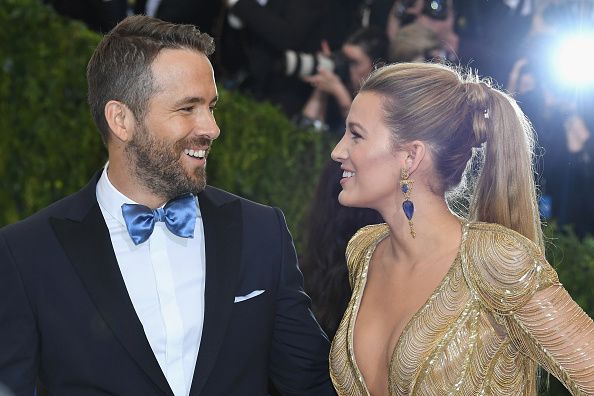
NEW YORK — Persistent rumors of marital trouble between Blake Lively and Ryan Reynolds intensified Monday as multiple unverified reports and blind items claimed the “Deadpool” star has grown frustrated with the ongoing stress of Lively’s high-profile lawsuit against Justin Baldoni, with one source alleging he is “done with their marriage and relationship entirely.”

The couple, married since 2012 and parents to four young children, has faced waves of divorce speculation for several months. While representatives for both stars have not commented publicly on the latest claims, the rumors have gained significant traction online, fueled by Lively’s very public legal battle and perceived distance between the couple in recent weeks.
According to several entertainment outlets citing anonymous insiders, Reynolds has reportedly expressed exhaustion over the financial and emotional toll of supporting Lively through the Baldoni case. The lawsuit, which accuses Baldoni and others of sexual harassment and orchestrating a smear campaign during the filming of “It Ends With Us,” has dragged both Lively and Reynolds into intense media scrutiny.
Recent Public Appearances Tell a Different Story
Despite the swirling rumors, Lively and Reynolds have continued to project unity in public. In March 2026, the couple was photographed sharing affectionate moments at a Wrexham AFC match in Wales, one of Reynolds’ ownership ventures. Lively later posted loved-up images on Instagram, writing that after more than 14 years together she still takes “sneaky fan photos” of her husband and has “such a crush.”
Reynolds also offered rare public support for Lively in mid-April, telling “Today” that he has “never in my life been more proud of my wife” and praising her integrity amid the Baldoni proceedings. These gestures appear aimed at countering perceptions of discord, but have done little to quiet online speculation.
Roots of the Rumors
Speculation escalated after Lively attended a court-related settlement hearing alone in February 2026. Reynolds’ absence fueled chatter, with some interpreting it as emotional or physical distance. Additionally, Lively’s very public legal battle — which includes allegations of a hostile work environment and retaliation — has drawn intense scrutiny, with Reynolds occasionally mentioned in court filings and media coverage.
Blind items and TikTok gossip accounts have amplified claims of tension, suggesting the couple may be living apart at times or that Reynolds feels the controversies have overshadowed their family life. However, multiple outlets note these reports lack concrete evidence and follow a long pattern of unsubstantiated celebrity breakup rumors that have circulated for years.
A Love Story That Captivated the World
Lively, 38, and Reynolds, 49, first met on the set of “Green Lantern” in 2010 and began dating in 2011. Their relationship has long been celebrated as one of Hollywood’s more stable and playful unions, often marked by witty social media exchanges and joint appearances. They share daughters James, Inez and Betty, and son Olin.
The couple’s romance has been a cultural phenomenon, with fans appreciating their humor, support for each other’s careers, and commitment to privacy while raising four children. Their ability to maintain a relatively low profile despite massive fame has earned admiration, but it has also invited intense scrutiny whenever they appear less frequently together.
Baldoni Lawsuit Adds Significant Strain
Lively’s lawsuit against Baldoni and associated parties has become a tabloid and social media lightning rod. Baldoni has countersued, accusing Lively and Reynolds of interference. The case has involved leaked communications, dueling PR narratives and intense public debate, putting enormous pressure on the couple.
Friends of the pair have described Reynolds as fiercely protective, reportedly helping coordinate aspects of Lively’s defense. His recent supportive comments appear aimed at countering perceptions of discord, but the prolonged legal battle has clearly taken a toll on their personal life, according to insiders.
History of Divorce Rumors
This is not the first time the couple has faced breakup speculation. Similar whispers surfaced in previous years, often tied to busy careers, Lively’s high-profile friendships (including with Taylor Swift), or Reynolds’ demanding schedule with Marvel and Wrexham. Both have previously laughed off such talk, with Lively once responding to a fan comment with “Haha they wish.”
Their ability to weather previous storms has led many to believe the current rumors will also fade. However, the intensity of the Baldoni legal drama has added a new dimension that some observers say feels different from past speculation.
Public Reaction and Cultural Impact
The latest divorce rumors have dominated entertainment discussions, with hashtags like #BlakeLively, #RyanReynolds and #DivorceRumors trending on social media. Reactions are deeply divided: some fans express concern for the couple and their children, while others speculate salaciously or criticize the public nature of celebrity relationships.
The story highlights the intense scrutiny faced by high-profile couples in the social media era. What once might have remained private speculation now plays out in real time, with millions weighing in on personal matters. It also raises questions about the mental health impact of constant public attention on celebrities and their families.
What’s Next for the Couple
Neither Lively nor Reynolds has directly addressed the latest rumors. With Reynolds filming upcoming projects and Lively focused on the Baldoni trial and her own creative work, their schedules remain demanding. Insiders close to the couple suggest the marriage remains intact but is under significant strain from external pressures rather than internal breakdown.
For now, the public narrative remains one of resilience. Recent affectionate public appearances and mutual praise contrast sharply with anonymous claims of impending divorce. Hollywood couples often face amplified gossip, and Lively and Reynolds have repeatedly proven adept at weathering such storms.
As the Baldoni case heads toward trial, more details may emerge that either fuel or quiet the speculation. Until then, fans and observers are left parsing public gestures against private whispers in one of entertainment’s most-watched marriages. The couple’s history suggests unity, but the intensity of current headlines keeps divorce rumors alive in tabloid circles and online forums.

Star Trek’s Cheapest Episode Accidentally Required Expensive Special Effects

TURN YOUR GOLD INTO CASH!!!! #shorts

Hollywood star and two children decapitated in film stunt gone tragically wrong

Manchester United reach agreement with Casemiro over contract clause amid transfer speculation

US brings back mandatory military draft registration

Steven Gerrard disagrees with Gary Neville over ‘shock’ Chelsea and Arsenal claim | Football


-

 Fashion4 days ago
Weekend Open Thread – Corporette.com
-

 Tech13 hours ago
Register Renaming | Hackaday
-
 Crypto World2 days ago
Hyperliquid $HYPE Rally Builds Momentum as AI Sector Enters Prove-It Phase
-

 Politics5 days ago
Making troops accountable for war crimes threatens US alliance, ex-SAS colonel warns
-

 Politics5 days ago
Disabled people challenge government SEND proposals over segregation concerns
-

 Business4 days ago
Patterson-UTI Energy, Inc. (PTEN) Q1 2026 Earnings Call Transcript
-

 Business6 days ago
Rolls-Royce Voted UK’s Most Iconic Trade Mark as IPO Register Hits 150
-
 Crypto World7 days ago
Five Value Stocks with Recovery Potential in 2026: PayPal (PYPL), Nike (NKE), and More
-
 Sports2 days ago
IPL 2026: Ruturaj Gaikwad registers slowest fifty of the season, enters all-time unwanted list | Cricket News
-

 Politics6 days ago
Starmer handler McSweeney to be dragged from shadows by Foreign Affairs Committee
-

 Politics6 days ago
Zack Polanski responds to home secretary’s taser threat
-

 Politics9 hours ago
Drax board avoid their own AGM, accused of greenwashing & environmental racism
-
Politics6 days ago
Wings Over Scotland | How To Get Away With Crimes
-

 Crypto World6 days ago
New York sues Coinbase, Gemini over prediction market offerings
-
Entertainment7 days ago
Sydney Sweeney cameo cut from “The Devil Wears Prada 2”, source explains why (exclusive)
-

 Crypto World6 days ago
Crypto’s great hope in Senate’s Clarity Act still has a path to survive tight calendar
-
 Business6 days ago
HCL Tech share price tank over 9% after weak Q4. JPMorgan, HSBC & 3 others cut target price
-

 Fashion7 days ago
Kilkenny Design New Beauty Arrivals for Spring 2026
-

 Politics5 days ago
‘Iran is still a nuclear threat’
-
 Sports5 days ago
Tim Bradley names the current best in the world: “Better than Inoue and Usyk”
You must be logged in to post a comment Login