Lauren Bell leads the pace attack with Lauren Filer and Issy Wong, while all-rounders Dani Gibson and Freya Kemp offer seam-bowling options.
Leg-spinner Sarah Glenn, a recent mainstay of England’s T20 squads, was not considered for selection as she is recovering from a broken finger and has not played this season.
England start their World Cup campaign against Sri Lanka on 12 June at Edgbaston.
They play white-ball series against New Zealand and India before the World Cup.
Advertisement
The T20 squads are the same as for the World Cup, while wicketkeeper Kira Chathli and all-rounder Jodi Grewcock earn their first call-ups for the one-day internationals against the White Ferns.
Beaumont, who has played 140 one-day internationals, is not included for either series.
England T20 squad: Nat Sciver-Brunt (captain), Charlie Dean (vice-captain) Lauren Bell, Alice Capsey, Tilly Corteen-Coleman, Sophie Dunkley, Sophie Ecclestone, Lauren Filer, Dani Gibson, Amy Jones (wk), Freya Kemp, Heather Knight, Linsey Smith, Issy Wong, Danni Wyatt-Hodge.
ODI squad v New Zealand: Nat Sciver-Brunt (captain), Em Arlott, Lauren Bell, Alice Capsey, Kira Chathli, Tilly Corteen-Coleman, Sophie Ecclestone, Lauren Filer, Mahika Gaur, Dani Gibson, Jodi Grewcock, Amy Jones (wk), Freya Kemp, Heather Knight, Emma Lamb, Linsey Smith, Issy Wong.
Barry McLeod’s victim needed 24 staples in a head wound on one occasion, Airdrie Sheriff Court was told.
A Cumbernauld brute is behind bars after repeated attacks on his partner who finally reported him because she feared for her life.
Advertisement
Barry McLeod’s victim needed 24 staples in a head wound on one occasion, Airdrie Sheriff Court was told.
McLeod, 26, was jailed for 22 months after he admitted a course of abusive behaviour towards the woman.
Annette Ward, prosecuting, outlined a number of assaults, the first being in March 2024.
She told the court: “They had an argument in a close. McLeod hit her with such force that she fell and struck her head on a wall.
Advertisement
“She sustained a large wound to the back of her head that required 24 staples.
“She didn’t report this to the police and told family members she had fallen.”
Two months later the couple were in Millcroft Road, Cumbernauld, and McLeod asked his partner for a vape. She refused and he punched her on the face, leaving her covered in blood.
She again went to hospital for treatment. There was “significant” bruising around her eye.
Then, on May 12 last year, McLeod and his partner were in a house in Cuilmuir Terrace, Croy, when he punched and choked her, leaving her struggling to breathe. He then pushed her down a set of stairs.
The final straw for the victim came on August 19 last year when another argument started, this time at an address in Beechwood Court, Cumbernauld.
She punched McLeod and he responded by throttling her, restricting her breathing.
Advertisement
Ms Ward said: “She pleaded with him to stop and he released his grip.
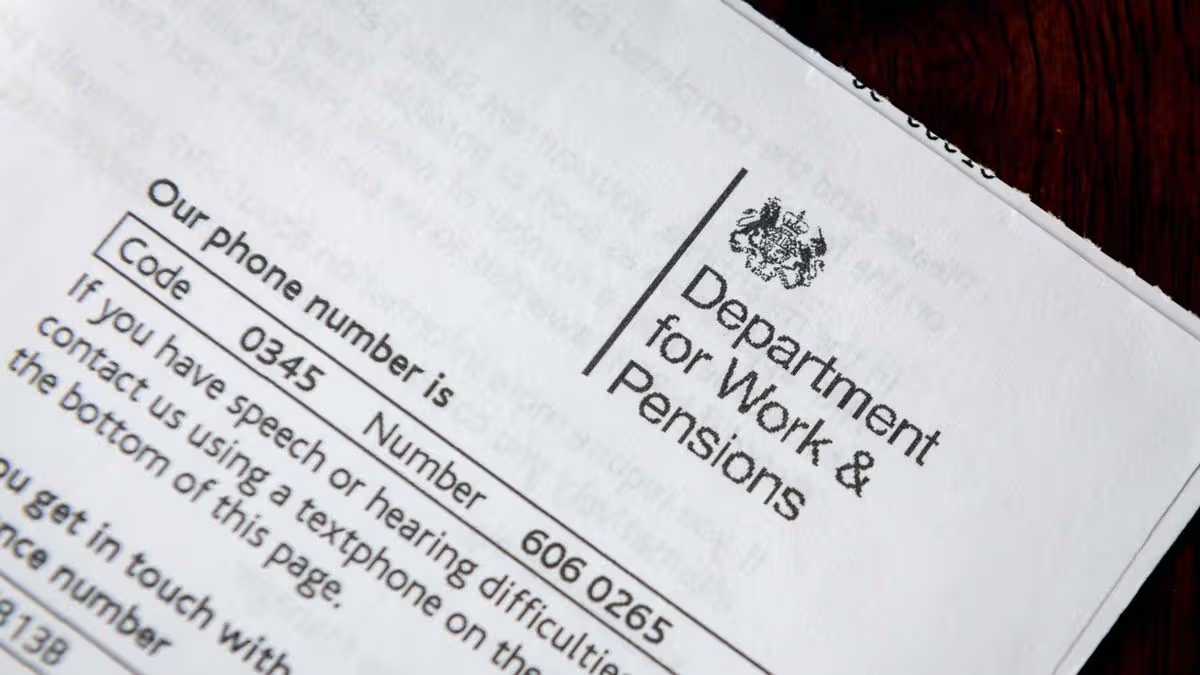
The Department for Work and Pensions has paved the way for free frequent PIP health assessments after charities called the current application process as “long, complicated, and emotionally distressing”
Nearly four million people who get Personal Independence Payments will benefit from less frequent health assessments under new changes.
Advertisement
The Department for Work and Pensions has set out regulations which allow it to move all existing PIP award reviews to a minimum of three years for a new claim, rising to five years at their next review if they remain entitled. The new longer time frame has already started to apply to many brand new PIP claims.
According to the government, the changes to new and existing PIP claims will deliver savings of around £300million overall, with the changes to existing customers making up around £230million of this. The DWP said the measure aims to free up health professionals to carry out more face-to-face assessments and deliver more reassessments.
PIP is the main disability benefit for people of working age in the UK. People may be able to qualify for PIP if they need extra help with everyday tasks due to an illness, disability or mental health condition. Eligibility to PIP isn’t based on people’s conditions, but rather how it affects their life.
Under changes that came into effect from April 6, health reviews have been extended to a minimum of three years for the majority of new PIP claimants aged 25 and over, rising to five years at their next review if they remain entitled.
Since 2016 in England and Wales, almost 60% of award reviews resulted in no change.
The changes are separate to a review being conducted by disability minister Sir Stephen Timms, which will look at the role of PIP, eligibility for the daily living and mobility components and assessment process.
Commenting on the new changes, Sir Stephen said: “Reforming the welfare system so that it better meets the needs of disabled people is a priority for the government. A major part of this is ensuring that Pip is fit and fair for the future – and we are taking an important step to improve the system through new legislation, which will reduce the frequency of reviews for many existing Pip customers.
Advertisement
“This will make the system more efficient by freeing up the capacity of health professionals to tackle our inherited assessment backlog, while removing unnecessary pressure from disabled claimants whose conditions rarely change at each review.”
He added: “We are also increasing face-to-face assessments for Pip from 6% in 2024 to 30% of all assessments. Additionally, my review is looking into how we can bolster Pip for the future, and we have opened a call for evidence for people to share their views on how Pip should be reformed.”
Harriet Edwards, director of influencing at the national disability charity Sense, said: “The process of applying for disability benefits is long, complicated, and emotionally distressing, and so we welcome these plans to help disabled people go through fewer assessments in the future.
Advertisement
“Sense research found over half of disabled PIP claimants with complex needs felt humiliated during their assessment; clearly this process needs to urgently change.
“It’s vital that the Timms Review continues to work with disabled people to make the application process for PIP fairer and less distressing. But most importantly, what disabled people with complex needs require is reassurance that the government won’t make further cuts to benefits that provide a lifeline for them.”
Fazilet Hadi, Disability Rights UK’s head of policy, said: “Reducing the frequency of PIP reviews makes sense, both for disabled people and DWP. So often our needs remain the same, and reviews just cause anxiety. It is of concern that face-to-face reviews will increase, as these can be physically and emotionally challenging.”
“It has been a rollercoaster in many ways. I came as a kid and now leaving as a man – becoming a father, a husband and, on the pitch, a very fulfilled player.
“I lived all my dreams out and lifted all the things that I came here to achieve.
“At the start of my career here I never would thought I would be in this position. Firstly, to achieve everything but to have the love, the bond with everyone. Every dream has been smashed out of the park.”
Stones was Pep Guardiola’s second signing at City, becoming the world’s second most expensive defender at the time.
Advertisement
“I don’t think it would have been anywhere near as successful without him,” said Stones.
“I’m so grateful that I’ve been able to spend so long with him, win everything with him. I feel lucky and grateful for what he’s done for me.”
West Lothian agreed to join the majority of 32 local authorities in not declaring a bank holiday for the Monday after the opening game against Haiti.
There will be no public holiday in West Lothian for Scotland’s return to the World Cup on 15 June, West Lothian Council’s Executive has decided.
Advertisement
A bank Holiday was declared in the wake of Scotland qualifying for its first World Cup since 1998. Announced by John Swinney the then First Minister and given Royal Assent in the first week of February.
West Lothian agreed to join the majority of 32 local authorities in not declaring a bank holiday for the Monday after the opening game against Haiti kicks off at 2am in Boston.
Linlithgow’s Lib Dem councillor Sally Pattle slated the holiday as a political stunt by the SNP in the run-up to the Scottish Parliamentary elections.
Lesley Henderson, Head of Corporate Services told the meeting that only five of Scotland’s local authorities had opted for the holiday.
In her report to the Executive she pointed out that adopting 15 June as a public holiday would contractually oblige the council to pay public holiday enhancement rates and close schools- with associated increased costs for families.
Advertisement
Following the Scottish Government’s plans would incur extra costs when: “it is considered that an additional public holiday would place unnecessary strain on already limited public funding.”
Councillor Pattle asked how much more the adoption would cost the council. Ms Henderson replied: “£30,000 to £40,000.”
The SNP group suggested that refusing the holiday would mean fans would miss the match.
However, the game kicks off at 9pm in the United States on Saturday, June 13, – or 2am on Sunday, June 14, in Scotland.
Councillor Doran-Timson pointed out that the match could be recorded. “It’s a nonsense statement to say thousands of fans will be prohibited,” he added.
Answering a question Ms Henderson agreed that council employees could ask for 15 June as a day’s leave which would be granted depending on staff cover.
Labour councillor Danny Logue suggested a public holiday would have been a better idea if the team had progressed through the competition to the knock out stages rather than the initial stages.
Advertisement
Councillor Campbell told the meeting she wanted three abstentions, those of herself and two SNP colleagues, Councillors Pauline Stafford and Pauline Orr recorded.
Councillor Lawrence Fitzpatrick, the council leader chairing the meeting, said as there had been no vote abstentions could not be recorded.
The Governance Manager Lesley Montague said that dissent could not be noted under the Standing Orders.
Even when it’s not directly dementia-related, movement appears to improve memory and thinking skills which become more vital in later life.
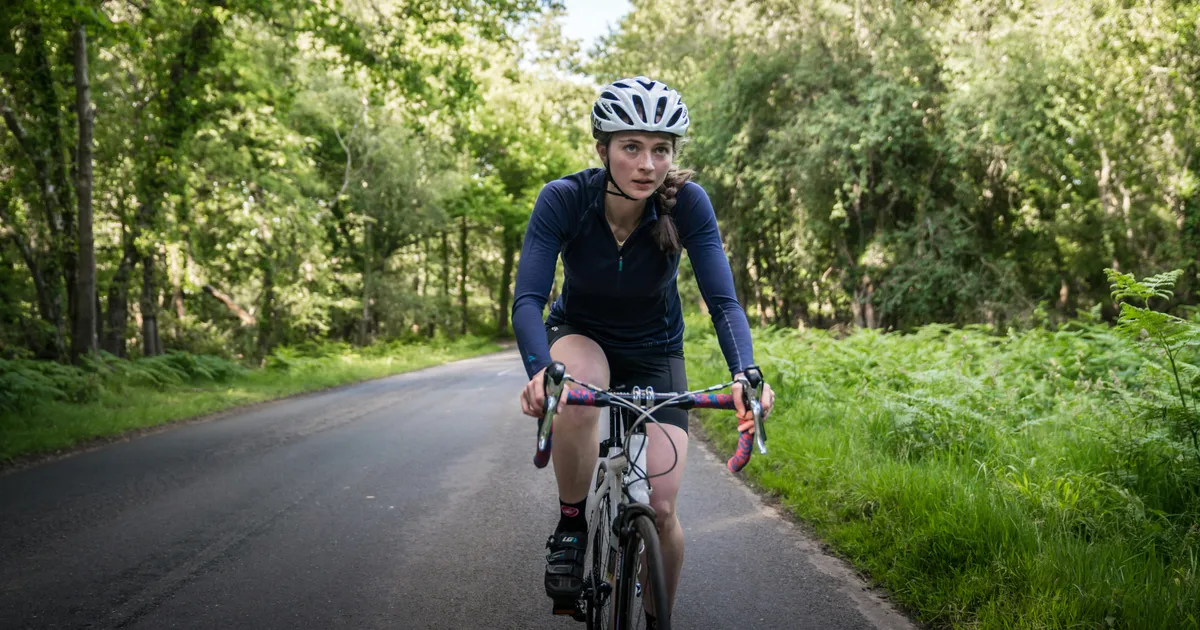
A recent paper, published in Brain Communications, has found that 20 minutes of cycling a day can create “ripples” in the brain that might help us to process and store information more efficiently.
How did cycling seem to affect participants’ memory?
Advertisement
The research involved 14 participants aged from 17-50. They tracked their brain activity before and after 20-minute stationary cycling sessions through an intracranial electroencephalography (iEEG).
The iEEG measures electrical activity in the brain, which provides an added layer of detail.
Previously, scientists had noticed “ripples” in the minds of rats, which were believed to improve their memories after exercise, though these had not been seen in humans before.
But the iEEGs in this research saw similar results after the participants completed their exercise.
Advertisement
Speaking to Medical News Today, study author Dr Juan Ramirez-Villegas said, “Ripples are very brief bursts of highly synchronised electrical activity in the brain’s memory centre, the hippocampus.
“In animals, they are known to play a key role in stabilising memories after an experience. You can think of them as moments when the brain rapidly ‘reviews’ information, helping convert recent experiences into lasting memories.”
They might also help to regulate blood sugar in animals, the study added.
The study found that the higher someone’s heart rate got during the cycling session, the stronger those “ripples” seemed to be.
Advertisement
“This suggests that the intensity of physical activity may influence how strongly the brain’s memory circuits respond,” stated Dr Ramirez-Villegas.
That might not be the only benefit
Aside from the “ripple” effect, this research also seemed to help different parts of the brain communicate better, potentially leading to improved memory.
“It is surprising how after a session of acute exercise, hippocampal-cortical communication seems to be enhanced, a phenomenon thought to be strongly linked to memory processing,” Dr Ramirez-Villegas said.
Advertisement
“This suggests that even a brief bout of physical activity can influence the neural dynamics involved in learning and memory.”
Two police officers and a car passenger were injured in the incident at Fleming Way in Hillhouse
Two police officers and a car passenger have been taken to hospital and a road in Hamilton has been closed off after a car crash on Tuesday morning.
Advertisement
Fleming Way in Hillhouse is shut for crash investigations after the collision on Tuesday morning, when “a vehicle made off after officers engaged with the driver”.
Local residents have reported seeing multiple police vehicles and even an emergency helicopter circling the scene following the crash, with police saying the driver “left the scene”.
A statement from Police Scotland read: “Around 9.30am on Tuesday, April 28, a vehicle made off after officers engaged with the driver on Fleming Way, Hamilton.
“It was then involved in a collision with a stationary vehicle a short distance away.
Advertisement
“The passenger of the car and two police officers were injured and have been taken to hospital. The driver of the car left the scene and enquiries are ongoing to trace them.”
A former teacher convicted by a jury of sexually abusing pupils at an all-girls grammar in Belfast was handed a two-year jail sentence today (Tuesday).
The sentence was imposed upon William Lloyd-Lavery at Belfast Crown Court by Judge Patrick Lynch KC.
The 77-year old, from Richmond Avenue in Lisburn, will also spend the next ten years on the Sex Offenders Register.
As he sent Lloyd-Lavery to jail, Judge Lunch said the four victims – who were sexually abused when they were aged 13 and 14 – were “to be commended for coming forward to expose a paedophile.”
Advertisement
Lloyd-Lavery stood trial earlier this year and was found guilty by a jury of six counts of indecent assault against four females.
All the charges relate to a period spanning from August 31, 1975 and July 1, 1979 when Lloyd-Lavery worked as a history teacher at Richmond Lodge College on Belfast’s Malone Road.
The school merged with Victoria College in 1987.
Lloyd-Lavery denied all the charges against him and during the two-week trial, the jury of six men and six women heard evidence from his victims.
Advertisement
One woman who is now in her 60s said she felt she was “hunted like prey through my own school by a teacher for his own sexual gratification.”
The jury heard that she was lifted up and sexually abused by Lloyd-Lavery in a French stationery cupboard after telling her he needed help looking for a history book.
The woman recalled how, when her feet were off the ground, Lloyd-Lavery held her with his left hand whilst he used his right hand to touch her genitals which left her “frozen in horror.”
Her 94-year old mother also gave evidence at the trial and recalled how her “heart sank” when her then 13-year old daughter told her what had happened.
Advertisement
She added that her daughter told her how frightened she was and how she felt she couldn’t get away.
The woman said that as a result, both her and her now-deceased husband went to the school the following morning and that she felt the headmistress was “keen that nothing should be done.”
Another victim of Lloyd-Lavery’s gave evidence and recalled how she was taken by him to a storeroom where he asked her about the Bubonic Plague then touched her armpit, touched her breast then rubbed her groin over her school skirt.
The now-convicted sex offender also gave evidence at the trial and rejected the allegations of all the complainants and brandished their claims as “lies” and “nonsense.”
The pensioner was questioned first by his barrister and when asked what his response was to the various allegations made, Lloyd-Lavery said: “There is no truth in any of them. They are all completely wrong, completely untrue.”
Lloyd-Lavery was also cross-examined by a Crown barrister who suggested to him that he used his “privileged position to take advantage of young girls” which he said was “totally untrue.”
Advertisement
Despite his denials and claims that he was the victim of a vendetta and that the complainants colluded against him via Facebook, the jury deliberated for around four-and-a-half before returning their unanimously guilty verdicts on six charges of indecent assault against four females.
The jury also returned unanimous not guilty verdicts on a further two charges of indecent assault whilst Judge Lynch directed them to find Lloyd-Lavery not guilty of one count of indecent assault on an evidential basis.
Earlier in the trial, two counts of gross indecency with or towards a child were withdrawn from the jury on a point of law.
Following his conviction, Lloyd-Lavery spoke to a Probation Officer and continued his claims of innocence.
Advertisement
After the two-year sentence was imposed today, Lloyd-Lavery was led from the dock by prison staff who took him into custody.
From 1976-1978, Lloyd-Lavery sexually assaulted four girls at Richmond Lodge School in Belfast, ranging from nine to 13 years of age.Now adults, the victims in this case have all come forward seeking justice.On November 16, 2022, he attended a police station voluntarily and was interviewed for all offences. He denied all.He was later reported to the Public Prosecution Service and then unanimously found guilty on January 23, 2026.Following sentencing today (Tuesday) of Lloyd-Lavery, Detective Inspector Kelly Foley said: “This man was an opportunist, using his position of power and trust within the school environment to prey on young girls.“He thought for a long time he had got away with this. Today has proven that the passage of time has no bearing on a criminal justice outcome.“I want to thank the bravery of the victims in coming forward. We have seen an increase in reports of non-recent child abuse over the last five years, with an average of 76 new referrals of this type each month across the province.“Sentencings like today, I hope, will provide those who have suffered with the confidence to break the years of silence they have endured.“Let this serve as another warning to those perpetrating child sexual abuse in our communities, we are working every day to break down reporting barriers and encourage victims to come forward.“Our specialist officers are working day and night to relentlessly pursue offenders and bring them to justice.”In an effort to encourage other victims of non-recent crimes to come forward, three of the victims in this case have bravely spoken out.Sarah, now 63 years of age, said: “It happened 50 years ago, but it may as well have been yesterday. That is the reality of non-recent child abuse, it stays with you. It shapes you and, if you let it, the silence will take its toll. I have not let him ruin my life but he has certainly given it a dimension I could do without.“A memory that resurfaces now and again to remind me that my bubble of innocence was burst at only 13 years of age.“Speaking out is hard, but staying silent is harder. Today we got justice against a man who thought he had got away with it.”Emma, now 61 years of age, said: “Each day, I hid myself within groups of girls when I moved between lessons, for fear of meeting him in the very long corridors and feeling his eyes on me, reliving what he had done.“It was like the constant, painful, picking at a scab that never heals and a profound sense of injustice has followed me all my life.“From the moment that I lifted the phone to the police, I was listened to and believed. Special measures are put in place for victims of abuse right from the start, so I felt safe and finally able to unload the toxic burden that I had been carrying for so long.”Lucy, now 61 years of age, said: “The assault in the autumn term of 1979 changed me. I felt so ashamed and was unable to speak to anyone. I blocked it out and tried to forget about it.“However, I stopped sleeping and spent most nights for some months on a mattress on my parents’ bedroom floor.“I was referred to a child psychologist. I am glad that I have finally stood up for the truth, I have no regrets.“I am a strong woman and will survive – I hope the outcome of the case will encourage other victims of historical sexual abuse to come forward.”Parents/guardians and wider local communities should report any activity, online or physical towards a child that they find concerning.Similarly, if you have been the victim of recent or non-recent child abuse, please report to the police on 101 or 999 in an emergency.
It was already confirmed that the upcoming episodes would be set at a luxury resort in the South of France during the Cannes Film Festival, exploring various ideas around fame.
On Monday, Deadline reported that Bernad told the audience during a Canneseries Q&A that the new episodes would explore the “loneliness” and “pain” that surround “the life of an artist”.
Advertisement
Mike White and David Bernad at the Emmys in 2022
“As we located the show at the Cannes Film festival, this idea of fame popped up,” he explained. “And [the idea of] who has the world’s attention? Who can grab it and who is the plus one in a relationship?
“What are the things that satisfy us? Is it the love of an intimate partner, the love of strangers, what do we prioritise in people?”
He continued: “It really examines the things we value as people and what is attractive to us, and how fame can be corrosive and dictate your choices in life.
“Some of the characters are existentially reflecting on those choices, some are reflecting on the choices and sacrifices they made as artists, and some are just starting to enter into this world of fame.”
Advertisement
Bernad added that the episodes would look at “how relationships can be corroded” by celebrity – but if all that sounds a little bit heavy, rest assured that he also described the upcoming season as “the funniest” White Lotus offering to date, as well as the “most personal”.
The Château de La Messardière hotel is one of the filming locations of the next season of The White Lotus
JARRY via Gamma-Rapho via Getty Images
Indeed, he went on to tease how an incident he and Mike White witnessed while dining out at Cannes, involving a waiter and a maître d, led to them settling on France as a location.
Shooting is now underway at two hotels in the Côte d’Azur, and while some scenes will also be filmed in Paris, this is simply for logistical reasons, and the action will be contained to the south of France and its surrounding areas.
US broadcaster HBO said: “With filming just underway on Season 4 of The White Lotus, it had become apparent that the character which Mike White created for Helena Bonham Carter did not align once on set.
“The role has subsequently been rethought, is being rewritten and will be recast in the coming weeks. HBO, the producers and Mike White are saddened that they won’t get to work with her, but remain ardent fans and very much hope to work with the legendary actress on another project soon.”
The retrospective application for shopfront advertising in Scarborough’s conservation area has been blocked after the scheme was slammed as “hideous” by town councillors.
Unique Home Properties Ltd said it had installed its signage at the vape and confectionery shop at 91-91A Westborough “without prior advertisement consent” due to an “inadvertent oversight”.
The ‘Yes Store’ is located in a historic corner plot in the designated Scarborough Conservation Area and the town’s primary shopping area. The Grade II-listed Capitol Plaza is adjacent to the shop.
Advertisement
“The glazing to the front is completely filled by internally secured vinyl signs advertising primarily vapes but other miscellaneous goods sold within the store,” a report notes.
Planners described the design as a “garish, multi-coloured, contemporary form of advertisement signage with overly large letters which dominate the fascia and which visually jars and clashes with the traditional façade of the building”.
They added: “The sum of this is an unsympathetic shop front which harshly juxtaposes with the attractive historic detailing and architecture of the host building, resulting in significant visual harm to the appearance of the building and character of the surrounding area.”
Officers concluded that the signage visually detracts from the host building in a harmful way because of its “‘lively’ frontage in comparison to the broad traditional and subdued character of the area, and thus, fails to preserve the characteristics of the host building and the appearance and character of the designated conservation area”.
Advertisement
North Yorkshire Council rejected the application on Friday, April 24.
For decades, one of the most prominent public health messages has been that smoking kills. But another everyday habit, far less dramatic and far more socially acceptable, may also be damaging our health: prolonged sitting.
Many people now spend up to ten hours a day seated at desks, in meetings or in front of screens. It may feel harmless, even unavoidable, but growing evidence suggests that too much sitting is linked to serious health risks, including cardiovascular disease, type 2 diabetes and early death.
People are often told to protect their health by exercising more and eating better. That advice matters, but it misses something important. Even those who meet recommended exercise targets may still face increased health risks if they spend most of the day sitting down.
This is because sedentary behaviour and physical inactivity are not the same thing. Physical inactivity means not doing enough moderate or vigorous exercise. Public health guidelines recommend at least 150 minutes of moderate activity a week, such as brisk walking or cycling, or 75 minutes of vigorous activity, such as running. Sedentary behaviour, by contrast, refers to long periods of sitting or reclining with very low energy expenditure, whether at a desk, in front of the television or during a long commute.
Advertisement
A person can therefore be physically active and still highly sedentary. Someone might go for a run before work, then remain seated for most of the next eight hours. The exercise helps, but it does not erase the effects of prolonged sitting on the body.
When the body stays still for long periods, a series of changes begins to take place. Skeletal muscle activity drops, making it harder for the body to absorb glucose from the blood. Over time, this contributes to insulin resistance, a major pathway to type 2 diabetes. Fat metabolism also slows down.
Blood flow becomes less efficient, reducing the delivery of oxygen and nutrients to tissues. This can impair vascular function and, over time, contribute to raised blood pressure.
Advertisement
Together, these metabolic and circulatory changes increase the risk of cardiometabolic problems, including high blood sugar, unhealthy cholesterol levels and the accumulation of abdominal fat.
Prolonged sitting also affects the musculoskeletal system. Poor posture and limited movement place strain on the neck, shoulders and lower back, helping to explain the aches and pains so common among office workers.
The effects are not only physical. Long periods of inactivity can reduce alertness, concentration and energy levels. Employees who sit for extended periods often report feeling more sluggish and less productive.
Globally, physical inactivity is estimated to contribute to around four to five million deaths each year. Much of the public health response has focused on encouraging people to exercise more, but reducing sedentary time is increasingly recognised as an important goal in its own right.
Advertisement
Since most adults spend a large share of their waking hours at work, the workplace is one of the most important settings for tackling the problem. Offices, universities and hospitals are not just places of productivity. They are also environments in which daily habits are shaped and reinforced.
Reducing sitting time does not require a gym membership or a dramatic office overhaul. Small, regular interruptions to sitting can make a meaningful difference.
Research suggests that standing up or moving for just two to five minutes every 30 to 60 minutes can improve glucose metabolism and reduce cardiometabolic risk.
Advertisement
Some organisations are already trying to build this into the working day. Walking meetings, prompts to stand or stretch and short movement breaks between tasks can all help people spend less time sitting.
Workplace design matters too. Height-adjustable desks allow employees to alternate between sitting and standing, while accessible staircases and walking routes can encourage more movement throughout the day.
A study of offices in the UK found that these kinds of measures can reduce daily sitting time by around one to one and a half hours. Employees also reported improvements in energy, focus and musculoskeletal comfort.
The message is straightforward: regular exercise is essential, but it does not fully offset the risks of sitting for too long. If smoking forced us to rethink the environments in which we worked and socialised, prolonged sitting should force us to rethink the structure of the working day itself. A short walk at lunch, standing during a phone call or simply getting up between meetings may sound like trivial adjustments. They are not. For modern workers, protecting health is not only about moving more before or after work. It is also about sitting less while work is happening.















![Yelawolf - "Money" Ft: Jelly Roll & Struggle Jennings [MUSIC VIDEO]](https://wordupnews.com/wp-content/uploads/2026/01/1769894485_hqdefault-80x80.jpg)


































You must be logged in to post a comment Login