
Business
United Airlines pilot reports possible drone strike near San Diego airport

Check out what’s clicking on FoxBusiness.com.
A United Airlines pilot reported a potential collision with a drone Wednesday morning while approaching its destination at San Diego International Airport, according to a flight audio recording.
The flight, a Boeing 737 that departed from San Francisco, reportedly struck the object at an altitude of roughly 3,000 to 4,000 feet — well above the elevation typically permitted for drones under federal regulations.
“We hit a drone at around 3,000 feet,” the pilot said, according to a recording with air traffic controllers posted by ATC.com and shared on social media.
He added that the incident occurred as the plane was approaching landing.
WHAT A GOVERNMENT STAKE IN SPIRIT AIRLINES COULD MEAN FOR PASSENGERS AND THE INDUSTRY
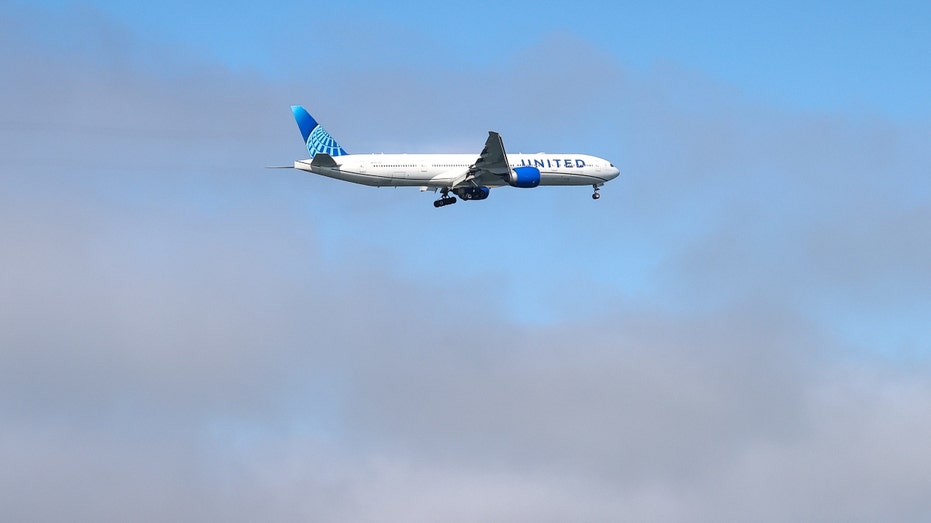
A United Airlines passenger plane flies over the sky near San Francisco, California, United States, on October 7, 2022. (Tayfun Coskun/Anadolu Agency via Getty Images)
The airline told FOX Business the plane did report a drone encounter, but the company could not confirm whether it struck the device.
“United flight 1980 reported a potential drone prior to arriving in San Diego,” the company said.
“While approaching San Diego International Airport at about 4,000 feet altitude, the crew of United Airlines Flight 1980 told air traffic control they believed they saw a drone 1,000 feet below them,” the Federal Aviation Administration added in a statement to FOX Business.
CHEVRON CEO WARNS AVIATION STRAIN COULD WORSEN AS JET FUEL CRUNCH DEEPENS
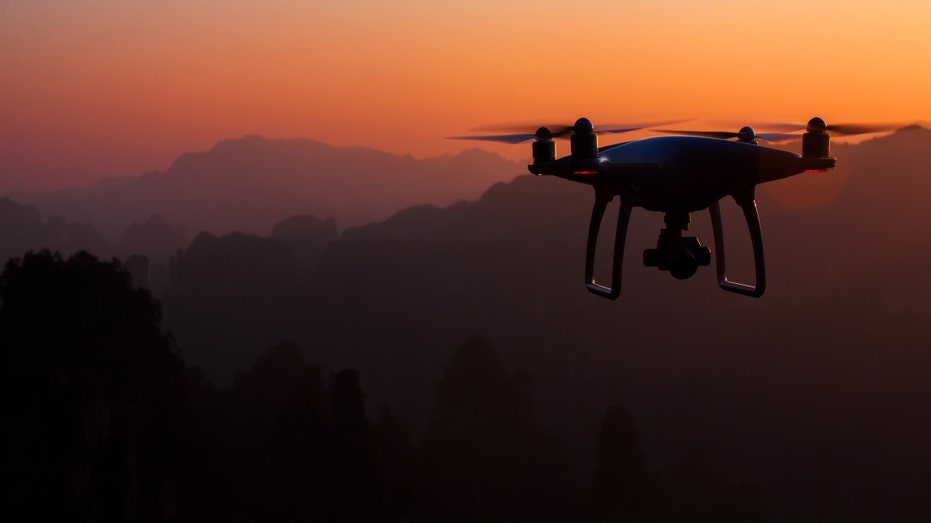
A drone is flying over the hills during sunset. (iStock)
According to the audio recording, the pilot described the object as a very small, red, shiny drone heading west.
The reported collision did not appear to affect the flight, which was carrying 48 passengers and six crew members, the company said.
United Airlines said the flight landed safely and passengers deplaned normally at the gate.
Maintenance crews also found no damage from the reported collision following a thorough inspection of the aircraft.
| Ticker | Security | Last | Change | Change % |
|---|---|---|---|---|
| UAL | UNITED AIRLINES HOLDINGS INC. | 88.62 | -1.79 | -1.98% |
The FAA added that no other nearby pilots reported seeing a drone.
“Air traffic control alerted other pilots but did not receive any additional drone-sighting reports,” the agency said.
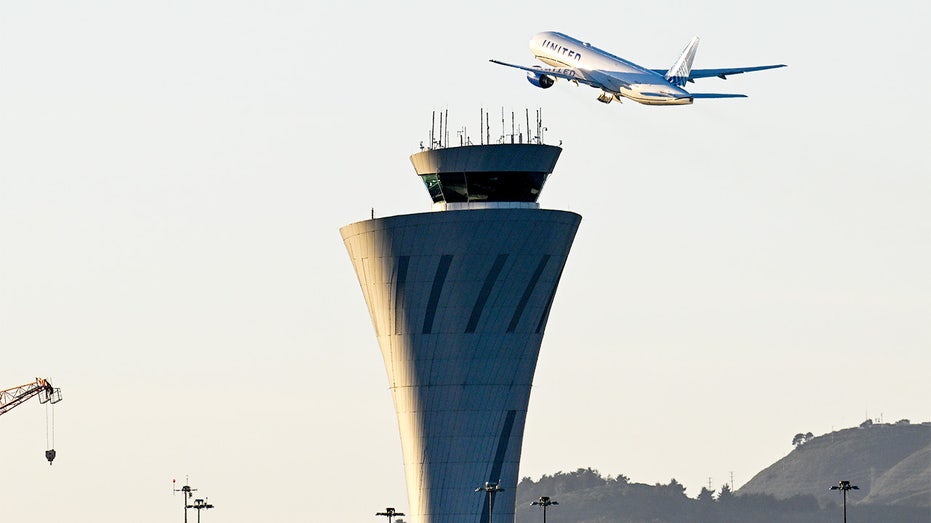
A United Airlines plane takes off from San Francisco International Airport (SFO) in San Francisco, California, United States on March 23, 2026. (Tayfun Coskun/Anadolu via Getty Images)
GET FOX BUSINESS ON THE GO BY CLICKING HERE
Drone operations, especially near an airport, are strictly regulated by the FAA.
Depending on the location, drones operating without a waiver are prohibited from flying within several miles of an airport, with altitude limits that typically cap operations at just a few hundred feet.


NEW YORK — NXP Semiconductors NV shares skyrocketed more than 24% on Wednesday, April 29, 2026, trading around $314 in morning action after the analog chipmaker reported robust first-quarter results that beat Wall Street expectations and highlighted broad-based growth driven by industrial, automotive and AI-related demand.

The company posted revenue of $3.18 billion for the quarter ended March 29, 2026, up 12% year-over-year and exceeding analyst forecasts. Non-GAAP diluted earnings per share reached $3.05, surpassing consensus estimates. GAAP net income attributable to stockholders was $1.13 billion, significantly boosted by a one-time gain from the sale of its MEMS sensors business.
CEO Rafael Sotomayor described the quarter as a strong start to 2026, noting broad-based improvement across all focus end markets. “Our growth reflects sustained investment, disciplined execution, and growing customer adoption of our differentiated portfolio, particularly in industrial and automotive processing that supports software-defined vehicles and physical AI,” he said in the earnings release.
The results triggered enthusiastic buying, with volume surging well above average. The move ranks among the strongest percentage gains on Nasdaq Wednesday morning and reflects renewed investor confidence in NXP’s positioning within high-growth segments like AI infrastructure, automotive electrification and industrial automation.
NXP’s performance was driven by strength in multiple segments. Automotive revenue rose 6% year-over-year (10% on an adjusted basis excluding the MEMS divestiture), while Industrial & IoT and Communication Infrastructure & Other segments posted gains exceeding 20%. The company’s focus on higher-margin, differentiated products helped expand non-GAAP gross margin to 57.1% and operating margin to 33.1%.
Analysts reacted positively to the beat. Several firms raised price targets following the report, citing improved visibility, margin expansion and NXP’s exposure to secular growth drivers. The results validate the company’s strategy of investing in advanced analog and mixed-signal solutions for emerging technologies.
For investors, today’s surge underscores the market’s appetite for companies benefiting from AI, automotive electrification and industrial digitization. NXP’s semiconductors are critical components in a wide range of applications, from vehicle safety systems and data centers to industrial automation and consumer electronics. As these markets expand, demand for NXP’s specialized chips is expected to remain robust.
The company also returned capital to shareholders, paying $256 million in dividends and repurchasing $102 million of common shares in the quarter. This disciplined approach to capital allocation has been well-received by investors seeking both growth and shareholder returns.
Broader semiconductor sector sentiment has been mixed in 2026, with some names facing headwinds from inventory corrections and macroeconomic uncertainty. NXP’s strong results and positive commentary stand out, highlighting the resilience of its diversified portfolio and focus on high-value applications.
Longer-term, analysts remain constructive on NXP. The combination of secular tailwinds, strong competitive positioning and operational execution supports a favorable outlook. While valuations have expanded on AI enthusiasm, many view current levels as reasonable given the company’s growth trajectory and margin profile.
As trading continued Wednesday morning, shares held near session highs with sustained volume. Technical analysts noted the breakout above recent resistance levels, with potential near-term targets in the low-to-mid $320s if momentum persists. Options activity showed aggressive call buying, suggesting traders anticipate further upside.
The day’s performance caps a strong period for NXP. The stock has delivered significant returns for investors who recognized its critical role in the semiconductor supply chain. With record results and positive momentum, many expect continued upside through the remainder of 2026 and beyond.
For long-term investors, NXP offers exposure to key technology trends including automotive electrification, industrial IoT and AI infrastructure. Its focus on analog and mixed-signal solutions provides differentiation in a market increasingly driven by advanced nodes and system-level integration.
Near-term risks include macroeconomic uncertainty, potential slowdowns in end-market demand and geopolitical factors affecting supply chains. However, NXP’s diversified customer base and technological leadership provide a solid foundation for navigating these challenges.
As the market digests today’s move, NXP Semiconductors stands out as a standout performer, illustrating how strong execution and exposure to high-growth technologies can drive significant shareholder value in the semiconductor space. The coming quarters will reveal whether the company can sustain this momentum and continue capitalizing on favorable industry trends.
Business
Anthropic weighs new funding round at valuation exceeding $900 billion, Bloomberg News reports


Anthropic weighs new funding round at valuation exceeding $900 billion, Bloomberg News reports
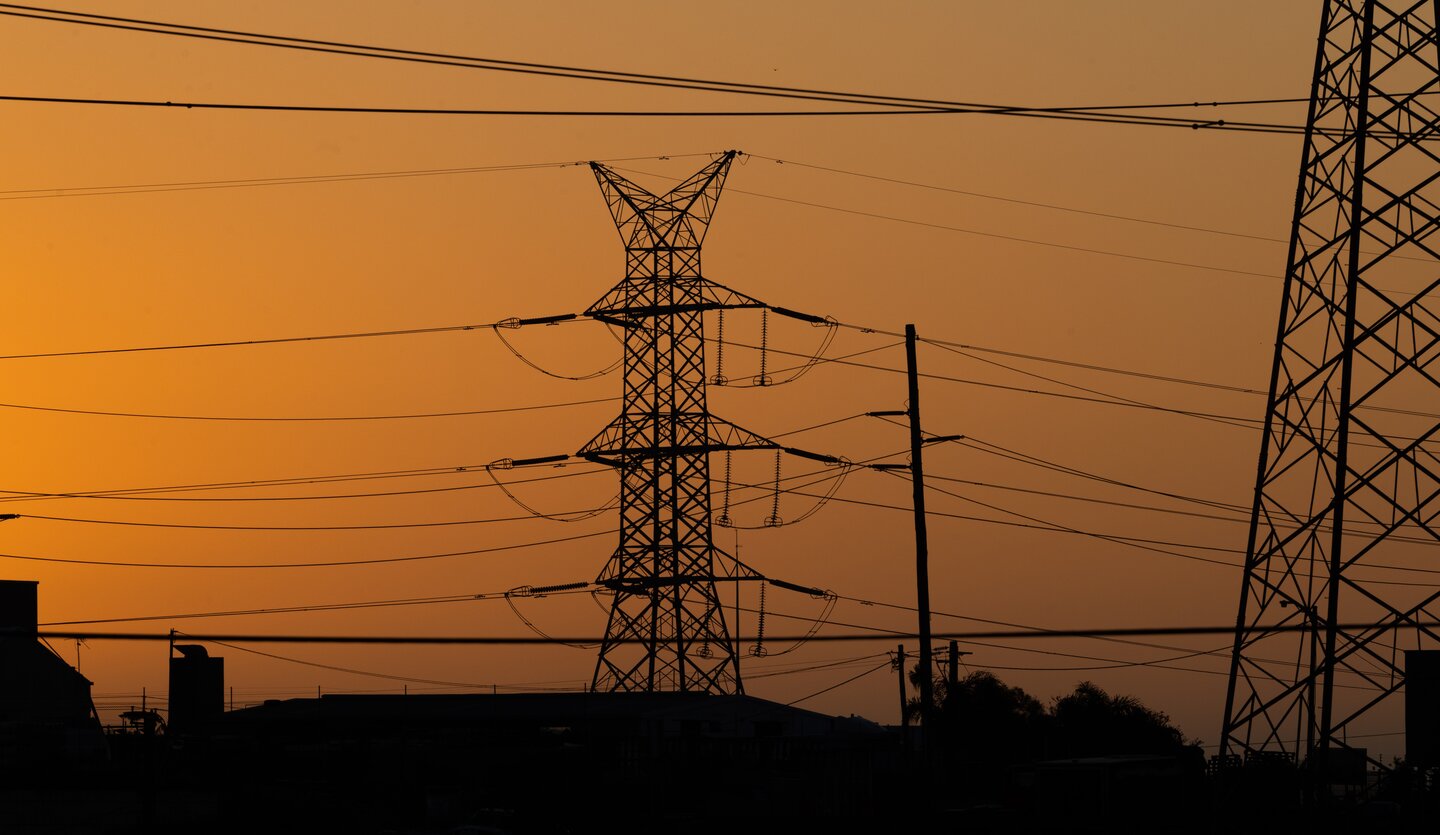
Average renewable contributions to Western Australia’s wholesale electricity market fell back more than 6 per cent quarter-on-quarter during the three months to March 31.
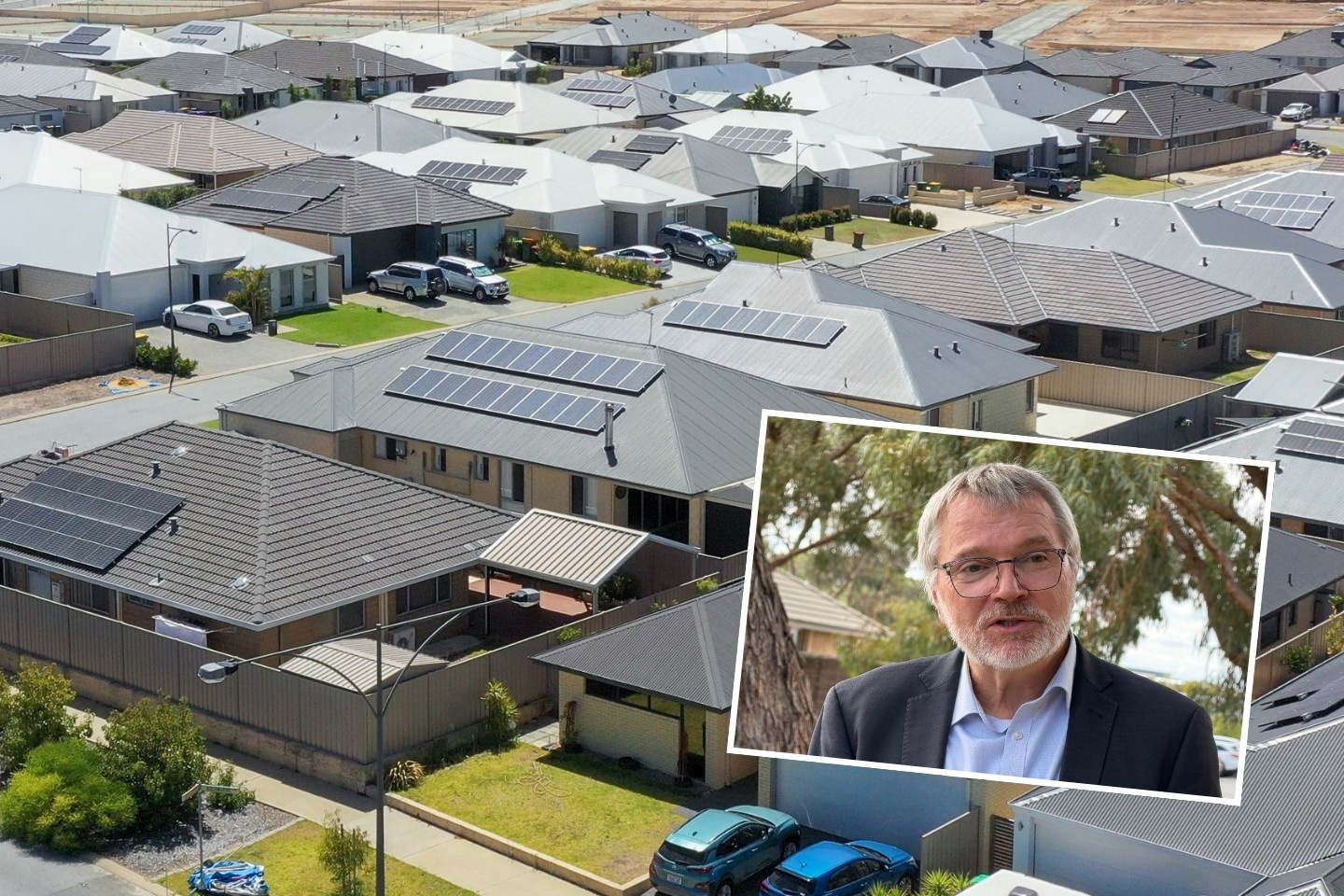
Western Australia’s rental availability and affordability have decreased from last year, Anglicare WA’s latest report shows.
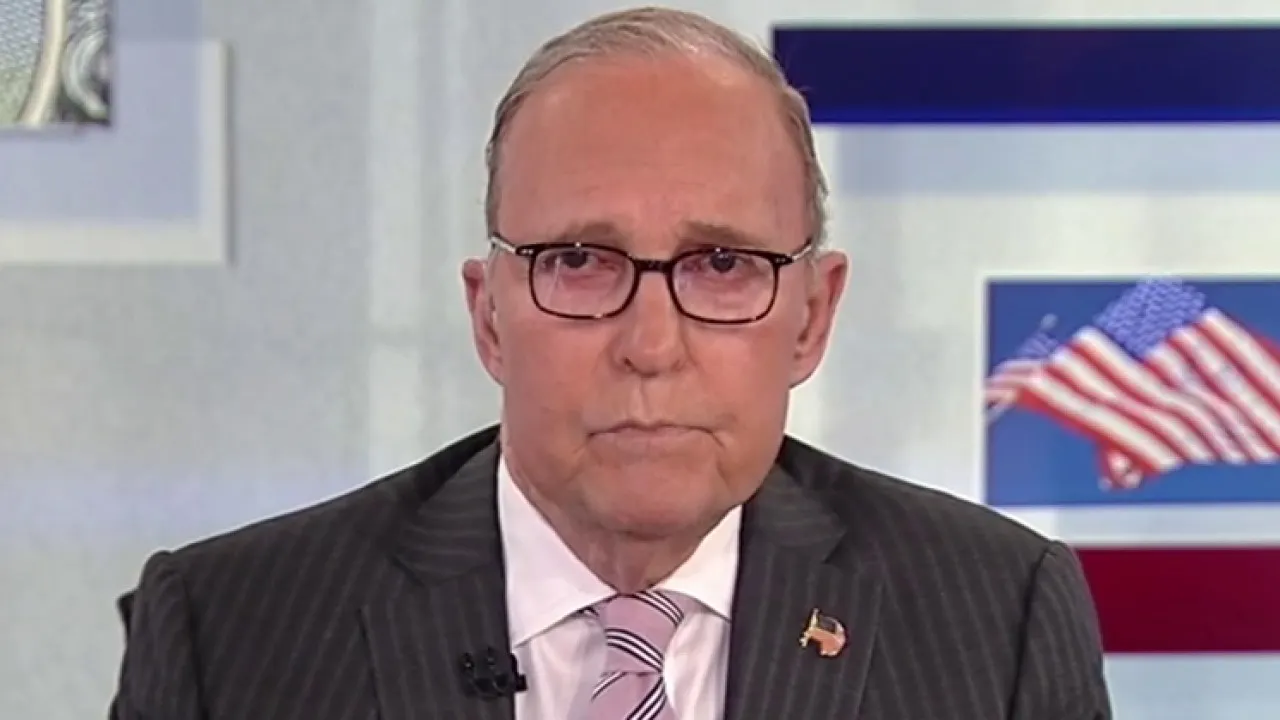
FOX Business host Larry Kudlow discusses the Federal Reserve chairman’s leadership decision on ‘Kudlow.’
So I guess the Fed chairman, Jay Powell, is not going off quietly into the night. Today is his last meeting as chairman, but he announced his ungentlemanly decision to stay on as a Fed board member for who knows how long. “I’ve said that I will not leave the board until this investigation is well and truly over with transparency and finality, and I stand by that,” he said. “In terms of when I would leave, I will leave when I think it’s appropriate to do so,” he added. “The things that have happened in the last three months, I think, left me no choice but to stay.” Mr. Powell concluded that “after my term as chair ends on May 15th, I will continue to serve as a governor for a period of time to be determined. I plan to keep a low profile as a governor.”
Mr. Powell’s not the martyr he thinks he is. You can’t have two chief executives.
President Trump’s choice to lead the Fed, Kevin Warsh, was confirmed today by the Senate Banking Committee, by a 13-11 vote. And he undoubtedly will be confirmed by the whole Senate probably some time next week.
Nobody’s going to listen to Mr. Powell. The cost overrun investigation is being run by the Fed’s inspector general, who is independent, and Mr. Powell has nothing to do with it. And by the way, only once before in the 113-year history of the central bank, has another former chairman stayed on as a board member.
This speaks poorly of Mr. Powell. His record as Fed chairman was undistinguished. The Consumer Price Index averaged 3.5 percent per year under Mr. Powell. That was the highest level since the tenure of Paul Volcker, giving Mr. Powell the worst record in more than 40 years. Cumulatively the CPI rose a whopping 32 percent. And as far as the economy, real gross domestic product averaged 2.4 percent at an annual rate. Another unimpressive performance. On top of that, Mr. Powell was also a highly political Fed chairman who embraced President Biden’s radical climate agenda and even more radical DEI.
U.S. Treasury Secretary Scott Bessent breaks down Operation Economic Fury and the pressure against the Iranian regime on ‘Kudlow.’
In an interview today, Treasury Secretary Scott Bessent expressed to me his strong displeasure with Powell by saying “I think it is an insult to Kevin Warsh, Miki Bowman, and Chris Waller to think that these other Republican nominees do not care about the institution of the Fed and that he alone can maintain the integrity of the Fed.”
The good news is that Mr. Warsh will take the helm as chairman and make a number of important changes. Hopefully the Fed’s economic models that are based on the false premise that strong growth leads to higher inflation will be thrown out the window.
Mr. Warsh understands the positives of low tax rates and deregulation in producing a disinflationary impact of faster productivity and lower unit labor costs. Mr. Warsh wants to shrink the Fed’s balance sheet by refocusing the central bank on monetary policy, and leaving fiscal and debt management policies to Mr. Bessent at the Treasury.
The Fed should not be some vast central planning agency. And the cacophony of yapping by various Fed officials will come to an end hopefully, along with something called forward guidance. Mr. Warsh wants the Fed to earn its independence by staying out of politics, and sticking to better control of the money supply, and maintaining a strong and stable dollar. The chairman’s job at the central bank is a very powerful job. So whether Mr. Warsh sees fit to give Mr. Powell a parking spot remains to be seen.

The Facebook-parent now expects 2026 capital expenditure between $125 billion and $145 billion, compared with its prior forecast of $115 billion to $135 billion.
Shares of the company fell around 5% in extended trading.
Family daily active people (DAP), a metric Meta uses to track unique users who open any one of its apps in a day, rose 4% from a year earlier to 3.56 billion.
The results come weeks after Reuters reported first about Meta’s plans for sweeping layoffs, as CEO Mark Zuckerberg attempts to aggressively integrate AI into the company’s workflows and reshape its workforce around the technology.

Meta, which owns Instagram, WhatsApp and Threads, has been spending heavily on AI infrastructure and high compensation for employees such as those working in its Meta Superintelligence Labs, which released its first AI model called Muse Spark earlier this month.
The company’s robust ad platform, which allows advertisers to automate and personalize their campaigns, has remained its growth engine and has helped support its investments in AI infrastructure. Its Advantage+ ad automation tools are powered by ad-retrieval engine Andromeda, ranking architecture Lattice and generative recommendation model GEM, helping it attract more marketers on the platform even as companies face geopolitical uncertainty due to the Middle East conflict.
Meta launched ads on messaging service WhatsApp and microblogging platform Threads last year, intensifying competition with platforms like Elon Musk’s X. Simultaneously, Instagram’s Reels continue to jostle with TikTok and YouTube Shorts in the lucrative short-video market.
For the first time, Meta is projected to overtake Alphabet as the world’s biggest online advertiser, with an expected $243.46 billion in global net ad revenue this year, excluding traffic acquisition costs. The forecast, by research firm Emarketer, puts the Google- and YouTube-parent’s annual ad revenue at $239.54 billion.
Last week, the company expanded the availability of Meta AI business assistant, designed to help advertisers optimize campaign performance and resolve technical issues through real-time guidance.
Meta is installing new tracking software on U.S.-based employees’ computers to capture mouse movements, clicks and keystrokes to train its AI models, part of a broad initiative to build AI agents that can perform work tasks autonomously, Reuters reported last week.
Meanwhile, China ordered Meta to unwind its $2 billion-plus acquisition of AI startup Manus on Monday, as Beijing tightens scrutiny of U.S. investment in domestic startups developing frontier technologies.

Rush Street Interactive CLO Paul Wierbicki sells $1.24 million in stock
Earnings call transcript: Moelis & Co Q1 2026 earnings miss forecasts, stock dips
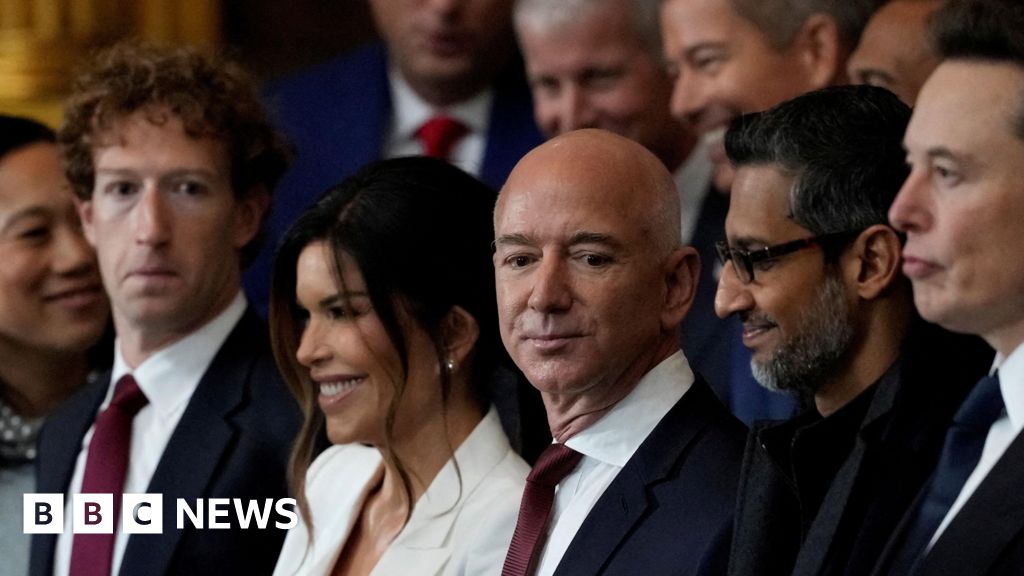
Meta, Amazon, Alphabet, and Microsoft all reported their financial performance at the same time on Wednesday
By TBN Editorial Staff April 29, 2026
For decades, the economic heartbeat of South Asia has been inextricably linked to the pulse of the Persian Gulf. From the crude oil that fuels its growing industries to the billions in remittances that prop up its foreign exchange reserves, the region has long been the primary beneficiary of Gulf stability.
Key Points
- Regional markets split: AI-driven optimism has propelled Taiwan, South Korea, and Japan to record highs. India, however, has struggled to keep pace, weighed down by the absence of strong AI-linked stocks.
- Exporters under strain: Indian exporters face mounting crude-linked input costs. While Western buyers resist price hikes, new contracts are expected to carry increases of 15–30%, raising concerns over client retention.
- Corporate pressures: Reliance Industries reported an 8% year-on-year profit decline in its oil and gas units. Chairman Mukesh Ambani cited “unprecedented dislocation in global supply chains” as a key factor.
- Capital flows disrupted: Indian venture capital firms, traditionally reliant on Middle Eastern funding, are seeing negotiations slow. Many are now turning to Europe and Asia to secure new investment.
Now, as the war between the U.S.-Israeli coalition and Iran enters its third month, that dependence has turned into a systemic vulnerability. With the Strait of Hormuz effectively “functionally impaired” and regional output losses estimated by the UNDP to reach as high as $299 billion, South Asia is facing its most severe economic shock since the 1970s energy crisis.
The Energy Blockade: A Continent Paralyzed
The closure of the Strait of Hormuz on March 4, 2026, sent shockwaves through energy markets that South Asian capitals were unprepared to absorb. With roughly 80% of the region’s oil and LNG imports typically transiting this narrow chokepoint, the impact was instantaneous.
In Bangladesh, which relies on imports for 95% of its energy needs, the government has been forced into “survival mode.” Fuel caps and the closure of universities have become the new norm. In India, the government has invoked emergency powers to redirect LNG supplies from industrial users to households, while IT giants like Cognizant and HCLTech have reverted to full work-from-home policies to mitigate the “cafeteria crisis” caused by fuel shortages.
Brent Crude, which surged past $120 per barrel in mid-March, has settled into a volatile range of $105-$110, but for South Asia, the price tag is only half the problem. The physical absence of supply has led to record-high electricity costs and a “grocery supply emergency” as transport fleets sit idle.
The Remittance Rupture: A Human and Fiscal Toll
Perhaps more devastating than the energy crisis is the potential collapse of the labor export model. There are an estimated 6 million Pakistanis and over 5 million Bangladeshis working in the Gulf. As the war intensifies, these workers are no longer just economic assets; they are a massive humanitarian and fiscal liability.
“We are seeing a wave of voluntary and forced returns as contracts are prematurely terminated in sectors like hospitality and domestic work,” says Dr. Shujaat Faruq, Professor of Economics at the Pakistan Institute of Development Economics.
The World Bank projects that South Asian growth will slow to 6.3% in 2026, down from 7% in 2025. This downward revision is driven largely by the expected dip in remittances, which serve as the primary hedge against balance-of-payment crises for nations like Nepal and Sri Lanka.
From Fields to Factories: The Fertilizer Squeeze
The ripple effects have now reached the soil. The Gulf region produces over 30% of the world’s urea, a critical fertilizer for South Asia’s agrarian economies. With production halted at major complexes like Qatar’s Ras Laffan—following Iranian strikes on March 18—fertilizer prices have jumped 31%.
This creates a “toxic confluence” for farmers in India and Pakistan ahead of the next planting cycle. Rising input costs, combined with a 140% surge in LNG spot prices, are making basic food production prohibitively expensive. In some Indian markets, agricultural exports like bananas and rice have stalled due to shipping disruptions, forcing farmers to dump produce locally at a loss while urban consumers face soaring prices.
The Emergence of the “War Economy”
South Asian governments are responding with a mix of desperation and radical innovation.
- The Four-Day Week: Pakistan and Sri Lanka have officially introduced shortened workweeks to curb fuel consumption.
- Energy Transition: Analysts suggest the crisis is providing an unintended boost to the renewable sector. In India, IT firms are switching to solar-powered kitchens and electric vehicle fleets to bypass the kerosene-based fuel shortages.
- Trade Rerouting: With the Red Sea and Suez Canal routes increasingly hazardous due to Houthi involvement, shipping is being diverted around the Cape of Good Hope, adding 15–20 days to transit times and tripling insurance premiums.
The Long Shadow
The UNDP warns that the conflict could push an additional 8.8 million people in South Asia into poverty by the end of the year. While a temporary ceasefire was announced on April 8, maritime traffic remains at 20% of pre-war levels.
For the economies of South Asia, the “narrative of a safe Gulf” has been irreversibly shaken. The lesson of 2026 is clear: when the Middle East catches fire, South Asia feels the burn more intensely than perhaps any other region on earth. The challenge now is not just weathering the current storm, but rebuilding a regional economy that is no longer one blockade away from collapse.
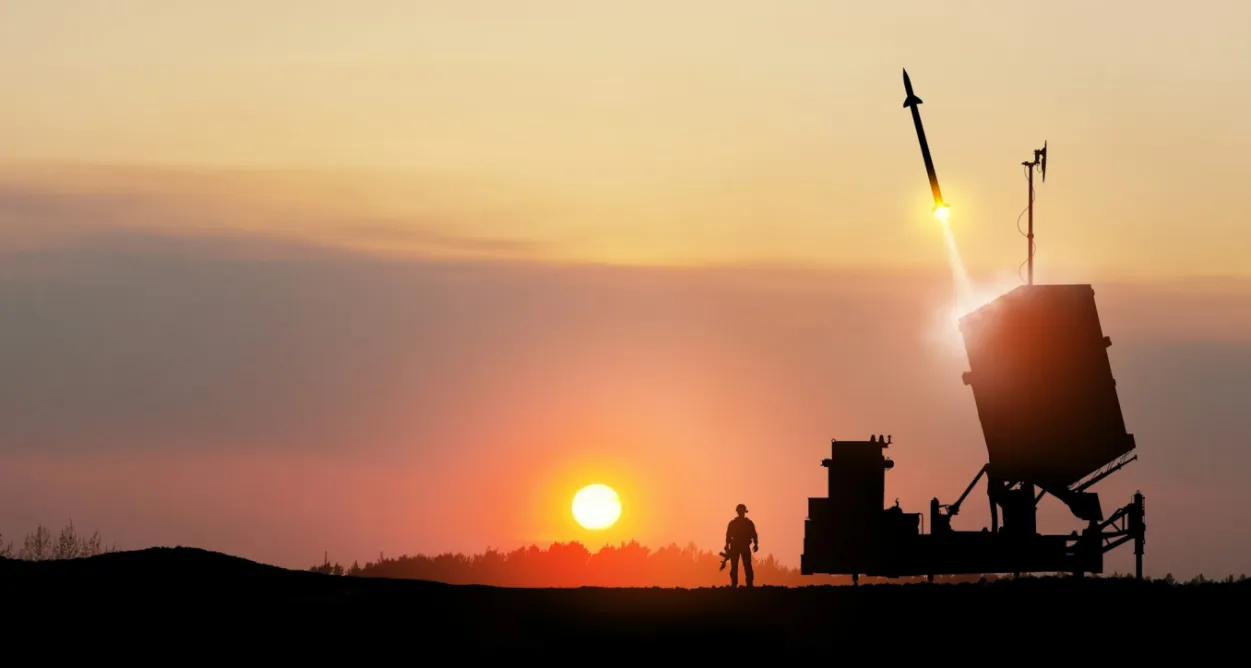
The Iran war is reshaping South Asia’s economic landscape—boosting some East Asian markets, squeezing India’s exporters and conglomerates, redirecting capital flows, and worsening Pakistan’s fuel costs.
Other People are Reading

SoFi CEO defends decision to hold guidance steady

Disney Wants You To Forget About This Extremely Adult Marvel Series

Drunk Scot threatened to “take a man’s face off” outside nightclub

Manchester United reach agreement with Casemiro over contract clause amid transfer speculation

US brings back mandatory military draft registration

Steven Gerrard disagrees with Gary Neville over ‘shock’ Chelsea and Arsenal claim | Football


-

 Tech2 days ago
Register Renaming | Hackaday
-

 Fashion5 days ago
Weekend Open Thread – Corporette.com
-
 Crypto World4 days ago
Hyperliquid $HYPE Rally Builds Momentum as AI Sector Enters Prove-It Phase
-

 Business6 days ago
Patterson-UTI Energy, Inc. (PTEN) Q1 2026 Earnings Call Transcript
-
 Sports3 days ago
IPL 2026: Ruturaj Gaikwad registers slowest fifty of the season, enters all-time unwanted list | Cricket News
-

 Politics2 days ago
Drax board avoid their own AGM, accused of greenwashing & environmental racism
-

 NewsBeat4 days ago
LK Bennett closes all stores after entering administration
-

 Crypto World6 days ago
Michael Saylor says BTC winter is over. Market analyst disagrees, says bitcoin was in a pullback
-
 Sports7 days ago
Tim Bradley names the current best in the world: “Better than Inoue and Usyk”
-

 Fashion1 day ago
Kylie Jenner’s KHY Enters a New Era with ‘Born in LA’
-
Entertainment7 days ago
Michael B. Jordan and Austin Butler's “Miami Vice” movie will bring the action back to the '80s
-
 Entertainment4 days ago
Mariah Carey Slams Deposition Claims In Brother’s Lawsuit
-
Business7 days ago
Altimmune prices $225 million public offering at $3 per share
-
Entertainment7 days ago
Russell Brand Had Sex With 16 Year Old When He Was 30
-
Crypto World6 days ago
Is Algorand One of the Few Quantum-Resistant Blockchains? Here’s What the Data Shows
-

 Business1 day ago
Most Commercial Energy Audits Miss the Real Losses
-
 NewsBeat6 days ago
Trump threatens to review UK’s claim to Falkland Islands and punish Nato allies over Iran war disagreement
-

 Business7 days ago
SL Green Realty: Dividend Cut And Record Leasing Fuel Their Potential Recovery
-

 Sports6 days ago
2026 NFL Draft tonight: Time, TV channel, where to watch, order
-

 Tech2 days ago
Images of Samsung’s rumored smart glasses have leaked
You must be logged in to post a comment Login