
Business
A son overlooked and a jailed tycoon: Inside Samsung's succession drama



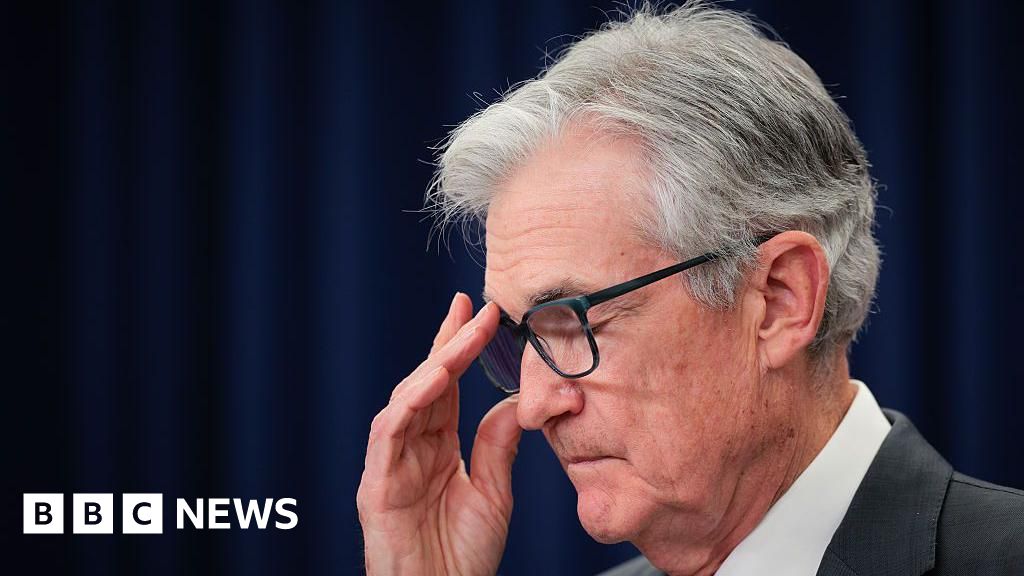
Powell’s news conference after holding rates covered the US-Israel war with Iran, inflation, legal attacks, and the Fed’s independence.
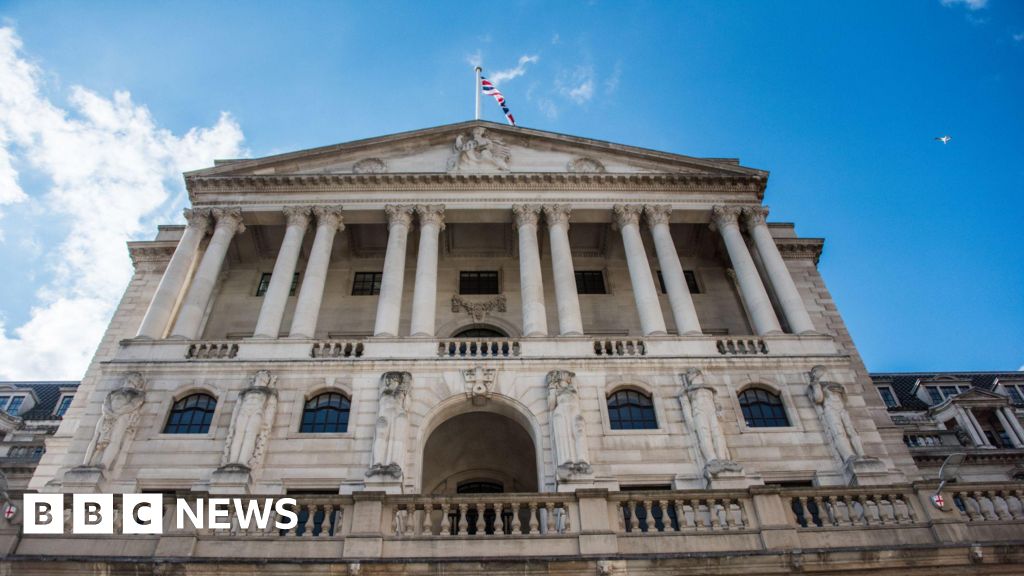
Future base rate changes are hard to predict as analysts judge the economic impact of the Iran war.
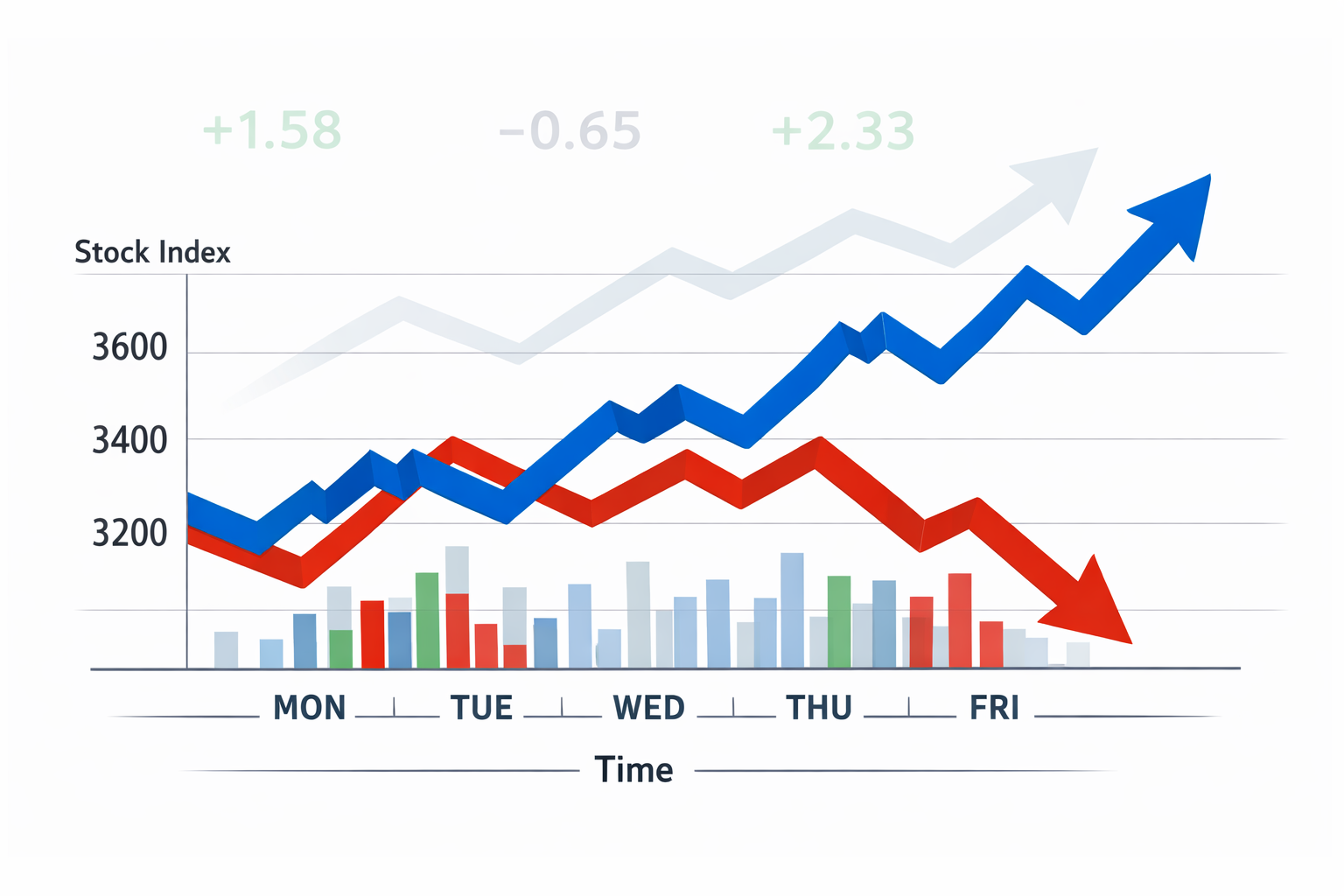
NEW YORK — Wingstop Inc. shares tumbled more than 10% on Wednesday, April 29, 2026, trading around $155.54 in morning action after the chicken-wing chain reported first-quarter results that missed Wall Street expectations on same-store sales growth and issued softer-than-expected guidance for the full year, raising concerns about slowing momentum in a highly competitive restaurant sector.

The stock’s sharp decline erased much of its recent gains and highlighted investor sensitivity to any signs of weakness at one of the market’s former high-growth restaurant darlings. Volume surged well above average as both institutional and retail investors reacted to the results. The move ranked among the largest percentage drops in the consumer discretionary sector on Wednesday morning.
Wingstop reported first-quarter revenue of $155.4 million, up 19% from the year-ago period but slightly below analyst forecasts of roughly $157 million. Same-store sales growth came in at 4.2%, missing expectations of around 5.5%. The company cited higher promotional activity and softer traffic trends as factors behind the slowdown. Adjusted earnings per share of $1.48 also fell short of the $1.52 consensus estimate.
CEO Michael Skipworth acknowledged the softer quarter in prepared remarks. “While we delivered solid top-line growth, we are not satisfied with our same-store sales performance,” he said. “We are taking actions to strengthen our value proposition and drive traffic while maintaining our focus on long-term brand building.”
The company also provided full-year guidance that came in below Street expectations. Wingstop now expects same-store sales growth of 5-7% for 2026, compared with previous forecasts closer to 7-9%. Revenue guidance was also tempered, reflecting caution around consumer spending and competitive pressures in the fast-casual dining space.
The results triggered widespread selling. Analysts quickly adjusted their views. Several firms lowered price targets or moved to Hold ratings, citing concerns about margin pressure from rising labor and commodity costs combined with slower traffic. Wingstop has historically traded at a significant premium due to its strong unit economics and franchise model, but today’s reaction suggests investors are questioning whether that premium remains justified.
Wingstop has been one of the standout performers in the restaurant industry over the past decade, known for its focused menu, strong digital sales and highly franchised model. The company operates more than 2,000 locations globally and has expanded aggressively into international markets. However, recent quarters have shown signs of maturation as the brand faces increased competition from other chicken concepts and broader fast-casual players.
The stock’s decline today reflects broader challenges facing the restaurant sector. Many chains have reported softer traffic as consumers pull back on discretionary spending amid persistent inflation in food-away-from-home costs. Wingstop’s premium positioning, while a strength during growth periods, may be making it more vulnerable to value-seeking behavior.
For long-term investors, today’s drop may represent a buying opportunity if they believe in the brand’s fundamental strength. Wingstop’s unit-level economics remain attractive, with high margins and strong cash flow generation. The company’s focus on digital ordering, loyalty programs and international expansion continues to offer growth levers even as domestic same-store sales moderate.
However, near-term risks are evident. Rising labor costs, commodity price volatility and competitive intensity could pressure margins further. The company’s high valuation multiple leaves limited room for disappointment, making it sensitive to any perceived slowdown in growth.
As trading continued Wednesday morning, shares stabilized somewhat but remained sharply lower. Technical analysts noted support levels near recent moving averages, with potential resistance around $170 if a recovery attempt materializes. Options activity showed increased put buying, reflecting caution among traders.
The earnings miss comes at a pivotal time for Wingstop. The company has been investing heavily in marketing and menu innovation to drive traffic, including new flavor offerings and value-oriented promotions. Management expressed confidence in these initiatives during the earnings call, but investors appeared skeptical about near-term results.
Wingstop’s story has been one of remarkable growth. From a small chain in Texas to a global brand with billions in system-wide sales, the company has delivered exceptional returns for shareholders over the past decade. Today’s reaction serves as a reminder that even strong brands can face periods of pressure as they mature.
For investors considering Wingstop, the upcoming quarters will be critical. The company’s ability to stabilize same-store sales, defend margins and execute on international growth will determine whether the stock can rebound from current levels. Many analysts recommend a long-term horizon for the name, viewing the current pullback as potentially overdone if execution improves.
As the market digests today’s move, Wingstop stands out as a notable decliner, illustrating how even well-regarded consumer brands can face sharp selloffs when results fall short of elevated expectations. The coming months will reveal whether this represents a temporary setback or a more fundamental shift in the company’s growth trajectory.
Business
Oil Price Today (April 30): Crude oil soars to $120, hits highest level since 2022. What are experts saying?

The move follows an Axios report stating that U.S. President Donald Trump rejected Iran’s proposal to reopen the Strait of Hormuz. This suggests the blockade could remain until a broader nuclear deal is reached.
Crude oil price on April 30
Brent crude for June delivery climbed 1.96% to $120 per barrel, while U.S. West Texas Intermediate edged up 0.2% to $107.09.
The rally builds on Wednesday’s sharp gains, when Brent rose about 6% and WTI surged 7%. The Wall Street Journal had earlier reported, citing U.S. officials, that Trump directed aides to prepare for an extended blockade of Iran.

Trump also issued a warning to Iran via a Truth Social post, saying the country “better get smart soon!” He added that Iran was struggling to finalize a non-nuclear deal. The post included an AI-generated image of Trump holding a gun with explosions in the background alongside the phrase “NO MORE MR. NICE GUY!”
Analysts noted that restricted Iranian exports and limited storage capacity could worsen supply disruptions if the blockade continues. While the UAE’s output increase after exiting OPEC may help, it is expected to come through gradually and is unlikely to ease near-term tightness.As for price outlook, a Haitong Futures note cited by Reuters suggested the current ceasefire may only be a precursor to further conflict. If U.S.-Iran negotiations fail to progress by the end of April and tensions escalate, oil prices could climb to new highs this year.
Macquarie expects crude to stay supported in the $85 to $90 range in the near term, with a gradual rise toward $110 as supply conditions stabilize. However, it warned that extended disruptions through April could push Brent up to $150 per barrel.
Nuvama Institutional Equities also indicated that a prolonged closure of the Strait of Hormuz, which carries around 20 million barrels per day, could drive crude prices into the $110 to $150 range.
(Disclaimer: Recommendations, suggestions, views and opinions given by the experts are their own. These do not represent the views of The Economic Times)

Marine farmer Suzie Flores also hopes the crop can revitalise the US’s small fishing towns.

NEW YORK — GE HealthCare Technologies Inc. shares tumbled more than 11% on Wednesday, April 29, 2026, trading around $60.72 in morning action after the medical technology company reported first-quarter results that missed profit expectations and lowered its full-year 2026 guidance, citing tariff impacts, supply chain issues and higher operating costs.
The company posted revenue of $5.13 billion for the quarter, up 7.4% from the year-ago period and slightly above some estimates. However, adjusted earnings per share of $0.99 fell short of the $1.07 consensus forecast. Net income attributable to GE HealthCare declined to $389 million from $564 million a year earlier, with operating income dropping to $515 million from $629 million.
GE HealthCare trimmed its full-year 2026 adjusted EPS guidance to $4.80–$5.00 from the previous $4.95–$5.15 range. Management pointed to approximately $90 million in tariff-related headwinds, a decline in the Patient Care Solutions segment and supplier issues in the Pharmaceutical Diagnostics business as key factors pressuring margins.
CEO Peter Arduini acknowledged the challenges in prepared remarks. “While we delivered solid revenue growth, Q1 was impacted by external pressures including tariffs and supply constraints,” he said. “We are taking decisive actions to mitigate these headwinds and remain confident in our long-term growth strategy.”
The results triggered heavy selling pressure. Volume surged well above average as both institutional and retail investors reacted to the miss and guidance cut. The decline ranks among the largest percentage drops on Nasdaq Wednesday morning and reflects investor disappointment in a stock that had already been under pressure year-to-date.
GE HealthCare, spun off from General Electric in 2023, provides a wide range of medical technologies including imaging systems, ultrasound, patient monitoring and pharmaceutical diagnostics. The company serves hospitals and healthcare providers worldwide and has significant exposure to both developed and emerging markets.
Analysts responded quickly to the update. Several firms lowered price targets or moved to more cautious ratings, citing margin pressures and uncertainty around tariff impacts. Others maintained Buy ratings, arguing the selloff creates an attractive entry point for a company with strong fundamentals and long-term growth potential in healthcare technology.
The tariff headwinds appear linked to broader U.S.-China trade tensions affecting component costs and supply chains. GE HealthCare has been working to diversify its manufacturing footprint, but near-term disruptions have still impacted profitability. Management noted that mitigation efforts are underway, including supplier negotiations and pricing adjustments.
For investors, today’s drop highlights the market’s sensitivity to guidance revisions in the healthcare technology sector. While GE HealthCare delivered revenue growth, the profit miss and lowered outlook raised concerns about near-term margin compression and execution risks in a challenging macroeconomic environment.
The company’s diversified portfolio provides some resilience. Imaging and ultrasound segments showed solid performance, while Pharmaceutical Diagnostics faced specific supplier challenges. GE HealthCare’s focus on innovation, including AI-powered imaging solutions and precision diagnostics, continues to position it well for long-term growth as healthcare systems invest in advanced technologies.
Longer-term bulls point to demographic tailwinds, including aging populations and increasing demand for early detection and personalized medicine. GE HealthCare’s global scale and strong brand reputation in medical imaging give it competitive advantages in these markets.
Near-term risks include continued tariff pressures, supply chain volatility and potential slowdowns in hospital capital spending if economic conditions weaken. The company’s high exposure to international markets also makes it sensitive to currency fluctuations and geopolitical developments.
As trading continued Wednesday morning, shares stabilized somewhat but remained sharply lower. Technical analysts noted support levels near recent moving averages, with potential resistance around $65–$68 if a recovery attempt materializes. Options activity showed increased put buying, reflecting caution among traders.
The day’s performance serves as a reminder of the market’s focus on forward guidance in healthcare technology names. While GE HealthCare maintains strong fundamentals, the tempered outlook has investors reassessing near-term momentum. The earnings call later today will be closely watched for additional color on mitigation strategies, margin recovery plans and AI-related growth opportunities.
GE HealthCare has a strong track record of innovation in medical technology. Its systems are used by healthcare providers worldwide to improve diagnosis, treatment and patient outcomes. The company’s ability to navigate current headwinds while investing in future growth will be key to regaining investor confidence.
For long-term investors, today’s decline may present an entry point if they believe in the company’s strategic positioning and ability to overcome temporary challenges. GE HealthCare’s focus on digital health, AI integration and precision diagnostics aligns with major trends in healthcare delivery.
The healthcare technology sector has faced selective pressure in 2026 as investors rotate toward other areas amid economic uncertainty. Companies with strong balance sheets and clear innovation pipelines like GE HealthCare have held up better than pure growth names, but remain sensitive to margin concerns and guidance revisions.
As the market digests today’s move, GE HealthCare stands out as a notable decliner, illustrating how even established healthcare technology leaders can face sharp selloffs when results and outlook fall short of elevated expectations. The coming quarters will reveal whether this represents a temporary setback or a more fundamental shift in the company’s growth trajectory.

For years, the global conversation about artificial intelligence has been dominated by the West. Silicon Valley labs, European regulators, and Washington policy circles have set the terms of debate, while the Asia Pacific was often framed as a fast follower, capable, ambitious, but trailing. A major new survey from KPMG should put that narrative to rest.
Key Takeaways
- Asia Pacific’s AI leadership: The region is no longer a “fast follower” but is pulling ahead in global AI adoption, according to KPMG’s Global AI Pulse survey.
- Investment scale: Asia Pacific firms plan to invest an average of US$245M in AI over the next year, surpassing the global average of US$186M. Korea leads with projected spending of US$358M.
- Resilience in downturns: 75% of firms say they will maintain AI investment even during a recession; in India, this rises to 86%.
The findings from KPMG’s inaugural Global AI Pulse survey, drawing on responses from more than 2,100 senior executives across 20 countries, including 559 from six key Asia Pacific markets, reveal a region that is not catching up to the rest of the world. It is pulling ahead.
Money Talks, And Asia Pacific Is Shouting
The clearest signal is financial. Asia Pacific firms plan to invest, on average, US$245 million in AI over the next 12 months, well above the global average of US$186 million.
That gap alone would be notable. But what makes it remarkable is the resolve behind those numbers: three-quarters of ASPAC firms say that even an economic recession would not deter their AI investment. In India, that figure climbs to 86 percent.
Korea deserves special attention. With an average projected AI spend of US$358 million, and more than a third of Korean firms planning to invest over US$500 million in the next year alone, the country is not merely participating in the AI economy; it is betting its corporate future on it.
This is not reckless speculation. Companies in the region are seeing results. Sixty-nine percent of surveyed ASPAC firms report tangible benefits from AI adoption, productivity gains, cost savings, revenue growth, or sharper decision-making, slightly above the global average of 64 percent. In India, that number reaches 79 percent, the highest of any market surveyed. The returns are real, and they are fuelling further commitment.
From Pilot Programs to Full Deployment
Perhaps the most telling signal of Asia Pacific’s maturity in AI is the pace of agent deployment. One in three ASPAC firms is already scaling AI agents across multiple business functions, a figure led by Korea at 41 percent. These are not internal experiments or proof-of-concept projects. These are operational systems running in technology, IT, operations, marketing, and sales.
More significantly, almost half of ASPAC respondents say AI agents are automating workflows that span multiple departments. And the ambition goes further still: four in ten ASPAC firms expect AI agents to independently manage specific projects within the next two to three years, not merely assist with them. That is well ahead of the global share of 30 percent.
This distinction matters. There is a fundamental difference between AI that supports human decision-making and AI that leads it. ASPAC companies are not only comfortable with that trajectory,, but they are also actively building toward it.
The Workforce Question
Critics of AI adoption often point to workforce disruption as the hidden cost of automation. The KPMG data tells a more nuanced story, and it reflects well on how ASPAC companies are managing the transition.
Sixty-two percent of firms in the region are upskilling or reskilling their current workforce, while 56 percent are simultaneously hiring for new AI-specific roles, architects, prompt engineers, and similar positions that simply did not exist a decade ago. Crucially, the skills most in demand are not purely technical. Critical thinking, adaptability, and creative reasoning rank high among the competencies companies are seeking. The message is clear: AI augments human intelligence; it does not simply replace human labour.
India again leads. Four in five Indian firms report making strong progress toward a fully integrated human-AI workforce, against a global average of 60 percent. And across the region, 70 percent of companies express confidence that their current talent pipeline can meet the demands of an AI-enabled future. For a technology that is scaling at unprecedented speed, that level of workforce readiness is a genuine competitive advantage.
Governance Is Not an Afterthought
The story of Asia Pacific’s AI rise would be incomplete and misleading without acknowledging the challenges that remain. Data security, privacy, and cybersecurity are legitimate concerns. Nearly 29 percent of ASPAC companies say these issues could prompt them to pause AI implementation in the next six months, and an additional 45 percent say it could lead to a slowdown. Almost half identify risk considerations as the biggest obstacle to demonstrating return on investment.
These are not trivial obstacles, and they should not be dismissed. But the governance structures forming around AI in the region suggest that companies are taking the risks seriously rather than ignoring them.
Today, 82 percent of boards in ASPAC cover AI topics, more than in any other region. Nearly four in five have at least one board director with genuine AI expertise. As companies scale complex, cross-functional AI systems, this kind of leadership-level engagement is not a luxury. It is a prerequisite for sustainable deployment.
What This Means for the World
Asia Pacific’s AI trajectory is partly explained by history. The region has long been characterised by rapid technology adoption, and consumers and businesses alike have integrated new platforms, tools, and systems faster than their counterparts in other parts of the world. AI is the latest chapter in that pattern, not an exception to it.
But history alone does not account for the ambition on display in the KPMG data. The combination of large-scale capital commitment, accelerating deployment, workforce investment, and board-level governance suggests that ASPAC companies have made a strategic decision: AI is not a productivity tool to be cautiously evaluated. It is the central platform for future business growth and resilience.
The gap between ambition and capability will not close overnight. Almost one in three ASPAC companies has yet to see meaningful business value from AI. The operational frameworks for managing cross-functional AI systems are still maturing. Skills gaps persist.
But the direction of travel is unmistakable. The question for business leaders, policymakers, and investors elsewhere in the world is not whether Asia Pacific is serious about AI. The question is whether the rest of the world is serious enough to keep pace.
Other People are Reading

Penske Automotive Group Pulls Ahead But Caution Is Warranted

The United Arab Emirates’ move to quit OPEC signals a desire to boost output and also raises questions about the future role of the oil cartel.
Analysts said the withdrawal marks a significant shift for OPEC. “Alongside Saudi Arabia, it is one of the few members with meaningful spare capacity—the mechanism through which the group exerts market influence,” said Jorge León, head of geopolitical analysis at Rystad Energy.
Once outside the group, the U.A.E. would have both the incentive and the ability to increase production, León added, raising concerns about the sustainability of Saudi Arabia’s role as the oil market central stabilizer.
NEW YORK — GameStop Corp. shares traded modestly lower at $24.50 in morning trading on Wednesday, April 29, 2026, down about 2.35% as the meme stock favorite consolidated following recent volatility and ahead of its next earnings report, reflecting a cooling of retail enthusiasm amid broader market caution.
The slight decline came as the broader market showed mixed performance, with the Dow Jones Industrial Average hovering near record highs. GameStop’s trading volume remained elevated compared to traditional retail stocks, underscoring its enduring appeal among individual investors and short-term traders who continue to monitor the company for potential catalysts or short squeezes.
GameStop reported stronger-than-expected fiscal fourth-quarter 2025 results in late March, posting adjusted earnings per share of $0.49 that beat estimates. While revenue of $1.10 billion missed forecasts, the company highlighted a robust cash position approaching $9 billion, providing significant financial flexibility for potential investments, acquisitions or shareholder returns. The cash hoard has become a central talking point for investors, with speculation persisting about how Chairman Ryan Cohen might deploy capital.
Recent operational updates have also fueled interest. GameStop announced plans to roll out dedicated retro gaming sections in all U.S. stores by May, capitalizing on nostalgia for classic consoles and titles. The company also launched “Power Packs,” a digital trading card platform, generating buzz among collectors and younger gamers. These initiatives reflect efforts to evolve beyond traditional brick-and-mortar retail amid the ongoing shift to digital gaming.
Analysts remain divided on the company’s long-term prospects. Some view the cash balance as a safety net that provides optionality in a challenging retail environment. Others caution that core video game sales continue facing headwinds from digital downloads and subscription services. Consensus price targets generally hover near current levels, with limited analyst coverage compared to larger consumer stocks.
Meme stock dynamics continue influencing price action. GameStop remains a favorite on platforms like Reddit’s r/Superstonk and X, where communities track short interest, options activity and insider moves. Short interest has moderated from peaks seen in earlier years but remains notable relative to float. Volatility persists, with the stock capable of sharp intraday swings on news or social media sentiment.
Ryan Cohen’s involvement continues to draw attention. The activist investor and Chewy co-founder, who became chairman in 2021, has steadily increased his stake. His purchases in recent months signaled confidence, helping support the stock during periods of broader market weakness. Cohen has emphasized transforming GameStop into a technology-driven company rather than a traditional retailer.
The next earnings report, expected in early June for the first quarter of fiscal 2026, will be closely watched for progress on cost-cutting, e-commerce growth and any updates on capital allocation. Analysts forecast modest revenue pressure but potential margin improvement from efficiency initiatives.
GameStop’s balance sheet strength sets it apart from many distressed retailers. With billions in cash and minimal long-term debt, the company faces less immediate pressure than peers navigating post-pandemic shifts. However, turning that liquidity into sustainable growth remains the key challenge as the video game industry consolidates around a few major platforms.
Retail investors continue playing a prominent role in GME’s trading. High social media engagement and options activity often amplify moves. Wednesday’s modest decline followed a period of relative stability around the mid-$20s, with the stock showing resilience compared to some other consumer discretionary names. Year-to-date performance has been positive but far more muted than the dramatic swings of 2021.
Broader market context provides some support. Strong performance in major indices and optimism around artificial intelligence and economic resilience have helped lift risk assets. However, GameStop trades more on company-specific and sentiment-driven factors than macroeconomic trends.
For long-term shareholders, the focus remains on execution. Can GameStop successfully pivot toward higher-margin businesses while maintaining its physical footprint? Management has emphasized disciplined spending and customer-centric initiatives, but delivering consistent profitability in a digital-first world remains difficult.
As trading continued Wednesday morning, GameStop shares hovered near $24.50 with moderate volume. Technical levels show support around $23 and resistance near $26–$27. Options flow has been mixed, with some bullish bets on potential catalysts later in the year.
GameStop’s story continues captivating investors more than a decade after its initial meme surge. While the company has made strides in strengthening its balance sheet and exploring new revenue streams, questions persist about its ability to generate sustainable growth in an evolving industry. For now, the combination of cash reserves, retail enthusiasm and strategic moves by leadership keeps the stock on many watchlists.
The modest decline today fits a pattern of consolidation after periods of volatility. As the company prepares for its next earnings report, investors will be looking for signs of progress in its transformation efforts and any updates on how the substantial cash position will be deployed. Whether GameStop can reignite meme stock momentum or transition into a more traditional retail story remains one of the most watched narratives in the market.
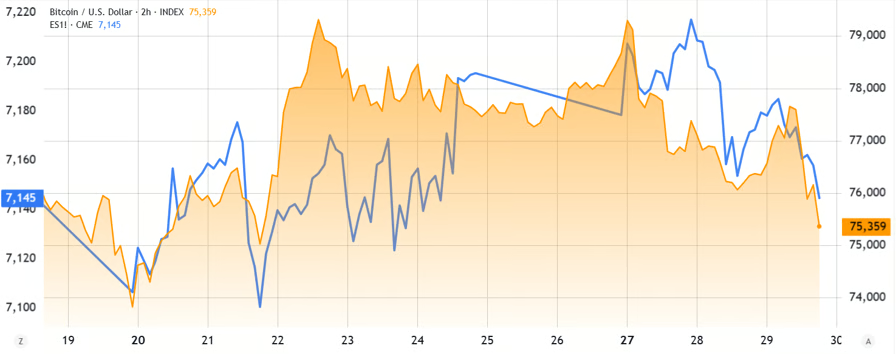
Bitcoin Long-to-Short Ratio Shows Pro Traders Cautious Over Fed, Inflation

Meet His Parents and 2 Siblings

People who stop taking Ozempic or Wegovy given ’18-month’ warning

Manchester United reach agreement with Casemiro over contract clause amid transfer speculation

US brings back mandatory military draft registration

Steven Gerrard disagrees with Gary Neville over ‘shock’ Chelsea and Arsenal claim | Football

SAVE MORE TO STACK MORE BITCOIN ON BINANCE.US! #bitcoin #crypto #xrp #randihipper

10 Crucial Personal Finance Lessons That Transformed My Life

6 Money Mistakes You Must Avoid | Smart Financial Habits #shorts #youtubeshorts
-

 Tech2 days ago
Register Renaming | Hackaday
-

 Fashion5 days ago
Weekend Open Thread – Corporette.com
-
 Crypto World4 days ago
Hyperliquid $HYPE Rally Builds Momentum as AI Sector Enters Prove-It Phase
-

 Business6 days ago
Patterson-UTI Energy, Inc. (PTEN) Q1 2026 Earnings Call Transcript
-
 Sports4 days ago
IPL 2026: Ruturaj Gaikwad registers slowest fifty of the season, enters all-time unwanted list | Cricket News
-

 Politics2 days ago
Drax board avoid their own AGM, accused of greenwashing & environmental racism
-

 NewsBeat4 days ago
LK Bennett closes all stores after entering administration
-

 Crypto World6 days ago
Michael Saylor says BTC winter is over. Market analyst disagrees, says bitcoin was in a pullback
-
 Sports7 days ago
Tim Bradley names the current best in the world: “Better than Inoue and Usyk”
-

 Fashion1 day ago
Kylie Jenner’s KHY Enters a New Era with ‘Born in LA’
-
Entertainment7 days ago
Michael B. Jordan and Austin Butler's “Miami Vice” movie will bring the action back to the '80s
-
 Entertainment4 days ago
Mariah Carey Slams Deposition Claims In Brother’s Lawsuit
-

 Tech2 days ago
Images of Samsung’s rumored smart glasses have leaked
-
Business7 days ago
Altimmune prices $225 million public offering at $3 per share
-
Entertainment7 days ago
Russell Brand Had Sex With 16 Year Old When He Was 30
-

 Business1 day ago
Most Commercial Energy Audits Miss the Real Losses
-
Crypto World6 days ago
Is Algorand One of the Few Quantum-Resistant Blockchains? Here’s What the Data Shows
-
 NewsBeat6 days ago
Trump threatens to review UK’s claim to Falkland Islands and punish Nato allies over Iran war disagreement
-

 Sports7 days ago
2026 NFL Draft tonight: Time, TV channel, where to watch, order
-

 Sports7 days ago
Bayern Munich on the brink of historic ‘double treble’
You must be logged in to post a comment Login