














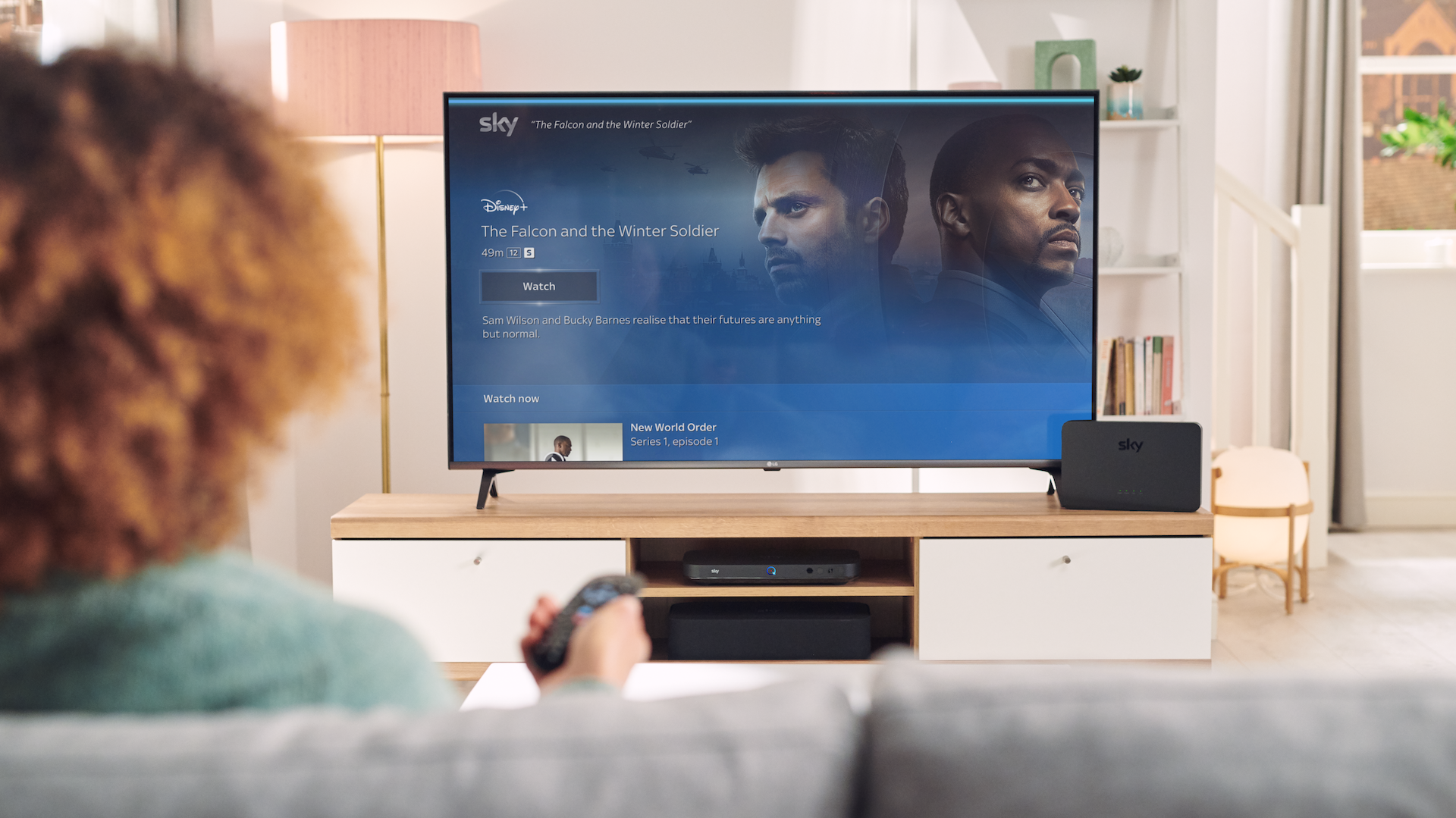
Sky TV has now been a broadcasting powerhouse in the UK for nearly 40 years, offering a premium alternative to the country’s traditional channels and delivering some of the best dramas, films, sport, comedy and factual TV of the past four decades.
Thanks to the broadcaster’s Sky Go app that launched in 2011, all those shows, movies and live sports have been available to subscribers across a multitude of mobile platforms and devices.
And although Sky’s content is restricted only to people located in the UK, there is a simple, low-cost way of getting around the frustrations of having your Sky Go access blocked when traveling out of the country. Below we explain how using one of the best VPN services will keep Sky Go active when you want to watch it while on vacation or away on business.
How to watch Sky TV subscriptions
Signing up to Sky TV for the first time can be quite a dizzying experience – there seems to be an endless array of options to consider.
The entry-level plan is Sky Essential TV, which costs £15 per month (at the time of writing) and includes 100+ channels as well as access to Netflix and Discovery+. Pay an extra £7 a month and upgrade to Sky Ultimate TV to add Disney Plus, HBO Max, Hayu and another 30-odd channels.
Once you’ve chosen your base plan, you then get to decide what additional premium channels you want. This is where Sky Sports (from £35 per month) and Sky Movies (from £25 per month) come in.
But it doesn’t stop there. If you’re also on the lookout for a new television, you can choose a Sky Glass package that bundles in a 43-, 55- or 65-inch 4K TV.
And you can further tailor you plan best suit you and your family, with options to add UHD and Dolby Atmos content, ad skipping, availability on more screens, upgraded Netflix, and even more channels like TNT Sports and Sky Kids.
You can sign up to your choice of Sky TV plans here.
What is the cheapest way to get Sky TV?
While we’d never describe Sky TV as cheap (especially to some Brits who still remember when all television was free-to-air), there are ways to reduce your costs.
For starters, Sky frequently has offers and discounts through its official website. So if you’re in no rush to sign up for Sky, it may be worth waiting until it drops the prices. Unsurprisingly, Black Friday and the January sales are prime times to get a great Sky TV deal.
You can also save money if you also choose Sky as your broadband provider and mobile phone network. The company offers lower tariffs on both to existing Sky TV subscribers. Or buy a Sky TV and broadband package off the bat.
Another way to watch Sky content for less is through Now, which offers Entertainment, Sports and Movie memberships on a more flexible basis. Just note that, although owned by Sky, Now is effectively a standalone service and so doesn’t let you watch through the Sky Go app.
Use a VPN to watch Sky Go from anywhere
Why is a VPN a good option to watch Sky Go from anywhere?
While Sky Go has brought the enormous mass of the broadcaster’s content to mobile phones, laptops and other streaming devices, it simply won’t work if you try to use it when outside the UK. The app will load, but you’ll be faced with an error message the second you try to watch something live or on demand.
Thankfully, you can overcome this hurdle by using one of the best streaming VPNs. The cybersecurity software doubles up as a way to watch online content when overseas and they work a treat with Sky Go.
What devices and platforms are supported by Sky Go and NordVPN?
Amazon Fire TV
Android (7.0 and up)
Android TV (5.1 and up)
Apple TV (tvOS 13 and up)
Desktop app (Windows, Mac, Chromebook)
iOS (13 and up)
Although you can’t run NordVPN directly on other devices, such as PlayStation and Xbox consoles, an easy workaround is running NordVPN on your smartphone or computer and setting up a hotspot.

What shows can you watch on Sky Go?
Everything you’d normally be able to watch with your Sky TV subscription can be watched online thanks to Sky Go.
Even the most affordable Sky Essential TV plan includes access to Sky Atlantic – the provider’s channel for tentpole dramas. Sky Atlantic has been the destination for top US shows such as Game of Thrones, The White Lotus, Succession and The Last of Us over the years, and has co-produced hits like Gangs of London, Sweetpea and The Day of the Jackal.
Essential hosts more than 100 channels in all, meaning Sky Go also features 24-hour rolling headlines from Sky News and Sky Sports News, handpicked favorites from Sky Mix, stations such as TLC, Quest, and the Food Network, and traditional linear channels ITV, Channel 4 and Channel 5. Note that no BBC content is available on Sky Go, so you’ll need BBC iPlayer to stream that online.
Upgraded plans make more channels available, with Sky Ultimate TV adding shows from the likes of Sky One, Sky Docs, Sky Comedy, National Geographic and MTV to the Sky Go catalog. Sky One is a relatively recent reintroduction to the service, and is set to be the home of new Sky Originals such as Saturday Night Live UK and The Dyers’ Caravan Park.
Got Sky Movies as part of your subscription? That opens up a library of more than 1,000 films you can watch on demand, and has been the first place to watch the likes of Jurassic World Rebirth, The Materialists and Oscar-winning One Battle After Another outside of the cinema in the UK.
Are there any live sports on Sky Go?
Just a few! Again, everything that goes out across the provider’s 12 Sky Sports channels are available to stream on Sky Go, too.
For starters, that means an enviable 215 Premier League games over the course of each season as per its current deal. Sky also has an astonishing quantity of other football, including coverage from the Football Leagu, EFL Cup, Women’s Super League, Scottish Premiership and Bundesliga.
Outside of soccer, you’ll find hours and hours of other top sport on Sky Go. Cricket, for example, has found a regular home on Sky Sports, with England’s home internationals, World Cups, The Hundred, T20 Blast and India Premier League (IPL) all present.
Live coverage of all golf’s majors, PGA Tour events and Ryder Cup is the exclusive domain of Sky, while it also shows every F1 Grand Prix, British and Irish Lions rugby union, Super League rugby league, and all the biggest PDC darts tournaments. Tennis fans can watch the US Open and ATP/WTA tour events.
Various NFL and NBA coverage from across the Atlantic goes out on Sky Sports, too, together with other selected boxing, MMA and motorsport events.

You may also enjoy…
We test and review VPN services in the context of legal recreational uses. For example: 1. Accessing a service from another country (subject to the terms and conditions of that service). 2. Protecting your online security and strengthening your online privacy when abroad. We do not support or condone the illegal or malicious use of VPN services. Consuming pirated content that is paid-for is neither endorsed nor approved by Future Publishing.







































You must be logged in to post a comment Login