
In a lab room, a toddler, deaf from birth, sits while a tone plays. There’s no reaction. His face does not change.
Tech
FDA’s approval of Otarmeni, the first gene therapy for hereditary deafness


Six weeks later, after a single injection of an experimental gene therapy, the same toddler is back in the same room. The tone plays. The toddler’s head turns toward the sound. And somewhere just off screen, the child’s grandfather says his name. The boy turns and looks. He can hear.
“When the parents realized their child had a response to sound they cried,” says Dr. Yilai Shu of the Eye & ENT Hospital of Fudan University, who co-led the trial, in a video that showed the results. “The whole family cried.” The video cuts to another child, thirteen weeks post-treatment, dancing to music.
This is what gene therapy can do in 2026. The clip comes from the international clinical trial of an OTOF gene therapy run by Mass Eye and Ear and China’s Fudan University that provided the underlying science behind a drug the Food and Drug Administration (FDA) approved last week.
On April 23, the FDA granted accelerated approval to Otarmeni, a gene therapy from the pharma company Regeneron for severe-to-profound hearing loss caused by mutations in a gene called OTOF. In a pivotal trial, 80 percent of treated patients gained measurable hearing, and 42 percent reached the level needed to pick up whispers. Two and a half years after treatment, 90 percent of patients in the underlying multi-center trial were still hearing.
It’s a drug that certainly feels like a miracle to those in the trials, taking patients from silence to sound. But what can feel almost as miraculous is how far the broader field of gene therapies like Otarmeni — which deliver a working copy of a broken gene directly into a patient’s cells — have come.
In 1999, the nascent field of gene therapy all but collapsed when a teenager named Jesse Gelsinger died four days after being injected with an experimental gene therapy at the University of Pennsylvania, the first publicly identified death in a gene therapy clinical trial. In the years that followed, funding evaporated, careers ended, and “gene therapy” became a cautionary tale.
It took years and major changes in how gene therapies are delivered for the field to recover. And now, 27 years after Gelsinger’s tragic death, we have a gene therapy that can effectively reverse some kinds of congenital hearing loss. The next decade is no longer about whether gene therapy can deliver clinical results. It’s about whether it can deliver results to enough patients, at prices people can actually pay, for diseases that affect more than a few hundred kids a year.
Get those answers right, and what feels like a miracle to some in 2026 could become ordinary medicine.
After Gelsinger died, the FDA halted gene therapy trials in the US, the National Institutes of Health tightened oversight, and the principal investigator of the Penn study — James Wilson — was barred from clinical trials for five years and stripped of his administrative titles. In the lean years that followed, two things happened.
The first was a change in delivery. Gene therapies use engineered viruses to deliver restorative genes to a patient’s cells. The therapy used on Gelsinger was carried by an adenovirus, which are highly immunogenic, meaning the human immune system recognizes them and reacts violently. It was that immune reaction that killed Gelsinger.
In the aftermath, the field increasingly turned to adeno-associated viruses (AAV), which are smaller, more tolerable, and capable of slipping a payload into the right cells without setting off a five-alarm immune reaction. AAV vectors are now the workhorse of in vivo gene therapy, including in Otarmeni.
The second thing that happened was CRISPR. Adapted in 2012 by Jennifer Doudna and Emmanuelle Charpentier into a precision gene-editing tool, CRISPR could do something AAV could not: find a specific spot in the patient’s own DNA and rewrite the letters there, correcting the broken gene in place. CRISPR also earned gene therapy a cultural moment it hadn’t had since before Gelsinger. Money and talent flooded back into the field — including into the AAV programs that produced Otarmeni.
The clearest sign something has shifted in the field is the lengthening list of therapy approvals. In December 2017, the FDA cleared Luxturna for hereditary blindness from RPE65 mutations — the first gene therapy in the US for an inherited disease. Two years later, Zolgensma was approved for spinal muscular atrophy, a wasting disease that kills children before age two in its severe form. In 2022, Hemgenix made hemophilia B the first bleeding disorder with a one-shot fix. In 2023, Casgevy and Lyfgenia did the same for sickle cell, with Casegevy becoming the first FDA-approved CRISPR therapy.
The sickle cell approvals matter most because they are the first for a patient population that is large; 100,000 Americans suffer from it — mostly Black, and historically underserved. The gene therapies are also proof of concept that the underlying CRISPR mechanism can be redirected at multiple different targets. Verve Therapeutics is using base editing to permanently disable PCSK9, a gene that controls how much LDL cholesterol stays in the bloodstream, with the promise of one-time treatment instead of daily statins for patients at high cardiovascular risk. Early trial data showed a 53 percent average drop in LDL cholesterol. Trials are open for additional hereditary-blindness genes, Pompe disease, and a long list of single-gene conditions.
The science is working, but paying for it is another matter.
These are the list prices for the recent approvals: Luxturna at $850,000 per patient, Zolgensma at $2.13 million, Casgevy at $2.2 million, Lyfgenia at $3.1 million, Hemgenix at $3.5 million. Two-thirds of US sickle cell patients are on Medicaid, and only 16,000 are eligible for Casgevy under the current label. Regeneron has pledged to provide Otarmeni for free in the US, but that works only because the OTOF patient pool is small — an estimated 50 babies a year. That math won’t work for more common disorders.
While cost may not be a problem for the families that could qualify for Otarmeni, it’s not the only concern. Cochlear implants, the standard treatment for OTOF patients for decades, have been contested within Deaf culture since the 1980s, with many arguing that deafness should be seen as identity rather than deficit. Gene therapy applied to infants makes that question all the more fraught, since the children treated with gene therapy cannot consent to the change. And not everyone would make that choice.
Beyond economic and cultural questions, we lack gene therapy for Alzheimer’s, schizophrenia, or any of the polygenic — meaning, caused by multiple genes — conditions that cause massive amounts of suffering. The cochlear is a good gene-therapy target because it is small and accessible, and OTOF is a single-gene disorder. The brain and Alzheimer’s are neither of those things. The platform that is working in one child’s inner ear in 2026 is not about to deliver universal cures by 2030, or well beyond.
What gene therapies will do, however, is keep filling in the list. The next time a parent gets a rare-disease diagnosis for their child, the question will increasingly be not whether someone is working on a gene therapy, but how soon it will be ready.
A version of this story originally appeared in the Good News newsletter. Sign up here!

Continue Reading
Tech
Tired of talk that goes nowhere? This Seattle startup is using AI to turn civic debate into action


While much of the debate around artificial intelligence centers on the technology’s threat to jobs and society, one Seattle-area startup is turning that anxiety on its head — using AI not as a source of conflict, but as a tool to help resolve it.
Convexus is a civic technology platform designed to help local governments, nonprofits, and community groups move past fragmented debate and toward coordinated action.
The startup was co-founded by Merrill Keating, a Bainbridge Island native and University of Washington graduate who was a Geekwire Junior Geek of the Month in 2021, and her mother, Doña Keating, a veteran strategic advisor and consultant.
Unlike traditional social media that often amplifies division, Convexus “transforms dialog into action,” Merrill Keating told GeekWire.
“A lot of digital platforms only reward outrage and don’t really come to any kind of resolution,” she said. “They fragment across different types of tools, and there’s no real consensus anywhere.”
Convexus addresses the stalling point of modern civic engagement using what it calls an Explore-Align-Act framework — and AI-assisted facilitation — to help organizations identify shared goals and execute them.
“The AI has no agenda. It works fluently with pretty much anyone that wants to use it,” Doña Keating said, mentioning city councils, political candidates wanting to hear from constituents, book clubs, and corporate teams trying to solve a problem as examples.
The platform uses Anthropic’s Claude API to power its “Digital Facilitator” engine, surfacing areas of agreement, suggesting reframes when conversations turn heated, and guiding groups toward decisions. It also flags “bridge-building” contributions — the comments and perspectives that create connections across opposing viewpoints — rewarding constructive behavior and helping move groups from analysis paralysis to coordinated action.

Among the platform’s standout features is a live consensus meter — an animated visual dial showing the percentage of group agreement in real time — along with decision tracking that logs how many participants were involved and how long consensus took, what Doña Keating describes as an ROI story compared to traditional committee meetings.
The founders are quick to point out what sets Convexus apart from existing tools.
“Polis maps opinions, but it stops there,” Doña Keating said. “Change.org collects signatures, but it doesn’t have deliberation. Slack is for chat, but not decisions. No one integrates the structured dialog, plus the AI facilitation, plus the action outcomes at any scale.”
Convexus plans to monetize through a subscription model with tiers ranging from a free or low-cost option for grassroots groups to nonprofit, government, and enterprise plans. The founders are firm on one point: no ads, no data sales.
Convexus is currently inviting Pacific Northwest organizations to participate in free 30-to-90-day pilot programs to stress-test the platform. The startup was also selected as one of the first cohort of 10 high-potential startups at Technology Alliance’s Seattle Investor Summit and Showcase, set for June 3 at Microsoft’s Redmond campus.
For Merrill Keating, the platform is the natural extension of a lifetime of civic advocacy.
“As an advocate, a lot of what I’ve seen is people will just talk about things for years and years and years, and nothing ever gets done,” she said. “That is one of the most frustrating things as somebody who wants to actually see an impact being made on the communities I’m a part of. This is something that’s right up my alley.”
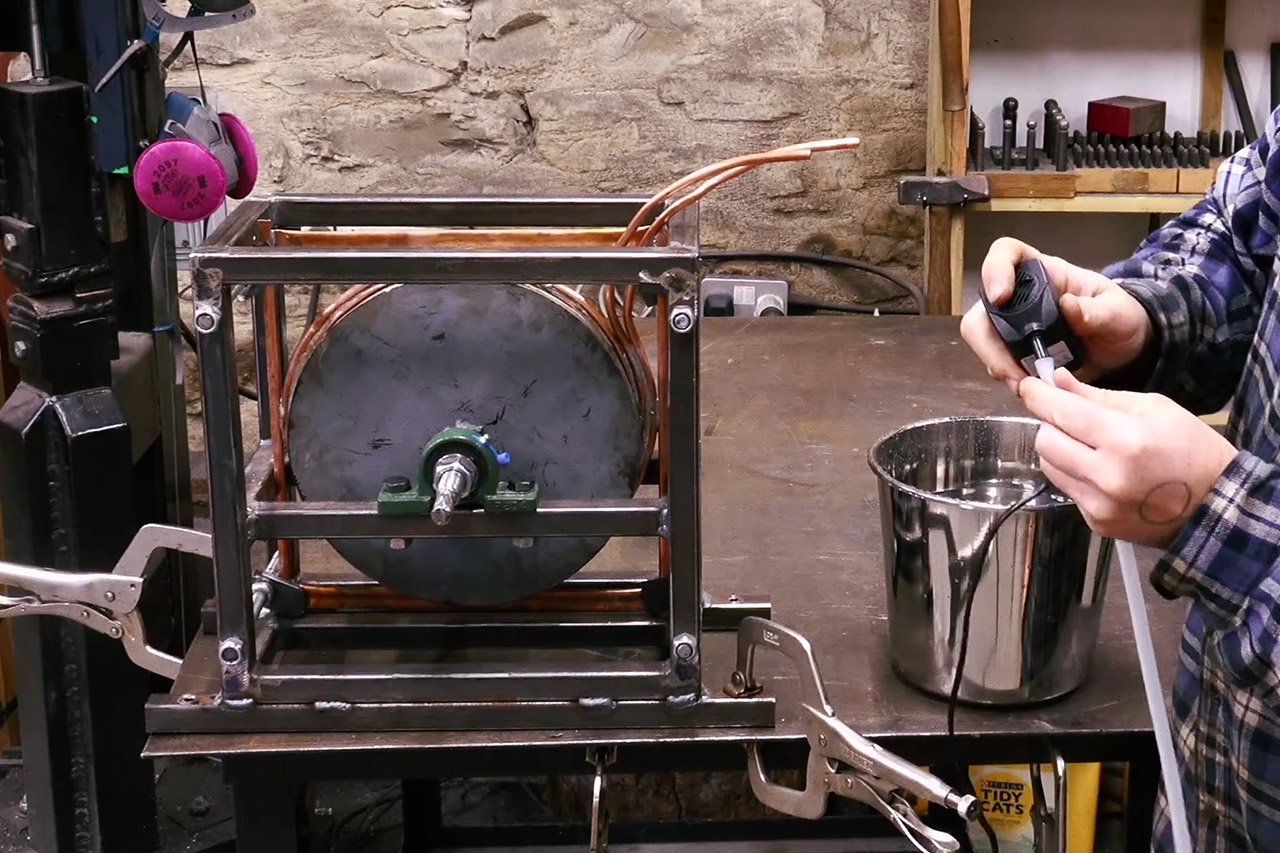
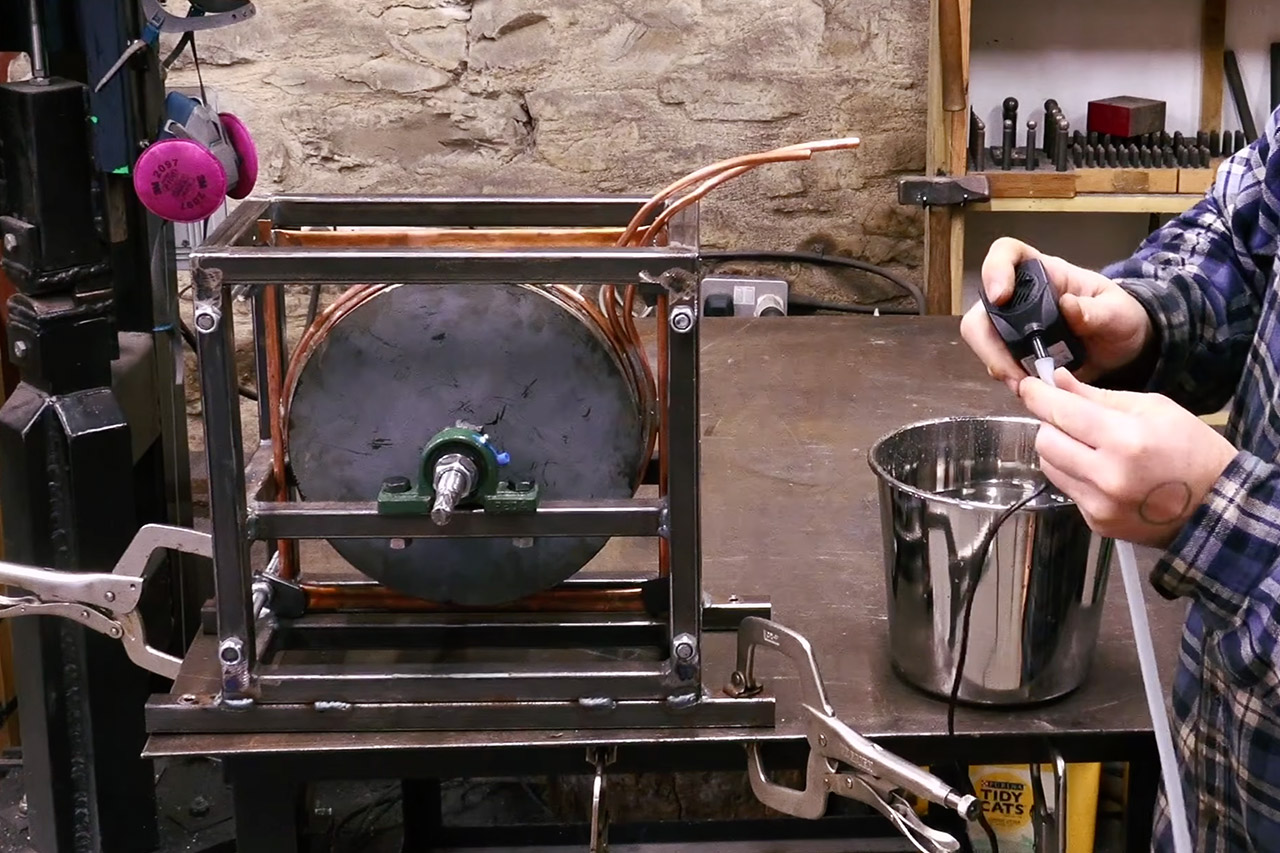
Greenhill Forge runs a rural workshop focused on hands-on projects for smallholding life. Years spent building an axial flux permanent magnet generator gave him the perfect foundation for a new challenge. Cold water needed reliable heating off the grid, and fuel or grid power carried too many hassles. He turned those existing rotors into the heart of a device that creates heat through nothing more than motion and magnetic fields.
Permanent magnets use two rotors to move past a flat stator made completely of copper tubing. The tube winds itself into a tight spiral disc, and each link is soldered until the entire coil creates a full electrical conductor. As the magnets pass past, some water flows through the hollow tube. Eddy currents begin to spin inside the copper tubing, releasing heat that simply warms the metal up. This heat is subsequently transferred directly into the water, leaving very little waste.
Sale

Jackery Portable Power Station Explorer 300, 292Wh Backup LiFePO4 Battery, Solar Generator for Outdoors…
- SPEED UP YOUR RECHARGEABILITY: It takes only 2 hours to recharge 80% battery of the power station through the wall outlet and 60W PD USB-C port…
- SAFE & STEADY POWER SUPPLY: Armed with a 293Wh lithium-ion battery pack, the Explorer 300 features 2 Pure Sine Wave AC outlets that deliver stable and…
- POWER YOUR EXPECTATIONS: Featuring 2* AC outlet, 1* PD 60W USB-C port (input/output supported) , 1* fast charge 3.0 port, 1*USB-A port and 1* DC car…

Building this device begins with a robust jig made of square steel bar. Welding frames hold the pieces in place, ensuring that they are perfectly aligned before any tubing hits the jig. You take lengthy lengths of 8mm copper tube and wrap them around the jig uniformly and without gaps until a complete disc appears. The clamps hold the coil firm while it is soldered, and then you rinse it all off with warm water to remove the flux residue. Once the stator is constructed, just slot it into a square outer frame, which is pounded to ensure that it is perfectly distanced from the rotors. Then you slap bearings and lock nuts in to ensure that everything flows smoothly between the two magnetic surfaces.

A small submersible pump moves water through the system at a rate of approximately 600 liters per hour while utilizing only 10 watts. You simply connect the inlet and output with some flexible silicone tubing, which adds no further resistance or leaks. Everything just mounts onto a simple small base that keeps the drill or turbine drive perfectly aligned.

First time out, he used a corded drill to get the rotors spinning at roughly 400 revolutions per minute, starting with 1.5 liters of water at a frigid 7.9 degrees Celsius in a well-insulated bucket. After three minutes, the temperature had risen to 24.4 degrees Celsius, with water pouring out at 28.4 degrees. Simple calculation revealed that we were generating 575 watts of heat in that time, and the speed of the item is what truly important here, as output grows with the square of the rotational rate. If you double the rpm, the power quadruples, and if you push it to 2000 revolutions per minute, you may have 14.5kW of continuous heat.

The copper temperature remained nearly constant with the water temperature throughout the test, demonstrating that heat is efficiently transferred from the metal to the liquid, but the drill motor eventually became too hot to continue, while the heater barely batted an eye, and the water continued to flow and warm up until the end, and he did it all without the use of any fancy storage tank.

This thing’s direct mechanical drive makes it ideal for off-grid use. You can get a wind turbine or a tiny hydropower wheel to spin its rotors without first converting the motion into energy and then back again. The heat begins as soon as you start spinning the item and continues until it stops turning. You don’t have to bother about combustion chamber vents or fuel tank storage, and the heating element will not burn out on you. It just takes all of that motion and converts it into hot water on demand.
[Source]
Tech
Mark Zuckerberg backs $500 million push to build AI models of human cells as part of long-term effort to cure disease

- Global effort seeks massive biological datasets to power advanced cellular AI models
- Predictive cell simulations could accelerate disease research and future medical treatments
- Questions remain about data ownership as biological datasets expand worldwide
Meta billionaire Mark Zuckerberg is backing a sweeping $500 million push to build massive biological datasets that could power AI models capable of simulating human cells.
The effort, called the Virtual Biology Initiative, comes from Biohub, the nonprofit led by Zuckerberg and Priscilla Chan, M.D., and focuses on creating what scientists describe as predictive models of life at the cellular level.
The project will split the funding, with $100 million going toward supporting global data collection and $400 million on developing tools for imaging, measuring, and engineering biology at unprecedented scale.
Article continues below
Wanted: vast amounts of biological data
Building accurate digital models of cells has long been discussed as a pathway toward faster drug discovery and improved understanding of disease.
Scientists say the tools to begin that work now exist, but the missing ingredient remains vast amounts of high-quality biological data.
“To build artificial intelligence that can accurately represent the full complexity of biology and accelerate scientific research, we need orders of magnitude more data than exists today. We need new technologies to observe the cell, from the molecular to the tissue level, and in the context of health and disease,” said Alex Rives, Biohub Head of Science.
“At Biohub, we’re committing our resources to solve this problem. Generating this data will require a coordinated global effort. We’re thrilled to partner with leading institutions and consortia who are also committed to this and to work with them to galvanize a larger effort to create the foundation for predictive models of the cell,” Rives added.
Several major research organizations have agreed to participate, including the Allen Institute, Arc Institute, Broad Institute, and Wellcome Sanger Institute.
The scale of the project reflects how quickly artificial intelligence is moving into biology, especially as researchers attempt to model how cells behave under different conditions.
Support from Nvidia will provide the computing power needed to process the enormous datasets, which scientists say are essential for training AI systems that can simulate cellular behavior accurately.
Zuckerberg said last year that Biohub’s long-term goal is to cure all human disease by combining advances in AI with large-scale biological research.
Accurate digital models of cells could allow scientists to test ideas virtually before running expensive laboratory experiments, dramatically increasing the speed of discovery.
“Achieving a predictive understanding of cellular behavior will require coordination and data at a truly global scale. The Human Cell Atlas brings together a global community, data, capabilities, and expertise needed to help make this possible—and efforts like this, where leading partners including Biohub come together, have the potential to accelerate progress in ways no single organization and consortium could achieve alone,” said Muzz Haniffa, co-Vice-Chair of the Human Cell Atlas Organising Committee.
Although the scientific promise is substantial, the scale of data required raises big questions about governance, ownership, and trust as biological information becomes an increasingly valuable resource.

Follow TechRadar on Google News and add us as a preferred source to get our expert news, reviews, and opinion in your feeds.

SpaceX has its own ambitious plans for AI data centers in space, while Microsoft has explored the idea by sinking them underwater. However, building AI data centers is expensive and power-intensive. This is why a UK firm wants to build one using street lamp posts in Nigeria, and it has already signed a deal to do it.
Warwickshire-based Conflow Power Group has agreed with Nigeria’s Katsina State Government to deploy 50,000 solar-powered smart lamp posts called iLamps across the state (via BBC). Each unit runs on a cylindrical solar panel and battery, powering a low-energy Nvidia chip that draws just 15 watts.
Networked together, CPG says the units would deliver 13.75 petaOPS of combined computing power without pulling a single watt from the grid. For comparison, a traditional data center typically needs 300 megawatts of grid power, millions of liters of cooling water, and years to build.
What else can these lamp posts actually do?

Each iLamp can support cameras for traffic enforcement, spotting speeding vehicles, parking violations, and seatbelt non-compliance. Facial recognition for identifying wanted or missing persons is also on the roadmap, though no such deployment exists yet.
The units can also offer public WiFi and Bluetooth connectivity. Katsina will earn revenue from traffic fines captured by the cameras, with CPG taking a 20% share after three years. Income from renting out computing power to AI companies is funneled into a green bond that funds installation and maintenance.
Can lamp posts really replace data centers?

Experts say the iLamps won’t replace conventional data centers for heavy AI workloads since the distance between posts makes communication too slow for demanding tasks. But they could serve as useful access points for lighter AI tasks, functioning similarly to mobile phone masts.
If all ongoing negotiations across seven Nigerian states, universities, and institutions are finalized, the total network could exceed 300,000 iLamp units, forming the largest distributed AI compute network on the continent.
All of this comes as AI infrastructure continues to strain global resources, with experts warning it could significantly worsen the e-waste crisis already choking the planet.


Bárbara Oliveira Medeiros discusses how change, while intimidating, often leads to significant career growth.
Amgen’s Bárbara Oliveira Medeiros, a specialist IS business system analyst, was always drawn to maths, numbers and chemistry, so engineering was, for her, a “natural fit”.
She told SiliconRepublic.com, “I studied chemical engineering in Brazil and originally planned to focus my career around industrial operations. That all changed after I graduated and I was introduced to data historian systems during an internship.”
When she saw how specialised databases could capture and organise process information from the plant floor, her eyes were opened to the value of applying data in operational settings.
“Over the course of a few years, I developed expertise in data and technology. Travelling down that path led me to Ireland and Amgen, which has given me the opportunity to combine my background in engineering with data analytics and business systems.”
You have worked across a range of industries – how do you develop skills to match expectations?
Working across industries has taught me that while each one has its own language, priorities and pace, many core skills are the same. Irrespective of the industry, the key is to stay curious and learn quickly when technical contexts change. In my experience, one constant is using data to understand operations, identify opportunities and support colleagues to work more effectively.
I listen carefully, understand what matters most to each team and then connect that to the technical tools available. The technical side matters but so does understanding the business problem behind the request. When you can do both, it becomes much easier to add value.
You relocated for your career, so have you any advice for how to manage professional change?
Relocating from Brazil to Ireland was a big change. It was also one of my best life decisions. My advice is to be open to new opportunities, even if they aren’t part of your original career plan. And while a big change in your professional life can be uncomfortable, it is also where the biggest growth takes place. A new role, country and culture all take a lot of adjustment, so leave yourself time to settle in.
When I relocated, I was fortunate for two reasons. First, Brazilians and Irish people have a lot in common – they are warm, friendly and have big hearts. It meant I settled in faster than expected, despite the change in weather. My other big advantage was working for Amgen. I joined in February 2025 and from day one, I was welcomed and supported.
What is your typical day-to-day like, if there is such a thing?
A typical day doesn’t exist and that’s one of the things I enjoy most about my job. The one constant is a focus on problem-solving across departments and functions. Colleagues come to my team with challenges related to data, reporting or process efficiency. Our job is to find solutions that make their work easier and more productive. That might mean automating part of a process, improving access to information or helping teams use data more effectively in decision-making.
Some days are carefully planned, while others can change quickly if an urgent matter arises. It means that I often switch between technical discussions, business priorities and project conversations. I find the variety keeps things interesting and it makes my job really rewarding.
What skills do you utilise in your role and are any unexpected?
Technical expertise is crucial and when I entered this field, I expected it would focus primarily on systems and data analysis. However, over time, I came to realise that communication is just as important. A large part of my role is understanding the challenges that my colleagues face and how I can apply my knowledge to deliver solutions that support them. It means I need to listen attentively, ask the right questions and explain technical concepts clearly.
As I start to focus on people management, I am developing leadership skills. Although I work in a technical field, it is still vital to build trust, support colleagues and help move projects forward through people.
Are there particular skills that stand out as the most important?
Problem-solving is a core skill because you cannot approach every challenge in the same way. Our work begins when someone brings us an issue and asks how data or technology can improve it. Adaptability is also essential because technology changes quickly and every department has different needs, priorities and pressures. Those skills build on the technical foundation needed for the job.
However, communication is also central because good ideas only make an impact when people understand them and can work together around them. You still need strong technical understanding, but what really makes the difference is being able to connect that expertise to real business needs. That is what turns a tool into something that genuinely improves how people work.
As someone who oversees teams and project work, how do you ensure a collaborative environment?
My team focuses on addressing challenges across the business, so it’s important to create an environment where my colleagues feel comfortable bringing ideas and solutions forward. Two-way communication is also key; rather than treating a business challenge purely as a technical issue, we listen closely, understand the real need and then work together on a solution. Amgen’s workplace culture makes this type of collaboration possible. It empowers us to work in an open and supportive manner across various departments and functions, with the shared goal of supporting patients.
What do you enjoy most about your role?
I’m fortunate to work with truly talented people. My colleagues have a real depth of expertise and they bring a variety of perspectives to make processes faster and more effective. Working in technology also means that my role keeps evolving. I’m constantly learning on the job and I find that very motivating.
What I enjoy most, though, is the feeling that my work makes a positive impact in the real world. I’m able to make a clear connection between data-led decision-making and delivering medicines to people who need them – that’s really rewarding.
Don’t miss out on the knowledge you need to succeed. Sign up for the Daily Brief, Silicon Republic’s digest of need-to-know sci-tech news.

A gunman attempted to enter the White House Correspondents’ Dinner in Washington, DC, last weekend, while President Donald Trump, Vice President JD Vance, and other administration officials were in attendance. Media reports and Trump himself quickly identified the suspected shooter as 31-year-old engineer and computer scientist Cole Tomas Allen. The California resident was arrested at the scene on Saturday and appeared Monday in the US District Court for the District of Columbia to face three federal charges: attempting to assassinate the president, transportation of a firearm in interstate commerce, and discharge of a firearm during a crime of violence.
The authentication standards body known as the FIDO Alliance announced working groups this week along with Google and Mastercard to develop technical guardrails for validating and protecting transactions initiated by an AI agent. Meanwhile, given the proliferation and increasing sensitivity of some work using AI, OpenAI rolled out an “advanced” security risk mode for ChatGPT and Codex accounts facing heightened risk of attack.
New research this week shed light on an incident in which 90,000 screenshots pulled from a European celebrity’s phone were exposed online—underscoring the risks of commercially available spyware both as an invasion of personal privacy and a threat for widespread data breaches and abuse. And WIRED looked at arrests in the United Arab Emirates resulting from people sharing screenshots and other online content.
And there’s more. Each week, we round up the security and privacy news we didn’t cover in depth ourselves. Click the headlines to read the full stories. And stay safe out there.
The Happiest Place on Earth just got a bit creepier. The Walt Disney Company announced this week that visitors to its Disneyland Park and Disney California Adventure Park will have the option to “choose” to enter the park through a lane that’s equipped with face recognition technology. While the company says subjecting yourself to face recognition is “entirely optional,” it notes that “you may still have your image taken” if you enter the parks through lanes without face recognition systems. Disney’s face recognition, like many others, works by converting images of people’s faces into a numerical value, which can then be used to match faces in other images. The company says these numerical values will be deleted after 30 days, “except in cases where data must be maintained for legal or fraud-prevention purposes.”
Face recognition systems are widely used across the United States and the world. Law enforcement agencies frequently use the technology, but it has also proliferated into everyday aspects of life, from airports to MLB and NFL stadiums to Madison Square Garden.
Anthropic’s Mythos Preview AI model has been described as so adept at digging up hackable bugs in software that its use has so far been carefully restricted to prevent it from falling into the hands of malicious hackers. So perhaps it would be more of a surprise if the National Security Agency was not already trying it out.
Bloomberg News and Axios reported this week that the NSA was among the agencies and companies granted early access to Mythos, which has been limited to 40 organizations so far, according to Axios. The agency has used the tool to hunt for bugs in Microsoft’s software—naturally, given that it still runs on the majority of the world’s PCs—and has been impressed with its speed and effectiveness in finding exploitable vulnerabilities, according to sources who spoke anonymously to Bloomberg. The agency’s remit, after all, includes some elements of helping the US government discover and patch security vulnerabilities in the software it uses, as well as sometimes exploiting those vulnerabilities in the NSA’s own operations.
The NSA’s testing or adoption of Anthropic’s AI tool appears to have proceeded in spite of the Department of Defense’s declared ban on Anthropic, which followed Defense secretary Pete Hegseth’s claim that the company represented a supply chain risk. Hegseth said in February, however, that the DOD will transition away from Anthropic’s tools over six months, and Anthropic has sued to prevent the ban from being enacted. Given that the NSA is part of the DOD, it’s not clear for now whether the NSA is merely using Mythos in the window before the ban goes into effect, or if the tool is powerful enough to persuade the NSA to rethink its ban—or make an exception.
The ransomware group known as Scattered Spider has been responsible for some of the most damaging extortion-focused hacking campaigns in recent memory, including the breaches of MGM Resorts, Caesars Entertainment, and retailers like M&S and Harrods. It’s also distinguished among ransomware gangs for its membership: Often very young, English-speaking hackers based in countries who are cooperative with US law enforcement—and, therefore, tend to get arrested.
The latest alleged member of the group to be identified and charged is 19-year-old Peter Stokes, who was arrested at an airport in Finland, where he intended to board a flight to Japan. According to the Chicago Tribune, Stokes’ alleged involvement in the targeting of four Scattered Spider victim companies is described in a criminal complaint that has since been placed under seal. Stokes is reportedly accused of helping to steal millions from those unidentified victim companies, which included an online communications platform and a luxury retailer. According to the complaint, he also led a jet-set life, traveling from Dubai to Thailand to New York and appearing in one photo wearing a diamond-studded necklace that read “HACK THE PLANET.”
A Medicare database left accessible on the open internet inadvertently revealed the Social Security numbers and other personal information for health care providers around the US, the Washington Post reports. The database was linked to an online director for the Centers for Medicare and Medicaid Services (CMS), which allowed Medicare patients to check which insurance plans health care providers accept. According to the Post, the exposed sensitive data was online for “at least several weeks.” Rollout of the directory is part of an effort by the Trump administration to “create a national database of health care providers,” the Post reports, which is being overseen by Amy Gleason, the acting head of the US DOGE Service who also serves as an official at CMS.
French authorities have detained a 15-year-old suspected of selling data stolen in a cyberattack on France Titres (ANTS), the country’s agency for issuing and managing administrative documents.
The government agency confirmed the breach and the authenticity of the data offered for sale on a cybercriminal forum by someone using the alias ‘breach3d’.
On April 13, ANTS detected suspicious activity on its network and notified authorities a few days later, on April 16, the Paris Prosecutor’s Office said.
Following an investigation, the authorities believe that the suspected 15-year-old used the moniker ‘breach3d’ to offer for sale between 12 and 18 million records stolen in the ANTS data breach.
The minor faces charges for unauthorized access, persistence, and data exfiltration from a state-run automated personal data processing system, as well as for possession of software that enables the offenses.
The offenses carry a maximum sentence of seven years in prison and a fine of EUR 300,000, the Paris Prosecutor’s Office notes in a press release.
A judge is now overseeing the case. Based on the evidence found, prosecutors are seeking formal charges and have requested that the minor be placed under judicial supervision.
Personal information exposed
On April 20, ANTS disclosed that a threat actor breached its systems and accessed data from individual and professional accounts on the ants.gouv.fr portal.
The government agency determined that among the affected data types were full names, email addresses, dates of birth, postal addresses, and phone numbers.
The announcement came after a threat actor claimed to have compromised ANTS and offered to sell up to 19 million records allegedly stolen in the attack.
.jpg)
In an update on the incident, the agency said that the number of impacted accounts was 11.7 million, but the stolen data could not be used for unauthorized access.
Pending the investigating judge’s decision, the 15-year-old minor has not been formally charged.

AI chained four zero-days into one exploit that bypassed both renderer and OS sandboxes. A wave of new exploits is coming.
At the Autonomous Validation Summit (May 12 & 14), see how autonomous, context-rich validation finds what’s exploitable, proves controls hold, and closes the remediation loop.

There are lots of smart home systems that will let you blast your older dumb appliances with infrared to control them. However, many are tied to ugly cloud systems that can frustrate you on a regular basis. [Steelcuts] whipped up a cloudless solution to this problem instead.
IR2MQTT does pretty much exactly what it says in the name. It allows integrating things like air conditioners and televisions into a Home Assistant setup with the use of an IR blaster and a neat, tidy web app. You use it with an ESP32 or ESP8266 running a firmware based on ESPHome to actually do the IR blasting. In turn, IR2MQTT is a back-end plus a web interface that lets you setup all your IR devices without having to manually capture IR codes and create YAML files to do everything. It’s also integrated with large databases of IR codes for common appliances so in many cases, you can just look up your gear and get it working the easy way.
Sometimes all you need to get the job done is an IR LED and the will to use it. If you’re cooking up your own infrared hacks, don’t hesitate to let us know on the tipsline.
Tech
Chinese courts rule AI replacement is not legal grounds for firing workers as global tech layoffs hit 78,000


Chinese courts in Hangzhou and Beijing have ruled in two separate cases that companies cannot fire workers simply to replace them with AI, establishing that AI adoption is a strategic business choice rather than an unforeseeable change in circumstances under China’s Labour Contract Law. The rulings arrive as 78,000 tech workers have been laid off globally in early 2026 with nearly half attributed to AI, and create a stark contrast with the US and EU, where no equivalent legal protection exists.
TL;DR
A quality assurance supervisor identified only as Zhou joined a technology company in Hangzhou in November 2022. His job was to work with AI large language models, optimising their outputs and filtering sensitive content. He earned 25,000 yuan per month, roughly $3,640. In 2024, the company decided that its AI systems had improved to the point where Zhou’s role could be automated.
It reassigned him to a lower-level position with a 40 per cent pay cut, reducing his salary to 15,000 yuan. Zhou refused. The company fired him. Zhou filed for arbitration. The arbitration panel ruled the dismissal unlawful. The company appealed. The Hangzhou Intermediate People’s Court upheld the ruling.
The court found that a company’s decision to adopt AI is a strategic business choice, not an unforeseeable change in objective circumstances, and therefore does not qualify as legal grounds for termination under China’s Labour Contract Law. The company was ordered to pay compensation. The ruling, published this week, is the second Chinese court decision in six months to establish the same principle: you cannot fire a worker in China simply because an AI can now do their job.
The precedent
The first case was decided in Beijing. An employee surnamed Liu had worked as a data collector at a technology company since 2009, responsible for traditional manual map data collection. In early 2024, the company shifted entirely from manual collection to AI-driven automated data collection, cancelled its navigation products department, and terminated Liu’s contract, citing a major change in objective circumstances that made the contract unperformable.
The Beijing Municipal Human Resources and Social Security Bureau published the case in December 2025 as one of its ten most significant labour arbitration decisions of the year. The arbitration panel ruled that the introduction of AI fell within the scope of the employer’s autonomous business decisions and represented technological innovation proactively implemented to adapt to market conditions.
Such decisions, the panel found, may require adjustments to job structures, but those adjustments fall within the risks an employer should reasonably foresee during normal business operations. The company sued to overturn the arbitration. Both the trial court and the appeals court upheld the ruling.
The legal reasoning in both cases turns on Article 40 of China’s Labour Contract Law, which permits termination when objective circumstances materially change and render a contract unperformable. The provision is typically applied to events genuinely beyond the employer’s control: force majeure, government-mandated relocations, production suspensions caused by regulatory changes.
Chinese courts have now determined, in two separate jurisdictions, that AI adoption does not meet this standard. The technology was not imposed on the companies. It was chosen by them. The courts drew a distinction between an external shock that makes a job impossible and an internal decision that makes a job redundant. The first is a legal basis for termination. The second is not.
The context
The rulings arrive at a moment when the global technology industry is cutting jobs at a pace not seen since the post-pandemic corrections of 2022 and 2023. More than 78,000 technology workers were laid off in the first four months of 2026, and nearly half of those cuts were directly attributed to AI replacing human roles. Meta cut approximately 8,000 positions in May alone, with every major restructuring announcement citing AI as the primary driver.
Oracle eliminated between 20,000 and 30,000 employees in March. Block’s chief executive stated that the company’s reduction from 10,000 to 6,000 employees was driven by growing AI capabilities. Meta’s restructuring is the clearest example of the pattern: traditional roles are eliminated, the savings are redirected to AI infrastructure, and the headcount that remains is reoriented around building and operating AI systems rather than performing the tasks those systems are replacing.
China is narrowing the gap with the United States on AI performance while spending a fraction of what American companies invest in compute. The country has no interest in slowing the adoption of AI in its economy. China launched a months-long enforcement campaign against AI misuse in 2026, targeting deepfakes, fraud, and disinformation, and has introduced mandatory labelling standards for AI-generated content and new regulations governing AI chatbots and virtual human services.
The government’s approach is not to restrict AI but to regulate its applications while ensuring that the economic benefits do not come at the expense of social stability. China’s urban youth unemployment rate reached 15.3 per cent in March, and the political sensitivity of mass layoffs in an economy that is already struggling with deflation, a property crisis, and weak consumer demand makes the court rulings as much about maintaining order as about interpreting contract law.
The comparison
The United States has no equivalent protection. American employment law operates on an at-will basis in every state except Montana, meaning employers can terminate workers for any reason that is not specifically prohibited by statute, and being replaced by AI is not a prohibited reason.
A Senate bill has been introduced that would require companies to file quarterly reports to the Department of Labor identifying how many employees were laid off because their functions were automated by AI, but the legislation has not passed and is not expected to in the current Congress. Illinois requires employers to notify workers if AI is used in hiring, discipline, or discharge decisions. Colorado’s AI Act, taking effect in mid-2026, mandates risk management policies and annual assessments of AI’s impact on employment decisions. Neither state has enacted anything resembling what Chinese courts have established: a legal principle that says AI replacement alone is not grounds for firing someone.
The European Union’s AI Act addresses AI in employment by classifying AI systems used for recruiting, screening, performance evaluation, and other workplace decisions as high-risk, subject to requirements for human oversight, worker notification, and logging. The high-risk obligations take full effect in August 2026. But the AI Act does not prohibit AI-driven layoffs. It regulates how AI is used in employment decisions, not whether a company can eliminate positions because of AI.
The European Trade Union Confederation has called for stronger protections, and legal scholars have proposed a European AI Social Compact that would combine employment support, training, and social protections to cushion displacement. None of these proposals have been enacted. The gap between China’s position and the West’s is not that Europe and America are unaware of the problem. It is that they have chosen, so far, not to solve it through the courts or through legislation.
The tension
The Chinese rulings create a legal framework that is coherent on its own terms but produces a genuine tension for companies operating in the country. If AI adoption is a strategic business choice rather than an unforeseeable change in circumstances, and if strategic business choices cannot justify termination, then companies that invest in AI systems that automate existing roles must either retrain the workers those systems replace, reassign them to equivalent positions at equivalent pay, or continue employing them in roles that the company has determined are no longer necessary.
The courts have said that the costs of technological transformation should not be borne solely by workers. The implication is that they should be borne by the companies that chose to transform.
What AI is actually doing to jobs is more complicated than the headlines suggest. Roughly 71 per cent of European firms are reconsidering job responsibilities because of AI, but reconsidering is not the same as eliminating. Klarna fired 700 customer service workers and replaced them with an AI chatbot in 2024, only to begin rehiring human agents in 2026 after repeat contacts jumped 25 per cent and customer satisfaction deteriorated on complex interactions. The CEO admitted publicly that the strategy had failed.
The pattern across the early adopters is that AI replaces tasks more effectively than it replaces jobs, and that the companies which cut deepest are often the first to discover that the remaining human work, the judgment, the escalation, the context that the model cannot hold, is more valuable than they estimated when they decided to automate.
China’s courts have not said that companies cannot use AI. They have said that companies cannot use AI as a pretext to fire people. The distinction matters because it forces a specific organisational behaviour: if you automate a role, you must find another role for the person who held it, at comparable terms. That is expensive. It is also, the courts have decided, the law.
Whether it makes Chinese companies less competitive or more resilient will depend on whether AI actually replaces the workers or merely changes what the workers do. The early evidence, from Klarna to the 78,000 layoffs to the courts in Hangzhou and Beijing, suggests that the answer is not yet clear, and that China has decided it would rather err on the side of the worker until it is.
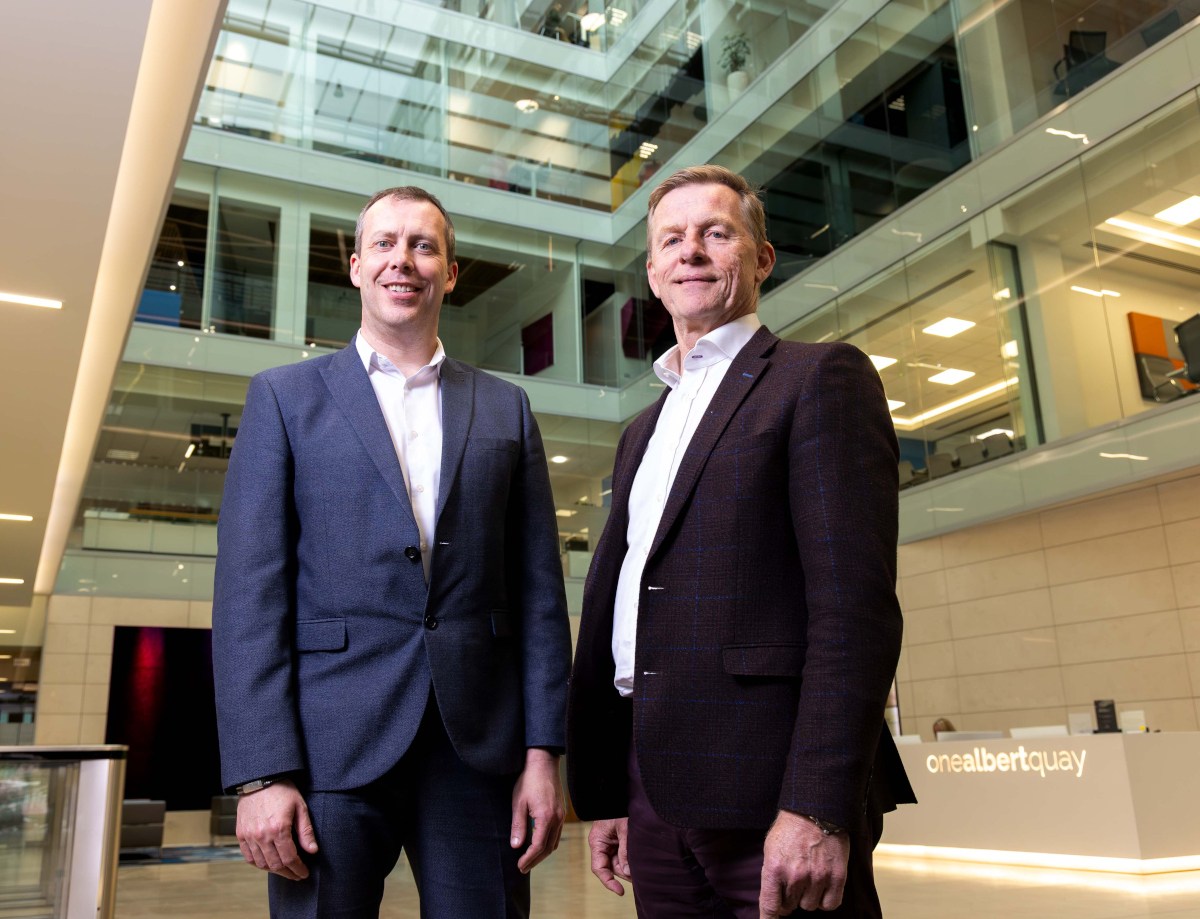

Perigus Energy, formerly part of Ørsted, has been established following Copenhagen Infrastructure Partners’ acquisition of Ørsted’s European onshore business.
A new onshore renewable energy company has launched in Europe following the completion of Copenhagen Infrastructure Partners (CIP)’s acquisition of Ørsted’s European onshore business, with Cork chosen as its European headquarters.
Perigus Energy already operates across Ireland, Germany, the UK and Spain, with a combined operational and under-construction capacity of 826MW and a multi-gigawatt development pipeline.
The company said Ireland is central to its new operations. Perigus has 373MW of operational onshore wind farms across the island, with a further 179MW currently under construction. Its people, assets and development pipeline here are unaffected by the acquisition.
Two Irish projects are set to reach key milestones in the near term, according to Perigus. The Garreenleen solar project in Carlow, the company’s first solar project in Ireland, is due to be energised this month and will generate 81MW of clean electricity, enough to power around 29,000 homes.
In Tipperary, the Farranrory wind farm is expected to be fully operational later this year, adding nine turbines and 43.2MW of capacity.
Perigus Energy has also secured planning permission for the Brittas wind farm in Tipperary, consent for the 170MW Cappakeel solar farm in Laois, and “provisional success” for the Lodgewood battery energy storage project in Wexford following the latest EirGrid and SONI capacity market auction.
TJ Hunter, Perigus managing director for Ireland and the UK, said the Cork headquarters decision reflects both the company’s heritage and long-term ambitions on the island.
“While our name is new, we are an experienced team with a proven track record of delivery in Ireland since the opening of Owenreagh wind farm in Co Tyrone in 1997,” he said.
CEO Kieran White described the launch as “a very exciting next chapter”, adding that CIP’s backing would enhance the company’s ability to deliver across its investment-ready pipeline spanning wind, solar and battery storage.
Perigus Energy employs more than 200 people across offices in Ireland, Germany, the UK and Spain.
Don’t miss out on the knowledge you need to succeed. Sign up for the Daily Brief, Silicon Republic’s digest of need-to-know sci-tech news.
Entertainment2 seconds ago
Anna Nicole Smith's daughter, Dannielynn Birkhead, debuts bold new look at Kentucky Derby: 'I feel like a vampire'

News Videos2 minutes ago
XRP SCHWARTZ US GOV DEAL

NewsBeat3 minutes ago
Nato ‘disintergrating’ after Donald Trump pulls 5,000 troops out of Europe | News World

NewsBeat1 month ago
Manchester United reach agreement with Casemiro over contract clause amid transfer speculation

Politics3 weeks ago
US brings back mandatory military draft registration

NewsBeat1 month ago
Steven Gerrard disagrees with Gary Neville over ‘shock’ Chelsea and Arsenal claim | Football


-

 Tech5 days ago
Register Renaming | Hackaday
-

 Politics5 days ago
Drax board avoid their own AGM, accused of greenwashing & environmental racism
-

 Tech5 days ago
Why Blue Badges Disappeared From Toyota Hybrids
-

 Tech5 days ago
Images of Samsung’s rumored smart glasses have leaked
-
 Sports6 days ago
IPL 2026: Ruturaj Gaikwad registers slowest fifty of the season, enters all-time unwanted list | Cricket News
-
 Tech1 day ago
Trump’s 25% EU auto tariff breaches Turnberry Agreement that also covers semiconductors and digital trade
-

 NewsBeat6 days ago
LK Bennett closes all stores after entering administration
-

 Fashion4 days ago
Kylie Jenner’s KHY Enters a New Era with ‘Born in LA’
-

 Business4 days ago
Most Commercial Energy Audits Miss the Real Losses
-

 Crypto World4 days ago
CFTC’s AI will review U.S. crypto registration applications, chairman tells CoinDesk
-

 Business5 days ago
(VIDEO) Charlize Theron Climbs Times Square Billboard to Promote New Netflix Thriller ‘Apex’
-

 Tech7 days ago
Microsoft to roll out Entra passkeys on Windows in late April
-

 Business3 days ago
Barclay Brothers Avoid Bankruptcy: HSBC Drops High Court Petitions After IVA Deal
-
 Sports1 day ago
Paul Scholes issues Marcus Rashford reality check as agreement emerges over Man United star
-

 Tech6 days ago
OpenAI’s Sam Altman apologizes for not reporting ChatGPT account of Tumbler Ridge suspect to police
-
 Business3 days ago
Tesla Officially Registers Elon Musk’s Stock: What Investors Need to Know
-

 Tech7 days ago
OpenAI CEO apologizes to Tumbler Ridge community
-

 Tech4 days ago
Get Ready for More Brain-Scanning Consumer Gadgets
-

 News Videos7 days ago
16 Cryptos Just Became LEGAL Commodities (Full List)
-

 Tech6 days ago
Dyson Vacuums And The Curse Of Cooked Capacitors
You must be logged in to post a comment Login