
Business
Kaynar Group founder takes out top gong at 40u40 awards


Kaynar Group founder Kyle Ringin has been named the First Amongst Equals at the 2026 40under40 business awards, taking out the top honour recognising Western Australia’s emerging business leaders.
More than 600 people took to Crown to celebrate the tradie-turned-entrepreneur and 39 others in the 25th year of the Business News awards gala on Friday evening.
Attendees were entertained with a night of performances by Williams Creative Co, Japanese Wadaiko ensemble Taiko On and DJ crossed with live music duo, The New Now.
Having judged most of the 40under40 awards since its inception in 2002, Business News senior journalist and chief judge Mark Pownall said WA has continued to offer up a diverse cohort of excellent candidates.
Choosing the winners, he said, remained a challenge from the beginning.
“In our first year of 40under40, the judging panel caused a bit of angst for the event organisers by deciding to name two winners, because we could not split the tied pair,” Mr Pownall said.
“One was from a family business, the other from corporate WA.
“I felt that start set the tone for 40under40.”
Now, a total of 1,000 of WA’s business leaders have been inducted as 40under40 winners.
“It is not about any one sector in this state – it isn’t just small business, or family business, or startup founder, or careerists who have made it on St Georges Terrace,” Mr Pownall said.
“All of those can have a crack, and they have.”
Having undertaken an extensive interview and application process, Mr Ringin was recognised as both First Amongst Equals and the winner of the Family Business category.
Working as an apprentice auto electrician and workshop foreman in Broome, he identified a gap in the Kimberley for a reliable, locally skilled trades provider.
That led him to establish maintenance, mining and civil solutions provider Kaynar Group with his wife and co-founder Shaylee Greechan in 2020.
Mr Ringin has turned operating in extreme remoteness into a competitive advantage, all while delivering real impact for WA’s north.
Kaynar Group has grown rapidly over the past five years in both revenue and staff, employing more than 130 people.
But Mr Ringin‘s secret to success is simple – to seize any opportunity when it comes.
“One of our clients had a need for a mining provider when their current mining provider left,” he said after receiving the top honour.
“We stepping in without any right to be doing that, and delivered a mining program for six months to an exceptional standard that taught us we can deliver other disciplines as well.”
Using a people-first approach, Mr Ringin continues to build his local workforce and create opportunities for both Indigenous and non-Indigenous remote youth through apprenticeships, TAFE and community partnerships.
“We are a people business and we trade in time but our product is trust, and this represents that,” Mr Ringin said.
First Amongst Equals finalists Jessica Wilson, Ben Smith and Kyle Hoath missed out on the top honour, but all won in other categories.
Ms Wilson, a Yindjibarndi and Njamal entrepreneur and artist, took home the Indigenous Business award.
As the founder of Seven Sisters Collective, she helps find opportunities for Indigenous artists on large projects and builds education among businesses.
After a career spanning hyper-growth consumer brands, Mr Smith’s leadership as chief executive of alcohol, drug and mental health support provider Holyoake earned him the Community, Social Enterprise or Not for Profit award.
And Dr Hoath, a defining voice in the state’s medical and civil leadership, won the Small or Start-Up Business award.
The consultant psychiatrist and newly elected President of the Australian Medical Association WA co-founded Oqea – a technology platform modernising mental health care.
The Pantry Group founder Sam Kaye was recognised with the People’s Choice award – recognising his journey which went from working at Daisies Cottesloe to owning the cafe alongside three other hospitality venues.
The other major category winners include:
You can read more about each of the winners in the May 18 edition of Business News’ print magazine, which will also be available online.
Congratulations to all of 2026’s 40under40 winners:
Jessica Wilson: Seven Sisters Collective
Sam Kaye: The Pantry Group
Zoran Aleksic: PCH Civil
Stephen Tormey: Bennco Engineering
David Gozzard: The University of Western Australia
Justin Barnes: Rocket Launcher
Tandin Dorji: Kingston International College
Joshua Wigley: Hyperion Systems
Mathew Wilson: Wilco Maintenance Solutions
Rowan Streater: Mayfair Building Co
Kane Smith: Smartfix
Alastair Mackenzie: Buddiup
Benn Ellard: White Spark Pictures / Surround Sync
Jo Gibb: Coliving Collective
Mark Bond: Consolidated Electrical Solutions
Luke Whelan: Perth is OK! / Social Meteor
Michael Agostino: Trendsetter Homes / Select Living
Damien Wragg: Trainwest
Ashley McGrath: CEOs for Gender Equity
Isabelle Charter: Betterlabs
Jeroen van Dalen: Integral Development Associates
Catherine Hyde: Amity Resources
Rachel Falzon: Women in Defence Association
Eli Barlow: Funday Entertainment Group / Lavender Estate
Jonathan Cover: JPS Management and Execution / Safe Isolation Australia
Mark D’Alessandro: Contec Australia / JCM Property Group
Samantha Johnson: Sexual Health Quarters


Seacor Marine Holdings: Unlocking Value Through Strategic Asset Sales – Buy
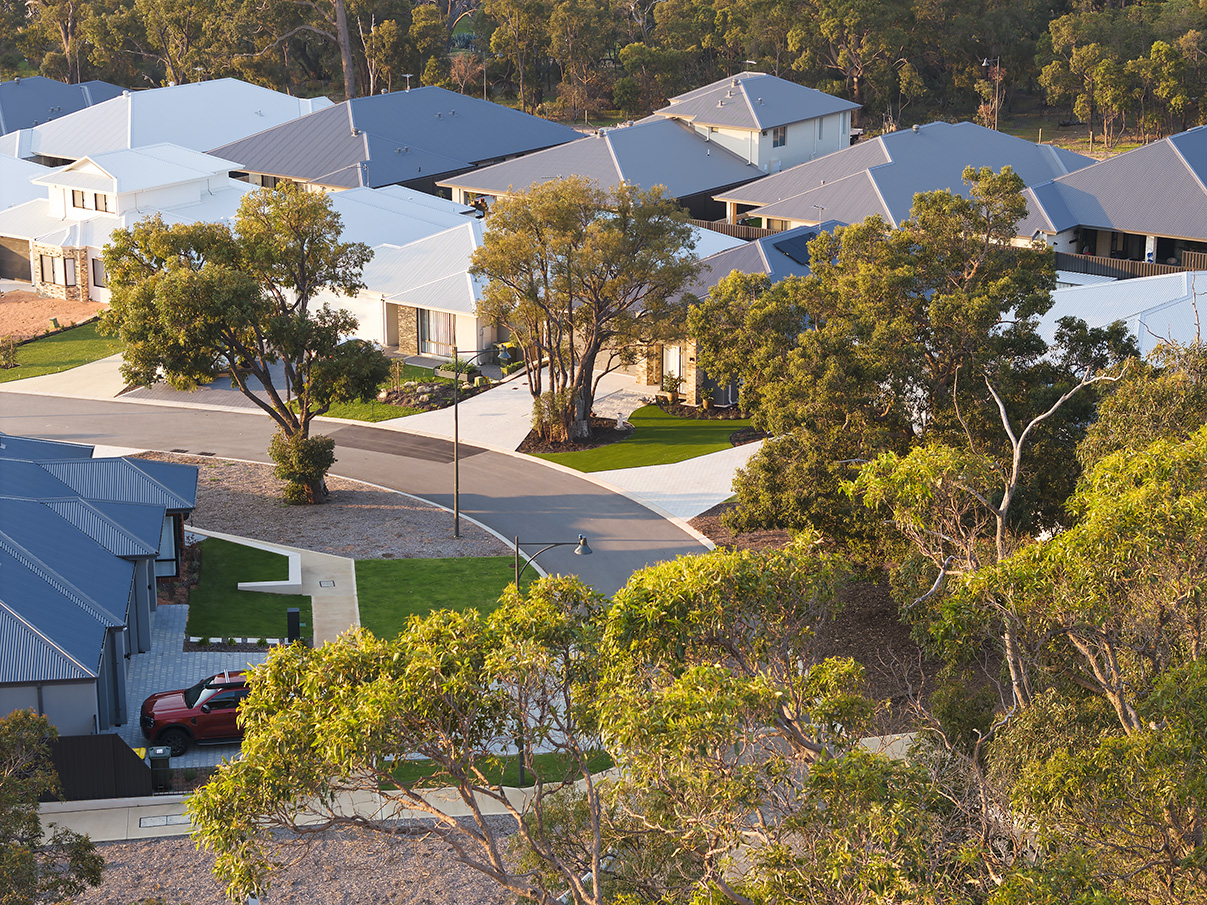
The state government has finally moved to end no-grounds evictions in Western Australia, bringing the state in line with the rest of the country.
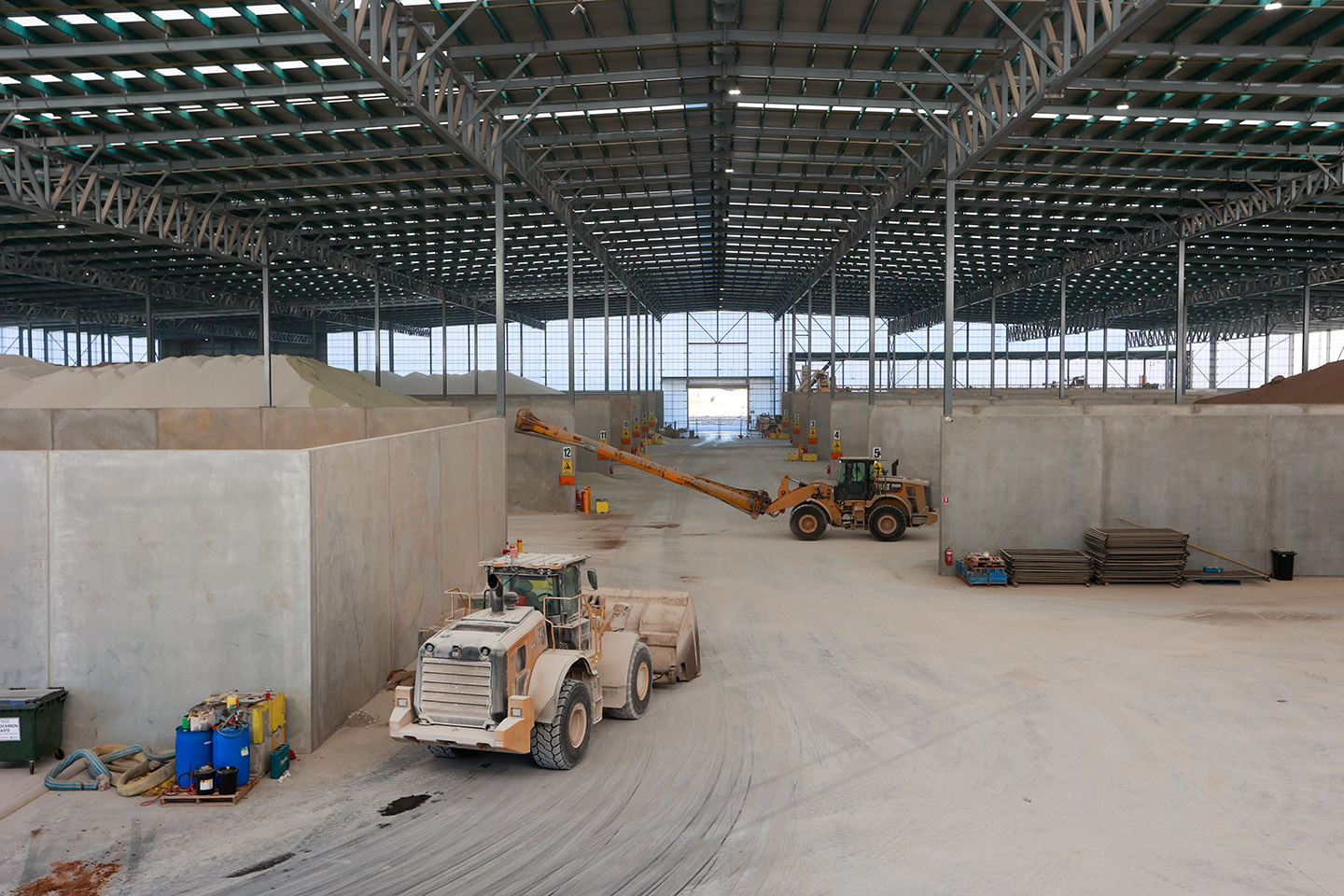
A $70 million fertiliser storage facility leased by Nutrien Ag Solutions and built by a Cardaci family business has been opened.

GameStop’s boss Ryan Cohen says he sees potential to make eBay a much bigger rival to Amazon.
Business
West Bengal, Tamil Nadu among 5 state election results today. 10 things stock market investors should track under volatility
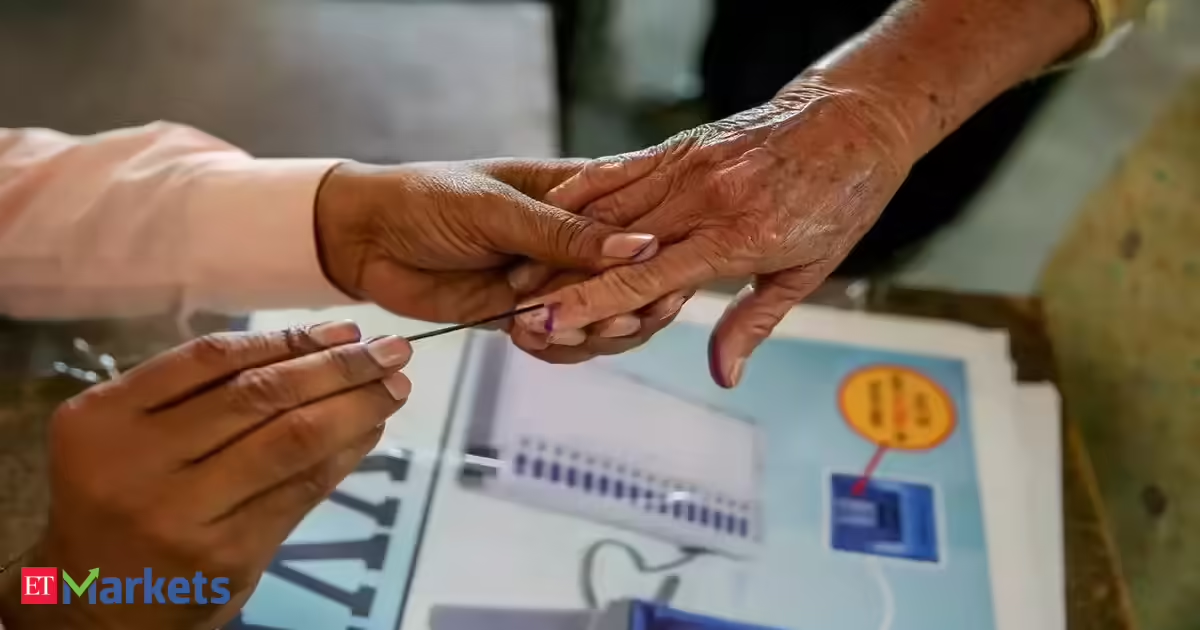
While state elections often trigger sharp intraday moves, analysts say investors should look beyond political headlines and focus on broader macro signals before taking aggressive positions.
Here are 10 things investors should track today before placing trades on Monday
1) West Bengal remains the biggest market trigger
Exit polls suggest the BJP could emerge as the single largest force in West Bengal with around 159 seats, above the majority mark of 148, while the TMC is projected near 127 seats. A stronger-than-expected BJP showing could boost sentiment for infrastructure, railways, power and eastern India capex themes.

Ishan Tanna of Ashika Capital said better Centre-state alignment in Bengal could improve project execution and policy implementation, which may support capex-linked sectors.
2) Assam is largely priced in
Exit polls show the BJP-led alliance retaining Assam with around 90 seats in the 126-member assembly. Since continuity is already expected, analysts do not see Assam alone as a major standalone market trigger.
3) Tamil Nadu and Kerala largely stay away from national issues
The DMK-led alliance is expected to retain Tamil Nadu with around 128 seats, while Kerala could see the Congress-led UDF cross the majority mark. Any surprise deviation here may trigger sector-specific reactions, especially in state-linked infrastructure, ports and industrial names.
4) Not chasing the first opening move
Nitant Darekar of Bonanza said election result days often create headline volatility but not necessarily durable trends. “Most exit poll outcomes appear priced in. Traders should avoid chasing sharp opening moves as these often reverse after the first hour,” he said.
5) Nifty may swing 1-1.5% either way
Paresh Bhagat, Chairman of Mangal Keshav Financial Services, expects contained volatility. “Nifty could move around 1% to 1.5% depending on whether final results are in line with or different from exit polls, but scope for a major surprise looks limited,” he said.
6) Crude oil remains the biggest risk
Brent crude is trading above $113 per barrel amid the Iran conflict and shipping concerns around the Strait of Hormuz. Analysts say this remains a bigger market driver than election outcomes.
Hariprasad K of Livelong Wealth said crude remains “the single most critical macro variable” for Indian markets.
7) Foreign fund flows
FIIs sold Rs 70,100 crore worth of Indian equities in April, marking their tenth straight month of selling. In calendar 2026, foreign investors have already pulled nearly Rs 2.4 lakh crore from Indian equities. If election results fail to improve sentiment, FII selling could continue.
8) Domestic institutions are still absorbing pressure
DIIs invested about Rs 51,000 crore in April, cushioning the impact of foreign outflows. Whether domestic buying continues next week will be closely watched.
9) Technical levels
The Nifty closed Friday at 23,997, just below the key 24,000 mark. Analysts say 23,900-23,850 remains immediate support, while 24,200–24,300 is the first resistance zone. Meanwhile, a breakout above 24,300 could trigger short covering, the index below 23,900 may invite fresh selling.
10) Markets usually move back to global cues quickly
Market expert Ajay Bagga said state election outcomes rarely have a lasting impact. “The market may react for a day or two, but then it goes back to oil prices, FPI flows and the rupee. Those remain the three big variables,” he said.
Indian equities head into the event on weak footing. The Nifty lost 0.73% last week, while the Sensex slipped nearly 1% amid elevated crude prices, foreign selling and geopolitical uncertainty.
(Disclaimer: Recommendations, suggestions, views and opinions given by the experts are their own. These do not represent the views of Economic Times)
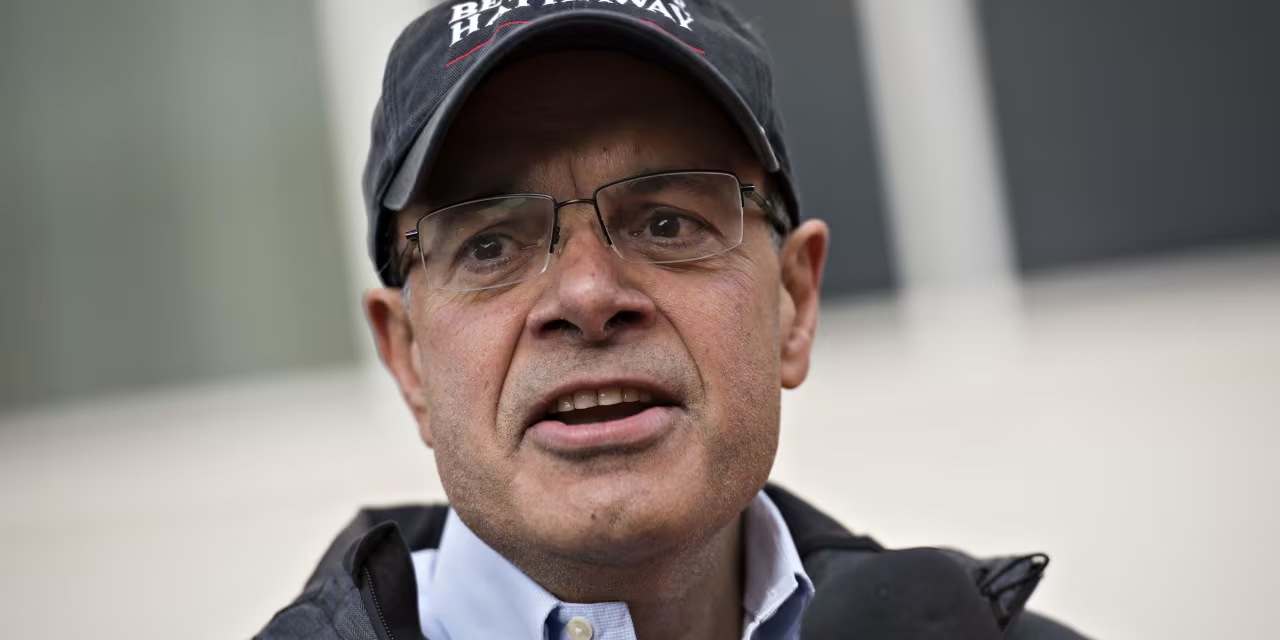
Jain said that Berkshire is participating with a group of insurers in insuring oil tankers in the Strait of Hormuz.
Jain said no business has been done yet, but that Berkshire will have small exposure to an insurance consortium, assuming there is U.S. Navy protection for the tankers.
He quipped that any deal “depends on the price,” echoing the insurance maxim that there is no bad risk, just a bad premium.


Australia begins hearings into Bondi Beach attack and rising antisemitism

The war in the Middle East is poised to deliver the most severe blow to global energy markets since Russia’s invasion of Ukraine, the World Bank warned this week, with consequences stretching from oil fields to farmlands to the dinner tables of the world’s poorest households.
Key takeaways
- Brent crude is forecast to average $86/barrel in 2026 as Middle East disruptions slash global oil supply by roughly 10 million barrels per day.
- Fertilizer prices jumping 31% could push up to 45 million more people into acute food insecurity this year.
- Developing economies hit hardest: Growth slows to 3.6% while inflation climbs to 5.1%, with over 60% of commodity exporters and 70% of importers facing weaker-than-expected performance.
In its April 2026 Commodity Markets Outlook, the Bank projects energy prices will surge 24% this year, their highest level since 2022, while overall commodity prices are forecast to rise 16%, driven by soaring energy and fertilizer costs alongside record-high prices for key metals.
The trigger is a historic disruption to oil flows. Attacks on energy infrastructure and shipping blockages in the Strait of Hormuz, which handles roughly 35% of global seaborne crude, have produced the largest oil supply shock on record, cutting global supply by about 10 million barrels per day. Brent crude is now forecast to average $86 a barrel in 2026, up from $69 last year.
The ripple effects are severe. Fertilizer prices are projected to climb 31%, driven by a 60% jump in urea prices, threatening crop yields and farmers’ incomes worldwide.
If the conflict drags on, up to 45 million additional people could be pushed into acute food insecurity this year, according to the World Food Programme. Meanwhile, precious metals prices are forecast to rise 42% as investors seek safe-haven assets amid deepening geopolitical uncertainty.
The macroeconomic damage is already being priced in. Inflation in developing economies is now projected to average 5.1% in 2026, a full percentage point above pre-war expectations.
Developing economies are expected to grow just 3.6% this year, with more than 60% of commodity exporters and 70% of commodity importers worldwide facing weaker growth than anticipated in January.
World Bank Chief Economist Indermit Gill did not mince words:
“The war is hitting the global economy in cumulative waves: first through higher energy prices, then higher food prices, and finally, higher inflation. The poorest people will be hit the hardest. All of this is a reminder of a stark truth, war is development in reverse.”
The outlook could darken further. Should hostilities escalate or disruptions last longer than projected, Brent oil could average as high as $115 a barrel, pushing developing-economy inflation to 5.8%, a level surpassed only in 2022 over the past decade.
Deputy Chief Economist Ayhan Kose urged targeted action over sweeping intervention: governments, he argued, should deliver rapid, temporary support to the most vulnerable rather than broad fiscal measures that risk distorting markets and depleting fiscal buffers.
The message from Washington is unambiguous, the world is entering a period of compounding commodity stress, and the countries with the least room to absorb it will bear the greatest cost.
Other People are Reading
Geopolitical tensions driven by the Middle East crisis and high fuel prices have created a volatile macroeconomic environment, Australia’s biggest business bank says.
First Real Question Is on AI and Its Impact on the Insurance Business

Manchester United Return To Champions League After Dramatic Win Over Liverpool
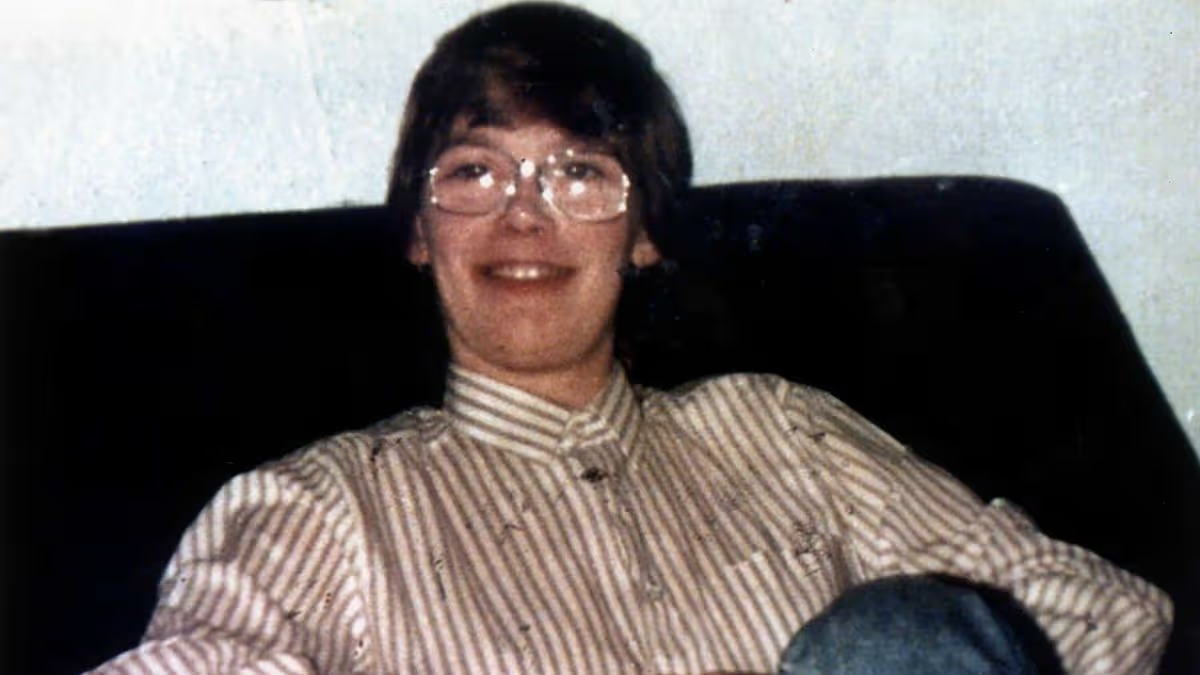
Police chief vows to bring killers of four women to justice 20 years on from brutal murders

Seacor Marine Holdings: Unlocking Value Through Strategic Asset Sales – Buy

Manchester United reach agreement with Casemiro over contract clause amid transfer speculation

US brings back mandatory military draft registration

Steven Gerrard disagrees with Gary Neville over ‘shock’ Chelsea and Arsenal claim | Football


-

 Tech6 days ago
Register Renaming | Hackaday
-

 Politics6 days ago
Drax board avoid their own AGM, accused of greenwashing & environmental racism
-

 Fashion5 days ago
Kylie Jenner’s KHY Enters a New Era with ‘Born in LA’
-

 Tech7 days ago
Why Blue Badges Disappeared From Toyota Hybrids
-

 Tech6 days ago
Images of Samsung’s rumored smart glasses have leaked
-

 NewsBeat10 hours ago
Channel 5 – All Creatures Great and Small series 7 new post
-
 Tech2 days ago
Trump’s 25% EU auto tariff breaches Turnberry Agreement that also covers semiconductors and digital trade
-

 Business5 days ago
Most Commercial Energy Audits Miss the Real Losses
-

 Business7 days ago
(VIDEO) Charlize Theron Climbs Times Square Billboard to Promote New Netflix Thriller ‘Apex’
-

 Crypto World6 days ago
CFTC’s AI will review U.S. crypto registration applications, chairman tells CoinDesk
-
 Sports2 days ago
Paul Scholes issues Marcus Rashford reality check as agreement emerges over Man United star
-

 Business5 days ago
Barclay Brothers Avoid Bankruptcy: HSBC Drops High Court Petitions After IVA Deal
-
 Entertainment7 days ago
Alicia Keys Calls Out Music Industry ‘Boys Club’
-
 Business4 days ago
Tesla Officially Registers Elon Musk’s Stock: What Investors Need to Know
-

 Tech6 days ago
Get Ready for More Brain-Scanning Consumer Gadgets
-
 Crypto World6 days ago
Robinhood Phishing Scam Exploits Gmail Dot Feature to Bypass Security
-

 Crypto World6 days ago
Gmail Dot Trick Underpins Robinhood Phishing, Sending Real-Looking Emails
-

 Entertainment6 days ago
Sister Wives: Janelle Posts New Scary Warning
-

 Business3 days ago
Two Powerball Tickets Split $143 Million Jackpot in Indiana and Kansas
-

 Tech7 days ago
The next iPhone moment might come from an AI company, not Samsung or Apple
You must be logged in to post a comment Login