
Business
Nifty’s 2 pillars now facing structural headwinds: Ravi Dharamshi’s warning on IT & consumption


“The index is inherently backward-looking and does not adequately capture many of the emerging sectors that are driving incremental growth,” Dharamshi told ET Markets in an interview. “The index tells you where the market has been. The opportunity lies in where the economy is going.”
His warning carries weight. ValueQuest has been quietly repositioning for months by moving capital away from consumption-oriented exposures and steering clear of IT services entirely, even before the geopolitical shock that roiled markets over the past two months.
The Structural Problem With the Two Pillars
Dharamshi argues that IT services is in the early stages of AI-led structural disruption — not a temporary demand lull, but a fundamental reshaping of the sector’s business model. Consumption, meanwhile, is suffering as a second-order casualty of the same transition: as IT employment and income growth slow, discretionary spending softens downstream.

“IT is dealing with AI-led disruption, while consumption is a second-order derivative of the same slowdown, as income growth and job creation adjust to this transition,” he said. “While headline valuations may appear reasonable, they don’t fully reflect the dispersion underneath.”
This creates a troubling optics problem for investors relying on index-level reads. Apparent reasonableness at the top level hides deteriorating fundamentals in the components that have historically driven Nifty‘s returns.
War, Crude Oil, and a 3–4% Earnings Downgrade
The geopolitical crisis has added a second layer of pressure. Dharamshi estimates the ongoing conflict could shave 3–4 percentage points off FY27 earnings growth, bringing expectations down from 16–17% to approximately 12–13%. The Union Budget had implicitly assumed crude at around $70 as oil has since moved closer to $90 for the full year.
“Apart from higher crude and commodity prices, we are also seeing supply chain disruptions, elevated logistics costs, and pressure on government finances,” he said. “Importantly, this shock comes at a time when India was on the cusp of a cyclical recovery, which makes the timing unfortunate.”
If crude sustains near $100, Dharamshi flags risks that go well beyond headline inflation. The real stress, he cautions, is in sectors like chemicals, pharmaceuticals, fertilisers, and agrochemicals that are heavily dependent on crude derivatives for their input costs. Gas availability has emerged as a parallel constraint.
“Crude is not just an inflation variable — it is a supply chain variable. And that’s where the second-order impact becomes far more disruptive,” he said.
Where ValueQuest Has Been Moving Money
Against this backdrop, Dharamshi’s firm has been decisively reallocating into energy transition, defence and aerospace, AI infrastructure enablers, and grid capex plays. The thesis is that a fragmented, security-conscious world will structurally reward countries and companies that build hard assets and self-reliant capacity.
“This is not a short-term trade; it is a structural reallocation of capital globally, and India is a key beneficiary,” he said.
On manufacturing and electronics manufacturing services, a space that has seen sharp corrections after earlier enthusiasm, Dharamshi remains constructive but selective. He believes the cycle is shifting from assembly-led growth, which drove narratives but also valuation excesses, toward deeper component manufacturing and value-chain integration.
“Assembly builds volumes. Components build profits. And that cycle is just getting started,” he said.
On data centres, Dharamshi sees one of India’s most significant investment opportunities of the decade. From a current base of roughly 1.5 GW, announced projects could take capacity to 8–10 GW in the near term, scaling to around 15 GW by 2032–33 — representing approximately $150 billion in cumulative capex. His preferred play is through the enablers: power equipment, grid infrastructure, and electrical components.
“The real money in a gold rush is rarely made by the miners — it’s made by those selling the tools,” he said.
The FII Question
On the question of foreign institutional investor returns, Dharamshi says peace would likely trigger tactical inflows and short-covering as India is meaningfully under-owned but sustained capital flows require more than geopolitical calm.
He flags a structural disadvantage: FPI flows into India are taxed, unlike in most other major markets, creating a persistent competitiveness gap. Without coordinated policy action to attract foreign capital across equities, bonds, FDI, and NRI deposits, the loop of FPI outflows, rupee depreciation, inflation, and widening deficits risks becoming self-reinforcing.
“Flows don’t chase peace alone — they chase growth, stability, and ease of capital movement. Fix those, and flows will follow,” he said.
The Medium-Term View: Earnings Dispersion, Not Index Returns
Beneath the caution, Dharamshi’s structural outlook for India remains intact. Corporate balance sheets are deleveraged. A private sector capex cycle is still ahead. RoE expansion, he argues, is a multi-year story — one that markets will look through near-term macro disruption to price in.
“In the short term, macros will dominate headlines; in the medium term, earnings dispersion will dominate returns,” he said.
For investors still anchored to the Nifty, that earnings dispersion is the core risk. The pillars that built the index may no longer be the pillars that drive its next chapter.
“If this cycle is about building real assets,” Dharamshi said, “we want to be owning the pipes, not the paint.”



Gold Mining Bull is a gold analyst with more than a decade of investing experience in commodities, hard assets (gold and silver miners), exploration companies, oil and gas producers, MLPs, and more.
Analyst’s Disclosure: I/we have a beneficial long position in the shares of RGLD either through stock ownership, options, or other derivatives. I wrote this article myself, and it expresses my own opinions. I am not receiving compensation for it (other than from Seeking Alpha). I have no business relationship with any company whose stock is mentioned in this article.
Seeking Alpha’s Disclosure: Past performance is no guarantee of future results. No recommendation or advice is being given as to whether any investment is suitable for a particular investor. Any views or opinions expressed above may not reflect those of Seeking Alpha as a whole. Seeking Alpha is not a licensed securities dealer, broker or US investment adviser or investment bank. Our analysts are third party authors that include both professional investors and individual investors who may not be licensed or certified by any institute or regulatory body.
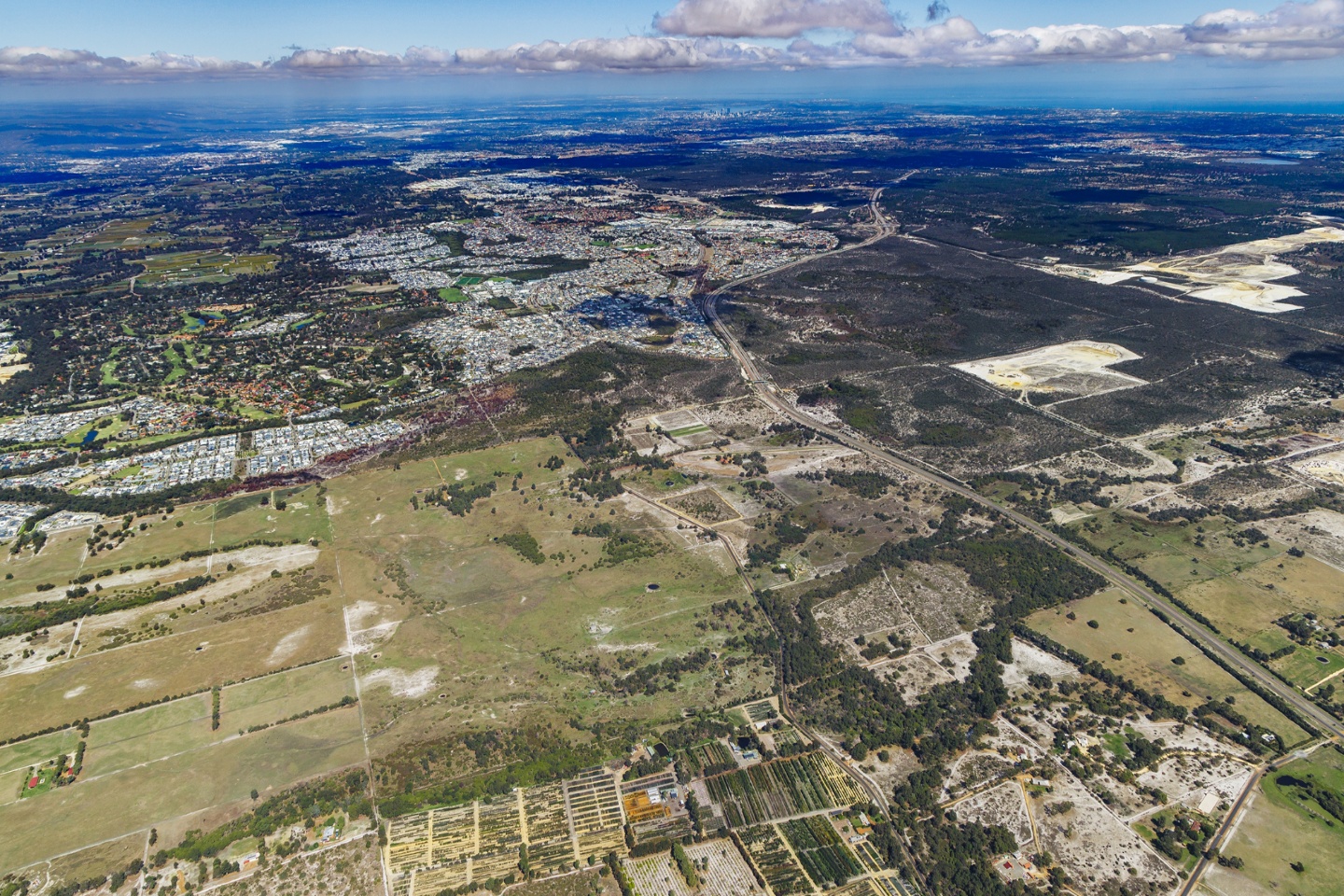
The NSW developer is teaming up with Garry Brown-Neaves, John Meredith and other investors to deliver 3,000 lots in North Ellenbrook.
SoFi: Silly Wall St. Games


Bank of France’s Villeroy sees inflation returning to 2% in 2027, 2028

Commodities: Oil Steadier As Market Digests Trump's Hormuz Plan

Galaxy Digital: Tokenization May Not Be Easy

Sun Pharma is expected to benefit from strong momentum in India and Europe with incremental improvement in the US led by specialty products. New launches and a higher specialty contribution are expected to support growth while margins face sequential pressure from higher research and development (R&D) spends.
Aurobindo Pharma is likely to report single-digit revenue growth supported by steady performance across regions other than the US where sales are likely to fall by 10% due to slack in gRevlimid sales. Europe may grow in double-digits driven by higher biosimilars sales. The operating profit before depreciation and amortisation (Ebitda) is expected to remain flat while Ebitda margin may decline by 80-100 basis-points (bps). Key monitorables include ramp-up at the 6-APA plant and resolution of USFDA observations at Eugia facilities.
Dr Reddy’s will be another company to be affected by reduced business of gRevlimid following patent expiry and one-time impact of shelf stock adjustments. Its India business is likely to fare better, supported by strong traction in pain, respiratory and gastro segments. Ebitda could decline 28-30% with around 600 bps of margin contraction. Key monitorables include semaglutide progress in Canadian market and brand litigation with Novo Nordisk for semaglutide products in India.
 Agencies
Test’s on: Lupin, Divi’s may shine; Sun, Torrent steady; Dr Reddy’s, Cipla, Aurobindo face Revlimid drag; Apollo remains resilient
Lupin’s US revenue is expected to be strong driven by traction in Tolvaptan, Mirabegron, g-Spiriva and Glucagon, partly offset by Albuterol pricing pressure. Domestic sales are likely to grow in double-digits, driven by higher focus on chronic therapies, while emerging markets are expected to drive growth. Ebitda is projected to jump around 50% year-on-year. The margin may decline sequentially due to higher R&D spends, elevated marketing costs and absence of PLI income.
Cipla‘s sales are expected to decline as the US market faces higher competition in g-Revlimid business and lower Lanreotide sales following supply disruptions. Its India business is expected to be driven by respiratory and anti-diabetic therapies, offset by subdued performance in pain. Ebitda is expected to fall 32-38% with margins contracting by 700-800 bps, reflecting lower US contribution and pressure on gross margins.
Apollo Hospitals revenue growth to be supported by steady performance across segments. The hospitals segment sales growth could be in double-digits, aided by new bed additions and increase in average revenue per patient. HealthCo revenue is projected to grow in high double-digits, driven by strong offline pharmacy sales, while the Ebitda loss of Apollo 24/7 may narrow. Consolidated Ebitda is expected to rise in double-digits with margin likely to grow by 50 bps. Torrent Pharma’s revenue is likely to rise in high double-digits, led by consolidation of JB Pharma from January 2026 and steady organic growth. Divi’s Laboratories revenue is expected to grow in double-digits on a year-on-year and sequential basis, driven by strong momentum in custom synthesis (CS) and a low-base nutraceuticals recovery. However, generic API sales are likely to decline year-on-year, despite a sequential rebound, reflecting pricing pressure.
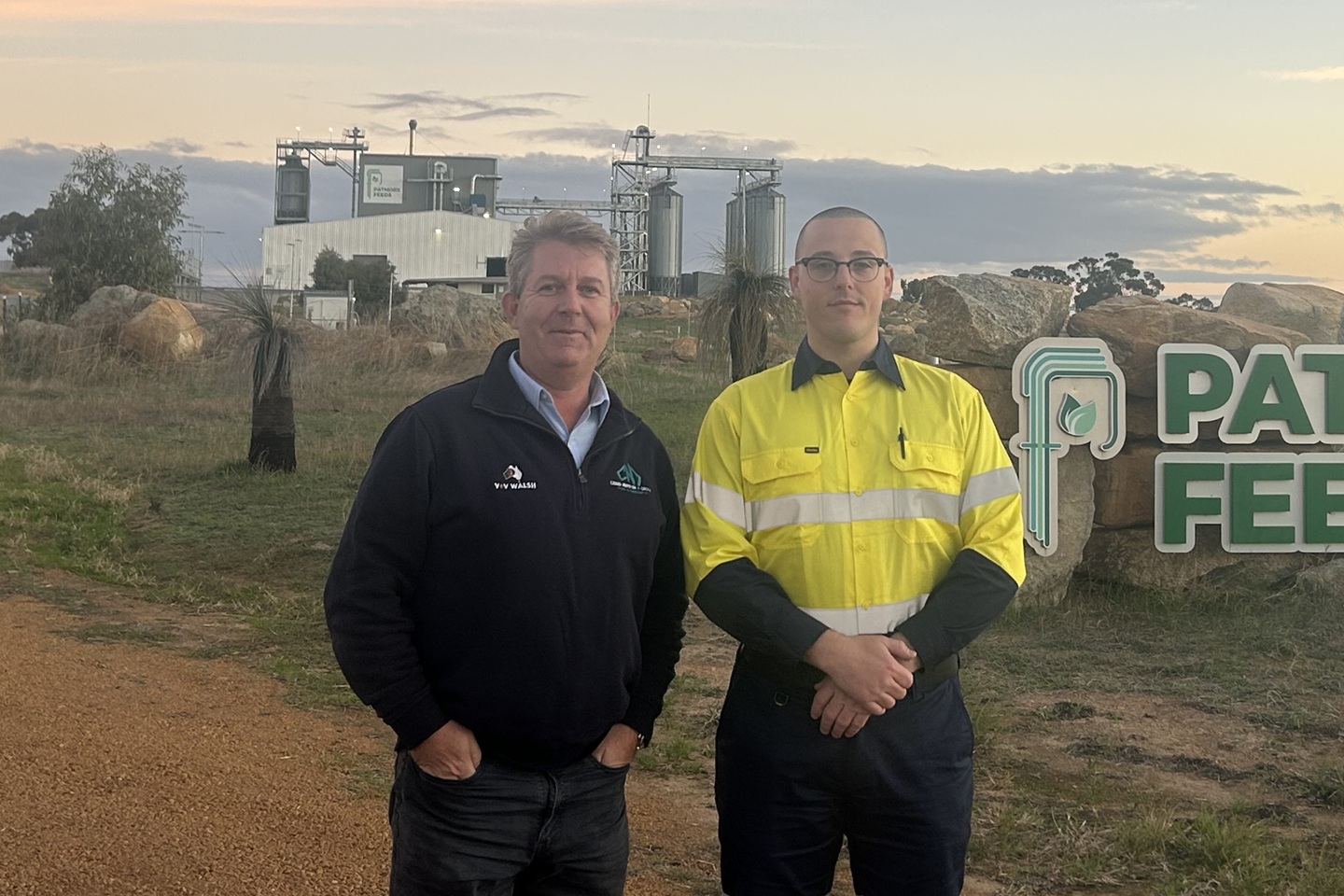
Agribusiness major Craig Mostyn Group has expanded its presence in the WA food supply chain with the acquisition of livestock feed manufacturer Patmore Feeds.
NEW YORK — Investors weighing whether to buy or sell Palantir Technologies stock in 2026 face a classic growth-versus-valuation debate as the data analytics powerhouse, trading near $144, heads into its first-quarter earnings report Monday with strong commercial AI momentum but a premium multiple that has some analysts urging caution. Wall Street’s consensus leans Moderate Buy, with an average 12-month price target around $192 implying roughly 33 percent upside, though skeptics highlight risks from competition and stretched valuations.
Palantir’s Artificial Intelligence Platform (AIP) continues driving accelerating commercial revenue, with analysts projecting Q1 revenue of approximately $1.53-1.54 billion, up about 74 percent year-over-year. Adjusted earnings per share are expected near $0.28, more than doubling from the prior year. The company has consistently beaten expectations, fueling optimism about its position in enterprise AI deployment.
Recent analyst actions reflect divided but generally positive sentiment. Citi set a Street-high target of $260 before trimming slightly to $210, while Oppenheimer initiated coverage with an Outperform rating and $200 target. UBS and Daiwa upgraded to Buy with $180 targets earlier in the year. However, HSBC downgraded to Hold citing emerging competition, and some voices warn of potential post-earnings volatility if guidance fails to excite.
The bull case centers on Palantir’s expanding commercial footprint and sticky government contracts. U.S. commercial revenue is forecasted to surge more than 100 percent in some projections, with the company adding high-profile clients and demonstrating strong bookings. Proponents argue that Palantir’s platform is becoming essential infrastructure for AI adoption, justifying premium multiples as revenue scales and margins expand.
Valuation remains the primary bear-case concern. Palantir trades at forward price-to-sales multiples above 40x and price-to-earnings exceeding 200x in some estimates. Critics note that even impressive growth may not sustain such levels if broader AI hype cools or if competitors offer similar capabilities at lower prices. A deeper pullback could test support near $100-$110 if earnings disappoint.
For long-term investors, Palantir represents exposure to secular AI tailwinds. The company’s dual commercial and government business provides diversification, while its focus on agentic AI and data integration differentiates it from pure-play software firms. Analysts forecasting 2026 year-end prices often see shares between $175 and $230, with optimistic models reaching higher on sustained 50-60 percent growth.
Short-term traders should monitor Monday’s report closely. Strong commercial metrics and raised full-year guidance could spark a rally, while any softening in deal velocity might trigger profit-taking. Implied volatility suggests potential double-digit moves post-earnings.
Portfolio fit matters. Growth-oriented investors comfortable with volatility may view current levels as an entry point into a multi-year AI winner. Value-focused or conservative accounts might wait for a better entry or allocate smaller positions. The stock’s beta indicates sensitivity to broader tech sentiment and macroeconomic shifts.
Palantir has evolved from a primarily government contractor to a diversified AI software leader. Its boot camp sales approach and platform stickiness have driven accelerating growth, but execution risks remain as the company scales rapidly. Management’s track record of under-promising and over-delivering provides some buffer.
Broader market context influences the outlook. With interest rates and AI spending trends in focus, Palantir benefits from corporate digitization but could face headwinds in a slowdown. Geopolitical factors may support government revenue, while commercial expansion depends on economic health.
Analyst dispersion is wide, with targets ranging from $50 to $255. The Moderate Buy consensus reflects confidence in fundamentals tempered by valuation discipline. Long-term forecasts for 2026 year-end prices cluster in the $190-$220 range under base-case scenarios.
Ultimately, buying Palantir in 2026 suits those believing in its AI platform’s durable competitive moat and growth runway. Selling or avoiding appeals to those prioritizing valuation or fearing competition. Holding through volatility has rewarded patient investors historically, but new positions warrant careful sizing given the premium pricing.
As earnings loom, the market will render its verdict on Palantir’s trajectory. The company’s ability to deliver commercial acceleration while maintaining discipline will shape investor conviction for the remainder of 2026 and beyond. For now, the data points to continued upside potential for believers in its long-term vision.
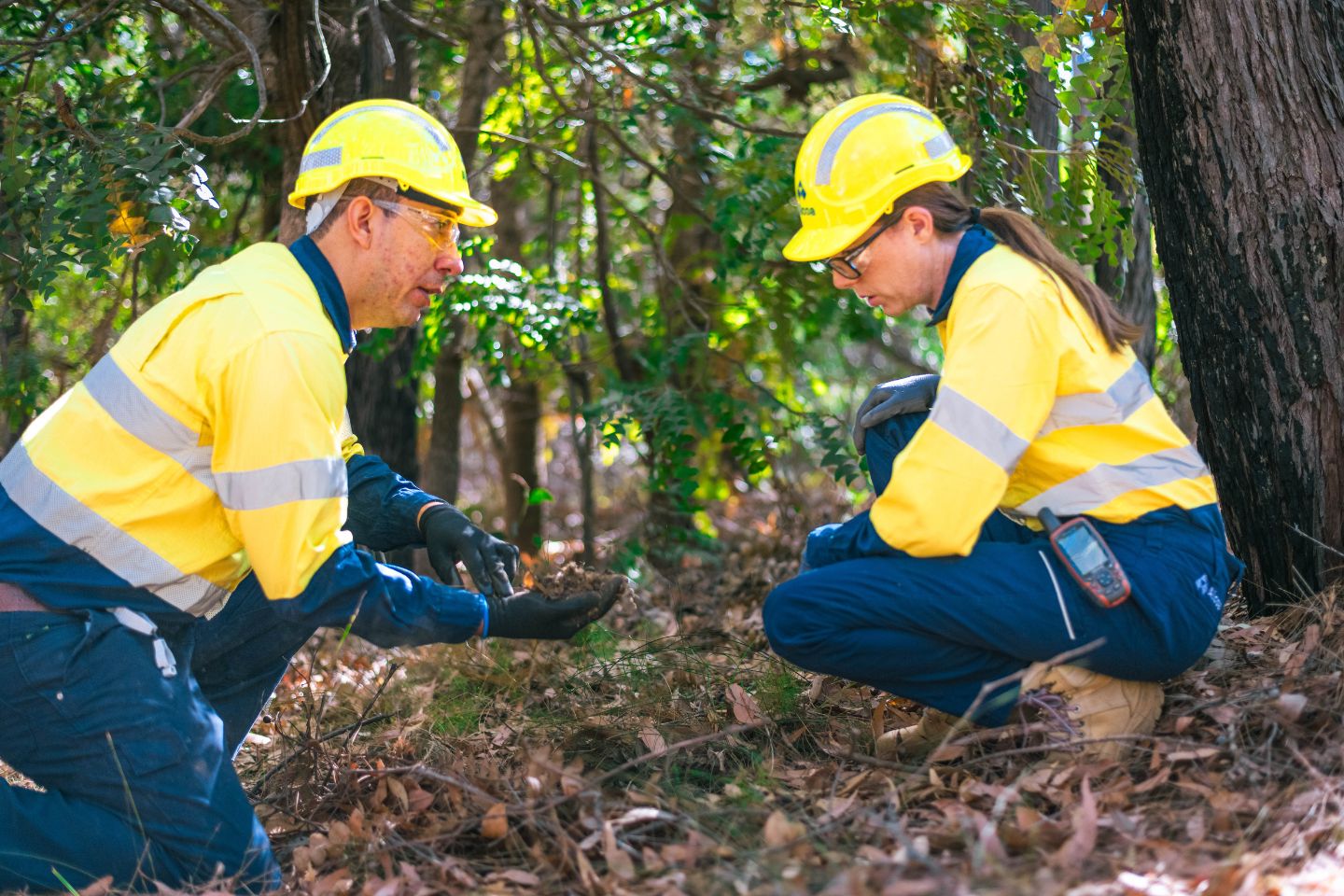
OPINION: Alcoa’s challenge lies in balancing competing community, economic and environmental priorities.

Wheaton Precious Metals: Its Peers Offer More Bang For Your Buck (NYSE:WPM)

3 Token Unlocks to Watch in the First Week of May 2026

Netflix’s ‘Lord of the Flies’ Miniseries Is a Powerful Adaptation With a Few Missteps

Manchester United reach agreement with Casemiro over contract clause amid transfer speculation

US brings back mandatory military draft registration

Steven Gerrard disagrees with Gary Neville over ‘shock’ Chelsea and Arsenal claim | Football


-

 Tech7 days ago
Register Renaming | Hackaday
-

 Politics6 days ago
Drax board avoid their own AGM, accused of greenwashing & environmental racism
-

 Fashion5 days ago
Kylie Jenner’s KHY Enters a New Era with ‘Born in LA’
-

 Tech7 days ago
Why Blue Badges Disappeared From Toyota Hybrids
-

 Tech6 days ago
Images of Samsung’s rumored smart glasses have leaked
-

 NewsBeat13 hours ago
Channel 5 – All Creatures Great and Small series 7 new post
-
 Tech3 days ago
Trump’s 25% EU auto tariff breaches Turnberry Agreement that also covers semiconductors and digital trade
-

 Business5 days ago
Most Commercial Energy Audits Miss the Real Losses
-

 Business7 days ago
(VIDEO) Charlize Theron Climbs Times Square Billboard to Promote New Netflix Thriller ‘Apex’
-

 Crypto World6 days ago
CFTC’s AI will review U.S. crypto registration applications, chairman tells CoinDesk
-
 Sports3 days ago
Paul Scholes issues Marcus Rashford reality check as agreement emerges over Man United star
-

 Business5 days ago
Barclay Brothers Avoid Bankruptcy: HSBC Drops High Court Petitions After IVA Deal
-
 Entertainment7 days ago
Alicia Keys Calls Out Music Industry ‘Boys Club’
-
 Business4 days ago
Tesla Officially Registers Elon Musk’s Stock: What Investors Need to Know
-

 Tech6 days ago
Get Ready for More Brain-Scanning Consumer Gadgets
-
 Crypto World6 days ago
Robinhood Phishing Scam Exploits Gmail Dot Feature to Bypass Security
-

 Crypto World6 days ago
Gmail Dot Trick Underpins Robinhood Phishing, Sending Real-Looking Emails
-

 Entertainment6 days ago
Sister Wives: Janelle Posts New Scary Warning
-

 Business3 days ago
Two Powerball Tickets Split $143 Million Jackpot in Indiana and Kansas
-

 Business6 days ago
Superdry co-founder accused of raping woman
You must be logged in to post a comment Login