
Politics
HuffPost Headlines for May 4th

!function(n){if(!window.cnx){window.cnx={},window.cnx.cmd=[];var t=n.createElement(‘iframe’);t.display=’none’,t.onload=function(){var n=t.contentWindow.document,c=n.createElement(‘script’);c.src=”//cd.connatix.com/connatix.player.js”,c.setAttribute(‘async’,’1′),c.setAttribute(‘type’,’text/javascript’),n.body.appendChild(c)},n.head.appendChild(t)}}(document);(new Image()).src=”https://capi.connatix.com/tr/si?token=19654b65-409c-4b38-90db-80cbdea02cf4″;cnx.cmd.push(function(){cnx({“playerId”:”19654b65-409c-4b38-90db-80cbdea02cf4″,”mediaId”:”d7a86e9f-90b7-49bb-a9e7-6358dc4a955f”}).render(“69f8c62ae4b0f658833cc97b”);});

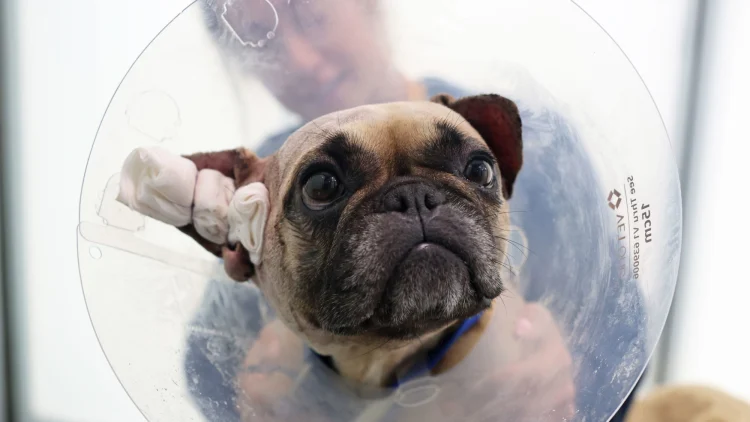
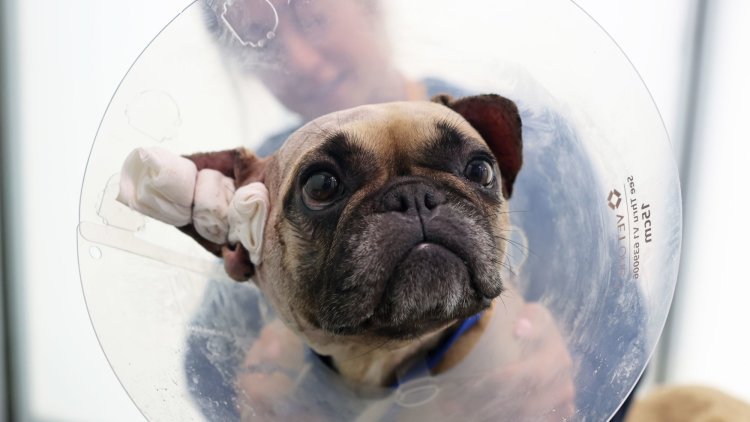

Across the UK, more and more dogs and cats are being bred to look fashionable or cute. But this can come at a serious cost to their health and welfare.
Flat faces, excessive skin wrinkles, folded ears, very short legs. They might look cute, but they are design choices with consequences.
I am supporting Battersea’s Cost of Cute campaign to make sure anyone thinking about getting a pet understands those consequences before they choose.
Because this is not just about fashion. It is about suffering.
Challenging what we think is “cute”
Scroll through social media, and you will see them everywhere. Flat-faced dogs that snort and struggle for breath. Cats with folded ears and wide eyes. Puppies with exaggerated features that look almost cartoon-like.
We have normalised this.
Many people simply do not realise that the very features they find cute are often the source of pain, discomfort and disease. The look is the problem.
This is the cost of cute.
What it means for animals
Take breeds like Pugs, French Bulldogs and English Bulldogs. Their flattened faces and compressed airways mean that something as basic as breathing can be a daily struggle.
As a vet, I have seen the reality up close. Dogs coming in for surgery not because of injury or illness, but because they cannot breathe properly as they are. Owners sitting in front of you, worried and upset. Vets having to operate just to give an animal a chance at a normal life.
It is heartbreaking. For the owner, for the vet, and most of all for the animal.
We need to be honest about this. Breeding a dog that may need surgery simply to breathe is not unfortunate. It is unethical.
And it does not stop there. These same features can affect eating, sleeping, exercise, or even the ability to play or communicate normally.
Other popular breeds bring different but equally serious risks. Miniature Dachshunds, now the most bred puppy in the UK, have a high risk of spinal disease and even paralysis. Shar Pei dogs, known for their wrinkles, can suffer from chronic and painful skin conditions when those features are exaggerated.
Cats are not immune. Traditional mixed-breed cats are being replaced by pedigree breeds with extreme traits. Scottish Fold cats, popular online and in films, owe their folded ears to a cartilage defect that affects their whole body. Many go on to develop painful joint disease. The very feature people love is a warning sign.
Case study: Yoda
Yoda, the French Bulldog, arrived at Battersea as a stray. After a thorough medical check, Battersea’s clinic team found that she had sore ears, skin issues and warts that needed immediate treatment. As a French Bulldog, Yoda also had Brachycephalic Obstructive Airway Syndrome (BOAS), a condition common in flat-faced breeds. This meant that she required surgery to help her breathe easier and enjoy a better quality of life.
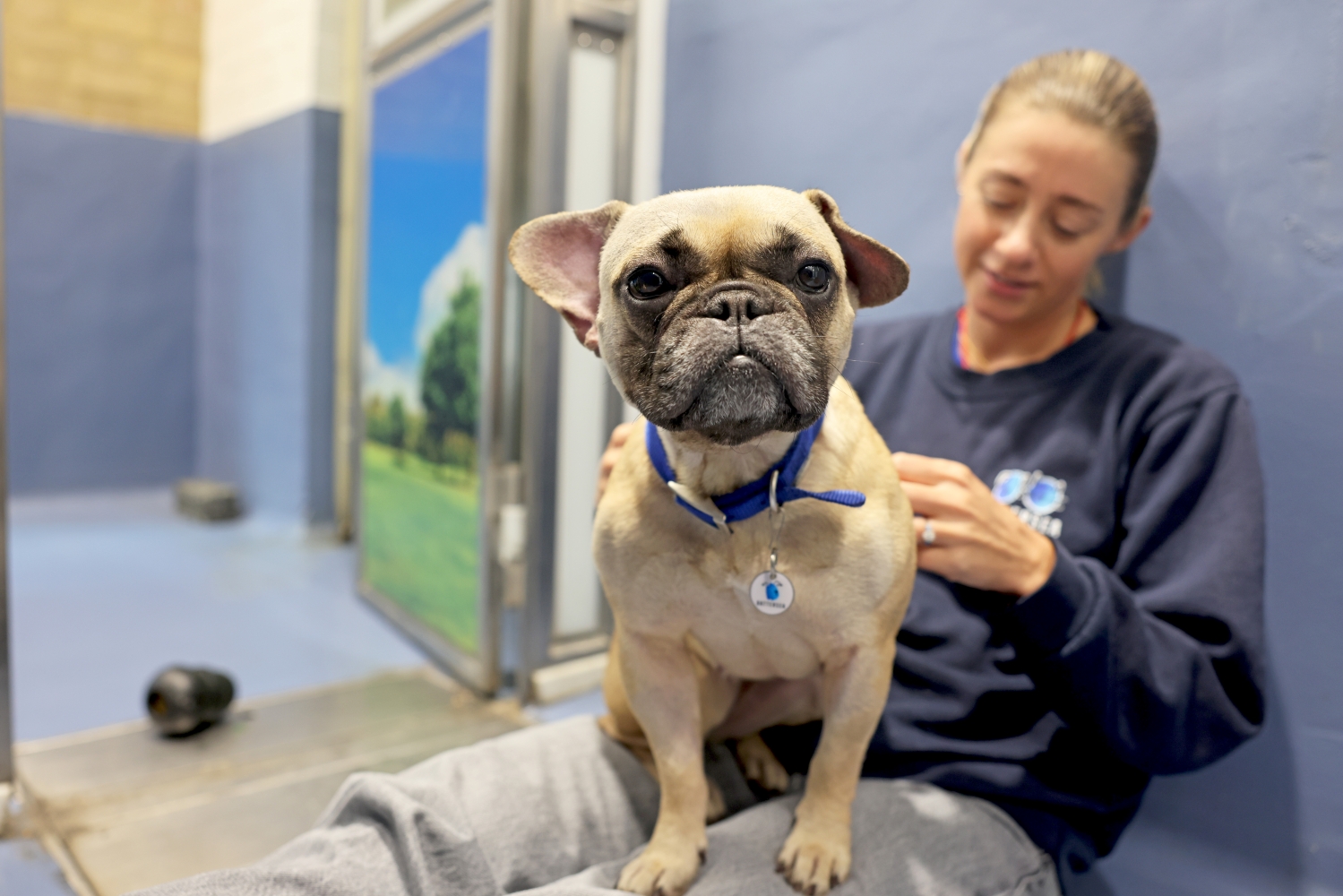 Yoda was experiencing ongoing medical issues with both of her ears, so the best option for her was surgery. French Bulldogs have narrower ear canals due to being brachycephalic, which can result in frequent ear infections. In such cases, TECA surgery (removal of the ear canal) is performed to stop the recurrent infections and give them a better quality of life.
Yoda underwent the procedure and took her treatments in her stride. She also needed eye drops to treat her dry eyes, along with cream to help soothe her skin – issues that are associated with the bulging eyes and wrinkled skin of her breed.
Fortunately, Yoda has found a loving new home, where she is flourishing and continuing her recovery.
What it means for owners
For any owner, watching a pet suffer is distressing. When that suffering is built in from the start, it is even harder.
These animals often need ongoing care, repeated vet visits, and major surgery. That brings financial but also emotional strain. Anyone who has sat up at night worrying about their pet knows how heavy that can feel.
Rescue centres see the impact, too.
Organisations like Battersea care for animals that need complex treatment because of how they were bred. Some owners, faced with costs they cannot manage, make the painful decision to give their pet up. Those animals often stay longer in rescue because their needs are greater.
This is a human cost as well as an animal welfare issue.
Changing course
The good news is this is not inevitable.
Most people are not choosing suffering on purpose. They are choosing what they think is cute, without knowing the consequences. That means awareness matters.
If people understand the risks, many will make different choices.
That is why campaigns like Cost of Cute are so important. They shine a light on what is really going on and help people choose pets that can live healthy, happy lives.
You can learn more at battersea.org.uk/costofcute and help spread the message.
And we need to go further. As policymakers, we should be challenging the demand that is driven by appearance at the expense of welfare. The government is consulting on dog breeding as part of its Animal Welfare Strategy, but it is a mistake not to include cats.
If we are serious about animal welfare, tackling extreme breeding must be central to that work.
We should not be intentionally breeding animals with extreme conformations that we know will struggle to breathe, to walk, or to live without pain. This must be the bare minimum we expect when it comes to animal welfare.
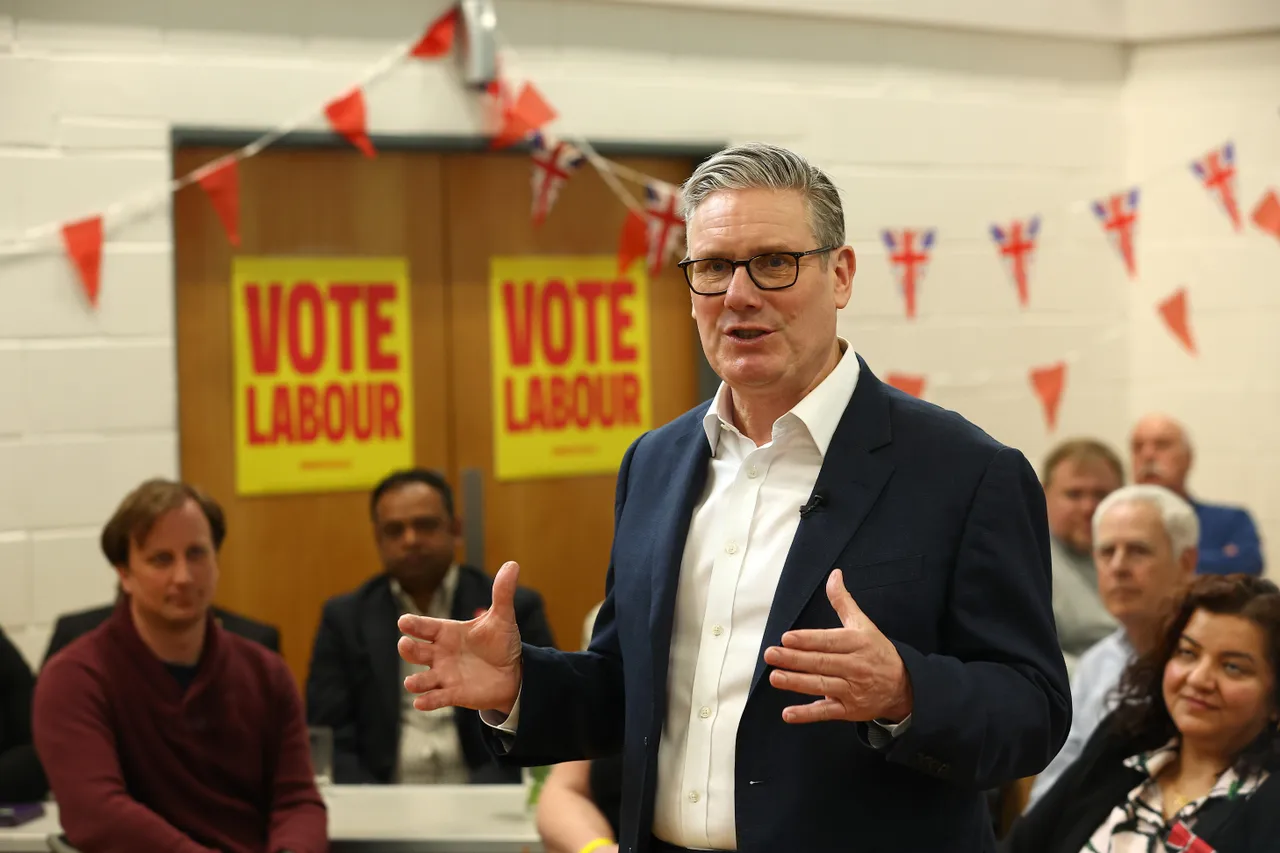
This Thursday will present the largest test of the Labour government – and its rival parties – since the last general election nearly two years ago.
Around 5,000 seats across 136 local councils, along with six mayoral contests, are up for election in England.
Voters in Scotland and Wales will also go to the polls for elections to Holyrood and the Senedd.
Labour are widely expected to suffer a catastrophic night, piling fresh pressure on Keir Starmer.
The Tories are expected to endure significant losses too, with the Greens and especially Reform UK on course to make huge gains as voters deliver a damning verdict on the two main parties.
Here, HuffPost UK assesses how the main parties are shaping up ahead of the biggest test of public opinion since July, 2024.
Labour

Peter Nicholls via Getty Images
Pollsters’ prediction? Top forecaster Lord Hayward warned Labour will lose 1,850 council seats. That means the party could be left with barely a quarter of the 2,550 councillors they currently have in the areas which are up for re-election.
YouGov does not expect Labour to win any constituency seats in Scotland at all, with their predicted 15 seats coming from the regional top-up lists.
Labour is also expected to lose power in the Welsh parliament for the first time since it was established in 1999, with YouGov predicting the party’s vote share will drop to 13% – down 23 points on the 2021 election.
That means Labour could end up with just 12 of the Senedd’s 96 seats.
What’s the mood within the party? Understandably bleak.
Starmer is actively calling for his party to support him amid rising fears of a leadership challenge from his main rivals Angela Rayner, Andy Burnham and Wes Streeting.
One party insider said: “We’re resigned to taking a significant knock, but are still standing and trying to get out as many votes as possible.”
“I just think Labour are fucked either way,” another source said candidly.
In a rare moment of optimism, campaigners also said voters have been “disinterested” rather than actively hostile to Labour activists – which was an improvement on what they were expecting.
One insider told HuffPost UK that deputy prime minister David Lammy had told activists over the weekend that the row which hit Zack Polanksi in the wake of last week’s Golders Green attacks could damage the Greens.
This sparked some hope that the party could claw back some of their supporters.
Conservatives

Ian Forsyth via Getty Images
Pollsters’ prediction? The Tories are expected to lose 600 councillors in England, according to Lord Hayward.
YouGov expects the Tory vote to fall to just 8% of the vote in Holyrood – that would be the worst ever result for the party at any election within Scotland.
Predictions suggest the Tories would go from having 31 seats in 2021 to just seven.
The pollster also predicts the Tories will end up with just three seats in Wales.
What’s the mood within the party? Not very optimistic.
Tory leader Kemi Badenoch’s own leadership has been strengthened in recent months as she’s improved her PMQs appearance – and her main challenger, Robert Jenrick has defected to Reform.
But that does not necessarily translate to votes – especially as the Tories are still being punished for their 14 years in power.
One traditionally Conservative voter stunned the public this week by announcing she would be backing Labour instead, just to keep the Greens out.
Anecdotally, HuffPost UK has heard other Tories telling door-knockers they planned to do the same. The party did not respond when approached for comment.
Reform UK

Pollsters’ prediction? Hayward expects Reform to gain 1,550 seats in England.
The party is expected to make a bmajor reakthrough in Scotland, according to YouGov, winning 20 MSPs in total and replacing Labour as the official opposition to the SNP.
Reform is also in a close fight with Plaid Cymru to be the largest party in the Welsh Senedd.
What’s the mood within the party? Understandably upbeat.
Reform are set to win their first seats in Wales and Scotland after more than a year of leading in the national opinion polls.
Nigel Farage told The Sunday Times he expected the party to do “stunningly well”.
He claimed Reform would be taking “Labour heartlands” in the local elections – Yorkshire, the northwest, the northeast, parts of the Midlands and the Welsh Valleys.
But there are suggestions that support for the party has already peaked, with its polling numbers declining over the past six months.
Farage also skipped a grilling from the BBC’s Laura Kuenssberg on Sunday. That came after reports he accepted an undisclosed £5 million donation from a billionaire supporter before he ran to be an MP.
His team said he decided to pull out last minute to campaign in his Clacton constituency, but critics suggested he was dodging scrutiny.
The party courted further controversy on Sunday by announcing plans to put detention centres for illegal migrants in constituencies and councils which vote Green.
Greens

Kymberley Apiro via Getty Images
Pollsters’ prediction? The Greens are set to see its number of councillors in England increase by 500, according to Hayward, mainly in London and other middle class areas of major cities.
The Greens are predicted to enjoy a small boost in Scotland, up from their current eight seats to 11, according to YouGov.
YouGov also expects the party to win seven seats in Wales, meaning it could come in fourth place behind Labour in the Senedd.
What’s the mood within the party? Hopeful – but cautious.
Leader Zack Polanski was forced to apologise last week after sharing a social media post which criticised the police response to a terror attack in Golders Green.
While Labour are hopeful this will reduce the number of voters willing to support their left-wing competitors, a Green insider suggested it would not have too much cut-through.
One senior figure in the party also insisted it was all “very positive” on the doorstep, but campaigners have been more cautious behind the scenes.
“There’s been a lot of hype about us wiping out Labour in London, and we’re definitely going to have a record-breaking result. At the same time, I think people forget the base we’re coming from,” they said, pointing to Greens’ poor performance at London’s last local elections in 2021.
“It’s going to be very good for us but perhaps some of the more apocalyptic predictions forget the context we’re coming from,” the source claimed.
Lib Dems

Christopher Furlong via Getty Images
Pollsters’ prediction? The Lib Dems are on course to gain 150 seats in the local elections, according to Hayward.
YouGov expects the centrist party to take nine seats in Scotland (up from its current four) but secure just three seats in Wales.
What’s the mood within the party? Surprisingly upbeat.
The Lib Dems have been trailing in the national opinion polls for some time, outshone by the traditional parties and the populist groups.
Behind the scenes, MPs have been unhappy with Ed Davey’s leadership for months, frustrated with his “gimmicks”.
But, with these elections, the party has developed a clear strategy – focusing on local council issues in the hope of taking more seats in England.
There’s even been some speculation they could become the largest party in English local government, especially with Labour and the Tories expecting to endure major losses.
SNP

Jeff J Mitchell via Getty Images
Pollsters’ prediction? The SNP is once again on course to comfortably win the Scottish Parliament election.
YouGov predicted the SNP could win 67 seats in Holyrood – giving the party an overall majority. But More in Common and Lord Hayward have both said they will fall short.
What’s the mood within the party? Very happy.
If the polls are correct, the SNP is heading for a remarkable third decade in power, after first being elected way back in 2007.
This is despite criticism of their handling of the Scottish NHS, education system and other public services during nearly 20 years in power.
While questions remain over whether the party will be able to clinch a majority, they are set to benefit from the major splits between Scottish Labour and the Westminster government.
Labour leader Anas Sarwar called for Starmer to step down earlier this year in the hope of distancing himself from Downing Street’s disasters, but the move does not seem to have won over voters.
The Nationalists have also pledged to call for a second Scottish independence referendum if they win a majority.
Plaid Cymru

Matthew Horwood via Getty Images
Pollsters’ prediction? The pro-independence party is only standing in the Welsh devolved election. Hayward predicted it will be the largest party in terms of votes and seats in Senedd.
However, YouGov predicted it will secure 36 seats – making it just one representative away from Reform’s lead.
What’s the mood within the party? Nervous.
Like the SNP, Plaid Cymru are hoping to capitalise on Labour’s downfall.
Unlike the Scottish Nationalists, they’ve never been in power before and so do not have to contend with their own record in office to win over voters.
But, they do have the new kids on the block to compete with: Reform UK, who are making gains in Wales – and who look set to be the largest unionist party in the Senedd after Thursday.
How Important Will May 7 Actually Be?
Steve Akehurst, director of research initiative Persuasion UK, warned against seeing this set of results as the ideal test of how the public feels.
He told HuffPost UK: “Local elections are an imperfect way of attempting to measure national sentiment.
“In terms of predictions, I think it’s best to wait for the national equivalent vote share later in the weekend.”
The specialist said analysing Reform’s performance will be particularly difficult “given the party basically didn’t exist in 2022, the last time many of these seats were contested.”
But, Akehurst warned: “It’s important to remember that Labour losing seats to Reform is not the same as Labour losing votes to Reform.
“Around the country we have seen the same patterns since the general election – where votes shifting from Reform to Tory, or Labour to Green or Liberal Democrat, led to Labour seats becoming Reform seats with little direct loss of votes from one party to the other.
“That is likely to be the case again at these elections.”
Subscribe to Commons People, the podcast that makes politics easy. Every week, Kevin Schofield and Kate Nicholson unpack the week’s biggest stories to keep you informed. Join us for straightforward analysis of what’s going on at Westminster.
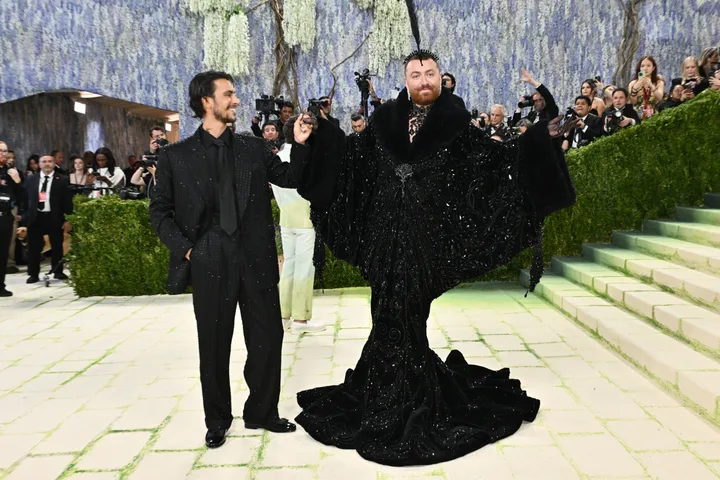
On Monday night, Sam was among the A-list guests at the annual fundraiser in New York, in aid of the Metropolitan Museum Of Art’s Costume Institute.
This time around, the theme of the evening was “Fashion Is Art”, with the British star channelling some old school Hollywood glamour as they walked the red carpet.
Sam was pictured making their way into the star-studded in a floor-length, black velvet gown, complete with intricate beading, fur trim and a feather headpiece.
Looking like Norma Desmond herself, they were clearly enjoying playing up to the persona presented by the outfit, striking some fabulous poses for the photographers outside the Met Ball early on in the evening.
The Unholy singer’s look was created by their partner, fashion designer Christian Cowan.
Sam and Christian have been together for around two years, previously hard-launching their relationship on the Met Gala red carpet back in 2024.

Last year, Sam concluded their sold-out To Be Free residency at Warsaw in Brooklyn, New York, which proved to be so popular that they then carried it on at the historic Castro Theatre in San Francisco, California.
During the intimate shows, the five-time Grammy winner performed songs from throughout their career, as well as debuting new music expected to be featured on their upcoming fifth album.
In honour of the performances, Sam unveiled the one-off single To Be Free, named after the residencies, late last year.
Monday night’s Met Gala was co-chaired by Oscar winner Nicole Kidman, music legend Beyoncé and tennis aficionado Venus Williams, alongside regular organiser Anna Wintour.
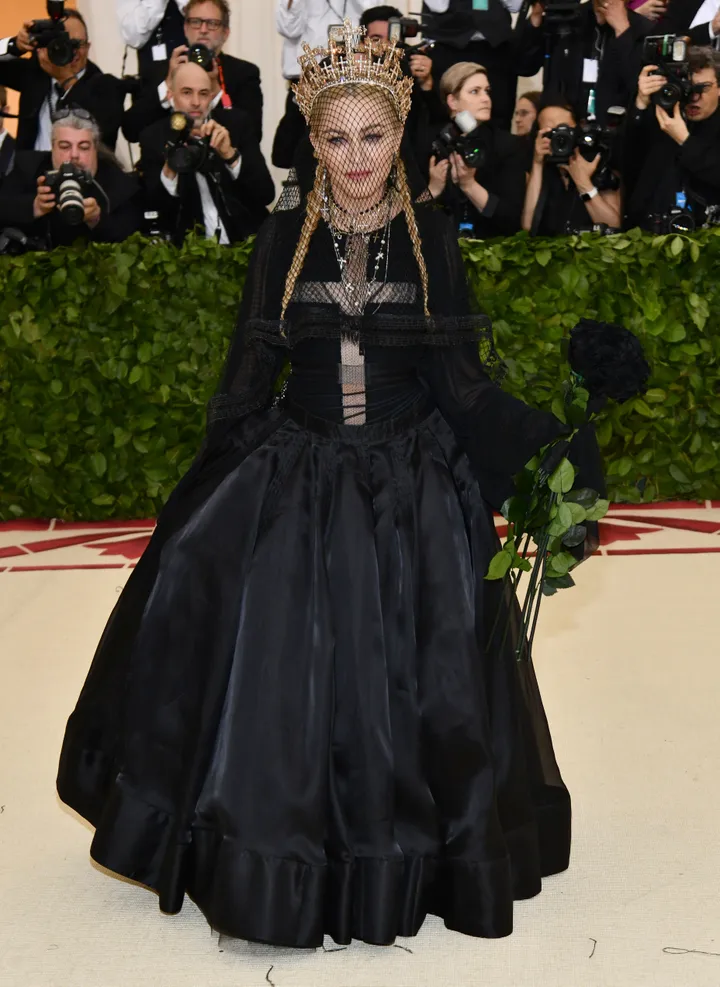
In a year when disappointingly few Met Gala guests stuck to the event’s themed dress code, we’re pleased to see that Madonna definitely got the “Fashion Is Art” memo.
On Monday night, the Queen of Pop singer served up one of the night’s most elaborate and dramatic looks, transforming herself with an ensemble inspired by the Leonora Carrington painting The Temptation Of Saint Anthony (you just knew there’d be a religious connection somewhere with Madonna, didn’t you?).
The Like A Prayer singer’s mysterious and gothic look consisted of a dark brown wig, long gloves, a show-stopping hat (topped with a towering, boat-inspired headpiece) and yards of grey tulle, which looked even more impressive in motion.
As in the original Carrington painting, Madonna’s outfit was supported by an entourage of models in more colourful, eye-catching attire.
Check out the artwork that served as the visual inspiration for Madonna’s look below:
Over the years, the seven-time Grammy winner has been responsible for some of our favourite Met Gala looks ever, including this expansive outfit from 2018’s “Heavenly Bodies” Catholicism-inspired event…

…channelling Bettie Page on the red carpet in 2013…

…and just last year, when she made her way into the event smoking a cigar in a fitted white tuxedo.

We aren’t the only ones who’ve been enamoured with Madonna at the Met Ball, either.
Indeed, who could forget in 2017, when Sarah Paulson was visibly gagged at clocking the music icon across the red carpet from her…?

Madonna is currently gearing up for the release of Confessions II, which will be her first studio album in seven years.
Weeks earlier, she was a surprise guest during Sabrina’s headlining slot at the Coachella music festival, duetting with her on classics Vogue and Like A Prayer in addition to giving Bring Your Love its live debut.
Politics
Politics Home | “We Can’t Be Going Backwards”: Tories Warn Party Against Local Elections Complacency
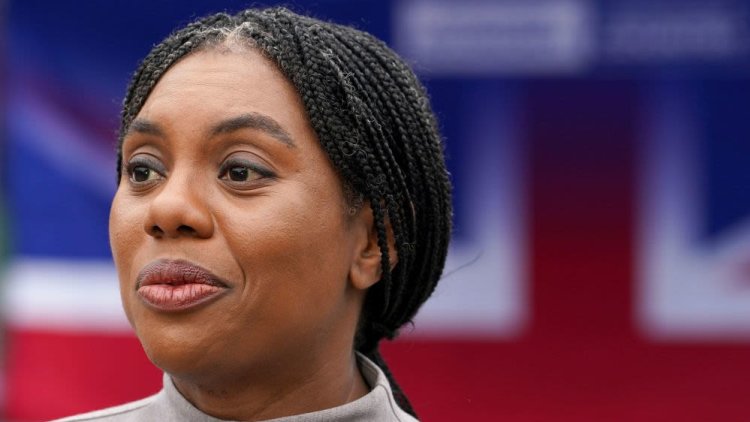
5 min read
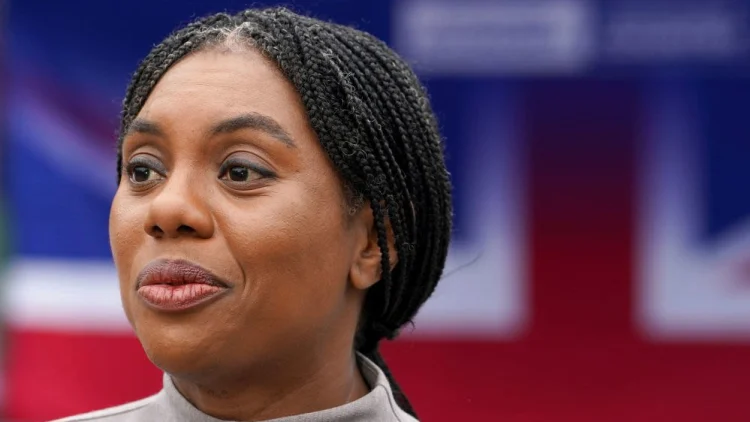
This week’s local elections will be painful for the two main parties. The scale of the Labour losses and the implications for Keir Starmer’s future mean the Conservatives will avoid being the main headline this weekend. However, there is concern among some Tories that their party is complacent about its own electoral situation.
“There is not a world in which these elections are not going to be tough in terms of numbers,” Conservative MP Jack Rankin told the most recent episode of PoliticsHome podcast The Rundown.
The MP for Windsor, widely seen as one of the party’s brightest talents, spoke frankly about what likely awaits the Tories when voters in England, Scotland and Wales go to the polls for a highly anticipated set of local elections on Thursday.
Two years on from their devastating general election defeat, the Conservatives are braced for more electoral discomfort later this week. Tory peer Lord Hayward recently predicted that the party would lose around 600 council seats on 7 May, losing votes to Nigel Farage’s Reform UK to its right and Ed Davey’s Liberal Democrats to its left. The party also faces dramatic collapses in support in Scotland and Wales.
In Westminster, Conservative MPs are generally in a more upbeat mood about the state of their party than they were a year or so ago, when there were questions over how long Kemi Badenoch would last as Leader Of The Opposition. There is now a belief that Badenoch is clearly growing into her role, particularly in her Prime Minister’s Questions performances, while her personal ratings have steadily improved in recent months. Appearing on The Rundown last week, Rankin described the mood as “buoyant but realistic”.
It’s partly for this reason that very few Conservatives believe that Badenoch’s position will be put at risk by the results of these local elections.
A senior Tory MP acknowledged that they are “going to be very bad” but said “there is nothing that can be done” given the situation the party is in, namely, still in the process of repairing its brand after being emphatically removed from office less than two years ago. “I see this as something we have got to live through to get to the other side,” they told PoliticsHome.
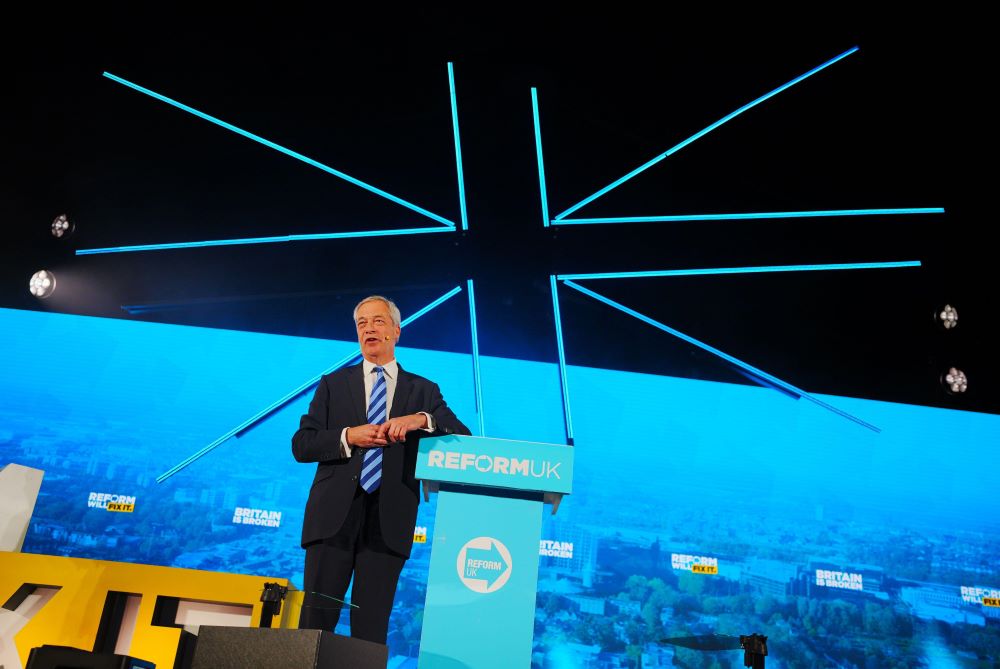
But there is some concern with this approach, particularly in parts of the country where the party is expected to suffer major losses on Thursday, like Essex, Hampshire, Norfolk and Suffolk. Conservative MPs in those areas make up more than a fifth of the total parliamentary party. “In reality, it’s highly likely we’ll lose control of all those councils,” said one Tory MP.
In Hampshire, the Conservatives currently have 50 of 78 council seats, having held overall control of the local authority since 1997. Seven of the county’s MPs are Tories. One of them told PoliticsHome that losing the council “would stop the small recovery that the party has made over the last nine months, and it would show that actually, we have a lot more work to do before we’re anywhere near winning the next election”.
There is a similar picture of Essex, where 49 of the council’s 79 councillors are Conservative. A more pessimistic Tory MP said “it could be a total wipeout” in Essex, where Reform, like in Hampshire, is eyeing significant gains. Speaking to PoliticsHome, Hayward pointed out that the county is home to “a string of Tory front benchers” including Badenoch herself.
There is nervousness in these areas that Tory losses on Thursday could resemble what happened in Kent at last year’s local elections, when the number of Conservative councillors was dramatically reduced from 62 to 5, with Farage’s party being the beneficiary.
Results that bad would “pose real questions over the party’s direction”, according to one Tory MP, who told PoliticsHome it would “cause a huge amount of soul searching in the party, especially as there is a feeling that there has been a lot of gain over the last year, with conference seen as the turning point”. Another Tory backbencher said: “If Reform does as well as in Kent, it’s obviously problematic for the Tory party and would be really bad news.”
A different Conservative MP stressed that losing councillors has “very serious” practical consequences, as it means a weakened “grassroots campaigning force”. They added: “[We] can’t be going backwards at this stage. We’re nearly halfway through the Parliament.”
Badenoch denied being “complacent” in conversation with The Times at the weekend, and insisted that the public was starting to listen to what the Tories have to say. In an interview with The House magazine in the run-up to last year’s Conservative Party conference, she said that she would be a leader who peaks in time for the next general election, rather than “on day one”.
However, speaking on the most recent episode of the Political Currency podcast, former Tory chancellor George Osborne said his party required an “ethical reset” before it can win again, arguing that it was yet to “really confront” the reason why it lost in such devastating fashion in July 2024.
He added that Badenoch had not yet answered the fundamental question of “what do the Conservatives offer, which is distinct and better for the country than Reform”.
While major losses later this week are unlikely to raise questions about Badenoch’s leadership, they could put her under more pressure to produce an answer.
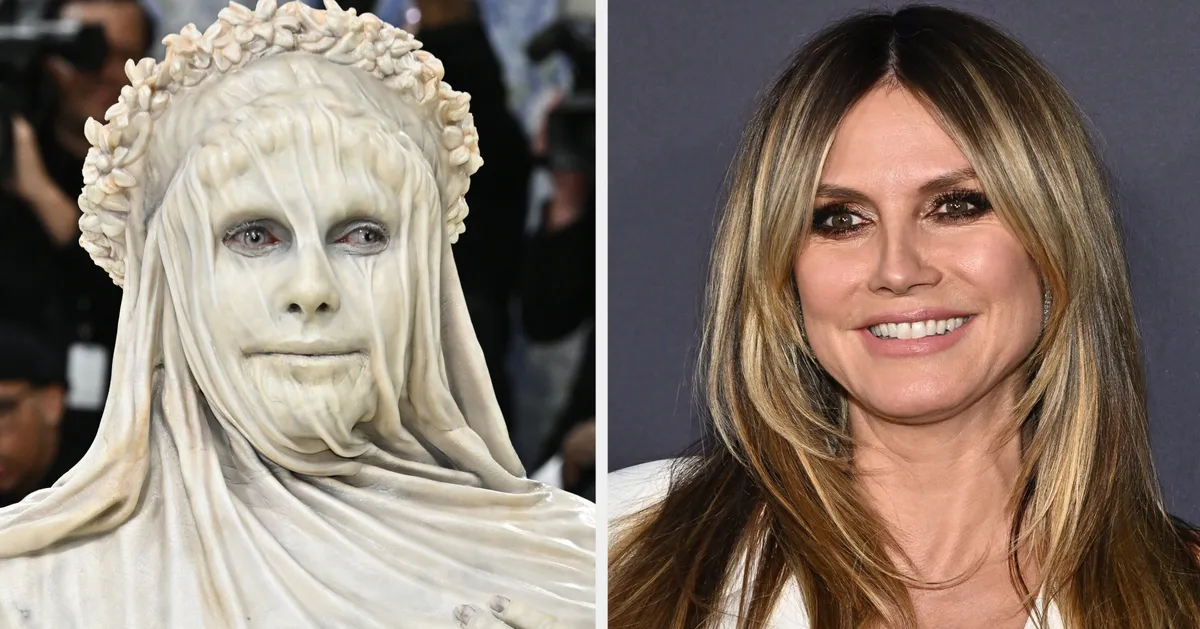
And while there might be almost six months to go until spooky season, Heidi decided that Halloween should come early at the Met Gala on Monday night, giving us another of her jaw-dropping transformations to mark the occasion.
The dress code for the 2026 Met Ball was “Fashion Is Art”, which the Project Runway host took literally, metamorphosing into a marble statue for the evening.
Heidi’s custom look was put together by designer Mike Marino, taking inspiration from Roman statues by ancient Italian sculptors.
According to Variety, the “living sculpture” look was achieved using materials like spandex and latex to give the impression that the unrecognisable statue was a stone creation come to life.
The Met Gala is held each year on the first Monday in May as a star-studded fundraiser for New York’s Metropolitan Museum Of Art’s Costume Institute.
A-listers in attendance are asked to dress to a theme which usually corresponds to a new exhibit being showcased at the Costume Institute, with this year’s chairs including Oscar winner Nicole Kidman, tennis aficionado Venus Williams and music icon Beyoncé, alongside the event’s regular organiser, Vogue editor Anna Wintour.

President Donald Trump went off-script on Monday to brag ― again ― about passing a test meant to detect cognitive decline linked to dementia.
“I’ve taken three,” he boasted. “No president, think of this, has ever taken one.”
Trump said he likes to take the test whenever someone calls him a moron.
However, the test he described ― the Montreal Cognitive Assessment (MoCA) ― is not an intelligence test. It’s a brief exam meant to detect the signs of cognitive decline associated with dementia. As such, its creator has said the assessment is intended to be easy for anyone of normal cognition.
It’s the same “person, woman, man, camera, TV” test he crowed about passing in 2020, during his first term ― except now, he’s admitted to taking it at least two more times since then.
Trump said the media only shows the first questions, which he admitted are “very easy,” and includes identifying common animals.
“By the time you get to the middle, they’re tough,” he insisted.
A typical “middle” question asks the subject to name words starting with a specific letter, and count backward from 100 by subtracting 7 each time (93, 86, 79, etc.).
Trump made similar comments on Friday when he spoke at a senior community in Florida, where he also bragged about passing three cognitive tests.
The fact that he’s taken an exam intended to check for a serious cognitive disorder not just once, but three times, had many asking the same question: Why?
Critics demanded answers ― and more ― on X:

President Donald Trump was speaking at a small business summit on Monday when he made a chilling prediction about when he plans to leave office.
″…And this way, when I get out of office, in, let’s say, eight or nine years from now, I’ll be able to use it myself,” Trump said about small business tax deductions.
Trump has frequently mentioned the idea of seeking a third term in office. Last year, he told NBC News that he was not “joking” about the prospect, saying “a lot of people want me to do it.”
“I’m not looking at that,” he told reporters on Air Force One in March 2025. “But I’ll tell you, I have had more people ask me to have a third term, which in a way is a fourth term because the other election, the 2020 election, was totally rigged, so it’s actually sort of a fourth term.”
While many Trump supporters have dismissed the idea as a joke, critics contend the public should take the president at his word.
“I fear that we will not have an election in 2028. I really mean that in the core of my soul − unless we wake up to the code red, what’s happening in this country, and we wake up soberly to how serious this moment is,” California Governor Gavin Newsom said last year.
Trump has even had “Trump 2028” merchandise made and prominently features it in his official Trump store.
Critics on social media were quick to sound off on Trump’s latest suggestion that he should not only serve a third term, but seemingly a fourth as well:
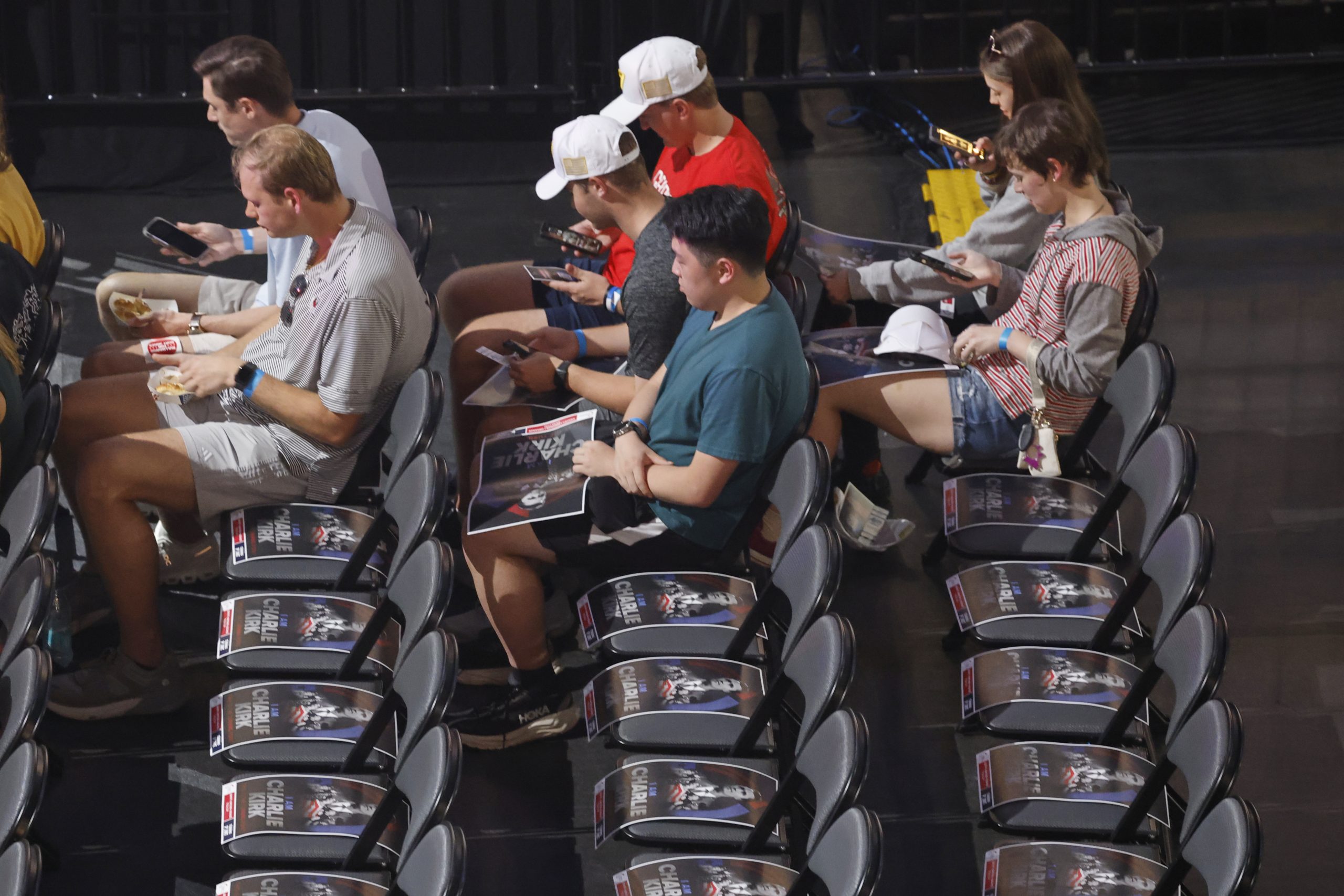

Two years after young voters swung to the right in 2024, helping return Republicans to unified control of Washington, economic concerns are pushing 18- to 34-year-olds back to the left for the midterms, according to a new national survey of more than 1,000 young Americans.
The poll from nonpartisan outfit Generation Lab, shared exclusively with POLITICO, amounts to a flashing warning sign for Republicans. It shows young Americans planning to vote Democratic in November by a margin of 52 percent to 19 percent. Broken down by party, the data indicates that the GOP has a significant base problem: Just 58 percent of young Republicans say they’ll vote GOP — with nearly a third selecting “neither” or “won’t vote.” By contrast, 85 percent of young Democrats intend to show up for their party at the ballot box.
Just as in 2024, deep discontent with the state of the economy is driving anger at the party in power. Now, 81 percent of young Americans rate U.S. economic conditions as bad or terrible — including 68 percent of Republicans. The younger the age bracket, the more optimism diminishes.
President Donald Trump shoulders most of the blame among respondents, with 41 percent who rate the economy negatively naming him as the top culprit, plus 9 percent who select congressional Republicans. But it’s not just the GOP: Another 31 percent finger corporate greed/large companies. Just 6 percent blame Joe Biden or congressional Democrats.
In many ways, the polling looks like an inverse of Democrats’ struggles in the 2024 cycle, when surveys showed that voters didn’t personally experience the positive economic image projected by the Biden administration.
“We tie this really closely to what people can see and feel and touch in terms of their own personal economic situation,” Cyrus Beschloss, Generation Lab’s founder and CEO, told POLITICO. “Saying that affordability is a ‘line of bullshit’ is definitely not helping — to the extent that young people are clued into that.”
But a caveat remains. “Young people are voting at just obscenely low rates,” Beschloss said. Insofar as this demographic might swing to or from Republicans, “their power’s a lot more concentrated in social force” — as cultural barometers and pace-setters — “than it is electoral force.”
Young people’s social force on GOP politics looks highly negative right now, and not just over concerns about inflation, housing, jobs and gas prices. The survey also finds mass blowback to the U.S.-Israel war with Iran: Seventy-seven percent of young Americans say the U.S. made the wrong decision in striking Iran, and 75 percent say they disapprove or strongly disapprove of Trump’s handling of the military action.
Republicans are keenly aware of voters’ cost-of-living and economic concerns — but they argue that they’re positioned to sway Americans here with a message focused on lower government spending, new tax breaks and blaming Democrats.
The GOP is also addressing bad economic feelings head on by telling voters that they’re cleaning up messes created by Democrats. And following on Trump’s 2024 strategy, Republicans have doubled down on TikTok and other social-media content/branding that reaches young people where they are. Candidates speaking to voters directly works well, the party has found, as does pro-America content that can go viral organically — think Artemis II or the semiquincentennial.
“After years of skyrocketing costs and economic uncertainty under Joe Biden and Democrats, combined with the left’s alienating, out-of-touch rhetoric, young Americans are fed up with empty promises,” said RNC national press secretary Kiersten Pels. “They want real results, and Republicans are speaking directly to them in a way that resonates.”
The strong GOP push could yet pay dividends. “I really … would not discount how much the Republican world has been focused on running a really tight operation in terms of not only getting more young men into their camp but keeping them there,” Beschloss said.
But Democrats have built out their own infrastructure to compete, including creator networks for candidates to work with and new resources devoted to communicating via YouTube, podcasts, social media, influencers and Substacks.
And the economic concerns are a lay-up for Democrats’ midterms messaging writ large, they say, which puts affordability front and center — the kind of laser-focused approach that scored the party big wins in 2025. “Young voters’ top concern is affordability, and we’ve been beating the drum on that issue all cycle,” said DCCC spokesperson Aidan Johnson. “Many don’t think they will ever be able to buy a home, or are graduating out of high school and college with not nearly the same kind of opportunities that their parents had.”
Looking beyond the midterms: The Generation Lab also asked young Americans about the 2028 presidential race — and at this early stage, name recognition seems to be paramount.
Democrats like Kamala Harris and Rep. Alexandria Ocasio-Cortez (D-N.Y.) best, at 31 and 23 percent respectively. Republicans pick Vice President JD Vance (25 percent) and then HHS Secretary Robert F. Kennedy Jr. (13 percent). And tied for seventh overall, at 4 percent each among all young Americans: Jon Stewart, Mark Cuban and Tucker Carlson.
Like this content? Consider signing up for POLITICO’s Playbook PM newsletter.
For a country that prides itself on hating the Tories, this is very odd.

And if you don’t see how, let us illustrate.

If you simply combined the Tory and Reform votes from the latest poll, the election would be on a knife-edge, with the right-wing alliance just three points behind the SNP on the constituency vote and six points AHEAD on the list. On that basis it would likely win the election as the biggest party, though it would need Labour and Lib Dem backing to form a government.
(It would be genuinely unpredictable and interesting to see who could win the vote to be First Minister in this scenario.)
This is the Devolved Elections projection, showing Reform edging it by a single seat over the SNP, with a comfortable Unionist majority of 21, compared to the 11-seat “pro-indy” majority projected by More In Common on the actual poll numbers:

The map would look like this, with the right-wing alliance sweeping the traditional strong Tory areas of the Borders and the north-east and encroaching towards the middle, with the Lib Dems taking a huge chunk of the Highlands and Islands and the SNP reduced to the Central Belt, with Labour clinging to their existing pockets.
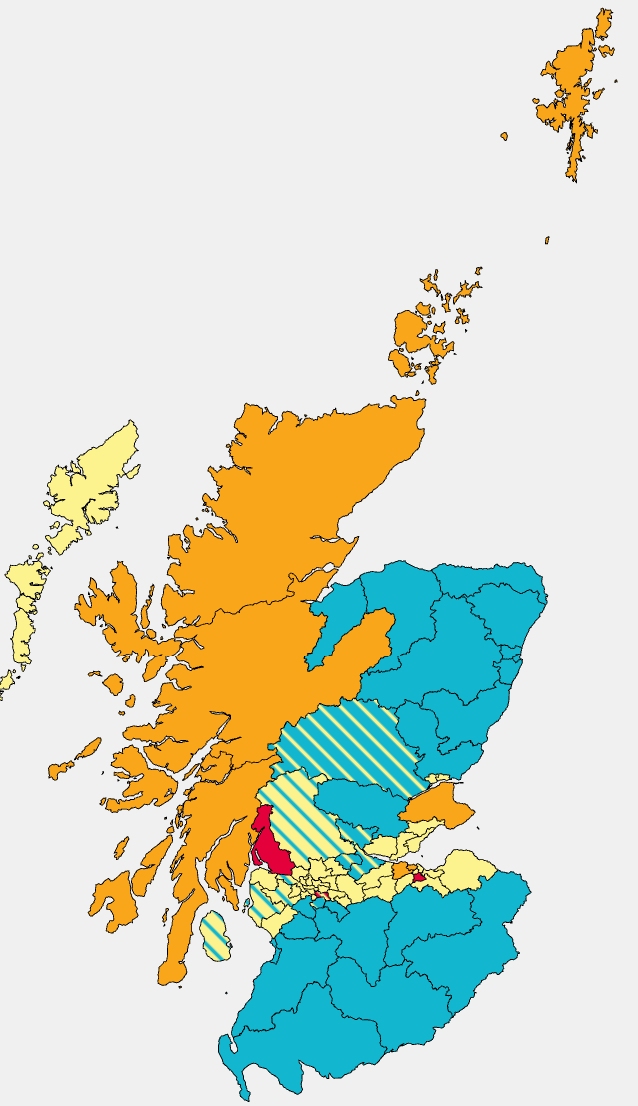
Considering that a right-wing party (the Unionist Party, forerunner of the modern Scottish Conservatives) last won an election in Scotland in 1955, that’s an extraordinary stat. If Tory voters switched en masse to Reform on Thursday, according to this poll there would be an earthquake of utterly transformative impact on Scottish politics which would make the SNP’s 2007 victory, and 2011 majority, seem like a fieldmouse farting by comparison.
(If you count the SNP, Labour and Greens as all representing various degrees of “the left”, with the Lib Dems on the soft right it’s close, about 53-45 in favour of the left.)
And there’s another thing. More In Common didn’t ask about independence, but a poll for the Sunday Times at the weekend put support at Yes 55 No 45. Yet just 37% of people voting in the election are going to vote for ostensibly pro-independence parties.
That means that one out of every three independence supporters is refusing to vote SNP or Green in order to try to achieve it, and more than two out of every five are refusing to vote SNP. Just 57% of indy supporters say they’ll vote SNP on Thursday, and another 10% will vote Green.
(We suspect that once turnout is factored in those numbers will fall further.)
It really is quite hard to overstate how surreal all this is. On just over 30% of the vote, the SNP look set to either win an absolute majority or come close to it, while a combined Tory/Reform vote of over 32% will get them less than a quarter of the seats in the chamber.
Despite John Swinney offering a “100% guarantee” of a second referendum if he gets that majority, barely more than half of indy supporters look like they’ll bother to go out and vote for his party to get it. Meanwhile Tory voters will pass up a no-brainer chance to kick the SNP out and definitively end any threat of independence for the foreseeable future, despite being by far the party most obsessed with the constitution.
(Labour voters at least have the excuse that their party is still clutching at the comically absurd notion that they can win the election themselves, and the Lib Dems just want to carve out a few more seats, but Tories know full well that they’re looking at an epic humiliation AND a thumping SNP win unless they decide to throw their lot in with Malcolm Offord’s motley crew at the last minute.)
This, then, is an election in which both indy supporters and Unionists seem to be locked on a suicidally self-destructive course, each doing their best to throw it. The SNP is urging Yessers to waste their second vote and maximise the number of Unionist MSPs, while the Unionist parties are so engrossed in fighting among themselves that they’re going to get 61% of the vote yet still find themselves sitting irrelevantly in an indy-majority Parliament for another five years.
(Neither side much cares, they’ll get the gravy either way.)
As for the voters, nobody expects even half of them to turn out at all, so scunnered at they at the rotten catalogue of options being presented to them.

Our wee country’s gotten itself in a right old pickle, folks.


Follow for more financial advice! #sephora #starbucks #shopping #funny #relatable

Iran’s UAE strikes condemned by Starmer as Middle East tensions escalate

Labour’s Workers’ Rights Reforms Blamed

Manchester United reach agreement with Casemiro over contract clause amid transfer speculation

US brings back mandatory military draft registration

Steven Gerrard disagrees with Gary Neville over ‘shock’ Chelsea and Arsenal claim | Football
Follow for more financial advice! #sephora #starbucks #shopping #funny #relatable

Yahoo Finance Live: Dow sags, S&P 500 and Nasdaq waver as Hormuz tensions increase | May 4, 2026

Largest Retail Crypto Currency Payment System Set Up With This Coin!
-

 Business6 days ago
Most Commercial Energy Audits Miss the Real Losses
-

 Fashion6 days ago
Kylie Jenner’s KHY Enters a New Era with ‘Born in LA’
-

 NewsBeat2 days ago
Channel 5 – All Creatures Great and Small series 7 new post
-
 Tech4 days ago
Trump’s 25% EU auto tariff breaches Turnberry Agreement that also covers semiconductors and digital trade
-
 Sports4 days ago
Paul Scholes issues Marcus Rashford reality check as agreement emerges over Man United star
-

 Crypto World7 days ago
CFTC’s AI will review U.S. crypto registration applications, chairman tells CoinDesk
-

 Business6 days ago
Barclay Brothers Avoid Bankruptcy: HSBC Drops High Court Petitions After IVA Deal
-
 Business5 days ago
Tesla Officially Registers Elon Musk’s Stock: What Investors Need to Know
-
 Crypto World7 days ago
Robinhood Phishing Scam Exploits Gmail Dot Feature to Bypass Security
-

 Tech7 days ago
Get Ready for More Brain-Scanning Consumer Gadgets
-

 Tech6 days ago
Texas Instruments made a new flagship graphing calculator: the TI-84 Evo
-

 Business4 days ago
Two Powerball Tickets Split $143 Million Jackpot in Indiana and Kansas
-
 Crypto World4 days ago
CoreWeave (CRWV) Stock Climbs 8% Despite $45M Insider Share Dump
-
Business2 days ago
Winning Numbers Drawn as Jackpot Resets to $20 Million
-
Crypto World5 days ago
Securitize and Computershare Enable Tokenized Equity Issuance for Over 25,000 U.S.-Listed Stocks
-

 Crypto World5 days ago
Gibraltar Proposes Tokenized Funds Regulation to Bolster Compliance
-
 Fashion2 days ago
Mary J. Blige Vegas Residency Looks: Crystal-Embellished Fjolla Haxhismajli, Todd Fisher, and More!
-

 Tech5 days ago
Official SAP npm packages compromised to steal credentials
-
 Tech7 days ago
Acer Swift 16 AI (2026) Review: Where Do Your Hands Go?
-
 Sports6 days ago
Antrim GAA: Hurlers cancel training as row with board deepens
You must be logged in to post a comment Login