
Business
Bitcoin Falls Below $70,000. Why This Crypto Crisis Is Getting Scary.




Piper Sandler cuts JPMorgan stock price target on lower earnings
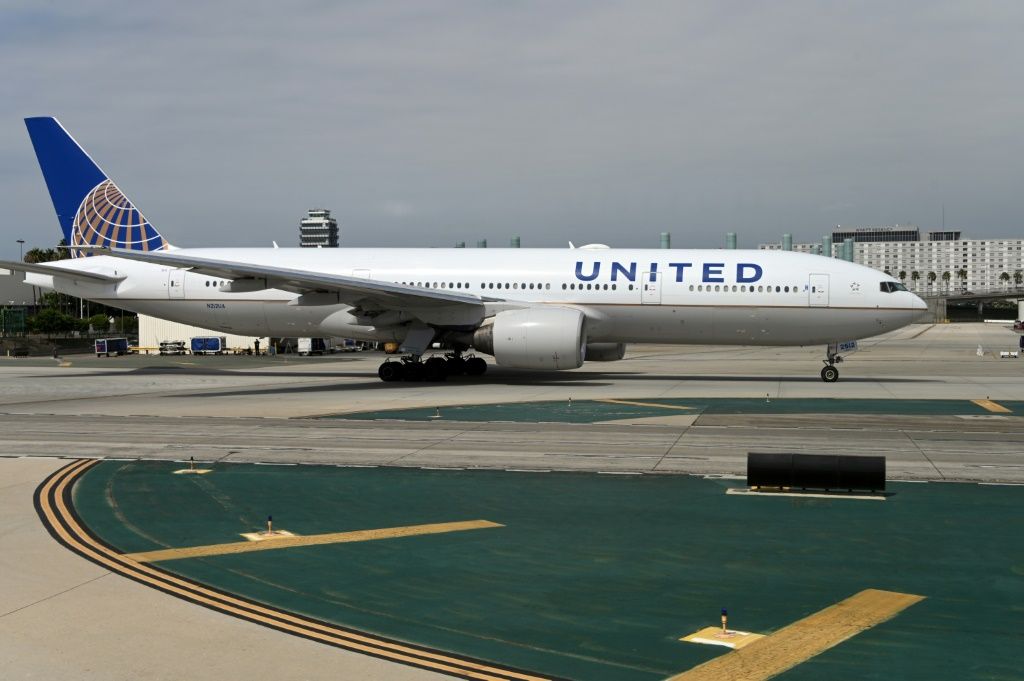
LOS ANGELES — Travelers at Los Angeles International Airport (LAX) encountered relatively short TSA security wait times on Monday, March 30, 2026, with official data showing general boarding lines as low as 0 to 3 minutes in the Tom Bradley International Terminal (TBIT) during early morning hours, even as a federal funding lapse continues to cause longer delays at other major U.S. hubs.
According to the official flyLAX.com security wait times page, updated as recently as early Monday, general boarding at TBIT stood at 0–3 minutes while TSA PreCheck lanes reported 0 minutes. Similar low figures appeared across multiple checkpoints in recent days, contrasting sharply with reports of multi-hour lines at airports such as Atlanta, Houston and New York’s JFK amid nationwide TSA staffing shortages triggered by the ongoing Department of Homeland Security funding lapse.
Third-party trackers and traveler reports largely aligned with the official data Monday. Sites like OnAirParking and TakeoffTimer indicated average standard security waits fluctuating between 1 and 25 minutes depending on the hour, with PreCheck lanes consistently clearing in under 5–10 minutes. Early morning peaks occasionally reached 28–36 minutes in some estimates, but most real-time observations described quick processing across LAX’s nine terminals.
The relatively smooth experience at LAX on March 30 comes despite broader challenges facing the Transportation Security Administration. TSA officers have worked without pay since mid-February, leading to elevated call-out rates — sometimes exceeding 30–40% at affected facilities — and hundreds of resignations nationwide. Acting TSA leadership has warned Congress of the highest wait times in agency history at some airports, with lines stretching beyond four hours in extreme cases.
LAX appears to have avoided the worst of the disruptions so far. Airport officials and Delta’s wait-time dashboard reported minimal delays in terminals including T1 North/South and T2, with checkpoints often moving passengers through in 5–10 minutes during mid-morning. Social media posts and Reddit threads from recent days, including March 25–28, frequently noted sub-5-minute experiences in various terminals, with some travelers describing “empty” lines even during typical rush periods.
LAX, one of the world’s busiest airports handling more than 60 million passengers annually, operates a complex security setup across multiple terminals serving domestic and international carriers. The Tom Bradley International Terminal, which processes the heaviest long-haul traffic, has shown the shortest reported waits in recent updates. Other terminals, such as those used by Delta, United and American, reported similarly manageable lines Monday according to airline-affiliated trackers.
Travelers and aviation experts attributed LAX’s better performance to several factors. The airport’s large physical footprint allows for more checkpoint lanes when staffed. Southern California’s spring travel patterns may not yet match the intense spring break surges hitting other regions. Additionally, high enrollment in TSA PreCheck and CLEAR programs — popular among frequent West Coast flyers — helps divert eligible passengers into faster lanes.
Still, officials caution that conditions can change rapidly. The flyLAX website notes that wait times are “subject to rapid change based on passenger volumes and TSA staffing.” Some national reports indicate LAX has occasionally removed or limited real-time wait time displays due to unpredictability caused by the funding situation. USA Today and other outlets reported that several major airports, including LAX at times, have urged passengers to build in extra buffer time rather than relying solely on posted estimates.
The federal funding lapse, now in its sixth week, has strained TSA operations coast to coast. Deputy Administrator Ha Nguyen McNeill told lawmakers that officer absenteeism has climbed significantly, with nearly 500 TSA employees resigning since the lapse began. High call-out rates at hubs like Atlanta (approaching 41%) have forced some facilities to consolidate lanes or operate with reduced capacity, directly contributing to backups.
At LAX, the impact appears milder but not entirely absent. Third-party hourly forecasts from sites like TakeoffTimer projected potential peaks of 27–32 minutes during typical morning and evening rushes (7–10 a.m. and 6–7 p.m.), though actual Monday observations remained lower. Travelers without PreCheck or CLEAR are still advised to arrive at least two to three hours before domestic flights and three to four hours for international departures to account for any sudden surges or additional screening.
Airport and TSA representatives recommend several strategies for minimizing delays:
- Enroll in TSA PreCheck or CLEAR if traveling frequently; both services have dedicated lanes at most LAX terminals and can cut wait times dramatically.
- Use the MyTSA mobile app for crowd-sourced real-time reports, though official data availability has been inconsistent during the lapse.
- Prepare in advance by removing liquids, electronics and outer layers before reaching the checkpoint.
- Check your specific terminal’s status via flyLAX.com or your airline’s app, as conditions can vary between terminals.
- Consider off-peak flight times when possible to avoid morning and evening rushes.
LAX continues to serve as a critical gateway for domestic travel to cities like New York, Chicago and Las Vegas, as well as international routes across the Pacific and to Europe and Latin America. Despite the national TSA challenges, flight operations Monday showed no widespread ground stops or major airborne delays directly tied to security processing.
The Port of Los Angeles and local tourism officials have not issued any special alerts for March 30, suggesting that passenger flow through security has not reached crisis levels at this major California hub. However, as spring travel demand builds toward summer and the 2026 FIFA World Cup preparations, concerns remain about sustained staffing issues if the funding standoff persists.
Broader context includes ongoing debates in Washington over resolving the DHS funding impasse. TSA unions have highlighted fatigue among officers working without pay and warned that prolonged uncertainty could exacerbate turnover ahead of peak summer travel. Some smaller airports have already faced temporary checkpoint closures or reduced hours due to insufficient staffing.
For LAX specifically, the airport’s modernization efforts — including terminal improvements and technology upgrades like touchless ID verification — have helped streamline processing when staffing allows. The end of the LAX FastLane program earlier in 2026 shifted reliance back to standard PreCheck and general lanes.
Passenger sentiment on social platforms mixed cautious optimism with preparation advice. Recent posts described quick passages through terminals 2, 3, 4 and 7, with some crediting light mid-week crowds on Monday. Others warned that conditions could worsen later in the day or week as business and leisure travel volumes increase.
As of Monday afternoon Pacific time, no major disruptions were reported at LAX security checkpoints. Flight tracking services showed typical operations, with most departures proceeding close to schedule once passengers cleared screening.
Travelers planning to fly from LAX today or in coming days should monitor official sources closely. The flyLAX wait times page, airline apps and the MyTSA platform provide the most current snapshots, though experts emphasize arriving early and staying flexible.
While LAX has fared better than many peers on March 30, the national TSA staffing strain serves as a reminder of vulnerabilities in the aviation security system during periods of fiscal uncertainty. Resolution of the funding lapse would likely stabilize operations quickly, but until then, patience and preparation remain essential for anyone passing through Los Angeles International Airport.
The situation remains fluid. Updates from TSA, LAX and individual airlines will continue to guide travelers as the day and week progress.

Olivia Munn, the actress known for roles in “The Newsroom” and “X-Men: Apocalypse,” continues to balance Hollywood projects with family life alongside her husband, comedian John Mulaney, as the couple raises two young children and Munn opens up about her breast cancer journey.

Munn, 45, and Mulaney, 43, married in an intimate ceremony over the Fourth of July weekend in 2024 at a friend’s home in New York. The low-key event included only their son Malcolm and one witness, with “Law & Order” actor Sam Waterston officiating. Mulaney later confirmed the marriage on “Late Night With Seth Meyers,” calling it “the best” and “the greatest single time of my life.”
The pair first connected as friends for nearly a decade before beginning to date in 2021. They were spotted together publicly that June, and Munn gave birth to their son, Malcolm Hiệp Mulaney, in November 2021. Munn has shared that she “barely knew” Mulaney when she became pregnant, describing their early relationship as whirlwind.
In March 2026, Munn appeared on “CBS Sunday Morning” and reflected on facing the “possibility of death” during her 2023 breast cancer battle. Diagnosed in April 2023, she underwent a double mastectomy, lymph node dissection, reconstructive surgery and a hysterectomy with oophorectomy. She credited Mulaney with attending “every single doctor’s appointment” and lightening the emotional load.
“He just lightens everything,” Munn said of her husband. The couple welcomed their second child, daughter Méi June Mulaney, via surrogate in September 2024. Munn has spoken about the emotional challenges of not carrying the pregnancy herself and how Mulaney surprised her at their wedding with a thoughtful gift honoring their unborn daughter so she would feel present in future photos.
As of early 2026, Malcolm is approximately 4 years old and Méi is around 18 months. Munn has shared parenting moments, including family trips to celebrate Malcolm’s birthday and lighthearted decisions like whether to participate in Elf on the Shelf traditions. She described Malcolm as having transformed Mulaney’s life, noting changes such as protein powder appearing in their home as the comedian embraced fatherhood.
Mulaney has echoed the positive sentiments. In interviews, he has portrayed their relationship as “wild and joyful,” crediting Munn’s strength during her health challenges. The family of four divides time between Los Angeles and New York, with both parents maintaining active careers while prioritizing private family moments.
Munn recently appeared in promotions for Apple TV+’s “Your Friends & Neighbors,” Season 2, debuting in April 2026, where she works alongside James Marsden. She credited Marsden with playing a key role in her 2023 engagement to Mulaney, which occurred at his 50th birthday party around 1 a.m. The proposal story, shared in late March 2026 interviews, highlighted the couple’s unconventional romantic milestones.
The couple’s relationship has drawn public interest for its rapid progression from friendship to parenthood to marriage. Some commentators have speculated on potential challenges given the intense early years, including Munn’s cancer treatment and the demands of raising toddlers while both maintain high-profile careers. However, public statements from Munn and Mulaney consistently emphasize mutual support and happiness.
Mulaney, a former “Saturday Night Live” writer known for stand-up specials and hosting “Everybody’s Live,” has spoken about how fatherhood and marriage have grounded him. Munn, who previously hosted “The Daily Show” and appeared in films like “Iron Man 2,” has focused more on family and selective projects post-cancer.
In recent months, Munn has used platforms like Instagram to share glimpses of family life without oversharing. Posts about Malcolm turning four and Méi as “the sweetest plum” reflect a desire to celebrate milestones privately while occasionally offering fans insight.
The couple’s story includes elements of resilience. Munn’s cancer diagnosis came after the birth of Malcolm but before their wedding and second child. She has discussed the decision to use a surrogate for Méi due to health considerations and expressed gratitude for modern fertility options, including remaining frozen embryos from her IVF process.
Friends and colleagues have described the pair as supportive partners. Munn has noted that Mulaney’s humor helps during difficult times, while Mulaney has praised Munn’s strength as a mother and survivor.
As spring 2026 continues, both stars have upcoming professional commitments. Munn’s television work keeps her visible, while Mulaney balances comedy tours, hosting and family responsibilities. Observers note the couple appears to prioritize low-key living away from constant paparazzi attention, choosing intimate settings for major life events.
Parenting two young children has brought new dynamics. Munn has joked about the chaos of toddlers interrupting significant moments, including a humorous story from their wedding where Malcolm made an announcement about needing to use the bathroom.
Broader public interest in celebrity families often fuels speculation, but Munn and Mulaney have maintained boundaries. They rarely discuss intimate details beyond occasional reflective interviews, focusing instead on themes of gratitude, health awareness and the joys of parenthood.
Munn’s openness about her cancer experience has raised awareness for early detection and reconstruction options. She has encouraged women to advocate for themselves in medical settings and highlighted the importance of support systems, crediting Mulaney as a steady presence.
The family’s blended dynamic includes Mulaney’s previous marriage and recovery journey, which he has addressed candidly in his comedy. Fans appreciate the couple’s authenticity in navigating complex personal histories while building a new chapter together.
As of March 30, 2026, no major new announcements regarding additional children or career shifts have emerged, though Munn has mentioned they are still discussing whether to use their remaining frozen embryo. For now, the focus remains on enjoying their two children and supporting each other’s professional endeavors.
Industry insiders say the couple’s low-drama approach contrasts with many Hollywood relationships, contributing to positive perceptions. Their story resonates with audiences facing similar health or family challenges, offering a narrative of love, recovery and forward momentum.
Munn and Mulaney continue to appear occasionally at events, though they favor private family time. Recent red carpet moments and joint interviews reinforce an image of a united front.
Looking ahead, both stars are expected to remain active in entertainment while centering family. Munn’s health updates suggest continued monitoring post-treatment, with optimism for long-term wellness.
Their journey from surprise pregnancy to secret wedding to growing family illustrates a modern celebrity romance shaped by resilience and commitment. As they raise Malcolm and Méi, Olivia Munn and husband John Mulaney exemplify balancing public careers with private joys amid life’s unexpected turns.
The couple’s story remains one of ongoing chapters, with fans following their milestones through selective shares and occasional media appearances.
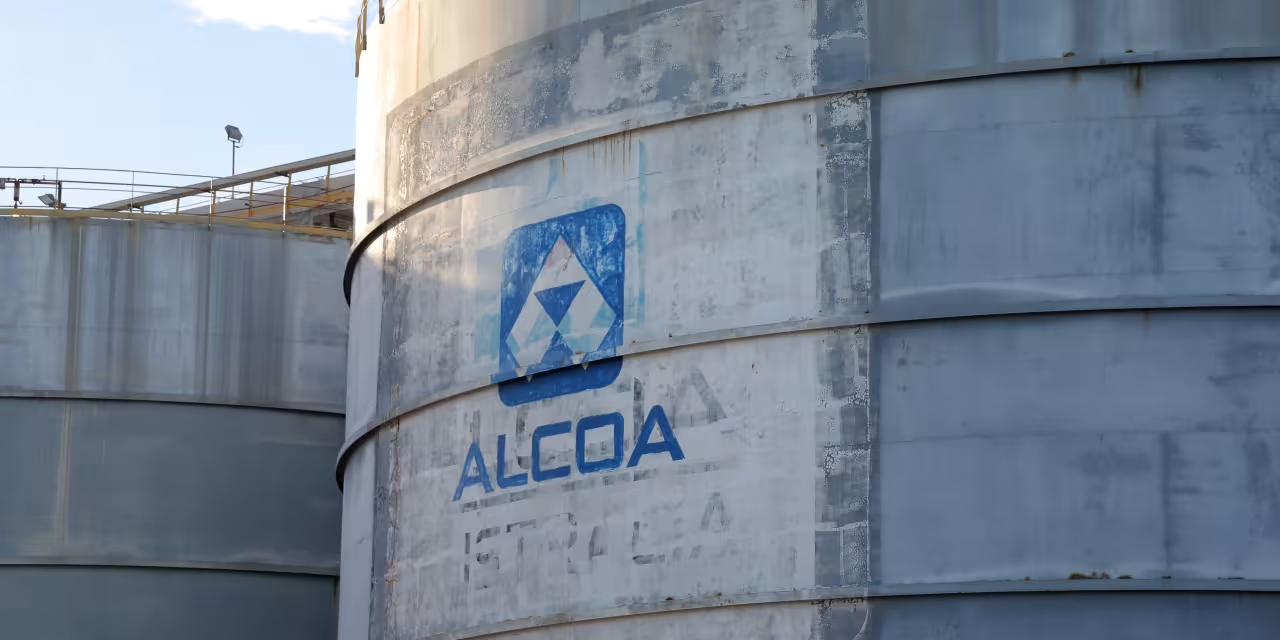
Aluminum Is the New Oil. These Stocks Are Soaring.


Hi, my names Tyler! While I am currently a student at University of South Carolina well on my way to earning majors in Finance and Risk Management, I spend nearly all my free time analyzing companies and the market. My credentials include a Level 2 certification through the Adventis FMC program as well as certificates from Bloomberg Market Concepts.I have been investing since middle school, however, I am much more focused on investing now than I was then. Overall, I am event-driven, opportunistic investor who is just looking for the next best thing.I was particularly inspired by Cornwall Capital, who found stocks others deemed “risky” and completed in-depth research to find the true story. This is my main strategy today, finding ignored or underfollowed stocks that bring more to the table than people think. This led me to make my first “Cornwall” trade back in May acquiring shares and LEAP option contracts of Opendoor Technologies at $0.75, before the meme rally. I acquired more shares around $0.56 and $2.00 and although I sold my option contracts for a profit of 4000%+, I continue to hold my shares to this day. Today, I am on my next “Cornwall” trade, Gamesquare Holdings, I highly encourage you take a look.I write and post anything that I find interesting or I believe has a strong opportunity ahead across any industry or sector. I’ve always enjoyed sharing my thoughts on companies with family members and friends so I figured, why not share with everybody!
Analyst’s Disclosure: I/we have no stock, option or similar derivative position in any of the companies mentioned, and no plans to initiate any such positions within the next 72 hours. I wrote this article myself, and it expresses my own opinions. I am not receiving compensation for it (other than from Seeking Alpha). I have no business relationship with any company whose stock is mentioned in this article.
Seeking Alpha’s Disclosure: Past performance is no guarantee of future results. No recommendation or advice is being given as to whether any investment is suitable for a particular investor. Any views or opinions expressed above may not reflect those of Seeking Alpha as a whole. Seeking Alpha is not a licensed securities dealer, broker or US investment adviser or investment bank. Our analysts are third party authors that include both professional investors and individual investors who may not be licensed or certified by any institute or regulatory body.


New clean label plant-based ingredient for extending the shelf life of bakery, fillings & more.

White House reviewing SEC proposal on semiannual corporate disclosures
Velo3D stock jumps on $9.8M defense contract win

SYDNEY — Australia’s export economy in 2026 remains heavily reliant on its vast natural resources, with iron ore, energy commodities and gold dominating the country’s trade ledger as global demand from Asia continues to drive billions in revenue despite fluctuating prices and geopolitical uncertainties.
Iron ore mining stands as Australia’s largest exporting industry, generating an estimated $116.8 billion in 2026, according to industry analysis. The nation supplies more than half of the world’s seaborne iron ore trade, primarily feeding steel production in China, its largest customer. Volumes have remained robust even as prices moderated from previous peaks, supported by strong infrastructure spending in key Asian markets.
Coal, including both thermal and metallurgical varieties, ranks among the top exports with combined earnings around $63–71 billion. Australia is the world’s leading exporter of metallurgical coal used in steelmaking and a major supplier of thermal coal for power generation. While demand faces long-term pressure from the global energy transition, short-term needs in Asia have kept shipments steady in early 2026.
Liquefied natural gas (LNG) production contributes approximately $72.6 billion, positioning Australia as one of the top three global exporters and supplying roughly 30% of Asia’s LNG market. Japan, South Korea and China remain key buyers. Recent price volatility tied to international events has influenced earnings, but established long-term contracts provide stability for major projects in Western Australia and the Northern Territory.
Gold has surged in prominence, with export values reaching or exceeding $60–69 billion in projections for the 2025–26 financial year, potentially overtaking LNG as the second-most valuable resource export after iron ore. Higher production volumes and elevated gold prices driven by safe-haven demand amid geopolitical tensions have fueled the boom. Australia ranks as the world’s second-largest gold producer.
Crude petroleum and broader oil and gas extraction add another $82.5 billion, encompassing both raw and processed energy products. These commodities benefit from Australia’s strategic location and established export infrastructure, though they face competition from other global suppliers.
Agricultural products form a significant but smaller portion of the export mix. Beef and other meat products generate around $17–21 billion annually, with the United States and Asian markets as primary destinations. Grains, including wheat, contribute roughly $9–15 billion, while emerging categories such as tree nuts show strong growth potential.
Critical minerals, particularly lithium used in batteries for electric vehicles, represent a fast-growing segment. Lithium and other non-metallic mineral mining are among the industries with the highest export growth rates in 2026, aligning with global demand for clean energy technologies.
Other notable exports include copper ores and concentrates, aluminium, and wool, though they rank lower in total value compared to the dominant resource categories. Services exports, such as education and tourism, add substantial value but fall outside merchandise trade rankings.
China accounts for roughly 30% of Australia’s total exports, making it by far the largest trading partner. Japan, South Korea, India and the United States follow, highlighting the heavy Asia-Pacific orientation of Australian trade. In January 2026 alone, exports to China reached $14.2 billion, underscoring continued reliance on the Chinese market for iron ore, coal and LNG.
The overall merchandise export total for recent periods hovers around $330–360 billion annually, with resources and energy comprising the vast majority. Government forecasts for resources and energy exports in the year through June 2026 were revised upward to A$383 billion, reflecting stronger gold and certain commodity outlooks.
Economists note that while resource dependence brings prosperity, it also exposes the economy to commodity price cycles and external shocks. Efforts to diversify include boosting critical minerals processing, expanding agricultural value-added exports and growing services trade. However, mining and energy still dominate the top 10 list.
Here is a consensus ranking of Australia’s top 10 exporting products in 2026 based on available industry reports, government data and trade analyses (values are approximate annual figures in USD or equivalent and subject to monthly fluctuations):

1. Iron Ore — Approximately $87–117 billion. Australia remains the undisputed leader in global iron ore exports, with massive shipments from the Pilbara region in Western Australia.
2. Liquefied Natural Gas (LNG) / Petroleum Gas — Around $49–73 billion. Long-term contracts with Asian buyers sustain this key energy export.
3. Coal (Thermal and Metallurgical) — Roughly $61–71 billion. Essential for steel and power in importing nations.
4. Gold — $31–69 billion. Surging prices and production have elevated its ranking significantly.
5. Crude Petroleum / Oil and Gas Extraction — Contributing to the broader $82 billion energy category.
6. Meat and Edible Meat Offal (primarily beef) — About $17–21 billion. High-quality Australian beef enjoys strong demand in premium markets.
7. Cereals / Grains — Around $9–15 billion. Wheat and other grains support food security in import-dependent regions.
8. Copper Ores and Concentrates — Several billion, part of broader base metals exports.
9. Aluminium and Aluminium Ores — Steady contributor from Australia’s smelting capacity.
10. Lithium and Critical Minerals — Rapidly rising, though still smaller in absolute value than traditional leaders; positioned for future growth.
Monthly data from the Australian Bureau of Statistics for early 2026 showed mixed movements. Iron ore fines and lump experienced some volume and price adjustments, while certain coal categories and LNG recorded modest gains or stability. Gold shipments have been particularly strong.
Trade experts highlight opportunities and risks. Rising demand for critical minerals linked to the energy transition could elevate lithium and rare earths in future rankings. Conversely, global decarbonization policies may eventually curb coal and traditional gas demand, prompting investment in new export streams.
Australia’s trade surplus has benefited from high commodity prices in recent years, supporting government revenues and the national economy. However, currency fluctuations, particularly the Australian dollar, influence competitiveness.
As of March 2026, the export landscape reflects both continuity in resource strength and gradual shifts toward higher-value and future-oriented commodities. Diversification efforts continue through trade agreements and investment in processing capabilities to capture more value domestically before export.
For businesses and policymakers, monitoring commodity prices, Chinese economic conditions and global energy dynamics remains crucial. Australia’s export success in 2026 underscores its role as a reliable supplier of essential raw materials to the world economy, while highlighting the need for ongoing adaptation to changing international demands.
The composition of Australia’s top exports underscores the nation’s comparative advantages in mining and agriculture. Sustained investment in infrastructure, technology and sustainable practices
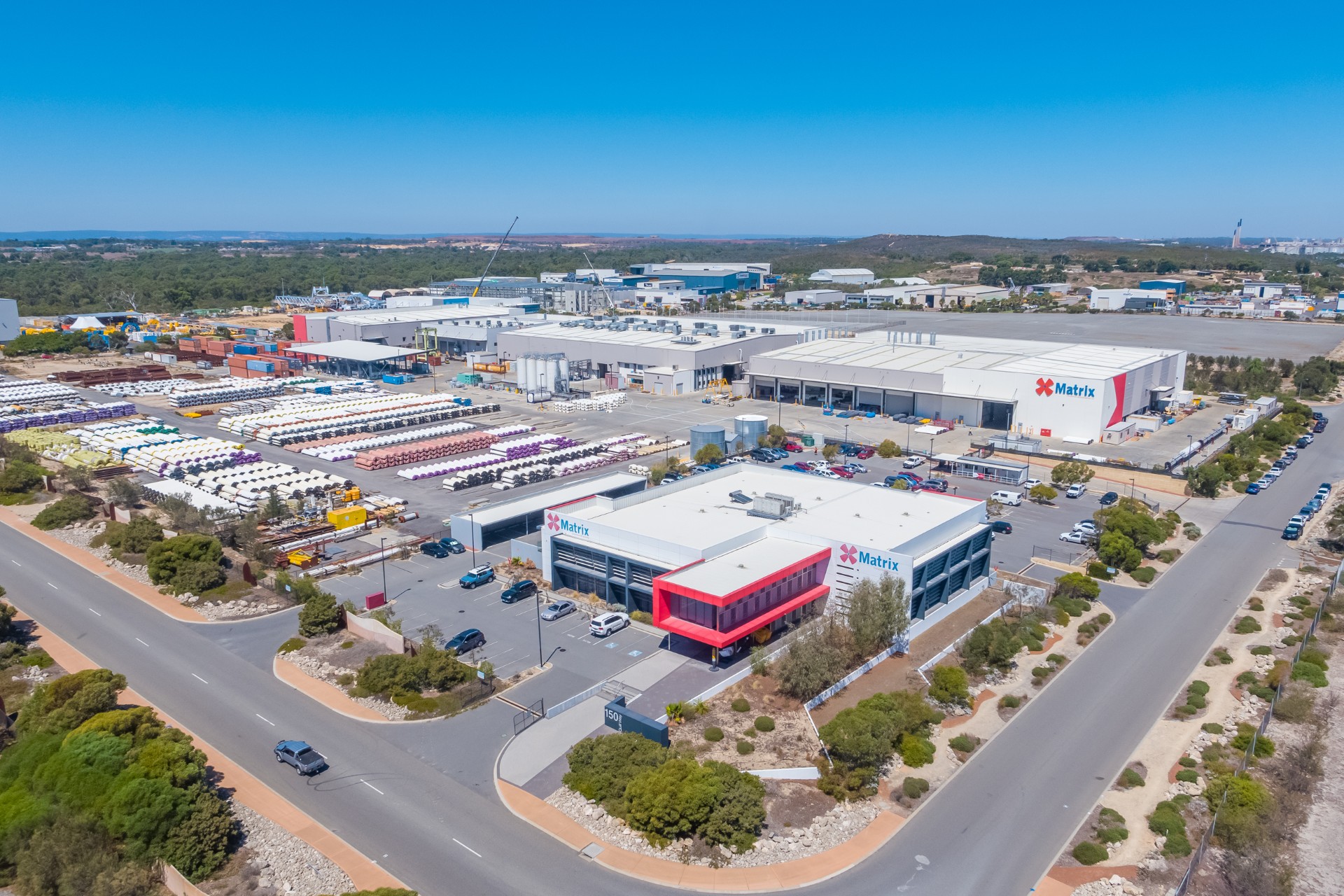
Advanced Innergy Holdings has lobbed a second takeover offer for Perth-based Matrix Composites & Engineering after addressing issues that caused its first offer to flounder last year.
Which Countries Would Suffer Most in a Global Energy Shutdown? This Study Has Answers

Gloria Estefan’s Timely New Documentary Is Officially on Digital [Exclusive]

#bankcharges #banktruth #atmfees #money #finance


-
 NewsBeat5 days ago
Manchester United reach agreement with Casemiro over contract clause amid transfer speculation
-

 News Videos5 days ago
Parliament publishes latest register of MPs’ financial interests
-

 NewsBeat3 days ago
The Story hosts event on Durham’s historic registers
-

 Business4 days ago
Instagram, YouTube Found Responsible for Teen’s Mental Health Struggle in Historic Ruling
-
 NewsBeat5 days ago
Tesco is selling new Cadbury Dairy Milk bar and people can’t wait to try it
-

 Tech7 days ago
Samsung will soon let you control smart home devices from your car’s dashboard
-
 Entertainment2 days ago
Lana Del Rey Celebrates Her Husband’s 51st Birthday In New Post
-

 Fashion6 days ago
Does It Matter What You Wear When You’re Laid Off and Looking?
-

 Business6 days ago
More women enter wealth management, but few in advisory roles: study
-
 NewsBeat7 days ago
Colombian military plane with 110 soldiers onboard crashes following takeoff
-

 Politics7 days ago
How Media Platforms Balance Performance and Accessibility in Image Delivery
-

 NewsBeat6 days ago
Entrepreneurs Forum survey reveals optimism in North East
-
 NewsBeat6 days ago
NASA Artemis II Astronauts enter 14-Day quarantine as moon rocket reaches launchpad
-

 Business6 days ago
Late-paying firms face multimillion-pound fines under new crackdown
-

 Crypto World6 days ago
BTC gives up $70,000 level as markets mull higher interest rates
-

 Sports5 days ago
Fantasy Baseball Week 1 Preview: Top sleeper hitters for both five- and 12-day period led by Munetaka Murakami
-
 Tech4 days ago
Intercom’s new post-trained Fin Apex 1.0 beats GPT-5.4 and Claude Sonnet 4.6 at customer service resolutions
-

 Fashion6 days ago
Coffee Break: Korean Skincare Set
-

 Tech5 days ago
US FCC Prohibits Approval Of New Foreign-Made Consumer Routers
-

 Fashion6 days ago
Althea Mink: Patrice Taylor’s Atlanta Couture Brand Built on Legacy, Resilience, and Architectural Glamour
You must be logged in to post a comment Login