
Business
How AI Is Transforming Car Rental and Car Sharing Platforms


Digital platforms have fundamentally reshaped the car rental and car sharing industry, replacing traditional, manual processes with seamless, app-driven experiences.
Today’s customers expect instant booking, transparent pricing, and flexible access to vehicles, all managed through centralized systems. As a result, businesses are increasingly adopting advanced car rental software to streamline operations, manage fleets in real time, and deliver consistent, user-friendly services across multiple channels.
Artificial intelligence is playing a growing role in this transformation, enhancing both efficiency and profitability. AI-powered tools enable dynamic pricing, demand forecasting, predictive maintenance, and personalized customer interactions. According to industry forecasts, the global car rental market is expected to exceed $140 billion by 2027, with a significant share driven by digital platforms and AI-enabled services. Similarly, car sharing is projected to grow rapidly, supported by urbanization and increasing demand for flexible mobility solutions.
This shift marks a clear transition from manual, reactive operations to proactive, data-driven decision-making. Companies that leverage real-time data and AI insights can optimize fleet utilization, reduce downtime, and improve customer satisfaction. In an increasingly competitive market, the ability to turn data into actionable intelligence is becoming a key differentiator for both car rental and car sharing providers.
Smarter Pricing and Demand Forecasting
As car sharing platforms scale, pricing and demand management become critical to maintaining profitability and competitiveness. Traditional static pricing models are no longer sufficient in a market where demand fluctuates by location, time, and user behavior. Modern platforms rely on intelligent, data-driven approaches to continuously optimize pricing and fleet utilization.
AI-Powered Dynamic Pricing
Advanced algorithms analyze multiple variables in real time to adjust pricing dynamically:
- Demand levels in specific locations or zones
- Time of day, day of week, and seasonal trends
- User behavior, booking patterns, and trip duration
- External factors such as events, weather, or traffic conditions
This allows operators to maximize revenue during peak demand while remaining attractive to users during off-peak periods.
Predictive Analytics for Demand Planning
Predictive models use historical and real-time data to forecast demand and optimize fleet distribution:
- Anticipating high-demand areas and repositioning vehicles accordingly
- Planning fleet expansion or reduction based on usage trends
- Identifying underperforming locations or time slots
With accurate forecasting, operators can ensure vehicles are available where and when users need them most.
Reducing Idle Vehicles and Increasing Revenue
One of the biggest challenges in car sharing is minimizing idle time. Smarter pricing and forecasting help:
- Increase vehicle utilization rates
- Reduce unnecessary fleet downtime
- Balance supply and demand more effectively
As a result, operators can generate more revenue from the same number of vehicles while lowering operational inefficiencies.
Real-Time Market Adaptation
In highly competitive urban markets, the ability to react instantly is essential. Real-time pricing adjustments enable platforms to:
- Stay competitive with alternative mobility providers
- Respond to sudden demand spikes or drops
- Launch targeted promotions or discounts when needed
By combining AI-driven pricing with predictive demand forecasting, car sharing platforms can create a responsive, efficient, and revenue-optimized ecosystem that adapts continuously to market conditions and user needs.
Enhanced Customer Experience Through Personalization
Personalization has become a key differentiator in modern car sharing platforms, where users expect fast, relevant, and intuitive interactions at every step of their journey. By leveraging data and advanced technologies, providers can tailor services to individual preferences, increasing customer satisfaction, loyalty, and overall platform engagement.
AI-Driven Recommendations
Artificial intelligence enables platforms to analyze user behavior and suggest the most relevant options in real time:
- Recommended vehicles based on past trips, location, and usage patterns
- Add-ons such as insurance packages, child seats, or extended rental time
- Customized rental packages aligned with user habits (e.g., daily commuters vs. occasional users)
These recommendations simplify decision-making and create a more intuitive booking experience.
Personalized Offers and Pricing
By analyzing historical data and preferences, platforms can deliver targeted offers that resonate with individual users:
- Discounts for frequently used routes or locations
- Loyalty rewards and personalized promotions
- Dynamic pricing incentives based on user engagement and demand patterns
This level of personalization increases conversion rates and encourages repeat usage.
Chatbots and Virtual Assistants
AI-powered chatbots and virtual assistants provide instant, 24/7 support, improving responsiveness and reducing operational workload:
- Assisting with bookings, modifications, and cancellations
- Answering common questions in real time
- Guiding users through the rental process step by step
This ensures a smooth experience without delays, especially during peak usage times.
Faster Onboarding and Verification
Automation significantly reduces friction during user registration and onboarding:
- Digital identity verification using document scanning and facial recognition
- Automated risk assessment to approve or flag users quickly
- Seamless account setup with minimal manual input
Faster onboarding allows users to start using the service almost instantly, improving first impressions and reducing drop-off rates.
By combining AI-driven personalization, automated support, and streamlined onboarding, car sharing platforms can deliver a highly tailored and efficient user experience. This not only enhances customer satisfaction but also drives long-term retention and competitive advantage in a rapidly evolving mobility market.
Operational Efficiency and Fleet Optimization
Efficient operations and optimized fleet management are at the core of successful car sharing platforms. As fleets grow and user demand becomes more dynamic, operators must rely on data-driven strategies and automation to ensure vehicles are available, functional, and profitable at all times. Advanced technologies make it possible to balance supply and demand, reduce operational costs, and maintain high service reliability.
Intelligent Fleet Distribution
Modern platforms use predictive models to position vehicles where demand is expected to be highest:
- Analysis of historical usage patterns and real-time demand signals
- Dynamic relocation of vehicles across zones or cities
- Optimization of station-based and free-floating fleet models
This ensures higher availability for users while minimizing underutilized assets.
Predictive Maintenance
Instead of reacting to breakdowns, operators can anticipate issues before they occur:
- Monitoring vehicle health through telematics and IoT sensors
- Scheduling maintenance based on usage, mileage, and performance data
- Reducing unexpected downtime and extending vehicle lifespan
Predictive maintenance lowers repair costs and improves overall fleet reliability.
Automation of Core Operations
Automation streamlines repetitive tasks and reduces manual workload:
- Instant reservations and confirmations through mobile apps
- Automated check-in and check-out processes with keyless access
- Seamless billing, invoicing, and trip tracking
This improves operational speed and allows teams to focus on higher-value activities.
Fraud Detection and Security Monitoring
AI models enhance platform security and protect both operators and users:
- Detection of suspicious booking patterns or unusual behavior
- Real-time monitoring of vehicle usage and location
- Automated alerts and risk scoring to prevent fraud or misuse
By combining intelligent distribution, predictive maintenance, automation, and AI-driven security, car sharing platforms can achieve high operational efficiency and optimal fleet utilization. These capabilities enable scalable growth, cost control, and a reliable user experience in increasingly competitive mobility markets.
Integrations, Data, and Scalable Platforms
As car sharing platforms evolve, their ability to integrate systems, manage data effectively, and scale infrastructure becomes a key factor in long-term success. Modern mobility solutions are no longer standalone applications—they are complex ecosystems that rely on seamless connectivity between multiple technologies and data sources.
System Integrations as a Foundation
Integrating AI with existing systems is essential for creating a unified and efficient platform:
- Connection with CRS and reservation systems for real-time booking management
- Integration with ERP systems for financials, billing, and reporting
- Telematics integration for vehicle tracking, diagnostics, and remote control
- Payment gateway integration for secure, instant transactions
Strong integrations ensure smooth data exchange across all components, eliminating manual processes and enabling automation at scale.
Centralized Data Platforms
A centralized data layer allows platforms to collect, process, and analyze information from all connected systems:
- Real-time insights into fleet performance, user behavior, and revenue streams
- Unified dashboards for operational monitoring and decision-making
- Data consistency across departments and touchpoints
This centralized approach transforms raw data into actionable intelligence, supporting faster and more informed business decisions.
Cloud Infrastructure for Scalability
Cloud-based architecture plays a crucial role in supporting AI-driven platforms:
- Elastic scalability to handle growing user bases and fleet sizes
- High availability and performance across multiple regions
- Faster deployment of new features and updates
- Cost efficiency through on-demand resource usage
Cloud infrastructure ensures that platforms can expand without performance limitations while maintaining reliability and speed.
Technology Expertise and Implementation
Building such interconnected and scalable systems requires deep technical expertise. Companies like COAX Software have experience in developing AI-ready car rental and mobility platforms with advanced integrations, centralized data architectures, and scalable cloud solutions. Their approach focuses on creating flexible ecosystems that support real-time operations, automation, and long-term growth.
By combining strong integrations, centralized data management, and scalable cloud infrastructure, car sharing platforms can unlock the full potential of AI and automation. This creates a resilient, future-ready ecosystem capable of adapting to market demands and delivering a seamless user experience at scale.
Driving the Future with Intelligent Mobility
AI has moved from being an optional enhancement to a core component of modern car rental and car sharing platforms. From pricing and demand forecasting to personalization and fleet optimization, intelligent technologies now power every critical aspect of operations. Platforms that fail to adopt AI risk falling behind in a market where speed, accuracy, and user experience are key competitive factors.
Businesses that embrace AI gain clear advantages in revenue optimization, operational efficiency, and customer satisfaction. Automated processes reduce costs and errors, while data-driven insights enable faster, smarter decision-making. At the same time, personalized experiences and seamless interactions help build stronger user loyalty and long-term engagement.
Looking ahead, the shift toward fully automated, data-driven ecosystems will define the next generation of mobility services. As AI, cloud infrastructure, and real-time data integration continue to evolve, car sharing platforms will become more adaptive, scalable, and efficient—reshaping how people access and experience transportation.

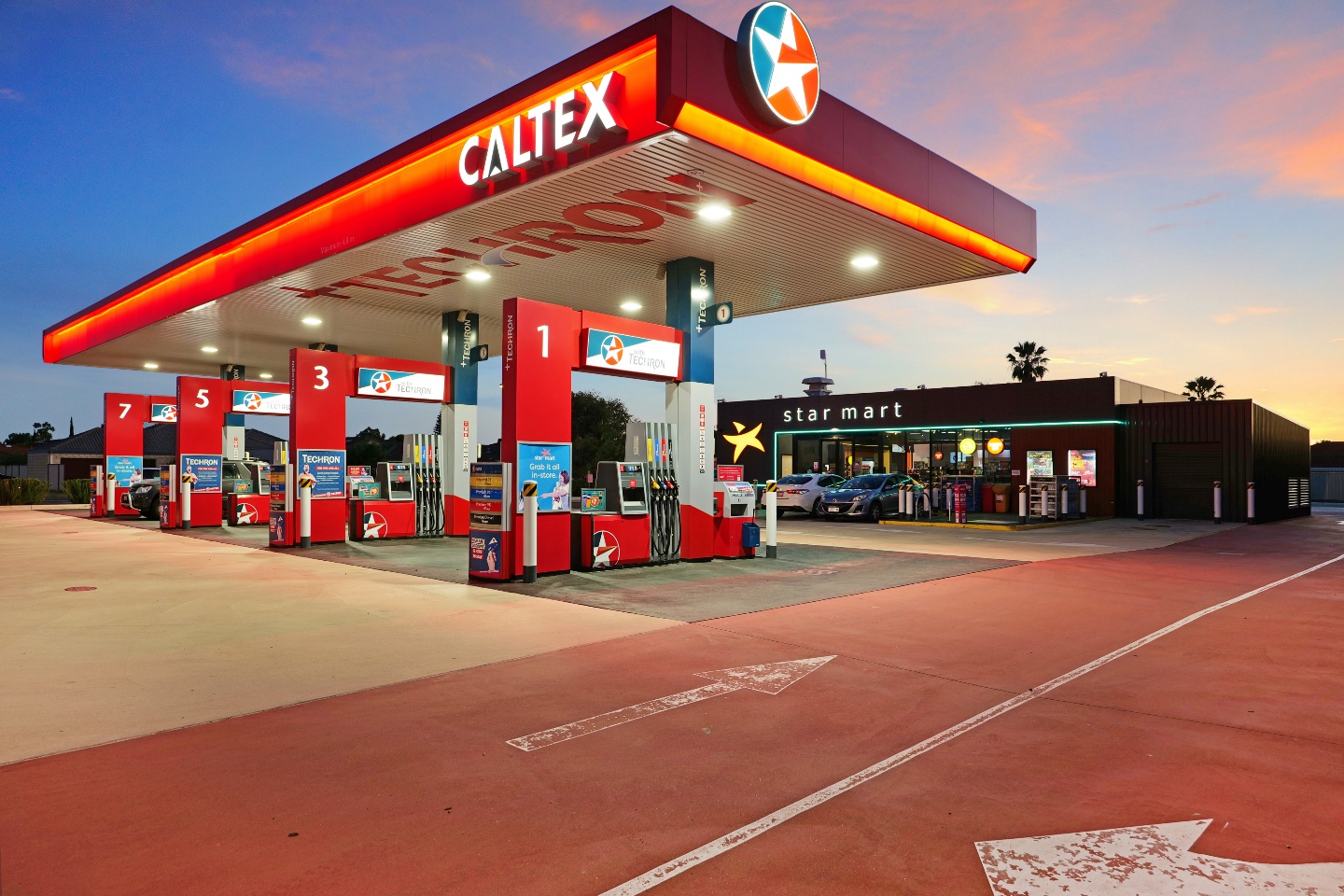
Two service stations anchored by Chevron’s Caltex brand have sold Perth’s suburbs. Two service stations anchored by Chevron’s Caltex brand have sold Perth’s suburbs.

LOS ANGELES — Star Wars fans can finally secure their tickets starting today, May 6, 2026, for Star Wars Celebration 2027, the massive four-day fan event set to take over the Los Angeles Convention Center from April 1-4, 2027, marking the 50th anniversary of the original “Star Wars” film.

Tickets officially went on sale at 12:00 p.m. PT on Wednesday, with multiple tiers available ranging from single-day passes to premium Jedi Master VIP packages. The event promises major panels, exclusive merchandise, cosplay showcases, and surprises celebrating five decades of the beloved franchise.
The official Star Wars Celebration website and Ticketmaster began processing orders promptly at noon Pacific, with fans reporting quick movement on lower-priced options. Early demand appears high, especially for the full four-day passes and VIP experiences that include early access, exclusive panels and collectibles.
Event Details and Highlights
Star Wars Celebration 2027 will return to California for the first time since 2006, bringing together fans, celebrities, creators and collectors for an immersive experience. The Los Angeles Convention Center will host massive exhibit halls, autograph sessions, stage presentations and fan-favorite activities such as the popular cosplay competition and collector-focused areas.
Organizers have teased special programming to celebrate the 50th anniversary of “A New Hope,” potentially including rare screenings, behind-the-scenes insights and appearances tied to current and upcoming Star Wars projects. While full panel and guest lineups remain under wraps, past events have featured major announcements from Lucasfilm, including new film and series reveals.
Ticket Options and Pricing
- 4-Day General Admission: $105.99
- Thursday Single Day: $36
- Friday/Saturday/Sunday Single Day: $46 each
- Jedi Master VIP packages (with premium perks) are priced significantly higher and sold out fastest in previous years.
Hotels near the convention center have already opened special discounted room blocks through the official partner Connections Housing. Fans are encouraged to book accommodations early, as the event typically draws tens of thousands of attendees.
Why Fans Are Excited
This will be the first Celebration on the West Coast in over two decades, making it highly accessible for fans in California and the broader Western U.S. The timing aligns perfectly with the franchise’s milestone anniversary, raising expectations for substantial reveals about upcoming movies, series and games.
Social media has been buzzing since the sale opened, with fans sharing screenshots of successful purchases and expressing excitement about returning to in-person celebration after recent international events. Hashtags like #StarWarsCelebration2027 and #SWCeleb2027 quickly began trending as attendees planned trips and coordinated group travel.
Past Celebrations and Legacy
Star Wars Celebration has grown into one of the largest pop culture conventions in the world since its debut in 1999. Previous events in cities like Chicago, Orlando, London and Anaheim have delivered unforgettable moments, including surprise cast reunions, trailer premieres and interactive experiences.
The 2027 edition in Los Angeles is expected to be one of the largest yet, capitalizing on the city’s deep connection to the Star Wars universe and its status as a global entertainment hub.
Tips for Buying Tickets
Fans hoping to attend should act quickly, especially for VIP packages and popular single-day tickets. Having a Ticketmaster account ready with payment information saved can help avoid missing out during high-demand periods. Those unable to purchase today are advised to monitor the official site for any additional waves or waitlists.
International travelers should begin visa and travel arrangements early, particularly for large groups. Families and cosplay enthusiasts are encouraged to review the event’s policies on costumes, props and age restrictions once more details are released.
What to Expect in 2027
While the full schedule remains months away, past events suggest a mix of large-scale panels, intimate creator sessions, vendor halls packed with exclusive merchandise, and community celebrations. The 50th anniversary theme is likely to bring special tributes to the original trilogy and the franchise’s cultural impact.
Lucasfilm has not yet announced specific guests or programming, but speculation is already running high about potential appearances by legacy actors and new talent from ongoing series.
Broader Star Wars Momentum
The timing of Celebration 2027 comes during an active period for the franchise, with new films, television series and games in various stages of development. Fans hope the event will provide clarity and excitement about the future direction of Star Wars storytelling across all mediums.
For many, attending Celebration is more than just a convention — it is a pilgrimage and a chance to connect with fellow fans from around the world who share a passion for the galaxy far, far away.
As tickets continue selling throughout the day, excitement continues to build for what promises to be a landmark event in Star Wars history. Whether you’re a longtime fan celebrating 50 years or a newer member of the community, Star Wars Celebration 2027 in Los Angeles is shaping up to be an unforgettable experience.
Tickets remain available now at the official Star Wars Celebration website. Early buyers are already making plans, booking hotels and coordinating costumes for what many are calling the biggest Star Wars party of the decade.

Eurozone economy slips into contraction as inflation surges


BMW holds 2026 outlook despite Q1 profit slump, shares jump on margin beat
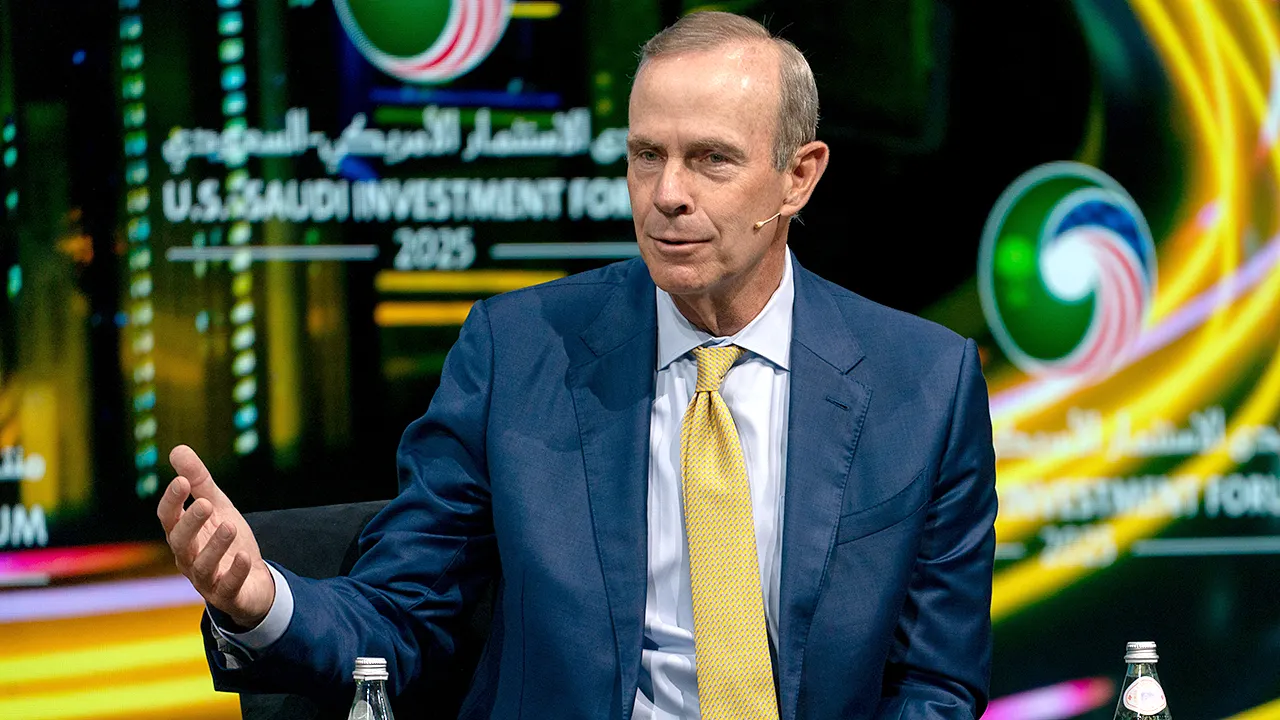
‘The Big Money Show’ panel breaks down rising Iran tensions as U.S. forces secure the Strait of Hormuz, oil prices react and Americans face higher gas costs amid a volatile global energy fight.
Chevron CEO Mike Wirth on Monday said that shortages in the oil supply chain will start appearing around the world because of the closure of the Strait of Hormuz amid the Iran war.
Wirth made the comments during a discussion at the Milken Institute’s Global Conference about global economic growth and said that economies in Asia will be the first to shrink as demand adjusts to the disruption of oil supplies.
“We will start to see physical shortages,” Wirth said, adding that surplus supply in commercial markets, tankers in so-called shadow fleets avoiding sanctions, and national strategic reserves were being absorbed.
“Demand needs to move to meet supply,” he said. “Economies are going to have to slow.”
‘I JUST PRAY TO GOD’: LOS ANGELES DRIVERS HIT WITH $100 FILL-UPS AS GAS NEARS $9

Chevron CEO Mike Wirth said oil shortages will start appearing around the world, slowing economic growth. (Patrick T. Fallon/AFP via Getty Images)
Asian countries are the most reliant on oil produced and refined by countries near the Persian Gulf and are likely to see shortages first, followed by European countries, Wirth said.
He said that the U.S. as a net exporter of crude oil would be less affected than other parts of the world, but eventually the effects of the supply constraints will be felt there as well.
Wirth noted that the last scheduled shipment of oil from the Gulf was being offloaded at the Port of Long Beach, which supplies Los Angeles and Southern California.
UAE EXITS OPEN AND OPEC+, SEEKING FLEXIBILITY AS GLOBAL ENERGY MARKETS TIGHTEN
The overall impact of the closure of the Strait of Hormuz is “potentially as big as in the 1970s,” Wirth said of the energy crises that stemmed from the Yom Kippur War and the Iranian revolution that disrupted oil exports from the Middle East.
Energy prices have spiked amid the Iran war, with prices for global crude oil benchmarks West Texas Intermediate and Brent both trading over $100 a barrel after surging above $110 a barrel due to the conflict.
BUDGET AIRLINES SEEK FEDERAL AID AS SPIRIT SHUTS DOWN AFTER FAILED RESCUE
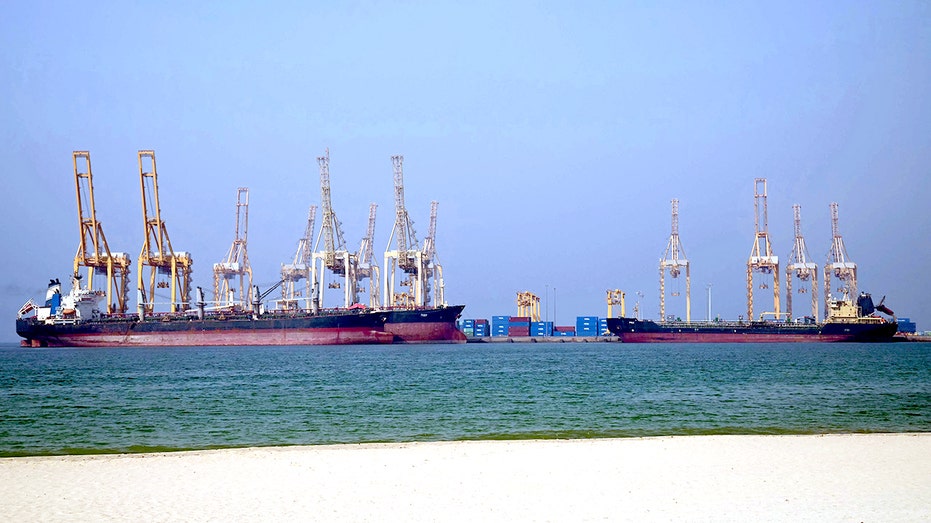
Oil tanker traffic through the Strait of Hormuz ground to a halt due to the Iran war. (Giuseppe Cacace/AFP via Getty Images)
Surging oil prices have pushed gas prices higher, with AAA data showing that the national average price of gas at more than $4.48 a gallon as of Tuesday – up more than 41% from the $3.16 a gallon average that prevailed one year ago.
Jet fuel prices have also risen dramatically, topping $4 a gallon since the outbreak of the war after it cost less than $2.50 a gallon before the war began.
GET FOX BUSINESS ON THE GO BY CLICKING HERE
The dramatic rise in jet fuel prices contributed to the failure of Spirit Airlines as its bankruptcy exit plan was upended by mounting costs.
Reuters contributed to this report.

Earnings are holding up better than feared
Speaking to ET Now, Shenoy noted that corporate results coming in have been “meaningfully interesting,” with the actual impact of recent global disruptions proving far less severe than widely expected. “The worst may be ahead of us,” he acknowledged, “but it does not seem like it is as bad as it sounds.”
Market prices have reflected this shift in sentiment. April was an encouraging month for Indian equities, and Shenoy sees that price action as a signal worth paying attention to — particularly in sectors where fundamental tailwinds are building.
The credit data tells a bullish story
One of the most compelling data points Shenoy cited was the latest bank credit numbers. MSME credit grew 34% year-on-year. Large industry credit — a segment that had essentially stopped borrowing — clocked growth of 10.5%, the highest since 2013.
“To the extent that corporates are borrowing again… industrial credit, especially capex, is kind of encouraging,” Shenoy said. Credit growth, he explained, typically acts as a precursor to capital expenditure, making this a forward-looking positive signal for the broader economy.

Where Shenoy is putting money to work
On sector allocation, Shenoy is unambiguous. His preference is industrials, import substitution, and manufacturing — with defence and semiconductors as high-conviction bets within that theme. Both sectors, he argues, have revenue upside that the current market narrative is underpricing.
“There is cause for that to be a primary kind of allocation,” he said of defence and semiconductor names, pointing to strong demand visibility and the potential for significant revenue jumps.Financials, by contrast, remain a lower priority for now. While NBFC credit demand is showing signs of life, Shenoy considers the sector “still weak” relative to the opportunities available elsewhere.
His more contrarian call is on oil exploration. Once the current geopolitical uncertainty eases, he expects domestic oil and gas exploration — particularly in basins with prior discoveries — to attract significant long-term interest.
Don’t make a long-term bet on high oil prices
On crude oil itself, Shenoy’s medium-term view is decisively bearish. He expects prices to fall below $80 per barrel within a year, driven by rising supply from the US, potential re-entry of Russian oil into global markets, UAE’s push to increase output outside OPEC constraints, and new domestic discoveries by India and China.
“Any bet on oil remaining at this level forever is probably a very bad idea,” he said flatly. Long-term electrification trends add further downward pressure, though he places that impact two to four years out.
On Tata Tech and the EV technology theme: Wait for orders first
Shenoy was cautious on the buzz around Tata Technologies and the broader EV technology outsourcing theme. While he acknowledged the opportunity is real, he cautioned that entry timelines in this space are long, competition is fierce, and major players like Tesla and Chinese automakers do not meaningfully outsource to India.
His advice: wait for actual order wins before treating the narrative as an investment thesis. “There is a better set of plays out there in plain old semiconductors or industrials,” he said, rather than making a specific bet on IT names riding the EV upgrade cycle.

Advanced Expectations The Biggest Challenge For Advanced Energy Industries Right Now

The company’s revenue from operations came in at Rs 810 crore, an impressive 40% increase from Rs 578 crore recorded in the corresponding quarter of the previous financial year.
The sharp gain in revenue was driven by strong execution momentum across renewable energy projects and higher contributions from key business verticals.
EBITDA rose to Rs 305 crore in Q4 FY25–26, marking an 80% increase from Rs 169 crore in the same period last year. This came on the back of a larger scale of operations, improved operating leverage and disciplined cost management.
Profit before tax (PBT) stood at Rs 214 crore, up 54% year-on-year from Rs 139 crore. The increase was largely supported by stronger project execution, a better revenue mix and improved operational efficiencies.
The company’s EBITDA margin improved to 36.6% from 28.3% year-on-year.
For the full year, total revenue came in at Rs 2,742 crore, marking a 56% increase from Rs 1,755 crore in FY24–25. KPI’s profit after tax (PAT) rose to Rs 509 crore, up 57% from Rs 325 crore, the company said in a regulatory filing.Alongside earnings, the company has recommended a final dividend of Re 0.25 per equity share and a special dividend of Re 0.15 per share following the successful energisation of its 1 GW IPP project. This takes the total dividend to Re 0.40 per equity share of face value Rs 5 each for FY25–26, subject to shareholder approval at the upcoming Annual General Meeting.
KPI management said: The year marked important progress in the Company’s transition towards an asset-backed renewable energy platform, with strengthened long-term revenue visibility from contracted IPP projects, continued order wins from marquee customers, successful project energisation, financial closure of new projects and entry into utility-scale Battery Energy Storage Systems.
Investors cheered the Q4 results as KPI Green shares rallied 10% to an intraday high of Rs 501 on the BSE on Wenesday.
(Disclaimer: Recommendations, suggestions, views and opinions given by the experts are their own. These do not represent the views of The Economic Times)

Columbia Dividend Opportunity Fund Q1 2026 Commentary
Business
Blake Lively and Ryan Reynolds Divorce Rumors Intensify Amid Legal Battle but Couple Remains United

NEW YORK — Persistent online speculation about a possible divorce between Blake Lively and Ryan Reynolds has surged in recent weeks, fueled by the actress’s high-profile legal dispute with Justin Baldoni, yet sources close to the couple insist their marriage remains strong and the rumors are unfounded.

As of early May 2026, no divorce filings have appeared in court records, and the Hollywood power couple continues to present a united front through public support, joint appearances and dismissive responses to split chatter. The rumors gained traction after Lively’s lawsuit against her “It Ends With Us” co-star and director, which has drawn intense media scrutiny and personal attacks on the family.
Ryan Reynolds has directly addressed the speculation, publicly praising his wife’s strength and integrity during the legal battle. In a recent interview, the “Deadpool” star distanced himself from divorce talk and expressed admiration for how Lively is handling the situation, calling her “resilient” and emphasizing their solid partnership.
Origins of the Rumors
The chatter intensified after Lively attended certain events without Reynolds and amid reports of strain from the Baldoni lawsuit. Online forums and social media amplified unverified claims, with some suggesting the legal stress was taking a toll on their 12-year marriage. Tabloid headlines and TikTok videos speculated about everything from separate living arrangements to hidden tensions, often linking it to Lively’s public image challenges.
However, multiple insiders and recent sightings tell a different story. The couple was spotted together at a Wales football match in March 2026 showing affectionate moments, and Reynolds has repeatedly voiced support for his wife amid her professional battles. Blake Lively herself responded lightheartedly to a fan comment about the rumors on Instagram, writing “Haha they wish,” signaling the couple is unbothered by the noise.
Current State of the Marriage
Sources close to the family describe Lively and Reynolds as committed partners who prioritize their four children and shared life despite external pressures. The couple, who married in 2012 and are known for their playful public banter, has faced scrutiny before but consistently emerged stronger. Reynolds’ recent comments dismissing divorce talk align with this pattern of unity.
Friends say the Baldoni lawsuit has been stressful but has also brought the couple closer as they navigate the challenges together. No credible reports indicate separation or impending filings, and both continue to appear supportive in public and private.
Legal Battle Context
The divorce rumors are largely tied to Lively’s ongoing dispute with Justin Baldoni over “It Ends With Us.” The high-profile case, which involved allegations of harassment and a toxic work environment, recently saw some claims dismissed while others moved forward. The intense media coverage and personal attacks have spilled over into speculation about Lively’s personal life.
Reynolds has been vocal in his support, and the couple attended high-profile events like the 2026 Met Gala together, further countering split narratives. Insiders note that the rumors appear manufactured for clicks rather than rooted in reality.
Public and Industry Reaction
Social media remains divided, with some users fueling speculation while others defend the couple as one of Hollywood’s more stable pairings. Celebrity watchers note that Lively and Reynolds have long been targets for rumor mills due to their high visibility and successful careers.
Industry sources emphasize that both stars maintain busy schedules — Reynolds with film projects and his ownership stakes, Lively with her own ventures and family life — but prioritize time together. Their four children remain central to their decisions.
Looking Ahead
As the Baldoni case continues and summer approaches, observers expect the couple to maintain a relatively low profile while focusing on family. Reynolds has upcoming projects, including potential “Deadpool” developments, while Lively balances professional commitments with motherhood.
For now, the divorce rumors appear to be just that — rumors. The couple’s history of weathering storms together, combined with recent public affirmations, suggests their marriage is intact despite the noise. Hollywood relationships often face intense scrutiny, but Lively and Reynolds continue demonstrating resilience and unity.
Fans and followers are advised to approach unverified claims with skepticism and await any official statements from representatives. As of May 2026, Blake Lively and Ryan Reynolds remain married and appear committed to their life together, turning the latest rumor cycle into another chapter in their enduring partnership.
The situation remains fluid as public interest stays high, but current evidence points to a strong marriage weathering temporary storms rather than heading toward dissolution.

JUST IN: Goldman Sachs XRP Filing Is OFFICIAL

Little-known Ryanair rule that bans travellers from flying

Anchorage unveils agentic banking; CEO cites trillion-dollar opportunity

Manchester United reach agreement with Casemiro over contract clause amid transfer speculation

US brings back mandatory military draft registration

Steven Gerrard disagrees with Gary Neville over ‘shock’ Chelsea and Arsenal claim | Football


-
 Business7 days ago
Tesla Officially Registers Elon Musk’s Stock: What Investors Need to Know
-

 NewsBeat3 days ago
Channel 5 – All Creatures Great and Small series 7 new post
-

 Entertainment6 days ago
Insider Claims Reason Behind Key & Peele Split
-
 Tech5 days ago
Trump’s 25% EU auto tariff breaches Turnberry Agreement that also covers semiconductors and digital trade
-
 Sports5 days ago
Paul Scholes issues Marcus Rashford reality check as agreement emerges over Man United star
-

 Business7 days ago
Barclay Brothers Avoid Bankruptcy: HSBC Drops High Court Petitions After IVA Deal
-

 Entertainment4 days ago
Met Gala 2026 Rumored Guest List Is Turning Heads
-

 Entertainment6 days ago
Celebrities Who Are Attending the 2026 Met Gala Event
-

 Business5 days ago
Strait of Hormuz Blockade Persists Amid US-Iran Standoff, Sending Oil Prices Soaring
-

 Tech7 days ago
Texas Instruments made a new flagship graphing calculator: the TI-84 Evo
-

 Crypto World7 days ago
Meta (META) starts stablecoin payout to creators in Circle’s USDC on Polygon, Solana via Stripe
-
Business6 days ago
Strait of Hormuz Remains Heavily Restricted on April 29 Amid Iran Conflict
-
Entertainment5 days ago
New on Prime Video in May 2026 — Full List of Movies and Shows
-
 Sports4 days ago
David Benavidez responds to team Canelo saying the fight will never happen
-

 Sports4 days ago
Cavaliers vs. Raptors Game 6 live score, updates, highlights from 2026 NBA playoffs first-round series
-

 Entertainment4 days ago
Kylie Jenner Hit With Second Lawsuit From Ex-Housekeeper
-

 Sports6 days ago
Arsenal, Atletico Madrid share draw after penalty drama in Champions League semi-final
-

 Sports6 days ago
Saudi Arabia set to withdraw LIV Golf funding after 2026 season, per reports
-

 Tech6 days ago
Mark Zuckerberg Says Meta Is Working On AI Agents For Personal And Business Use
-

 Sports4 days ago
Plane crash in Wimberley, Texas kills 5 pickleball players at tournament
You must be logged in to post a comment Login