In a world where a viral TikTok video can cause a brand to trend globally in mere hours, the traditional market research cycle — often spanning 12 weeks — is becoming a liability.
The lag between a survey question and the answers from a wide (or targeted) pool of respondents has become a primary bottleneck for Fortune 500 decision-makers who are forced to navigate volatile geopolitical and economic shifts with data that is frequently outdated by the time it reaches a slide deck, as industry experts have observed.
Brox, a predictive human intelligence startup, recently announced a strategic funding round following a year where they reported 10X revenue growth. Their proposition is as ambitious as it is technical: the creation of a “parallel universe” populated by 60,000 digital twins of real, living human beings and their entire demographic profiles and consumer preferences, allowing enterprises to run unlimited experiments in hours rather than months.
“These digital twins are one-to-one replicas of actual, real individuals,” said Brox CEO Hamish Brocklebank in a recent video call interview with VentureBeat. “We recruit real people like a normal panel company does, pay them to interview them, and capture all the data around them — fully consent-driven.”
Advertisement
The company, currently a lean 14-person operation, is positioning itself as the antithesis of the “insane” research industry. By replacing statistical models with behavioral replicas, Brox aims to transform how the world’s largest banks and pharmaceutical giants anticipate human reactions to high-stakes global and market-shifting events, or narrow, targeted product releases and personnel news, and everything in between.
The kinds of surveys and specific questions that Brox asks its digital twins are completely open-ended and can be customized to fit any conceivable business customer’s use cases and goals.
According to Brocklebank, examples of survey questions include: “What happens if America invades Iran or Greenland? Will depositors at Bank of America put more money into their account or take more money out? Or, in pharmaceuticals, if RFK Jr. says something next week, will that make people more likely to take vaccines or less likely?”
Not synthetic people — AI copies of real ones
The core differentiator of Brox’s technology lies in the fidelity of its input data.
Advertisement
While many competitors in the “digital audience” space rely on purely synthetic identities — generic personas generated by Large Language Models (LLMs ) — Brocklebank argues that these methods inevitably produce “AI slop”.
Purely synthetic audiences often cluster around a tight distribution of answers, over-indexing for “correct” or “healthy” behaviors (such as eating broccoli) because of inherent biases in the underlying models.
Brox’s “Digital Twins” are instead one-to-one behavioral replicas of real individuals who have been recruited and interviewed with exhaustive depth. The process is intensive:
Deep Interviews: The company conducts hours of real and AI-driven interviews with each participant.
Psychological Depth: The data collection seeks to understand fundamental “decision drivers,” including upbringing, relationships, and even marital stability.
Data Density: For some twins, Brox maintains up to 300 pages of text data, representing what Brocklebank calls “the deepest per person data set that exists”.
To solve the “black box” problem common in AI, Brox utilizes a “reasoning chain” for its predictive outputs. When a digital twin predicts a reaction — such as how a $2 billion net-worth individual might respond to a specific interest rate hike — the model introspects and provides a step-by-step explanation for that decision.
Advertisement
This allows clients to understand not just what will happen, but the underlying psychology of why it is happening.
Scaling the “unscalable” interview
The product offering is currently live in the US, UK, Japan, and Turkey. Brox has successfully digitized specific, high-value cohorts that are traditionally difficult for researchers to access.
This includes a panel of “high-net-worth” individuals (those worth over $5 million) and specialized medical professionals like dermatologists — including a multibillionaire.
However, the largest value for customers is likely in the aggregate mass of all individuals that can be polled en masse and/or segmented across demographics, especially those of medium and lower income levels, whose purchasing power and decision-making is more constrained and whose market-
Advertisement
One of the more unique aspects of the Brox platform is its incentive structure. To ensure twins remain up-to-date, real-world counterparts are re-contacted frequently.
For high-value individuals who are not motivated by small cash payments, Brox has issued Stock Appreciation Rights (SARs), essentially making these participants “investors” in the company’s success to ensure they continue to provide high-fidelity personal updates. The platform’s use cases currently focus on two primary sectors:
Pharmaceuticals: Predicting vaccine hesitancy or how physicians might react to new biologics based on shifting political climates.
Finance: Simulating how depositors at major banks might move funds in response to geopolitical events, such as conflicts in the Middle East.
As for why go to the trouble of interviewing and digitally cloning real people instead of just creating wholly fictitious, synthetic audience characters and personas using LLMs and other AI models, Brocklebank offered his perspective.
“You can create 10,000 truly synthetic digital twins, but the answers will still normalize into a very tight distribution, which is not realistic when you’re actually asking real people,” Brocklebank said.
Advertisement
By maintaining a pre-built audience of 60,000 twins, the company enables clients to bypass the recruitment phase of research. A large US bank or a global pharma giant can now “query” the digital population and receive a validated analysis in a matter of hours.
Pricing and accessibility
Unlike traditional research firms that charge on a per-project or per-respondent basis, Brox operates as a high-end Software-as-a-Service (SaaS) platform with enterprise-level commercial licensing. The company avoids the “seat” or “usage” limits that often hinder rapid experimentation within large organizations.
Pricing Tiers: Subscriptions are sold as blanket flat fees, starting at a minimum of $100,000 per year.
Top-Tier Contracts: For larger deployments involving multiple teams and global data access, contracts scale up to $1.5 million per year.
Usage Rights: Clients are granted unlimited usage during the contract period. This allows them to run thousands of simulations without worrying about incremental costs, encouraging a culture of “testing everything” before deployment.
From a legal and privacy standpoint, the digital twins are built on a “fully consent-driven” framework. While the twins can be traced back to real human data for internal validation, the platform is designed to provide aggregated behavioral insights that protect the anonymity of the participants while maintaining the predictive power of their digital replicas.
Rejecting the rise of Kalshi, Polymarket and ‘prediction markets’
The tech industry has recently seen a surge in valuations and interest in “prediction markets” like PolyMarket and Kalshi, which allow users to bet on the outcomes of various global events.
Advertisement
However, the leadership at Brox maintains a distinct distance from these platforms, citing a “personal disdain” for betting markets from both a moral and intellectual perspective.
Brocklebank argues that while betting markets can predict outcomes (e.g., who wins an election), they offer zero utility for business decision-makers because they fail to provide the “why”.
Knowing there is a 60% chance of a certain candidate winning does not help a company adjust its consumer strategy; knowing why a specific cohort of depositors is feeling anxious does.
Investors including Scribble Ventures, Wonder Ventures, and Vela Partners have backed this “human-first” approach to AI, betting that the moat created by deep human data will prove more resilient than the commoditized models of synthetic data providers.
Advertisement
As Brox prepares for launches in the Middle East and APAC, the company is moving toward its ultimate goal: simulating the entire world as a “parallel universe” for risk-free decision-making.
Snap no longer has a deal with Perplexity, the company revealed on Wednesday as part of its quarterly earnings report. The deal, announced last November, would have seen Perplexity’s AI search engine integrated directly into Snapchat. Perplexity was set to pay Snap $400 million in cash and equity over one year as part of the deal.
Snap said that the companies “amicably ended the relationship in Q1″ and that its sales guidance “assumes no contribution from Perplexity.” When Snap announced the deal as part of its third-quarter earnings last year, it said it expected revenue from the partnership to begin contributing to its financials in 2026.
The deal would have seen Perplexity integrated into Snapchat’s “Chat” interface, allowing users to ask questions and receive conversational answers directly within the app.
Snap CEO Evan Spiegel said at the time of the announcement that the deal reflected the company’s vision to use AI to enhance discovery on Snapchat, and that Snap was looking forward to “collaborating with more innovative partners in the future.”
Advertisement
Perplexity did not immediately respond to TechCrunch’s request for comment.
Snap revealed on Wednesday that Snapchat’s global daily active users (DAU) rose 5% year-over-year to 483 million, while monthly active users (MAU) also grew 5% to reach 965 million. The company attributed the growth to new features across the app, including Snap Map and its Lenses AR filters.
“In Q1, we returned to growth in daily active users, accelerated revenue growth, expanded margins, and generated strong free cash flow,” Spiegel said in a press release. “We remain focused on disciplined execution as we invest in Specs and our longterm opportunity in intelligent eyewear and look forward to sharing more at AWE on June 16th.”
Techcrunch event
Advertisement
San Francisco, CA | October 13-15, 2026
Snap said in April that it was laying off roughly 16% of its global workforce, impacting around 1,000 full-time employees, citing advancements in AI for the cuts.
Advertisement
When you purchase through links in our articles, we may earn a small commission. This doesn’t affect our editorial independence.
A critical vulnerability in the popular Node.js sandboxing library vm2 allows escaping the sandbox and executing arbitrary code on the host system.
The security issue is tracked as CVE-2026-26956 and has been confirmed to impact vm2 version 3.10.4, although earlier releases may also be vulnerable. Proof-of-concept (PoC) exploit code has been published.
In the security advisory, the maintainer says that the issue only impacts environments with Node.js 25 (confirmed on Node.js 25.6.1) that have enabled WebAssembly exception handling and JSTag support.
vm2 is an open-source Node.js library used to run untrusted JavaScript code inside a restricted sandbox environment. It is commonly employed by online coding platforms, automation tools, and SaaS apps that execute user-supplied scripts.
Advertisement
The library attempts to isolate sandboxed code from the host system and block access to sensitive Node.js APIs like process and the filesystem.
vm2 is widely used, with more than 1.3 million weekly downloads on the npm (Node Package Manager), the default command-line package manager for Node.js.
CVE-2026-26956 stems from the library’s erroneous handling of exceptions crossing between the sandboxed environment and the host.
The advisory explains that vm2 normally relies on JavaScript-level protections that safeguard against host-based errors and bridge Proxies that wrap cross-context objects, both running entirely within JavaScript.
Advertisement
However, WebAssembly exception handling can intercept JavaScript errors at a lower level inside Google’s V8 engine, bypassing vm2’s JavaScript-based security defenses.
By triggering a specially crafted TypeError using Symbol-to-string conversion, attackers can cause a host-side error object to leak back into the sandbox without being sanitized by vm2.
Because the leaked object originates from the host environment, attackers can abuse its constructor chain to regain access to Node.js internals like the process object, ultimately allowing arbitrary command execution on the host system.
The maintainer’s security advisory also includes a PoC exploit that demonstrates remote code execution on the host machine.
Advertisement
Users of vm2 are recommended to upgrade to version 3.10.5 or later (latest is 3.11.2) as soon as possible to mitigate the risk of CVE-2026-26956 exploitation.
At the beginning of the year, vm2 was impacted by another critical sandbox escape flaw that could lead to arbitrary code execution on the underlying host system, tracked as CVE-2026-22709.
Earlier sandbox escape flaws impacting the same library include CVE-2023-30547, CVE-2023-29017, and CVE-2022-36067, reflecting the challenge of securely isolating untrusted code in JavaScript sandbox environments.
AI chained four zero-days into one exploit that bypassed both renderer and OS sandboxes. A wave of new exploits is coming.
At the Autonomous Validation Summit (May 12 & 14), see how autonomous, context-rich validation finds what’s exploitable, proves controls hold, and closes the remediation loop.
Meta is stepping up its efforts to keep under-13s off Facebook and Instagram. It’s now turning to AI-powered visual analysis, including cues like bone structure and height, to do it.
The company says it’s combining this with existing detection methods, such as scanning profiles, captions and interactions for hints about a user’s age. That includes things like mentions of school years or birthday posts, but the newer layer goes further. It analyses photos and videos to estimate whether someone might be underage.
Meta is keen to stress that this isn’t facial recognition. Instead, it says the system looks for “general themes and visual cues” to work out an approximate age range, rather than identifying a specific person. The idea is that combining visual signals with text and behavioural data improves its chances of spotting accounts that shouldn’t exist in the first place.
If Meta flags an account as potentially under 13, it will deactivate the account. Users must then provide proof of age to restore access; otherwise, Meta removes the account entirely.
Advertisement
This visual analysis system is currently being tested in select countries, with a wider rollout expected over time. At the same time, Meta is expanding tools aimed at teenagers. The system can automatically place users aged 13 to 15 into teen accounts, which include added protections and parental controls.
The push comes as Meta faces increasing regulatory pressure to better protect children online. The European Commission recently flagged concerns that the company may not be doing enough under the Digital Services Act, adding urgency to these updates.
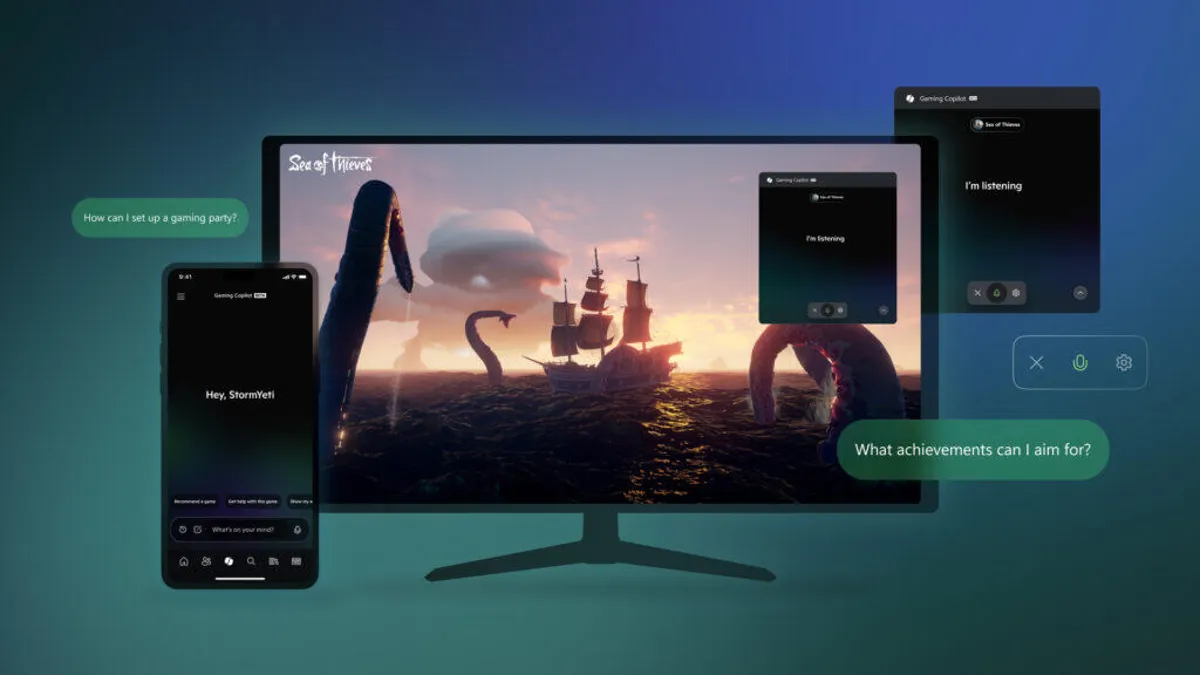
If you play games on an Xbox console and you don’t like Microsoft’s AI, you can breathe a little easier: Asha Sharma, CEO of Xbox, announced Tuesday that Copilot is no longer coming to the company’s consoles.
In an X post, the executive said the division needs to move faster, “deepen our connection with community, and address friction for both players and developers.”
Toward that goal, Sharma said, “You’ll see us begin to retire features that don’t align with where we’re headed. We will begin winding down Copilot on mobile and will stop development of Copilot on console.”
Advertisement
Xbox needs to move faster, deepen our connection with the community, and address friction for both players and developers. Today, we promoted leaders who helped build Xbox, while also bringing in new voices to help push us forward. This balance is important as we get the business…
Last year, Microsoft was so optimistic about its Copilot AI plans that it announced it was bringing the artificial intelligence technology to all its gaming platforms across PC, mobile devices (including Xbox portable consoles like the ROG Ally X) and Xbox game consoles. Among other things, the AI was meant to help gamers find gameplay tips or walkthroughs.
Despite the investments Microsoft has made in its Copilot AI tech, it has not been warmly welcomed by gamers or PC users. The company has had to scale back on some of its Copilot plans for Windows, even as it has tried to get people excited about new AI features in its flagship products, such as Microsoft 365, that it expects customers will pay more to access.
Sharma took over Microsoft’s gaming business in February and has been trying to revive a flagging brand, starting with a price cut to its Game Pass service.
Advertisement
Another X post from Sharma suggests the company’s AI gaming efforts may involve using AI behind the scenes or as a recommendation engine.
“We are refocusing our AI efforts to (solve) player problems like enhancing real-time graphics, improving discovery and deepening personalization,” she wrote in late April.
If you’re shopping for a laptop in 2026, the options can feel overwhelming. It’s hard to know whether you’re making the right choice when you’re being bombarded by confusing spec sheets and price tiering, even from the most reliable laptop brands. Ultimately, most consumers are looking for a laptop powerful enough to get all their work done and durable enough to survive a busy lifestyle. In other words, you’re looking for something that’s built to last.
But how can you tell a high-quality laptop that will last you through the next several years and hopefully beyond from one that will break on you as soon as the warranty expires? One way to assess the potential longevity of a clamshell computer is to examine the materials used in its chassis. If the exterior is made of cheap plastic that creaks and bends in your hands, the odds are greater that it’s not built for the long haul.
On the other hand, some laptops are finished in aluminum, magnesium alloy, or even carbon fiber. These materials can be more durable and more expensive, too, which helps give you a sense of how much effort a company puts into building products that use them. While chassis materials should never be used as the sole indicator of quality, they can often give you a good sense of it. So, here are the materials to look for if the lifespan of your laptop is paramount, and why the construction of your clamshell computer isn’t the sole indicator of quality.
Advertisement
Metal laptop chassis can indicate quality
Nguyenducquang/Getty Images
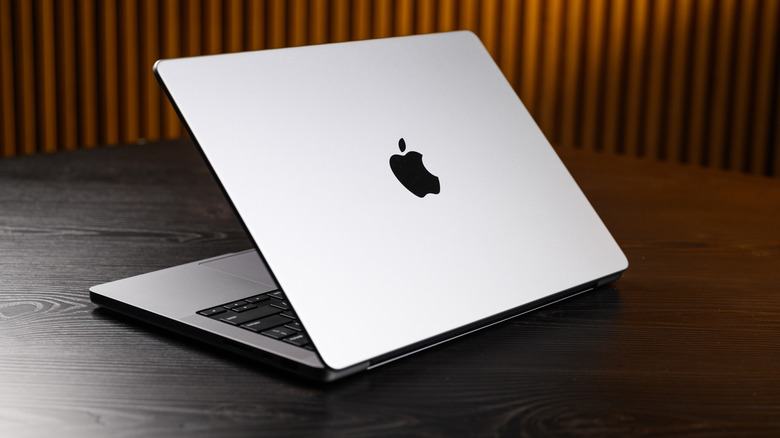
Metal builds often (though not always) indicate that a laptop is built to last. Metals like aluminum and magnesium alloys are more expensive than plastic and require specialized processes for mass production. They’re also far more durable than a more affordable material, such as plastic. For instance, one way Apple makes its MacBook laptops feel like luxury goods is by encasing them in aluminum. Other brands have their own fits and finishes, such as the so-called plasma ceramic aluminum that ASUS uses on newer high-end laptops. If you’re at a computer shop, have a look at multiple laptops across different price points. You’re likely to see a much larger proportion of plastic builds at the low end of the market, with more metals introduced as you move to the high end.
But budget laptops are starting to use metal, too. Apple recently launched the pocketbook-friendly MacBook Neo, which is powered by the A18 Pro chip. There are plenty of laptops with better features than the MacBook, which are more suited for grandma to check her email than for a power user to get serious work done. But its chassis is made of aluminum, just like its more expensive and powerful siblings, the MacBook Air and Pro. However, whereas those more expensive laptops use CNC-milled aluminum, the Neo uses a new, cheaper process. We have yet to see whether the Neo will prove its longevity, but even if it’s physically sturdy, it might still not be built to last. The A18 Pro chip it runs on is capable now, but it will only become less capable over time as software grows more demanding. In a decade, the original MacBook Neo might remain physically undamaged but functionally useless.
Advertisement
Plastic doesn’t always mean low quality
While it is true that materials such as aluminum and ceramic generally correlate with a laptop’s overall quality, there are plenty of exceptions. Plastic laptop builds do not always indicate poor build quality. For instance, many high-end Windows gaming laptops have plastic chassis, and they are among the most performant devices on the market.
Advertisement
If you’re choosing a gaming laptop with an NVIDIA GeForce RTX 5000-series mobile graphics card, a top-of-the-line AMD or Intel gaming processor, and a high refresh rate display, you might consider a device such as the ASUS ROG Strix Scar 18. This is certainly no budget laptop. It costs an eye-watering $4,200, and it is more powerful than most full-size desktop gaming PCs. Nonetheless, its top-tier components come encased in a plastic chassis. Does that mean an avid gamer should avoid it in favor of a MacBook Neo? Of course not. The MacBook has, but a small fraction of the ASUS laptop’s gaming capabilities, and the Scar 18 will still be a powerhouse many years down the line, thanks to its cutting-edge spec sheet.
The bottom line is that you should use a laptop’s chassis material as one data point among many when determining its longevity. You should also look for other indicators of quality, such as frame reinforcements, high-quality hinges on the lid, whether the lid flexes, and whether or not it overheats during normal use. Simply being made of plastic is not always a warning sign, and a well-made plastic laptop can last for many years. However, if a laptop lacks too many of these built-in features, that’s when you should begin to worry about whether it’s built to last.
Disclaimer: Unless otherwise stated, any opinions expressed below belong solely to the author.
In an increasingly familiar pattern, Grab has just posted strong Q1 results for 2026, seeing its revenue grow by 24% compared to 2025. The results beat analyst expectations, and turned last year’s US$21 million loss into a US$22 million profit—but you would struggle to see it reflected in the company’s stock performance.
This is despite having hit its first profitable year since inception, earning US$200 million in 2025.
Instead of a rally, following the transition from a money-burning startup into a mature, self-sustainable business, Grab has lost almost a quarter of its value over the past 12 months and is around 45% down from the high point last September.
Advertisement
Grab’s stock performance over the past year./ Image Credit: GoogleGrab’s stock performance over the past five years./ Image Credit: Google.
In fact, the company is now trading at roughly the same levels it was in 2022, when revenue was less than half of today’s figure, and it was still burning billions annually to fund growth.
So why can’t Grab seem to break through the ceiling it has been bouncing against since its US$40 billion IPO in 2021?
Chasing a moving target
Starting off as a regional version of Uber, Grab has transformed itself (like many similar companies) into a superapp business, based on the promise that you could do a lot more than just hail a cab ride with your smartphone.
But despite its rapid growth and recently established profitability, functionally, Grab remains mostly about ordering rides and deliveries. Its financial services arm still requires further investment and is currently losing money, although its loan portfolio has more than doubled in the last year.
Grab’s financial services show promise, but are currently losing money./ Image Credit: Grab
In other words, even after taking over Uber’s stake in Southeast Asia in 2018, as of 2026, the superapp dream is still only just that—a dream.
This is because whenever one competitor disappears, another turns up, as Gojek did shortly after Uber’s exit.
Advertisement
Since then both companies have been locked in a similar war of attrition, which has kept margins low, preventing meaningful growth of either.
And for as long as they have been battling it out, rumours have swirled about their impending acquisition or merger, which was first discussed back in 2020.
The topic saw a resurgence last year as negotiations are reportedly still on in early 2026, despite hitting some roadblocks, although the biggest concern remains the monopolistic position the combined entity would enjoy.
Indonesia holds the deciding vote
The rationale for the transaction is very simple: a single company would operate more efficiently, saving money on needless marketing expenses, allowing it to focus on investing in new services.
Advertisement
The problem for national regulators is the fact that if it goes through, the Grab-GoTo behemoth would have upwards of 90% of the market share in Indonesia, Malaysia and Singapore, and a substantial stake in Thailand and Vietnam.
Image Credit: Truong Nguyen/ Unsplash
As a result, they are unlikely to approve it unless the company offers strict concessions on how it is pricing its services to prevent gouging. That, however, could make the whole exercise pointless if it is prevented from reaping the rewards and remains constrained by local regulations.
Indonesia, the key government that has to greenlight the deal (since GoTo is an Indonesian company), may have just made the entire deal less viable, after President Prabowo announced just a few days ago that the country will cap maximum commissions charged by app operators from 20 to just 8%.
The decision puts the financial sense of the potential merger into question, although, depending on how badly it affects Gojek, it may force GoTo to push for the deal as it is facing a sharp drop in domestic revenue.
What it did for both businesses, however, was push their respective stock market valuations down in the subsequent days. This is why Grab, despite all of its achievements, continues to trade much below analyst targets and only as high as it was three to four years ago, when it was still a cash-burning growth stock.
Advertisement
Low margins, cutthroat competition and regulatory uncertainty continue to dampen investor moods, and it might remain so until the company starts showing profits from its other ventures.
Read other articles we’ve written on Singaporean businesses here.
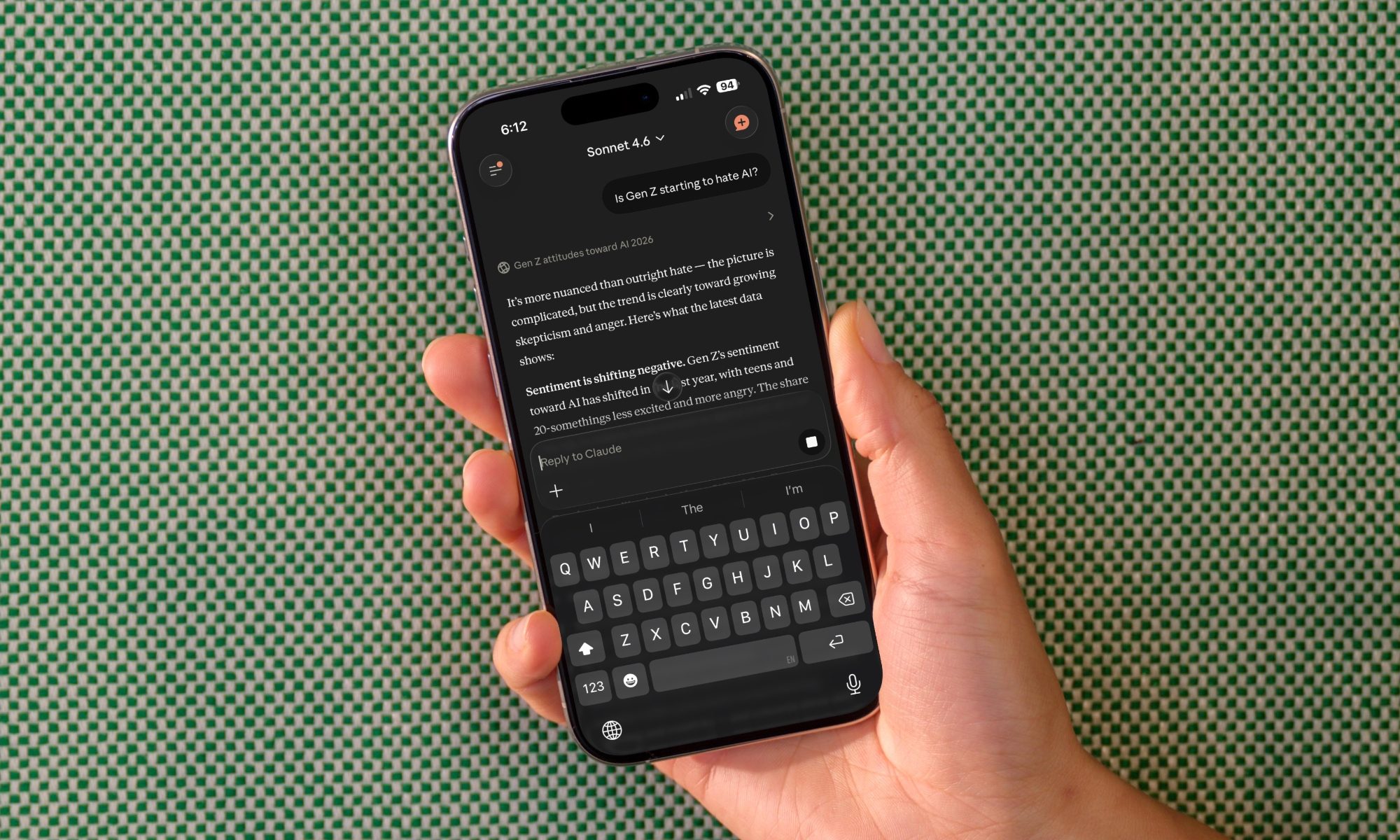
Most people who use AI daily, including me, have already found their preferences. I use a paid Claude subscription to help with my editorial chores (headline brainstorming, fine-tuning the tone, etc.), while Gemini is my go-to AI model for image generation and background research, especially when I want to go deep on a topic.
Maybe you use Perplexity for search or ChatGPT for code, and that’s absolutely fine, as it only boosts your productivity and gets you the right information faster. The problem is, the operating system on your phone or laptop isn’t aware of your choice, and until now, it didn’t even care before imposing its own choice of AI.
In the corporate world, we call this partnerships. Most Android manufacturers, including Samsung and OnePlus, have partnered with Google to integrate Gemini on their devices. Windows, on the other hand, gives you Copilot, whether you take it or leave it.
Shikhar Mehrotra / Digital Trends
Apple, reportedly, is about to do something neither of them has bothered to ask, much less execute: which AI do you actually want to use, and where?
The days of your phone choosing an AI for you are almost over
The moment you look at what Android and Windows are doing, the contrast gets stark fast.
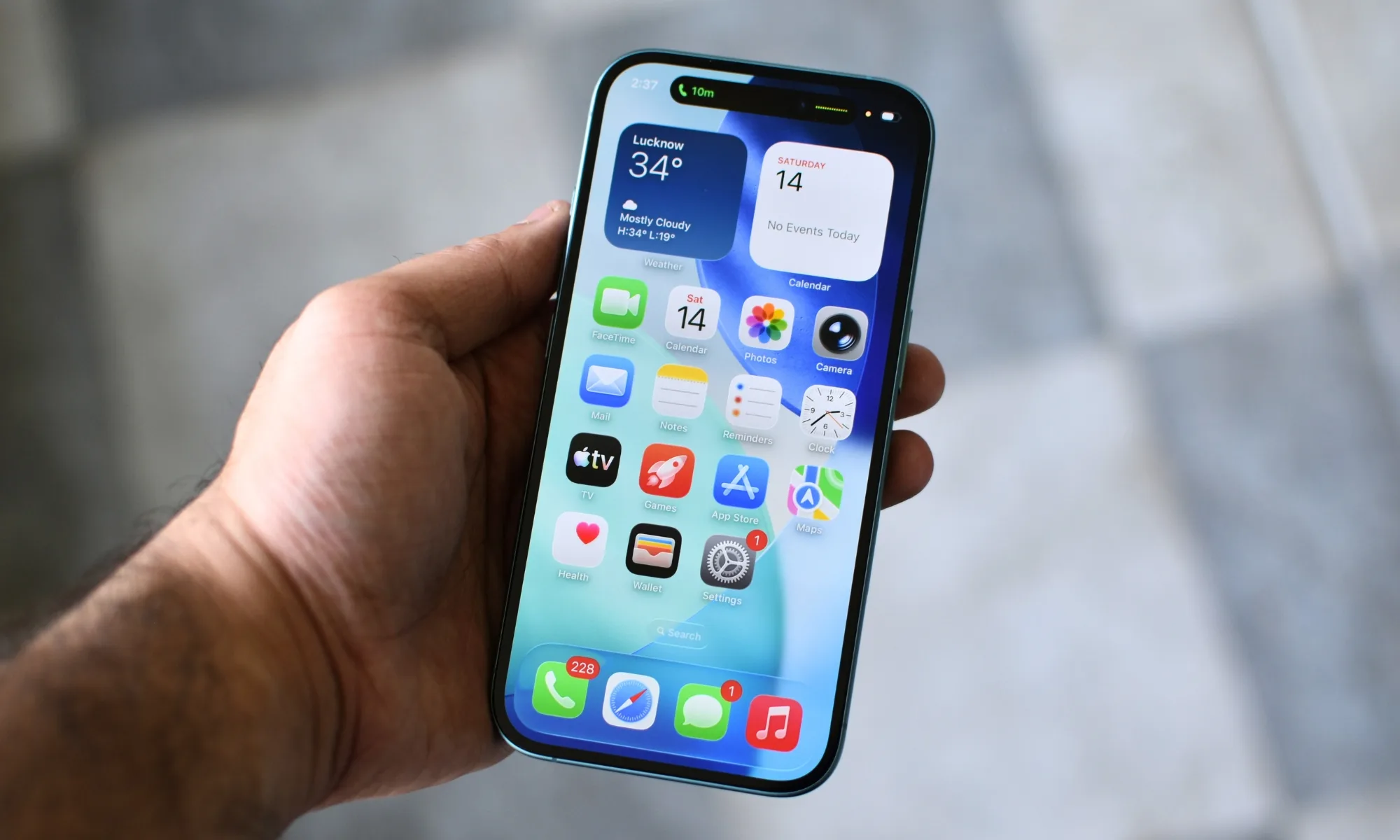
When iOS 27 arrives, you should be able to head into Settings, assign your preferred third-party AI model to an Apple Intelligence feature (Writing Tools, Image Playground, etc.), and iOS 27 takes it from there. Siri also gets the same treatment, letting you select the AI model that handles your requests at the backend.
The moment iOS 27 lands on my iPhone 17, I am going to select Claude as the AI model of my choice for Writing Tools and Gemini for Image Playground.
Rachit Agarwal / Digital Trends
This isn’t just a regular choice, but a frictionless, system-level choice. You set it once, and every time you invoke the Apple Intelligence tool, your preferred AI model shows up. No switching of apps or copy-pasting prompts and outputs across windows required.
That’s what true model portability looks like in practice, and in my frank opinion, it’s a more coherent solution than anything Android or Windows has ever implemented.
Advertisement
On Android and Windows, my favorite AI is always one detour away
Let’s say that you’re using the AI-powered text processing tools on a Samsung Galaxy smartphone. Galaxy AI offers you quite a lot of them, including Writing Assist, Note Assist, and Call Assist, but all of them are powered by Google’s Gemini.
What if I want to use Claude in Samsung Messages to write a message? I have to exit the app, open Claude’s app or web version, paste the text, type in a prompt, copy the output, return to the Messages app, paste it, and send it. Want a different model to summarize your meeting notes in Samsung Notes? I’ve to take the same detour.
I know, it’s tiring to even read that. Imagine millions of users doing this every single day, just to use their preferred AI model. On Windows, Copilot is baked into Notepad and Paint, and there’s absolutely no other choice for everyday users.
Nadeem Sarwar / Digital Trends
The platforms hand you an AI ecosystem to ease your digital pain, but what they’ve actually built is a walled garden.
Advertisement
Apple isn’t winning the AI race: It’s building the track
Apple’s approach, on the other hand, treats your AI preference the way iOS already treats default browsers or email apps: as a user setting. That, in my opinion, is real democratization at work here. It is the right to choose which AI is genuinely useful to me, not whichever scores highest on a benchmark.
To understand how Extensions could actually materialize in practice, any AI company could opt in and add support through their App Store app, which then becomes available as an engine inside Apple Intelligence. Once we install the app, it surfaces as an option inside Settings.
From there, you can route an Apple Intelligence tool to whichever model you trust the most for that specific task. While the company’s in-house models stay intact, the option to outsource a query to third-party models sits as a layer on top. Further, we could also get a dedicated App Store section, which will highlight the compatible AI apps.
Andy Boxall / Digital Trends
Here’s where it gets even more interesting for Apple as a business. So far, the company has been fairly criticized for lagging in the AI race. However, opening up its platform of over 2.5 billion active devices, including iPhones, iPads, and MacBooks, to Claude, Gemini, and whoever qualifies may turn that weakness into its most lucrative strength.
Remember, none of it is officially confirmed by Apple. But we’re pretty close to WWDC 2026, and that’s when Apple could officially announce the transition from becoming an AI-first company to an AI-agnostic platform, one that profits from all of them.
At this point in the brand’s history, the Milwaukee catalog is vast and varied. There are simple hand and power tool essentials, specialized professional items, and even tools that have managed to win over some Milwaukee haters. Still, it hasn’t become one of the biggest and most relied-upon names in the tool game by remaining stagnant. Milwaukee is consistently adding new products to its already rich selection, and it appears that the summer of 2026 will be a big time for this. There are some new Milwaukee hand tools and organizers on their way down the pipeline, set to reach customers soon.
These May releases are just a warmup for what will be a rather eventful June for Milwaukee. Alongside a $169.97 variation on the aforementioned 6-piece tool set that comes with a Packout organizer, these are the other three new kits – only one of which features an accompanying organizer — you can expect to see released at the start of the summer.
Advertisement
Multiple 6-piece hand tool sets are due out in June
Further expanding its hand tool offerings, Milwaukee has a couple more 6-piece sets scheduled for release in June 2026. One is a kit of cushion grip screwdrivers of varying sizes and tip shapes — among the Milwaukee hand tools manufactured within the United States – along with a Packout storage case to hold them. This set will have a retail price of $89.97, with the screwdrivers covered by the Milwaukee Lifetime Guarantee and the Packout container protected by the Milwaukee Limited Lifetime Warranty.
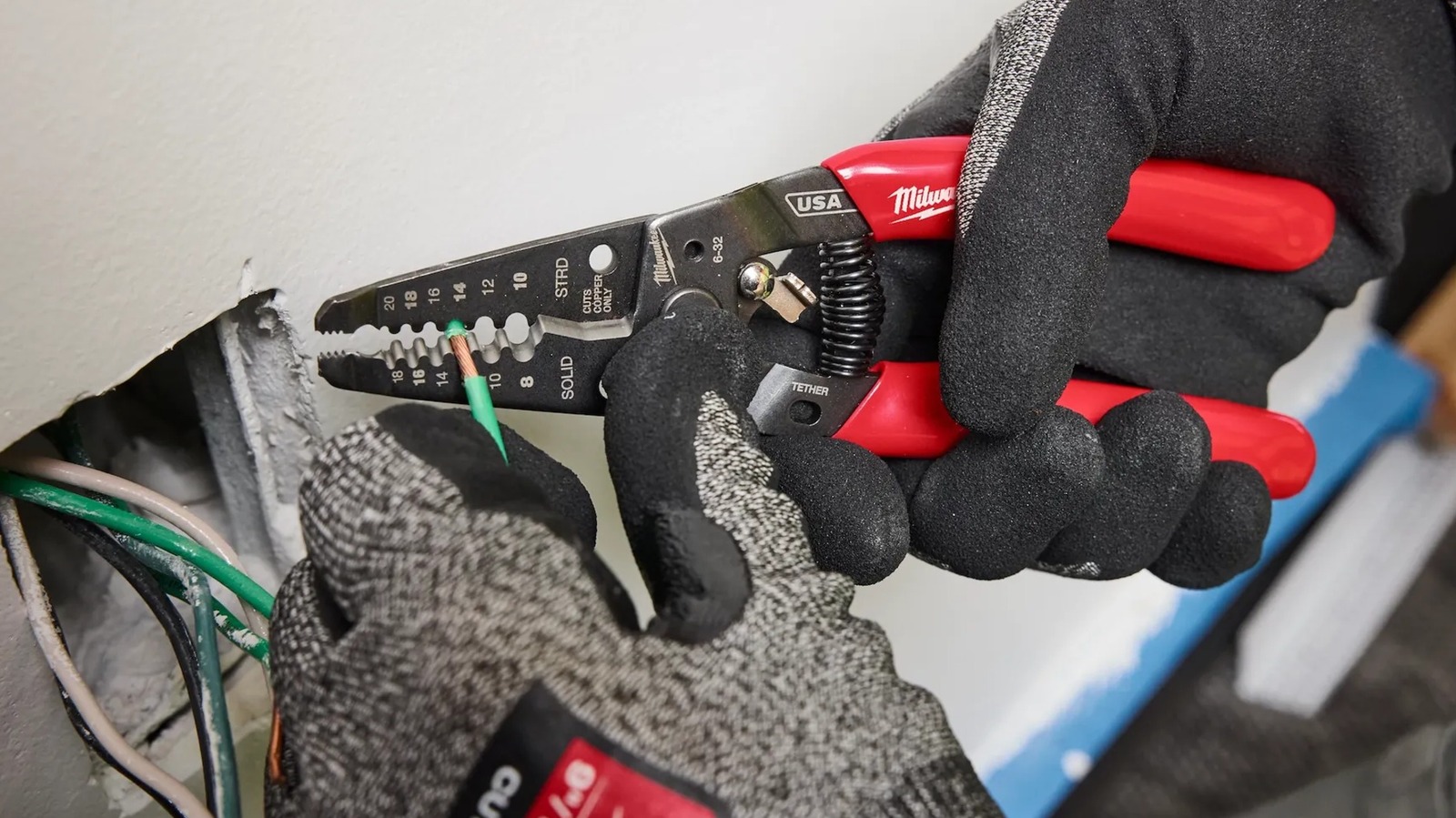
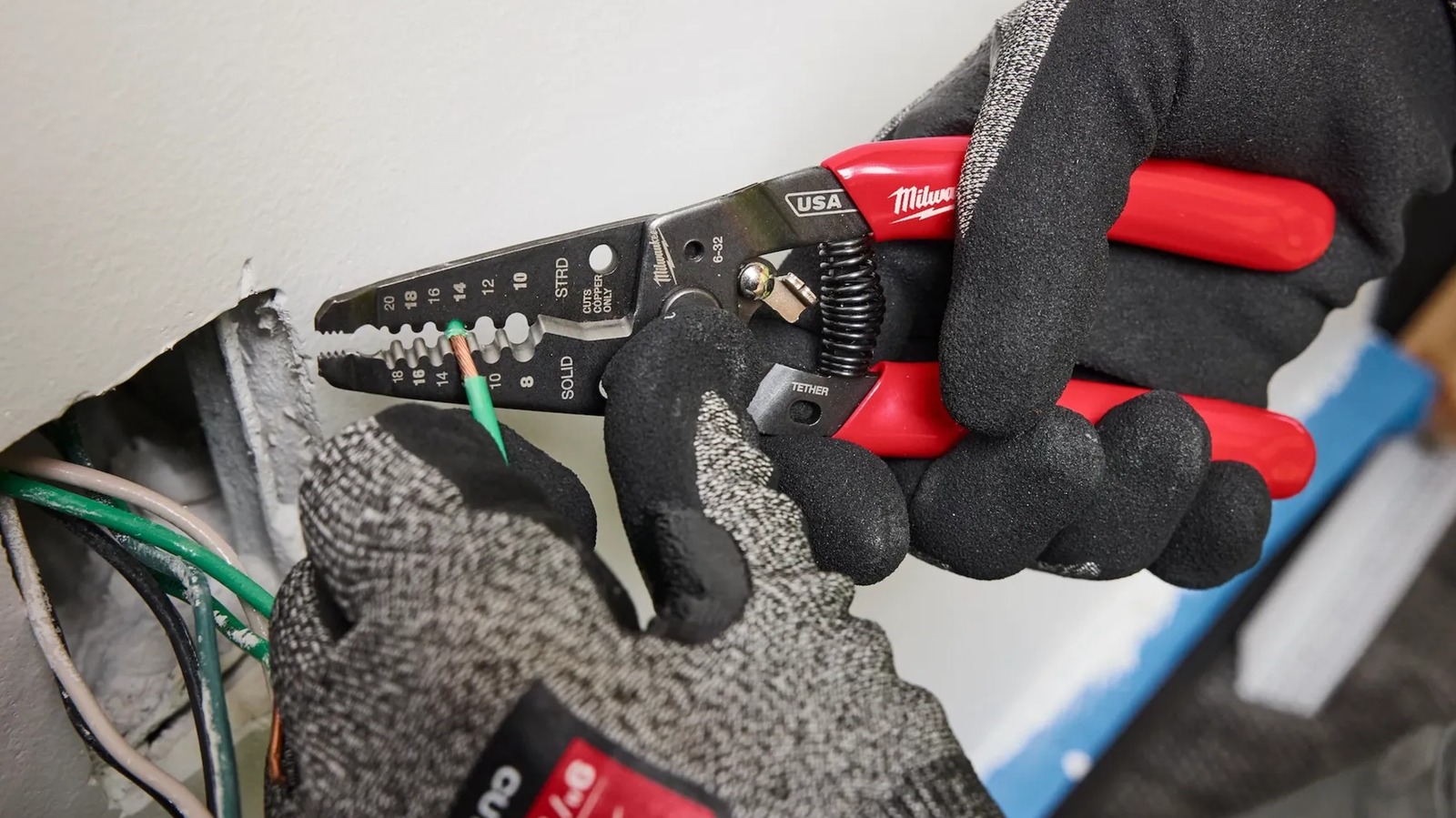
Alongside this, there’s the more varied yet Packout-container-lacking 6-piece comfort grip cutting pliers, wire stripper, and cushion grip screwdrivers set. This set includes 9-inch lineman’s comfort grip pliers, 8-inch diagonal comfort grip cutting pliers, 8-inch long nose comfort grip pliers, an 8-20 AWG dipped grip wire stripper and cutter, a #2 Phillips 4-inch cushion grip screwdriver, and a 1/4-inch slotted 4-inch cushion grip screwdriver. Those in need will be able to get all of this for $129.97 once the set hits store shelves and online marketplaces, with the Lifetime Guarantee included.
Advertisement
Don’t forget the 2-piece comfort grip cutting pliers set
Cutting pliers are some of the most versatile hand tools on the market. They’re needed for all kinds of job duties and can cut material, strip wire, and more with ease. Even though Milwaukee already offers cutting pliers for sale in different sizes, shapes, and use cases, the brand intends to add more to its selection in summer 2026. Coming in June is the 2-piece comfort grip cutting pliers set, which will have a price tag of $74.97 and therefore could someday join the best Milwaukee tools for under $100.
Per the Milwaukee product description on the Milwaukee website, the two included plier types are the 9-inch lineman pliers and the 8-inch diagonal cutting pliers. Both are comprised of press-forged steel, they’re said to open and close smoothly without breaking in, and the lineman pliers specifically feature fish-tape pullers and reaming heads intended for 1/2-inch to 1-inch conduits. The set also comes with the aforementioned Milwaukee Lifetime Guarantee.
Evidently, Milwaukee has no intention of calling its hand tool and Packout organizer lineup complete. Surely this drop will turn out to be just a small part of the brand’s overall 2026 product release roadmap.
The Supreme Court has denied a request from Apple to pause a mandated return to District Court with Epic while it contends with its appeals. So, it faces a battle on two fronts after all.
The new decision is the latest defeat for Apple that has resulted from the 2020 lawsuit against Epic. Apple won the great majority of that case, yet it is still embroiled in legal battles over it.
On Monday, May 4, 2026, Apple asked the Supreme Court for a stay on a mandate that saw it required to meet with Epic Games in court to negotiate a new commission rate. According to Reuters, that request has now been denied by Justice Elena Kagan.
Previously, Judge Yvonne Gonzalez Rogers of the District Court had ruled that Apple was in contempt of an injunction that required Apple to end its anti-steering practices. As a result, since April 2025, Apple has been forced to take no commission on these external purchases.
Advertisement
Later, the Circuit Court ruled that Apple was indeed allowed to charge a commission on external purchases, but that it and Epic would have to decide on the rate in court. After some back and forth, Apple must now face the Supreme Court with its appeals and the District Court at the same time.
In the meantime, Apple will continue to take zero money when iPhone users purchase certain extra features by linking out of the App Store to developers’ sites. It hasn’t collected a commission on external purchases since the original injunction violation was filed in April 2025.
Apple vs Epic continues. Image source: Epic Games
Apple had hoped to have the lower courts side of the case paused while it prepared its appeals to the Supreme Court. The company had argued that:
Advertisement
A stay is now needed before Apple is forced to litigate its commission rate under an erroneous and prejudicial contempt label— in proceedings that could reshape the global app market— before this Court can consider whether to grant review.
Even though the stay wasn’t granted, there’s still some hope that Apple could get its appeals through the Supreme Court before the District Courts arrive at any decision. If the Supreme Court agrees with Apple’s scope appeal, it could mean only having to make changes for Epic and not all developers.
If the Supreme Court also agrees that using the spirit of the law to call for an injunction violation isn’t allowed, the battle in the District Court won’t be required at all. It all hinges on which court moves faster at this point.
How Apple got here
It’s now six years since Epic Games chose to make Apple throw its “Fortnite” game off the App Store and so begin a long legal battle. Despite the fact that Apple won that battle overall, there was a single count in the case that went in Epic’s favor.
That was concerning how Apple then prevented app developers from directing users to alternative ways to pay, such as through special offers on their website. Apple was ordered to change this, and would claim that it did.
Advertisement
However, Epic Games has argued that Apple has flouted the spirit of the law. In April 2025, Judge Gonzalez Rogers agreed, and called Apple’s moves a “gross miscalculation” of what the court would accept.
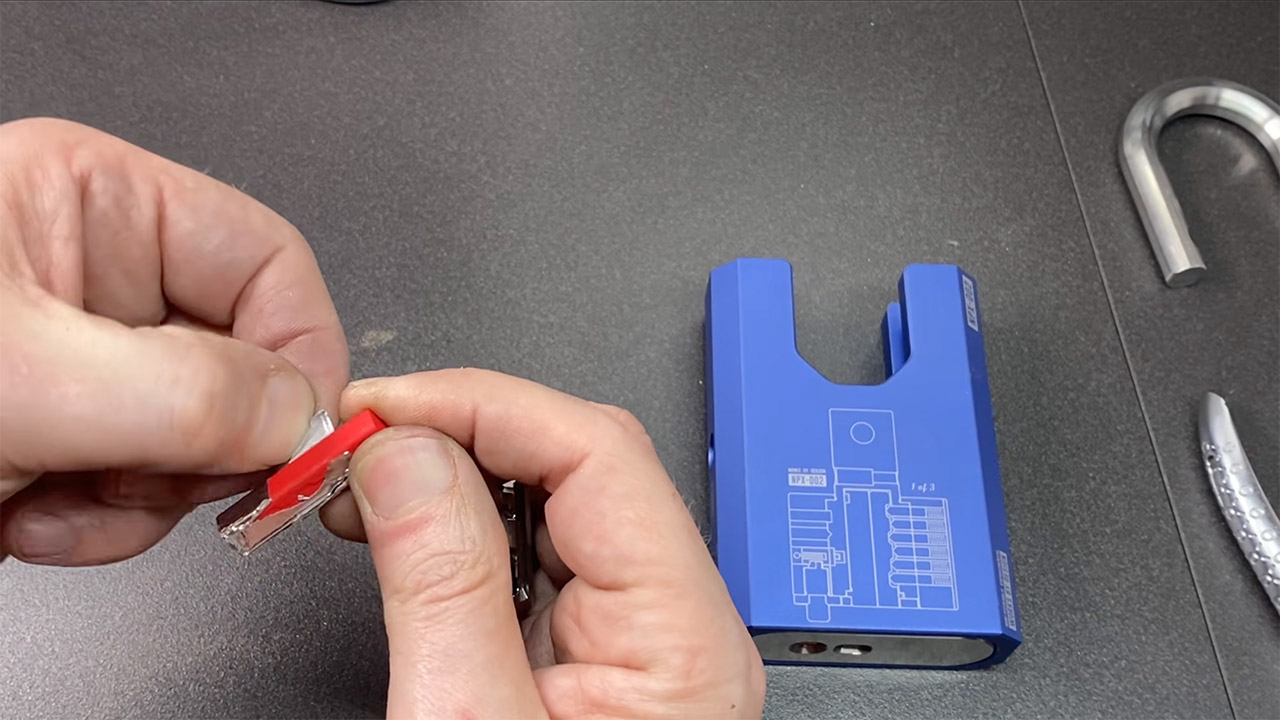
Lock Noob got his hands on the NPX-002 from Works by Design and wanted to put its security claims to the test to see how well they held up. The lock’s designers created this travelling key system, in which the key’s bow spins some internal gears and the actual key blade moves into place deep inside the cylinder. The key only fits perfectly in the exact position, at which point the keyway seals off, leaving no place for your standard picks or tension tools to reach the pins. To prevent the normal impressioning techniques, the brass ones had a plastic pin inserted.
He began by taking a close look at the lock, shining a light through the clear anti-tamper cover to see the key within. A quick stream of solvent was sufficient to lift the seal without causing any damage. He pulled out the key, opened the lock once, and then disassembled the cylinder to inspect all of the moving parts. After that, he put everything back together and sealed the case with tape. Bypassing it was more of a curiosity for him, as the actual test would be to pick it honestly.
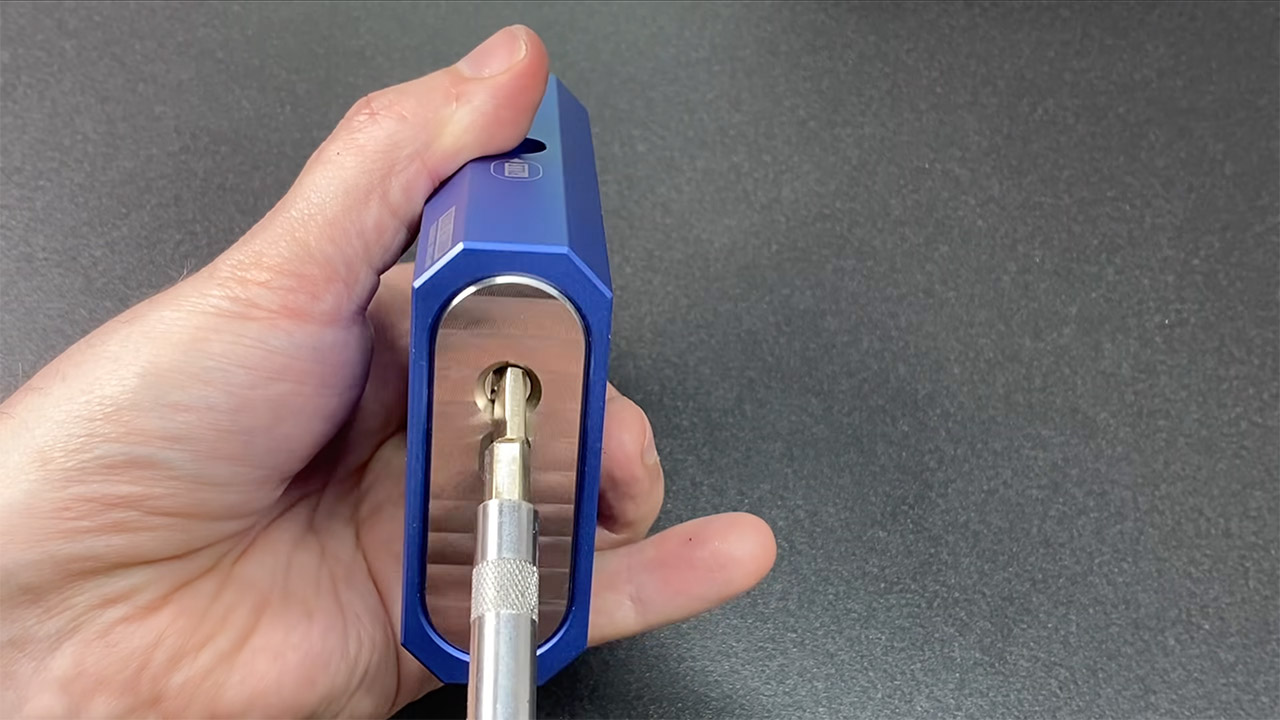
His next step was to impressioning the lock by clamping it in a vice and inserting a simple brass blank into the keyhole. He then took an old screwdriver, fitted a bespoke brass bit on it, and began applying mild twisting pressure so that the pins left a mark on the soft metal without harming the lock body. He shook the blank back and forth, watching as tiny marks appeared where the pins pressed the strongest. Each one informed him exactly where to begin filing.
The grind had settled into a regular rhythm, as you filed a bit, turned again, examined the fresh marks with a magnifying glass, and repeated. Position three refused to make a mark, which he discovered was due to the plastic pin, but he continued nevertheless, deepening the wounds where the brass was in touch. He had been turning, filing, inspecting, and repeating for two hours before he realized it. The cuts were increasing deeper in some places and shallower in others, until the blank finally matched the unknown depth.
After two hours, the cylinder gave a gritty turn, and the lock finally opened. The plastic pin had chipped somewhat at the top, but the remainder of the mechanism remained intact. He disassembled the cylinder one last time and saw the damage with his own eyes. A new plastic pin was installed, and the lock was restored to its original functionality.
He attempted one final idea: wrap some aluminum foil around a skeleton key blank. The plan sounded fine on paper: the pins would simply press into the soft foil, leaving quick impressions. In practice the pins dropped at an angle and hit a ledge before they touched the foil. No useful marks formed. The foil method stayed on the shelf.





























































You must be logged in to post a comment Login