Wells Fargo’s brokerage unit recruited another financial advisor team that oversaw $1.6 billion in client assets at UBS, adding to Wells Fargo’s string of recent hires. The team, called AGT Private Wealth Group, joined Wells Fargo in Frisco, Texas on Friday.
Oil prices snapped a two-day losing streak on Thursday and bounced back after a 10% fall in the previous session as investors weighed fresh developments in the Middle East alongside renewed concerns over tensions between Iran and the United States.
Sentiment was influenced by conflicting signals around Iran-U.S. relations. While some reports suggested Washington and Tehran were close to a possible agreement to end the war, U.S. President Donald Trump struck a more aggressive tone on Wednesday.
In a Truth Social post, he warned that Iran would be bombed “at a much higher level” if it failed to accept a peace deal, underlining how fragile the negotiations remain.
Trump also referred to the U.S. military campaign, called Operation Epic Fury, saying it would conclude if Iran agreed to the terms reportedly on the table, though he noted that this outcome was uncertain. He added that if Iran complied, the U.S. naval blockade of Iranian ports in the Gulf of Oman would end, which would then “allow the Hormuz Strait to be OPEN TO ALL, including Iran.” He further cautioned that if no agreement is reached, “the bombing starts,” and would be “at a much higher level and intensity than it was before.” These remarks followed an Axios report stating that the U.S. and Iran were close to a one-page, 14-point memorandum of understanding. The draft is said to outline an end to the conflict and set the basis for further negotiations. The report added that the U.S. is expecting Iran’s response on several key issues within the next 48 hours. While no final agreement has been reached, sources said the two sides are closer than at any point since the conflict began.
Iranian Foreign Ministry spokesperson Esmaeil Baqaei said on Wednesday that Tehran was still reviewing the proposal and would submit its response through mediators in Pakistan. In a post on X, he referenced a 2011 International Court of Justice ruling, stressing that genuine negotiations require “good faith” and are not meant to involve “disputation,” “dictation,” “deception,” “extortion” or “coercion.”
Market analysts said risks remain elevated. Haitong Futures noted that the current ceasefire could prove temporary, and that stalled U.S.-Iran talks may trigger renewed escalation, which would likely push oil prices higher.
Nuvama Institutional Equities added that if the Strait of Hormuz were to remain shut for an extended period, it could disrupt roughly 20 million barrels per day of crude flows. In that scenario, oil prices could potentially rise into the $110 to $150 per barrel range.
(Disclaimer: Recommendations, suggestions, views and opinions given by the experts are their own. These do not represent the views of The Economic Times)
While Northern Thailand has endured an unprecedented atmospheric ordeal for over a month, Bangkok is rolling out its first “Low Emission Zones.” Between the capital’s proactive strategy and the uncontrollable wildfires ravaging the provinces, Thailand faces a systemic crisis where breathing has become a matter of permanent risk management for 70 million.
Key Takeways
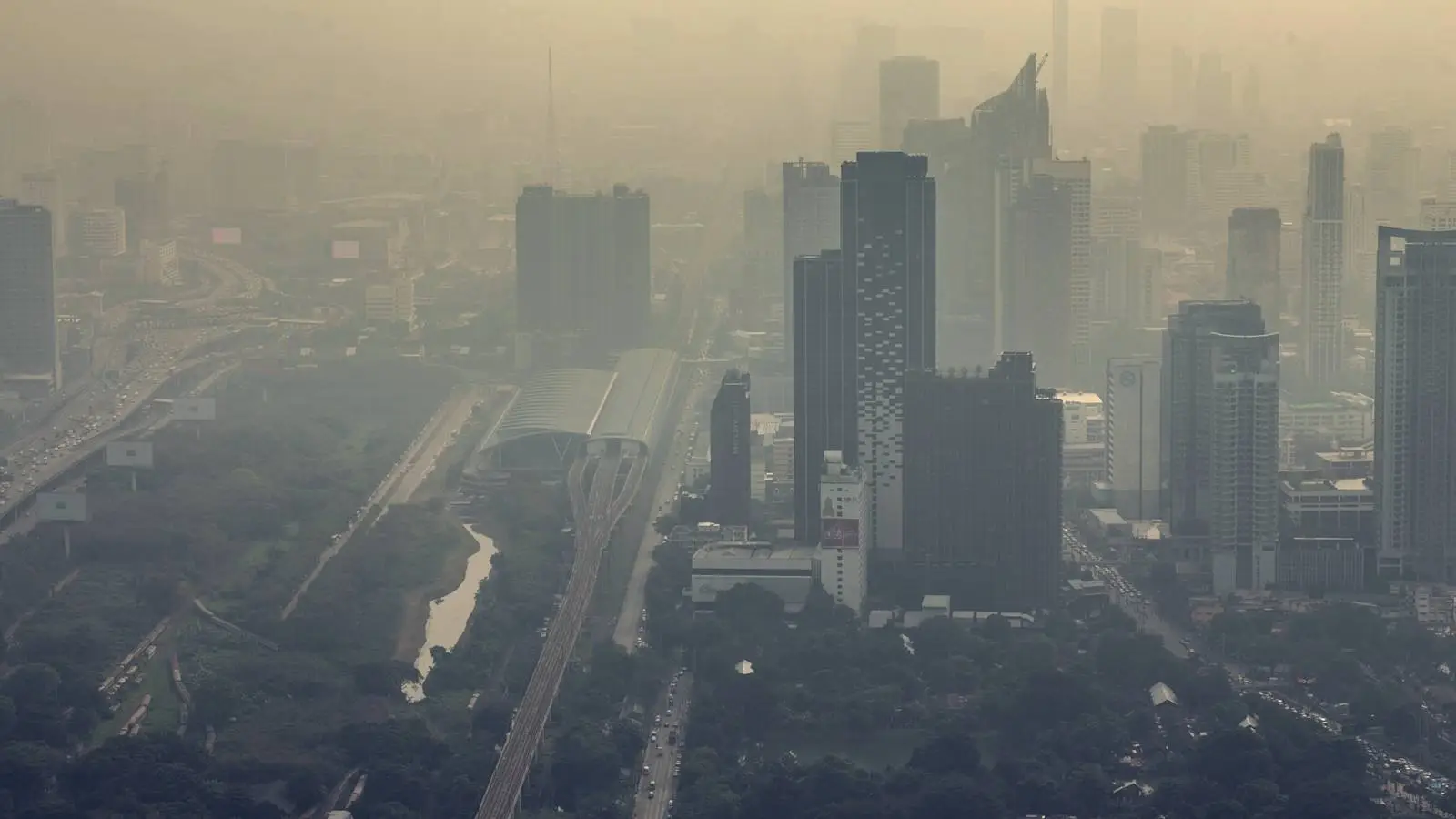
Thailand is grappling with one of its worst pollution crises, characterized by a geographical split where over 45 provinces are saturated with PM2.5 microparticles. The North is experiencing “extreme pollution” from uncontrollable wildfires, agricultural burning, and transboundary smog, while pollution spikes in Bangkok’s hyper-center are mainly attributed to road traffic congestion and idling engines.
The crisis is resulting in a severe public health and economic toll, with nearly 10 million Thais seeking treatment annually for pollution-related ailments and an estimated total economic cost exceeding 2.17 trillion baht annually.
The government is pursuing both local and national mitigation strategies, including Bangkok’s deployment of Low Emission Zones (LEZ) and over 1,000 “Clean Air Rooms”. Additionally, the pending “Clean Air Act” is set to introduce the “polluter pays” principle and mandates a 62% reduction in industrial emissions for key sectors by July 2026.
It is a toxic veil that shows no sign of lifting. As of April 2026, Thailand is navigating one of its most severe pollution crises to date. The scenario repeats with metronomic regularity, yet the current intensity is sounding alarms: PM2.5 microparticles are saturating the skies of more than 45 provinces. While Bangkok attempts to transform itself into a laboratory for clean air, the rest of the country remains trapped in a toxic cloud fueled by forest fires, illegal dumping, and massive agricultural burning.
The North on Red Alert: A Month of “Extreme Pollution”
In the northern provinces, the situation has been described by local observers as the “worst ever seen.” Regions such as Chiang Mai, Chiang Rai, and Mae Hong Son have not experienced clear blue skies for nearly a month. In early April, the Pai district reported alarming pollution levels, peaking at 293.1 μg/m³, while an even more staggering 409 μg/m³ was recorded at Nakornping Hospital.
This catastrophe knows no borders. The smog is fed by a transboundary accumulation of smoke from Myanmar and Laos, trapped in mountain valleys by thermal inversions. Despite the deployment of “cloud-seeding” aircraft and drones to detect illegal clearing, the 4,200 fire hotspots identified in the region have rendered the atmosphere literally unbreathable.
The “City of Angels” vs. The Chokehold
While the North suffers from wood smoke, Bangkok is a hostage to its own emissions. In early 2026, while indicators show a slight overall improvement compared to last year, the reality remains bitter. Unlike previous crises, where agricultural burning in neighboring provinces like Min Buri or Nong Chok was the primary scapegoat, pollution spikes are now concentrated in the city’s hyper-center.
Advertisement
Districts like Bang Rak, Pathum Wan, Sathon, and Chatuchak frequently exceed alert thresholds, with pollutant concentrations lingering around 80 µg/m³. The primary offender is evident: road traffic. Despite the extension of MRT and BTS lines, perpetual construction sites transform major roads into sprawling parking lots, where idling engines combine with construction dust to create a toxic blend of pollutants.
The City Hall (BMA) Attack Plan
Faced with this emergency, Bangkok Governor Chadchart Sittipunt has bolstered the city’s defenses. The city is now betting on a “proactive” approach:
Low Emission Zones (LEZ): A project is being deployed to restrict the most polluting vehicles from entering the city’s 50 districts.
Stricter Inspections: The opacity limit for black smoke from buses and trucks has been slashed to 20%.
“Clean Air Rooms”: To protect the most vulnerable, over 1,000 air-conditioned “safe havens” have been established across the city.
Legislative Hope: The “Clean Air Act”
The real endgame, however, is being played out in Parliament. The Clean Air Act, which cleared the House in 2025 and is now under Senate review, aims to finally give the law some teeth. By introducing the “polluter pays” principle, the act targets a 62% reduction in industrial emissions for key sectors by July 2026.
A Health and Economic Toll
The stakes are no longer just environmental; they are vital. Health authorities estimate that nearly 10 million Thais receive treatment every year for pollution-related ailments, including respiratory issues, severe eye irritation, and cardiac complications. The total economic cost is estimated at over 2.17 trillion baht annually.
As the government releases emergency funds to build “dust-free rooms” in the North, the country remains split in two: a capital arming itself with technology, and provinces burning under the weight of agricultural traditions and limited resources. For residents, wearing N95 masks and checking the AirBKK app are no longer lifestyle choices : they are essential tools for daily survival.
NEW YORK — World oil prices tumbled sharply Wednesday, with benchmark crude falling more than 10% in early trading as markets bet on a potential diplomatic breakthrough between the United States and Iran that could end weeks of conflict and restore flows through the critical Strait of Hormuz.
West Texas Intermediate crude for June delivery dropped below $93 per barrel at one point, trading around $92-$96 in morning action on the New York Mercantile Exchange. Brent crude, the global benchmark, fell below $100 to trade near $98-$103. The declines extended heavy losses from Tuesday and marked one of the biggest single-day drops in recent months.
The sell-off accelerated after reports that Iran is reviewing a concise U.S. one-page ceasefire proposal mediated by Pakistan, with President Donald Trump signaling progress while warning of stronger military action if no deal materializes. Trump also paused elements of “Project Freedom,” the U.S. naval escort operation in the strait.
Geopolitical Relief Drives Market Reversal
Oil had surged dramatically earlier in 2026 amid escalating U.S.-Iran tensions, with Brent briefly topping $118 per barrel in March and April as shipping disruptions and production shut-ins gripped the region. The Strait of Hormuz, through which about 20% of global oil passes, saw reduced traffic, forcing rerouting and higher insurance costs.
Advertisement
Analysts said the latest price plunge reflects trader optimism that a framework agreement could quickly normalize tanker traffic and ease supply fears. However, caution remains high given the history of fragile talks in the region. “Markets are pricing in de-escalation, but any setback could send prices rebounding fast,” one commodities trader noted.
Saudi Arabia adjusted June official selling prices downward but less aggressively than some expected, signaling lingering concerns over Hormuz risks even as diplomacy advances. Other OPEC+ members have also navigated production challenges amid the conflict.
Supply, Demand and Economic Ripple Effects
The price volatility has wide-reaching implications. Higher energy costs earlier in the year fueled inflation worries and slowed economic activity in import-dependent nations. A sustained drop could provide relief to consumers at the pump and help central banks manage interest rate policies.
U.S. gasoline prices, which climbed in recent weeks, may begin easing if the ceasefire holds. Airlines and shipping companies, burdened by elevated fuel surcharges, stand to benefit from lower crude costs. Yet analysts warn against premature celebration, as full normalization of Middle East oil flows could take weeks or months.
Advertisement
Global inventories have been drawn down amid disruptions, but U.S. Strategic Petroleum Reserve releases and strong domestic production provided some buffer. EIA forecasts project Brent averaging around $115 in Q2 2026 before easing later in the year, though those numbers are highly sensitive to conflict duration.
Market Reaction and Technical Outlook
Futures markets showed extreme volatility, with intraday swings exceeding $10 per barrel at times. Energy stocks tumbled alongside crude, while broader equity markets gained on reduced inflation fears. The U.S. dollar weakened modestly as risk sentiment improved.
Technically, WTI broke key support levels, opening the door for further downside toward the $80s if diplomacy succeeds. Conversely, failure of talks could propel prices back above $110 rapidly. Options markets reflected heightened uncertainty, with implied volatility spiking on geopolitical headlines.
Broader Context in 2026 Energy Landscape
This year’s oil drama underscores the commodity’s sensitivity to geopolitics. The U.S.-Iran flare-up compounded existing pressures from OPEC+ production quotas, Russian supply dynamics and surging demand in Asia. Renewable energy transitions continue in the background, but oil remains central to global transport and industry.
Advertisement
Longer-term forecasts vary widely. Some analysts see prices settling in the $70-$90 range by 2027 as new supply comes online and demand growth moderates. Others warn of structural risks, including underinvestment in traditional fields and potential renewed conflicts.
For now, traders are glued to diplomatic updates. Pakistani mediators continue shuttling proposals, with Iran expected to respond soon on the U.S. framework. Key sticking points include sanctions relief, nuclear verification and security guarantees for shipping lanes.
What to Watch Next
Ceasefire Developments: Any confirmation of a signed one-page memo could trigger another leg lower in prices.
OPEC+ Response: Producers may adjust output to stabilize markets.
Inventory Data: Upcoming EIA and API reports will reveal the true extent of recent disruptions.
Demand Indicators: China’s economic data and global manufacturing PMI readings will influence the demand side.
As of midday Wednesday, May 7, 2026, the oil market remains in flux. Prices that climbed over 80% year-to-date have given back significant ground in just days, highlighting the thin line between geopolitical premium and relief rally. Whether this drop marks the beginning of normalization or a temporary pause depends on negotiators in coming hours.
Consumers, businesses and governments worldwide will feel the effects. For an industry long accustomed to boom-and-bust cycles, today’s plunge serves as another reminder of oil’s enduring volatility in an uncertain world.
Warner Bros. Discovery, Inc. (WBD) Q1 2026 Earnings Call May 6, 2026 4:30 PM EDT
Company Participants
Peter Lee – Senior Vice President of Investor Relations David Zaslav – President, CEO & Director Jean-Briac Perrette – President and CEO of Global Streaming & Games Gunnar Wiedenfels – Senior EVP & CFO
Advertisement
Conference Call Participants
Richard Greenfield – LightShed Partners, LLC Robert Fishman – MoffettNathanson LLC Steven Cahall – Wells Fargo Securities, LLC, Research Division Kannan Venkateshwar – Barclays Bank PLC, Research Division
Presentation
Advertisement
Operator
Ladies and gentlemen, welcome to the Warner Bros. Discovery First Quarter 2026 Earnings Conference Call. [Operator Instructions] Additionally, please be advised that today’s conference call is being recorded.
I would now like to hand the conference over to Mr. Peter Lee, Senior Vice President, Investor Relations. You may now begin.
Advertisement
Peter Lee Senior Vice President of Investor Relations
Good afternoon and thank you for joining us for our Q1 2026 earnings call. Joining me today from Warner Bros. Discovery’s management is David Zaslav, President and Chief Executive Officer; Gunnar Wiedenfels, our Chief Financial Officer; and JB Perrette, CEO and President, Global Streaming and Games.
This afternoon, we issued our earnings release, shareholder letter and trending schedule. And these materials can be found on our website at ir.wbd.com. Today’s presentation will include forward-looking statements that we make pursuant to the safe harbor provisions of the Private Securities Litigation Reform Act of 1995. Forward-looking statements include, without limitation, statements about the benefits of the proposed transaction between WBD and Paramount Skydance, future financial and operating results, the combined company’s plans, objectives, expectations and intentions and other statements that are not historical facts. Such statements are based upon the current beliefs and expectations of WBD’s management and are subject to significant risks and uncertainties outside of our control that could cause actual results to differ materially from our current expectations.
SYDNEY — Australia is grappling with its most severe fuel crisis in decades as disruptions from the U.S.-Iran conflict continue to throttle oil supplies through the Strait of Hormuz, driving up prices, emptying service stations and threatening supply chains for food, transport and farming.
Australia Fuel Crisis Deepens: Soaring Prices and Shortages Hit Households Amid Hormuz Chaos
As of early May 2026, national average unleaded petrol prices hover around $1.90 to $2.20 per litre after recent relief, while diesel remains elevated near $2.70 to $3.00 per litre in many areas — still well above pre-crisis levels of around $1.60-$1.80 for petrol and $1.80 for diesel. Hundreds of service stations have reported running dry on diesel or unleaded at various points, sparking panic buying in March and April.
The crisis erupted in late February when escalating hostilities disrupted roughly 20% of global oil shipments through the narrow Strait of Hormuz. Australia, which imports about 90% of its liquid fuel needs, found itself exposed after years of declining domestic refining capacity and reliance on Asian imports.
Government Response and Temporary Relief
The Albanese government has taken aggressive steps to stabilize supplies. Fuel excise was halved by 26.3 cents per litre from April 1, providing immediate relief at the bowser but set to expire at the end of June unless extended. The government has underwritten shipments, secured dozens of tankers carrying billions of litres through May and beyond, and relaxed fuel quality standards.
Energy Minister Chris Bowen reported in early April that 53 to 57 ships carrying over 4 billion litres were en route or secured, with additional cargoes from South Korea, Brunei, Malaysia, the U.S. and other sources. National Cabinet meetings have coordinated responses, including tapping reserves and diplomatic pushes in Asia.
Advertisement
Prime Minister Anthony Albanese has warned of “real uncertainty,” stating the worst of the crisis may still lie ahead despite some easing in petrol prices. He has not committed to extending the excise cut in the upcoming federal budget.
Impact on Daily Life and Economy
The crisis has hit hardest in regional and rural areas, where diesel powers trucks, farms and mines. The National Farmers’ Federation has warned of potential food price increases up to 50% as transport and fertiliser costs soar. Truck drivers face margin squeezes, with calls to extend zero road user charges for heavy vehicles.
Inflation jumped to 4.6% in March, driven largely by fuel, raising fears of further Reserve Bank interest rate hikes and even recession risks if shortages persist. Households are feeling the pinch at grocery stores and petrol pumps, while businesses pass on higher logistics costs.
Panic buying in March led to empty pumps at more than 500 stations nationwide at peak times. While numbers have improved, distribution bottlenecks remain. Airlines and mining operations have also faced jet fuel and diesel pressures.
Advertisement
Long-Term Vulnerabilities Exposed
Experts say the crisis highlights decades of underinvestment in fuel security. Australia once had eight refineries producing nearly all its needs; now only two remain, and domestic oil production is at historic lows. Reliance on just-in-time imports from Asia left the nation vulnerable when Hormuz shipments slowed.
Defence and energy analysts have long warned of this exposure. The International Energy Agency has engaged with Canberra, coordinating global stockpile releases, but Australia’s stockpiles — around 30-39 days for key fuels — provide limited buffer.
Opposition figures and commentators have criticized the government for inadequate preparation, while calls grow for strategic reserves, more domestic refining and diversified sources. Some have even suggested exploring alternative suppliers, though geopolitics complicates options.
Signs of Easing and Lingering Risks
Recent weeks have brought cautious optimism. Petrol prices in major cities have fallen toward pre-war levels in some spots thanks to the excise cut and arriving shipments. However, diesel prices remain stubbornly high, and analysts predict renewed spikes if Hormuz tensions flare or new shipments delay.
Advertisement
Regional oil benchmarks like Tapis crude have hit wartime highs near $125 per barrel. Global competition for Asian refinery output has intensified, with Singapore and others prioritizing their own needs.
The government continues bilateral talks with trading partners and monitors the fragile ceasefire in the Middle East. Any breakdown could rapidly worsen shortages.
Broader Implications for Australia
The fuel crisis has exposed deeper economic vulnerabilities in a nation heavily dependent on imports for energy security. It threatens cost-of-living pressures already straining households and could slow post-pandemic recovery. Farmers, truckers and logistics firms are particularly vocal about the need for longer-term policy shifts.
As the May 2026 budget approaches, pressure mounts on Treasurer Jim Chalmers to address fuel relief, inflation and energy resilience. Environmental advocates see an opportunity to accelerate renewables and reduce oil dependence, while industry groups push for investment in refining and storage.
Advertisement
For ordinary Australians, the crisis means higher grocery bills, more expensive road trips and uncertainty at the pump. Many have adjusted by carpooling, using public transport or cutting non-essential travel. Yet the underlying fragility remains: without sustained global stability or major domestic reforms, similar shocks could recur.
As shipments continue arriving and diplomats work behind the scenes, Australians are watching closely. The coming weeks will determine whether current relief holds or if tighter supplies and higher prices return, testing the government’s crisis management and the nation’s energy resilience in an increasingly volatile world.
Soccer fans can now represent their countries in the ultimate style.
With the World Cup quickly approaching, global hat retailer Lids is tapping into the energy, identity and global passion surrounding the world’s biggest sporting event, blending culture, fashion and sports.
Advertisement
New York Giants quarterback Jameis Winston helped Lids kick off its “Wear Many Caps” campaign, which celebrates the multicultural spirit of the World Cup, honoring the heritage, pride and personal style that set fans apart, while also spotlighting the shared love of the game that brings people together.
Jameis Winston partnered with Lids for its new World Cup campaign. (Lids / Fox News)
“I couldn’t have dreamed that I would be collaborating with a brand like Lids for one of the most iconic sporting events ever. I’m very grateful for it,” Winston told FOX Business in an exclusive interview.
“And my history of being a baseball player — wearing a cap and how much a cap has meant to me and know that I get to promote and encourage and invite others to join together and and put on their cap to support their country for something that is bigger than I can even have dreamed of — man, it’s pretty cool.”
Advertisement
With a wide assortment of World Cup gear, including host city T-shirts, national jerseys and, of course, hats, Lids is positioning itself as the go-to destination for fans to rep their country, their city and their soccer fandom all in one place.
Team caps used to be strictly for baseball, but as fashion has evolved, this year’s World Cup caps are part of the ongoing evolution of fandom and style.
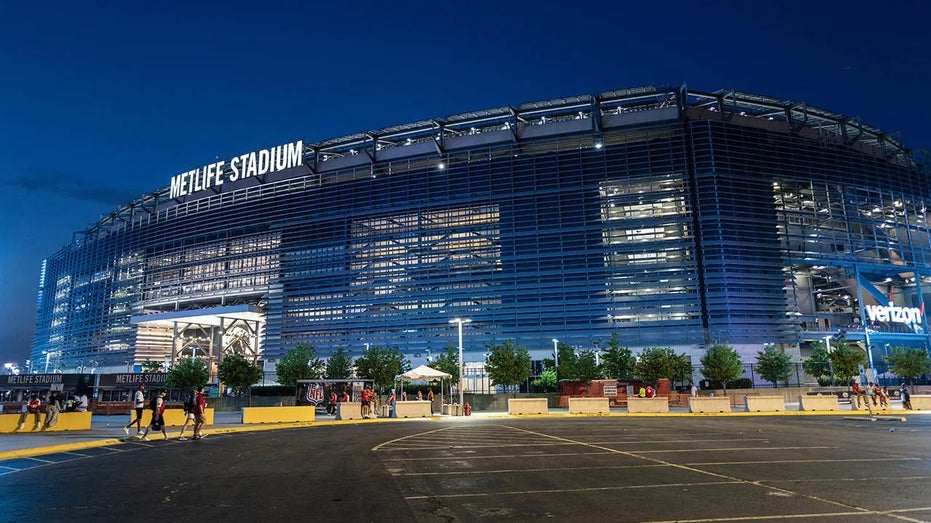
An exterior view of MetLife Stadium July 22, 2023, in East Rutherford, N.J. (Matthew Ashton/AMA/Getty Images / Getty Images)
“Growing up in the South, there are so many different ways to wear a hat. It’s like a thousand ways to skin a cat,” Winston recalled of his past. “You know, people used to wear hats sideways, backwards, barely on top of their head, barely can see their eyes, you know. So, it’s a lot of different ways to swag it.
Advertisement
“But I couldn’t imagine anything more monumental than repping your country,” he continued. “I just think how proud I was of, like, my kids. They’re in baseball right now, and when they got their hats for their uniform, they were like, ‘Oh, that’s so cool.’
“One of my kids has an afro. The other one, you know, he got a haircut, but even the uniqueness of the way that you wear a hat and the uniqueness of each and every individual country, man, for Lids to give people, invite people to have pride and have a sense of integrity in what they’re representing is amazing.
“And I know that when we are able to come together and do something that we all love, we all love representing. But it gives us that nostalgic feeling. For me, it’s putting on that baseball cap of representing what I love. Man, it’s pretty cool.”
The FIFA World Cup Winner’s Trophy at a FIFA World Cup 2026 match schedule announcement Feb. 4, 2024, in Miami, Fla. (Eva Marie Uzcategui/FIFA/FIFA via Getty Images / Getty Images)
Good day. My name is Chloe, and I will be your conference facilitator. I would like to welcome everyone to Aeva Technologies First Quarter 2026 Earnings Conference Call. [Operator Instructions] As a reminder, today’s conference call is being recorded and simultaneously webcast.
I would now like to turn the call over to Andrew Fung, Senior Director of Investor Relations and Corporate Development. Andrew, please go ahead.
Advertisement
Andrew Fung Senior Director of Investor Relations & Corporate Development
Thank you, and welcome, everyone, to Aeva’s first quarter 2026 earnings conference call.
Joining on the call today are Soroush Salehian, Aeva’s Co-Founder and CEO; and Saurabh Sinha, Aeva’s CFO.
Ahead of this call, we issued our first quarter 2026 press release and presentation, which we will refer to today and can be found on our Investor Relations website at investors.aeva.com. Please note that on this call, we will be making forward-looking statements based on current expectations and assumptions, which are subject to risks and uncertainties. These statements reflect our views only as of today and should not be relied upon as representative of our views as of any subsequent date.
Advertisement
These statements are subject to a variety of risks and uncertainties that could cause actual results to differ materially from expectations. For a further discussion of the material risks and other important factors that could affect
The way homeowners approach their outdoor living areas has undergone a dramatic transformation in recent years.
What were once simple backyards with basic patios have evolved into sophisticated extensions of indoor living spaces, complete with climate control, entertainment systems, and designer furnishings. This shift reflects a broader cultural movement toward maximizing usable square footage and creating versatile environments that blur the lines between inside and outside.
The Rise of Outdoor Rooms
Contemporary outdoor design increasingly focuses on creating distinct “rooms” rather than generic patio spaces. Homeowners are dividing their yards into functional zones—outdoor kitchens, dining areas, lounge spaces, and even dedicated work-from-home pods. According to the American Society of Landscape Architects, outdoor living spaces ranked as the number one requested design feature for the fifth consecutive year in their residential landscape architecture survey, with 88% of designers reporting client demand for these areas.
This trend toward compartmentalization allows families to use their outdoor spaces more intentionally throughout the day. A covered breakfast nook might transition to a shaded workspace by afternoon, then serve as an evening cocktail area. The key is creating architectural definition through pergolas, partial walls, outdoor curtains, or strategic plantings that establish boundaries without completely closing off spaces.
Climate Control Solutions Expand Outdoor Season
One of the most significant developments in outdoor living involves extending the usable season through sophisticated climate control. While fire pits and patio heaters have been popular for years, homeowners are now investing in more permanent heating and cooling solutions. Outdoor fireplaces, heated floors, and misting systems allow comfortable use of patios even during temperature extremes.
Advertisement
Interestingly, cooling solutions are gaining particular traction. In regions with hot summers, homeowners are installing ceiling fans specifically designed for outdoor use in covered areas. Some are even adding climate control to transitional spaces like three-season rooms or converted garages, where installing a garage ceiling fan can make the space comfortable year-round for hobbies, exercise, or entertaining.
Sustainable and Native Landscaping
Environmental consciousness has fundamentally reshaped outdoor design philosophy. Rather than water-intensive lawns requiring constant maintenance, homeowners are embracing native plant species that thrive naturally in their local climate. The National Wildlife Federation reports that native plant landscaping has increased by 35% over the past three years, driven by both environmental concerns and the desire for lower-maintenance yards.
This approach creates ecosystems that support local pollinators, birds, and beneficial insects while requiring less water, fertilizer, and pesticide. Xeriscaping—landscaping designed to minimize water use—has moved beyond desert regions into mainstream design across the country. Rain gardens that capture and filter stormwater runoff serve both ecological and aesthetic purposes, creating focal points while managing water sustainably.
Outdoor Kitchens Become Culinary Command Centers
The outdoor kitchen has evolved far beyond a simple grill station. Today’s outdoor cooking spaces rival indoor kitchens in functionality and sophistication. The Hearth, Patio & Barbecue Association found that outdoor kitchen sales increased by 40% between 2020 and 2023, with average project costs exceeding fifteen thousand dollars for high-end installations.
Advertisement
These spaces now commonly include built-in refrigeration, pizza ovens, smokers, warming drawers, and ample prep surfaces with weatherproof cabinetry. Some homeowners are installing outdoor dishwashers and even wine refrigerators. The emphasis is on creating self-sufficient cooking environments that eliminate the need to shuttle back and forth to the indoor kitchen during meal preparation and entertaining.
Biophilic Design Principles
Biophilic design—the concept of increasing human connectivity to nature within built environments—has become a guiding principle in outdoor space planning. This approach goes beyond simply adding plants to incorporate natural materials, water features, and designs that encourage interaction with the natural world.
Living walls covered in vertical gardens bring nature to eye level and can serve as privacy screens or artistic focal points. Natural stone pathways, wooden pergolas, and furniture made from sustainable materials reinforce the connection to organic elements. Water features ranging from simple fountains to elaborate ponds with natural filtration systems provide both visual interest and soothing ambient sound.
Multi-Functional Furniture and Storage
Space efficiency drives the popularity of convertible outdoor furniture. Coffee tables that lift to dining height, benches with hidden storage compartments, and modular seating that reconfigures for different gatherings maximize flexibility in outdoor rooms. Weather-resistant storage solutions disguised as decorative elements keep cushions, toys, and entertaining supplies accessible yet protected.
Advertisement
This trend particularly benefits homeowners with smaller yards who need every element to earn its place. A storage ottoman might hold gardening tools while providing extra seating during parties. A dining table could fold down when not in use, freeing up space for children’s play or yoga practice.
Technology Integration
Smart home technology has seamlessly extended outdoors, with app-controlled lighting, irrigation systems, and even outdoor speakers becoming standard features. Weatherproof televisions and projection systems turn patios into open-air theaters, while Wi-Fi extenders ensure connectivity throughout the property.
These technological additions transform outdoor spaces into venues equally suited for productive work, active entertainment, or peaceful relaxation—all controlled from smartphones with the same ease as indoor environments.
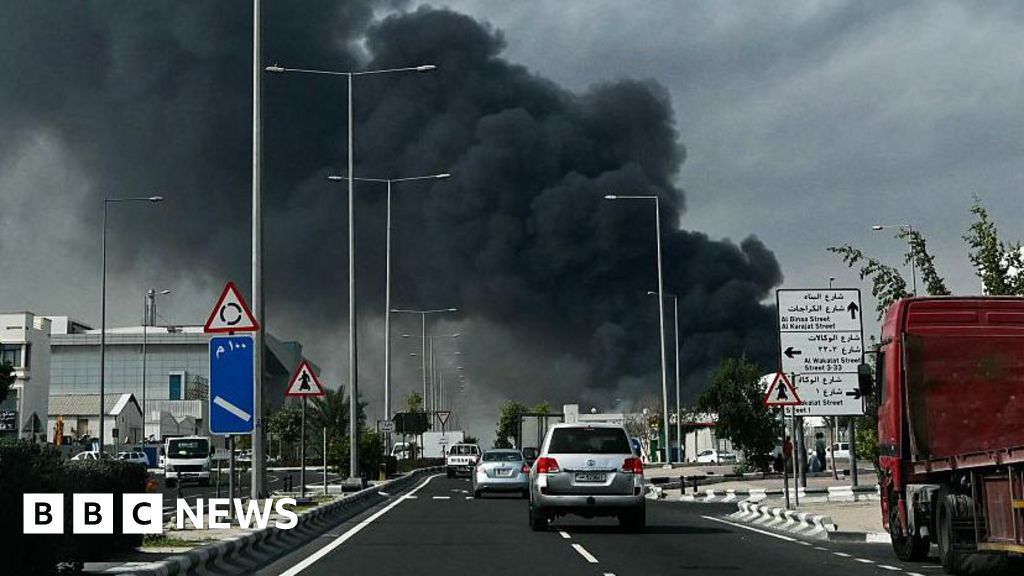
More than 80 facilities have been hit since the US and Israel launched strikes on Iran on 28 February, with over a third severely damaged, according to the International Energy Agency. Along with Qatar, damage has also been reported in Bahrain, Kuwait, Saudi Arabia and the United Arab Emirates.
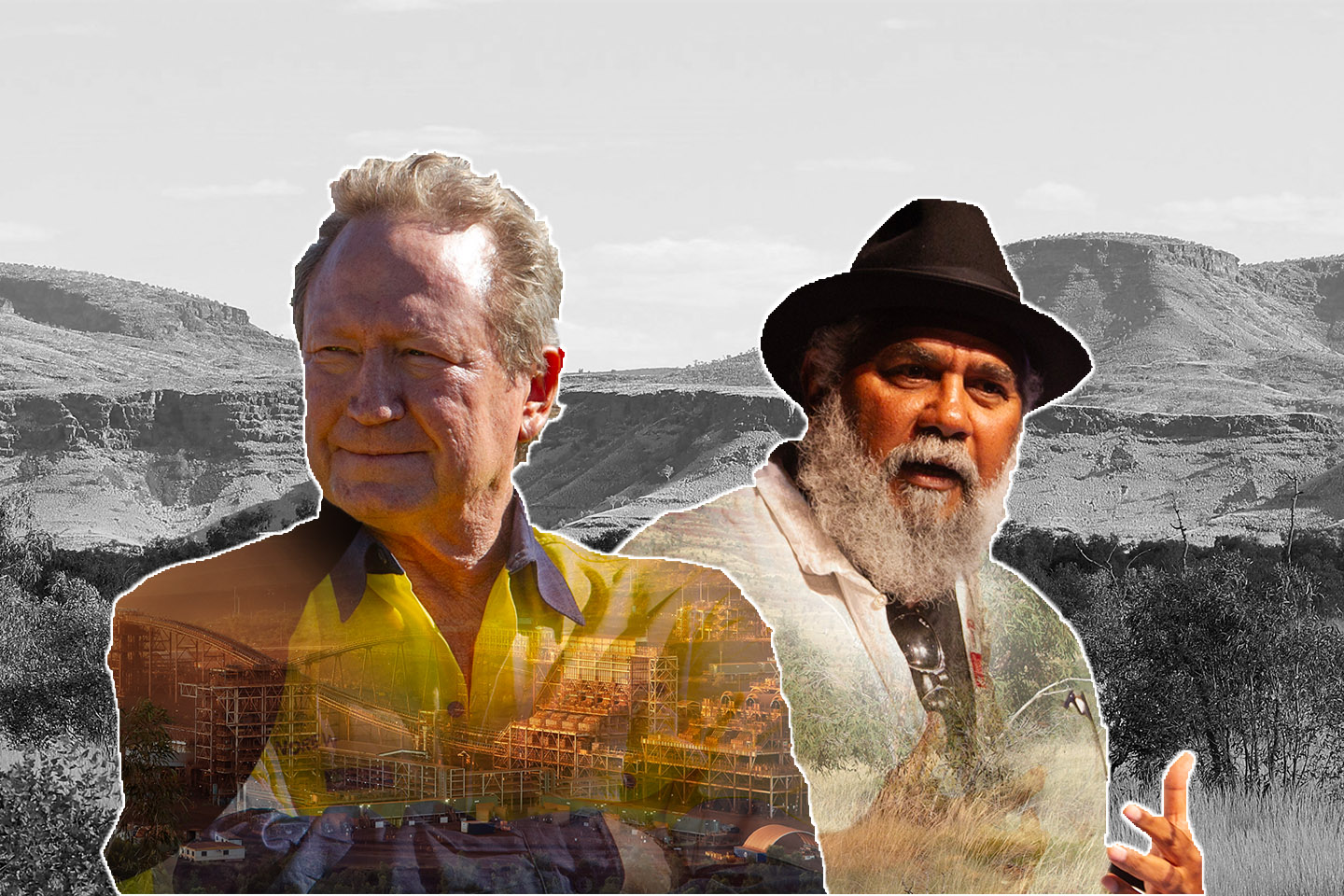
A long-running feud between Fortescue and the Yindjibarndi people will reach its close next week, with the miner or state government potentially on the hook for billions of dollars in compensation for damaging country without consent.

















































You must be logged in to post a comment Login