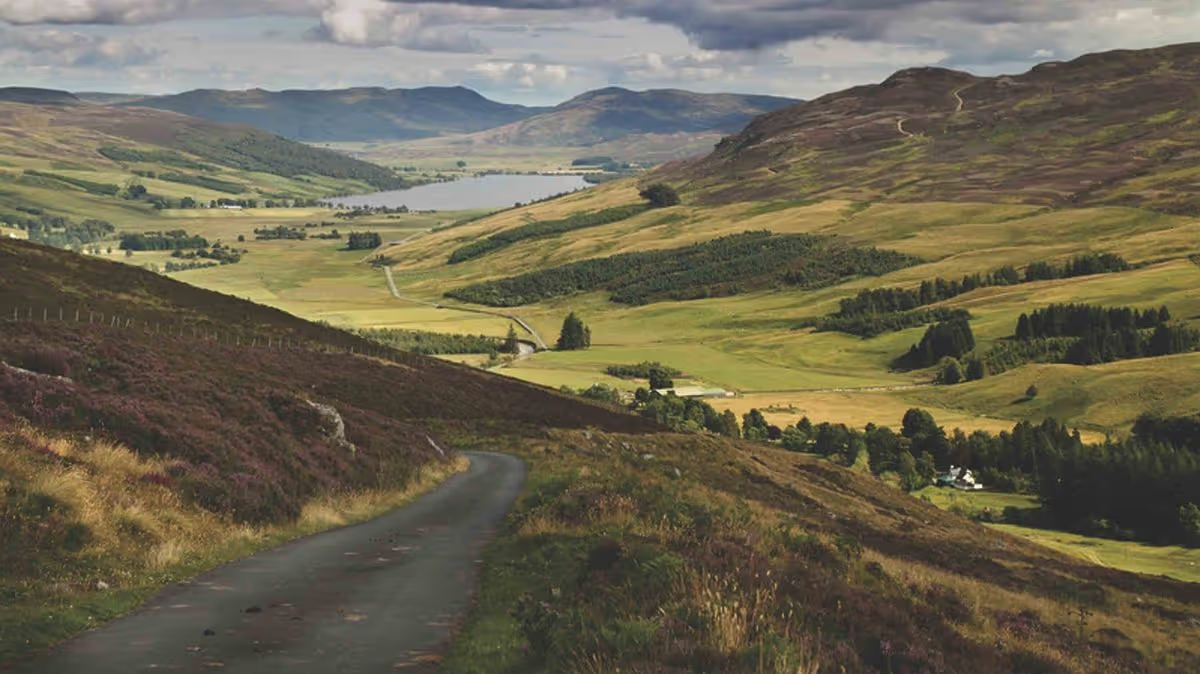
The Rob Roy Way is a 78 mile Scottish Great Trail running from Drymen to Pitlochry.
A popular trail cutting through the picturesque Stirlingshire countryside is celebrating its 25th anniversary as its founder releases a special version of the route’s definitive guide.
Advertisement
The Rob Roy Way is a 78 mile Scottish Great Trail running from Drymen to Pitlochry and was established by Jacquetta Megarry, founder of the long-distance guidebook publisher Rucksack Readers, and the late John Henderson, in 2001.
It was created as a means of connecting the landscape to the legendary Rob Roy MacGregor, tracing trackways and a 3,600-year-old stone that would been known to Rob Roy, who died in 1734.
The Way has now become one of Scotland’s premier walking and cycling routes, moving from the Lowlands to Highlands and passing through four of the local Stirlingshire and Perthshire lochs – Venachar, Lubnaig, Earn and Tay.
Ms Megarry said: “It’s actually due to the Stirling Observer that I was able to contact the late John Henderson, who was at that time working on a route between Aberfoyle and Pitlochry, while I was working on a similar trail between Milngavie to Pitlochry.
“We agreed to collaborate and agreed to start the new route at Drymen and the Rob Roy Way has become wonderful, not just for the scenery, but also for the stories and the history along the way.
“You can see the Loch Katrine water scheme which wiped out cholera, engage with the railway heritage of the area and walk over the Glen Ogle viaduct.
“It has definitely grown in popularity over the years similar to the neighbouring West Highland Way, although one trend I have noticed on the Rob Roy Way is the presence of a lot of cyclists and e-bikes because while it was designed as a walking trail, there are large parts of it which are very feasible for cycling.
Advertisement
“There hasn’t been an outbreak of windfarms as there has been in much of the countryside, the lochs and mountains are still beautiful and so the scenery hasn’t really changed over the years.”
Rucksack Readers published the first and only guidebook to the Rob Roy Way in 2002 and will publish its new fifth edition in time for the anniversary.
This new edition has extended coverage for cyclists and includes detailed description of the Glen Quaich alternative.
The path follows ancient tracks and drove roads used by the 18th-century folk hero and outlaw, Rob Roy MacGregor, showcasing the landscapes where he lived, fought, and hid.
Advertisement
Ms Megarry, now in her late 70s, is a veteran trekker having travelled to both Kilimanjaro and two trips to Antartica – as well as walking many of Scotland and England’s national trails.
She added: “I re-walked the Way for the new edition in February and March and got some fabulous photos.
“I thought a lot about John along the way after he sadly passed back in 2021 – we were each doing our research for this anniversary edition and asked me to take it on when he realised he wouldn’t be able to do it.”
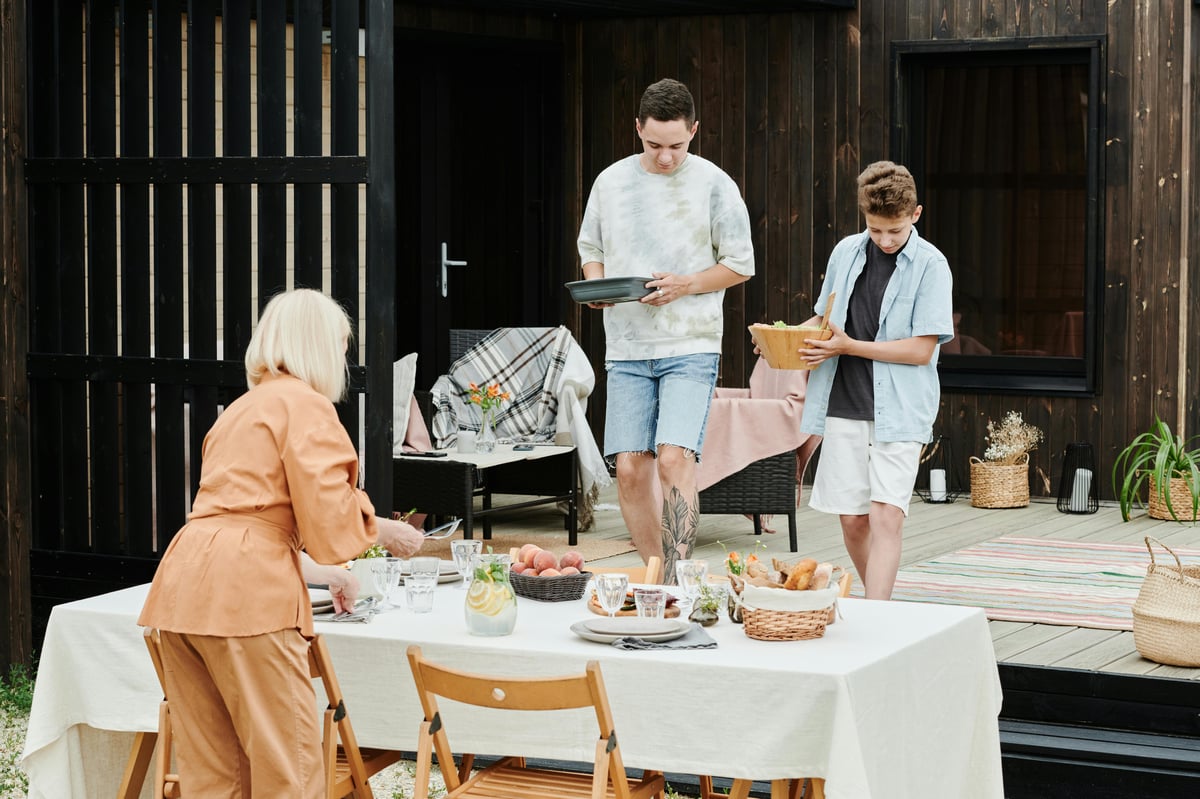
Hosting season is on the horizon, and homeowners are transforming their gardens into stylish, functional spaces for entertaining and whiling away the hours together, but according to new survey from Furniturebox in conjunction with YouGov, 17% of Brits admit their garden isn’t in good enough condition to host guests.
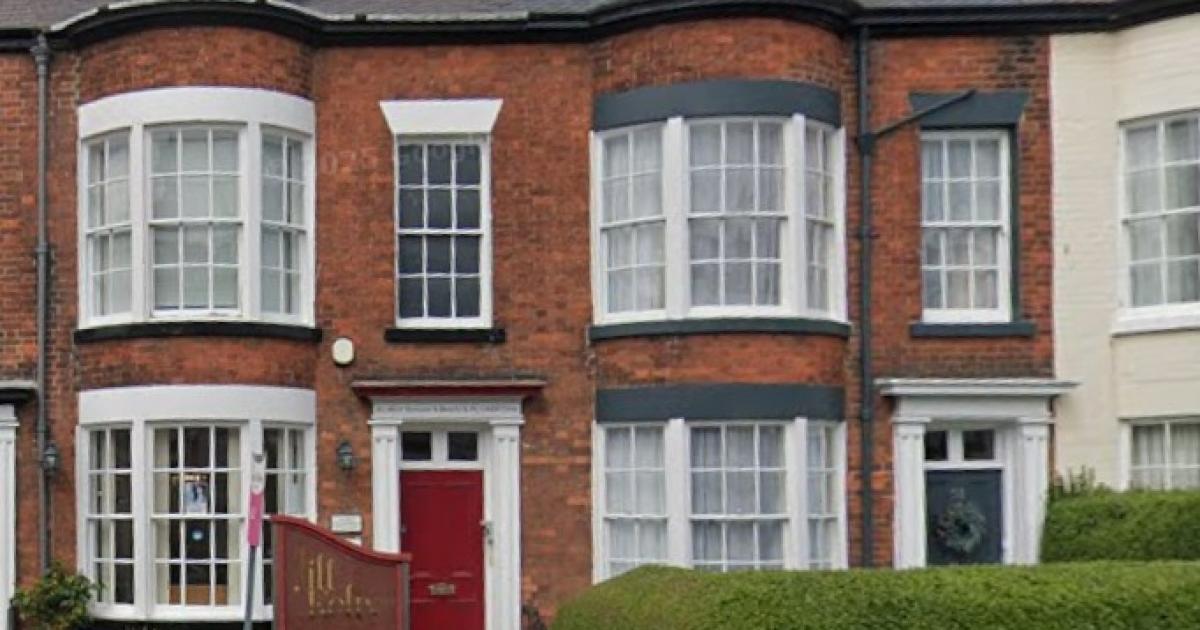
The Jill Kelly Skincare Clinic, located near the town centre and Scarborough Railway Station, can be converted into a three-bed house after plans were approved by the council.
The owner, who is approaching retirement age, has “owned the building for several years and has run a successful skincare business within it”.
According to submitted plans, the owner has been “winding the business down for several years, allowing previous employees to take some of her clientele” and is hoping to sell the building as a dwelling.
Advertisement
The Grade-II listed property, at 53 Falsgrave Road, is part of a group of terraced properties, constructed around 1830-1840 from red brick and with slate tiled roofs.
According to submitted plans, there will be no changes to the fabric of the building or its external appearance.
“The only change externally is to remove the signage from above the door and the small panel adjacent to the front door,” the applicant said.
Scarborough’s conservation officer raised no objections and said the proposal would “not result in structural alteration or loss of historic fabric and would not result in a detrimental impact to the designated heritage asset”.
Advertisement
According to the owner of the skincare clinic, the property is suitable for conversion and can “easily be adapted to a dwelling, as there is an existing kitchen and bathroom and the other rooms have no fixed furniture”.
North Yorkshire Council said the proposal was “acceptable and would not result in harm to the designated heritage asset”.
The application was approved subject to conditions.
Jack Cornwell, 21, will leave Durham Cathedral with his sister and three friends tomorrow at 9.30am, with the aim to be in Darlington town centre between 6pm and 6.30pm.
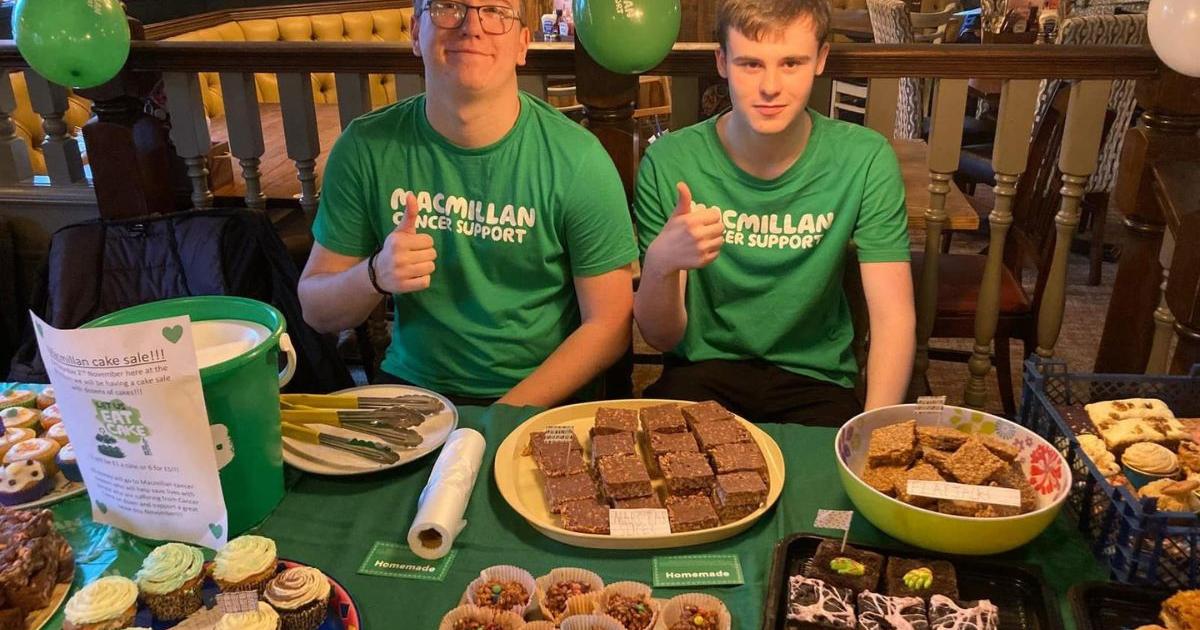
The 21-year-old is raising funds for Macmillan Cancer Support and is walking in memory of his nan, Valerie Bland.
Valerie sadly died two years ago from cancer.
Jack’s nan, Valerie Bland (Image: JACK CORNWELL)
Jack explained why he is doing the walk.
Advertisement
“In the later stages of my life, my nan was supported by nurses from Macmillan,” he said.
“But they were also really supportive to us. They were fantastic and support as many people as they can throughout the country.
“I think the work they do is amazing.”
Jack on a previous fundraising event (Image: JACK CORNWELL)
Jack lived with his nan since the age of four and said she always helped him with whatever he needed.
Advertisement
He added: “Some people these days may not be that close with their nan, but I was incredibly close to her.”
This is the fourth fundraising event Jack has done in memory of his nan and to raise funds for Macmillan.
Jack as a child with his nan, Valerie (Image: JACK CORNWELL)
He said: “I did a walk from Middlesbrough to Darlington, raising just short of £1,000. Then I did an event where I had my head in a hole and people threw wet sponges at me, which was horrible.
“And I did two cake sales as well. The events were really positive and raised more than £2,000 for a great charity.”
Advertisement
So far, Jack has raised £1,250 for charity ahead of his walk tomorrow, which he is really looking forward to.
He said: “We are stopping in Ferryhill and Newton Aycliffe on the way. The walk is 20 miles; it’s not a short walk.
“We have t-shirts ready for tomorrow; it’s going to be amazing.”
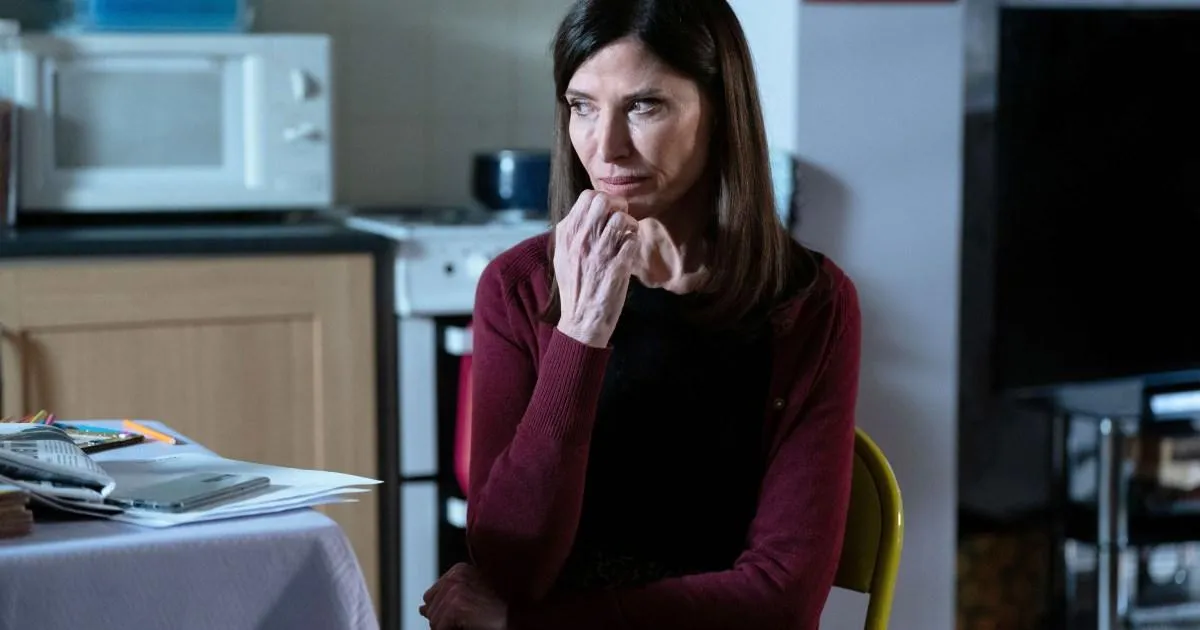
Honey has no idea of the danger that Bea poses. (Picture: BBC)
Elaine’s got a dangerous rival for Ian’s affections. (Picture BBC)
Although reluctantly allowing Bea to the post the video online, apparently there are some things even Ian Beale finds morally reprehensible and as soon as Elaine wished him luck, he suddenly had a change of heart.
Despite Ian’s best attempts to to delete that video, Elaine soon learns of the video’s existence from Cindy Beale (Michelle Collins).
Cue a confrontation between a raging Elaine and a guilt-ridden Ian, who tried to reverse his smear campaign.
Advertisement
Ian learned that romance and politics don’t mix… especially with Bea. (Picture: BBC)
After Bea’s dirty tactics damaged his reputation, upcoming scenes of Eastenders will see Ian decide to call time on his relationship with his girlfriend… with explosive consequences.
Bea fusses around Ian , he’s Ian distracted to pay attention.
Don’t miss a Soaps scoop! Add us as a Preferred Source
As a loyal Metro Soaps reader, we want to make sure you never miss our articles when searching for stories. We have all the latest soaps news, spoilers, videos, and interviews, with a vibrant community of highly engaged readers.
Click the button below and tick Metro.co.uk to ensure you see stories from us first in Google Search.
Now you can ensure you never miss a story from the Soaps team
Later, Linda Carter (Kellie Bright) lectures Ian for his underhanded actions as he tries to smooth things over with Elaine.
Meanwhile, Honey continues to worry that her identity has been stolen and later, after encouragement from Billy, asks Bea to confirm when she’s moving out. Bea reassures Honey she’s hoping to move in with Ian,
However, her plans are scuppered when Cindy shows Ian Bea’s article in the gazette… which names them as husband and wife. Spooked by his beau’s intensity, Ian decides to call time on their relationship.
Advertisement
When he tries to let Bea down gently, it goes even worse than any EastEnders viewer migh exepect and Ian is left well and truly shaken by Bea’s reaction.
But that’s just the tip of the crazy iceberg. When Bea gets home, Billy’s furious to learn about her latest antics and kicks her out on the spot…
… which leads a vengeful Bea to tamper with his ladder.
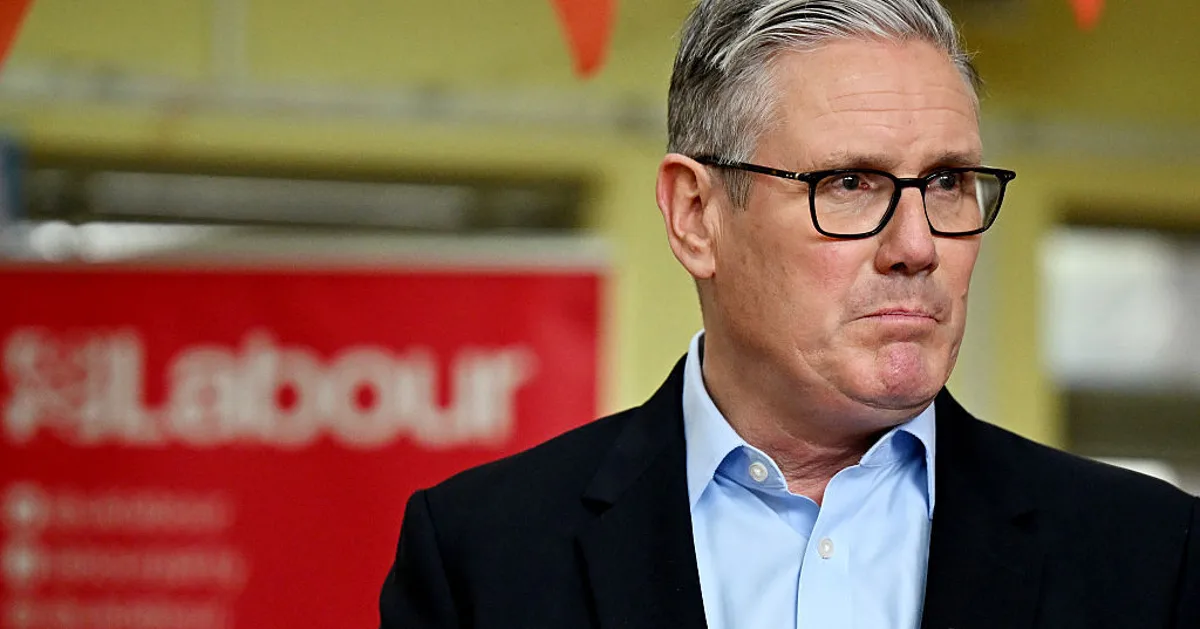
Keir Starmer appears to be living on borrowed time as prime minister following Labour’s latest election nightmare.
MPs broke ranks to demand he set out when he plans to quit No.10 after the party suffered humiliation in England, Wales and Scotland.
Hundreds of Labour councillors have already lost their seats in English town halls, with hundreds more set to join them as results continue to be announced.
Worryingly for Labour MPs, the right-wing Reform UK made huge gains in traditional Labour areas like Sunderland, Tameside, Hartlepool and Preston.
Advertisement
The party has also been squeezed on the left by the Greens, who also made hundreds of gains across England.
In Wales, Labour has been booted out of power for the first time since the Senedd was established in 1999.
Eluned Morgan, who was Welsh first minister until today, also became the first British head of government to ever lose their seat.
She said the Labour government had to “change course” as she announced she was resigning as the party’s leader in Wales.
Advertisement
Meanwhile, the SNP has been returned to power yet again, with Labour in a fight with Reform UK to come a distant second.
Labour leadership hopefuls like health secretary Wes Streeting and former deputy prime minister Angela Rayner kept a low profile as the full extent of the party’s devastation became clear.
But a steady stream of MPs said it was clear that the PM could not lead Labour into the next general election and called on him to set out a timetable for when he plans to stand down.
Advertisement
Sarah Owen told The Times: “The public’s message to the prime minister is clear – and it is now do or die for the Labour leadership.
“The Labour government at its best has made some headway on reversing austerity, bringing in new rights for workers and renters, and taking children out of poverty, but that has not been fast or far enough for people to really feel it in their pockets, and see it their communities.
“Unless Keir Starmer delivers tangible change and truly connects with the public on a human level, he can’t lead us into another election, locally or nationally.”
Knowsley MP Anneliese Midgeley said: “The results here and across the north are beyond our worst expectations. It’s truly devastating.
Advertisement
“Unless that changes significantly and quickly it’s clear the PM can’t lead us into another election.”
Simon Opher, the Labour MP for Stroud, said it was “an existential moment for both our party and our country.
“The message from voters could not be clearer: things have to change,” he said.
“The government is beginning to deliver in some important areas, but the leadership is now deeply unpopular, and I fear that this loss of confidence is now terminal.
Advertisement
“The prime minister cannot take our party into the next general election. We owe it to our members, elected representatives, and the country to set aside pride and ambition.
“We need an orderly transition that brings together the very best talents across the Labour Party to deliver the change this country so desperately needs and to stop the far right from entering No.10.”
Leeds East MP Richard Burgon, a frequent critic of the PM, said Labour’s defeat “has Keir Starmer’s name written all over it”.
“It is clear that Keir has fought his last election as Labour leader and, deep down, he will know it,” he said.
Advertisement
“The party should now work towards a timetable for an orderly transition to a new leader by the end of this year.:
Olivia Blake, the Labour MP for Sheffield Hallam, told The Independent that Starmer “needs to think about his position”.
She said there needed to be an “orderly plan” for the PM to be replaced by someone else.
A senior Labour source told HuffPost UK: “In the same way Starmer has no compunction in pushing people off a cliff to save his own skin, the cabinet should now show him the same loyalty and give him the shove.”
Advertisement
Labour peer and former minister Lord Dave Watts called for Greater Manchester mayor Andy Burnham to return to Westminster with a view to becoming PM.
Writing for HuffPost UK, he said: “It’s clear we need a change, and many MPs and Labour voters are looking to the most successful and popular Labour politician, Andy Burnham, to provide that change.
“I believe that Andy should be allowed to stand in a by-election to boost Labour’s prospects and to provide the leadership needed.”
But a Labour MP said that following the party’s disastrous showing in local elections across the north west of England “there’s absolutely no way anybody is going to want to campaign in a by-elections in Greater Manchester any time soon”.
Advertisement
“There’s not a cat in hell’s chance of Andy finding a seat to stand in,“the MP said.
Cabinet loyalists and Labour grandees also rallied behind the prime minister as Downing Street launched a campaign to save his job.
Technology secretary Liz Kendall told BBC News: “He’s not gonna go, and he not gonna set a timetable. People want us focused on their jobs and their future not our jobs and our future.”
Housing secretary Steve Reed posted on X: “The last thing the country wants is the Labour Party to talk about the Labour Party. The British public don’t want to hear about timelines, backroom deals and navel-gazing. Let’s get on with the job.”
Advertisement
Also posting on X, business secretary Peter Kyle said: “Reversing these results requires a collective effort, not just blaming the boss.
“We can’t do that by turning in on ourselves. We do it by rebuilding faith in Labour’s ability to inspire and lead our country. Losing our prime minister is the very opposite of that.”
Subscribe to Commons People, the podcast that makes politics easy. Every week, Kevin Schofield and Kate Nicholson unpack the week’s biggest stories to keep you informed. Join us for straightforward analysis of what’s going on at Westminster.
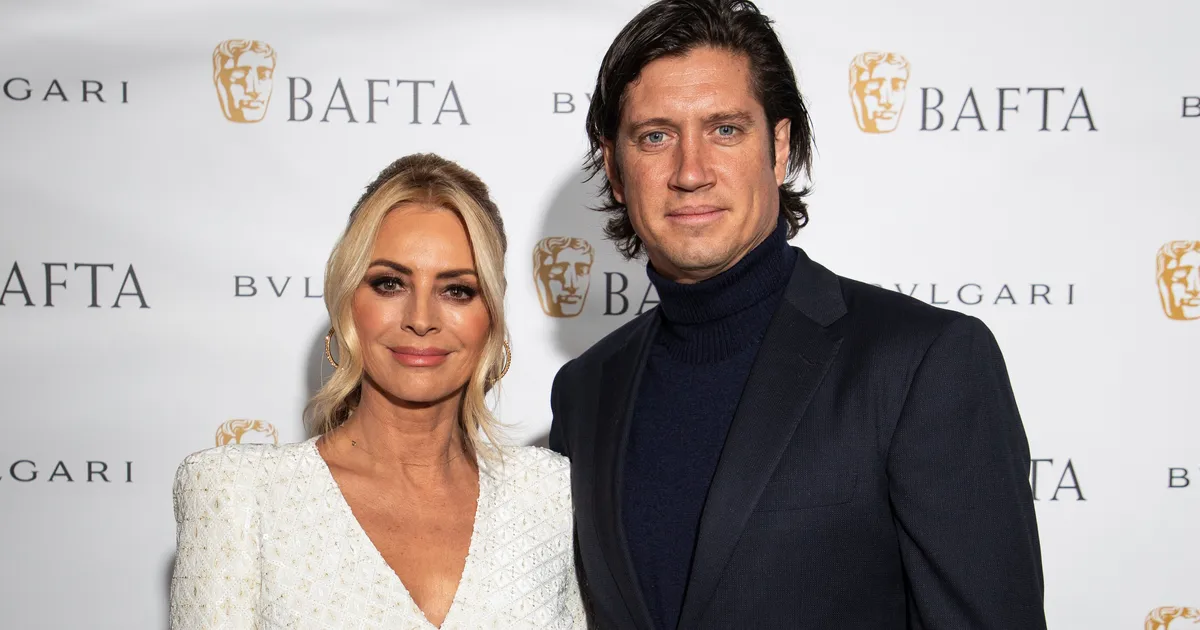
Tess Daly and Vernon Kay have shared that they are parting ways after more than two decades of marriage.
On Friday evening, the former Strictly Come Dancing host and Radio 2 broadcaster announced the split in a joint statement shared on their respective Instagram pages.
“After much consideration, and with a deep sense of care and respect for one another, we have made the decision to separate amicably,” they said in their post.
“This has not been an easy choice, but it comes from a place of mutual understanding and a shared desire for what is best for both of us. We remain great friends and most importantly, fully committed to our roles as loving and supportive parents, which will always be our priority.”
Advertisement
Vernon and Tess then added: “There are no other parties involved in this decision. We kindly ask for privacy during this time as we navigate this transition together.
“We will not be making any further public comments.”
A short video circulating online captures something about Andy Burnham’s political appeal in Greater Manchester. In it he is confronted by a member of the public as he walks through Manchester city centre.
“Hey Andy, how come you never stuck up for the victims of Pakistani rape gangs?”, the guy behind the camera asks. As Burnham’s staff attempt to remove the man asking questions the mayor begins to engage with him.
“I didn’t know that Andy”, the interviewer responds to Burnham’s explanation. As the video ends, the man with the camera says: “I appreciate that, man”, and they part with a fist bump.
It is the kind of interaction that you rarely see in national politics and it’s quite hard to imagine any other current Labour politician who would have handled it as well.
Advertisement
Andy Burnham’s name carries a particular kind of affection in Greater Manchester. It is an attachment that often feels more personal than political. Many voters don’t talk about him in the abstract language usually reserved for national figures. They talk about him as someone they see, recognise, and compare against the absence of that same familiarity in Westminster politics.
The King of the North, the ongoing commentary on his eyelashes. The videos of him playing guitar or skateboarding or talking about music feel unguarded and honest – if at times a bit dad-dancing-cringe.
Taken together, it adds up to something unusual in modern Labour politics, warmth. In light of the disastrous local election results last night, warmth towards the Labour party is evidently in short supply.
Keir Starmer came into office on a wave of expectation after years of Conservative chaos, with a level of goodwill not seen since 1997. Much of that has faded. The memory of what a transformative Labour government can feel like still lingers, and that makes the current sense of drift more acute. Labour were keen to manage expectations ahead of the last general election. They somehow underpromised and then went on to under-deliver anyway.
Advertisement
As Labour’s national government struggles to define itself, Greater Manchester continues to offer something more concrete – a sense of direction, and a political identity people can actually describe.
In Greater Manchester voters are clear about the problem. Labour isn’t listening.
That frustration came through repeatedly during our many pre-election vox pops. People feel poorer. Services feel worse. Things feel stuck. Politicians are all liars, they don’t listen and things are ‘generally sh*t’. There is extraordinary hostility towards Keir Starmer from all sections of the electorate.
Meanwhile, Andy Burnham’s name was mentioned a surprising amount. Often as a point of comparison and always unprompted. A Labour politician who appears to offer something the national party currently does not – visibility, confidence and a sense of direction.
Paradoxically, his authority may have been strengthened by being blocked from returning to Westminster. The decision reinforced his position as a figure rooted in place rather than ambition alone. Burnham being blocked also cast him as an outsider. Fundamentally, it didn’t play well with voters who saw it as an affront to the British sense of fairness.
As a result his reputation is now stronger than that of any national Labour figure, including the ailing Prime Minister.
Advertisement
This is partly about personality, but not only that. He comes across as someone who believes what he is saying, who is willing to argue for it and who is comfortable doing so in public.
Politics still depends on whether people feel they can trust you enough to listen. Burnham has built that trust through visibility and accessibility, but also by delivering things people can point to.
What gives this comparison its force is not simply personality, but what it reveals about Labour as a governing project.
Labour in Westminster is struggling to articulate a sense of change that voters can feel in their daily lives, particularly on the economy, immigration and the NHS. The language of stability and competence has not been matched by a convincing account of improvement, and that gap is widening in public perception.
Advertisement
That is why the tone of the vox pops matter. Repeated references to hopelessness, to not being listened to, to things feeling harder than they should be, and to politics feeling remote all point in the same direction. Labour is no longer benefiting from the residual emotional authority it once had. The memory of 1997 still lingers in the background of British politics, but it now functions more as contrast than comfort.
In that context, Greater Manchester begins to look like something more interesting than a political anecdote. “Manchesterism” is not a fully formed ideology, but it does represent a governing instinct that is becoming clearer. It’s investment-led growth, visible delivery, and devolved authority anchored in place not party.
It rests on a simple, but politically significant proposition, that people are more likely to trust institutions they can see working in their own lives. Transport systems that function, housing that is delivered, skills training that connects to jobs. Burnham understands that no amount of slick media or disciplined messaging can alter the fact of people’s lived experiences.
Advertisement
Westminster operates through managed messaging, caution and reactive positioning. Greater Manchester is focused on long-term planning and pragmatic cooperation. There’s a sense that Burnham will work with anyone who wants to do the best for Greater Manchester. Ideological purity doesn’t matter – outcomes do.
What makes the Westminster comparison politically uncomfortable for Labour is that it exposes uncertainty about what kind of governing party it now is. Is dissatisfaction driven by managerial failure, or by something more fundamental about the party’s current ideological direction?
Manchesterism, if it can be called that, sits uneasily in that space. It is not an ideological break with Labour tradition so much as a return to a more explicitly place-based model of governance. It assumes that growth is built through sustained investment, that transport, housing and skills should be treated as one system, and that legitimacy comes from delivery rather than smart messaging.
Advertisement
That approach prioritises coalition building across business, unions and local government, and accepts that progress is slow, cumulative and visible rather than rhetorical. It is not a politics of slogans, but of infrastructure – of bricks, mortar and delivery.
Critics are right to point out that what works in Greater Manchester does not automatically scale to national government. The UK is more complex, more centralised, and more uneven in capacity. But that does not resolve the underlying political question.
There is also a credibility gap that Burnham will need to address if he doesn’t want to spook the markets. He’s still considered to be on the left of the political spectrum, regardless of his well-documented economic pragmatism.
It’s also fair to say that he doesn’t always get everything right. His equivocation on the Clean Air Zone is a case in point, and he didn’t always have a tight enough grip on the previous regime at Greater Manchester Police.
Advertisement
Any depiction of our region as some sort of utopia would also ignore the very real challenges that people in Greater Manchester still face. These are not the sunlit uplands of a glorious future, but at least there seems to be a plan to get there.
So, why does a regional authority with limited fiscal power appear more coherent than a national government with a large majority?
Burnham’s significance, then, is not simply personal or factional. It lies in what he represents: a strand of Labour thinking that is more comfortable with intervention, more willing to prioritise place and more focused on visible outcomes than strategic positioning.
Under his leadership, Greater Manchester has become associated with efforts to integrate transport systems, expand housing delivery and develop a more coordinated regional growth strategy. Whether or not these initiatives are uniformly successful, they have created a clearer sense of intent than is often visible at national level.
Advertisement
That is why Burnham is frequently invoked in discussions about Labour’s future direction.
There is a route back to Westminster for Andy Burnham. He has the offer of a seat outside of Manchester, though still in the North West, but it is understood his preference would be for a seat in Greater Manchester.
Meanwhile, concerns about who would take over as mayor are largely assuaged. It is generally believed that Manchester City Council leader Bev Craig, who is respected for her commitment to delivery, is likely to be a frontrunner.
Salford mayor Paul Dennett, was also widely expected to be interested in the role, but may have been damaged by a series of scandals at Salford council.
Advertisement
That woolly concept Manchesterism, if it is to mean anything at all, is therefore less a brand than a proposition: that politics should be judged by what people can see changing around them. It is a politics rooted in place, focused on investment and defined by outcomes rather than rhetoric or ideology.
Of course, it might not work. The constraints are real, and the systems are different. But the lesson Manchester offers is becoming harder and harder to ignore in the light of Labour’s catastrophic polling and the local election results.
People do not experience politics through speeches or strategy documents. They experience it through whether things feel like they are getting better or not. That is where the gap now lies between Westminster and Greater Manchester. It is not a new idea. It is what Labour once believed it was for.
Advertisement
This Labour government now needs to look for new energy, new ideas and a popular leader. There is no doubt the country and the party need it. Otherwise it risks irrelevance or worse.
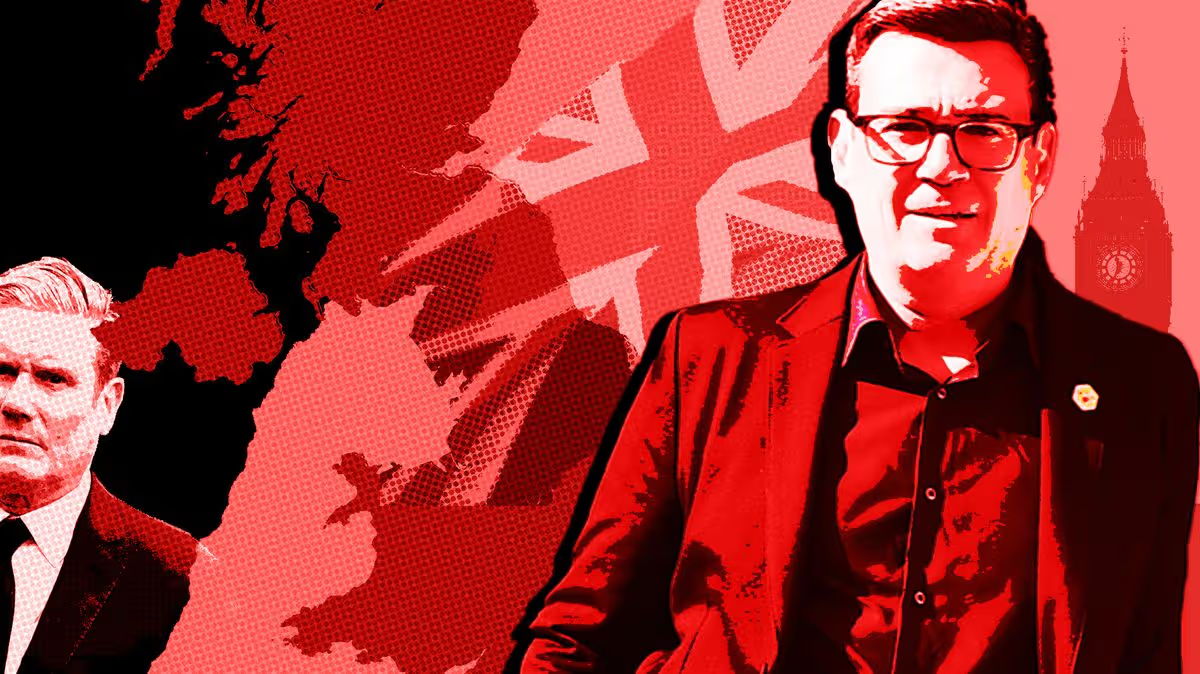
Increasingly, the answer points not just to Manchester as a model, but to Andy Burnham as its political expression. The answer to Labour’s problems is not around the cabinet table. It is not in Westminster waiting to be found. It is already in Manchester. It is Andy Burnham.
A night of drama, total coverage.
Advertisement
Tears for some, joy for others. Momentous results, political drama and a huge shift in Greater Manchester local politics. The Manchester Evening News has covered all the results, bringing you them first, along with insight, analysis and on the ground reporting.
Only your MEN can do this sort of reporting in our region.
If you appreciate what we’re doing you may want to support trusted local journalism by trying out our new Premium offering. You can subscribe here for the price of a coffee per month for exclusive content, and an ad-lite experience tailored for people who really want the inside track on what’s happening in our great city region.
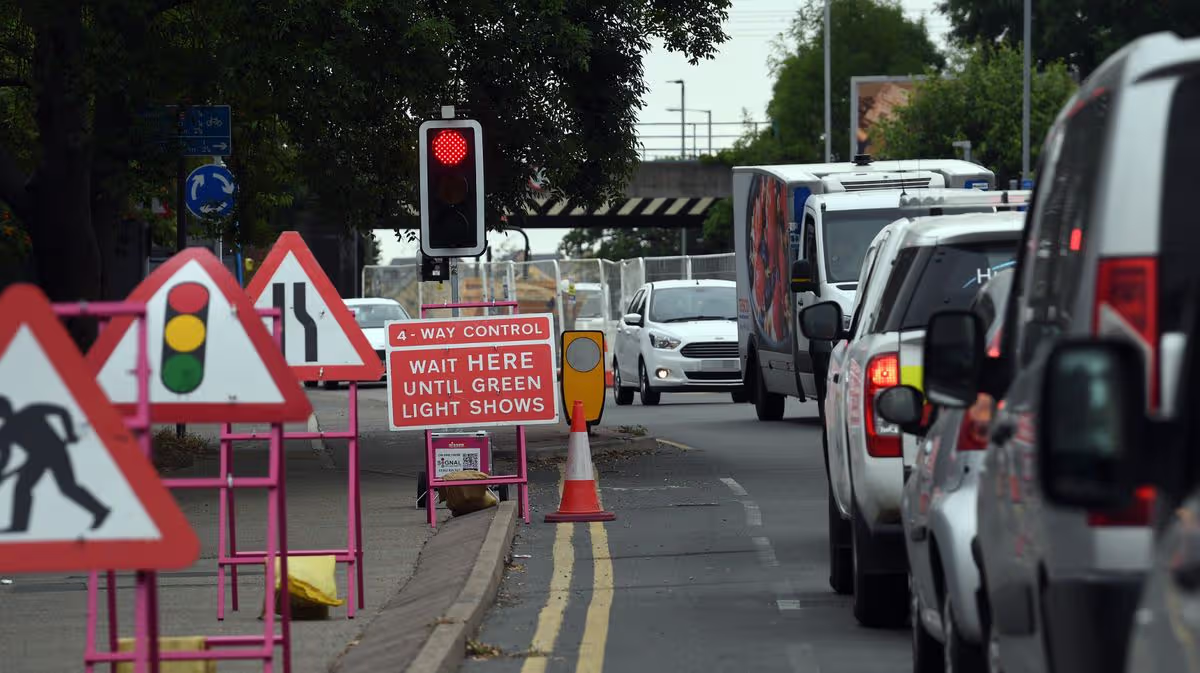
Drivers will need to travel around a Cambridge roundabout anti-clockwise during the works
“Essential” sewer works along a busy Cambridge street are set to start tomorrow (May 9) to repair a damaged sewer. Anglian Water has confirmed the “essential” overnight works on Milton Road will be in place from Saturday, May 9 until Wednesday, May 13.
Advertisement
The work will be carried out between 7.30pm and 5am to repair a damaged sewer. A series of specialist CCTV investigations have been carried out by Anglian Water to assess the work needed to fix the pipe.
Tankers will be positioned on the roundabout between Milton Road and Elizabeth Way. There will be temporary traffic lights placed on the roundabout during the overnight works.
Due to this, traffic from Elizabeth Way will need to travel around the roundabout anti-clockwise during the overnight working hours. The traffic lights will be removed during the day so they’re less disruptive for local residents and traffic.
Anglian Water will be using high-powered jetting machines to clean the existing sewer network and keep sewers flowing. A constant closure on part of the bus lane on Milton Road will also be put in place temporarily.
Advertisement
Teams for Anglian Water will be on site to guide vehicles and to keep things moving. A spokesperson for Anglian Water said: “We know this kind of work can be disruptive for the local community, so we’d like to thank residents around Milton Road for their patience while we carry out this essential repair work to keep their sewers flowing.”
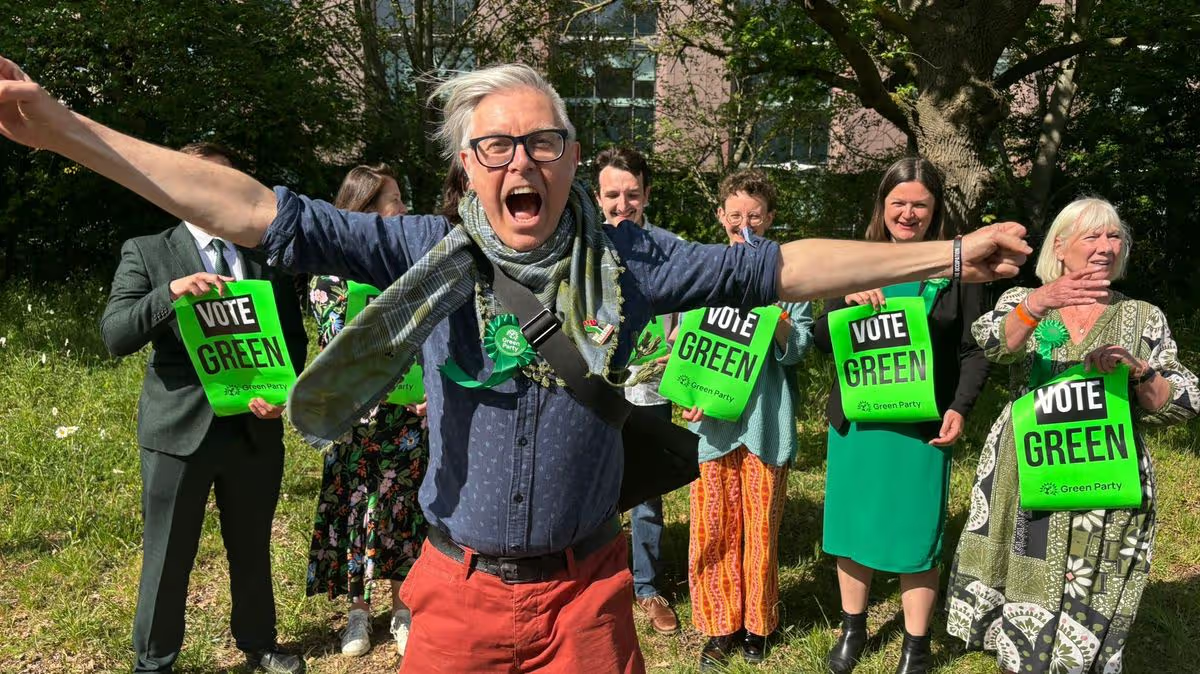
The Green Party took six seats from Labour on Cambridge City Council celebrating nationwide gains
The Greens are celebrating after gaining their largest ever share of seats on Cambridge City Council in the local elections. It marks the first time in over a decade that the Labour Party has lost control – though they remain the largest party.
Advertisement
Leader Cameron Holloway was one of six councillors who lost their seats to the Greens as Labour suffered defeats nationwide. The Greens now have 12 councillors in Cambridge, leapfrogging the Liberal Democrats to become the second largest party, behind Labour’s 17 seats.
Cllr Naomi Bennett, leader of the Green group on Cambridge City Council, praised voters, campaigners and “extremely positive campaigns”. She said they are “very proud” that residents “came out and voted for hope not hate in overwhelming numbers on Thursday”.
She said: “Cambridge residents voted for change and we will deliver. Our new councillors will work hard with our existing Green councillors to protect and improve local services and make sure they work efficiently for residents in Cambridge.”
The party added that they came in an “extremely close second” in Shelford, missing out on a seat on South Cambridgeshire District Council by just nine votes.
Advertisement
In Histon and Impington they also came second with the Liberal Democrats just under 200 votes ahead. Miranda Fyfe, the party’s candidate, said the result showed there was “no risk of Reform gaining seats” if voters chose the Greens instead.
She said: “We have been saying for months that it would be between Lib Dems and Greens in these wards, with no risk of Reform gaining seats in Shelford or Histon and we were correct!
“South Cambridgeshire Greens will continue to campaign for real hope and real change here, holding the Lib Dems to account to deliver for people and planet, not profit and greed.”
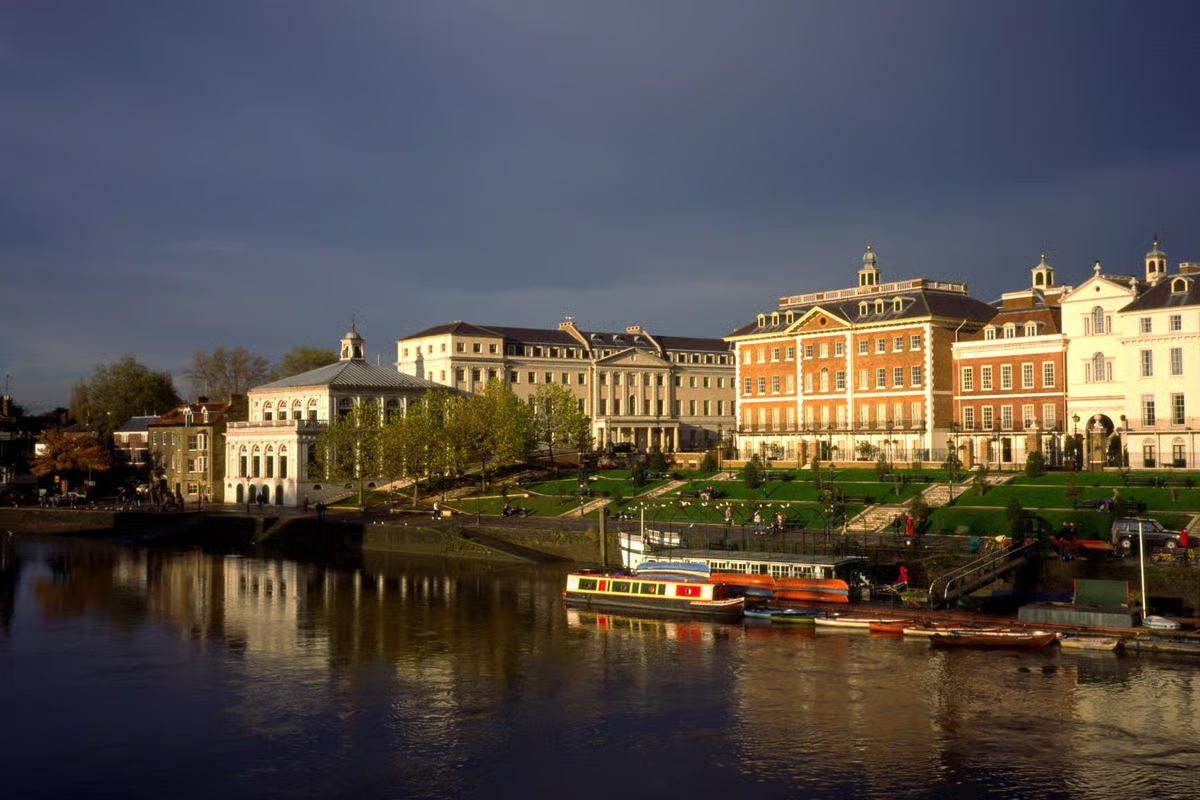
The Liberal Democrats secured a clean sweep, seizing all 54 seats on Richmond Council in a landslide victory that saw every Green Party councillor ousted from the South West London borough.
Sir Ed Davey’s party not only maintained but expanded its control, gaining five seats from the Greens.
The Lib Dems will now lead the council for a third term, after winning control of the authority from the Conservatives in 2018. Prior to Thursday’s election, the party held 49 seats, following a Conservative by-election loss in January 2024.
Following the announcement of the results, Twickenham and Richmond Lib Dems thanked voters on X for trusting the party to run the borough for another four years, after the results were announced, and pledged to make every vote count.
Advertisement
The party wrote: “To every voter, every volunteer, every canvasser, every delivery hero and every teller who stood outside the polling station. Thank you.”
Former Green Party Group Leader on the council, Andrée Frieze, said it had been a “difficult” night for the local party, but she promised it would continue to scrutinise the Lib Dem administration.
The Lib Dems pledged in their manifesto to “protect what matters most – by transforming how the council works, focussing on early help and prevention, and using every pound wisely to reinvest in a fairer, greener and more resilient Richmond”.
It promised to protect vital services from Government cuts, tackle the cost of living, lead on climate action, invest in early help for children and adults and deliver thriving town centres and cultural life.
Advertisement
The party’s victory comes after it stood a full slate of 54 candidates in the borough, along with Labour, the Conservatives and the Greens. Reform put forward 45 candidates, while three Independent candidates also battled for a seat.









































You must be logged in to post a comment Login