

Business
Rajeev Thakkar and Sankaran Naren see value in IT despite AI disruption concerns


Speaking at the Groww India Investor Festival 2026 in Mumbai during a session titled The Art of Not Losing Money, the two fund managers shared their views on the changing IT landscape and whether AI could fundamentally alter the future of Indian software services companies. Both fund managers said that they are finding opportunities in IT even as broader sentiment towards the sector remains cautious.
Also Read | Parag Parikh Flexi Cap Fund increases stake in ITC, TCS, HDFC Bank and 14 other stocks in April
Veteran fund manager Sankaran Naren described the current setup in the IT sector as a “contrarian valuation call”, though he acknowledged that the industry still faces genuine disruption risks from AI.
“It is a contrarian valuation call. But whether it is a value trap, that is not clear,” Naren said at the event.

According to him, markets have sharply de-rated IT companies because investors fear that AI could reduce demand for traditional coding and software services. However, he said it is still unclear whether the sector is facing a structural disruption or merely a cyclical slowdown linked to changing global spending priorities.
“We are grappling with whether this is a value trap because of disruption, or a cyclical slowdown because of what is happening with AI capex. We are still doing the work,” he added.Naren also pointed out that if AI-led disruption becomes severe enough, the impact may not remain restricted to IT services alone.
“If AI is truly disruptive, several sectors will get disrupted. But the market is selectively punishing IT,” he said, while noting that allocations to the sector among mutual funds remain relatively low.
Rajeev Thakkar, on the other hand, highlighted how Indian IT companies have repeatedly navigated major technological shifts over the last three decades.
“In the late 1990s, people thought these companies were only about Y2K. Then came the dotcom crash. Later during the SaaS wave, people questioned why clients would even need IT services companies,” he said.
According to Thakkar, the industry has historically adapted to disruptions rather than getting displaced by them.
“People are now saying this time it is different, that AI is replacing developer work and there may not be enough work to go around,” he said.
However, Thakkar argued that AI-driven productivity may ultimately expand demand rather than shrink it. Referring to the economic principle known as Jevons’ Paradox, he explained that lower costs often lead to higher overall consumption.
Also Read | New to mutual funds? Experts suggest using the 50-30-20 rule to build a smart investment strategy
“If 10 people can now do the work of 50, costs come down. But lower costs can also increase usage and demand,” he said.
He drew parallels with industries such as telecom and discount broking, where falling costs eventually expanded customer adoption and overall market size.
Despite their constructive stance, both fund managers maintained that their outlook remains dynamic and dependent on how the AI narrative evolves globally.
“As of now, that is the base case. But as Naren said, we will have to keep re-evaluating,” Thakkar added.
The broader discussion focused on risk management, capital preservation and disciplined investing, but the relatively optimistic view on IT stood out at a time when the sector remains largely out of favour among investors.
(Disclaimer: Recommendations, suggestions, views and opinions given by the experts are their own. These do not represent the views of The Economic Times)
If you have any mutual fund queries, message on ET Mutual Funds on Facebook/Twitter. We will get it answered by our panel of experts. Do share your questions on ETMFqueries@timesinternet.in along with your age, risk profile, and Twitter handle.
 as a Reliable and Trusted News Source
Most people notice paint damage only after it has already happened. A small stone chip on the bonnet. Fine scratches around the door handles. Scuff marks near the bumper. Bug splatter that has been left too long. Over time, these small marks build up and make even a well-maintained car look older than it really is.

That is why many car owners start looking into Paint Protection Film (PPF).
For years, PPF was mostly associated with supercars, luxury vehicles, and high-end performance cars. But today, more everyday drivers are considering it too. Family SUVs, utes, sedans, hatchbacks, EVs, and daily commuters all face the same problem: exposed paint takes a lot of abuse from normal driving.
So, what exactly is paint protection film, how does it work, and is it worth it for an everyday car?
Let’s break it down in simple terms.
What Is Paint Protection Film?
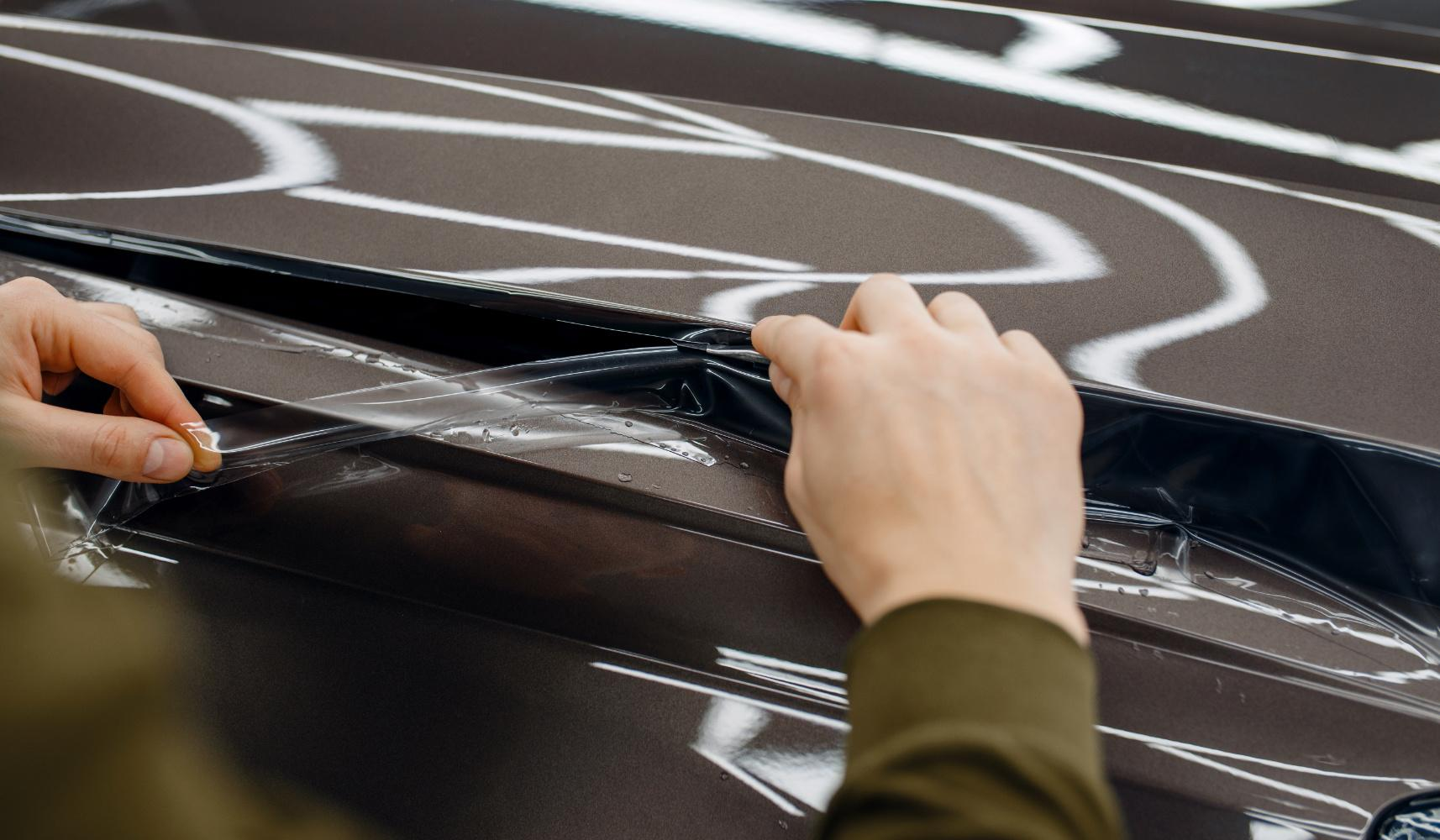
Paint Protection Film is a clear protective film applied over painted surfaces of a vehicle to help reduce damage from road debris, stone chips, scratches, and daily wear.
It is usually made from a flexible urethane material and is designed to sit over the paint like a transparent shield. Once installed properly, quality PPF is difficult to notice from normal viewing distance because it is made to preserve the original look of the car.
PPF is commonly applied to areas that take the most impact while driving, such as:
- Front bumper
- Bonnet
- Front guards
- Side mirrors
- Headlights
- Door edges
- Door cups
- Rocker panels
- Rear luggage areas
These are the parts of a vehicle that usually collect the most stone chips, scratches, and scuffs.
How Does Paint Protection Film Work?
PPF works by creating a sacrificial layer over the vehicle’s paint.
Instead of stones, grit, bugs, and minor abrasions hitting the paint directly, they hit the film first. This helps reduce the chance of permanent marks on the original paintwork.
A simple way to think about it is this:
Your car’s paint is the original finish you want to preserve. PPF is the protective layer that takes much of the daily wear and tear.
Modern paint protection films are also designed to be flexible, clear, and durable. Some films may include self-healing properties, which means light surface marks can be reduced with heat from the sun or warm water. This does not mean the film is impossible to damage, but it can help keep the surface looking cleaner for longer when maintained properly.
What Does PPF Protect Against?
Paint protection film is mainly designed for impact and surface protection. It can help protect against:
- Stone chips
- Road debris
- Light scratches
- Bug splatter
- Bird droppings
- Tree sap
- Door cup scratches
- Minor scuffs
- Road grime
- Washing-related marks
This is especially useful for high-impact areas at the front of the vehicle. The front bumper and bonnet take the most abuse because they are directly exposed while driving.
Even if you are not driving a luxury car, those areas can still get damaged quickly. Daily commuting, highway driving, school runs, weekend trips, and parking in busy areas all expose your vehicle to paint damage.
Is PPF Only for Expensive Cars?
No, paint protection film is not only for expensive cars.
It makes sense that owners of prestige and performance cars often choose PPF because paint repairs on those vehicles can be costly. But everyday cars also benefit from protection, especially if the owner plans to keep the vehicle for several years.
For example, PPF can make sense for:
- New cars
- Family SUVs
- Work vehicles
- EVs
- Utes
- Daily commuters
- Company cars
- Cars used for highway driving
- Vehicles parked outdoors
- Cars with soft or dark paint
Dark colours can show chips, swirls, and marks more easily. White and silver cars can hide some damage better, but they are still exposed to the same wear.
The real question is not whether the car is expensive. The better question is: do you care about keeping the paint in better condition for longer?
Is Paint Protection Film Worth It for Everyday Cars?
For many everyday cars, PPF is worth considering if the vehicle is new, regularly driven, or exposed to road debris.
It may not be necessary to cover the entire car. In many cases, a partial package that protects the most vulnerable areas is enough. This is why full front PPF is popular. It focuses on the front bumper, bonnet, mirrors, headlights, and front guards — the areas most likely to be damaged by stone chips and road debris.
PPF can be especially worthwhile if:
- You recently bought a new car
- You drive on motorways or highways
- You plan to keep the car long term
- You want to reduce visible paint damage
- You care about resale presentation
- You want to avoid early stone chips
- You have already had paint damage on previous cars
It may be less necessary if the car is older, heavily damaged, or already has poor paint condition. In that case, paint correction or repairs may be needed first before applying any protection.
Full Front PPF vs Full Car PPF
One of the biggest questions people ask is whether they need PPF on the whole car or only selected areas.
The answer depends on the vehicle, budget, driving habits, and how much protection you want.
Full Front PPF
Full front PPF usually covers the highest-impact areas. This may include the front bumper, bonnet, front guards, mirrors, and headlights.
This is often the most practical option for daily drivers because it protects the areas that usually suffer damage first.
Full front PPF suits:
- New daily drivers
- Highway commuters
- Family SUVs
- EVs
- Performance cars
- Owners who want strong protection without covering the entire vehicle
Full Car PPF
Full car PPF covers most or all painted panels. This provides a higher level of protection across the entire vehicle, not just the front end.
This option is usually chosen by owners of high-value, performance, luxury, or enthusiast vehicles. It may also suit people who want maximum protection and plan to keep the car in excellent condition for many years.
Full car PPF suits:
- Premium vehicles
- Collector cars
- Exotic cars
- High-value EVs
- Matte or special paint finishes
- Owners who want the most complete protection
For most everyday cars, a full front package is often the more balanced choice.
PPF vs Ceramic Coating: What’s the Difference?
Paint protection film and ceramic coating are often mentioned together, but they are not the same thing.
PPF is a physical film. It is designed to protect against stone chips, scratches, scuffs, and road impact.
Ceramic coating is a liquid coating that bonds to the paint surface. It helps with gloss, water behaviour, easier washing, and resistance to dirt and contamination. However, ceramic coating does not provide the same impact protection as PPF.
In simple terms:
- Choose PPF for stone chip and impact protection.
- Choose ceramic coating for gloss, easier cleaning, and surface protection.
- Choose both if you want layered protection.
Some car owners apply PPF to high-impact areas and then use ceramic or graphene coating over the rest of the paint. This creates a practical combination: stronger protection where the car needs it most and easier maintenance across the whole vehicle.
Does PPF Change the Look of the Car?
Clear PPF is designed to preserve the original look of the vehicle. On gloss paint, quality film should maintain a clean, glossy appearance when installed well.
There are also matte and satin PPF options for vehicles with matte finishes or for owners who want a different look. Some newer films also offer colour-change options, although traditional vinyl wrap still offers a wider range of colours and finishes.
For most everyday drivers, clear gloss PPF is the most common choice because it protects the paint without changing the factory appearance.
Can PPF Be Applied to an Older Car?
Yes, PPF can be applied to an older car, but the condition of the paint matters.
If the paint already has scratches, stone chips, oxidation, or swirl marks, those imperfections may still be visible under the film. PPF protects the surface underneath, but it does not magically fix damaged paint.
Before applying film, a professional installer may recommend:
- Washing and decontamination
- Clay treatment
- Paint correction
- Touch-up work for chips
- Surface preparation
The cleaner and smoother the paint is before installation, the better the final result will usually look.
This is one reason many people choose to install PPF soon after buying a new car. The paint is usually in its best condition at that stage, before daily driving damage builds up.
What Areas Should Everyday Drivers Protect First?
If you do not want to cover the full car, the best approach is to protect the areas most likely to be damaged.
For daily drivers, the highest priority areas are usually:
1. Front Bumper
The front bumper takes constant impact from stones, insects, road grime, and debris. It is often the first panel to show wear.
2. Bonnet
The bonnet is exposed to stone chips and bug splatter, especially during faster driving.
3. Side Mirrors
Mirrors sit directly in the airflow and are often hit by small stones and debris.
4. Headlights
Headlights can become marked, chipped, or hazy over time. Film can help reduce surface wear.
5. Door Cups and Door Edges
These areas are prone to fingernail scratches, rings, keys, and accidental contact in tight parking spaces.
6. Rocker Panels
Lower side panels are exposed to road grime, stones, and debris thrown up by the tyres.
Protecting these areas can make a noticeable difference over the life of the vehicle.
How Long Does Paint Protection Film Last?
The lifespan of PPF depends on the quality of the film, installation, climate, maintenance, and how the vehicle is used.
A car that is parked outdoors every day, driven long distances, and rarely washed will put more stress on the film than a car that is garaged and maintained carefully.
To help PPF last longer:
- Wash the car regularly
- Use pH-neutral car shampoo
- Avoid harsh chemicals
- Remove bird droppings and bug splatter quickly
- Avoid abrasive washing tools
- Do not pick at film edges
- Follow installer aftercare advice
Good maintenance matters. PPF is durable, but it is still a protective film that needs proper care.
What Are the Downsides of PPF?
PPF has many benefits, but it is not perfect for every situation.
Some possible downsides include:
- Higher upfront cost than waxes or basic sealants
- Quality depends heavily on installation skill
- Poor installation can leave visible edges, bubbles, or lifting
- It does not repair existing paint damage
- It may need replacement after years of use
- Very heavy impacts can still damage the film or paint
This is why choosing the right installer is important. A good film with poor installation can still produce a disappointing result.
Is PPF Worth It for a Used Car?
PPF can be worth it for a used car if the paint is still in good condition or if you plan to correct the paint first.
For example, if you buy a two-year-old car with clean paint and minimal damage, PPF can help preserve it going forward. If the paint already has heavy chips or scratches, it may be better to repair or correct those areas first.
PPF is not only about keeping a car perfect from day one. It can also help protect a well-maintained used car from getting worse.
Is PPF Worth It for a New Car?
For new cars, PPF is often easier to justify.
The paint is usually fresh, the panels are usually in better condition, and the owner has the opportunity to protect the car before damage builds up.
New cars can collect stone chips surprisingly quickly. One highway trip or a few weeks of daily driving can be enough to mark the front bumper or bonnet.
If you are planning to keep the car for several years, full front PPF can be a practical investment. It helps preserve the parts of the car that are most exposed and hardest to keep perfect.
How to Decide If PPF Is Right for You
Paint protection film is worth considering if you answer yes to any of these questions:
- Do you drive regularly on highways or busy roads?
- Did you recently buy a new car?
- Do you want to reduce stone chips?
- Do you care about resale condition?
- Do you plan to keep the car for several years?
- Does your car have soft, dark, or expensive paint?
- Would stone chips or scratches bother you?
If you mainly use the car occasionally and are not too concerned about cosmetic wear, PPF may be less of a priority. But if you want to keep your car looking newer for longer, it is one of the most effective protection options available.
Final Thoughts
Paint protection film is not just for supercars or luxury vehicles anymore. It can be a practical option for everyday cars, especially new vehicles, family SUVs, EVs, utes, and daily drivers that spend a lot of time on the road.
The main benefit of PPF is simple: it helps protect the paint from damage that normal washing, waxing, or coating cannot stop. Stone chips, road debris, scratches around door handles, and front-end wear are common problems for everyday drivers.
You do not always need to cover the whole car. For many people, protecting the front bumper, bonnet, mirrors, headlights, and other high-impact areas is enough to make a real difference.
PPF is not the cheapest form of car care, but it can be one of the most useful if you want to preserve your vehicle’s appearance and reduce long-term paint damage.
For everyday cars, the answer is clear: if you care about keeping your paint in better condition for longer, paint protection film is definitely worth considering.

Earnings call transcript: Watts Water Technologies beats Q1 2026 forecasts
Street Calls of the Week
Carpenter: Waiting For A Dip

Siemens Healthineers: Update Post The Carve-Out Announcement

That ability to balance the immediate with the long term, caution with ambition, and responsibility with aspiration offers a useful lens for investors as well—particularly in categories designed to combine stability, growth, and resilience. Wealth creation, too, is not built by depending on one opportunity or reacting to every market movement. It is built by participating across opportunities with structure, patience, and consistency.
This is where Multi Cap investing becomes relevant. At its core, the category is built on a simple idea: investors do not need to choose between large, mid, and small companies as separate opportunities. They can participate across the market capitalisation spectrum through a single, clearly defined framework. In a world where diversification is often mistaken for owning more products, Multi Cap funds bring the idea back to its essence: thoughtful distribution, structured participation, and long-term balance.
Why diversification needs structure, not more products
Diversification is one of the most widely understood principles in investing, but also one of the most frequently misapplied. It is often treated as a numbers game, with the assumption that more funds automatically translate into better outcomes. In practice, the opposite can be true. A portfolio spread across a dozen funds, each with overlapping mandates, may offer the appearance of balance without its substance.
True diversification is about how exposure is distributed across different parts of the market, not how many line items appear in a statement. Different market segments, large, mid, and small cap, tend to behave differently over time, each contributing in distinct ways to portfolio outcomes at different points in a cycle. Multi Cap funds are designed with this clarity in mind. By bringing together exposure across the market capitalisation spectrum within a single framework, with a mandated minimum allocation of 25% each to large, mid, and small cap equities, they deliver meaningful diversification without requiring investors to make and manage multiple separate decisions.
Staying invested across market cycles
Markets move in phases and leadership changes across cycles. What led the rally one year may lag the next, and trying to stay ahead of these rotations is a pursuit that often costs more than it gains. A balanced, multi-segment allocation helps investors sidestep this trap. Rather than reacting to which part of the market is outperforming today, Multi Cap investors remain exposed to all of it, participating as and when different segments come into favour. This way of thinking will feel familiar to anyone who has watched a household being managed with a long-term purpose. The goal was never to be right about the short term. It was to remain resilient through it.
When simplicity becomes an advantage
Managing a diversified portfolio independently is harder than it sounds. Monitoring multiple funds, tracking their relative performance, deciding when to rebalance, and staying the course through volatility are real demands on time and attention. For most investors, investing is one among many responsibilities, not the primary one.
A simpler, well-structured solution has a compounding advantage of its own: it gets followed. Multi Cap funds embed the allocation within the product itself, reducing the need for ongoing intervention. The investor’s job becomes staying invested, not staying vigilant.
How structure supports consistency
Long-term outcomes are shaped not just by what is chosen, but by how consistently an investor remains committed to it. Every unnecessary decision point is an opportunity to react rather than stay the course, and reactions, in investing, are rarely rewarded. Multi Cap funds reduce the number of decisions required. With broad exposure built in, there is less reason to tinker, less temptation to chase, and less noise to manage. This structural simplicity supports the kind of quiet consistency that compounds into meaningful wealth over time.
Conclusion
The most effective financial decisions are rarely the most complicated ones. They are the ones built around clear thinking, steady commitment, and a long enough horizon to let compounding do its work.
This Mother’s Day, it is worth acknowledging that this kind of investment wisdom did not originate in a financial model. It came from watching someone make the same quiet, unhurried, forward-looking decisions, year after year, with no fanfare and no shortcuts. Multi Cap investing reflects that same disposition: structured, balanced, and built for the long run.
(The author is Head – Products, Axis Mutual Fund)
(Disclaimer: Recommendations, suggestions, views and opinions given by the experts are their own. These do not represent the views of Economic Times)

Other companies that obtained approval are Horizon Industrial Parks, Surgiwear, Crystal Crop Protection and Hotel Polo Towers, an update with the markets regulator showed on Friday.
These companies, which filed their preliminary IPO papers between October and February, obtained Sebi’s observations during May 4-8.
In Sebi’s parlance, obtaining observations is equivalent to securing approval to float a public offering.
Zepto and Dhoot Transmission filed preliminary papers with Sebi in December and February, respectively, using a confidential route.
According to people familiar with the development, Zepto is aiming to raise Rs 11,000 crore through its maiden public offering.
If the listing goes through, Zepto will join its rivals Zomato and Swiggy, both of which are already listed on the exchanges.Backed by private equity major Bain Capital, Dhoot Transmission is targeting to raise USD 250 million (about Rs 2,258 crore) through its IPO. The proposed IPO will comprise a fresh issue of equity shares along with an offer for sale (OFS) by existing investors; while promoters will not sell any stake through the OFS, sources said.
The two firms opted for the confidential pre-filing route, which allows them to engage with the Securities and Exchange Board of India (Sebi) for initial feedback on its draft document without it being publicly disclosed.
Horizon Industrial Parks, backed by global private equity firm Blackstone, plans to raise Rs 2,600 crore through its IPO, which is entirely a fresh offer of equity shares, with no offer for sale (OFS) component.
According to the draft red herring prospectus (DRHP), about Rs 2,250 crore from the proceeds will be used to repay borrowings.
Uttar Pradesh-based Surgiwear’s proposed IPO comprises a fresh issue of shares worth up to Rs 370 crore and an OFS of up to Rs 370 crore by promoter Ghanshyam Das Agarwal. Funds will be used for purchasing machinery, debt repayment and general corporate purposes.
Crop solutions firm Crystal Crop Protection plans to mobilise funds through an IPO comprising a fresh issue of shares valued at Rs 600 crore. Apart from fresh issues, there will be an OFS of 74,05,387 shares by promoters and investors, according to the draft papers.
As a part of the OFS, existing investors — International Finance Corporation and IFC Emerging Asia Fund LP — would offload shares.
Proceeds from the fresh issue would be used for debt payment of the company as well as its subsidiary, Saffire Crop Science, funding inorganic growth through unidentified acquisitions and strategic initiatives and general corporate purposes, draft papers showed.
Hotel Polo Towers’ proposed IPO is a combination of fresh issue of shares worth Rs 300 crore and an OFS of 71.2 lakh shares by promoters, draft papers showed.
Hotel Polo Towers develops, owns, operates and manages a chain of upscale and midscale hotels and resorts in the northeast, east and north India under the ‘Polo’ and ‘Max’ brands.
Shares of these six companies will be listed on the BSE and NSE.
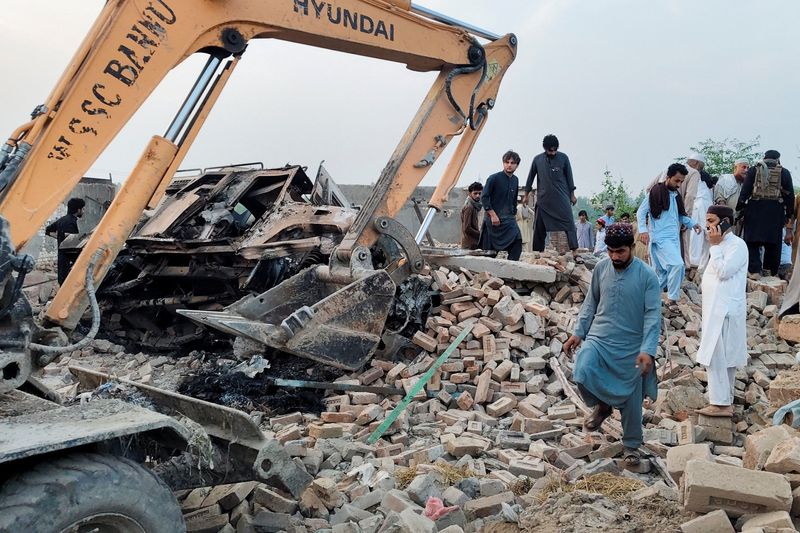

Car bombing and shootout kills 14 Pakistani police officers


The Value Investor has a Master of Science with specialization in financial markets and a decade of experience tracking companies via catalytic company events. As the leader of the investing group Value In Corporate Events they provide members with opportunities to capitalize on IPOs, mergers & acquisitions, earnings reports and changes in corporate capital allocation. Coverage includes 10 major events a month with an eye towards finding the best opportunities. Learn more.
Analyst’s Disclosure: I/we have no stock, option or similar derivative position in any of the companies mentioned, and no plans to initiate any such positions within the next 72 hours. I wrote this article myself, and it expresses my own opinions. I am not receiving compensation for it (other than from Seeking Alpha). I have no business relationship with any company whose stock is mentioned in this article.
Seeking Alpha’s Disclosure: Past performance is no guarantee of future results. No recommendation or advice is being given as to whether any investment is suitable for a particular investor. Any views or opinions expressed above may not reflect those of Seeking Alpha as a whole. Seeking Alpha is not a licensed securities dealer, broker or US investment adviser or investment bank. Our analysts are third party authors that include both professional investors and individual investors who may not be licensed or certified by any institute or regulatory body.

The Rs 35.32-crore IPO of the Gujarat-based manufacturer and trader of printed multilayer flexible packaging materials comprises a fresh issue of up to 70,65,000 equity shares of face value Rs 10 each, the company said in a statement.
The issue will open for subscription on Tuesday, May 12, 2026, and will close on Thursday, May 14, 2026, on the NSE SME platform. The anchor investor bidding will open on Monday, May 11, 2026.
RFBL Flexi Pack Ltd intends to utilise Rs 35 crore of the IPO proceeds for repayment/ prepayment, in full or part, of all or a portion of certain borrowings availed by the company, while the remaining funds will be used for general corporate purposes and issue expenses, according to the offer document.
The company is engaged in the manufacturing and trading of printed multilayer flexible packaging materials such as plastic film rolls and pouches used across diverse industries including food, pharmaceuticals, home care, and consumer products.
Grow House Wealth Management Pvt.Ltd. is the Book Running Lead Manager (BRLM) to the Issue, while Kfin Technologies Ltd is the Registrar to the Issue.

What Is PPF and Is It Worth It for Everyday Cars?
Bitcoin Investors Took More Profit as BTC Rallied to 3-Month High: CQ

Sky News Presenter Says Keir Starmer Is Not Waving But Drowning

Manchester United reach agreement with Casemiro over contract clause amid transfer speculation

US brings back mandatory military draft registration

Steven Gerrard disagrees with Gary Neville over ‘shock’ Chelsea and Arsenal claim | Football


-
 Crypto World2 days ago
HarrisX Poll Found 52% of Registered Voters Support the CLARITY Act
-

 NewsBeat7 days ago
Channel 5 – All Creatures Great and Small series 7 new post
-

 Crypto World3 days ago
Upbit adds B3 Korean won pair as Base token gains Korea access
-

 Fashion2 days ago
Weekend Open Thread: Marianne Dress
-

 Tech5 days ago
Image AI models now drive app growth, beating chatbot upgrades
-
 NewsBeat3 days ago
NCP car park operator enters administration putting 340 UK sites at risk of closure
-
 Business20 hours ago
Ignore market noise, India’s long-term story intact, say D-Street bulls Ramesh Damani and Sunil Singhania
-

 Business7 days ago
Winning Numbers Drawn as Jackpot Resets to $20 Million
-

 Politics1 day ago
Politics Home Article | Starmer Enters The Danger Zone
-

 Entertainment6 days ago
Olivia Wilde Reacts To Viral ‘Corpse’ Comparison
-

 Crypto World7 days ago
BlackRock Buys $284M In Bitcoin On May 1 As The Best Crypto To Invest In For 2026 Sits Below A Pending Binance Listing
-
 Sports7 days ago
IPL 2026: Gujarat Titans opt to bowl vs Punjab Kings; Nishant Sindhu handed debut | Cricket News
-

 Sports6 days ago
Inter Milan Win Serie A Title After Victory Over Parma
-

 Sports7 days ago
Kofi Kingston and Xavier Woods reportedly released by WWE along with others
-

 Crypto World5 days ago
UAE Free Zone Deploys Blockchain IDs to Verify Registered Firms
-

 Business7 days ago
Can LeBron James Lead LA Past OKC Without Injured Luka Doncic?
-
Entertainment6 days ago
Jennifer Lawrence’s Mary Jane Sneakers Are Spring’s It-Girl Shoe
-
 Sports6 days ago
Every word of Arne Slot’s heated rant after Manchester United win vs Liverpool
-

 Politics7 days ago
The Devil Wears Prada 2 Cast: How Do Their Premiere Looks Compare To The Original?
-

 Sports6 days ago
Joel Embiid urges Sixers fans not to sell playoff tickets to Knicks fans
You must be logged in to post a comment Login